The Upper Mustang Trek takes you through this stunning region. Offers a glimpse into a way of life tThe Upper Mustang Trek takes you through this stunning region. Offers a glimpse into a way of life that has been the same for centuries. The trek follows ancient trade routes through a barren, windswept landscape of eroded canyons, red cliffs, and soaring peaks.
You’ll pass through walled medieval towns and visit centuries-old monasteries, all while surrounded by breathtaking views of the Himalayas.
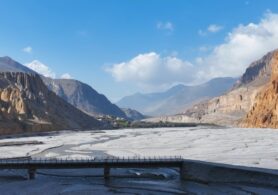
Upper Mustang, also popular in the “Forbidden Kingdom,” is a remote and rugged region of northern Nepal. It lies in the rain shadow of the Himalayas. This means that it receives very little rainfall, creating a desert-like landscape that is unique to the region.
The area was closed to foreigners until 1992 and still requires a special permit to visit. As a result, it has retained much of its traditional Tibetan culture and remains relatively untouched by modern development.
Trek to the forbidden kingdom
The trek typically takes around 10-14 days and requires a moderate level of fitness due to the altitude. It ranges from 2,800 meters to 4,200 meters.
Along the way, you’ll have the chance to experience the unique culture and hospitality of the local people, who still practice traditional trades such as weaving, pottery, and farming. Overall, the Upper Mustang Trek is a once-in-a-lifetime experience that offers a rare glimpse into an ancient and fascinating culture.
Nepal is a paradise for trekkers and hikers from around the world. The country has a range of treks, from easy walks to challenging expeditions, with stunning scenery and unique cultural experiences. Among the many trekking routes in Nepal, Upper Mustang Trek is one of the most fascinating and sought-after routes.
The trek to Upper Mustang takes you to a hidden and remote part of Nepal. You can experience the fascinating Tibetan culture., the walled city of Lo Manthang, and the forbidden kingdom. This blog will provide you with an in-depth guide to the Upper Mustang Trek.
About Upper Mustang Trek
The Upper Mustang Trek takes you through the forbidden kingdom of Mustang. It was opened to tourists in 1992. Mustang is a rain shadow area, which means that it receives little or no rainfall throughout the year.
As a result, the region has a unique landscape, with barren hills, deep gorges, and red rock formations. The trek also takes you through the Kali Gandaki River valley, which is the deepest gorge in the world.
Upper Mustang Trek Itinerary
The Upper Mustang Trek itinerary usually takes around 12 days, starting from Kathmandu. The trek starts with a flight to Pokhara and then to Jomsom, which is the starting point of the trek.
The trek takes you through Kagbeni, Chele, Syangboche, Charang, Lo Manthang, and Ghami, before ending in Jomsom. You will have to cross the La Pass, which is at an altitude of 3,800 meters, on the way.
Things you need to know before the upper mustang trek
Before embarking on the Upper Mustang Trek, there are a few things that you should keep in mind:
Permit Costs
The Upper Mustang region is a restricted area. All trekkers should obtain a special permit from the Nepalese government. These permits can be expensive and difficult to obtain, so it’s important to plan ahead.
The cost of the trekking permit for the Upper Mustang is relatively comparatively higher than other trekking routes in Nepal. The government of Nepal has set the permit fee at $500 per person.
In addition to the ACAP permit fee of $20. You will also have to pay a fee of $50 per person per day for a minimum of 10 days. The permit fees are used to maintain the infrastructure of the region and to promote tourism.
Altitude Sickness
Altitude sickness is a common problem that trekkers face in Nepal. As you climb higher, the air pressure decreases, which makes it difficult for your body to get enough oxygen.
This can lead to altitude sickness, which can be fatal if not treated in time. To avoid altitude sickness, it is important to acclimatize properly, drink plenty of water, and take it slow.
The trek reaches elevations of over 4,000 meters, which means that altitude sickness can be a concern. It’s important to acclimatize properly and take steps to avoid altitude sickness.
Weather
The Upper Mustang region is located in the rain shadow of the Himalayas. That makes it generally dry and arid. However, weather can still be unpredictable. So, the trekkers should be prepared for sudden changes in temperature and weather conditions.
Cultural Sensitivity
The Upper Mustang region is home to a unique blend of Tibetan and Nepalese cultures. It is important to be respectful of local customs and traditions. This includes dressing modestly, asking permission before taking photos, and being mindful of local taboos.
Circuit Treks
The Upper Mustang Trek is a circuit trek. This means that you will start and end the trek in the same place. This is different from point-to-point treks, where you start at one point and end at another. Circuit treks in Nepal are popular among trekkers, as they offer a variety of scenery and terrain.
Trekking Experience
The Upper Mustang Trek is a moderate trek. So, it is suitable for trekkers of all levels of experience. However, it is important to have some trekking experience, as you will be walking for around 6-7 hours a day. You will also have to carry your own backpack, which will include your personal belongings, sleeping bag, and other essentials.
Trekking Permits
To trek to Upper Mustang, you will need to obtain a special trekking permit. It is issued by the government of Nepal. The permit costs around $500 per person. And you will also have to pay an additional fee of $50 per person per day for a minimum of 10 days.
You will also need to obtain a permit from the Annapurna Conservation Area Project (ACAP), as the Upper Mustang region falls under the ACAP.
Personal Expenses
In addition to the permit costs, you will also have to pay for your personal expenses, such as food, accommodation, and transportation. The cost of food and accommodation on the trek is relatively high, as everything has to be brought in from outside.
You can expect to pay around $20-25 per day for food and accommodation. You will also have to rent a sleeping bag, which costs around $2-3 per day.
What will you come across in the Upper Mustang trek?
During the Upper Mustang Trek, you’ll come across a variety of incredible sights. Along with the experiences that are unique to this remote and rugged region of Nepal. The following are some of the trek’s highlights:
Ancient Monasteries
Upper Mustang is home to several ancient monasteries, some of which date back to the 8th century. You’ll have the opportunity to visit these monasteries and learn about the local Buddhist culture.
Tibetan Culture
The Upper Mustang region is home to a unique culture that is influenced by Tibetan traditions. The people of Mustang are called Loba, and they have their own language, customs, and traditions.
The region is also famous for its beautiful monasteries, Chortens, and prayer flags. The walled city of Lo Manthang is the highlight of the trek.
It is a well-preserved medieval town that has retained its traditional architecture and culture. The local people still practice traditional trades such as weaving, pottery, and farming. And they are popular for their warm hospitality.
Hot Shower
One of the challenges of trekking in Nepal is the lack of hot showers. Most guesthouses and teahouses do not have hot showers. And you will have to take a cold shower or wash with a bucket of hot water.
However, some guesthouses in the Upper Mustang region have installed solar-powered showers, which provide hot water. You can expect to pay a little extra for a hot shower. But it is worth it after a long day of trekking.
Walled City
The walled city of Lo Manthang is the highlight of the Upper Mustang Trek. The city is surrounded by high walls. These hills were built to protect the town from invaders.
Inside the walls, you will find narrow alleys, beautiful courtyards, and ancient palaces. The city is also home to the King’s Palace, which is the residence of the former king of Mustang.
As you trek through Upper Mustang, you’ll come across several walled medieval towns. This includes Lo Manthang, the former capital of the Kingdom of Mustang. These towns are full of narrow alleys, whitewashed mud-brick buildings, and traditional Tibetan-style architecture.
Rain Shadow Area
The Upper Mustang region is a rain shadow area. It means that it receives little or no rainfall throughout the year. The region lies in the Himalayan rain shadow. It is formed by the Annapurna and Dhaulagiri mountain ranges.
As a result, the region has a unique landscape, with barren hills, deep gorges, and red rock formations. This has created a unique desert-like landscape of eroded canyons, red cliffs, and soaring peaks
Natural beauty
Throughout the trek, breathtaking views of the Himalayas will be all around. That includes several peaks that are over 8,000 meters tall, such as Annapurna and Dhaulagiri.
FAQs
Do I need a special permit to trek in Upper Mustang?
Yes, all trekkers should obtain a special permit from the Nepalese government to enter the Upper Mustang region. The permit costs USD 500 per person for the first 10 days and USD 50 per person per day thereafter.
What is the highest elevation while on the trek?
The highest point on the Upper Mustang Trek is the Lo La Pass. It stands at an altitude of 3,950 meters above sea level.
What is the best time of year to trek in the Upper Mustang?
The best time to trek in Upper Mustang is from March to November. At this time, the weather is generally dry and mild. During the winter months, the region can become very cold and snowy, making trekking difficult.
Is it possible to do the Upper Mustang Trek as a circuit trek?
Yes, it is possible to do the Upper Mustang Trek as a circuit trek. This involves trekking in from Jomsom and trekking out via the Kali Gandaki Valley. This route takes around 16-18 days to complete.
What level of physical fitness do we require for the Upper Mustang Trek?
The Upper Mustang Trek is a moderate trek that requires a good level of physical fitness. Trekkers should prepare for long days of walking and should be comfortable hiking for 5-6 hours per day. In order to prevent altitude sickness, appropriate acclimatization is also crucial.
Conclusion
The Upper Mustang Trek is a unique and fascinating trek. It takes you through the hidden and remote parts of Nepal. The trek offers a unique cultural experience, with a glimpse into Tibetan culture.
Along with the walled city of Lo Manthang. However, the trek can be challenging, with high altitude and long walking days. It is important to prepare well and acclimatize properly to avoid altitude sickness.
The permit costs for the trek are also relatively high. But the fees are used to maintain the infrastructure of the region and to promote tourism. Overall, the Upper Mustang Trek is a must-do trek for anyone who wants to experience the hidden and remote parts of Nepal.Read more...Read less
Pokhara is a beautiful city located in the lap of the Himalayas. It is one of the most popular touriPokhara is a beautiful city located in the lap of the Himalayas. It is one of the most popular tourist destinations in Nepal. Known for its serene lakes, scenic views, and adventure sports, Pokhara has something to offer to every type of traveler. One of the major attractions in Pokhara is Pumdikot, a hill located on the eastern side of the city.
Pumdikot offers a unique combination of spiritual and scenic delights. This makes it a must-visit destination for tourists interested in religious tourism and day hikes.
Pumdikot is a popular destination for day hikes and is easily accessible from Lakeside Pokhara. The hike up the hill is not very challenging and can be completed in a few hours. Visitors can also explore the nearby villages and interact with the locals to get a glimpse of the local culture.
Pumdikot Pokhara trekking route
The Pumdikot trek is a relatively short but scenic trek that starts from Bijayapur Khola. It is located about a 30-minute drive from Pokhara. The trek is best done during the autumn season when the weather is dry and sunny, and the skies are clear. This provides an excellent view of the mountains and landscapes around Pumdikot.
On the first day of the trek, you’ll begin by ascending uphill for about 3 hours through lush green forests, terraced fields, and local villages. Along the way, you’ll enjoy stunning views of the Annapurna and Dhaulagiri mountain ranges.
The final destination for the day is Pumdikot. It is a small hill station that offers breathtaking panoramic views of the surrounding mountains. Here, you can spend the night in a basic teahouse and enjoy the views of the sunset and sunrise.
On the second day of the trek, you’ll start by descending downhill from Pumdikot. You’ll pass through more picturesque villages and terraced fields.
After about 3 hours of trekking, you’ll reach the village of Thulakot. It offers stunning views of the Fewa Lake and Pokhara Valley. From here, the trek descends further down to the Lakeside area of Pokhara. You can take a well-deserved rest and enjoy the beautiful surroundings.
While the Pumdikot trek is relatively easy and can be completed by beginners. It is essential to have a good level of fitness and prepare for the high altitude as you’ll be trekking up to 1,600 meters from sea level.
Similarly, the trek can be completed in two days, making it an ideal option for those who have limited time in Nepal. However, it’s recommended to hire a guide to ensure your safety and to make the most out of your trekking experience.
What is Pumdikot famous for?
There are several things that Pumdikot is famous for, including:
Trekking
Pumdikot is located near the popular trekking destination of the Annapurna Base Camp. This makes it a great starting point for trekkers. The hiking trail to Pumdikot is steep and rocky, but the views along the way are worth the effort. It usually takes about 3-4 hours to reach the top, depending on your pace and fitness level.
Natural beauty
The village is situated on a hill. It offers stunning views of the surrounding landscape. The nearby forests and waterfalls also make it a great place for nature lovers. There are several rest areas along the route where you may pause and take in the view.
Culture and heritage
Pumdikot is home to several temples and shrines, including the Pumdikot Bhagwati Temple. It is dedicated to the goddess Bhagwati. The village’s unique Newari architecture is another thing that sets it apart.
Agriculture
The area around Pumdikot is fertile and supports a thriving agriculture industry, with rice, wheat, and corn being the main crops. As you ascend, you’ll see terraced rice fields, traditional Nepalese houses, and lush green forests.
Overall, Pumdikot is a beautiful and culturally rich village that offers visitors a glimpse into rural Nepali life.
What is the best time to visit Pumdikot Pokhara?
The best time to visit Pumdikot in Pokhara is during the autumn season, which is from September to November. During this time, the weather is dry and sunny, and the skies are usually clear.
This provides excellent views of the mountains and landscapes around Pumdikot. The temperature is also mild and comfortable, making it ideal for trekking and outdoor activities.
In contrast, the winter months (December to February) can be quite cold, with occasional snowfall. This may make the trek difficult. The spring season (March to May) is also a good time to visit, but it can be quite busy due to the high number of tourists.
The summer months (June to August) are generally not the best for trekking in the region as the monsoon season brings heavy rainfall and low visibility. This makes it difficult to enjoy the scenic beauty of Pumdikot.
What will you come across in Pumdikot Pokhara?
Once you reach the summit of Pumdikot, you’ll be greeted with stunning panoramic views of Pokhara city and the surrounding mountains. On a clear day, you can see as far as the Annapurna range, including the iconic Machhapuchhre (Fishtail) peak.
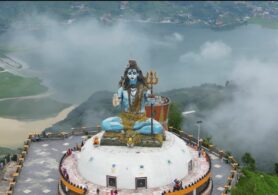
The view of the Phewa Lake from the top is also breathtaking. There’s a small temple dedicated to Lord Shiva at the summit, where you can offer prayers and seek blessings. The Pumdikot Shiva statue and the 108 Shiva Lingas are other major attractions here.
Aside from the religious significance, Pumdikot is also a popular tourist destination due to its stunning views and natural beauty. The World Peace Pagoda, which is a model of Mount Sumeru featuring the four-faced Buddha, is another attraction located nearby.
The view tower is another popular spot where you can get a bird’s eye view of the surrounding green hills and valleys.
For those interested in religious tourism, Pumdikot is a must-visit destination. The Shiva statue and the 108 Shiva Lingas are believed to have spiritual significance, and many devotees visit the place to offer prayers and seek blessings.
The Shiva Damaru, a musical instrument associated with Lord Shiva, is also present on the hill and adds to the spiritual aura of the place.
Pumdikot Shiva statue
The Pumdikot Shiva statue is a massive 51 feet tall and is the second Shiva statue in Nepal. It lies on a platform above the temple, and you can see it from a distance as you approach the summit.
The Lord Shiva statue is intricately carved and adorned with various symbols and ornaments. The 108 Shiva Lingas are located on the same platform as the statue, arranged in a circular pattern. Each linga represents a different manifestation of Lord Shiva and is sacred to devotees.
Apart from the Shiva statue and the scenic views, Pumdikot is also home to the World Peace Pagoda. The pagoda is a model of Mount Sumeru featuring Buddha and is a symbol of peace and unity. The pagoda offers panoramic views of the Annapurna range, Phewa lake, and Pokhara city.
The view tower on the hill is another major attraction and offers a bird’s eye view of the green hills and valleys.
The statue is a magnificent sight to behold and attracts a large number of devotees and tourists alike. The statue has 108 Shiva Lingas around it, adding to the spiritual significance of the place. The view of Pokhara city from the top of Pumdikot is breathtaking and is a major attraction for visitors.
FAQs
What is Pumdikot Pokhara Trek in Nepal?
Pumdikot Pokhara Trek is a scenic trekking route that offers stunning views of the Annapurna and Dhaulagiri mountain ranges in Nepal. The trek is relatively short and can be completed in around 5-6 days.
This makes it perfect for those who want to experience trekking in Nepal without committing to a longer expedition.
How difficult is the Pumdikot Pokhara Trek?
The Pumdikot Pokhara Trek is a moderate trek, with some steep uphill and downhill sections. However, it is not too challenging and can be completed by trekkers of all skill levels, including beginners. The trek usually involves around 5-6 hours of walking per day.
What is the best time to do the Pumdikot Pokhara Trek?
The best time to do the Pumdikot Pokhara Trek is from September to November and from March to May, as these months offer clear skies, mild temperatures, and dry weather conditions. However, the trek can be done throughout the year, except for the monsoon season from June to August.
What are the highlights of the Pumdikot Pokhara Trek?
The Pumdikot Pokhara Trek offers trekkers stunning views of the Annapurna and Dhaulagiri mountain ranges, as well as the beautiful Phewa Lake in Pokhara. Along the way, trekkers will also pass through charming villages, terraced fields, and rhododendron forests. The trek also offers the opportunity to experience Nepalese culture and hospitality.
Do I need a guide or porter for the Pumdikot Pokhara Trek?
While it is not mandatory to have a guide or porter for the Pumdikot Pokhara Trek, it is highly recommended. A guide can help with navigation and provide insights into the local culture and history. Also, a porter can carry your luggage, allowing you to enjoy the trek without the burden of a heavy backpack.
Conclusion
In conclusion, Pumdikot Pokhara is a must-visit destination for anyone interested in religious tourism or seeking a day hike with a magnificent view. The hike to the summit is challenging but rewarding, and the panoramic views from the top are breathtaking.
The Pumdikot Shiva statue and the 108 Shiva Lingas add to the religious significance of the place. The World Peace Pagoda and view tower offer additional attractions. Whether you’re a local or a foreign tourist, Pumdikot Pokhara is definitely worth a visit.
Pumdikot Pokhara is a unique destination that offers a combination of spiritual and scenic delights. The Pumdikot Shiva Statue, the World Peace Pagoda, and the view tower are major attractions. It offers breathtaking views of the city and the surrounding hills.
The hill is easily accessible from Lakeside Pokhara and is a popular destination for day hikes. Pumdikot is a must-visit destination for those interested in religious tourism. It is for sure that it will leave visitors with a sense of peace and tranquility.Read more...Read less
Kanchenjunga Base Camp Trek is one of the most fascinating trekking destinations in Nepal, which offKanchenjunga Base Camp Trek is one of the most fascinating trekking destinations in Nepal, which offers a thrilling and adventurous experience to the trekkers. Additionally, it is the third-highest mountain in the world, standing tall with an elevation of 8,586 meters above sea level.
Therefore, trekking to the base camp of this gigantic mountain provides an opportunity to explore the unspoiled natural beauty of the Kanchenjunga region.
In this blog, we will provide a comprehensive guide to the Kanchenjunga Base Camp Trek, including information about the trekking route, itinerary, key attractions, and other essential details. This will help trekkers plan their trip effectively and enjoy the trek to the fullest. So, let’s dive in!
Flight from Kathmandu to Bhadrapur: The Starting Point of Kanchenjunga Base Camp Trek
The Kanchenjunga Base Camp Trek starts with a flight from Kathmandu to Bhadrapur, which is the gateway to the Kanchenjunga region.
Once you arrive in Bhadrapur, which takes around an hour by air from Kathmandu, you will drive to Taplejung, which is the starting point of the trek. This scenic drive provides an opportunity to soak in the beautiful landscapes and enjoy the local culture.
Kanchenjunga Conservation Area: An Introduction
The Kanchenjunga Conservation Area is one of the major highlights of the Kanchenjunga Base Camp Trek. It is a protected area that covers an area of 2035 sq km and is home to a diverse range of flora and fauna.
The conservation area is also a habitat for several endangered species such as snow leopard, red panda, and musk deer.
Trekking Route: A Brief Overview
The Kanchenjunga Base Camp Trek is a long and challenging trek that covers a distance of around 120 km. The trekking route is divided into two parts – the north and south base camps.
The north base camp is situated in Tibet, while the south base camp is located in Nepal. In this trek, you will visit both the north and south base camps, offering a unique experience to the trekkers.
Day 1-5: The Trek Begins
The trek starts from Taplejung, and on the first day, you will trek to Chirwa, which is a small village located at an altitude of 1,270 meters. On the second day, you will trek to Sekathum, which is situated at an elevation of 1,660 meters.
Likewise, on the third day, you will trek to Amjilosa, which is located at an altitude of 2,510 meters. On the fourth and fifth days, you will trek to Gyabla and Ghunsa, respectively.
Day 6-10: Trekking to Kanchenjunga Base Camp
On the sixth day, you will trek to Kambachen, which is situated at an elevation of 4,050 meters.
Similarly, on the seventh day, you will rest in Kambachen to acclimate your body to the high altitude. On the eighth day, you will trek to Lhonak, which is located at an altitude of 4,790 meters.
Similarly, on the ninth day, you will trek to Pangpema, which is the north base camp of Kanchenjunga. The view of Kanchenjunga from Pangpema is breathtaking, and you will get an opportunity to see the Yalung glaciers from here. On the tenth day, you will trek back to Kambachen.
Day 11-17: Trekking to South Base Camp and Sinion La Pass
On the eleventh day of the trek, you will trek to Ghunsa, and the following day, you will proceed to Sele La Pass, which is situated at an altitude of 4,290 meters. Here, you will get a stunning view of the surrounding mountains, including the majestic Kanchenjunga.
Continuing the trek, on the thirteenth day, you will trek to Tseram, which is located at an elevation of 3,870 meters. This part of the trek is particularly beautiful, with breathtaking scenery and awe-inspiring mountain views.
After that, on the fourteenth day, you will trek to Ramche, which is the south base camp of Kanchenjunga. From Ramche, you will get a panoramic view of the Kanchenjunga Glacier and the surrounding mountains.
Finally, on the fifteenth day, you will trek back to Tseram, making it a challenging but rewarding experience.
On the sixteenth and seventeenth days, you will trek to Sinion La Pass and then to Gunsa. Sinion La Pass is the highest point of the trek, situated at an altitude of 4,610 meters. The trek to Sinion La Pass is steep uphill and requires a good level of physical fitness.
Day 18-22: Trekking Back to Taplejung
On the eighteenth day, you will trek to Kyapar, which is located at an elevation of 2,730 meters. Similarly, on the nineteenth day, you will trek to Sakathum. On the twentieth and twenty-first days, you will trek to Chirwa and Phurumbu, respectively. On the twenty-second day, you will trek back to Taplejung.
Key Attractions of Kanchenjunga Base Camp Trek
Kanchenjunga Glacier
The Kanchenjunga Glacier is one of the main attractions of the trek. It is a stunning glacier that offers a glimpse of the snow-capped peaks and the surrounding landscape.
Yalung Glaciers
The Yalung Glaciers are located near the north base camp of Kanchenjunga. They are a series of glaciers that offer a breathtaking view of the surrounding mountains.
North and South Base Camps
The Kanchenjunga Base Camp Trek offers an opportunity to visit both the north and south base camps of Kanchenjunga. The view of Kanchenjunga from both the base camps is simply mesmerizing.
Sinion La Pass
Sinion La Pass is the highest point of the trek and offers a spectacular view of the surrounding mountains. The trek to Sinion La Pass is challenging but highly rewarding.
Wildlife
The Kanchenjunga region is renowned for its diverse wildlife, with many rare and endangered species residing there, such as the snow leopard, musk deer, red panda, and Himalayan black bear.
As you trek through the region, you may have the opportunity to spot some of these fascinating creatures in their natural habitat.
Kanchenjunga Conservation Area
Certainly, as you embark on the Kanchenjunga Base Camp Trek, you will first have the opportunity to explore the Kanchenjunga Conservation Area, which is a protected region covering a vast area of 2,035 square kilometers.
In this unique ecosystem, you will witness a remarkable diversity of flora and fauna that flourishes within it, providing a breathtaking backdrop for your trekking adventure.
View of Kanchenjunga
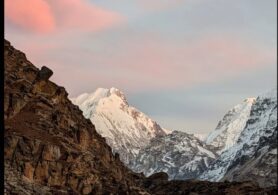
Of course, the main attraction of the trek is the view of Kanchenjunga itself. With an elevation of 8,586 meters, Kanchenjunga is the third-highest mountain in the world.
The view of Kanchenjunga from the base camps and the surrounding mountains is simply breathtaking.
Tips for the Kanchenjunga Base Camp Trek
Train for the trek
The Kanchenjunga Base Camp Trek is a challenging trek that requires a good level of physical fitness. Make sure to train for the trek in advance by doing regular cardio and strength training exercises.
Pack wisely
Make sure to pack all the essential items for the trek, including warm clothing, a sleeping bag, a first-aid kit, and a good pair of trekking shoes. Also, make sure to pack some snacks and water for the trek.
Acclimatize properly
JKL;\
It’s important to acclimatize properly during the trek to avoid altitude sickness. Make sure to take enough rest and drink plenty of water during the trek.
Respect the local culture
The Kanchenjunga region is home to several ethnic communities, including the Limbu, Rai, and Sherpa people. Make sure to respect the local culture and customs during the trek.
Follow the rules
The Kanchenjunga Conservation Area is a protected area, and it’s important to follow the rules and regulations set by the authorities. Make sure to take care of the environment and avoid littering during the trek.
What will you come across in the Kanchenjunga Base Camp Trek?
Here are the main things you will come across during the Kanchenjunga Base Camp Trek:
Forests including rhododendron, oak, and pine forests
It is best to walk to Kanchenjunga Base Camp during the months of March and May and September and November. During these months, the weather is relatively dry and stable, and the views are clear.
Is it a difficult trek?
Yes, the Kanchenjunga Base Camp Trek is a difficult trek that requires a good level of physical fitness and endurance. The trek involves steep uphill and downhill sections, and the altitude can be challenging.
Do I need a permit for the Kanchenjunga Base Camp Trek?
Yes, you need a special permit to enter the Kanchenjunga Conservation Area, which is a protected area. You also need a trekking permit from the Nepal Tourism Board.
Can I do the trek solo or do I need a guide?
It is mandatory to have a guide for the Kanchenjunga Base Camp Trek. The guide will help you navigate the trail, provide information about the local culture and environment, and ensure your safety during the trek.
What is the Kanchenjunga Base Camp Trek itinerary?
The Kanchenjunga Base Camp Trek itinerary typically takes around 22 days to complete. The journey to Taplejung begins with a flight from Kathmandu to Bhadrapur.
The trek then follows a circular route through several villages and mountain passes, visiting both the North and South Base Camps of Kanchenjunga. After the hike, a flight returns to Kathmandu.
Conclusion
The Kanchenjunga Base Camp Trek is challenging. However, it is a highly rewarding trek that offers an opportunity to explore the stunning landscape of the Kanchenjunga region. The trek offers a glimpse of the unique ecosystem of the Kanchenjunga Conservation Area.
Similarly, it also has stunning glaciers, wildlife, and mountains of the region. With proper training and preparation, anyone can undertake this trek and experience the beauty of the Kanchenjunga region.
So, if you’re up for a challenging adventure, pack your bags and head to the Kanchenjunga Base Camp Trek.
You May Also Like
Shey Phoksundo Lake is a natural wonder that offers a unique trekking experience through the breathtShey Phoksundo Lake is a natural wonder that offers a unique trekking experience through the breathtaking landscapes of Nepal’s Dolpa district. The trails pass through thick pine forests, wild rivers, and snow-capped mountains, offering spectacular views that are unmatched anywhere else in the world.
The highlight of the trek is undoubtedly the mesmerizing deep-blue and emerald hues of the Shey Phoksundo Lake, which is the deepest lake in Nepal and one of the most beautiful natural tourist destinations in the country.
This blog will take you on a journey through the stunning landscapes of the region where you will discover the unique Tibetan culture and diverse wildlife that call this place home. We will also guide you through the trek to the lake.
You can witness the turquoise waters of Shey Phoksundo and camp under the starry skies. Join us on this journey to explore the beauty and cultural richness of one of the most beautiful lakes in the world.
If you are a nature lover and an adventurer at heart, you need to add Shey Phoksundo Lake to your bucket list. Moreover, located in the Mid-Western part of Nepal, this lake is surrounded by the stunning landscapes of the Himalayas.
In addition to the natural wonders, the area around Shey Phoksundo Lake also offers a unique cultural experience. Traditional Tibetan culture prevails in upper Dolpo, while Buddhism and Bon are prevalent in lower Dolpo, including Ringmo village. Visitors can get a rare close look into traditional Bonpo culture at Ringmo and explore the cultural heritage of the area.
Therefore, in this blog, we will take you on a journey to Shey Phoksundo Lake, from your arrival in Kathmandu to the trek to the lake and the fascinating experiences you can have there.
Arriving in Kathmandu: Your Gateway to the Himalayas
To reach Shey Phoksundo Lake, you will first need to arrive in Kathmandu, Nepal’s capital city. Kathmandu is a vibrant and bustling city that will introduce you to Nepal’s rich culture and history. Take some time to explore the city’s temples, markets, and museums before embarking on your trek.
Fly to Nepalgunj: Your Starting Point
From Kathmandu, you will need to take a short domestic flight to Nepalgunj. Specifically, it is a city in western Nepal that serves as the starting point for the trek to Shey Phoksundo Lake. Additionally, Nepalgunj is situated on the southern border of Nepal and is known for its tropical climate and proximity to the Terai region. Once you arrive in Nepalgunj, you will need to take another short flight to Juphal, the starting point for the trek.
Trek to Phoksundo Lake: A Journey Through Tibetan Culture
The trek to Shey Phoksundo Lake is a 4-5 day journey. It takes you through the stunning landscapes of the Himalayas and introduces you to the unique Tibetan culture of the region. The trek starts in Juphal, and from there, you will walk north to the ranger station at Phoksundo Lake.
Shey Phoksundo National Park: Home to Diverse Wildlife
The trek to Shey Phoksundo Lake takes you through the Shey Phoksundo National Park. Notably, it is home to a diverse range of wildlife, including musk deer, snow leopards, and Himalayan Tahr. Furthermore, the park was established in 1984 to protect the unique ecosystem of the region. Therefore, it is one of the most remote and unspoiled areas of Nepal.
Phoksundo National Park Check Post: Your Entry Point
To enter the Shey Phoksundo National Park, you will need to pass through a check post at the park’s entrance. Here, you will need to show your trekking permit and pay a fee to enter the park. The check post is also a great place to get information about the trek and the park’s wildlife.
Bon Monastery: A Window into the Local Culture
As you trek through the region, you will come across many monasteries that offer a glimpse into the unique culture of the area. Furthermore, one of the most prominent monasteries in the region is the Bon Monastery. Specifically, it is located in the village of Ringmo.
Notably, the Bon religion is an ancient religion that predates Buddhism and is unique to Tibetan culture. Therefore, the Bon Monastery is a must-visit destination for anyone interested in learning about the region’s culture and history.
Maize Fields: A Feast for the Eyes
The trek to Shey Phoksundo Lake takes you through some of the most stunning landscapes of the Himalayas. Notably, this includes fields of maize that stretch as far as the eye can see.
Furthermore, these fields are a testament to the hard work and perseverance of the local people. Specifically, they have managed to cultivate the land in the harsh Himalayan environment.
Roop Ghar: A Unique Local Experience
As you trek through the region, you will come across many local villages that offer a unique insight into the daily lives of the people who live there.
Specifically, one such village is Roop Ghar, which is known for its traditional architecture and vibrant culture. Moreover, this is a great place to take a break from the trek and immerse yourself in the local culture.
Phoksundo Lake: A Turquoise Jewel in the Himalayas
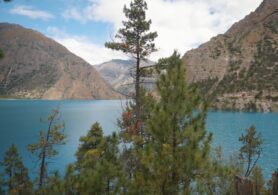
After 4-5 days of trekking through the stunning landscapes of the Himalayas, you will finally arrive at Shey Phoksundo Lake. It is one of the most beautiful and unique lakes in the world.
The lake is known for its turquoise color and is surrounded by snow-capped peaks, making it a photographer’s paradise.
Wildlife Spotting: A Thrilling Experience
One of the highlights of visiting Shey Phoksundo Lake is the opportunity to spot a diverse range of wildlife. The lake is home to musk deer, snow leopards, Himalayan tahr, and many other species.
Keep your eyes peeled for these animals during your trek, and you may be lucky enough to spot one.
Camping: A Unique Way to Experience the Lake
To fully appreciate the beauty and tranquility of Shey Phoksundo Lake, consider camping near the lake. There are several campsites around the lake. And camping is a great way to immerse yourself in the natural beauty of the area.
What will you come across on this trek?
Here are some of the things you will come across during the Shey Phoksundo Lake trek:
Fly to Juphal and trek to the starting point of the Shey Phoksundo Lake trek
The stunning landscapes of the Himalayas, including snow-capped peaks, lush forests, and rugged terrain
The unique Tibetan culture of the region, including traditional architecture and vibrant festivals
Several picturesque villages, including Roop Ghar, known for their traditional architecture and local culture
Shey Phoksundo National Park is home to diverse wildlife such as musk deer, snow leopards, and Himalayan tahr
Camping sites around the turquoise waters of Shey Phoksundo Lake
Bon Monastery, a significant religious site for followers of Bon, one of the oldest spiritual traditions of Tibet
Maize fields, where locals farm the staple crop of the region
North to the ranger station at Phoksundo Lake to complete the Phoksundo National Park check
National park check post, where you will need to show permits and pay the entry fee to the park
Opportunities to spot a diverse range of wildlife in their natural habitat, including musk deer, snow leopards, and Himalayan tahr.
FAQs
Here are five FAQs related to the Shey Phoksundo Lake trek:
How difficult is the trek to Shey Phoksundo Lake?
The trek to Shey Phoksundo Lake is considered to be moderately challenging, with several steep climbs and descents. It is recommended for trekkers with some previous experience and fitness levels.
What is the best time to visit Shey Phoksundo Lake?
The best time to visit Shey Phoksundo Lake is from September to November and from March to May when the weather is dry and the skies are clear.
The monsoon season from June to August is not recommended for trekking due to heavy rain and muddy trails.
Do I need a permit to trek to Shey Phoksundo Lake?
Yes, you will need to obtain a permit to trek to Shey Phoksundo Lake. Specifically, you will need to obtain a TIMS (Trekkers’ Information Management System) card and a Shey Phoksundo National Park entry permit from the Nepal Tourism Board or an authorized trekking agency.
Which kind of wildlife might I anticipate seeing on the trek?
The Shey Phoksundo National Park is home to a diverse range of wildlife. It includes musk deer, snow leopards, Himalayan tahr, and many other species.
While there is no guarantee of spotting these animals, keep your eyes peeled during the trek. You may be lucky enough to see them.
FSDA
Can I camp near Shey Phoksundo Lake?
Yes, there are several camping sites near Shey Phoksundo Lake. Camping is a great way to immerse yourself in the natural beauty of the area. It is recommended for a more authentic trekking experience.
Conclusion: A Journey of a Lifetime
The Shey Phoksundo Lake trek is a journey through one of the most beautiful and culturally rich regions of Nepal. Specifically, from the stunning landscapes of the Himalayas to the unique Tibetan culture, this trek offers a truly unforgettable experience.
Additionally, the turquoise waters of Shey Phoksundo Lake, surrounded by the rugged terrain and snow-capped peaks, are a sight to behold and are sure to leave you breathless. Moreover, the diverse wildlife and lush forests of the Shey Phoksundo National Park add to the charm of the trek.
While the trek may be challenging, the experience of camping under the starry skies and immersing yourself in the natural beauty of the area is well worth the effort. With proper planning, preparation, and a willingness to embrace the adventure, the Shey Phoksundo Lake trek can be an experience of a lifetime.
Overall, the Shey Phoksundo Lake trek is a perfect blend of natural beauty, adventure, and cultural immersion, offering something for everyone. Whether you are an experienced trekker or just looking for an adventure, this trek is sure to leave a lasting impression on your mind and soul.Read more...Read less
Introduction Welcome to the exhilarating world of the Everest Base Camp Trek, a captivating j
Introduction
Welcome to the exhilarating world of the Everest Base Camp Trek, a captivating journey that beckons adventurers from far and wide. Nestled amidst the awe-inspiring Himalayan range, this iconic trek offers a once-in-a-lifetime opportunity to witness the grandeur of Mount Everest, the tallest peak on the planet.
Nepal, with its stunning landscapes and Himalayan charm, has long been a magnet for trekkers and mountaineers seeking to immerse themselves in the natural splendor of the region.
The Route and Itinerary
Embarking on the Everest Base Camp Trek is a mesmerizing journey that unfolds day by day, immersing trekkers in the breathtaking landscapes and cultural wonders of the Khumbu region. Here’s a detailed day-by-day itinerary that highlights key locations and landmarks along the route:
Day 1: Arrival in Kathmandu
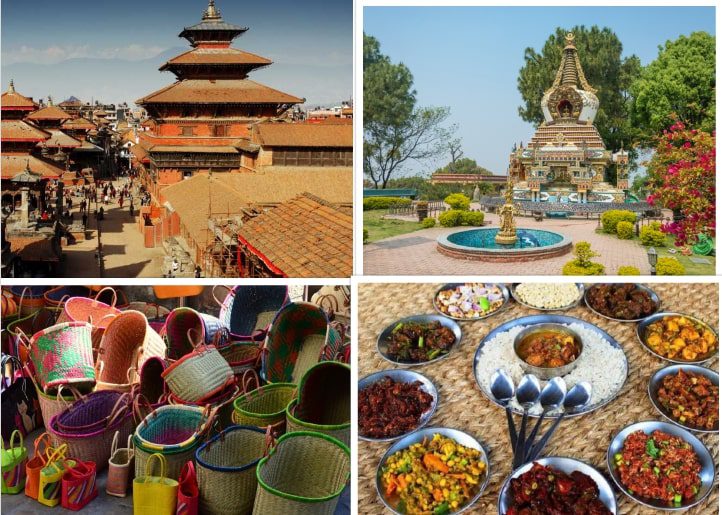
The journey begins in Kathmandu, Nepal’s vibrant capital city. After arrival, trekkers have a chance to explore the city’s cultural heritage, visiting ancient temples, bustling markets, and vibrant streets.
Day 2: Fly to Lukla and Trek to Phakding
An early morning flight takes trekkers to Lukla, a small mountain airstrip renowned for its dramatic landing. From Lukla, the trek commences with a descent to Phakding, a charming village located alongside the Dudh Koshi River.
Day 3: Trek to Namche Bazaar
The trail leads to Namche Bazaar, a bustling Sherpa town, and an essential acclimatization point. Furthermore, as trekkers ascend, they catch glimpses of Everest and other Himalayan peaks. Additionally, Namche Bazaar offers a perfect blend of cultural immersion and stunning mountain vistas.
Day 4: Acclimatization Day in Namche Bazaar
This day is dedicated to acclimatization. Trekkers can explore the town, visit the local markets, and hike to nearby viewpoints, gaining altitude gradually to adapt to the thinning air.
Day 5: Trek to Tengboche
The trail winds through rhododendron forests and crosses suspension bridges en route to Tengboche. This picturesque village houses the famous Tengboche Monastery, offering breathtaking panoramic views of Everest, Ama Dablam, and other peaks.
Day 6: Trek to Dingboche
The trek proceeds to Dingboche, a scenic village nestled in a high-altitude valley. Along the way, trekkers encounter captivating landscapes and get a sense of remote mountain life.
Day 7: Acclimatization Day in Dingboche
Another acclimatization day allows trekkers to explore Dingboche’s surroundings and hike to Nangkartshang Peak for mesmerizing views of Everest, Lhotse, and Makalu.
Day 8: Trek to Lobuche
The trail leads to Lobuche, where the terrain becomes more rugged and barren as trekkers approach the Everest region. The spectacular Khumbu Glacier comes into view, adding to the allure of the journey.
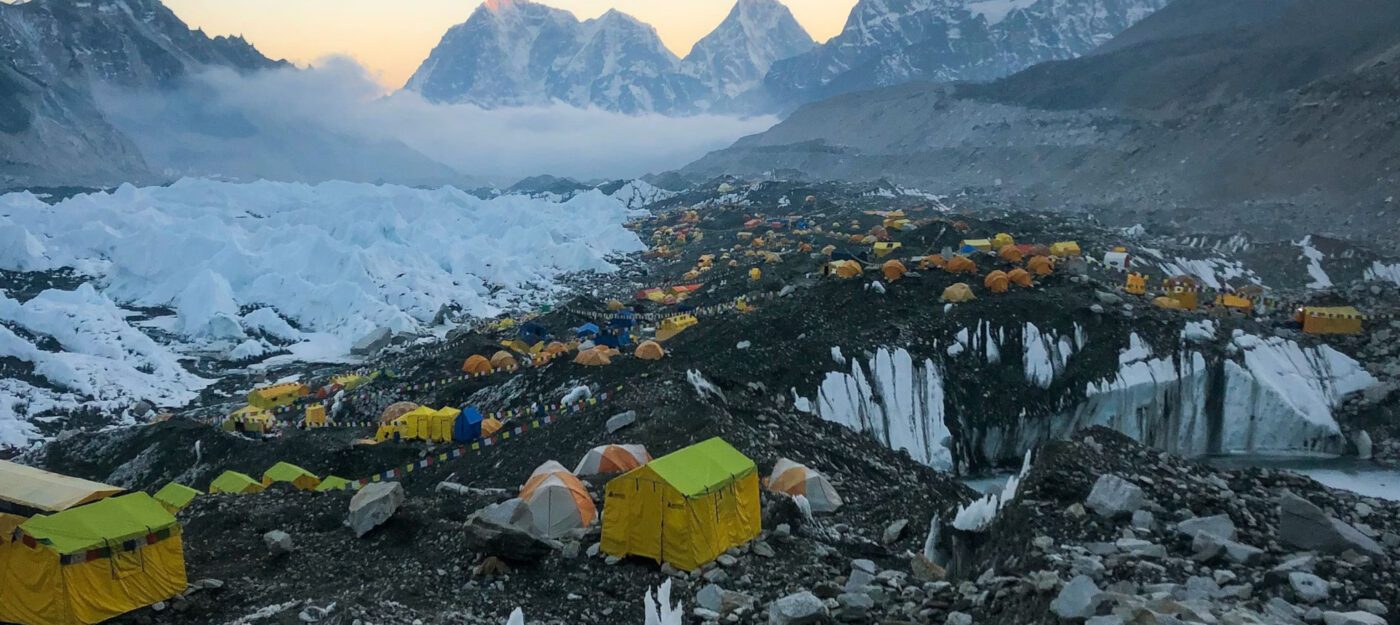
Day 9: Trek to Gorak Shep, Visit Everest Base Camp
On this day, trekkers hike to Gorak Shep, the last settlement before reaching Everest Base Camp. From Gorak Shep, they continue on an awe-inspiring journey to finally stand at the base of the world’s highest peak – Everest Base Camp.
Day 10: Hike to Kala Patthar and Descend to Pheriche
The early morning hike to Kala Patthar presents a stunning sunrise view over Everest and the surrounding peaks. After capturing the breathtaking scenery, trekkers descend to Pheriche for a well-deserved rest.
Day 11: Trek to Namche Bazaar
The return journey commences, taking trekkers back to Namche Bazaar through picturesque landscapes and charming villages.
Day 12: Trek to Lukla
The final leg of the trek leads back to Lukla, where trekkers bid farewell to the mountains and celebrate the completion of an unforgettable adventure.
Day 13: Fly to Kathmandu
A morning flight from Lukla brings trekkers back to Kathmandu, where they can reflect on the incredible journey and relish the memories of their Everest Base Camp Trek.
The Everest Base Camp Trek is a wondrous blend of natural beauty, cultural encounters, and personal triumphs, making it a once-in-a-lifetime experience for adventurers seeking to conquer the roof of the world.
Preparation and Packing:
Embarking on the Everest Base Camp Trek requires meticulous preparation and packing to ensure a safe and enjoyable journey. Here’s a comprehensive guide to the essential gear, clothing, and health considerations for this awe-inspiring adventure:
Essential Gear and Equipment
turdy and comfortable hiking boots with good ankle support are crucial for the varied terrain.
A well-fitted backpack with a capacity of 30-40 liters to carry personal belongings and essentials.
Sleeping bag rated for cold temperatures to ensure a comfortable rest at higher altitudes.
Trekking poles provide stability and reduce strain on knees during steep ascents and descents.
High-quality headlamp with spare batteries for navigating in the dark and early morning starts.
Water purification tablets or a water filtration system to ensure safe drinking water throughout the trek.
Durable and waterproof duffel bags protect gear from moisture during domestic flights and porters’ transport.
Packing Tips for Clothing and Accessories
Layering is key to managing varying weather conditions. Pack moisture-wicking base layers, insulating mid-layers, and a waterproof and windproof outer shell.
Quick-drying trekking pants and convertible pants are versatile options for varying temperatures and terrain.
Thermal gloves, a warm hat, and a buff or neck gaiter to protect against cold and windy conditions.
Sunglasses with UV protection and sunscreen with a high SPF to shield from intense mountain sun.
A wide-brimmed hat or cap to shield from the sun during long hours of trekking.
Comfortable and moisture-wicking socks to prevent blisters and keep feet dry.
High-altitude trekking requires warm clothing. Pack down jackets, down vests, and fleece layers for added warmth.
Lightweight and compact rain gear to stay dry during unexpected rain showers.
Health and Fitness Preparations
Consult with a healthcare professional before embarking on the trek to ensure that you are in good physical health for high-altitude trekking.
Regular cardiovascular exercises such as hiking, jogging, or cycling can help improve stamina and endurance.
Practice hiking with a loaded backpack to simulate the conditions of the trek and build strength.
Acclimatization is essential for a successful trek. Plan for acclimatization days during the journey to adjust to higher altitudes gradually.
Carry a basic first-aid kit with essential medications and supplies like pain relievers, blister pads, and antiseptic creams.
Preparing for the Everest Base Camp Trek is not only about physical readiness but also mental preparation.
The journey demands determination, resilience, and a spirit of adventure. Moreover, with proper gear, clothing, and fitness, along with a positive mindset, trekkers can embrace the challenges and triumphs of this unforgettable odyssey.
Furthermore, remember, the Everest Base Camp Trek is not just about reaching the destination; it’s about embracing the journey and immersing yourself in the magnificence of the Himalayas.
Best Time to Trek:
Trekking in the Everest region is a year-round possibility, but the timing of your journey can significantly impact your overall experience. Each season offers unique advantages and challenges, making it essential to consider the different trekking seasons before planning your Everest Base Camp adventure:
Spring Season (March to May)
Spring is one of the most popular and favorable seasons for the Everest Base Camp Trek. Additionally, the months of March to May bring mild temperatures, blooming rhododendron forests, and clear skies, offering trekkers breathtaking views of the surrounding peaks.
Moreover, the advantages of trekking in spring include pleasant weather, ideal trekking conditions, and vibrant landscapes. However, being the peak trekking season, trails and teahouses may be crowded, and advance bookings are recommended.
Autumn Season (September to November)
Autumn is another favored season for the Everest Base Camp Trek. September to November brings stable weather, crisp air, and excellent visibility, making it perfect for capturing stunning mountain vistas.
Trekkers can enjoy comfortable temperatures during the day and clear skies, which enhances the overall trekking experience. However, like spring, autumn is also a busy season, and popular teahouses can fill up quickly.
Monsoon Season (June to August)
The monsoon season brings heavy rainfall to the Everest region, making it the least preferred time for trekking. The disadvantages of trekking during monsoon include slippery trails, leeches, and limited mountain views due to cloudy skies.
Landslides and flight cancellations can also disrupt travel plans. While this season is not ideal for trekking, it can be an excellent time to explore the lush landscapes and unique cultural experiences of the lower altitudes.
Winter Season (December to February)
Winter brings cold temperatures and occasional snowfall to the Everest region. The advantages of trekking in winter include fewer crowds and a quieter atmosphere along the trails.
However, the cold temperatures can make high-altitude trekking challenging, and certain passes might be closed due to heavy snow. Winter trekkers must be well-prepared for freezing conditions and be cautious of potential hazards.
Recommended Months
For a comfortable and safe Everest Base Camp Trek experience, the best months are generally spring (March to May) and autumn (September to November). These seasons offer stable weather, pleasant temperatures, and breathtaking views, creating an ideal environment for an unforgettable journey. However, if you prefer a less crowded trek or wish to experience the monsoon landscapes, other months may also be considered.
Before setting out on the trek, always check the latest weather forecasts and trail conditions, and plan accordingly. Remember, the best time to trek is a personal choice, and each season has its unique charm in the ever-changing landscape of the Everest region.
Challenges and Safety:
The Everest Base Camp Trek is a thrilling adventure, but it also comes with its fair share of challenges. Trekkers must be well-prepared to face the high-altitude environment and unpredictable weather conditions. Here’s a comprehensive overview of the potential challenges and essential safety measures to ensure a safe and successful journey:
High Altitude and Acclimatization
One of the most significant challenges of the Everest Base Camp Trek is the high altitude. Furthermore, as trekkers ascend, the air becomes thinner, resulting in lower oxygen levels. Consequently, this can lead to Acute Mountain Sickness (AMS), a condition that affects trekkers differently. Therefore, it is crucial to include acclimatization days in the itinerary to give the body time to adapt to higher altitudes gradually.
Unpredictable Weather
The weather in the Himalayas can be highly unpredictable, especially in higher altitudes. Sunny days can quickly turn into rain or snow showers. Trekkers must be prepared for changing weather conditions and always carry waterproof and windproof clothing to stay dry and warm.
Physical Endurance and Stamina
The Everest Base Camp Trek involves long hours of walking on rugged terrain, including steep ascents and descents. Trekkers must have adequate physical endurance and stamina to cover daily distances and overcome challenging sections along the trail.
Remote and Limited Facilities
The trek takes trekkers into remote mountain regions where facilities can be basic. Access to medical facilities may be limited in higher altitudes, so carrying a well-stocked first-aid kit is essential.
Safety Measures and Precautions
To ensure a safe and enjoyable Everest Base Camp Trek, trekkers should keep the following safety measures in mind:
Acclimatization: Plan acclimatization days at higher altitudes to allow the body to adjust to reduced oxygen levels gradually.
Hydration: Stay well-hydrated throughout the trek, as proper hydration helps reduce the risk of AMS.
Listen to Your Body: Pay attention to any signs of altitude sickness, such as headaches, dizziness, or nausea. Descend to a lower altitude if symptoms persist or worsen.
Stay on the Designated Trail: Follow the marked trekking trail and avoid shortcuts or unmarked paths to reduce the risk of getting lost.
Trek with a Guide or Group: Hiring a licensed guide or trekking with a group can enhance safety and provide valuable support and knowledge throughout the journey.
Dress in Layers: Layer your clothing to adapt to changing weather conditions, ensuring you stay warm and dry.
Information about Acute Mountain Sickness (AMS)
AMS is a potential concern during the Everest Base Camp Trek, especially as trekkers reach higher altitudes. It is caused by the body’s inability to adapt quickly to reduced oxygen levels at high elevations. Symptoms of AMS include headaches, nausea, fatigue, and shortness of breath.
Prevention of AMS involves proper acclimatization, staying hydrated, and avoiding rapid ascents. If symptoms of AMS develop, it is crucial to descend to a lower altitude immediately. Carrying medications such as Diamox can be helpful, but it should only be used as a preventive measure under the guidance of a healthcare professional.
Cultural and Natural Highlights
The Everest Base Camp Trek is not only a journey through stunning landscapes but also a cultural immersion into the unique heritage of the Sherpa people and the natural wonders of the Sagarmatha National Park. Let’s delve into the rich cultural and natural highlights that make this trek an unforgettable experience:
Rich Culture and Traditions of the Sherpa People
The Everest region is deeply intertwined with the rich culture and traditions of the Sherpa community. Additionally, as trekkers traverse through charming Sherpa villages, they are greeted with warm smiles and a sense of hospitality that reflects the heart of the Himalayas.
Moreover, Sherpas are renowned for their mountaineering prowess and have been essential guides and climbers on Everest expeditions for decades. Furthermore, trekkers have the opportunity to witness firsthand the Sherpa way of life, experience their traditional dance and music, and gain insight into their Buddhist practices and beliefs.
Significant Monasteries and Religious Sites
The trail to Everest Base Camp is adorned with numerous monasteries and religious sites that hold deep spiritual significance for the local communities. Furthermore, the Tengboche Monastery is one such prominent site, perched atop a hill with panoramic views of Everest and Ama Dablam.
Moreover, trekkers may have the opportunity to witness the daily rituals and ceremonies performed by the resident monks, adding a spiritual dimension to the journey.
Diverse Flora and Fauna in Sagarmatha National Park
The Sagarmatha National Park, a UNESCO World Heritage Site, is home to a diverse range of flora and fauna that thrives in this pristine high-altitude environment. As trekkers ascend through the park, they encounter lush rhododendron forests, silver fir, juniper, and blue pine trees.
The region is also known for its elusive wildlife, including the Himalayan Thar, musk deer, and various species of pheasants. Birdwatchers can spot colorful avian species like the Danphe (Nepal’s national bird) and the majestic Lammergeier.
Unique Alpine Flora
As trekkers approach higher elevations, they enter the realm of the unique alpine flora, where only resilient plant species can survive. These alpine meadows burst with vibrant hues during the spring, carpeting the landscape with wildflowers and dwarf rhododendron blooms.
Pristine Glacial Lakes
The Everest region is adorned with pristine glacial lakes that mirror the surrounding mountains. Gokyo Lakes, a series of turquoise-hued lakes nestled amidst the snow-capped peaks, stands as a breathtaking highlight of the trek. The trek to Gokyo also offers incredible views of the Ngozumpa Glacier, the largest glacier in the Himalayas.
The cultural and natural highlights of the Everest Base Camp Trek create a profound connection with the Himalayan landscape and the Sherpa way of life. The trek is not merely a physical endeavor but also a soul-stirring experience that immerses trekkers in the beauty and spirituality of the region.
Guided vs. Solo Trek
The choice between joining a guided group and trekking solo is a crucial decision that can greatly impact your Everest Base Camp experience. Each option offers unique advantages and challenges, and it ultimately depends on your preferences, experience level, and comfort with the unknown. Let’s explore the pros and cons of both choices and share the personal experiences of trekkers who have opted for each option:
Guided Trek
Pros
Safety and Support: Joining a guided group provides an added layer of safety and support. Experienced guides are well-versed in the terrain, weather conditions, and potential risks, ensuring a safer trekking experience.
Local Knowledge and Insights: Trekking with a guide offers the opportunity to gain insights into local culture, traditions, and wildlife from someone intimately familiar with the region.
Group Camaraderie: Being part of a guided group fosters a sense of camaraderie among trekkers, providing a support system during challenging sections of the trek.
Logistical Convenience: The trekking company takes care of logistics, permits, accommodations, and meals, allowing trekkers to focus on the journey without worrying about the details.
Cons
Limited Flexibility: Being part of a guided group may mean adhering to a fixed itinerary, leaving less room for spontaneous detours or additional exploration.
Cost: Guided treks generally come at a higher cost due to the inclusion of services and support.
Solo Trek
Pros
Complete Freedom: Trekking solo offers the freedom to set your own pace, itinerary, and rest days, allowing you to fully immerse yourself in the experience at your own leisure.
Personal Challenge: Solo trekking can be a deeply personal and rewarding challenge, pushing you to rely on your own skills and decision-making abilities.
Cultural Immersion: Traveling alone often opens up opportunities for deeper connections with local communities, fostering a more authentic cultural immersion.
Cons
Safety Risks: Trekking solo carries inherent safety risks, especially in remote and high-altitude areas. Quick access to help or assistance may be limited in case of emergencies.
Logistics and Planning: Organizing permits, accommodations, and meals can be more challenging and time-consuming without the support of a trekking company or guide.
Loneliness: Trekking alone can sometimes be lonely, particularly during long stretches of solitude on the trail.
Personal Experiences
Some trekkers who have chosen guided groups share that having a guide offered peace of mind, as they felt safer and more informed about the surroundings.
Tips for Choosing the Right Trekking Company or Guide:
Research and Reviews: Look for reputable trekking companies with positive reviews and testimonials from previous clients.
Experience and Expertise: Choose guides with extensive experience in leading Everest Base Camp treks and ample knowledge of the region.
Safety Measures: Inquire about the safety protocols and emergency procedures followed by the trekking company.
Group Size: Consider the group size and ensure it aligns with your preferences for group dynamics and personal attention.
Budget and Inclusions: Compare the costs and services offered by different trekking companies to find the best fit for your budget and needs.
Ultimately, the decision between a guided group and a trekking solo depends on your comfort level, experience, and objectives for the journey.
Budget and Cost
The Everest Base Camp Trek is a dream journey for many, but understanding the expenses involved is crucial for planning a successful and affordable trip. Here’s a breakdown of the expenses for the Everest Base Camp Trek, along with a cost comparison between guided and solo treks, and tips for budget-conscious travelers:
Breakdown of Expenses for the Everest Base Camp Trek
Flights: The major expenses for international travelers are flights to Kathmandu, Nepal, and a domestic flight from Kathmandu to Lukla, the starting point of the trek.
Permits: Trekkers need two permits – the Sagarmatha National Park Permit and the TIMS (Trekkers’ Information Management System) Card.
Accommodation: Tea houses along the trek route provide basic lodging facilities at varying costs.
Meals: Food expenses include breakfast, lunch, and dinner at tea houses or lodges. Prices increase as you ascend to higher altitudes due to transportation costs.
Guide and Porter (if applicable): Hiring a licensed guide or porter incurs an additional cost, but they provide valuable support and assistance during the trek.
Cost Comparison between Guided and Solo Treks
Guided Trek: The cost of a guided trek typically includes permits, domestic flights, accommodation, meals, guide fees, and sometimes, porter fees. Guided treks can range from $1200 to $2500 or more, depending on the services offered, group size, and duration of the trek.
Solo Trek: Solo trekkers have more control over their expenses, but they still need to cover the costs of permits, domestic flights, accommodation, meals, and any additional gear or equipment. Solo treks can cost anywhere from $800 to $1500 or more, depending on personal preferences and choices.
Tips for Budget-Conscious Travelers
Plan in Advance: Booking flights and accommodations early can help secure better deals and save costs.
Travel in Shoulder Season: Consider trekking in the shoulder seasons of spring (March to May) or autumn (September to November) when the weather is favorable, and the trails are less crowded.
Skip Expensive Extras: Avoid unnecessary expenses and opt for standard meals and accommodations instead of luxury options.
Carry Snacks and Water Purification: Bringing snacks and water purification tablets can save money on tea house meals and bottled water.
Share Costs: If trekking with others, consider sharing costs for guides and porters, which can reduce individual expenses.
Remember that while budgeting is essential, the Everest Base Camp Trek is a once-in-a-lifetime adventure. Some expenses are worth the investment for safety, support, and an enriching experience. It’s essential to strike a balance between budget-conscious decisions and ensuring you have the necessary resources to enjoy the journey to the fullest.
Experiences and Stories
The Everest Base Camp Trek is a transformative journey. It leaves trekkers with indelible memories and a profound sense of achievement. Let’s explore some real-life experiences and testimonials that capture the essence of this extraordinary adventure:
Testimonial
“My journey to Everest Base Camp was a life-altering experience. Additionally, the raw beauty of the Himalayas, the warmth of the Sherpa community, and the camaraderie among fellow trekkers created an indelible mark on my heart. Moreover, standing at the base of the world’s highest peak was an awe-inspiring moment that words cannot fully describe.”
A Serendipitous Encounter
During the trek, I met a seasoned mountaineer named Raj, who had summited Everest multiple times. He generously shared his wisdom and insights, making the journey even more meaningful. Our chance meeting was serendipitous, as he inspired me to push my boundaries and embrace the mountains with newfound fervor.
Finding Inner Strength
As the trail got steeper and oxygen scarcer, doubts crept into my mind. But with the support of our encouraging guide, Tenzing, and the resilience of my fellow trekkers, I tapped into a well of inner strength I never knew existed. Each step became a triumph, and I learned that true strength lies in perseverance and a steadfast spirit.
Overcoming Fears
Crossing the treacherous Khumbu Icefall was a daunting prospect. But with expert guidance and determination, I mustered the courage to navigate through the icy labyrinth. Conquering that fear instilled a newfound sense of self-belief, empowering me to tackle challenges beyond the mountains.
The Everest Base Camp trek was a rollercoaster of emotions, pushing me to my limits and beyond. The memories of this extraordinary adventure will forever remain etched in my soul. It will inspire me to embrace life’s greatest adventures fearlessly.
Inspiration for Readers
The Everest Base Camp Trek is more than just a physical journey; it’s an odyssey of self-discovery, connection, and perseverance.
The experiences and stories of trekkers highlight the transformative power of the mountains, inspiring readers to undertake their own adventures. Furthermore, the mountains beckon, inviting you to embrace the unknown, challenge your limits, and discover the strength within.
Additionally, the Everest Base Camp Trek is a canvas where dreams are painted and souls are ignited. Moreover, from the majestic peaks to the warm smiles of the Sherpa people, every step unveils a new chapter of the journey. Whether you seek adventure, personal growth, or a chance to forge lifelong friendships, the mountains have something extraordinary in store for you.
In conclusion, the Everest Base Camp Trek is a remarkable journey that captivates the hearts of adventurers from around the world. From the majestic peaks to the rich Sherpa culture, every step of the trek offers a tapestry of experiences that stay etched in the memories of those who embark on this extraordinary adventure.
Whether you choose to join a guided group or trek solo, the mountains provide a backdrop for personal growth, connection, and self-discovery. As trekkers stand at the base of the world’s highest peak, a sense of awe and accomplishment envelops them.
Additionally, this leaves them forever transformed by the grandeur of the Himalayas. Moreover, the Everest Base Camp Trek is not just a destination; it’s a profound journey of the soul. Furthermore, it is inspiring each traveler to embrace the unknown and savor the triumphs that lie beyond the horizon.Read more...Read less
Kathmandu, the capital city of Nepal, is a vibrant and bustling metropolis located in the heart of tKathmandu, the capital city of Nepal, is a vibrant and bustling metropolis located in the heart of the country. Furthermore, in this ultimate guide to Kathmandu, we will take a deep dive into the city’s history, culture, and attractions, providing you with everything you need to know to make the most of your visit.
Whether you are a first-time visitor or a seasoned traveler, our comprehensive guide will ensure that you experience the best that Kathmandu has to offer.
Overview of Kathmandu City
Given that Kathmandu has a population of over 1.5 million people, it is the largest city in Nepal and serves as a melting pot of cultures, traditions, and religions.
Additionally, it is renowned for its remarkable architecture, rich history, and breathtaking scenery, making it a desirable destination for tourists from all around the world.
Importance of Kathmandu as the Capital City of Nepal
As the capital city of Nepal, Kathmandu plays a crucial role in the country’s economy, politics, and culture. It is the seat of the government, home to the country’s most important institutions and landmarks, and a hub for business and commerce.
Moreover, Kathmandu is also a center for art, music, and literature, and is a cultural and spiritual hub for the Nepali people.
History of Kathmandu City
Kathmandu has a rich and fascinating history that spans over 2,000 years. In this section, we will explore the city’s ancient history, the rise of the Malla dynasty, and the modernization of Kathmandu under the Shah dynasty.
The ancient history of Kathmandu
The earliest known settlement in the Kathmandu Valley dates back to the 2nd century BCE when the Kirati people established their kingdom in the region.
The Licchavi dynasty ruled from the 3rd to the 9th century CE. They were responsible for building many of the city’s iconic temples and monuments. This includes the Swayambhunath stupa and the Pashupatinath temple.
The rise of the Malla dynasty in Kathmandu
In the 12th century, the Malla dynasty came to power in Kathmandu, ushering in a period of great prosperity and artistic achievement.
The Malla rulers were patrons of the arts and sciences, and under their patronage, Kathmandu became a center for literature, music, and architecture. Many of the city’s most famous landmarks, including the Durbar Square and the Taleju temple, were built during this time.
The Shah Dynasty and the Modernization of Kathmandu City
In the 18th century, the Shah dynasty came to power in Nepal, and Kathmandu became the capital city of the unified Nepali state. The Shah rulers were responsible for modernizing the city, introducing new technologies and infrastructure such as roads, electricity, and telephone lines.
They also built the Hanuman Dhoka palace complex, which served as the royal residence and administrative center of the country. Today, Kathmandu continues to be a center for culture, commerce, and innovation, and its rich history can be seen in its stunning architecture and monuments.
Geographical Features of Kathmandu City
Kathmandu is a city located in the central part of Nepal, in the Kathmandu Valley. In this section, we will explore the location and boundaries of Kathmandu, the topography of the city, and the climate of the region.
Location and boundaries of Kathmandu
Kathmandu is in the central part of Nepal, at an altitude of 1,400 meters above sea level. The city is surrounded by hills on three sides, and the Bagmati River runs through the city.
Moreover, four major mountain ranges surround the Kathmandu Valley: the Shivapuri Nagarjun National Park to the north, the Langtang National Park to the north-east, the Chitwan National Park to the south-west, and the Makalu Barun National Park to the east.
Topography of Kathmandu
The topography of Kathmandu is characterized by a series of hills and valleys, which give the city its unique landscape.
The hills around the city are covered in forests, and many of them have been developed into parks and nature reserves. The Bagmati River runs through the city, and its tributaries provide water for irrigation and drinking.
The climate of Kathmandu
Kathmandu’s climate is characterized by four distinct seasons, each with its unique weather patterns. During the summer months from May to September, the city experiences hot and muggy weather with temperature ranges between 20°C to 35°C.
However, this season also brings along the monsoon season, which starts in June and lasts until September. The monsoon season is often marked by heavy rain and occasional floods.
As the summer season comes to an end, the winter months from November to February begin. These months are generally cold and dry, with temperatures ranging from 0°C to 20°C.
On the other hand, the spring and autumn months from March to May and from October to November respectively, are mild and pleasant. During these months, temperatures range from 15°C to 25°C, making it an ideal time to visit Kathmandu.
Cultural Heritage of Kathmandu
Kathmandu has a rich cultural heritage that dates back thousands of years. In this section, we will explore the UNESCO World Heritage Sites in Kathmandu and the religious and cultural festivals celebrated in the city.
UNESCO World Heritage Sites in Kathmandu
Undoubtedly, Kathmandu has a rich cultural heritage. This is evidenced by the seven UNESCO World Heritage Sites located within the city.
Firstly, the Durbar Squares of Kathmandu, Patan, and Bhaktapur are a testament to the city’s historical and cultural significance. Secondly, the Buddhist stupa of Swayambhunath and the Hindu temples of Pashupatinath and Changu Narayan are important religious landmarks that attract visitors from all over the world.
Lastly, the Hanuman Dhoka Palace complex is another must-visit site for those interested in the city’s history and architecture.
These sites serve as excellent examples of traditional Nepalese architecture and art. They showcase the intricate details and craftsmanship that went into building these structures centuries ago.
Visitors can witness the fusion of Hindu and Buddhist art and architecture at these sites. Furthermore, these sites highlight the religious and cultural diversity of Kathmandu, making it a unique destination for tourists seeking an immersive cultural experience.
Overall, Kathmandu’s cultural heritage is a significant contributor to the city’s identity as a cultural and economic center in Nepal.
It is essential to preserve and promote these sites while also encouraging sustainable development in the city. By doing so, we can ensure that future generations can continue to appreciate and learn from Kathmandu’s rich cultural heritage.
Religious and cultural festivals celebrated in Kathmandu City
Kathmandu is a city with a rich tradition of religious and cultural festivals. The city’s diverse population celebrates festivals from various religions and cultures, making it a colorful and vibrant place to visit. Some of the most popular festivals celebrated in Kathmandu include:
Dashain: The greatest and most significant event in Nepal is Dashain. It is a 15-day celebration that falls in September or October and is dedicated to the goddess Durga. During this festival, people gather with their families and friends to exchange gifts, eat delicious food, and worship the goddess.
Tihar: Also known as the festival of lights, Tihar is a five-day festival that falls in October or November. It is dedicated to various deities, including the goddess of wealth and the god of death. During this festival, people decorate their homes with lights and flowers, offer prayers to the gods, and enjoy feasts with their families.
Holi: Holi is a festival of colors and is celebrated in March or April. It is a dedication to the god of love, and people celebrate by throwing color powder at each other.
Buddha Jayanti: This festival is celebrated in May and is dedicated to the birth, enlightenment, and death of Buddha. During this festival, people visit Buddhist temples and perform prayers and offerings.
These festivals are just a few examples of the rich cultural heritage of Kathmandu. Visitors to the city can experience the vibrant traditions and customs of the Nepalese people by attending these festivals and exploring the city’s landmarks and monuments.
Traditional Crafts and Handicrafts in Kathmandu City
Kathmandu is very famous for its traditional crafts and handicrafts. It has been passed down from generation to generation. In this section, we will explore the various traditional crafts and handicrafts in Kathmandu and their significance.
Traditional Crafts and Handicrafts
Kathmandu is home to many skilled artisans who specialize in a variety of traditional crafts and handicrafts. These include pottery, woodcarving, metalwork, weaving, and painting. The traditional crafts of Kathmandu are not only beautiful but also have significant cultural and religious significance.
For example, pottery is used to make traditional oil lamps that are used during religious ceremonies, while woodcarving is used to create intricate designs on temples and buildings.
Modernization and Development in Kathmandu
Over the past few decades, Kathmandu has undergone significant modernization and development. This has led to changes in the city’s economic, infrastructure, and urbanization sectors.
Economic Development in Kathmandu City
The economic development of Kathmandu has been driven by the growth of tourism and the expansion of the service sector.
This has led to the development of hotels, restaurants, and other businesses that cater to tourists. The city has also become a hub for trade and commerce, with many local and international businesses setting up operations in the city.
Infrastructure Development in Kathmandu City
In addition to the construction of new roads and highways, the expansion of communication networks and the availability of high-speed internet have also played a crucial role in the development of the city.
With these improvements, businesses can now operate more efficiently, and individuals can easily access information from anywhere in the city. Moreover, the government has also taken steps to improve public services such as healthcare, education, and sanitation.
These efforts have contributed to making Kathmandu a more livable and attractive city for both its residents and visitors. Moreover, the expansion of communication networks and the availability of high-speed internet has made it easier for businesses to operate and for individuals to access information.
These infrastructure developments have played a crucial role in positioning Kathmandu as a vibrant and modern city with immense potential for growth and progress.
Urbanization and Population Growth in Kathmandu City
The urbanization and population growth in Kathmandu have led to the expansion of the city’s boundaries and the development of new residential areas. This has also led to the growth of informal settlements and the strain on public services such as water and sanitation.
The government has implemented policies to manage urbanization and population growth. This includes the development of new housing projects and the expansion of public services.
Tourism in Kathmandu City
Tourism is a vital industry in Kathmandu, contributing significantly to the city’s economy. In this section, we will explore the various aspects of tourism in Kathmandu.
Popular Tourist Attractions in Kathmandu
Kathmandu is home to several popular tourist attractions that showcase the city’s rich cultural and religious heritage. The UNESCO World Heritage Sites of Kathmandu Durbar Square, Swayambhunath Stupa (also known as the Monkey Temple), Boudhanath Stupa, and Pashupatinath Temple are some of the most visited tourist destinations in the city.
These sites attract both domestic and international tourists, who come to marvel at their architecture, history, and significance.
Adventure Tourism in Kathmandu
Adventure tourism is also a significant aspect of tourism in Kathmandu. The city is a gateway to the Himalayan region. It is popular among adventure seekers who come to trek, hike, and climb mountains. The nearby hills of Nagarjun, Shivapuri, and Chandragiri offer hiking and trekking opportunities.
The nearby Langtang and Everest regions are popular among mountaineers. Additionally, the city is home to several adventure sports operators who offer activities such as bungee jumping, paragliding, and rafting.
Accommodation and Hospitality Industry in Kathmandu City
The accommodation and hospitality industry in Kathmandu has developed significantly to cater to the growing number of tourists. The city has a wide range of accommodation options, ranging from budget guest houses and hostels to luxurious hotels and resorts.
The hospitality industry in Kathmandu is famous for its warm hospitality and friendly service, which reflects the city’s cultural values.
Food and Drink in Kathmandu City
Kathmandu’s food scene is a reflection of the city’s diverse cultural heritage, with influences from Nepal, Tibet, and India. In this section, we will explore the traditional cuisine of Kathmandu, popular street food, and local drinks and beverages.
Traditional Cuisine of Kathmandu
Undoubtedly, Kathmandu’s culinary scene is unique and diverse, which is a testament to the city’s cultural and geographical influences. For instance, momos, which are steamed or fried dumplings filled with buffalo meat or vegetables, are one of the most popular dishes in Kathmandu.
Another classic dish is dal bhat, which is a lentil soup served with rice and vegetables. For those who prefer noodles, chow mein is a popular stir-fried noodle dish that is commonly available in the city.
Newari cuisine, the cuisine of the indigenous Newar community, is also popular in Kathmandu. Dishes such as Kwati (a mixed bean soup), Bara (a lentil-based pancake), and Yomari (a sweet dumpling filled with Chaku, a sweet paste made from molasses).
Popular Street Food in Kathmandu City
Kathmandu’s streets are bustling with vendors selling a variety of snacks and street food. Some of the popular street food in Kathmandu includes momos, chaat (a savory snack made with potatoes, chickpeas, and spices), samosas (deep-fried pastry filled with vegetables or meat), and Sekuwa (grilled meat). Additionally, fruit chaat (fruit salad mixed with spices and chutneys) and lassi (a yogurt-based drink) are popular refreshments during the hot summer months.
Local Drinks and Beverages in Kathmandu
Kathmandu is home to several local drinks and beverages, some of which have medicinal properties. Chhaang, a fermented drink made from millet or barley, is a popular drink in Kathmandu, particularly during festivals and celebrations.
Aila, a distilled liquor made from rice or millet, is also popular among locals. Butter tea, also known as po cha, is a traditional Tibetan drink mixing tea leaves with yak butter, salt, and milk.
Education and Research in Kathmandu
Kathmandu is a hub for education and research in Nepal. A number of institutions offer higher education and research opportunities. In this section, we will explore higher education in Kathmandu, research institutions and centers, and the role of education and research in the development of Kathmandu.
Higher Education in Kathmandu
Kathmandu has several institutions of higher education, including Tribhuvan University, Kathmandu University, and Nepal Sanskrit University.
These universities offer a range of undergraduate and graduate programs in fields such as business, engineering, medicine, and social sciences. Additionally, several private colleges and universities have also emerged in recent years, providing students with more options for higher education.
Research Institutions and Centers in Kathmandu
Kathmandu is also home to several research institutions and centers, such as the Nepal Academy of Science and Technology, the Central Department of Environmental Science at Tribhuvan University, and the International Centre for Integrated Mountain Development.
These institutions conduct research on a wide range of topics, including climate change, natural resource management, and public health.
The Role of Education and Research in the Development of Kathmandu
Education and research play a critical role in the development of Kathmandu. Higher education institutions equip students with the skills and knowledge necessary to become skilled professionals, entrepreneurs, and leaders in their communities.
Additionally, research institutions and centers provide policymakers and other stakeholders with evidence-based information that can inform policies and strategies for sustainable development.
Health and Wellbeing in Kathmandu
Kathmandu has made significant progress in the provision of healthcare services over the years. However, there is still a significant disparity between urban and rural areas.
In this section, we will explore healthcare facilities in Kathmandu, traditional healing practices, and the impact of modernization on health and well-being.
Healthcare Facilities in Kathmandu
Kathmandu has several public and private hospitals, health clinics, and medical centers. These facilities provide a range of services, including primary healthcare, emergency care, and specialized treatments.
The government has also established several health centers and clinics that provide affordable healthcare to the city’s low-income residents.
Traditional Healing Practices in Kathmandu
Traditional healing practices have been an integral part of Nepalese culture for centuries. These practices are still widely used in Kathmandu and include Ayurveda, acupuncture, and homeopathy. Traditional healers, or “Jhankris,” are highly respected in the community. They often work in conjunction with Western medical practitioners.
The Impact of Modernization on Health and Wellbeing in Kathmandu
The modernization of Kathmandu has brought about significant changes in the city’s health and well-being landscape. While modernization has led to better access to healthcare, it has also contributed to environmental degradation, traffic congestion, and air pollution, all of which have negative impacts on health and well-being.
Sports and Recreation in Kathmandu
Sports and recreational activities are an integral part of life in Kathmandu. In this section, we will explore popular sports and recreational activities, sports facilities and infrastructure, and the role of sports in promoting healthy lifestyles in Kathmandu.
Popular Sports and Recreational Activities in Kathmandu
Football, cricket, volleyball, and basketball are the most popular sports in Kathmandu. Trekking, hiking, and mountaineering are also popular activities, given the city’s proximity to the Himalayan mountains.
Additionally, yoga and meditation have gained popularity in recent years. There are several yoga studios and meditation centers in Kathmandu.
Sports Facilities and Infrastructure in Kathmandu
Kathmandu has several sports facilities and infrastructure, including stadiums, sports clubs, and training centers. The Dasarath Rangasala Stadium, the largest stadium in Nepal, is located in Kathmandu.
It hosts football matches, athletic events, and other sports competitions. There are also several private sports clubs and training centers that offer training and facilities for various sports.
The Role of Sports in Promoting Healthy Lifestyles in Kathmandu
Sports play a vital role in promoting healthy lifestyles in Kathmandu. Participation in sports and physical activity can improve physical and mental health and contribute to overall well-being. Additionally, sports can bring people together and foster a sense of community and camaraderie.
Transportation and Connectivity in Kathmandu
In this section, we will discuss the modes of transportation, infrastructure for transportation, and connectivity and accessibility in Kathmandu.
Modes of Transportation in Kathmandu
Kathmandu has various modes of transportation, including buses, taxis, private cars, and motorcycles. Public buses are the most common mode of transportation and are relatively inexpensive, making them popular with commuters. Taxis are also available, but they are more expensive than buses. Private cars and motorcycles are mainly used by individuals and families for personal transportation.
Infrastructure for Transportation in Kathmandu
The infrastructure for transportation in Kathmandu has undergone significant development in recent years. The city has an extensive network of roads and highways that connect it to other parts of Nepal. In addition, the city has a modern international airport, Tribhuvan International Airport, which connects it to various international destinations.
Connectivity and Accessibility in Kathmandu
Kathmandu is well-connected to other parts of Nepal through a network of roads and highways. The city is also accessible through the Tribhuvan International Airport, which offers flights to various international destinations.
However, the city’s accessibility within itself can be challenging. Traffic congestion is a significant problem, and the city’s narrow roads can make it difficult to navigate during peak hours. Additionally, the city’s public transportation system needs improvement, with many buses operating on irregular schedules and with inadequate infrastructure.
Governance and Administration in Kathmandu
In this section, we will discuss the political structure of Kathmandu, governance, and administration of Kathmandu. The role of Kathmandu in the federal structure of Nepal, society, and people of Kathmandu, and demographics of Kathmandu.
Political Structure of Kathmandu
Kathmandu is the capital city of Nepal and is governed by the Kathmandu Metropolitan City (KMC). The KMC is a local government body responsible for providing public services and maintaining law and order in the city. The KMC is headed by a mayor who is elected through a democratic process.
Governance and Administration of Kathmandu
The governance and administration of Kathmandu are handled by the KMC. It is responsible for providing various services such as waste management, road maintenance, public transportation, and more. The KMC is divided into several departments. Each of them is responsible for a specific area of governance.
The Role of Kathmandu in the Federal Structure of Nepal
Kathmandu is the capital city of Nepal and is an important part of the federal structure of the country. The city serves as the center of politics, commerce, and culture in Nepal. The federal government of Nepal has various offices and agencies located in Kathmandu.
Society and People of Kathmandu
Kathmandu is a melting pot of diverse cultures and ethnic groups, each with its own unique traditions and customs. Moreover, the city has a rich cultural heritage and is home to various religious groups, including Hindus, Buddhists, and Muslims.
Additionally, the people of Kathmandu are known for their friendly and welcoming nature, which is evident in the warm hospitality extended to visitors. Furthermore, the city has a vibrant social scene, with numerous festivals and events celebrated throughout the year, making it an exciting place to visit and explore.
Demographics of Kathmandu
As of the 2011 census, Kathmandu has a population of around 1 million people. The city has a high population density, with a population growth rate of around 6% per year.
The majority of the population is Hindu, and then Buddhists and Muslims. The city also has a significant expatriate population, mainly consisting of people working in the tourism industry.
Social Structure and cultural diversity in Kathmandu
Kathmandu is a city popular for its rich cultural heritage and diversity. It is home to various ethnic groups, each with its unique traditions, beliefs, and customs. This section explores the social structure and cultural diversity in Kathmandu.
The Role of civil society in Kathmandu
Civil society plays a vital role in promoting and preserving cultural diversity in Kathmandu. Firstly, various non-governmental organizations (NGOs) and community-based organizations (CBOs) are working towards promoting social cohesion and integration among different ethnic groups in the city.
Additionally, they organize cultural events and programs that celebrate the diverse traditions and beliefs of different communities, fostering a sense of inclusivity and unity.
As a result, these initiatives help to preserve and promote the rich cultural heritage of the city, making it a more vibrant and welcoming place for locals and visitors alike.
Future Prospects for Kathmandu
Kathmandu is growing and developing in the coming years, with various initiatives underway to enhance its infrastructure, economy, and tourism industry. However, the city also faces several challenges, such as rapid urbanization, environmental degradation, and a lack of proper governance.
Opportunities and challenges for Kathmandu
There are many opportunities for Kathmandu to grow and develop sustainably, such as investing in renewable energy, improving public transportation, and promoting eco-tourism. However, the city also faces several challenges, such as managing its waste, addressing the issue of air pollution, and mitigating the impacts of climate change.
Vision for the future of Kathmandu
A sustainable and livable Kathmandu is the vision for the future of the city. This includes creating a more inclusive and equitable society, with a focus on preserving its cultural heritage and promoting sustainable development.
The Role of sustainable development in the Future of Kathmandu
Sustainable development is essential for the future of Kathmandu. It involves balancing economic growth, social development, and environmental sustainability. By adopting sustainable practices and investing in green infrastructure, Kathmandu can become a model city for sustainable development in the region.
FAQs
What is the population of Kathmandu City?
As of 2021, the estimated population of Kathmandu is around 1.5 million people. The city is the most populous in Nepal and continues to grow rapidly due to its urbanization and economic development.
What are some famous landmarks in Kathmandu City?
Kathmandu is home to several famous landmarks that attract tourists from all over the world. Some of the most famous landmarks include the ancient Hindu temple Pashupatinath, the Buddhist stupa Swayambhunath (also popular as the Monkey Temple), the royal palace complex of Hanuman Dhoka, and the Boudhanath stupa.
What is the climate of Kathmandu City like?
Kathmandu has a subtropical highland climate, with warm summers and cold winters. The monsoon season, which lasts from June to September, brings heavy rainfall and occasional flooding. The best time to visit Kathmandu is during the dry season, which lasts from October to May.
What are the main economic sectors in Kathmandu?
Kathmandu has a diverse economy, with its main economic sectors including tourism, manufacturing, and service industries. The city is also an important trading hub, with a thriving wholesale and retail market.
What are some traditional handicrafts in Kathmandu?
Kathmandu is famous for its traditional handicrafts, which include pottery, weaving, and woodcarving. The city is also famous for its intricate metalwork, such as brass and copper statues and ornaments. Other traditional handicrafts include handmade paper, jewelry, and thangka paintings.
Conclusion
In conclusion, Kathmandu is a city that is steeped in history and culture, with a rich heritage that spans centuries. It’s strategic location and diverse topography have contributed to its growth as a major economic center in Nepal, with a wide range of industries and sectors contributing to its development.
Throughout its history, Kathmandu has been home to numerous ancient temples, palaces, and other landmarks. It serves as a testament to its rich cultural heritage.
Additionally, the city is home to a diverse population. A unique blend of traditional and modern lifestyles that makes it a fascinating place to explore.
As Kathmandu continues to grow and develop, it is essential that we prioritize sustainable development practices that help to preserve the city’s unique cultural heritage and natural resources. By doing so, we can ensure that future generations will be able to enjoy all that this vibrant and dynamic city has to offer.
In light of this, it is essential that we take action to support sustainable development efforts in Kathmandu. Whether through investing in renewable energy, promoting green transportation options, or supporting local businesses and artisans who create unique traditional handicrafts.
With these efforts, we can help to ensure that Kathmandu continues to thrive as a cultural and economic center for many years to come.Read more...Read less
Lobuche Peak is a stunning mountain located in the Khumbu region of Nepal. Standing tall at an impreLobuche Peak is a stunning mountain located in the Khumbu region of Nepal. Standing tall at an impressive altitude of 6,119 meters (20,075 feet), Climbing Lobuche Peak is a popular destination for adventure seekers and mountain climbers from all over the world.
This Peak is considered one of the most challenging climbs in the region, providing a thrilling and unforgettable experience for those brave enough to attempt it.
If you’re planning to climb Lobuche Peak, it’s important to understand the level of preparation and training required to undertake such an adventure. With its remote location, high altitude, and challenging terrain, climbing Lobuche Peak is not a task to be taken lightly.
In this blog post, we will provide you with everything you need to know about climbing Lobuche Peak, from its location and brief overview to the importance of proper preparation and training.
Pre-Climb Preparation
Before embarking on the climb, it is crucial to undergo proper preparation to ensure a successful and safe climb. Here are the key areas that you need to focus on during your pre-climb preparation for Lobuche Peak:
Physical and Mental Fitness Requirements
You must be extremely physically and mentally fit to climb Lobuche Peak. You should engage in regular physical exercise that builds endurance, strength, and stamina.
Aerobic and strength training activities such as running, hiking, cycling, and weightlifting will help you prepare for the climb. Additionally, you need to be mentally prepared to face the challenges of the climb.
Technical Climbing Skills Required
To climb Lobuche Peak, you need to have prior experience in mountaineering and technical climbing skills such as rope handling, rappelling, and ice climbing. The terrain is steep and challenging, and you need to be able to navigate it safely.
Necessary Equipment and Gear
You will need specialized equipment and gear to undertake the climb. This includes high-altitude climbing boots, crampons, an ice axe, a harness, a helmet, ropes, carabiners, and a climbing pack. Additionally, you need warm clothing, sunglasses, sunscreen, and a first-aid kit.
Acclimatization Schedule
Acclimatization is a critical aspect of climbing Lobuche Peak, as it helps your body adjust to the high altitude and reduce the risk of altitude sickness. A typical acclimatization schedule involves ascending to a higher altitude and then descending to a lower altitude for rest.
This process should be repeated several times before attempting the climb to help your body acclimatize to the altitude.
Getting to Lobuche Peak
To reach Lobuche Peak, you need to first trek through the Khumbu region of Nepal. Here are the key things you need to know about getting to Lobuche Peak:
Trekking Routes to Reach Lobuche Peak
There are several trekking routes that lead to Lobuche Peak, but the most popular route is the classic Everest Base Camp trek. This trek will take you through stunning landscapes, ancient villages, and majestic mountains before reaching Lobuche Peak.
Other alternative routes include the Gokyo Lakes trek and the Three Passes trek, which also offer breathtaking views and challenging terrain.
Recommended Starting Points and Trekking Duration
The recommended starting point for the Lobuche Peak trek is Lukla, which can be reached by a scenic flight from Kathmandu. From Lukla, the trek will take you through Namche Bazaar, Tengboche, Dingboche, and Gorak Shep before reaching Lobuche Peak Base Camp.
The entire trek can take anywhere from 12 to 16 days, depending on your itinerary and acclimatization schedule.
Logistics of Arranging Transportation and Accommodation
Arranging transportation and accommodation for the Lobuche Peak trek can be done through a trekking agency or independently. Most trekking agencies offer all-inclusive packages that include transportation, accommodation, meals, permits, and a guide.
If you prefer to arrange things independently, you can book flights and accommodation online and purchase trekking permits in Kathmandu or at the Sagarmatha National Park entrance.
Climbing Routes and Difficulty Levels
There are two main climbing routes to Lobuche Peak: the East Face and the West Ridge. The East Face route is the more popular and challenging of the two, requiring technical climbing skills and experience.
The West Ridge route is less technical but still requires a high level of physical and mental fitness. Both routes offer stunning views and a unique climbing experience.
Lobuche East vs Lobuche West
Lobuche East and Lobuche West are two distinct peaks located in the Khumbu region of Nepal. While both peaks share the same base camp, they have different climbing routes and difficulty levels.
Technical Difficulty Levels of Each Route
The East Face route of Lobuche Peak is considered more technical and challenging than the West Ridge route of Lobuche Peak. The East Face route requires technical climbing skills and experience, including the ability to navigate steep ice and rock faces, and the use of fixed ropes and anchors.
The West Ridge route, on the other hand, is considered a less technical climb but still requires a high level of physical and mental fitness.
Comparison of Climbing Time for Each Route
The climbing time for each route also differs significantly. Climbing Lobuche East via the East Face route usually takes around 20 days, while climbing Lobuche West via the West Ridge route can take around 15 days. However, the actual climbing time can vary depending on weather conditions, acclimatization schedules, and other factors.
Factors that Affect Route Selection
Several factors can influence the selection of a climbing route, including:
Climbing experience and skill level: Those with less climbing experience and technical skills may prefer the West Ridge route, while more experienced climbers may opt for the East Face route.
Time and schedule: If time is a constraint, climbers may choose the shorter West Ridge route.
Physical and mental fitness: Climbers with a higher level of physical and mental fitness may be better suited for the more challenging East Face route.
Personal preference: Some climbers may have a personal preference for a particular route or may want to challenge themselves with the more technical climb.
Ultimately, the choice of which route to climb depends on the individual’s experience, fitness level, and personal goals.
Best Time to Climbing Lobuche Peak
Climbing Lobuche Peak requires favorable weather conditions and temperature, and therefore, the timing of the climb is critical. Some of the factors that climbers should consider when planning the best time to climb are:
Weather Patterns and Temperature Changes Throughout the Year
The dry spring months of March through May and the fall months of September through November are the ideal times to climb Lobuche Peak. During these seasons, the weather is stable, and the temperatures are mild, making it easier for climbers to ascend the peak.
However, temperatures can still drop significantly at higher elevations, so climbers need to be prepared for cold weather conditions.
Peak Climbing Seasons and Crowd Levels
The peak climbing seasons of spring and autumn are the busiest times on Lobuche Peak, and the trails and lodges can get crowded. Climbers should be prepared for longer wait times at popular campsites and for the limited availability of accommodations.
The summer monsoon season (June to August) brings heavy rains and unfavorable climbing conditions, and the winter season (December to February) brings extreme cold and snowfall.
Factors that Impact Climbing Conditions
Several factors can impact the climbing conditions, including:
Altitude sickness: Climbers should carefully manage their acclimatization schedule to avoid altitude sickness, which can become a serious threat to health.
Snow and ice conditions: Climbing conditions can be affected by snow and ice conditions, which can vary depending on the season.
Wind and precipitation: Wind and rain can impact climbing conditions and can make it difficult to ascend the peak.
Natural disasters: Climbing conditions can also be impacted by natural disasters, such as avalanches, earthquakes, and landslides.
In summary, climbers should plan to climb Lobuche Peak during the dry seasons of spring and autumn to ensure stable weather conditions and mild temperatures.
Climbing Permits and Regulations
To climb Lobuche Peak, climbers are required to obtain permits and comply with specific regulations. Some of the key considerations include:
Types of Permits Required for Climbing Lobuche Peak
Climbers must obtain two permits to climb Lobuche Peak: the Sagarmatha National Park entry permit and the Lobuche Peak climbing permit. The Sagarmatha National Park entry permit is required to enter the park, while the Lobuche Peak climbing permit is necessary to climb the peak.
Permit Fees and Application Procedures
The cost of the Lobuche Peak climbing permit varies depending on the season and the number of climbers. The permit fee is typically higher during peak climbing seasons of spring and autumn. Climbers can apply for the permit through the Nepal Mountaineering Association or through an authorized trekking agency. They must submit a completed application form, a copy of their passport, and a climbing itinerary.
Rules and Regulations to Follow While Climbing
Climbers must adhere to specific rules and regulations while climbing Lobuche Peak, including:
Hiring a licensed guide: Climbers must hire a licensed guide to climb the peak, and the guide must accompany them throughout the climb.
Respect the environment: Climbers must respect the environment and avoid littering, polluting, or damaging the natural surroundings.
Campsite regulations: Climbers must camp only in designated campsites and follow specific regulations regarding cooking, waste disposal, and hygiene.
Safety regulations: Climbers must follow safety regulations and wear appropriate gear, including helmets, harnesses, and crampons, and avoid taking unnecessary risks.
Cultural regulations: Climbers must respect the cultural traditions and practices of the local communities and avoid any behavior that could offend or disrespect them.
In summary, climbers must obtain two permits, pay the necessary fees, and follow specific rules and regulations to climb Lobuche Peak.
Climbing Process
Climbing Lobuche Peak requires climbers to follow specific routines and techniques to ensure a safe and successful ascent. Here are some important considerations:
Daily Climbing Routines and Schedules
Climbers typically follow a daily routine that involves climbing for several hours, resting and acclimatizing to the altitude, and camping overnight in designated campsites.
The climbing schedule varies depending on the chosen route and the weather conditions, and climbers must be flexible and prepared to adjust their itinerary as needed.
Techniques for Tackling Difficult Sections of the Climb
Technical knowledge and methods, such as those used in ice climbing, rock climbing, and glacier navigation, are necessary for ascending Lobuche Peak. Some of the challenging sections of the climb include steep icy slopes, narrow ridges, and crevassed glaciers.
Climbers must be proficient in using ice axes, crampons, ropes, and other climbing equipment, and work closely with their guide to tackle difficult sections of the climb safely.
Safety Protocols and Precautions to Follow
Climbing Lobuche Peak involves several risks, including altitude sickness, frostbite, and falls. To mitigate these risks, climbers must follow specific safety protocols and precautions, including:
Acclimatization: Climbers must follow a gradual acclimatization schedule to adjust to the high altitude and reduce the risk of altitude sickness.
Hydration and nutrition: Climbers must maintain proper hydration and nutrition levels to ensure adequate energy and stamina during the climb.
Teamwork and communication: Climbers must work closely with their guide and fellow climbers and maintain clear and constant communication to ensure everyone’s safety.
Equipment and gear: Climbers must ensure that their equipment and gear are in good condition and appropriate for the climb, and carry essential safety equipment, including first aid kits, oxygen cylinders, and communication devices.
Weather monitoring: Climbers must closely monitor the weather conditions and avoid climbing during unfavorable weather, such as storms or high winds.
In summary, climbing Lobuche Peak requires climbers to follow a daily routine, use specific techniques for tackling difficult sections of the climb, and follow strict safety protocols and precautions.
Accommodation Options
During the climb of Lobuche Peak, climbers have several accommodation options to choose from. Here are some important considerations:
Types of Accommodation Available During the Climb
The types of accommodation available during the climb of Lobuche Peak include teahouses, camping, and lodges. Teahouses are small guesthouses that offer basic accommodation, including shared rooms and communal bathrooms.
Camping involves setting up tents at designated campsites and carrying all the necessary camping gear, including tents, sleeping bags, and cooking equipment. Lodges are more comfortable accommodation options that offer private rooms, hot showers, and other amenities.
Comparison of Costs and Amenities
The costs and amenities of different accommodation options vary depending on the chosen route and the season. Teahouses are the most affordable option, with prices ranging from $5 to $20 per night, while camping and lodges can be more expensive, with prices ranging from $20 to $100 per night.
Lodges offer more amenities, including hot showers, electricity, and Wi-Fi, while teahouses and camping are more basic.
Tips for Choosing the Best Accommodation Option
When choosing the best accommodation option for the climb of Lobuche Peak, climbers should consider the following factors:
Budget: Consider the budget for the climb and choose an accommodation option that fits within the budget.
Comfort level: Consider the comfort level required during the climb and choose an accommodation option that meets those needs.
Location: Choose an accommodation option that is located conveniently along the chosen route and helps reduce the daily climbing time.
Availability: Book accommodation in advance, especially during peak climbing seasons, to ensure availability.
Safety: Ensure that the chosen accommodation option is safe and follows proper hygiene and sanitation practices.
In summary, climbers have several accommodation options to choose from during the climb of Lobuche Peak, including teahouses, camping, and lodges.
Food and Hydration
Maintaining proper nutrition and hydration is crucial during the climb of Lobuche Peak. Here are some important considerations:
Recommended Diet and Hydration Practices During the Climb
Climbers should aim to consume a balanced diet that provides sufficient energy and nutrients required for climbing. The recommended diet includes a mix of carbohydrates, proteins, and fats. Carbohydrates provide energy for the climb, proteins help repair and build muscles, and fats provide long-lasting energy.
Additionally, climbers should drink plenty of fluids to stay hydrated and prevent altitude sickness. The recommended fluid intake is around 3 to 4 liters per day.
Types of Food Available on the Trek
During the trek to Lobuche Peak, climbers can find a variety of food options at teahouses and lodges, including dal bhat (a traditional Nepali meal consisting of rice, lentil soup, and vegetables), pasta, pizza, soups, and sandwiches.
Some lodges also serve Western-style breakfasts, including pancakes, eggs, and toast. Climbers can also bring their own snacks, such as energy bars, nuts, and dried fruits.
Tips for Staying Healthy and Hydrated
To stay healthy and hydrated during the climb of Lobuche Peak, climbers should follow these tips:
Drink a lot of liquids, such as soup, tea, and water.
Avoid alcohol and caffeine, which can lead to dehydration and altitude sickness.
Consume a healthy diet that is balanced between carbs, proteins, and fats.
Consume small and frequent meals to maintain energy levels.
Wash hands frequently and practice proper hygiene to prevent illnesses.
Take rest breaks and avoid overexertion to prevent fatigue.
Carry a water filter or purification tablets to ensure safe drinking water.
Consult with a medical professional before taking any medication or supplements.
In summary, maintaining proper nutrition and hydration is crucial during the climb of Lobuche Peak.
Health and Safety
Climbing Lobuche Peak involves physical exertion and exposure to high altitudes, which can pose health risks for climbers. Here are some important considerations to keep in mind for a safe and healthy climb:
Common Health Issues Faced During the Climb
Altitude sickness is the most common health issue faced by climbers during the climb of Lobuche Peak. Altitude sickness signs and symptoms might include headaches, vomiting, nausea, dizziness, and shortness of breath. Other health issues that climbers may face include dehydration, hypothermia, frostbite, and sunburn.
Medical Facilities and Emergency Services Available
Medical facilities and emergency services are available in the nearby town of Namche Bazaar and at the Himalayan Rescue Association (HRA) aid post in Pheriche. The HRA provides medical treatment and advice to climbers and operates a 24-hour rescue service in case of emergencies.
Tips for Avoiding Altitude Sickness and Other Health Hazards
To avoid altitude sickness and other health hazards, climbers should follow these tips:
Gradually acclimatize to the altitude by ascending slowly and taking rest breaks.
Stay hydrated and drink plenty of fluids.
Consume a healthy diet that is balanced between carbs, proteins, and fats.
Avoid alcohol and caffeine, which can lead to dehydration and altitude sickness.
Dress in layers to stay warm and protect against the cold and wind.
Wear sunscreen and sunglasses to protect against sunburn and snow blindness.
Consult with a medical professional before taking any medication or supplements.
Carry a first aid kit, and be familiar with its use.
Follow safety protocols and avoid taking unnecessary risks.
In summary, climbing Lobuche Peak involves health risks such as altitude sickness, dehydration, and exposure to the elements.
Cost of Climbing Lobuche Peak
Climbing Lobuche Peak involves several expenses, including permits, guides and porters, accommodation, food and drinks, equipment and gear, transportation, and miscellaneous expenses. Here’s a breakdown of the typical expenses involved in climbing Lobuche Peak:
Permits: Climbing permits for Lobuche Peak cost approximately USD 400-500 per person, depending on the season.
Guides and Porters: Hiring a guide and porter is recommended for climbers, as they provide essential support and assistance during the climb. The cost of hiring a guide and porter can vary depending on the company and services provided, but it is typically around USD 25-30 per day per person.
Accommodation and Food: Accommodation and food expenses can vary depending on the type of accommodation and the level of service. Basic tea houses and lodges cost around USD 10-15 per night per person, while more luxurious options can cost upwards of USD 50-60 per night. Meals typically cost around USD 10-15 per day per person.
Equipment and Gear: Climbers must have appropriate equipment and gear, including climbing boots, ice axes, crampons, helmets, harnesses, and ropes. The cost of equipment and gear can vary, but it typically costs around USD 500-1000 per person.
Transportation: Transportation costs include flights to and from Lukla, as well as ground transportation from Kathmandu to Lukla. Flights cost around USD 300-500 round trip per person, while ground transportation costs around USD 20-30 per person.
Tips for Budgeting and Saving on Expenses
Travel during the off-season: Climbing during the off-season, typically from December to February and from June to August, can save you money on permits, guides, and accommodation.
Travel in a group: Traveling in a group can help you save on costs by sharing expenses such as guides and porters.
Bring your own equipment: Bringing your own equipment and gear can save you money on rentals.
Negotiate prices: Negotiating prices with tea houses, lodges, and equipment rental shops can sometimes result in lower costs.
Avoid unnecessary expenses: Avoid unnecessary expenses such as luxury accommodations, excessive equipment, and extra meals to help keep costs down.
Training and Preparation
Climbing Lobuche Peak requires a significant level of physical and mental fitness, as well as technical climbing skills. Proper preparation and training are essential to ensure a safe and successful climb.
Physical training exercises and routines
To prepare for the physical demands of climbing Lobuche Peak, it is recommended to follow a fitness regimen that includes cardiovascular exercises, strength training, and endurance exercises. Running, hiking, cycling, and weightlifting can help build the necessary endurance and strength.
Technical training and practice climbs
Climbing Lobuche Peak requires technical skills like using crampons and ice axes, rope management, and basic climbing techniques. It is recommended to undergo technical training with a certified guide or attend a mountaineering course to gain these skills. Practice climbs on smaller peaks can also help build confidence and skills.
Mental preparation and mindset
Climbing Lobuche Peak can be mentally challenging, and a positive mindset is essential to overcome obstacles and maintain focus. Techniques like meditation, visualization, and positive self-talk can help build mental resilience and prepare for the mental challenges of the climb.
Hiring a Guide or Climbing Solo
Climbing Lobuche Peak can be done with or without the assistance of a guide. The following are some benefits and drawbacks of each choice:
Advantages of hiring a guide
Increased safety: A guide can provide crucial support and knowledge to ensure a safer climb.
Local expertise: Guides are familiar with the terrain, weather patterns, and the best routes to take.
Organized logistics: Guides can assist with arranging transportation, accommodation, and permits, making the climbing process smoother.
Disadvantages of hiring a guide
Additional cost: Hiring a guide can add to the total cost of the climb.
Loss of independence: Climbing with a guide means relying on someone else’s decisions and pace.
How to choose the right guide
Look for a certified and experienced guide who has climbed Lobuche Peak before.
Check their reviews and ask for references.
Communicate your goals and expectations clearly to ensure a good fit.
Pros and cons of climbing solo
Advantages of climbing solo
Increased independence: Climbing solo allows for complete autonomy and decision-making power.
Lower cost: Climbing solo can save on the cost of a guide.
Disadvantages of climbing solo
Increased risk: Climbing solo carries a higher level of risk, especially without the support and guidance of a guide.
Limited expertise: Solo climbers may not have the same level of technical skills and local knowledge as a guide.
Ultimately, the decision to hire a guide or climb solo depends on your personal goals, experience level, and risk tolerance. It is recommended to carefully consider the pros and cons of each option before making a decision.
Cultural and Historical Significance
Lobuche Peak holds significant cultural and historical importance to the region and mountaineering community.
Cultural Significance
The mountain is considered sacred to the Sherpa people who inhabit the surrounding region. The peak’s unique shape is said to resemble a yak’s head and its summit is believed to be the home of a goddess who protects the local community.
Before the climbing season, the Sherpas perform traditional ceremonies and rituals at the base of the mountain to ask for blessings and protection during the climb.
Historical Significance
Lobuche Peak’s technical difficulty level and challenging terrain have made it a popular destination for experienced mountaineers. The peak has played an important role in the history of mountaineering, with many legendary climbers testing their skills and pushing their limits on its slopes.
The mountain has seen several notable ascents, including the first ascent in 1984 by a British team led by Ang Phurba Sherpa. Today, Lobuche Peak continues to be a sought-after destination for climbers looking for a challenging and rewarding experience.
Responsible and sustainable tourism practices
One important aspect to consider while planning a climb to Lobuche Peak is responsible and sustainable tourism practices. The impact of tourism on the environment and local communities can be significant, and it is important to minimize negative effects and support conservation efforts.
Environmental Impact and Conservation
Climbing Lobuche Peak can have a significant environmental impact, such as erosion, littering, and damage to the fragile alpine ecosystem. It is important to be aware of these impacts and take steps to minimize them.
Conservation efforts in the region
Several conservation efforts are underway in the Everest region, including waste management programs, reforestation initiatives, and sustainable tourism practices. Supporting these efforts can help preserve the natural beauty and biodiversity of the region for future generations.
Tips for minimizing your environmental impact during the climb
Several ways to reduce your environmental impact during the climb include packing out all trash, using refillable water bottles instead of disposable plastic bottles, and choosing lodges and tour operators that prioritize sustainable practices.
By being responsible and mindful of the impact of your climbing activities, you can help ensure that the Everest region remains a beautiful and pristine destination for future generations.
Photography and Capturing Memories
When climbing Lobuche Peak, capturing memories of the journey is an important aspect of the experience. Here are some tips for capturing your climb:
Recommended equipment and settings
Bring a camera with good image quality and a wide-angle lens to capture the stunning mountain scenery.
Set your camera to manual mode and adjust your settings according to the lighting conditions.
Consider bringing a tripod to stabilize your camera for longer exposure shots.
Tips for taking memorable photos and videos
Take photos and videos of the landscapes, the people, and the culture along the way.
Capture the small moments that make the climb special, such as a sunrise or a celebratory moment with your climbing group.
Try out various views and angles to produce one-of-a-kind photos.
Sharing your experience with others
Share your photos and videos on social media to inspire others to take on their own climbing adventures.
Write a blog or create a video to document your experience and share it with friends and family.
Consider creating a photo book or album to have a tangible reminder of your climb.
Post-Climb Recovery and Reflection
After successfully completing the climb, it is important to take some time to rest and recover before heading back home. Here are some aspects to consider during the post-climb recovery phase:
Recovery Process and Recommended Practices
It is essential to allow the body to recover from the physical exertion of the climb. Rest, hydration, and proper nutrition are crucial to aid the body’s recovery process. It is also advisable to take some time to stretch and do light exercises to avoid muscle soreness and stiffness.
Reflection on the Climb and Personal Achievements
Climbing Lobuche Peak is an incredible accomplishment, and it is essential to reflect on the experience and the personal achievements made during the climb. This reflection can help you appreciate the journey and realize the progress made as a climber.
Future Aspirations and Climbing Goals
After climbing Lobuche Peak, many people feel inspired to tackle even more challenging climbs. It is a great time to reflect on future aspirations and set new climbing goals. This can help you stay motivated and continue to grow as a climber.
FAQs
1. What is the best time to climb Lobuche Peak?
The best time to climb Lobuche Peak is usually in the spring (April-May) and autumn (October-November) seasons when the weather is clear and stable.
2. How difficult is the climb to Lobuche Peak?
Climbing Lobuche Peak is considered to be a moderately challenging climb, with some technical sections that require the use of climbing equipment and basic mountaineering skills
3. What kind of permits are required to climb Lobuche Peak?
Climbing Lobuche Peak requires a climbing permit from the Nepal Mountaineering Association (NMA) and a trekking permit from the Sagarmatha National Park.
4. Is it necessary to hire a guide for climbing Lobuche Peak?
While it is not mandatory to hire a guide for climbing Lobuche Peak, it is highly recommended, especially for inexperienced climbers, as it ensures safety and increases the chances of a successful summit.
5. What are the accommodation options available during the climb?
There are several accommodation options available during the climb, ranging from basic teahouses to luxury lodges. The choice of accommodation depends on personal preference, budget, and availability.
Conclusion
Climbing Lobuche Peak is a challenging but rewarding experience for mountaineers. In this article, we have covered various aspects of climbing Lobuche Peak, including pre-climb preparation, getting to the peak, climbing routes, the best time to climb, permits and regulations, the climbing process,
health and safety concerns, accommodation options, cost of climbing, training, and preparation, hiring a guide, cultural and historical significance, responsible and sustainable tourism practices, and photography.
Key points to remember include the need for physical and mental preparation, choosing the right climbing route, following safety protocols, and being aware of the cultural and environmental impact of climbing. It is essential to select a reliable guide or team and follow all rules and regulations set by the authorities.
Overall, climbing Lobuche Peak is a unique and exciting adventure that requires careful planning, preparation, and execution. With the right mindset and approach, it is an achievable goal that can provide a sense of personal accomplishment and unforgettable memories.Read more...Read less
Gosaikunda Trek is a famous trekking trail in Nepal, situated in the Langtang region, known for itGosaikunda Trek is a famous trekking trail in Nepal, situated in the Langtang region, known for its scenic beauty and high-altitude lakes. The trekking trail is popular among adventure enthusiasts and nature lovers, offering a diverse range of landscapes, from dense forests to high-altitude lakes. However, the Gosaikunda Trek is considered a challenging trek and requires a high level of fitness and endurance.
In this blog, we will discuss the difficulty level of the Gosaikunda Trek and provide you with essential information on the trekking trail.
The Gosaikunda Trek in Nepal’s Langtang region is a challenging adventure that requires a high level of fitness and endurance. The trek takes trekkers through steep ascents and descents, high-altitude regions, and unpredictable weather conditions.
However, the trek offers stunning views of the Himalayas and the Langtang range, and the serene beauty of Gosaikunda Lake is worth the effort. The trek also provides an opportunity to witness the traditional lifestyle and culture of the Tamang and Sherpa people.
If you are an experienced trekker looking for an adventure, the Gosaikunda Trek is a must-do trek in Nepal.
The Langtang Region and Gosaikunda Lake
The Langtang region is located in the northern part of Nepal, near the Tibet border. It is a popular trekking destination, offering stunning views of the Langtang range and Langtang Lirung, the highest peak in the region.
The region is also known for its diverse flora and fauna, including red pandas, Himalayan black bears, and snow leopards.
Gosaikunda Lake is a sacred lake located at an altitude of 4,380 meters above sea level. Additionally, it is considered a holy site by Hindus and Buddhists and attracts thousands of pilgrims every year. However, the trek to Gosaikunda Lake is challenging.
Notably, it involves hiking through steep and rugged terrain, high altitude, and unpredictable weather conditions.
Difficulty Level of the Gosaikunda Trek
The Gosaikunda Trek is considered a moderate to strenuous trek, depending on your fitness level and experience. The trek involves hiking through rugged terrain, steep ascents and descents, and high altitudes, making it physically demanding.
However, the trek is suitable for experienced trekkers who have prior experience of hiking at high altitudes.
Altitude Sickness
Altitude sickness is a common problem faced by trekkers in high-altitude regions. It occurs due to a lack of oxygen in the air and can cause headaches, nausea, and fatigue.
The Gosaikunda Trek involves hiking at high altitudes, and trekkers must take necessary precautions to avoid altitude sickness. It is recommended to acclimatize for a few days before starting the trek, drink plenty of water, and avoid alcohol and smoking.
The Trekking Trail
The Gosaikunda Trek starts from Syabrubesi, a small village located a few hours’ drive from Kathmandu. Afterward, trekkers usually stay overnight at Syabrubesi and start the trek early in the morning. On the first day of the trek, the trail involves hiking from Syabrubesi to Lama Hotel, a trek that takes around 6-7 hours. Moreover, the trail passes through dense forests, offering stunning views of the Langtang range.
The second day
During the second day of the trek, trekkers hike from Lama Hotel to Thulo Syabru, which takes around 5-6 hours. The trail passes through the Langtang Valley, offering magnificent views of the Langtang range and Langtang Lirung. Trekkers can also witness the Tamang people’s traditional lifestyle and culture.
The third day
The third day of the trek involves hiking from Thulo Syabru to Sing Gompa, a trek that takes around 4-5 hours. The trail passes through dense forests and offers stunning views of the Langtang range. Trekkers can also visit a cheese factory at Sing Gompa, where they can taste the local cheese.
The fourth day
On the fourth day of the trek, trekkers need to hike from Sing Gompa to Gosaikunda Lake, which takes around 5-6 hours. During this trail, the trekkers encounter rugged terrain and steep ascents and descents.
Nevertheless, trekkers can witness the stunning views of the Himalayas and the Langtang range and enjoy the serene beauty of the Gosaikunda Lake. The lake is surrounded by prayer flags and offers a peaceful and spiritual atmosphere.
The fifth day
The fifth day of the trek involves hiking from Gosaikunda Lake to Ghopte, a trek that takes around 6-7 hours. The trail passes through high-altitude regions and offers stunning views of the Himalayas. Trekkers may also encounter snow during this part of the trek.
The sixth day
The sixth day of the trek involves hiking from Ghopte to Kutumsang, a trek that takes around 6-7 hours. The trek provides breathtaking views of the Himalayas through lush woodlands. Trekkers can also witness the traditional lifestyle of the Sherpa people.
The final day
The final day of the trek involves hiking from Kutumsang to Chisapani, a trek that takes around 6-7 hours. The trek provides breathtaking Himalayan vistas while navigating through a deep jungle. Trekkers can also witness the Tamang people’s traditional lifestyle and culture.
Tea Houses and Accommodation
The Gosaikunda Trek offers various tea houses and accommodation options for trekkers. Tea houses are small lodges that provide basic facilities such as food, accommodation, and hot water. Trekkers can stay overnight at tea houses and enjoy the local cuisine and hospitality.
However, it is recommended to carry your own sleeping bags and warm clothes. The tea houses may not provide adequate facilities.
Weather and Best Time to Trek
The weather in the Langtang region is unpredictable, and trekkers must be prepared for all weather conditions. The best time to trek in the Langtang region is from October to November and from March to May. During these months, the weather is relatively stable, and the skies are clear, offering stunning views of the Himalayas.
What will you come across during the trek?
During the Gosaikunda Trek, trekkers will come across:
High altitude regions
Steep ascents and descents
Dense forests
Traditional lifestyle and culture of Tamang and Sherpa people
Here are five frequently asked questions (FAQs) about the Gosaikunda Trek in Nepal:
1. What is the difficulty level of the Gosaikunda Trek?
The Gosaikunda Trek is a challenging trek that requires a high level of fitness and endurance. The walk includes high-altitude areas, difficult ascents and descents, and erratic weather.
2. What is the highest point of the Gosaikunda Trek?
The highest point of the Gosaikunda Trek is the Laurebina Pass. It is located at an altitude of 4,610 meters (15,121 feet) above sea level.
3. What is the best time to go for the Gosaikunda Trek?
The best time to go for the Gosaikunda Trek is during the months of September to November and March to May. The weather is dry and the skies are clear. Trekkers should be ready for cooler weather at higher elevations.
4. What is the accommodation like during the Gosaikunda Trek?
Accommodation during the Gosaikunda Trek is available in tea houses along the trekking route. These tea houses provide basic facilities such as a bed, a blanket, and a shared bathroom. It is advisable to carry a sleeping bag for extra warmth and comfort.
5. How do I prepare for the Gosaikunda Trek?
– To prepare for the Gosaikunda Trek, it is important to focus on building your endurance and stamina through regular exercise and cardiovascular training.
Trekkers should also acclimatize to higher altitudes by spending a few days in the area before starting the trek. It is also important to pack appropriate clothing, footwear, and gear for the trek.
Conclusion
The Gosaikunda Trek is a challenging trek that requires a high level of fitness and endurance. Trekkers must be prepared for high altitudes, unpredictable weather conditions, and steep ascents and descents. However, the trek offers stunning views of the Himalayas and the Langtang range.
The serene beauty of Gosaikunda Lake is worth the effort. The trek also provides an opportunity to witness the traditional lifestyle and culture of the Tamang and Sherpa people. If you are an experienced trekker looking for an adventure, the Gosaikunda Trek is a must-do trek in Nepal.Read more...Read less
The best time to trek in Nepal is very dependent on the area you want to explore and the kind of expThe best time to trek in Nepal is very dependent on the area you want to explore and the kind of experience you are looking for. Nepal’s varied topography and diverse climatic conditions provide year-round hiking opportunities, although certain seasons are more suitable than others. Let’s delve into the different seasons in Nepal and the best seasons for trekking.
Autumn (September to November): Best Time to Trek in Nepal
Autumn is generally considered to be the best time for trekking in Nepal. The weather is generally stable, with clear skies and moderate temperatures.
The lush landscapes are bursting with vibrant colors and the mountain views are breathtaking. Popular trekking routes such as Everest Base Camp, Annapurna Circuit, and Langtang Valley attract trekkers this season. We advise booking accommodation and permits in advance due to the high demand.
Spring (March to May): Best Time to Trek in Nepal
Spring is also the best time for trekking in Nepal. The pleasant weather persists, and flowers, including rhododendrons, Nepal’s national flower, adorn the trails.
Temperatures are starting to rise, the days are getting longer, and there’s plenty of time left to explore. Trekking to destinations such as Annapurna Base Camp, Ghorepani Poon Hill, and Upper Mustang is especially popular at this time of year.
Winter (December to February)
Winters are cold with occasional snow in the highlands. However, trekking is possible in low-lying areas such as the Kathmandu Valley, Langtang Valley, and the lower Annapurna region.
Clear skies offer great mountain views and hiking trails are uncrowded. At this time of year, it is important to have warm clothing and be prepared for colder temperatures.
Summer/Monsoon (June to August)
Summer in Nepal coincides with the monsoon season. Hiking at this time of year can be challenging due to frequent rains, muddy roads, and leeches in some areas.
However, when it rains, the lush greenery emerges, creating an incredibly beautiful landscape. The lack of rain during the monsoon season makes trekking to rain-shaded areas such as Upper Hei Mustang and Dolpo a viable option. Low season:
March and November fall under the low season and are the transition period between the main seasons. These months combine good weather conditions, low crowds, and low prices. Hiking at this time of year offers the benefits of both pleasant temperatures and relatively quiet trails.
It is important to note that weather conditions can vary from year to year. Hence, we recommend checking the current conditions and weather forecast before planning your trek.In addition, each hike has different elevation gains and microclimates. Therefore, it is important to research and choose a hike that suits your taste and fitness level.
Ultimately, the best time to trek in Nepal depends on your personal preferences, the areas you want to explore, and the types you want to experience.Whether you’re looking for breathtaking mountain panoramas, vibrant flora, cultural encounters, or solitude in nature, Nepal offers something for everyone all year round.Read more...Read less
Welcome to the breathtaking Annapurna Conservation Area, home to the magnificent Tilicho Lake. MovinWelcome to the breathtaking Annapurna Conservation Area, home to the magnificent Tilicho Lake. Moving away from the beginning, this beautiful place is found among the tall mountains of the Annapurna ranges. Tilicho Lake stands out as a precious treasure here, as it is one of the highest lakes in the whole world. In this detailed guide, we will go on an amazing adventure from Kathmandu to Tilicho Lake.
Its serene beauty and awe-inspiring surroundings never fail to captivate visitors. Along the way, we will discover the incredible sights and experiences of the Annapurna region.
During our journey, we will share important advice and helpful information to make your trek a success. We want to ensure that you have a memorable experience in this magnificent place, surrounded by its stunning beauty.
Tilicho Lake Altitude: 4,919m
Tilicho Lake is a high-altitude lake in Nepal’s Manang District. It is located in the Himalayan Annapurna range, within the Annapurna Conservation Area. The lake is noted for its breathtaking beauty and is one of the world’s highest lakes.
Tilicho Lake is located at an elevation of 4,919 meters (16,138 feet) above sea level. Snow-capped mountains, including Tilicho Peak (7,134 meters) and Nilgiri Peak (7,061 meters, border it, enhancing its visual beauty. Due to its great height, the lake receives its supply of glacial meltwater from the surrounding peaks and remains frozen or partially frozen for much of the year.
Overview of Kathmandu to Tilicho Lake
The journey from Kathmandu to Tilicho Lake takes you through the breathtaking Annapurna Conservation Area, where you’ll encounter high altitudes, diverse landscapes, and a rich cultural tapestry.
The trek involves navigating challenging terrains, trekking to Manang and Tilicho Base Camp, and finally reaching the mesmerizing Tilicho Lake itself.
Along the way, you’ll be captivated by the panoramic views of the Annapurna ranges, interact with friendly locals, and experience the awe-inspiring beauty of one of the highest lakes in the world.
No matter if you’re someone who has done many treks before or if you’re looking for a special adventure, the trip to Tilicho Lake will offer you a memorable experience in the beautiful Annapurna region. You will be amazed by the majestic surroundings and create lasting memories
Annapurna Conservation Area: A Natural Haven
The Annapurna Conservation Area, Is a paradise for nature lovers, offering a haven of diverse ecosystems, rich biodiversity, and breathtaking landscapes.
Furthermore, delve into the conservation efforts in place to protect this pristine region, gaining insights into the initiatives taken to preserve its natural treasures. Additionally, explore the significance of sustainable tourism and how responsible travel practices contribute to the long-term preservation of this remarkable area.
Preparing for High Altitude Trekking
Trekking in the Annapurna region involves navigating high altitudes, which requires careful preparation. Discover essential tips for adjustment, altitude sickness prevention, and physical fitness training to ensure a safe and enjoyable trekking experience.
Trekking to Manang: Gateway to the Annapurna Circuit
Embark on a mesmerizing trek from Kathmandu to Manang, a picturesque village situated at an altitude of 3,540 meters. Traverse through lush valleys, charming villages, and suspension bridges while enjoying the panoramic vistas of the Annapurna ranges.
Trekking to Tilicho Base Camp: The Path Less Traveled
Embarking from Manang, embark on a thrilling journey to Tilicho Base Camp. Moreover, this off-the-beaten-path trail offers a unique experience as you venture into remote valleys, cross glacial streams, and encounter diverse flora and fauna. Additionally, discover the joys and challenges of trekking to Tilicho Base Camp.
Visiting Tilicho Lake: An Enchanting Oasis
Reach the pinnacle of your adventure as you arrive at Tilicho Lake. Furthermore, be mesmerized by the deep turquoise waters of the lake, surrounded by snow-capped peaks, creating a surreal and memorable experience. Moreover, learn about the cultural and religious significance of the lake to the local people, and take time to soak in its tranquil beauty.
Trekking to Khangsar: Exploring Hidden Gems
After visiting Tilicho Lake, continue your journey to Khangsar, a small village situated in the Annapurna region. Experience the warmth of the local people, immerse yourself in their culture, and marvel at the stunning landscapes that surround the village.
Thorong La Pass: A Test of Endurance
Embark on an epic trek to Thorong La Pass, a challenging mountain pass situated at an elevation of 5,416 meters. Additionally, learn about the preparation required for crossing this high-altitude pass, its significance to trekkers, and the breathtaking views that await you at the summit.
Trekking to Yak Kharka: Surrounded by Beautiful Grassland
As you descend from Thorong La Pass, transition into the next phase of your journey as you make your way to Yak Kharka, a picturesque village surrounded by alpine meadows and grazing yaks. Here, you can fully immerse yourself in the serene beauty of the landscape, taking in the breathtaking views that unfold before you.
Moreover, you have the opportunity to interact with the locals, fostering meaningful connections and gaining insights into their way of life. Embrace the rustic charm of this mountainous region, allowing yourself to be captivated by its unique allure.
Reaching Tilicho Lake: The Ultimate Reward
After several days of trekking, you will reach Tilicho Lake, where nature’s marvels unfold before your eyes. Take a moment to reflect, capture stunning photographs, and immerse yourself in the tranquility of this breathtaking destination.
What will you come across in this trek?
During the trek from Kathmandu to Tilicho Lake, you will come across a variety of awe-inspiring sights and experiences. Some of the highlights you can anticipate along the route are listed below:
Annapurna Conservation Area
As you traverse through the Annapurna Conservation Area, you will be treated to stunning natural landscapes. This includes lush forests, cascading waterfalls, and picturesque valleys. Furthermore, this region is renowned for its rich biodiversity, offering a wide range of plant and animal species to admire.
High Altitude Challenges
The trek to Tilicho Lake involves ascending to high altitudes, thus presenting its own set of challenges. As you climb, you will experience changes in climate, decreased oxygen levels, and potential risk of altitude sickness. Therefore, it is crucial to prioritize proper acclimatization, staying hydrated, and listening to your body’s signals throughout the journey.
Trek to Manang
The route to Tilicho Lake passes through the vibrant village of Manang. Transitioning from the previous segment, moreover, this bustling village offers a captivating glimpse into the unique culture and lifestyle of the local people.
Immerse yourself in the experience as you discover ancient monasteries, socialize with the welcoming locals, and savor the area’s rich traditions. Furthermore, indulge in the area’s culinary delights and partake in cultural festivities to fully embrace the vibrant atmosphere of Manang.
Trek to Tilicho Base Camp
The journey continues as you trek toward Tilicho Base Camp. During this segment of the trek, you will be tested for your endurance and determination as you navigate through rugged terrains and steep trails. Additionally, along the way, you can indulge in breathtaking views of snow-capped peaks, deep gorges, and dramatic landscapes, making the effort all the more rewarding.
Visiting Tilicho Lake
The highlight of the trek is undoubtedly the visit to Tilicho Lake itself. As you reach the lake, prepare to be mesmerized by its ethereal beauty. The crystal-clear turquoise waters surrounded by towering mountains create a breathtaking scene that will leave you in awe.
Trek to Khangsar
After visiting Tilicho Lake, the trek proceeds toward the village of Khangsar. Subsequently, this remote village provides an opportunity to interact with local residents and gain insights into their daily lives. Here, you can learn about their traditions, sample local cuisine, and experience the warmth of the people.
Thorong La Pass
For those undertaking the Annapurna Circuit Trek, the journey includes crossing the Thorong La Pass. Moreover, this high mountain pass, situated at an elevation of 5,416 meters, offers panoramic views of the surrounding Himalayan peaks. The challenging ascent and descent, on the other hand, provide a thrilling adventure and a sense of accomplishment.
Throughout the trek, you will also encounter other trekkers from around the world. This creates a sense of fellowship and shared experiences. The combination of natural beauty, cultural encounters, and physical challenges makes the journey from Kathmandu to Tilicho Lake a truly memorable adventure.
FAQs of Kathmandu to Tilicho Lake
How difficult is the trek to Tilicho Lake?
The trek to Tilicho Lake is challenging due to the high altitudes and rugged terrains involved. Additionally, it requires a good level of physical fitness and prior hiking experience.
Moreover, adequate acclimatization, proper gear, and a gradual ascent are essential to ensure a safe and enjoyable trek.
Is hiring a guide or porter necessary for the trek?
It is not mandatory to hire a guide or porter. However, it is highly recommended, especially for those with limited trekking experience. A knowledgeable guide can provide valuable assistance in navigating the trails, ensuring safety, and offering insights into the local culture. A porter can help carry your backpack, allowing you to focus on enjoying the journey.
What is the best time to trek to Tilicho Lake?
The best time to trek to Tilicho Lake is during the spring (March to May) and autumn (September to November) seasons. These months offer clear skies, pleasant temperatures, and stable weather conditions, making for ideal trekking conditions. However, be ready for cold temperatures and occasional snowfall, especially at higher altitudes.
How long does it take to reach Tilicho Lake?
The duration of the trek to Tilicho Lake can vary depending on the specific route and individual trekking pace. On average, it takes around 8-10 days to complete the trek from Kathmandu to Tilicho Lake and return. This estimate includes acclimatization days, rest days, and time for exploration.
What permits are necessary for the trek?
To trek in the Annapurna region, you will need two permits: the Annapurna Conservation Area Permit (ACAP) and the Trekker’s Information Management System (TIMS) card. These permits can be available in Kathmandu or Pokhara. They are necessary to enter and explore the Annapurna Conservation Area. Make sure to carry your permits with you throughout the trek.
Conclusion
In conclusion, going on the journey from Kathmandu to Tilicho Lake is a remarkable adventure. It offers an immersive experience in the Annapurna region’s natural wonders. As you trek through high altitudes, encounter local communities, and witness the grandeur of the Annapurna ranges,
Tilicho Lake awaits as a serene oasis, leaving you with memories that will last a lifetime. Embrace the challenges, respect the environment, and let the beauty of Tilicho Lake captivate your soul.Read more...Read less
Nestled in the breathtaking Langtang region of Nepal, Naya Kanga Peak is a popular trekking peakNestled in the breathtaking Langtang region of Nepal, Naya Kanga Peak is a popular trekking peak that offers a thrilling climbing experience for adventure enthusiasts. Standing tall at an elevation of 5,844 meters, Naya Kanga Peak, also known as Ganja La Chuli, provides a magnificent view of Langtang Lirung and Dorje Lakpa. In this comprehensive guide, we will explore the best time for Naya Kanga Peak climbing and provide you with valuable insights into planning an unforgettable adventure.
Overview
Naya Kanga Peak, also known as Ganja La Chuli, is a compelling hiking peak in Nepal’s Langtang area. Standing proudly at an elevation of 5,844 meters, it offers adventure enthusiasts a thrilling climbing experience amidst breathtaking natural beauty.
Additionally, with panoramic views of Langtang Lirung and Dorje Lakpa, the journey to the summit of Naya Kanga Peak takes you through picturesque valleys, dense forests, and charming Sherpa villages. Whether you’re an experienced climber or seeking an exciting challenge, Naya Kanga Peak promises an unforgettable adventure in the heart of the Himalayas.
Understanding Naya Kanga Peak
Overview of Naya Kanga Peak
Before delving into the best time for climbing, let’s get acquainted with the peak itself. Naya Kanga Peak is located in the Langtang region, within the Langtang National Park. The peak offers a thrilling climbing route, allowing trekkers to witness stunning views of Langtang Lirung and Dorje Lakpa throughout their journey.
Best Time for Naya Kanga Peak Climbing
Spring Season (March to May)
The spring season is one of the best times for Naya Kanga Peak climbing. The weather is pretty consistent at this time, with bright skies and comfortable temperatures. The trail has beautiful rhododendron blooms along the way, creating a picturesque setting for trekkers.
It’s important to note that this season tends to be more crowded, so advanced bookings are recommended.
Autumn Season (September to November)
Autumn is another favorable season for Naya Kanga Peak climbing. The weather during this time is pleasant, offering clear visibility and stunning mountain views. The trail is less crowded compared to spring, providing trekkers with a quieter and more immersive experience.
The autumn season is known for its colorful landscapes, as the surrounding forests transform into a vibrant palette of red, orange, and gold.
Essential Preparations for Naya Kanga Peak Climbing
Physical Fitness and High Altitude Acclimatization
Climbing Naya Kanga Peak requires a good level of physical fitness. Engaging in regular cardiovascular exercises, strength training, and hiking will help prepare your body for the challenges ahead. Additionally, proper acclimatization is crucial to minimize the risks of altitude sickness.
Gradual ascent and rest days in between are essential to allow your body to adjust to high altitudes.
Travel Insurance and Permits
Before embarking on your Naya Kanga Peak climbing adventure, it is imperative to obtain comprehensive travel insurance that covers high-altitude activities and potential emergencies. Additionally, you will need to acquire the necessary permits, such as the Langtang National Park entry permit and the climbing permit for Naya Kanga Peak.
Trekking and Climbing Route
Trek to Langtang Village and Base Camp
The journey to Naya Kanga Peak begins with a scenic drive from Kathmandu to Syabrubesi. From there, you’ll trek through picturesque villages and lush forests, eventually reaching Langtang Village. The Langtang Valley trek offers stunning views of the surrounding Himalayan peaks and serves as a perfect warm-up for the climbing adventure.
Naya Kanga High Camp and Summit
From Langtang Village, you’ll go to the base camp of Naya Kanga Peak. Along the route, you’ll navigate through rugged terrain, requiring rope, ice screws, and snow bars. Furthermore, the final ascent to the summit is exhilarating, offering a sense of achievement and rewarding climbers with breathtaking panoramic views of the Langtang region.
Accommodation and Cost
Tea Houses and Lodging
Along the trekking route, you’ll find cozy tea houses that provide accommodation and meals. These tea houses offer a unique opportunity to interact with fellow trekkers and experience the warm hospitality of the local communities. It is advisable to carry a good-quality sleeping bag for added comfort.
Cost Includes Guided Services
The cost of Naya Kanga Peak climbing typically includes permits, accommodation, meals, transportation, climbing guide services, and necessary equipment. Additionally, engaging a professional climbing guide is highly recommended for a safe and successful expedition.
These experienced guides possess valuable local knowledge, first aid skills, and technical expertise, ensuring they can assist you throughout the journey, making it more enjoyable and secure.
What will you come across in this journey?
You may anticipate the following highlights along the way:
As you trek through the Langtang region, you’ll be treated to stunning landscapes. The trail will take you through lush forests, beautiful valleys, and picturesque villages.
Langtang Village is a significant stop on the route to Naya Kanga Peak. This authentic Sherpa village offers the chance to experience local culture firsthand and see the distinctive way of life of the locals.
The trek to Naya Kanga Peak takes you through Langtang National Park, a protected area renowned for its biodiversity. The park is home to various species of flora and fauna, including the elusive red panda, Himalayan tahr, and numerous bird species. Exploring this pristine natural environment adds an element of adventure to your trek.
Base Camp of Naya Kanga Peak is a significant achievement. Located at an altitude of approximately 4,300 meters, the base camp provides a stunning view of the surrounding peaks and serves as a resting point before the final ascent. It is a place where climbers gather, prepare their equipment, and acclimatize before tackling the higher altitudes.
You’ll be rewarded with breathtaking views of Langtang Lirung and Dorje Lakpa as you ascend toward the summit of Naya Kanga Peak. These majestic peaks dominate the skyline and offer a sense of awe and wonder. The panoramic vistas from the summit will leave you spellbound and provide a sense of accomplishment.
Naya Kanga High Camp is an exciting and challenging part of the climb. You’ll traverse rugged terrain, negotiate steep slopes, and use essential climbing equipment like ropes, ice screws, and snow bars.
The Summit of Naya Kanga Peak is the ultimate goal of your adventure. Standing at an elevation of 5,844 meters, the summit provides a 360-degree view of the surrounding Himalayan peaks.
FAQs
Is previous climbing experience necessary to climb Naya Kanga Peak?
Prior climbing experience is highly recommended for Naya Kanga Peak. Basic mountaineering skills, physical fitness, and familiarity with climbing equipment are essential.
Are there any alternative routes to reach Naya Kanga Peak?
Yes, the Ganja La Pass route is an alternative option for a more challenging and adventurous climb alongside Naya Kanga Peak.
What safety precautions should I take during the Naya Kanga Peak climb?
Prioritize safety by acclimatizing properly, carrying necessary gear, following the guide’s instructions, staying hydrated, and having comprehensive travel insurance.
Can I rent climbing equipment in the Langtang region?
Yes, rental options for climbing equipment are available in the Langtang region, but bringing your own gear is recommended for better fit and familiarity.
Are there any cultural or environmental considerations during the trek?
Respect local culture by dressing modestly, seeking permission before taking photos, and adhering to local customs. Practice responsible trekking by not littering, respecting wildlife, and staying on designated trails.
Conclusion
Climbing Naya Kanga Peak is an incredible adventure that promises stunning landscapes, challenging trails, and awe-inspiring views. The best time for Naya Kanga Peak climbing is during the spring and autumn seasons.
The weather is favorable and the scenery is at its most picturesque. However, by preparing adequately, obtaining the right permits, and engaging the services of experienced guides, you can embark on an unforgettable journey to conquer the summit of Naya Kanga Peak.
Moreover, choosing the best time to embark on this expedition, equipping yourself with the right gear, and making the necessary preparations are essential for a successful climb.
Additionally, take in the breathtaking views, immerse yourself in the unique culture of the Langtang region, and savor every moment of this remarkable journey. With careful planning and a passionate spirit, you’re bound to create memories that will last a lifetime.
You May Also Be Interested In
Glacial Lakes in Nepal provide travelers with a singular and breathtaking experience. In this blog, Glacial Lakes in Nepal provide travelers with a singular and breathtaking experience. In this blog, we embark on a journey to explore these captivating lakes, understanding the risks they pose, and highlighting the importance of responsible travel in preserving their pristine beauty.
Overview
Nepal, nestled in the lap of the majestic Himalayas, boasts a stunning array of glacial lakes. These high-altitude lakes, formed by the melting of glaciers, offer breathtaking beauty while also posing significant risks.
In this blog, we delve into the captivating world of glacial lakes in Nepal, exploring their formation, associated dangers, risk reduction efforts, and the role of early warning systems. We also address the impact of global warming on these lakes and the importance of responsible travel in preserving their fragile ecosystems.
List of 4 Best Glacial Lakes in Nepal
Gokyo Lake / Gokyo Ri Lake
Elevation: 4,700 – 5,000m
Cost: USD 1200 to USD 1800 per person.
Location: Everest Region
Located in the Sagarmatha National Park, the Gokyo Lakes are a cluster of six stunning glacial lakes in the Everest region. Similarly, surrounded by snow-capped peaks, including Mount Everest, these lakes showcase a mesmerizing palette of colors ranging from deep blue to turquoise.
Moreover, the pristine beauty and tranquility of the Gokyo Lake make them a must-visit destination for adventurers and nature enthusiasts alike.
If You want to visit this location, make a reservation right now.: Book Now
Tilicho Lake
Elevation: 5,425m
Cost: USD 1500
Location: Annapurna Region
Nestled at an altitude of 4,919 meters in the Annapurna region, Tilicho Lake is one of the highest lakes in the world. Additionally, surrounded by towering Himalayan peaks, the lake’s turquoise waters against the backdrop of snow-clad mountains create a surreal setting.
Moreover, the challenging trek to Tilicho Lake rewards visitors with breathtaking views and a sense of accomplishment.
Book your trip to this location now to secure an incredible and memorable experience.: Book Now
Phoksundo Lake
Elevation: 3,589m
Cost: USD1325 to USD 1898
Location: Dolpo Region
Located in the Dolpo region of western Nepal, Phoksundo Lake is a true gem of the Himalayas. Furthermore, surrounded by rugged cliffs and snow-capped peaks, the lake’s turquoise waters stand in stark contrast to the arid landscape.
Moreover, the ethereal beauty of Phoksundo Lake has been showcased in numerous films and documentaries, attracting adventurers and nature lovers from around the world.
Tsho Rolpa lake
Elevation: 4,580 m
Cost: USD 775 per person.
Location: Between the Langtang and Everest Ranges, Dolakha
Tsho Rolpa is indeed a glacial lake. It is located in the Rolwaling Valley of Nepal and is one of the largest glacial lakes in the country. Moreover, traveling to Tsho Rolpa is an adventure that offers a unique and awe-inspiring experience.
Additionally, the lake’s stunning beauty, nestled amidst the breathtaking Himalayan landscape, makes it a destination worth considering for nature enthusiasts and adventurous travelers. Furthermore, the journey to Tsho Rolpa takes you through remote and untouched areas of Nepal, providing an opportunity to immerse yourself in the raw and natural beauty of the region.
Enchanting Glacial Lakes of Nepal
Unveiling Nature’s Masterpieces
Imagine turquoise-hued lakes cradled by towering peaks, reflecting the splendor of the Himalayan landscapes. Moreover, Nepal is blessed with a multitude of glacial lakes, each with its distinct allure.
Additionally, from the enchanting Imja Tsho to the mesmerizing Tsho Rolpa, these high-altitude lakes create a stunning tapestry of nature’s masterpieces.
The Tranquility of High Altitudes
Traversing in these glacial lakes takes you to the heart of the Himalayas, offering an escape from the chaos of everyday life.
The pristine air, serene surroundings, and breathtaking vistas transport you to a world where tranquility reigns supreme. It’s a chance to reconnect with nature and find solace in its ethereal beauty.
Understanding Glacial Lakes in Nepal
Glaciers Melt and Lake Formation
Glacial lakes are a result of the continuous retreat of glaciers due to global warming. As temperatures rise, the Himalayan glaciers undergo accelerated melting, leading to the accumulation of water in depressions created by the glaciers’ retreat. This process forms glacial lakes, characterized by their mesmerizing turquoise waters.
Lake Area and Distribution in Nepal
Nepal is home to a substantial number of glacial lakes, distributed across its diverse topography. These lakes are predominantly found in high-altitude regions, offering stunning vistas amidst towering peaks. Imja Tsho and Tsho Rolpa are notable examples, known for their scenic beauty but also their associated risks.
The Call for Responsible Travel in a Changing Climate
Witnessing the Impacts of Global Warming
Travelers to glacial lakes in Nepal have a unique vantage point to witness the effects of global warming firsthand.
Furthermore, the retreat of glaciers and the changing landscape serve as stark reminders of the urgent need to address climate change on a global scale. Additionally, by sharing these experiences, travelers become ambassadors for environmental consciousness.
Embracing Sustainable Choices
As stewards of the environment, travelers can make a positive impact by embracing sustainable choices. Firstly, opting for eco-friendly accommodations is a crucial step. Additionally, supporting local communities is another important aspect.
Moreover, minimizing carbon footprints through responsible transportation is essential. By taking these steps, travelers contribute to fostering a more sustainable travel culture.
Glacial Lake Hazards and Risk Reduction
Glacial Lake Outburst Floods (GLOFs)
The rapid melting of glaciers increases the water volume in glacial lakes. When the water levels surpass the capacity of the natural moraine dams that contain them, the risk of glacial lake outburst floods (GLOFs) escalates. GLOFs can have devastating consequences downstream, endangering lives and causing extensive damage to infrastructure and natural habitats.
Behind the serene facade of glacial lakes lies a potential risk known as glacial lake outburst floods (GLOFs). As global warming accelerates the melting of glaciers, the water volume in these lakes increases. When the water levels surpass the natural moraine dams, GLOFs can occur, posing dangers downstream.
Identifying Potentially Dangerous Lakes
Efforts are underway in Nepal to identify and monitor potentially dangerous glacial lakes. The International Centre for Integrated Mountain Development (ICIMOD) and other organizations conduct regular assessments to determine the stability and risk profile of these lakes.
Through these assessments, lakes such as Imja Lake have been identified as high-risk lakes, requiring immediate attention and risk reduction measures.
Risk Reduction Measures
To mitigate the risks posed by dangerous glacial lakes, various initiatives have been implemented. These include:
Strengthening moraine dams: The construction of reinforced moraine dams helps contain glacial lakes and prevent breaches.
Drainage systems: Creating controlled outlets and drainage channels can regulate water levels and reduce the risk of sudden lake outbursts.
Early warning systems: Installing monitoring equipment, such as lake-level sensors and weather stations, enables the timely detection of potential hazards. These systems provide crucial information for early evacuation and disaster preparedness.
Responsible Travel: Balancing Adventure and Preservation
Responsible travel plays a vital role in ensuring the preservation of glacial lakes and their surrounding ecosystems. Additionally, by adopting sustainable practices, travelers can minimize their impact on these fragile environments.
Moreover, respect for local cultures, adherence to designated trails, and proper waste disposal are key to preserving the pristine beauty of glacial lake regions.
Glacial Lake Outburst Floods in Nepal
The Karnali River Basin
The Karnali River Basin, located in western Nepal, is particularly vulnerable to glacial lake outburst floods. The basin’s topography, combined with the presence of numerous glacial lakes, makes it highly susceptible to GLOFs.
Effective risk reduction measures and early warning systems are critical to safeguard the lives and livelihoods of the communities residing in this region.
The Impact of GLOFs
Lake outburst floods can have far-reaching consequences. They can cause severe damage to infrastructure, including roads, bridges, and hydropower projects. Moreover, these floods pose significant risks to human settlements, agriculture, and ecosystems downstream, leading to the loss of lives and livelihoods.
The Role of Responsible Travel and Global Warming
Responsible Travel Practices
Visiting glacial lakes in Nepal offers travelers a unique and awe-inspiring experience. However, it is essential to adopt responsible travel practices to preserve these delicate ecosystems.
Travelers can minimize their ecological footprint by following guidelines provided by local authorities, such as avoiding littering, using designated trails, and respecting the local culture and environment.
Global Warming and Glacial Lake Changes
The impact of global warming on glacial lakes cannot be overlooked. Rising temperatures accelerate glacial melting, increasing the water levels and potential risks associated with glacial lakes. It is crucial to address climate change on a global scale to prevent further loss of these natural wonders.
FAQs regarding the Glacial Lakes of Nepal
Is it safe to visit glacial lakes in Nepal?
Visiting glacial lakes in Nepal can be safe, but it’s important to be aware of the potential risks associated with glacial lake outburst floods (GLOFs). It is advisable to stay updated on the latest information, follow safety guidelines, and travel with experienced guides who are familiar with the area.
What is a glacial lake outburst flood (GLOF)?
An abrupt discharge of a sizable volume of water from a glacial lake is known as a glacial lake outburst flood (GLOF). This can occur when the lake’s natural dam, often made of moraine or ice, fails to contain the water. GLOFs can pose significant risks to downstream communities and infrastructure.
How can I contribute to the preservation of glacial lakes in Nepal?
You can contribute to the preservation of glacial lakes in Nepal by practicing responsible travel. This includes following designated trails, minimizing waste, respecting local cultures and environments, and supporting sustainable tourism initiatives.
What are some popular glacial lakes in Nepal apart from Everest Base Camp?
Apart from Everest Base Camp, other popular glacial lakes in Nepal include Gokyo Lake, Tilicho Lake, Rara Lake, and Phoksundo Lake. Each of these lakes offers unique landscapes, breathtaking views, and a chance to connect with nature in different regions of the country.
Can I visit glacial lakes in Nepal without trekking?
While many glacial lakes in Nepal require trekking to reach, some can be accessed without extensive hiking. Lakes such as Rara Lake and Phoksundo Lake have relatively easier access and can be reached by a combination of roads and short walks.
Conclusion
In conclusion, Glacial lakes in Nepal offer an irresistible blend of natural beauty, adventure, and a call for responsible travel. Exploring these enchanting lakes allows us to connect with nature’s wonders while being mindful of the risks they pose and the importance of sustainable practices.
By treading lightly and raising awareness, we can embark on unforgettable journeys, safeguarding these breathtaking destinations for generations to come.
By addressing the underlying issue of global warming, we can protect these remarkable natural treasures for generations to come. Let us embrace the beauty of glacial lakes while working together to ensure their long-term preservation.
So, let the glacial lakes of Nepal beckon you on an adventure of a lifetime, where travel and conservation intertwine in perfect harmony.
Kathmandu the capital of Nepal, is a vibrant and historically rich city located in the central part Kathmandu the capital of Nepal, is a vibrant and historically rich city located in the central part of the country. It serves as the political, cultural, and economic center of Nepal. In this article, we will explore the reasons behind choosing Kathmandu the Capital of Nepal, and delve into its fascinating history.
From its bowl-shaped valley to its diverse cultural heritage and UNESCO World Heritage sites, Kathmandu has a unique identity that sets it apart.
Overview
Kathmandu, the capital city of Nepal, is a captivating destination present in the bowl-shaped Kathmandu Valley. With its rich cultural heritage and historical significance, Kathmandu serves as a vibrant hub, offering visitors a glimpse into the traditions and architectural wonders of Nepal.
Moreover, the city is surrounded by two equally enchanting ancient cities, Patan and Bhaktapur, forming a trio of cultural gems.
Furthermore, the bowl-shaped topography of the Kathmandu Valley adds to the city’s unique charm, creating a picturesque setting that beautifully showcases the beauty of this capital city.
Geographical Significance
The Kathmandu Valley
Kathmandu is present in the Kathmandu Valley, a bowl-shaped area surrounded by the majestic Himalayan mountain range. The valley’s elevation of approximately 1,400 meters (4,600 feet) above sea level provides a favorable climate and scenic beauty.
This makes it an ideal location for settlement. The valley’s geography also acts as a natural barrier, protecting the city from external threats.
Central Nepal
Situated in central Nepal, Kathmandu holds a strategic position allowing easy accessibility from different parts of the country.
Its central location fosters connectivity and serves as a hub for trade, commerce, and transportation. The city’s transportation networks, including roadways and airways, have developed extensively, further enhancing its significance as the capital.
Cultural and Historical Importance
City of Temples
Kathmandu is often referred to as the “City of Temples” due to its rich religious heritage. The city is home to numerous ancient and architecturally significant temples, each with its own unique history and religious significance.
The temples showcase a blend of pagoda style and Newari architecture, which have become emblematic of Kathmandu’s cultural identity.
These temples not only serve as places of worship but also attract pilgrims and tourists. This contributes to the city’s vibrant tourism industry.
UNESCO World Heritage Sites
Kathmandu boasts several UNESCO World Heritage sites, including Durbar Squares in Kathmandu, Patan, and Bhaktapur.
Notably, these squares are historical and cultural hubs that house ancient palaces, temples, and intricate wood carvings, offering a captivating glimpse into Nepal’s glorious past.
Additionally, the preservation of these sites not only highlights Kathmandu’s historical significance but also acts as a testament to the city’s rich cultural heritage.
Thus, these UNESCO World Heritage sites play a vital role in showcasing Kathmandu’s remarkable historical and cultural legacy.
Political and Administrative Considerations
Capital of Nepal’s Federal Democratic Republic
Kathmandu serves as the capital city of the Federal Democratic Republic of Nepal. Notably, it’s central location and accessibility make it a convenient administrative center for governing the entire nation.
Furthermore, the concentration of government offices, ministries, and diplomatic missions in Kathmandu highlights its pivotal role as the political and administrative heart of Nepal.
In essence, the city’s prominence as the capital is underscored by its strategic location and the concentration of crucial institutions within its boundaries.
Seat of Government
The concentration of government institutions and administrative headquarters in Kathmandu further solidifies its status as the capital. The city’s infrastructure and facilities cater to the administrative needs of the nation, making it a suitable choice for the seat of government.
In addition to this, the centralized governance structure in Kathmandu facilitates decision-making, policy implementation, and coordination between different branches of the government. As a result, the city serves as a hub for effective governance and administrative functions.
Connectivity and International Access
In Kathmandu the Capital of Nepal: Tribhuvan International Airport
Kathmandu is home to Tribhuvan International Airport, the sole international airport in Nepal. This airport serves as the main gateway for international travelers visiting Nepal and facilitates trade and tourism.
Additionally, its location in Kathmandu adds to the city’s prominence and strategic importance. Moreover, it provides a convenient entry point for people from around the world.
Vibrant Urban Center
Metropolitan City
Over the years, Kathmandu has evolved into a bustling metropolitan city, offering a wide range of amenities and opportunities. This urban transformation has led to the growth of infrastructure, including modern housing, educational institutions, healthcare facilities, shopping centers, and recreational spaces.
These developments not only cater to the needs of the residents but also contribute to Kathmandu’s appeal as a capital city. Moreover, they significantly enhance the overall quality of life for its residents, making it an attractive place to live and work.
Economic Hub
Kathmandu plays a crucial role in Nepal’s economy. Firstly, it serves as a center for commerce, trade, and industry, attracting businesses and entrepreneurs from across the country.
This is evidenced by the vibrant markets, commercial districts, and thriving business sectors that characterize the city. Moreover, the concentration of economic activities in Kathmandu not only creates employment opportunities but also fosters overall economic growth.
These factors collectively contribute to solidifying its position as capital, as it continues to drive Nepal’s economy forward.
Cultural Festivities and Tourism
Religious and Cultural Festivities
Kathmandu is famous for its vibrant religious and cultural festivities. Cultural festivities form an integral part of its identity. Festivals such as Dashain, Tihar, Indra Jatra, and Bisket Jatra are celebrated with great enthusiasm. This attracts visitors from within Nepal and abroad.
These festivities showcase Kathmandu’s cultural diversity and provide a glimpse into the traditions and customs of the Nepalese people. The city’s vibrant festival calendar contributes to its status as a cultural capital.
Tourism Hub
Kathmandu is a major tourist destination, drawing visitors with its rich cultural heritage, stunning architecture, and natural beauty. The city’s historical sites, such as Durbar Squares and temples, along with its proximity to popular trekking routes, such as the Everest region, make it a gateway for adventure tourism in Nepal.
The hospitality industry in Kathmandu thrives as tourists flock to explore the city’s cultural treasures and embark on treks and expeditions in the surrounding areas.
Who made Kathmandu the capital of Nepal?
Prithvi Narayan Shah, the King of Gorkha, made Kathmandu the capital of Nepal due to its strategic importance and rich cultural heritage. He recognized the political and economic advantages of making Kathmandu the capital of Nepal, which played a pivotal role in unifying the territories and shaping the future of Nepal.
Prithvi Narayan Shah, the visionary ruler of the Gorkha Kingdom, recognized the political, cultural, and economic significance of Kathmandu.
The strategic location of Kathmandu Valley in Nepal, with its natural defenses and accessibility to other regions, made it an ideal choice for establishing the capital.
With its rich history and cultural heritage, Kathmandu had already been a center of power and influence in the region for centuries.
The city’s central location within the Kathmandu Valley facilitated communication and trade with neighboring kingdoms and regions.
Prithvi Narayan Shah’s decision to make Kathmandu the capital was a strategic move aiming at consolidating his rule and unifying the various territories under his control.
By establishing Kathmandu as the capital, Prithivi Narayan Shah aimed to centralize governance, promote economic growth, and enhance the kingdom’s overall stability and prosperity.
FAQs
What was the reason for choosing Kathmandu the Capital of Nepal?
Kathmandu was chosen as the capital of Nepal due to its strategic location, cultural significance, and historical prominence. Its central position within the country, surrounded by the Himalayan mountains, made it accessible and offered a natural defense.
Who made the decision to make Kathmandu the Capital of Nepal?
The decision to make Kathmandu the capital of Nepal was made by Prithivi Narayan Shah, the King of Gorkha, in the 18th century.
He recognized the importance of Kathmandu’s location, its cultural heritage, and its potential to serve as a central hub for governance and trade.
What is the significance of Kathmandu Valley in relation to the capital?
Kathmandu Valley, where the city of Kathmandu is located, holds immense historical, cultural, and geographical significance for Nepal. It has been a center of power, trade, and civilization since ancient times.
The valley’s bowl-shaped topography, surrounded by mountains, provided natural protection and facilitated communication with other regions.
Are there other important cities in Nepal besides Kathmandu?
Yes, besides Kathmandu, there are two other historically and culturally significant cities in Nepal’s Kathmandu Valley – Patan and Bhaktapur.
These cities are known for their architectural marvels, including ancient palaces, temples, and intricately carved woodwork.
What role did Kathmandu’s strategic importance play in its selection as the capital?
Kathmandu’s strategic importance played a significant role in its selection as the capital of Nepal. Firstly, its central location within the country allowed for better governance, administration, and communication with other regions.
In addition to its geographical advantages, the natural defenses provided by the surrounding mountains further bolstered its appeal as the capital. These factors combined to ensure the capital’s security and stability, making it an ideal choice for Nepal’s seat of power.
Conclusion
In conclusion, the answer to the question of Why is Kathmandu the Capital of Nepal can be attributed to a combination of geographical, historical, cultural, and administrative factors.
Firstly, its central location makes it an ideal choice for the capital city. Additionally, Kathmandu’s cultural significance, vibrant urban atmosphere, connectivity, and economic growth further contribute to its suitability as the capital.
Furthermore, Kathmandu’s rich history, world heritage sites, diverse cultural festivities, and booming tourism industry form an intrinsic part of Nepal’s identity.
This is why Kathmandu, as the capital, continues to play a pivotal role in shaping the nation’s political, economic, and cultural landscape. Moreover, it also enchants the visitors with its enchanting blend of tradition and modernity, adding to its allure.
Kathmandu, the capital city of Nepal, is a vibrant and culturally rich metropolis in the Kathmandu Kathmandu, the capital city of Nepal, is a vibrant and culturally rich metropolis in the Kathmandu Valley at an elevation of 1,400 meters above sea level. Moreover, known as the “City of Temples” and renowned for its awe-inspiring art and architecture, Kathmandu is not only a hub of cultural heritage but also a city that has witnessed significant economic growth in recent years.
Furthermore, this blog will delve into the economic progress of Kathmandu, highlighting its total population, world heritage sites, interest rates, neighboring cities, labor force, and more.
Overview
Kathmandu, the capital city of Nepal, is a captivating destination present in the picturesque Kathmandu Valley. Moreover, known for its rich cultural heritage, historical significance, and awe-inspiring architectural wonders, Kathmandu offers a unique blend of tradition and modernity.
Additionally, with its bustling streets, ornate temples, vibrant festivals, and warm hospitality, the city beckons travelers from around the world to explore its enchanting charm.
Furthermore, from UNESCO World Heritage Sites to mouthwatering cuisine, Kathmandu offers a truly immersive experience, making it a must-visit destination for those seeking to immerse themselves in the beauty and spirituality of Nepal.
Kathmandu: The Capital of Nepal
Kathmandu is the political, cultural, and economic heart of Nepal. Additionally, with a population of over 1.5 million people, it serves as the administrative center and a melting pot of diverse ethnicities, languages, and traditions. Furthermore, as the capital city, Kathmandu plays a pivotal role in driving the economic growth of Nepal.
Economic Growth in Kathmandu
Population Growth and Density
The total population of Kathmandu has been steadily increasing, contributing to its economic growth. The city attracts people from rural areas seeking better opportunities, resulting in a diverse labor force. However, this rapid urbanization has also led to challenges such as increased population density and strain on infrastructure.
Real GDP and Economic Indicators
Kathmandu’s economic growth can be measured by its real GDP (Gross Domestic Product) and other economic indicators. Over the years, the city has witnessed a significant rise in its GDP, driven by sectors such as tourism, services, trade, and manufacturing. The city’s economic progress has been crucial for the overall development of Nepal.
More About Economic Growth in Kathmandu
Kathmandu, as the capital city of Nepal, has been a major driver of economic growth in the country. Over the years, it has witnessed significant development and played a crucial role in shaping Nepal’s economy.
Here are some key factorscontributing to economic growth in Kathmandu:
Trade and Commerce
Kathmandu serves as a vibrant center for trade and commerce. It houses numerous markets, shopping centers, and business establishments.
The city is a major trading hub for goods and services, attracting businesses and entrepreneurs from various sectors.
Services Sector
The services sector, including banking, finance, insurance, and tourism, has been a significant contributor to Kathmandu’s economic growth.
The city’s bustling tourism industry, with its cultural heritage sites, trekking routes, and adventure tourism opportunities, has attracted a large number of domestic and international tourists, generating revenue and employment.
Infrastructure Development
Kathmandu has witnessed considerable investment in infrastructure development Moreover, including transportation, telecommunications, and urban planning.
Development projects such as road expansions, the construction of flyovers, and the upgrading of airports have enhanced connectivity, facilitated trade, and attracted investments.
Education and Human Capital
Kathmandu houses prestigious educational institutions, research centers, and universities. Moreover, These institutions contribute to the development of human capital, fostering skilled professionals, researchers, and entrepreneurs.
The presence of quality education and training facilities attracts students from across the country, fostering knowledge-based industries and innovation.
Government Institutions and Services
As the capital city, Kathmandu hosts various government offices, ministries, and administrative bodies.
The presence of government institutions creates employment opportunities and supports economic activities such as public administration, governance, and public services.
Industrial and Manufacturing Activities
Kathmandu is also home to small-scale industries and manufacturing units. Moreover, These industries contribute to job creation, local production, and supply chains, thereby fueling economic growth.
While Kathmandu’s economic growth has been notable, challenges such as urbanization, traffic congestion, and infrastructure limitations need to be addressed to ensure sustainable development and equitable distribution of resources.
Efforts are being made to promote regional development and attract investments to other parts of Nepal to foster balanced economic growth.
Interest Rates and Financial Sector
The financial sector in Kathmandu plays a vital role in driving economic growth. Moreover, the city houses various commercial banks, financial institutions, and the central bank of Nepal. Additionally, interest rates set by these institutions impact borrowing, investment, and consumption patterns, thereby influencing the city’s economic activities.
Labor Force and Employment Opportunities
The availability of a skilled and diverse labor force has been a key contributor to Kathmandu’s economic growth. The city offers employment opportunities in sectors such as services, manufacturing, tourism, IT, and education. This influx of human capital has propelled innovation, entrepreneurship, and productivity.
Infrastructure Development
Kathmandu has witnessed considerable infrastructure development in recent years. Investment in transportation, communication networks, public services, and urban planning has improved the city’s connectivity and enhanced the business environment. These developments have further facilitated economic growth and attracted investment.
World Heritage Sites in The Capital of Nepal (Kathmandu)
Kathmandu boasts several UNESCO World Heritage Sites that not only enhance its cultural significance but also contribute to its economic growth through tourism. The three prominent sites are:
Kathmandu Durbar Square
It is located in the heart of the city and is a historical and cultural landmark showcasing magnificent palaces, temples, and ancient royal architecture. It attracts tourists from all around the world, boosting the local economy.
Pashupatinath Temple
Pashupatinath Temple, one of the holiest Hindu temples dedicated to Lord Shiva, is a revered pilgrimage site attracting both local devotees and international visitors. The temple’s cultural and religious significance makes it a key contributor to the tourism sector and the city’s economy.
Patan and Bhaktapur
Neighboring cities within the Kathmandu Valley are Bhaktapur and Patan, which also house UNESCO World Heritage Sites. These cities contribute to Kathmandu’s economic growth by attracting tourists interested in exploring the rich cultural heritage and architectural marvels of the region.
Amazing facts about The Capital of Nepal– Kathmandu
Here are 10 interesting facts about Kathmandu:
Kathmandu is the “City of Temples” due to its abundance of religious sites. It is home to numerous ancient and ornate temples, showcasing the rich cultural and religious heritage of Nepal.
Kathmandu boasts seven UNESCO World Heritage Sites within its boundaries, including Durbar Squares of Kathmandu, Bhaktapur, and Patan, Pashupatinath Temple, Boudhanath Stupa, Swayambhunath Stupa, and Changu Narayan Temple.
With a population density of over 20,000 people per square kilometer, Kathmandu is one of the most densely populous cities in South Asia. This density contributes to the vibrant energy and bustling atmosphere of the city.
Kathmandu offers a delightful culinary experience, and one of its staple dishes is “dal Bhat.” Dal bhat consists of lentil soup (dal) served with steamed rice (Bhat), accompanied by many side dishes, including pickles, curries, and veggies.
Kathmandu is located in the Kathmandu Valley, a bowl-shaped basin surrounded by hills. Furthermore, the valley is famous for its natural beauty and historical significance. Moreover, it attracts visitors with its breathtaking landscapes and cultural treasures.
The Durbar Squares in Kathmandu, Bhaktapur, and Patan are historical centers that were once the palaces of the ancient Malla and Shah kings.
Temple “Pashupatinath”, located on the banks of the Bagmati River, is one of the most significant Hindu temples in the world.
Kathmandu is a hub of art and craftsmanship. and also Skilled artisans create intricate wood carvings, metalwork, paintings, and pottery, reflecting the rich artistic traditions of Nepal.
Kathmandu is home to the living goddess known as Kumari. Selected from young girls of the Shakya community, the Kumari is believed to be the reincarnation of the goddess Taleju.
Kathmandu celebrates a multitude of colorful festivals throughout the year, showcasing its cultural diversity and religious fervor. Festivals such as Dashain, Tihar, and Indra Jatra are marked by elaborate rituals, processions, music, dance, and joyful celebrations.
How can I reach Kathmandu from international destinations?
Kathmandu is well-connected by air. Tribhuvan International Airport serves as the primary international gateway.
What is the best time to visit Kathmandu?
The best time to visit Kathmandu is during the spring (March to May) and autumn (September to November) seasons when the weather is pleasant and stable.
Are there any visa requirements for visiting Kathmandu?
Yes, the majority of tourists need visas to enter Nepal. Additionally, tourist visas can be obtained upon arrival at the airport or through Nepalese embassies or consulates abroad.
What are some popular tourist attractions in Kathmandu?
Some popular tourist attractions in Kathmandu include Durbar Squares, Temple ‘Pashupatinath’, Boudhanath Stupa, Swayambhunath Stupa, and the ancient city of Bhaktapur.
Conclusion
In conclusion, Kathmandu, the capital city of Nepal, embodies a harmonious blend of cultural heritage and economic progress. Furthermore, with its population growth, renowned world heritage sites, favorable interest rates, neighboring cities, diverse labor force, and infrastructure development, Kathmandu has emerged as a vibrant economic hub.
The city’s economic growth not only benefits its residents but also contributes to the overall prosperity of Nepal. As Kathmandu continues to evolve, it remains a captivating destination for tourists and a promising center for business and investment.Read more...Read less
Nestled in the heart of the Himalayan kingdom of Nepal, Kathmandu stands as a vibrant and culturallyNestled in the heart of the Himalayan kingdom of Nepal, Kathmandu stands as a vibrant and culturally rich city. Additionally, as the capital of Nepal and Its cultural significance, it holds great historical, religious, and social importance. Moreover, home to diverse ethnic, tribal, and social groups, Kathmandu embodies the fusion of Hindu and Buddhist traditions.
Furthermore, with its rich heritage and unique cultural practices, this city is a true gem of South Asia. Lastly, in this blog, we will delve into the cultural significance of Kathmandu, exploring its historical landmarks, festivals, and traditional customs that make it a captivating destination.
Historical Background of Kathmandu( capital of Nepal )and Its cultural Significance)
Kathmandu has a rich history that dates back centuries. It has served as the capital of Nepal and Its cultural significance since ancient times and has witnessed the rise and fall of several dynasties. Over the years, Kathmandu has been home to many prime ministers who have played significant roles in shaping the country’s political landscape.
Cultural Diversity and Ethnic Tribal and Social Groups
Kathmandu is a melting pot of diverse ethnic, tribal, and social groups. Notably, the city is home to people from various backgrounds, including the Indo-Aryan and Tibeto-Burman ethnicities. Additionally, each group has its own distinct traditions, languages, and cultural practices, all of which contribute to the vibrant tapestry of Kathmandu’s cultural landscape.
Hindu and Buddhist Traditions
The coexistence of Hinduism and Buddhism is a hallmark of Kathmandu’s cultural heritage. The city has numerous temples, monasteries, and shrines that are important pilgrimage sites for both Hindus and Buddhists. The intertwining of these two religions has created a unique spiritual ambiance in Kathmandu.
Marriage Rites in Kathmandu
Marriage rites in Kathmandu are steeped in tradition and carry immense cultural significance. Moreover, they provide a glimpse into the deep-rooted values and customs of the Nepali people. Additionally, from elaborate pre-wedding ceremonies to vibrant processions and rituals, Kathmandu’s marriage traditions are a reflection of the city’s rich cultural tapestry.
Festivals and Celebrations
Kathmandu comes alive with vibrant festivals and celebrations throughout the year. One of the most important festivals is Buddha Jayanti, which commemorates the birth, enlightenment, and death of Gautam Buddha.
Celebrated in mid-October, this festival sees devotees from both Hindu and Buddhist communities engaging in prayers, processions, and religious rituals.
Durbar Squares: Showcasing Heritage and Architecture
The Durbar Squares in Kathmandu are architectural marvels that showcase the city’s rich heritage. Moreover, these squares, namely Kathmandu Durbar Square, Patan Durbar Square, and Bhaktapur Durbar Square, are UNESCO World Heritage Sites. Additionally, they house palaces, temples, and monuments that reflect the artistic brilliance of Nepal’s history.
Pashupatinath Temple: Spiritual Epicenter
In Kathmandu, on the banks of the Bagmati River, is the Hindu temple known as Pashupatinath. It is one of the most revered temples in Nepal and attracts devotees from far and wide. The temple complex is not only a religious site but also a cultural hub where various religious and social activities take place.
Nepal Heritage Society: Preserving Cultural Heritage
The Nepal Heritage Society plays a crucial role in preserving and promoting the cultural heritage of Kathmandu. Through its efforts, many ancient temples, palaces, and historical sites have been restored and protected, ensuring their legacy for future generations to appreciate and learn from.
Buddhist Monasteries in Kathmandu
Kathmandu is home to several Buddhist monasteries that serve as centers of spirituality and learning. These monasteries are not only places of worship but also educational institutions where Buddhist philosophy, meditation, and artistic traditions are taught.
They provide a serene escape from bustling city life and offer a glimpse into the peaceful practices of Buddhism.
Tandava Dance: Kathmandu’s Artistic Expression
The tandava dance, performed by the Newar community in Kathmandu, is a traditional dance form. Firstly, it is a vibrant and energetic dance that showcases the artistic prowess of the dancers.
Furthermore, rooted in ancient Hindu mythology, the tandava dance becomes a visual spectacle that captivates audiences and highlights the artistic expressions of Kathmandu’s cultural heritage.
What are the highlights of Kathmandu? / Capital of Nepal and Its Cultural Significance?
Kathmandu, the capital city of Nepal, and Its cultural significance are replete with captivating highlights that showcase its cultural, historical, and natural wonders. Here are some of the top highlights of Kathmandu:
Durbar Squares
Kathmandu boasts three Durbar Squares – Kathmandu Durbar Square, Patan Durbar Square, and Bhaktapur Durbar Square. These UNESCO World Heritage Sites feature stunning palaces, temples, and intricate architectural details that offer a glimpse into the city’s regal past.
Pashupatinath Temple
Present on the banks of the Bagmati River, the Pashupatinath Temple is a Hindu temple of Lord Shiva. It is one of the most important pilgrimage sites for Hindus and an architectural marvel that showcases Nepali craftsmanship.
Boudhanath Stupa
As one of the largest Buddhist stupas in the world, the Boudhanath Stupa is an iconic symbol of Kathmandu. It holds great religious significance for Buddhists and is a popular destination for spiritual seekers and visitors alike.
Swayambhunath Stupa
Perched atop a hill, the Swayambhunath Stupa, also known as the Monkey Temple, offers panoramic views of the city. It is a sacred Buddhist site and an embodiment of the harmony between Buddhism and Hinduism.
Thamel
Thamel is the bustling tourist hub of Kathmandu. It is famous for its vibrant streets lined with shops, restaurants, and hotels. Visitors can indulge in shopping for handicrafts, clothing, and local souvenirs while experiencing the lively atmosphere.
Kumari Bahal
Located in the heart of Kathmandu’s old city, Kumari Bahal is the residence of the living goddess Kumari. Visitors can catch a glimpse of the Kumari, a young girl believed to be the embodiment of the goddess Taleju.
Hanuman Dhoka
Situated in Kathmandu Durbar Square, Hanuman Dhoka is a historical royal palace complex. It showcases intricate architecture, courtyards, and museums that provide insights into Nepal’s royal history.
Nepal Art Council Gallery
Art enthusiasts will appreciate a visit to the Nepal Art Council Gallery, which displays contemporary and traditional Nepali artwork. The gallery hosts exhibitions, workshops, and cultural events, contributing to the thriving art scene in Kathmandu.
Himalayan Views
While not within the city itself, Kathmandu offers breathtaking views of the majestic Himalayan mountain range. On clear days, visitors can witness the snow-capped peaks, including Mount Everest, from various viewpoints in and around Kathmandu. Additionally, these highlights represent just a fraction of the wonders that Kathmandu has to offer.
Furthermore, exploring the city’s rich heritage, spiritual sites, vibrant markets, and natural beauty is an immersive experience that reveals the cultural significance and allure of Nepal’s capital.
FAQs
What is the capital of Nepal and its population?
The capital of Nepal is Kathmandu, also spelled Katmandu or Kantipur. Nepal has a population of 30.3 million (2021).
Where is Kathmandu located?
The Kathmandu Valley, in the center of Nepal, is where Kathmandu is present.
What are the major cultural attractions in Kathmandu?
Some major cultural attractions in Kathmandu include the UNESCO World Heritage Sites of Kathmandu Durbar Square, Pashupatinath Temple, Boudhanath Stupa, and Swayambhunath Stupa.
How can I reach Kathmandu?
Kathmandu can be reached by air through Tribhuvan International Airport, which is well-connected to major cities around the world. It is also possible to reach Kathmandu by road from neighboring regions of Nepal or through overland travel from India or Tibet.
What is the best time to visit Kathmandu?
The best time to visit Kathmandu is during the spring (March to May) and autumn (September to November) seasons when the weather is pleasant and favorable for outdoor activities. The charms and attractions vary from season to season, nevertheless.
What are some popular trekking routes near Kathmandu?
There are several popular trekking routes near Kathmandu, including the Langtang Valley Trek, Gosainkunda Trek, and Helambu Trek. These routes offer stunning views of the Himalayas, picturesque landscapes, and opportunities to immerse in the local culture and traditions.
Conclusion
Firstly, Kathmandu, the capital of Nepal, and Its cultural significance in a city that embodies the cultural richness and diversity of the country. Additionally, from its historical landmarks to its vibrant festivals, the city offers a fascinating glimpse into the traditions, customs, and heritage of Nepal.
Moreover, Kathmandu’s unique blend of Hindu and Buddhist traditions, its marriage rites, and the preservation of its cultural sites make it a truly captivating destination. Furthermore, as you explore this Himalayan kingdom, you’ll experience the warmth of Nepali culture, connecting with the deep-rooted traditions that have shaped the city and its people for centuries.
Setting the stage for an extraordinary Helicopter Tours in the Himalayas of Nepal Nestled in
Setting the stage for an extraordinary Helicopter Tours in the Himalayas of Nepal
Nestled in the breathtaking Himalayan region of Nepal lies an unparalleled adventure waiting to be explored. Moreover, with its snow-capped mountains, serene valleys, and rich cultural heritage, Nepal offers an experience that transcends the ordinary. Additionally, at Unique Path, we specialize in helicopter tours that provide a unique perspective of this awe-inspiring landscape. Furthermore, join us as we embark on a memorable journey through the Himalayas, unlocking the wonders of Nepal’s natural beauty and cultural treasures.
Overview
Embarking on a helicopter tour in Nepal unveils a world of wonder and awe in the Himalayas. With the world’s highest peaks, including the majestic Mount Everest, and the snow-capped mountains as your backdrop, these tours offer a unique and breathtaking perspective of Nepal’s natural beauty.
Whether you choose to witness Everest without trekking to Everest Base Camp or capture stunning photographs from the comfort of a helicopter, these tours provide an accessible and awe-inspiring adventure suitable for various ages and fitness levels. Soar above the clouds, immerse yourself in the awe-inspiring landscapes, and create memories that will last a lifetime on a helicopter tour in Nepal.
The Expertise of our Helicopter Pilots: Conquering the Skies with Precision
A key element of our helicopter tours is the expertise of our skilled pilots. Moreover, our team of highly trained and experienced aviators possesses an in-depth understanding of the Himalayan terrain, ensuring your safety and comfort throughout the journey. Additionally, equipped with state-of-the-art helicopters, our pilots navigate the challenging conditions of the region with precision, offering you an unrivaled aerial view of the majestic mountains and valleys.
Meet Our Knowledgeable Tour Guides: Unlocking the Wonders of Nepal’s Landscapes
Accompanying you on this adventure are our knowledgeable tour guides. Additionally, they possess an intimate understanding of Nepal’s landscapes, culture, and history. Moreover, they are passionate about sharing their expertise, providing you with fascinating insights into the places you visit.
Furthermore, from the vibrant streets of Kathmandu to the remote villages tucked away in the mountains, our guides will be your companions. They ensure that every step of your journey is filled with discovery and wonder.
Harnessing Local Knowledge: Navigating Nepal’s Unique Terrain and Weather
One of the challenges of exploring Nepal’s Himalayan region is its unique terrain and weather conditions. However, with our deep-rooted connections to the local communities and our extensive experience in organizing helicopter tours, we have harnessed this knowledge to create seamless and memorable experiences for our guests. Whether it’s ensuring safe helicopter landings in remote areas, navigating through valleys, or adapting to changing weather patterns. Our expertise allows us to maximize your enjoyment while prioritizing your safety.
Nepal Helicopter Tour Packages: Tailored Experiences for Every Adventure Seeker
At Unique Path, we understand that every traveler has unique preferences and aspirations. Additionally, that’s why we offer a wide range of Nepal helicopter tour packages to cater to various interests and desires.
Moreover, from day tours that provide a glimpse of breathtaking landscapes to immersive journeys that take you deep into the heart of the Himalayas, our packages are designed to meet the needs of adventurers of all levels.
Whether you dream of an Everest Base Camp helicopter tour or an Annapurna Base Camp helicopter tour. We have the perfect itinerary to make your dreams come true.
Group Joining: Sharing the Adventure with Like-minded Explorers
If you’re a solo traveler or prefer to share your adventure with other like-minded explorers, our group joining tours are an excellent choice. These tours allow you to join a group of fellow travelers. This creates an opportunity to forge new friendships and share in the joy of discovery. With our expert guides leading the way, you’ll embark on a shared adventure, creating memories that will last a lifetime.
What will you come across in helicopter tours in Nepal?
In helicopter tours in Nepal, you will come across:
The world’s highest peaks, including the majestic Mount Everest, stand tall at 8,848 meters (29,029 feet) above sea level.
The iconic Lukla Airport, famously known as the gateway to the Everest region, with its unique and challenging runway nestled amidst the mountains.
Breathtaking views of the snow-capped mountains that dominate the Himalayan skyline. Offers a mesmerizing panorama that will leave you in awe.
The opportunity to embark on a Base Camp Heli Tour, where you can witness the stunning landscapes surrounding Everest Base Camp from the comfort of a helicopter.
A memorable Everest Helicopter ride that allows you to soar above the highest peak on Earth. It provides a once-in-a-lifetime perspective of this iconic landmark.
FAQs
Can I see the world’s highest mountain, Mount Everest, during a helicopter tour in Nepal?
Yes, helicopter tours in Nepal provide the opportunity to witness the grandeur of Mount Everest and other snow-capped mountains. Soaring above the Himalayas, you can marvel at Everest and its breathtaking surroundings.
Are helicopter tours in Nepal inclusive of Mount Everest and other snow-capped mountains?
Absolutely! Helicopter tours in Nepal offer stunning views of the snow-capped mountains, including Everest. Experience the majestic beauty of the Himalayas and immerse yourself in the awe-inspiring landscapes.
What are the advantages of taking a helicopter tour to see the world’s highest peaks?
Helicopter tours provide a unique vantage point to get closer to the world’s highest peaks. They save time and effort, offering a comprehensive aerial exploration of the mountains and allowing for breathtaking views.
Can I get a glimpse of Mount Everest without trekking to Everest Base Camp?
Yes, with a helicopter tour in Nepal, you can witness the splendor of Mount Everest without trekking to Everest Base Camp. The helicopter tour will bring you close to Everest, offering an opportunity to capture its beauty and experience its presence.
Can I capture stunning photographs of the snow-capped mountains during the helicopter tour?
Absolutely! Helicopter tours provide ample opportunities to capture stunning photographs of the snow-capped mountains. The aerial perspective offers a unique backdrop for photography, creating lasting memories of the Himalayas.
Are helicopter tours suitable for all ages and fitness levels to witness the world’s highest peaks?
Helicopter tours in Nepal are suitable for individuals of various ages and fitness levels. Unlike trekking, they eliminate physical demands, making them accessible to a wider range of people. However, it’s important to consider personal health concerns and consult with the tour operator for a safe and comfortable experience.
Conclusion: Reiterating our commitment to delivering exceptional expertise for an incredible journey
As you embark on a helicopter tour with Unique Path, we are committed to providing you with an exceptional experience that goes beyond your expectations. Furthermore, from the moment you step foot in Nepal to the time you bid farewell, our dedicated team will ensure that every aspect of your journey is meticulously planned and executed.
Whether it’s arranging accommodation at the renowned Everest View Hotel, organizing helicopter flights to the world’s highest peaks, or navigating through national parks with care, we leave no stone unturned in delivering a truly remarkable adventure.
Join us on a journey that will take you to the highest mountains on Earth. Moreover, the grandeur of Mount Everest and the beauty of the Himalayas will leave you spellbound. Additionally, choose Unique Path for your next helicopter tour in Nepal.
Furthermore, let us unveil our expertise, opening doors to a world of wonder and enchantment. Finally, prepare yourself to reach new heights and make lifelong memories.
Highlighting the importance of reputation and authority in the industry When it comes to heli
Highlighting the importance of reputation and authority in the industry
When it comes to helicopter tours in Nepal, reputation and authority play a vital role in choosing the right provider. Exploring the majestic mountain ranges, witnessing the stunning views, and experiencing the thrill of a helicopter ride are dreams come true for many adventure seekers. Moreover, in this blog, we will delve into how Unique Path has established itself as an authoritative provider of helicopter tours in Nepal.
Additionally, it offers unforgettable experiences that capture the essence of this breathtaking country.
Overview
Unique Path offers unparalleled helicopter tours in Nepal, where breathtaking landscapes, cultural wonders, and thrilling adventures await. Furthermore, with a strong reputation and affiliations with leading tourism organizations, we provide exceptional experiences that go beyond expectations.
Additionally, our helicopter tours range from day tours to multi-day journeys, allowing you to explore the majestic mountain ranges, national parks, and iconic sites such as the Everest Base Camp.
Moreover, with a focus on safety, comfort, and customer satisfaction, Unique Path ensures that every moment of your helicopter tour in Nepal is filled with awe-inspiring views, memorable experiences, and a deep connection with the natural beauty of this remarkable country.
Proud Affiliations: Aligning with Leading Tourism Organizations
At Unique Path, we take pride in our affiliations with leading tourism organizations in Nepal. These associations are a testament to our commitment to excellence and the trust we have earned in the industry.
Being affiliated with esteemed organizations such as the Nepal Tourism Board and the Trekking Agencies Association of Nepal (TAAN) allows us to align our operations with industry best practices. This ensures the highest standards of safety and customer satisfaction.
Industry Accreditations: Certifying our Commitment to Excellence
To establish our authority in the field of helicopter tours, Unique Path has obtained industry accreditations that certify our commitment to excellence. We are proud to be recognized as an authorized operator by the Civil Aviation Authority of Nepal (CAAN).
This accreditation signifies that our operations meet stringent safety regulations. Our pilots are highly skilled and experienced in navigating the high-altitude terrain of Nepal.
Media Spotlight: Celebrating our Unforgettable Tours
Unique Path has garnered significant media attention for our unforgettable helicopter tours in Nepal. Our tours to the Everest Base Camp and other iconic locations have been featured in renowned travel magazines, online publications, and television programs.
The media spotlight on our services further solidifies our authority and showcases the extraordinary experiences we offer to our customers.
Awards and Recognition: Honoring our Dedication to Customer Satisfaction
We have received several prestigious awards and recognition for our dedication to customer satisfaction. Moreover, these accolades are a testament to our commitment to providing exceptional experiences to our clients.
Additionally, from TripAdvisor’s Certificate of Excellence to the Nepal Tourism Awards, these acknowledgments reinforce our position as a trusted and authoritative provider of helicopter tours in Nepal.
Everest Base Camp Helicopter Tour: Reaching New Heights
Our Everest Base Camp helicopter tour is a highlight of our offerings. This tour allows adventurers to witness the grandeur of Mount Everest. It is the highest mountain in the world and the surrounding Himalayan ranges.
Flying over the stunning landscapes, passengers are treated to an awe-inspiring aerial view that is simply unmatched. The thrill of landing at the Everest Base Camp and soaking in the magnificent surroundings is a once-in-a-lifetime experience. It will forever be etched in the memory of our guests.
Altitude Considerations: Ensuring Safety and Comfort
We understand that high altitude can pose challenges to travelers, and our team is well-equipped to address these concerns. Furthermore, altitude sickness is a significant consideration in the Himalayan region. Additionally, our pilots and staff have training to ensure the safety and comfort of our guests.
Moreover, we prioritize acclimatization and provide necessary guidance and assistance to minimize any potential risks associated with high-altitude travel.
Annapurna Base Camp Helicopter Tour: Unveiling Natural Beauty
In addition to the Everest Base Camp tour, Unique Path offers an Annapurna Base Camp helicopter tour. This journey takes you through the picturesque Annapurna Conservation Area, a UNESCO World Heritage site.
The tour offers breathtaking views of the Annapurna and Dhaulagiri mountain ranges, lush forests, and pristine landscapes. It is a perfect choice for those seeking a captivating experience in the heart of the Himalayas.
Group Joining and Tailored Packages: Catering to Diverse Preferences
Every traveler has different tastes and needs, and we are aware of this. That’s why we offer both group joining options and tailored packages for our helicopter tours in Nepal. Whether you prefer to embark on an adventure with fellow enthusiasts or desire a customized itinerary, we have options to cater to your needs.
Our helicopter tour packages are to provide flexibility and ensure an unforgettable journey that aligns with your specific interests.
Highlights of helicopter tours in Nepal through Unique Path
Unforgettable aerial views of Nepal’s stunning landscapes, including the majestic mountain ranges and national parks.
The opportunity to fulfill your dreams of experiencing a helicopter tour in Nepal, where adventure and natural beauty combine to create a dream come true.
Professional and reliable helicopter service is provided by Unique Path, ensuring a safe and comfortable journey.
A range of options are available, including day tours that allow you to make the most of your time and explore the highlights of the region.
Immersive experiences in national parks, where you can witness the rich biodiversity and pristine wilderness from a unique perspective.
Expert guides accompany you on the helicopter tours, providing insightful commentary and enriching your understanding of the surroundings.
The convenience of a helicopter tour, allows you to cover vast distances and reach remote areas that would otherwise be inaccessible.
The opportunity to capture breathtaking photographs and create lasting memories as you soar through the sky and witness the beauty of Nepal.
Tailored experiences that cater to your preferences, whether you seek adrenaline-pumping adventures or a serene journey through tranquil landscapes.
The chance to witness iconic landmarks, such as Mount Everest and other renowned peaks, from the comfort of a helicopter, offers unparalleled views.
Experience the thrill and wonder of helicopter tours in Nepal with Unique Path. Each day’s tour becomes an extraordinary adventure in this breathtaking country.
FAQs
How long does Unique Path offer helicopter tours in Nepal?
The duration of our helicopter tours varies based on the package chosen, including day tours and multi-day options.
Is altitude sickness a concern during helicopter tours?
Altitude sickness can be a potential concern, but our experienced team takes precautions to ensure your safety and comfort.
Can children participate in helicopter tours?
Children can participate, but age and weight restrictions may apply for safety reasons. For particular information, please get in touch with our staff.
Are the helicopter tours inclusive of landing at specific sites like the Everest Base Camp?
Some tours include landing options at iconic sites, but availability varies. Tour details specify if the landing is included.
Are there restrictions on photography during helicopter tours?
There are no restrictions to photography, but follow the guidelines for safety. Capture the stunning landscapes and mountain ranges.
Conclusion: Reinforcing our position as an authoritative provider of helicopter tours in Nepal
In conclusion, Unique Path has established itself as a prominent authority in the field of helicopter tours in Nepal. Through proud affiliations, industry accreditations, media recognition, and customer satisfaction awards, we have solidified our reputation as trusted and distinguished tour operators.
With our Everest Base Camp and Annapurna Base Camp helicopter tours, we offer unparalleled experiences that allow travelers to witness the natural beauty of the Himalayas from a unique perspective.
When you choose Unique Path, you can be confident in embarking on a helicopter tour that combines safety, excellence, and the thrill of exploring Nepal’s awe-inspiring landscapes.
Introduction: Emphasizing the significance of safety and transparent pricing for customer trust &nbs
Introduction: Emphasizing the significance of safety and transparent pricing for customer trust
Nepal is a beautiful country in the Himalayas, with stunning landscapes and impressive mountains. Mount Everest, the highest mountain in the world, stands here, adding to Nepal’s uniqueness. For adventure enthusiasts and nature lovers, exploring Nepal through helicopter tours Nepal has become an increasingly popular choice.
However, when it comes to Starting such ventures, ensuring safety and transparent pricing is of most importance. This blog will discuss important factors for helicopter tours in Nepal. These factors include maintaining the aircraft, having skilled pilots, providing complete packages, and avoiding additional charges.
By prioritizing safety and transparent pricing, we aim to provide travelers with a worry-free adventure in the land of the highest mountain on Earth.
Overview
Helicopter tours in Nepal provide an exciting opportunity to explore the breathtaking landscapes of the Everest region and other iconic destinations. Moreover, with Lukla Airport as the gateway, these tours offer a convenient and thrilling adventure.
Additionally, group joining options make helicopter tours more accessible and affordable, enabling individuals or smaller groups to share the cost. Furthermore, consumer-friendly practices ensure transparent pricing, clear information, and a strong focus on customer satisfaction.
Overall, helicopter tours in Nepal promise a memorable experience, combining adventure, convenience, and customer-centric approaches. Helicopter tours in Nepal offer a memorable experience for adventurers who want an extraordinary aerial adventure. You can fly above the Everest Base Camp or witness the majestic beauty of the Himalayas, making it a truly memorable experience.
Meticulous Aircraft Maintenance: Ensuring Reliability in the Skies
When it comes to flying among towering peaks and crossing treacherous terrains, having a well-maintained aircraft is essential. Reputable helicopter tour companies in Nepal understand the importance of meticulous aircraft maintenance to ensure reliability and safety. These companies invest in regular inspections, routine servicing, and strict adherence to international aviation standards.
By prioritizing maintenance, they guarantee that their helicopters, including Everest Base Camp helicopters, are in optimal condition. This reduces the risk of any mechanical issues during flights. This commitment to aircraft maintenance instills confidence in passengers, knowing that their safety is the top priority.
Well-trained Pilots: Navigating with Expertise and Caution
Helicopter pilots play a vital role in the safety and success of any helicopter tour, including day tours in Nepal. In Nepal, top tour operators hire skilled pilots with extensive knowledge of the region’s unique geography.
The pilots are good at flying in difficult places and bad weather, and they care about keeping passengers safe and comfortable.
Intensive training, like flight simulations and emergency drills, prepares pilots to handle unexpected situations that may happen during their flights.
Skilled pilots make sure the journey is safe and comfortable, so passengers can enjoy Nepal’s stunning natural beauty, like Mount Everest.
All-Inclusive Packages: Clear Pricing for an Effortless Experience
To provide customers with a hassle-free and transparent experience, reputable helicopter tour companies in Nepal offer all-inclusive packages. Consequently, these Nepal helicopter tour packages are designed to cover every aspect of the tour, from transportation to the helipad to permits required for entry into national parks like Sagarmatha National Park, which encompasses the Everest region.
This comprehensive approach ensures that customers have a clear understanding of what is included in the price. Specifically, this includes the cost of care and helicopter landing fees, thus eliminating any surprises or hidden charges.
This transparency eliminates the need for passengers to navigate through hidden costs or unexpected charges during their trip. By providing transparent and detailed pricing information upfront, tour operators build trust and allow travelers to plan their budgets accordingly, without any unwelcome surprises.
Additional Charges: No Surprises, Only Transparency
One of the key concerns for travelers is the potential for additional charges that may arise during a helicopter tour. Reputable helicopter tour operators in Nepal understand the importance of consumer-friendly pricing practices and prioritize transparency in their operations. They make a concerted effort to avoid any hidden costs or unexpected charges.
Before booking a tour, passengers are provided with detailed information regarding the services included and any optional extras that may incur additional fees. This transparency ensures that customers can make informed decisions and avoid any financial surprises during their tour in Nepal.
What are the safety measures taken for helicopter tours in Nepal?
Regular inspections and meticulous maintenance of helicopters to ensure reliability and safety.
Employment of well-trained and experienced pilots with expertise in navigating challenging terrains and unpredictable weather conditions.
Implementation of rigorous training programs for pilots, including flight simulations and emergency response drills.
Adherence to international aviation standards and regulations for safe helicopter operations.
Clear communication of safety protocols and instructions to passengers before and during the flight.
Use of advanced navigational and communication systems to enhance safety during helicopter tours.
Collaboration with local authorities and aviation bodies to stay updated on safety guidelines and regulations.
Ensuring proper health care facilities and hospital price transparency in case of emergencies.
Offering transparent and consumer-friendly pricing information for helicopter tours, including clear details about any additional charges.
Providing information on health plans and insurance options for passengers’ peace of mind during the tour.
Regular monitoring of weather conditions and evaluation of any potential risks before each flight.
Maintenance of a comprehensive emergency response plan to handle unforeseen situations during helicopter flights.
FAQs
What is the significance of Lukla Airport for helicopter tours in Nepal?
Lukla Airport is crucial for helicopter tours as it serves as a hub. It provides access to the Everest region and other popular destinations like the Everest Base Camp.
How does group joining work for a helicopter ride?
Group joining allows individuals or smaller groups to share a helicopter tour, reducing costs by dividing the expenses among participants.
What does it mean for a helicopter tour to be consumer-friendly?
The helicopter tour prioritizes customer satisfaction. It achieves this by being transparent about prices, offering clear tour package details, and avoiding hidden fees.
Are there any specific requirements to join a group helicopter tour in Nepal?
Generally, participants should be in good health and physically fit. Some operators may have age restrictions or health considerations to ensure the safety and well-being of participants.
What are the benefits of the group joining for helicopter tours?
Group joining offers cost-sharing among participants, making the tour more economical. It also provides an opportunity to meet and interact with fellow travelers, creating a sense of camaraderie during the tour.
Conclusion: Highlighting our commitment to safety, value, and transparency for a worry-free adventure
Starting on a helicopter tour in Nepal is a once-in-a-lifetime experience that allows travelers to witness the majestic beauty of the highest mountain on Earth, including Mount Everest.
Nepal’s tour operators ensure safety, maintain aircraft, have skilled pilots, offer all-inclusive packages with clear prices, and avoid extra fees. This guarantees worry-free adventures for all customers. This ensures worry-free adventures for all customers.
The commitment to safety guarantees reliable helicopters, skilled pilots, and a secure journey through Nepal’s awe-inspiring landscapes. Furthermore, this commitment extends to renowned establishments such as the Everest View Hotel.
Clear pricing and packages give customers upfront information, with no hidden costs or surprises.
With a strong emphasis on safety, value, and transparency, helicopter tour companies in Nepal strive to deliver a memorable and worry-free experience for all those who seek to explore the breathtaking wonders of this remarkable country.