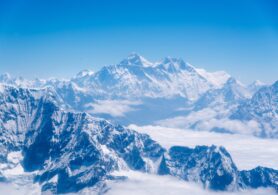
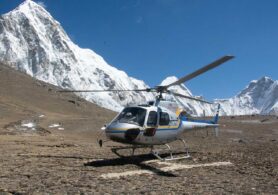
Trekking in Nepal is exciting, rewarding, and unlike any other experience, you’ve had. The trek onTrekking in Nepal is exciting, rewarding, and unlike any other experience, you’ve had. The trek on foot will be both fun and challenging because of the varied geography, lush environment, and remote Himalayan difficulties. So, here are some of the mistakes that you should avoid While Trekking in Nepal.
Before booking your next ticket to Nepal, there are many things to think about whether you’re going on a short or lengthy mountain trek. It is possible to make a lot of mistakes if you know little to nothing about the area you will be trekking in. Since the Himalayan landscape is harsh, one must adequately prepare for trekking in Nepal.
Discover the typical errors hikers make and how to prevent them to ensure a successful and memorable trip in Nepal. Even while there is much to be learned from mistakes, whether they are your own or someone else’s, they can be costly and occasionally even fatal.
Therefore, in order to prevent making dumb mistakes, it is best to conduct extensive research on Nepal trekking.The top 10 mistakes to avoid while trekking in Nepal are listed below:
Not Getting Enough or the Wrong Kind of Training
Trekking in Nepal can be anything from simple to quite tough in terms of difficulty. The difficulty of a trek is influenced by the terrain’s twisting features, altitude, and weather. Many hikers embark on treks that will be physically taxing to accomplish because they do not take the difficulty level into consideration. It is advisable to accurately gauge the amount of work required for the walk before preparing yourself. Similarly, it is one of the major Mistakes To Avoid While Trekking In Nepal
For a protracted high-altitude walk, it is best to have some prior hiking or brief trekking experience. If you don’t have access to hiking or trekking trails, think about doing aerobic exercises like running, swimming, and cycling to build your muscles. Remember that you must walk 4 to 8 hours per day on a rocky trail in addition to lifting weights in a gym.
Quickly Walking at a High Altitude
Many young trekkers in groups make the error of thinking that trekking is an athletic challenge. In that sense, people want to get there as soon as possible to avoid experiencing altitude sickness at greater altitudes.
You won’t have as much energy or oxygen to spare because higher altitudes affect the quality of the oxygen that the body and brain get. It’s also one of the causes of altitude sickness in hikers, which can cause nausea, fainting, and other symptoms. Altitude sickness has the potential to be lethal in the worst-case scenario. The high-altitude trails are also generally rocky, narrow, and slopey, making them challenging to walk. Similarly, it is one of the major Mistakes To Avoid While Trekking In Nepal
Enjoy the wildness, the splendor of nature, and the peaceful stillness. Keep in mind that just as the mountains are not moving, neither should you! Therefore, it is recommended to avoid making large jumps or running from one location to another.
Shortening The Trek
A long high-altitude journey requires acclimatization or a rest day to allow your body to adjust to the shift in altitude and to allow you to refuel. Shortening the route is another error that is frequently made when moving swiftly at high altitudes. We frequently receive questions from inexperienced trekkers who want to finish a long walk quickly.
For most people, there is little money or time to spend in Nepal. By moving more quickly than usual and bypassing the acclimatization days, many of us even go so far as to reduce the overall number of trekking days. Similarly, it is one of the major Mistakes To Avoid While Trekking In Nepal
The purpose of trekking in the Nepalese highlands and Himalayas is to increase our connection to nature, promote peace, and expose us to new experiences. If you’re short on time, get in touch with us so we can arrange a shorter trek that fits your needs and circumstances. Don’t attempt to rush the once-in-a-lifetime experience, though.
We already know that hiking in Nepal is not as simple as it first appears and that there are many factors to take into account. Is it required to trek with a guide in Nepal? No. Do we advocate going on a journey with a guide? Absolutely!
You do not need to hire a guide to go on your treks in Nepal, with the exception of a few restricted areas like Upper Mustang and Dolpo. However, hiring one is strongly advised because they are a fantastic source of safety and information. If this is your first time trekking in Nepal, you could be perplexed by the challenging terrain and even the peculiar local dialect.
You may engage with people, learn about history and culture, get help when things become tough and have a more enjoyable experience overall with the aid of a guide. Your guide, who has years of trekking experience, will surely help you if you get altitude sickness, especially if you are going to high altitudes.
For assistance finding a knowledgeable guide who speaks English or your native tongue, get in touch with nearby trekking services.
Packing Too Much Or Too Little
We are aware that most tourists find it difficult to avoid overpacking. Weak habits persist. Add a few pairs of pants, and before you know it, your entire cupboard will be in your backpack.
While trekking across Nepal’s landscape, heavy trekking bags prove to be more of a nuisance than you might have anticipated. Imagine trying to shoot pictures while catching your breath at a high altitude while hauling a big suitcase uphill!
While we’re talking about packing, we want to be sure that our readers understand that underpacking is also a bad idea. In the chilly Himalayas, going without a heavy layer of clothing might result in frostbite, which can be fatal. Furthermore, it is one of the major Mistakes To Avoid While Trekking In Nepal
Being resourceful is preferable, but before choosing your gear, you should thoroughly examine the climate, accessibility, and altitude of the hiking destination. You may only bring a little amount of gear with you when you go hiking in Nepal.
Consult your guide after arriving in Nepal, then rent some necessary outerwear and equipment from a rental store. Additionally, as an alternative to using a porter, you can hire one to carry your bag (about 25 kg) to make the trek easier.
Food Consumption Done Carelessly
This one is very typical among new hikers. Trekking burns twice as many calories per day as the usual activity since it is so energy-intensive. Therefore, food is what sustains you. But eating the wrong thing can result in unfavorable stomach problems. Hence, it is one of the major Mistakes To Avoid While Trekking In Nepal
Junk food temptations like noodles, chips, and cookies could easily cause constipation or diarrhea if we eat them.
Don’t give in to the temptation to sample anything you don’t like, and be sure to ask about the meal’s components to avoid developing food allergies. Additionally, it is better to refrain from eating meat in distant places because there isn’t adequate storage, it may be days old, and high-fat meals take longer to digest. The greatest choice may be to eat vegetables and fruit that are local.
The optimum strategy is to eat only three meals a day—a hearty breakfast in the morning, a traditional lunch in the afternoon, and a light evening. While walking, you can also include filler foods like chocolate bars and energy bars.
Using Unknown Water Sources As Drinking Water
In Nepal, drinking water is typically accessible in open streams or from the tap. Carrying cholera, diarrheal, and stomach ache-causing pathogens is possible if you drink directly from a stream. Many tourists think they can live like locals while they are traveling, but this is not true when it comes to food and water consumption.
Since most homes in rural areas lack water filters, they might kindly offer you the water that they believe to be healthy. Your body, however, might not be used to consuming such water.
Having said that, mineral water is not sold in stores in every region of Nepal. The price of a liter of mineral water can be three times higher in the majority of high-altitude regions. Similarly, it is one of the major Mistakes To Avoid While Trekking In Nepal
It is therefore recommended to carry a reusable water bottle with an integrated water filter so that you can fill it with free streams or the faucet and drink without worrying.
Getting Insufficient Water
Although it is prudent to avoid consuming water from unreliable sources, this does not imply that you should stop drinking. It’s crucial to stay hydrated when on a trip.
Many hikers forget to stay hydrated when they’re caught up in the thrill and proceed to go for hours on end without drinking anything. Some hikers mistakenly believe that consuming coffee and sugary drinks counts as water intake.
Your body can quickly get dehydrated when trekking since it expends a lot of energy and water through perspiration. We move even more slowly and experience constipation as a result. Dehydration can cause headaches, vertigo, fatigue, and confusion.
Even if it distracts you, remember to drink water every hour. About 3 to 4 liters of water per day is the recommended amount.
Not Applying Sunscreen
Men have been known to use sunscreen as a cosmetic. But sunscreen is more of a health necessity than a cosmetic because it shields your skin against infections. There are numerous regrettable tales of hikers who fail to pack sunscreen or underestimate the harm that results from doing so.
Trekking entails long stretches of walking in the hot sun, which can result in unsightly sunburns. You will undoubtedly feel the heat seeping through your skin at higher altitudes where the sun is more intense due to the thin atmosphere and reflection off the snow.
Use a sunscreen that is appropriate for your skin type and offers UVA, UVB, and UVC protection. Apply sunscreen to your hands, ears, neck, and face if you’re hiking to a high altitude where snowfall is a possibility. You can also shield your skin by wearing hats and caps with brims. Similarly, it is one of the major Mistakes To Avoid While Trekking In Nepal. One should avoid it
Walking in Regular Shoes
Nepal’s scenery is not typical; rather, it is rough. The roads are rocky and uneven, and there are a lot of uphill hills. Normal sports shoes that could be worn for jogging or running are insufficient. We have observed numerous hikers who wear various types of footwear with assurance. But who later on in their journeys complains of discomfort and agonizing pain?
Specialized footwear may not be necessary for short, easy excursions, but trekking boots are the ideal choice for longer hikes on difficult trails. Similarly, it is one of the major Mistakes To Avoid While Trekking In Nepal Trekking footwear differs from other footwear in that it has soft soles, grooves for good traction, and ankle support. Shop for the finest fit—neither too tight nor too loose. A good pair of hiking shoes will endure many trips and will make them more comfortable.
Another thing to keep in mind is that many hikers experience hot patches. They develop on their heels as a result of strenuous walking but frequently disregard them. If you do not treat a blister right away, it may gradually turn into a painful condition. Always keep ointments on hand to prevent hot spots from forming.
People frequently forget to trim their toenails. Make sure to also trim your nails. Long toenails will be crushed and bleed when they contact the wall of your snug boot.
Conclusion
The most challenging activity in Nepal is trekking, which necessitates thorough research before departure. You can fully enjoy Nepal if you do your homework on the best month for trekking there. Create a packing list, and learn how to avoid common blunders. To plan and reserve tours in any of the top trekking locations in Nepal. However, be sure to get in touch with our knowledgeable guides and representatives.Read more...Read less
One of the most incredible experiences a trekker can have is making it to Everest Base Camp. The nuOne of the most incredible experiences a trekker can have is making it to Everest Base Camp. The number of tourists trekking in the Everest region to view this spectacular peak has steadily grown every single year. More tourists are coming because of this area’s gorgeous scenery. And the Everest Base Camp trek is a difficult one so one has to properly Train for Everest Base Camp Trek.
Trekkers should have the required training to acquire the ideal level of fitness in order to make their walks more enjoyable. Being well-prepared for strength training and cardiovascular endurance is crucial for trekkers. Additionally, they should be able to journey while wearing a backpack.
However, businesses are happy to send porters and guides to carry your backpack and direct you along the trek’s proper route.
We are aware that a 130-kilometer journey can be a little too challenging for some people, especially if they are not in good physical shape and the ascent is steep.
You don’t need to be in top physical condition to finish the Everest Base Camp trek, but having a high level of fitness can make your trekking experience simpler. On the plus side, take advantage of this chance to shed some of those extra pounds.
For this once-in-a-lifetime journey, it is crucial that you are both physically and mentally prepared. Some of the rigorous training methods that will aid in your preparation for this voyage are mentioned here.
Exercise for the Everest Base Camp Trek
Strength training, which primarily focuses on developing your shoulders, legs, back, and belly, has been shown to be a crucial component of your overall preparation for your climb to Everest Base Camp.
Along with aerobic and cardiovascular exercise, your training regimen should also incorporate important strength training exercises like pull-ups, sit-ups, and crunches. Make sure you’re doing weight training at least three times a week for 30 minutes per routine at least six months before your trek.
Strength training, which primarily focuses on developing your shoulders, legs, back, and belly, has been shown to be a crucial component of your overall preparation for your climb to Everest Base Camp. And, train properly for the Everest Base Camp Trek.
Along with aerobic and cardiovascular exercise, your training regimen should also incorporate important strength training exercises like pull-ups, sit-ups, and crunches. Make sure you’re doing weight training at least three times a week for 30 minutes per routine at least six months before your trek.
Additionally, you ought to lengthen and repeat the routines more frequently as the trip date approaches. To avoid getting too bored with these exercises too quickly, you should make sure to vary them.
Exercise Program for Everest Base Camp Trek
Regular exercising and working out during the off-season will be of great use to you.If you’ve been walking, riding, or swimming for a year, you’re already one step ahead of your cardio training.
It will take your fitness to the next level if you’re willing to incorporate exercises like stair training and hill trekking. You’ll get a lot from this. Cardio exercise should be performed for 30 minutes, four times a week, at least six months before your trip. Add 10 to 15 minutes to each of your routines each month, and make sure to up the frequency to at least six times per week.
It is advised that you put on your weighted vest to simulate the weight you will be carrying during the walk. It will help your shoulders and back to adjust to the weight you’ll be carrying. And, train properly for the Everest Base Camp Trek.
Hiking preparation for the trek to Everest Base Camp
Even when hiking, practice really does make perfect. This training should be the one thing on your training schedule that you are able to do. Put on your hiking boots and get going as soon as possible.
Your body will develop a rhythm for long-distance walking with the aid of hiking practice, making the task that much simpler. You’ll be able to get used to walking in your brand-new hiking boots and you’ll know how much strain your joints can withstand.
Before embarking on the voyage of a lifetime, you wouldn’t want to get any blisters on your legs. Make sure to begin your walk at a reasonable distance that you can manage, then gradually increase it.
Make sure you’ve completed at least three long walks with minimum times of 5–6 hours before your Everest Base Camp journey. You won’t have any issues on your Everest trek if you can do this without incident.
Everest Base Camp Trekking and Altitude Conditioning training
Trekking through the city while it is snowing is a great way to prepare for the actual journey to base camp.
Another wonderful strategy to enhance your trekking fitness is to locate a challenging trail close to where you live and hike it multiple times. You should attempt to climb the roughly 2,000-foot trail while carrying at least 15 pounds of weight. And, train properly for the Everest Base Camp Trek.
Be careful to make an effort to increase the load, speed, and mileage throughout each journey. You will undoubtedly become more accustomed to hiking at higher altitudes as a result of this.
Condition of Mind
Keep some realistic expectations of the things that are likely to occur during the walk in order to maintain good mental health throughout the entire journey.
It is important to realize that the accommodations are really simple but very effective. Sometimes using the bathroom could be a hassle, so try to be more inventive and resourceful in those instances.
Make friends with those who have attempted to travel to the base camp. For further information, be receptive and pay attention to their stories.
By doing this, you will have sound mental health, which is very important, and you will be mentally prepared to manage difficult difficulties. It’s not a good thing that altitude sickness might cause you to lose both physical and mental stamina when you’re trekking.
Make sure you stay hydrated, eat well, and carry enough medication with you in case you need it. Additionally, it’s crucial to inform your guide that you’re suffering altitude sickness symptoms and to descend as soon as possible to avoid developing more serious problems.
You must keep in mind that reaching the base camp is an adventure rather than a race. Descending is just a safety measure for you and your entire group to avoid further difficulties, not because you’re losing.
What Makes Everest Base Camp Trek Difficult
The first indicator of difficulty is how many days there are on the itinerary and how far each day’s walk will take you. Trying to comprehend the nature of the Everest base camp trek’s difficulty, gathering data from your agents, or looking into numerous sources on Google.
The biggest challenge of the EBC Trek is getting to Lukla on time for the flight, which occasionally results in delays and cancellations owing to poor and terrible weather conditions. Even during the ideal time of the year for trekking and other adventures, the Himalayan weather patterns can be unpredictable, therefore this problem and difficulty can occasionally occur. And to counter all the difficulties of the trek one has to properly train for Everest Base Camp Trek.
Everest Base Camp trek cost
Trekking to the lap of the highest mountain in the world is a dream for every passionate trekker who wants to trek. Similarly, the trek comes to be a bit on the expensive side. The cost of going on an Everest Base Camp Trek is around $2099 to $4500 depending on the agency you choose.
You can even consider Unique Path for the unforgivable journey to Everest Base Camp Trek.
Everest Base Camp trek itinerary
Here is an outline itinerary for Everest Base Camp Trek
Note: The following number represents
the number of days that one will be spending at the Everest base Camp Trek.
1: Arrival in Kathmandu and transfer to respective hotels.
2: Fly to Lukla 2,820 m and trek to Phakding 2,650 m.
3: Trek to Namche Bazaar 3,440 m.
4: At Namche with a rest day for acclimatization and hike
5: Trek to Tengboche 3,867 m.
6:Trek to Dingboche 4,530m – 05 hrs.
7:At Dingboche for acclimatization and day hike.
8:Trek to Lobuche 4,910 m via Thugla 4,640 m – 05 hrs.
9:Trek to Gorakshep 5,170 m and Everest Base Camp 5, 364 m.
10:Hike to Kalapatthar 5,545 m trek to Pheriche 4, 240 m.
11:Trek to Namche Bazzar 3440m.
12:Trek to Lukla.
13:Fly to Kathmandu and transfer to the hotel.
14:International departure to respective countries.
Best time for Everest Base Camp Trek
The optimum weather conditions for hiking in the Everest region are in the months of March, April, May, October, and November. The spring and the fall typically have milder temperatures, bright skies, little to no rain, and a lower likelihood of unfavorable snowfall.
How far is the trek to Everest Base Camp
The Everest Base Camp Trek lasts how long? The typical 12-day Everest Base Camp Trek is 130 kilometers round trip. It takes 8 days to travel to Everest Base Camp and 4 days to return over the 12 days. There is always space and time for acclimation in 12 Days.
Conclusion
The experience at Mount Everest Base Camp will undoubtedly be very different from the training you’ve been putting in. However, nothing will stop you from undertaking that excursion once you are fully physically and mentally prepared.
Additionally, keep in mind that the trek is not a race and that your safety should come first at all times. You’ll realize that your months of diligent training have paid off once you are there.Read more...Read less
Nepal is both a photographer’s and a trekker’s dream destination. Many people who started trekkiNepal is both a photographer’s and a trekker’s dream destination. Many people who started trekking in Nepal with a hike fell in love with this adventurous sport. There is something for everyone in Nepal, a country in the Himalayas when it comes to trekking options. We’ve brought some short and easy treks to Nepal, with durations ranging from 3 to 10 days. Get a taste of Nepali trekking with a little trip, but if time is not an issue, consider lengthier excursions.
Enjoy the breathtaking view of the Himalayas while strolling through mountain foothills and hiking through a deep forest. You will pass through rural areas and charming mountain towns as you go. Additionally, you will enjoy their wonderful local hospitality and gain insight into the local culture and tradition.
This blog will provide information on hikes close to Kathmandu, such as the Tamang Heritage Trail in the Langtang region and the Balthali Village Trek. Additionally, read about a number of popular and straightforward treks in the Annapurna area, such as the Ghandruk Trek, the Dhampus Sarangkot Trek, and the Ghorepani Poon Hill Trek.
Enjoy the breathtaking view of the Himalayas while strolling through mountain foothills and hiking through a deep forest. You will pass through rural areas and charming mountain towns as you go. Additionally, you will enjoy their wonderful local hospitality and gain insight into the local culture and tradition.
This blog will provide information on hikes close to Kathmandu, such as the Tamang Heritage Trail in the Langtang region and the Balthali Village Trek. Additionally, read about a number of popular and straightforward treks in the Annapurna area, such as the Ghandruk Trek, the Dhampus Sarangkot Trek, and the Ghorepani Poon Hill Trek.
Ghorepani Poon Hill Trek
Ghorepani Poon Hill Trek is one of the best treks in Nepal. One of the best and easiest treks in Nepal is the week-long Ghorepani Poon Hill climb, which is ideal for novices and families. From the vantage point of Poon Hill, take in the panoramic splendor of the Himalayas and witness enchanting sunrises and sunsets. From the vantage point, you can see the Annapurna Massif, Dhaulagiri, Nilgiri, Mardi Himal, and Huunchuli.
You will be traveling through a thick forest of rhododendron trees as part of the Annapurna Conservation Area Project. The area is dominated by Gurung and Magar communities, and the brave Gurkha soldiers call this place home. Additionally, the hike in the Annapurna region will allow you to see some of the traditional hillside communities in Nepal.
Your journey begins with a picturesque flight across the mountains from Kathmandu to Pokhara. From Pokhara, you’ll take a car to Hile, then you’ll hike to Ulleri. To go to Ulleri, you must ascend several stone stairs. On your hike to Ghorepani, you will also pass a trail lined with rhododendron plants. Also, it is one of the Easy Treks in Nepal.
You will hike to Poon Hill, which is just above Ghorepani, the next day. From Poon Hill, take in the breathtaking sunrise over the Himalayas and the expansive mountain views. Continue your ascent to Tadapani and go via Ghandruk to reach Kimchi. You will also take a flight back to Kathmandu after driving to Pokhara.
Enjoy Khopra Ridge Trek’s breathtaking views of the Himalayas from the lower Annapurna region. You can enjoy the delight of traveling in solitude on a recently opened trekking path in the Annapurna region. The trek is one of Nepal’s simpler ones, making it ideal for families and beginners.
You will be rewarded for your trek with breathtaking views of the Dhaulagiri, Annapurna I, Fishtail and Annapurna South, Mansulu, and Nilgiri ranges. You will pass through farms, charming villages, and deep forests with pine, oak, and rhododendron trees as you go. From Muldai Peak, take in the stunning sunrise and sunset. After a strenuous hike, taking a dip in Tatopani’s natural hot springs will be enjoyable.
The first leg of your journey is a flight from Kathmandu to Pokhara, then a trek to Ghandruk, the starting point of the trek. You can get to Tadapani by taking a trail through a forest, then go past hillside communities to get to Dobato. Muldai Peak can be reached by walking over a ridgeline with views of the mountains.
What’s More
A stroll through alpine meadows and pastures will lead you to Khopra Danda, which looks out over the expansive Himalayan panorama. Spend a day getting used to the altitude at Khopra Danda, or continue your journey to the Hindu holy lake of Khayer. Continue your hike to Tatopani, where you can relax in the natural hot spring before setting out for Pokhara. Either take a flight back or a bus to Kathmandu.
It can be overwhelming to go trekking for the first time in Nepal, therefore you should go with a reputable trekking company. Here are our top ten family-friendly and beginner-friendly treks in Nepal. Also, it is one of the Easy Treks in Nepal.
Let us assist you in locating a trek that satisfies your vacation needs. A team of knowledgeable travel professionals from Unique Path Trekking and Expedition will assist you in selecting the perfect trek for you or your family. Please feel free to contact us if you would want more specific information about any trek and to benefit from our expert advice.
Ghandruk Trek
Trek with Ghandruk Trek to one of the most well-known settlements in the Annapurna region. CNN lists Ghandruk, a small mountain village, as one of Asia’s most gorgeous cities. Enjoy the breathtaking vista of the Himnchuli, Gangapurna, Annapurna South, and Annapurna III ranges. Additionally, the majority of the population in the area is Gurung, who are known to have served in the British Amry’s Gurkha regiments. Get a glimpse of the Gurung people’s rich culture and customs by visiting Gurung Museum.
Enjoy the Ghandruk trek, which is one of the easy treks in Nepal best for beginners and families. Your journey begins with a drive from Pokhara to Kande, followed by a trek to Ghandruk via the village of Landruk. Savor the stunning view from the village situated in the lap of mountains. Wake up early to catch the magical sunrise from the Ghandruk village and descend to Modi Khola and hike up to Pothana via Deurali. Also, it is one of the Easy Treks in Nepal. On the following day, you will be trekking to Nayapul via Siwai, which marks the end of your trek. Further, you will be driving back to Pokhara.
Dhampus Sarangkot Trek
You will be walking on the Dhampus Sarangkot Trek to Sarangkot, Dhampus, and Naudanda, three of Pokhara’s well-known vantage spots. Enjoy the sweeping vista of Annapurna I, Annapurna II, Fishtail, Annapurna South, Dhaulagiri, Lamjung Himal, and other mountains.
Sarangkot is renowned for its enchanting Himalayan sunrises and breathtaking views of Lake Phewa and Pokhara. From the Sarangkot hill, many paragliders take off and soar across the Pokhara sky. Sarangkot is home to the Damai village, while Dhampus is primarily populated by Gurungs. Learn about the culture of the area and take advantage of the welcoming people there. Also, it is one of the Easy Treks in Nepal. During the hike, you will get to explore Nepal’s rural culture. It is one of the simpler treks in Nepal, making it ideal for families and beginners.
Everest Panorama Trek
Everest Panorama Trek offers a taste of trekking in the Everest region. The trek is one of Nepal’s simpler ones, making it ideal for families and beginners. Take in the expansive panorama of the Himalayas, which includes Everest, the tallest mountain in the world. Enjoy the breathtaking view of the tall mountains, such as Ama Dablam, Lhotse, Nuptse, and Everest. Trekking will take place in the Sagarmatha National Park, one of the UNESCO World Heritage Sites. Wildlife including musk deer, snow leopards, mountain goats, pheasants, etc. can be found in the national park.
Your journey begins with a picturesque flight from Kathmandu to Lukla, the entry point to the Everest region. As you travel to Tenzing Hillary Airport in Lukla, take in the scenery of the snow-capped mountains and lush hills. In addition, you will travel along the Dudh Koshi river’s banks to the village of Phakding.
Take a woodland trek from Monjo to the well-known Sherpa settlement of Namche Bazaar. Spend a day in Namche Bazaar getting acclimated and taking in all of its cafes, restaurants, gift shops, and bars. For a breathtaking perspective of Everest and the surrounding mountains, trek up to the Everest View Hotel. Also, it is one of the Easy Treks in Nepal.
Additionally, you will be traveling down a forest route as you make your way to Tengboche, a town nestled in the midst of mountains. The Khumbu region’s Tengboche is a spiritual hub where local Rimpoche bestows blessings on pilgrims, travelers, hikers, and mountaineers. You can enjoy the stunning view of Everest, Ama Dablam, and its surrounding peaks on a clear day. You will return to Namche Bazaar the following day, then hike back to Lukla.
Mohare Danda Trek
Take part in a week-long Annapurna Dhaulagiri Community Eco-Trek in Nepal’s lower hills. The walk, also known as Mohare Danda Trek, is one of the simple treks in Nepal that is excellent for beginners and families. This walk is ideal if you want to hike in solitude because it only attracts a small number of travelers. Enjoy the trek’s breathtaking views of the Annapurna South, Dhaulagiri, Nilgiri, and Huinchuli ranges. Additionally, as you travel past Gurung and Magar communities, you will gain an understanding of their unique cultures and traditions.
The Himalayas may be seen in all their glory from Mohare Danda’s vantage point, where your day will also end with a breathtaking sunset. Trek to Khibang, a small Eco-community village renowned for its communal forest and homestay, after waking up to a spectacular sunrise. Also, it is one of the Easy Treks in Nepal. You will also trek to the Magar settlement in Tikot village. Additionally, you’ll be traveling to the Kali Gandaki River’s bank-nestled village of Tiplyang before returning to Pokhara by car.
Balthali Village Trek
Join the Balthali Village walk for a lovely hike close to Kathmandu. Along with a stunning view of the snow-capped mountains, you will visit traditional Nepalese settlements. One of Nepal’s simpler hikes, it’s ideal for families and beginners. Even if you aren’t very fit, you only need to hike for about 4 to 5 hours every day.
Your hiking route took you through a verdant woodland that was home to rhododendron, sal, and magnolia trees. Additionally, you will be walking across terraced fields of crops that are waving in the breeze.
Enjoy the breathtaking vista of the Langtang Himal, Manaslu, Gaurishankar, and Dorje Lakpa mountains. Enjoy a hike that takes you through Newar, Tamang, and other ethnic tribal settlements as it leads you to traditional Nepalese villages. Compared to Nepal’s well-known trekking routes, it is one of the less traveled routes. So, while hiking, you can experience solitude.
The first leg of your adventure entails a drive from Kathmandu to Dhulikhel, then a trek to Namo Buddha. Visit Namo Buddha, a sacred site for Buddhists, where Lord Buddha sacrificed himself to save the lives of a starving tigress and her pups.
You will also be walking to Balthali village, where you will be exploring the next day. Trek up to Danda Gaon to take in the magnificent panorama of the snow-covered mountains. You will hike from Balthali to Panauti, a typical Newari settlement, the next day. You will be driving back to Kathmandu after touring Panuti village.
Panchase Trek
One of the simpler treks in Nepal is the Panchase Trek, which is ideal for families and beginners. A lesser-known hike in the Annapurna region is becoming more and more well-known lately. You will be trekking through thick forests and through streams that reveal the breathtaking Himalayan vista on your three-day trip in the lower hills of Nepal. You will also get to marvel at the magnificent vistas of the snow-capped peaks, including Dhaulagiri, Annapurna, Manaslu, and Lamjung Himal.
Additionally, you will be trekking in the flora and fauna-rich Panchese region. In this area, there are many different kinds of orchids. Out of the 381 known orchid species, about 125 have been found in the Panchase region. The forest contains rhododendron, walnut, oak, and pine trees.
There are 19 different species of mammals that live there, including spotted deer, civet cats, common leopards, barking deer, foxes, black bears, wild boars, and common langurs. 260 species of resident and migratory birds call the woodland home. Wildfowl, bulbuls, babblers, bee-eaters, kingfishers, parrots, and other birds can be seen in this area. Also, it is one of the Easy Treks in Nepal.
A boat ride across Phewa Lake sets the tone for your excursion, which is then followed by a climb to the World Peace Pagoda. You will also trek to the village of Bhumdi, which is inhabited primarily by Gurung and Brahmin people. The following day, you will travel along a beautiful trail to Phanchase Bhanjyang. Enjoy the breathtaking vista of the 8,000-meter mountains as you go.
You will also be climbing stone steps to reach Panchase Hill, where you can see mountains in all directions. The final ascent of the Panchase trek is a climb to Bhaduri after which you will drive back to Pokhara.
Tamang Heritage Trail
If you want to experience the rich culture and traditions of the Tamang ethnic group, which were influenced by Tibetan culture, the Tamang Heritage Trail is ideal. The Tamang ethnic group is descended from Tibetans and speaks a distinct language.
They were horse dealers who traveled from Tibet and eventually made their home in Nepal’s hilly region centuries ago. The trek is one of Nepal’s simpler ones, making it ideal for families and beginners. Additionally, this climb has a sense of purpose because you will be directly boosting rural Nepal’s economy.
Drive from Kathmandu to Syabrubesi, where this trek’s trailhead is located, to start your expedition. Start your walk by hiking from Syabrubesi to the Tamang town of Gatlang while taking in the spectacular Himalayan range. Hike to Tatopani, a natural hot spring, and then head toward River Thangbuchet. Also, it is one of the Easy Treks in Nepal.
You will also be walking to Nagthali Danda, where you can see the Himalayas in all their glory, and then on to Thuman, a Tamang settlement. You will hike near the Nepal-Tibet border on your route to Briddim and on your way back to Syabrubesi. The small town of Syabrubesi has artisan stores that sell regional goods.
Royal Trek
The Royal Trek is a fantastic trek that takes you north of the Pokhara Valley in the Annapurna region. Because Prince Charles and his entourage traveled here in the early 1980s, the trek is known as Royal Trek. The trek is one of Nepal’s simpler ones, making it ideal for families and beginners.
As you stroll past charming Gurung villages, you will gain an understanding of rural Nepalese culture. Additionally, the journey will reward you with a breathtaking panorama of Fishtail Peak and Langtang as well as the Annapurna range. It is one of the less-used hiking routes in the Annapurna area, allowing you to trek in peace.
Your tour begins with a drive from Kathmandu, the nation’s capital, to Pokhara, a stunning city nestled in the foothills of mountains. Your journey will begin with a drive to Bijayapur Khola, and as you make your way to Kalikasthan, you will pass through agriculture. Also, it is one of the Easy Treks in Nepal.
On your way to Syaklung the following day, you will pass through villages and travel along a path surrounded by rhododendron trees. It will be a beautiful walk with magnificent views of Lamjung Himal and Annapurna.Read more...Read less
Annapurna Region is one of the best trekking areas in Nepal. Similarly, it is one of the most beautiAnnapurna Region is one of the best trekking areas in Nepal. Similarly, it is one of the most beautiful regions in Nepal to get different mountain views. During the trek to the Annapurna Region of Nepal, one can get a beautiful view of different mountains in the Annapurna Region.
Likewise, the Annapurna region provides the most wonderful experience for trekking and traveling at high altitudes. So, Unique Path Trekking and Expedition have some of the best trekking journeys for trekking in the Annapurna Region.
Nar And Phu Valley Trek
The highest point of the Nar Phu Valley Trek involves traveling over the 5414-meter-high Throng Pass from the arid upper Manang valley, which is home to Tibetan Buddhists, to Muktinath, a Hindu pilgrimage site, and the Kali Gandaki valley, the deepest river gorge in the world, before continuing on to Pokhara. Along with the magnificent views, our trek takes us through a number of Gurung, Manangi, and Thakali mountain communities.
The Annapurna region is best characterized as Nepal’s trendiest incentive trekking location. Since it was made available to foreign trekkers in 1977, the Annapurna Circuit Trek has established itself as a highly regarded and breathtaking trekking path in the Annapurna region. This three-week hike commences from Besishahar and follows the Marshyangdi River with stunning views of Himal Chuli and Manaslu to the east.
This amazing journey takes you to a lovely community with magnificent views of the white Himalayas and a large diversity of residents from all ethnic groups. The panorama is stunning as it continues north of the main Himalayan range towards the high, dry Tibetan Plateau.
Thorungla pass, near the head of the valley and at a height of 5416 meters, is the highest point of the Nar Phu Valley Trek. The circle is typically walked counterclockwise due to the difficulty of traversing the pass. Many people find it impossible to complete the longer ascent and shorter descent from west to east in a clockwise direction in a single day.
To top it all off, the climb up to the Thorong La pass (5,416 meters) is difficult and is framed by some of the most breathtaking scenery in the Nar Phu region.
What’s More
The Nar and Phu Valley Trek is suitable for anyone passionate about the trek. Similarly, the trek is around two weeks long. So, you have to be in good physical condition, and mentally strong as well. During your Nar and Phu Valley Trek, you have to do a lot of uphill climbs. Therefore, you should train your legs for the trip.
Similarly, running and jogging can help you do it. Including some aerobic exercises. The increase in altitude each day is quite steep, and it is always unpredictable how one’s body will react to altitude. In addition, this trek will best suit those who have a lot of experience trekking in the mountains, and who are fit and healthy.
Outline Itinerary For Nar Phu Trek
Welcome to the airport and transfer to the hotel
Free day for final trekking preparation
Kathmandu to Jagat by drive (8 hrs, 1300m)
Jagat to Dharapani (6 hrs. , 1860m)
Dharapani to Koto (5/6 hrs, 2600m)
Koto to Meta (8 hrs, 3560m)
Meta to Phu (8hrs, 4080m)
Side trip to Himlung Base Camp (7hrs, 4920m) then back to Phu village for overnight.
Phu to Nar Phedi where we can have the unique experience of staying overnight in the Monastery (6hrs, 3500m).
Nar Phedi to Nar Village (2/3 hrs, 4200m)
Nar to Kang La Pass 5320m then descend to Nagwal. (8 hrs, 3660m)
Nagwal to Chame (7 hrs, 2670m)
Drive back to Kathmandu/Pokhara by public vehicle (11 hrs)
The Mardi Himal trek is one of the best treks in Annapurna Region. During your Mardi Himal trek, one can enjoy the beautiful nature including the different flora and fauna of the region. Likewise, at the Mardi Himal Trek, one can get different some of the most outstanding views of the Himalayas.
At a height of around 3,300m, the Mardi Himal trek leads you through a rich rhododendron forest on winding paths. As you ascend, the landscape transforms into rocky, high mountains, offering a breathtaking view of Machhapuchhre Himal, also known as Fishtail. There are many different kinds of trees, but the Mardi Himalayas are famous for their oak, bamboo, and rhododendron plants. In addition, one must go through some blue pines in the woodlands at this altitude. One of the most well-known Mardi walks is the 5-day journey to the Annapurna Mountains.
Similar to how a Poon hill trek is the greatest substitute for avoiding crowds, a Mardi Himal trek is the finest choice for avoiding crowds. The Mardi trek takes you through jungle pathways where you can see various animals and birds, including long-tailed langurs (monkeys), the Himalayan Thar, and butterflies like the Kalij, Danphe, and Monal.
Outline Itinerary
Arrival in Kathmandu and transfer to respective hotels
Drive to Pokhara 950m
Drive to Phedi 1,530 m (trekking starting point) with 3 hrs walk to Deurali 2125m
Trek to Kokar Forest camp 2,520m via Pitam Deurali 2,100m – 04 hrs
Low Camp 2,970 m – 05 hrs.
Trek to High camp 3, 700 m – 05 hrs
Explore beyond High Camp to Mardi Base Camp 4,500m
Low Camp 2,970 m – 05 hrs.
Trek to Siding village 1,700 m – 05 hrs.
From Sidang walk near Mardi Pul and drive to Pokhara – 04 hrs
Drive or fly back to Kathmandu and transfer to the hotel
International departure to respective countries
Tilicho Lake Trek
Tilicho Lake Trekking is said to be the highest lake in the world because it absorbs the glacier runoff from the entire northern slopes of Annapurna and Thorang Peak. Hindu pilgrims from all over the world descended on the lake in 2001 under the impression that it was a sacred site listed in the Hindu holy book, the Ramayan.
The Tilicho Lake Trek begins in Besisahar and is part of the Annapurna Circuit Trek. It follows the Marshyangdi River and offers stunning views of Manaslu and Himal Chuli to the east. This stunning Tilicho lake trek takes you to a lovely community populated by a wide variety of people from many ethnic groups and provides breathtaking views of the snow-capped Himalayas.
We have altered this route slightly because it is essentially the same as the Annapurna Circuit. From Manang, instead of traveling up the valley to Tanki Manang and Yak Kharka, this route goes to the main valley to the west, passes through Khanshar Village (The Last Village of Nepal), and climbs to Tilicho Lake before continuing on to Yak Kharka and the 5416-meter-high Thorung La Pass. The hikes from the Thorung-La pass descend to Muktinath and Jomsom, from which you may fly to Pokhara in picturesque fashion for 35 minutes.
Outline the Itinerary for the trip
Arrival at Kathmandu airport. Our Airport Representative transferred to the hotel by private tourist vehicle
Drive from Kathmandu to Besi Shahar by bus. Driving 6 hours
Drive to Chyamje by Jeep then trek to Dharapani. Driving 2:30 hours & walking for 5:30 hours.
Dharapani to Chame(2725m). 6 hours
Chame to Pisang (3190m). 5:30 hours
Pisang to Braga village. Walking 6:30 hours
Hiking to Ice lake
Trek to Khangsar Village (3700m) 5 hours.
Khangsar Village to Tilicho Lake base camp. Walking 4:30 hours
Tilicho Lake base camp to Tilicho Lake (4910m/16105ft) and back to Tilicho lake Base camp. Walking 6 hours
Yak kharka to Throung Phedi walking 6 hours
Thorung Phedi to Muktinath via Thoroung-la passes (5416m). Walking 8:30 hours.
Morning visit Muktinath Temple then trek to Jomsom. Walking 4:30 hours
Flight to Pokhara & transfer to the hotel. Afternoon, free or sightseeing in Pokhara
Drive to Kathmandu by tourist bus. Driving 6 hours.
Tilicho Lake Mesokanta Pass Trek
A walk that includes both the Tilicho Lake and the Mesokanta La Pass is known as the Tilicho Lake Mesokanta Pass Trek. One of the highest lakes in the world is Tilicho Lake. It is located in Nepal’s Annapurna range of the Himalayas and is 4,949 meters high. According to another account, Lake Tilicho is 4,919 meters high (16,138 feet).
You may experience the breathtaking grandeur of nature at Tilicho Pass and Mesokanta Pass, which are connected to one another. A portion of the territory above Thini on the Jomsom side became a completely off-limits military area in 1974, when Nixon changed the China policy, after being for a long time almost entirely closed save for a few climbers and excursions.
We need the proper equipment, as well as crampons, rope, and a tent for an afternoon, in addition to intending to set up conking utilities also for days, to traverse the Mesokanto Journey Pass.
The trek to Tilicho Lake and Mesokanta Pass is situated in the breathtakingly beautiful Manang Valley in Nepal’s Western Himalayan region. This wonderful trek follows the well-known Annapurna Circuit Path for a week before turning into a lonely area of Manang and winding around the stunning Tilicho Lake. It then continues to Mustang Area in Jomsom after passing the picturesque High Mesokanta Pass.
The Tilicho Lake Trek is one of the best things and traveling here with your loved onces. Similar to how you will see the stunning environment of the area if you undertake this walk. The walk from Manang village to Jomsom interior of the Annapurna region trekking paths are also exclusive and barren. Similar to this, the Mesokanto Pass paths pass by the famous lake Tilicho, which is located at the highest point in the world (4920 meters), and is a stunning location. Similarly, you will sample various regional foods while on this vacation.
Outline the Itinerary of the trip
Arrival at Kathmandu airport (1345 meters). Hotel
Drive to Besisahar by bus (830 meters). 6 hours
Drive to Chyamje
Dharapani to Chame. Walking 6 hours
Trek to Manang (3540 meters). 5 hours
Trek to Khangsar Village (3700m/11203ft). 5 hours
Trek toTilicho Lake base camp
Trekking to Tilicho lake. (4910m/14876ft). Walking 5 hours. Overnight at the tent
Trek to Nam Phu Kharka after crossing Mesokanta La pass (5315meter), overnight at a tent
Thorung Phedi to Muktinath
Trek to Jomsom, overnight at the guesthouse
Morning flight to Pokhara
Drive to Kathmandu
Annapurna Base Camp Trek
One of the top trekking areas in Nepal is the Annapurna Base Camp Trek. This 10-day plan for an Annapurna base camp trek takes you directly into the heart of the Annapurna Mountains and circles back via a short circuit, both of which provide breathtaking mountain views.
The spectacular Annapurna Base Camp/Annapurna Sanctuary is the trek’s high point. Here, you will be surrounded by the western peaks of the great Annapurna range, including Machapuchare (fishtail), Ganagapurna, Annapurna South, Annapurna 1, Hiunchuli, and more. The peaks are almost precisely arranged in a circle with a deep, glacier-covered amphitheater at its center.
Best Time to Trek Annapurna Base Camp
All seasons are suitable for trekking in Nepal. The maritime climate of Nepal features four distinct seasons. The Annapurna region of Nepal’s autumn is the most well-known hiking season. It provides breathtaking views of the countryside and the white mountains, as well as clear, chilly skies.
In a moment, it will be springtime. Rhododendron blossoms and lush woodlands are in bloom during this time of year, creating a breathtakingly beautiful scene. Spring and autumn are in April and May and respectively.
Outline Itinerary for ABC trek
Arrival in Kathmandu airport. Our Airport Representative transferred to hotel by private tourist vehicle
After breakfast transfer domestic airport and flight to Pokhara then drive to Ghaundrung Phedi by Jeep and trek to Jhinu danda (natural hot spring). Flight for 30 minutes and driving 3:30 hours and walking 3 hours.
Jhinu danda to Sinuwa . Walking 6 hours.
Sinuwa to Deurali. Walking 6 hours
Deurali to Annapurna Base Camp (4090m). Walking 4:30 hours
Annapurna base camp to Bamboo (2210m) Walking 6:30 hours
Bamboo to Pokhara. Trek to Ghaundrung Phedi then drive by Jeep to Pokhara. Walking 5 hours & Driving 3:30 hours
Bamboo to Pokhara. Trek to Ghaundrung Phedi then drive by Jeep to Pokhara. Walking 5 hours & Driving 3:30 hours
Drive to Kathmandu by tourist bus
The trip ends
Conclusion
Tenth-highest peak in the world is Annapurna I. Although climbers had reached the top of Mount Everest at 28,150 feet (8,580 meters) by 1924, Annapurna I gained notoriety in 1950 as the first peak higher than 26,000 feet (8,000 meters) to be scaled. Therefore, these are some of the Best trekking in the Annapurna Region.
The most daring and well-known journey of all is to Everest Base Camp. You can travel with EBC Trek The most daring and well-known journey of all is to Everest Base Camp. You can travel with EBC Trek to the foot of Mount Everest, the highest mountain in the world (8,848 m). You’ll pass through lovely towns on the trek while you learn about the significance of culture and religion in the Himalayas and how to do Solo Everest Base Camp Trekking.
A trek is always thought of as a communal activity rather than an individual one. The Everest Base Camp trip fits under the same category because most people only participate through a trekking organization. Exploring the Everest region by yourself has been increasingly popular in recent years. Backpackers are becoming more prevalent and don’t seem to be slowing down.
Fitness and experience for Everest BaseCamp Trek
You should think about exercising at least a month before you embark on the Everest base camp climb. Going to the gym and carrying tons of weights does not constitute exercising! Strengthen those shoulders and legs by doing some modest lifting. Engage in activities that increase your stamina and endurance. That settles it; everyone who is capable and in the good physical condition is allowed to hike to Everest Base Camp.
Cost for Everest Base Camp Trek
The likelihood is that you will find them starting at $1000 when you Google Everest base camp treks. The price includes a lot of items that you might not need while hiking. You can save money on the porter fee if you travel alone. Additionally, teahouses have additional fees. Let me just add that the cost of life is surprisingly low in Nepal and that it is reasonably priced.
How to travel for cheap Cost
We have some suggestions that you may find useful if you feel the need to save some money. Consider purchasing water filtration pills rather than mineral water bottles. The price of mineral water in the Himalayas is more than twice as much as it is in the cities. We advise bringing your chocolates if you occasionally crave sweetness or spice because they are rather expensive here.
In certain areas, there is a severe power deficit, making it expensive to simply recharge your equipment. Just in case, keep a power bank with you. You may have noticed that vegetarian cuisine is significantly more expensive than non-vegetarian meals while visiting Nepal. Similarly, you should choose vegetarian cuisine if you want to save some money. You can save a good amount of money by using these suggestions.
Do I need travel insurance For the EBC trek?
We urge you to purchase travel insurance in advance even though it is not required. There are various travel insurance providers, so there won’t be any issues there. Travel insurance is useful in the event of any emergency, such as property loss, natural disasters, or a need for emergency evacuation while on the trek.
The permits
A TIMS Card is the most crucial piece of documentation you’ll need to trek anywhere in Nepal. It is a condensed version of the Information Management System for Trekkers. Both lone hikers and trek groups must do this. A green card costs $20 for individuals, whereas a blue card costs $10 for groups.
You may pick up these hiking permits in Kathmandu at the Nepal Tourism Board. You’ll need a copy of your passport and two passport-sized pictures in order to obtain this permission. You also need a Sagarmatha National Park entry permit, in addition to the permission. This permission can be obtained at the Sagarmatha National Park’s Monjo entrance.
Outline Itinerary for Everest Base Camp Trek
Everest base Camp Trek is a two week journey
1: Arrival in Kathmandu (1,350m/4,428ft).
2: Kathmandu: Sightseeing and Trek Preparation.
3: Fly to Lukla, trek to Phakding (2,651m/8,700ft).
4: Phakding to Namche Bazar (3,438m/11,280 ft).
5: Acclimatization Day – Namche Bazar.
6: Namche Bazaar to Tengboche (3,870m/12,694ft)
7: Tengboche to Dingboche (4,360 m/14,300 ft)
8: Dingboche: Acclimatization.
9: Dingboche to Lobuche (4,940 m/16,207 ft)
10: Lobuche to Gorak Shep (5170 m/16,961ft), visit Everest Base Camp (5,364 m/17,594 ft)
11: Gorak Shep to Kala Patthar (5,545m/18,192ft) to Pheriche (4,288m/14,070ft)
12: Pheriche to Namche Bazaar (3,440m/11,280 ft)
13: Namche Bazaar to Lukla (2,860m/9,186ft)
14: Fly to Kathmandu
15: Final departure
Best Time for solo Everest Base Camp Trekking
The months of October and November are the busiest for Everest Base Camp Trekking. The majority of the time, the weather is good, and the clear skies add to the allure of the scene. Since the excursions don’t begin until May, you won’t find any tents at base camp, and the temperature is also just right.
You can choose to go on a journey from April through the end of May if you don’t like to go in October. At this moment, there is a lot of traffic. The teahouses are frequently crowded as well, and some of them won’t let you stay until you pay more than the listed amount.
Difficulty during solo Everest Base Camp Trekking
The climate of the Everest Region
Trekking is possible during the spring season (March to June). The weather during this time of year is very pleasant, with summer daytime highs of up to 25 degrees and winter lows of -20 degrees. The monsoon season begins in July and lasts through mid-September.
Trekking is not advised during this time due to the significant amounts of rain during this season, which makes the roads more dangerous and slick. The optimum time to go trekking in the Everest region is in the fall, from September to November. The area was covered in stunning rhododendrons and other wildflowers during this time.
November to February is winter. Extreme cold is present during this season. The month of January is thought to be the coldest of the year, with lows as low as -36 degrees and as low as -60 degrees. Despite the extremely low temperatures, hurricane-force winds and wind chill, when the wind speed can reach more than 285 km/hr, are the largest challenge faced by mountain climbers.
Trek Altitude
The altitude is regarded as one of the main challenges of EBC among its many obstacles. This hike begins at 3,000 meters above sea level, and the base cap is located at 5,400 meters above sea level, which is actually a very high height. As a result, it is highly advised that anyone who has breathing issues absolutely avoid this walk. Before hiking at high altitudes, it is advised that hikers seek appropriate medical counsel and learn about altitude sickness.
Route of Everest Base Camp Trek
For many climbers, reaching Everest Base Camp is a goal. The northern base camp is in Tibet, while the southern base camp is in Nepal. There are two base camps. Trekkers use both base camps where supplies are carried by yaks, porters, and Sherpas to ascend and descend. In this base camp, they serve as the primary form of transportation.
The trekkers find the southern base camp’s trails to be difficult because they are so difficult, rocky, and steep. The journey to the southern base camp begins at the Tenzing Hillary airport in Lukla (2,800 m), the second riskiest airport in the world and one of the best aviation routes because it offers breathtaking views of the Himalayan mountains, including Lhotse, Nuptse, and Thamserku, which are covered in snow. The Everest, Langtang Ri, and Amadablam.
From Lukla, the trek starts towards Phakding (2,652 m) through Cheplung village, passing through the majestic pine forest. Leaving Benkar and Jorsala valley behind, one reaches Namche Bazaar where generally all the trekkers take a day off and explore the region.
From Namche, the trek resumes and the visitors pass through Tengboche Monastery crossing the Loche river, reaching to one small ascend to Dingboche (4,400 m). From here, one reaches to Lobuche via Duglha and heads towards Gorak Shep (5,180 m,) which finally leads to the Everest Base Camp (5,364 m).
How to get to Everest Base Camp Trek without a guide
The first and most popular option is to fly from the domestic airport in Kathmandu to the airport in Lukla. Unless there are weather-related reasons to cancel the flight, the flights take place every morning. The 45-minute flight will set you back at roughly 195 USD per person. Make sure you reserve your flight well in advance. Because there are fewer planes, tickets sell out quickly.
By bus is the alternate route to Namche Bazaar. From Kathmandu, you can take a bus to Phaplu, Solukhumbhu, and then walk to Namche. Your walk will take two extra days if you choose this way, and the route is not entirely secure. There are many bears in that area’s woodland, so using that trail could be risky. Comparatively speaking, this approach is far less expensive.
Using a helicopter on a charter basis is the third way to go to Namche Bazaar. The quickest and safest route there is this. Five persons can board a single trip, which takes around 50 minutes to arrive. It takes you directly to Namche Bazar and is less weather-dependent than regular aircraft. The time it takes to trek from the Lukla airport to Namche Bazaar is also reduced. Even though it costs more, this approach is frequently accessible on short notice. In a group of 5, it costs roughly 600 USD per person, and if you need to charter the entire helicopter for yourself, it costs roughly 3000 USD.
Following the usual hiking routes Tengboche, Dingboche, Lobuche, and eventually Gorakshep, you will leave Namche Bazar.
What should one bring during the Solo Everest Base Camp Trekking
Using a helicopter on a charter basis is the third way to go to Namche Bazzar. The quickest and safest route there is this. Five persons can board a single trip, which takes around 50 minutes to arrive. It takes you directly to Namche Bazar and is less weather-dependent than regular aircraft. The time it takes to trek from the Lukla airport to Namche Bazaar is also reduced. Even though it costs more, this approach is frequently accessible on short notice. In a group of 5, it costs roughly 600 USD per person, and if you need to charter the entire helicopter for yourself, it costs roughly 3000 USD.
Following the usual hiking routes Tengboche, Dingboche, Lobuche, and eventually Gorakshep, you will leave Namche Bazar.
Luminaire with a strong battery
Swiss army blade
Antibiotics, paracetamol, diarrhea tablets, hand sanitizer, lip balm, moisturizer, altitude sickness remedies, and any other medications that you personally need.
Ziplock back with crucial paperwork
Journey Adapter ( charging requires you to pay money which is more expensive as you climb higher)
A little toilet, sunscreen, and amenities.
A compact sleeping bag
What documents are required for Solo Everest Base Camp Trekking
You will need the following paperwork for your travel to Nepal: –
A vaccination record demonstrating completion of the entire COVID-19 immunization series at least 14 days prior to visiting Nepal. If this requirement is not followed, a COVID-19 test report reveals negative results within the previous 72 hours of boarding from the first airport.
A paper version of the online International Traveler Arrival Form that must be completed (CCMC form)
A travel permit
Conclusion
The final trekking destination is Everest Base Camp. The journey will take one as close to the highest peak as possible, but the Everest Base Camp walk is a cheap way to get a taste of the distinctive Himalayan way of life. The Sherpas, who are famed for their expert climbing abilities, allow one to discover the distinctive culture of the Everest region’s natives.Read more...Read less
Nepal is a small landlocked country located in South Asia, between India and China. It is known for Nepal is a small landlocked country located in South Asia, between India and China. It is known for its breathtaking natural beauty, including the highest peaks of the Himalayas, dense forests, and diverse wildlife. One of the best ways to experience this beauty is by going on a jungle safari in Nepal. There are several options for jungle safari Tours in Nepal, each offering a unique and unforgettable experience.
Chitwan National Park Tour
The Chitwan National Park is one of the most popular destinations for a jungle safari in Nepal. Located in the southern part of the country. It is home to a wide variety of wildlife, including the Bengal tiger, one-horned rhinoceros, Asian elephant, and various species of deer and birds. The park is also home to a number of indigenous Tharu communities, who have lived in the area for centuries. Therefore, it is one of the best jungle safari tours in Nepal.
A typical jungle safari in Chitwan National Park includes a guided tour through the park in an open jeep. Where you can spot wildlife and learn about the park’s ecosystem and conservation efforts. You can also go on a nature walk or elephant ride to get a closer look at the wildlife and vegetation. In the evening, you can enjoy a cultural program by the Tharu community, showcasing their traditional dance and music.
Bardia National Park
Another popular destination for a jungle safari in Nepal is the Bardia National Park. Located in the western part of the country. The park is known for its large population of Bengal tigers, as well as other endangered species. Such as the Gangetic dolphin and the one-horned rhinoceros. The park is also home to a number of indigenous Tharu communities, who have a rich cultural heritage and traditional way of life.
A jungle safari in Bardia National Park includes a guided tour through the park in an open jeep. Where you can spot wildlife and learn about the park’s ecosystem and conservation efforts. You can also go on a nature walk or canoe ride to get a closer look at the wildlife and vegetation. In the evening, you can enjoy a cultural program by the Tharu community, showcasing their traditional dance and music.
Koshi Tappu Wildlife Reserve
The Koshi Tappu Wildlife Reserve is another popular destination for a jungle safari in Nepal. Located in the eastern part of the country, it is home to a wide variety of wildlife, including the one-horned rhinoceros, Bengal tiger, and various species of deer and birds. The reserve is also home to a number of indigenous Tharu communities, who have lived in the area for centuries.
A jungle safari in Koshi Tappu Wildlife Reserve includes a guided tour through the reserve in an open jeep, where you can spot wildlife and learn about the reserve’s ecosystem and conservation efforts. You can also go on a nature walk or boat ride to get a closer look at the wildlife and vegetation. In the evening, you can enjoy a cultural program by the Tharu community, showcasing their traditional dance and music.
In addition to these popular destinations, there are several other options for jungle safaris in Nepal, such as the Suklaphanta National Park, the Shuklaphanta Wildlife Reserve, and the Parsa National Park. Each of these parks offers a unique and unforgettable experience, with a wide variety of wildlife, breathtaking landscapes, and rich cultural heritage. Therefore, it is one of the best jungle safari tours in Nepal.
Overall, a jungle safari in Nepal is an incredible opportunity to experience the country’s natural beauty and diverse wildlife, as well as its rich cultural heritage. Whether you choose to visit the Chitwan National Park, the Bardia National Park, or one of the other options, you will have an unforgettable experience that you will treasure for a lifetime.
Langtang National Park
Langtang National Park is one of the best national park in Nepal. And, provide the best Jungle Safari Tours in Nepal. The 1,710 km2 protected area around Langtang encompasses an altitude range of 6,450 m (21,160 ft) (660 sq mi). The Gosainkunda lake and the Dorje Lakpa range cut across the park in a north-south direction.
The summit of Langtang Lirung (7,245 m) is the park’s highest point (23,770 ft). The national park’s northern and eastern boundaries follow the international border with Tibet. The southern border is 32 kilometers (20 miles) north of the Kathmandu Valley, while the western boundary follows the Bhote Kosi and Trisuli rivers.
When visiting Nepal’s Langtang National Park, be prepared to do a lot of trekking. The best times to visit Langtang National Park are in the fall and spring because exploring the park requires a lot of walking. Therefore, it is one of the best jungle safari tours in Nepal.
Autumn (Sept to late Nov) has excellent clarity, and springtime views are breathtaking (Feb – mid April). Coming here in the winter (Dec. – Jan.), if you are a sufficient amount of a warm-blooded person and are not a “peak-season-traveler,” is also a possibility for you. The winters in Nepal are frigid but without much snow. However, one benefit of going to the Langtang National Park now is that you’ll avoid the crowds.
Khaptad National Park
On the recommendation of Khaptad Baba, a revered spiritual saint who lived a hermit’s life for 50 years, the Khaptad National Park (KNP) is the protected area that was created in the year 1984. At an average elevation of 3000 m above mean sea level, it is located in the westernmost province of Nepal at 29°17’41” N latitude and 81°13’43” E longitude.
It covers 225km2 (87 square miles) and is spread across the districts of Bajhang (3%), Bajura (37%), Achham (20%), and Doti (40%). Hindu pilgrims visit Khaptad Baba Ashram, which is located inside Khaptad National Park, especially on the full moon days of July and August. Khaptad Baba was a philosopher, doctor, scientist, and astrologer who resided in Triveni, a town inside a national park.
Sahasralingam Mandir, Nag Dhunga, Triveni, and the Khaptad Lake are further significant locations for religious tourism. Khaptad National Park is one of Nepal’s most sacred national parks overall. The Khaptad National Park unites the hearts of those who adore the outdoors.
What’s More
There are 355 species of vascular plants in the park. Chir-pine trees, Rhododendron forests, oak forests, Himalayan fir-hemlock-oak forests, and alder forests are among the park’s vegetation. The park’s 23 animal species include leopards, musk deer, wild dogs, and Himalayan black bears. In addition, 287 different bird species, both migratory and resident, may be found in the park. Pheasant, Peregrine falcon, and vulture are a few of the birds that are thought to represent the park.
Traveling in the world with some of the best things we all need to be at the world and taking it into the consideration the turn to the place is simple, and worthy of something we need to basically we all need o be at the time o some of the best times and we all need to accept the fact.
Sagarmatha National Park
The world’s highest national park Trekking enthusiasts and mountain climbers can enjoy an extraordinary experience at Sagarmatha National Park. The location, which is 3000 meters above sea level, is a paradise for all adventure seekers.
The national park is home to picturesque mountains, glaciers, and snow-covered peaks, all dominated by Mount Everest. And the world’s highest mountain range. The park’s breathtaking natural splendor has significantly increased tourism activity. And this UNESCO World Heritage Site has turned into a haven for daring adventurers.
The seven peaks in the park Everest, Lhotse, Cho Oyu, Thamserku, Nuptse, Amadablam, and Pumori—each rising to a height of above 6,000 meters are its principal draws. While the national park’s highest regions are arid, its lower regions are rich in vegetation and fauna. Therefore, it is one of the best jungle safari tours in Nepal.
More than 118 different bird species can be found in the lower zone. Along with uncommon creatures including the red panda, snow leopard, musk deer, and Himalayan black bear. Yaks can frequently be seen in the park.
Conclusion
The Chitwan Jungle Safari Tour is one of the most well-known tourist attractions in Chitwan. It takes place in the Chitwan National Park. The country’s first national park, has a total area of 932 km2. And elevations that range from approximately 100 meters (330 feet) in river valleys to 815 meters (2,674 feet) in the Churia Hills.Read more...Read less
Do you have questions about how to organize the Nepal Everest Base Camp Trek? There are some things Do you have questions about how to organize the Nepal Everest Base Camp Trek? There are some things you ought to think about. We will provide you with the best advice on the itinerary, routes, ideal seasons, difficulty, highlights, etc. on this blog. You might not find satisfactory answers to these queries in many of the online forums. Which is why this site has been created to do so. And here in this article, we will discuss How to plan for Everest Base Camp
The Everest Base Camp Trek is a once-in-a-lifetime chance to experience the enthralling Khumbu valley in the shadow of Mount Everest. Trekking on a fascinating and geographically distinct hike has many benefits. Everest Base Camp Trek offers it all, from the flora and fauna found in Sagarmatha National Park to the friendly Sherpa culture and the indisputably breathtaking snowcapped mountains.
Everest Base Camp Trek In Nepal
Since Everest is regarded as the highest mountain in the world above sea level, it is well-known among trekkers all over the world. Locals in Nepal have given it the suitable name “Sagarmatha,” which translates to “goddess of the Sky” in Sanskrit because it is located at an elevation of 8,848 m/29,029 ft.
In the physically diversified nation of Nepal, there are many places to go trekking, but Everest has one of the greatest year-round tourist inflows. There are no other hiking locations in the world that can compare to the excitement, wonder, and satisfaction of the flight to Lukla and the views from Kala Patthar.
There are some things you should think about and preparations you should do even though the hike may make you want to board the next airplane to Nepal. Continue reading to learn more about how to organize your Nepalese Himalayan country Everest Base Camp Trek.
What to Expect on an Everest Base Camp Trek
On the majority of the northern side of Nepal, Mount Everest is located on the Mahalangur Himal sub-range. The Everest/Khumbu region’s most popular trekking route is the Everest Base Camp trek. The trek’s second-highest point, Kala Patthar, at 5,550m/18,204ft, is reached at the Base Camp, which is at an elevation of 5,364m/17,594ft.
The environment changes as you approach the Khumbu region, taking you back in time. The majority-populated Sherpa community has lived here for a very long time, and their way of life is extremely traditional. They have modified their methods as a result of modern technology and the influx of tourists, yet they have maintained their culture and customs.
The welcoming character of the charming community live there only serves to enhance the atmosphere of the Everest region. Trekkers from all over the world can appreciate the views of Nepal’s magnificent mountains because of their tea houses, hotels, trekking, and climbing support.
The flora and wildlife seen throughout the trip serve as a plus for nature lovers amid the splendor of the mountains surrounding the bazaar and village region. A variety of animals and birds, including Himalayan Monal, Thar, Musk Deer, black bear, and others, may be seen in plenty in the Sagarmatha National Park, which encircles the trekking track. If you’re lucky, you might be able to see these mammals up close, which would enhance your hiking experience. So, this is how to plan for Everest Base Camp Trek.
Prepare yourself according to the Itinerary
For the Everest Base Camp journey, there are several different paths you can follow. However, it is crucial that you consider the walking distance, the average number of days to travel, and how well you can walk while arranging your daily schedule.
It is advised to give yourself up to 18 days to do it if you are not an avid trekker. However, if you are physically fit and have experience trekking, you can do it in around 14 days.
One of the simpler routes starts with a picturesque flight from Kathmandu to Lukla. The path then travels through Phakding to reach Namche Bazar. The trail leads to Tengboche and Dingboche, where the Sherpa community lives, after one has adjusted to the altitude and rested at Namche for the next day.
The journey’s high point, Everest Base Camp, is reached after moving on to Gorak Shep. You will descend from Pheriche back to Namche after taking in the breathtaking views from EBC and Kala Patthar. The trek comes to a finish at Lukla, where it is followed by a flight back to Kathmandu and then home.
For a trek you’ll never forget, stick to the ideal Everest Base Camp trek schedule. Alternative ways to Everest Base Camp are also possible, but you must consider your physical well-being, security, and safety while trekking to avoid contracting any illnesses or becoming overly exhausted. So, this is how to plan for Everest Base Camp Trek.
Major Highlights of Everest Base Camp Trek
For many people, the EBC journey is a once-in-a-lifetime experience. Therefore, it is advisable to do some study on the Everest region and the route you intend to take in order to ensure that you do not skip any of the noteworthy locations en route.
Scenic Flight to Lukla
The tour provides you with a panoramic appetizer even before you get in the Khumbu region: the flight from Kathmandu to Lukla. After the EBC journey, the majority of trekkers recall flying over the verdant hills towards the snow-capped mountains. Amazing sights include the aerial perspective of the ground below and the daring airport landing at Lukla. You won’t have taken a flight like the 35-minute one anywhere else.
Khumbu Icefall and Glacier
The Khumbu Icefall, one of the most hazardous yet incredible works of nature to be discovered on the Everest Base Camp trekking trail, is situated in the Khumbu Glacier on Everest’s slopes. Between the Lhotse-Nuptse Ridge and Mount Everest, the Khumbu Glacier empties into the Lobuche River after melting.
Kala Patthar
Prepare yourself for one of Nepal’s most breathtaking views of the Himalayan Range. One of the most well-known viewing locations on Everest is to the south, just above Gorak Shep. Fortunately, the EBC travels past Kala Patthar, where you can see some of the top ten tallest mountains in the world.
Best Time for Everest Base Camp Trek
Due to the harsh and erratic weather, planning a climb to Everest Base Camp can be rather difficult. You must be prepared for the unpredictable weather if you plan to trek in Nepal’s hilly terrain. However, the best time to embark on a trip is seen to be the spring season from March to May, followed by the autumn season from September to November.
Spring Season
Trekking in the Spring is distinguished by magnificent views of the mountain ranges against a blue sky. During the day, the temperature might range from 15 to 20 degrees. In the Everest region, it is often colder at night and in the morning all year round. With burgeoning flowers, the nation’s portion appears more gorgeous than normal. Due to less snowfall, the path is not as slick. The views are unhindered, and the weather is consistent.
Autumn Season
Any trekking zone in Nepal, including the Everest region, is considered to be beautiful in the autumn. The sky is largely clear with only a few brief periods of showers in the beginning of September, and the weather is perfect with a celebratory vibe.
Training for Everest Base Camp Trek
Even though the Everest region is regarded for having good hiking seasons in the fall and spring, the spring and summer are equally favorable. Due to snowfall, the Base Camp has a distinct appearance throughout the year. There is a chance that flights to and from Lukla could be canceled in the summer due to rain.
Additionally, during the winter months of December through February, there may be significant snowfall, which makes it significantly more challenging to travel on the paths that are closest to the Base Camp. So, this is how to plan for Everest Base Camp Trek.
All of these arguments point to spring and fall as the optimal times to organize a hike. However, you must plan ahead for the heavy influx of travelers during these seasons if you want to get lodging.
Everest Base Camp Trek Permits
If you want to travel to Nepal, you must have a few certain documents with you. Your passport, two passport-sized pictures, and a visa for Nepali tourism are among the required documents. To avoid the stress of planning a hike in EBC alone, it is preferable to get in touch with a Nepali travel agency. Your documents will be organized for you by a reputable travel agency, and they will also gather the trek permits.
The authorizations needed for a trek are
Permit for the Khumbu Pasang Lhamu Rural Municipality Entrance: This permit must be displayed at the Khumbu region’s entrance. Each individual must pay about $20 for the permit.
Everest Base Camp is situated inside the Sagarmatha National Park, hence this permit is necessary to enter the park. Depending on their nationality, it will cost an individual anywhere from $30 to $15.
Tourists from outside of Nepal are allowed to use the permissions stated above. It is simpler to plan with your travel agents because they will easily include the permit in the trek package for you.
Food and Accommodation in Everest Region
Even Western cuisine can be found in some hotels and tea houses. However, when you travel to higher elevations and harsher geography. The cost of food increases because of the difficulty in delivering the commodities. Dal (lentil), Bhat (rice), and Tarkari (vegetables) are a decent main diet of Nepalese people and are easily obtained in every tea shop. It is a carbohydrate-rich diet, which is exactly what you need after a strenuous hike.
You can bring some boxed goods if you want to save money. It’s common to see hikers cooking hot soups and carrying quick noodles. While trekking, it is recommended to bring food that is high in carbohydrates. During hikes, it is advisable to bring along some chocolates, dry fruits, biscuits, and a bottle of water every day.
In the tea houses, you can find hot beverages such as black tea and coffee. Since mineral water bottles are more expensive at higher altitudes. It is preferable if you bring refillable water bottles with a water filter.
The majority of accommodations are shared, which is preferable for all trekkers. The cost of the one-night rental is reasonable when shared. In the off-season, lodging is significantly less expensive. If you’re planning to hike from Gorak Shep to the EBC. And then come back for an overnight stay, tea houses can be a great place to deposit your bulky packs.
Safety And Security In The Everest Region
Since the Everest region is a well-known trekking location, security concerns are minimal. The Everest trekking trail has improved in Nepal over the most recent years. Since most travelers use these routes, it is less likely that you will get lost. If you are a visitor in Nepal, it is always a better idea to hire a guide.So, this is how to plan for Everest Base Camp Trek.Read more...Read less
Annapurna Base Camp Trek is one of the best trek in Nepal. Annapurna Base Camp Trek is one of the moAnnapurna Base Camp Trek is one of the best trek in Nepal. Annapurna Base Camp Trek is one of the most anticipated trek in Nepal. Annually a lot of visitors come to visit Nepal to do the Annapurna Base Camp Trek. The Annapurna Base Camp is always in the checklist of people. Traveling to Nepal. Yes, the ABC trek is a good experience but how to plan for Annapurna Base Camp Trek? Mental and Physical preparation is one of the most important things to prepare for the Annapurna Base Camp Trek.
Kathmandu to Annapurna Base Camp distance
The distance from Kathmandu to Annapurna Base Camp is approximately 130 kilometers (80 miles). The journey by road can take anywhere from 7 to 10 hours, depending on traffic and road conditions. The best way to get to Annapurna Base Camp from Kathmandu is to take a bus or jeep from the capital to Pokhara, and then hire a private vehicle or join a tour group for the remainder of the journey. Alternatively, you can also opt to take a flight from Kathmandu to Pokhara and then continue the journey by road.
Annapurna Base Camp Trek Cost
The cost of the Annapurna Base Camp trek will depend on a number of factors, including the duration of the trek, the level of comfort you require, and the time of year you plan to go. On average, the cost of the Annapurna Base Camp trek can range from $700 to $1,500 per person, depending on the level of comfort and services you require. Hopefully, you got all the ideas for How to Plan for Annapurna Base Camp Trek. Similarly, trekking to Annapurna Base Camp can be exciting
This cost typically includes accommodation, meals, transportation, and guide fees, but it may not include personal expenses such as souvenirs and alcoholic beverages.
If you are on a tight budget, you can reduce the cost of the trek by opting for basic accommodation and meals, and by bringing your own gear rather than renting it. You can also reduce the cost by trekking in the low season, when prices tend to be lower due to lower demand. This is one of the most important things to prepare for the Annapurna Base Camp. It is also possible to join a group trek, which can be a more affordable option compared to a private trek.
Annapurna Base Camp Trek Itinerary
Day 1: Drive from Kathmandu to Pokhara (200 km, 6-7 hours)
Day 2: Drive from Pokhara to Nayapul (1 hour) and then trek to Tikhedhunga (1540 m, 4-5 hours)
Day 3: Trek from Tikhedhunga to Ghorepani (2750 m, 7-8 hours)
Day 4: Hike to Poon Hill (3210 m) for sunrise and then trek to Tadapani (2630 m, 6-7 hours)
Day 5: Trek from Tadapani to Chomrong (2170 m, 6-7 hours)
Day 6: Trek from Chomrong to Dovan (2560 m, 6-7 hours)
Day 7: Trek from Dovan to Machhapuchhre Base Camp (3700 m, 5-6 hours)
Day 8: Trek from Machhapuchhre Base Camp to Annapurna Base Camp (4130 m, 3-4 hours)
Day 9: Trek from Annapurna Base Camp to Bamboo (2310 m, 6-7 hours)
Day 10: Trek from Bamboo to Jhinu Danda (1780 m, 5-6 hours)
Day 11: Trek from Jhinu Danda to Nayapul (5-6 hours) and then drive back to Pokhara (1 hour)
Day 12: Drive back to Kathmandu (200 km, 6-7 hours)
This itinerary is just a suggestion and can be modified to suit your specific needs and preferences. The trek can be shorter or longer, depending on your pace and the level of difficulty you are comfortable with. It is also possible to add rest days or side trips along the way.
Annapurna Base Camp Trek in December
December is a good time to go on the Annapurna Base Camp trek as the weather is generally clear and dry, with sunny days and cool nights. However, it can get quite cold at higher elevations, with temperatures dropping to below freezing at night. It is important to bring warm clothing, including a down jacket, gloves, and a hat, to keep yourself warm and comfortable during the trek. This is one of the most important things to prepare for the Annapurna Base Camp. It is also a good idea to bring a good pair of hiking boots and trekking poles to help you navigate the rocky and sometimes slippery trails. Hopefully, you got all the ideas for How to Plan for Annapurna Base Camp Trek. Similarly, trekking to Annapurna Base Camp can be thrilling.
December is considered the low season for trekking in Nepal, so you may find that prices for accommodation and other services are lower compared to the peak season. However, you may also find that some trekking routes and facilities are less crowded, which can be positive or negative depending on your preference.
It is always a good idea to be prepared for the unexpected and to be flexible with your plans, as weather and other conditions can change quickly in the mountains.
Annapurna Base Camp Trek 7 days
It is possible to complete the Annapurna Base Camp trek in 7 days, although this will involve hiking for long hours each day and covering a distance of approximately 100 kilometers (62 miles). This schedule is suitable for fit and experienced trekkers who are comfortable with a high level of physical activity and are able to acclimatize to the high altitude quickly.
Here is a possible 7-day itinerary for the Annapurna Base Camp trek:
Day 1: Drive from Kathmandu to Pokhara (200 km, 6-7 hours) and then transfer to Nayapul (1 hour)
Day 2: Trek from Nayapul to Tikhedhunga (1540 m, 4-5 hours)
Day 3: Trek from Tikhedhunga to Ghorepani (2750 m, 7-8 hours)
Day 4: Hike to Poon Hill (3210 m) and then trek to Tadapani (2630 m, 6-7 hours)
Day 5: Trek from Tadapani to Chomrong (2170 m, 6-7 hours)
Day 6: Trek from Chomrong to Dovan (2560 m, 6-7 hours)
Day 7: Trek from Dovan to Machhapuchhre Base Camp (3700 m, 5-6 hours) and then to Annapurna Base Camp (4130 m, 3-4 hours)
This itinerary is just a suggestion and can be modified to suit your specific needs and preferences. You may want to add rest days or side trips along the way, or you may decide to extend the trek to allow for a more leisurely pace. It is important to listen to your body and adjust your schedule accordingly to ensure that you have a safe and enjoyable trek.
Difficulties during Annapurna Base Camp Trek
High-Altitude Sickness
High-altitude sickness, also known as acute mountain sickness (AMS), is a condition that can occur when you travel to high altitudes, typically above 8,000 feet (2,500 meters). The air at high altitudes is thinner, which means there is less oxygen available for your body to use.
This can cause symptoms such as headache, nausea, shortness of breath, and fatigue. In severe cases, high-altitude sickness can lead to more serious conditions such as high-altitude pulmonary edema (HAPE) or high-altitude cerebral edema (HACE), which can be life-threatening. Similarly, trekking to Annapurna Base Camp can be exciting. Hopefully, you got all the ideas for How to Plan for Annapurna Base Camp Trek.
To prevent high-altitude sickness, it is important to acclimatize to the high altitude gradually. This means taking your time to ascend to higher altitudes, allowing your body time to adjust to the change in altitude.
It is also a good idea to drink plenty of fluids, avoid overexertion, and get plenty of rest. If you experience symptoms of high-altitude sickness, it is important to descend to a lower altitude as soon as possible and seek medical attention if necessary. This is one of the most important things to prepare for the Annapurna Base Camp.
Difficult Trails
The Annapurna Base Camp trek follows a well-marked trail that takes you through beautiful landscapes, terraced fields, and charming villages. The trek starts in the town of Pokhara and takes you to the Annapurna Base Camp, which is located at an altitude of 4130 meters (13550 feet) in the Annapurna Conservation Area.
From Pokhara, you will take a bus or jeep to Nayapul, the starting point of the trek. From there, you will follow the Modi Khola river as you make your way through the villages of Tikhedhunga, Ghorepani, Tadapani, and Chomrong.
You will pass through lush forests, rhododendron groves, and terraced fields as you make your way up the valley. Along the way, you will have the opportunity to see stunning mountain views and visit local villages to learn about the culture and way of life of the Gurung people.
As you near the base camp, the landscape becomes more barren and rugged, with towering peaks and glaciers in the distance. The final stretch of the trail takes you through a series of steep switchbacks as you make your way up to the base camp. The Annapurna Base Camp is a beautiful and peaceful place, surrounded by towering peaks and offering panoramic views of the Annapurna massif.
After exploring the base camp, you will retrace your steps back down the valley to Pokhara, passing through the same villages and landscapes that you encountered on the way up. The trek is a rewarding and memorable experience that offers something for everyone, from beautiful natural scenery to cultural immersion and physical challenges.
How to do Annapurna Base Camp from Pokhara
The Annapurna Base Camp trek starts in Pokhara, a popular tourist destination in Nepal known for its beautiful lakes and stunning mountain views. To do the Annapurna Base Camp trek from Pokhara, follow these steps:
Arrive in Pokhara: The easiest way to get to Pokhara from Kathmandu is to take a bus or a domestic flight. You can also hire a private vehicle or join a tour group for the journey.
Get your trekking permit: To do the Annapurna Base Camp trek, you will need to obtain a trekking permit from the Nepal Tourism Board. You can do this online or in person at the Nepal Tourism Board office in Pokhara. You will also need to obtain a TIMS card, which is a trekker information management system card that is required for all trekkers in Nepal. Similarly, trekking to Annapurna Base Camp can be exciting
Hire a guide or join a tour group: While it is possible to do the Annapurna Base Camp trek independently, it is highly recommended to hire a guide or join a tour group for your own safety and to make the most of your trek. Guides are knowledgeable about the route, the culture, and the local customs, and they can help you with logistics and provide assistance if you need it.
Pack your gear and supplies: Make sure you have all the necessary gear and supplies for the trek, including clothing, footwear, sleeping bag, first aid kit, and personal items. You can bring your own gear or rent it in Pokhara. This is one of the most important things to prepare for the Annapurna Base Camp. Trek.
Take a bus or jeep to Nayapul: From Pokhara, you will need to take a bus or jeep to Nayapul, which is the starting point of the trek. The journey takes about 1 hour and can be arranged through your guide or tour operator.
Start your trek: From Nayapul, you will start your trek to the Annapurna Base Camp, following the Modi Khola river and passing through the villages of Tikhedhunga, Ghorepani, Tadapani, and Chomrong. The trek takes about 7 to 12 days, depending on your pace and the level of difficulty you are comfortable with.
Explore the base camp: When you reach the Annapurna Base Camp, you will have the opportunity to explore the area and enjoy the stunning views of the Annapurna massif. Make sure you have your camera ready to capture the breathtaking scenery.
Return to Pokhara: After exploring the base camp, you will retrace your steps back down the valley to Pokhara, following the same route that you took on the way up. The journey back to Pokhara will take about the same amount of time as the journey up.
How to prepare for Annapurna Base Camp Trek
The Annapurna Base Camp trek is a challenging but rewarding trek that takes you through beautiful landscapes and charming villages in the Annapurna region of Nepal. To make the most of your trek, it is important to be well-prepared and to know what to expect. Here are some tips on how to prepare for the Annapurna Base Camp trek:
Get in shape: While the Annapurna Base Camp trek is not technical, it can be physically demanding, with long days of hiking and significant changes in altitude. To prepare for the trek, it is a good idea to start a regular exercise routine several months before your trip, focusing on activities such as hiking, running, and strength training.
Pack the right gear: Make sure you have all the necessary gear and supplies for the trek, including clothing, footwear, sleeping bag, first aid kit, and personal items. It is a good idea to bring layers of clothing that you can add or remove as needed to stay comfortable in changing temperatures. You can bring your own gear or rent it in Pokhara.
Obtain a trekking permit: To do the Annapurna Base Camp trek, you will need to obtain a trekking permit from the Nepal Tourism Board. You can do this online or in person at the Nepal Tourism Board office in Pokhara. You will also need to obtain a TIMS card, which is a trekker information management system card that is required for all trekkers in Nepal.
Hire a guide or join a tour group: While it is possible to do the Annapurna Base Camp trek independently, it is highly recommended to hire a guide or join a tour group for your own safety and to make the most of your trek. Guides are knowledgeable about the route, the culture, and the local customs, and they can help you with logistics and provide assistance if you need it.
Acclimatize to the altitude: The Annapurna Base Camp is located at an altitude of 4130 meters (13550 feet), so it is important to acclimatize to the high altitude gradually. This means taking your time to ascend to higher altitudes, allowing your body time to adjust to the change in altitude. It is also a good idea to drink plenty of fluids, avoid overexertion, and get plenty of rest. Hopefully, you got all the ideas for How to Plan for Annapurna Base Camp Trek.Read more...Read less
There are many great mountain bike tours available in Nepal. Offering a chance to explore the countrThere are many great mountain bike tours available in Nepal. Offering a chance to explore the country’s rugged terrain and breathtaking natural beauty. Some of the best mountain bike tour in Nepal include:
Annapurna Circuit Mountain Bike Tour
This tour takes riders on a challenging journey through the Annapurna region. Passing through charming villages, lush forests, and rugged mountain terrain. The Annapurna Circuit Mountain Bike Tour is a challenging and rewarding journey through the Annapurna region of Nepal. The tour takes riders on a loop around the Annapurna massif, passing through charming villages, lush forests, and rugged mountain terrain.
The tour typically lasts for about 12-14 days, depending on the route and the pace of the group. Riders will start in the town of Besishahar and make their way around the Annapurna Circuit. Passing through the villages of Chame, Pisang, Manang, and Thorong Phedi. Along the way, they will have the opportunity to explore traditional villages, and visit monasteries and temples. And enjoy stunning views of the Himalayas.
The Annapurna Circuit Mountain Bike Tour is a challenging ride, with steep climbs and rough terrain. However, it is also a rewarding experience, offering the chance to explore the beauty and culture of the Annapurna region. The tour is suitable for experienced mountain bikers who are in good physical condition.
The Annapurna Circuit Mountain Bike Tour is a fantastic way to experience the natural beauty and cultural richness of Nepal. It is an adventure that will be remembered for a lifetime.
Everest Base Camp Mountain Bike Tour
This tour takes riders on a journey to the base of the world’s highest mountain. Passing through beautiful forests and small villages along the way.
The Everest Base Camp Mountain Bike Tour is a challenging and rewarding journey through the Solu-Khumbu region of Nepal. Home to the world’s highest mountain, Mount Everest. The tour takes riders on a journey to the base of the mountain. Passing through beautiful forests and small villages along the way.
The tour typically lasts for about 12-14 days, depending on the route and the pace of the group. Riders will start in the town of Jiri and make their way to the base camp of Mount Everest. Passing through the villages of Namche Bazaar, Tengboche, and Dingboche. Along the way, they will have the opportunity to explore traditional villages. Similarly, visit monasteries and temples, and enjoy stunning views of the Himalayas.
The Everest Base Camp Mountain Bike Tour is a challenging ride, with steep climbs and rough terrain. However, it is also a rewarding experience, offering the chance to explore the beauty and culture of the Solu-Khumbu region. The tour is suitable for experienced mountain bikers who are in good physical condition.
The Everest Base Camp Mountain Bike Tour is a fantastic way to experience the natural beauty and cultural richness of Nepal. It is an adventure that will be remembered for a lifetime.
Langtang Valley Mountain Bike Tour
This tour takes riders through the Langtang region, offering stunning views of the Himalayas and the chance to explore traditional Tamang villages. The Langtang Valley Mountain Bike Tour is a journey through the Langtang region of Nepal. Offering stunning views of the Himalayas and the chance to explore traditional Tamang villages. The tour takes riders on a loop through the Langtang Valley, passing through forests, villages, and rugged mountain terrain.
The tour typically lasts for about 7-10 days, depending on the route and the pace of the group. Riders will start in the town of Syabrubesi and make their way around the Langtang Valley. Passing through the villages of Langtang, Kyangjin Gompa, and Tserko Ri. Along the way, they will have the opportunity to explore traditional villages, visit monasteries and temples, and enjoy stunning views of the Himalayas.
The Langtang Valley Mountain Bike Tour is a challenging ride, with steep climbs and rough terrain. However, it is also a rewarding experience, offering the chance to explore the beauty and culture of the Langtang region. The tour is suitable for experienced mountain bikers who are in good physical condition.
The Langtang Valley Mountain Bike Tour is a fantastic way to experience the natural beauty and cultural richness of Nepal. It is an adventure that will be remembered for a lifetime.
Upper Mustang Mountain Bike Tour
This tour takes riders through the remote and rugged region of Upper Mustang, offering a chance to experience traditional Tibetan culture and explore ancient monasteries and temples. The Upper Mustang Mountain Bike Tour is a journey through the remote and rugged region of Upper Mustang, offering a chance to experience traditional Tibetan culture and explore ancient monasteries and temples. The tour takes riders on a loop through the Upper Mustang region, passing through dry, high-altitude desert terrain and ancient villages.
The tour typically lasts for about 10-12 days, depending on the route and the pace of the group. Riders will start in the town of Jomsom and make their way around the Upper Mustang region, passing through the villages of Kagbeni, Lo Manthang, and Ghami. Along the way, they will have the opportunity to explore ancient villages, visit monasteries and temples, and enjoy stunning views of the Himalayas.
The Upper Mustang Mountain Bike Tour is a challenging ride, with steep climbs and rough terrain. However, it is also a rewarding experience, offering the chance to explore the beauty and culture of the Upper Mustang region. The tour is suitable for experienced mountain bikers who are in good physical condition.
The Upper Mustang Mountain Bike Tour is a fantastic way to experience the natural beauty and cultural richness of Nepal. It is an adventure that will be remembered for a lifetime.
No matter which tour you choose, you can be sure that a mountain biking trip in Nepal will be an unforgettable adventure.
Best mountain bike in Nepal
There are many great mountain bikes available in Nepal, from entry-level hardtails to high-end full-suspension rigs. The best mountain bike for you will depend on your riding style, your budget, and the types of trails you will be riding on. Some popular mountain bike brands available in Nepal include:
Trek: Trek is a well-known brand that offers a wide range of mountain bikes for all skill levels andRead more...Read less
Ghorepani Poon Hill Trek is a popular trek in the Annapurna region of Nepal. The trek takes you throGhorepani Poon Hill Trek is a popular trek in the Annapurna region of Nepal. The trek takes you through beautiful forests of rhododendron, which are known for their stunning blooms in the springtime, and offers breathtaking views of the Annapurna mountain range. The trek typically starts in the town of Nayapul and ends in the village of Ghorepani, with an optional side trip to the viewpoint at Poon Hill. Along the way, you’ll pass through charming villages, cross suspension bridges, and have the opportunity to experience the culture and way of life of the local Gurung people. The trek can be completed in 5-7 days, depending on your pace and the route you choose. Here we will discuss the Best Ghorepani Poon Hill Trek Itineraries.
Highlights of Ghorepani Poon Hill Trek
The beautiful forests of rhododendron: The trek takes you through forests of rhododendron, which are known for their stunning blooms in the springtime. These forests are a riot of color, with the rhododendron trees bursting into bloom in shades of pink, red, and white.
The views of the Annapurna mountain range: The Ghorepani Poon Hill Trek offers breathtaking views of the Annapurna mountain range, including Annapurna South, Annapurna I, Hiunchuli, Gangapurna, and Fishtail (Machhapuchhre).
The charming villages and local culture: Along the way, you’ll pass through charming villages and have the opportunity to experience the culture and way of life of the local Gurung people. You’ll also have the chance to visit local markets, temples, and monasteries.
The sunrise view from Poon Hill: One of the highlights of the Ghorepani Poon Hill Trek is the optional side trip to Poon Hill, a popular viewpoint that offers panoramic views of the Annapurna mountain range. Poon Hill is a popular spot to watch the sunrise, as the view of the mountains at dawn is particularly stunning.
The chance to challenge yourself:
The Ghorepani Poon Hill Trek is a moderate trek that is suitable for people of all fitness levels. While the trek does involve some steep sections
it is generally considered to be a fairly easy trek and is a great option for first-time trekkers. However, it still offers a good challenge and the chance to push yourself physically and mentally.
Map for Ghorepani Poon Hill Trek
The Ghorepani Poon Hill Trek is a popular trek in the Annapurna region of Nepal. The trek typically starts in the town of Nayapul, which is located about an hour’s drive from Pokhara, and ends in the village of Ghorepani. Along the way, you’ll pass through charming villages and forests of rhododendron. And have the opportunity to experience the culture and way of life of the local Gurung people.
Here is a rough outline of the route for the Ghorepani Poon Hill Trek:
Day 1: Drive from Pokhara to Nayapul and start the trek to Tirkhedhunga
Day 2: Trek from Tirkhedhunga to Ghorepani
Day 3: Hike to Poon Hill for sunrise and then trek to Tadapani
Day 4: Trek from Tadapani to Ghandruk
Day 5: Trek from Ghandruk to Nayapul and drive back to Pokhara
Note: This is just one possible route for the Ghorepani Poon Hill Trek. There are many variations of this trek, and the exact route you take will depend on your preferences. And the trek operator you choose. Also, this is one of the Best Ghorepani Poon Hill Trek Itineraries.
Poon Hill Trek
This 10-day trip includes a 6-day round trek on one of Nepal’s gentler tracks, making it ideal for families. And first-timers who wish to see the Himalayas’ recognizable scenery. Then enjoy first-rate lodging and food without ascending to extremely high altitudes. The Poon Hill trek can be done at any time throughout the trekking seasons. April to June and September to November, although May is often regarded as the best month when the rhododendrons are in full bloom.
Ghorepani poon hill trek 3 days
It is possible to complete the Ghorepani Poon Hill Trek in 3 days, although it will be a fairly fast-paced trek and you will not have much time to stop and enjoy the sights along the way. Here is a rough outline of what a 3-day Ghorepani Poon Hill Trek might look like:
Day 1: Drive from Pokhara to Nayapul and start the trek to Tirkhedhunga.
Day 2: Trek from Tirkhedhunga to Ghorepani and visit Poon Hill for sunrise.
Day 3: Trek from Ghorepani to Nayapul and drive back to Pokhara.
Also, this can be one of the Best Ghorepani Poon Hill Trek Itineraries for someone who has a time limit for their trekking.
Please note that this is just one possible itinerary for a 3-day Ghorepani Poon Hill Trek. The exact route and schedule will depend on your fitness level, the trek operator you choose, and other factors. It is always a good idea to consult with a local trekking company or a trekking guide before embarking on a trek, to ensure that you have a safe and enjoyable experience.
Ghorepani Poon Hill Sunrise trek
Poon Hill Sunrise Trek is a short, simple stroll that leads to the Ghorepani Poon Hills, which provide breathtaking views of the sunrise and sunset. The opportunity to explore Himalayan culture, scenery, and the mountain panorama is provided by the short hike. in the snow-covered mountains and the Himalayan view. This journey offers the best views of Annapurna and other mountains, including Tukuche Peak, Nilgiri, Hiunchuli, Lamjung Himal, Annapurna (8091m), Dhaulagiri (8167m), the virgin Machhapuchhare (fishtail), Annapurna II, III, and IV, and Annapurna South.
Poon Hill Trek Itinerary 4 days
Here is a sample itinerary for a 4-day Ghorepani Poon Hill Trek:
Day 1: Drive from Pokhara to Nayapul and start the trek to Tirkhedhunga (1540 meters). Overnight in Tirkhedhunga.
Day 2: Trek from Tirkhedhunga to Ghorepani (2850 meters). Overnight in Ghorepani.
Day 3: Hike to Poon Hill (3210 meters) for sunrise and then trek to Tadapani (2630 meters). Overnight in Tadapani.
Day 4: Trek from Tadapani to Ghandruk (1940 meters) and then drive back to Pokhara.
Please note that this is just one possible itinerary for a 4-day Ghorepani Poon Hill Trek. Also, this is one of the Best Ghorepani Poon Hill Trek Itineraries. The exact route and schedule will depend on your fitness level, the trek operator you choose, and other factors. It is always a good idea to consult with a local trekking company or a trekking guide before embarking on a trek, to ensure that you have a safe and enjoyable experience.
Ghorepani Trek Itinerary
Day 1 : Arrival at Kathmandu & transfer to hotel (1350m)
On the first day of the Poon Hill Trek, you will arrive at Kathmandu, the capital city of Nepal. Upon arrival, you will be greeted by a representative of the trekking company and transferred to your hotel. The hotel will be located in the city center and will be at an altitude of 1350 meters. This will be a good opportunity for you to rest and adjust to the altitude and time difference. You will also have time to explore the city, and if you have time, you might visit some of the famous heritage sites of Kathmandu.
Day 2 : Drive to Pokhara (850m) Duration: 5-6 hours.
On the second day of the Poon Hill Trek, you will be driven to Pokhara, a city located in the western region of Nepal. The drive from Kathmandu to Pokhara will take approximately 5-6 hours, depending on traffic and road conditions. The drive will take you through picturesque landscapes, passing through small villages and towns, and over the Prithvi Highway, the main road connecting Kathmandu and Pokhara.
Pokhara is a popular tourist destination known for its natural beauty and adventure sports. The city is situated at an altitude of 850 meters and is located on the banks of Phewa Lake. You will have time to explore the city, and if you have time, you might visit some of the famous heritage sites of Pokhara.
Day 3 : Pokhara to Tikhedhunga (1,480m) Duration: 5-6 hours.
On the third day of the Poon Hill Trek, you will leave Pokhara and begin your trek to Tikhedhunga. The trail starts from Nayapul, which is about an hour’s drive from Pokhara. From Nayapul, you will follow the Modi River, crossing it several times by a suspension bridge. The trail takes you through beautiful villages and rhododendron forests.
The trail gradually ascends and you will pass through the villages of Birethanti and Hille. After walking for 5-6 hours, you will reach Tikhedhunga, your destination for the day. Tikhedhunga is a small village located at an altitude of 1,480 meters. The village is known for its beautiful views of the Annapurna mountain range.
Please note that the time duration and altitude mentioned are approximate and might change depending on the pace of your trek, trail condition, and weather.
Day 4 : Tikedhunga to Ghorepani (2,750m) Duration: 6-7 hours.
On the fourth day of the Poon Hill Trek, you will continue your journey from Tikhedhunga to Ghorepani. The trail takes you through dense rhododendron forests and offers spectacular views of the Annapurna mountain range. You will pass through the villages of Ulleri and Banthanti, and then climb steep stone steps to reach Nangethanti. After a short break, you will continue to climb to Ghorepani, which is located at an altitude of 2,750 meters.
Ghorepani is a small village known for its panoramic views of the Dhaulagiri and Annapurna mountain ranges. It is also a popular spot for sunrise and sunset views. It will take you around 6-7 hours to reach Ghorepani from Tikhedhunga, depending on your pace and trail conditions.
Please note that the time duration and altitude mentioned are approximate and might change depending on the pace of your trek, trail condition, and weather.
Day 5 : Ghorepani to Poon Hill viewpoint (3210m) & to Tadapani (2710m) Duration: 6-7 hours.
On the fifth day of the Poon Hill Trek, you will wake up early in the morning to hike to Poon Hill viewpoint, located at an altitude of 3,210 meters. The viewpoint offers a spectacular panoramic view of the Annapurna and Dhaulagiri mountain ranges, including Annapurna South, Annapurna I, Annapurna II, Annapurna III, Annapurna IV, Annapurna Fang, Dhaulagiri I, Dhaulagiri II, Dhaulagiri III, Dhaulagiri IV, Dhaulagiri V, and more. It is one of the best spot for sunrise view.
Day 6 : Trek from Tadapani to Ghandruk (2,012m) Duration: 3-4 hours.
On the sixth day of the Poon Hill Trek, you will leave Tadapani and trek to Ghandruk. The trail descends through dense rhododendron forests and offers views of the Annapurna mountain range. You will pass through the villages of Deurali and Banthati, and then follow the Modi River to Ghandruk.
Day 7 : Ghandruk to Pokhara (8,50m) Duration: 5-6 hours.
On the seventh and final day of the Poon Hill Trek, you will leave Ghandruk and trek to Nayapul, the starting point of your trek. From there, you will take a private vehicle back to Pokhara. The journey takes about 5-6 hours, depending on traffic and road conditions.
Day 8 : Drive back to Kathmandu (1,350) Duration: 6-7 hours.
On the 8th day of your Poon Hill trek, you will take a drive from Pokhara to Kathmandu, which will take around 6-7 hours depending on the traffic and road conditions.
Once you reach Kathmandu, you can spend the rest of the day exploring the city and its many cultural and historical landmarks such as Pashupatinath Temple, Swayambhunath Stupa (Monkey Temple), Boudhanath Stupa, Patan Durbar Square and Kathmandu Durbar Square.
Day 9: International departure from Kathmandu Airport.
On the 9th day of your Poon Hill trek, you will be departing from Kathmandu. Depending on the time of your flight, you may have some time to do some last-minute shopping or sightseeing before heading to the airport.
Here is one of the best Ghorepani Trek itineraries that you can follow during your visit in Nepal. Similarly, this itinerary can be adjusted according to the wish of our client. Likewise, it is one of the long Ghorepani Trek Itinerary trek that one can enjoy and enjoy as much time possible during their trek at Ghorepani Poon Hill Trek.
Poonhill Trek Cost
The cost of the Ghorepani Poon Hill Trek will vary depending on a number of factors. Such as the time of year you go, and the length of the trek. The level of comfort you desire, and the trek operator you choose.
Here are some of the main factors that can affect the cost of the Ghorepani Poon Hill Trek:
Trekking season:
The cost of the Ghorepani Poon Hill Trek may be higher during peak season, which is generally considered to be from September to November and from March to May.
Length of the trek: The cost of the Ghorepani Poon Hill Trek will depend on the length of the trek. A shorter trek will generally be cheaper than a longer trek.
Level of comfort: The cost of the Ghorepani Poon Hill Trek can vary depending on the level of comfort you desire. A more basic trek with fewer amenities will generally be cheaper than a more luxurious trek with more amenities.
Trek operator: The cost of the Ghorepani Poon Hill Trek will depend on the trek operator you choose. Different trek operators may have different prices for the same trek, so it is a good idea to shop around and compare prices before making a decision.
As a rough estimate, the cost of the Ghorepani Poon Hill Trek can range from around $300 to $700 per person, depending on the factors listed above. This price typically includes transportation to and from Pokhara, accommodation during the trek, meals, and the services of a trekking guide and porter.
Ghorepani to Poon Hill distance
The distance from Ghorepani to Poon Hill is approximately 3 kilometers (1.9 miles). The trek from Ghorepani to Poon Hill involves a moderate climb and takes about 2-3 hours to complete, depending on your pace.
Poon Hill is a popular viewpoint that offers panoramic views of the Annapurna mountain range, including Annapurna South, Annapurna I, Hiunchuli, Gangapurna, and Fishtail (Machhapuchhre). Many trekkers visit Poon Hill to watch the sunrise, as the view of the mountains at dawn is particularly stunning. Poon Hill is a popular side trip from the Ghorepani Poon Hill Trek. It is very easy to reach Ghorepani Poon Hill Trekking.
How to prepare for Ghorepani Poon Hill Trek
Here are some tips for preparing for the Ghorepani Poon Hill Trek:
Get in shape
The Ghorepani Poon Hill Trek is a moderate trek that involves some steep sections and can be physically demanding at times. It is important to be in good physical condition before embarking on the trek. To prepare for the trek, you should start a regular exercise routine that includes cardiovascular exercise, strength training, and stretching.
Choose the right gear
Furthermore, it is important to have the right gear for the Ghorepani Poon Hill Trek. Some of the essential items you will need include good quality hiking boots, a warm and waterproof jacket, a hat and gloves, and a comfortable backpack. You should also bring plenty of layers, as the weather can be quite variable in the mountains.
Acclimatize to the altitude
Likewise, the Ghorepani Poon Hill Trek takes you to altitudes of up to 3,210 meters (10,530 feet) at Poon Hill. It is important to acclimatize to the altitude before attempting the trek. To acclimatize, you should spend at least a few days in Pokhara or the surrounding area before starting the trek. And drink plenty of fluids to stay hydrated.
Get travel insurance
It is a good idea to get travel insurance before embarking on the Ghorepani Poon Hill Trek. Travel insurance can provide coverage for medical emergencies, trip cancellations, and other unexpected expenses that may arise during the trek.
Research the route and the local culture
Similarly, To make the most of your trek, it is a good idea to research the route. And the local culture before you go. This will help you understand what to expect and give you a better appreciation for the places you will visit.
Poon Hill Trekking in Nepal
The Ghorepani Poon Hill Trek is a popular short trek in the Annapurna region of Nepal. The trek takes you through beautiful rhododendron forests and offers stunning views of the Annapurna South and Annapurna range.
Similarly, the starting point of the trek is a short drive from Pokhara, which can be reached by a bus or a flight from Kathmandu. The trek can be done as a day trek or as a multi-day trek, depending on your preference and schedule. The trek to Poon Hill is considered a moderate trek and can be done by people of all ages and fitness levels.
Moreover, the cost of the Poon Hill trek varies depending on the trekking route and the services you choose. A basic trek package includes accommodation in tea houses, an Annapurna Conservation Area permit, and guide and porter services. You can also choose to add on extra services such as hot showers, sleeping bag and drinking water.
What More
Similarly, the trek to Poon Hill is famous for the sunrise view from Poon Hill. The early morning trek to the top of Poon Hill is an unforgettable experience and the panoramic view of the Himalayas is truly breathtaking. The trek ends at the starting point and you can return back to Pokhara and Kathmandu.
Likewise, it is essential to prepare yourself with the necessary equipment and clothing for the trek, including good trekking shoes, warm clothing, and a good quality sleeping bag. You can also carry hot water bottles to keep yourself warm during the cold nights.
Overall, the Ghorepani Poon Hill Trek is a perfect trek for those looking for a short and easy trek in the Annapurna region. The beautiful rhododendron forests, the stunning views of the Annapurna range, and the sunrise view from Poon Hill make it an unforgettable experience.
Experience Required for PoonHill Trekking
Poon Hill Trekking is one of easiest trek in Nepal. Annually, a lot of people come to vist Poon Hill trekking to enjoy the beautiful surroundings of the place. During your Ghorepani Poon Hill Trekking one can see the beautful Annapurna peak and have a quality time there.
The Poon Hill Trek is considered a moderate trek and does not require any prior trekking experience. However, it is important to be in good physical condition and have a basic level of fitness. The trek involves walking for several hours each day on steep and uneven terrain. It is also important to acclimatize properly to reduce the risk of altitude sickness.Read more...Read less
Annapurna Base Camp Trek is one of the best treks in Nepal. The Annapurna Base Camp Trek is a popuAnnapurna Base Camp Trek is one of the best treks in Nepal. The Annapurna Base Camp Trek is a popular and scenic trek in the Nepalese Himalayas, taking hikers to the base of the Annapurna massif. The trek can be completed in about 7-12 days, depending on the route and the pace of the group. So, Annapurna base Camp Trek in 2023 will be a great experience.
The Annapurna Base Camp Trek starts in Pokhara and takes hikers through beautiful forests, traditional villages, and rugged mountain terrain. Along the way, hikers will have the opportunity to experience local culture and explore ancient temples and monasteries.
The trek culminates at the Annapurna Base Camp, a beautiful and peaceful spot surrounded by towering peaks. From the base camp, hikers can enjoy stunning views of the Annapurna massif and the surrounding peaks.
ABC Trek
The Annapurna Base Camp Trek is a moderate to challenging trek that is suitable for hikers with some previous experience. It is important to be in good physical condition and to properly acclimatize to the high altitude to ensure a safe and enjoyable trek.
The Annapurna Base Camp Trek is a popular and scenic trek that takes hikers to the base of the Annapurna massif in the Nepalese Himalayas. The trek can be completed in about 7-12 days, depending on the route and the pace of the group.
Here is a sample itinerary for the Annapurna Base Camp Trek:
Day 1: Arrive in Kathmandu and transfer to your hotel.
Day 2: Drive from Kathmandu to Pokhara (about 6 hours).
Day 3: Drive from Pokhara to Nayapul (about 1.5 hours) and start the trek to Tirkhedhunga (1577m).
Day 4: Trek from Tirkhedhunga to Ghorepani (2855m).
Day 5: Hike up to Poon Hill (3193m) for sunrise and then trek to Tadapani (2590m).
Day 6: Trek from Tadapani to Chomrong (2170m).
Day 7: Trek from Chomrong to Dovan (2540m).
Day 8: Trek from Dovan to Machhapuchhre Base Camp (3700m).
Day 9: Trek from Machhapuchhre Base Camp to Annapurna Base Camp (4130m).
Day 10: Trek from Annapurna Base Camp to Dovan.
Day 11: Trek from Dovan to Jhinu Danda (1780m).
Day 12: Trek from Jhinu Danda to Pothana (1900m) and then drive back to Pokhara.
Day 13: Drive from Pokhara to Kathmandu
Major Attraction of Annapurna Region
There are a lot of attractions in the Annapurna region of Nepal. The Annapurna region is a popular destination for trekkers and adventurers in Nepal, offering a range of natural and cultural attractions. Here are some of the major attractions of the Annapurna region:
Annapurna massif: The Annapurna massif is the main attraction of the region, with a range of peaks over 7,000 meters (22,966 feet) in elevation, including Annapurna South (7,219 meters/23,684 feet), Annapurna I (8,091 meters/26,545 feet), and Annapurna II (7,937 meters/26,040 feet).
Annapurna Base Camp: The Annapurna Base Camp is a beautiful and peaceful spot located at the foot of the Annapurna massif, offering stunning views of the surrounding peaks.
Poon Hill: Poon Hill is a popular spot for sunrise and sunset views, with panoramic views of the Annapurna massif and the surrounding peaks.
Traditional villages: The Annapurna region is home to many traditional villages, including Ghorepani, Ghandruk, and Chomrong, offering a chance to experience local culture and traditions.
Monasteries and temples: The Annapurna region is home to many ancient monasteries and temples, including the Jhong Cave Monastery, the Chomrong Temple, etc. So, Annapurna base Camp Trek in 2023 will be a great experience.
Best time for Annapurna Base Camp Trek in 2023
The best time to do the Annapurna Base Camp Trek depends on your personal preferences and your tolerance for cold weather. In general, the best time to trek in the Annapurna region is during the dry season, which falls between September and November and between March and May. During these months, the weather is generally dry and clear, with warm days and cool nights.
However, the Annapurna region can be crowded during the peak trekking season, so if you prefer a more peaceful trekking experience, you may want to consider going during the shoulder season. The shoulder season in the Annapurna region falls between December and February and between June and August. During these months, the weather can be cooler and wetter, with more clouds and mist. However, the trails will be less crowded, and you may have a more authentic and immersive trekking experience.
In general, the Annapurna Base Camp Trek can be done year-round, although some of the high passes may be closed or impassable during the winter months. If you plan to trek in the winter, it is important to be well-prepared for cold weather and to bring warm clothing and equipment.
Who can do the Annapurna Base Camp Trekking
The Annapurna Base Camp Trek is a moderate to challenging trek that is suitable for hikers with some previous experience. It is important to be in good physical condition and to properly acclimatize to the high altitude to ensure a safe and enjoyable trek.
The trek involves walking for 5-7 hours per day on rough terrain, with some steep climbs and descents. It is important to have a good level of fitness and to be prepared for the physical challenges of the trek.
While the Annapurna Base Camp Trek is not technically difficult, it is important to have a good level of physical and mental endurance to complete the trek. It is also important to be properly equipped and to follow the guidance of your trekking guide to ensure a safe and enjoyable experience.
Lastly, the Annapurna Base Camp Trek is suitable for most fit and healthy individuals who are prepared for the physical challenges of the trek. If you are not sure if you are up for the trek, it is a good idea to consult with your doctor and to consider hiring a professional trekking guide to ensure a safe and enjoyable experience.
Physical preparation for Trekking in Nepal
Trekking in Nepal can be physically challenging, especially at high altitudes. To ensure a safe and enjoyable trek, it is important to be in the good physical condition and to properly prepare for the physical demands of the trek.
Here are some tips for physical preparation for trekking in Nepal:
Start exercising regularly: To prepare for the physical demands of trekking, it is important to start exercising regularly several months before your trek. This can include activities such as walking, hiking, running, cycling, or swimming.
Build up your endurance: Trekking in Nepal involves walking for several hours each day on rough terrain, so it is important to build up your endurance in the months leading up to your trek. You can do this by gradually increasing the distance and intensity of your workouts.
Strengthen your leg muscles: Trekking involves a lot of uphill and downhill walking, so it is important to strengthen your leg muscles in the months leading up to your trek. You can do this by doing exercises such as squats, lunges, and leg presses.
Train with a backpack: It is important to get used to carrying a backpack while trekking, so it is a good idea to train with a backpack in the months leading up to your trek. You can do this by going for hikes with a backpack or by using a weight vest during your workouts.
Stay hydrated: Proper hydration is important for physical performance and for preventing altitude sickness, so it is important to stay hydrated during your trek. Make sure to drink plenty of water and sports drinks in the months leading up to your trek to help your body get used to being properly hydrated.
By following these tips and being prepared for the physical demands of trekking in Nepal, you can ensure a safe and enjoyable trekking experience.So, Annapurna base Camp Trek in 2023 will be a great experience.
Mental Preparation for trekking in Nepal
Trekking in Nepal can be a challenging and rewarding experience. It’s important to prepare both physically and mentally for the trip in order to make the most of it and stay safe. Here are a few tips for mental preparation:
Set realistic expectations
It’s important to have a clear idea of what you want to accomplish on your trek, but it’s also important to be realistic about your abilities and the conditions you may face. Set achievable goals for yourself and be prepared for the possibility that you may need to make adjustments along the way.
Prepare for the unknown
Trekking in Nepal can be unpredictable, and you may encounter unexpected challenges along the way. Try to keep an open mind and be prepared to adapt to changing circumstances.
Practice mindfulness
Mindfulness can help you stay present in the moment and appreciate your surroundings. This can be especially useful when you’re facing challenging conditions or when you’re dealing with the physical and mental demands of trekking.
Develop a positive attitude
A positive attitude can go a long way when it comes to overcoming obstacles and enjoying your trek. Try to focus on the things you’re looking forward to and find ways to stay motivated even when things get tough.
Learn about the culture
Nepal is a country with a rich culture and history. Learning more about the local people and customs can help you to appreciate the experience more and will likely make your trip more enjoyable.
Get mentally and emotionally ready
Trekking in high altitude and remote places might bring some emotional and mental stress, so it’s good to be prepared to manage that too.
Ultimately, the most important aspect of mental preparation is to be open-minded, adaptable, and flexible. If you can keep a positive attitude and be ready to take on whatever comes your way, you’ll be well-prepared for an unforgettable trekking experience in Nepal.
Annapurna Base Camp Trek Cost
The cost of an Annapurna Base Camp trek can vary depending on a number of factors, including the time of year, the length of the trek, the level of comfort and services you desire, and your itinerary. So, it would be best if you travel to the Annapurna Base Camp Trek in 2023.
Here are some estimates of the costs you can expect to incur for a typical Annapurna Base Camp trek:
Permits
The Annapurna Conservation Area Permit (ACAP) costs around US$20 and TIMS (Trekkers’ Information Management System) permit costs around US$10.
Guide/Porter
Hiring a guide and porter can cost around US$25-30 per day for each of them.
Transportation
The cost of transportation to and from the trek will vary depending on your starting and ending points. Round-trip transportation from Kathmandu to Pokhara is around US$30.
Accommodation
The cost of accommodation can vary widely depending on the level of comfort you desire. Basic tea house accommodation costs around US$5-10 per night, while more comfortable options can cost as much as US$20-25 per night.
Food and drinks
You can expect to spend around US$20-25 per day on food and drinks during the trek.
Other miscellaneous costs, such as the cost of hiring equipment and hiring a helicopter in case of emergency
Furthermore, the cost of an Annapurna Base Camp trek can range from around US$500 to US$2000 or more depending on your choices. Keep in mind that while budget trekking is possible, paying a little more for better equipment, better accommodation, or an experienced guide can greatly enhance your safety and overall trekking experience.
ABC Trek Cost For Nepalese
ABC Tek cost for Nepalese are listed below:
Permits
The Annapurna Conservation Area Permit (ACAP) is free for Nepalese citizens, but TIMS (Trekkers’ Information Management System) permit costs around NPR 1000.
Guide/Porter
Hiring a guide and porter can cost around NPR 2500-3000 per day for each of them.
Transportation
The cost of transportation to and from the trek will vary depending on your starting and ending points. Round-trip transportation from Kathmandu to Pokhara is around NPR 3000.
Accommodation
The cost of accommodation can vary widely depending on the level of comfort you desire. Basic tea house accommodation costs around NPR 200-300 per night, while more comfortable options can cost as much as NPR 500-600 per night.
Food and drinks
You can expect to spend around NPR 400-500 per day on food and drinks during the trek.
Other miscellaneous costs, such as the cost of hiring equipment and hiring a helicopter in case of emergency.
However, it all depends on the travel company you choose. and hopefully, you will go to the Annapurna base Camp trek in 2023.Read more...Read less
Kanchenjunga is one of the highest trekking routes in Nepal. This is also one of the off-beaten trekKanchenjunga is one of the highest trekking routes in Nepal. This is also one of the off-beaten trekking routes of Nepal. During this trek in Nepal, you can see the different beautiful places of Nepal. Moreover, it is situated at a height of 5,364 meters (17,598 ft).
Here, in this article, we will discuss about the Best Time for Kanchenjunga Trekking. Kanchenjunga Trekking is a challenging yet rewarding experience for outdoor enthusiasts and adventure seekers. The trek takes you through the stunning landscapes of Eastern Nepal, offering breathtaking views of the Himalayas, including the third-highest peak in the world, Mount Kanchenjunga.
The trek starts from the tropical lowlands of Taplejung and takes you through lush forests, rhododendron groves, and alpine meadows before reaching the high-altitude base camps. Along the way, you will pass through remote villages and experience the unique culture and hospitality of the local people.
The trek is considered one of the most strenuous and remote treks in Nepal, but the effort is well worth it for the stunning vistas and sense of accomplishment upon reaching the base camp. The best time for Kanchenjunga trekking is from September to November and March to May.
Kanchenjunga trekking season
There are a lot of trekking Seasons in Nepal. Trekking in Kanchenjunga trekking in the following season like Spring and Autumn. At this time of the year in Nepal. One can travel with a clear sky and have The best time to trek to Mount Kanchenjunga is typically between late April and early June, or between September and November. During these months, the weather is generally clear and mild, which makes for the most pleasant and safe trekking conditions. It’s also the best time to get a clear view of the mountain. However, it’s always best to check the current weather conditions and consult with a local guide or trekking agency before planning your trip.
Best months for the Kanchenjunga trek
Mount Kanchenjunga, the third-highest peak in the world, is a popular destination for trekkers and mountaineers. Located in the northeastern region of Nepal, the trek to Kanchenjunga offers stunning views of the mountain and the surrounding landscape, as well as a chance to experience the culture and way of life of the local communities. However, choosing the best time to trek to Kanchenjunga is crucial for a successful and enjoyable trip.
The best months for trekking to Kanchenjunga are typically between late April and early June, or between September and November. During these months, the weather is generally clear and mild, which makes for the most pleasant and safe trekking conditions. The clear skies during this time also offer the best chance for getting a clear view of the mountain.
April and May are the best months for trekking in the spring season. The temperatures are moderate, the flowers are in full bloom and the views are clear. The trekking trails are also relatively dry, making them easier to navigate. In addition, the rhododendron forests, which cover much of the lower elevations, are in full bloom, adding to the beauty of the trek.
Best Time for Kanchenjunga Trekking
September and October are the best months for trekking in the fall season. The monsoon season has ended, and the skies are clear, offering the best chance for views of the mountain. The temperatures are also mild, making for comfortable trekking conditions. In addition, the fall foliage adds to the beauty of the trek.
It’s important to note that the weather in the mountains can be unpredictable, and even during the best months, there may be periods of bad weather. Therefore, it’s always best to check the current weather conditions and consult with a local guide or trekking agency before planning your trip.
In addition to the weather, it’s also important to consider the level of difficulty of the trek and your own physical fitness when choosing the best time to trek to Kanchenjunga. The trek is considered strenuous and requires a good level of fitness, and it’s essential to be properly acclimatized before attempting the higher elevations.
In conclusion, the best months for trekking to Mount Kanchenjunga are typically between late April and early June, or between September and November. However, it’s always best to check the current weather conditions and to consult with a local guide or trekking agency before planning your trip. With proper planning and preparation, a trek to Kanchenjunga can be a once-in-a-lifetime experience that offers breathtaking views, cultural immersion, and an unforgettable adventure.
Kanchenjunga trek monsoon season
The weather on the Kanchenjunga trek can be unpredictable and can vary depending on the time of year and altitude. In general, the best time to trek to Kanchenjunga is during the spring and fall seasons, when the weather is typically clear and mild.
During the spring months of April and May, the temperatures are moderate, and the skies are clear, making for comfortable trekking conditions. The rhododendron forests, which cover much of the lower elevations, are in full bloom, adding to the beauty of the trek. However, it’s always best to check the current weather conditions and to consult with a local guide or trekking agency before planning your trip, as there can be unexpected rain or snow at higher elevations.
In the fall, September and October are the best months for trekking. The monsoon season has ended, and the skies are clear, offering the best chance for views of the mountain. The temperatures are also mild, making for comfortable trekking conditions. The fall foliage adds to the beauty of the trek.
During the winter and monsoon seasons, the weather can be more unpredictable and less favorable for trekking. The winter months of December, January, and February can be very cold and snowy, making the trek challenging and dangerous. The monsoon season, from June to August, can bring heavy rain and landslides, making the trek difficult and at times impossible.
It’s also important to note that as you gain altitude, the weather can change rapidly and unexpectedly. It’s essential to be prepared for any type of weather and to have appropriate gear and clothing. Similarly, it’s always best to check the current weather conditions and consult with a local guide or trekking agency before planning your trip.
Kanchenjunga trekking during winter
Trekking to Mount Kanchenjunga during the winter can be challenging due to the colder temperatures and the potential for snow and ice on the trail. It is recommended for experienced trekkers with proper equipment and experience in cold weather and high-altitude trekking. It is also important to have a reliable guide and to check for any potential travel advisories or restrictions before embarking on the trek. It’s always better to have a guide and proper planning.
Kanchenjunga trek peak season
The peak trekking season for Mount Kanchenjunga is from September to November and from March to May. During these months, the weather is generally mild and the trails are less likely to be blocked by snow. However, it is still important to be prepared for changing weather conditions. And to have the proper equipment for high-altitude trekking. It’s always better to have a guide and proper planning.
Kanchenjunga trek ideal time
The ideal time to trek to Mount Kanchenjunga depends on several factors, including your personal preferences and physical fitness level. The best time for Kanchenjunga Trekking is from September to November and from March to May when the weather is mild. And the trails are less likely to be blocked by snow. During these months, the temperature is mild and the weather is stable with clear skies, providing the best view of the mountain. The trek is also less crowded during these seasons. However, if you are an experienced trekker with proper equipment and experience in cold weather and high-altitude trekking. In this case, the winter season can also be a good time to trek. It’s always better to have a guide and proper planning.
Kanchenjunga Trek Suitable Season
The suitable season for trekking to Mount Kanchenjunga is from September to November and from March to May. These months have the most favorable weather conditions, with mild temperatures and clear skies, making it the best time for Kanchenjunga Trekking. The trails are also less likely to be blocked by snow during these months. However, it is important to note that the weather in the mountains can be unpredictable and can change quickly, so it is always important to be prepared for changing conditions. Also, it’s always better to have a guide and proper planning.
Kanchenjunga trek recommended season
The recommended season for trekking to Mount Kanchenjunga is from September to November and from March to May. These months have the most favorable weather conditions, with mild temperatures and clear skies, making it the best time to trek. The trails are also less likely to be blocked by snow during these months, making the trek more manageable. Additionally, the scenery during these months is also more vibrant with blooming flowers and lush green vegetation. It’s always better to have a guide and proper planning.
Conclusion
Kanchenjunga Trekking can be really entertaining and one can enjoy the trek. Out of all the hustle and bustle of the city. One can travel to the unique villages and communities of Nepal. People travel to the area of something really unique and beautiful. Being in the Kanchenjunga region of Nepal can be really entertaining. And if you travel with Unique Path Trekking and Expedition we will add to your experience at the trek.Read more...Read less
The answer to the question of whether a helicopter can ascend to the summit of Mount Everest is yes.The answer to the question of whether a helicopter can ascend to the summit of Mount Everest is yes. Only once has it been done before. Didier DelSalle scaled Mount Everest in 2005, flying all the way to the summit and landing there.
He accomplished this accomplishment while aboard a Eurocopter AS350 Squirrel for 3 minutes, 50 seconds. He repeated the landing the next day, in considerably riskier conditions, to show that it wasn’t just pure luck.
Therefore, even though it is technically possible Didier DelSallehas done it. Helicopter pilots never need to or want to fly to the summit of Mount Everest unless they’re trying to break a record.
This is due to the fact that even though helicopters have previously flown below the peak to rescue climbers, ascending Mount Everest is extremely dangerous. The incapabilities of helicopters at very high altitudes are the only factors preventing them from ascending Mount Everest.
Some reason that helicopter to Mount Everest is not possible
Helicopter to Mount Everest is something that is next to impossible. In the history of mountain climbing it has only been done once. Here are some reasons why helicopter to Everest is not possible.
Low Air Pressure
While helicopters can manage the lower-density air found higher up in the stratosphere, airplanes cannot fly at great altitudes (as high as 40,000 feet). In actuality, a helicopter can only produce 1/3 of the lift since the air pressure at the summit of Mount Everest is only around 1/3 that of sea level.
Incapable Helicopters
When Didier DelSalle accomplished the incredible feat of ascending Mount Everest, he did so in one of the most potent helicopters in existence. Which unquestionably had the best high-altitude performance.
Additionally, to reduce the usual weight and improve the helicopter’s performance, 120 kg (265 lb) of unneeded components were removed from the helicopter. This added an hour to the fuel range of the helicopter.
There aren’t many helicopters available that are capable of the feat, especially without modifications, even if a pilot had the amazing skill to be able to fly and land at the summit of Mount Everest.
Less Room for Error
Helicopter pilots must continually perform calculations due to the variations in air pressure and temperature; if they are incorrect, the results could be fatal. These calculations involve determining how much power a helicopter truly has and how much power it needs for actions like takeoff, hovering, and landing. At lower altitudes, there may be some space for error, but at higher elevations, there is much less.
Can Helicopters do rescue missions in Everest
Climbers on Mount Everest can and have been saved by helicopters. Maurizio Folini performed the highest successful rescue on May 21, 2013, while flying a Eurocopter AS350 B3 at a height of 7,800 m (25,590 ft), which is a few thousand feet below the summit of the mountain. It isn’t always feasible to have calm winds and nice weather. But those conditions were necessary for the rescue mission to be successful.
How high can Helicopters go on Everest
Helicopters won’t land any higher than 21,000ft/6,400m, with the exception of Didier DelSalle. Who flew to the summit of Mount Everest. This is due to the fact that Camp 2 is located here. Where there is flat ground and dedicated helicopter landing places.
Everest Base Camp Helicopter Tour
The most efficient method to see the breathtaking grandeur of Nepal’s Everest region is to take an Everest Base Camp Helicopter Tour with Landing. The numerous Himalayan peaks, sizable glaciers, and traditional Sherpa settlements may all be seen on this helicopter tour. The Everest Base Camp Helicopter Tour is a great way to observe Mount Everest and the surrounding area. This journey should last four to five hours, or all day.
Who is Didier DelSalle
Fighter and test pilot Didier Delsalle was born in Aix-en-Provence, France, on May 6, 1957. He was the first (and only) person to land a helicopter on the 8,848-meter (29,030-foot) summit of Mount Everest on May 14, 2005.
Which Helicopter was used to land on Everest for the first time
Eurocopter now (Airbus Helicopters) AS350 B3
To suggest that the creation of the Eurocopter (now Airbus Helicopters) AS350 B3 altered the helicopter industry in Nepal is not an exaggeration. The B3 swiftly became the most well-liked civil helicopter in Nepal because it was powerful enough to land and take off at previously unreachable altitudes in the Himalayas while maintaining the adaptability and affordability that have made the AS350 series a bestseller. In the present, its successor, the AS350 B3e, commands that market (now called the H125).
Journey of Didier DelSalle to the top of Everest
Delsalle and his crew of four mechanics and a ground engineer were prepared by April 2005. The helicopter was transported from France by cargo plane to New Delhi, India, where it was put back together before being transported to Nepal.
The hangar they were working in was almost completely damaged by a sandstorm, but they narrowly avoided disaster. Delsalle said that the helicopter’s lack of damage was a mere coincidence. We were quite fortunate not to have any injuries because it happened on the very first day we arrived.
Around the beginning of May, Delsalle and the aircraft arrived in Kathmandu, where he claimed his first task was to verify his clearances with Nepal’s civil aviation authorities. (This became a contentious issue after the event when Nepal at first disputed that Delsalle had obtained the necessary authorization for the flight and that he had even touched down on Everest.
Delsalle’s accomplishment was ultimately recognized by the Fédération Aéronautique Internationale. Or FAI, and Eurocopter expressed remorse for the “misunderstanding” while standing by Delsalle.)
Delsalle had to walk a tightrope between Everest’s updrafts and downdrafts in order to reach the peak. It was especially important for him to establish a path that would allow him to fly gently. Without abrupt collective inputs, because the engine’s controlling system was operating outside of its certified flying envelope.
During his reconnaissance flights, he made multiple approaches to the peak but refrained from making a touchdown attempt “because I had sensed that it was not the right time, the right emotion,” he remembered. Of course, you have to feel quite at ease doing this kind of activity, and you actually have to let the mountain accept you.
On the Summit
Due to the 65-knot winds and lack of visual cues, Delsalle remembered that the landing was challenging. The updraft point is reached when you reach the summit, and as soon as you put the collective down. Moreover, the updraft winds have enough force to send you away, he explained.
“In order to stay on the summit, I had to push into the mountain and stick my skids there. Another significant issue is that, since you are at the highest point. You cannot see the peak and cannot utilize any special indicators to guide you. In actuality, you are in the open air, and your task is to locate the precise location of the summit.
In addition, Delsalle had his windows open to prevent the condensation of his breath on the windshield (a problem that had plagued Boulet in 1972). Since Delsalle dislikes flying in big flight suits, he was only wearing two pairs of thermal underwear. In addition to his flight suit. The outside temperature was -35 C. He chuckled, “But you know, in these circumstances, you forget the cold. “The cold is nothing to you since you are so heated within.”
The challenging thing was touching skids. Delsalle had no issues when it came time to leave the peak after 3 minutes and 50 seconds. More than double the FAI-required 2-minute skids-on-ground period. Delsalle discovered that the helicopter was lighter than he would have preferred in the windy conditions. After exerting so much effort to reduce the weight of the aircraft and even his personal weight through dieting. He said, “It was really simple to take off.” “I got to flying really effortlessly with just a little bit of collective pull,” the pilot said.
Conclusion
The recording technology worked this time. (In actuality, it was later discovered that the first trip’s seemingly missing records had actually been a software error. And the data from that flight was finally retrieved.)Read more...Read less
Can you fly to Everest Base Camp, it is a question that is often asked by a lot of passionate travelCan you fly to Everest Base Camp, it is a question that is often asked by a lot of passionate travelers. One of the most challenging treks one may undertake is to Everest. It involves extensive planning, strength training, and time commitment. Travelers find it nearly impossible to reach the mountains with such difficulty.
Difference Between EBC trek and Everest Base Camp Helicopter Tour
Everest Base Camp Trek takes up to 12-14 days, meaning you will be spending around two weeks traveling in the Everest Region. Yes, trekking and reaching Everest Base Camp is an amazing experience. We all recommend it to do it. Also, here is the best trekking itinerary toEverest Base Camp.
However, not all people are capable of trekking to the Everest Base Camp and facing the harsh weather at Everest Base Camp. For those of you who are unable to trek to Everest Base Camp which is at the height of 5634m. TheEverest Base Camp Helicopter Tour is the best option to get to Everest Base Camp and Enjoy the beautiful Mount Everest.
The Everest Base Camp helicopter tour is among the Best Helicopter Tours in Nepal, After landing to Everest Base Camp one can enjoy the majestic view of Mount Everest.
How can fly to Everest Base Camp trek better than trekking
Saves Time
Everest hikes typically last two weeks. To begin an Everest trek, take a flight from Kathmandu to Lukla, and then spend days trekking in locations like Dingboche and Lobuche. Additionally, you must allow time for acclimatization. To reach Kalapathar and Everest Base Camp, you must walk for a minimum of 12 days and a maximum of 25 days.
You will have all the time in the world to spare on a helicopter tour. In a few hours, you’ll arrive at the Everest Base Camp. Aside from that, you can see Kalapathar. Additionally, you will be given high-quality meals to eat.
Light Gear
For the Everest trek, you’ll spend a lot of time selecting and organizing your equipment. You’ll require a wide range of supplies, including trekking poles, camping gear, emergency apparel, and other things. You’ll need to pack night and daily outfits as well as underwear.
In summary, the amount of items you must bring aboard will make your backpack hefty. And you’ll wish you carried nothing at all while hiking up Everest.
Flying to Everest has many benefits, one of which is not having to carry anything even slightly substantial. Your cameras are all you’ll need to bring with you when snapping images. It’s not necessary to wear bulky garments.
There is no need to bring any additional clothing because you will be taken back to your hotel in a single day. It is sufficient to carry a water bottle or, in the event that your metabolism is robust, a few chocolates. Even your bag will be transported by helicopter.
No Training Required
When deciding whether to travel to Base Camp, you’ll also need to take training into account. To climb Everest, you must have at least a few months of preparation.
Before climbing Everest, you should think about strength training, cardio, and a healthy eating plan. Your body might not be able to support you to climb Everest without these things. In addition, before beginning the EBC journey, you should have finished at least a few hikes.
No prior flying experience is necessary. Most people have only ever flown once. There is no reason to worry if you haven’t. One of the most relaxing experiences ever is flying. And it won’t even take two hours to fly to Everest!
As a result, you won’t have physical fatigue and may take in the scenery of the mountains while spending time with friends or family.
Traffic
There will probably be a lot of people around if you decide to climb Everest during the trekking season. The optimum seasons to trek to Everest are spring and fall. But right now, you’ll see tens of thousands of hikers.
If you decide to visit Everest during the trekking season, you’ll probably run into a lot of people. The best seasons to visit Everest are in the spring and fall for trekking. However, thousands of hikers can be seen at this time.
How to take Helicopter Ride to Everest Base Camp?
First, you come to Kathmandu for your visit. Then, from Kathmandu, you will rest in a hotel and visit different historical and heritage places in Nepal. Taking a helicopter ride to the Everest Base Camp is a popular way to reach the base camp. Here are the steps you can follow:
Book a flight: Book a helicopter tour with a reliable tour operator. Make sure to check their safety record and reputation.
Obtain necessary permits: You will need to obtain a TIMS card and Sagarmatha National Park permit to enter the Everest region.
Prepare for the flight: Bring warm clothing, sun protection, and enough water for the flight.
Arrive at the helicopter’s departure location: On the day of the flight, arrive at the departure location on time and ready to go.
Enjoy the flight: During the flight, you will fly over the stunning Himalayan mountain range and get an aerial view of the tallest mountain in the world, Mount Everest.
Arrive at the Everest Base Camp: The helicopter will land at the base camp, where you will have time to explore and take photos before returning to your starting location.
Note: The cost of the helicopter ride and the specific conditions of the flight can vary depending on the tour operator and the time of year.
Travel Tips for Flying to Everest base Camp in Nepal
Traveling to Everest Base Camp is a dream for a lot of passionate trekkers. As it is famous for being the base camp of the highest mountain in the world. Mount Everest, a lot of people travel here during the spring and autumn season of the year as it is the best time to visit in Nepal.
Here are some tips for flying to Everest Base Camp in Nepal:
Plan ahead: Book your flight and accommodations early, as they can fill up quickly during peak trekking season (September to November).
Pack smart: Make sure to bring warm clothing, a good backpack, and hiking gear. Pack light as you’ll have to carry your own gear during the trek.
Know the weather: The weather in the Everest region can change rapidly, so be prepared for all conditions.
Get good travel insurance: Make sure to get a travel insurance policy that covers high-altitude trekking and helicopter evacuation.
Stay hydrated: Drink plenty of water during the flight and throughout the trek to stay hydrated and acclimatized to the high altitude.
Be respectful: Respect local customs and the environment. Avoid littering and stick to designated trails to preserve the natural beauty of the region.
Hire a reputable guide: Consider hiring a reputable local guide who can help you navigate the trail, handle logistics, and provide safety and cultural insight.
Can a Helicopter flight to the top of Mount Everest
No, it is not possible for a helicopter to fly to the summit of Mount Everest. The summit of Mount Everest is at an altitude of 29,032 feet (8,848 meters), which is well beyond the operating limit of most helicopters. The thin air at that altitude also presents significant technical and safety challenges for helicopters. Furthermore, the strong winds and harsh weather conditions in the Everest region make flying to the summit extremely difficult, if not impossible.
How to Fly to Everest Base Camp to Everest Base Camp from Tibet
To fly to Everest Base Camp from Tibet, the most common starting point is Lhasa, the capital of the Tibet Autonomous Region. From Lhasa, you can take a flight to Shigatse, the second largest city in Tibet, which is about three hours away. From Shigatse, you can take a jeep or a bus to the Rongbuk Monastery, which is the starting point for the trek to the base camp.
Another option is to take a direct flight from Lhasa to Tingri, which is located close to the base of Mount Everest. From Tingri, you can hire a jeep or a local guide to take you to the Rongbuk Monastery. From here, you can start your trek to the base camp, which typically takes about two days to reach. The trek from Tingri to the base camp is less crowded compared to the trek from Shigatse, making it an ideal option for those who want to experience the beauty of Mount Everest away from the crowds. However, it is important to note that permits are required to visit the area, and it is best to arrange these in advance.
More Ways to Get To Mount Everest
Getting to the top of the highest mountain in the world is a dream for every passionate climber and trekker. A lot of passionate climbers come to Nepal to reach their dream destination.
There are several ways to visit Mount Everest, including:
Trekking: The most common way to visit Mount Everest is through a trek, which usually starts from Lukla in Nepal or Shigatse/Tingri in Tibet. The trek to the base camp can take anywhere from 9 to 12 days and involves passing through stunning mountain landscapes, remote villages, and various climatic zones.
Helicopter Tour: Another option is to take a helicopter tour, which offers stunning views of the mountain and the surrounding landscapes. The helicopter tour typically starts from Kathmandu in Nepal or Lhasa in Tibet and flies to the base camp or nearby areas for a short visit.
Climbing Expedition: For experienced climbers, there is the option of attempting to summit Mount Everest. Climbing expeditions to the mountain typically take several weeks and require specialized equipment, training, and a high level of physical and mental fitness.
Base Camp Tour: For those who do not want to trek or climb, a base camp tour is a good option. The tour typically involves flying to the base camp by helicopter and spending a day or two exploring the area and observing the climbers attempting to summit the mountain.
Regardless of the method chosen, visiting Mount Everest is a once-in-a-lifetime experience that offers breathtaking views and a chance to connect with nature and local culture. So, can you fly to Everest Base Camp so yes, you can fly to EBCRead more...Read less
One of the safest tourist destinations in the world is Nepal. She has been given access to a wide raOne of the safest tourist destinations in the world is Nepal. She has been given access to a wide range of climate zones, fauna, and vegetation. There are differences in culture and tradition because this is a multi-ethnic and multi-religious nation. Everyone desires to see the Great Himalayas, which include Mt. Everest (8,848m), at least once in their lifetime. So, is Nepal safe for solo female travelers? yes, it is completely safe for female travelers.
Given that Nepal is the birthplace of Lord Buddha, traveling there alone as a female traveler is also secure. Buddha is viewed as the emissary of global peace and fraternity and is also referred to as the “Light of Asia.” Despite Nepal’s male-dominated culture and society, women are treated with respect. The fact that the Nepalese view their country as the Mother is another factor contributing to the safety of a solitary female tourist.
Even if the male equivalents in Nepal are uneducated, they are aware of the contributions made by their better halves. Additionally, there can be arguments between the wife and the husband in the home. The Nepalese, however, believe and live by the principle that they should respect female tourists. The Nepalese people’s integrity and politeness make visitors feel more at home and welcome here.
Without a doubt, a female traveler traveling alone can easily travel the entire nation. According to their preferences and wishes, they can participate in adventure sports or city trips in Nepal. It’s also a fantastic idea to travel to cities like Lumbini, Chitwan, Pokhara, and Kathmandu. Similar to this, a woman traveling alone can engage in adventure activities like hot air ballooning, zip lining, and paragliding in Pokhara. They can also go hiking in Nepal to many well-known Himalayan locales.
Let’s take a brief look at some facts that are common in Nepalese society to get more detailed information.
Solo Trekking in Nepal for Women
Without a doubt, a female traveler traveling alone can easily travel the entire nation. According to their preferences and wishes, they can participate in adventure sports or city trips in Nepal. It’s also a fantastic idea to travel to cities like Lumbini, Chitwan, Pokhara, and Kathmandu. Similar to this, a woman traveling alone can engage in adventure activities like hot air ballooning, zip lining, and paragliding in Pokhara. They can also go hiking in Nepal to many well-known Himalayan locales.Let’s take a brief look at some facts that are common in Nepalese society to get more detailed information.
Solo Trekking in Nepal for Women
As a solo female tourist, you can take city tours of the major cities. The city trip in Nepal is trouble-free because the routes are clearly marked and there are boards hanging everywhere. Both the locals and the government can offer assistance. The sociocultural wonders of the cities are open to independent exploration. Today, you can take a bus or a taxi to get to many of the town’s tourist attractions.
Due to their formal education in schools and universities, the drivers and assistants of the taxis and buses converse and understand in English. They are also familiar with the technology that enables them to access foreign languages. So, is Nepal safe for solo female travelers? yes, it is completely safe for female travelers. They are adept in treating one other’s vocation and affection with the utmost care. Even if they sometimes charge you a lot, they will move you to the location of your choice.
However, for a female visitor traveling alone, trekking in Nepal is not as secure as city trips. You may not be familiar with the hiking areas, particularly if this is your first time visiting Nepal. You run the risk of missing the trail because it is difficult to determine the correct route to a given area. A wrong turn could lead to various undesirable outcomes. In Nepal, there have been numerous instances of single visitors going missing or dying after plunging down cliffs!
What to Wear while Travelling in Nepal?
Except for the Daura Suruwal Dhakatopi, the national dress, there is no set of clothes that one must wear in Nepal. Every ethnic group has a distinctive and recognizable cultural attire. On certain occasions, such as their big festivals, they dress in this set of attire. Women of older generations typically wear saris and blouses, while those of middle age typically favor kurta salwar. The younger females favor t-shirts, jeans, and, on occasion, miniskirts.
The majority of individuals adhere to the belief that full-sleeved clothing may effectively conceal heels and ankles. They will definitely compliment you if you do their traditional attire despite the fact that you are on a trip to Nepal. If not, make every effort to wear long clothing, particularly in remote areas. Rural residents dislike seeing girls and women dressed in shorts since it is frowned upon there.
Finally, you must appreciate the host nation as a visitor from a culture and knowledge-rich nation. The Nepalese don’t always object to you wearing clothes that fit your style. But what I really mean is that you should refrain from dressing provocatively!
Menstruation in the Nepalese Society
The idea of menstruation is now widely accepted in Nepal’s urban society. In the city’s medical facilities, you can get tampons or safety pads. However, it is nearly taboo to discuss menstruation in rural areas. Even though the women are aware that it is a physiological incident, they keep their conversation private. Such safety equipment and supplies are not available in villages outside of cities. Therefore, remember to bring some tampons before you leave for your trip.
Sexual Abuse of Women in Nepal
Due to Nepal’s sociocultural customs, it is extremely uncommon for Nepalese men to consider sexual abuse. The majority of guys in rural areas are unable to easily converse with local women, let alone foreigners! Then they start to think that sexual assault is a sin that would condemn them to damnation after they die. Before anything unfavorable occurs, cry out loudly if you feel any insecurity. Be confident even if you are a solitary female trekker in Nepal because sexual abuse is considered unacceptable by society. So, is Nepal safe for solo female travelers? yes, it is completely safe for female travelers.
Mode of Transportation
To get from one place to another, you can use a private bus, a private jeep, or the road. Airports or airstrips are present in both major cities and distant regions that are not connected to the transportation system. If there is an emergency or you wish to travel comfortably, you can use domestic planes to reach such locations. But today, thanks to the road network that connects all 77 district offices, you may travel on both unpaved and paved routes.
You can get an aerial perspective of snow-capped mountains, verdant valleys, and high-altitude communities when you go by plane. In a short amount of time, you can learn about the geography of a specific area. On the other hand, staying on the road allows you to gain more knowledge of the geographical and sociocultural features of the settlement areas. To get to other sites, you can also charter a private jeep or bus.
A public bus takes longer and is less opulent to travel in than a taxi. You cannot take a quick break or stop where you would like to see lovely scenery. It is, however, far more expensive than taking the bus. So, is Nepal safe for solo female travelers? yes, it is completely safe for female travelers.
The entire bus or cab staff is bilingual and conversant in English as well as other other languages. They are so friendly and cooperative that they are willing to assist you in finding a solution if you have any issues.
Even when you’re walking by yourself in the Himalayas, you come across kindhearted folks! The rural population is so generous that they worship the visitors as gods. It is impossible to go trekking alone in Nepal’s restricted areas. You need to travel in a group of two with a licensed guide and porter. However, if you accidentally choose the wrong path while hiking in Nepal, they will show you the proper one. To your surprise, they may occasionally even accompany you as you go to your destination.
Communication Mode in Nepal
Communication with the people of Nepal is actually fairly simple as compared to ten years ago. Although most people can comprehend and speak English, they don’t generally sound like native speakers. You can converse with the people to learn more about them and introduce yourself to them. This indicates that communication with your host family and the personnel of any hotels or teahouses is simple.
In this circumstance, you shouldn’t worry if you don’t speak English. You will at least have assistance in getting your message across to the Nepalese people. Many of the tourist hubs in and out of Kathmandu speak other foreign languages as a result of Nepal’s promotion of tourism.
Things a Solo Female Traveler should do
Choose a motel outside of a remote location.
Remember to bring a torch with you.
If the bathroom is outside the room or house as well, don’t leave. Manage some urinal buckets for this.
Don’t put your trust in somebody you just met.
On the luggage, always write your name and address.
Meet up with a group rather than a lone hiker.
Replace the lock on your room’s door if it doesn’t function properly, or find another location to stay.
If you have any unease or insecurity, find another hotel right away.
Adventures suitable for Solo female travelers in Nepal
Kathmandu Valley Tour
Langtang Valley Trekking
Ghorepani PoonHill Trekking
Everest Helicopter Tours(Along with all the different helicopter tours in Nepal)
Annapurna Base Camp Trekking is one of the best and is the most anticipated trek in Nepal. AnnuallyAnnapurna Base Camp Trekking is one of the best and is the most anticipated trek in Nepal. Annually, a lot of trekkers and travelers come to visit Annapurna Base Camp Trekking, Similarly, it is the most beautiful trekking region of Nepal. But, however, here in this article we are going to discuss Is Solo Annapurna Base Camp trekking is possible.
Traveling to the Annapurna Base Camp Trek is a dream for a lot of travelers. However, traveling to the Annapurna Base Camp Trek can be expensive. If one has to travel with a travel company to Annapurna Base Camp Trek.
Then, the price of the trek is going to be expensive. But, traveling with a company is going to be very helpful because while traveling with a traveling company you will be guided by an expert guide who knows the in and out of the trek.
Also, a trekking guide is going to tell you about different places that you didn’t know about or didn’t find in an article or a map. Likewise, we don’t recommend you travel alone in these areas. Because a guide can be helpful for traveling and can assist you in your time of need.
Annapurna Base Camp Trekking
The landscape of the region provides breathtaking scenery. The early morning views of the mountains are majestic. The sunrise views from along the path of the trek are breathtaking. The treks combine so many different landscapes and bring you so close to the base of 7,000m and 8,000m peaks.)
The Annapurna Base Camp Trekking range is a vast area stretching from the Vara-Shikar (Annapurna Fang) to the Manaslu and Lamjung ranges, covering a distance of approximately 60-70km. This range boasts one peak above 8,000m, thirteen peaks above 7,000m, and sixteen more above 6,000m. The region offers stunning landscapes, including majestic early-morning mountain views and breathtaking sunrises along the trekking path. The trek combines a variety of landscapes and brings trekkers close to the base of peaks reaching 7,000m and 8,000m.
Safety considerations for solo trekking in the Annapurna region
Nepal has many agencies that provide assistance for trekking and city tours, yet many tourists choose to trek independently each year. These “free trekkers” opt to trek without a professional guide. In the past, there were discussions about the Nepal government banning solo trekkers due to safety concerns, however, this has not been implemented.
Currently, there are no legal issues with solo trekking in Nepal and trekkers are free to choose their own routes. The concept of solo trekking is not new in Nepal and many independent trekkers can be encountered on the trails. Not only trekking, but solo city tours and jungle safaris are also possible. It is important to have a detailed itinerary and knowledge of the planned activities for each day of the trip.
Is it actually safe now for solo travelers in Nepal?
While solo trekking can be less costly, it is highly recommended to have a guide. The trek trails in Nepal can be rocky and difficult to navigate, and there is limited access to the internet. Without a guide, there is a greater chance of getting lost or forgetting the way to the summit or back to the city. The trails are not well-marked and it can be challenging to find your way.
Guides in Nepal have extensive experience and can provide guidance even in poor weather conditions. The trail can be especially challenging for first-time trekkers. However, if you have already trekked the same trail once, it may be easier to navigate the next time.
It’s important to note that there have been incidents in the past of solo trekkers getting lost, forgetting the route, and in some cases, being found dead. These incidents are not common, but they have happened. The lack of internet and the similarity of the trails make it easy to lose your way, which is why it is important to have a professional guide with you for safety reasons.
Preparing for a solo Annapurna Base Camp trek
Preparing for a solo Annapurna Base Camp trek can be a daunting task, but with proper planning and preparation, it can be a rewarding and safe experience. Here are some key steps to take when preparing for a solo trek:
Research:
Learn about the trail, the weather conditions, and any potential hazards that you may encounter. Understand the difficulty level of the trek and assess your own physical fitness.
Get travel insurance:
Make sure that you have travel insurance that covers trekking in the Annapurna region.
Plan your itinerary:
Create a detailed itinerary that includes your start and end points, daily stages, and rest days. Make sure you have a backup plan in case of emergencies.
Pack properly:
Make sure you have all the necessary gear and equipment for the trek, including appropriate clothing, footwear, and camping equipment.
Learn basic first aid:
It’s important to know basic first aid in case of an emergency.
Get your TIMS and Permit:
Register yourself with TIMS(Trekkers’ Information Management System) and get the permit to enter the Annapurna conservation area.
Learn the local language:
Learn a few basic words and phrases in Nepali to help you communicate with locals.
Stay in touch:
Make sure to carry a satellite phone or a means of communication in case of an emergency.
Be aware of the altitude:
Make yourself aware of the altitude and the possible symptoms of altitude sickness, and know how to prevent and treat it.
Be mindful of the environment:
Respect the local culture and the environment, and take steps to minimize your impact on the area.
By taking these steps, you can ensure that you are prepared for a solo Annapurna Base Camp trek and that you will have a safe and enjoyable experience.
Navigating the trail and staying on the route
Traveling solo to the Annapurna Base Camp Trek is a challenging task. One should be able to navigate the trail and stay on the route. If you get lost while traveling to the Annapurna Base Camp Trek. You also don’t have a guide during the trek to Annapurna Base Camp Trek. Likewise, you also don’t know how to talk to the local people. Therefore it is going to be very difficult while travel to Annapurna base Camp Trek.
Here, we will give you some idea about the trail of Annapurna Base Camp Trek. The route of the Annapurna Base Camp trek typically begins in the city of Pokhara, which is a popular starting point for many treks in the Annapurna region. From Pokhara, trekkers typically take a bus or jeep to the village of Nayapul, which is the starting point of the trek.
The first few days of the trek involve a gradual ascent through beautiful rhododendron forests, passing small villages and terraced fields. The trail then continues to climb, passing through the villages of Ghandruk, Chomrong, and Dovan before reaching the base camp itself. The trek generally takes around 7 to 12 days depending on the trekker’s pace and itinerary.
The route passes through the following villages:
Nayapul
Tikhedhunga
Ghorepani
Tadapani
Chomrong
Dovan
Machhapuchhre Base camp
Annapurna Base Camp
Note: You make sure you get all the necessary information about these checkpoints when travelling to the Annapurna Base Camp Trek.
The trail offers spectacular views of the Annapurna and Dhaulagiri mountain ranges, and provides an opportunity to experience the culture and lifestyle of the local people. After reaching the base camp, trekkers usually retrace their steps back to Pokhara, though some trekkers choose to take alternative routes back to the city.
Tips for solo trekkers in the Annapurna region
These tips are very important for trekking in the Annapurna Region Trekking. Make sure you read these tips very carefully.
Always carry a map and compass and know how to use them.
Let someone know your itinerary and expected return date.
Carry enough food and water for the entire trek.
Bring appropriate clothing and equipment for the expected weather conditions.
Be aware of the altitude and the symptoms of altitude sickness.
Be prepared for emergencies and carry a first aid kit.
Stick to marked trails to avoid getting lost.
Respect local customs and traditions.
Leave no trace and pack out all trash.
Be aware of the current political and security situation in the region.
Be prepared for unexpected delays and changes in weather.
Respect the local environment and never pollute or damage the natural surroundings.
Be aware of the risks associated with solo trekking and take necessary precautions.
Be prepared for the physical demands of the trek and take the necessary steps to prepare yourself accordingly.
The benefits and challenges of solo trekking in Annapurna Base Camp
There are some benefits and challenges for trekking in the Annapurna Region. Here we will discuss it.
Benefits of solo trekking in Annapurna Base Camp:
Independence: You have the freedom to set your own pace and itinerary.
Personal Growth: Solo trekking can be a challenging and rewarding experience that can help you grow as a person.
Immersion in Nature: The Annapurna region is known for its natural beauty and solo trekking allows you to fully immerse yourself in it.
Flexibility: You can make last-minute changes to your itinerary without having to consult with others.
Cost-effective: Solo trekking can be more cost-effective than going with a group.
Challenges of solo trekking in Annapurna Base Camp:
Safety: Solo trekking can be more dangerous than going with a group, and it is important to be aware of the risks and take necessary precautions.
Loneliness: Being alone for extended periods of time can be challenging for some people.
Difficulty in problem-solving: In case of any problem, it will be solely on you to find a solution.
Physical and mental demands: The Annapurna Base Camp trek is physically and mentally demanding, and it can be challenging to complete it alone.
Weather: The weather in the Annapurna region can be unpredictable, and it can be challenging to navigate alone.
Language Barrier: It can be challenging to communicate with locals and other trekkers if you don’t speak the local language.
Difficulty in carrying heavy load: You will have to carry all your gear and supplies yourself, which can be physically demanding.
Choosing the right equipment and gear for a solo trek
As a solo trekker, it is crucial to be mindful of the gear and equipment you bring on your journey. Keep in mind that you will not have anyone to rely on for assistance, so it’s important to have everything you need without overburdening yourself. It’s recommended to purchase or rent gear in Kathmandu or Pokhara, rather than bringing everything from your home country.
It’s important to carefully select the gear and equipment you bring to make sure your backpack is not too heavy. Remember, you will be trekking alone and will be solely responsible for carrying your belongings, so it’s best to keep it light. You can find quality gear and equipment at reasonable prices in Nepal.
The best time to embark on a solo Annapurna Base Camp trek
The best time to undertake a solo Annapurna Base Camp trek is during the peak seasons of September to November and March to May. These months offer the most favorable weather conditions, with clear skies and mild temperatures. This is also the ideal time to see the mountain views as monsoon season has ended and the skies are clear.
Additionally, trekkers can enjoy the beauty of full-bloom rhododendron flowers in March to May. However, it’s important to note that even during the peak seasons, the weather in the mountains can be unpredictable, so it’s essential to be prepared for any unexpected changes in the weather. It’s also crucial to check the current political and security situation in the region before planning your trek.
Frequently asked questions about Solo Trek to ABC
Is Solo Trek to ABC possible?
Individual trekkers who prefer to trek alone can opt for a solo trek in the Annapurna region. This allows them to fully immerse themselves in the scenery without worrying about being left behind in a group. However, if this is your first trek in Nepal and you lack knowledge about the trek, it is recommended to hire a local guide.
What food do I get at the Annapurna Region?
In the Annapurna region, the tea houses offer a variety of food options for breakfast, lunch, and dinner. For breakfast, you can expect to find options such as oatmeal, cornflakes, French toast, eggs, soup, pancakes, and other items. Similarly, the menu for lunch and dinner includes items like Dal Bhat, Momo, Noodles, Spaghetti, Pasta, Salad, and Roti Tarkari.
How Cold is Annapurna Region?
The Annapurna Base Camp experiences varying weather conditions throughout the year. The temperature of the base camp can be different depending on the season. During Spring and Summer, mornings tend to be warm, while Autumn and Winter mornings and nights can be quite cold, dropping below 0 degrees Celsius. Below are the estimated average temperatures at the base camp during different seasons:
Spring (March-May): 17 to 20 degrees Celsius (daytime temperature)
Summer/Monsoon (June-August): 20 to 25 degrees Celsius (daytime temperature)
Autumn (September-November): 15 to 17 degrees Celsius (daytime temperature)
Winter (December-February): 9 to 17 degrees Celsius (daytime temperature)
Conclusion: Is solo Annapurna Base Camp trekking possible?
The Annapurna Trekking can be easily completed solo, including for solo female trekkers. However, if you prefer to trek with others, it is easy to find fellow trekkers in Pokhara or Kathmandu. During the trekking season, you can connect with other trekkers by chatting with people at your hotel.Read more...Read less
Where is Tibet? One of the most beautiful places to travel and enjoy good hospitality, Culture, and Where is Tibet? One of the most beautiful places to travel and enjoy good hospitality, Culture, and tradition. Above all, it is the location where the north side of the tallest mountain in the world Mt. Everest is located.
Tibet is a region in East Asia. Most of the area traditionally considered part of Tibet is accounted for by the Tibetan Plateau. A vast elevated plain formed by the rise of the Himalayan mountain chain. With an average elevation of 14,000 feet (4,380 meters) above sea level. Tibet is the highest region on Earth, and has been called ”the Roof of the World. Of the world’s ten tallest mountains, four are in there-Tibet. Also, with us, you can travel to the north Everest base Camp.
Tibet is renowned for its difficult terrain, bleak natural beauty, unique brand of Buddhism, eye-catching art and architecture. And its protracted quest for political independence. Tibet was a powerful nation for many years before China began to conquer it in one way or another in the thirteenth century CE. The People’s Republic of China’s rule over Tibet, which began in the 1950s, has generated a lot of debate.
History of Tibet
Much of the earliest history of Tibet is lost to us. Humans have lived in the area for at least 21,000 years. The modern-day Tibetan people are descended from people who migrated into the region from northern China around 1000 BCE, but they still show some genetic connection to the earlier inhabitants of Tibet.
According to legend, a Tibetan dynasty arose in the Yarlung valley around the first century BCE, but very little evidence exists one way or the other for any kingdom or other polity before about the seventh century CE. The earliest Tibetan ruler known to be historical was Songtsen Gampo (ruled c. 618–650 CE).
He established an empire out of the petty entities that made up the place and is historically credited with bringing Buddhism to Tibet. Buddhism was adopted as the official religion by Songtsen Gampo’s successors, and the empire’s fast growth was sustained. At the end of the ninth century, the Tibetan Empire ruled a wide area that stretched from modern-day Kazakhstan to modern-day Myanmar, despite minor setbacks by Chinese and Uyghur forces.
The Tibetan Empire
The Tibetan Empire was split up within a few decades due to a succession problem and civil strife, and it remained divided until the middle of the thirteenth century. The Yuan dynasty (1279–1368) seized control of Tibet after taking over as China’s new ruling dynasty.
The Yuan dynasty belonged to the huge Mongol Empire, including the Yuan polity, which included Tibet. But the Ming dynasty (1368–1644) overthrew the Yuan, and the warlord Tai Situ Changcheb Gyaltsen (about 130–1374; founder of the Phagmodrupa dynasty), who defeated the Yuan in Tibet, put an end to Yuan sovereignty of Tibet.
The Tibetan Empire was split up within a few decades due to a succession problem and civil strife, and it remained divided until the middle of the thirteenth century. The Yuan dynasty (1279–1368) seized control of Tibet after taking over as China’s new ruling dynasty. The Yuan dynasty belonged to the huge Mongol Empire, including the Yuan polity, which included Tibet. But the Ming dynasty (1368–1644) overthrew the Yuan, and the warlord Tai Situ Changcheb Gyaltsen (about 130–1374; founder of the Phagmodrupa dynasty), who defeated the Yuan in Tibet, put an end to Yuan sovereignty of Tibet.
And so on the history of Tibet continued Under General Secretary Hu Yaobang (1915–1989), the Chinese government started to liberalize its policies toward Tibet, but these reforms were undone as a result of anti–government demonstrations in Beijing in the spring of 1989 and the government’s ruthless crackdown in response. Since then, the Chinese government’s approach toward Tibet has drawn criticism for violating human rights.
Is Tibet part of China?
Tibet is today politically a part of China, despite the fact that its position as such is debatable, despite the fact that historically it was an independent power that arose as a nation apart from China. The Tibet Autonomous Area (TAR) of the People’s Republic of China, which takes up nearly half of the historic area of Tibet, is comprised of the regions of Ü-Tsang and Kham, the heartland of old Tibet.
The TAR is one of China’s five autonomous regions, which theoretically have more autonomy than other Chinese provinces but are unquestionably subject to the central government because they lack the legal right to split from the People’s Republic. The western regions of the Chinese provinces of Sichuan, to the east of the TAR, and Qinghai, to the northeast, make up the majority of what was once the rest of historic Tibet
Where is Tibet Located?
In what is currently the southwest of China, Tibet is situated. It might be said to be situated at the nexus of East Asia, Central Asia, and South Asia. The area of present-day Tibet that shares international boundaries with India, Nepal, Bhutan, and Burma is known as the Tibetan Autonomous Area.
A large portion of Tibet is made up of the Tibetan Plateau, a vast high plain that was formed when the Indian subcontinent pushed into Asia. It is situated north of the Himalayan mountain range. Tibet is the highest territory on Earth, rising an average of 14,000 feet (4,380 meters) above sea level.
It is also home to four of the ten tallest mountains in the world: Mount Everest, Lhotse, Makalu, and Cho Oyu. The Yangtze, Yellow River, Indus, Ganges, and Mekong are just a few of the significant Asian rivers that have their origins in Tibet.
Tibet has a frigid temperature because of its high elevation, yet it only gets approximately 18 inches of snow every year. The area experiences little precipitation since it is next to the side of the Himalayas that faces away from the dominant winds, or in the rain shadow of the mountains. As a result, the environment is dry and does not support a lot of plant life. Asiatic black bears, snow leopards, wild yaks, wild boar, musk deer, rhesus macaques, many species of antelope, and countless birds have all been spotted in Tibet.
A Chinese proverb that is widely used while discussing Tibet tours or Tibet’s location is “Enjoying the heavenly landscape while traveling in an uncomfortable environment.” Despite how exaggerated it may sound, the straightforward description accurately captures the topography of this sacred region.
Surrounding Countries around Tibe
The surrounding countries of the country are India, Nepal, Bhutan, and Myanmar. Dominating other continents in the world, Tibet is situated on the Qinghai-Tibet plateau (with an average altitude of above 4000m) in China. The unspoiled alpine scenery and pervasive Tibetan Buddhism atmosphere and easy access to its neighboring country Nepal make Tibet rank high on the travel bucket list.
Tibet Map
Tibet is located on a lofty plateau called the Plateau of Tibet and is encircled by massive mountain ranges. The Qiangtang, the plateau’s relatively level northern region, spans more than 800 miles (1,300 km) from west to east and is situated at an average elevation of 16,500 feet (5,000 meters) above sea level.
The Qiangtang is dotted with brackish lakes, the largest being Lakes Siling (Seling) and Nam (Namu). There are, however, no river systems there. In the east, the Qiangtang begins to descend in elevation. The mountain ranges in southeastern Tibet cut across the land from north to south, creating meridional barriers to travel and communication. In central and western Tibet the ranges run from northwest to southeast, with deep or shallow valleys forming innumerable furrows.
Population of Tibet
The population of the region is almost entirely Tibetan, with Han (Chinese), Hui (Chinese Muslims), Monba, Lhoba, and other minority nationalities. Thus, the majority of the people of Tibet have the same ethnic origin, have traditionally practiced the same religion, and speak the same language.
Although the present forms of the Tibetan and Burmese languages are incomprehensible to one another, they are connected. Regional dialects and subdialects of spoken Tibetan have developed into a pattern that may be comprehended by both parties. A common language is the Lhasa dialect. Zhe-sa (honorific) and phal-skad (ordinary) are the two social levels of speech, and how they are used depends on the relative social position of the speaker and the listener. Since the 1960s, the Chinese have gained popularity in the area.
Tibetan uses a script that evolved from the Indian Gupta system around 600 CE. Six additional symbols are utilized to write Sanskrit words in addition to the 30 consonants and 5 vowels in its syllabary. There are four different versions of the script itself: dbu-can (often used for Buddhist textbooks), dbu-med and ‘Khyug-yig (for everyday use), and ‘bru-tsha (for decorative writing).
The first religion of Tibet
Although there is debate over when the Bon was founded, it is generally agreed that it was the earliest religion in Tibet. It is a type of shamanism that includes the notion that priests or shamans can communicate with gods, demons, and ancestor spirits. As Buddhism gained popularity, both the Bon and Buddhism adapted many Buddhist practices and ideas, and vice versa. As a result, there are numerous similarities between the two religions today.
Chinese Buddhism
Although Chinese Buddhism was transmitted to Tibet in antiquity, the majority of Buddhist teachings originated in India. Although the earliest Buddhist texts may have been brought to the region in the third century CE, active propagation did not start until the eighth. The Dge-lugs-pa Buddhist sect, commonly known as the Yellow Hat sect, was one of many Buddhist sects that emerged in later centuries. It places a strong emphasis on monastic discipline and achieved political dominance in the 17th century which lasted until 1959.
The overwhelming majority of Tibetans traditionally have been Buddhists. Before the 1950s, prayer flags flew from every home and adorned the mountain slopes. Monasteries were established throughout the country, and the Dalai Lama, the spiritual head of Tibetan Buddhism, was the supreme political head of the nation.
Nonetheless, followers of Christianity, Islam, and other religions made up a small minority. After an armed uprising against Chinese authority broke out in Tibet in 1959 and was put down by the Chinese army, the Dalai Lama fled into exile. Since then, the Chinese have occasionally tried to eradicate the role that religion plays in Tibetan culture.
Culture and tradition of Tibet
Tibet is most renowned for its religious scroll paintings (thang-ka), metal images, and wooden block prints. There are three categories of images, representing the peaceful, moderate, and angry deities, and three schools of painting, the Sman-thang, Gong-dkar Mkhan-bris, and Kar-ma sgar-bris, which are differentiated by color tones and depicted facial expressions.
The rich and ancient culture is largely based on religion. The gar and the ’cham (Chinese qamo) are stylistic dances performed by monks; they reenact the behavior, attitudes, and gestures of the deities. Ancient legendary tales, historical events, classical solo songs, and musical debates are elaborately staged in the open air in the form of operas, operettas, and dramas.
The colorful, joyful, and simple folk songs and dances of the local areas abound: the bro of the Khams region, the sgor-gzhas of the dbus-gtsang peasants, and the kadra of the A-mdo area are spectacles that are performed in groups and last for several days at festive occasions. These joyful concerts share the love stories of the populace and honor their devotion to their religion, the splendor of their homeland, and the valiant acts of their forefathers.
How to travel to Tibet from Nepal
There are two main routes from Nepal to Tibet, and each has its pros and cons. You can take a flight from Kathmandu to Lhasa. Which is the faster route, or you can take the overland route across the Sino-Nepal border, which is the more scenic route.
Take the Flight from Nepal to Tibet
The only airport in the world with direct international flights to Lhasa, the capital of Tibet, is Tribhuvan International Airport in Kathmandu, Nepal. This makes traveling from Kathmandu to Lhasa much simpler and quicker.
Only three airlines now offer service from Kathmandu to Lhasa, and an economy one-way flight typically costs between US$220 and US$250 per person. On its designated flight path to Lhasa, the journey generally takes 90 minutes to complete and passes over Mount Everest’s summit.
Given that the height has increased by more than 3,000 meters since your departure from Kathmandu Airport, traveling by plane implies that you will need to adjust to the altitude in Lhasa once you get there. The easiest approach to accomplish this is to forgo caffeine, alcohol, cigarettes, and vigorous exercise for at least two days while acclimatizing to the higher altitude.
To help your body acclimate to the higher altitude and thinner air, you should also drink plenty of water and consume foods high in protein.
Nepal to Tibet by Road
The other way to get to Tibet from Nepal is by road, which takes you from Kathmandu to Lhasa along the G318 Friendship Highway. The route takes you from Kathmandu along the main roads to the Langtang National Park and up to Rasuwa Gadhi, before crossing the Resuo Bridge into Tibet at Gyirong Port. From here, you will travel to Gyirong Town, where you will spend time acclimatizing for a day to the higher altitude.
Travel to Tibet with Unique Path Trekking and Expeditions
Unique Path is one of the leading traveling companies in Nepal. With about 2000+ clients traveling to various places with us. Including travel to India, Bhutan, and Tibet. However many of the client’s book travel to various traveling locations in Nepal. However, there are some beautiful traveling and trekking journeys to Tibet. Some of them are listed below.
The Tibetan Plateau is sometimes referred to as the “Roof of the Earth,” or called the roof of the world. is where Tibet is situated. India, Nepal, Bhutan, and the autonomous region of TAR are all about this area of China. Tibet has an average elevation of more than 4,500 meters above sea level and is the location of Mount Everest, the highest mountain in the world.
The majority of the ethnic Tibetans who live there are Tibetan Buddhists, and Tibet has a rich cultural history. The Tibetan Buddhist religion’s spiritual head, the 14th Dalai Lama, has lived in exile in India since 1959 as a result of China’s annexation of Tibet.
One of the holiest mountains in the world, Mount Kailash, is located in the Tibetan region, which is renowned for its breathtaking natural beauty. Butter tea, a traditional beverage of Tibet, is also widely consumed there.
According to a map of Tibet, it includes not just the Tibet Autonomous Region but also a portion of the Qinghai Province and other regions of China. Tibet’s political status is still up for debate because many Tibetans do not believe these regions to be a part of Tibet.
The Tibetan people have long fought for freedom and autonomy from China, and the exiled administration still supports a free Tibet. Tibetans experience restrictions on their religious and cultural traditions despite living in an autonomous region of China, and their human rights are frequently infringed upon.Read more...Read less
Nepal is a land of mountains and natural beauty, home to some of the highest peaks in the world. TheNepal is a land of mountains and natural beauty, home to some of the highest peaks in the world. The country is a trekking paradise, attracting adventurers from all over the world to explore its majestic mountains and stunning landscapes. Nepal’s trekking trails offer a unique blend of culture, nature, and adventure, making it an unforgettable experience for any trekker. In this blog, we will explore the various trekking routes in Nepal and discover the breathtaking beauty of the Himalayas.
Nepal, a country in South Asia, is known for its breathtaking mountain ranges, including the famous Mount Everest, the highest peak in the world. With its stunning scenery, diverse culture, and warm hospitality, Nepal has become a popular destination for trekking enthusiasts from around the world.
Trekking in Nepal is an experience like no other, and in this blog, we will explore the different aspects of trekking in Nepal, from the best trekking routes to the cultural and natural attractions along the way.
Trekking Routes in Nepal
Nepal has a wide variety of trekking routes that cater to all levels of fitness and experience. Some of the most popular trekking routes in Nepal include:
Everest Base Camp Trek
The Everest Base Camp Trek is one of the most popular and challenging treks in Nepal. It takes you through the Khumbu region and offers spectacular views of the world’s highest mountain range, including Mount Everest. This trek takes around 12 to 14 days and covers a distance of approximately 130 km.
Annapurna Circuit Trek
The Annapurna Circuit Trek is one of the classic treks in Nepal, taking you through the diverse landscape of the Annapurna region. This trek takes around 18 to 21 days and covers a distance of approximately 230 km. Along the way, you will encounter beautiful villages, lush forests, and stunning mountain views.
Langtang Valley Trek
The Langtang Valley Trek is a short and easy trek that takes you through the beautiful Langtang Valley, located just north of Kathmandu. This trek takes around 8 to 10 days and covers a distance of approximately 60 km. Along the way, you will encounter beautiful mountain scenery, traditional Sherpa villages, and scenic forests.
The Langtang valley trek is a popular trekking route in Nepal, offering a unique and picturesque view of the Himalayan ranges. One of the most popular valley treks in Nepal is the Langtang Valley Trek. It takes approximately 10-12 days and starts from Kathmandu.
The trek is perfect for beginners, as it offers a relatively easy trekking experience while still providing breathtaking views of the mountains. The trail passes through the Langtang National Park, which is home to several rare and endangered species of flora and fauna.
Upper Mustang Trek
The Upper Mustang Trek is a unique and culturally rich trek that takes you through the ancient kingdom of Mustang. This trek takes around 14 to 18 days and covers a distance of approximately 160 km. Along the way, you will encounter stunning mountain scenery, ancient monasteries, and traditional Tibetan culture.
Annapurna Sanctuary
The Annapurna Sanctuary is a high-altitude region in Nepal that is surrounded by several high mountains, including Annapurna I, Annapurna South, and Hiunchuli. It is a popular destination for trekkers, as it offers stunning mountain views and unique cultural experiences. The sanctuary is located at an altitude of 4,130 meters and is accessible via the Annapurna Sanctuary Trek.
For those with limited time, a 14-day trek is a great option to experience Nepal’s trekking routes. The Annapurna Base Camp Trek is a popular 14-day trek that takes trekkers through the stunning Annapurna region, providing breathtaking views of the mountains and the opportunity to explore local villages and culture.
Everest Region
The Everest region is one of the most popular trekking destinations in Nepal, offering stunning mountain views and unique cultural experiences. The Everest Base Camp Trek is a challenging and high-altitude trek that takes trekkers through the Khumbu region of Nepal, providing breathtaking views of Mount Everest and several other high mountains in the region.
Mount Everest is the tallest mountain in the world, standing at 8,848 meters. Trekking to Everest Base Camp offers trekkers a chance to experience the majesty of Mount Everest up close, providing a unique and unforgettable trekking experience.
Gokyo Lakes trek
The Gokyo Lakes are a series of high-altitude lakes located in the Everest region of Nepal. The lakes are a popular trekking destination and offer trekkers a unique and picturesque view of the Himalayan ranges. The Gokyo Lakes trek takes approximately 15-18 days and is a high-altitude trek that requires a high level of fitness and mental preparedness.
Kala Patthar
Kala Patthar is a popular trekking destination in the Everest region of Nepal. It is located at an altitude of 5,545 meters and offers stunning views of Mount Everest and several other high mountains in the region. The Kala Patthar trek takes approximately 15-18 days and is a high-altitude trek that requires a high level of fitness and mental preparedness.
Camping Treks
Treks that include camping are a popular choice for individuals who wish to experience the great outdoors and discover Nepal’s unspoiled beauty. Treks that include camping provide hikers the chance to spend the night in tents while taking in the beautiful scenery and peaceful surroundings.
Nepal’s trekking routes offer several camping trek options, providing trekkers with an authentic and unforgettable trekking experience.
What will you come across while trekking in Nepal?
Hiking in Nepal supports you in seeing “Mount Everest,” which stands 8,848.86 meters tall and is considered to be the top of the planet. Eight of the ten tallest mountains in the world, all rising above 8,000 meters, are found in Nepal’s Himalayan range.
Highest Mountains in the World
Nepal is home to the highest mountains in the world, including Mount Everest, which stands at 8,848 meters. The Himalayan range runs through Nepal, and the country has eight of the fourteen highest peaks in the world. The mountains in Nepal offer some of the most challenging and rewarding trekking experiences in the world.
Mountain Views
One of the most exciting aspects of trekking in Nepal is the stunning mountain views. Nepal’s mountains are majestic and awe-inspiring, and they provide a breathtaking backdrop for any trekking experience. From the Annapurna Range to Mount Everest, the views are truly spectacular, and they make for an unforgettable trekking experience.
Buddhist Monasteries
Nepal is a country with a rich cultural heritage, and trekking in Nepal provides ample opportunities to explore the country’s cultural richness. One of the best ways to experience Nepali culture is to visit Buddhist monasteries, which are scattered throughout the country.
These monasteries provide a glimpse into the religious and cultural traditions of Nepal, and they offer a peaceful and tranquil setting for trekkers to rest and reflect.
National Park
Nepal has several national parks that offer trekkers the opportunity to explore unique flora and fauna and stunning landscapes. The Langtang National Park is a popular destination for trekkers, offering a unique blend of natural beauty and cultural experiences. The park is home to several rare and endangered species of flora and fauna and offers trekkers a chance to explore some of the most beautiful landscapes in Nepal.
Mountain Pass
Mountain passes are an integral part of Nepal’s trekking routes, providing trekkers with a challenging and rewarding experience. The Thorong La Pass is one of the most popular mountain passes in Nepal, located in the Annapurna region. The pass is located at an altitude of 5,416 meters and requires a high level of fitness and mental preparedness.
High Altitude Trek
Nepal is also known for its high-altitude treks, which are challenging and require a high level of fitness and mental preparedness. One of the most popular high-altitude treks in Nepal is the Annapurna Sanctuary Trek. It takes approximately 12-14 days and starts from Pokhara. The trek is known for its stunning mountain views and unique cultural experiences.
The trail passes through the Annapurna Conservation Area, which is a protected area and home to several rare and endangered species of flora and fauna.
Cultural and Natural Attractions
Trekking in Nepal is not just about the beautiful mountain scenery. Along the way, you will also encounter a rich and diverse culture, as well as some of the most beautiful natural attractions in the world. Some of the cultural and natural attractions you can expect to see during your trek include:
Monasteries and Temples
Nepal is home to many ancient monasteries and temples, which are an important part of the country’s rich cultural heritage. During your trek, you will have the opportunity to visit many of these sacred sites, including Tengboche Monastery in the Khumbu region and Muktinath Temple in the Mustang region.
Traditional Villages
Nepal is home to many traditional villages, where you can experience the unique culture and way of life of the local people. During your trek, you will encounter many of these villages, including Namche Bazaar in the Khumbu region and Kagbeni in the Mustang region.
Wildlife and Natural Parks
Nepal is home to many beautiful natural parks and wildlife reserves, including Chitwan National Park and Sagarmatha National Park. During your trek, you will have the opportunity to see a wide variety of wildlife, including rare and endangered species such as the Bengal tiger, one-horned rhinoceros, and snow leopard.
Mountains and Scenery
Of course, the main attraction of trekking in Nepal is the stunning mountain scenery. The country is home to some of the most beautiful and awe-inspiring mountain ranges in the world, including the Himalayas and the Annapurna range. During your trek, you will have the opportunity to see these stunning peaks up close and witness some of the most beautiful sunrises and sunsets you will ever see.
Tips for Trekking in Nepal
If you are planning a trekking trip to Nepal, here are some tips to help you prepare:
Get in Shape
Trekking in Nepal can be physically demanding, so it is important to get in shape before you go. Make sure you do some regular exercise, such as hiking or running, in the weeks and months leading up to your trip.
Pack Appropriately
Make sure you pack appropriate clothing and gear for your trek. The weather in Nepal can be unpredictable, so it is important to bring warm and waterproof clothing. You should also bring a good-quality backpack, comfortable hiking boots, and any other necessary gear.
Acclimatize Properly
When trekking in Nepal, it is important to acclimatize properly to the high altitude. This means taking your time and allowing your body to adjust to the altitude gradually. Make sure you drink plenty of water, avoid alcohol and tobacco, and take any necessary medication.
Respect the Culture
Nepal has a rich and diverse culture, and it is important to respect the local customs and traditions. Make sure you dress modestly and behave respectfully towards the local people and their beliefs.
Side Trips
Nepal’s trekking routes offer several side trips that allow trekkers to explore the surrounding areas and get a more in-depth understanding of the local culture and customs. Side trips can range from visiting local villages to exploring hidden valleys and waterfalls. These side trips offer a unique and authentic experience and are a must-do for any trekker.
Guides and Porters
Each trekking adventure in Nepal requires guides and porters. Trekkers benefit from guides’ local expertise, cultural insights, and safety advice, which enhances and rewards the journey. The trekker’s luggage is carried by porters, freeing them up to focus on the trek without having to worry about their bulky luggage.
Hiring a guide and porter is recommended for all trekkers, especially those who are new to trekking or are unfamiliar with the local culture and customs.
Best Time to Trekking in Nepal
The best time to trek in Nepal is during the dry season, which lasts from September to November and March to May. During these months, the weather is generally clear, and the skies are bright, providing the best conditions for trekking. The temperatures are also mild, making it comfortable to trek during the day.
Conclusion
Nepal is a unique and diverse country that offers trekkers a chance to explore stunning landscapes, unique cultural experiences, and challenging adventures. Whether you are a beginner or an experienced trekker, Nepal’s trekking routes provide ample opportunities to explore the country’s natural beauty and cultural richness.
From the highest mountains to the tranquil valleys, Nepal’s trekking routes offer something for everyone. With experienced guides and porters, trekkers can embark on an unforgettable journey and create memories that will last a lifetime.
Trekking in Nepal is a once-in-a-lifetime experience that offers stunning scenery, diverse culture, and warm hospitality. Whether you are a seasoned trekker or a first-time hiker, there is a trekking route in Nepal that will suit your needs and abilities. With proper preparation and respect for the local culture, trekking in Nepal is an adventure that you will never forget.Read more...Read less