Nepal is one of the best trekking destinations in the World. While there are numerous trails to chooNepal is one of the best trekking destinations in the World. While there are numerous trails to choose from in the Everest and Annapurna regions, which are two of the most popular trekking destinations, other well-liked treks can be found in the Langtang and Kanchenjunga regions. The Great Himalayan Trails, a vast network of trails that spans Nepal from Humla and Darchula in the west to Kanchenjunga in the east, are the most difficult. No other region of the world has trekking trails with the variety seen in Nepal. Nepal also provides some of the best vacation treks in Nepal.
In reality, the lowest point in Nepal is in the Terai region at 59 meters above sea level, while the highest point is on Everest at 8,848 meters above sea level. As the crow flies, these two sites are barely 200 kilometers apart. Similarly, Nepal is one of the best places for vacation. So, in this article, we will be discussing the best vacation treks in Nepal.
Kanchenjunga Base Camp
While the Everest and Annapurna regions, two of the most well-liked trekking locations, offer a wide variety of paths, the Langtang and Kanchenjunga regions also offer a number of popular treks. The Great Himalayan Paths, a vast network that runs through Nepal from Humla and Darchula in the west to Kanchenjunga in the east, contain the most challenging paths.
The variety of trekking trails found in Nepal is unmatched anywhere else in the world. In truth, Everest, at 8,848 meters above sea level, is the highest point in Nepal, while the lowest point lies in the Terai region at 59 meters. These two locations are only 200 kilometers apart as the crow flies. It is also one of the Best Vacation Treks in Nepal.
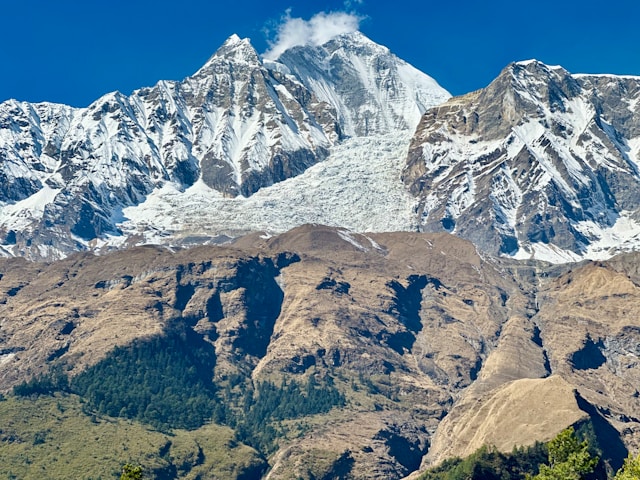
Dhaulagiri Base Camp
Trekking towards the well-known historic Trans Himalayan Salt Trade route (an Old Caravan Route from Nepal to Tibet) and through the deepest gorge in the world, the Kali Gandaki Valley, and concluding this great adventure at Jomsom with a breath-taking scenic flight to Pokhara and then to Kathmandu. Dhaulagiri Base Camp is located at 4750 meters.
Nearly every trekking environment the Nepal Himalaya has to offer is combined during the Dhaulagiri Base Camp trek, from the temperate subtropical low farmlands to the alpine zone in the deep woods, the arid and windswept valleys, and towards the dense forests of the lower warmer region to high snow crested ridge and merciless ice field.
Only in this trekking region can hikers see Mt. Dhaulagiri’s unusual face and the Annapurna massifs. Moreover, It is also one of the Best Vacation Treks in Nepal.
Makalu Base Camp
The mid-eastern town of Tumlingtar is where the Makalu Base Camp hike starts. This is a high-altitude walk that visits lower settings including the Makalu Barun National Park, attractive Gurung villages, and luscious rhododendron woods. The Himalayas may be seen in stunning detail from higher elevations, and there are passes to cross to get to the barn-shaped, rocky base camp.
This journey is suited for experienced hikers and nature lovers who prefer to be in quiet, pristine nature rather than follow the masses because it is long, varied, and rather strenuous. Given that Makalu Base Camp is located at 5100 meters, the arduous hike via steadily rising altitude is a fantastic opportunity to gradually acclimate.
The mid-eastern town of Tumlingtar is where the Makalu Base Camp hike starts. This is a high-altitude walk that visits lower settings including the Makalu Barun National Park, attractive Gurung villages, and luscious rhododendron woods. Furthermore, It is also one of the Best Vacation Treks in Nepal.
Mardi Himal Base Camp
A popular short walk in Nepal that is situated on the flank of the Annapurna Mountains is the Mardi Himal walk. From Pokhara, the most popular short treks include the Annapurna Base Camp Trek and many others.
It was begun formally in 2012 and is still going strong. On this enchanted trek, you arrive at Machhapuchhree or Mardi Himal Base Camp, which is at the base of Mardi Himal and Mt. Fishtail (6,993m).
We move towards the base camp, which is located at an elevation of 3550 meters and offers an extraordinary view of the Mardi Himal (5,500 meters). Mt. Machhapuchhre (6,993 meters), as well as some portions of the Annapurna, the pathways are brimming with breathtaking sights.
The entire hiking route is less congested and pollution-free due to fewer people, providing authentic adventure experiences. As a result, Mardi Himal Trek is gaining recognition as a well-liked quick trek in Nepal. Moreover, It is also one of the Best Vacation Treks in Nepal.
Routes for the Mardi Himal Trek run through stunning areas of the Annapurna range. Routes cross glistening rivers and streams as well as an oak and rhododendron woodland. Enjoy the scenic off-pitch roads to base camp as you take in the stunning Mardi Himal and the nearby mountain peaks.
Api Base Camp
The base camp of Mount API, which is situated in Nepal’s most western region and borders Tibet to the north and India to the west, is one of the country’s least visited Himalayan regions. The Mount Api base camp hike takes place in the upper, isolated, and unpopulated portion of the Darchula district.
Less people use this path for trekking compared to other trekking routes. This journey offers a wonderful opportunity to experience the actual remoteness of nature in western Nepal.
This hike takes place in the 1903 km2 API Nampa protected area, which is home to various endangered animal species including the snow leopard, musk deer, and Himalayan monal birds.
In addition, the area is rich in medicinal plants, including “Yarsagumba” (caterpillar-fungus) and numerous species of “rhododendrons,” Nepal’s national flower. Moreover, It is also one of the Best Vacation Treks in Nepal.
Cho Oyu Base Camp
The sixth-highest mountain in the world, Cho Oyu (8201m), is situated close to Everest to the west in the Khumbu region of eastern Nepal, close to the Tibetan border.
There are no particularly tricky portions, and there are almost no real dangers. Given that it can be accomplished in about two weeks round trip, its relatively simple access makes it a desirable base camp for someone with little time. Cho Oyu Base Camp may be reached by jeep, and it takes a very long day to travel from Base Camp to Kathmandu.
Base Camp is frequently overrun by numerous trips due to its accessibility. The Nangpa La, a former trading route between the Khumbu Sherpas and Tibet, is located just west of Cho Oyu.
On October 19, 1954, Herbert Tichy, Joseph Jöchler, and Sherpa Pasang Dawa Lama of an Austrian expedition made the mountain’s first ascent through the northwest ridge.
After the ascents of Annapurna in June 1950, climbers reached the fifth 8,000-meter summit, Cho Oyu, following successful expeditions on Mount Everest, Nanga Parbat, and K2.
Ama Dablam Base Camp
Ama Dablam is one of the most sought-after summits for climbers, and the Nepalese government has given its ascent permission. This mountain stands out as a top choice for experienced climbers looking to test their skills because of its spectacular aspect and difficult terrain.
The local Sherpa language translates “Ama Dablam,” referring to the mountain’s form resembling a mother clutching her kid while wearing a necklace, as “Mother’s Necklace. Being one of the most stunning peaks in the world, it is definitely a sight to behold.
Its astounding height of 6,812 meters puts it nowhere near Mount Everest, yet it is just as tough for climbers to reach because they must have previous mountaineering experience. The ascent to the peak is very difficult, requiring climbers to employ their knowledge and experience in steep and exposed areas.
Moreover, It is also one of the Best Vacation Treks in Nepal. Climbers must negotiate steep gullies, ridges, and major elevation changes as they make their way to the top on the mixed rock and ice terrain.
Things to pack for a better experience while trekking in Nepal
Preparing for a trekking escapade in the breathtaking landscapes of Nepal is akin to embarking on a journey through a multifaceted labyrinth of diverse terrains and climatic caprices. It’s a venture that beckons the wanderer to meticulously contemplate their gear and essentials, crafting a symphony of perplexity and burstiness in their preparations.
Kicking off this expeditionary odyssey, one must lavish attention on the underpinnings of their journey – the footfalls that will propel them through the rugged beauty of Nepal’s trails. Herein, the indispensability of trekking boots, adorned with robust ankle support, unveils itself.
It’s the metaphorical gateway to a labyrinth of bewildering variety. Ensuring these boots, the harbingers of comfort, grace your feet with a well-practiced familiarity before the arduous sojourn commences is a prudent prelude to avoiding the discord of discomfort echoing through your every stride.
Travel in Good weather
As you amble further down the labyrinthine path of packing, the cloak of attire emerges as an enchanting enigma. Nepal, a land of shifting moods and mercurial meteorology, demands sartorial sagacity.
Layering, the key to decoding the weather’s capricious dance, necessitates moisture-wicking base layers, insulating mid-layers of snug warmth, and the resilient armor of a waterproof outer layer, a formidable bulwark against nature’s unruly whims.
Ascending into the heights, where the frigid grip of night looms large, a warm jacket clasped to your chest becomes a trusty sentinel against the chill.
The orchestra of your trek necessitates an ensemble of provisions that cater to your every need. The backpack, a vessel for your sustenance and shelter, becomes an indispensable companion. Choosing this compatriot wisely, ensuring it fits you like a tailored suit, is an art in itself.
It must bear the onus of your needs, its capacity ranging between 40 and 70 liters, attuned to the duration of your sojourn. A rain cover or waterproof liner, a protective guardian, safeguards your gear against unexpected downpours, weaving yet another layer of complexity into your packing arrangement.
But rest, an oft-neglected necessity on this journey, demands its due reverence. A slumbering cocoon, the sleeping bag, becomes your nocturnal sanctuary. Tailor it to the anticipated temperatures, and for an added layer of hygienic luxury, consider the embrace of silk or thermal liner.
Trekking Poles
Trekking poles, often an overlooked serenade in the symphony of gear, are more than mere walking aids. They are the guardians of your knees, the sentinels of stability on precipitous descents, and the silent, unsung heroes of your trekking escapade.
Navigating the labyrinth of trails in Nepal requires cartographic companions – trekking maps, a compass, or a GPS device to shepherd you along the correct route. Consider the comforting backup of offline maps on your smartphone, a digital savior in times of cartographic confusion.
Hydration
Hydration, a life-giving elixir, becomes paramount. A reusable water bottle or hydration reservoir, boasting a capacious 2-liter embrace, stands as your watery sentinel. In remote realms where tap water’s trustworthiness wanes, the alchemical magic of water purification tablets or a portable water filter transforms your trepidation into the taste of safety.
Safety itself must forever occupy a lofty pedestal in your contemplations. A comprehensive first aid kit, the apothecary of exigencies, must include bandages, antiseptic wipes, pain relievers, and remedies for altitude sickness.
Travel-sized toiletries, entailing biodegradable soap, toothpaste, and toilet paper, complemented by the sacrament of hand sanitizer, weave another strand of preparedness.
In the dark alleys of night, illumination reigns supreme. A dependable headlamp or flashlight, complete with spare batteries, emerges as your beacon through the shadowed recesses of the trekking labyrinth.
Food and acclimatization
Energizing sustenance is the lifeblood of your journey. Elevate your spirit with high-energy snacks, the treasures of energy bars, nuts, and dried fruits. And in the pockets of your spirit, stash ample local currency, Nepalese Rupees, for the remote corners where ATM machines slumber.
Photocopies of your essential documents, from the passport to permits and insurance, stand as your resilient sentinels against the specter of loss or theft.
Be sure to secure the permissions and licenses relevant to your chosen area before you take your first step onto the winding trails. The treasury of local regulations and fees demands your cognizance, lest you find yourself ensnared in an unforeseen bureaucratic web.
For the souls seeking to immortalize the spellbinding landscapes and kaleidoscopic cultural encounters of Nepal, a camera with a trove of spare batteries and memory cards emerges as the harbinger of perpetual memory.
Conclusion
Last, but certainly not least, comes the clarion call of responsible trekking. Carry with you the guardian robes of garbage bags, champions of environmental conservation.
Opt for reusable water bottles and food containers to curtail the scourge of single-use plastic, for you are the steward of Nepal’s pristine beauty, entrusted with its guardianship for generations yet unborn.
As you traverse the labyrinth of preparation with mindful intent, you shall find yourself poised to confront the myriad challenges that Nepal’s trekking trails proffer. In doing so, you shall be privy to the immersive spectacle of awe-inspiring landscapes and the riches of cultural immersion that Nepal, a realm unlike any other, unfurls before your wanderlust-laden eyes.
Your trekking adventure in Nepal, an epitome of enigma and complexity, promises to etch itself indelibly upon the tapestry of your life’s adventures.
You May Be Interested In:
For a usual 8–12 day journey, international trekking company fees range from USD $ 600 to $5,000+ per person. Permits, a guide, some transportation to the trailhead (where the journey begins), lodging, and meals (including your guides) are typically included in these costs.
Can beginners Trek Nepal?
To hike in the Himalayas, you don’t need to go long distances or at extremely high altitudes. Additionally, there are a number of easy treks in Nepal that take a week or less to complete and feature stunning scenery and a taste of the local culture. There is a list of the top Nepalese base camp treks for beginners. Cynthia P.
Is trekking alone fun?
Hiking by yourself is a fantastic way to challenge yourself and explore nature. The thought of venturing out on their own might be frightening for many novice hikers. It can, however, be one of the most gratifying experiences of your life if you take the time to plan and educate yourself on the fundamentals of solo hiking safety.
How healthy is trekking?
Spending hours on the route, climbing around boulders, rock hopping, and ascending slopes will enhance your strength, agility, and cardiovascular fitness. Additionally, carrying a heavy pack while trekking can help you burn up to 600 calories each hour, making it an excellent method for weight loss.
Is ABC Trek for beginners?
The Annapurna Base Camp trip (ABC) immerses you in the Annapurna region’s heart while providing stunning views of towering peaks, picturesque vistas, and a window into the way of life there. For novices looking for an accessible yet adventurous trekking experience, this walk is perfect.
Individuals like Tenzing Norgay and Sir Edmund Hillary made history with their successful climb in 1Individuals like Tenzing Norgay and Sir Edmund Hillary made history with their successful climb in 1953. They pushed the limits of human strength and inspired modern adventurers to continue pushing boundaries. The following list includes 25 of history’s most well-known Mount Everest climbers.
Famous Mount Everest climbers – Person who climbed Mt.Everest
Sir Edmund Hillary:
Sir Edmund Hillary was well-known for his charity contributions, exploration efforts, and mountaineering accomplishments. On May 29, 1953, he and Tenzing Norgay were the first to reach the top of Mount Everest, a remarkable accomplishment. John Hunt commanded the 1953 British Mount Everest expedition, which produced this remarkable accomplishment.
Sir Edmund Hillary served his country in a number of diplomatic capacities in addition to his mountaineering accomplishments. From 1985 to 1988, he served as the ambassador to Nepal.
During the same period, he also held the position of high commissioner to Bangladesh and India for New Zealand. He inspired others and made a big impact on the world through his exploration and help for people.
Reinhold Messner:
Reinhold Messner, from Italy, was the first person to climb Mount Everest alone. He is a mountaineer, explorer, and author. He and Peter Habeler climbed Mount Everest without using extra oxygen. This achievement broke a new record and experts consider it a great feat in high-altitude mountaineering.
Moreover, Messner was the first climber to reach the top of all 14 mountains over 8,000 meters without using extra oxygen.
Reinhold Messner is the best mountaineer ever, with unmatched achievements in exploration and mountaineering, making a lasting impact.
Tenzing Norgay:
Born in May 1914 as Namgyal Wangdi, Tenzing Norgay, popularly known as Sherpa Tenzing, was a famous Nepali-Indian Sherpa mountaineer. He and Edmund Hillary reached the top of Mount Everest on May 29, 1953. This achievement made a lasting mark on history.
Furthermore, Tenzing Norgay, a member of the Sherpa ethnic group, excelled at mountaineering and showed great bravery. In the field of exploration, his teamwork with Edmund Hillary to summit Everest was a major accomplishment.
As well as His reputation as a remarkable person went beyond the world of mountaineering. Time magazine recognized him as one of the top 100 influential people of the 20th century. They acknowledged his significant influence and impact.
Pasang Lhamu Sherpa:
The first woman from Nepal to reach the peak of Mount Everest was Pasang Lhamu Sherpa. An early age inspired Pasang Lhamu to climb because his family of mountaineers had given birth to him.
She climbed famous mountains such as Mount Blanc, Mount Cho Oyu, Mount Yala Peak, Pisang Himal, and others. She did this because of her determination and skill.
She had attempted to reach the top of Mount Everest three times before. However, it was on April 22, 1993, that she finally succeeded. She achieved this by climbing the Southeast Ridge route from the South Col.
However, Pasang died on the south summit of Everest. This happened when the weather unexpectedly worsened while coming down.
George Mallory:
British mountaineer George Mallory is most remembered for his early attempts to climb Mount Everest in the 1920s. Mallory’s pioneering efforts opened the door for subsequent trips even if he was unable to reach the peak.
His famous reply, “Because it’s there,” to why he was climbing Everest, has become a catchphrase for adventurers worldwide. Until his body was found on Everest in 1999, Mallory’s ultimate fate remained a mystery. Did he reach the peak before he died? Mountaineering lore wonders and is intrigued by this question.
Scott Fischer:
Scott Fischer of Mountain Madness became a famous American mountaineer and guide for climbing the tallest mountains without using extra oxygen. He accomplished incredible exploits in the field of mountaineering thanks to his daring nature.
Additionally, Fischer and Wally Berg were the first American climbers to climb Lhotse. Lhotse is the 4th tallest mountain. They achieved this at a height of 27,940 feet (8,516 meters).
Fischer’s first climb of Mount Everest, which soars to a height of 29,032 feet (8,848.86 meters), is among his noteworthy accomplishments and was a turning point in his career. Fischer died in a scary accident on Everest in 1996 while coming down from the top. He left a brave and determined legacy in front of the world’s scariest mountains.
Green Boots:
The climber’s unknown body, called “Green Boots,” is famous as a marker on Mount Everest’s main Northeast ridge path.
People believe that the body belongs to Tsewang Paljor. He was an Indian climber who died on Everest in 1996. However, no one ever officially acknowledged it.
His unusual green Koflach mountaineering boots gave him the nickname “Green Boots.” Prior to 2014, every expedition from the north side witnessed a distressing scene. They would come across a lifeless body inside a cave, situated at an altitude of 8,500 meters (27,900 feet).
Mark Inglis:
New Zealander Mark Inglis is an accomplished mountaineer, researcher, winemaker, and motivational speaker. He has contributed substantially to leukemia research and holds a Human Biochemistry degree from Lincoln University in New Zealand. He pursues academic interests in addition to cycling, where he excels despite having both legs amputated.
Mark Inglis also accomplished a historic milestone by becoming the first person with two amputees to stand atop Mount Everest. Because David Sharp passed away during Mark’s ascent of Everest, climbers harshly condemned his summit attempt.
Some of the Famous Nepali people who Climbed Mount Everest
When Nepal initially welcomed climbers in 1949, mountaineering there quickly became a passionate and daring pastime for climbers.
Although mountaineering endeavors initially appeared in the early 20th century, it wasn’t until 1953 that Sir Edmund Hillary and Tenzing Norgay set foot on the summit of Mount Everest that anyone could declare triumph.
Sherpas are a Nepalese ethnic group renowned for their strength and willpower at high altitudes, as well as their climbing skills. For Sherpas, tourism offers other pastimes and possibilities of income. Locals cook, carry, and guide climbers. They also provide overnight stays in their homes for mountain expeditions.
Ang Dorje Sherpa
A 20-time summit climber of Mount Everest, Ang Dorje (Chhuldim) Sherpa is a Nepali sherpa climbing guide, climber, and porter from Pangboche, Nepal. Moreover, He was the leader of the climbers on Rob Hall’s expedition to Mount Everest in 1996. Sadly, eight climbers died in a severe storm, making it one of the deadliest accidents in Everest history.
Phurba Tashi Sherpa
Phurba Tashi Sherpa is a mountaineer from Nepal who has scaled a number of significant Himalayan peaks. Climbers have scaled Mount Everest 21 times, along with Cho Oyu five times, Manaslu twice, Shishapangma once, and Lhotse once.
In 2009, Tashi made an appearance in the Discovery Channel program Everest: Beyond the Limit. When it comes to Nepalis who have scaled Everest the most times, Phurba comes in fourth.
Apa Sherpa
A mountain climber from Nepal named Apa Lhakpa Tenzing Sherpa shared the record for Mount Everest summit attempts with Phurba Tashi up until 2017. In 1990, he made his first ascent of Everest, and in 2011, he made his 21st ascent. Apa responded, “Everyone thinks 21 is a nice number,” when asked why he stopped at the number 21.
Ngima Nuru Sherpa
The 40-year-old from Tesho, close to Namche Bazaar, the center of the Khumbu region, started his climbing career as a neighborhood kitchen assistant for climbing teams in 1999. He had already climbed Mount Everest by 2001, the highest peak in the world.
Furthermore, Ngima Nuru ascends Everest every year except for 2015. He has made 22 ascents, which places him second only to Kami Rita Sherpa in terms of frequency. Given that he is eleven years younger than Kami Rita Sherpa, Nuru might someday surpass her at the top of the record list.
Kami Rita Sherpa
Kami Rita Sherpa grew up in Thame, a tiny village near Solukhumbu, where she grew up and was born. The town has produced a number of well-known Sherpa mountaineers, including Tenzing Norgay.
On May 7, 2021, Kami made her 25th ascent to the summit of Mount Everest, breaking the previous record. She has intentions to make her 26th ascent in the month of May 2022.
FAQs for Climbers of Mount Everest
Who is Everest’s first girl?
Junko Tabei was a Japanese climber, writer, and teacher. She was born in Ishibashi on September 22, 1939, and passed away on October 20, 2016. She was the first woman to reach the top of the highest mountains on every continent, including Mount Everest.
What was Mount Everest called in Nepal?
Chomolungma is a Tibetan name that translates to “Mother Goddess of the World.” Sagarmatha is a name with many meanings in Nepali.
How many people have reached the top of Everest?
6,338 individuals, as of January 2023, have conquered Mount Everest. When a climber reaches the top multiple times, we only mention their first summit date. The total number of summits is shown in brackets after their name.
Has anyone ever climbed to the very top of Mount Everest?
Since 1953, over 11,850 climbers have reached the summit of Mount Everest, starting with Edmund Hillary and Tenzing Norgay.
What is the percentage of making it to the top of Mount Everest?
Between 1990 and 2005, 1,702 men and 214 women who attempted Everest succeeded in reaching the summit. 68% of the 548 women and 64% of the 2,860 males who attempted to climb Everest between 2006 and 2019 succeeded. In other words, between 2006 and 2019, around two-thirds of climbers who proceeded above base camp reached the summit.
Can I climb Mount Everest with no experience?
Trekking to Everest Base Camp (EBC) is doable without mountaineering experience, but climbing Mount Everest requires extensive training and expertise. This fact makes it incredibly accessible to many people, most likely including you.
What is Mount Everest’s death rate?
On Mount Everest, how many individuals have perished? There have been at least 322 fatalities on Mount Everest overall. That is based on data from The Himalayan Database that dates all the way back to 1922. There are records of individuals climbing, with an average of 4.4 fatalities every year.
How cold is it on the top of Everest?
The summit is the windiest place on Earth due to the strong and unpredictable winds of a hurricane. The coldest month on Mount Everest, with average highs of -36 degrees Celsius (about -33 degrees Fahrenheit) and lows of -60 degrees Celsius (almost -76 degrees Fahrenheit).
How many people survive going up Mount Everest?
About 1% of climbers have died on Mount Everest in the past 30 years. Around 4% of efforts that are successful result in death. Furthermore, The chance of dying while climbing the mountain is low if you are well-prepared and have an experienced guide.
How long does it take to climb Everest?
Climbing Mount Everest usually takes two months, while climbing Denali, which is 20,310 feet high, may take three to four weeks. An expedition to Mount Everest typically lasts two months.
Conclusion
Climbing to Mount Everest is one of the most amazing journeys. Climbing Mount Everest is an amazing display of human strength and determination, combining physical ability with mental toughness.
People who embark on this challenging journey are often motivated by a strong passion for mountain climbing. They have an unwavering determination to chase after their dreams.
Sir Edmund Hillary, a mountaineer from New Zealand, is a remarkable figure in history. His indomitable legacy and trailblazing achievements have made him well-known. Coupled with him, like an irreplaceable cog in the cosmic machinery, is the Sherpa from the heart of Nepal, Tenzing Norgay.
In 1953, these two people became the first to reach the top of Mount Everest, a very high mountain. It was a great achievement. A historic exclamation mark in the boundless narrative of mountaineering and human exploration.
Island Peak is one of the most popular trekking peaks in Nepal. Island Peak is a challenging climb�Island Peak is one of the most popular trekking peaks in Nepal. Island Peak is a challenging climb that requires a lot of preparation, including having the right gear and equipment. In this article, I’ll share with you my experience as a travel guide specializing in climbing Island Peak and provide you with a comprehensive guide on the best gear and equipment for success.
Introduction
Climbing Island Peak is an incredible experience that requires a lot of preparation. One of the most important aspects of this preparation is having the right gear and equipment.
As a travel guide specializing in Island Peak climbing, I have seen many climbers who have failed to reach the summit because they did not have the right gear and equipment.
In this article, I’ll share with you my experience and provide you with a comprehensive guide on highly recommended best gear and equipment for success.
If you want to Explore the Island Peak: Book Now
Why Having the Right Gear and Equipment is Important
Climbing Island Peak is not an easy feat. It requires a lot of physical and mental preparation, as well as having the right gear and equipment. Having the right gear and equipment can make all the difference between a successful climb and a failed one.
When climbing at high altitudes, climbers need to prepare for all kinds of weather conditions, including hot and sunny days as well as cold and snowy ones.
Additionally, climbers must be prepared for emergencies such as avalanches or falls.
Clothing
Having the right clothing is essential for a successful climb. You need to be prepared for all kinds of weather conditions, from hot and sunny to cold and snowy. Here are some tips on what to wear when climbing Island Peak:
Base Layers
Your base layers are the foundation of your clothing system. They should be made of moisture-wicking material that will keep you dry and comfortable. I recommend wearing a long-sleeved shirt and pants made of synthetic or wool material.
Insulating Layers
Insulating layers are designed to keep you warm in cold weather conditions. They should be lightweight and compressible so that you can easily pack them in your backpack. I recommend wearing a fleece jacket or vest.
Outer Layers
Your outer layers are designed to protect you from wind, rain, and snow. They should be waterproof and breathable so that you stay dry and comfortable. I recommend wearing a waterproof jacket and pants.
Accessories
Accessories are essential for keeping your extremities warm and protected. You should wear a warm hat, gloves, and socks made of wool or synthetic material.
Footwear
Having the right footwear is essential for a successful climb. You need to have boots that are comfortable, supportive, and durable. Here are some tips on what to look for when choosing boots for climbing Island Peak:
Mountaineering Boots
Mountaineering boots are designed for climbing steep terrain and are essential for climbing Island Peak.
They should be insulated, waterproof, and have a stiff sole for support.
Socks
Socks are just as important as boots when it comes to keeping your feet warm and dry. You should wear socks made of wool or synthetic material that wick moisture away from your skin.
Climbing: Gear and Equipment
Having the right climbing gear and equipment is essential for a successful climb. You need to have gear that is lightweight, durable, and easy to use. Here are some tips on what to look for when choosing climbing gear for Island Peak:
Harness
Your harness is an essential piece of safety equipment that will keep you attached to the rope while climbing. It should be comfortable, adjustable, and lightweight.
Helmet
A helmet is essential for protecting your head from falling rocks or ice. It should fit snugly on your head and have adjustable straps.
Ice Axe
An ice axe is used for self-arresting in case of a fall. It should be lightweight, durable, and have a comfortable grip.
Crampons
Crampons provide traction on snow and ice while climbing. They should fit snugly on your boots and be easy to adjust.
Ropes
Climbing steep terrain requires ropes for safety. They should be lightweight, durable, and easy to use.
Camping: Gear and Equipment
Having the right camping gear and equipment is essential for a successful climb. You need to have gear that is lightweight, durable, and easy to use. Here are some tips on what to look for when choosing camping gear for Island Peak:
Tent
Your tent is your home away from home while climbing Island Peak. It should be lightweight, durable, and easy to set up.
Sleeping Bag and Pad
Your sleeping bag and pad are essential for keeping you warm at night. They should be lightweight, compressible, and have an appropriate temperature rating.
Stove and Fuel
Your stove is essential for cooking food while camping on Island Peak. It should be lightweight, durable, and easy to use. You’ll also need fuel canisters that are appropriate for high-altitude cooking.
FAQ’s
What gear is essential for Island Peak climbing?
Island Peak climbing requires essential gear such as mountaineering boots, crampons, ice axe, harnesses, helmets, and proper clothing layers for varying weather conditions.
What type of clothing should I pack for the climb?
Pack moisture-wicking base layers, insulating mid-layers, a waterproof and windproof outer layer, gloves, and a beanie to stay warm and dry during the climb.
Do I need specialized climbing clothing?
Yes, specialized climbing clothing designed for cold and high-altitude environments is recommended to ensure comfort and safety during the climb.
Are trekking poles necessary for Island Peak climbing?
While not mandatory, trekking poles can provide added stability and reduce strain on your joints during both the trek and the climb.
What type of backpack should I bring?
A sturdy, well-fitting backpack with a capacity of around 40-50 liters is suitable for carrying your gear and essentials throughout the climb.
Is it necessary to bring a sleeping bag?
Yes, a high-quality sleeping bag rated for cold temperatures is essential for a comfortable night’s rest at the base camp and at higher altitudes.
What kind of technical equipment is required?
Technical equipment like ropes, harnesses, ice screws, and carabiners are crucial for navigating crevasses and steep sections of the climb.
Conclusion
Climbing Island Peak is an incredible experience that requires a lot of preparation. Having the right gear and equipment is essential for a successful climb.
I hope this guide has been helpful in providing you with information on the best gear and equipment for success when climbing Island Peak. Remember to always check the weather forecast before heading out on your climb, stay hydrated, take breaks when needed, and most importantly – have fun!
You May Be Interested In:
Challenges of Trekking to Everest Base Camp Trekking to Everest Base Camp is a dream adventur
Challenges of Trekking to Everest Base Camp
Trekking to Everest Base Camp is a dream adventure for many. It offers an opportunity to experience breathtaking landscapes and the majestic Himalayas. But, while enjoying the amazing beauty, hikers also have to deal with many difficulties that come along during the journey. We discuss the challenges of trekking to Everest Base Camp in this blog.
Similarly, from the soaring altitudes to unpredictable weather patterns, this trek demands careful planning, preparation, and safety measures.
Overview
Trekking to Everest Base Camp is an extraordinary adventure that brings trekkers face to face with the raw beauty of the Himalayas. Similarly, the journey presents challenges like high altitude and unpredictable weather. Moreover, with proper preparation, caution, and safety measures, these challenges can be overcome.
So, it’s really important to take things slowly and get used to the higher altitude step by step. Also, listen to experienced guides to help you. Plus, always keep an eye on your health during the hike.
If you follow these safety measures, your trek to Everest Base Camp can become a safe and unforgettable adventure. Dealing with High Altitude: A Big Challenge
The Major Challenges of Trekking to Everest Base Camp
The Altitude Conundrum
One of the most significant challenges of trekking to Everest Base Camp is the progressively increasing altitude. Moreover, as trekkers ascend, the oxygen levels in the air decrease, which can lead to altitude-related health issues.
Similarly, in light of this, it’s crucial to acclimatize gradually, allowing the body to adapt to changing conditions.
Acute Mountain Sickness (AMS)
Acute Mountain Sickness is one of the challenges of trekking to Everest Base Camp, It is commonly known as AMS and is a potentially serious condition that can affect anyone at altitudes above 8,000 feet. Headaches, nausea, dizziness, and fatigue are early symptoms, which, if ignored, can escalate to more severe conditions such as High Altitude Pulmonary Edema (HAPE) or High Altitude Cerebral Edema (HACE).
Safety Measures and Precautions
Physical Fitness and Training
Preparing for the Everest Base Camp trek goes beyond just packing the right gear. Additionally, physical fitness plays a crucial role in minimizing the risks associated with high-altitude trekking.
Engaging in cardiovascular exercises, incorporating strength training, and dedicating time to hiking practice can significantly enhance your stamina. This will help you better cope with the physical demands of the trek.
Local Guides: A Wealth of Experience
Enlisting the expertise of local guides can significantly enhance safety during the trek. Experienced guides are well-versed in the terrain, weather patterns, and altitude challenges. They can recognize early signs of AMS and make informed decisions about the pace of the trek, rest breaks, and necessary acclimatization.
Proper Hydration and Nutrition
Staying hydrated and maintaining a balanced diet are vital aspects of trekking safety. Dehydration can exacerbate the effects of altitude, while a nourishing diet fuels your body for the journey.
Energy-rich foods like carbohydrates and lean proteins should be included in your diet to provide sustained energy.
Gradual Acclimatization
Rushing the trek increases the risk of altitude-related illnesses. Adequate acclimatization involves planning rest days at certain altitudes to allow your body to adjust.
Common acclimatization spots like Namche Bazaar and Dingboche offer opportunities to adapt before ascending further.
Unpredictable Weather: Nature’s Wild Card
The Weather Challenge
The Everest region is notorious for its ever-changing weather patterns. Moreover, due to the high altitudes and varied topography, the environment is susceptible to rapid shifts in conditions. This means that weather can transform from clear skies to blizzards in a matter of hours.
As a result, trekkers must be fully prepared for sudden drops in temperature, heavy snowfall, and strong winds that can challenge their journey. The Weather Challenge is also one of the challenges of trekking to Everest Base Camp.
Dressing Right: Layering for Comfort and Safety
Dressing appropriately for the trek is not solely about comfort; it’s a matter of safety as well. Furthermore, layering your clothing effectively enables you to adapt to the unpredictable weather conditions of the Everest region.
Starting with a moisture-wicking base layer, adding an insulating mid-layer, and topping it off with a waterproof outer layer are essential steps to ensure you stay warm and dry throughout the journey.
Equipment Reliability
Investing in quality trekking gear is a crucial safety measure. Your equipment should include a sturdy pair of trekking boots, a well-fitted backpack, trekking poles for stability, and a reliable sleeping bag rated for low temperatures. Checking the condition of your gear before the trek is essential to avoid last-minute glitches.
Acute Mountain Sickness: Prevention and Precautions
Understanding AMS
Acute Mountain Sickness occurs due to the body’s struggle to adapt to reduced oxygen levels at high altitudes. Recognizing the symptoms and understanding the condition’s progression is essential for both trekkers and guides.
Gradual Ascent
The key to preventing AMS is a gradual ascent. Rushing the climb increases the risk of altitude-related illnesses. Following a well-planned itinerary that includes rest days at specific altitudes allows your body to adjust progressively.
Hydration and Nutrition
Staying hydrated at high altitudes can be challenging but is crucial to AMS prevention. Drink plenty of fluids and avoid excessive caffeine and alcohol intake. Nutrition-wise, focus on a balanced diet rich in carbohydrates and proteins to fuel your body’s energy requirements.
Medication and Oxygen
Consulting a medical professional before embarking on the trek is recommended. In some cases, medication like acetazolamide (Diamox) can aid in acclimatization. Portable oxygen cylinders are also a part of many trekkers’ safety kits and can provide relief in case of severe AMS symptoms.
What will you come across on this trek?
Stunning Landscapes and Scenic Beauty:
The Everest Base Camp trek takes you through a variety of landscapes. This ranges from lush forests and meadows to rocky terrains and glacial moraines. Similarly, along the way, you’ll be treated to breathtaking panoramic views of some of the world’s highest peaks, including Everest, Lhotse, and Nuptse. Furthermore, the ever-changing scenery adds a sense of wonder to your journey.
Unique Sherpa Culture and Traditions:
The trek provides an opportunity to immerse yourself in the rich culture of the Sherpa people, the indigenous community of the Everest region. Moreover, as you pass through villages adorned with colorful prayer flags and intricately decorated monasteries, you’ll gain insights into their spiritual practices and witness Buddhist rituals. also, Engaging with the local Sherpa community adds a meaningful cultural dimension to your experience.
Vibrant Local Villages and Teahouses:
The trail is punctuated with charming local villages and teahouses. It offers not only a chance to rest and recharge but also to connect with fellow trekkers from around the world.
similarly, Sharing stories and experiences over a cup of tea or a warm meal fosters a sense of camaraderie among trekkers, creating lifelong memories and friendships that transcend borders.
Everest Base Camp and its Surroundings:
The culmination of your journey is reaching Everest Base Camp itself. Moreover, Standing at the base of the world’s highest peak is an awe-inspiring moment that fills you with a sense of accomplishment and wonder. The camp serves as a bustling hub during the climbing season.
This gives you a glimpse into the world of mountaineering and the challenges faced by those attempting to conquer Everest.
The Khumbu Glacier and Kala Patthar:
Beyond Everest Base Camp, you’ll have the chance to visit the impressive Khumbu Glacier, a massive ice formation that descends from the slopes of Everest. Additionally, the ascent to Kala Patthar offers a rewarding experience.
Standing at this vantage point provides an unparalleled panoramic view of Everest and the surrounding peaks, particularly breathtaking during sunrise or sunset.
Personal Growth and Achievement:
Trekking to Everest Base Camp isn’t just a physical endeavor; it’s also a journey of personal growth and achievement. Similarly, Overcoming challenges posed by high altitudes, changing weather, and demanding terrain push your limits and instills a deep sense of resilience. Moreover, reaching your destination fosters confidence and a renewed perspective on your capabilities.
Cultural Exchange and Interaction:
Engaging with the local Sherpa community provides a unique opportunity to learn about their way of life, traditions, and challenges. Visiting monasteries, observing rituals, and participating in cultural exchanges allow you to gain a deeper understanding of the region’s heritage and spirituality.
Breathtaking Natural Wonders:
The trek exposes you to an array of natural wonders, from the dense forests and alpine meadows to icy glaciers and towering peaks. The diverse flora and fauna adapted to high altitudes provide a unique window into the Himalayan ecosystem, offering moments of reflection on the beauty and fragility of nature.
Challenges and Triumphs:
Throughout the journey, you’ll face physical and mental challenges. Coping with the effects of altitude, adapting to changing weather conditions, and navigating rugged paths all contribute to the adventure. Each obstacle conquered becomes a triumph that fuels your confidence and determination.
Connection with Nature:
Trekking through the Himalayas offers an unparalleled opportunity to connect with nature on a profound level. Amidst the solitude and serenity of the mountains, you’ll find moments of peace and introspection, fostering a sense of renewal and appreciation for the natural world.
Photographic Opportunities:
The trek presents countless photo-worthy moments. From majestic mountain vistas to colorful prayer flags fluttering in the wind, the visual beauty of the landscape is a photographer’s dream. Capturing these moments allows you to relive the journey and share its splendor with others.
Memorable Sunrises and Sunsets:
Witnessing the sunrise or sunset from high vantage points like Kala Patthar is an unforgettable experience. As the sun bathes the peaks in golden light, you’ll be treated to a breathtaking display of colors, creating indelible memories that stay with you long after the trek.
Culinary Exploration:
The teahouses and local villages offer opportunities to savor traditional Himalayan cuisine. From hearty dal bhat to local snacks, you’ll have a chance to indulge in authentic flavors that provide sustenance and a taste of local culture.
Environmental Consciousness:
As you traverse this pristine environment, it’s important to practice responsible trekking. Respect for the fragile ecosystem, proper waste disposal, and adherence to Leave No Trace principles contribute to the preservation of natural beauty for future generations.
Life Lessons and Reflection:
The journey to Everest Base Camp provides moments of introspection and self-discovery. Overcoming challenges, interacting with diverse individuals, and absorbing the grandeur of nature inspire insights into your personal strengths, resilience, and capacity for growth.
FAQs
How difficult is the Everest Base Camp trek?
The trek is moderately challenging, requiring a good level of fitness and endurance. Training and proper acclimatization are important.
What is altitude sickness, and how can I prevent it?
Altitude sickness is when your body struggles with reduced oxygen at high altitudes. Prevent it by gradual acclimatization, hydration, avoiding alcohol, and, if needed, medication like Diamox.
What gear and clothing do I need?
Pack essential gear like sturdy boots, layered clothing, waterproof layers, a sleeping bag, sunglasses, sunscreen, a hat, gloves, and a headlamp.
Do I need a guide for the trek?
While not mandatory, having a guide is recommended. moreover, They offer local expertise, safety, navigation help, and cultural insights, enhancing your experience.
What is the best time to trek?
Peak seasons are spring (March to May) and autumn (September to November) for clear skies and stable weather. also, winter is colder, and the monsoon season (June to August) brings rain and reduced visibility.
Conclusion
In conclusion, trekking to Everest Base Camp is an extraordinary adventure that brings trekkers face-to-face brings the trekker to the raw beauty of the Himalayas. Furthermore, the journey presents the Challenges of trekking to Everest Base Camp at high altitudes and unpredictable weather. However, with proper preparation, caution, and safety measures, these challenges can be overcome.
Therefore, it’s crucial to prioritize gradual acclimatization, adhere to the guidance of experienced guides, and stay vigilant about your health throughout the trek. Also, By embracing these precautions, you can turn your Everest Base Camp trek into a safe and memorable experience of a lifetime.
You May Be Interested In:
Introduction: Welcome to the exhilarating world of the Everest Base Camp Trek, a captivating journey
Introduction:
Welcome to the exhilarating world of the Everest Base Camp Trek, a captivating journey that beckons adventurers from far and wide. Nestled amidst the awe-inspiring Himalayan range, this iconic trek offers a once-in-a-lifetime opportunity to witness the grandeur of Mount Everest, the tallest peak on the planet.
Nepal, with its stunning landscapes and Himalayan charm, has long been a magnet for trekkers and mountaineers seeking to immerse themselves in the natural splendor of the region.
The Route and Itinerary:
Embarking on the Everest Base Camp Trek is a mesmerizing journey that unfolds day by day, immersing trekkers in the breathtaking landscapes and cultural wonders of the Khumbu region. Here’s a detailed day-by-day itinerary that highlights key locations and landmarks along the route:
Day 1: Arrival in Kathmandu
The journey begins in Kathmandu, Nepal’s vibrant capital city. After arrival, trekkers have a chance to explore the city’s cultural heritage, visiting ancient temples, bustling markets, and vibrant streets.
Day 2: Fly to Lukla and Trek to Phakding
Lukla Airport
An early morning flight takes trekkers to Lukla, a small mountain airstrip renowned for its dramatic landing. From Lukla, the trek commences with a descent to Phakding, a charming village located alongside the Dudh Koshi River.
Day 3: Trek to Namche Bazaar
Namche-Bazar
The trail leads to Namche Bazaar, a bustling Sherpa town, and an essential acclimatization point. Furthermore, as trekkers ascend, they catch glimpses of Everest and other Himalayan peaks. Additionally, Namche Bazaar offers a perfect blend of cultural immersion and stunning mountain vistas.
Day 4: Acclimatization Day in Namche Bazaar
This day is dedicated to acclimatization. Trekkers can explore the town, visit the local markets, and hike to nearby viewpoints, gaining altitude gradually to adapt to the thinning air.
Day 5: Trek to Tengboche
The trail winds through rhododendron forests and crosses suspension bridges en route to Tengboche. This picturesque village houses the famous Tengboche Monastery, offering breathtaking panoramic views of Everest, Ama Dablam, and other peaks.
Day 6: Trek to Dingboche
The trek proceeds to Dingboche, a scenic village nestled in a high-altitude valley. Along the way, trekkers encounter captivating landscapes and get a sense of remote mountain life.
Day 7: Acclimatization Day in Dingboche
Another acclimatization day allows trekkers to explore Dingboche’s surroundings and hike to Nangkartshang Peak for mesmerizing views of Everest, Lhotse, and Makalu.
Day 8: Trek to Lobuche
The trail leads to Lobuche, where the terrain becomes more rugged and barren as trekkers approach the Everest region. The spectacular Khumbu Glacier comes into view, adding to the allure of the journey.
Day 9: Trek to Gorak Shep, Visit Everest Base Camp
On this day, trekkers hike to Gorak Shep, the last settlement before reaching Everest Base Camp. From Gorak Shep, they continue on an awe-inspiring journey to finally stand at the base of the world’s highest peak – Everest Base Camp.
Day 10: Hike to Kala Patthar and Descend to Pheriche
The early morning hike to Kala Patthar presents a stunning sunrise view over Everest and the surrounding peaks. After capturing the breathtaking scenery, trekkers descend to Pheriche for a well-deserved rest.
Day 11: Trek to Namche Bazaar
The return journey commences, taking trekkers back to Namche Bazaar through picturesque landscapes and charming villages.
Day 12: Trek to Lukla
The final leg of the trek leads back to Lukla, where trekkers bid farewell to the mountains and celebrate the completion of an unforgettable adventure.
Day 13: Fly to Kathmandu
A morning flight from Lukla brings trekkers back to Kathmandu, where they can reflect on the incredible journey and relish the memories of their Everest Base Camp Trek.
The Everest Base Camp Trek is a wondrous blend of natural beauty, cultural encounters, and personal triumphs, making it a once-in-a-lifetime experience for adventurers seeking to conquer the roof of the world.
Preparation and Packing:
Embarking on the Everest Base Camp Trek requires meticulous preparation and packing to ensure a safe and enjoyable journey. Here’s a comprehensive guide to the essential gear, clothing, and health considerations for this awe-inspiring adventure:
Essential Gear and Equipment:
Sturdy and comfortable hiking boots with good ankle support are crucial for the varied terrain.
A well-fitted backpack with a capacity of 30-40 liters to carry personal belongings and essentials.
Sleeping bag rated for cold temperatures to ensure a comfortable rest at higher altitudes.
Trekking poles provide stability and reduce strain on knees during steep ascents and descents.
High-quality headlamp with spare batteries for navigating in the dark and early morning starts.
Water purification tablets or a water filtration system to ensure safe drinking water throughout the trek.
Durable and waterproof duffel bags protect gear from moisture during domestic flights and porters’ transport.
Packing Tips for Clothing and Accessories:
Layering is key to managing varying weather conditions. Pack moisture-wicking base layers, insulating mid-layers, and a waterproof and windproof outer shell.
Quick-drying trekking pants and convertible pants are versatile options for varying temperatures and terrain.
Thermal gloves, a warm hat, and a buff or neck gaiter to protect against cold and windy conditions.
Sunglasses with UV protection and sunscreen with a high SPF to shield from intense mountain sun.
A wide-brimmed hat or cap to shield from the sun during long hours of trekking.
Comfortable and moisture-wicking socks to prevent blisters and keep feet dry.
High-altitude trekking requires warm clothing. Pack down jackets, down vests, and fleece layers for added warmth.
Lightweight and compact rain gear to stay dry during unexpected rain showers.
Health and Fitness Preparations:
Consult with a healthcare professional before embarking on the trek to ensure that you are in good physical health for high-altitude trekking.
Regular cardiovascular exercises such as hiking, jogging, or cycling can help improve stamina and endurance.
Practice hiking with a loaded backpack to simulate the conditions of the trek and build strength.
Acclimatization is essential for a successful trek. Plan for acclimatization days during the journey to adjust to higher altitudes gradually.
Carry a basic first-aid kit with essential medications and supplies like pain relievers, blister pads, and antiseptic creams.
Preparing for the Everest Base Camp Trek is not only about physical readiness but also mental preparation.
The journey demands determination, resilience, and a spirit of adventure. Moreover, with proper gear, clothing, and fitness, along with a positive mindset, trekkers can embrace the challenges and triumphs of this unforgettable odyssey.
Furthermore, remember, the Everest Base Camp Trek is not just about reaching the destination; it’s about embracing the journey and immersing yourself in the magnificence of the Himalayas.
Best Time to Trek:
Trekking in the Everest region is a year-round possibility, but the timing of your journey can significantly impact your overall experience. Each season offers unique advantages and challenges, making it essential to consider the different trekking seasons before planning your Everest Base Camp adventure:
Spring Season (March to May)
Spring is one of the most popular and favorable seasons for the Everest Base Camp Trek. Additionally, the months of March to May bring mild temperatures, blooming rhododendron forests, and clear skies, offering trekkers breathtaking views of the surrounding peaks.
Moreover, the advantages of trekking in spring include pleasant weather, ideal trekking conditions, and vibrant landscapes. However, being the peak trekking season, trails and teahouses may be crowded, and advance bookings are recommended.
Autumn Season (September to November)
Autumn is another favored season for the Everest Base Camp Trek. September to November brings stable weather, crisp air, and excellent visibility, making it perfect for capturing stunning mountain vistas.
Trekkers can enjoy comfortable temperatures during the day and clear skies, which enhances the overall trekking experience. However, like spring, autumn is also a busy season, and popular teahouses can fill up quickly.
Monsoon Season (June to August)
The monsoon season brings heavy rainfall to the Everest region, making it the least preferred time for trekking. The disadvantages of trekking during monsoon include slippery trails, leeches, and limited mountain views due to cloudy skies.
Landslides and flight cancellations can also disrupt travel plans. While this season is not ideal for trekking, it can be an excellent time to explore the lush landscapes and unique cultural experiences of the lower altitudes.
Winter Season (December to February)
Winter brings cold temperatures and occasional snowfall to the Everest region. The advantages of trekking in winter include fewer crowds and a quieter atmosphere along the trails.
However, the cold temperatures can make high-altitude trekking challenging, and certain passes might be closed due to heavy snow. Winter trekkers must be well-prepared for freezing conditions and be cautious of potential hazards.
Recommended Months
For a comfortable and safe Everest Base Camp Trek experience, the best months are generally spring (March to May) and autumn (September to November). These seasons offer stable weather, pleasant temperatures, and breathtaking views, creating an ideal environment for an unforgettable journey. However, if you prefer a less crowded trek or wish to experience the monsoon landscapes, other months may also be considered.
Before setting out on the trek, always check the latest weather forecasts and trail conditions, and plan accordingly. Remember, the best time to trek is a personal choice, and each season has its unique charm in the ever-changing landscape of the Everest region.
Challenges and Safety:
The Everest Base Camp Trek is a thrilling adventure, but it also comes with its fair share of challenges. Trekkers must be well-prepared to face the high-altitude environment and unpredictable weather conditions. Here’s a comprehensive overview of the potential challenges and essential safety measures to ensure a safe and successful journey:
High Altitude and Acclimatization:
One of the most significant challenges of the Everest Base Camp Trek is the high altitude. Furthermore, as trekkers ascend, the air becomes thinner, resulting in lower oxygen levels. Consequently, this can lead to Acute Mountain Sickness (AMS), a condition that affects trekkers differently. Therefore, it is crucial to include acclimatization days in the itinerary to give the body time to adapt to higher altitudes gradually.
Unpredictable Weather:
The weather in the Himalayas can be highly unpredictable, especially in higher altitudes. Sunny days can quickly turn into rain or snow showers. Trekkers must be prepared for changing weather conditions and always carry waterproof and windproof clothing to stay dry and warm.
Physical Endurance and Stamina:
The Everest Base Camp Trek involves long hours of walking on rugged terrain, including steep ascents and descents. Trekkers must have adequate physical endurance and stamina to cover daily distances and overcome challenging sections along the trail.
Remote and Limited Facilities:
The trek takes trekkers into remote mountain regions where facilities can be basic. Access to medical facilities may be limited in higher altitudes, so carrying a well-stocked first-aid kit is essential.
Safety Measures and Precautions:
To ensure a safe and enjoyable Everest Base Camp Trek, trekkers should keep the following safety measures in mind:
Acclimatization: Plan acclimatization days at higher altitudes to allow the body to adjust to reduced oxygen levels gradually.
Hydration: Stay well-hydrated throughout the trek, as proper hydration helps reduce the risk of AMS.
Listen to Your Body: Pay attention to any signs of altitude sickness, such as headaches, dizziness, or nausea. Descend to a lower altitude if symptoms persist or worsen.
Stay on the Designated Trail: Follow the marked trekking trail and avoid shortcuts or unmarked paths to reduce the risk of getting lost.
Trek with a Guide or Group: Hiring a licensed guide or trekking with a group can enhance safety and provide valuable support and knowledge throughout the journey.
Dress in Layers: Layer your clothing to adapt to changing weather conditions, ensuring you stay warm and dry.
Information about Acute Mountain Sickness (AMS):
AMS is a potential concern during the Everest Base Camp Trek, especially as trekkers reach higher altitudes. It is caused by the body’s inability to adapt quickly to reduced oxygen levels at high elevations. Symptoms of AMS include headaches, nausea, fatigue, and shortness of breath.
Prevention of AMS involves proper acclimatization, staying hydrated, and avoiding rapid ascents. If symptoms of AMS develop, it is crucial to descend to a lower altitude immediately. Carrying medications such as Diamox can be helpful, but it should only be used as a preventive measure under the guidance of a healthcare professional.
Cultural and Natural Highlights:
The Everest Base Camp Trek is not only a journey through stunning landscapes but also a cultural immersion into the unique heritage of the Sherpa people and the natural wonders of the Sagarmatha National Park. Let’s delve into the rich cultural and natural highlights that make this trek an unforgettable experience:
Rich Culture and Traditions of the Sherpa People:
The Everest region is deeply intertwined with the rich culture and traditions of the Sherpa community. Additionally, as trekkers traverse through charming Sherpa villages, they are greeted with warm smiles and a sense of hospitality that reflects the heart of the Himalayas.
Moreover, Sherpas are renowned for their mountaineering prowess and have been essential guides and climbers on Everest expeditions for decades. Furthermore, trekkers have the opportunity to witness firsthand the Sherpa way of life, experience their traditional dance and music, and gain insight into their Buddhist practices and beliefs.
Significant Monasteries and Religious Sites:
The trail to Everest Base Camp is adorned with numerous monasteries and religious sites that hold deep spiritual significance for the local communities. Furthermore, the Tengboche Monastery is one such prominent site, perched atop a hill with panoramic views of Everest and Ama Dablam.
Moreover, trekkers may have the opportunity to witness the daily rituals and ceremonies performed by the resident monks, adding a spiritual dimension to the journey.
Diverse Flora and Fauna in Sagarmatha National Park:
The Sagarmatha National Park, a UNESCO World Heritage Site, is home to a diverse range of flora and fauna that thrives in this pristine high-altitude environment. As trekkers ascend through the park, they encounter lush rhododendron forests, silver fir, juniper, and blue pine trees.
The region is also known for its elusive wildlife, including the Himalayan Thar, musk deer, and various species of pheasants. Birdwatchers can spot colorful avian species like the Danphe (Nepal’s national bird) and the majestic Lammergeier.
Unique Alpine Flora:
As trekkers approach higher elevations, they enter the realm of the unique alpine flora, where only resilient plant species can survive. These alpine meadows burst with vibrant hues during the spring, carpeting the landscape with wildflowers and dwarf rhododendron blooms.
Pristine Glacial Lakes:
The Everest region is adorned with pristine glacial lakes that mirror the surrounding mountains. Gokyo Lakes, a series of turquoise-hued lakes nestled amidst the snow-capped peaks, stands as a breathtaking highlight of the trek. The trek to Gokyo also offers incredible views of the Ngozumpa Glacier, the largest glacier in the Himalayas.
The cultural and natural highlights of the Everest Base Camp Trek create a profound connection with the Himalayan landscape and the Sherpa way of life. The trek is not merely a physical endeavor but also a soul-stirring experience that immerses trekkers in the beauty and spirituality of the region.
Guided vs. Solo Trek:
The choice between joining a guided group and trekking solo is a crucial decision that can greatly impact your Everest Base Camp experience. Each option offers unique advantages and challenges, and it ultimately depends on your preferences, experience level, and comfort with the unknown. Let’s explore the pros and cons of both choices and share the personal experiences of trekkers who have opted for each option:
Guided Trek:
Pros:
Safety and Support: Joining a guided group provides an added layer of safety and support. Experienced guides are well-versed in the terrain, weather conditions, and potential risks, ensuring a safer trekking experience.
Local Knowledge and Insights: Trekking with a guide offers the opportunity to gain insights into local culture, traditions, and wildlife from someone intimately familiar with the region.
Group Camaraderie: Being part of a guided group fosters a sense of camaraderie among trekkers, providing a support system during challenging sections of the trek.
Logistical Convenience: The trekking company takes care of logistics, permits, accommodations, and meals, allowing trekkers to focus on the journey without worrying about the details.
Cons:
Limited Flexibility: Being part of a guided group may mean adhering to a fixed itinerary, leaving less room for spontaneous detours or additional exploration.
Cost: Guided treks generally come at a higher cost due to the inclusion of services and support.
Solo Trek:
Pros:
Complete Freedom: Trekking solo offers the freedom to set your own pace, itinerary, and rest days, allowing you to fully immerse yourself in the experience at your own leisure.
Personal Challenge: Solo trekking can be a deeply personal and rewarding challenge, pushing you to rely on your own skills and decision-making abilities.
Cultural Immersion: Traveling alone often opens up opportunities for deeper connections with local communities, fostering a more authentic cultural immersion.
Cons:
Safety Risks: Trekking solo carries inherent safety risks, especially in remote and high-altitude areas. Quick access to help or assistance may be limited in case of emergencies.
Logistics and Planning: Organizing permits, accommodations, and meals can be more challenging and time-consuming without the support of a trekking company or guide.
Loneliness: Trekking alone can sometimes be lonely, particularly during long stretches of solitude on the trail.
Personal Experiences:
Some trekkers who have chosen guided groups share that having a guide offered peace of mind, as they felt safer and more informed about the surroundings.
Tips for Choosing the Right Trekking Company or Guide:
Research and Reviews: Look for reputable trekking companies with positive reviews and testimonials from previous clients.
Experience and Expertise: Choose guides with extensive experience in leading Everest Base Camp treks and ample knowledge of the region.
Safety Measures: Inquire about the safety protocols and emergency procedures followed by the trekking company.
Group Size: Consider the group size and ensure it aligns with your preferences for group dynamics and personal attention.
Budget and Inclusions: Compare the costs and services offered by different trekking companies to find the best fit for your budget and needs.
Ultimately, the decision between a guided group and a trekking solo depends on your comfort level, experience, and objectives for the journey.
Budget and Cost:
The Everest Base Camp Trek is a dream journey for many, but understanding the expenses involved is crucial for planning a successful and affordable trip. Here’s a breakdown of the expenses for the Everest Base Camp Trek, along with a cost comparison between guided and solo treks, and tips for budget-conscious travelers:
Breakdown of Expenses for the Everest Base Camp Trek:
Flights: The major expenses for international travelers are flights to Kathmandu, Nepal, and a domestic flight from Kathmandu to Lukla, the starting point of the trek.
Permits: Trekkers need two permits – the Sagarmatha National Park Permit and the TIMS (Trekkers’ Information Management System) Card.
Accommodation: Tea houses along the trek route provide basic lodging facilities at varying costs.
Meals: Food expenses include breakfast, lunch, and dinner at tea houses or lodges. Prices increase as you ascend to higher altitudes due to transportation costs.
Guide and Porter (if applicable): Hiring a licensed guide or porter incurs an additional cost, but they provide valuable support and assistance during the trek.
Cost Comparison between Guided and Solo Treks:
Guided Trek: The cost of a guided trek typically includes permits, domestic flights, accommodation, meals, guide fees, and sometimes, porter fees. Guided treks can range from $1200 to $2500 or more, depending on the services offered, group size, and duration of the trek.
Solo Trek: Solo trekkers have more control over their expenses, but they still need to cover the costs of permits, domestic flights, accommodation, meals, and any additional gear or equipment. Solo treks can cost anywhere from $800 to $1500 or more, depending on personal preferences and choices.
Tips for Budget-Conscious Travelers:
Plan in Advance: Booking flights and accommodations early can help secure better deals and save costs.
Travel in Shoulder Season: Consider trekking in the shoulder seasons of spring (March to May) or autumn (September to November) when the weather is favorable, and the trails are less crowded.
Skip Expensive Extras: Avoid unnecessary expenses and opt for standard meals and accommodations instead of luxury options.
Carry Snacks and Water Purification: Bringing snacks and water purification tablets can save money on tea house meals and bottled water.
Share Costs: If trekking with others, consider sharing costs for guides and porters, which can reduce individual expenses.
Remember that while budgeting is essential, the Everest Base Camp Trek is a once-in-a-lifetime adventure. Some expenses are worth the investment for safety, support, and an enriching experience. It’s essential to strike a balance between budget-conscious decisions and ensuring you have the necessary resources to enjoy the journey to the fullest.
Experiences and Stories:
The Everest Base Camp Trek is a transformative journey. It leaves trekkers with indelible memories and a profound sense of achievement. Let’s explore some real-life experiences and testimonials that capture the essence of this extraordinary adventure:
Testimonial
“My journey to Everest Base Camp was a life-altering experience. Additionally, the raw beauty of the Himalayas, the warmth of the Sherpa community, and the camaraderie among fellow trekkers created an indelible mark on my heart. Moreover, standing at the base of the world’s highest peak was an awe-inspiring moment that words cannot fully describe.”
A Serendipitous Encounter
During the trek, I met a seasoned mountaineer named Raj, who had summited Everest multiple times. He generously shared his wisdom and insights, making the journey even more meaningful. Our chance meeting was serendipitous, as he inspired me to push my boundaries and embrace the mountains with newfound fervor.
Finding Inner Strength
As the trail got steeper and oxygen scarcer, doubts crept into my mind. But with the support of our encouraging guide, Tenzing, and the resilience of my fellow trekkers, I tapped into a well of inner strength I never knew existed. Each step became a triumph, and I learned that true strength lies in perseverance and a steadfast spirit.
Overcoming Fears
Crossing the treacherous Khumbu Icefall was a daunting prospect. But with expert guidance and determination, I mustered the courage to navigate through the icy labyrinth. Conquering that fear instilled a newfound sense of self-belief, empowering me to tackle challenges beyond the mountains.
The Everest Base Camp trek was a rollercoaster of emotions, pushing me to my limits and beyond. The memories of this extraordinary adventure will forever remain etched in my soul. It will inspire me to embrace life’s greatest adventures fearlessly.
Inspiration for Readers:
The Everest Base Camp Trek is more than just a physical journey; it’s an odyssey of self-discovery, connection, and perseverance.
The experiences and stories of trekkers highlight the transformative power of the mountains, inspiring readers to undertake their own adventures. Furthermore, the mountains beckon, inviting you to embrace the unknown, challenge your limits, and discover the strength within.
Additionally, the Everest Base Camp Trek is a canvas where dreams are painted and souls are ignited. Moreover, from the majestic peaks to the warm smiles of the Sherpa people, every step unveils a new chapter of the journey. Whether you seek adventure, personal growth, or a chance to forge lifelong friendships, the mountains have something extraordinary in store for you.
You May Be Interested In:
In conclusion, the Everest Base Camp Trek is a remarkable journey that captivates the hearts of adventurers from around the world. From the majestic peaks to the rich Sherpa culture, every step of the trek offers a tapestry of experiences that stay etched in the memories of those who embark on this extraordinary adventure.
Whether you choose to join a guided group or trek solo, the mountains provide a backdrop for personal growth, connection, and self-discovery. As trekkers stand at the base of the world’s highest peak, a sense of awe and accomplishment envelops them.
Additionally, this leaves them forever transformed by the grandeur of the Himalayas. Moreover, the Everest Base Camp Trek is not just a destination; it’s a profound journey of the soul. Furthermore, it is inspiring each traveler to embrace the unknown and savor the triumphs that lie beyond the horizon.
With a total area of 1,47,181 sq. km, Nepal is a landlocked country in Southern Asia. Nepal, formallWith a total area of 1,47,181 sq. km, Nepal is a landlocked country in Southern Asia. Nepal, formally the Federal Democratic Republic of Nepal is a sovereign country.
The capital of Nepal is the beautiful city of Kathmandu.
Nepal is mainly in the Himalayas but includes some parts of the Indo-Gangetic Plain. Nepal borders Tibet, (an autonomous China) in the north and India in the south, east, and west.
Whereas, Bangladesh is just 27km from the southeastern tip of Nepal. The Himalayan range in Nepal lies on the northern borderline between Nepal and China.
The main latitude of Nepal is 28° North and its latitude is 84° East.
The country holds a population of about 28 million and is the 93rd largest county by area and 49th in terms of population. Nepal occupies only 0.1% of the earth’s surface.
However, The elevation ranges from less than 100m above the sea level in the lowland region to the highest point of 8848.86m on the summit of Mount Everest.
Geographically, there are three geological belts in Nepal: the highland, the lowland, and the Midland.
Likewise, the lowland or the Terai region covers 17% of the total land area, while the mid-hill or the bulky region occupies 68% of the total land area.
Similarly, the highland or the Himalayan region occupies a total of 15% of the total land area.
Capital of Nepal
The capital of Nepal is Kathmandu. It is located in the northwestern part of the Kathmandu Valley to the north of the Bagmati River.
Kathmandu is set in a valley surrounded by the Himalayas. At an elevation of above 1400m from sea level, the valley was historically called the Nepal Mandala.
Covering a total area of 49.45 sq. km, the city is also the largest one with a total population of around 1 million. Kathmandu is popular as the city of temples as 7 out of 10 UNESCO heritage sites are inside Kathmandu Valley.
The names of the heritage sites in Kathmandu are Kathmandu Durbar Square, Patan Durbar Square, Bhaktapur Durbar Square, Changu Narayan, Pashupatinath, Boudhanath, Swayambhunath.
Kathmandu is a city of ancient art, architecture, and history.
Kathmandu
The formation of Kathmandu Valley has several myths and stories. However, people believe that Kathmandu was once a lake full of a lotus floating on it according to Swayambhu Puran.
Then, Manjushree from Tibet saw a bright flame coming from the lotus and therefore he wanted to see what the light was. So, he cut the George near Chobar hill and water from the lake drained out hence the pond became a valley.
After a while, the people start living there. The George still exists at Chobar around 6km southwest of Kathmandu. Later, the bright flame from the lotus turned into Swayambhunath, the oldest stupa in Kathmandu.
On the other hand, some believe that Lord Krishna cut the valley with his Sudarshan Chakra and submerged a beautiful city.
Therefore, with different myths and beliefs, Kathmandu is an incredibly diverse historic city with amazing architecture.
Nepal is home to the world’s highest peak Mt. Everest. Similarly, its capital, Kathmandu is the gateway to the Nepalese Himalayas.
Ranking third among the top ten upcoming travel destinations in the world and first in Asia by TripAdvisor, tourism is one of the major economies in Kathmandu.
With its diverse culture and heritage, Kathmandu attracts lots of visitors every year as the city generally has a moderate climate with warm summers and mild winters.
Therefore, the climate is another factor that attracts visitors to this city.
Kathmandu is home to several museums and art galleries as well as Nepal’s art and architecture are a combination of two ancient religions, Hinduism and Buddhism.
Kathmandu, in particular, is an ancient city popular for its fine art and crafts.
People of Kathmandu
Kathmandu genuinely deserves the title of the Capital of Nepal.
Kathmandu is a city with rapid extension and growth in the last decades, but despite the fast life of the citizens, its people are refreshingly friendly and warm towards the visitors.
As they believe in “Aathithi deva Baba” meaning, Guest as God. Guests or Visitors in the city are considered equal to God. They serve you, wonderfully welcome you, accompany you, and are helpful.
Despite Being a city highly influenced by modernization, the culture of treating visitors equally to God is still practiced in Kathmandu.
Once you start to know people in Kathmandu, you will find out that you are no longer a stranger. However, people belong to various caste cultures, religions, races, and classes but they show a sense of humanity among all.
People in Kathmandu are warm, friendly, and respectful toward visitors. Kathmandu is a secular city and home to multiple castes, religions, races, cultures, and traditions.
Kathmandu Valley represents the multi-ethnic, multi-language, and cultural meeting point of Nepal.
People from different backgrounds and different castes, cultures, and religions have come to Kathmandu to form a diverse community. However, the natives of Kathmandu are Newars.
Newars are the original natives of Kathmandu since the early ages but later after the unification of Nepal led by King Prithvi Narayan Shah, he made Kathmandu the capital of Nepal.
So people from every caste, community, language, culture, and religion start residing in the capital of Nepal slowly. Newars are either Hindu or Buddhist.
However, there is a difference in their culture and religion from any other people. Their rituals, festivals, foods, and attire are another source of the prime attraction of Kathmandu.
The religion of the People of Kathmandu
Besides, Newar people inside the valley still follow their religion and culture seriously and are untouched by modernization.
They hold several Jatras wearing their cultural attires and gathering people playing their musical instruments, the culture is still alive in them.
Likewise, Kathmandu is a combination of every religion. People from every religious background such as Hinduism, Buddhism, Christianity, Islam, Sikkim, and Jainism reside here.
People here celebrate several festivals like Dashain, Tihar, Chhath, Christmas, Eid, Buddha Jayanti, etc. Similarly, people in Kathmandu are highly active in trade and commerce, business, and agriculture as their major occupations.
Being the country’s capital, Kathmandu is one of the most developed cities in Nepal. Besides, the valley is home to several heritage sites. So, people are even active in tourism as well.
Population of Kathmandu
Being the country’s capital, one can guess that the city has a high population. Because of the service and faculties in Kathmandu, many people from all around the country are highly attracted to Kathmandu.
Kathmandu is also the largest city in Nepal. According to the census taken in the year 2011, the population of Kathmandu was around 1 million.
Because of the service and facilities in Kathmandu, the number of the population keeps on increasing. The current metro area population of Kathmandu in 2021 is 1472000. As the population has increased by 3.37% from last year.
Places to see in Kathmandu
Kathmandu is one of the popular places which offers a lot to travelers. There are several places from Tourist Hub Thamel to the monasteries in Kapan.
The capital of Nepal, Kathmandu provides you with a wonderful opportunity to explore. There are several places to see or visit in Kathmandu and they are:
Thamel
Thamel is a tourist hub in Kathmandu. It is a city mainly for the nightlife zone where bars blast out live music and concerts.
Besides, the markets and shops in Thamel have handmade handicraft items, trekking gear, and colorful jewelry. Consisting of numerous hotels, lodges, and bars, the life of Thamel is buzzing and lively during the nighttime.
Garden of Dreams
Another major tourist attraction in Kathmandu is the Garden of Dreams. By its name itself, it is a garden in Kathmandu located in the Thamel area.
It is a garden for refreshments and a garden in the middle of the busy city. The Garden of Dreams is a place where one can find peace even being among the crowd.
It is a place of peaceful oasis with varieties of flora and fauna from different countries.
Narayanhiti Palace
Another place to visit in Kathmandu is Narayanhiti Palace. It is a public museum located next to Thamel in Kathmandu.
Combining the word Narayan means lord Vishnu and hit means water sprout, this Palace was built by King Mahendra in 1963.
The palace was converted into a museum in the year 2008. Before the palace was a workplace of the monarch and Kingdom of Nepal and several occasions were hosted here.
Kapan Monastery
Besides the UNESCO-listed heritage site in Kathmandu, other heritage sites are as wonderful and have their significance. Then, the Kapan monastery is one of them.
It is a Buddhist monastery that reflects Tibetian tradition. Each year numbers of people arrive at this monastery to learn meditation and Buddhism. Kapan monastery is not far from Boudhanath Stupa.
Taudaha lake
Taudaha is a small lake on the outskirts of Kathmandu. The name is Taudha originates from the Newark word ‘Ta’ meaning snake and ‘Daha’ meaning lake.
The lake has its myth as it is believed that Manjushree cut the hill in Chobar which lets the water of this like drain and the lake appear to be smaller in shape.
Because of the draining of the lake many mythological creatures who were half human and half snake were left homeless as a result, underwater lake Taudaha was built. So, Taudaha is one of the great places to visit in Kathmandu.
Pharping
Pharping is a small Newari town in Kathmandu. Lying above the Bagmati River, the town is 23 km on the southern edge of the valley.
The town has several monasteries and caves and about 1km south of the town is the Dakshinkali temple. It is the oldest site of the hydroelectric power station in Nepal which is a living museum now.
Activities to Do in Kathmandu
Being the country’s capital, there are several short and long activities that one can do in Kathmandu.
Whether that be taking a stroll around the old places, or going for an adventure to explore the mountains of Nepal, Kathmandu provides delightful opportunities to visitors.
So some of the activities that can be done in the Capital of Nepal, Kathmandu are:
Walk over to the old city
Kathmandu is a city of ancient art, architecture, and history. The cities in Kathmandu reflect ancient art and sculptures.
You can visit the old cities of Kathmandu such as Asan, and Indra Chowk where you can find ancient monuments, temples, and houses built in ancient designs.
Shopping hang out in Thamel
Thamel is the tourist hub in Kathmandu. Thamel in Kathmandu is especially a place for tourists. Tourists can enjoy shopping and enjoying the streets out in Thamel.
Thamel mostly has everything that handmade Nepalese equipment, clothes, and other things that let you have a memory from Nepal.
Besides, you can hang out in the evening in Thamel as the night is full of music, concerts, and live shows.
Visit heritage site
Kathmandu is home to 4 UNESCO-listed heritage sites.
So, during your days in Kathmandu, you can visit a Hindu temple Pashupatinath, a Buddhist stupa Boudhanath, the oldest stupa Swayambhunath as well as Kathmandu Durbar Square at the heart of Kathmandu.
Visit neighboring districts Patan and Bhaktapur
Apart from Kathmandu, the neighboring district Bhaktapur and Patan have a lot to offer to visitors.
One can visit Patan Durbar Square in Patan and Bhaktapur Durbar Square in Bhaktapur. These 2 sites are UNESCO world heritage sites.
Besides, in Durbar squares you can even stroll around Khokana and Bungamati in Lalitpur. Similarly visit another heritage site in Bhaktapur, the Changunarayan temple.
Mountain flight
One of the most popular mountaineering experiences from Kathmandu is the mountain flight where one can witness the stunning view of the World’s highest Everest.
Besides Everest, this flight will take you across Gaurishankar, Cho Oyu, Pumori, Lhotse, Ama Dablam, and several other peaks.
Therefore, the one-hour flight to the mountain will give you an amazing experience to encounter the incredible 800m peaks.
Related Article: Top 10 Things To Do In Kathmandu
Hiking places around Kathmandu
Apart from heritage and religious sites, Kathmandu is even famous for its short hike. Despite being a crowded and busy city, several hiking places in Kathmandu offer peaceful hiking in nature.
Shivapuri National Park hiking
A national park in Kathmandu where you can either walk or go by transport. Shiva Puri is 10 km from Kathmandu which takes an average of 5 hours of total hike.
Located at an elevation of 2650m, this place provides a stunning view of the snow-called peaks as well as the natural landscapes.
Besides, one can visit Budhanilkantha temple and Nagi Gomoa during their hike to the national park. One can even explore several species of flora and fauna here.
Amitabha Monastery hike
The monastery is popular as “Seto Gumba” or white monastery in the local language. The monster is made of white stone and depicts the life of Buddha and Buddhism.
The gumba is at an altitude of 1500m which takes about 3 and half hours to walk. The Gumba is 15 km from Swayambhunath where one can have a magnificent view of the Kathmandu Valley.
Besides, the Gunpa is famous for its statues that are made up of medicinal clay.
Champadevi hike
Champadevi hike is a hike to the beautiful hilltop in Kathmandu at an altitude of 2200m. It is a pure nature walk which is in the southeast of Kirtipur, Kathmandu.
It is the best destination to catch the glimpse of the Kathmandu Valley as well as the Himalayas such as Ganesh, Annapurna, Langtang, etc.
The viewpoint even provides a view of Phulchoki hill on your right and also Chandragiri Hill on your left. The hike is easier and co Vincent which takes about 5 hours.
Chandragiri hike
One of the hills at the highest elevation in Kathmandu is Chandragiri. It starts with a Hindu temple Mathatirtha. After an hour’s walk through the forest, one can reach the hill of Chandragiri at an altitude of 2729m.
The hike is for those who have a short day for the hike and want to experience the landscapes of Nepal. The hill provides a stunning view of the valley as well as the Himalayas.
The hike even lets you observe various species of birds and natural vegetation.
Heritage site in Kathmandu
The art, architecture, and history of Kathmandu are well-known all over the world. The capital of Nepal, Kathmandu is home to 4 out of 10 UNESCO-listed cultural heritage sites.
On the other hand, Kathmandu Valley consists of 7 out of 10 UNESCO-listed cultural heritage sites out of which four of them are in Kathmandu, two in Bhaktapur, and one in Patan. So, the list of the four heritage site in Kathmandu are:
Pashupatinath
Pashupatinath is one of the UNESCO heritage sites located 5km northeast of Kathmandu by the bank of the holy river Bagmati. This Hindu temple is dedicated to Lord Shiva.
There are various collections of temples, ashrams, images, and inscriptions. Pashupatinath is one of the four important religious sites in Asia for the followers of Shiva in Hinduism.
It was originally built in the 5th century but was later renovated by Mallas. Only Hindus are allowed to the main temple.
Non-Hindus will be amazed by the art and architectural design to build the surrounding temple. It reflects ancient art and architecture. Yearly thousands of Hindu devotees from all around the world visit this temple.
Boudhanath
Boudhanath stupa is located 11 km from the center and northeastern edges of Kathmandu. It is another UNESCO world heritage list in Kathmandu.
The stupa is 36m high with Mandala style preferences. Boudhanath is also famous as the ‘little Tibet’ because of the strong cultural influence of Tibet.
The surrounding environment of Boudhanath gives you the vibes of Tibetan traditions. Likewise, there are various shops, stores, restaurants, and monasteries where there is a great influence of Buddhism.
Swayambhunath
Swayambhunath is popular as the Monkey Temple. Located on a hilltop, Swayambhunath dates back more than 25000 years and is one of the oldest historical sites in Kathmandu Valley.
During the clear sunny days, one can even see the views of the snow-capped mountains as well as fabulous panoramic views of Kathmandu city.
It is one of the oldest ancient stupas listed on the UNESCO world heritage site. This place is at the top of the hill with a green forest below and many monkey dwellings around because of which the temple is popular as the monkey temple.
In addition to this, the stupa has unique features with Lord Buddha’s eyes and eyebrows painted on it. The stupas have a clean, fresh, and natural environment.
Kathmandu Durbar Square
Kathmandu Durbar Square is a place with old history and rich Nepali culture since the 16th century.
Surrounded by various fountains, ancient statues, small ponds, and a series of courtyards this place carries its historical significance.
Located at the heart of the capital of Nepal, Kathmandu, it is one of the easiest places to explore. Apart from international visitors, Kathmandu Durbar Square is famous even among the locals mostly during the evening time.
There is a former Royal palace “Hanuman Dhoka” inside the complex of Durbar Square. It is a place where Malla King ruled over Kathmandu.
Kathmandu Durbar Square lets the visitor witness Nepali art, architecture, and sculptures as well as the surrounding temples in ancient pagoda style.
Kasthamandap, a temple built from wood from a whole single tree is another prime attraction of Kathmandu Durbar Square. Besides, you will witness the temple of Kumari, the only living goddess in Nepal.
Language of Kathmandu
The capital of Nepal, Kathmandu is a city with an enormous treasure house of art and sculptures. Apart from the culture, tradition, and religion, the language in Kathmandu is multilingual.
But regardless of being a multilingual city the official language of Kathmandu is Nepali. On the other hand, the majority of people living in Kathmandu are Newars.
Therefore, Newari is one of the most spoken languages in Kathmandu. Newari is an ancient language of Kathmandu as, before the unification of Nepal, Kathmandu was inherited by the Malla rulers.
Besides Nepali and Newari, other languages spoken in Kathmandu are the languages of Magar, Rai, Limbu, Bhojpuri, Maithili, Tharu, Tamang, etc. Every caste in Nepal has its mother tongue.
As Kathmandu is home to multi-ethnic people, people speak their native language here.
Conclusion
Therefore, Kathmandu, the capital of Nepal is one of the historically and culturally rich cities.
The country’s capital is home to various ancient Palaces, Durbar Square, monuments, Stupas, temples, and monasteries. The city is home to various ethnic groups with their language, religion, and culture.
Kathmandu is one of the most populated cities in Nepal with a total population of more than 1 million. Nepal from every corner of the country resides here.
The city has become the country’s most important commercial and business center. Kathmandu City is rapidly expanding in terms of development.
Ever wonder how the diversities, natural landscapes, and cultures of Nepal, then go for the AnnapurnEver wonder how the diversities, natural landscapes, and cultures of Nepal, then go for the Annapurna base camp trek.
It is a perfect package for witnessing the spectacular view of the Nepali Himalayas, diverse terrain, natural landscapes as well as the culture and tradition of Nepalese people.
Annapurna Base Camp trek is by far one of the easiest and shorter treks than any other high-altitude trek in Nepal. It is a journey to the Nepalese Himalayas.
This trek lets us witness the diverse terrain, culture, and wildlife along with the spectacular close-up view of Annapurna, Machhapuchhre, Himchuli, and Dhauligiri.
In spring the trek showcases the beauty of nature. Spring is filled with beautiful flowers including the national flower, Rhododendron, and orchids as well. Besides, the trek even offers to witness the deepest gorge Kali Gandaki gorge.
Trip Grade of Annapurna Base Camp
Annapurna Base Camp is a moderate-level trek. The trek starts from Kathmandu at an elevation of 1350m then drives or flies to Pokhara.
Then from Pokhara, drive to Nayapul at an elevation of 1070m, pass through several villages in Syauli, Deurali and reach the base camp at an elevation of 4130m.
The trek to the base camp of the 10th highest peak in the world is a moderate level trek and trekkers with a moderate level of physical fitness can complete this trek.
Therefore, the trekkers who can walk for an average of 5-6 hours a day can be suitable for the trek.
How long is Annapurna Base Camp?
The trek to the Base camp of Annapurna is moderately difficult. Located at an election of 4130m, the total trek distance for the trek is 115km.
The trek can be done within 10-15 days depending upon the season and the trekkers. Your journey to Annapurna Base Camp starts with an elevation of 1350m and ends at an elevation of 4130m at the base camp.
The average walking hours per day will be 5-6 hours. So, if you are Karen walkers you can complete the trek much earlier than the estimated days.
You can even reduce the trekking days and skip some of the parts if you have limited time on your hands. The trek differs according to the routes trekkers choose but do not take more than 15 days.
The Distance of Annapurna Base Camp
The total distance of the Annapurna Base Camp trek is around 115 km. Therefore, the trek takes about 10 to 15 days. You will be walking for 5-6 hours and 10 to 20 km every single day.
Ascending uphill and descending downhill is challenging and harder than one thinks.
Walking to a high altitude with less amount of oxygen is challenging however, the challenges are worth it as you will be blessed with the stunning view of the Himalayan vistas.
You can customize your trek and reduce the number of trekking days. This will eventually reduce the total distance covered as well. However, some people elongate the trek duration and the distance is added as well.
Similarly, if you are an experienced trekker, you can reach your destination sooner. If you choose the longer packages, you will have more time to rest and enjoy the natural landscapes.
Difficulties of Annapurna Base Camp
Many trekkers who are willing to make Annapurna Base Camp their next trip destination have some frequent queries about difficulties. We can say that the Annapurna Base Camp trek is moderately difficult.
High altitudes, rough trails, and the weather and temperature can make this trek a bit more challenging. However, there is no such thing as impossible.
With a little bit of hard work and effort, you can complete the wonder bar camp trek to Annapurna.
The highest elevation of Annapurna Base Camp is 4130m. So, most of the trek is especially challenging because of the altitude, and weather.
Throughout the trek, you will be ranging between an elevation of 3000-4000m, where you have to pass through a few tough dry terrains, rough and steep, which are difficult to pass through.
Therefore, the route may be very tough at times, with the rise in altitude and rough trails. So, here are some of the difficulties of the base camp trek to Annapurna.
Altitude Sickness
For a high-altitude trek like Annapurna Base Camp Trek, one of the major challenges is altitude sickness.
Likewise, people with low physical stamina and fitness may find it difficult to trek in such a high-altitude place where the amount of oxygen is comparatively low.
Despite being one of the easy treks to the Himalayas of Nepal, it is still very difficult for the freshers as well as intermediates.
As you climb higher, your body suddenly experiences new kinds of environments as the level of oxygen decreases, and the atmospheric pressure gets thinner.
Because of this, you may face difficulty in breathing and other several problems like vomiting, nausea, headache, loss of appetite, and most commonly fainting.
As altitude sickness may start above 2500m, where the base camp to Annapurna is at an election of 4130m. So, proper acclimatization is required to avoid altitude sickness in the Himalayan region.
Therefore, The Annapurna Base Camp Trek is seriously at a high elevation and almost everyone may experience some mild symptoms like headache or nausea.
Weather And Temperature
Weather and temperature are other factors that can create challenges in the trekking route to the Himalayas. As the weather in the mountain region is unpredictable.
It can change drastically. Similarly, the rise and fall in the temperature are based on the season and altitude. The higher the altitude, the more weather is unstable and unpredictable.
The temperature and climate in the Himalayan region are extreme. Though the days are warm, beautiful, and attractive, the winter season can be a little harsh and is the challenging season in the Annapurna Base Camp Trek.
There is a high probability of heavy snowfall which can block the trails and routes.
On the other hand, the temperature can be below 0 and can be decreased up to minus 17 degrees at night time. The temperature is normal and moderate during the daytime or under the sun time.
The heavy winds can flow anytime during the day while you are trekking. Therefore, one should be prepared and pack all the seasonal and essential clothes as per changes in the weather and the climate condition.
Lack of Training
One of the most classic treks to the Himalayas of Nepal is the Annapurna trek. The route to this trek is not steep and difficult.
However, for the freshers who are new to mountain hiking, it can be a challenging trail. The trek to Annapurna base camp is the trek to the base camp of the world’s 10th highest iconic snow-capped mountain.
So for the trek to the base camp of the world’s 10th highest peak, one must be very careful regarding their physical strength and stamina.
Also, if you are trekking to the mountain for the 1st time, it will be very difficult for you if you lack physical training.
As for the trekking days, you have to walk almost 5-6 hours a day on average. And walking for 5-6 hours a day needs training and physical fitness.
So if you don’t have prior training, you might face several problems catching up with your group or you may slow down the trek due to a lack of stamina and training.
Likewise, your route consists of various ascends and descends. However, a downhill trek is easier than an uphill trek.
You will get tired within a short period of walking uphill at a higher altitude because of the less amount of oxygen up in the mountains.
Therefore before joining the trek make sure to have prior training. To maintain your fitness, you can start with simple exercises such as stretching, jogging, swimming, skipping
Accommodation Food And Drinks
Accommodation in Annapurna Base Camp
Before heading out on any trekking adventure everyone should consider the accommodation services in that area. you should have someplace where you can safely lay your head and blow all your tiredness and problems.
So Annapurna base camp trek gas the following modes of accommodation services.
Hotel/Lodge Accommodation
Several hotels and lodges provide the best accommodation facilities to the trekkers on these routes. You will be provided with a tourist-friendly hotel and lodges that suit your budget.
Apart from the basic accommodation facilities, you can also find the luxury and deluxe hotels and lodges in the Annapurna Base Camp trails.
The lodge and hotels are comfortable and affordable and provide you the facilities like comfortable beds with a pillow, electric blankets, hot and cold showers, free wifi, and many more.
You will be staying in a hotel and lodges in Kathmandu Pokhara and Ghandruk mostly.
Tea House Accommodation
Another mode of Accommodation in an Annapurna Base Camp trek is the Teahouse Accommodation. It is the local and popular accommodation in the trial of Annapurna Base Camp.
The locals of those areas run tea houses which are well managed and provide you with all sorts of services and facilities.
Tekkers take a rest after a long tiring day walk and plan for the further walk, get an opportunity to explore the picturesque village, and also enjoy a unique culture and tradition.
The accommodation service in the local teahouse includes a basic wooden bed with a simple mattress, pillow, and a blanket with a solar and electric heater shower.
Similarly, you’ll be provided with a western, attached bathroom with a hot and cold water shower service. However, the service and facilities get limited as you rise higher in the altitude.
Teahouse accommodation comes in the budget but due to the lots of visitors in the crowded trial, you may have to share your rooms with your friends.
Those who are alone have to share a room with another person of the same gender in peak seasons at the base camp.
Camping Accommodation
If you want to stay away from tea houses and lodges you can have camping accommodation as well. This type of accommodation is mostly done by the climber planning to climb Mt Annapurna.
Besides, it is also done in remote areas and regions where there are very few teahouses and other accommodation facilities.
Few tents are used for the accommodation with cooking staff and many crew members for the different works.
Though camping accommodation is very beautiful in the Annapurna base camp people normally avoid it due to the easy access to the teahouse and lodges.
Food And Drinks in Annapurna Base Camp
The typical Nepali food Dal, Bhat, and tartaric is the main dish served in the Annapurna region.
You will get served a generous portion of steamed white rice, lentils, vegetables, spinach, pickles, and others in the tea houses and lodges. Dal Bhat is a nutritious meal that provides instant energy during the trek.
Besides, there are options for other food as well. For breakfast, you will have eggs and bread with milk or tea. Similarly, for the lunch, it’s either Daal Bhat curry or roti.
Likewise, in curry items, you have options here whether you want a meat curry or vegetable curry. For dinner, you can have the same Nepali item.
However, several soups are served to keep your body warm and energetic. Some of the guesthouses may offer some western foods such as momos, soup noodles, sandwiches, etc.
Interested in this fabulous trek? Then here you go!
Facts About Annapurna
The word Annapurna means ” the God of or the God of nourishment” for Hindus
In Sanskrit, the word Annapurna means ” full of food”
Annapurna is the massif in the Himalayas of Northcentral Nepal where Annapurna I is the world’s 10th highest peak
The Annapurna massif includes Annapurna I, II, III, IV, and Gangapurna.
The top part of the Annapurna is formed with limestone which is the same as Dhaulagiri and Everest.
It is one of the most dangerous 8000m peaks to climb where the success ratio is just 38%.
Annapurna Massif is protected in the Annapurna Conservation area.
Annapurna offers the highest number of the Trekking routes
The difficulty of Annapurna Base Camp Trail
You are trekking into the Himalayas at a higher altitude so it’s very obvious that the mountainous trails are not smooth. There will be lots of ups and downs and the trails are difficult sometimes.
The trails and routes are not smooth and plain as it is filled with uphills and downhills. So, throughout your trek, you have to ascend and descend through the rough unpitched roads.
Walking continuously to tedious ups and downs requires good stamina and patience. Some trekkers face exhaustion and some may suffer from altitude sickness during the trek.
Eventually, you’ll pass through the long and steep 3300 step-stone stairs.
The difficulty of Annapurna Base Camp According to Seasons
The base camp trek to Annapurna is possible throughout the year. Although, the trek to the mountains of Nepal is not possible throughout every season. Annapurna base camp trek is an exception.
However, the trek to Annapurna base camp can be a little more challenging mostly in the winter and Monsoon seasons.
The weather gets much colder in the winter seasons and the temperature drops below freezing points in the Annapurna region.
Mostly in the winter season because of heavy snowfall the routes are covered with snow, which makes it challenging for the trek.
However, choosing the winter season for the trek can cause you to add extra gear and backpacking to your trek.
On the other hand, there might be chances of landslides, and mudslides in the lower region during the monsoon season.
You will either have to stop in the upper section or will have to halt your journey during the lower season because of landslides.
As the monsoon season attracts fewer trekkers to this trek, however, the trek can be much more adventurous during this season with the right packing list and guide.
Autumn
Autumn is the peak season for the base camp trek to Annapurna. The weather is in favor of the trekkers offering them the panoramic scenario of the Himalayas and the landscapes.
Walking under the clear blue sky, with the mesmerizing view of Mt. Annapurna Massif along with Machhapurchre, Manaslu, Dhaulagiri, etc autumn is one of the favorite seasons for trekking.
Despite being a popular season, you will still encounter several difficulties during the base camp trek. Autumn is the busiest trekking season to the Himalayas of Nepal. So, if you are a peace lover, you should be conscious of the crowd.
On the other hand, because of the crowd, there may be difficulties in arranging the accommodation. You may have to share the room with other visitors of the same gender.
So if you want privacy, you may not get it this season. You may have to stay in line for the food and also the cost of accommodation is quite higher than in the off-season.
Winter
Winter is harsh in the mountains region. It is cold and sometimes the temperature drops to the freezing point. The trek to the Annapurna base can’t in winter is challenging.
The winter in Nepal starts in December and lasts till January. In the winter season, it may snow anytime as the weather keeps on changing drastically making it harder to reach the destination.
Most of the trails in the upper region get covered in snow making it harder for the trek. Even the sunlight in winter is not warmer so even in the daytime you have to wear thick clothes.
Besides, winter nights are very harsh. The temperature trips to freezing points at -17 degrees Celsius. Out of all the biggest risks is the avalanche risk in winter.
Spring
Spring presents the best of the Annapurna base camp trek. The weather is fresh with the blooming of flowers and natural vegetation.
In the panoramic scenario of blooming Rhododendron with stable weather one will be pleased to walk around the beautiful village witnessing the majestic view of the high Himalayas.
However, there are several challenges one has to face during the spring seasons as well.
Being another peak season for the trekking adventure in the mountains of Nepal, trek routes remain crowded and busy everywhere. Also, like Autumn, finding accommodation rooms is difficult.
And you have to share rooms with fellow trekkers because of the limited number of guest houses. The upper region is still very cold and there is a change in rainfall making the routes slippery and challenging.
Summer
The days in summer are hot and more humid in the lower regions of the trek. Daytime hikes are difficult as you will feel hot and will get more sweaty.
Also, the trek becomes slippery due to frequent rainfall. The risk of avalanche falls is higher in summer. Because of heavy rainfall, there may be mud falls on the trail to the Annapurna Base Camp.
The dark clouds of the summer cover beautiful mountain vistas. The weather is so unpredictable as it may rain anytime.
Because of the rain, there may be delays in the flight or even some flights may get canceled. Similarly, you may have to halt the journey because of heavy rainfall. Leeches and bugs are everywhere on the routes.
Useful Tips for Annapurna Base Camp
Annapurna Base Camp is a wonderful trek that lets you enjoy the vistas of the mountains. The base camp to the 10th highest peak in the world is worth visiting.
So, if you want to make the trek much more memorable and comfortable here are some tips you can follow.
Throughout the trek walk at a continuous pace. Your speed needs to be moderate neither fast nor slow. If you speed up, you will lose your stamina quickly and if you slow down you will have difficulties catching up with others.
So walk at the same speed if you want to complete the trek in a limited amount of time.
Drinking lots of water. During the trek to a higher altitude, it is necessary to keep your body hydrated. Choose to stay hydrated, and grab water every once an hour.
Besides, staying hydrated helps you get a lower risk of altitude sickness and your body needs water for an extra trek.
Your body will dehydrate quickly when you trek to high altitudes so you will need to compensate more by drinking a lot of water. Also, try to avoid drinking alcohol and smoking during the trek which will only slow down your speed.
For a higher altitude trek like Annapurna, one must build up Physical strength and stamina.
So, start doing some exercises and training starting a month before the actual trek. Build up stamina and endurance for the tough walks over the rugged mountains.
Never go off track to the route of the Himalayas as you might get lost in the Himalayas.
Always be aware of what you eat and drink during the trek. Try to avoid unhygienic foods and drinks as much as possible as it will make you sick and you have no other choice than to halt or cancel the trek.
Acclimatization during Annapurna Base Camp
Take your time to acclimatize. Make a proper acclimatization schedule. Acclimatization helps you to get adjust to the high altitude and lower the risk of altitude sickness. Acclimating is a crucial factor for a successful trek.
Walking for an average of 5-6 hours a day is not a joke. You may suffer from some knee problems. So, wear a knee cap if you have knee problems. The frequent walks uphill and downhill are extremely hard for the beginners as well as the intermediate as well.
Take some energy bars or chocolates. Sugary foods will increase your stamina. So, you need to have physical fitness and stamina as much as possible for the success of the trek.
A first aid kit with basic medicines (if in case you are taking some) is a must.Read more...Read less
Pokhara is the second-largest city in the Kaski district. It is located 200km west of Kathmandu in tPokhara is the second-largest city in the Kaski district. It is located 200km west of Kathmandu in the western part of Nepal at an altitude of 900m above sea level.
It is the second most visited city in Nepal and is famous for its tranquil atmosphere and natural landscapes.
Pokhara lies on the shores of the Phewa Lake with the Seti Gandaki river flowing through here creating several gorges in and around Pokhara.
Pokhara is famous as the city of Lake. Lakes in Pokhara like Phewa Lake, and Begnas lake, are the major source of attraction here.
Similarly, from here you can have a magnificent view of three out of the ten highest mountains in the world (Dhaulagiri, Annapurna, Manasalu). The Machhapuchhre (“Fishtail”) is the icon of the city.
On the other hand, Pokhara is rich naturally and culturally. There are naturally blessed places in Pokhara such as Sarangkot from where one can catch the magnificent Sunrise and sunset view.
Furthermore, you will get the closest view of Mount Annapurna, Dhaulagiri, and Machhapuchhre. There are numerous Gumpas and temples in Pokhara such as Taal Barahi, Bindabasini, and the world peace stupa.
In recent days, Pokhara is the tourism capital of Nepal.
Top Things to Do in Pokhara
Pokhara is a city with awesome riverside and mountain views from lakeside cafes, nice walks, and a chilled-out vibe. Many tourists that come for tours in Nepal make Pokhara their base. Lakeside is the center of tourism in Pokhara.
Besides, the sunrise view from Sarangjot, paragliding, and hiking to the world peace stupa is other activities that people love to do in Pokhara. Also, Pokhara has better accommodation options, restaurants ranging from local food, and great Dal Bhat to fancy coffee shops, and good pizza places.
There are several things that this famous tourist place offers to the visitors.
Enjoy Boating in Tranquil Phewa Lake
Phewa lake is the 2nd largest lake in Nepal, boating here is one of the recreational activities. This beautiful emerald lake is the heart of tourism in Pokhara.
Similarly, Boating on the lake will let you witness many birds paddling around the little island hosting the Tal Barahi Temple, Pokhara’s most famous Hindu temple.
You can paddle around the lake in the brightly painted boats. The boats are available for rent along with the boatman at Lakeside.
You can do boating for about 45 minutes to an hour. Boating around the lake lets you enjoy the wonderful landscapes as well as the view of the thick forest around.
Also, you will get to see the reflection of Mt. Machhapuchhre in the freshwater of Phewa lake. From the lake, you can see fascinating scenes of Paragliding and Ultralight in the sky.
Watch The sunrise view from Sarangkot
Other major activities that you can carry out in Pokhara are the sunrise view from Sarangkot. Sarangkot is, without a doubt, the place that offers the best views of the Annapurna range.
Sarangkot is probably the most spectacular viewpoint in Pokhara, a great spot to see the sunrise.
However, to catch the early sunrise view, you have to get up real early and drive for a 40-minute taxi from Pokhara to Sarangkot.
From this viewpoint, you can have uninterrupted, panoramic views across a number of the most striking Himalayan peaks, including the Dhaulagiri, Machhapuchhare, Annapurna II, Lamjung, etc.
Paragliding with Stunning Mountain Backdrop
Pokhara is the hub of different adventure activities in Nepal and among them is paragliding.
Recognized as one of the top five tandem paragliding spots in the world, Pokhara has stable thermals, easy take-off, and landing sites, the safety of a large lake, with the magnificent backdrop of Himalayans.
On the other hand, Paragliding in Pokhara takes you up in the sky which is about a 30 minutes adventure ride. The activity is worth experiencing which lets the visitors gather ever-lasting memories with maximum thrills.
One could be a beginner or an experienced one, despite any age group.
If you are physically well then you are suitable for this wonderful experience. The experience of paragliding in Pokhara is only fun either way. Also, there is an insurance cover along with the package.
Accelerating at a height of 1592 meters, Pokhara valley looks different from the ground-level views, the humongous ranges of Annapurnas, peaks of Mount Everest, and even the Mount FishTail.
Cherishing every little observation from high above, one can rush to the happy moments by landing near a spot at Phewa Lake.
Therefore, paragliding in Pokhara is a wonderful flying experience that offers stunning views of temples, lakes, and jungles as well as majestic Mount Fishtail, Annapurna, and Dhaulagiri Himalayan range.
Adrenaline Bungee Jumping in Pokhara
For nature admirers, Pokhara has something more to offer than just natural scenery. It is famous for adventure sports and Bungee Jumping is one of them.
People who live Adventure must try this extensive sport where you can feel the rush of wind as you jump from an altitude of 525 feet at Pokhara.
The bungee jump site is located at Hemja, only 25 minutes away from Lakeside, Pokhara. It is the third-highest natural jump in the world. offering a 75-meter vertical drop with 3 seconds of free fall.
It is a wonderful flying experience where you will have a fascinating view of the Pokhara Valley.
Experience Adrenaline White Water River Rafting near Pokhara
Pokhara is well known for trekking and touring. And apart from this, it is one of the best places for adventure sports.
With the amazing mountains and peaks, the river water is directly flown from the Himalayas because it is suitable for rafting and sports.
Similarly, the rivers are long and clean, they’re surrounded by amazing mountain, hill, and jungle landscapes. Kathmandu and Pokhara are the two cities in which most travelers base themselves on single-day white water rafting.
So, you can experience white water rafting from or near Pokhara. The rafting that can be done from Pokhara are:
Kali Gandaki River Rafting
This river flows down through the Kali Gandaki Gorge, which is the deepest gorge in the world. Kali Gandaki River rafting is accessible from Pokhara.
This medium-length rafting expedition is a wonderful opportunity to explore the landscapes in Nepal. The put-in point of this adventure sport is Maldhunga which is 3.5 hours from Pokhara and the take-out point is Mirmi which is 5 hours from Pokhara.
Paddling across the 55 kilometers long river will make you feel an exciting experience of class 3 and 4 rapids which will race your heart. The guides are usually friendly and highly skilled.
Upper Seti river rafting
The short and sweet rafting adventure of only 30 minutes from Pokhara’s Lakeside offers 1 ½ hour of non-stop adrenaline-filled class III+/IV rapids.
With fantastic Annapurna mountain views, crystal clear Himalayan whitewater, and a beautiful gorge decorated with a suspension bridge and prayer flag Seti river rafting is the ultimate half-day rafting trip in Nepal.
Marsyangdi river rafting
Marsyangdi is an ideal choice for those who want to experience an intense and thrilling white water rafting experience. The spectacular white water rafting shares some of the world-class rapids in Nepal.
It also shares the views of some of the most beautiful mountains in the Himalayas. The river lets you experience intense, challenging, and continuous crystal clear whitewater rapids,
Enjoy the delicious Lunch at Cafe
Pokhara is full of better cafes, restaurants, and hotels. The cafes and restaurants provide you with the services of delicious lunch. Pokhara is a paradise for food lovers.
This city is full of magical hidden spots where you can enjoy lunch with a panoramic view of the landscapes.
The cafes near the lakesides offer you the best food with the best view of the Phewa lake with the reflection of Mt. Machhapuchhre and Dhauligiri.
You can find such a wide variety of cuisine here, catering to many different nationalities and all their desires such as from Nepali and Indian cuisines to Italian and European, this city is full of delights.
Witnessing the Annapurna Range from Pokhara
Pokhara is a well-known city with a panorama of mountains. Pokhara is home to some picturesque lakes, and is, therefore, also known as the ‘City of Lakes’.
Besides the lake, another fascinating feature of the city is its sloped terrain and the view of the stunning Himalayan range.
The misty Himalayas which can be seen from all over the town provides breathtaking sights. The range of Annapurna Himal is one of the mountains that can be seen from the whole city.
Either from the viewpoint of Sarangkot or the base of Phewa lake, the Annapurna mountain range is the jewel of Pokhara. The starting point for the Annapurna Circuit trek is from Pokhara.
From Pokhara, You will be in awe of the dazzling sights of the Annapurna range from anywhere.
Hike to the World Peace Pagoda
World peace stupa is one of the cultural attractions in Pokhara. At an elevation of more than 1000m, this stupa is also called Shanti Stupa.
Shanti is a Sanskrit word that means peace in Nepali. The stupa shrine was built as a symbol of peace. From the top of the stupa, one can have a panoramic view of the Annapurna Himalayan range, Pokhara city, and Phewa Lake.
Nipponzan Myohoji along with the local people of Pokhara built this stupa. Standing at the top of the hill, the white-colored stupa comes under the second top attraction in Pokhara by Trip advisor.
A short hike to the World peace stupa in Pokhara starts from the Damside of Phewa Lake.
Then, after Walking from Lakeside for 2 hours along the trails through the forest, You can spot the fantastic white pagoda uphill and head towards it.
Furthermore, you reach the footbridge Pardi Khola, and then the route splits after crossing the bridge. We will walk through the right side on stone steep.
The view of the Phewa lake can be seen magnificently, after passing a small brick temple on the left and climbing up the regular step. Then, we will reach the world peace stupa passing through several cafes and lodges.
The stupa is painted a whole white which makes the stupa look more tranquil.
The stupa offers you a magnificent view of Annapurna, Dhaulagiri, and Machhapuchhre.
Then, descend steeply along the paved path with cut stone steps, pass through several forests, and local villages overlooking beautiful Phewa lake and start boating there.
Evening Walk on the shores of Phewa Lake
When it is about Pokhara, how can someone miss the evening walk on the shores of Phewa Lake?
Phewa lake is a freshwater lake in Nepal. It is the 2nd largest lake in Nepal after Rara Lake. It is the only lake in Nepal with a temple in the central part of the lake.
The name of the temple is Taal Barahi. Similarly, located at an altitude of 742 m this lake covers an area of about 4.43 km sq. It has an average depth of about 8.6 m and a maximum depth of 24 m.
Likewise, walking along the shore of a tranquil lake with colorful paddle boats is one of the most wonderful experiences that visitors will have in Pokhara.
The evening life in Phewa lake or lakeside is much more active and lively. There are parks with lights, hotels, and clubs, pubs displaying the best cultural and rock performance.
Strolling at Phewa lake is about a lot more than fantastic evenings with great food and a great view of the lake. You will feel like dining with nature enjoying the food with lights and a lively environment.
Also, walking on the shore of the lake in the evening gives you different sorts of refreshments. Therefore, walking around the lakeshore at sunset is a beautiful experience.
Explore the Caves of Pokhara
Apart from the lakes and Himalayan views, Pokhara is famous for caves as well. Tourists are truly fascinated to observe the famous caves, including Mahendra, Gupteshwor, and Bats Cave.
Besides, there are several other caves like Harihar Cave, and Kumari Cave, which are currently in danger of extinction.
Mahendra Cave
One of the favorite destinations for local and non-local tourists in Pokhara Metropolitan City is Mahendra cave. A 125 meters long cave was founded by the locals in 1951 AD.
The old name of the cave is ‘Adhere Bhuwan ‘ which King Mahendra eventually visited after reading about it in the newspaper. He then named the cave Mahendra in 1959 AD. Since then, tourists have had a high flow to this cave.
Gupteshwor cave
Gupteswar Cave is well known for religious tourism and is close to Davis Falls in Pokhara. The cave is divided into two sections with the 1st section only 9,992 feet long and the second one being around a kilometer in length.
However, visitors are restricted to enter the second section. There is a shiva temple inside the cave which is one of the major tourist destinations for national and international religious tourists.
Bat Cave
The Bat cave or Chamero Gufa in Pokhara is a perfect destination for those who long for an easy adventure. As the name suggests, the bat cave is filled with thousands of bats thriving in the dark, gloomy, and moist chambers of the cave.
These Horseshoe Bats are found clinging upside down on the ceilings of dingy caves. In the end, one has to wiggle their way through a narrow escape.
However, this cave could get extremely confined for those who have claustrophobia.
Trek From Pokhara
As we all know that Pokhara is a perfect destination for exploring nature and natural resources. There are plenty of places where people can feel the best of nature.
With its mesmerizing Himalayan peaks to the crystal clear Phewa and Begnas lake, it is a hot destination for tourism. Apart from sightseeing, several treks can be carried out from Pokhara.
From the natural and cultural trek to Ghorepani to the amazingly long and short trek to Annapurna, Pokhara is the starting point for all of these treks.
Short Trek |Ghorepani Poon Hill
Ghorepani Poonhill Trek is the most popular and relatively easier trek to the beautiful ethnic village of the Annapurna region. This trek lets you witness the Himalayan panorama and also lets you explore the local lifestyle closely.
Likewise, the Ghorepani Poonhill is a wonderful trek that provides you an opportunity to get a close view of Dhaulagiri, Manaslu, Annapurna, and the other Himalayan ranges.
Apart from the natural landscape, you can explore the Gurung and Magar villages in Ghandruk and Ulleri.
This trekking route lies in the Annapurna region with the highest elevation of 3210m. It is a moderate trek and anyone with good health will be able to carry out this trek efficiently.
The tour starts with an hour and a half drive from Pokhara to Nayapul. Then from Nayapul, trek for about 4-5 hours to Tikhedhunga.
Similarly, the next trekking destination will be Ghorepani at 2874m. From Ghorepani, get a view of the stunning natural landscapes as well as the panoramic view of hills and the Himalayas.
Then, trek to Poonhill and Tadapani which takes about 5 hours, and finally reach Ghandruk, a popular Gurung Village. After spending time in Ghandruk, trek back to Nayapul and drive to Pokhara.
The trek provides you with an exceptional opportunity to get close to nature and witness the village life untouched by modernization.
In Poonhill, you can have a memorable snap and capture the best moments of impressive Himalayan ranges from here. On the other hand, this trek is relatively shorter and easier.
So, if you have a short time but want the best of nature then, this Ghorepani Poonhill Trek is suitable for you.
Long Trek | Annapurna Base Camp
Annapurna Base Camp is a perfect package for witnessing the spectacular view of the Nepalese Himalayas, diverse terrain, natural landscapes as well as the culture and tradition of Nepalese people.
It is a wonderful journey to the Himalayas of Nepal. This trek lets us witness the diverse vegetation, culture, and wildlife along with the spectacular close-up view of the Himalayas such as Annapurna, Machhapuchhre, Himchuli, and Dhauligiri.
In spring the trek displays beautiful flowers including the national flower, Rhododendron. Besides, the trek even offers to witness the deepest gorge Kali Gandaki gorge.
The base camp trek to Annapurna starts from an hour and a half drive from Pokhara to Nayapul at an elevation of 1070m.
Then pass through several villages in Syauli, Deurali, and reach the base camp at an elevation of 4130m. Annapurna base camp trek is a trek to the base camp of the 10th highest peak in the world.
Therefore it is a moderate level trek and trekkers with a moderate level of physical fitness can complete this trek.
Long Trek | Annapurna Circuit
Annapurna circuit takes us to a region with diverse terrain, culture, and wildlife along with a spectacular view of the Himalayas. It is by far one of the easiest and shorter treks in Nepal.
The circuit trek is around the entire Annapurna ranges of central Nepal crossing the highest pass at Thorung La (5416m). The Annapurna circuit trek takes us through the edge of the world’s deepest gorge Kali Gandaki.
The circuit trek to Annapurna represents the stunning view of Mt. Dhaulagiri, Mt. Annapurna I, II, III, IV, Nilgiri, Machhapuchhre, Manaslu, as well as Himchuli and Lamjung.
On the other hand, the circuit trek introduces us to the popular tourist destination Manang, Mustang, and Muktinath in the Himalayan region.
One can experience the diverse culture, natural vegetation, geography, and different climatic zones of the Annapurna Region.
This challenging trek to dusty, bumpy, and narrow roads passes through several villages in Jagat, Dharapani, and Chame and reaches Pisang following the Marsyangdi river valley.
Besides, the trail passes through several Tibetan settlements with acclimatization. Then passing through Thorung Phedi the trek takes us to Thorong La Pass at an altitude of 5416m and finally to Muktinath.
Similarly, from Muktinath, drive to Tatopani and head up to Ghorepani Poonhill and witness the culture and tradition of mostly Gurungs and Magars living over there.
Likewise, from Poon Hill, hike down to Birethanti and then drive to Pokhara.
Buy souvenirs in Pokhara
Though Pokhara is famous for trekking and sightseeing, there are many places where tourists can shop and find something special as a souvenir from Pokhara.
So, you would love to keep a memento from a place that will always be in your heart. Shopping in Pokhara or buying a souvenir in Pokhara Is quite easy. As you will find the local shops around the street.
You will not have a hard time finding the place. You can take a look at the handicraft items, the Tibetan rugs, etc.
So, here is the list of things you will find easily as a souvenir in Pokhara.
Tibetan rugs
Handicrafts items
Silver handicrafts jewelry
Handmade bags
Pure pashmina
Yak wool handicrafts
Handmade clothes like sweaters, shawls, bags, dolls
Wondering where to spend your next holidays with your family member? Searching for a place that brinWondering where to spend your next holidays with your family member? Searching for a place that brings out extra refreshment to your trip with your family? Here we have listed the top family destinations in Nepal.
Looking forward to a place that can offer the Himalayan Adventures, exotic wildlife viewing, exploration of culture, and tradition? Then Nepal is the wisest destination for you to explore with your family.
Nepal has always been one of the most popular destinations for tourism. It is a holiday destination suitable for all groups of people, from the youngest ones to the elderly people.
Offering some of the best destinations for refreshment, adventure, exploring as well as entertainment, families can lead a comfortable holiday here. Besides, Nepal is a country rich in cultural and traditional ways.
So, It provides great opportunities for your family to explore the cultural heritage of Nepal.
Top 10 Family Destinations in Nepal
Similarly, Nepal is a perfect destination for adventure. As if you are willing to have some adventure sports with your family you can consider adventurous sports such as rafting, bungee jumping, paragliding, canoeing, etc.
There are several cities in Nepal where you can spend some quality time with your family. The most famous cities for tourism in Nepal are Pokhara, Chitwan, Kathmandu, Nagarkot, Lumbini, and Bandipur.
You can have the sightseeing tour as well as can have a small trek with your family if you are interested. Kathmandu, the capital is all about cultural heritage sites where you can explore several UNESCO-listed heritage sites.
Similarly, Pokhara is all about nature and natural resources where you can enjoy the beauty of nature.
On the other hand, Lumbini is the birthplace of Lord Buddha. Likewise, Chitwan offers you diverse vegetation. Every city in Nepal has its significance. Nepal is the land of the Himalayas.
It is home to the world’s highest peak Mt. Everest at an elevation of 8848.86m. So, another thing you can do with your family is a Heli-tour or mountain flight to Everest.
This lets you explore the Himalayas of Nepal by Plane or helicopter. This short flight to Everest will be something to brag about forever.
You will not only experience scenic beauty but the bond with your family gets even more energetic and full of memories.
Yearly, thousands of visitors make their way to Nepal with their families for plenty of fun activities, adventures, and treks. These kinds of events will take away their stress and bring new sorts of refreshments.
Here, we have a list of the top 10 family destinations in Nepal
Everest Mountain Flight
Everest mountain flight is an experience to have a close encounter with mountains in Nepal and is among one of the top family destinations in Nepal. Nepal is a country with the Himalayas. It is home to 10 of the highest peaks in the world including the tallest one Mt. Everest.
So, Mountain Flight gives you a wonderful opportunity to explore the Himalayan ranges of Nepal. Therefore, a trip to Nepal would be incomplete without truly understanding what makes it beautiful.
The flight starts at 6:00 AM early in the morning
Mt. Everest is 20 miles from your window
Witness fantastic Himalayan peaks, lakes and glaciers, and Nepali landscapes
50 minutes flight with guaranteed window seat
The planes take off either from Tribhuvan International Airport, Kathmandu, and last between 50 minutes up to an hour.
An hour’s flight takes you to catch a glimpse of 20 of the highest peaks to the East of Nepal starting from the Langtang Lirung peak to the highest, Mt. Everest in the East.
Then, the plane takes you to another mountain at Chamlang peak. Then From there, the plane takes a turn and the passengers get a second look at the view while they make their way back to Kathmandu.
Similarly, The best times to catch a glimpse of the sparkling peaks are the months from September to April. This is the time when the white snow sparkles brightly upon the mountains.
The lakes and glaciers equally beam with clear water flowing down from the Himalayan ranges.
When nature has a lot more to offer, take the troll around mother nature and the natural resources. The hour flight to the mountain offers you the wonderful experience of encountering the geography of Nepal.
Despite being a short adventure of just about an hour, Mountain Flight has gained popularity among tourists for the beauty that it promises. Therefore, it is a once-in-a-lifetime experience to the top of the world.
Chitwan National Park
Chitwan National Park is the first national park in Nepal established in 1973 and listed as a World Heritage Site in 1984.
Covering an area of 952.63 km2, it is located in the subtropical Inner Terai in the districts of Nawalpur, Parsa, Chitwan, and Makwanpur.
It is about 100m in the river valleys to 815 m in the Churia Hills in elevation. Recognizing its unique ecosystems of international significance, UNESCO declared Chitwan National Park World Heritage Site in 1984.
Today many flora and fauna are preserved in this national park Which makes it one of the popular sites for tourism.
Chitwan National Park is one of the perfect destinations to spend some quality time with your family. It is one of the top family destinations in Nepal. Here in this national park, one can carry out several recreational activities as well as sightseeing.
The things you can do in Chitwan National Park with your family are.
Elephant Ride
Elephant back safari is one of the most popular and adventurous ways to encounter wild animals including the Elephant. An elephant ride is a must done activity in Chitwan.
Enjoying the whole greenery of the national park riding the back of the elephant gives you the memory of a lifetime.
The experienced elephant rider will take you deep into the forest to ensure sights of rare and endangered animals at a close distance to make your trips more entertaining. The children love this adventure.
Jeep Safari
Jeep Safari is for those visitors who do not want to ride the elephant. They can enjoy a jungle safari in Chitwan National Park in their hoodless jeeps.
Through the open jeeps, visitors can witness the rare wild flora and fauna in their natural habitats. The drive will take you to the ‘Gharial Crocodile Breeding Centre’ at Kasara in Chitwan National Park.
From here, you can observe the breeding activities of Gharial, Marsh Magar, and tortoises alike. Besides, the rides take you to explore a whole lot of natural species and diverse vegetation protected in the National Park.
Visit Elephant Breeding Centre and crocodile Breeding center
Chitwan National Park is home to one out of two elephant-breeding centers in the world. Elephants in Nepal are rare animals and are on the verge of extinction.
Therefore, at the Elephant breeding center, you will have an opportunity to see several elephants and their babies.
On the other hand, the Crocodile breeding center is located in an isolated place from the crowd where you get a charming view of Crocodile from egg to giant which will make your visit fruitful.
Jungle Walk and Bird Watching
If you want to spend quality time walking in nature with your family, we suggested you take a Jungle walk with our naturalist.
This walk offers you an ideal situation of viewing the wild animals and birds very closely.
Bird Watching is always best on foot where you spot to identify the different varieties of birds, both local and migratory, that are found in Nepal.
Canoe Ride
Another activity that you can do in Chitwan with your family is a Canoe ride. A slow canoe ride on the gentle rivers of lower Nepal gives you a wonderful view.
A canoe ride is the best way to view the riverside scenery, the ride is best for the sighting crocodiles and other aquatic creatures.
Village Walk
Another activity that adds extra fun to your journey to Chitwan is a village walk. Apart from the jungle Scenery, birds, and animals, the indigenous local people, the Tharus, are also of immense interest.
Village walks let you gather insights into the Tharu way of life.
Cultural Program
A cultural program performed by the Tharus will be another highlight of your visit to the Jungle Safari Lodge.
The Tharus in colorful traditional costumes, unique in their disparity performing a welcoming cultural performance to you and your family will bring a different sort of cultural exploration.
Elephant Bathing
You can enjoy playful elephants in the deep water of Rapti rivers where you can see the elephant taking bath. Your children surely love this scenario.
Bhaktapur Sightseeing
Bhaktapur is a small city inside the valley that is 17km from Kathmandu. With the majority of the Newar community, Bhaktapur retains some of the ancient ways of life of people during the medieval period.
You will enjoy the sightseeing tour with Bhaktapur Durbar square. Similarly, the remarkable woodcarvings, metal crafts, pagoda-style temples, and the printed footpath gives you a glimpse of the ancient days in Bhaktapur.
The Durbar Square in Bhaktapur dates back to the 12th century when people still celebrate their centuries-old festivals. Durbar square is one of the UNESCO-listed heritage sites.
After that, we will visit Changunarayan, A two-story pagoda-style Hindu temple located dedicated to Lord Vishnu. The temple is surrounded by ancient carvings and statues.
Besides, Bhaktapur reflects the culture and tradition in their way and is not affected by modernization. You can see the women and men wearing their cultural attire as their basic day-to-day clothes.
Every evening, they carry their cultural instruments sing and dance in the temples, and follow a lifestyle that reflects the typical ancient lifestyle.
Patan Sightseeing
Patan is one of the three districts in Kathmandu Valley rich in its ancient art and architecture. It has a lot to offer to you and your family.
Patan Durbar Square: A UNESCO heritage site inside the valley, 5km away from the capital is especially popular for its old-world charm and traditional professions such as wood carvings and metal crafts.
It is another heritage site that reflects the art and architecture from the Medieval period. You can explore a taste of the Newari art and architecture with their culture, tradition, food, and attires in Patan.
Khokana: Khokana is a place rich in Newari culture and tradition. You can explore the village lifestyle, culture, and tradition of the Newari community in Khokana.
Most of the homes and windows in Khokana are decorated with chili, garlic, and onion garlands. Likewise, You can witness the life of a typical Nepalese rural village in Khokana
Bungmati: Bungmati is a village next to Khokana and a home of Machhendranath who is regarded as the patron god of Patan.
Being close to the capital, Bungmati still preserves its ancient attire and lifestyle. The century-old culture and traditions of the Newari people reside in this area.
Therefore, it is another pleasant place for the tourist to explore the typical ancient lifestyle of the Newari community
Kathmandu Sightseeing
Kathmandu, the capital of Nepal is set in a valley surrounded by the Himalayas. Covering an area of 50.7 km, the city is the gateway to the Nepali Himalayas.
It stands at an elevation of approximately 1400m above sea level. Kathmandu is popularly known as the city of the temples as the capital is filled with the glorious history and refined culture that ranks among the highest in Asia.
Similarly, Kathmandu is the center of the history, art, culture, architecture, and economy of Nepal.
Kathmandu is the cultural and religious city of Nepal, it has numerous religious and historical sites and many destinations which are worth visiting in a lifetime.
The capital is home to various Hindu temples, Buddhist stupas, and monuments. Kathmandu alone is home to 4 heritage sites listed in a UNESCO world heritage list and they are
Pashupatinath
Pashupatinath is a Hindu temple of Lord Shiva where thousands of Hindu devotees from all over the country visit here.
It is 5km northeast of Kathmandu. Located at the bank of the river Bagmati, it is a sacred place for Hindu pilgrimage. The temple is open to only Hindu devotees.
However, non- Hindu tourists are not allowed inside the temple. Besides, one can visit the surrounding spot and the holy river Bagmati.
Pashupatinath temple is the pagoda style with a golden tier roof and four silver doors. On the other hand, The funeral and cremation take place on the bank of the holy river Bagmati.
Boudhanath
Boudhanath Stupa has located 11 km from the center and northeastern edges of Kathmandu. It is one of the precious heritage sites on the UNESCO world heritage list.
The stupa is 36m high built with Mandala style preferences. Boudhanath is also famous as the ‘little Tibet’ because of the strong cultural influence of Tibet.
The surrounding environment of Boudhanath gives you the vibes of Tibetan culture and traditions.
Likewise, there are various shops, stores, restaurants, and monasteries where there is a great influence of Buddhism.
Therefore, you will have a wonderful time exploring the Buddhist pilgrimage place, Boudhanath.
Swayambhunath
Located on a hilltop, with fabulous panoramic views of Kathmandu city, Swayambhunath is one of the ancient heritage sites in Kathmandu.
Swayambhunath dates back more than 2500 years and is probably the oldest historical site in Kathmandu valley. It is one of the oldest ancient stupas on the UNESCO world heritage site.
This place is surrounded by green forests and dwellings of many monkeys which is why it is popular as the monkey temple. In addition, the stupa has unique features with Lord Buddha’s eyes and eyebrows painted on it.
Kathmandu Durbar Square
Kathmandu Durbar square, located at the heart of the city, is a place with old history and rich Nepali culture since the 16th century.
It is surrounded by various fountains, ancient statues, small ponds, and a series of courtyards. Kathmandu Durbar square is popular among the locals mostly during the evening time.
There is a former Royal palace inside the complex of Durbar Square named “Hanuman Dhoka” where you will witness Nepalese art, architecture, and sculptures.
Therefore, you can stroll around these heritage sites with your family and get to know more and more about Nepali art and architecture, ancient culture and tradition, sculptures, etc.
Pokhara Sightseeing
Pokhara is the second-largest city in the Kaski district and the second most visited city in Nepal and is famous for its tranquil atmosphere and natural landscapes.
Your family holiday will be incomplete without visiting Pokhara as it is one of the top family destinations in Nepal. You will enjoy the atmosphere and surrounding in Pokhara as there are many things you can carry out in Pokhara with your family
Boating
Enjoying the natural landscapes is one of the most popular activities in Pokhara.
Boating on the lake for 45 min will let you witness many birds paddling around the little island hosting the Tal Barahi Temple, Pokhara’s most famous Hindu temple.
Besides, you can choose to boat in Begnas lake as well.
Sunrise view from Sarangkot
Sarangkot is, without a doubt, the place that offers the best sunrise views with the majestic Annapurna range.
It is a great spot to see the sunrise with uninterrupted, panoramic views across a number of the most striking Himalayan peaks, including the Dhaulagiri, Machhapuchhare, Annapurna II, Lamjung, etc.
Spending some quality morning with your family enjoying the best of nature brings out fascinating experiences.
Hike to Shanti Peace stupa
Want to hike to the Buddhist stupa near the Phewa talk, you can go to the Shanti stupa. It is a short and the easiest hike that even children can carry out this hike comfortably.
The stupa offers you a magnificent view of Annapurna, Dhaulagiri, and Machhapuchhre.
Paragliding
If you are into a real adventure, you can consider paragliding in Pokhara with your family.
The 30-minute flying experience in Pokhara has stable thermals, easy take-off, and landing sites with the magnificent backdrop of the Himalayan. The view is real and you will feel stunning by the view of the Himalayas.
Visit Davids falls and caves
There are several caves in Pokhara where you can visit with your family. The Mahendra cave, Guptsshwor cave, and Bat cave are on the top list among the tourists.
Similarly, you can visit David’s fall, a waterfall in Pokhara to have some sort of refreshment.
Lumbini
Lumbini is the Birthplace of the Lord Buddha and is also one of the top family destinations in Nepal. Lord Buddha, was born in 623 B.C. in the famous gardens of Lumbini. So plumbing is all about visiting the birthplace of the founder of Buddhism.
You will have a wonderful time exploring the Palace in Lumbini with your family. It is a mecca for devotees all around the world.
Similarly, Lumbini offers visitors the shrines of various stages of Buddha’s life, various instruments, temples, and attractions of different occurrences of Buddha’s life.
Likewise, visit several sites such as Maya Devi temple, a white building that protects the exact spots of Buddha’s Birth.
Furthermore, another shrine of Lumbini is Ashoka Pillar, Myanmar Golden Temple, world peace pagoda, Dharma Swami Maharaja Buddha Vihar, China temple, Lumbini museum, etc.
This religious visit will bring peace and prosperity to your journey with your family.
Bardia National Park
Bardia National Park is one of the most pristine conservation areas in the Terai region of Nepal.
It is home to the rare and endangered Royal Bengal tiger and Nepal’s famous One-horned rhinoceros besides countless other mammals, reptiles, and birds.
The park located in the far western district of Bardiya is bordered by the Karnali River in the west, the Churia range in the north, and the Babai River flows right through it.
Bardia National Park is another popular destination if you want to have a great time with your family.
Enjoying the pristine diverse vegetation, and natural landscapes along with the species is a wonderful opportunity to explore.
Besides, you can take a photo and celebrate your holidays making a small gathering at the park yourself. It is a relaxing and refreshing place with nature and natural resources.
Everest Base Camp Heli tour
Everest Base Camp Heli tour is a wonderful opportunity to witness the Khumbu region’s spectacular beauty and the world-renowned Himalayas.
It is a helicopter ride to Everest base camp and is a time-saver to have a pleasant experience on Everest in just one day.
The four-hour journey lets you soak in the entire expanse of snow-capped Himalayas, glaciers, and Sherpa settlement. The tour begins at Tribhuvan International Airport, Kathmandu.
This thrilling excursion takes you through the beautiful Khumbu region in a luxury helicopter and offers a comfortable forward-facing seat with unparalleled views of the world’s tallest peaks.
Therefore, it is another best way to spend a quality holiday with your family.
Relishing close views of surrounding snow-capped peaks, the helicopter lands at Everest Base Camp or Kala Patthar (5,545 meters) after 20-25 min. you will then get face to face view of Mt. Everest, Nuptse west face, Lhotse, Khumbutse, Pumori, and Ama Dablam.
This will be a once-in-a-lifetime experience to cherish with your family members.
Annapurna Base Camp Helitours
So, the next popular family destination in Nepal is a Heli tour to the Annapurna base camp. Enjoy a scenic flight from Kathmandu and witness the majestic panorama of the Annapurna range.
Throughout the flight, you will witness the spectacular mountain scenery, breathtaking waterfall, frozen glacier, Lakes, and natural landscapes of Nepal.
This helicopter trip will let you dip into the alluring beauty of majestic Annapurna as well as the other Himalayas. You can either take this flight from Kathmandu or Pokhara
Therefore, going on a trip with your family is something that everybody wants to do. Having a luxurious time with your close ones once in a while is still a wish for many who are busy with their daily life.
So this instance, if you are wondering to have a wonderful tour with your family then you are heartily welcome to the country of the Himalayas.
Furthermore, all the trips featured in this category keep your family-pleasing balance of relaxation and adventure.
The Himalayas in Nepal are the jewel of the country. The Himalayan in Nepal can be used for various The Himalayas in Nepal are the jewel of the country. The Himalayan in Nepal can be used for various treks and adventures. Here we have listed the Top 5 Base Camp Treks in Nepal.
Nepal has always been a popular destination among trekkers since the 1960s when Col Jimmy Robert’s organized the first commercial Trek.
Trekking in Nepal
Likewise, Trekking has been the principal activity of tourists in Nepal as it is home to 8 out of 10 world’s highest peaks, including Mt. Everest.
Besides Everest, The tallest peaks in Nepal are Annapurna, Lhotse, Makalu, Gauri Sankar, Langtang, etc. No wonder yearly thousands of visitors get attracted here in Nepal.
Some of them visit Nepal for the summit of the Peak, whereas some want to explore it by flying via Mountain flight. Similarly, most of them choose to reach the base camp of these popular peaks as a part of a thrilling yet exciting adventure.
Trekking to the base camp of the world’s highest peak has been a dream for many trekkers. People are always interested in doing something thrilling yet most adventurous activities which they get through trekking and traveling.
Being a highly diverse country, not only Nepal is blessed with many natural scenarios, but also a perfect destination for refreshment and relaxation.
There are no words to describe the splendor of snowy Himalayan peaks that are full of serenely praising the state of wilderness. Whereas, Trekking here in Nepal has different options.
You can either do a short and easy trek or go with the challenging tremendous Himalayan trails. Additionally, The short and easy trek can be completed within a day or a week and the routes are smooth and comfortable.
Likewise, People with every age group and physical condition find these types of trek comfortable. However, the trek to the Himalayan, which can take up to months.
Benefits of Trekking to the base camp of Himalayas in Nepal
Stunning views of Himalayas
Clear mindset and decrease in stress
Recreational activities
Clean and fresh nature and environment
Knowledge about the life and culture of Nepalese people
Different pagodas and ancient monasteries
Also a lifestyle similar to Tibetan culture
Improves cardiovascular strength
A time spent with nature brings out refreshments.
Popular Trekking places in Nepal
As Nepal is home to some of the world’s highest peaks, trekking alongside the Himalayan region is most prevalent in Nepal. Hence, here is the list of the most famous trekking regions in Nepal.
Everest Base Camp Trek
When it comes to trekking how can someone miss the pinnacle site, Everest? Everest, being the world’s highest peak, is a famous destination for adventure and trekking in Nepal.
Trekkers from all around the world have set their eyes on these mighty peaks. Mountaineers claimed to climb the top of the peak, whereas those who want to soak in the beauty of nature can at least visit the base camp of the world’s highest peak.
Being a peak site for the taking, it is also the most expensive trekking region.
Furthermore, The Base camp Everest lets the visitor have a close encounter of the world’s highest peak i.e Mount Everest (8,848.86m), located in the eastern part of Nepal.
Everest was first ascended by Tenzing Norgay and Sir Edmund Hillary in 1953.
Not only Everest base camp is one of the most preferable treks in Nepal but also is high on the priority list of trekkers. This trek offers you one of the most treasured breathtaking views of cliffs, towering Glaciers, and forested hills as well as the view of blooming rhododendron.
Besides, you will get an opportunity to explore local Sherpa culture and tradition, which gives the vibes of the Tibetian lifestyle. Trekking to the base camp of Everest is the combination of Everest panorama, Gokyo lake, Everest Base Camp, and Everest three high passes trek.
The trip will be filled with the splendid view of Annapurna, Makalu, Nuptse, Pumori, etc.
Therefore, the base camp trek to Everest is a once-in-a-lifetime adventure that lets you witness the panoramic views of Mountains, splendid landscapes as well as Buddhist cultures and Monasteries.
Trip highlights
Enjoy a thrilling yet scenic flight from Kathmandu to Lukla
Visit the antique Tengboche and Dingboche Monastery
Also, walk to the foothills of the base camp of the world’s highest peak Everest at 5364 meters
Savor the panoramic views of the Himalayas including Everest from Kala Patthar
Similarly, witness the majestic sunrise and sunset view over the crystal peak of the Himalayas.
The splendid view of Annapurna, Makalu, Nuptse, Pumori, etc
Explore the fantastic culture and settlement of sherpa in Namche
Visit Gokyo Lake
Highly influenced Tibetan culture and tradition
Furthermore, witness the stunning view of Khumbu Glacier and Khumbu Icefalls
Pass through Sagarmatha National Park and explore the flora and fauna over there.
Itinerary to the Everest Base Camp
01: Arrival in Kathmandu
02: Kathmandu sightseeing
03: Fly from Kathmandu to Lukla, trek to Phakding
04: Phakding to Namche Bazar
05: Acclimatization day at Namche
Day 6: Namche Bazaar to Tengboche
07: Tengboche to Dingboche
08: Acclimatization at Dingboche
09: Dingboche to Duglha
10: Duglha to Lobuche
11: Lobuche to Gorak Shep, visit Everest base camp
12: Gorak Shep to Kala Patthar to Pheriche
13: Pheriche to Namche Bazar
14: Namche Bazaar to Lukla
15: Fly to Kathmandu
16: Final Departure
The trek to the Everest Base Camp can be done from 15 to 20 days. The trek starts and ends at Lukla Airport.
Most of the international trekkers fly to Tribhuvan International Airport in Kathmandu, spend a day sightseeing in Kathmandu and fly to Lukla.
Then from Lukla, the trek passes to Phakding and Namche Bazar. Meanwhile, Namche is the gateway to the Everest base camp trek. Not only It offers you a fantastic culture but also the settlement of sherpa.
Likewise, From Namche, you will trek through Tengboche, Dingboche, Lobuche, Gorakshep and reach the highest summit at Kala Patthar (5400m). Kala Patthar offers stunning sunrise and sunset views
Annapurna Base Camp Trek
This is probably the best legendary and classical trek in the world that offers a breathtaking view of the stunning Himalayas as well as the natural landscape.
Besides, the base camp trek gives a wonderful opportunity to experience the typical Nepali village, local people, and their way of living a traditional life in the Himalayas of Nepal.
The trek takes you through the banks of pristine rivers, crosses mountain pastures, dips into natural hot springs, and encounters mule trains carrying supplies to remote villages.
The Annapurna Base camp trek is one of the most spectacular routes in the region. Many trekkers who are looking forward to the short and cheap alternative to the Everest Base Camp trek, consider the Annapurna Base camp trek.
The base camp lets you witness the majestic peaks including the Annapurna I (8091 m), Annapurna South (7219 m), the fishtail Machapuchhre (6993 m), and Hiunchuli (6441 m).
The base camp trail to Annapurna is easily accessible from several trailheads. So, depending on your route the duration is between 6 and 12 days at an altitude of 4130m.
The trail starts off twisting through beautiful forests and terraces of rice paddies. However, once you gain altitude from tropical forest to hiking in deep snow routes the scenery quickly changes.
From the natural green landscapes to the side view of the spectacular mountain, you will witness every possible scenario that comes on the way.
Besides, Annapurna is the most popular trekking region in Nepal after Everest. So, you will be able to meet people from various countries and various backgrounds as well as friendly locals.
Rest and revive in cozy mountain teahouses and spend quality time exploring the people and the places of the Himalayan region of Nepal.
Trip Highlights of Annapurna Base Camp
Witness the sheer beauty of the diverse Himalayan landscape
Also, Hike through remote villages, fairy-tale forests, terrain land, cascading rivers, and the base camp
Similarly, experience a magical sunrise over the Annapurna ranges from the spectacular heights of Poon Hill.
Furthermore, relax and unwind in Pokhara after your trek, stroll around Phewa Tal (Lake) and gaze up at snow-capped mountains.
Itinerary to Annapurna Base Camp
01: Arrival in Kathmandu
02: Fly to Pokhara trek to Ghandruk
03: Ghandruk to Chhomrong
04: Chhomrong to Bamboo
05: Bamboo to Deurali
06: Deurali to Annapurna Base Camp Day 7: Annapurna Base Camp to Bamboo
08: Bamboo to Jhinu Danda
09: Trek to Naya Pul then drive to Pokhara
10: Fly to Kathmandu
11: Final Departure
The Annapurna Base Camp route passes through spectacular and peaceful landscapes, charming Gurung and Magar villages, lush green Rhododendron, bamboo, and alpine forests to the Annapurna Base Camp at an altitude of 4130m.
The trek starts from Kathmandu, where the trekkers will fly to Pokhara and trek to Ghandruk. Then passing through several villages Chhomrong, Bamboo, Deurali, the trekkers will reach the final destination To the base camp.
Time spent in Kathmandu, Pokhara, and Ghandruk completes the adventure with insights into Nepali culture and tradition as well as natural scenarios.
Manaslu Base Camp Trek
Nepal is home to several highest peaks in the world and the trek to such a high peak is a dream for many trekkers. Among the highest Manaslu is one of them and a base camp to the Manaslu is a popular trekking destination in Nepal.
The Base Camp trek to Manaslu is a fascinating trek that lets you explore the wonder of the Himalayas in Nepal. Manaslu Base Camp trekking is one of the Challenging yet exciting treks in Manaslu Region.
he Height of Mt. Manaslu is 8163m and is popular for trekking, hiking, difficulty walking, and expedition. It is a well-known mountain in Nepal. However, it is rarely visited.
The Base Camp trek to Manaslu offers the visitors with rich culture, adventure, scenic beauty as well as rural civilization representing the ancient Tibetan lifestyle.
Manaslu means the “mountain of the soul”. A conical-shaped snow-capped mountain of height 8,163m above sea level is the source of attraction of this base camp trek.
Not only the new camp trek exhibits the super Mountain View but also showcases the charming preferred society and natural diversity of Nepal’s very own ordinary nature jewels.
This trek goes well with those who are searching for the challenge then again a lot more peaceful destinations. Manaslu base camp trek route was officially opened for tourists in 1992.
The number of visitors to this base camp is comparatively low as it is one of the restricted trekking routes in the Manaslu Region that requires special trekking permits. Being the 8th eighth highest peak in the world, Manaslu towers 8,163 meters above sea level.
Trip Highlights of Manaslu Base Camp Trek
Observe the lifestyle of Nubri and Tsum, the two main ethnic groups residing in the region.
Also, explore several monasteries, mani walls, and prayer wheels in the area.
Witness the sunrise and sunset view along with natural scenery, high glacier lakes, fascinating flora, and fauna and majestic Himalayan ranges
Trek to Manaslu Conservation Area which is untouched by modernization.
Similarly, Explore Buddhist culture and tradition similar to that of Tibetan culture.
Hike to Manaslu Base Camp, the base camp of the eight tallest mountains on the earth
Trek in the peaceful environment enjoying the less crowd
Spectacular scene of Himlung Himal (7,216m/23,345ft) and Mt. Manaslu (8153m/26,748ft)
Best Classical Trek in Nepal
Learn Nepali lifestyle, culture, People, festival and system
Furthermore, enjoy a challenging hike at Birendra Glacier Lake and Manaslu Base Camp 4800
Itinerary of Manaslu Base Camp Trek
01: Arriving in Kathmandu
02: Drive from Kathmandu to Soti Khola
03: Soti Khola to Machha Khola
04: Machha Khola to Jagat
05: Jagat to Pewa or Deng
06: Pewa/Ghap to Lho (3180 m)
07: Lho to Sama village.
08: Sama Village Excursion.
09: Sama Village to Manaslu Base Camp
10: Base camp to Sama village
11: Sama (Gaun) to Namrung
12: Namrung to Philim village.
13: Philim to Machha Khola (859 m)
14: Machha Khola to Soti Khola.
15: Drive from Soti Khola to Pokhara.
16: Sightseeing at Pokhara.
17: Fly to Kathmandu and sightseeing
18: International Departure.
The base camp trek to Manaslu can be started from two-three places. However, it simply starts and ends from Sotikhola Bazar to Budhi Gandaki passing through several villages of Jagat, Phewa, Deng, Lho to the divergent world of Sama village, up to the Manaslu Base Camp 4800m.
From the base camp, one can witness the real majestic view of the Himalayan ranges in Nepal. Then descending the same way back can be made circuit to Marsyangdi Khola after crossing another Challenging Larke La 5213m Pass.
The classical 18 days trek to the Manaslu is a wonderful experience to explore the classical Himalayas in Nepal as well as get to know the diverse culture and vegetation.
Makalu Base Camp Trek
The Makalu Base Camp trek is a remote route that encloses some of the best scenarios in Nepal. The trek to the base camp of Makalu encompasses quiet trails, vibrant terraced farmland, rural cultures, rhododendron forests, rare wildlife, as well as several mountain peaks.
Meanwhile, for experienced trekkers who adore a challenging trek, this is a great trek with adequate rewards. Similarly, at 8,481m, Makalu is the fifth highest mountain in the world.
However, it’s not too hard to reach the base camp of Makalu at an altitude of 5250m. The daily flights to Tumlingtar and basic lodges along the way make this trek easily accessible.
It is an ideal trek for those who want to experience a variety of landscapes and cultures, as well as majestic views of the world’s tallest mountains, including Everest.
The trek to the base camp is calling but immensely rewarding.
Makalu Base Camp offers an exceptional opportunity to explore high-altitude terrains, natural landscapes, along with an ethnic Himalayan lifestyle.
From the Base Camp, one can witness spectacular views of Everest, as well as Lhotse, Chamlang, and Kanchenjunga in the far east.
The trekkers pass through the Makalu Barun National Park. It is the eighth largest national park in Nepal, covering 2,330 sq. km, and is home to some of the rarest flora and fauna, including the Red Panda.
Trip Highlights of Makalu Base Camp Trek
View rhododendron forests, granite cliffs, hanging glaciers, and waterfalls, along with the Himalayan landscapes.
Similarly, pass through several river gorges, sheer cliffs, spectacular waterfalls, and high-altitude lakes
Witness the lifestyle of the Sherpas as well as Rai community
Also, pay a visit to Makalu Barun National Park.
Explore natural ecosystems and wildlife, such as red pandas, snow leopards, and black bears, etc.
A full day of exploration at Makalu Base Camp
Furthermore, experience remote village life and contribute directly to the local economy.
Itinerary for Makalu Base Camp Trek
01: Arrival in Kathmandu
02: Sightseeing of Kathmandu
03: Fly to Tumlingtar & drive to Chichili
04: Chichili to Num
05: Num to Sedua
06: Sedua to Tashi Gaon
07: Tashi Gaon to Kauma
08: Rest Day
09: Kauma to Mumbuk
10: Mumbak to Nhe Kharka
11: Nhe Kharka to Sherson
12: Trek to the Makalu Base Camp
13: Explore Makalu Base Camp
14: Return Journey to Nhe Kharka Day 15: Nhe Kharka to Mumbuk
16: Mimbum to Kauma
17: Kauma to Tashi Gaon
18: Tashi Gain to Balung
19: Balung to Pukuwa
20: Pukuwa to Bumling
21: Bumling to Tumlingtar
22: Fly to Kathmandu
23: Final departure
The tour starts with an hour-long flight to Tumlingtar from Kathmandu.
However, the real trek starts from Chichila. As the route ascends, you will pass through rhododendron forests and some of the last areas of pristine forest and alpine meadows.
Besides, the trail ascends to the comprising polished granite cliffs capped by hanging glaciers, overflowing with waterfalls.
On the other hand, deeper into the mountain you will pass through Barun River Valley, steep granite cliffs, glaciers, along spectacular waterfalls. Moreover, the Sherpa people are at higher elevations.
Therefore, the 23 days Makalu Base Camp Trek is an ideal choice for trekkers who seek comfort and peace in a pristine natural habitat with fewer or no crowds.
Kanchenjunga Base Camp Trek
The Kanchenjunga Base Camp Trek is one of the great Himalayan trails, covering the eastern part of Nepal. The word “Kanchenjunga” means crystal clear in Nepali.
At an altitude of 8586m, Kanchenjunga is the third highest mountain in the world. It is also popularly known as the “Five Treasures of the Great Snow” i.e. Gold, Silver, Precious Stones, Grain, and Holy Scriptures.
Furthermore, the base camp to the 3rd World’s third highest peak Kanchenjunga is at an altitude of 5143m. Besides, the route to the base camp passes through the Arun valley.
Additionally, the trek passes through the Kanchenjunga Conservation area, covering an area of 2035 square kilometers.
Meanwhile, many flora and fauna are preserved here such as black bears, musk deer, snow leopard, red panda, wild boar, and many others.
The route to the Kanchenjunga base camp offers variations in landscapes from alpine grasslands to subtropical forests. Besides, the trail passes through low river valleys, glacial moraine, and rocky slopes.
Throughout the trekking, the trekkers are blessed with the panoramic view of the massive mountain peaks such as Lhotse, Everest, Kanchenjunga, Makalu, and many others.
The Kanchenjunga region is inhabited by communities such as Sherpa, Rai, Limbu, and Gurung. Besides, mountain views you will get to explore the living standard of the people belonging to these communities.
Trip Highlights of Kanchenjunga Base Camp Trek
Enjoy breathtaking views en route to the Base Camp
Get up close with the world’s third-highest peak, Kanchenjunga at an altitude of 8,586 m
Also Trek from subtropical valleys to rhododendron forest and high alpine meadows
Furthermore, Get a glimpse of the ethnic group such as Sherpa, Rai, Limbu, and Gurung community and their daily life
Explore several rare and endangered wildlife, for instance, the red panda, blue sheep, Himalayan black bear, snow leopard, and many more.
Itinerary for Kanchenjunga Base Camp Trek
01: Arrival in Kathmandu and transfer to the hotel
02: Kathmandu sightseeing
03: Fly to Bhadrapur and drive to Illam
04: Drive to Suketar and trek to Lalikharka
05: Lalikharka to Kheswa
06: Kheswa to Mamankhe
07: Mamankhe to Yamphudin
08: Yamphudin to Tortong
09: Tortang to Cheram
10: Acclimatization day at Cheram
11: Cheram to Ramache
12: Ramache to Yalung base camp and trek back to Cheram
13: Cheram to Sele La
14: Sele La to Ghunsa
15: Ghunsa to Khambachen
16: Khambachen to Lhonak
17: Lhonak to Ghunsa
18: Ghunsa to Amjilosa
19: Amjilosa to Chirwa
20: Chirwa to Phurumbu
21: Phurumbu to Suketar
22: Drive back to Bhadrapur
23: Fly back to Kathmandu
24: Final Departure
The 24 day Kanchenjunga base camp trek starts with a flight from Kathmandu to Bhadrapur.
Finally, then drive to William and pass through several villages in Suketar, Lalikharka, Kheswa, Mamankhe, Tortong, Cheram, Ramache, and finally to the base camp.
The trail lets us witness the stunning mountain views as well as explore the culture and tradition of the locals living there.
Namche Bazaar at an altitude of 3,500 m is the platform for expeditions to Everest and other HimalayNamche Bazaar at an altitude of 3,500 m is the platform for expeditions to Everest and other Himalayan peaks. It is a small, colorful market town selling everything from trekking and climbing equipment to Tibetan memento.
The beautiful Namche is the gateway to the Everest Base camp. It is also a memorial place for different mountaineering expeditions and information on the lifestyle and culture of the Sherpa people.
Besides, Namche is famous for yak cheese and Butter. Situated on the slope of an arch-shaped mountain, with amazing views of giant Himalayan peaks from anywhere in the valley, Namche was once a major trading center of the Khumbu region.
Sherpas from neighboring villages and traders from Tibet would gather to barter goods showcasing exotic traditional arts and crafts.
Namche is worth visiting the weekly market on Saturday, where traders from Tibet sell their wares in exchange for Nepali and Indian food and goods.
It is a place to stock up on essentials where shops and stalls line the cobbled streets. Similarly, most of the traders are Sherpas or Tibetans.
There are a large number of lodges. Namche has a large number of guesthouses, numerous restaurants, cafés, and even a couple of bakeries.
Besides, various post offices, telephone facilities, internet, health post, and dental clinics are available here. Namche Bazaar still preserves its ancient culture, traditions, and heart-warming hospitality.
Being one of the popular stops along the Everest route, people in Namche are welcoming. Most of the people are engaged in mountaineering and trekking as the remaining are engaged in Hospitality.
From Namche, some Sherpa villages such as Thame, Khumjung, and Khunde are just a few hour’s walk. Likewise, they are good options for whining away your time, helping you to get acclimatized.
Highlights of Namche Bazaar
Explore the wonderful Sherpa Cultural Museum during your acclimatization day at Namche.
Visit Sagarmatha National Park and explore the flora and Fauna over there.
Exploration of Namche Monastery
If you intend to visit Namche in June, you will explore the Dumji Festival
Best mountain view from the Everest View hotel
A most popular place for acclimatization
Saturday Market Fair where the visitors can buy almost everything
Unique hospitality and food of Sherpa People
Namche Bazaar is located at a very high altitude where the weather remains unstable and unpredictable. Namche Bazaar has cold and dry winters.
Summer is warm in Namche where the days are mild with persistent mist. The temperatures are the highest in July at around 11.7°C whereas January is the coldest month of the year with an average of -0.8°C.
It is neither too cold nor too hot, but the streets get quite muddy, and puddles are formed during the time of monsoon.
Therefore, the best time to visit Namche Bazaar is from mid-September to mid-November. Likewise, this season has warm days with clear views.
In addition to this, the Spring season is also the best time to visit the region. Spring is marked by enough sun and crystal clear sky.
Facts About Namche
Namche Bazaar is shaped like a horseshoe
The location of Namche is an unconventional one
Namche Bazaar a historical capital and Administrative center of the Khumbu Region
It is the first stopover of the Everest region treks
Namche has undergone an unbelievable change: from a trading post to the busy hub
In October 1985, former President of the US, Jimmy Carter, along with his wife, Rosalynn visited Namche Bazaar on a personal chopper of the then king, Lt. Birendra Bikram Shah Dev
One of the largest towns in the Everest Region is Namche which is the perfect place for groups of trekkers to spend a rest day acclimatizing.
Namche Bazaar marks the second day of trekking in the Everest Base Camp. Taking only a day hike from Phakding or Lukla Namche Bazaar is easily accessible via helicopter from Kathmandu or Lukla.
The contrast between a beautiful Sherpa settlement and the giant Himalayas made Namche the 3rd best viewpoint of the Everest trek.
Spending a night at Namche at 3440m means your body gets the chance to adjust to performing at a high altitude Namche is a bustling hub of a town, with many things to do before making your trip to the Everest Base Camp Trek.
Top 5 Things to Do in Namche Bazaar
Hike up to the Everest viewpoint.
Namche Bazaar is one of the main stops on the trail up to Base Camp to Everest. It is a great place to encounter the Himalayan region of Nepal along with the mountains.
The first sight of Everest can be seen along the trails from Monjo to Namche Bazaar. However, from Namche, if you climb up to the viewpoint above the village, you will get your first view of Everest.
On the other hand, Sagarmatha National Park Museum marks it as the favorite viewpoint of Everest in Namche Bazaar. The national park is only 20 min uphill from the center of Namche.
Similarly, it offers an excellent view of Mt. Everest (8,848m), Nuptse (7,861m), Lhotse (8,516m), Ama Dablam (6,812m), and Thamserku (6,623m).
One of the most popular acclimatization stop-overs for trekkers and hikers is Namche Bazaar. Offering the most fabulous places for a day hike, Namche is a tourist hub for most visitors.
Similarly, the common places for hiking in Namche are Kunde, Khumjung, Everest View Hotel, etc. Among many wonderful hikes from Namche, Everest View Hotel is one of the best-hiking destinations offering a panoramic view of Everest.
Similarly, It offers the best panoramas of Everest and Ama Dablam. The Everest viewpoint hotel at 3,962m, is probably the most popular day hike from Namche.
Therefore, starting the hike with a climb behind Namche, one should ascend north along a long ridge to the Everest View Hotel.
The hotel is not only at high altitudes but also best known for its unique hospitality and services where you can enjoy the most beautiful panorama of Everest and Ama Dablam.
Wander Namche for a panoramic view
Namche Bazaar is a well-developed and popular Sherpa kingdom. It is not only forward in infrastructures but also preserved in culture and tradition.
Namche is a bazaar place where you can get almost everything. It is the most beautiful settlement and a hustling and bustling hub for tourists.
Similarly, The shops are stuffed with art and artifacts on either side here as well as the houses are colorful.
Namche has always been a town that is culturally revived.
Likewise, Wandering around the town is just like walking across heaven. Namche has a lot to offer to the visitors as if you are wandering to look upon the town you can walk over the edge at either side of the town.
On the other hand, if you Look at the back from the edge of the hill, you will have panoramic views of Everest as well as other mountains.
Popular among the visitors because Namche will create all those memories that you missed during your visit to Everest View Point.
Furthermore, the scene of the entire town is so amazing. In addition to this, Namche Bazaar has other many wonderful destinations for sightseeing that includes
Things to see at Namche Bazaar
Sagarmatha National Park Visitors’ Centre
Museum of Sherpa life
Museum of local medicinal plants and Tibetan herbal medicine
Namche Library
Namche Monastery
Shop in Namche Bazaar
Namche Bazaar by its name Bazaar is considered a popular tourist destination. Almost everything can be bought in Namche from the shops that sell books, trekking gear, Snacks, Souvenirs to the art and artifacts.
Namche as a tourist hub, there will be possibly everything that you can keep as a memory. Most probably your memories of Everest will remain fresh and alive.
Even if you forget to buy some items before you start your journey, you can always buy them after your return from the camp. Similarly, you can buy trekking gear and outfits here.
There are general stores that sell the needed stuff like biscuits, toilet paper, chopsticks, superglue, etc, and pharmacies selling anti-diarrhea and cold tablets.
Besides, there are art galleries, bakeries and coffee shops, massages, an Irish bar, and a couple of other nightclubs/bars, museums, a monastery that makes your trip refreshing and entertaining.
Therefore, shopping in Namche will give you an incredible experience to analyze the Nepalese landscapes as well as the cultural diversity of the Himalayan region.
Things to buy at Namche Bazaar
Handicrafts
Books
Necessities: Batteries, Basic Medicines, toiletries, sun blocs, etc
Trekking pieces of equipment and clothing
Taste a Good Meal
The whole Namche Bazar is a popular sherpa Kingdom where visitors or trekkers will have an amazing experience tasting the food of the Sherpa Community.
Therefore, yet another important activity to do on the lap of the Himalayas is to taste the typical Nepali Cuisine. Sherpa people are popular for their legendary hospitality in the world.
They are such warm-hearted and welcoming people that they welcome every visitor in their way. That being said, the food they serve during your visit at Namche is good in taste as well as healthy.
There are several restaurants and bars, and you will be blown away by them. The food served in these bars and restaurants is equally healthy and tasty. Similarly, they serve every kind of cuisine.
Although you can find limited varieties of food in the high-altitude treks in Nepal, Namche is exceptional. Here in Namche, You can even grab a sneaky slice of apple pie or even an ice cream from the center of town.
The Irish pub, several bakeries and coffee shops, and even a Japanese restaurant are available here in Namche Bazaar. In addition to this, you can taste typical local sherpa beverages here.
Therefore, Namche Bazaar is the perfect destination to taste a Napali Cuisine.
Namche Bazaar is a place where you will not only see a panoramic view but also the culture that is similar to that of Tibet. Namche Bazaar is the live museum of Sherpa and its legendary culture and tradition.
Sherpa, the indigenous people of Himalayan have a unique lifestyle and cultural heritage sites. Similarly, there are many ancient monasteries and Gompas in this region.
Once at Namche, you will have a lot more to explore and experience. Namche will give you a wonderful opportunity to score a whole lot of Himalayan lifestyle and people.
The monastery and stupas at the base of the town, with prayer wheels, wrapped around it. Furthermore, spinning the prayer wheels is the most satisfying activity ever.
It will not only provide you with spiritual solace but also leave satisfaction in your mind and soul. Namche Stupa and Mani Park have become the center of attraction among many trekkers all around the world.
People once in their lifetime want to experience this wonderful town which gives the taste of the Himalayan lifestyle and a community highly influenced by Buddhism.
On the other hand, Namche Bazaar reflects the Tibetian lifestyle and culture where the Tibetan style of the architecture itself is very attractive.
Therefore, you will not only experience Nepalese living standards but also witness the Tibetan-influenced society.
Conclusion
Therefore, Namche is traditionally, culturally, and naturally, a famous tourist hub where visitors get to explore the wonderful panorama of nature as well as Tibetan rich culture and tradition.
There are several monasteries and gompas as well as stupas where you can spin wheels. Besides, you can hike to the Everest Viewpoint and get a majestic view of the Everest region.
Similarly, the visitors can do shopping in Namche where they can get momentum from the Himalayan region of Nepal. On the other hand, Sherpa hospitality is best among the visitors.
You will be welcomed warmly as well as get a taste of typical Nepali cuisine during your visit to Namche.Read more...Read less
Ghorepani Poon Hill Trek is one of the most demanding and relatively easier treks to the beautiful eGhorepani Poon Hill Trek is one of the most demanding and relatively easier treks to the beautiful ethnic village of the Annapurna region. This wonderful trek lets you access one of Nepal’s classic viewpoints of the Annapurna range.
Witnessing the wonder of rhododendron forests, Ghorepani Poon Hill Trekking in Nepal will let you feel the Himalayan Panorama as well as provide you the opportunities to get close to the local Culture.
This tour is most probably the best for those who are seeking to soak in nature and natural resources.
Likewise, Poonhill offers you the striking panorama of huge Himalayas including Annapurna South, Annapurna I, Annapurna II, III, and IV, Dhaulagiri, Lamjung Himal, Gangapurna, and Manaslu ranges.
This trekking route lies in the Annapurna region with the highest elevation of 3210m and is a moderate trek.
This tour will not only let you witness terraced slopes, warm villages, beautiful paddy fields, but also the wonderful culture and lifestyle of ethnic people like Gurungs, and Magars.
Ghorepani and Ghandruk are two of the largest Gurung settlements in the Annapurna Region with unique and charming settlements of Gurungs and Magars communities.
Follow ancient trails that connect local communities, pass through rhododendron forests and rice paddies, and you will finally reach the desired destination at Ghorepani.
Poon Hill trek is popular as a Photographer’s paradise, where you can capture every moment of impressive Himalayan ranges as well as the natural landscape.
Similarly, there is a unique pleasure of trekking in this wonderful land with the attractive settlements of ethnic communities.
Highlights of Poon Hill Trek
UNESCO listed cultural heritage site in Kathmandu such as Kathmandu Durbar Square, Swayambhunath, Boudhanath, and Pashupatinath
Best sunrise and sunset view
The stunning view of the Himalayan range from Poon Hill at 3210m
Explore the biggest Ghandruk village with Gurung settlement and Ulleri village with Magar settlement
Majestic view of Dhaulagiri, Manaslu, Annapurna, and the other Himalayas.
Enjoy the lively nightlife near the lakeside in Pokhara
Visit the tourism city Pokhara
Explore the culture and tradition of Gurung and Magar Community
Witness the typical Nepalese rural life
How to Get to Poon Hill?
The trek to Poon Hill starts from Kathmandu to all the international trekkers. But for the national one, it starts with their respective place.
Trekking to Poon Hill is the best experience for the tourists that give you the perfect sight of the vision of different Himalayas and villages. Similarly, you have different routes to travel from Kathmandu to Poon Hill. The distance from Kathmandu to Poon Hill is around 271 km. However, you have to go to a different place that makes the distance so long giving you the best feeling along the tour. You need to travel to Pokhara to begin the journey.
Kathmandu to Pokhara
Pokhara is regarded as the metropolis and the largest city of Nepal in terms of the area holding the second largest population within Nepal. The altitude varies from 827 meters in the southern part to 1,740 meters in the north. There are mainly two ways to travel from Kathmandu to Pokhara i.e. roadways and airways. The distance from Kathmandu to Pokhara is about 204.5 km through the route of Prithvi Highway. On the other hand, you will reach much earlier if you choose to fly. The flight will take about half an hour.
Pokhara to Tikhedhunga
From Pokhara, you need to head towards Tikhedhunga the next day after proper rest. Firstly, from Pokhara, head towards Nayapul which is about 46 KM and takes about 1.5 hours to arrive. After Nayapul, begin your trek from Nayapul to Tikhedhunga. Tikhedhunga has located 7km from Nayapul in the western region of Nepal.
Tikhedhunga to Ghorepani
From Tirlhedhunga, trek towards Ghorepani. The distance from Tikhedhunga to Ghorepani is 12 KM which takes nearly about 5-6 hours. Ghorepani is a beautiful village in the Myagdi district in the Dhaulagiri zone in the northern-central of Nepal. The region lies 17 KM from the district capital Beni at an elevation of 9429 feet.
Ghorepani to Poonhill
From Ghorepani, trek to the final destination Poon hill. The distance from Ghorepani to Poonhill is 1.5 KM. Likewise, Poon hill is situated at an elevation of 3,210 m. It is one of the most famous viewpoints of the world and ranked second as the most famous viewpoint after Kala Patthar in Nepal. You can observe the beautiful mountains along with the people of the different villages with different ethnic groups, cultures, and traditions.
Outline Itinerary for Poon Hill Trek
Day 01: Arrival day in Kathmandu
02: Kathmandu Sightseeing in
03: Fly to Pokhara and drive to Nayapul, trek to Tikhedhunga – starting off the Poonhill Ghorepani trekking.
04: Trek to Ghorepani (2855 m).
05: Climb to Poon Hill for great Himalayas views and trek to Ghandruk (2000 m).
06: Trek to Nayapul and drive to Pokhara.
07: Drive back to Kathmandu.
08: Final departure.
The tour starts with a 6-7 hrs drive from Kathmandu to Pokhara. You can stroll around the city in Pokhara in the evening. The evening in Pokhara is filled with various cultural shows, live music, and concerts.
You can enjoy various shows at the lakeside in Pokhara. Then from Pokhara, drive for one and a half hours to Nayapul and trek for about 4-5 hours to Tikhedhunga.
Likewise, from Tikhedhunga, we will hike to Ghorepani at an altitude of 2874m. Explore the village around there and get a view of the stunning natural landscapes in Ghorepani.
Trek to Poonhill and Tadapani finally trek to Ghandruk, a popular Gurung Village. After spending time in Ghandruk, trek back to Nayapul and drive to Pokhara.
Best Season for Poon Hill Trek
The trek to the wonderful village in Annapurna Ghorepani Poonhill can be done anytime throughout the year. However, as everything has its pros and cons likewise, there are several benefits as well as disadvantages in each season and you have to balance the trek yourself.
Spring- March to May
The months from March to May are one of the most remarkable seasons for the trek. As this trek is at a relatively low altitude, the days are warmer from March to May, making it suitable for the trek.
Also, the days are sunny and clear making the views panoramic and wonderful. The vegetation is at its best with full bloom in spring. Highlighting the national flower of Nepal, Rhododendron at radiant color, this trek is best and suitable for all nature lovers.
On the other hand, the temperatures range between 10 to 24 degrees celsius, with the temperature on Poon Hill itself dropping to freezing point.
That’s when they lighten the mood by serving tea and coffee during the sunrise. Similarly, there is no rain during this time and the skies will be clear represent the best of Poonhill.
Monsoon – June to August
Monsoon is always wonderful and most people out there enjoy traveling to Monsoon. There is something wonderful that we love about monsoon.
The vegetation looks clean and fresh with the stunning view of snow-capped mountains. Sometimes the mountains will disappear behind rain clouds, but that just makes it all the more special.
Temperatures are not so different from those of the springtime, perhaps a bit less cold at the higher points of this trek. The temperatures range from around 9 to 24 degrees celsius.
You might be lucky and have no rain at all but most common people can expect rain for short periods every day. Because of the rainfall, the trails will be more slippery.
If you want to trek in peace without much of a crowd then monsoon is the ideal season for you.
Drinking hot tea inside your teahouse watching the rain falling outside can be just as magical an experience.
Autumn-September to November
Autumn is one of the best seasons for the Poon Hill trek. Generally, autumn starts from September to October and is a season that attracts a lot of trekkers to Poon hill.
This season is trendy among trekkers as this season receives little or no rainfall making the trekking trail easier and more convenient.
Besides, the clear weather during this season offers a panoramic view of the majestic Himalayas, as well as the natural landscapes. Besides, the clear blue Sky and the bearable temperature make this season the best among the trekkers.
Perhaps being the best time to trek the Himalayas, the trails to Poon hill will be busier.
Autumn is the main festival season in Nepal. Apart from the natural view, you can witness the culture and festivals in Nepal during Autumn.
The temperatures in Autumn are similar to spring, getting cooler as the season gets later. But expect in the region of 10 to 24 degrees celsius, with the temperature on Poon Hill itself dropping to freezing point.
Winter- December to February
Ghorepani Poon Hill Trek is a low-altitude trek compared to other Himalayas treks. This trek can also be carried out during the winter.
The month from December to February is the winter months in Nepal where the temperature drops at the freezing point at a higher altitude. But temperatures at Ghorepani are bearable with warm clothing and extra preparations.
The temperatures drop to freezing in the mornings and evenings where the day temperatures will still be around 15 degrees Celsius which is very comfortable for hiking.
Overall the chances of rainfall during this month are probably low. however, there may be some light snow.
Again if you want to explore nature peacefully without a crowd then yes winter is ideal for you. As there will be fewer trekkers on the trail. Also, there will be no problem getting accommodation at teahouses.
Similarly, Mountain views will be stunning in the frosty air.
Accommodation in Poon Hill Trek
The trek to Poonhill is one of the most satisfying treks in Nepal both naturally and culturally. Throughout the journey to Poon hill, accommodation varies from luxurious to basic with lots of differences in between.
As the trek will start and end in Pokhara, the type of accommodation depends on your style and budget Pokhara as well. The higher you go up in the remote area, the more simple the accommodation will be.
Fortunately, there are nice rooms available in the majority of tea houses here in the Ghorepani trek. Most rooms have twin beds. However, only a few have attached bathrooms.
On average a twin room in a teahouse on the Ghorepani Poon Hill Trek will cost you $3-6 per night.
On the other hand, you are expected to eat in the tea houses where you will be staying.
They’ll generally ask you to order your food as you check-in. Furthermore, the tea houses here are charming, made from stone and wood, and a cozy place to relax at the end of a long day’s trekking.
Foods in Poon Hill Trek
The meals after a day of hiking taste even better. Many trekking trails in Nepal offer typical Nepali food including the Poon Hill trek.
Similarly, you can find familiar food such as pasta, fried potatoes, and pancakes, and perhaps the less familiar such as Dal Bhat. Dal Bhat is the staple food of Nepal and you will come to love it.
Dal, Lentil soup, rice, and a variety of vegetables made into a curry will give you stamina for the next day’s trek.
A healthy and filling meal at the end of the day will boost your energy after a long walk. Likewise, Drinks, alcoholic and non-alcoholic are available, as are tea and coffee.
Moreover, you also find snacks such as energy bars, nuts, chocolate, etc along the trail. However, these will be quite expensive here in Poon hill.
Therefore, you can bring some along with you from Pokhara, the starting and ending city for your tour.
Breakfast
Bread and Chapati
Plain toast with jam, honey, or peanut butter
French toast, cheese toast
Tibetan bread
Chapati with honey, peanut butter, or jam
Eggs
Boiled, Scrambled, Fried eggs
Plain, Vegetable, Cheese omelet
Pancakes
Pancake with jam or honey
Apple, Chocolate pancake
Porridge and Cereals
Oats and porridge
Milk
Soups
Potatoes
Lunch
Dal Bhat (veg and non-veg )
Cheese, Vegetable, Egg, Tuna and mixed fried rice
Noodles
Vegetable, egg, cheese, mixed fried noodles
Pasta and Macaroni
Spaghetti
Momos
Vegetable, buff, chicken, cheese, potato momos
Chicken, Mushroom, mixed pizza
Dinner
Dinner at Poon Hill is similar to that of Lunch. At the end of an exciting day’s trekking, finally, reach the teahouse where you will stay the night.
Dal Bhat (vegetarian, non-veg)
Fried rice
Fried noodles
Pasta and Macaroni
Spaghetti
Momos
Pizza
Dessert
Pancakes
Apple pie
Chocolate pudding
Rice pudding
Useful Tips for Poon Hill Trek
Trek to Poon hill is a relatively easy trek and almost people of every age group can do this trek. However, certain things need to be considered while trekking in any place. Likewise, here are some of the useful treks for trekking to Poon Hill Trek.
Start Early
It is always the best idea to start the trek early in any place including Poon hill. Trekking early lets you witness a stunning view of the entire landscape and mountains in the morning.
You will have more time to spend with nature if you start early. Nothing can beat the sunrise view at the peak of the majestic Himalayas that starts early.
Carry extra Handcash
It is always wise to carry extra hand cash when it is for a trek. If you want to buy something you have to pay by hand cash as credit cards are not accepted in the upper part of this region.
So if you want to buy anything you need a certain amount of hand cash.
Carry comfortable backpack
A comfortable backpack can make your trip memorable and comfortable.
Although Ghorepani Poon hill is not an extreme trek like another altitude trek, you can easily trek here without any difficulties but it is always a better idea to be prepared.
Carrying a comfortable backpack will make your trek much more easier and comfortable.Read more...Read less
The trek to Annapurna is a wonderful trekking experience to a region with diverse terrain, culture, The trek to Annapurna is a wonderful trekking experience to a region with diverse terrain, culture, wildlife along with the spectacular view of the Himalayas. Annapurna base camp trek is by far one of the easiest and much more convenient treks in Nepal than other high-altitude treks. The base camp trek to Annapurna is a dream with striking views of the natural landscapes. It is one of the most popular hikes and is a dream with striking beauty to many enthusiastic trekkers worldwide. It’s one of the few natural attractions destinations in Nepal that look splendid throughout the year.
Highlights of Annapurna Base Camp Trek
Witness the sheer beauty of the diverse Himalayan landscape as you hike through remote villages, fairy-tale forests, vast moorlands cut by cascading rivers, and the blue-hued peaks of base camp
Experience a magical sunrise over the Annapurna ranges from the spectacular heights of Poon Hill.
After your trek, relax and unwind in Pokhara visit Phewa Lake, Begnas Lake, and other major places in Pokhara.
Explore the rich local Sherpa culture as well as Gurung and Magar culture in Ghorepani
Stunning view of snow-capped peaks such as Machhapuchre and Dhaulagiri
The pleasant atmosphere all day around with clear blue skies
Get to know the people from different countries and different culture and tradition
Crowded streets with explorers from far off and near
Cultural exposure and good fellowship with locals
hot spring bath in Jhinu Danda
Holidays and festivities with social gatherings along with the village. that comes along the way.
The Weather of Annapurna Base Camp Trek in October
Annapurna Base Camp is one of the most fabulous trekking destinations for trekkers. Lying at the base of the Annapurna Massif, this trek can easily be completed by any grade trekkers whether they are just beginners or professional trekkers.
Likewise, if you are wondering whether to trek in the base camp of this beautiful place then, you should keep an eye out for the weather.
The trek to the base camp can be done throughout the year following some measures and techniques. However, Autumn is one of the most popular trekking seasons for trekking to the high altitudes places in Nepal.
Out of the seasons in Autumn October is one of the most pleasant seasons for the trek to the Annapurna Base camp.
October is a season where the amount of rainfall is low, the temperature is not too high nor too low which is suitable for adventurous activities such as trekking.
There’s nothing more beautiful like the magnificence of Annapurna Base Camp Trek in October. Similarly, it gets a lot better with all the classic trails, old-style remote villages, and splendid landscapes.
The season makes everything look grand and fantastic with majestic background scenes. At an altitude of 4130 meters, Annapurna Base Camp offers wonderful views with clear and fresh air.
Similarly, October prevents both monsoon rain and the bitter cold of winter where days are warmer and pleasant with clear skies and clean air. However, the nights are slightly cold with a chilly wind blowing from the campsite but it is bearable.
In October, one can have a majestic view of Annapurna and Machhapuchhre. The trails passing through the forest are covered with spectacular fall foliage which ultimately makes the trek relaxing and comfortable to walk.
On the other hand, rare birds migrate to the region in October to enjoy autumn. October witnesses great weather throughout the month and also the view of unobstructed snow peaks.
The temperature during Annapurna Base Camp Trek in October
Boasting a maximum crowd flown from all over the world, October has the most pleasant weather with a reassuring temperature that comforts hikers. October offers a temperate climate to accomplish Annapurna Base Camp Trek in October. The average temperature in the daytime rises to 25 Degree Celsius. However, the nights are still cold where the temperature drops by 10-15 Degree Celsius than in the day hours. Therefore, carrying warm clothes for the night can help you enjoy a trek without any obstacles to the weather and climate in October.
Accommodations During Annapurna Base Camp Trek in October
Unlike other treks, you will have plenty of options for accommodation at the Annapurna Base Camp Trek.
Especially during the peak season like October most of the tea houses and lodges will be providing better services to the trekkers. So Annapurna base camp trek has the following modes of accommodation services.
Hotel/Lodge Accommodation
Several hotels and lodges provide the best accommodation facilities to the trekkers on these routes during October. October, being peak season, you will be provided with a tourist-friendly hotel and lodges that suit your budget.
Similarly, beyond the basic accommodation facilities, there are several luxuries and deluxe hotels and lodges in the Annapurna Base Camp trails.
With comfortable and affordable services the hotels and lodges provide you the facilities like comfortable beds with a pillow, electric blankets, hot and cold showers, free wifi, and many more.
Tea House Accommodation
Tea house accommodation is another most popular mode of accommodation in an Annapurna base camp trek. It is mostly a local form of accommodation that is run by the locals of the Annapurna region.
The tea houses are well managed and provide you with all sorts of services and facilities. After a long and tiring day, trekkers take a great rest at the teahouses.
During October you will get an opportunity to explore people from several other countries, as it is one of the peak seasons for the trek.
Trekkers will get an opportunity to explore the picturesque village, and also enjoy a unique culture and tradition during October.
The accommodation service in the local teahouse includes a basic wooden bed with a simple mattress, pillow, and a blanket with solar and electric heater shower.
On the other hand, you’ll be provided with a western, attached bathroom with a hot and cold water shower service.
Camping Accommodation
In October there is less or most probably no rainfall. So, if you want to stay away from tea houses and lodges you can have camping accommodation as well.
October is suitable for camping accommodation as the weather will be clear and suitable. However, this type of accommodation is mostly done by the climber planning to climb Mt Annapurna.
Similarly, it is also done in remote areas and regions where there are very few teahouses and other accommodation facilities. However, you need to bring warm clothes for camping accommodation as the nights will be much colder.
Annapurna Base Camp Trek Meals in October
Talking about food during the trek, you will have a variety of options here. Likewise, you will be provided with three meals per day that includes breakfast, lunch, and dinner.
The food items in this base camp vary from traditional Nepali cuisine to international cuisine. However, the most popular one is national Nepali food, Dal Bhat, and seasonal vegetables along with pickles.
During your trek to Annapurna, you will get a taste of typical Nepali food. Besides the local food, you can find other food items such as pancakes, bread, porridge, pasta, pizza, burger, sandwich, etc. You can also enjoy the beverages such as tea, coffee, mineral water, hot lemon, etc.
During October, most of the tea houses get lacking because of the high number of trekkers in this season. Because of this, you may have to wait for a long time to have your meal but the dishes are waiting.
Why Annapurna Base Camp in October?
Annapurna Base camp is one of the best hiking adventures globally. It is a beautiful journey in the Annapurna foothills. This Himalayan trail is primarily a favorite amongst trekkers for various reasons.
And during October, the trek gives you a pleasant view with comfortable weather and climate. People prefer to trek to Annapurna during October because of the favorable weather, exchange of culture, seasons of festivals, as well as the clear view of the Himalayas.
Moreover, several other interesting aspects allure people to navigate this particular trail.
October is autumn in Nepal where the season appears to favor trekking the most by offering a great atmosphere and surroundings. The trails are covered with autumn leaves, making it a magical view.
October is also a festive season in Nepal. So during October, one can experience the culture and festivals of Nepal where the villages and streets are filled with people more than any other time.
Favorable Weather
Trekking in October can be blissful, fun, and adventurous that also to a region like Annapurna. From the hypnotic display of fall to the clear blue skies and joyous routes, everything looks tremendous in the month.
Likewise, the beautiful weather in October is a plus point for the trek. The month has visionary whether to offer bright sunny days and chilly nights suitable for the trek.
The days are warm presenting the best view of the surroundings whereas a night can be a little more chilly. October has little or no rainfall and neither heavy snowfall.
The average temperature during the day ranges from 20-25 Degree Celsius. Meanwhile, there’s a drop in temperature at night and mornings from 10-15 Degree Celsius.
Exchange of Culture
Trekkers are excited by the adventure that this trekking route provides. As a result, trekkers and visitors from all across the world opt for Annapurna Base Camp in October.
So, one gets to know and learn about the culture of fellow trekkers from different countries. Likewise, more stories are shared on the trails and dinner tables in lodges.
There’s positivity all around as people from different cultures and races come together. Similarly, people with different nationalities come across and spread their culture.
They exchange culture, way of life and when people exchange healthy conversation on the histories and culture of their native home, they automatically create a friendly environment.
On the other hand, trekkers also make interactions with the locals where they stay. They come to share their unique experience as well as their journey on the Annapurna Base Camp trek in October.
It is the easiest way to build a connection with the native. Besides, there are so many historic and religious sites around the corner that give more reasons for the trekker to come together and talk about the rich historical past.
Season of Festivals
October is also popular as the festive season in Nepal. It is a time of celebration in Nepal with all the big festivals on the doorstep. It’s the moment when the entire country celebrates Dashain and Tihar.
The whole country will be filled with lights and colors during these festivals. Moreover, the visitors will get a taste of typical Nepalese festivals during October.
October not only lets you witness the natural scenario but also offers you great culture and festivals.
Trekkers will capture the essence of culture and tradition which allows them to get a sneak peek of people’s traditions, cultural identity, and way of life.
People of different ethnic groups are inhabited their way of celebrating festivals. So hikers visiting the base camp in October can notice a mixture in the style of culture and festival celebration.
Clear Mountain View
One of the major perks of October is the finest view of the Himalayas. Nepal is a country in the Himalayas. So, during October you will not only witness the Annapurna but also other Himalayan peaks.
Because of the finest weather, the view in October is soul-satisfying. The clear skies and great weather make the Himalayas look much more stunning during the trek to Annapurna.
Unlike monsoon and winter, it has no dark clouds or gloomy fog to have a hindrance to scenic mountain vista. People will be able to peek at a glaring Annapurna from distant trails and hillsides.
Not just that, they even get the mesmerizing view of the wonderful landscapes and forests radiate with flowers and vivid leaves.
Preparations and Essential Requirements
Trekking to a high altitude is not as simple as it looks. It takes days and weeks of preparation and planning. Trekking needs much physical training to pick the right gears and even more.
For a successful trek, one has to build one body to such an extent that it can beat the tiring routes as well as altitude. Therefore, one must increase physical stamina as well as mental strength during their trek to Annapurna.
As Annapurna Base camp trek is not an extremely difficult trek than any other high altitude trek. With simple preparation and planning, it can be done very easily.
Physical Preparation
Hikers of Annapurna Base Camp Trek’s priority must be to keep the body fit and train accordingly. They must have high endurance power to walk for about 5-6 hours through the rough trails of the Annapurna Region.
And the trek preparation starts with a training exercise. Therefore, it must be done at least a month or weeks before the trek.
To increase physical stamina one can start light workouts such as jogging and gym classes to squats and high planks. Besides, Cycling and walking to remote areas can be helpful as well.
Mental Strength
As it is a moderate level trek people are not much preparing for mental strength. However, it’s evenly important that a trekker is as good with the mental strength to put up with the hike.
Besides, Altitude sickness becomes a real problem after 2500 meters altitude. So, preparing your body to adapt to the changing temperature is the most.
On the other hand, the choices for food are limited at the base camp which may not be enough to build energy. Thereby, carrying extra snacks and energy bars full of protein and carbohydrates while staying hydrated all day is encouraged.
Trek Essentials
After physical and mental preparation, the next important thing for the trek is the essentials. In absence of the right gear, trekkers can never endure Annapurna Base Camp Trek even if it’s in October.
So here is the list of essentials for the trek in October.
Fleece trouser to withstand the bitter cold of morning and night
Windproof jacket for breezy days
Lightweight shirt and a hat to prevent heat
Trekking poles to ease the weight on the body during ascent to steep hills
Stiff hiking boots to walk comfortably on rugged trails and rocky terrains
Extra pairs of socks
Navigation device including map and compass to find a way if lost
Headlamps, extra batteries, and charger
First aid-kit with ibuprofen to cure altitude sickness
Difficulties of Annapurna Base Camp Trek in October
Annapurna Base Camp trek is a moderately difficult trek. High altitudes, rough trails, and the weather and temperature can make this trek a bit more challenging. However, there is no such thing as impossible.
Altitude Sickness
One of the major challenges of the Annapurna Base Camp Trek is altitude sickness. Likewise, people with low physical stamina may find this trek difficult where the amount of oxygen is comparatively low.
Despite being one of a moderate level trek, it is still very difficult for the freshers as well as intermediate. The more altitude you gain, your body suddenly experiences new kinds of environments.
As you reach higher, the level of oxygen decreases, and the atmospheric pressure gets thinner.
As a result, this may cause difficulty in breathing and other several problems like vomiting, nausea, headache, loss of appetite, and most commonly fainting.
Altitude sickness starts above 2500m, and the base camp to Annapurna is at an election of 4130m. So, proper acclimatization is required to avoid altitude sickness during the trek.
Food and accommodation
Since October is a peak season for trekking in Nepal, people from all over the world travel to Annapurna Base Camp in October. Therefore, it will eventually result in trouble finding rooms at lodges and tea houses.
As the number of guesthouses gets limited with the increase in altitude. So, one may have difficulties finding proper accommodation place during those rush months.
Also, people may have to line up and wait for hours to get their orders in hand. Besides accommodation, there will be trouble ordering the food because of the larger queue.
Therefore, the trekkers must plan the accommodation earlier to overcome this Obstacle.
Rugged routes
The routes are easier and relatively well-marked at the start of the trek. But as soon as you’ll step into higher altitude, there are more rough terrains and steep hills to scramble.
The trails heading to base camp are uneven and full of ups and downs, which increase a difficulty level. If you are a beginner you may find the routes a little challenging but if you’re used to hiking then the Annapurna Base Camp Trek in October won’t be that much challenging.
Taking extra days to rest and a little training session can also help beat the toughness of the rough routes.
Travel Tips for Annapurna Base Camp in October
October is a peak season for the trek to Annapurna. The trail is crowded with trekkers. Making it one of the most popular destinations in October, Annapurna offers a clear view of the Himalayan region. Here are some of the travel tips for the Annapurna Base camp trek in October.
Carry a Comfortable Backpack
Your Journey to the Annapurna Base camp may get harder sometimes. You may sometimes have to walk the whole day. So, it will be better if you carry a comfortable backpack with you.
Carrying only needle stuff eases your journey and makes it comfortable to walk. Carrying the unnecessary stuff, slow down your walk, and make your bag look bigger and heavy.
Therefore, when traveling a long distance, it is only wiser to carry a comfortable backpack. It includes your dressing, your shoes as well as the weight of the bag you carry on your back.
Book the Teahouses Earlier
As you are familiar with, October is the peak season for the Annapurna Base Camp Trek. Trekkers from all over the world prefer October to visit the base camp.
Therefore, most of the teahouses and lodges are already occupied during these seasons. So, it will be a lot more comfortable to book the tea houses and Lodges earlier.
Carry extra Handcash
It is always wise to carry extra hand cash when it is for the trip or the trek. If you want to buy something you have to pay by hand cash as credit cards are not accepted in this region.
So if you want to buy anything you need a certain amount of hand cash. Besides, there are no ATMs and any other banking facilities. So, in case of emergency hand cash is most preferable in the upper Himalayas.
Make sure that you are carrying enough cash for extra spending. You can consult this with your guides as well.
How high is Annapurna Base Camp?
The base camp is at an elevation of 4130 meters which is 13,550 ft high.
How much does it cost for Annapurna Base Camp Trek in October?
The cost of Annapurna Base Camp Trek in October ranges from $1000 to $1200 or it can be even more than that. The cost includes the permit fee to enter the conservation area which costs around $30 for the foreigners.
Whereas SAARC nations have to pay just 10$ as a permit fee. The extra cost for the base camp differs depending on the facilities and standard of service.
Luxurious hotels and guesthouses often charge high which might cause a hike in the travel package.
What are the effects of extreme altitude?
As the altitude sickness starts with the altitude of 2500m where the base camp is at 4130m. So, it is possible to suffer from altitude sickness but not everyone goes through it.
Climbing too high and too quickly leads to altitude sickness. The low level of oxygen at high altitudes usually causes problems like shortness of breath, headache, and dizziness.
To avoid such circumstances, try climbing the steep hills slowly above 2500 meters. Also, take a break from smoking and alcohol during the trek.
Is solo trekking possible in October?
October is a popular season for trekking in Nepal where the trails are often crowded with trekkers. So, there is always someone to accompany by.
Solo trekking is very much possible during a peak season like October. These trails are full of people heading to the same destination. There’s nothing to worry about traveling solo as locals are just around the corner to help you.
Is the trek appropriate for beginners?
Annapurna is not an extremely difficult trek. It is a moderate level trek. Due to its moderate level, trek in October can be achieved even by beginners.
However, the beginners should follow a little much preparation and planning. Also, precautions must be taken since they are unaware of the routes. To forbid unfortunate incidents, you can take a pro guide with you.Read more...Read less
The base camp to the world’s tallest peak, Everest is one of the dream destinations for every trekThe base camp to the world’s tallest peak, Everest is one of the dream destinations for every trekker around the world. The trek to Everest base camp will bring some of the oldest as well as most treasured patches on the earth.
Offering a majestic close view of the Himalayas, Everest has been on the list of every travel enthusiast. If you are on an adventurous journey to the base camp of the world’s tallest peak, you should opt for the Everest Base Camp Trek in October.
October is the local Autumn season in Nepal with moderate temperatures and suitable weather conditions. The daytime temperature is very suitable for the adventure hike at a high altitude.
Mostly, the temperature decreases with the increase in altitude in the Himalayan region making it cooler up at the higher altitude. However, In October, the temperature is bearable.
October reflects the eye-catching views of the towering peak, green hills, and pastures are very lovely and mind-blowing.
You can enjoy the panoramic views of the majestic peaks like Mt Everest, Mt Lhotse Mt Nuptse, Ama Dablam, and many other surrounding peaks.
Similarly, You can enjoy the unique culture and tradition practiced in the Himalayan region in October along with the warm hospitality of the Sherpa community.
Highlights of Everest Base Camp Trek in October
The views of the majestic peaks during the flight from Lukla
Explore Namche Bazaar and its classical architecture and the settlement of Sherpas
Explore the major religious hubs in the Everest region including the monasteries
Enjoying the festivals as October is the festival seasons in Nepal
Witness the clear view of Khumbu glacier and ice falls from the Base Camp
The remarkable Landscape, especially from Kalapatthar (5545m), will blow your mind away with its best-ever view of Everest.
Explore the diverse vegetation of Sagarmatha National Park
Witness the green grassland, the waterfalls, rivers, glaciers, and the forest of the Rhododendron
Explore the unique culture and tradition of Sherpas along with the typical village lifestyle in Nepal
A slight knowledge of Buddhism
Visit the footstep of the world’s tallest peak, Mt. Everest
Everest Base Camp Trek in October Temperature and Climate
As the weather in higher altitudes mostly in the mountain region is mostly unpredictable. The temperature and climate condition changes swiftly in the Mountain region and this is the case even in October.
However, it is less frequent in October than in other months. Generally, the daytime temperature range from 12 degree Celsius to 16 degree Celsius which is neither too cold nor neither too hot.
On the other hand, the temperature range from 2 degree Celsius to -5 degree Celsius during nighttime. However, it is very difficult to predict the exact weather of the Everest Base Camp Trek during October. The weather changes every hour with the change in the weather pattern and cloud.
Everest Base Camp Trek in October Weather
Stable Weather
The weather in October is much more stable. As the weather in the high Himalayan zone is most extreme during October it is much more steady.
The monsoon washes all the dust and dirt on the atmosphere and offers a clear and majestic view of the Himalayas, hills, forest, and grassland.
The skies are clear and blue offering the distant vista and panoramic views of the snow peaks that look very attractive.
Pre-Winter Weather
During the Pre-winter trek to the base camp, the daytime is warm. The daytime temperature is mild however the night gets a little cooler.
It gets colder day by day so you will need to carry warm gear while trekking to Everest Base Camp in winter. For pre-winter proper preparation should be done including your gears and clothes.
Basic Equipment List for Everest Base Camp Trek in October
In General, October is the right time for trekking in the Everest Region. The trek to Everest Base Camp is full of natural panoramas with thrilling and exciting adventures during October.
Likewise, you will encounter several monasteries, gompas along with the exploration of Tibetan-influenced culture and tradition. October is a festive season in Nepal.
You will not only explore the panorama of the Himalayas but also witness the culture and diversity of Nepal during October.
However, a trek can be successful if you have all the basic equipment needed for the trek. Trekking to the base camp of the world’s highest peak requires the following types of equipment and trekking gear.
Head
Sun hat/Scarf/caps
Sunglasses
Upper Body
T-shirt
Lightweight thermal tops
Fleece jackets
Waterproof jackets
Down vest/jackets
Hand
Lightweight warm gloves
Heavyweight warm gloves
Lower Body
Hiking sorts
Undergarments
Light long cotton pants
Light warm thermal bottoms
Warm and waterproof pants
Feet
Thin inner socks
Thick hiking socks
Hiking boots with spare laces
Camp shoes/ sandals
Accessories
Sleeping bags
Duffle bags
Batteries
Large plastic bags
First Aid kit
Daypack
Trekking Poles
Water bottle/camel bags
Trekking maps
Solar touch
Water purifiers/tablets/iodine
Portable altitude chamber and oxygen
Toiletries
Medium size quick-drying towel
Toothpaste and toothbrush
Multipurpose soap
Nail Clipper
Face and body moisture
Hygiene product
Personal Hygiene
Wet wipes
Toilet paper/tissue roll
Antibacterial handwash
Everest Base Camp Trek in October Accommodation, Food, and Drinks
October is an ideal season for the trek to any high-altitude places in Nepal that including the Everest base camp trek as well.
For a long and extreme trek like this, trekkers need to be careful regarding the place they are staying and the food they are having during the trek.
After the long walk, your body feels tired and you need food to continue the trek the next day. Therefore, proper foods and accommodation are most during the trek
Accommodation In Everest Base Camp Trek
On the trail of the Everest Base Camp, you can find many tea houses that offer you accommodation services. But, since October is one of the peak seasons, you may have a hard time finding the desired place to stay because of the high number of trekkers.
The teahouse house provides basic service such as they will provide a single room. However, in October, You may have to share your rooms with your friend.
In many lodges, they provide comfortable bed sheets and blankets but you can carry your sleeping bag.
As the nights are colder, carry warm clothes. The number of tea houses decreases with the rise in altitude. Therefore, pre-booking is suggested.
Food and Drinks
The teahouse provides you with the services of food and drinks during your trek to the base camp. They will serve you three meals per day including breakfast, lunch, and dinner.
However, you will have your lunch somewhere along the route. The food in the base camp includes bread, pancakes, pasta, fried rice, beans, yak cheese, Dal Bhat, Momo, Yak steak, Garlic soup, etc.
Besides, for a drink, we advise you to drink 5-6 liters of water every day on the trek and keep yourself hydrated to prevent altitude sickness.
Though, in October you may have to wait in a queue for your meals as the tea houses will have many visitors.
Why Everest Base Camp Trek in October
October is autumn in Nepal where the country will be at its best showcasing the clear view of the snow-capped peaks with natural landscapes. Trekking to the Himalayan region in October has several benefits including.
Eye-Catching Scenery
In October, the air is clean and dust-free. The environment is fresh and green. The Himalayas exhibit their best with their majestic peaks during sunny days.
Therefore, October represents the best of the country’s natural scenery with a crystal clear view of the Himalayas.
The base camp to Everest during October is an ideal time. The environment and the surrounding will blow you all tiredness and take you to the beauty of nature.
The morning view of the sunrise striking through the peaks of the Himalayas is the best scenario that a person doesn’t want to miss.
The clear weather offers magnificent views of Mt Everest, Mt Ama Dablam, Mt Lhotse, Mt Nuptse, and other surrounding peaks.
The surprising view due to the clear weather is another perk of trekking to the Everest base camp in October. The natural scenario will leave an imprint in your mind and soul that remains for lifetimes.
Less chance of flight delay and cancellations
October receives no or little rainfall and it is the clearest month throughout the year. The weather is very much stable and clear. Because of the clear weather, there are fewer chances of flight delays or flight cancellations.
Most of the festival in Nepal
October is a festive month in Nepal. Nepal is a country rich in culture, tradition, and religion.
People here celebrate varieties of the festival and Dashain and Tihar are the biggest festivals celebrated in Nepal that fall in the October months.
Festival brings the time of celebrating, delight, and togetherness in the family. So, during October, trekkers can find themselves being a part of the festival.
You will be amazed by the festivals of lights, Tihar where the whole country is decorated with flowers and lights. Also, the feeling of receiving the blessing of Tika from the hand of the Sherpas people is very wonderful.
Therefore, you can experience the glory of Nepalese culture and festivals during your trek to the Everest Base Camp Trek in October.
Moderate Climate
Because of its moderate temperature and weather, October is the best time to trek Everest Base Camp. During October, the weather will be stable, you will not experience much cold, unlike winter.
You will feel the warm sun rays of summer during the daytime. The chances of rainfall are pretty low which means you should not need to worry about the slippery monsoon trail.
You can walk wearing light clothes during the daytime. However, prepare something warm for the night.
Diverse Vegetation
During your trek to Everest base camp, you have to pass through Sagarmatha National park.
It is the home of the diverse vegetation where you will walk through the various lush trees and also a blooming rhododendron spreading colorful smiles in the forest.
The National Park is very rich in diverse flora and fauna. You will explore the rare species and vegetation here. Walking through a trail of rhododendron and oak, bamboo forest inside the park, you will enjoy the time spent over here.
You can enjoy the walk through the paddy and millet fields during October and see the various grazing lands.
Besides, you will witness the Himalayan animals in the footstep of the hills along with cattle grazing on the busy plants that grow over the irregular hills.
Enjoy-full and Happy trail
One of the legendary trekking trails in the world is the Everest Base Camp trek which offers you the majestic panorama of the Himalayas.
October is the peak season for the Base Camp trek. Therefore, the trial is very busy with lots of local and international tourists.
Similarly, you will get a wonderful opportunity to exchange cultures and interact with people from different countries.
You will not feel alone and meet new people every time you hit the hike. Also, experience the warm hospitality of the Sherpa people. This creates a happy and cheerful moment along with the trial.
Some tips for the Everest Base Camp trek in October
Start Early
It is always the best idea to start an early trek when trekking to a high altitude. Although October is a decent season for the trek, bad weather can hit anytime in the Himalayan region.
Starting early can offer you a stunning sunrise view over the peak of the Himalayas.
Carry Extra Handcash
When traveling to a remote place, one should always carry extra hand cash. If you want to buy something you have to pay by hand cash as credit cards are not accepted for areas near base camp.
Besides, the higher the reach, the facilities get limited also during the peak season of October. There are no ATMs and any other banking facilities. So, in case of emergency hand cash is most preferable in the upper Himalayas.
Travel in a Group
Traveling in a group brings different kinds of Joy and excitement. The trail to Everest is long with rough routes, Therefore, one can even get lost when traveling alone.
Traveling alone in the trail of the Himalayas can be insecure as you may have altitude sickness and there will be no one to assist you. You need to travel in groups so that there will always be someone behind you in case of an emergency.
Therefore, choose a group where you think you can be comfortable and be the complete version of yourself.
Arrange a proper guide
A guide will guide you thoroughly within the entire Journey. They will be the person to show you the route, take you to the guest house and give you a detailed plan about the trek.
Therefore, arranging the proper guide is the most before trekking to the Everest region. As we all know that trekking in the Himalayas is complicated.
However, if it is your 1st time then it will be a lot more difficult without proper guidance. You may not be familiar with the routes and the rugged landscapes.
An experienced guide can make your journey a comfortable and joyous one.
Carry Comfortable Backpack
Your backpack determines the comforts of the trek. The continuous walk itself can get you tired, forget to add a backpack during your trek.
Similarly, carrying a comfortable backpack with only the needed stuff will make your journey a whole lot easier.
Carrying the unnecessary stuff will only make your bag look bigger and heavier. Therefore, make sure to make your backpack comfortable with needed stuff only.
Book the Teahouses earlier.
So, most of the teahouses and lodges are already occupied during these seasons. Therefore, it will be a lot more comfortable to book the tea houses and Lodges earlier.
Some difficulties during the Everest Base Camp Trek
You may have difficulties finding teahouses and lodges during October because of the high number of trekkers. The higher you reach, the tea houses get limited.
Therefore, you may have to share your room with other trekkers and wait for long in the queue during October.
Altitude may be one of the biggest challenges during the Everest Base Camp Trail. Reaching an altitude of 5555 meters at Kalapather, few of them may differ from altitude sickness throughout the Everest Base Camp.
The weather at the Everest Base Camp is very unpredictable. As bad weather can hit anytime in the Himalayan region despite being suitable weather like October.
The temperature at night is very cold so make sure to carry warm clothes.
There is various altitude variation while ascending and descending the Everest Base Camp Trek. You may get tired very easily.
What is it like trekking the Everest Base Camp Trek in October?
October is the season when nature is at its best in Nepal. The clear blue skies, the majestic view of peaks, terrain land, green farmland, diverse vegetation is all that October offers trekkers during the trek.
Trekking in October brings different kinds of joy and excitement. If you are a nature lover then yes, October is for you. Displaying the best of the Everest base camp trail, October is the choice for all trekkers.
Apart from the breathtaking scenery, the trekkers can experience the unique culture and tradition of the Sherpa during their base camp trek.
As October is a season for festivals, the visitors will be overwhelmed by the festival of Nepal. Besides, they can visit the famous and local monasteries and museums along with the trial.
Explore the traditional Sherpa villages along with the highly influenced Tibetan culture and tradition in the Everest region.
Therefore, the perfect blend of the natural beauty, fascinating nature, as well as warm hospitality of the local people, make the Everest Base Camp Trek more memorable and beautiful.
The thing should be considered while trekking Everest Base Camp Trek in October
Guide and Porter
Guide and porter play an important role in making your trek to the Everest base camp successful. It is always safe to trek with a local guide. The guide holds the key to the success of the trek.
Making the trek a lot more easier and comfortable, adding a Guide and trekkers will ease your journey.
A guide and a porter cost around $22-35 a day. Hiring them will also make you familiar with the local culture and natural environment.
During the peak season like October, It will be hard to get the desired guides and porters at the preferred time. Therefore, it is good to pre-book the guides and porter for the wonderful trek.
Fitness
For the adventure trek to an altitude of 5555m, fitness is another key to success. Walking for a whole day on rough trails carrying your backpack ascending and descending for about 20 days is not an easy task.
Therefore, you need to have much stamina and fitness. There are certain fitness activities that you can do to prepare yourself physically such as:
Prepare yourself with cardiovascular training like cycling, swimming, hill climbing
Hiking at higher hills
People with moderate fitness can easily complete this trek.
Also, there are facilities for health posts in this region.
Altitude Sickness
Altitude sickness is a major problem when trekking to high altitudes. Above the altitude of 2500m, altitude sickness starts. The base camp is at an altitude of about 5555m, so altitude sickness can be a major problem.
The level of oxygen decreases with the increase in altitude making it harder to breathe. However, it can be minimized by having proper acclimatization.
Permits and fee
You need to collect the respective permit for trekking in the Himalayas of Nepal. In general, you need to collect TIMS cards for trekking in any region in Nepal.
However, if you have local permits then you don’t need to collect TIMS cards. The same conditions go for the Everest Base Camp trek.
The lists of the permits needed while trekking Everest Base Camp Trek in October.
Local Permit
You can get the local permit at the Monjo, Chubu region. For this, you need to pay around the US $20. Similarly, You can also obtain a local permit from the tourism board, Kathmandu.
Sagarmatha National Park Entry permit
Cost= USD 30 + government tax
You have to pass through Sagarmatha National Park to reach the base camp of Everest. Therefore, trekkers need to get the necessary national park entry permit. You need to show your permit card at the checkpoint in Monjo. You can get a permit in Kathmandu or Monjo.
Gauri Sankar National Park Entry permit
Cost= USD $ 20
The cost is the same for the individual trekkers and the trekker trekking with the agency. For the trekkers from the SAARC country, there is a certain discount on this permit.
Travel Insurance
Travel insurance is a very measured thing to consider while trekking in the mountain or high altitude region. You can never be sure about trekking to a high altitude with a high risk of altitude sickness.
Likewise, it needs around $5000-$10000 from the Everest region in a helicopter for rescuing or for evacuation. One cannot be sure about things that are going to happen in a high-altitude trek.
Thus having insurance can be very useful while trekking at a higher altitude. Also, Nepal doesn’t offer any kind of insurance, you will have to make your insurance in your home country.
Finding a travel agency will be difficult without having travel insurance.
Some other trek in Everest region in October
Besides Everest Base Camp Trek, many other beautiful treks can also be done in October. Here’s the list of other treks that you can complete in the Everest Base Camp region during October.
Everest Panorama Trek
It is legendary and one of the shortest treks in the Everest region. This trek will not take you to the Everest Base Camp.
However, this trek will take you to other famous and beautiful places in the Khumbu region like Namche Bazar, Lukla, Tengboche, Phakding, Tengboche Monasteries, and many more.
This trek is very suitable for those who are preparing for their base camp trek to Everest. This trek lets you enjoy the wonderful scenario of the mountains, hills, and natural landscapes
Everest Base Camp helicopter trek
The Everest Base Camp Helicopter Trek starts from Namche Bazar and leads you to the Everest Base Camp.
Similarly, if you choose the Everest Base Camp Helicopter trek, you can still enjoy the views of the summit of the world’s highest mountain.
This trek is very suitable for those who do not have much time but want to experience the Everest Base Camp.
If you don’t want to trek or hike in the Everest region but want to enjoy the gorgeous views of the world’s highest mountain, then this helicopter tour is suitable for you.
Gokyo Valley Trek
Gokyo Valley Trek is a splendid valley, home to splendid mountains as well as beautiful water resources. The Highest altitude settlement in Nepal as well as in the world is Gokyo valley where almost every house is designed and built for visitors and travelers. People migrate to lower altitude villages when the temperature falls below 0 degrees. The trek will last for 15 days where you can enjoy beautiful Himalayan flora and fauna along with gorgeous mountain views.Read more...Read less
If you are looking for something adventurous and something different in your trek, then you can opt If you are looking for something adventurous and something different in your trek, then you can opt for the Manaslu Circuit trek. The circuit to the world’s eighth highest peak, Manaslu features everything you’d want from a classic trek in Nepal. Manaslu is the 8th highest peak in the world at 8163m above sea level. It is located in the western part of Nepal in the Mansiri Himal. The name Manaslu is derived from the Sanskrit word man which means “intellect” or “soul”. Likewise, Manaslu also means “mountain of the spirit” which was climbed on May 9, 1956, by a Japanese expedition, Toshio Imanishi, and Gyalzen Norbu. It is the highest peak in the Gorkha district and offers a variety of trekking options. This peak is about 64 km (40 mi) east of Annapurna.
Manaslu Circuit Trek
The circuit trek to Manaslu offers you from the epic scenery to the intimate encounters with local people and their ancient culture. Besides, this trekking also offers fantastic views of the best in the Annapurna area. In addition, one can witness the majestic view of snow-capped mountains, high glacier lakes and spot the most stunning flora and fauna. The circuit trek passes through many Nepalese cultural heritage sites, including traditional Tamang and Sherpa settlements. Therefore, these treks let you experience traditional Nepalese culture and heritage sites. This trek in the shadow of the third highest mountain in the world, Kanchanjunga and is the perfect alternative to the neighboring Annapurna Circuit. Besides, it has striking picturesque Himalayan scenery, the prosperity of wildlife, and tea house accommodation.
The trek to the circuit of majestic Manaslu starts at steamy Machhi Khola as you walk northward up the Buri Gandaki Valley. The trek sometimes follows the river along the valley, but more often climbing high as the increasingly steep, forested gorge. From Ghap climb steeply to reach the highest point, the impressive Larkya La at 5,106m/16,752ft. The route to the pass offers excellent acclimatization as well as strong cultural interest with time to explore the attractive Tibetan villages of Sama Gaon and Samdo. After crossing the Larkya La, you can enjoy a great sense of achievement and breathtaking views of the giant peaks of the greater Himalayas. Finally, you descend to Dharapani wave goodbye to the locals before returning to Kathmandu.
Highlights of Manaslu Circuit Trek
Circuit trek to the right highest peak in the world at an altitude of 8163m
Witness the natural beauty of the forests, rivers, and flora in the Manaslu region.
Nepalese cultural heritage sites, including traditional Tamang and Sherpa settlements.
Highly influenced Tibetan culture and monasteries.
Larkya La Pass (5167 meters), the highest point on the trek.
Stunning view of some of the highest peaks in the world- Manaslu, Cheo Himal, Himlung Himal, Nemjung, Gyaji Kang, Kang Guru, and Annapurna II.
Lavish wildlife including Tahr (Mountain Goat), Agali (Blue Sheep), Pika (Highest living Mammal), Himalayan Marmots, and, if you are lucky, Snow Leopard.
How difficult is Manaslu Circuit Trek?
Manaslu trek is among the challenging treks in Nepal. The circuit trek to Manaslu rewards the adventurers with big alpine thrills. It is a novel and remote trek with possible difficult routes. But with enough enthusiasm, you can easily conquer the rough trails and the weather.
Difficulty Concerning Distance and Destinations
In the northern Himalayan range, this trek is widely varied, where the terrains range from its lowest point of 228 m to 8,163 m of the world’s eighth highest Mt. Manaslu. With 177km of total distance, you will be walking for 10-12 days with an average distance each day of about 15-20 km for like 17 days. The first few days of the trial are challenging as the Budhi Gandaki Gorge is harrowing steep. Also, you have to walk lots of uphills and downhills, sometimes via breezy trails and cross suspension bridges above the Budhi Gandaki river. The most challenging one is crossing the Larkya La Pass at an altitude of 5,213 m. You need to be physically and mentally prepared for the uneven terrain, rocky trails that might add fatigue.
However, remote trek necessarily does not mean you need to have outstanding fitness. You can even opt for this trek with a moderate level of fitness without any physical problems.
Weather
The weather in the Himalayan region is unpredictable. The weather plays a big role in the difficulty of the trek. Heavy rainfall, freezing nights, blazing sun, and chill wind are all possible weather conditions in the Himalayan regions. You need to be prepared for every kind of possible weather during the trek. The days are generally warm and dry but the nights are mostly below freezing. Therefore, make sure to carry warm clothes with a decent sleeping bag. The Larkya La Pass remains closed during winter due to heavy snowfall. Despite being a suitable season for the trek, bad weather can hit anytime at a higher altitude. Therefore, one must be careful regarding the weather conditions as it makes a difference in the completion of the trek.
Altitude Sickness
Acute Mountain Sickness can develop at any altitude over 2500 meters. The increase in altitude can cause the risk of altitude sickness. As Manaslu Circuit Trek starts from a lower altitude and ascends to the Larkya La pass at 5213m. As you ascend, there is a low amount of oxygen, causing the problem of Altitude Sickness. The early symptoms of altitude sickness are headache, extreme fatigue, and loss of appetite. Also, Some people feel breathless at rest. When mild symptoms develop you should stay at that altitude until symptoms have gone away. After the symptoms within one or two days, you will feel well and can continue the trek. However, if the symptoms become worse, then it is necessary to descend. Worsening symptoms of AMS include increasing tiredness, severe headache, vomiting, and loss of coordination.
Difficulty Concerning Luxuries
The trails in Manaslu are usually empty or less crowded so accommodation is not an issue in the Manaslu Circuit trek. However, the tea houses and lodges are not as extravagant as those in fancy hotels and restaurants. The teahouse and lodges here are run by the locals themselves. So, during your trek to Manaslu, you might feel the typical lifestyle of Nepalese people living in rural or remote areas. Also, if you are in any sort of hand cases and want to buy something, you will not find any ATM services here. You have to make sure that you carry extra hand ashes as well.
The Necessity to Travel with a Guide
Manaslu, unlike other trekking regions, is a difficult one. So, if you are new to the Himalayas of Nepal you should immediately, drop this idea of trekking without a guide. As the Nepal Government makes a permit compulsory for foreign trekkers. Besides this, the trekkers must be accompanied by a registered guide in the restricted area. Since Manaslu is one of the restricted areas, it is not possible to trek without a guide.
Altitude Sickness in Manaslu Circuit Trek
When trekking to the Himalayas one must be cautious about the problems of Altitude sickness over there. Altitude sickness is known as acute mountain sickness. In general, it may occur when people ascend too quickly normally in altitudes of over 2500 m without any acclimatization. As you reach higher up in altitude, the level of oxygen decreases making it difficult to breathe.
Manaslu Circuit Trek starts from Soti Khola at an altitude of 700 meters. From Soti Khola, each day you will gain an average altitude of 400 meters. In the starting, your body will be able to adjust to this 400m gain of altitude but after one week you will reach Sama Gaun at 3530m. Therefore, you may have mild symptoms over there in Sama Gaun. Thus, it is best to spend an acclimatization day here in Sama Gaun at an altitude of 3000 meters. Altitude sickness generally strikes only after 4000m but in some cases, it might show up much earlier. It is a serious condition where ignoring it can lead to death.
In Nepal, most of the best treks are at the highest altitude. The base camp of most of the high Himalayas is above 5000m so does the Manaslu. The highest point to this circuit trek is at Larka pass at 5213m. Therefore, before trekking to the Manaslu region, it is important to know about the altitude sickness in Manaslu Circuit Trek. You need to be physically and mentally fit to avoid such problems.
The Major Symptoms of Altitude Sickness
Initial Symptoms
Periods of sleeplessness
Feeling extra tiredness
Occasional loss of appetite.
feeling laziness
Periodic breathing.
Diarrhea
Advanced Symptoms
Racing heartbeat
Exhaustion
Nausea
Weakness
Hard to breath
Frequently tired
Dry Raspy cough
Not fell asleep
A headache and vomiting
Serious Symptoms
Worsening headache and vomiting
Swelling of hands, face, and stomach
Reduced urine output and seeing the small quantity of Blood in a cough.
Walking with a staggering gait
Unconsciousness
Visual hallucinations (seeing things that are not real)
Changes in the ability to think
Changes in normal behavior
Tightness in the chest, and a persistent cough bringing up white, watery, or frothy fluid
Manaslu Circuit Trek Difficulty
Distance of the Trek
Manaslu Circuit Trek lies in the northern Himalayan range, the west-central part of the Gorkha district. The terrains range from their lowest point of 228 m to 8,163 m of the world’s eighth highest Mt. Manaslu. Manaslu Circuit Trek is about 177 kilometers in total distance and you’ll be walking for 10-12 days with an average distance each day of approximately 15-20 km, which can be pretty much challenging for you.
Here are some of the difficulties of the Manaslu Circuit Trek.
As the base camp of Manaslu lies at an altitude of 5213m, altitude sickness may be the major problem here. Altitude sickness starts above 2500m. Therefore, it is one of the difficulties in the Manaslu Circuit Trek
Another thing to consider while trekking in the Manaslu region is remote routes. The routes are dusty, unraveled with various ascends and descends. People with low physical fitness and stamina may find it difficult.
Weather and temperature in the Himalayan region are always unpredictable. Bad weather can hit anytime at a higher altitude. As the temperature at nighttime may drop below freezing in some seasons.
Another difficulty that arises in the Manaslu circuit trek is accommodation. As we go up to the higher altitude the number of tea houses gets limited. Therefore, pre-booking is necessary.
Best Season for Manaslu Circuit Trek
In Spring
Spring starts in March and lasts till May. It is one of the peak seasons for trekking and adventure in Nepal. During spring, the clear blue sky with a temperature that ranges from warm to moderate makes springs a perfect time to go trekking. Spring is the season of flowers where the trekkers will be blessed with sorts of colorful flowers and rhododendrons blooms. The weather in spring is comfortable- it is neither too hot nor too cold. In April, the temperature starts to rise and the hills are surrounded by the blooming Rhododendron. Early to mid-April is the best time, among the spring as well. May is also a peak season as the temperature in the lower region gets hot and the upper region can get blurry sometimes.
Spring is considered the second-best season compared to autumn as spring is less crowded than any other season. So for those who prefer a quieter, nicer, and more wonderful vacation, Spring is best for them.
In Monsoon
Monsoon is filled with Lush green forests and pretty flowers. Despite being a wonderful season, rain in the monsoon might add some difficulties to your trek. During monsoon season trekkers may have to face the problems of leeches, landscape risk, slippery trails, and dark clouds that can block the amazing Himalayan views. The monsoon begins around mid-June and continues till August in Nepal. However, If you don’t mind the rain, then you could get a glimpse of the lovely mountains early in the morning. July brings heavy showers which may cause non-stop rain for several days. July is a time when landslides occur. The weather in the monsoon is a little unpredictable these days.
Despite all of this, you get to enjoy nature, surrounded by lush green fields with blooming rhododendrons. Even though rain may bring some obstacles, the surrounding after rain is something to brag about. It is fresh green with the clearest view of the entire panorama.
In Autumn
Autumn is the best time for the trek to Manaslu Circuit. It is the most crowded season but is still lesser compared to Annapurna Base Camp Trek or Everest Base Camp Trek. Autumn falls in September, October, and November. However, trekkers can experience slight rainfall during the first two weeks of September. Therefore, if you want to avoid rainfall as far as possible then opt for October and November if possible. October and November are the best months for the trek to the Himalayas. There is less or no rainfall and the surrounding environment is stunning. The view of the Himalayas is crystal clear with the terrain farmland. November is the equally best month even though it starts to get a bit chilly in late November. Overall, in autumn the days are warmer but night can be a bit cooler.
In Winter
Winter presents the best view of the mountains and the sky turns a perfect blue. Winter starts from Dec to February in Nepal. The days in winter are cold at lower altitudes and it gets below freezing at higher altitudes. The base camp of Manaslu lies at an altitude of 5213m, where the temperature is extremely cold during winter. Therefore, with proper precautions and preparations, it is not impossible to trek to the Manaslu circuit trek. Trekkers must be well-prepared with the proper gear and clothing. Also, in winter you may face difficulty in finding accommodation for a night’s stay as tea houses may get closed due to cold and heavy snow. To avoid such circumstances, one must pre-book the accommodation earlier.
You must take extra clothes and camping gear but sometimes Larkya La Pass becomes impassable due to ice and snowstorm. If this is your 1st trek then it is not a good option to choose this one during winter. Because of the unpredictable and extremely cold weather, it is quite hostile and you must walk cautiously.
Why Manaslu Circuit Trek
Manaslu Circuit Trek is, without a doubt, one of the most gratifying treks in Nepal. Its rich flora and fauna, wildlife, breathtaking scenery, and traditional Hindu and Buddhist settlements make all your hard work worthwhile. There are several reasons to choose this trekking route for your next holidays.
Himalayan Scenario
The trek route blesses the trekkers with beautiful sights of astounding Himalayas including Himalchuli (7,893m), Manaslu (8163m), Shringi(7,187m), Ganesh Himal, Ngadi Chuli (7,879m), Himlung Himal (7,125m), Cheo Himal (6,820m), Kang Guru (6,981m) and Annapurna II (7,939m), Larkya Peak (6250m) and Manaslu (8163m).
Trail Rich in Biodiversity
The Manaslu Region provides a rich and diverse habitat to a range of rare and endangered animals. You will pass through a conservation area where you will get the view of elusive Snow Leopard, Red Panda, Himalayan Black Bear, Serow, Himalayan Tahr, Ghoral, Barking Deer, Wild Boar, etc. Danfe, Nepal’s beautiful national bird resides at lower altitudes. Therefore, apart from trekking, the Manaslu region lets you witness the natural diversity, vegetation, and endangered species.
Less Crowded and Peaceful Trail
If you are willing to travel in a peaceful place without much of a crowd then definitely go for this trek to Manaslu. Manaslu Circuit trekking, being more remote than the other popular treks in Nepal is less visited and often the trail remains peaceful. The number of trekkers trekking in the Manaslu circuit is very less as compared to that of other popular trails of Everest and Annapurna. One can enjoy the king peacefully and the filly gets time to explore nature.
Unique Culture Experience
Another unique feature of the Manaslu circuit trek is its unique culture and experience. The culture and tradition of the Manaslu region are similar to that of Tibet. People in Manaslu are those who migrated a long time ago from Tibet to Nepal. The amazing settlement of the Manaslu region brings the vibes of Tibetan culture. Lifestyle in Manaslu is untouched by any kind of modernization and development. The uniqueness in culture is easily visible as you trek along with the villages. Similarly, you will see people wearing their traditional attire and the majority of people follow Buddhism. You will pass through several stupas, monasteries, gompas, prayer wheels, as well as Chortens on the route. route.
Larkya La Pass
The Larkya La Pass at around 5125 m is an adventurous pass at the Manaslu trek route. It is the longest pass that the trekkers will encounter during their Manaslu Trek. Larkya La pass is the highest point around the Manaslu trek and is undoubtedly a perfect viewpoint en route. From the pass, you will be blessed with fabulous views of the majestic Himalayas. It is super adventurous, yet satisfying after you see the glowing Himalayas right in front of your eyes.
Tips for Manaslu Circuit Trek
Drink enough water and always stay hydrated. Keeping your body hydrated is the ultimate protection against Acute Mountain Sickness.
Always drink purified water and bring.
Be aware of uncooked food. Include a healthy diet and eat a vegetarian diet unless fresh meat is available.
Carry some high-calorie snacks like protein bars, raisins, and peanuts that help you to gain stamina and energy during a long trek.
Make sure to pack the right gear for high altitude trek as it decreases the difficulties of the trek.
Avoid alcohol and smoking as it increases the possibility of altitude sickness.
Carry a first aid kit with any medications you’re taking. Only carry those which you are taking. Don’t carry those which you are not sure about. Consult a doctor before taking any medicines
Start early as it is always best in the Himalayas to start early. The bad weather can hit anytime in the Himalayan region. Therefore, it is better to start early.
Proper acclimatization is highly recommended as it prevents one from altitude sickness. It is recommended to move around and keep yourself active.
It is normal to get a little headache or slight fever while adjusting to the varying altitude. Don’t get too worried about it.
Make sure you have all the required permits for the Manaslu Trek.
Manaslu circuit trek is one of the adventurous treks in the Himalayan region of Nepal. The breathtaking perspectives of Mt. Himalchuli, Mt. Ganesh Himal, Mt. Manaslu itself, and different mountains make the Manaslu circuit trek adventurous and interesting. This trek is truly for those who are interested in travel and trekking to an adventurous region of NepalRead more...Read less
The trek to Annapurna is a magnificent trekking experience to a region with diverse terrain, cultureThe trek to Annapurna is a magnificent trekking experience to a region with diverse terrain, culture, wildlife along with the spectacular view of the Himalayas. The Annapurna Base Camp in September is by far one of the easiest and much more convenient treks in Nepal than other high-altitude treks. It is a dream destination for most trekkers around the world. With the striking views of the natural landscapes, It is one of the few natural attraction destinations in Nepal that look splendid throughout the year. Passionate trekkers from all around the world visit Nepal every year in a large amount for trekking to Annapurna base camp. This trail is one of the busiest trails during the seasons. This trek not only reflects the striking peaks but also offers a drastic opportunity to explore the culture and tradition of people living over here.
September is the beginning of Autumn and also the best time for trekking to the Nepali Himalayas. Offering a wonderful scenario of majestic peaks, it is one of the peak seasons in Nepal for trekking to the Himalayas. The monsoon rain cleans up the atmosphere making it the best place for the natural view in September. During your trek to Annapurna base camp in September, you will see natural green landscapes with the water bodies such as rivers, streams, waterfalls, etc are alive in September. The clean and fresh air brings astonishing mountain vistas of Annapurna, Mt. Machhapuchhre, and many others.
Trekking in September offers lush forests and diverse terrains with vibrant pictures of the white Himalayas.
[caption id="attachment_5550" align="alignnone" width="640"] Annapurna Base Camp in September[/caption]
Highlights of Annapurna Base Camp in September
Witness the sheer beauty of the diverse Himalayan landscape and hike through remote villages, fairy-tale forests, vast moorlands cut by cascading rivers, and the blue-hued peaks of base camp
Explore Kathmandu city- the capital and the “City of Temple” of Nepal. Visit several UNESCO-listed heritage sites here.
Experience a magical sunrise over the Annapurna ranges from the spectacular heights of Poon Hill.
Relax and refresh yourself in Pokhara after your trek, visit Phewa Lake, Begnas Lake, and other major places in Pokhara.
Explore the rich local Sherpa culture as well as Gurung and Magar culture in Ghorepani
Stunning view of snow-capped peaks such as Machhapuchre and Dhaulagiri
The pleasant atmosphere all day around with clear blue skies
Get to know the people from different countries and different culture and tradition
Crowded streets with explorers from far off and near
Cultural exposure and good fellowship with locals
hot spring bath in Jhinu Danda
Holidays and festivities with social gatherings along with the village. that comes along the way.
The weather of Annapurna Base Camp in September
There’s nothing more beautiful than the magnificence of Annapurna Base Camp Trek in September. The season makes everything look grand and fantastic with majestic background scenes. At an altitude of 4130 meters, Annapurna Base Camp offers wonderful views with clear and fresh air. September is a season where the amount of rainfall is relatively lower than that of the rainy season. September arrives after the monsoon. So, there are three major weather patterns during September.
Post-Monsoon weather
If you are trekking in September in the Annapurna Base Camp trek then you can experience the post-monsoon weather. Post monsoon is during the starting of September. There may be slight rainfall and the trail may get wet and slippery. However, the rainfall is not as heavy as that of the rainy season.
Stable weather
The weather is stable during late September. The monsoon clears out all the dust and dirt making clear and fresh weather for the trek. During this time of the month, the hills and forest look green with the clear blue views of the skies. Also, the panoramic views of all snow-capped mountains are much more visible without any disturbance.
Pre-winter weather
September is the pre-winter weather at the Annapurna Base Camp Trek. During this time, days are warmer and the temperature is mild. However, at night, the weather gets cold and chilly. Therefore, make sure to carry the necessary warm gear for the night while trekking to Annapurna Base Camp in September.
The temperature during Annapurna Base Camp in September
Dragging a maximum crowd from all over the world, September has the most pleasant weather with a reassuring temperature that comforts hikers. However, the temperature during the daytime and nighttime is a huge difference in Annapurna Base Camp Trek. At the base camp, September experienced pre-winter weather. At the base camp, late September is much colder than early September. The temperature during the daytime is mild and warm, but nighttime is very cold over there. The temperature in the Annapurna Base Camp ranges from 8-15 degrees in the daytime but the night ranges from-0. Therefore, carry warm gear and clothes to protect yourself from the extreme cold for your Annapurna Base Camp Trek. Also, carry some rain-protected gear if necessary.
Accommodations during Annapurna Base Camp in September
September comes under a peak season for trekking to the Nepalese Himalayas. So, if you start trekking in early September, there will be less crowd and more ease in finding the tea houses and lodges for accommodation. There are several options for accommodation in September such as,
1.Hotel/Lodge Accommodation
Several hotels and lodges provide the best accommodation facilities to the trekkers during September. September, being the starting season for the trek to the Himalayas, you will be provided with a tourist-friendly hotel and lodges that suit your budget. Similarly, one can enjoy several luxuries and deluxe hotels and lodges beyond the basic accommodation facilities. With affordable services, the hotels and lodges provide you the facilities like comfortable beds with a pillow, electric blankets, hot and cold showers, free wifi, and many more.
2.Tea house Accommodation
As you trek up to higher altitudes, tea house accommodation will be your shelter. Tea house accommodation is another most popular mode of accommodation, mostly a local form of accommodation that is run by the locals of the Annapurna region. The tea houses are well managed and provide you with all sorts of services and facilities. The teahouse accommodations are not fancy like that of hotels but here you will find warmth and respectful behavior of locals. During September, you will get an opportunity to explore people from several other countries, as it is one of the starting seasons for the trek. The accommodation service in the local teahouse includes a basic wooden bed with a simple mattress, pillow, and a blanket with solar and electric heater shower.
On the other hand, you’ll be provided with a western, attached bathroom with a hot and cold water shower service.
3.Camping Accommodation
In late September, the probability of rainfall is comparatively low. So, if you want to add extra fun and adventure to your journey then you can opt for camping accommodation. As tea houses and judges will be full during this season. So, if you want to have time with your crewmates then camping accommodation is more fun. Late September is suitable for camping accommodation as the weather will be clear and suitable. However, this type of accommodation is mostly done by the climber planning to climb Mt Annapurna. Similarly, it is also done in remote areas and regions where there are very few teahouses and other accommodation facilities. Therefore, for camping accommodation, you need to bring warm clothes as the nights will be much colder.
Meals in Annapurna Base Camp in September
Talking about the food option in the Annapurna base camp trek, you will have various options here. But the number of options gets limited as you trek higher in altitude. The trekkers will have three meals a day during the Base Camp Trek, breakfast, lunch, and dinner. The dinner and breakfast will be served by the teahouse where you stay overnight. The guest houses and tea houses are run by the locals so, they will serve you some local dishes and most of the foods include the flour product. You can also eat some famous international cuisine too. Most of the tea houses have the same menus.
The food menu includes pancakes, fried rice, pasta, yak cheese, beans, Dal Bhat, Momo. Try to have a balanced diet food that can provide you with sufficient energy for the trek. To stay hydrated during the trek it is necessary to drink at least 4- 5 liters of water. Keep your distance from alcohol while you are trekking to a higher altitude. Consuming alcohol can dehydrate your body and increase the risks of altitude sickness. You can also enjoy beverages such as tea, coffee, mineral water, hot lemon, etc.
Why trek Annapurna Base Camp in September?
September is favorable for trekking to the Nepalese Himalayas. It is the starting season for the trek to the Himalayas. The trails start to get busier during early September. Presenting you with an astonishing view of the natural landscapes and entire Himalayan ranges, the base camp to Annapurna is the most popular trek of all.
Favorable Weather
The weather in September is quite favorable for fun, adventure, and trekking. September is the beginning of Autumn and autumn is the chosen season for the trek to the high Himalayas. The weather is beautiful with the hypnotic display of clear blue skies and joyous routes. There may be slight rainfall in early September but the view after the rain is most magnificent. The days are bright and sunny whereas the nights are chilly and cold. September has little or no rainfall and neither heavy snowfall. The average temperature during the day ranges from 20-25 Degree Celsius. Meanwhile, there’s a drop in temperature at night and mornings from 10-15 Degree Celsius.
Exchange of Culture
The Annapurna base camp trek isn’t only about the natural landscapes but also about diverse traditions and cultures. You will pass through several villages where people are living a simpler way of life. You will encounter people with several backgrounds who are wise, calm, and friendly. Most of the people are Tamangs, Gurungs. However, you will also see people of other ethnicities. While trekking through their settlements, you will have chances to interact with them. This way, you can also know about their beautiful traditions, rituals, and cultures. Also, during your trek, you get to interact with other trekkers from different countries and share life stories at the dinner table and lodges.
Season of Festivals
September is a season for celebration in Nepalese society. Various festivals fall in September like Teej, Dashain. etc. September is a time in Nepal with all the big festivals on the doorstep. It’s the moment when the entire country is in a mood for celebration. The whole country will be filled with lights and colors during these festivals. During September, the visitors will get a slight taste of typical Nepalese celebrations and festivals. September not only lets you witness the magnificent view but also offers you the essence of culture and tradition.
Clear mountain view
During their trek to the base camp of the Himalayas, every trekker prefers to have a close view of magnificent peaks without any disturbance or fog. Yes, September is the month when you can enjoy the view brilliantly. September offers trekkers a clear and striking view of the snow-capped peaks. The view is so astonishing that the trekkers want to soak in the beauty of nature. With a very less probability of rainfall, September makes your journey more comfortable and easier. And yes if you are worried about the little rainfall then think about the view after the rainfall. It’s crystal clear and wonderful.
Preparations and Essential Requirements
Trekking to a high altitude is as tough as one may imagine. It takes several days of planning and preparation to get ready for the trek. For the successful completion of the trek, the trekkers need to prepare their bodies well for the rough and tough trail that the true offers. Trekkers need simple preparation before starting a trek to any high altitude.
Physical Preparation
Without physical wellness and preparation, it is almost impossible to trek to a higher altitude. As the base camp of Annapurna lies at an altitude of 4130m your trail will be filled with various ascend and descend. You need to walk for an average of 6-7hours per day through rough trails. And anybody without physical fitness and wellness finds it hard to do so. So, to overcome such problems, maintain your physical stamina by engaging yourself in a light workout at least a month or weeks before the trek. One can start with light workouts such as jogging and gym classes to squats and high planks. Besides, Cycling and walking to remote areas can be helpful as well.
Mental Strength
Considering this trek as a moderate level, many trekkers ignore the mental strength needed for the trek. Like physical strength and stamina, it is equally important that a trekker is as good with the mental strength to put up with the hike. For a higher altitude trek, Altitude sickness becomes a real problem after 2500 meters altitude. You need to be mentally prepared that you may be caught by some of the symptoms of altitude like fatigue, slight headache. At that time don’t panic. Resting for some time makes you healthy and energetic. However, if the symptoms worsen you must stop the trek. Besides, you also need to be prepared to hike for 6-7hours a day without or few great days.
Here is a list of things that you will need on Annapurna Base Camp in September
Rain Jackets (for early September)
Undergarment (moisture wicking)
Hiking shorts and Lightweight trekking pants
A sunglass with UV protection
Sunscreen creams and lotions for your face and body (preferably with high SPF)
Waterproof pants
Windproof jackets
A pair of comfortable hiking boots
Warm socks
Sandals
T-shirt (with and/or without sleeves)
Fleece jackets or pullover
Down jacket
Sleeping bags (good quality)
Trekking Poles (for ascents and descends)
Headlight
Basic first aid kit including bandages, some essential medicines, ointments against blisters, sprains, etc
Refillable water bottle and water purifiers
A day pack
Toiletries like toothbrushes, toothpaste, towel, multipurpose soap, face, and body moisturizer, toilet roll, wet tissue, antibacterial sanitizer gel, or hand wash.
Difficulties of Annapurna Base Camp in September
Wet Trails in Early September
Monsoon ends in August however sometimes, the monsoon continues until September. Generally, the trekkers may experience light rainfall in the first half of September. Due to this, the trekking trail might get slippery and wet and can create difficulty in trekking.
Difficulty in Finding Accommodation in Late September
Autumn is the peak season for trekking in Nepal and September lies in Autumn. Early September is a starting season for trekking so, there will not be many trekkers, and finding accommodation is not that much of a big deal. However, from mid-September, the number of trekkers increases, and lots of tourists from around the world flood to the Annapurna region for trekking at this time. But the number of teahouses en the Annapurna trek route is constant. So, due to limited accommodation options, you might have difficulty finding places to stay.
Colder Nights
The days are warmer in September however the nights are much colder. Temperatures at nightfall below 0 degrees. Most of the tea houses are run by locals, so it is similar to their own houses. Even though they will provide you with a proper blanket and warmth, the rooms in the teahouses do not have proper insulation. So, you might feel cold. Therefore, carrying your sleeping might be proper.
Rugged and Remote Trials
The roads are rugged and remote and if it is your first time trekking into the remote trails, this trek might be slightly difficult for you. The trail is rocky and highly remote. There are lots of ups and downs that you have to do in a single day. Also, stone stairs make most of the trekking trail.
Altitude Sickness
At an altitude above 2500m, there is a chance of altitude sickness. The Base Camp sits at an altitude of 4130 meters, it is very likely that some will suffer from altitude sickness due to sudden temperature changes. As you trek up higher, the level of oxygen decreases causing altitude sickness. Thus, you get ideas on the symptoms, causes, precautions, and preventive measures of altitude sickness.
Travel Tips for Annapurna Base Camp in September
Here are some travel tips for traveling in September,
Starting early is the major key to a successful trek. If you start early there are low chances of getting hot with bad weather as well as you can fully enjoy the nature and magnificent view of peaks.
It can rain during early September in the mornings and evenings. So, rainproof gears will help. Also, for the colder nights, you must carry warm gears. Make sure these gears are lightweight and will not add much to your backpack.
Stay hydrated and stay away from alcohol. As you have to walk for 6-7hours a day on average. So remember to give enough water to your body. Also, stay away from alcohol as you don’t want to slow down the journey.
Make sure to carry extra hand cash as you will not be finding any ATM services in the upper region.
Carry a comfortable backpack as you don’t want to add extra weight just by packing unnecessary stuff.
How high is Annapurna Base Camp?
The base camp is at an elevation of 4130 meters which is 13,550 ft high.
How much does it cost for Annapurna Base Camp in September?
The cost of Annapurna Base Camp Trek in September ranges from $1000 to $1200 or it can be even more than that. The cost includes the permit fee to enter the conservation area which costs around $30 for the foreigners. Whereas SAARC nations have to pay just 10$ as a permit fee. The extra cost for the base camp differs depending on the facilities and standard of service. Luxurious hotels and guesthouses often charge high which might cause a hike in the travel package.
What are the effects of extreme altitude?
The altitude sickness starts with the altitude of 2500m where the base camp is at 4130m. Therefore, it is very likely to get altitude sickness but not everyone goes through it. Try to acclimate with the increasing altitude. Sudden change in altitude may lead to altitude sickness. The low level of oxygen at high altitudes usually causes problems like shortness of breath, headache, and dizziness. To avoid such circumstances, try climbing the steep hills slowly above 2500 meters. Also, take a break from smoking and alcohol during the trek.
Is solo trekking possible in September?
September is the starting season for trekking in Nepal. So during early September, the trail may not be much crowded but you can trek solo. There will always be someone to accompany you. You can ask for directions from the locals there. Even though there are not many people in early September, you will eventually find someone with the same destination. Also, during mid and September ber, the trails are often crowded with trekkers. Solo trekking is very much possible during this time. These trails are full of people heading to the same destination. There’s nothing to worry about traveling solo as locals are just around the corner to help you.
Is the trek appropriate for beginners?
Annapurna is not an extremely difficult trek. It is a moderate level trek. Due to its moderate level, trek in September can be achieved even by beginners. However, the beginners should follow a little bit of preparation and planning. Also, precautions must be taken since they are unaware of the routes. To forbid unfortunate incidents, you can take a pro guide with you.
Want to join this spectacular trek? Then here is more detail about the package.Read more...Read less
Lumbini is a Buddhist pilgrimage site in the Kapilvastu district and is the holiest place for BuddhiLumbini is a Buddhist pilgrimage site in the Kapilvastu district and is the holiest place for Buddhists. It is a place where Queen Mayadevi gave birth to Siddhartha Gautam, the founder of Buddhism. Lumbini is one of the most visited heritage sites in Nepal which has great historical importance. This pilgrimage site not only attracts Buddhists but also people from all other religions. Mostly, people from outside the country prefer visiting this heritage site as it has been designated as a UNESCO World Heritage Site in 1997. Lumbini is a peaceful city that attracts many visitors from around the world every year. The historic city where Siddhartha Gautam was born dates back to 523 B.C who later found enlightenment and became Lord Buddha. The place later became popular within the internationals as well when Indian ruler Ashoka visited the place and erected one of the commemorative pillars.
Today Lumbini houses over twenty-five international Buddhist monasteries and Buddhism meditation centers. Mayadevi Temple is one of the most important sites in Lumbini which is the birth spot of Buddha. Maya Devi temple was a place where the newly born Buddha took up his first seven steps and gave a peaceful message to humanity. Furthermore, different countries have built different carved monasteries in Lumbini. Japan, China, Myanmar, Sri Lanka, and Germany are some of them. Here in Lumbini, one can know the cultural importance of the place by visiting Panditarama Vipassana Center. Besides, one can engage in meditation and yoga therapy, one can also interact with monks who worship in the vicinity of monasteries.
Monasteries in Lumbini
Lumbini has always been an important spiritual destination. Starting with the famous visit by Emperor Asoka in 249 BC and to the visit of several Buddhist countries in Asia, it is one of the pilgrimage sites in Nepal. Several countries have established local monasteries as a way to offer practical and spiritual assistance to their citizens. In addition, with its design, reflecting the architectural and religious styles of the different nations, these monasteries are now the shrines of Lumbini.
Panditarama Lumbini International Meditation Center, Myanmar
Major Attractions of Lumbini
The spiritual place Lumbini has a major to offer to tourists. Here, the visitors will have to visit the pilgrimages sites, learn about the ancient history, and get to explore several monasteries designed by several countries. Apart from monasteries and Gompas, there are several other sites of attraction in Lumbini and they are.
Maya Devi Temple
Maya Devi temple is one of the major attraction sites of Lumbini. It is the main temple at Lumbini and a site traditionally considered the birthplace of Gautama Buddha. Maya Devi temple is the most noted and the important temple in the premise enshrines the traditional location of Buddha’s birth. The temple is located right next to the sacred pool called Pushkarini and a sacred garden. The archaeological remains of this place date back to the time of Ashoka, around the 3rd century BC. Likewise, Maya Devi rested in the shade of Bodhi tree while she was traveling. It was there that she went into labor and took a ritual dip in the nearby pond. It is also a place where Lord Buddha took his first bath here too. The temple is a white building that protects the exact spot of Buddha’s birth with marker stone.
Ashoka Pillar
Another remarkable site in Lumbini is the Ashoka pillar. It is the 3rd Century stone pillar built under the reign of Emperor Ashoka. The pillar was a mark of respect by Ashoka after visiting Lord Buddha’s birthplace and accepting Buddhism. He built four stupas and a pillar with a horse idol at the top and an inscription that is. Symbol of his visit to Lumbini. This makes the pillar a significantly important attraction in the country. The pillar is located inside the tranquil Maya Devi temple. The 6m tall sandstone structure was rediscovered by Nepalese archaeologists in 1896. Besides, the pillar is surrounded by a small fence and decorated with colorful prayer flags.
Therefore, this pillar holds historical significance and it is considered to be one of the major attractions of Lumbini.
Myanmar Golden Temple
Myanmar Golden Temple is the oldest structure of the city which is built in the Burmese style of architecture. The impressive corn cob-shaped shikhara, styled after the temples of Bagan gives an impressive look to the whole structure. There are three prayer halls. Within the temple ground, is a Lokamani Pula Pagoda inside the building.
Lumbini Museum
Another major attraction of Lumbini is the museum. It is located at the entrance of the Sacred Garden Area of Lumbini. The Lumbini museum is a UNESCO World Heritage Property and also the Birthplace of the Historical Buddha. It will be a true gem when it launches in early 2022. The Museum holds ancient art history of what happened here some 2600 years ago. This temple is at the northern end of the compound and is devoted to the life of the Buddha. Similarly, one can find a nice collection of vestige and photos from Buddhist sites around the world.
Chinese Monastery
Chinese Monastery, also known as Zhong Hua, is an elegant Buddhist monastery in Lumbini. The monastery is built in a pagoda-style of architecture and resembles the look of the famous forbidden city of China. The Pagoda-style monastery looks like a small Forbidden city through a gateway flanked by dogs of Fo, the elegant. Its perfectly manicured internal courtyard is an oasis of peace. Furthermore, The perfectly manicured internal courtyard fills the heart with peace and joy.
Dharma Swami Maharaja Buddha Vihar
Dharma Swami Maharaja Buddha Vihar is a Buddhist Gompa highly influenced by the Tibetan style. It was established by His Eminence Chogya Trichen Rinpoche and Raja of Mustang. The immense peace of the site makes it a perfect place for meditation and quiet self-searching. Likewise, Tara Pooja is performed every day by the 600 monks residing in the monastery.
World peace Pagoda
The World Peace Pagoda is at the northern end of Lumbini which is designed to be a symbol to unite humanity in a desire for peace. The large white stupa was built by Japanese Buddhists. The enormous World Peace Pagoda dazzles with its brightness and is designed to unite humanity and inspire the quest for peace. Like its name, the area around is quiet and peaceful. Similarly, the locals meditate and relax under the shade of the trees. Similarly, from the top of the world peace stupa, you can see across to the adjacent Crane Sanctuary which offers a natural habitat to the Sarus Cranes that are endemic to the region.
How to Get to Lumbini from Kathmandu
There are several ways to get to Lumbini from the capital city, Kathmandu. You can choose to take a long bus ride or fly to a nearby place and then transfer to Lumbini. The ride offers the natural landscapes of Nepal as well as lets you explore several villages on the way. However, Considering the time and comfort, and convenience, taking a flight is also recommended.
Kathmandu to Lumbini
By Flight
From Kathmandu, one can book a flight to Gautam Buddha Airport located in Siddharthanagar. It is the closest airport to Lumbini. There are frequent daily flights from Tribhuvan International Airports in Kathmandu to Gautam Buddha Airport. The time taken by the flight is about 35 minutes. So, you can fly to Lumbini within less than an hour from Kathmandu. After landing at Airport one can take a cab or airport bus from the airport to Lumbini within 1 hour after landing.
By Bus
If you are into nature and want to enjoy the ride then you can choose for the drive from Kathmandu to Lumbini. The drive maybe a little longer and may take a full day of 1 hour. Despite being a long trip, it offers you the sight of the rural life of Nepal and the experienced local transportation. By local transportation, you will even get to experience Nepalese food on the way. You will have a chance to encounter other people of course if you are extroverted and love interacting with people. However, be prepared for the bumpy, tough, and long journey in a no air-conditioning bus. An optional choice is to cut the whole ride into two parts with transfer in Bhairawa.
Hire a Private Car
Another possible mode of transportation is hiring a private car. If you love the privacy and want to travel within yourself but still choose to enjoy the natural drive then hire a private car. Several agencies offer you the best service of facilities for renting a car. Renting a private car will benefit you in different ways. One among them is to let you experience the view of a fast-flowing River, dense green forest, local residence, etc in the surroundings as well as provide you a peaceful, relaxing, and comfortable ride. The driver will stop for meals, short breaks and to enjoy the adjacent environment. You can also ask the driver to stop and enjoy the natural beauty of the place as you please.
Lumbini to Pokhara
Lumbini is southwest of Pokhara with the shortest driving distance of about 200 KM. You can either take the shortest flight or take the ride to Lumbini. There will be two non-stop flights operating from Pokhara Airport to Bhairahawa Airport each day, with a quite short duration of only 20 minutes.
By Bus
Driving from Pokhara directly to Lumbini is another popular and budget choice. The distance covered by the drive is around 200km which takes about 6-7hours of the drive.
Accommodation in Lumbini
Lumbini, is one of the tourist destinations in Nepal, finding accommodation is easy here. The accommodation conditions in Lumbini are relatively simple and basic with fewer choices than that of Kathmandu. However, you can still find hotels, resorts, and villas. Most hotels are centered in or around the Sacred Garden. You don’t have to travel long for the hotels, they are just around the corner of the main sites. Hot water and electricity are usually in shortage in budget hotels. Also, if you like, you can stay in the Chinese Temple and eat vegetarian meals for up to 2 days, or stay in a better hotel in Bhairahawa.
There are several options for accommodation in Lumbini.
Hotels
Hotels in Lumbini are affordable and will provide you with the best of their services. However, you can choose the hotels considering the services they provide. There are several Japanese hotels, Chinese hotels close to the monasteries near the Sacred Garden. You can opt for them as they provide you with international services at a moderate price.
Resorts
If you want a better service and want to enjoy more nature around your surroundings then go for the resort. There are several resorts in Lumbini that can meet your needs. If you choose to stay in resorts you can opt for Bhairahawa, which is an hour’s drive from Lumbini. Almost all resorts have a good location, excellent facilities, bright and clean rooms, and great staff.
Best Time to Visit Lumbini
Lumbini is visited by thousands of visitors yearly. So, there you are planning for the trip and wondering when to visit this pilgrimage site. You can visit Lumbini throughout the year. However, spring and autumn are the best months to visit Lumbini. Likewise, here are the details about the best time to visit Lumbini.
Spring season
Spring is one of the popular seasons for travel in Nepal. The time in March to May is the spring season in Nepal which is the season of colors. Lumbini lies in the Terai region in Nepal. The terai or lowland is extremely hot in Nepal. However, the temperature is bearable in spring. Despite the warm temperature, one can get a clear and wonderful view in the month of spring. The surrounding Gompas and monasteries after rainfall are amazing. Therefore, with the most beautiful weather and suitable temperature, spring brings you the feeling of joy.
Monsoon
The monsoon in Nepal starts from June and lasts till August. Monsoon starts with light rainfall in almost every part of the country. Monsoon is somehow not favorable for those who don’t prefer traveling in rainy seasons. But for those who enjoy the rain and the environment after rainfall, then you can visit here. The monsoon in Nepal is very attractive with all the greenery, surrounding, and landscapes. etc. Besides, you can explore the lifestyle of people from the lowlands of Nepal.
Winter
December and January are the coldest months in Nepal. This is the winter season in Nepal. These months are not very favorable to visit as the temperature falls and the foggy and gloomy environment makes it more difficult to explore its beauty. The days in winter are short and gloomy. So, you won’t get much time to explore places nicely.
Autumn
Another is one of the best seasons for traveling in Nepal. Generally, autumn starts from September to October. It is a season that attracts a lot of travelers to Nepal. During Autumn the wonderful ambiance of Lumbini attracts people around here. It is also a festive season in Nepal. If you choose to visit in this season, you will catch a glimpse of Nepalese major festivals such as Dashain and Tihar. You will feel nature and get in touch with the culture and tradition of Nepalese people.
Entry Fees to Lumbini
The entry fee to Lumbini differs according to the country and people. The locals have to pay relatively less compared to any other nation. Similarly, there is a discount for the SAARC nation while the fees for the internationals are different.
Entry Fees for Locals
The locals or Nepalese citizens have to pay very little. The entry fee for locals is just Rs.40. Similarly, the same goes for Indian citizens. An additional fee of Rs 50 will be charged on Nepali and Indian nationals for use of camera,
Entry Fees for Foreign Nations
The fees depend upon the country you are from. If you are from SAARC countries, then you have to pay Rs. 200. However, foreigners from other countries have to pay Rs 500 as an entry fee for the conservation of the historical Lumbini heritage. Likewise, visitors from other countries will have to pay two dollars for the use of a camera.Read more...Read less
The trek to one of the 7th highest peaks above 8000 m is an amazing experience for all the trekkers The trek to one of the 7th highest peaks above 8000 m is an amazing experience for all the trekkers around the world. Dhaulagiri Circuit Trek passes through several snow-covered slopes, icy glaciers, and lateral moraine. This trek provides you with a wonderful opportunity to take a circuit trek around the Himalayas of Nepal.
Dhaulagiri is the Nepali name for the mountain which comes from the Sanskrit word. The word Dhaula means dazzling, white, beautiful and Giri means mountain. The Dhaulagiri massif extends 120km from the Kaligandaki River west to the Bheri. The circuit trek to the seventh highest mountain in the world at 8,167 meters in one of the challenging yet exciting experiences. Dhaulagiri borders within the single country Nepal and it was 1st climbed on 13 May 1960 by a Swiss/Austrian/Nepali expedition. The challenging yet exciting trek lies in the Annapurna Region which takes the trekkers to the base of the world’s seventh-highest peak, Mount Dhaulagiri (8167m).
Dhaulagiri Circuit Trek
The splendid view of the majestic Dhaulagiri massif along with other mountain peaks that are above 7000m are the major attractions of this circuit trek. The Circuit trek is challenging and a real adventure for those who are looking for an expedition-like experience. Likewise, one can enjoy the farming villages in the Himalayan foothills to high alpine pastures, uninhabited valleys, and close-up views of several peaks over 8,000 m, throughout the trek.
Among several circuit treks to the Himalayas in Nepal, Dhaulagiri Circuit Trek is one of the challenging adventures. The trek begins with your arrival at Tribhuvan International Airport, Kathmandu. Then, fly from Kathmandu to Pokhara, another tourism city in Nepal. From Pokhara drive to Darbang. The real journey begins from here. Similarly, you will pass through densely forested trails and terraced hilly areas. Besides, The trekkers will get an opportunity to walk past various Magar villages which allows them to understand their culture and lifestyle. The circuit trek lets you pass through three of the base camps including Italian Base Camp, Dhaulagiri Base Camp, and Japanese Base Camp. The trekkers will be mesmerized by the stunning icefall descending from the northeast col between Dhaulagiri and Tukuche Peak.
On the other hand, trekkers gently climb up to the French pass walking through the glacial moraines on a white icy track. It is the highest point of the trek at an altitude of 5360m. Likewise, the trail then follows to reach the Hidden Valley behind the Dhaulagiri massif. Crossing across Dhampus Pass and Thapa Pass the trekkers reach Jomsom. Therefore, for those who love challenges, this trek includes walking over creaking glaciers and crossing a high mountain pass.
Highlights of Dhaulagiri Circuit Trek
Explore Pokhara valley including Fewa Lake, David falls, Mahendra cave, Seti George, and many more.
Inspection of the world’s deepest George, Kali Gandaki Gorge flowing between Annapurna I and Dhaulagiri I.
A close glimpse of Dhaulagiri with 360° view throughout well-known peaks above 8,000 m including Mt. Machhapuchhare, Mt. Annapurna, Mt. Manaslu, and many more.
Experience of cracking glacial walk and route via high passes including French pass (5,365 m), Thapa pass (5,244 m)
Opportunity to explore unique culture and traditions with the complicated lifestyle of individuals and communities
A dip in natural hot spring water creates a mind-blowing moment.
Experience the completely camping or Home-stay trek
How Difficult is Dhaulagiri Circuit Trek?
The trek has a reputation for being one of the most challenging treks in Nepal. Due to its exacting level, it requires physical fitness, good health condition trekkers, and previous trekking experiences in life. On the other hand, the daily walking distance is 5/6 hours a day which is challenging enough even for experienced trekkers. The route itself is strenuous, with several ascents and descents throughout the day. Also, the trek passes through several beautiful villages at low altitudes but trekking trails will be narrow and steep slopes are difficult in high altitudes. It is a camping trek therefore, an experienced trekking guide and strong porter to carry camping equipment is a must. The guide and porter will help you with every step along the trail.
Furthermore, they know how to fix the camping tent to avoid the wind and also help in cooking meals. The altitude in this trek increases very quickly as it will only take 4/5 days to reach above 4000m heights.
Starting with a low altitude of 1,180m at Darbang village it will be very hot and humid with temperatures of up to 25 to 30 Celsius for the 1st few days. So, trekking on hot and humid days can be very tiring. Make sure to carry a wide-brimmed hat, bandana, or scarf plus sunscreen and lip salve with a high SPF.
Trail
From Muri village to Myagdi Khola the trail will be along a narrow valley. The trail is high up and there is exposure with a steep drop to the river below which is extremely strenuous.
The trail has lots of exposed tree roots walking through the forest above Boghara camp. It is easy to trip up or to take a slide through the route.
From Italian Base Camp, walking down a steep glacial moraine onto the glacier and back up a slope on the other side. There used to have a fixed rope but now a path has been carved out of it. On the other side of the glacier, there is a slope with a narrow path and there is a steep drop down to the glacier below.
While at Chonbarden Gorge there is a high risk of rockfall. Therefore, camping is not an option here. We also insist that everyone wears a helmet even when walking.
In some places, the river crossing can even be challenging.
The descent of the French pass is not steep although there may be deep snow on this slope, occasionally.
The crossing of Dhampus Pass is harder than French Pass where the ascend is easy. However, there is only a short descent of 100m. Likewise, there is a traverse along a contouring path for four hours. As the trail is not too exposed although the slope is a sustained 30 degrees. Here is the high risk of falling or slipping in icy or snowy conditions.
At an altitude of 5050m, Hidden Valley is a cold place. The overnight temperature can go down to around -15 Celsius.
Altitude Sickness in Dhaulagiri Circuit Trek
To a high-altitude trek like Dhaulagiri Circuit Trek, one of the main difficulties is altitude sickness. It occurs due to the fast climbing to higher altitudes of over 500-1000 m or more. As you climb higher, the level of oxygen decreases, and the atmospheric pressure gets thinner. Your body suddenly experiences new kinds of environments which it was not used to before. Because of this, you may face difficulty in breathing. The problem of altitude sickness is mainly because of the failure in proper acclimatization. Everyone doesn’t need to get altitude sickness on a high-altitude trek. It may happen to anyone of any age group.
Some symptoms of altitude sickness start from an altitude of 2500m and over that. Also, the higher altitude of the Dhaulagiri circuit trek is at 5360m. So, it is very common to get common symptoms like headaches and tiredness. However, if the symptoms worsen you may have to halt the journey.
Sometimes, altitude sickness may occur even if you are physically fit and healthy. It’s just that your body cannot tolerate the new environment which has a lesser amount of air. You may face some problems like vomiting, nausea, headache, loss of appetite, and most commonly fainting. You can be prepared to take medicine but rather than that try preventing it naturally. Drink a lot of water, take a walk slowly if you are exhausted, listen to your body. Don’t rush for it or don’t push your body.
Acute Mountain Sickness
It is the most common form of sickness when trekking to high altitudes. Acute Mountain sickness is more dangerous where people find it difficult to breathe. Besides, the more dangerous form of altitude sickness is high-altitude pulmonary edema which makes the fluid build-up within the lungs leading to difficulty in breathing. Normally, this happens after two nights spent at a high altitude, but sometimes it can happen earlier or later.
High Altitude Pulmonary Edema
This happens very quickly. It directly affects the respiratory system which people collapse or may ultimately cause death. Generally, people don’t feel any pain in this case. As they push themselves too hard and overdo the trek. It may affect their body unknowingly. This is an extremely dangerous kind of sickness where people may die when sleeping. So, one needs to be extra careful with this kind of sickness and try to stay hydrated and don’t push your body.
High Altitude Cerebral Edema
The severe form of altitude sickness is high altitude cerebral edema, in this case, fluid builds up in the brain. As the brain swells with fluid, the person gets a really bad headache and bad mental state changes. Due to an extremely bad headache, the group should descend downwards as soon as possible. If the person stays at the same altitude he/ she will lose coordination and, finally, cause death. To avoid this stage we must be careful in the first phase and use diamonds as preventive safety.
Dhaulagiri Circuit Trek Difficulty
Route Difficulty
Dhaulagiri Circuit Trek Route is graded as moderate to difficult level trek where the routes are quite harsh compared to other trekking destinations. The walk will be difficult through remote areas and inhabited villages. The routes can be challenging for beginners as well as for intermediate. During this trek, there will be lots of steep uphill climbs and downhill walks. And walking about 6 to 7 hours a day on off-beat paths can be difficult for beginners and even for experienced ones.
Altitude sickness
Another major difficulty of the Dhaulagiri Circuit trek is its altitude. The circuit trek takes you to an altitude of 5360m Which is completely a higher level altitude for anyone new there. As the altitude sickness starts anywhere from above 2500m. Therefore, anyone can suffer from fatigue and shortness of breath due to an increase in altitude. The level of oxygen decreases with the increase in temperature making the body hrs to adjust its new temperature. This may lead to problems like altitude sickness.
Weather Conditions
Weather conditions are one of the necessary things to consider while going on treks. The nice clear and brilliant weather can make yin altitude easier and more effective. However, the weather at altitude can never be predicted. The climate in the mountain area goes through several changes in a day. It can be sunny one moment and windy the next moment. Moreover, the weather is more unpredictable during the season of Monsoon and Winter. Similarly, there are high chances of road blockades due to heavy rain and snowfall. Also, bad weather conditions can result in delays or the cancelation of the trek. So you need to be well prepared while trekking in these seasons.
Best Season for Dhaulagiri Circuit Trek
Trekking in Nepal is popular worldwide either for trekking in the hilly or the Himalayas. As Nepal is a country with Himalaya there are lots of destinations to choose from for the trek and tour here. Likewise, the Dhaulagiri circuit trek is one of the challenging treks that lead you to the extravagant journey to the Himalayas. Likewise, for a tremendous trek like the Dhaulagiri circuit trek, planning the trek is the most important. And planning here includes the time for the trek as well. Trekking in Nepal is possible throughout the year. But the best time depends on the region you are planning to do the trek. Nepal goes through four seasons: Spring, Monsoon, Autumn, and Winter.
As for the trek to the Himalayas, spring and Autumn are the most preferable seasons. And same goes with the circuit trek to Dhauligiri. However, you can trek even during the winter and monsoon season with some sort of extra preparation and precautions.
Spring Season
The months of March to May are spring in Nepal. These are the beginning of new vegetation all around the region. The scenario will be filled with buds of flowers in the forest path, greener around the valley during the spring season. Trekkers and visitors will get to enjoy the natural vegetation along the way. Besides, the weather and temperature are also suitable for the trek with the clear blue sky and the astounding view of Mountain peak. Despite being a cold place, the days are warm making it suitable for the trek or walk. Furthermore, the nights are neither hot nor too cold. However, early mornings can be mildly cold. If you are completely into nature and natural things, then consider trekking in the spring season. Spring represents the best of nature.
Monsoon Season
The month of June to August is the monsoon in Nepal. Right after the end of spring, the monsoon starts and these are the least preferred season for the trek in Nepal. This is the season when the lower region of the Himalayas gets continuous rainfall. Although there are low chances of rainfall in higher regions. Similarly, there are high chances of flood and landslide due to continuous rainfall. As a result, the trek might get delayed or canceled. On the other hand, the paths get slippery and muddy making your walk difficult. Therefore, one must be prepared with their trekking gear, equipment, and footwear. On the other hand, the trails are less crowded during this month. So if you want to enjoy the best of nature peacefully, this month is ideal for you.
The average temperature stays between 15-20 degrees Celsius in the lower region but there is a decrease in temperature with the increase in altitude. The sudden and unpredictable rains with the dark cloud may obstacle the trek. However, the view after the rainfall is the best and most fresh view ever. So, the monsoon has both pros and cons. However, this season is the best time to visit Dhaulagiri trekking for botanists and researchers.
Autumn Season
The month from September to November is Autumn in Nepal. Autumn is, no doubt, one of the peak seasons for trekking in Nepal. The climate, the weather, the views, and the season of the festival is Autumn. Trekkers have a lot to gain and save visiting in Autumn to the Dhaulagiri circuit trek. Most trekkers from all over the world choose this season for the Dhaulagiri Circuit trek. September, October, and November receive the highest number of trekkers and visitors in Nepal. Similarly, the weather is in favor of the trekkers offering them the panoramic scenario of the Himalayas and the landscapes. Walking under the clear blue sky, with the mesmerizing view of Mt. Dhauligiri, Annapurna Massif along with Machhapuchhre, Manaslu, etc is a memory to cherish for a lifetime. There are very low chances of snowfall and rainfall during these seasons.
Likewise, The weather and temperature are perfect in autumn with moderate days and cool nights. The temperature is neither hot nor cold and is highly suitable for the trek. The day temperature during the day is 15degreese Celsius with 7-8degreese Celsius of night temperature. However, the temperature may drop to freezing point in the French pass and Italian pass. As one needs to be cautious during the trek to high altitude, the Dhaulagiri circuit trek.
Winter Season
Winter starts in December and lasts till February in Nepal. These months are the coldest season of the year and off-season time for trekking in the Dhaulagiri circuit. However, the high mountains are covered in snow and the sky is clear blue presenting the stunning view of nature during the winter season. Also, the chances of rainfall are relatively low and the trekkers will be able to enjoy the obstructed view of the entire Himalayan ranges. Similarly, due to a low number of trekkers, the lodges, roads, and teahouses are less crowded compared to the peak season in the Dhaulagiri Circuit trek. However, The snowfall can last up to 36 hours in favored conditions making the trails covered with snow and challenging to walk. On the other hand, the temperature reaches nearly the freezing point in the lower altitude as on the higher altitude it is below the freezing point.
However, the days are warm while the night and early mornings are windy and cold. If you are planning your trek during this season, be well prepared.
Outline itinerary
1: Kathmandu to Beni
2: Beni to Babia Chau
3: Babia Chaur to Dharapani
4: Dharapani to Muri
5: Muri to Boghara
6: Boghara to Dobang
7: Dobang to Choriban Khola
8: Choriban Khola to Italian Base Camp
9: Acclimatization Day
10: Italian Base Camp to Dhaulagiri Base Camp
11: Dhaulagiri Base Camp to French Pass
12: French Phedi to Thapa Pass| Trek to Kalopani
13: Kalopani to Marpha
14: Marhpa to Jomsom
15: Jomsom to Pokhara
16: Pokhara to Kathmandu
Facts of Dhaulagiri Circuit Trek
Dhaulagiri is the seventh highest mountain in the world, is situated in Nepal, and forms part of the Dhaulagiri Mountain range.
Its name is derived from Sanskrit, which means ‘white beautiful mountain’.
Dhauligiri was 1st ascended in 1960, and since then the mountain has been climbed successfully hundreds of times.
Several attempts were made to reach Dhaulagiri’s summit between the years 1950-1959 by Swiss, French, Argentine, and Austrian climbers. Out of which every attempt was made via the north side of the mountain, and each attempt failed.
The first successful ascent was made via the Northeast side by a Swiss-Austrian team led by Max Eiselin.
Upon its discovery in 1808, Dhaulagiri was thought to be the world’s highest mountain, displacing Mount Chimborazo in Ecuador.
Dhaulagiri stands over the great Kali Gandaki Valley, which by some measures is the deepest gorge on earth, as it is flanked by two 8000m (26,250ft) peaks (Dhaulagiri I & Annapurna I).
Tips for Dhaulagiri Circuit Trek
As for the trek to the Dhauligiri Circuit, the trekkers must be cautious of several things.
Start early
When trekking to the Himalayan of Nepal, it is always better to start your trek early. Starting early is always safer in the Himalayan region than staying late. The same goes for the Dhaulagiri circuit trek, starting early one can be blessed with the view of the outstanding landscapes as well as the Himalayas. If you start early, you can get more time to explore nature. Starting early and finishing early are likely to prevent any kind of weather disturbance in Annapurna Massif.
Choose the right backpack
Choosing the right backpack and making it comfortable can make your trek convenient. Make sure you carry only the needed stuff that will make your bag look smaller and saves you from the pain and discomfort during your journey.
Stay hydrated
Water is one of the must-have things when trekking to Dhauligiri. Choose to stay hydrated, grab water every once an hour. Staying hydrated helps you get a lower risk of altitude sickness and your body needs extra hydration for high altitude trek. Your body will dehydrate quickly in such high altitudes so you will need to compensate more by drinking a lot of water.
Bring comfortable trekking shoes.
It is always wise to have proper trekking boots with a sturdy sole. You have to trek through various inclined, rough, and dry roads and you have to walk for a long distance. Therefore, normal sports shoes can’t take the pressure off your feet. So trekking boot is one of the musts while trekking to Dhaulagiri Circuit trek.
Carry Diamox for altitude sickness.
As you go up higher, you may face the danger of altitude sickness. The level of oxygen decreases with the temperature rise. From an altitude above 2500m, there is a chance of altitude sickness. However, the highest altitude of this circuit trek is at the French and Italian Pass. So one may face several symptoms such as vomiting, nausea, fainting, headache, etc. Therefore, carry Diamox medicine to relieve altitude sickness.
Interested in this trek? Then here is more detail.Read more...Read less
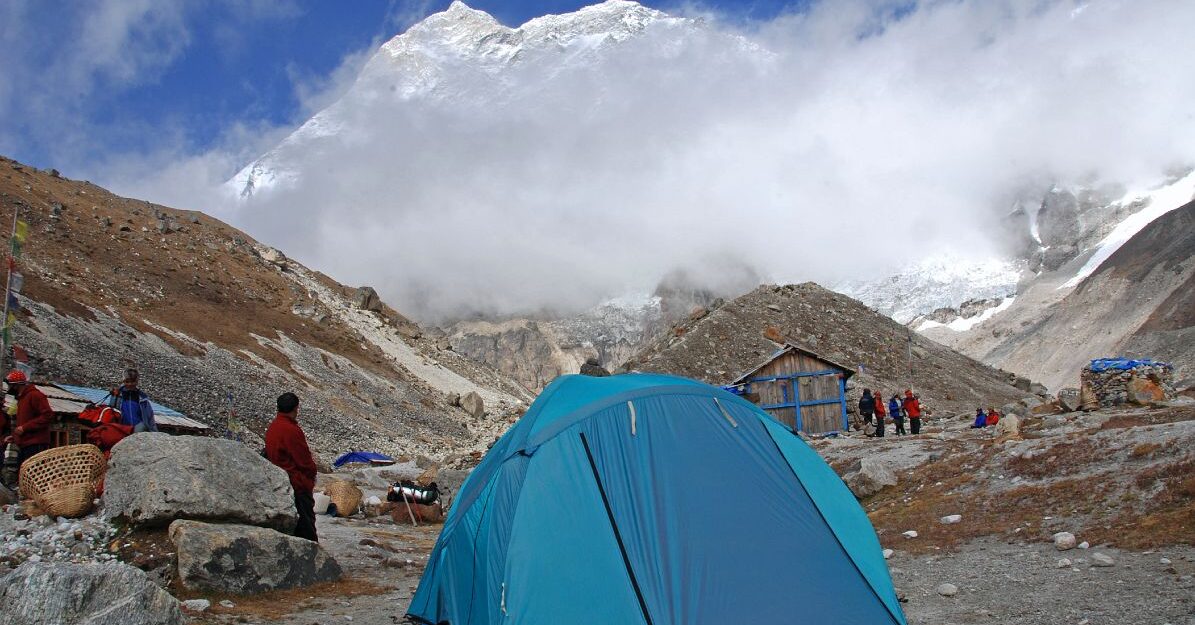
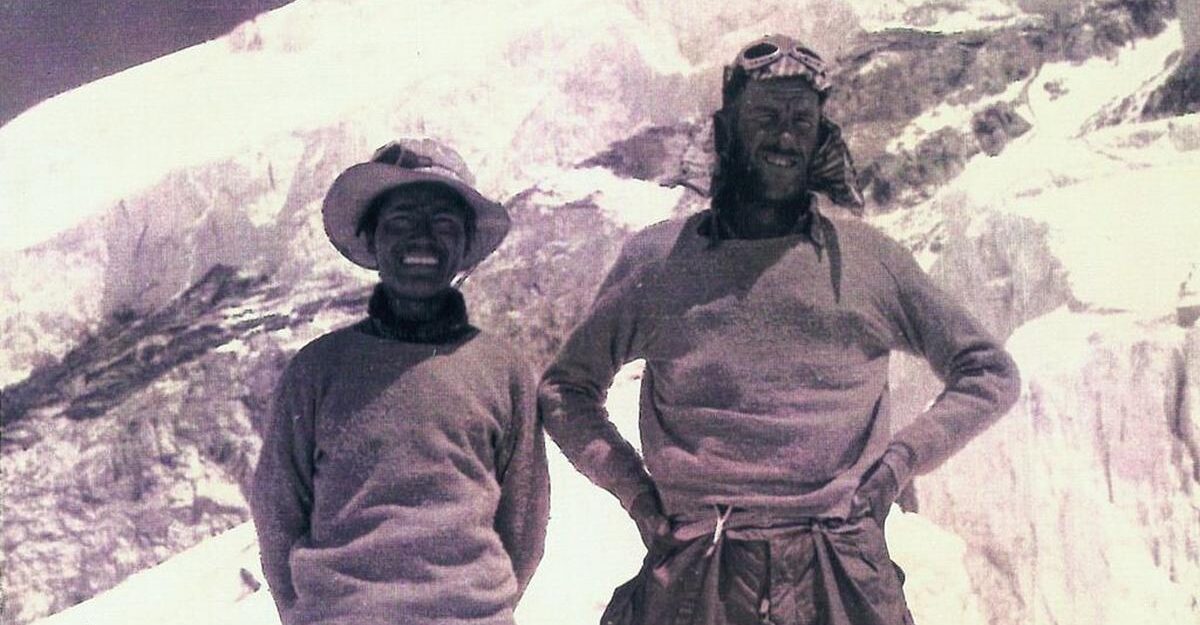
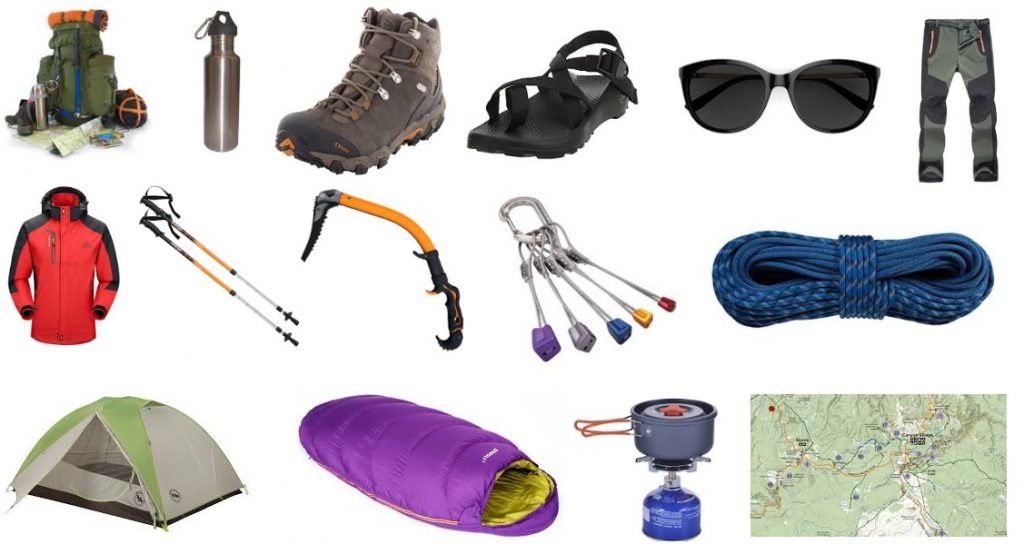
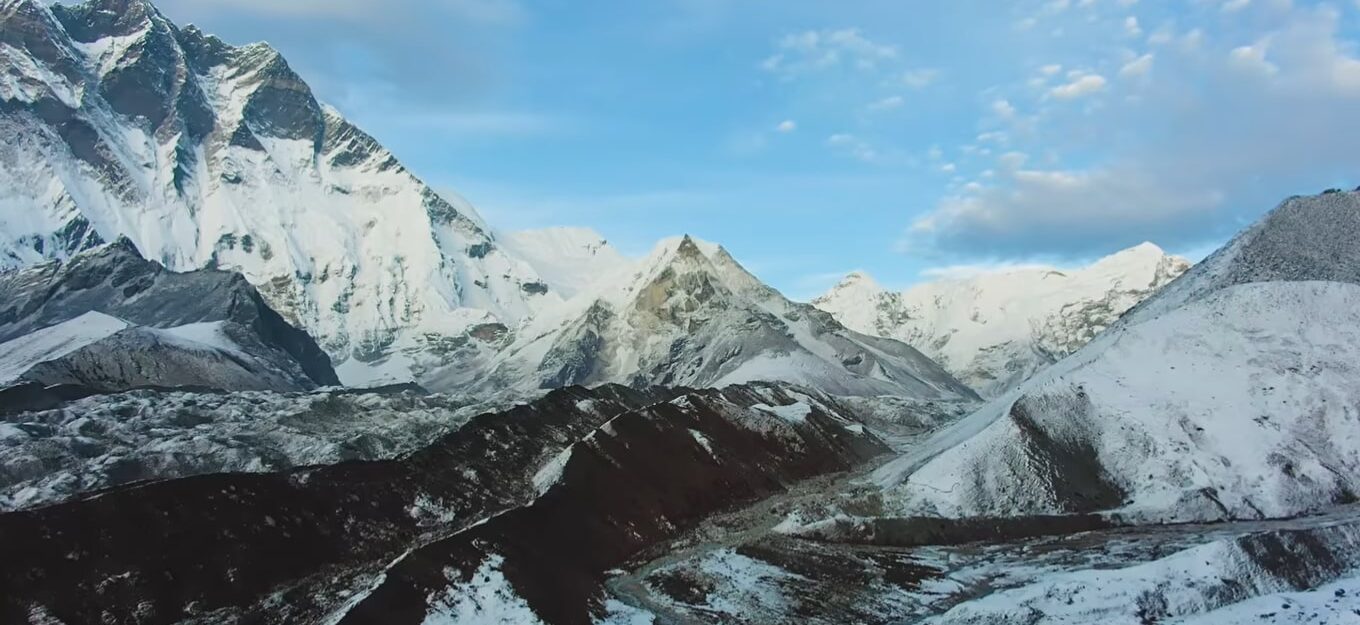
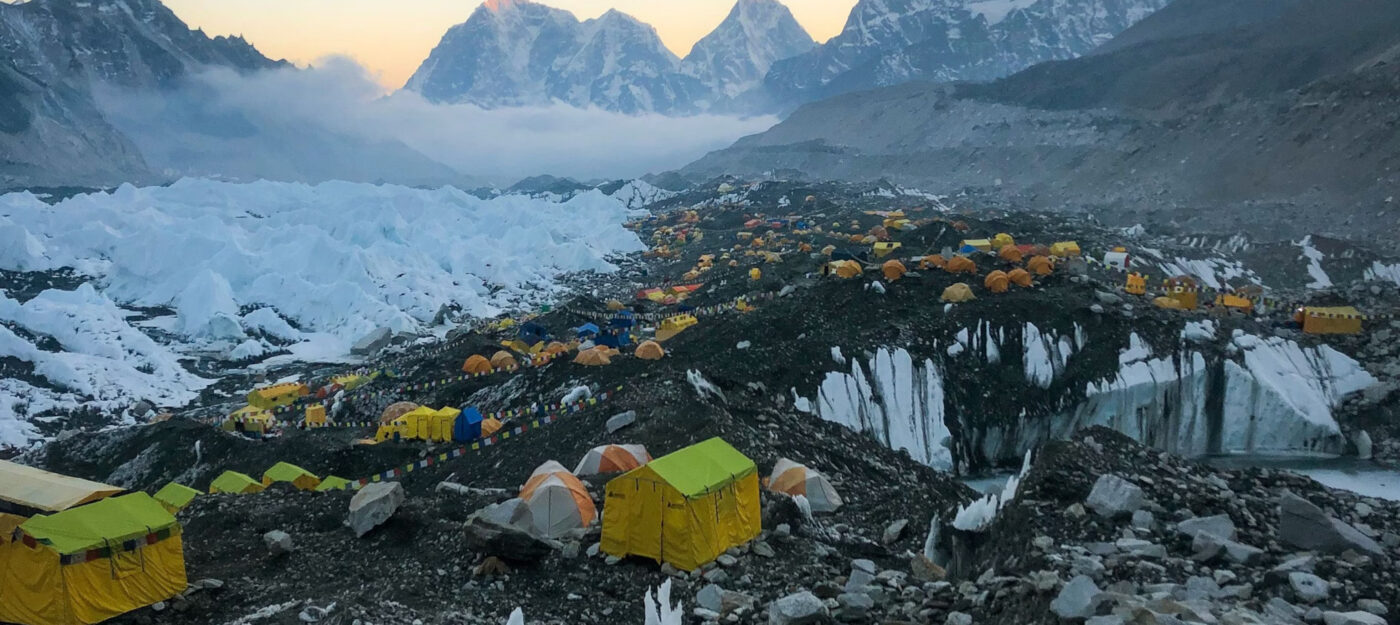


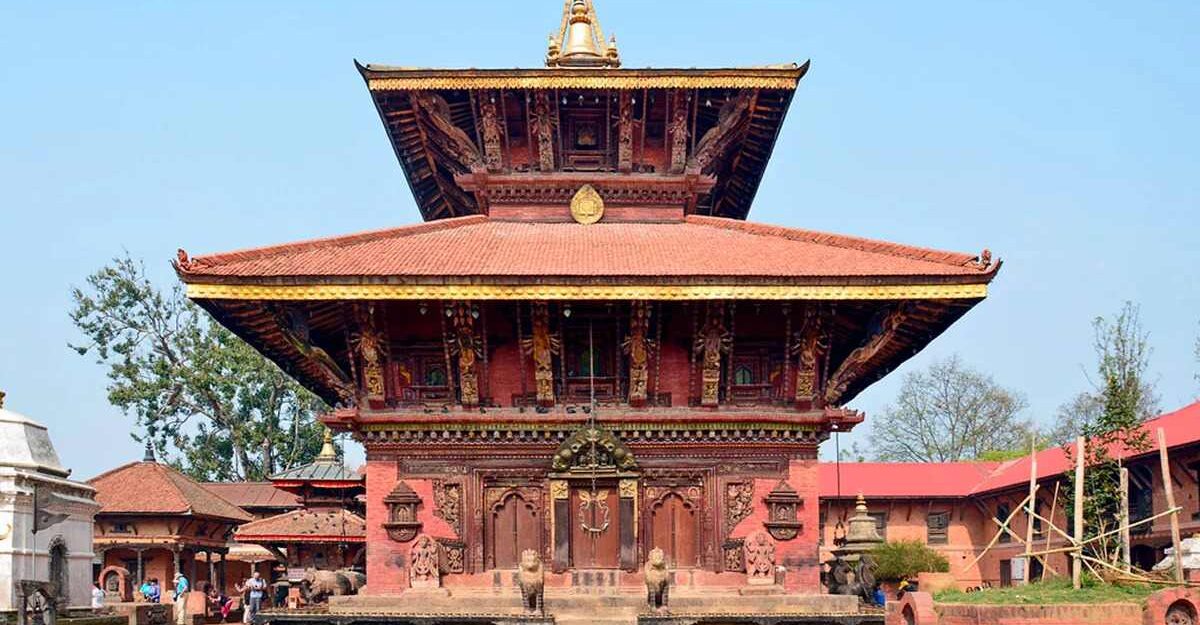
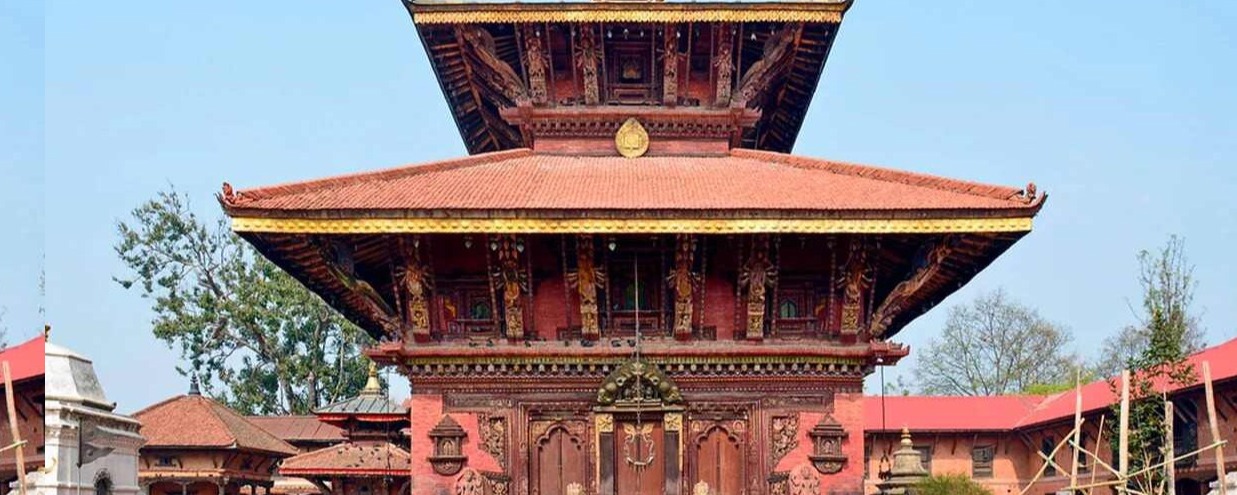
 The formation of Kathmandu Valley has several myths and stories. However, people believe that Kathmandu was once a lake full of a lotus floating on it according to Swayambhu Puran.
Then, Manjushree from Tibet saw a bright flame coming from the lotus and therefore he wanted to see what the light was. So, he cut the George near Chobar hill and water from the lake drained out hence the pond became a valley.
After a while, the people start living there. The George still exists at Chobar around 6km southwest of Kathmandu. Later, the bright flame from the lotus turned into Swayambhunath, the oldest stupa in Kathmandu.
On the other hand, some believe that Lord Krishna cut the valley with his Sudarshan Chakra and submerged a beautiful city.
Therefore, with different myths and beliefs, Kathmandu is an incredibly diverse historic city with amazing architecture.
Nepal is home to the world’s highest peak Mt. Everest. Similarly, its capital, Kathmandu is the gateway to the Nepalese Himalayas.
Ranking third among the top ten upcoming travel destinations in the world and first in Asia by TripAdvisor, tourism is one of the major economies in Kathmandu.
With its diverse culture and heritage, Kathmandu attracts lots of visitors every year as the city generally has a moderate climate with warm summers and mild winters.
Therefore, the climate is another factor that attracts visitors to this city.
Kathmandu is home to several museums and art galleries as well as Nepal’s art and architecture are a combination of two ancient religions, Hinduism and Buddhism.
Kathmandu, in particular, is an ancient city popular for its fine art and crafts.
The formation of Kathmandu Valley has several myths and stories. However, people believe that Kathmandu was once a lake full of a lotus floating on it according to Swayambhu Puran.
Then, Manjushree from Tibet saw a bright flame coming from the lotus and therefore he wanted to see what the light was. So, he cut the George near Chobar hill and water from the lake drained out hence the pond became a valley.
After a while, the people start living there. The George still exists at Chobar around 6km southwest of Kathmandu. Later, the bright flame from the lotus turned into Swayambhunath, the oldest stupa in Kathmandu.
On the other hand, some believe that Lord Krishna cut the valley with his Sudarshan Chakra and submerged a beautiful city.
Therefore, with different myths and beliefs, Kathmandu is an incredibly diverse historic city with amazing architecture.
Nepal is home to the world’s highest peak Mt. Everest. Similarly, its capital, Kathmandu is the gateway to the Nepalese Himalayas.
Ranking third among the top ten upcoming travel destinations in the world and first in Asia by TripAdvisor, tourism is one of the major economies in Kathmandu.
With its diverse culture and heritage, Kathmandu attracts lots of visitors every year as the city generally has a moderate climate with warm summers and mild winters.
Therefore, the climate is another factor that attracts visitors to this city.
Kathmandu is home to several museums and art galleries as well as Nepal’s art and architecture are a combination of two ancient religions, Hinduism and Buddhism.
Kathmandu, in particular, is an ancient city popular for its fine art and crafts.
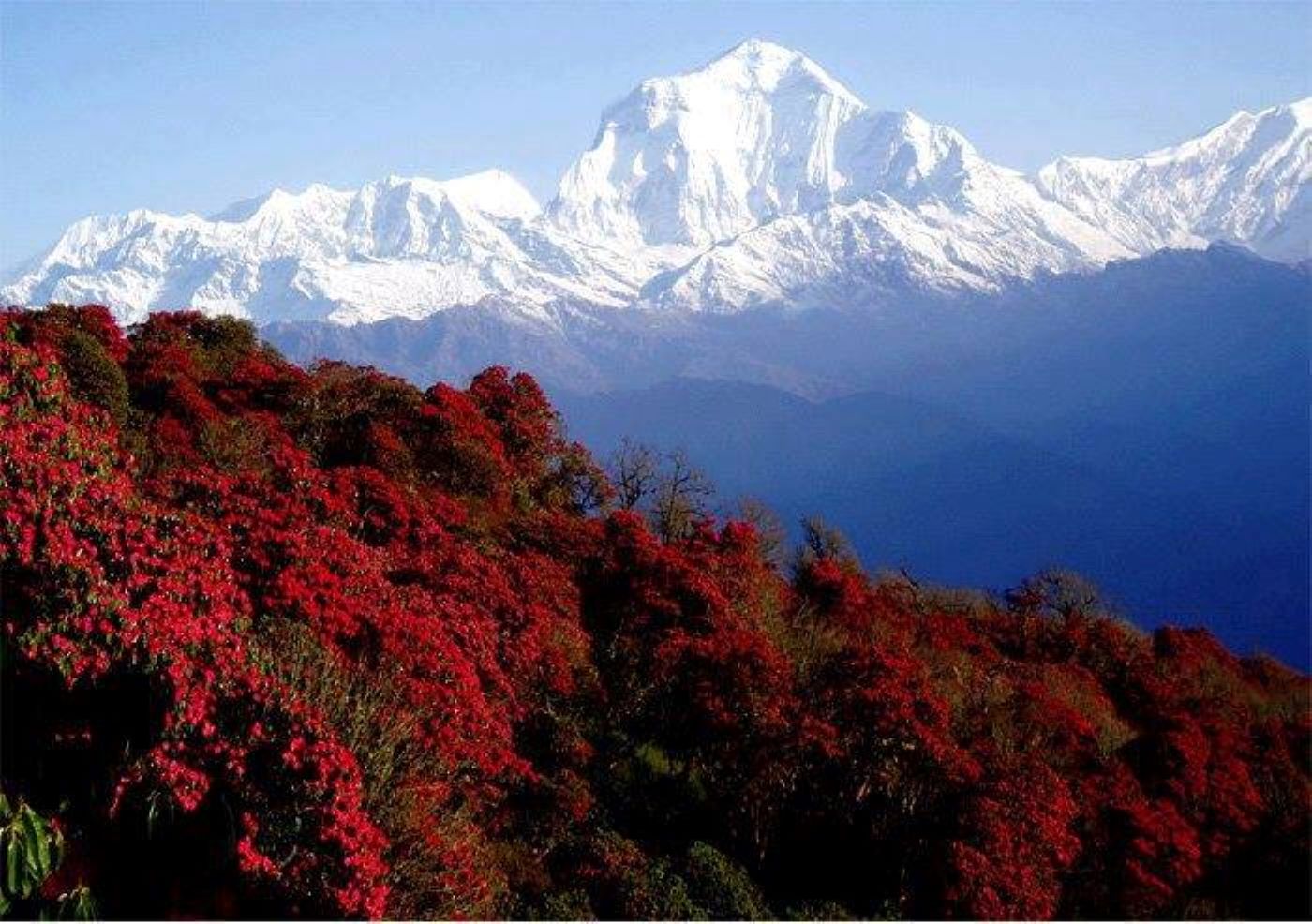
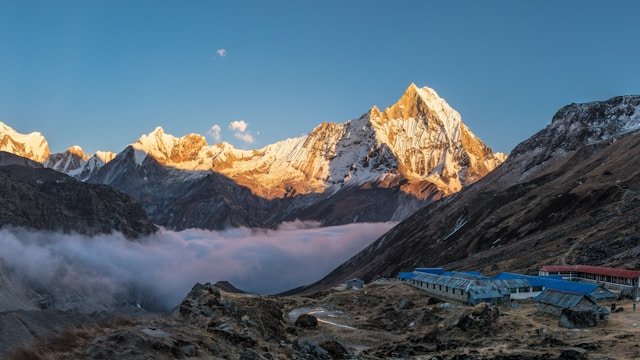


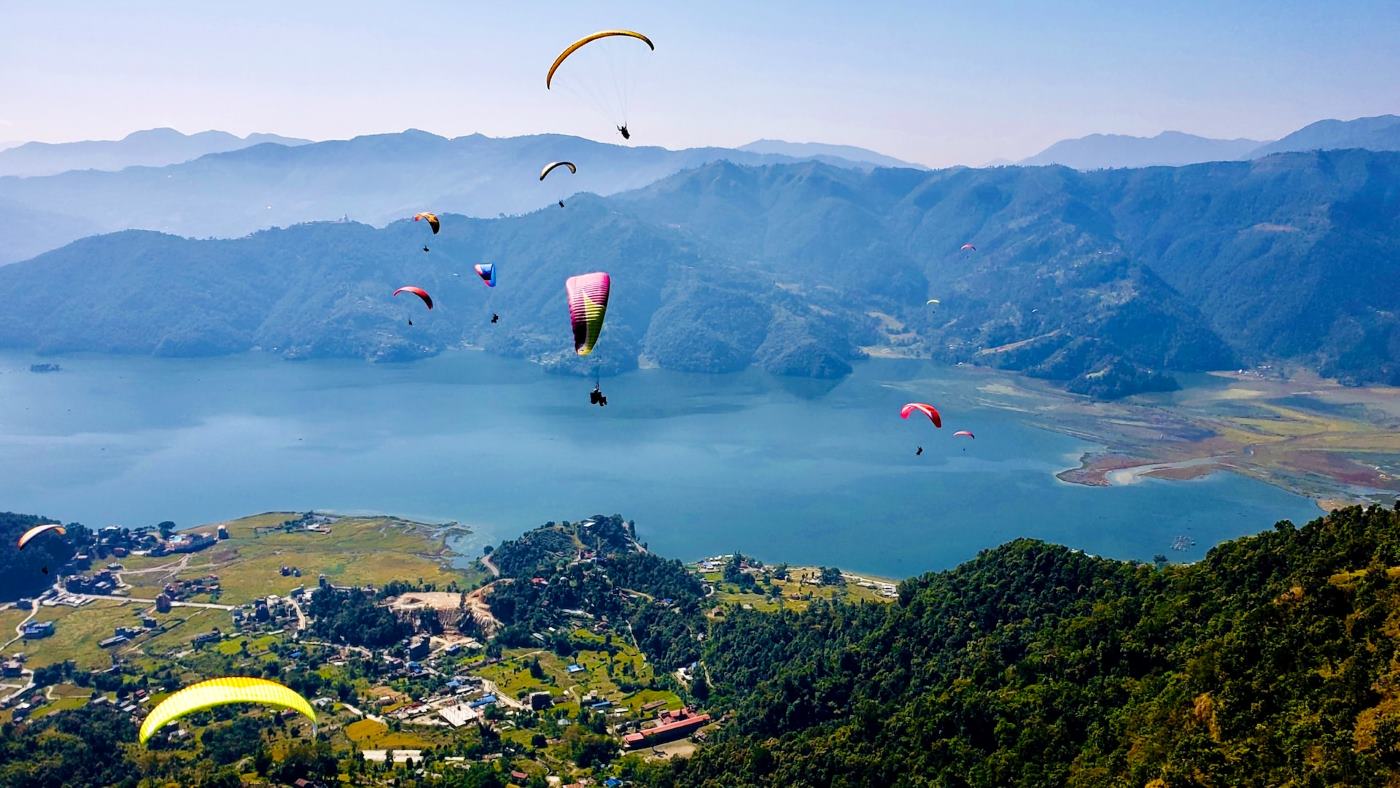
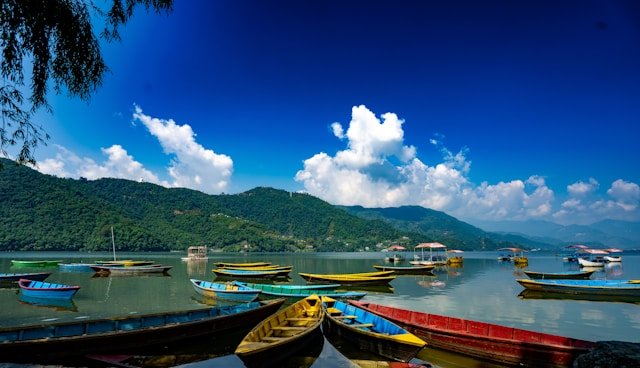
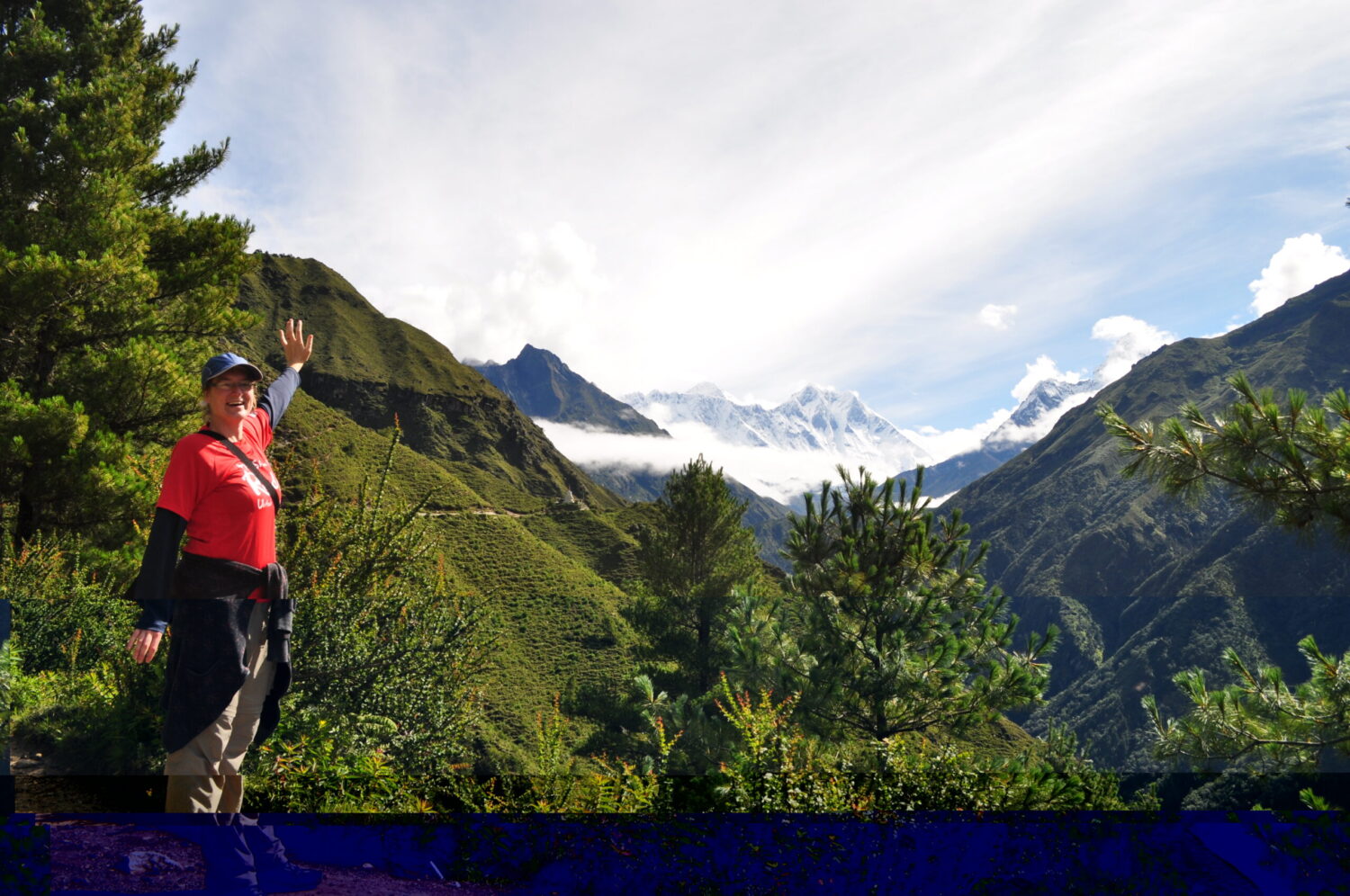
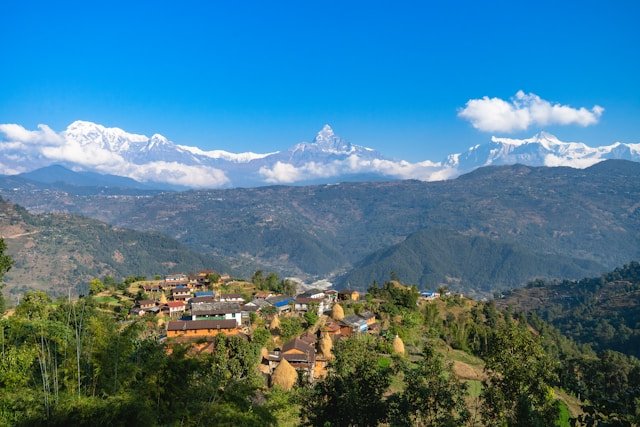
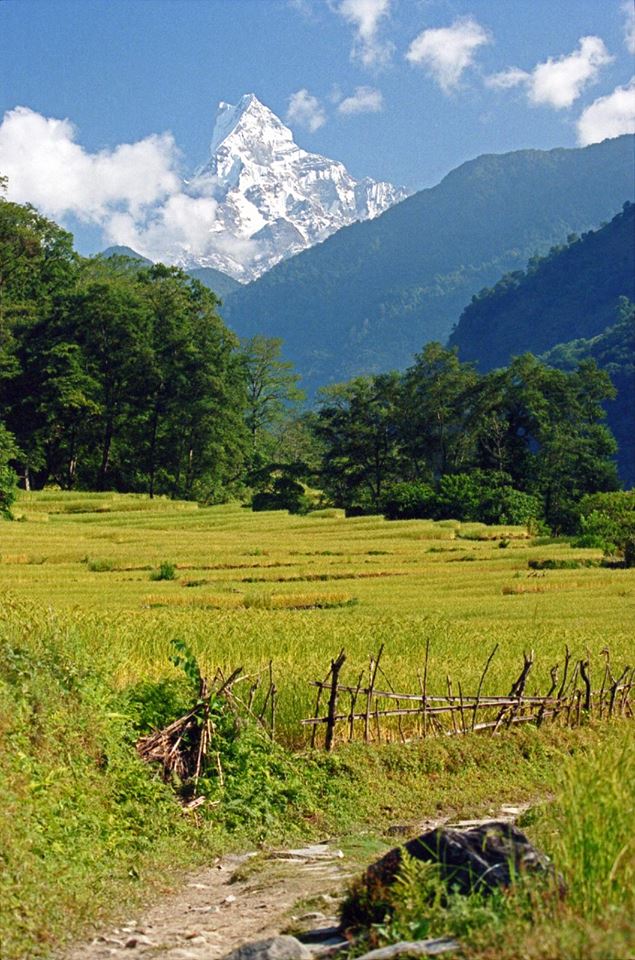
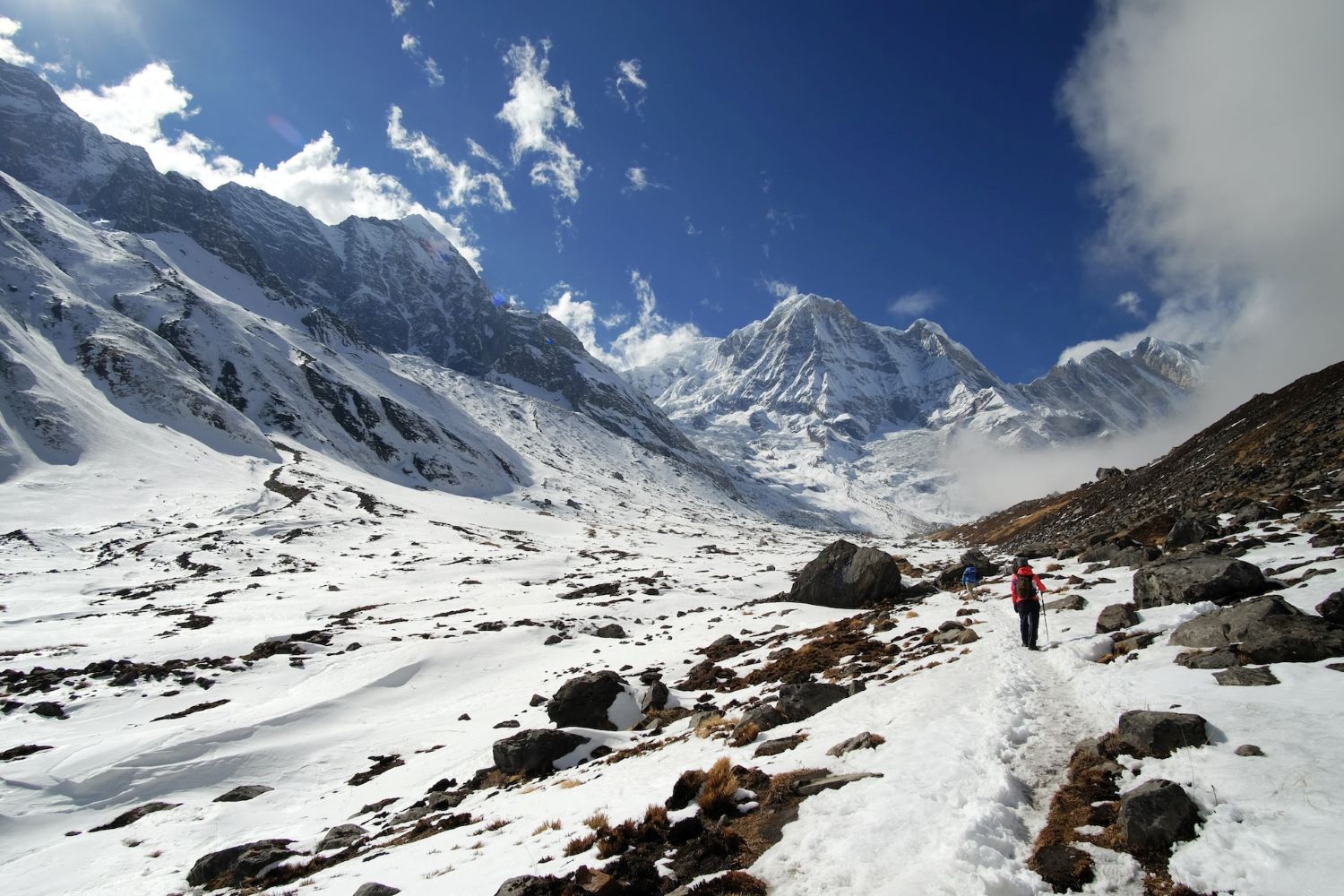
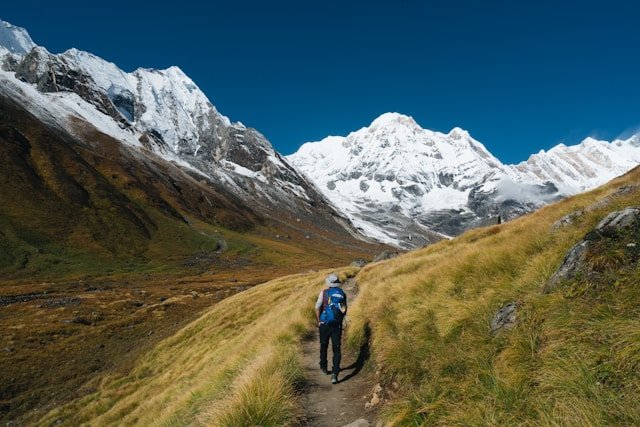
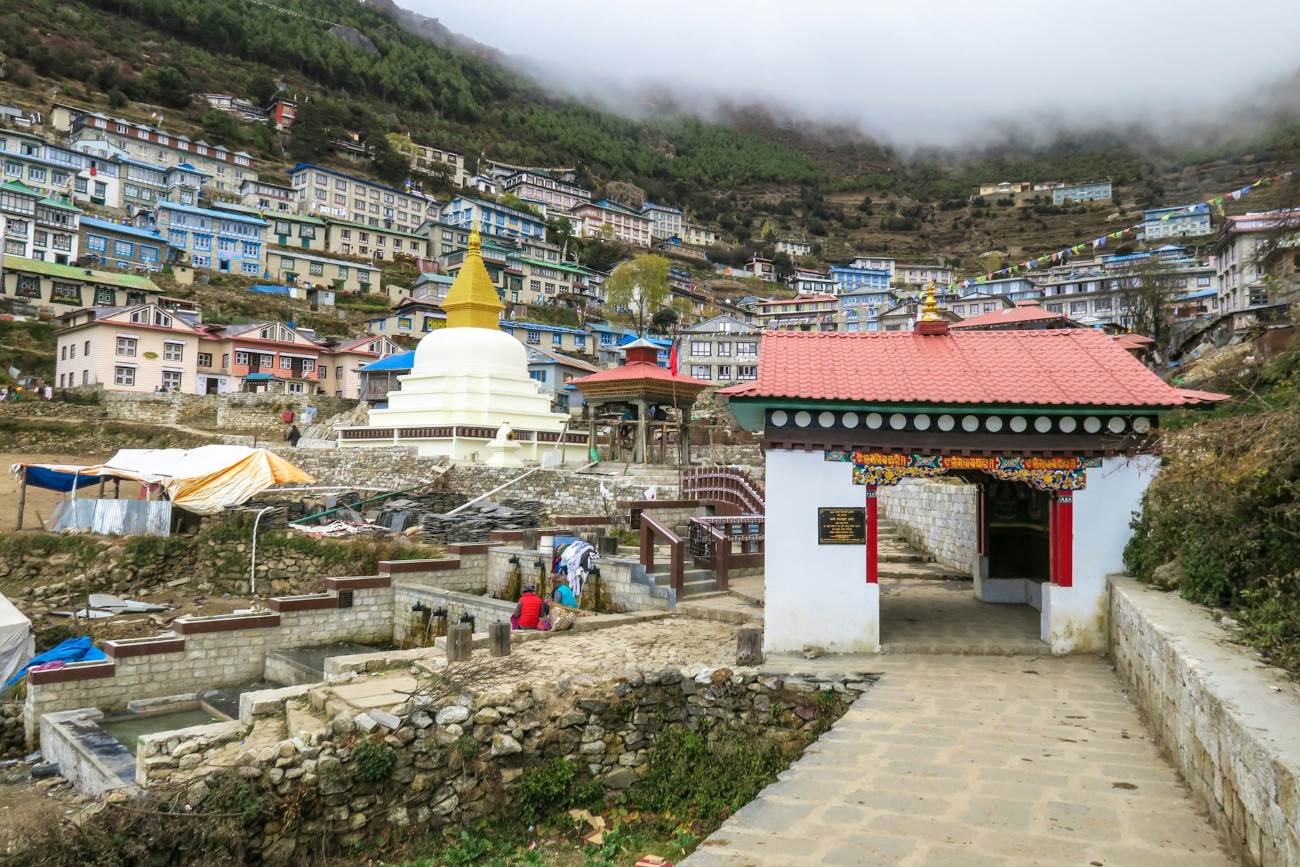
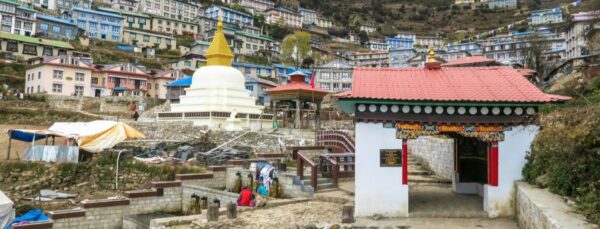
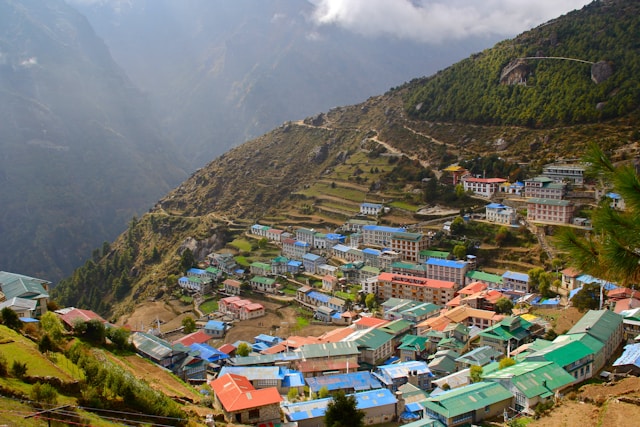

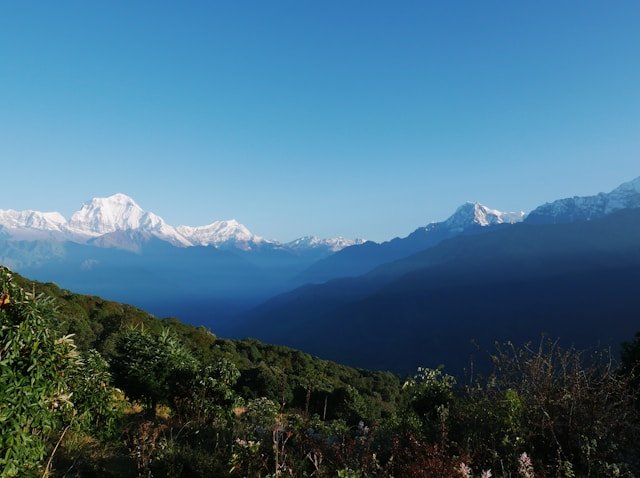
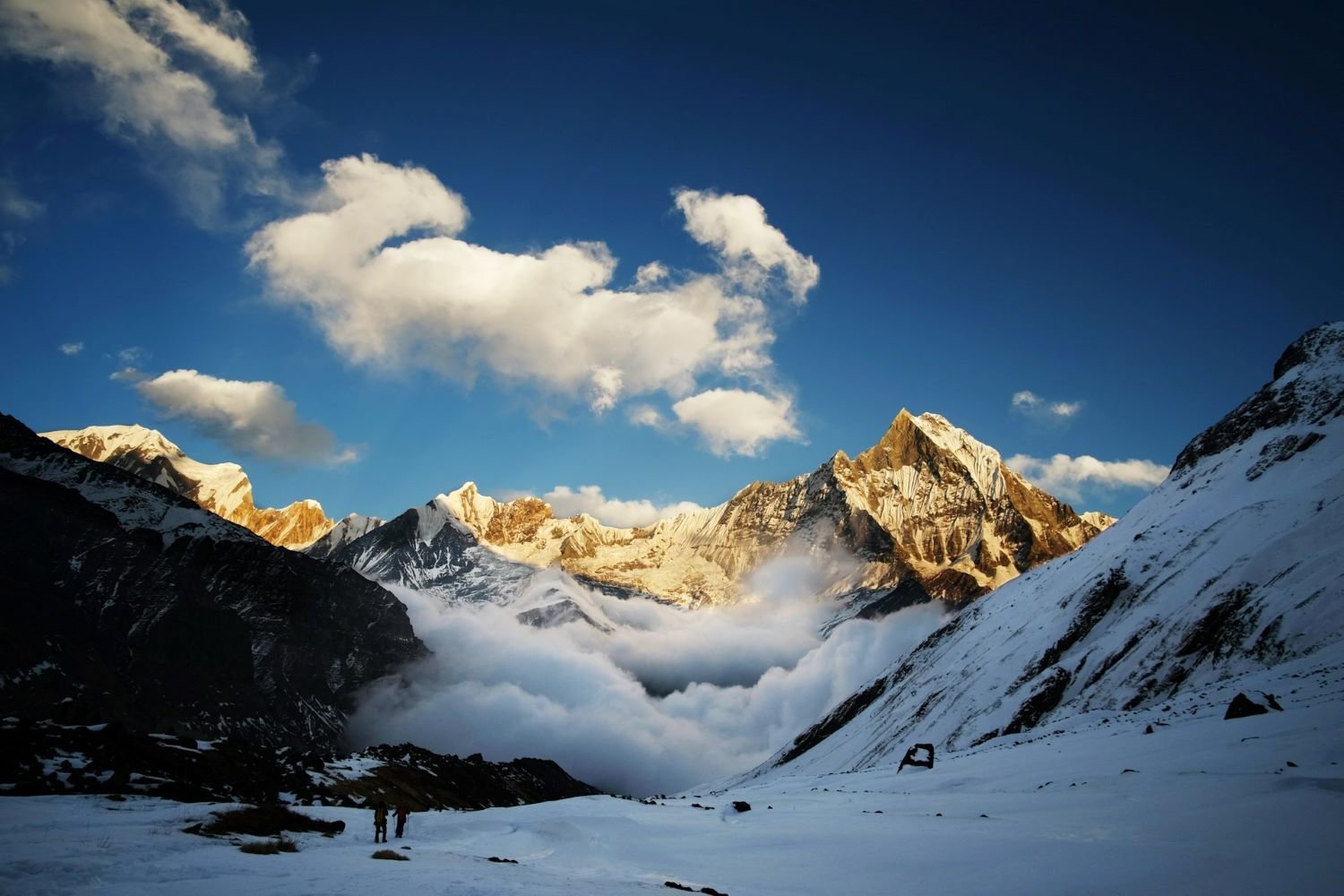
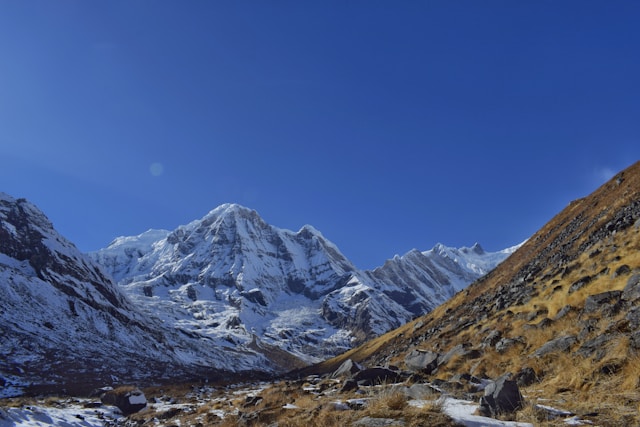
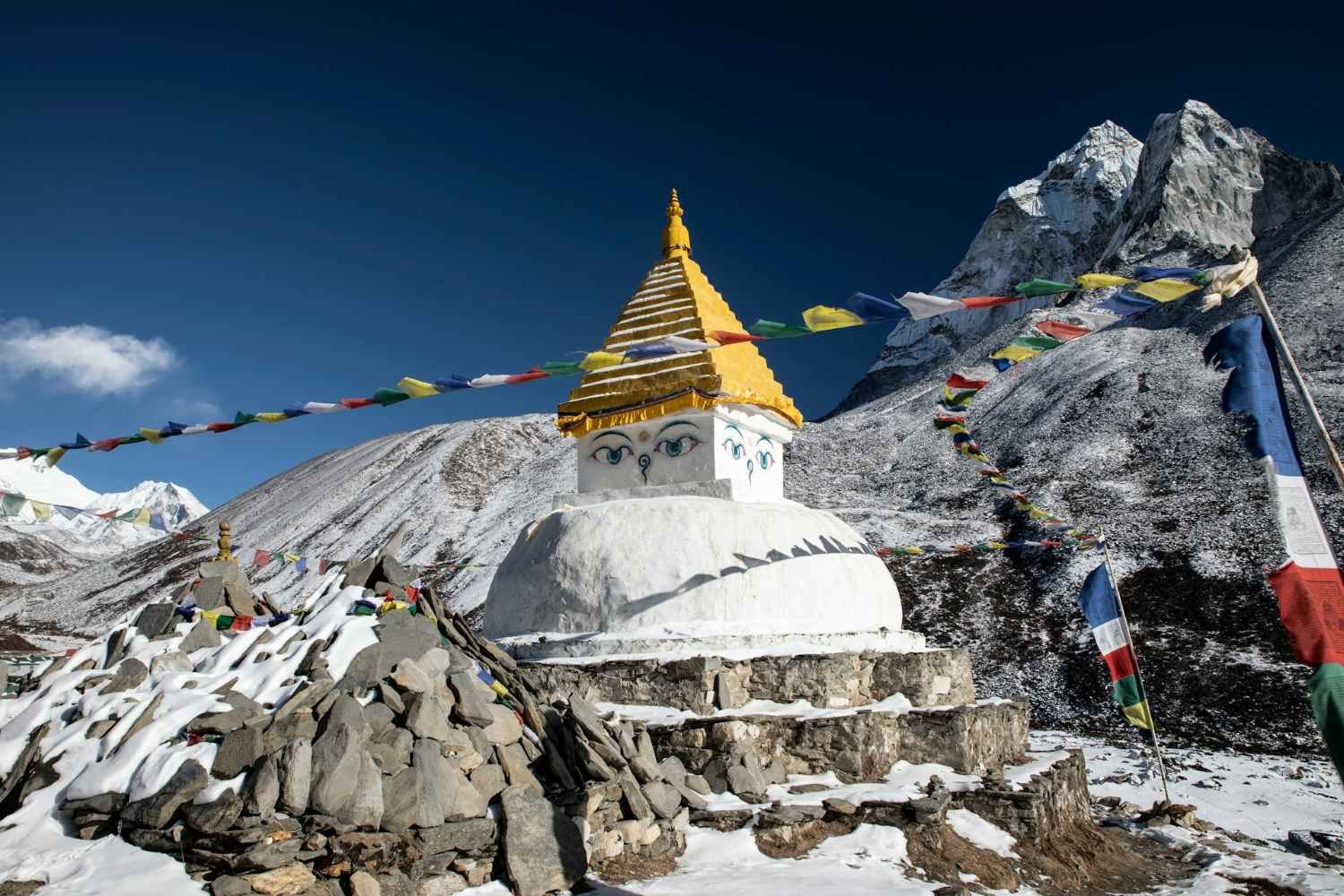
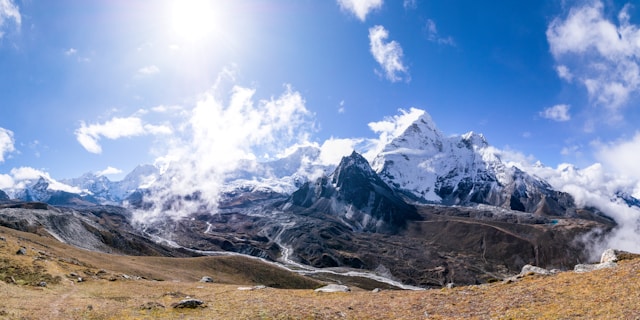
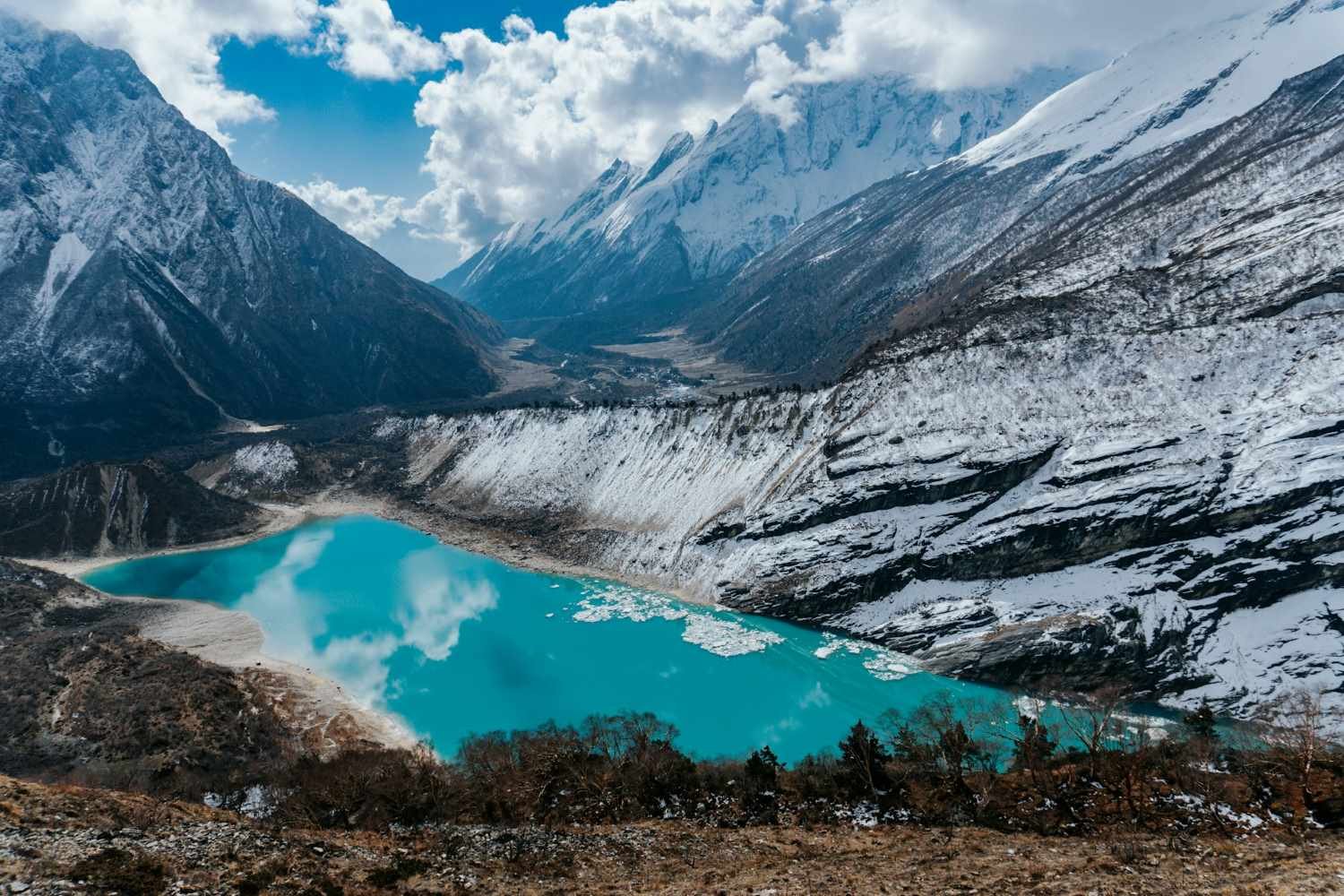
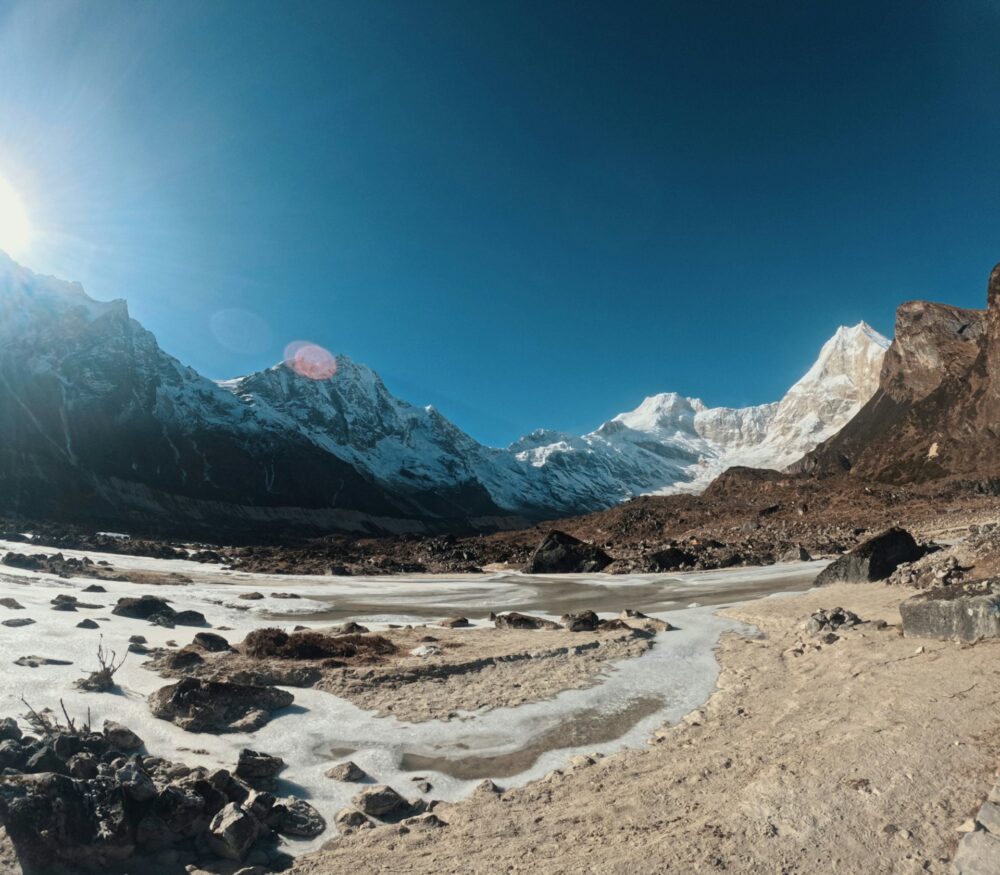
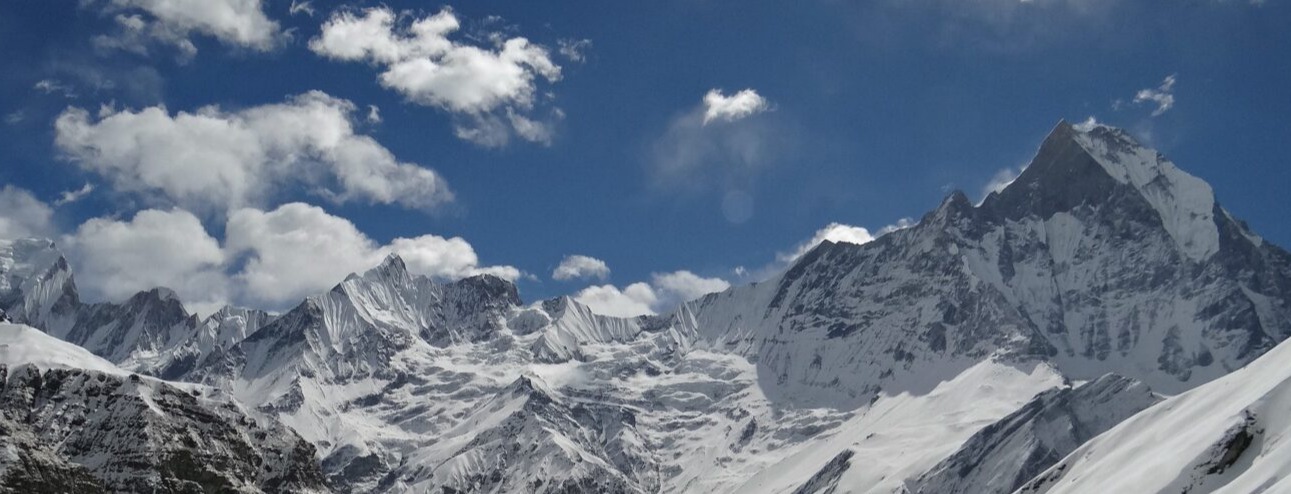
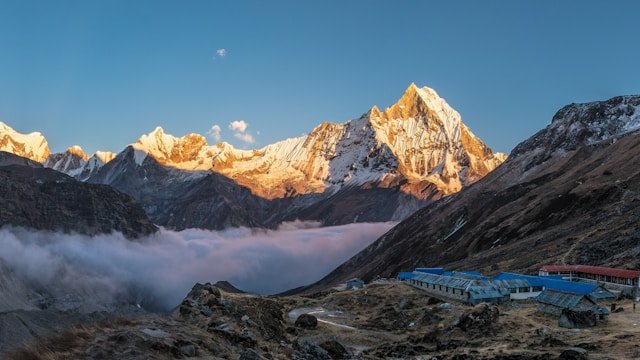 Annapurna Base Camp in September[/caption]