March 24, 2021
Top Things to do in Pokhara
Pokhara is the second-largest city in the Kaski district. It is located 200km west of Kathmandu in tPokhara is the second-largest city in the Kaski district. It is located 200km west of Kathmandu in the western part of Nepal at an altitude of 900m above sea level.
It is the second most visited city in Nepal and is famous for its tranquil atmosphere and natural landscapes.
Pokhara lies on the shores of the Phewa Lake with the Seti Gandaki river flowing through here creating several gorges in and around Pokhara.
Pokhara is famous as the city of Lake. Lakes in Pokhara like Phewa Lake, and Begnas lake, are the major source of attraction here.
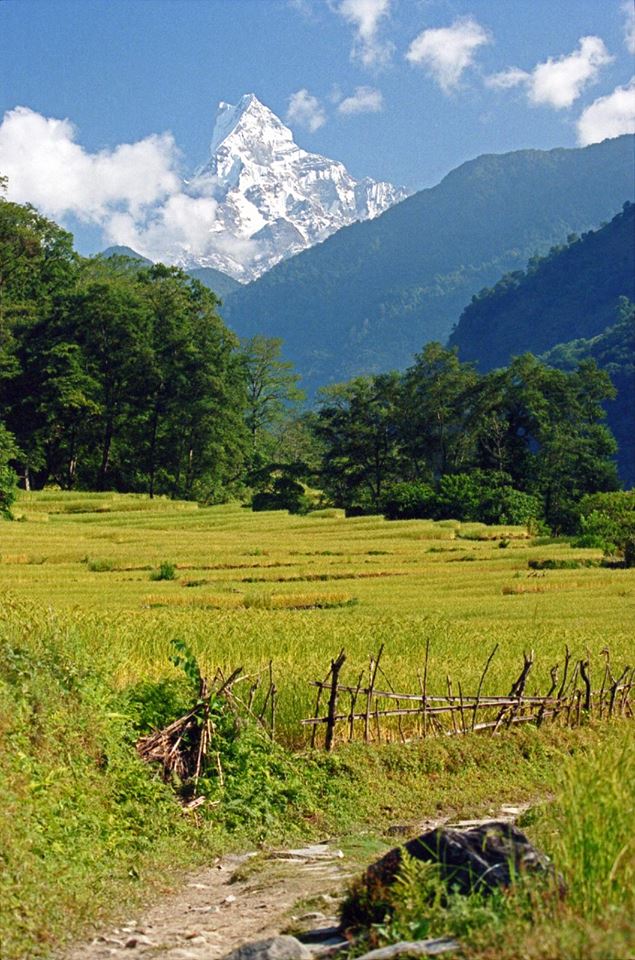
Similarly, from here you can have a magnificent view of three out of the ten highest mountains in the world (Dhaulagiri, Annapurna, Manasalu). The Machhapuchhre (“Fishtail”) is the icon of the city.
On the other hand, Pokhara is rich naturally and culturally. There are naturally blessed places in Pokhara such as Sarangkot from where one can catch the magnificent Sunrise and sunset view.
Furthermore, you will get the closest view of Mount Annapurna, Dhaulagiri, and Machhapuchhre. There are numerous Gumpas and temples in Pokhara such as Taal Barahi, Bindabasini, and the world peace stupa.
In recent days, Pokhara is the tourism capital of Nepal.
Top Things to Do in Pokhara
Pokhara is a city with awesome riverside and mountain views from lakeside cafes, nice walks, and a chilled-out vibe. Many tourists that come for tours in Nepal make Pokhara their base. Lakeside is the center of tourism in Pokhara. Besides, the sunrise view from Sarangjot, paragliding, and hiking to the world peace stupa is other activities that people love to do in Pokhara. Also, Pokhara has better accommodation options, restaurants ranging from local food, and great Dal Bhat to fancy coffee shops, and good pizza places. There are several things that this famous tourist place offers to the visitors.Enjoy Boating in Tranquil Phewa Lake
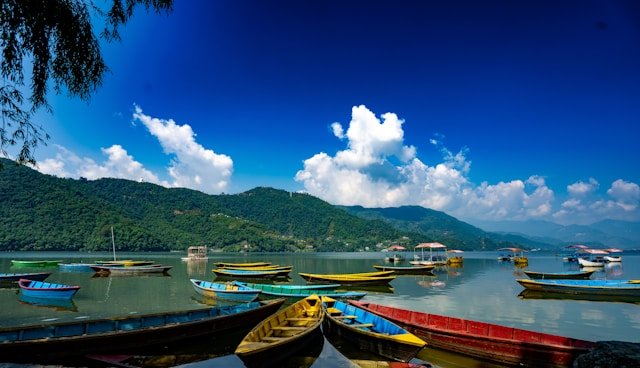
Phewa lake is the 2nd largest lake in Nepal, boating here is one of the recreational activities. This beautiful emerald lake is the heart of tourism in Pokhara. Similarly, Boating on the lake will let you witness many birds paddling around the little island hosting the Tal Barahi Temple, Pokhara’s most famous Hindu temple. You can paddle around the lake in the brightly painted boats. The boats are available for rent along with the boatman at Lakeside. You can do boating for about 45 minutes to an hour. Boating around the lake lets you enjoy the wonderful landscapes as well as the view of the thick forest around. Also, you will get to see the reflection of Mt. Machhapuchhre in the freshwater of Phewa lake. From the lake, you can see fascinating scenes of Paragliding and Ultralight in the sky.Watch The sunrise view from Sarangkot
Other major activities that you can carry out in Pokhara are the sunrise view from Sarangkot. Sarangkot is, without a doubt, the place that offers the best views of the Annapurna range. Sarangkot is probably the most spectacular viewpoint in Pokhara, a great spot to see the sunrise. However, to catch the early sunrise view, you have to get up real early and drive for a 40-minute taxi from Pokhara to Sarangkot. From this viewpoint, you can have uninterrupted, panoramic views across a number of the most striking Himalayan peaks, including the Dhaulagiri, Machhapuchhare, Annapurna II, Lamjung, etc.Paragliding with Stunning Mountain Backdrop
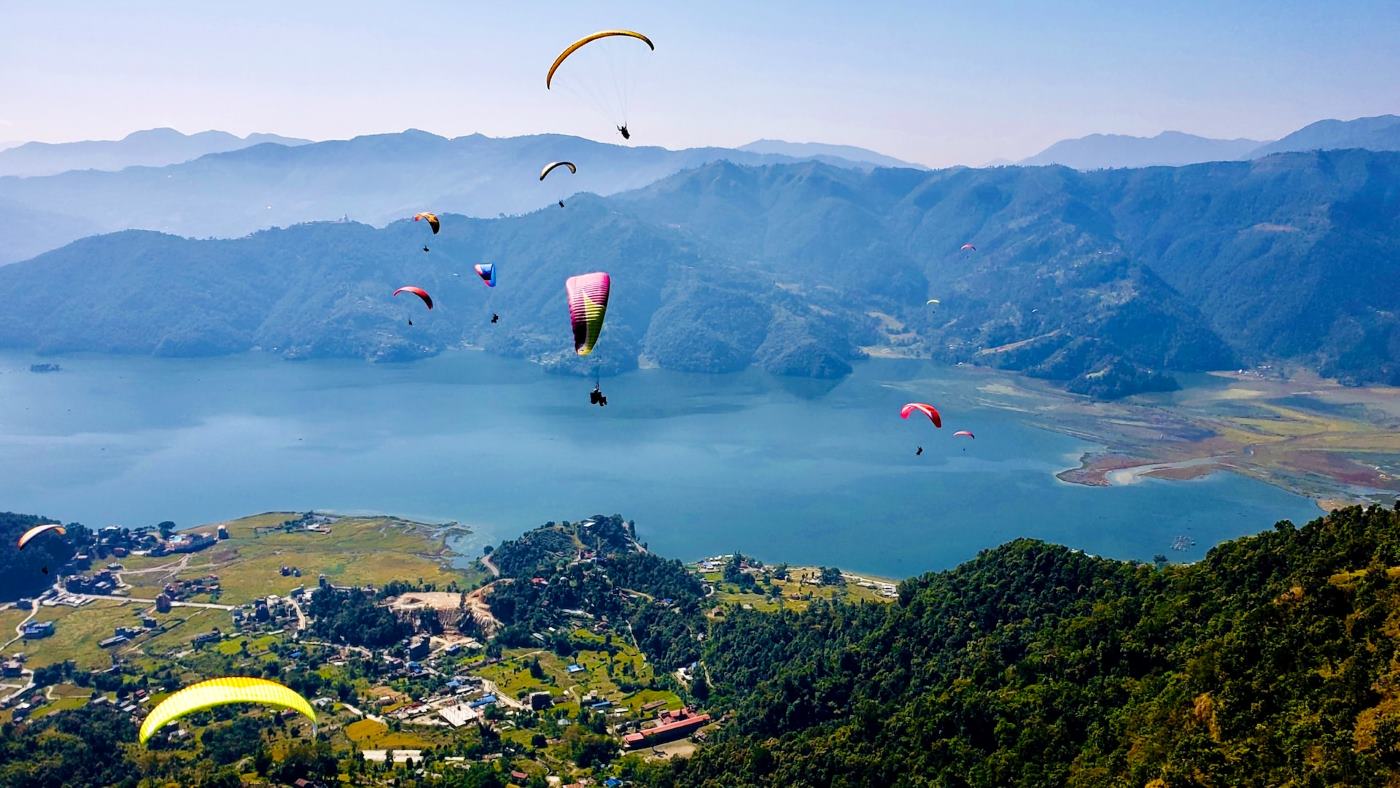
Pokhara is the hub of different adventure activities in Nepal and among them is paragliding. Recognized as one of the top five tandem paragliding spots in the world, Pokhara has stable thermals, easy take-off, and landing sites, the safety of a large lake, with the magnificent backdrop of Himalayans. On the other hand, Paragliding in Pokhara takes you up in the sky which is about a 30 minutes adventure ride. The activity is worth experiencing which lets the visitors gather ever-lasting memories with maximum thrills. One could be a beginner or an experienced one, despite any age group. If you are physically well then you are suitable for this wonderful experience. The experience of paragliding in Pokhara is only fun either way. Also, there is an insurance cover along with the package. Accelerating at a height of 1592 meters, Pokhara valley looks different from the ground-level views, the humongous ranges of Annapurnas, peaks of Mount Everest, and even the Mount FishTail. Cherishing every little observation from high above, one can rush to the happy moments by landing near a spot at Phewa Lake. Therefore, paragliding in Pokhara is a wonderful flying experience that offers stunning views of temples, lakes, and jungles as well as majestic Mount Fishtail, Annapurna, and Dhaulagiri Himalayan range.Adrenaline Bungee Jumping in Pokhara
For nature admirers, Pokhara has something more to offer than just natural scenery. It is famous for adventure sports and Bungee Jumping is one of them. People who live Adventure must try this extensive sport where you can feel the rush of wind as you jump from an altitude of 525 feet at Pokhara. The bungee jump site is located at Hemja, only 25 minutes away from Lakeside, Pokhara. It is the third-highest natural jump in the world. offering a 75-meter vertical drop with 3 seconds of free fall. It is a wonderful flying experience where you will have a fascinating view of the Pokhara Valley.Experience Adrenaline White Water River Rafting near Pokhara
Pokhara is well known for trekking and touring. And apart from this, it is one of the best places for adventure sports. With the amazing mountains and peaks, the river water is directly flown from the Himalayas because it is suitable for rafting and sports. Similarly, the rivers are long and clean, they’re surrounded by amazing mountain, hill, and jungle landscapes. Kathmandu and Pokhara are the two cities in which most travelers base themselves on single-day white water rafting. So, you can experience white water rafting from or near Pokhara. The rafting that can be done from Pokhara are:Kali Gandaki River Rafting
This river flows down through the Kali Gandaki Gorge, which is the deepest gorge in the world. Kali Gandaki River rafting is accessible from Pokhara. This medium-length rafting expedition is a wonderful opportunity to explore the landscapes in Nepal. The put-in point of this adventure sport is Maldhunga which is 3.5 hours from Pokhara and the take-out point is Mirmi which is 5 hours from Pokhara. Paddling across the 55 kilometers long river will make you feel an exciting experience of class 3 and 4 rapids which will race your heart. The guides are usually friendly and highly skilled.Upper Seti river rafting
The short and sweet rafting adventure of only 30 minutes from Pokhara’s Lakeside offers 1 ½ hour of non-stop adrenaline-filled class III+/IV rapids. With fantastic Annapurna mountain views, crystal clear Himalayan whitewater, and a beautiful gorge decorated with a suspension bridge and prayer flag Seti river rafting is the ultimate half-day rafting trip in Nepal.Marsyangdi river rafting
Marsyangdi is an ideal choice for those who want to experience an intense and thrilling white water rafting experience. The spectacular white water rafting shares some of the world-class rapids in Nepal. It also shares the views of some of the most beautiful mountains in the Himalayas. The river lets you experience intense, challenging, and continuous crystal clear whitewater rapids,Enjoy the delicious Lunch at Cafe
Pokhara is full of better cafes, restaurants, and hotels. The cafes and restaurants provide you with the services of delicious lunch. Pokhara is a paradise for food lovers. This city is full of magical hidden spots where you can enjoy lunch with a panoramic view of the landscapes. The cafes near the lakesides offer you the best food with the best view of the Phewa lake with the reflection of Mt. Machhapuchhre and Dhauligiri. You can find such a wide variety of cuisine here, catering to many different nationalities and all their desires such as from Nepali and Indian cuisines to Italian and European, this city is full of delights.Witnessing the Annapurna Range from Pokhara
Pokhara is a well-known city with a panorama of mountains. Pokhara is home to some picturesque lakes, and is, therefore, also known as the ‘City of Lakes’. Besides the lake, another fascinating feature of the city is its sloped terrain and the view of the stunning Himalayan range. The misty Himalayas which can be seen from all over the town provides breathtaking sights. The range of Annapurna Himal is one of the mountains that can be seen from the whole city. Either from the viewpoint of Sarangkot or the base of Phewa lake, the Annapurna mountain range is the jewel of Pokhara. The starting point for the Annapurna Circuit trek is from Pokhara. From Pokhara, You will be in awe of the dazzling sights of the Annapurna range from anywhere.Hike to the World Peace Pagoda
World peace stupa is one of the cultural attractions in Pokhara. At an elevation of more than 1000m, this stupa is also called Shanti Stupa. Shanti is a Sanskrit word that means peace in Nepali. The stupa shrine was built as a symbol of peace. From the top of the stupa, one can have a panoramic view of the Annapurna Himalayan range, Pokhara city, and Phewa Lake. Nipponzan Myohoji along with the local people of Pokhara built this stupa. Standing at the top of the hill, the white-colored stupa comes under the second top attraction in Pokhara by Trip advisor. A short hike to the World peace stupa in Pokhara starts from the Damside of Phewa Lake. Then, after Walking from Lakeside for 2 hours along the trails through the forest, You can spot the fantastic white pagoda uphill and head towards it. Furthermore, you reach the footbridge Pardi Khola, and then the route splits after crossing the bridge. We will walk through the right side on stone steep. The view of the Phewa lake can be seen magnificently, after passing a small brick temple on the left and climbing up the regular step. Then, we will reach the world peace stupa passing through several cafes and lodges. The stupa is painted a whole white which makes the stupa look more tranquil. The stupa offers you a magnificent view of Annapurna, Dhaulagiri, and Machhapuchhre. Then, descend steeply along the paved path with cut stone steps, pass through several forests, and local villages overlooking beautiful Phewa lake and start boating there.Evening Walk on the shores of Phewa Lake
When it is about Pokhara, how can someone miss the evening walk on the shores of Phewa Lake? Phewa lake is a freshwater lake in Nepal. It is the 2nd largest lake in Nepal after Rara Lake. It is the only lake in Nepal with a temple in the central part of the lake. The name of the temple is Taal Barahi. Similarly, located at an altitude of 742 m this lake covers an area of about 4.43 km sq. It has an average depth of about 8.6 m and a maximum depth of 24 m. Likewise, walking along the shore of a tranquil lake with colorful paddle boats is one of the most wonderful experiences that visitors will have in Pokhara. The evening life in Phewa lake or lakeside is much more active and lively. There are parks with lights, hotels, and clubs, pubs displaying the best cultural and rock performance. Strolling at Phewa lake is about a lot more than fantastic evenings with great food and a great view of the lake. You will feel like dining with nature enjoying the food with lights and a lively environment. Also, walking on the shore of the lake in the evening gives you different sorts of refreshments. Therefore, walking around the lakeshore at sunset is a beautiful experience.Explore the Caves of Pokhara
Apart from the lakes and Himalayan views, Pokhara is famous for caves as well. Tourists are truly fascinated to observe the famous caves, including Mahendra, Gupteshwor, and Bats Cave. Besides, there are several other caves like Harihar Cave, and Kumari Cave, which are currently in danger of extinction.Mahendra Cave
One of the favorite destinations for local and non-local tourists in Pokhara Metropolitan City is Mahendra cave. A 125 meters long cave was founded by the locals in 1951 AD. The old name of the cave is ‘Adhere Bhuwan ‘ which King Mahendra eventually visited after reading about it in the newspaper. He then named the cave Mahendra in 1959 AD. Since then, tourists have had a high flow to this cave.Gupteshwor cave
Gupteswar Cave is well known for religious tourism and is close to Davis Falls in Pokhara. The cave is divided into two sections with the 1st section only 9,992 feet long and the second one being around a kilometer in length. However, visitors are restricted to enter the second section. There is a shiva temple inside the cave which is one of the major tourist destinations for national and international religious tourists.Bat Cave
The Bat cave or Chamero Gufa in Pokhara is a perfect destination for those who long for an easy adventure. As the name suggests, the bat cave is filled with thousands of bats thriving in the dark, gloomy, and moist chambers of the cave. These Horseshoe Bats are found clinging upside down on the ceilings of dingy caves. In the end, one has to wiggle their way through a narrow escape. However, this cave could get extremely confined for those who have claustrophobia.Trek From Pokhara
As we all know that Pokhara is a perfect destination for exploring nature and natural resources. There are plenty of places where people can feel the best of nature. With its mesmerizing Himalayan peaks to the crystal clear Phewa and Begnas lake, it is a hot destination for tourism. Apart from sightseeing, several treks can be carried out from Pokhara. From the natural and cultural trek to Ghorepani to the amazingly long and short trek to Annapurna, Pokhara is the starting point for all of these treks.Short Trek |Ghorepani Poon Hill
Ghorepani Poonhill Trek is the most popular and relatively easier trek to the beautiful ethnic village of the Annapurna region. This trek lets you witness the Himalayan panorama and also lets you explore the local lifestyle closely. Likewise, the Ghorepani Poonhill is a wonderful trek that provides you an opportunity to get a close view of Dhaulagiri, Manaslu, Annapurna, and the other Himalayan ranges. Apart from the natural landscape, you can explore the Gurung and Magar villages in Ghandruk and Ulleri. This trekking route lies in the Annapurna region with the highest elevation of 3210m. It is a moderate trek and anyone with good health will be able to carry out this trek efficiently. The tour starts with an hour and a half drive from Pokhara to Nayapul. Then from Nayapul, trek for about 4-5 hours to Tikhedhunga. Similarly, the next trekking destination will be Ghorepani at 2874m. From Ghorepani, get a view of the stunning natural landscapes as well as the panoramic view of hills and the Himalayas. Then, trek to Poonhill and Tadapani which takes about 5 hours, and finally reach Ghandruk, a popular Gurung Village. After spending time in Ghandruk, trek back to Nayapul and drive to Pokhara. The trek provides you with an exceptional opportunity to get close to nature and witness the village life untouched by modernization. In Poonhill, you can have a memorable snap and capture the best moments of impressive Himalayan ranges from here. On the other hand, this trek is relatively shorter and easier. So, if you have a short time but want the best of nature then, this Ghorepani Poonhill Trek is suitable for you.Long Trek | Annapurna Base Camp
Annapurna Base Camp is a perfect package for witnessing the spectacular view of the Nepalese Himalayas, diverse terrain, natural landscapes as well as the culture and tradition of Nepalese people. It is a wonderful journey to the Himalayas of Nepal. This trek lets us witness the diverse vegetation, culture, and wildlife along with the spectacular close-up view of the Himalayas such as Annapurna, Machhapuchhre, Himchuli, and Dhauligiri. In spring the trek displays beautiful flowers including the national flower, Rhododendron. Besides, the trek even offers to witness the deepest gorge Kali Gandaki gorge. The base camp trek to Annapurna starts from an hour and a half drive from Pokhara to Nayapul at an elevation of 1070m. Then pass through several villages in Syauli, Deurali, and reach the base camp at an elevation of 4130m. Annapurna base camp trek is a trek to the base camp of the 10th highest peak in the world. Therefore it is a moderate level trek and trekkers with a moderate level of physical fitness can complete this trek.Long Trek | Annapurna Circuit
Annapurna circuit takes us to a region with diverse terrain, culture, and wildlife along with a spectacular view of the Himalayas. It is by far one of the easiest and shorter treks in Nepal. The circuit trek is around the entire Annapurna ranges of central Nepal crossing the highest pass at Thorung La (5416m). The Annapurna circuit trek takes us through the edge of the world’s deepest gorge Kali Gandaki. The circuit trek to Annapurna represents the stunning view of Mt. Dhaulagiri, Mt. Annapurna I, II, III, IV, Nilgiri, Machhapuchhre, Manaslu, as well as Himchuli and Lamjung. On the other hand, the circuit trek introduces us to the popular tourist destination Manang, Mustang, and Muktinath in the Himalayan region. One can experience the diverse culture, natural vegetation, geography, and different climatic zones of the Annapurna Region. This challenging trek to dusty, bumpy, and narrow roads passes through several villages in Jagat, Dharapani, and Chame and reaches Pisang following the Marsyangdi river valley. Besides, the trail passes through several Tibetan settlements with acclimatization. Then passing through Thorung Phedi the trek takes us to Thorong La Pass at an altitude of 5416m and finally to Muktinath. Similarly, from Muktinath, drive to Tatopani and head up to Ghorepani Poonhill and witness the culture and tradition of mostly Gurungs and Magars living over there. Likewise, from Poon Hill, hike down to Birethanti and then drive to Pokhara.Buy souvenirs in Pokhara
Though Pokhara is famous for trekking and sightseeing, there are many places where tourists can shop and find something special as a souvenir from Pokhara. So, you would love to keep a memento from a place that will always be in your heart. Shopping in Pokhara or buying a souvenir in Pokhara Is quite easy. As you will find the local shops around the street. You will not have a hard time finding the place. You can take a look at the handicraft items, the Tibetan rugs, etc. So, here is the list of things you will find easily as a souvenir in Pokhara. Tibetan rugs Handicrafts items Silver handicrafts jewelry Handmade bags Pure pashmina Yak wool handicrafts Handmade clothes like sweaters, shawls, bags, dollsTrekking Packages
Everest base camp trek
Annapurna base camp trek
Chulu west peak climbing
Everest three pass trekking
manaslu trek
Everest gokyo ri trek
Read more... Read less
April 1, 2021
To 10 Family Destinations in Nepal
Wondering where to spend your next holidays with your family member? Searching for a place that brinWondering where to spend your next holidays with your family member? Searching for a place that brings out extra refreshment to your trip with your family? Here we have listed the top family destinations in Nepal.
Looking forward to a place that can offer the Himalayan Adventures, exotic wildlife viewing, exploration of culture, and tradition? Then Nepal is the wisest destination for you to explore with your family.
Nepal has always been one of the most popular destinations for tourism. It is a holiday destination suitable for all groups of people, from the youngest ones to the elderly people.
Offering some of the best destinations for refreshment, adventure, exploring as well as entertainment, families can lead a comfortable holiday here. Besides, Nepal is a country rich in cultural and traditional ways.
So, It provides great opportunities for your family to explore the cultural heritage of Nepal.
Top 10 Family Destinations in Nepal
Similarly, Nepal is a perfect destination for adventure. As if you are willing to have some adventure sports with your family you can consider adventurous sports such as rafting, bungee jumping, paragliding, canoeing, etc. There are several cities in Nepal where you can spend some quality time with your family. The most famous cities for tourism in Nepal are Pokhara, Chitwan, Kathmandu, Nagarkot, Lumbini, and Bandipur. You can have the sightseeing tour as well as can have a small trek with your family if you are interested. Kathmandu, the capital is all about cultural heritage sites where you can explore several UNESCO-listed heritage sites. Similarly, Pokhara is all about nature and natural resources where you can enjoy the beauty of nature. On the other hand, Lumbini is the birthplace of Lord Buddha. Likewise, Chitwan offers you diverse vegetation. Every city in Nepal has its significance. Nepal is the land of the Himalayas. It is home to the world’s highest peak Mt. Everest at an elevation of 8848.86m. So, another thing you can do with your family is a Heli-tour or mountain flight to Everest. This lets you explore the Himalayas of Nepal by Plane or helicopter. This short flight to Everest will be something to brag about forever. You will not only experience scenic beauty but the bond with your family gets even more energetic and full of memories. Yearly, thousands of visitors make their way to Nepal with their families for plenty of fun activities, adventures, and treks. These kinds of events will take away their stress and bring new sorts of refreshments. Here, we have a list of the top 10 family destinations in Nepal
Everest Mountain Flight
Everest mountain flight is an experience to have a close encounter with mountains in Nepal and is among one of the top family destinations in Nepal. Nepal is a country with the Himalayas. It is home to 10 of the highest peaks in the world including the tallest one Mt. Everest. So, Mountain Flight gives you a wonderful opportunity to explore the Himalayan ranges of Nepal. Therefore, a trip to Nepal would be incomplete without truly understanding what makes it beautiful.- The flight starts at 6:00 AM early in the morning
- Mt. Everest is 20 miles from your window
- Witness fantastic Himalayan peaks, lakes and glaciers, and Nepali landscapes
- 50 minutes flight with guaranteed window seat
Chitwan National Park
Chitwan National Park is the first national park in Nepal established in 1973 and listed as a World Heritage Site in 1984. Covering an area of 952.63 km2, it is located in the subtropical Inner Terai in the districts of Nawalpur, Parsa, Chitwan, and Makwanpur. It is about 100m in the river valleys to 815 m in the Churia Hills in elevation. Recognizing its unique ecosystems of international significance, UNESCO declared Chitwan National Park World Heritage Site in 1984. Today many flora and fauna are preserved in this national park Which makes it one of the popular sites for tourism. Chitwan National Park is one of the perfect destinations to spend some quality time with your family. It is one of the top family destinations in Nepal. Here in this national park, one can carry out several recreational activities as well as sightseeing. The things you can do in Chitwan National Park with your family are.Elephant Ride
Elephant back safari is one of the most popular and adventurous ways to encounter wild animals including the Elephant. An elephant ride is a must done activity in Chitwan. Enjoying the whole greenery of the national park riding the back of the elephant gives you the memory of a lifetime. The experienced elephant rider will take you deep into the forest to ensure sights of rare and endangered animals at a close distance to make your trips more entertaining. The children love this adventure.Jeep Safari
Jeep Safari is for those visitors who do not want to ride the elephant. They can enjoy a jungle safari in Chitwan National Park in their hoodless jeeps. Through the open jeeps, visitors can witness the rare wild flora and fauna in their natural habitats. The drive will take you to the ‘Gharial Crocodile Breeding Centre’ at Kasara in Chitwan National Park. From here, you can observe the breeding activities of Gharial, Marsh Magar, and tortoises alike. Besides, the rides take you to explore a whole lot of natural species and diverse vegetation protected in the National Park.Visit Elephant Breeding Centre and crocodile Breeding center
Chitwan National Park is home to one out of two elephant-breeding centers in the world. Elephants in Nepal are rare animals and are on the verge of extinction. Therefore, at the Elephant breeding center, you will have an opportunity to see several elephants and their babies. On the other hand, the Crocodile breeding center is located in an isolated place from the crowd where you get a charming view of Crocodile from egg to giant which will make your visit fruitful.Jungle Walk and Bird Watching
If you want to spend quality time walking in nature with your family, we suggested you take a Jungle walk with our naturalist. This walk offers you an ideal situation of viewing the wild animals and birds very closely. Bird Watching is always best on foot where you spot to identify the different varieties of birds, both local and migratory, that are found in Nepal.Canoe Ride
Another activity that you can do in Chitwan with your family is a Canoe ride. A slow canoe ride on the gentle rivers of lower Nepal gives you a wonderful view. A canoe ride is the best way to view the riverside scenery, the ride is best for the sighting crocodiles and other aquatic creatures.Village Walk
Another activity that adds extra fun to your journey to Chitwan is a village walk. Apart from the jungle Scenery, birds, and animals, the indigenous local people, the Tharus, are also of immense interest. Village walks let you gather insights into the Tharu way of life.Cultural Program
A cultural program performed by the Tharus will be another highlight of your visit to the Jungle Safari Lodge. The Tharus in colorful traditional costumes, unique in their disparity performing a welcoming cultural performance to you and your family will bring a different sort of cultural exploration.Elephant Bathing
You can enjoy playful elephants in the deep water of Rapti rivers where you can see the elephant taking bath. Your children surely love this scenario.Bhaktapur Sightseeing
Bhaktapur is a small city inside the valley that is 17km from Kathmandu. With the majority of the Newar community, Bhaktapur retains some of the ancient ways of life of people during the medieval period. You will enjoy the sightseeing tour with Bhaktapur Durbar square. Similarly, the remarkable woodcarvings, metal crafts, pagoda-style temples, and the printed footpath gives you a glimpse of the ancient days in Bhaktapur. The Durbar Square in Bhaktapur dates back to the 12th century when people still celebrate their centuries-old festivals. Durbar square is one of the UNESCO-listed heritage sites. After that, we will visit Changunarayan, A two-story pagoda-style Hindu temple located dedicated to Lord Vishnu. The temple is surrounded by ancient carvings and statues. Besides, Bhaktapur reflects the culture and tradition in their way and is not affected by modernization. You can see the women and men wearing their cultural attire as their basic day-to-day clothes. Every evening, they carry their cultural instruments sing and dance in the temples, and follow a lifestyle that reflects the typical ancient lifestyle.Patan Sightseeing
Patan is one of the three districts in Kathmandu Valley rich in its ancient art and architecture. It has a lot to offer to you and your family. Patan Durbar Square: A UNESCO heritage site inside the valley, 5km away from the capital is especially popular for its old-world charm and traditional professions such as wood carvings and metal crafts. It is another heritage site that reflects the art and architecture from the Medieval period. You can explore a taste of the Newari art and architecture with their culture, tradition, food, and attires in Patan. Khokana: Khokana is a place rich in Newari culture and tradition. You can explore the village lifestyle, culture, and tradition of the Newari community in Khokana. Most of the homes and windows in Khokana are decorated with chili, garlic, and onion garlands. Likewise, You can witness the life of a typical Nepalese rural village in Khokana Bungmati: Bungmati is a village next to Khokana and a home of Machhendranath who is regarded as the patron god of Patan. Being close to the capital, Bungmati still preserves its ancient attire and lifestyle. The century-old culture and traditions of the Newari people reside in this area. Therefore, it is another pleasant place for the tourist to explore the typical ancient lifestyle of the Newari communityKathmandu Sightseeing
Kathmandu, the capital of Nepal is set in a valley surrounded by the Himalayas. Covering an area of 50.7 km, the city is the gateway to the Nepali Himalayas. It stands at an elevation of approximately 1400m above sea level. Kathmandu is popularly known as the city of the temples as the capital is filled with the glorious history and refined culture that ranks among the highest in Asia. Similarly, Kathmandu is the center of the history, art, culture, architecture, and economy of Nepal. Kathmandu is the cultural and religious city of Nepal, it has numerous religious and historical sites and many destinations which are worth visiting in a lifetime. The capital is home to various Hindu temples, Buddhist stupas, and monuments. Kathmandu alone is home to 4 heritage sites listed in a UNESCO world heritage list and they arePashupatinath
Pashupatinath is a Hindu temple of Lord Shiva where thousands of Hindu devotees from all over the country visit here. It is 5km northeast of Kathmandu. Located at the bank of the river Bagmati, it is a sacred place for Hindu pilgrimage. The temple is open to only Hindu devotees. However, non- Hindu tourists are not allowed inside the temple. Besides, one can visit the surrounding spot and the holy river Bagmati. Pashupatinath temple is the pagoda style with a golden tier roof and four silver doors. On the other hand, The funeral and cremation take place on the bank of the holy river Bagmati.Boudhanath
Boudhanath Stupa has located 11 km from the center and northeastern edges of Kathmandu. It is one of the precious heritage sites on the UNESCO world heritage list. The stupa is 36m high built with Mandala style preferences. Boudhanath is also famous as the ‘little Tibet’ because of the strong cultural influence of Tibet. The surrounding environment of Boudhanath gives you the vibes of Tibetan culture and traditions. Likewise, there are various shops, stores, restaurants, and monasteries where there is a great influence of Buddhism. Therefore, you will have a wonderful time exploring the Buddhist pilgrimage place, Boudhanath.Swayambhunath
Located on a hilltop, with fabulous panoramic views of Kathmandu city, Swayambhunath is one of the ancient heritage sites in Kathmandu. Swayambhunath dates back more than 2500 years and is probably the oldest historical site in Kathmandu valley. It is one of the oldest ancient stupas on the UNESCO world heritage site. This place is surrounded by green forests and dwellings of many monkeys which is why it is popular as the monkey temple. In addition, the stupa has unique features with Lord Buddha’s eyes and eyebrows painted on it.Kathmandu Durbar Square
Kathmandu Durbar square, located at the heart of the city, is a place with old history and rich Nepali culture since the 16th century. It is surrounded by various fountains, ancient statues, small ponds, and a series of courtyards. Kathmandu Durbar square is popular among the locals mostly during the evening time. There is a former Royal palace inside the complex of Durbar Square named “Hanuman Dhoka” where you will witness Nepalese art, architecture, and sculptures. Therefore, you can stroll around these heritage sites with your family and get to know more and more about Nepali art and architecture, ancient culture and tradition, sculptures, etc.Pokhara Sightseeing
Pokhara is the second-largest city in the Kaski district and the second most visited city in Nepal and is famous for its tranquil atmosphere and natural landscapes. Your family holiday will be incomplete without visiting Pokhara as it is one of the top family destinations in Nepal. You will enjoy the atmosphere and surrounding in Pokhara as there are many things you can carry out in Pokhara with your familyBoating
Enjoying the natural landscapes is one of the most popular activities in Pokhara. Boating on the lake for 45 min will let you witness many birds paddling around the little island hosting the Tal Barahi Temple, Pokhara’s most famous Hindu temple. Besides, you can choose to boat in Begnas lake as well.Sunrise view from Sarangkot
Sarangkot is, without a doubt, the place that offers the best sunrise views with the majestic Annapurna range. It is a great spot to see the sunrise with uninterrupted, panoramic views across a number of the most striking Himalayan peaks, including the Dhaulagiri, Machhapuchhare, Annapurna II, Lamjung, etc. Spending some quality morning with your family enjoying the best of nature brings out fascinating experiences.Hike to Shanti Peace stupa
Want to hike to the Buddhist stupa near the Phewa talk, you can go to the Shanti stupa. It is a short and the easiest hike that even children can carry out this hike comfortably. The stupa offers you a magnificent view of Annapurna, Dhaulagiri, and Machhapuchhre.Paragliding
If you are into a real adventure, you can consider paragliding in Pokhara with your family. The 30-minute flying experience in Pokhara has stable thermals, easy take-off, and landing sites with the magnificent backdrop of the Himalayan. The view is real and you will feel stunning by the view of the Himalayas.Visit Davids falls and caves
There are several caves in Pokhara where you can visit with your family. The Mahendra cave, Guptsshwor cave, and Bat cave are on the top list among the tourists. Similarly, you can visit David’s fall, a waterfall in Pokhara to have some sort of refreshment.Lumbini
Lumbini is the Birthplace of the Lord Buddha and is also one of the top family destinations in Nepal. Lord Buddha, was born in 623 B.C. in the famous gardens of Lumbini. So plumbing is all about visiting the birthplace of the founder of Buddhism. You will have a wonderful time exploring the Palace in Lumbini with your family. It is a mecca for devotees all around the world. Similarly, Lumbini offers visitors the shrines of various stages of Buddha’s life, various instruments, temples, and attractions of different occurrences of Buddha’s life. Likewise, visit several sites such as Maya Devi temple, a white building that protects the exact spots of Buddha’s Birth. Furthermore, another shrine of Lumbini is Ashoka Pillar, Myanmar Golden Temple, world peace pagoda, Dharma Swami Maharaja Buddha Vihar, China temple, Lumbini museum, etc. This religious visit will bring peace and prosperity to your journey with your family.Bardia National Park
Bardia National Park is one of the most pristine conservation areas in the Terai region of Nepal. It is home to the rare and endangered Royal Bengal tiger and Nepal’s famous One-horned rhinoceros besides countless other mammals, reptiles, and birds. The park located in the far western district of Bardiya is bordered by the Karnali River in the west, the Churia range in the north, and the Babai River flows right through it. Bardia National Park is another popular destination if you want to have a great time with your family. Enjoying the pristine diverse vegetation, and natural landscapes along with the species is a wonderful opportunity to explore. Besides, you can take a photo and celebrate your holidays making a small gathering at the park yourself. It is a relaxing and refreshing place with nature and natural resources.Everest Base Camp Heli tour
Everest Base Camp Heli tour is a wonderful opportunity to witness the Khumbu region’s spectacular beauty and the world-renowned Himalayas. It is a helicopter ride to Everest base camp and is a time-saver to have a pleasant experience on Everest in just one day. The four-hour journey lets you soak in the entire expanse of snow-capped Himalayas, glaciers, and Sherpa settlement. The tour begins at Tribhuvan International Airport, Kathmandu. This thrilling excursion takes you through the beautiful Khumbu region in a luxury helicopter and offers a comfortable forward-facing seat with unparalleled views of the world’s tallest peaks. Therefore, it is another best way to spend a quality holiday with your family. Relishing close views of surrounding snow-capped peaks, the helicopter lands at Everest Base Camp or Kala Patthar (5,545 meters) after 20-25 min. you will then get face to face view of Mt. Everest, Nuptse west face, Lhotse, Khumbutse, Pumori, and Ama Dablam. This will be a once-in-a-lifetime experience to cherish with your family members.Annapurna Base Camp Helitours
So, the next popular family destination in Nepal is a Heli tour to the Annapurna base camp. Enjoy a scenic flight from Kathmandu and witness the majestic panorama of the Annapurna range. Throughout the flight, you will witness the spectacular mountain scenery, breathtaking waterfall, frozen glacier, Lakes, and natural landscapes of Nepal. This helicopter trip will let you dip into the alluring beauty of majestic Annapurna as well as the other Himalayas. You can either take this flight from Kathmandu or Pokhara Therefore, going on a trip with your family is something that everybody wants to do. Having a luxurious time with your close ones once in a while is still a wish for many who are busy with their daily life. So this instance, if you are wondering to have a wonderful tour with your family then you are heartily welcome to the country of the Himalayas. Furthermore, all the trips featured in this category keep your family-pleasing balance of relaxation and adventure.Trekking Packages
Everest base camp trek
Annapurna base camp trek
Chulu west peak climbing
Everest three pass trekking
manaslu trek
Everest gokyo ri trek
Read more... Read less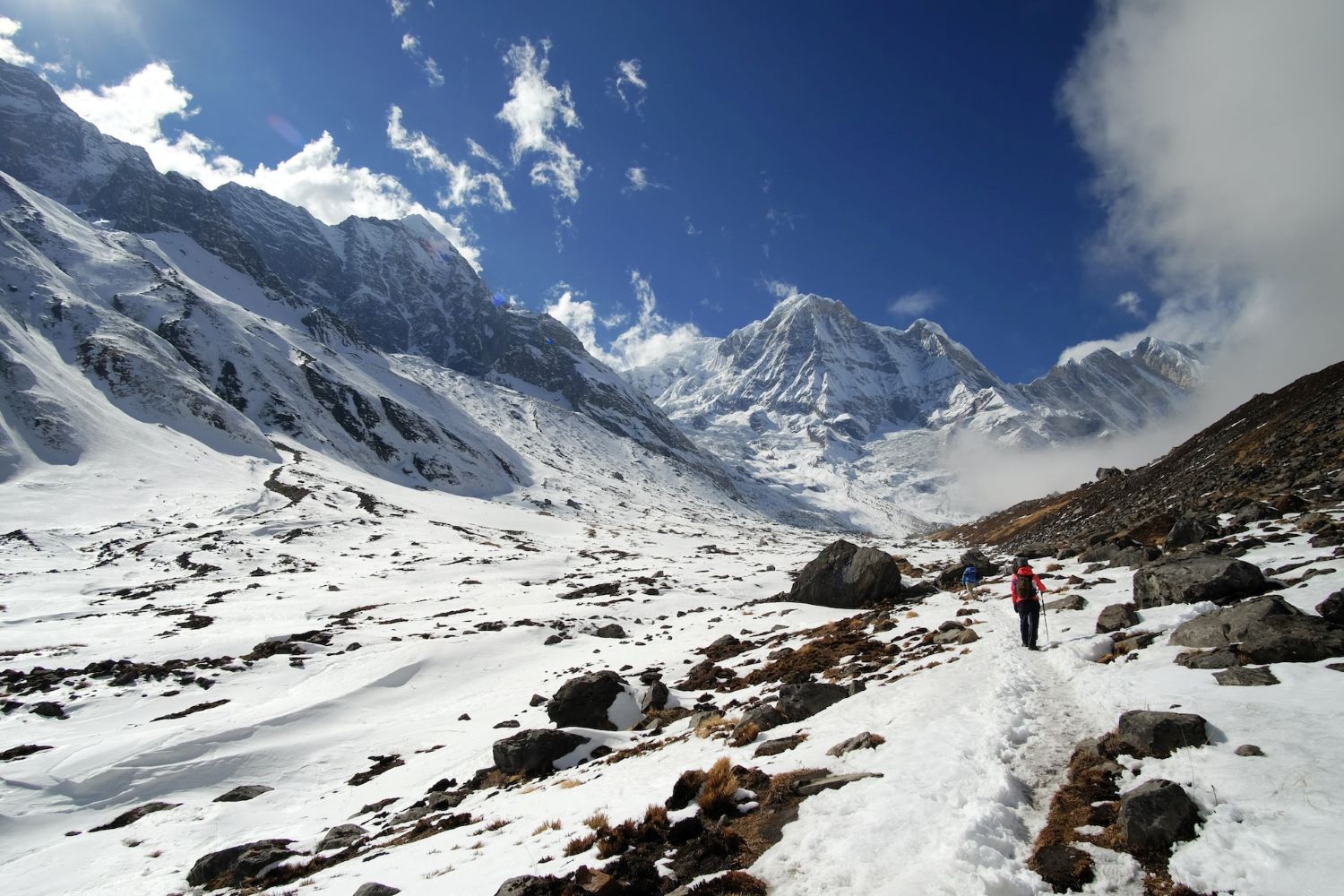
April 8, 2021
Top 5 Base Camp Treks in Nepal
The Himalayas in Nepal are the jewel of the country. The Himalayan in Nepal can be used for various The Himalayas in Nepal are the jewel of the country. The Himalayan in Nepal can be used for various treks and adventures. Here we have listed the Top 5 Base Camp Treks in Nepal.
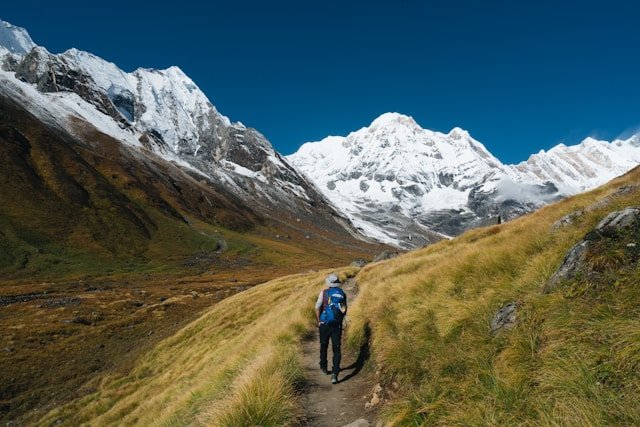
Nepal has always been a popular destination among trekkers since the 1960s when Col Jimmy Robert’s organized the first commercial Trek.
Trekking in Nepal
Likewise, Trekking has been the principal activity of tourists in Nepal as it is home to 8 out of 10 world’s highest peaks, including Mt. Everest. Besides Everest, The tallest peaks in Nepal are Annapurna, Lhotse, Makalu, Gauri Sankar, Langtang, etc. No wonder yearly thousands of visitors get attracted here in Nepal. Some of them visit Nepal for the summit of the Peak, whereas some want to explore it by flying via Mountain flight. Similarly, most of them choose to reach the base camp of these popular peaks as a part of a thrilling yet exciting adventure. Trekking to the base camp of the world’s highest peak has been a dream for many trekkers. People are always interested in doing something thrilling yet most adventurous activities which they get through trekking and traveling. Being a highly diverse country, not only Nepal is blessed with many natural scenarios, but also a perfect destination for refreshment and relaxation. There are no words to describe the splendor of snowy Himalayan peaks that are full of serenely praising the state of wilderness. Whereas, Trekking here in Nepal has different options. You can either do a short and easy trek or go with the challenging tremendous Himalayan trails. Additionally, The short and easy trek can be completed within a day or a week and the routes are smooth and comfortable. Likewise, People with every age group and physical condition find these types of trek comfortable. However, the trek to the Himalayan, which can take up to months.Benefits of Trekking to the base camp of Himalayas in Nepal
- Stunning views of Himalayas
- Clear mindset and decrease in stress
- Recreational activities
- Clean and fresh nature and environment
- Knowledge about the life and culture of Nepalese people
- Different pagodas and ancient monasteries
- Also a lifestyle similar to Tibetan culture
- Improves cardiovascular strength
- A time spent with nature brings out refreshments.
Popular Trekking places in Nepal
As Nepal is home to some of the world’s highest peaks, trekking alongside the Himalayan region is most prevalent in Nepal. Hence, here is the list of the most famous trekking regions in Nepal.Everest Base Camp Trek
When it comes to trekking how can someone miss the pinnacle site, Everest? Everest, being the world’s highest peak, is a famous destination for adventure and trekking in Nepal. Trekkers from all around the world have set their eyes on these mighty peaks. Mountaineers claimed to climb the top of the peak, whereas those who want to soak in the beauty of nature can at least visit the base camp of the world’s highest peak. Being a peak site for the taking, it is also the most expensive trekking region. Furthermore, The Base camp Everest lets the visitor have a close encounter of the world’s highest peak i.e Mount Everest (8,848.86m), located in the eastern part of Nepal. Everest was first ascended by Tenzing Norgay and Sir Edmund Hillary in 1953. Not only Everest base camp is one of the most preferable treks in Nepal but also is high on the priority list of trekkers. This trek offers you one of the most treasured breathtaking views of cliffs, towering Glaciers, and forested hills as well as the view of blooming rhododendron. Besides, you will get an opportunity to explore local Sherpa culture and tradition, which gives the vibes of the Tibetian lifestyle. Trekking to the base camp of Everest is the combination of Everest panorama, Gokyo lake, Everest Base Camp, and Everest three high passes trek. The trip will be filled with the splendid view of Annapurna, Makalu, Nuptse, Pumori, etc. Therefore, the base camp trek to Everest is a once-in-a-lifetime adventure that lets you witness the panoramic views of Mountains, splendid landscapes as well as Buddhist cultures and Monasteries.Trip highlights
- Enjoy a thrilling yet scenic flight from Kathmandu to Lukla
- Visit the antique Tengboche and Dingboche Monastery
- Also, walk to the foothills of the base camp of the world’s highest peak Everest at 5364 meters
- Savor the panoramic views of the Himalayas including Everest from Kala Patthar
- Similarly, witness the majestic sunrise and sunset view over the crystal peak of the Himalayas.
- The splendid view of Annapurna, Makalu, Nuptse, Pumori, etc
- Explore the fantastic culture and settlement of sherpa in Namche
- Visit Gokyo Lake
- Highly influenced Tibetan culture and tradition
- Furthermore, witness the stunning view of Khumbu Glacier and Khumbu Icefalls
- Pass through Sagarmatha National Park and explore the flora and fauna over there.
Itinerary to the Everest Base Camp
01: Arrival in Kathmandu 02: Kathmandu sightseeing 03: Fly from Kathmandu to Lukla, trek to Phakding 04: Phakding to Namche Bazar 05: Acclimatization day at Namche Day 6: Namche Bazaar to Tengboche 07: Tengboche to Dingboche 08: Acclimatization at Dingboche 09: Dingboche to Duglha 10: Duglha to Lobuche 11: Lobuche to Gorak Shep, visit Everest base camp 12: Gorak Shep to Kala Patthar to Pheriche 13: Pheriche to Namche Bazar 14: Namche Bazaar to Lukla 15: Fly to Kathmandu 16: Final Departure The trek to the Everest Base Camp can be done from 15 to 20 days. The trek starts and ends at Lukla Airport. Most of the international trekkers fly to Tribhuvan International Airport in Kathmandu, spend a day sightseeing in Kathmandu and fly to Lukla. Then from Lukla, the trek passes to Phakding and Namche Bazar. Meanwhile, Namche is the gateway to the Everest base camp trek. Not only It offers you a fantastic culture but also the settlement of sherpa. Likewise, From Namche, you will trek through Tengboche, Dingboche, Lobuche, Gorakshep and reach the highest summit at Kala Patthar (5400m). Kala Patthar offers stunning sunrise and sunset viewsAnnapurna Base Camp Trek
This is probably the best legendary and classical trek in the world that offers a breathtaking view of the stunning Himalayas as well as the natural landscape. Besides, the base camp trek gives a wonderful opportunity to experience the typical Nepali village, local people, and their way of living a traditional life in the Himalayas of Nepal. The trek takes you through the banks of pristine rivers, crosses mountain pastures, dips into natural hot springs, and encounters mule trains carrying supplies to remote villages. The Annapurna Base camp trek is one of the most spectacular routes in the region. Many trekkers who are looking forward to the short and cheap alternative to the Everest Base Camp trek, consider the Annapurna Base camp trek. The base camp lets you witness the majestic peaks including the Annapurna I (8091 m), Annapurna South (7219 m), the fishtail Machapuchhre (6993 m), and Hiunchuli (6441 m). The base camp trail to Annapurna is easily accessible from several trailheads. So, depending on your route the duration is between 6 and 12 days at an altitude of 4130m. The trail starts off twisting through beautiful forests and terraces of rice paddies. However, once you gain altitude from tropical forest to hiking in deep snow routes the scenery quickly changes. From the natural green landscapes to the side view of the spectacular mountain, you will witness every possible scenario that comes on the way. Besides, Annapurna is the most popular trekking region in Nepal after Everest. So, you will be able to meet people from various countries and various backgrounds as well as friendly locals. Rest and revive in cozy mountain teahouses and spend quality time exploring the people and the places of the Himalayan region of Nepal.Trip Highlights of Annapurna Base Camp
- Witness the sheer beauty of the diverse Himalayan landscape
- Also, Hike through remote villages, fairy-tale forests, terrain land, cascading rivers, and the base camp
- Similarly, experience a magical sunrise over the Annapurna ranges from the spectacular heights of Poon Hill.
- Furthermore, relax and unwind in Pokhara after your trek, stroll around Phewa Tal (Lake) and gaze up at snow-capped mountains.
Itinerary to Annapurna Base Camp
01: Arrival in Kathmandu 02: Fly to Pokhara trek to Ghandruk 03: Ghandruk to Chhomrong 04: Chhomrong to Bamboo 05: Bamboo to Deurali 06: Deurali to Annapurna Base Camp Day 7: Annapurna Base Camp to Bamboo 08: Bamboo to Jhinu Danda 09: Trek to Naya Pul then drive to Pokhara 10: Fly to Kathmandu 11: Final Departure The Annapurna Base Camp route passes through spectacular and peaceful landscapes, charming Gurung and Magar villages, lush green Rhododendron, bamboo, and alpine forests to the Annapurna Base Camp at an altitude of 4130m. The trek starts from Kathmandu, where the trekkers will fly to Pokhara and trek to Ghandruk. Then passing through several villages Chhomrong, Bamboo, Deurali, the trekkers will reach the final destination To the base camp. Time spent in Kathmandu, Pokhara, and Ghandruk completes the adventure with insights into Nepali culture and tradition as well as natural scenarios.Manaslu Base Camp Trek
Nepal is home to several highest peaks in the world and the trek to such a high peak is a dream for many trekkers. Among the highest Manaslu is one of them and a base camp to the Manaslu is a popular trekking destination in Nepal. The Base Camp trek to Manaslu is a fascinating trek that lets you explore the wonder of the Himalayas in Nepal. Manaslu Base Camp trekking is one of the Challenging yet exciting treks in Manaslu Region. he Height of Mt. Manaslu is 8163m and is popular for trekking, hiking, difficulty walking, and expedition. It is a well-known mountain in Nepal. However, it is rarely visited. The Base Camp trek to Manaslu offers the visitors with rich culture, adventure, scenic beauty as well as rural civilization representing the ancient Tibetan lifestyle. Manaslu means the “mountain of the soul”. A conical-shaped snow-capped mountain of height 8,163m above sea level is the source of attraction of this base camp trek. Not only the new camp trek exhibits the super Mountain View but also showcases the charming preferred society and natural diversity of Nepal’s very own ordinary nature jewels. This trek goes well with those who are searching for the challenge then again a lot more peaceful destinations. Manaslu base camp trek route was officially opened for tourists in 1992. The number of visitors to this base camp is comparatively low as it is one of the restricted trekking routes in the Manaslu Region that requires special trekking permits. Being the 8th eighth highest peak in the world, Manaslu towers 8,163 meters above sea level.Trip Highlights of Manaslu Base Camp Trek
- Observe the lifestyle of Nubri and Tsum, the two main ethnic groups residing in the region.
- Also, explore several monasteries, mani walls, and prayer wheels in the area.
- Witness the sunrise and sunset view along with natural scenery, high glacier lakes, fascinating flora, and fauna and majestic Himalayan ranges
- Trek to Manaslu Conservation Area which is untouched by modernization.
- Similarly, Explore Buddhist culture and tradition similar to that of Tibetan culture.
- Hike to Manaslu Base Camp, the base camp of the eight tallest mountains on the earth
- Trek in the peaceful environment enjoying the less crowd
- Spectacular scene of Himlung Himal (7,216m/23,345ft) and Mt. Manaslu (8153m/26,748ft)
- Best Classical Trek in Nepal
- Learn Nepali lifestyle, culture, People, festival and system
- Furthermore, enjoy a challenging hike at Birendra Glacier Lake and Manaslu Base Camp 4800
Itinerary of Manaslu Base Camp Trek
01: Arriving in Kathmandu 02: Drive from Kathmandu to Soti Khola 03: Soti Khola to Machha Khola 04: Machha Khola to Jagat 05: Jagat to Pewa or Deng 06: Pewa/Ghap to Lho (3180 m) 07: Lho to Sama village. 08: Sama Village Excursion. 09: Sama Village to Manaslu Base Camp 10: Base camp to Sama village 11: Sama (Gaun) to Namrung 12: Namrung to Philim village. 13: Philim to Machha Khola (859 m) 14: Machha Khola to Soti Khola. 15: Drive from Soti Khola to Pokhara. 16: Sightseeing at Pokhara. 17: Fly to Kathmandu and sightseeing 18: International Departure. The base camp trek to Manaslu can be started from two-three places. However, it simply starts and ends from Sotikhola Bazar to Budhi Gandaki passing through several villages of Jagat, Phewa, Deng, Lho to the divergent world of Sama village, up to the Manaslu Base Camp 4800m. From the base camp, one can witness the real majestic view of the Himalayan ranges in Nepal. Then descending the same way back can be made circuit to Marsyangdi Khola after crossing another Challenging Larke La 5213m Pass. The classical 18 days trek to the Manaslu is a wonderful experience to explore the classical Himalayas in Nepal as well as get to know the diverse culture and vegetation.Makalu Base Camp Trek
The Makalu Base Camp trek is a remote route that encloses some of the best scenarios in Nepal. The trek to the base camp of Makalu encompasses quiet trails, vibrant terraced farmland, rural cultures, rhododendron forests, rare wildlife, as well as several mountain peaks. Meanwhile, for experienced trekkers who adore a challenging trek, this is a great trek with adequate rewards. Similarly, at 8,481m, Makalu is the fifth highest mountain in the world. However, it’s not too hard to reach the base camp of Makalu at an altitude of 5250m. The daily flights to Tumlingtar and basic lodges along the way make this trek easily accessible. It is an ideal trek for those who want to experience a variety of landscapes and cultures, as well as majestic views of the world’s tallest mountains, including Everest. The trek to the base camp is calling but immensely rewarding. Makalu Base Camp offers an exceptional opportunity to explore high-altitude terrains, natural landscapes, along with an ethnic Himalayan lifestyle. From the Base Camp, one can witness spectacular views of Everest, as well as Lhotse, Chamlang, and Kanchenjunga in the far east. The trekkers pass through the Makalu Barun National Park. It is the eighth largest national park in Nepal, covering 2,330 sq. km, and is home to some of the rarest flora and fauna, including the Red Panda.Trip Highlights of Makalu Base Camp Trek
- View rhododendron forests, granite cliffs, hanging glaciers, and waterfalls, along with the Himalayan landscapes.
- Similarly, pass through several river gorges, sheer cliffs, spectacular waterfalls, and high-altitude lakes
- Witness the lifestyle of the Sherpas as well as Rai community
- Also, pay a visit to Makalu Barun National Park.
- Explore natural ecosystems and wildlife, such as red pandas, snow leopards, and black bears, etc.
- A full day of exploration at Makalu Base Camp
- Furthermore, experience remote village life and contribute directly to the local economy.
Itinerary for Makalu Base Camp Trek
01: Arrival in Kathmandu 02: Sightseeing of Kathmandu 03: Fly to Tumlingtar & drive to Chichili 04: Chichili to Num 05: Num to Sedua 06: Sedua to Tashi Gaon 07: Tashi Gaon to Kauma 08: Rest Day 09: Kauma to Mumbuk 10: Mumbak to Nhe Kharka 11: Nhe Kharka to Sherson 12: Trek to the Makalu Base Camp 13: Explore Makalu Base Camp 14: Return Journey to Nhe Kharka Day 15: Nhe Kharka to Mumbuk 16: Mimbum to Kauma 17: Kauma to Tashi Gaon 18: Tashi Gain to Balung 19: Balung to Pukuwa 20: Pukuwa to Bumling 21: Bumling to Tumlingtar 22: Fly to Kathmandu 23: Final departure The tour starts with an hour-long flight to Tumlingtar from Kathmandu. However, the real trek starts from Chichila. As the route ascends, you will pass through rhododendron forests and some of the last areas of pristine forest and alpine meadows. Besides, the trail ascends to the comprising polished granite cliffs capped by hanging glaciers, overflowing with waterfalls. On the other hand, deeper into the mountain you will pass through Barun River Valley, steep granite cliffs, glaciers, along spectacular waterfalls. Moreover, the Sherpa people are at higher elevations. Therefore, the 23 days Makalu Base Camp Trek is an ideal choice for trekkers who seek comfort and peace in a pristine natural habitat with fewer or no crowds.Kanchenjunga Base Camp Trek
The Kanchenjunga Base Camp Trek is one of the great Himalayan trails, covering the eastern part of Nepal. The word “Kanchenjunga” means crystal clear in Nepali. At an altitude of 8586m, Kanchenjunga is the third highest mountain in the world. It is also popularly known as the “Five Treasures of the Great Snow” i.e. Gold, Silver, Precious Stones, Grain, and Holy Scriptures. Furthermore, the base camp to the 3rd World’s third highest peak Kanchenjunga is at an altitude of 5143m. Besides, the route to the base camp passes through the Arun valley. Additionally, the trek passes through the Kanchenjunga Conservation area, covering an area of 2035 square kilometers. Meanwhile, many flora and fauna are preserved here such as black bears, musk deer, snow leopard, red panda, wild boar, and many others. The route to the Kanchenjunga base camp offers variations in landscapes from alpine grasslands to subtropical forests. Besides, the trail passes through low river valleys, glacial moraine, and rocky slopes. Throughout the trekking, the trekkers are blessed with the panoramic view of the massive mountain peaks such as Lhotse, Everest, Kanchenjunga, Makalu, and many others. The Kanchenjunga region is inhabited by communities such as Sherpa, Rai, Limbu, and Gurung. Besides, mountain views you will get to explore the living standard of the people belonging to these communities.Trip Highlights of Kanchenjunga Base Camp Trek
- Enjoy breathtaking views en route to the Base Camp
- Get up close with the world’s third-highest peak, Kanchenjunga at an altitude of 8,586 m
- Also Trek from subtropical valleys to rhododendron forest and high alpine meadows
- Furthermore, Get a glimpse of the ethnic group such as Sherpa, Rai, Limbu, and Gurung community and their daily life
- Explore several rare and endangered wildlife, for instance, the red panda, blue sheep, Himalayan black bear, snow leopard, and many more.
Itinerary for Kanchenjunga Base Camp Trek
01: Arrival in Kathmandu and transfer to the hotel 02: Kathmandu sightseeing 03: Fly to Bhadrapur and drive to Illam 04: Drive to Suketar and trek to Lalikharka 05: Lalikharka to Kheswa 06: Kheswa to Mamankhe 07: Mamankhe to Yamphudin 08: Yamphudin to Tortong 09: Tortang to Cheram 10: Acclimatization day at Cheram 11: Cheram to Ramache 12: Ramache to Yalung base camp and trek back to Cheram 13: Cheram to Sele La 14: Sele La to Ghunsa 15: Ghunsa to Khambachen 16: Khambachen to Lhonak 17: Lhonak to Ghunsa 18: Ghunsa to Amjilosa 19: Amjilosa to Chirwa 20: Chirwa to Phurumbu 21: Phurumbu to Suketar 22: Drive back to Bhadrapur 23: Fly back to Kathmandu 24: Final Departure The 24 day Kanchenjunga base camp trek starts with a flight from Kathmandu to Bhadrapur. Finally, then drive to William and pass through several villages in Suketar, Lalikharka, Kheswa, Mamankhe, Tortong, Cheram, Ramache, and finally to the base camp. The trail lets us witness the stunning mountain views as well as explore the culture and tradition of the locals living there.Trekking Packages
Everest base camp trek
Annapurna base camp trek
Chulu west peak climbing
Everest three pass trekking
manaslu trek
Everest gokyo ri trek
Read more... Read less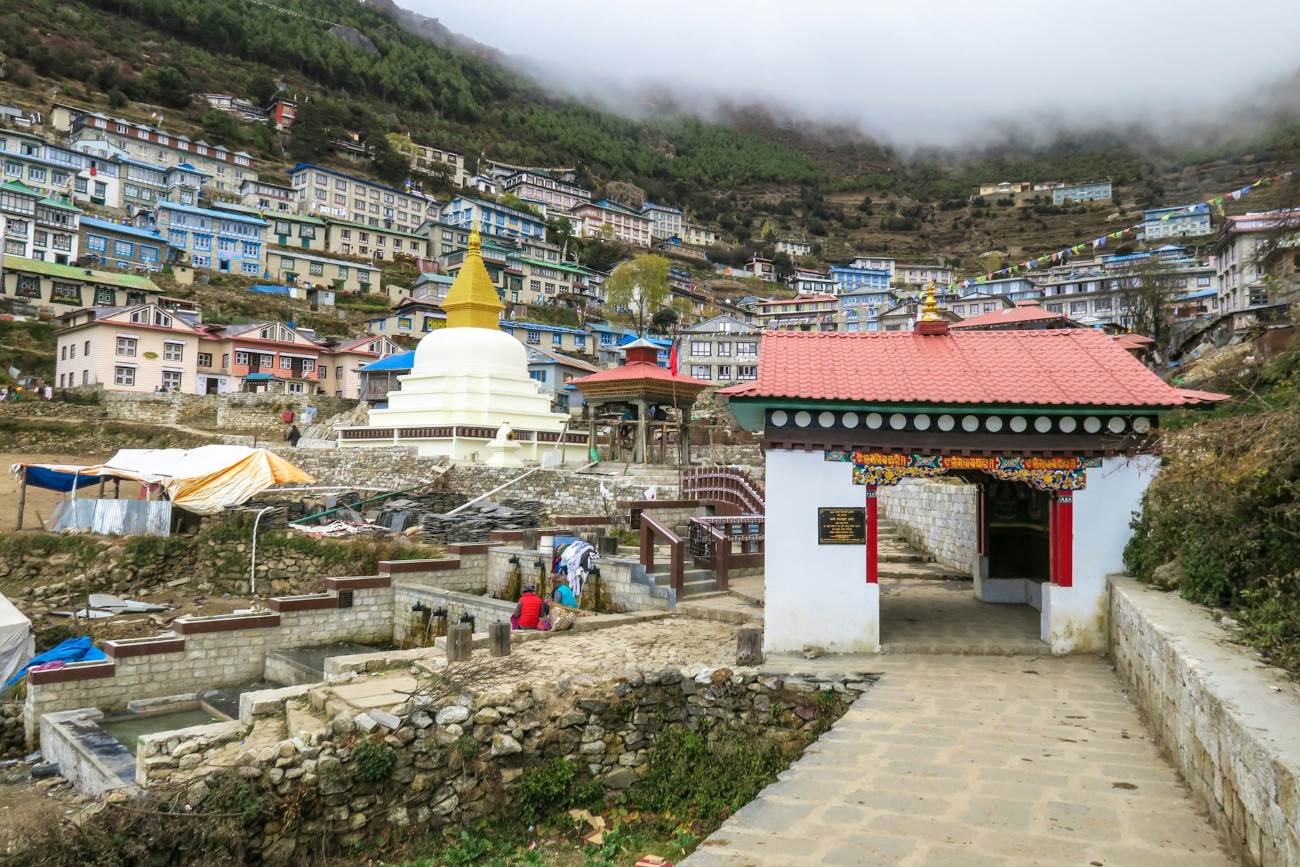
April 15, 2021
Top 5 Things to Do in Namche Bazaar
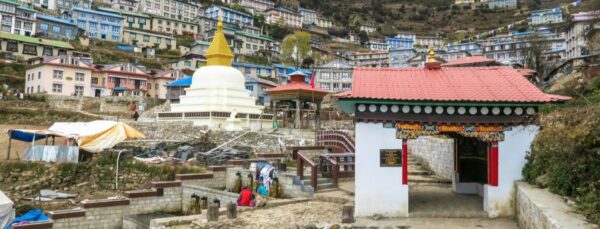
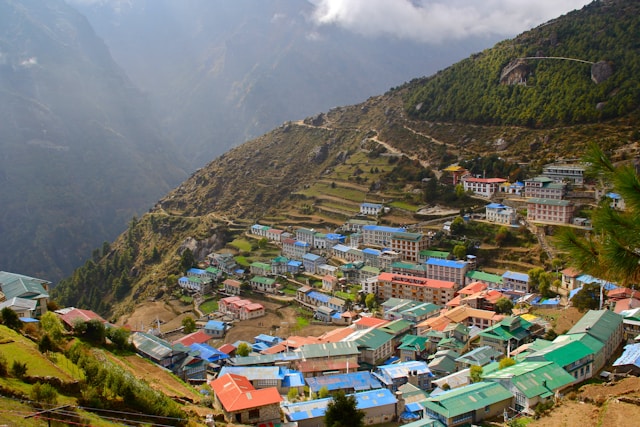
Namche Bazaar at an altitude of 3,500 m is the platform for expeditions to Everest and other HimalayNamche Bazaar at an altitude of 3,500 m is the platform for expeditions to Everest and other Himalayan peaks. It is a small, colorful market town selling everything from trekking and climbing equipment to Tibetan memento.
The beautiful Namche is the gateway to the Everest Base camp. It is also a memorial place for different mountaineering expeditions and information on the lifestyle and culture of the Sherpa people.
Besides, Namche is famous for yak cheese and Butter. Situated on the slope of an arch-shaped mountain, with amazing views of giant Himalayan peaks from anywhere in the valley, Namche was once a major trading center of the Khumbu region.
Sherpas from neighboring villages and traders from Tibet would gather to barter goods showcasing exotic traditional arts and crafts.
Namche is worth visiting the weekly market on Saturday, where traders from Tibet sell their wares in exchange for Nepali and Indian food and goods.
It is a place to stock up on essentials where shops and stalls line the cobbled streets. Similarly, most of the traders are Sherpas or Tibetans.
There are a large number of lodges. Namche has a large number of guesthouses, numerous restaurants, cafés, and even a couple of bakeries.
Besides, various post offices, telephone facilities, internet, health post, and dental clinics are available here. Namche Bazaar still preserves its ancient culture, traditions, and heart-warming hospitality.
Being one of the popular stops along the Everest route, people in Namche are welcoming. Most of the people are engaged in mountaineering and trekking as the remaining are engaged in Hospitality.
From Namche, some Sherpa villages such as Thame, Khumjung, and Khunde are just a few hour’s walk. Likewise, they are good options for whining away your time, helping you to get acclimatized.
Highlights of Namche Bazaar
- Explore the wonderful Sherpa Cultural Museum during your acclimatization day at Namche.
- Visit Sagarmatha National Park and explore the flora and Fauna over there.
- Exploration of Namche Monastery
- If you intend to visit Namche in June, you will explore the Dumji Festival
- Best mountain view from the Everest View hotel
- A most popular place for acclimatization
- Saturday Market Fair where the visitors can buy almost everything
- Unique hospitality and food of Sherpa People
Facts About Namche
- Namche Bazaar is shaped like a horseshoe
- The location of Namche is an unconventional one
- Namche Bazaar a historical capital and Administrative center of the Khumbu Region
- It is the first stopover of the Everest region treks
- Namche has undergone an unbelievable change: from a trading post to the busy hub
- In October 1985, former President of the US, Jimmy Carter, along with his wife, Rosalynn visited Namche Bazaar on a personal chopper of the then king, Lt. Birendra Bikram Shah Dev
Top 5 Things to Do in Namche Bazaar
Hike up to the Everest viewpoint.
Namche Bazaar is one of the main stops on the trail up to Base Camp to Everest. It is a great place to encounter the Himalayan region of Nepal along with the mountains. The first sight of Everest can be seen along the trails from Monjo to Namche Bazaar. However, from Namche, if you climb up to the viewpoint above the village, you will get your first view of Everest. On the other hand, Sagarmatha National Park Museum marks it as the favorite viewpoint of Everest in Namche Bazaar. The national park is only 20 min uphill from the center of Namche. Similarly, it offers an excellent view of Mt. Everest (8,848m), Nuptse (7,861m), Lhotse (8,516m), Ama Dablam (6,812m), and Thamserku (6,623m). One of the most popular acclimatization stop-overs for trekkers and hikers is Namche Bazaar. Offering the most fabulous places for a day hike, Namche is a tourist hub for most visitors. Similarly, the common places for hiking in Namche are Kunde, Khumjung, Everest View Hotel, etc. Among many wonderful hikes from Namche, Everest View Hotel is one of the best-hiking destinations offering a panoramic view of Everest. Similarly, It offers the best panoramas of Everest and Ama Dablam. The Everest viewpoint hotel at 3,962m, is probably the most popular day hike from Namche. Therefore, starting the hike with a climb behind Namche, one should ascend north along a long ridge to the Everest View Hotel. The hotel is not only at high altitudes but also best known for its unique hospitality and services where you can enjoy the most beautiful panorama of Everest and Ama Dablam.Wander Namche for a panoramic view
Namche Bazaar is a well-developed and popular Sherpa kingdom. It is not only forward in infrastructures but also preserved in culture and tradition. Namche is a bazaar place where you can get almost everything. It is the most beautiful settlement and a hustling and bustling hub for tourists. Similarly, The shops are stuffed with art and artifacts on either side here as well as the houses are colorful. Namche has always been a town that is culturally revived. Likewise, Wandering around the town is just like walking across heaven. Namche has a lot to offer to the visitors as if you are wandering to look upon the town you can walk over the edge at either side of the town. On the other hand, if you Look at the back from the edge of the hill, you will have panoramic views of Everest as well as other mountains. Popular among the visitors because Namche will create all those memories that you missed during your visit to Everest View Point. Furthermore, the scene of the entire town is so amazing. In addition to this, Namche Bazaar has other many wonderful destinations for sightseeing that includesThings to see at Namche Bazaar
- Sagarmatha National Park Visitors’ Centre
- Museum of Sherpa life
- Museum of local medicinal plants and Tibetan herbal medicine
- Namche Library
- Namche Monastery
Shop in Namche Bazaar
Namche Bazaar by its name Bazaar is considered a popular tourist destination. Almost everything can be bought in Namche from the shops that sell books, trekking gear, Snacks, Souvenirs to the art and artifacts. Namche as a tourist hub, there will be possibly everything that you can keep as a memory. Most probably your memories of Everest will remain fresh and alive. Even if you forget to buy some items before you start your journey, you can always buy them after your return from the camp. Similarly, you can buy trekking gear and outfits here. There are general stores that sell the needed stuff like biscuits, toilet paper, chopsticks, superglue, etc, and pharmacies selling anti-diarrhea and cold tablets. Besides, there are art galleries, bakeries and coffee shops, massages, an Irish bar, and a couple of other nightclubs/bars, museums, a monastery that makes your trip refreshing and entertaining. Therefore, shopping in Namche will give you an incredible experience to analyze the Nepalese landscapes as well as the cultural diversity of the Himalayan region.Things to buy at Namche Bazaar
- Handicrafts
- Books
- Necessities: Batteries, Basic Medicines, toiletries, sun blocs, etc
- Trekking pieces of equipment and clothing
Taste a Good Meal
The whole Namche Bazar is a popular sherpa Kingdom where visitors or trekkers will have an amazing experience tasting the food of the Sherpa Community. Therefore, yet another important activity to do on the lap of the Himalayas is to taste the typical Nepali Cuisine. Sherpa people are popular for their legendary hospitality in the world. They are such warm-hearted and welcoming people that they welcome every visitor in their way. That being said, the food they serve during your visit at Namche is good in taste as well as healthy. There are several restaurants and bars, and you will be blown away by them. The food served in these bars and restaurants is equally healthy and tasty. Similarly, they serve every kind of cuisine. Although you can find limited varieties of food in the high-altitude treks in Nepal, Namche is exceptional. Here in Namche, You can even grab a sneaky slice of apple pie or even an ice cream from the center of town. The Irish pub, several bakeries and coffee shops, and even a Japanese restaurant are available here in Namche Bazaar. In addition to this, you can taste typical local sherpa beverages here. Therefore, Namche Bazaar is the perfect destination to taste a Napali Cuisine.- Foods and Beverages in Namche
- Apple Pie and Chocolate Cake
- Pizza
- Local Dishes: Rigi Kur, Tzen, Thukpa
- Juice, coffee, beer, tea, Herbal tea, Cafe de’ 8848
Spin the prayers wheels at Namche Bazar Stupa
Namche Bazaar is a place where you will not only see a panoramic view but also the culture that is similar to that of Tibet. Namche Bazaar is the live museum of Sherpa and its legendary culture and tradition. Sherpa, the indigenous people of Himalayan have a unique lifestyle and cultural heritage sites. Similarly, there are many ancient monasteries and Gompas in this region. Once at Namche, you will have a lot more to explore and experience. Namche will give you a wonderful opportunity to score a whole lot of Himalayan lifestyle and people. The monastery and stupas at the base of the town, with prayer wheels, wrapped around it. Furthermore, spinning the prayer wheels is the most satisfying activity ever. It will not only provide you with spiritual solace but also leave satisfaction in your mind and soul. Namche Stupa and Mani Park have become the center of attraction among many trekkers all around the world. People once in their lifetime want to experience this wonderful town which gives the taste of the Himalayan lifestyle and a community highly influenced by Buddhism. On the other hand, Namche Bazaar reflects the Tibetian lifestyle and culture where the Tibetan style of the architecture itself is very attractive. Therefore, you will not only experience Nepalese living standards but also witness the Tibetan-influenced society.Conclusion
Therefore, Namche is traditionally, culturally, and naturally, a famous tourist hub where visitors get to explore the wonderful panorama of nature as well as Tibetan rich culture and tradition. There are several monasteries and gompas as well as stupas where you can spin wheels. Besides, you can hike to the Everest Viewpoint and get a majestic view of the Everest region. Similarly, the visitors can do shopping in Namche where they can get momentum from the Himalayan region of Nepal. On the other hand, Sherpa hospitality is best among the visitors. You will be welcomed warmly as well as get a taste of typical Nepali cuisine during your visit to Namche. Read more... Read less
April 22, 2021
Ghorepani Poon Hill
Ghorepani Poon Hill Trek is one of the most demanding and relatively easier treks to the beautiful eGhorepani Poon Hill Trek is one of the most demanding and relatively easier treks to the beautiful ethnic village of the Annapurna region. This wonderful trek lets you access one of Nepal’s classic viewpoints of the Annapurna range.
Witnessing the wonder of rhododendron forests, Ghorepani Poon Hill Trekking in Nepal will let you feel the Himalayan Panorama as well as provide you the opportunities to get close to the local Culture.
This tour is most probably the best for those who are seeking to soak in nature and natural resources.
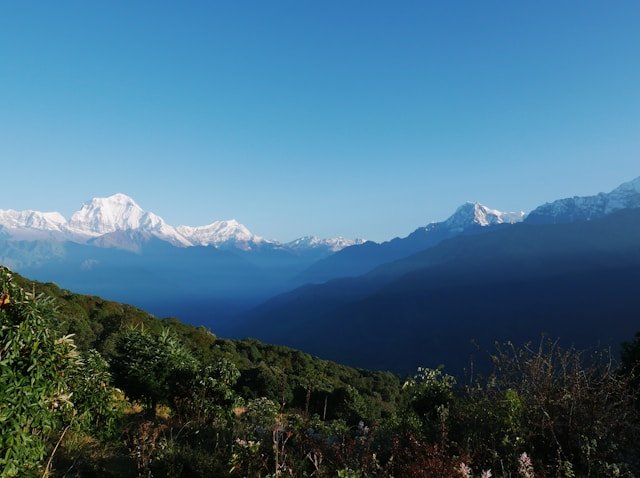
Likewise, Poonhill offers you the striking panorama of huge Himalayas including Annapurna South, Annapurna I, Annapurna II, III, and IV, Dhaulagiri, Lamjung Himal, Gangapurna, and Manaslu ranges.
This trekking route lies in the Annapurna region with the highest elevation of 3210m and is a moderate trek.
This tour will not only let you witness terraced slopes, warm villages, beautiful paddy fields, but also the wonderful culture and lifestyle of ethnic people like Gurungs, and Magars.
Ghorepani and Ghandruk are two of the largest Gurung settlements in the Annapurna Region with unique and charming settlements of Gurungs and Magars communities.
Follow ancient trails that connect local communities, pass through rhododendron forests and rice paddies, and you will finally reach the desired destination at Ghorepani.
Poon Hill trek is popular as a Photographer’s paradise, where you can capture every moment of impressive Himalayan ranges as well as the natural landscape.
Similarly, there is a unique pleasure of trekking in this wonderful land with the attractive settlements of ethnic communities.
Highlights of Poon Hill Trek
- UNESCO listed cultural heritage site in Kathmandu such as Kathmandu Durbar Square, Swayambhunath, Boudhanath, and Pashupatinath
- Best sunrise and sunset view
- The stunning view of the Himalayan range from Poon Hill at 3210m
- Explore the biggest Ghandruk village with Gurung settlement and Ulleri village with Magar settlement
- Majestic view of Dhaulagiri, Manaslu, Annapurna, and the other Himalayas.
- Enjoy the lively nightlife near the lakeside in Pokhara
- Visit the tourism city Pokhara
- Explore the culture and tradition of Gurung and Magar Community
- Witness the typical Nepalese rural life
How to Get to Poon Hill?
The trek to Poon Hill starts from Kathmandu to all the international trekkers. But for the national one, it starts with their respective place. Trekking to Poon Hill is the best experience for the tourists that give you the perfect sight of the vision of different Himalayas and villages. Similarly, you have different routes to travel from Kathmandu to Poon Hill. The distance from Kathmandu to Poon Hill is around 271 km. However, you have to go to a different place that makes the distance so long giving you the best feeling along the tour. You need to travel to Pokhara to begin the journey.Kathmandu to Pokhara
Pokhara is regarded as the metropolis and the largest city of Nepal in terms of the area holding the second largest population within Nepal. The altitude varies from 827 meters in the southern part to 1,740 meters in the north. There are mainly two ways to travel from Kathmandu to Pokhara i.e. roadways and airways. The distance from Kathmandu to Pokhara is about 204.5 km through the route of Prithvi Highway. On the other hand, you will reach much earlier if you choose to fly. The flight will take about half an hour.Pokhara to Tikhedhunga
From Pokhara, you need to head towards Tikhedhunga the next day after proper rest. Firstly, from Pokhara, head towards Nayapul which is about 46 KM and takes about 1.5 hours to arrive. After Nayapul, begin your trek from Nayapul to Tikhedhunga. Tikhedhunga has located 7km from Nayapul in the western region of Nepal.Tikhedhunga to Ghorepani
From Tirlhedhunga, trek towards Ghorepani. The distance from Tikhedhunga to Ghorepani is 12 KM which takes nearly about 5-6 hours. Ghorepani is a beautiful village in the Myagdi district in the Dhaulagiri zone in the northern-central of Nepal. The region lies 17 KM from the district capital Beni at an elevation of 9429 feet.Ghorepani to Poonhill
From Ghorepani, trek to the final destination Poon hill. The distance from Ghorepani to Poonhill is 1.5 KM. Likewise, Poon hill is situated at an elevation of 3,210 m. It is one of the most famous viewpoints of the world and ranked second as the most famous viewpoint after Kala Patthar in Nepal. You can observe the beautiful mountains along with the people of the different villages with different ethnic groups, cultures, and traditions.Outline Itinerary for Poon Hill Trek
Day 01: Arrival day in Kathmandu 02: Kathmandu Sightseeing in 03: Fly to Pokhara and drive to Nayapul, trek to Tikhedhunga – starting off the Poonhill Ghorepani trekking. 04: Trek to Ghorepani (2855 m). 05: Climb to Poon Hill for great Himalayas views and trek to Ghandruk (2000 m). 06: Trek to Nayapul and drive to Pokhara. 07: Drive back to Kathmandu. 08: Final departure. The tour starts with a 6-7 hrs drive from Kathmandu to Pokhara. You can stroll around the city in Pokhara in the evening. The evening in Pokhara is filled with various cultural shows, live music, and concerts. You can enjoy various shows at the lakeside in Pokhara. Then from Pokhara, drive for one and a half hours to Nayapul and trek for about 4-5 hours to Tikhedhunga. Likewise, from Tikhedhunga, we will hike to Ghorepani at an altitude of 2874m. Explore the village around there and get a view of the stunning natural landscapes in Ghorepani. Trek to Poonhill and Tadapani finally trek to Ghandruk, a popular Gurung Village. After spending time in Ghandruk, trek back to Nayapul and drive to Pokhara.Best Season for Poon Hill Trek
The trek to the wonderful village in Annapurna Ghorepani Poonhill can be done anytime throughout the year. However, as everything has its pros and cons likewise, there are several benefits as well as disadvantages in each season and you have to balance the trek yourself.Spring- March to May
The months from March to May are one of the most remarkable seasons for the trek. As this trek is at a relatively low altitude, the days are warmer from March to May, making it suitable for the trek. Also, the days are sunny and clear making the views panoramic and wonderful. The vegetation is at its best with full bloom in spring. Highlighting the national flower of Nepal, Rhododendron at radiant color, this trek is best and suitable for all nature lovers. On the other hand, the temperatures range between 10 to 24 degrees celsius, with the temperature on Poon Hill itself dropping to freezing point. That’s when they lighten the mood by serving tea and coffee during the sunrise. Similarly, there is no rain during this time and the skies will be clear represent the best of Poonhill.Monsoon – June to August
Monsoon is always wonderful and most people out there enjoy traveling to Monsoon. There is something wonderful that we love about monsoon. The vegetation looks clean and fresh with the stunning view of snow-capped mountains. Sometimes the mountains will disappear behind rain clouds, but that just makes it all the more special. Temperatures are not so different from those of the springtime, perhaps a bit less cold at the higher points of this trek. The temperatures range from around 9 to 24 degrees celsius. You might be lucky and have no rain at all but most common people can expect rain for short periods every day. Because of the rainfall, the trails will be more slippery. If you want to trek in peace without much of a crowd then monsoon is the ideal season for you. Drinking hot tea inside your teahouse watching the rain falling outside can be just as magical an experience.Autumn-September to November
Autumn is one of the best seasons for the Poon Hill trek. Generally, autumn starts from September to October and is a season that attracts a lot of trekkers to Poon hill. This season is trendy among trekkers as this season receives little or no rainfall making the trekking trail easier and more convenient. Besides, the clear weather during this season offers a panoramic view of the majestic Himalayas, as well as the natural landscapes. Besides, the clear blue Sky and the bearable temperature make this season the best among the trekkers. Perhaps being the best time to trek the Himalayas, the trails to Poon hill will be busier. Autumn is the main festival season in Nepal. Apart from the natural view, you can witness the culture and festivals in Nepal during Autumn. The temperatures in Autumn are similar to spring, getting cooler as the season gets later. But expect in the region of 10 to 24 degrees celsius, with the temperature on Poon Hill itself dropping to freezing point.Winter- December to February
Ghorepani Poon Hill Trek is a low-altitude trek compared to other Himalayas treks. This trek can also be carried out during the winter. The month from December to February is the winter months in Nepal where the temperature drops at the freezing point at a higher altitude. But temperatures at Ghorepani are bearable with warm clothing and extra preparations. The temperatures drop to freezing in the mornings and evenings where the day temperatures will still be around 15 degrees Celsius which is very comfortable for hiking. Overall the chances of rainfall during this month are probably low. however, there may be some light snow. Again if you want to explore nature peacefully without a crowd then yes winter is ideal for you. As there will be fewer trekkers on the trail. Also, there will be no problem getting accommodation at teahouses. Similarly, Mountain views will be stunning in the frosty air.Accommodation in Poon Hill Trek
The trek to Poonhill is one of the most satisfying treks in Nepal both naturally and culturally. Throughout the journey to Poon hill, accommodation varies from luxurious to basic with lots of differences in between. As the trek will start and end in Pokhara, the type of accommodation depends on your style and budget Pokhara as well. The higher you go up in the remote area, the more simple the accommodation will be. Fortunately, there are nice rooms available in the majority of tea houses here in the Ghorepani trek. Most rooms have twin beds. However, only a few have attached bathrooms. On average a twin room in a teahouse on the Ghorepani Poon Hill Trek will cost you $3-6 per night. On the other hand, you are expected to eat in the tea houses where you will be staying. They’ll generally ask you to order your food as you check-in. Furthermore, the tea houses here are charming, made from stone and wood, and a cozy place to relax at the end of a long day’s trekking.Foods in Poon Hill Trek
The meals after a day of hiking taste even better. Many trekking trails in Nepal offer typical Nepali food including the Poon Hill trek. Similarly, you can find familiar food such as pasta, fried potatoes, and pancakes, and perhaps the less familiar such as Dal Bhat. Dal Bhat is the staple food of Nepal and you will come to love it. Dal, Lentil soup, rice, and a variety of vegetables made into a curry will give you stamina for the next day’s trek. A healthy and filling meal at the end of the day will boost your energy after a long walk. Likewise, Drinks, alcoholic and non-alcoholic are available, as are tea and coffee. Moreover, you also find snacks such as energy bars, nuts, chocolate, etc along the trail. However, these will be quite expensive here in Poon hill. Therefore, you can bring some along with you from Pokhara, the starting and ending city for your tour.Breakfast
- Bread and Chapati
- Plain toast with jam, honey, or peanut butter
- French toast, cheese toast
- Tibetan bread
- Chapati with honey, peanut butter, or jam
- Eggs
- Boiled, Scrambled, Fried eggs
- Plain, Vegetable, Cheese omelet
- Pancakes
- Pancake with jam or honey
- Apple, Chocolate pancake
- Porridge and Cereals
- Oats and porridge
- Milk
- Soups
- Potatoes
Lunch
- Dal Bhat (veg and non-veg )
- Cheese, Vegetable, Egg, Tuna and mixed fried rice
- Noodles
- Vegetable, egg, cheese, mixed fried noodles
- Pasta and Macaroni
- Spaghetti
- Momos
- Vegetable, buff, chicken, cheese, potato momos
- Chicken, Mushroom, mixed pizza
Dinner
Dinner at Poon Hill is similar to that of Lunch. At the end of an exciting day’s trekking, finally, reach the teahouse where you will stay the night.- Dal Bhat (vegetarian, non-veg)
- Fried rice
- Fried noodles
- Pasta and Macaroni
- Spaghetti
- Momos
- Pizza
- Dessert
- Pancakes
- Apple pie
- Chocolate pudding
- Rice pudding
Useful Tips for Poon Hill Trek
Trek to Poon hill is a relatively easy trek and almost people of every age group can do this trek. However, certain things need to be considered while trekking in any place. Likewise, here are some of the useful treks for trekking to Poon Hill Trek.Start Early
It is always the best idea to start the trek early in any place including Poon hill. Trekking early lets you witness a stunning view of the entire landscape and mountains in the morning. You will have more time to spend with nature if you start early. Nothing can beat the sunrise view at the peak of the majestic Himalayas that starts early.Carry extra Handcash
It is always wise to carry extra hand cash when it is for a trek. If you want to buy something you have to pay by hand cash as credit cards are not accepted in the upper part of this region. So if you want to buy anything you need a certain amount of hand cash.Carry comfortable backpack
A comfortable backpack can make your trip memorable and comfortable. Although Ghorepani Poon hill is not an extreme trek like another altitude trek, you can easily trek here without any difficulties but it is always a better idea to be prepared. Carrying a comfortable backpack will make your trek much more easier and comfortable. Read more... Read less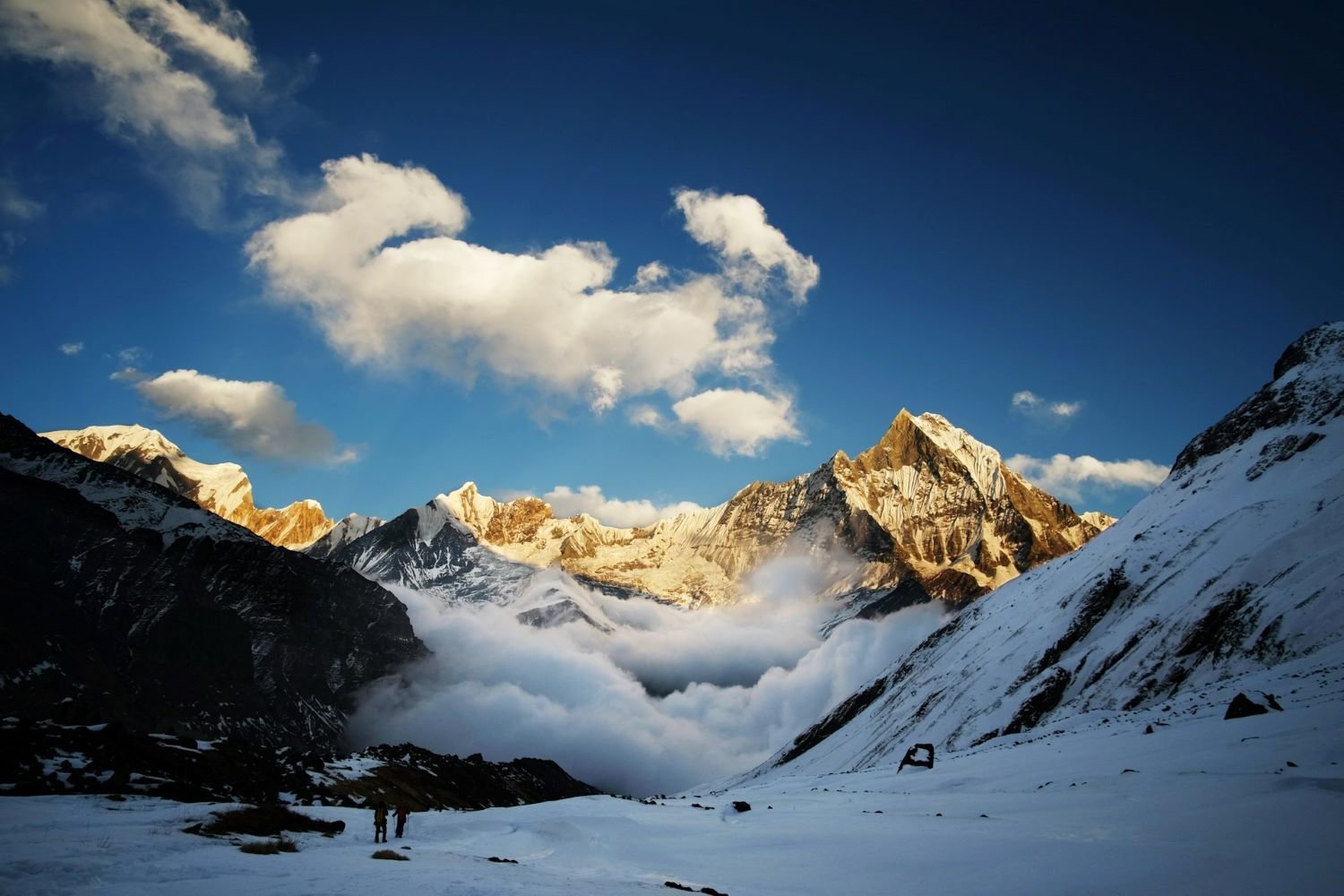
April 29, 2021
Annapurna Base Camp Trek in October
The trek to Annapurna is a wonderful trekking experience to a region with diverse terrain, culture, The trek to Annapurna is a wonderful trekking experience to a region with diverse terrain, culture, wildlife along with the spectacular view of the Himalayas. Annapurna base camp trek is by far one of the easiest and much more convenient treks in Nepal than other high-altitude treks. The base camp trek to Annapurna is a dream with striking views of the natural landscapes. It is one of the most popular hikes and is a dream with striking beauty to many enthusiastic trekkers worldwide. It’s one of the few natural attractions destinations in Nepal that look splendid throughout the year.
Highlights of Annapurna Base Camp Trek
- Witness the sheer beauty of the diverse Himalayan landscape as you hike through remote villages, fairy-tale forests, vast moorlands cut by cascading rivers, and the blue-hued peaks of base camp
- Experience a magical sunrise over the Annapurna ranges from the spectacular heights of Poon Hill.
- After your trek, relax and unwind in Pokhara visit Phewa Lake, Begnas Lake, and other major places in Pokhara.
- Explore the rich local Sherpa culture as well as Gurung and Magar culture in Ghorepani
- Stunning view of snow-capped peaks such as Machhapuchre and Dhaulagiri
- The pleasant atmosphere all day around with clear blue skies
- Get to know the people from different countries and different culture and tradition
- Crowded streets with explorers from far off and near
- Cultural exposure and good fellowship with locals
- hot spring bath in Jhinu Danda
- Holidays and festivities with social gatherings along with the village. that comes along the way.
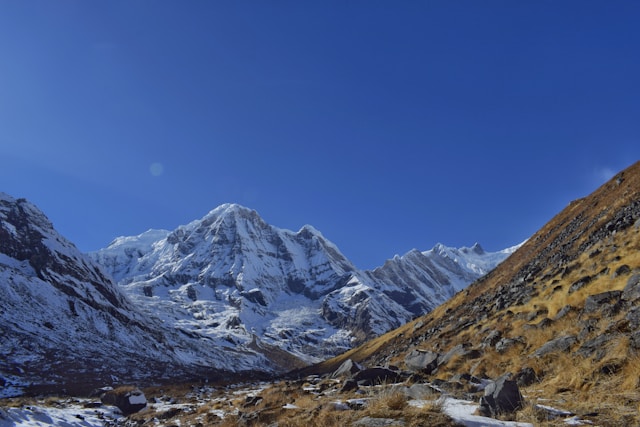
The Weather of Annapurna Base Camp Trek in October
Annapurna Base Camp is one of the most fabulous trekking destinations for trekkers. Lying at the base of the Annapurna Massif, this trek can easily be completed by any grade trekkers whether they are just beginners or professional trekkers. Likewise, if you are wondering whether to trek in the base camp of this beautiful place then, you should keep an eye out for the weather. The trek to the base camp can be done throughout the year following some measures and techniques. However, Autumn is one of the most popular trekking seasons for trekking to the high altitudes places in Nepal. Out of the seasons in Autumn October is one of the most pleasant seasons for the trek to the Annapurna Base camp. October is a season where the amount of rainfall is low, the temperature is not too high nor too low which is suitable for adventurous activities such as trekking. There’s nothing more beautiful like the magnificence of Annapurna Base Camp Trek in October. Similarly, it gets a lot better with all the classic trails, old-style remote villages, and splendid landscapes. The season makes everything look grand and fantastic with majestic background scenes. At an altitude of 4130 meters, Annapurna Base Camp offers wonderful views with clear and fresh air. Similarly, October prevents both monsoon rain and the bitter cold of winter where days are warmer and pleasant with clear skies and clean air. However, the nights are slightly cold with a chilly wind blowing from the campsite but it is bearable. In October, one can have a majestic view of Annapurna and Machhapuchhre. The trails passing through the forest are covered with spectacular fall foliage which ultimately makes the trek relaxing and comfortable to walk. On the other hand, rare birds migrate to the region in October to enjoy autumn. October witnesses great weather throughout the month and also the view of unobstructed snow peaks.The temperature during Annapurna Base Camp Trek in October
Boasting a maximum crowd flown from all over the world, October has the most pleasant weather with a reassuring temperature that comforts hikers. October offers a temperate climate to accomplish Annapurna Base Camp Trek in October. The average temperature in the daytime rises to 25 Degree Celsius. However, the nights are still cold where the temperature drops by 10-15 Degree Celsius than in the day hours. Therefore, carrying warm clothes for the night can help you enjoy a trek without any obstacles to the weather and climate in October.Accommodations During Annapurna Base Camp Trek in October
Unlike other treks, you will have plenty of options for accommodation at the Annapurna Base Camp Trek. Especially during the peak season like October most of the tea houses and lodges will be providing better services to the trekkers. So Annapurna base camp trek has the following modes of accommodation services.Hotel/Lodge Accommodation
Several hotels and lodges provide the best accommodation facilities to the trekkers on these routes during October. October, being peak season, you will be provided with a tourist-friendly hotel and lodges that suit your budget. Similarly, beyond the basic accommodation facilities, there are several luxuries and deluxe hotels and lodges in the Annapurna Base Camp trails. With comfortable and affordable services the hotels and lodges provide you the facilities like comfortable beds with a pillow, electric blankets, hot and cold showers, free wifi, and many more.Tea House Accommodation
Tea house accommodation is another most popular mode of accommodation in an Annapurna base camp trek. It is mostly a local form of accommodation that is run by the locals of the Annapurna region. The tea houses are well managed and provide you with all sorts of services and facilities. After a long and tiring day, trekkers take a great rest at the teahouses. During October you will get an opportunity to explore people from several other countries, as it is one of the peak seasons for the trek. Trekkers will get an opportunity to explore the picturesque village, and also enjoy a unique culture and tradition during October. The accommodation service in the local teahouse includes a basic wooden bed with a simple mattress, pillow, and a blanket with solar and electric heater shower. On the other hand, you’ll be provided with a western, attached bathroom with a hot and cold water shower service.Camping Accommodation
In October there is less or most probably no rainfall. So, if you want to stay away from tea houses and lodges you can have camping accommodation as well. October is suitable for camping accommodation as the weather will be clear and suitable. However, this type of accommodation is mostly done by the climber planning to climb Mt Annapurna. Similarly, it is also done in remote areas and regions where there are very few teahouses and other accommodation facilities. However, you need to bring warm clothes for camping accommodation as the nights will be much colder.Annapurna Base Camp Trek Meals in October
Talking about food during the trek, you will have a variety of options here. Likewise, you will be provided with three meals per day that includes breakfast, lunch, and dinner. The food items in this base camp vary from traditional Nepali cuisine to international cuisine. However, the most popular one is national Nepali food, Dal Bhat, and seasonal vegetables along with pickles. During your trek to Annapurna, you will get a taste of typical Nepali food. Besides the local food, you can find other food items such as pancakes, bread, porridge, pasta, pizza, burger, sandwich, etc. You can also enjoy the beverages such as tea, coffee, mineral water, hot lemon, etc. During October, most of the tea houses get lacking because of the high number of trekkers in this season. Because of this, you may have to wait for a long time to have your meal but the dishes are waiting.Why Annapurna Base Camp in October?
Annapurna Base camp is one of the best hiking adventures globally. It is a beautiful journey in the Annapurna foothills. This Himalayan trail is primarily a favorite amongst trekkers for various reasons. And during October, the trek gives you a pleasant view with comfortable weather and climate. People prefer to trek to Annapurna during October because of the favorable weather, exchange of culture, seasons of festivals, as well as the clear view of the Himalayas. Moreover, several other interesting aspects allure people to navigate this particular trail. October is autumn in Nepal where the season appears to favor trekking the most by offering a great atmosphere and surroundings. The trails are covered with autumn leaves, making it a magical view. October is also a festive season in Nepal. So during October, one can experience the culture and festivals of Nepal where the villages and streets are filled with people more than any other time.Favorable Weather
Trekking in October can be blissful, fun, and adventurous that also to a region like Annapurna. From the hypnotic display of fall to the clear blue skies and joyous routes, everything looks tremendous in the month. Likewise, the beautiful weather in October is a plus point for the trek. The month has visionary whether to offer bright sunny days and chilly nights suitable for the trek. The days are warm presenting the best view of the surroundings whereas a night can be a little more chilly. October has little or no rainfall and neither heavy snowfall. The average temperature during the day ranges from 20-25 Degree Celsius. Meanwhile, there’s a drop in temperature at night and mornings from 10-15 Degree Celsius.Exchange of Culture
Trekkers are excited by the adventure that this trekking route provides. As a result, trekkers and visitors from all across the world opt for Annapurna Base Camp in October. So, one gets to know and learn about the culture of fellow trekkers from different countries. Likewise, more stories are shared on the trails and dinner tables in lodges. There’s positivity all around as people from different cultures and races come together. Similarly, people with different nationalities come across and spread their culture. They exchange culture, way of life and when people exchange healthy conversation on the histories and culture of their native home, they automatically create a friendly environment. On the other hand, trekkers also make interactions with the locals where they stay. They come to share their unique experience as well as their journey on the Annapurna Base Camp trek in October. It is the easiest way to build a connection with the native. Besides, there are so many historic and religious sites around the corner that give more reasons for the trekker to come together and talk about the rich historical past.Season of Festivals
October is also popular as the festive season in Nepal. It is a time of celebration in Nepal with all the big festivals on the doorstep. It’s the moment when the entire country celebrates Dashain and Tihar. The whole country will be filled with lights and colors during these festivals. Moreover, the visitors will get a taste of typical Nepalese festivals during October. October not only lets you witness the natural scenario but also offers you great culture and festivals. Trekkers will capture the essence of culture and tradition which allows them to get a sneak peek of people’s traditions, cultural identity, and way of life. People of different ethnic groups are inhabited their way of celebrating festivals. So hikers visiting the base camp in October can notice a mixture in the style of culture and festival celebration.Clear Mountain View
One of the major perks of October is the finest view of the Himalayas. Nepal is a country in the Himalayas. So, during October you will not only witness the Annapurna but also other Himalayan peaks. Because of the finest weather, the view in October is soul-satisfying. The clear skies and great weather make the Himalayas look much more stunning during the trek to Annapurna. Unlike monsoon and winter, it has no dark clouds or gloomy fog to have a hindrance to scenic mountain vista. People will be able to peek at a glaring Annapurna from distant trails and hillsides. Not just that, they even get the mesmerizing view of the wonderful landscapes and forests radiate with flowers and vivid leaves.Preparations and Essential Requirements
Trekking to a high altitude is not as simple as it looks. It takes days and weeks of preparation and planning. Trekking needs much physical training to pick the right gears and even more. For a successful trek, one has to build one body to such an extent that it can beat the tiring routes as well as altitude. Therefore, one must increase physical stamina as well as mental strength during their trek to Annapurna. As Annapurna Base camp trek is not an extremely difficult trek than any other high altitude trek. With simple preparation and planning, it can be done very easily.Physical Preparation
Hikers of Annapurna Base Camp Trek’s priority must be to keep the body fit and train accordingly. They must have high endurance power to walk for about 5-6 hours through the rough trails of the Annapurna Region. And the trek preparation starts with a training exercise. Therefore, it must be done at least a month or weeks before the trek. To increase physical stamina one can start light workouts such as jogging and gym classes to squats and high planks. Besides, Cycling and walking to remote areas can be helpful as well.Mental Strength
As it is a moderate level trek people are not much preparing for mental strength. However, it’s evenly important that a trekker is as good with the mental strength to put up with the hike. Besides, Altitude sickness becomes a real problem after 2500 meters altitude. So, preparing your body to adapt to the changing temperature is the most. On the other hand, the choices for food are limited at the base camp which may not be enough to build energy. Thereby, carrying extra snacks and energy bars full of protein and carbohydrates while staying hydrated all day is encouraged.Trek Essentials
After physical and mental preparation, the next important thing for the trek is the essentials. In absence of the right gear, trekkers can never endure Annapurna Base Camp Trek even if it’s in October. So here is the list of essentials for the trek in October.- Fleece trouser to withstand the bitter cold of morning and night
- Windproof jacket for breezy days
- Lightweight shirt and a hat to prevent heat
- Trekking poles to ease the weight on the body during ascent to steep hills
- Stiff hiking boots to walk comfortably on rugged trails and rocky terrains
- Extra pairs of socks
- Navigation device including map and compass to find a way if lost
- Headlamps, extra batteries, and charger
- First aid-kit with ibuprofen to cure altitude sickness
Difficulties of Annapurna Base Camp Trek in October
Annapurna Base Camp trek is a moderately difficult trek. High altitudes, rough trails, and the weather and temperature can make this trek a bit more challenging. However, there is no such thing as impossible.Altitude Sickness
One of the major challenges of the Annapurna Base Camp Trek is altitude sickness. Likewise, people with low physical stamina may find this trek difficult where the amount of oxygen is comparatively low. Despite being one of a moderate level trek, it is still very difficult for the freshers as well as intermediate. The more altitude you gain, your body suddenly experiences new kinds of environments. As you reach higher, the level of oxygen decreases, and the atmospheric pressure gets thinner. As a result, this may cause difficulty in breathing and other several problems like vomiting, nausea, headache, loss of appetite, and most commonly fainting. Altitude sickness starts above 2500m, and the base camp to Annapurna is at an election of 4130m. So, proper acclimatization is required to avoid altitude sickness during the trek.Food and accommodation
Since October is a peak season for trekking in Nepal, people from all over the world travel to Annapurna Base Camp in October. Therefore, it will eventually result in trouble finding rooms at lodges and tea houses. As the number of guesthouses gets limited with the increase in altitude. So, one may have difficulties finding proper accommodation place during those rush months. Also, people may have to line up and wait for hours to get their orders in hand. Besides accommodation, there will be trouble ordering the food because of the larger queue. Therefore, the trekkers must plan the accommodation earlier to overcome this Obstacle.Rugged routes
The routes are easier and relatively well-marked at the start of the trek. But as soon as you’ll step into higher altitude, there are more rough terrains and steep hills to scramble. The trails heading to base camp are uneven and full of ups and downs, which increase a difficulty level. If you are a beginner you may find the routes a little challenging but if you’re used to hiking then the Annapurna Base Camp Trek in October won’t be that much challenging. Taking extra days to rest and a little training session can also help beat the toughness of the rough routes.Travel Tips for Annapurna Base Camp in October
October is a peak season for the trek to Annapurna. The trail is crowded with trekkers. Making it one of the most popular destinations in October, Annapurna offers a clear view of the Himalayan region. Here are some of the travel tips for the Annapurna Base camp trek in October.Carry a Comfortable Backpack
Your Journey to the Annapurna Base camp may get harder sometimes. You may sometimes have to walk the whole day. So, it will be better if you carry a comfortable backpack with you. Carrying only needle stuff eases your journey and makes it comfortable to walk. Carrying the unnecessary stuff, slow down your walk, and make your bag look bigger and heavy. Therefore, when traveling a long distance, it is only wiser to carry a comfortable backpack. It includes your dressing, your shoes as well as the weight of the bag you carry on your back.Book the Teahouses Earlier
As you are familiar with, October is the peak season for the Annapurna Base Camp Trek. Trekkers from all over the world prefer October to visit the base camp. Therefore, most of the teahouses and lodges are already occupied during these seasons. So, it will be a lot more comfortable to book the tea houses and Lodges earlier.Carry extra Handcash
It is always wise to carry extra hand cash when it is for the trip or the trek. If you want to buy something you have to pay by hand cash as credit cards are not accepted in this region. So if you want to buy anything you need a certain amount of hand cash. Besides, there are no ATMs and any other banking facilities. So, in case of emergency hand cash is most preferable in the upper Himalayas. Make sure that you are carrying enough cash for extra spending. You can consult this with your guides as well.How high is Annapurna Base Camp?
The base camp is at an elevation of 4130 meters which is 13,550 ft high.How much does it cost for Annapurna Base Camp Trek in October?
The cost of Annapurna Base Camp Trek in October ranges from $1000 to $1200 or it can be even more than that. The cost includes the permit fee to enter the conservation area which costs around $30 for the foreigners. Whereas SAARC nations have to pay just 10$ as a permit fee. The extra cost for the base camp differs depending on the facilities and standard of service. Luxurious hotels and guesthouses often charge high which might cause a hike in the travel package.What are the effects of extreme altitude?
As the altitude sickness starts with the altitude of 2500m where the base camp is at 4130m. So, it is possible to suffer from altitude sickness but not everyone goes through it. Climbing too high and too quickly leads to altitude sickness. The low level of oxygen at high altitudes usually causes problems like shortness of breath, headache, and dizziness. To avoid such circumstances, try climbing the steep hills slowly above 2500 meters. Also, take a break from smoking and alcohol during the trek.Is solo trekking possible in October?
October is a popular season for trekking in Nepal where the trails are often crowded with trekkers. So, there is always someone to accompany by. Solo trekking is very much possible during a peak season like October. These trails are full of people heading to the same destination. There’s nothing to worry about traveling solo as locals are just around the corner to help you.Is the trek appropriate for beginners?
Annapurna is not an extremely difficult trek. It is a moderate level trek. Due to its moderate level, trek in October can be achieved even by beginners. However, the beginners should follow a little much preparation and planning. Also, precautions must be taken since they are unaware of the routes. To forbid unfortunate incidents, you can take a pro guide with you. Read more... Read less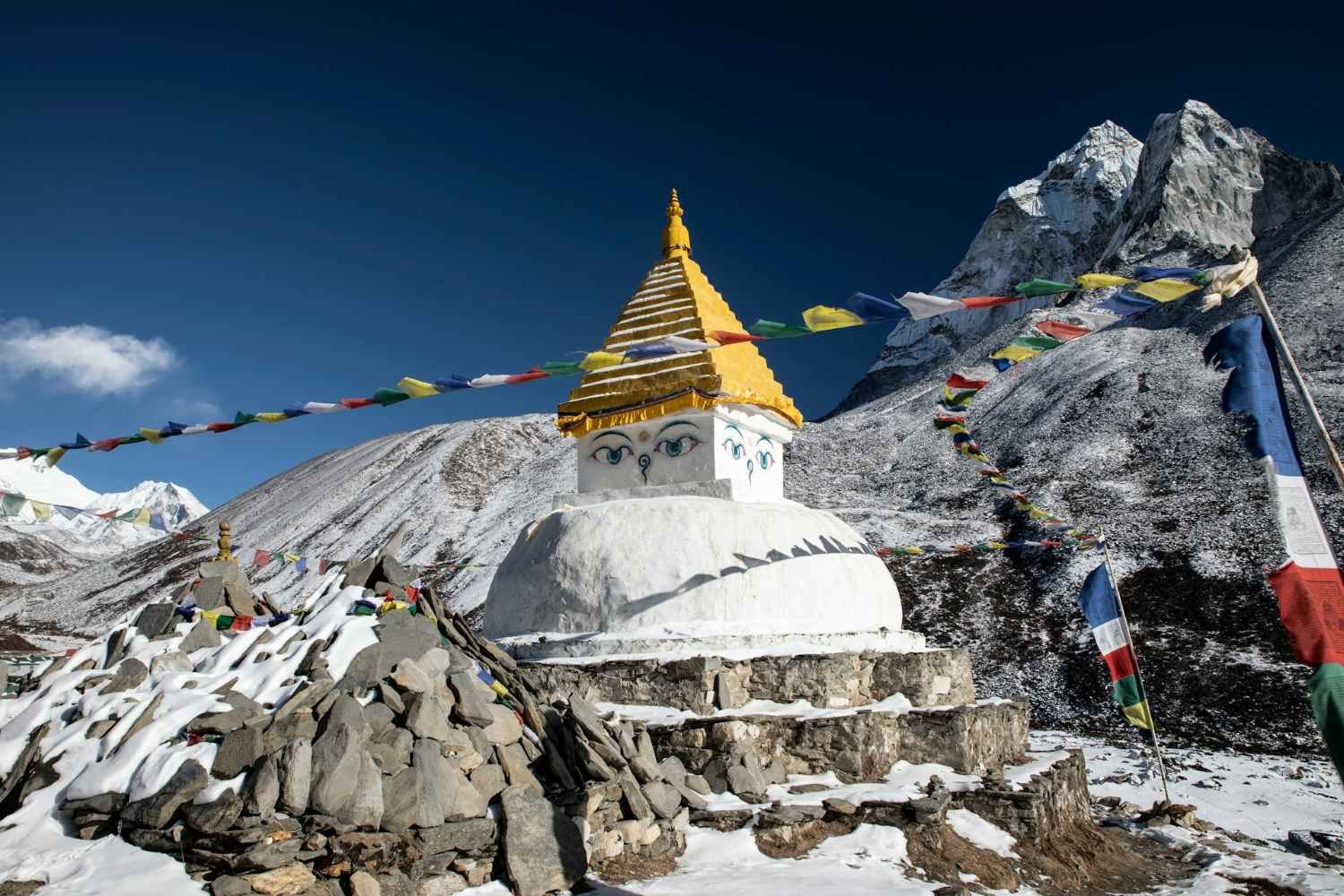
May 7, 2021
Everest Base Camp Trek in October
The base camp to the world’s tallest peak, Everest is one of the dream destinations for every trekThe base camp to the world’s tallest peak, Everest is one of the dream destinations for every trekker around the world. The trek to Everest base camp will bring some of the oldest as well as most treasured patches on the earth.
Offering a majestic close view of the Himalayas, Everest has been on the list of every travel enthusiast. If you are on an adventurous journey to the base camp of the world’s tallest peak, you should opt for the Everest Base Camp Trek in October.
October is the local Autumn season in Nepal with moderate temperatures and suitable weather conditions. The daytime temperature is very suitable for the adventure hike at a high altitude.
Mostly, the temperature decreases with the increase in altitude in the Himalayan region making it cooler up at the higher altitude. However, In October, the temperature is bearable.
October reflects the eye-catching views of the towering peak, green hills, and pastures are very lovely and mind-blowing.
You can enjoy the panoramic views of the majestic peaks like Mt Everest, Mt Lhotse Mt Nuptse, Ama Dablam, and many other surrounding peaks.
Similarly, You can enjoy the unique culture and tradition practiced in the Himalayan region in October along with the warm hospitality of the Sherpa community.
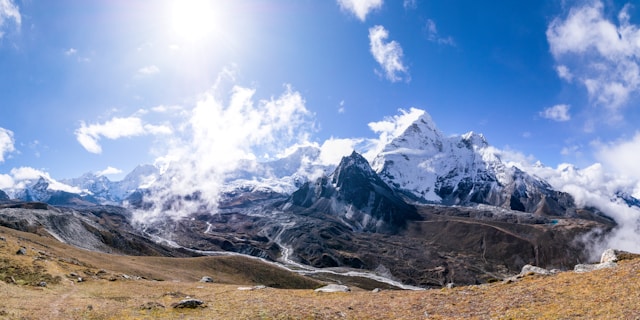
Highlights of Everest Base Camp Trek in October
- The views of the majestic peaks during the flight from Lukla
- Explore Namche Bazaar and its classical architecture and the settlement of Sherpas
- Explore the major religious hubs in the Everest region including the monasteries
- Enjoying the festivals as October is the festival seasons in Nepal
- Witness the clear view of Khumbu glacier and ice falls from the Base Camp
- The remarkable Landscape, especially from Kalapatthar (5545m), will blow your mind away with its best-ever view of Everest.
- Explore the diverse vegetation of Sagarmatha National Park
- Witness the green grassland, the waterfalls, rivers, glaciers, and the forest of the Rhododendron
- Explore the unique culture and tradition of Sherpas along with the typical village lifestyle in Nepal
- A slight knowledge of Buddhism
- Visit the footstep of the world’s tallest peak, Mt. Everest
Everest Base Camp Trek in October Temperature and Climate
As the weather in higher altitudes mostly in the mountain region is mostly unpredictable. The temperature and climate condition changes swiftly in the Mountain region and this is the case even in October. However, it is less frequent in October than in other months. Generally, the daytime temperature range from 12 degree Celsius to 16 degree Celsius which is neither too cold nor neither too hot. On the other hand, the temperature range from 2 degree Celsius to -5 degree Celsius during nighttime. However, it is very difficult to predict the exact weather of the Everest Base Camp Trek during October. The weather changes every hour with the change in the weather pattern and cloud.Everest Base Camp Trek in October Weather
Stable Weather
The weather in October is much more stable. As the weather in the high Himalayan zone is most extreme during October it is much more steady. The monsoon washes all the dust and dirt on the atmosphere and offers a clear and majestic view of the Himalayas, hills, forest, and grassland. The skies are clear and blue offering the distant vista and panoramic views of the snow peaks that look very attractive.Pre-Winter Weather
During the Pre-winter trek to the base camp, the daytime is warm. The daytime temperature is mild however the night gets a little cooler. It gets colder day by day so you will need to carry warm gear while trekking to Everest Base Camp in winter. For pre-winter proper preparation should be done including your gears and clothes.Basic Equipment List for Everest Base Camp Trek in October
In General, October is the right time for trekking in the Everest Region. The trek to Everest Base Camp is full of natural panoramas with thrilling and exciting adventures during October. Likewise, you will encounter several monasteries, gompas along with the exploration of Tibetan-influenced culture and tradition. October is a festive season in Nepal. You will not only explore the panorama of the Himalayas but also witness the culture and diversity of Nepal during October. However, a trek can be successful if you have all the basic equipment needed for the trek. Trekking to the base camp of the world’s highest peak requires the following types of equipment and trekking gear.Head
- Sun hat/Scarf/caps
- Sunglasses
Upper Body
- T-shirt
- Lightweight thermal tops
- Fleece jackets
- Waterproof jackets
- Down vest/jackets
Hand
- Lightweight warm gloves
- Heavyweight warm gloves
Lower Body
- Hiking sorts
- Undergarments
- Light long cotton pants
- Light warm thermal bottoms
- Warm and waterproof pants
Feet
- Thin inner socks
- Thick hiking socks
- Hiking boots with spare laces
- Camp shoes/ sandals
Accessories
- Sleeping bags
- Duffle bags
- Batteries
- Large plastic bags
- First Aid kit
- Daypack
- Trekking Poles
- Water bottle/camel bags
- Trekking maps
- Solar touch
- Water purifiers/tablets/iodine
- Portable altitude chamber and oxygen
Toiletries
- Medium size quick-drying towel
- Toothpaste and toothbrush
- Multipurpose soap
- Nail Clipper
- Face and body moisture
- Hygiene product
Personal Hygiene
- Wet wipes
- Toilet paper/tissue roll
- Antibacterial handwash
Everest Base Camp Trek in October Accommodation, Food, and Drinks
October is an ideal season for the trek to any high-altitude places in Nepal that including the Everest base camp trek as well. For a long and extreme trek like this, trekkers need to be careful regarding the place they are staying and the food they are having during the trek. After the long walk, your body feels tired and you need food to continue the trek the next day. Therefore, proper foods and accommodation are most during the trekAccommodation In Everest Base Camp Trek
On the trail of the Everest Base Camp, you can find many tea houses that offer you accommodation services. But, since October is one of the peak seasons, you may have a hard time finding the desired place to stay because of the high number of trekkers. The teahouse house provides basic service such as they will provide a single room. However, in October, You may have to share your rooms with your friend. In many lodges, they provide comfortable bed sheets and blankets but you can carry your sleeping bag. As the nights are colder, carry warm clothes. The number of tea houses decreases with the rise in altitude. Therefore, pre-booking is suggested.Food and Drinks
The teahouse provides you with the services of food and drinks during your trek to the base camp. They will serve you three meals per day including breakfast, lunch, and dinner. However, you will have your lunch somewhere along the route. The food in the base camp includes bread, pancakes, pasta, fried rice, beans, yak cheese, Dal Bhat, Momo, Yak steak, Garlic soup, etc. Besides, for a drink, we advise you to drink 5-6 liters of water every day on the trek and keep yourself hydrated to prevent altitude sickness. Though, in October you may have to wait in a queue for your meals as the tea houses will have many visitors.Why Everest Base Camp Trek in October
October is autumn in Nepal where the country will be at its best showcasing the clear view of the snow-capped peaks with natural landscapes. Trekking to the Himalayan region in October has several benefits including.Eye-Catching Scenery
In October, the air is clean and dust-free. The environment is fresh and green. The Himalayas exhibit their best with their majestic peaks during sunny days. Therefore, October represents the best of the country’s natural scenery with a crystal clear view of the Himalayas. The base camp to Everest during October is an ideal time. The environment and the surrounding will blow you all tiredness and take you to the beauty of nature. The morning view of the sunrise striking through the peaks of the Himalayas is the best scenario that a person doesn’t want to miss. The clear weather offers magnificent views of Mt Everest, Mt Ama Dablam, Mt Lhotse, Mt Nuptse, and other surrounding peaks. The surprising view due to the clear weather is another perk of trekking to the Everest base camp in October. The natural scenario will leave an imprint in your mind and soul that remains for lifetimes.Less chance of flight delay and cancellations
October receives no or little rainfall and it is the clearest month throughout the year. The weather is very much stable and clear. Because of the clear weather, there are fewer chances of flight delays or flight cancellations.Most of the festival in Nepal
October is a festive month in Nepal. Nepal is a country rich in culture, tradition, and religion. People here celebrate varieties of the festival and Dashain and Tihar are the biggest festivals celebrated in Nepal that fall in the October months. Festival brings the time of celebrating, delight, and togetherness in the family. So, during October, trekkers can find themselves being a part of the festival. You will be amazed by the festivals of lights, Tihar where the whole country is decorated with flowers and lights. Also, the feeling of receiving the blessing of Tika from the hand of the Sherpas people is very wonderful. Therefore, you can experience the glory of Nepalese culture and festivals during your trek to the Everest Base Camp Trek in October.Moderate Climate
Because of its moderate temperature and weather, October is the best time to trek Everest Base Camp. During October, the weather will be stable, you will not experience much cold, unlike winter. You will feel the warm sun rays of summer during the daytime. The chances of rainfall are pretty low which means you should not need to worry about the slippery monsoon trail. You can walk wearing light clothes during the daytime. However, prepare something warm for the night.Diverse Vegetation
During your trek to Everest base camp, you have to pass through Sagarmatha National park. It is the home of the diverse vegetation where you will walk through the various lush trees and also a blooming rhododendron spreading colorful smiles in the forest. The National Park is very rich in diverse flora and fauna. You will explore the rare species and vegetation here. Walking through a trail of rhododendron and oak, bamboo forest inside the park, you will enjoy the time spent over here. You can enjoy the walk through the paddy and millet fields during October and see the various grazing lands. Besides, you will witness the Himalayan animals in the footstep of the hills along with cattle grazing on the busy plants that grow over the irregular hills.Enjoy-full and Happy trail
One of the legendary trekking trails in the world is the Everest Base Camp trek which offers you the majestic panorama of the Himalayas. October is the peak season for the Base Camp trek. Therefore, the trial is very busy with lots of local and international tourists. Similarly, you will get a wonderful opportunity to exchange cultures and interact with people from different countries. You will not feel alone and meet new people every time you hit the hike. Also, experience the warm hospitality of the Sherpa people. This creates a happy and cheerful moment along with the trial.Some tips for the Everest Base Camp trek in October
Start Early
It is always the best idea to start an early trek when trekking to a high altitude. Although October is a decent season for the trek, bad weather can hit anytime in the Himalayan region. Starting early can offer you a stunning sunrise view over the peak of the Himalayas.Carry Extra Handcash
When traveling to a remote place, one should always carry extra hand cash. If you want to buy something you have to pay by hand cash as credit cards are not accepted for areas near base camp. Besides, the higher the reach, the facilities get limited also during the peak season of October. There are no ATMs and any other banking facilities. So, in case of emergency hand cash is most preferable in the upper Himalayas.Travel in a Group
Traveling in a group brings different kinds of Joy and excitement. The trail to Everest is long with rough routes, Therefore, one can even get lost when traveling alone. Traveling alone in the trail of the Himalayas can be insecure as you may have altitude sickness and there will be no one to assist you. You need to travel in groups so that there will always be someone behind you in case of an emergency. Therefore, choose a group where you think you can be comfortable and be the complete version of yourself.Arrange a proper guide
A guide will guide you thoroughly within the entire Journey. They will be the person to show you the route, take you to the guest house and give you a detailed plan about the trek. Therefore, arranging the proper guide is the most before trekking to the Everest region. As we all know that trekking in the Himalayas is complicated. However, if it is your 1st time then it will be a lot more difficult without proper guidance. You may not be familiar with the routes and the rugged landscapes. An experienced guide can make your journey a comfortable and joyous one.Carry Comfortable Backpack
Your backpack determines the comforts of the trek. The continuous walk itself can get you tired, forget to add a backpack during your trek. Similarly, carrying a comfortable backpack with only the needed stuff will make your journey a whole lot easier. Carrying the unnecessary stuff will only make your bag look bigger and heavier. Therefore, make sure to make your backpack comfortable with needed stuff only.Book the Teahouses earlier.
So, most of the teahouses and lodges are already occupied during these seasons. Therefore, it will be a lot more comfortable to book the tea houses and Lodges earlier.Some difficulties during the Everest Base Camp Trek
You may have difficulties finding teahouses and lodges during October because of the high number of trekkers. The higher you reach, the tea houses get limited. Therefore, you may have to share your room with other trekkers and wait for long in the queue during October. Altitude may be one of the biggest challenges during the Everest Base Camp Trail. Reaching an altitude of 5555 meters at Kalapather, few of them may differ from altitude sickness throughout the Everest Base Camp. The weather at the Everest Base Camp is very unpredictable. As bad weather can hit anytime in the Himalayan region despite being suitable weather like October. The temperature at night is very cold so make sure to carry warm clothes. There is various altitude variation while ascending and descending the Everest Base Camp Trek. You may get tired very easily.What is it like trekking the Everest Base Camp Trek in October?
October is the season when nature is at its best in Nepal. The clear blue skies, the majestic view of peaks, terrain land, green farmland, diverse vegetation is all that October offers trekkers during the trek. Trekking in October brings different kinds of joy and excitement. If you are a nature lover then yes, October is for you. Displaying the best of the Everest base camp trail, October is the choice for all trekkers. Apart from the breathtaking scenery, the trekkers can experience the unique culture and tradition of the Sherpa during their base camp trek. As October is a season for festivals, the visitors will be overwhelmed by the festival of Nepal. Besides, they can visit the famous and local monasteries and museums along with the trial. Explore the traditional Sherpa villages along with the highly influenced Tibetan culture and tradition in the Everest region. Therefore, the perfect blend of the natural beauty, fascinating nature, as well as warm hospitality of the local people, make the Everest Base Camp Trek more memorable and beautiful.The thing should be considered while trekking Everest Base Camp Trek in October
Guide and Porter
Guide and porter play an important role in making your trek to the Everest base camp successful. It is always safe to trek with a local guide. The guide holds the key to the success of the trek. Making the trek a lot more easier and comfortable, adding a Guide and trekkers will ease your journey. A guide and a porter cost around $22-35 a day. Hiring them will also make you familiar with the local culture and natural environment. During the peak season like October, It will be hard to get the desired guides and porters at the preferred time. Therefore, it is good to pre-book the guides and porter for the wonderful trek.Fitness
For the adventure trek to an altitude of 5555m, fitness is another key to success. Walking for a whole day on rough trails carrying your backpack ascending and descending for about 20 days is not an easy task. Therefore, you need to have much stamina and fitness. There are certain fitness activities that you can do to prepare yourself physically such as:- Prepare yourself with cardiovascular training like cycling, swimming, hill climbing
- Hiking at higher hills
- People with moderate fitness can easily complete this trek.
- Also, there are facilities for health posts in this region.
Altitude Sickness
Altitude sickness is a major problem when trekking to high altitudes. Above the altitude of 2500m, altitude sickness starts. The base camp is at an altitude of about 5555m, so altitude sickness can be a major problem. The level of oxygen decreases with the increase in altitude making it harder to breathe. However, it can be minimized by having proper acclimatization.Permits and fee
You need to collect the respective permit for trekking in the Himalayas of Nepal. In general, you need to collect TIMS cards for trekking in any region in Nepal. However, if you have local permits then you don’t need to collect TIMS cards. The same conditions go for the Everest Base Camp trek. The lists of the permits needed while trekking Everest Base Camp Trek in October.Local Permit
You can get the local permit at the Monjo, Chubu region. For this, you need to pay around the US $20. Similarly, You can also obtain a local permit from the tourism board, Kathmandu. Sagarmatha National Park Entry permit Cost= USD 30 + government tax You have to pass through Sagarmatha National Park to reach the base camp of Everest. Therefore, trekkers need to get the necessary national park entry permit. You need to show your permit card at the checkpoint in Monjo. You can get a permit in Kathmandu or Monjo. Gauri Sankar National Park Entry permit Cost= USD $ 20 The cost is the same for the individual trekkers and the trekker trekking with the agency. For the trekkers from the SAARC country, there is a certain discount on this permit.Travel Insurance
Travel insurance is a very measured thing to consider while trekking in the mountain or high altitude region. You can never be sure about trekking to a high altitude with a high risk of altitude sickness. Likewise, it needs around $5000-$10000 from the Everest region in a helicopter for rescuing or for evacuation. One cannot be sure about things that are going to happen in a high-altitude trek. Thus having insurance can be very useful while trekking at a higher altitude. Also, Nepal doesn’t offer any kind of insurance, you will have to make your insurance in your home country. Finding a travel agency will be difficult without having travel insurance.Some other trek in Everest region in October
Besides Everest Base Camp Trek, many other beautiful treks can also be done in October. Here’s the list of other treks that you can complete in the Everest Base Camp region during October.Everest Panorama Trek
It is legendary and one of the shortest treks in the Everest region. This trek will not take you to the Everest Base Camp. However, this trek will take you to other famous and beautiful places in the Khumbu region like Namche Bazar, Lukla, Tengboche, Phakding, Tengboche Monasteries, and many more. This trek is very suitable for those who are preparing for their base camp trek to Everest. This trek lets you enjoy the wonderful scenario of the mountains, hills, and natural landscapesEverest Base Camp helicopter trek
The Everest Base Camp Helicopter Trek starts from Namche Bazar and leads you to the Everest Base Camp. Similarly, if you choose the Everest Base Camp Helicopter trek, you can still enjoy the views of the summit of the world’s highest mountain. This trek is very suitable for those who do not have much time but want to experience the Everest Base Camp. If you don’t want to trek or hike in the Everest region but want to enjoy the gorgeous views of the world’s highest mountain, then this helicopter tour is suitable for you.Gokyo Valley Trek
Gokyo Valley Trek is a splendid valley, home to splendid mountains as well as beautiful water resources. The Highest altitude settlement in Nepal as well as in the world is Gokyo valley where almost every house is designed and built for visitors and travelers. People migrate to lower altitude villages when the temperature falls below 0 degrees. The trek will last for 15 days where you can enjoy beautiful Himalayan flora and fauna along with gorgeous mountain views. Read more... Read less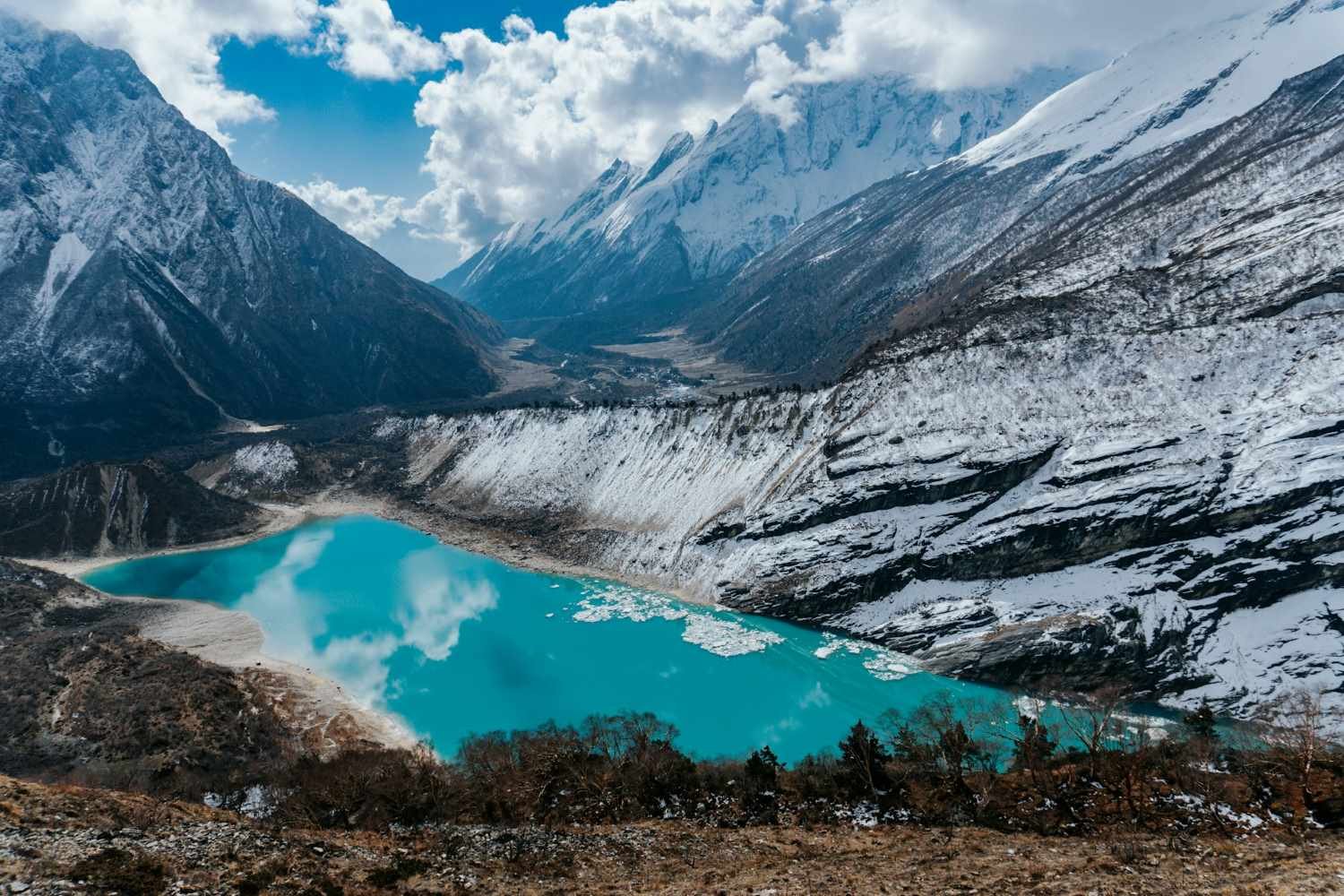
May 14, 2021
Manaslu Circuit Trek Difficulty
If you are looking for something adventurous and something different in your trek, then you can opt If you are looking for something adventurous and something different in your trek, then you can opt for the Manaslu Circuit trek. The circuit to the world’s eighth highest peak, Manaslu features everything you’d want from a classic trek in Nepal. Manaslu is the 8th highest peak in the world at 8163m above sea level. It is located in the western part of Nepal in the Mansiri Himal. The name Manaslu is derived from the Sanskrit word man which means “intellect” or “soul”. Likewise, Manaslu also means “mountain of the spirit” which was climbed on May 9, 1956, by a Japanese expedition, Toshio Imanishi, and Gyalzen Norbu. It is the highest peak in the Gorkha district and offers a variety of trekking options. This peak is about 64 km (40 mi) east of Annapurna.
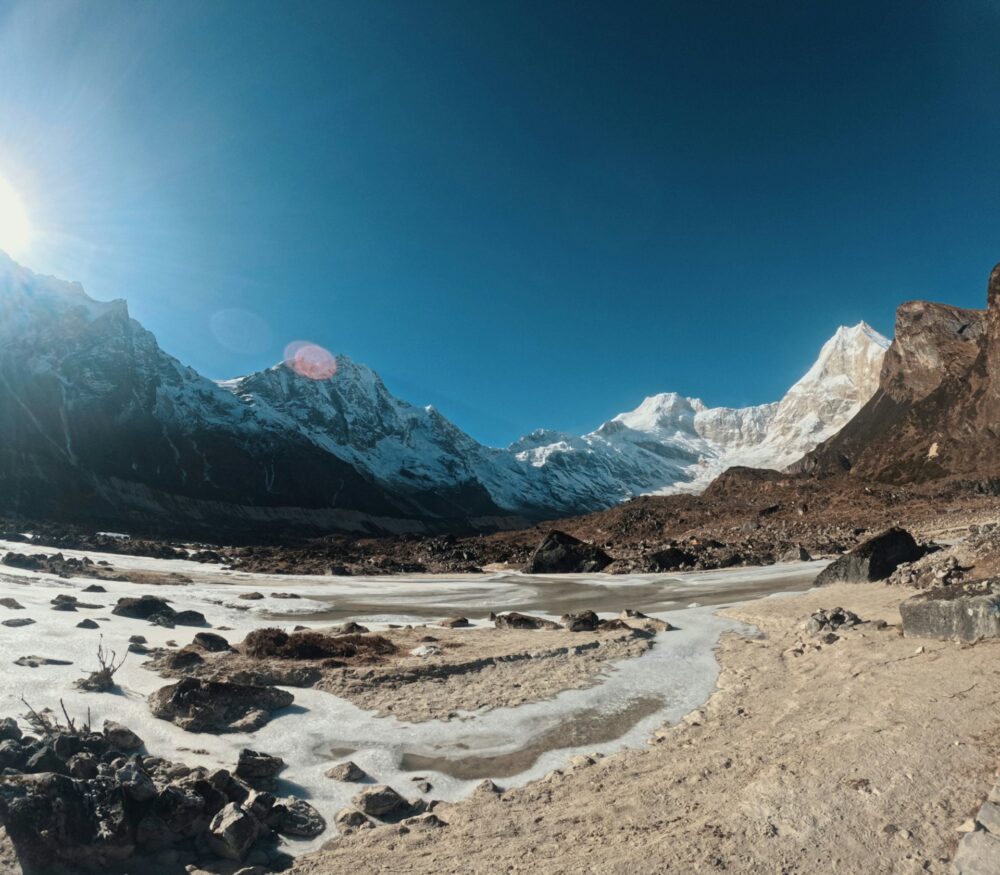
Manaslu Circuit Trek
The circuit trek to Manaslu offers you from the epic scenery to the intimate encounters with local people and their ancient culture. Besides, this trekking also offers fantastic views of the best in the Annapurna area. In addition, one can witness the majestic view of snow-capped mountains, high glacier lakes and spot the most stunning flora and fauna. The circuit trek passes through many Nepalese cultural heritage sites, including traditional Tamang and Sherpa settlements. Therefore, these treks let you experience traditional Nepalese culture and heritage sites. This trek in the shadow of the third highest mountain in the world, Kanchanjunga and is the perfect alternative to the neighboring Annapurna Circuit. Besides, it has striking picturesque Himalayan scenery, the prosperity of wildlife, and tea house accommodation. The trek to the circuit of majestic Manaslu starts at steamy Machhi Khola as you walk northward up the Buri Gandaki Valley. The trek sometimes follows the river along the valley, but more often climbing high as the increasingly steep, forested gorge. From Ghap climb steeply to reach the highest point, the impressive Larkya La at 5,106m/16,752ft. The route to the pass offers excellent acclimatization as well as strong cultural interest with time to explore the attractive Tibetan villages of Sama Gaon and Samdo. After crossing the Larkya La, you can enjoy a great sense of achievement and breathtaking views of the giant peaks of the greater Himalayas. Finally, you descend to Dharapani wave goodbye to the locals before returning to Kathmandu.
Highlights of Manaslu Circuit Trek
- Circuit trek to the right highest peak in the world at an altitude of 8163m
- Witness the natural beauty of the forests, rivers, and flora in the Manaslu region.
- Nepalese cultural heritage sites, including traditional Tamang and Sherpa settlements.
- Highly influenced Tibetan culture and monasteries.
- Larkya La Pass (5167 meters), the highest point on the trek.
- Stunning view of some of the highest peaks in the world- Manaslu, Cheo Himal, Himlung Himal, Nemjung, Gyaji Kang, Kang Guru, and Annapurna II.
- Lavish wildlife including Tahr (Mountain Goat), Agali (Blue Sheep), Pika (Highest living Mammal), Himalayan Marmots, and, if you are lucky, Snow Leopard.
How difficult is Manaslu Circuit Trek?
Manaslu trek is among the challenging treks in Nepal. The circuit trek to Manaslu rewards the adventurers with big alpine thrills. It is a novel and remote trek with possible difficult routes. But with enough enthusiasm, you can easily conquer the rough trails and the weather.Difficulty Concerning Distance and Destinations
In the northern Himalayan range, this trek is widely varied, where the terrains range from its lowest point of 228 m to 8,163 m of the world’s eighth highest Mt. Manaslu. With 177km of total distance, you will be walking for 10-12 days with an average distance each day of about 15-20 km for like 17 days. The first few days of the trial are challenging as the Budhi Gandaki Gorge is harrowing steep. Also, you have to walk lots of uphills and downhills, sometimes via breezy trails and cross suspension bridges above the Budhi Gandaki river. The most challenging one is crossing the Larkya La Pass at an altitude of 5,213 m. You need to be physically and mentally prepared for the uneven terrain, rocky trails that might add fatigue. However, remote trek necessarily does not mean you need to have outstanding fitness. You can even opt for this trek with a moderate level of fitness without any physical problems.Weather
The weather in the Himalayan region is unpredictable. The weather plays a big role in the difficulty of the trek. Heavy rainfall, freezing nights, blazing sun, and chill wind are all possible weather conditions in the Himalayan regions. You need to be prepared for every kind of possible weather during the trek. The days are generally warm and dry but the nights are mostly below freezing. Therefore, make sure to carry warm clothes with a decent sleeping bag. The Larkya La Pass remains closed during winter due to heavy snowfall. Despite being a suitable season for the trek, bad weather can hit anytime at a higher altitude. Therefore, one must be careful regarding the weather conditions as it makes a difference in the completion of the trek.Altitude Sickness
Acute Mountain Sickness can develop at any altitude over 2500 meters. The increase in altitude can cause the risk of altitude sickness. As Manaslu Circuit Trek starts from a lower altitude and ascends to the Larkya La pass at 5213m. As you ascend, there is a low amount of oxygen, causing the problem of Altitude Sickness. The early symptoms of altitude sickness are headache, extreme fatigue, and loss of appetite. Also, Some people feel breathless at rest. When mild symptoms develop you should stay at that altitude until symptoms have gone away. After the symptoms within one or two days, you will feel well and can continue the trek. However, if the symptoms become worse, then it is necessary to descend. Worsening symptoms of AMS include increasing tiredness, severe headache, vomiting, and loss of coordination.Difficulty Concerning Luxuries
The trails in Manaslu are usually empty or less crowded so accommodation is not an issue in the Manaslu Circuit trek. However, the tea houses and lodges are not as extravagant as those in fancy hotels and restaurants. The teahouse and lodges here are run by the locals themselves. So, during your trek to Manaslu, you might feel the typical lifestyle of Nepalese people living in rural or remote areas. Also, if you are in any sort of hand cases and want to buy something, you will not find any ATM services here. You have to make sure that you carry extra hand ashes as well.The Necessity to Travel with a Guide
Manaslu, unlike other trekking regions, is a difficult one. So, if you are new to the Himalayas of Nepal you should immediately, drop this idea of trekking without a guide. As the Nepal Government makes a permit compulsory for foreign trekkers. Besides this, the trekkers must be accompanied by a registered guide in the restricted area. Since Manaslu is one of the restricted areas, it is not possible to trek without a guide.Altitude Sickness in Manaslu Circuit Trek
When trekking to the Himalayas one must be cautious about the problems of Altitude sickness over there. Altitude sickness is known as acute mountain sickness. In general, it may occur when people ascend too quickly normally in altitudes of over 2500 m without any acclimatization. As you reach higher up in altitude, the level of oxygen decreases making it difficult to breathe. Manaslu Circuit Trek starts from Soti Khola at an altitude of 700 meters. From Soti Khola, each day you will gain an average altitude of 400 meters. In the starting, your body will be able to adjust to this 400m gain of altitude but after one week you will reach Sama Gaun at 3530m. Therefore, you may have mild symptoms over there in Sama Gaun. Thus, it is best to spend an acclimatization day here in Sama Gaun at an altitude of 3000 meters. Altitude sickness generally strikes only after 4000m but in some cases, it might show up much earlier. It is a serious condition where ignoring it can lead to death. In Nepal, most of the best treks are at the highest altitude. The base camp of most of the high Himalayas is above 5000m so does the Manaslu. The highest point to this circuit trek is at Larka pass at 5213m. Therefore, before trekking to the Manaslu region, it is important to know about the altitude sickness in Manaslu Circuit Trek. You need to be physically and mentally fit to avoid such problems.The Major Symptoms of Altitude Sickness
Initial Symptoms
- Periods of sleeplessness
- Feeling extra tiredness
- Occasional loss of appetite.
- feeling laziness
- Periodic breathing.
- Diarrhea
Advanced Symptoms
- Racing heartbeat
- Exhaustion
- Nausea
- Weakness
- Hard to breath
- Frequently tired
- Dry Raspy cough
- Not fell asleep
- A headache and vomiting
Serious Symptoms
- Worsening headache and vomiting
- Swelling of hands, face, and stomach
- Reduced urine output and seeing the small quantity of Blood in a cough.
- Walking with a staggering gait
- Unconsciousness
- Visual hallucinations (seeing things that are not real)
- Changes in the ability to think
- Changes in normal behavior
- Tightness in the chest, and a persistent cough bringing up white, watery, or frothy fluid
Manaslu Circuit Trek Difficulty
Distance of the Trek
Manaslu Circuit Trek lies in the northern Himalayan range, the west-central part of the Gorkha district. The terrains range from their lowest point of 228 m to 8,163 m of the world’s eighth highest Mt. Manaslu. Manaslu Circuit Trek is about 177 kilometers in total distance and you’ll be walking for 10-12 days with an average distance each day of approximately 15-20 km, which can be pretty much challenging for you.Here are some of the difficulties of the Manaslu Circuit Trek.
As the base camp of Manaslu lies at an altitude of 5213m, altitude sickness may be the major problem here. Altitude sickness starts above 2500m. Therefore, it is one of the difficulties in the Manaslu Circuit Trek Another thing to consider while trekking in the Manaslu region is remote routes. The routes are dusty, unraveled with various ascends and descends. People with low physical fitness and stamina may find it difficult. Weather and temperature in the Himalayan region are always unpredictable. Bad weather can hit anytime at a higher altitude. As the temperature at nighttime may drop below freezing in some seasons. Another difficulty that arises in the Manaslu circuit trek is accommodation. As we go up to the higher altitude the number of tea houses gets limited. Therefore, pre-booking is necessary.Best Season for Manaslu Circuit Trek
In Spring
Spring starts in March and lasts till May. It is one of the peak seasons for trekking and adventure in Nepal. During spring, the clear blue sky with a temperature that ranges from warm to moderate makes springs a perfect time to go trekking. Spring is the season of flowers where the trekkers will be blessed with sorts of colorful flowers and rhododendrons blooms. The weather in spring is comfortable- it is neither too hot nor too cold. In April, the temperature starts to rise and the hills are surrounded by the blooming Rhododendron. Early to mid-April is the best time, among the spring as well. May is also a peak season as the temperature in the lower region gets hot and the upper region can get blurry sometimes. Spring is considered the second-best season compared to autumn as spring is less crowded than any other season. So for those who prefer a quieter, nicer, and more wonderful vacation, Spring is best for them.In Monsoon
Monsoon is filled with Lush green forests and pretty flowers. Despite being a wonderful season, rain in the monsoon might add some difficulties to your trek. During monsoon season trekkers may have to face the problems of leeches, landscape risk, slippery trails, and dark clouds that can block the amazing Himalayan views. The monsoon begins around mid-June and continues till August in Nepal. However, If you don’t mind the rain, then you could get a glimpse of the lovely mountains early in the morning. July brings heavy showers which may cause non-stop rain for several days. July is a time when landslides occur. The weather in the monsoon is a little unpredictable these days. Despite all of this, you get to enjoy nature, surrounded by lush green fields with blooming rhododendrons. Even though rain may bring some obstacles, the surrounding after rain is something to brag about. It is fresh green with the clearest view of the entire panorama.In Autumn
Autumn is the best time for the trek to Manaslu Circuit. It is the most crowded season but is still lesser compared to Annapurna Base Camp Trek or Everest Base Camp Trek. Autumn falls in September, October, and November. However, trekkers can experience slight rainfall during the first two weeks of September. Therefore, if you want to avoid rainfall as far as possible then opt for October and November if possible. October and November are the best months for the trek to the Himalayas. There is less or no rainfall and the surrounding environment is stunning. The view of the Himalayas is crystal clear with the terrain farmland. November is the equally best month even though it starts to get a bit chilly in late November. Overall, in autumn the days are warmer but night can be a bit cooler.In Winter
Winter presents the best view of the mountains and the sky turns a perfect blue. Winter starts from Dec to February in Nepal. The days in winter are cold at lower altitudes and it gets below freezing at higher altitudes. The base camp of Manaslu lies at an altitude of 5213m, where the temperature is extremely cold during winter. Therefore, with proper precautions and preparations, it is not impossible to trek to the Manaslu circuit trek. Trekkers must be well-prepared with the proper gear and clothing. Also, in winter you may face difficulty in finding accommodation for a night’s stay as tea houses may get closed due to cold and heavy snow. To avoid such circumstances, one must pre-book the accommodation earlier. You must take extra clothes and camping gear but sometimes Larkya La Pass becomes impassable due to ice and snowstorm. If this is your 1st trek then it is not a good option to choose this one during winter. Because of the unpredictable and extremely cold weather, it is quite hostile and you must walk cautiously.Why Manaslu Circuit Trek
Manaslu Circuit Trek is, without a doubt, one of the most gratifying treks in Nepal. Its rich flora and fauna, wildlife, breathtaking scenery, and traditional Hindu and Buddhist settlements make all your hard work worthwhile. There are several reasons to choose this trekking route for your next holidays.Himalayan Scenario
The trek route blesses the trekkers with beautiful sights of astounding Himalayas including Himalchuli (7,893m), Manaslu (8163m), Shringi(7,187m), Ganesh Himal, Ngadi Chuli (7,879m), Himlung Himal (7,125m), Cheo Himal (6,820m), Kang Guru (6,981m) and Annapurna II (7,939m), Larkya Peak (6250m) and Manaslu (8163m).Trail Rich in Biodiversity
The Manaslu Region provides a rich and diverse habitat to a range of rare and endangered animals. You will pass through a conservation area where you will get the view of elusive Snow Leopard, Red Panda, Himalayan Black Bear, Serow, Himalayan Tahr, Ghoral, Barking Deer, Wild Boar, etc. Danfe, Nepal’s beautiful national bird resides at lower altitudes. Therefore, apart from trekking, the Manaslu region lets you witness the natural diversity, vegetation, and endangered species.Less Crowded and Peaceful Trail
If you are willing to travel in a peaceful place without much of a crowd then definitely go for this trek to Manaslu. Manaslu Circuit trekking, being more remote than the other popular treks in Nepal is less visited and often the trail remains peaceful. The number of trekkers trekking in the Manaslu circuit is very less as compared to that of other popular trails of Everest and Annapurna. One can enjoy the king peacefully and the filly gets time to explore nature.Unique Culture Experience
Another unique feature of the Manaslu circuit trek is its unique culture and experience. The culture and tradition of the Manaslu region are similar to that of Tibet. People in Manaslu are those who migrated a long time ago from Tibet to Nepal. The amazing settlement of the Manaslu region brings the vibes of Tibetan culture. Lifestyle in Manaslu is untouched by any kind of modernization and development. The uniqueness in culture is easily visible as you trek along with the villages. Similarly, you will see people wearing their traditional attire and the majority of people follow Buddhism. You will pass through several stupas, monasteries, gompas, prayer wheels, as well as Chortens on the route. route.Larkya La Pass
The Larkya La Pass at around 5125 m is an adventurous pass at the Manaslu trek route. It is the longest pass that the trekkers will encounter during their Manaslu Trek. Larkya La pass is the highest point around the Manaslu trek and is undoubtedly a perfect viewpoint en route. From the pass, you will be blessed with fabulous views of the majestic Himalayas. It is super adventurous, yet satisfying after you see the glowing Himalayas right in front of your eyes.Tips for Manaslu Circuit Trek
- Drink enough water and always stay hydrated. Keeping your body hydrated is the ultimate protection against Acute Mountain Sickness.
- Always drink purified water and bring.
- Be aware of uncooked food. Include a healthy diet and eat a vegetarian diet unless fresh meat is available.
- Carry some high-calorie snacks like protein bars, raisins, and peanuts that help you to gain stamina and energy during a long trek.
- Make sure to pack the right gear for high altitude trek as it decreases the difficulties of the trek.
- Avoid alcohol and smoking as it increases the possibility of altitude sickness.
- Carry a first aid kit with any medications you’re taking. Only carry those which you are taking. Don’t carry those which you are not sure about. Consult a doctor before taking any medicines
- Start early as it is always best in the Himalayas to start early. The bad weather can hit anytime in the Himalayan region. Therefore, it is better to start early.
- Proper acclimatization is highly recommended as it prevents one from altitude sickness. It is recommended to move around and keep yourself active.
- It is normal to get a little headache or slight fever while adjusting to the varying altitude. Don’t get too worried about it.
- Make sure you have all the required permits for the Manaslu Trek.
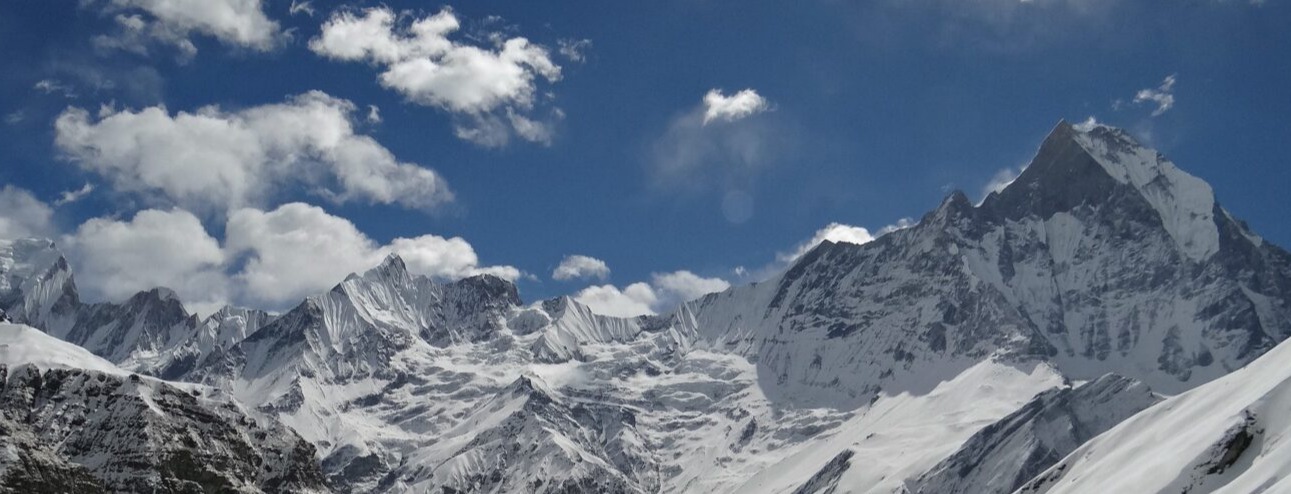
May 31, 2021
Annapurna Base Camp in September
The trek to Annapurna is a magnificent trekking experience to a region with diverse terrain, cultureThe trek to Annapurna is a magnificent trekking experience to a region with diverse terrain, culture, wildlife along with the spectacular view of the Himalayas. The Annapurna Base Camp in September is by far one of the easiest and much more convenient treks in Nepal than other high-altitude treks. It is a dream destination for most trekkers around the world. With the striking views of the natural landscapes, It is one of the few natural attraction destinations in Nepal that look splendid throughout the year. Passionate trekkers from all around the world visit Nepal every year in a large amount for trekking to Annapurna base camp. This trail is one of the busiest trails during the seasons. This trek not only reflects the striking peaks but also offers a drastic opportunity to explore the culture and tradition of people living over here.
September is the beginning of Autumn and also the best time for trekking to the Nepali Himalayas. Offering a wonderful scenario of majestic peaks, it is one of the peak seasons in Nepal for trekking to the Himalayas. The monsoon rain cleans up the atmosphere making it the best place for the natural view in September. During your trek to Annapurna base camp in September, you will see natural green landscapes with the water bodies such as rivers, streams, waterfalls, etc are alive in September. The clean and fresh air brings astonishing mountain vistas of Annapurna, Mt. Machhapuchhre, and many others.
Trekking in September offers lush forests and diverse terrains with vibrant pictures of the white Himalayas.
[caption id="attachment_5550" align="alignnone" width="640"]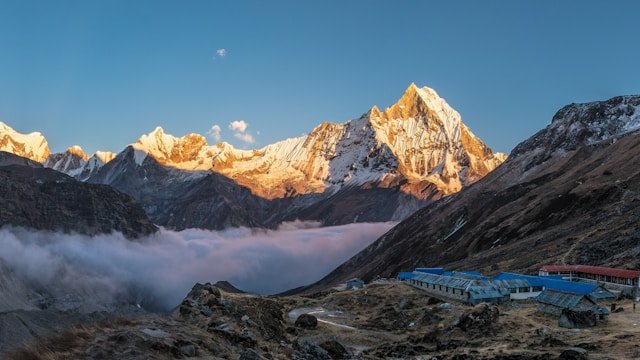 Annapurna Base Camp in September[/caption]
Annapurna Base Camp in September[/caption]
Highlights of Annapurna Base Camp in September
- Witness the sheer beauty of the diverse Himalayan landscape and hike through remote villages, fairy-tale forests, vast moorlands cut by cascading rivers, and the blue-hued peaks of base camp
- Explore Kathmandu city- the capital and the “City of Temple” of Nepal. Visit several UNESCO-listed heritage sites here.
- Experience a magical sunrise over the Annapurna ranges from the spectacular heights of Poon Hill.
- Relax and refresh yourself in Pokhara after your trek, visit Phewa Lake, Begnas Lake, and other major places in Pokhara.
- Explore the rich local Sherpa culture as well as Gurung and Magar culture in Ghorepani
- Stunning view of snow-capped peaks such as Machhapuchre and Dhaulagiri
- The pleasant atmosphere all day around with clear blue skies
- Get to know the people from different countries and different culture and tradition
- Crowded streets with explorers from far off and near
- Cultural exposure and good fellowship with locals
- hot spring bath in Jhinu Danda
- Holidays and festivities with social gatherings along with the village. that comes along the way.
The weather of Annapurna Base Camp in September
There’s nothing more beautiful than the magnificence of Annapurna Base Camp Trek in September. The season makes everything look grand and fantastic with majestic background scenes. At an altitude of 4130 meters, Annapurna Base Camp offers wonderful views with clear and fresh air. September is a season where the amount of rainfall is relatively lower than that of the rainy season. September arrives after the monsoon. So, there are three major weather patterns during September.Post-Monsoon weather
If you are trekking in September in the Annapurna Base Camp trek then you can experience the post-monsoon weather. Post monsoon is during the starting of September. There may be slight rainfall and the trail may get wet and slippery. However, the rainfall is not as heavy as that of the rainy season.Stable weather
The weather is stable during late September. The monsoon clears out all the dust and dirt making clear and fresh weather for the trek. During this time of the month, the hills and forest look green with the clear blue views of the skies. Also, the panoramic views of all snow-capped mountains are much more visible without any disturbance.Pre-winter weather
September is the pre-winter weather at the Annapurna Base Camp Trek. During this time, days are warmer and the temperature is mild. However, at night, the weather gets cold and chilly. Therefore, make sure to carry the necessary warm gear for the night while trekking to Annapurna Base Camp in September.
The temperature during Annapurna Base Camp in September
Dragging a maximum crowd from all over the world, September has the most pleasant weather with a reassuring temperature that comforts hikers. However, the temperature during the daytime and nighttime is a huge difference in Annapurna Base Camp Trek. At the base camp, September experienced pre-winter weather. At the base camp, late September is much colder than early September. The temperature during the daytime is mild and warm, but nighttime is very cold over there. The temperature in the Annapurna Base Camp ranges from 8-15 degrees in the daytime but the night ranges from-0. Therefore, carry warm gear and clothes to protect yourself from the extreme cold for your Annapurna Base Camp Trek. Also, carry some rain-protected gear if necessary.Accommodations during Annapurna Base Camp in September
September comes under a peak season for trekking to the Nepalese Himalayas. So, if you start trekking in early September, there will be less crowd and more ease in finding the tea houses and lodges for accommodation. There are several options for accommodation in September such as,1.Hotel/Lodge Accommodation
Several hotels and lodges provide the best accommodation facilities to the trekkers during September. September, being the starting season for the trek to the Himalayas, you will be provided with a tourist-friendly hotel and lodges that suit your budget. Similarly, one can enjoy several luxuries and deluxe hotels and lodges beyond the basic accommodation facilities. With affordable services, the hotels and lodges provide you the facilities like comfortable beds with a pillow, electric blankets, hot and cold showers, free wifi, and many more.2.Tea house Accommodation
As you trek up to higher altitudes, tea house accommodation will be your shelter. Tea house accommodation is another most popular mode of accommodation, mostly a local form of accommodation that is run by the locals of the Annapurna region. The tea houses are well managed and provide you with all sorts of services and facilities. The teahouse accommodations are not fancy like that of hotels but here you will find warmth and respectful behavior of locals. During September, you will get an opportunity to explore people from several other countries, as it is one of the starting seasons for the trek. The accommodation service in the local teahouse includes a basic wooden bed with a simple mattress, pillow, and a blanket with solar and electric heater shower. On the other hand, you’ll be provided with a western, attached bathroom with a hot and cold water shower service.3.Camping Accommodation
In late September, the probability of rainfall is comparatively low. So, if you want to add extra fun and adventure to your journey then you can opt for camping accommodation. As tea houses and judges will be full during this season. So, if you want to have time with your crewmates then camping accommodation is more fun. Late September is suitable for camping accommodation as the weather will be clear and suitable. However, this type of accommodation is mostly done by the climber planning to climb Mt Annapurna. Similarly, it is also done in remote areas and regions where there are very few teahouses and other accommodation facilities. Therefore, for camping accommodation, you need to bring warm clothes as the nights will be much colder.Meals in Annapurna Base Camp in September
Talking about the food option in the Annapurna base camp trek, you will have various options here. But the number of options gets limited as you trek higher in altitude. The trekkers will have three meals a day during the Base Camp Trek, breakfast, lunch, and dinner. The dinner and breakfast will be served by the teahouse where you stay overnight. The guest houses and tea houses are run by the locals so, they will serve you some local dishes and most of the foods include the flour product. You can also eat some famous international cuisine too. Most of the tea houses have the same menus. The food menu includes pancakes, fried rice, pasta, yak cheese, beans, Dal Bhat, Momo. Try to have a balanced diet food that can provide you with sufficient energy for the trek. To stay hydrated during the trek it is necessary to drink at least 4- 5 liters of water. Keep your distance from alcohol while you are trekking to a higher altitude. Consuming alcohol can dehydrate your body and increase the risks of altitude sickness. You can also enjoy beverages such as tea, coffee, mineral water, hot lemon, etc.Why trek Annapurna Base Camp in September?
September is favorable for trekking to the Nepalese Himalayas. It is the starting season for the trek to the Himalayas. The trails start to get busier during early September. Presenting you with an astonishing view of the natural landscapes and entire Himalayan ranges, the base camp to Annapurna is the most popular trek of all.Favorable Weather
The weather in September is quite favorable for fun, adventure, and trekking. September is the beginning of Autumn and autumn is the chosen season for the trek to the high Himalayas. The weather is beautiful with the hypnotic display of clear blue skies and joyous routes. There may be slight rainfall in early September but the view after the rain is most magnificent. The days are bright and sunny whereas the nights are chilly and cold. September has little or no rainfall and neither heavy snowfall. The average temperature during the day ranges from 20-25 Degree Celsius. Meanwhile, there’s a drop in temperature at night and mornings from 10-15 Degree Celsius.Exchange of Culture
The Annapurna base camp trek isn’t only about the natural landscapes but also about diverse traditions and cultures. You will pass through several villages where people are living a simpler way of life. You will encounter people with several backgrounds who are wise, calm, and friendly. Most of the people are Tamangs, Gurungs. However, you will also see people of other ethnicities. While trekking through their settlements, you will have chances to interact with them. This way, you can also know about their beautiful traditions, rituals, and cultures. Also, during your trek, you get to interact with other trekkers from different countries and share life stories at the dinner table and lodges.Season of Festivals
September is a season for celebration in Nepalese society. Various festivals fall in September like Teej, Dashain. etc. September is a time in Nepal with all the big festivals on the doorstep. It’s the moment when the entire country is in a mood for celebration. The whole country will be filled with lights and colors during these festivals. During September, the visitors will get a slight taste of typical Nepalese celebrations and festivals. September not only lets you witness the magnificent view but also offers you the essence of culture and tradition.Clear mountain view
During their trek to the base camp of the Himalayas, every trekker prefers to have a close view of magnificent peaks without any disturbance or fog. Yes, September is the month when you can enjoy the view brilliantly. September offers trekkers a clear and striking view of the snow-capped peaks. The view is so astonishing that the trekkers want to soak in the beauty of nature. With a very less probability of rainfall, September makes your journey more comfortable and easier. And yes if you are worried about the little rainfall then think about the view after the rainfall. It’s crystal clear and wonderful.Preparations and Essential Requirements
Trekking to a high altitude is as tough as one may imagine. It takes several days of planning and preparation to get ready for the trek. For the successful completion of the trek, the trekkers need to prepare their bodies well for the rough and tough trail that the true offers. Trekkers need simple preparation before starting a trek to any high altitude.Physical Preparation
Without physical wellness and preparation, it is almost impossible to trek to a higher altitude. As the base camp of Annapurna lies at an altitude of 4130m your trail will be filled with various ascend and descend. You need to walk for an average of 6-7hours per day through rough trails. And anybody without physical fitness and wellness finds it hard to do so. So, to overcome such problems, maintain your physical stamina by engaging yourself in a light workout at least a month or weeks before the trek. One can start with light workouts such as jogging and gym classes to squats and high planks. Besides, Cycling and walking to remote areas can be helpful as well.Mental Strength
Considering this trek as a moderate level, many trekkers ignore the mental strength needed for the trek. Like physical strength and stamina, it is equally important that a trekker is as good with the mental strength to put up with the hike. For a higher altitude trek, Altitude sickness becomes a real problem after 2500 meters altitude. You need to be mentally prepared that you may be caught by some of the symptoms of altitude like fatigue, slight headache. At that time don’t panic. Resting for some time makes you healthy and energetic. However, if the symptoms worsen you must stop the trek. Besides, you also need to be prepared to hike for 6-7hours a day without or few great days. Here is a list of things that you will need on Annapurna Base Camp in September- Rain Jackets (for early September)
- Undergarment (moisture wicking)
- Hiking shorts and Lightweight trekking pants
- A sunglass with UV protection
- Sunscreen creams and lotions for your face and body (preferably with high SPF)
- Waterproof pants
- Windproof jackets
- A pair of comfortable hiking boots
- Warm socks
- Sandals
- T-shirt (with and/or without sleeves)
- Fleece jackets or pullover
- Down jacket
- Sleeping bags (good quality)
- Trekking Poles (for ascents and descends)
- Headlight
- Basic first aid kit including bandages, some essential medicines, ointments against blisters, sprains, etc
- Refillable water bottle and water purifiers
- A day pack
- Toiletries like toothbrushes, toothpaste, towel, multipurpose soap, face, and body moisturizer, toilet roll, wet tissue, antibacterial sanitizer gel, or hand wash.
Difficulties of Annapurna Base Camp in September
Wet Trails in Early September
Monsoon ends in August however sometimes, the monsoon continues until September. Generally, the trekkers may experience light rainfall in the first half of September. Due to this, the trekking trail might get slippery and wet and can create difficulty in trekking.Difficulty in Finding Accommodation in Late September
Autumn is the peak season for trekking in Nepal and September lies in Autumn. Early September is a starting season for trekking so, there will not be many trekkers, and finding accommodation is not that much of a big deal. However, from mid-September, the number of trekkers increases, and lots of tourists from around the world flood to the Annapurna region for trekking at this time. But the number of teahouses en the Annapurna trek route is constant. So, due to limited accommodation options, you might have difficulty finding places to stay.Colder Nights
The days are warmer in September however the nights are much colder. Temperatures at nightfall below 0 degrees. Most of the tea houses are run by locals, so it is similar to their own houses. Even though they will provide you with a proper blanket and warmth, the rooms in the teahouses do not have proper insulation. So, you might feel cold. Therefore, carrying your sleeping might be proper.Rugged and Remote Trials
The roads are rugged and remote and if it is your first time trekking into the remote trails, this trek might be slightly difficult for you. The trail is rocky and highly remote. There are lots of ups and downs that you have to do in a single day. Also, stone stairs make most of the trekking trail.Altitude Sickness
At an altitude above 2500m, there is a chance of altitude sickness. The Base Camp sits at an altitude of 4130 meters, it is very likely that some will suffer from altitude sickness due to sudden temperature changes. As you trek up higher, the level of oxygen decreases causing altitude sickness. Thus, you get ideas on the symptoms, causes, precautions, and preventive measures of altitude sickness.Travel Tips for Annapurna Base Camp in September
Here are some travel tips for traveling in September,- Starting early is the major key to a successful trek. If you start early there are low chances of getting hot with bad weather as well as you can fully enjoy the nature and magnificent view of peaks.
- It can rain during early September in the mornings and evenings. So, rainproof gears will help. Also, for the colder nights, you must carry warm gears. Make sure these gears are lightweight and will not add much to your backpack.
- Stay hydrated and stay away from alcohol. As you have to walk for 6-7hours a day on average. So remember to give enough water to your body. Also, stay away from alcohol as you don’t want to slow down the journey.
- Make sure to carry extra hand cash as you will not be finding any ATM services in the upper region.
- Carry a comfortable backpack as you don’t want to add extra weight just by packing unnecessary stuff.
How high is Annapurna Base Camp?
The base camp is at an elevation of 4130 meters which is 13,550 ft high.How much does it cost for Annapurna Base Camp in September?
The cost of Annapurna Base Camp Trek in September ranges from $1000 to $1200 or it can be even more than that. The cost includes the permit fee to enter the conservation area which costs around $30 for the foreigners. Whereas SAARC nations have to pay just 10$ as a permit fee. The extra cost for the base camp differs depending on the facilities and standard of service. Luxurious hotels and guesthouses often charge high which might cause a hike in the travel package.What are the effects of extreme altitude?
The altitude sickness starts with the altitude of 2500m where the base camp is at 4130m. Therefore, it is very likely to get altitude sickness but not everyone goes through it. Try to acclimate with the increasing altitude. Sudden change in altitude may lead to altitude sickness. The low level of oxygen at high altitudes usually causes problems like shortness of breath, headache, and dizziness. To avoid such circumstances, try climbing the steep hills slowly above 2500 meters. Also, take a break from smoking and alcohol during the trek.Is solo trekking possible in September?
September is the starting season for trekking in Nepal. So during early September, the trail may not be much crowded but you can trek solo. There will always be someone to accompany you. You can ask for directions from the locals there. Even though there are not many people in early September, you will eventually find someone with the same destination. Also, during mid and September ber, the trails are often crowded with trekkers. Solo trekking is very much possible during this time. These trails are full of people heading to the same destination. There’s nothing to worry about traveling solo as locals are just around the corner to help you.Is the trek appropriate for beginners?
Annapurna is not an extremely difficult trek. It is a moderate level trek. Due to its moderate level, trek in September can be achieved even by beginners. However, the beginners should follow a little bit of preparation and planning. Also, precautions must be taken since they are unaware of the routes. To forbid unfortunate incidents, you can take a pro guide with you. Want to join this spectacular trek? Then here is more detail about the package. Read more... Read less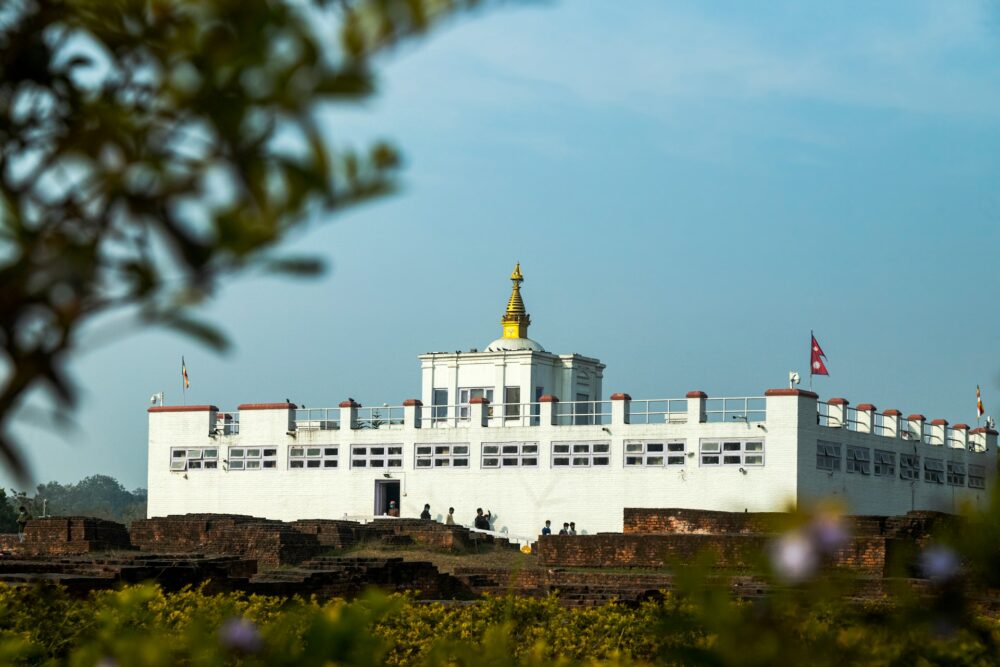
June 7, 2021
Lumbini Travel Guide
Lumbini is a Buddhist pilgrimage site in the Kapilvastu district and is the holiest place for BuddhiLumbini is a Buddhist pilgrimage site in the Kapilvastu district and is the holiest place for Buddhists. It is a place where Queen Mayadevi gave birth to Siddhartha Gautam, the founder of Buddhism. Lumbini is one of the most visited heritage sites in Nepal which has great historical importance. This pilgrimage site not only attracts Buddhists but also people from all other religions. Mostly, people from outside the country prefer visiting this heritage site as it has been designated as a UNESCO World Heritage Site in 1997. Lumbini is a peaceful city that attracts many visitors from around the world every year. The historic city where Siddhartha Gautam was born dates back to 523 B.C who later found enlightenment and became Lord Buddha. The place later became popular within the internationals as well when Indian ruler Ashoka visited the place and erected one of the commemorative pillars.
Today Lumbini houses over twenty-five international Buddhist monasteries and Buddhism meditation centers. Mayadevi Temple is one of the most important sites in Lumbini which is the birth spot of Buddha. Maya Devi temple was a place where the newly born Buddha took up his first seven steps and gave a peaceful message to humanity. Furthermore, different countries have built different carved monasteries in Lumbini. Japan, China, Myanmar, Sri Lanka, and Germany are some of them. Here in Lumbini, one can know the cultural importance of the place by visiting Panditarama Vipassana Center. Besides, one can engage in meditation and yoga therapy, one can also interact with monks who worship in the vicinity of monasteries.
Monasteries in Lumbini
Lumbini has always been an important spiritual destination. Starting with the famous visit by Emperor Asoka in 249 BC and to the visit of several Buddhist countries in Asia, it is one of the pilgrimage sites in Nepal. Several countries have established local monasteries as a way to offer practical and spiritual assistance to their citizens. In addition, with its design, reflecting the architectural and religious styles of the different nations, these monasteries are now the shrines of Lumbini.- Ka-Nying Shedrup Monastery (Seto Gumba), Nepal (under construction)
- Zarong Thupten Mendol Dogna Chholing, Nepal (under construction)
- Urgen Dorjee Choling Buddhist Center, Singapore
- Nepal Vajrayana Maha Vihara, Nepal (under construction)
- French Buddhist Association, France
- The Great Lotus Stupa (Tara Foundation), Germany
- Drikung Kagyud Meditation Center, Ladakh
- The World Linh Son Buddhist Congregation, France
- Japanese Monastery, Japan (under construction)
- United Tungaram Buddhist Foundation, Nepal
- Thrangu Vajra Vidya Buddhist Association, Canada
- Vietnam Phat Quoc Tu, Vietnam
- Geden International Monastery, Austria
- Chinese Monastery, China
- Dae Sung Shakya Temple, South Korea
- Drubgyud Choeling Monastery (Nepal Mahayana Temple)
- Dharmodaya Sabha Nepal (Swayambhu Mahavihara)
- Karma Samtenling Monastery, Nepal
- Manang Samaj Stupa, Nepal
- Panditarama Lumbini International Meditation Center, Myanmar
Major Attractions of Lumbini
The spiritual place Lumbini has a major to offer to tourists. Here, the visitors will have to visit the pilgrimages sites, learn about the ancient history, and get to explore several monasteries designed by several countries. Apart from monasteries and Gompas, there are several other sites of attraction in Lumbini and they are.Maya Devi Temple
Maya Devi temple is one of the major attraction sites of Lumbini. It is the main temple at Lumbini and a site traditionally considered the birthplace of Gautama Buddha. Maya Devi temple is the most noted and the important temple in the premise enshrines the traditional location of Buddha’s birth. The temple is located right next to the sacred pool called Pushkarini and a sacred garden. The archaeological remains of this place date back to the time of Ashoka, around the 3rd century BC. Likewise, Maya Devi rested in the shade of Bodhi tree while she was traveling. It was there that she went into labor and took a ritual dip in the nearby pond. It is also a place where Lord Buddha took his first bath here too. The temple is a white building that protects the exact spot of Buddha’s birth with marker stone.Ashoka Pillar
Another remarkable site in Lumbini is the Ashoka pillar. It is the 3rd Century stone pillar built under the reign of Emperor Ashoka. The pillar was a mark of respect by Ashoka after visiting Lord Buddha’s birthplace and accepting Buddhism. He built four stupas and a pillar with a horse idol at the top and an inscription that is. Symbol of his visit to Lumbini. This makes the pillar a significantly important attraction in the country. The pillar is located inside the tranquil Maya Devi temple. The 6m tall sandstone structure was rediscovered by Nepalese archaeologists in 1896. Besides, the pillar is surrounded by a small fence and decorated with colorful prayer flags. Therefore, this pillar holds historical significance and it is considered to be one of the major attractions of Lumbini.Myanmar Golden Temple
Myanmar Golden Temple is the oldest structure of the city which is built in the Burmese style of architecture. The impressive corn cob-shaped shikhara, styled after the temples of Bagan gives an impressive look to the whole structure. There are three prayer halls. Within the temple ground, is a Lokamani Pula Pagoda inside the building.Lumbini Museum
Another major attraction of Lumbini is the museum. It is located at the entrance of the Sacred Garden Area of Lumbini. The Lumbini museum is a UNESCO World Heritage Property and also the Birthplace of the Historical Buddha. It will be a true gem when it launches in early 2022. The Museum holds ancient art history of what happened here some 2600 years ago. This temple is at the northern end of the compound and is devoted to the life of the Buddha. Similarly, one can find a nice collection of vestige and photos from Buddhist sites around the world.Chinese Monastery
Chinese Monastery, also known as Zhong Hua, is an elegant Buddhist monastery in Lumbini. The monastery is built in a pagoda-style of architecture and resembles the look of the famous forbidden city of China. The Pagoda-style monastery looks like a small Forbidden city through a gateway flanked by dogs of Fo, the elegant. Its perfectly manicured internal courtyard is an oasis of peace. Furthermore, The perfectly manicured internal courtyard fills the heart with peace and joy.Dharma Swami Maharaja Buddha Vihar
Dharma Swami Maharaja Buddha Vihar is a Buddhist Gompa highly influenced by the Tibetan style. It was established by His Eminence Chogya Trichen Rinpoche and Raja of Mustang. The immense peace of the site makes it a perfect place for meditation and quiet self-searching. Likewise, Tara Pooja is performed every day by the 600 monks residing in the monastery.World peace Pagoda
The World Peace Pagoda is at the northern end of Lumbini which is designed to be a symbol to unite humanity in a desire for peace. The large white stupa was built by Japanese Buddhists. The enormous World Peace Pagoda dazzles with its brightness and is designed to unite humanity and inspire the quest for peace. Like its name, the area around is quiet and peaceful. Similarly, the locals meditate and relax under the shade of the trees. Similarly, from the top of the world peace stupa, you can see across to the adjacent Crane Sanctuary which offers a natural habitat to the Sarus Cranes that are endemic to the region.How to Get to Lumbini from Kathmandu
There are several ways to get to Lumbini from the capital city, Kathmandu. You can choose to take a long bus ride or fly to a nearby place and then transfer to Lumbini. The ride offers the natural landscapes of Nepal as well as lets you explore several villages on the way. However, Considering the time and comfort, and convenience, taking a flight is also recommended.Kathmandu to Lumbini
By Flight
From Kathmandu, one can book a flight to Gautam Buddha Airport located in Siddharthanagar. It is the closest airport to Lumbini. There are frequent daily flights from Tribhuvan International Airports in Kathmandu to Gautam Buddha Airport. The time taken by the flight is about 35 minutes. So, you can fly to Lumbini within less than an hour from Kathmandu. After landing at Airport one can take a cab or airport bus from the airport to Lumbini within 1 hour after landing. By Bus If you are into nature and want to enjoy the ride then you can choose for the drive from Kathmandu to Lumbini. The drive maybe a little longer and may take a full day of 1 hour. Despite being a long trip, it offers you the sight of the rural life of Nepal and the experienced local transportation. By local transportation, you will even get to experience Nepalese food on the way. You will have a chance to encounter other people of course if you are extroverted and love interacting with people. However, be prepared for the bumpy, tough, and long journey in a no air-conditioning bus. An optional choice is to cut the whole ride into two parts with transfer in Bhairawa.Hire a Private Car
Another possible mode of transportation is hiring a private car. If you love the privacy and want to travel within yourself but still choose to enjoy the natural drive then hire a private car. Several agencies offer you the best service of facilities for renting a car. Renting a private car will benefit you in different ways. One among them is to let you experience the view of a fast-flowing River, dense green forest, local residence, etc in the surroundings as well as provide you a peaceful, relaxing, and comfortable ride. The driver will stop for meals, short breaks and to enjoy the adjacent environment. You can also ask the driver to stop and enjoy the natural beauty of the place as you please.Lumbini to Pokhara
Lumbini is southwest of Pokhara with the shortest driving distance of about 200 KM. You can either take the shortest flight or take the ride to Lumbini. There will be two non-stop flights operating from Pokhara Airport to Bhairahawa Airport each day, with a quite short duration of only 20 minutes.By Bus
Driving from Pokhara directly to Lumbini is another popular and budget choice. The distance covered by the drive is around 200km which takes about 6-7hours of the drive.Accommodation in Lumbini
Lumbini, is one of the tourist destinations in Nepal, finding accommodation is easy here. The accommodation conditions in Lumbini are relatively simple and basic with fewer choices than that of Kathmandu. However, you can still find hotels, resorts, and villas. Most hotels are centered in or around the Sacred Garden. You don’t have to travel long for the hotels, they are just around the corner of the main sites. Hot water and electricity are usually in shortage in budget hotels. Also, if you like, you can stay in the Chinese Temple and eat vegetarian meals for up to 2 days, or stay in a better hotel in Bhairahawa. There are several options for accommodation in Lumbini.Hotels
Hotels in Lumbini are affordable and will provide you with the best of their services. However, you can choose the hotels considering the services they provide. There are several Japanese hotels, Chinese hotels close to the monasteries near the Sacred Garden. You can opt for them as they provide you with international services at a moderate price.Resorts
If you want a better service and want to enjoy more nature around your surroundings then go for the resort. There are several resorts in Lumbini that can meet your needs. If you choose to stay in resorts you can opt for Bhairahawa, which is an hour’s drive from Lumbini. Almost all resorts have a good location, excellent facilities, bright and clean rooms, and great staff.Best Time to Visit Lumbini
Lumbini is visited by thousands of visitors yearly. So, there you are planning for the trip and wondering when to visit this pilgrimage site. You can visit Lumbini throughout the year. However, spring and autumn are the best months to visit Lumbini. Likewise, here are the details about the best time to visit Lumbini.Spring season
Spring is one of the popular seasons for travel in Nepal. The time in March to May is the spring season in Nepal which is the season of colors. Lumbini lies in the Terai region in Nepal. The terai or lowland is extremely hot in Nepal. However, the temperature is bearable in spring. Despite the warm temperature, one can get a clear and wonderful view in the month of spring. The surrounding Gompas and monasteries after rainfall are amazing. Therefore, with the most beautiful weather and suitable temperature, spring brings you the feeling of joy.Monsoon
The monsoon in Nepal starts from June and lasts till August. Monsoon starts with light rainfall in almost every part of the country. Monsoon is somehow not favorable for those who don’t prefer traveling in rainy seasons. But for those who enjoy the rain and the environment after rainfall, then you can visit here. The monsoon in Nepal is very attractive with all the greenery, surrounding, and landscapes. etc. Besides, you can explore the lifestyle of people from the lowlands of Nepal.Winter
December and January are the coldest months in Nepal. This is the winter season in Nepal. These months are not very favorable to visit as the temperature falls and the foggy and gloomy environment makes it more difficult to explore its beauty. The days in winter are short and gloomy. So, you won’t get much time to explore places nicely.Autumn
Another is one of the best seasons for traveling in Nepal. Generally, autumn starts from September to October. It is a season that attracts a lot of travelers to Nepal. During Autumn the wonderful ambiance of Lumbini attracts people around here. It is also a festive season in Nepal. If you choose to visit in this season, you will catch a glimpse of Nepalese major festivals such as Dashain and Tihar. You will feel nature and get in touch with the culture and tradition of Nepalese people.Entry Fees to Lumbini
The entry fee to Lumbini differs according to the country and people. The locals have to pay relatively less compared to any other nation. Similarly, there is a discount for the SAARC nation while the fees for the internationals are different.Entry Fees for Locals
The locals or Nepalese citizens have to pay very little. The entry fee for locals is just Rs.40. Similarly, the same goes for Indian citizens. An additional fee of Rs 50 will be charged on Nepali and Indian nationals for use of camera,Entry Fees for Foreign Nations
The fees depend upon the country you are from. If you are from SAARC countries, then you have to pay Rs. 200. However, foreigners from other countries have to pay Rs 500 as an entry fee for the conservation of the historical Lumbini heritage. Likewise, visitors from other countries will have to pay two dollars for the use of a camera. Read more... Read less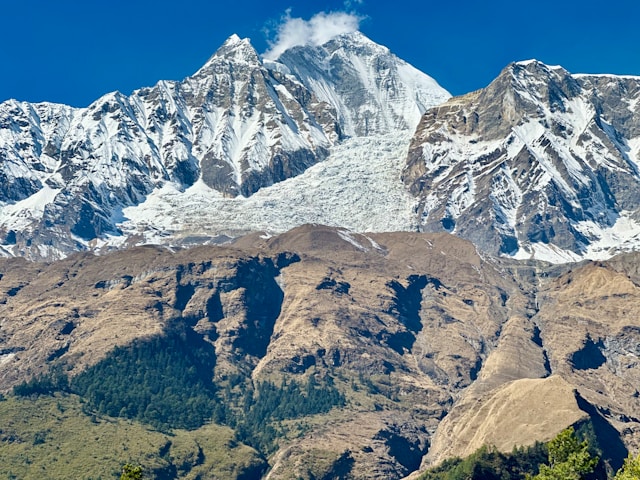
June 6, 2021
Dhaulagiri Circuit Trek Difficulty
The trek to one of the 7th highest peaks above 8000 m is an amazing experience for all the trekkers The trek to one of the 7th highest peaks above 8000 m is an amazing experience for all the trekkers around the world. Dhaulagiri Circuit Trek passes through several snow-covered slopes, icy glaciers, and lateral moraine. This trek provides you with a wonderful opportunity to take a circuit trek around the Himalayas of Nepal.
Dhaulagiri is the Nepali name for the mountain which comes from the Sanskrit word. The word Dhaula means dazzling, white, beautiful and Giri means mountain. The Dhaulagiri massif extends 120km from the Kaligandaki River west to the Bheri. The circuit trek to the seventh highest mountain in the world at 8,167 meters in one of the challenging yet exciting experiences. Dhaulagiri borders within the single country Nepal and it was 1st climbed on 13 May 1960 by a Swiss/Austrian/Nepali expedition. The challenging yet exciting trek lies in the Annapurna Region which takes the trekkers to the base of the world’s seventh-highest peak, Mount Dhaulagiri (8167m).
Dhaulagiri Circuit Trek
The splendid view of the majestic Dhaulagiri massif along with other mountain peaks that are above 7000m are the major attractions of this circuit trek. The Circuit trek is challenging and a real adventure for those who are looking for an expedition-like experience. Likewise, one can enjoy the farming villages in the Himalayan foothills to high alpine pastures, uninhabited valleys, and close-up views of several peaks over 8,000 m, throughout the trek. Among several circuit treks to the Himalayas in Nepal, Dhaulagiri Circuit Trek is one of the challenging adventures. The trek begins with your arrival at Tribhuvan International Airport, Kathmandu. Then, fly from Kathmandu to Pokhara, another tourism city in Nepal. From Pokhara drive to Darbang. The real journey begins from here. Similarly, you will pass through densely forested trails and terraced hilly areas. Besides, The trekkers will get an opportunity to walk past various Magar villages which allows them to understand their culture and lifestyle. The circuit trek lets you pass through three of the base camps including Italian Base Camp, Dhaulagiri Base Camp, and Japanese Base Camp. The trekkers will be mesmerized by the stunning icefall descending from the northeast col between Dhaulagiri and Tukuche Peak. On the other hand, trekkers gently climb up to the French pass walking through the glacial moraines on a white icy track. It is the highest point of the trek at an altitude of 5360m. Likewise, the trail then follows to reach the Hidden Valley behind the Dhaulagiri massif. Crossing across Dhampus Pass and Thapa Pass the trekkers reach Jomsom. Therefore, for those who love challenges, this trek includes walking over creaking glaciers and crossing a high mountain pass.Highlights of Dhaulagiri Circuit Trek
- Explore Pokhara valley including Fewa Lake, David falls, Mahendra cave, Seti George, and many more.
- Inspection of the world’s deepest George, Kali Gandaki Gorge flowing between Annapurna I and Dhaulagiri I.
- A close glimpse of Dhaulagiri with 360° view throughout well-known peaks above 8,000 m including Mt. Machhapuchhare, Mt. Annapurna, Mt. Manaslu, and many more.
- Experience of cracking glacial walk and route via high passes including French pass (5,365 m), Thapa pass (5,244 m)
- Opportunity to explore unique culture and traditions with the complicated lifestyle of individuals and communities
- A dip in natural hot spring water creates a mind-blowing moment.
- Experience the completely camping or Home-stay trek
How Difficult is Dhaulagiri Circuit Trek?
The trek has a reputation for being one of the most challenging treks in Nepal. Due to its exacting level, it requires physical fitness, good health condition trekkers, and previous trekking experiences in life. On the other hand, the daily walking distance is 5/6 hours a day which is challenging enough even for experienced trekkers. The route itself is strenuous, with several ascents and descents throughout the day. Also, the trek passes through several beautiful villages at low altitudes but trekking trails will be narrow and steep slopes are difficult in high altitudes. It is a camping trek therefore, an experienced trekking guide and strong porter to carry camping equipment is a must. The guide and porter will help you with every step along the trail. Furthermore, they know how to fix the camping tent to avoid the wind and also help in cooking meals. The altitude in this trek increases very quickly as it will only take 4/5 days to reach above 4000m heights. Starting with a low altitude of 1,180m at Darbang village it will be very hot and humid with temperatures of up to 25 to 30 Celsius for the 1st few days. So, trekking on hot and humid days can be very tiring. Make sure to carry a wide-brimmed hat, bandana, or scarf plus sunscreen and lip salve with a high SPF.Trail
From Muri village to Myagdi Khola the trail will be along a narrow valley. The trail is high up and there is exposure with a steep drop to the river below which is extremely strenuous. The trail has lots of exposed tree roots walking through the forest above Boghara camp. It is easy to trip up or to take a slide through the route. From Italian Base Camp, walking down a steep glacial moraine onto the glacier and back up a slope on the other side. There used to have a fixed rope but now a path has been carved out of it. On the other side of the glacier, there is a slope with a narrow path and there is a steep drop down to the glacier below. While at Chonbarden Gorge there is a high risk of rockfall. Therefore, camping is not an option here. We also insist that everyone wears a helmet even when walking. In some places, the river crossing can even be challenging. The descent of the French pass is not steep although there may be deep snow on this slope, occasionally. The crossing of Dhampus Pass is harder than French Pass where the ascend is easy. However, there is only a short descent of 100m. Likewise, there is a traverse along a contouring path for four hours. As the trail is not too exposed although the slope is a sustained 30 degrees. Here is the high risk of falling or slipping in icy or snowy conditions. At an altitude of 5050m, Hidden Valley is a cold place. The overnight temperature can go down to around -15 Celsius.Altitude Sickness in Dhaulagiri Circuit Trek
To a high-altitude trek like Dhaulagiri Circuit Trek, one of the main difficulties is altitude sickness. It occurs due to the fast climbing to higher altitudes of over 500-1000 m or more. As you climb higher, the level of oxygen decreases, and the atmospheric pressure gets thinner. Your body suddenly experiences new kinds of environments which it was not used to before. Because of this, you may face difficulty in breathing. The problem of altitude sickness is mainly because of the failure in proper acclimatization. Everyone doesn’t need to get altitude sickness on a high-altitude trek. It may happen to anyone of any age group. Some symptoms of altitude sickness start from an altitude of 2500m and over that. Also, the higher altitude of the Dhaulagiri circuit trek is at 5360m. So, it is very common to get common symptoms like headaches and tiredness. However, if the symptoms worsen you may have to halt the journey. Sometimes, altitude sickness may occur even if you are physically fit and healthy. It’s just that your body cannot tolerate the new environment which has a lesser amount of air. You may face some problems like vomiting, nausea, headache, loss of appetite, and most commonly fainting. You can be prepared to take medicine but rather than that try preventing it naturally. Drink a lot of water, take a walk slowly if you are exhausted, listen to your body. Don’t rush for it or don’t push your body.Acute Mountain Sickness
It is the most common form of sickness when trekking to high altitudes. Acute Mountain sickness is more dangerous where people find it difficult to breathe. Besides, the more dangerous form of altitude sickness is high-altitude pulmonary edema which makes the fluid build-up within the lungs leading to difficulty in breathing. Normally, this happens after two nights spent at a high altitude, but sometimes it can happen earlier or later.High Altitude Pulmonary Edema
This happens very quickly. It directly affects the respiratory system which people collapse or may ultimately cause death. Generally, people don’t feel any pain in this case. As they push themselves too hard and overdo the trek. It may affect their body unknowingly. This is an extremely dangerous kind of sickness where people may die when sleeping. So, one needs to be extra careful with this kind of sickness and try to stay hydrated and don’t push your body.High Altitude Cerebral Edema
The severe form of altitude sickness is high altitude cerebral edema, in this case, fluid builds up in the brain. As the brain swells with fluid, the person gets a really bad headache and bad mental state changes. Due to an extremely bad headache, the group should descend downwards as soon as possible. If the person stays at the same altitude he/ she will lose coordination and, finally, cause death. To avoid this stage we must be careful in the first phase and use diamonds as preventive safety.Dhaulagiri Circuit Trek Difficulty
Route Difficulty
Dhaulagiri Circuit Trek Route is graded as moderate to difficult level trek where the routes are quite harsh compared to other trekking destinations. The walk will be difficult through remote areas and inhabited villages. The routes can be challenging for beginners as well as for intermediate. During this trek, there will be lots of steep uphill climbs and downhill walks. And walking about 6 to 7 hours a day on off-beat paths can be difficult for beginners and even for experienced ones.Altitude sickness
Another major difficulty of the Dhaulagiri Circuit trek is its altitude. The circuit trek takes you to an altitude of 5360m Which is completely a higher level altitude for anyone new there. As the altitude sickness starts anywhere from above 2500m. Therefore, anyone can suffer from fatigue and shortness of breath due to an increase in altitude. The level of oxygen decreases with the increase in temperature making the body hrs to adjust its new temperature. This may lead to problems like altitude sickness.Weather Conditions
Weather conditions are one of the necessary things to consider while going on treks. The nice clear and brilliant weather can make yin altitude easier and more effective. However, the weather at altitude can never be predicted. The climate in the mountain area goes through several changes in a day. It can be sunny one moment and windy the next moment. Moreover, the weather is more unpredictable during the season of Monsoon and Winter. Similarly, there are high chances of road blockades due to heavy rain and snowfall. Also, bad weather conditions can result in delays or the cancelation of the trek. So you need to be well prepared while trekking in these seasons.Best Season for Dhaulagiri Circuit Trek
Trekking in Nepal is popular worldwide either for trekking in the hilly or the Himalayas. As Nepal is a country with Himalaya there are lots of destinations to choose from for the trek and tour here. Likewise, the Dhaulagiri circuit trek is one of the challenging treks that lead you to the extravagant journey to the Himalayas. Likewise, for a tremendous trek like the Dhaulagiri circuit trek, planning the trek is the most important. And planning here includes the time for the trek as well. Trekking in Nepal is possible throughout the year. But the best time depends on the region you are planning to do the trek. Nepal goes through four seasons: Spring, Monsoon, Autumn, and Winter. As for the trek to the Himalayas, spring and Autumn are the most preferable seasons. And same goes with the circuit trek to Dhauligiri. However, you can trek even during the winter and monsoon season with some sort of extra preparation and precautions.Spring Season
The months of March to May are spring in Nepal. These are the beginning of new vegetation all around the region. The scenario will be filled with buds of flowers in the forest path, greener around the valley during the spring season. Trekkers and visitors will get to enjoy the natural vegetation along the way. Besides, the weather and temperature are also suitable for the trek with the clear blue sky and the astounding view of Mountain peak. Despite being a cold place, the days are warm making it suitable for the trek or walk. Furthermore, the nights are neither hot nor too cold. However, early mornings can be mildly cold. If you are completely into nature and natural things, then consider trekking in the spring season. Spring represents the best of nature.Monsoon Season
The month of June to August is the monsoon in Nepal. Right after the end of spring, the monsoon starts and these are the least preferred season for the trek in Nepal. This is the season when the lower region of the Himalayas gets continuous rainfall. Although there are low chances of rainfall in higher regions. Similarly, there are high chances of flood and landslide due to continuous rainfall. As a result, the trek might get delayed or canceled. On the other hand, the paths get slippery and muddy making your walk difficult. Therefore, one must be prepared with their trekking gear, equipment, and footwear. On the other hand, the trails are less crowded during this month. So if you want to enjoy the best of nature peacefully, this month is ideal for you. The average temperature stays between 15-20 degrees Celsius in the lower region but there is a decrease in temperature with the increase in altitude. The sudden and unpredictable rains with the dark cloud may obstacle the trek. However, the view after the rainfall is the best and most fresh view ever. So, the monsoon has both pros and cons. However, this season is the best time to visit Dhaulagiri trekking for botanists and researchers.Autumn Season
The month from September to November is Autumn in Nepal. Autumn is, no doubt, one of the peak seasons for trekking in Nepal. The climate, the weather, the views, and the season of the festival is Autumn. Trekkers have a lot to gain and save visiting in Autumn to the Dhaulagiri circuit trek. Most trekkers from all over the world choose this season for the Dhaulagiri Circuit trek. September, October, and November receive the highest number of trekkers and visitors in Nepal. Similarly, the weather is in favor of the trekkers offering them the panoramic scenario of the Himalayas and the landscapes. Walking under the clear blue sky, with the mesmerizing view of Mt. Dhauligiri, Annapurna Massif along with Machhapuchhre, Manaslu, etc is a memory to cherish for a lifetime. There are very low chances of snowfall and rainfall during these seasons. Likewise, The weather and temperature are perfect in autumn with moderate days and cool nights. The temperature is neither hot nor cold and is highly suitable for the trek. The day temperature during the day is 15degreese Celsius with 7-8degreese Celsius of night temperature. However, the temperature may drop to freezing point in the French pass and Italian pass. As one needs to be cautious during the trek to high altitude, the Dhaulagiri circuit trek.Winter Season
Winter starts in December and lasts till February in Nepal. These months are the coldest season of the year and off-season time for trekking in the Dhaulagiri circuit. However, the high mountains are covered in snow and the sky is clear blue presenting the stunning view of nature during the winter season. Also, the chances of rainfall are relatively low and the trekkers will be able to enjoy the obstructed view of the entire Himalayan ranges. Similarly, due to a low number of trekkers, the lodges, roads, and teahouses are less crowded compared to the peak season in the Dhaulagiri Circuit trek. However, The snowfall can last up to 36 hours in favored conditions making the trails covered with snow and challenging to walk. On the other hand, the temperature reaches nearly the freezing point in the lower altitude as on the higher altitude it is below the freezing point. However, the days are warm while the night and early mornings are windy and cold. If you are planning your trek during this season, be well prepared.Outline itinerary
1: Kathmandu to Beni 2: Beni to Babia Chau 3: Babia Chaur to Dharapani 4: Dharapani to Muri 5: Muri to Boghara 6: Boghara to Dobang 7: Dobang to Choriban Khola 8: Choriban Khola to Italian Base Camp 9: Acclimatization Day 10: Italian Base Camp to Dhaulagiri Base Camp 11: Dhaulagiri Base Camp to French Pass 12: French Phedi to Thapa Pass| Trek to Kalopani 13: Kalopani to Marpha 14: Marhpa to Jomsom 15: Jomsom to Pokhara 16: Pokhara to KathmanduFacts of Dhaulagiri Circuit Trek
- Dhaulagiri is the seventh highest mountain in the world, is situated in Nepal, and forms part of the Dhaulagiri Mountain range.
- Its name is derived from Sanskrit, which means ‘white beautiful mountain’.
- Dhauligiri was 1st ascended in 1960, and since then the mountain has been climbed successfully hundreds of times.
- Several attempts were made to reach Dhaulagiri’s summit between the years 1950-1959 by Swiss, French, Argentine, and Austrian climbers. Out of which every attempt was made via the north side of the mountain, and each attempt failed.
- The first successful ascent was made via the Northeast side by a Swiss-Austrian team led by Max Eiselin.
- Upon its discovery in 1808, Dhaulagiri was thought to be the world’s highest mountain, displacing Mount Chimborazo in Ecuador.
- Dhaulagiri stands over the great Kali Gandaki Valley, which by some measures is the deepest gorge on earth, as it is flanked by two 8000m (26,250ft) peaks (Dhaulagiri I & Annapurna I).
Tips for Dhaulagiri Circuit Trek
As for the trek to the Dhauligiri Circuit, the trekkers must be cautious of several things.Start early
When trekking to the Himalayan of Nepal, it is always better to start your trek early. Starting early is always safer in the Himalayan region than staying late. The same goes for the Dhaulagiri circuit trek, starting early one can be blessed with the view of the outstanding landscapes as well as the Himalayas. If you start early, you can get more time to explore nature. Starting early and finishing early are likely to prevent any kind of weather disturbance in Annapurna Massif.Choose the right backpack
Choosing the right backpack and making it comfortable can make your trek convenient. Make sure you carry only the needed stuff that will make your bag look smaller and saves you from the pain and discomfort during your journey.Stay hydrated
Water is one of the must-have things when trekking to Dhauligiri. Choose to stay hydrated, grab water every once an hour. Staying hydrated helps you get a lower risk of altitude sickness and your body needs extra hydration for high altitude trek. Your body will dehydrate quickly in such high altitudes so you will need to compensate more by drinking a lot of water.Bring comfortable trekking shoes.
It is always wise to have proper trekking boots with a sturdy sole. You have to trek through various inclined, rough, and dry roads and you have to walk for a long distance. Therefore, normal sports shoes can’t take the pressure off your feet. So trekking boot is one of the musts while trekking to Dhaulagiri Circuit trek.Carry Diamox for altitude sickness.
As you go up higher, you may face the danger of altitude sickness. The level of oxygen decreases with the temperature rise. From an altitude above 2500m, there is a chance of altitude sickness. However, the highest altitude of this circuit trek is at the French and Italian Pass. So one may face several symptoms such as vomiting, nausea, fainting, headache, etc. Therefore, carry Diamox medicine to relieve altitude sickness. Interested in this trek? Then here is more detail. Read more... Read less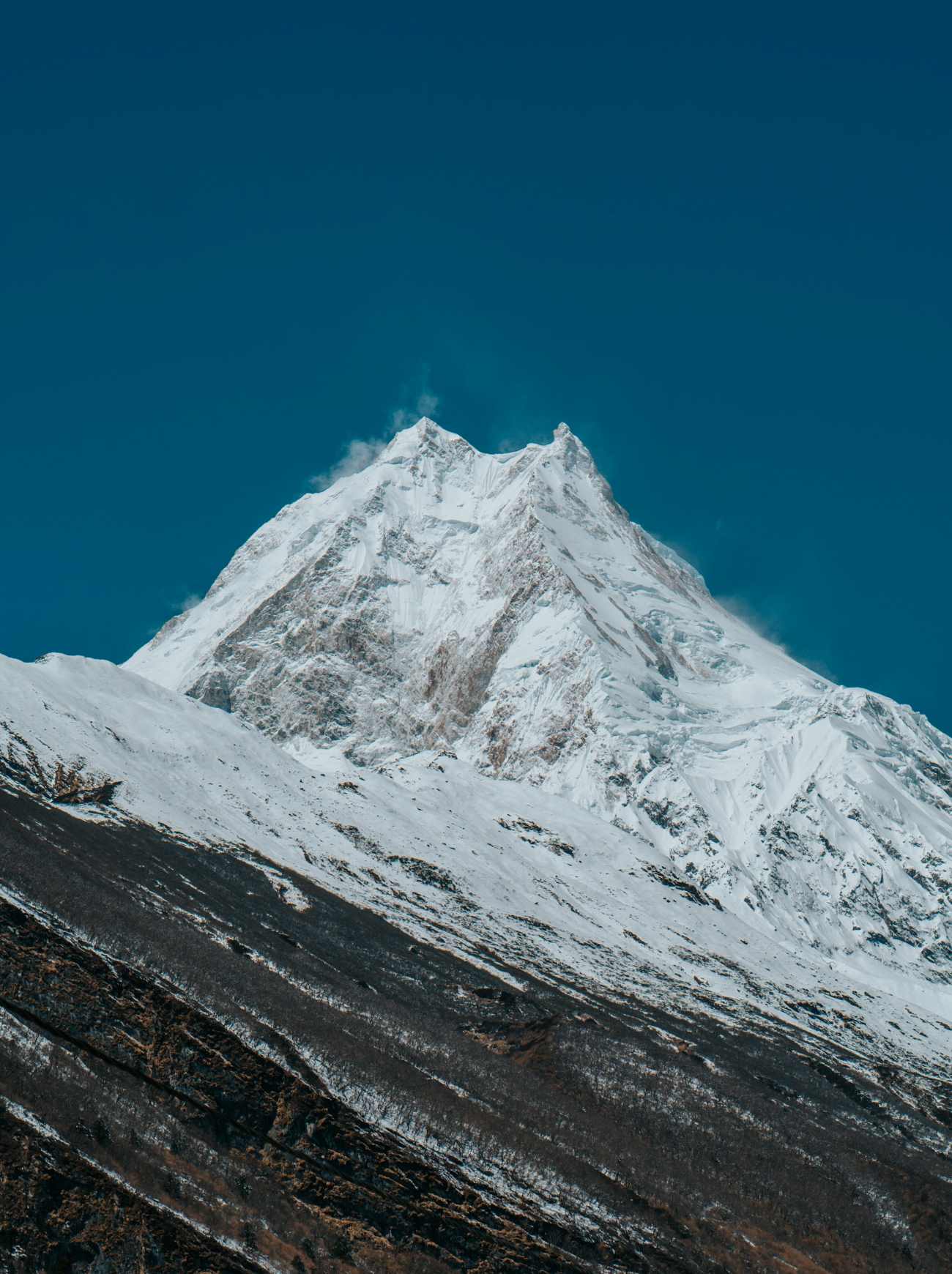
October 11, 2021
Why Manaslu Circuit Trek
With the overwhelming beauty of the natural landscapes, the treks in Nepal have more to offer than tWith the overwhelming beauty of the natural landscapes, the treks in Nepal have more to offer than that. Out of several trekking regions in Nepal, Manaslu is one of the popular yet less crowded treks here. Taking you to the circuit trek of the world’s 8th highest peak, Manaslu has been a popular trek in a recent addition. The trek is bounded by the Annapurna’s to the West and Ganesh Himal to the East. Unlike the most crowded trekking areas like Everest and Annapurna, the Manaslu trek usually sees fewer people along its route. The circuit trek to Manaslu is physically demanding yet culturally enhancing and scenically boosting. Similarly, taking you from the suggestive lowlands with terraces of rice and millet, to the mighty gorges of the Budi Gandaki.
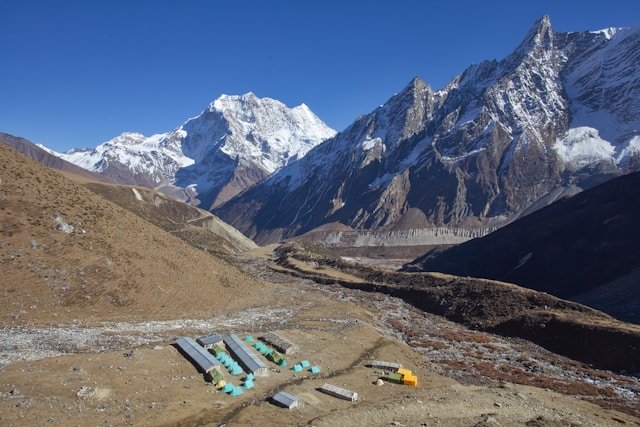
Manaslu Circuit Trek
Another attraction of the Manaslu trek is the suspension bridges. However, the yearly monsoon often washes minor bridges away leaving trekkers to use immense rocks. With its pioneering expedition, the Manaslu circuit trek was opened to a maximum of 400 trekkers in 1992. On the other hand, the way to the north lets you witness snowbound Larkya La Pass which is next to the Tibetan border. At 5167m, larky la pass presents the unforgettable jaw-dropping views of Manaslu. The pass is usually snow-covered and icy where micro crampons are used on the descent. Trekking to this pass, you need to start at 3 am before the winds come, usually around mid-morning. From the epic scenario to the bosom encounters with local people and their ancient culture, this circuit trek has everything. Apart from this, this trek even offers a fantastic view of the Annapurna region. The trek passes through several settlements of Tamang and Sherpa and lets you experience the way of life of the remote area. The trek is in the shadow of Mt. Kanchanjunga is the alternative to the Annapurna Circuit. Therefore, it is a combination of picturesque Himalayan scenery, the prosperity of wildlife, and tea house accommodation.
Trip Highlights of Manaslu Circuit Trek
- Circuit trek to the world’s eighth highest peak at an altitude of 8163m.
- Less crowded than other popular treks such as Everest and Annapurna base camp.
- Witness the nature and natural landscapes along with the beauty of the forests, rivers, and flora in the Manaslu region.
- The wild and remote journey with tea houses at everyday stages, making it more accessible and affordable than similar treks.
- The journey leads to a deep, long river gorge, with many suspension bridge crossings
- Trekking from the subtropical jungle at lower elevations to the high, cold, and challenging Larkya La above 5,100 meters / 17,000 feet.
- Visit Nepalese cultural heritage sites, also explore the traditional Tamang and Sherpa settlements.
- Highly influenced Tibetan culture as well as monasteries.
- Stunning view of the snow-capped peaks such as Manaslu, Cheo Himal, Himlung Himal, Nemjung, Gyaji Kang, Kang Guru, and Annapurna II.
- Explore the diverse wildlife including Tahr (Mountain Goat), Agali (Blue Sheep), Pika (Highest living Mammal), Himalayan Marmots, and, if you are lucky, Snow Leopard.
Reasons to Choose Manaslu Circuit Trek
Unparalleled Natural Escape
Manaslu, standing tall at 6183m, stands out with its astonishing natural harmony exceeding cultural exploration. Nepal represents several trekking trails and regions however, the circuit trek to Manaslu sticks out to be the most peaceful trail with the exceptional natural escape. Taking you through the spectacular lakes and icy masses of the Manaslu district, the paramount beauty offered by this trail is measurable. Throughout the trail, you will pass through a conservation area where you can explore the diverse vegetation as well as rare and endangered species such as Blue sheep, known as Bharal, a greyish-colored Ram, Himalayan Tahr, pika. You can get a glimpse of Danphe, Nepal’s beautiful national bird, which resides at lower altitudes. On the other hand, the ever-changing view of Mt. Manaslu provides an extreme joy to the journey. The scenario of a snow-capped peak changing to a distinct trilateral summit to panoramic vistas. Similarly, Lho presents you with the dominant peak whereas the Samdo will present you with the mesmerizing single triangular summit. From the Larkya La Pass at 5160m, you can stare at the panoramic vistas during the entire trek. Besides, the majestic Ganesh Himal, Himlung Himal, and Cheo Himal along with a few glimpses of the Annapurna range will be worth the journey. Therefore, trekking at Manaslu presents Manaslu with stunning views of the Himalayas along with the natural diversity, vegetation, and endangered species. Remote villages and tranquil trails.Natural Landscape
The circuit trek to Manaslu is a wonderful offbeat trekking Trail suited for all the adventure trekkers. With less crowd and astonishing view, the circuit trek takes you through the homespun and diverse landscapes of the faraway villages in Nepal. To those seeking an extra adventure along with the different cultures and traditions, the people living in the Manaslu area are welcoming. Far away from the capital, from all those busy lifestyles, the circuit trek takes you to the peaceful villages trails untouched by modernization. Even today people wear traditional Nepalese clothes unlike in the city area, people are engaged in agriculture, animal rearing, and tourism here. The trek lets you wander around the peaceful villages in this region. Walking in the outlying foothills of the Himalayas, this trek bounds to take you back in time. These dispersed villages can immerse you into the culture and lifestyle of several ethnic groups and communities. This isolated trekking trail passes through a narrow cliff of Manaslu. The trails go through the lush forest that offers stunning scenery of subtropical, alpine, temperate deciduous, and moderate coniferous types of forest to capture on a camera. Similarly, the hike around this region under the dense forest shade is quite satisfying and refreshing. Besides, the tranquil trail, which is peaceful compared to Annapurna and Everest, is what attracts people here. However, the months of autumn can be a bit more of a busy season but not like other popular trekking trails. Therefore, the faraway villages, welcoming people, peaceful trail makes Manaslu a wise destination for trekking in Nepal.Unique Cultural Experiences
The Manaslu circuit trek has more to offer apart from the stumble scenario of the mountains and natural landscapes. The peaceful villages that come along in this circuit trek are rich in cultural diversity. Therefore, the visitors will get an opportunity to explore the unique culture and tradition in this circuit trek. The trail passes through numerous prayer wheels, Mani walls, Chortens, and monasteries that have been preserved from ancient times. Besides, walking from lowland to a higher altitude comes across diverse cultures and traditions. The lower regions let you witness the typical Hindu civilization whereas, in the upper region, you will explore the Tibetan-influenced culture and tradition. The lower region is inhabited mostly by Ghale, Gurung, and a few other communities. On the other hand, you will encounter Buddhist and Bon cultures along the way. Likewise, People in both regions still believe in “Atithi Devo Bhava” meaning visitors are considered as gods. With these minor but really attractive customs, anyone surely falls in love with the culture and people in the Manaslu region. If you are new to the Himalayas of Nepal, you will find many things unrealistic. There is at least one monastery in every village you pass through. The people here wear traditional clothes and savor the dried yak meat. Far away from the capital, you will find that people are living happily preserving what was left to them by their ancestors. There is no doubt that this trek will provide an exceptional opportunity to delve into the rich cultures of the mountains. Also, the chance to explore the famous Ribung Gompa in Lho and Pungyen Gompa in Samagaon will be worth the journey.Moderately Difficult Yet Safe
The Manaslu Circuit trek falls under one of the most challenging treks in Nepal. The trek can be strenuous and arduous to the body. However, the scenario can be worth all the challenges and hard work. The trails and the routes can often be demanding, taking Lulu to distant parts of the country. The trails and routes are much harder than the regular routes that we have been using in our day-to-day life. The journey consists of several ascend and descend through narrow streams, narrow bridges, and rocky strings. The trail, the Manaslu Circuit Trek, takes you through an off-the-beaten path that requires moderate levels of fine fitness. That doesn’t mean that one needs to have an athletic body, however, being flexible will certainly help at one point. Likewise, if you are a beginner in the trekking journey then you need to have a moderate level of fitness. Prior training before trek will help to increase stamina and stand out throughout the entire trek. Before starting up your journey to the Manaslu circuit trek, make sure to prepare beforehand. Such can be done by hiking to nearby places, engaging in cardiovascular exercise a few days a week. In the trek, you need to walk an average of 6 hours per day for more than a week which is challenging. The trek might seem strenuous but it is exquisite and safe. The trek allows proper acclimatization and rest days, which can prevent altitude sickness. For this trek to high altitude with a low level of oxygen, slow and steady wins the race. Don’t rush to complete the trek either, do it slowly and pace. Besides, throughout the trek, you need to take care of your diet. What you eat will define how your body reacts the following day. Similarly, the Manaslu circuit trekking trail is now restored and repaired after the calamitous 2015 earthquake.Comparatively Affordable Pricing
Trekking and adventure in Nepal differ depending upon the place and season you choose for the trip. Nepal has a trekking region that ranges from comparatively lower prices to higher ones as well. Also, the trek is based on the group size and number of days the trekkers choose to trek. When it is in the Himalayan region, the price for the accommodation and food is almost the same no matter where you choose to trek. However, compared to the popular trekking trails such as Everest Base Camp Trek and Annapurna Base Camp Trek, Manaslu Circuit Trek Cost is less expensive and affordable. The facilities of accommodation are limited yet optimal. The food choices are similar to finite options on the menu. As you reach a higher altitude, the price for food and accommodation increases. This is because of the difficulty in carrying goods in transportation in the remote Himalayan region. As there are no proper facilities of transportation in the upper region, people have to carry the goods by themselves taking a whole day. Despite the increase in food, it is, however, more affordable than the overall cost incurred in other popular treks. Before there was a camping arrangement due to the fewer number of tea houses but now with the increased number of tea houses, most people don’t opt for camping. Instead, people choose to enjoy and relax at the end of the day with a subtle warm sleep in the beds of the teahouses.Facts about Manaslu Circuit Trek
- Mt. Manaslu at 8,156m is the eighth highest mountain in the world and was opened for travelers in 1992.
- With the astonishing view of the mountains, a combination of ample culture, diverse vegetation, the circuit trek is geographically picturesque and culturally captivating.
- The circuit trek has a lot to offer including the picturesque Mt. Manaslu, the Manaslu Circuit Trek, the Tsum Valley, Nubri trek, and the Manakamana Temple
- Manaslu Region is less crowded making the visit more exclusive and unspoiled.
- The trek will be more of a combination of countryside walk passing through several small Tibetan-style villages which cluster beneath Manaslu’s sweeping North Face.
- The circuit trek includes a culturally charming homestay experience with the Tamangs, the original horse traders of Nepal.
- The peak Manaslu was first climbed on May 9, 1956, by Toshio Imanishi and Gyalzen Norbu, members of a Japanese expedition”.
- The Tsum Valley Trek offers beautiful views of the four 7000m peaks of the Ganesh massif.
- Get to know the people from Nupri, who are direct descendants of Tibetan immigrants. Besides, the mountain views in Nupri are sensational and the Larke pass is a dramatic Himalayan pass to cross.
Best Season for Manaslu Circuit Trek
Spring
Spring is one of the spontaneous seasons if you are wondering about trekking to the Nepalese Himalayas including the circuit trek to Manaslu. Likewise, spring starts in March and lasts till May. For trekking and adventure in Nepal, it is one of the peak seasons offering majestic vistas. Spring is generally known for new beginnings, chilly weather, moderate temperature, freshly bloomed generations, where nature is at its best. The weather starts with a little chill and gets warmer as the day begins to start. Similarly, the mountain views are something that will bring out joy and refreshment to the morning. On the other hand, the clear blue sky with a temperature that ranges from warm to moderate makes springs a perfect time to go trekking. The trail is surrounded by the blooming of different colors of Rhododendron. The spring is neither too hot nor too cold. Because of the cool climate, you can experience your trek to the utmost thrill and adventure. Likewise, if you are into nature, the striking view of the peaks, uncovered off-beat trails awaits you here at this season of the year. With the colorful and outstanding scenario, spring can be the next best season after Autumn to start your trek to the Manaslu circuit trek.In Monsoon
Monsoon is the time around the year when you are traveling in the rain. Some visitors enjoy rain more than they do the regular weather. Those, who want an extra bit of a natural adventure, can consider trekking during the monsoon. The monsoon starts in mid-June and continues till August in Nepal. This time of the year offers the visitors breathtaking views and some great natural phenomena at higher altitudes during monsoon season. If we look at another side, then the monsoon has some challenges as well. Like, the trekkers may have to face the problems of leeches, landscape risk, slippery trails, and dark clouds blocking the wonderful Himalayan views. However, if you don’t have any issue with this natural process in this season then you can otherwise choose this season. Manaslu itself is a peaceful trekking trail and very few adventurers wander around during the monsoon. So, it is best for the one who wants to avoid crowds and trek peacefully. Besides, some people enjoy the natural view right after the rainfall. So, consider this season suitable for you because the smell of nature after the rainfall is so wild and cool that you’d love it. Likewise, the weather is slightly humid, wet, cool, and fresh.Autumn
Autumn is a favorite season as well as the kings of the season when it comes to traveling and trekking. Likewise, Autumn begins right in September and lasts till November. Autumn. The weather, as well as the temperature, is at its best in Autumn. The freshness in nature, the extremely stunning view of the peaks, clear blue sky, and cool warm weather make This season is a choice for many adventures. During this season, even the quietest trail of Manaslu becomes crowded. Crowded in a way that you will encounter people of several backgrounds and countries during your journey. However, it is not as crowded as Annapurna and Everest. The chances of rainfall are very low during autumn, also, the trails are dry making the walk easier. Autumn is also the festival season in Nepal. So, you can add this to the merit list of your trek. You will be able to explore the festivals and celebrations with the local communities. Dashain and Tihar, the main religion of Hindus fall during this season. During this time of the year, the joy and happiness in the face of the people are different than that of the normal days. Besides, the nights are cool and days are warmer so one needs to carry a good amount of clothes.Winter
As the choices of the people differ in every other thing. So, there may be trekkers who like winter and find winter trekking adventurous. Winter starts in December and lasts till Feb in Nepal. With the broadest view of the mountains and sky, the winter is not much worse in Nepal. However, the case might not be the same in upper altitudes like the Manaslu circuit trek. The days in winter at lower altitudes are cold and it is below freezing at higher altitudes. At 5,106 m / 16,752 ft (Larkya La pass), the highest elevation of this circuit, the temperature is extremely cold during winter. It is not that the trek is impossible but with proper precautions and preparations, it is possible to trek to the Manaslu circuit. Trekking in winter needs an extra bit of preparation. With proper gears, clothing, and equipment if needed, Trekkers must be well-prepared. Besides, there may be a problem regarding the difficulty in finding accommodation for a night stay as tea houses may get closed due to cold and heavy snow. Pre-booking should be done to avoid such circumstances.Permit required
- The circuit trek to Manaslu required permits for the trekkers to enter the restricted area.
- Manaslu Restricted Area Permit (Manaslu RAP): From Jagat, to Sama Gaun you need to get the permit as it is a restricted region in the Manaslu Trek.
- Annapurna Conservation Area Project (ACAP Permit) is essential before passing through conservation areas in Dharapani.
- The Manaslu Conservation area starts in Philim, and you need the Manaslu Conservation Area Project( MCAP) for this trek.
Other permits
If you want to extend your trip to Tsum Valley, you will need a Tsum Valley to permit as well. Likewise, you will need a TIMS card if you decide to extend your trip to Muktinath, Jomsom, or Pokhara, as you will trek in the Annapurna region. Read more... Read less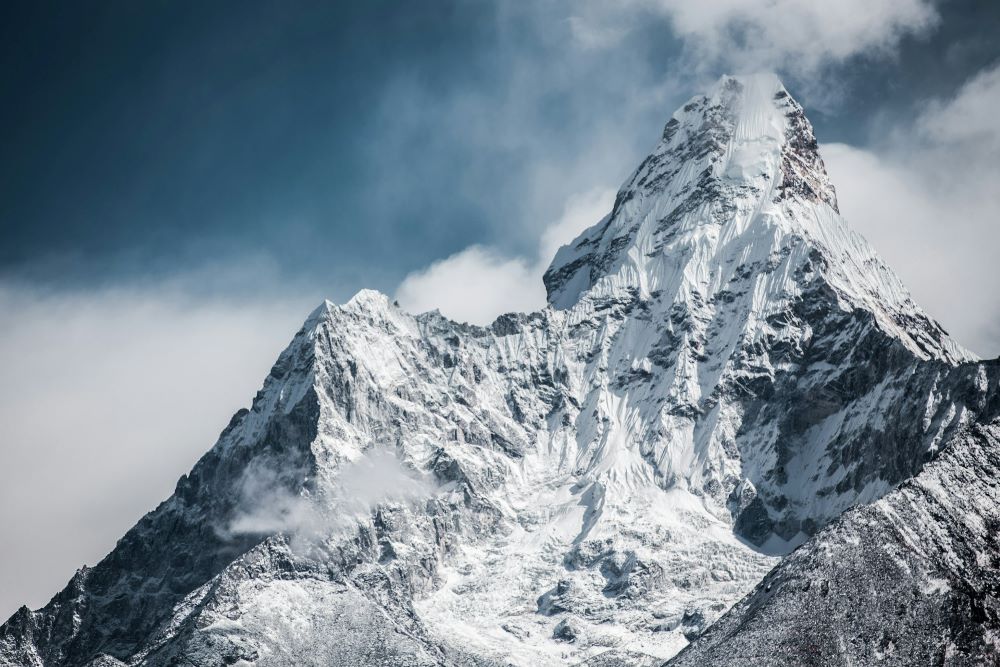
June 29, 2021
Best Luxury Treks in Nepal
Ever want to have a trek that combines both exciting adventure and luxury into one? This is one of tEver want to have a trek that combines both exciting adventure and luxury into one? This is one of the most thrilling yet exciting combinations of the trek having many perks and adventures. The wonderful combination of trekking and staying in luxury accommodation in the wilderness of the mountains and hills. The trekking paradise, Nepal has several luxury trek sites that offer you stunning views. Luxury Treks in Nepal is a wonderful lifetime trekking memory of the best Luxury lodges during trekking and Luxury hotels while your stay in Kathmandu. However, luxury lodges are not available in all trekking areas of Nepal but Annapurna and Everest trekking regions offer facilities of the finest Luxury lodges for those trekkers.
Nepal is a popular destination for trekking and adventure in southern Asia. Because of the massive Himalayas, along with the world’s highest Everest, many trekkers choose their trekking destination in Nepal. So, considering the importance of tourism and its comforts, Nepal Trekking Tourism & Adventure arranges some of the world-class and state of Art Luxury hotels & Luxury lodges. Enjoying nature with the most worthwhile and lifetime luxury treks in Nepal is probably the best memory for a lifetime. Staying in the finest properties available, experiencing the best of Nepal in comforts is what luxury trek is all about. The luxury treks in Nepal are perfect for those who prefer their adventures in style with superior accommodation and experience tremendous Nepalese hospitality.
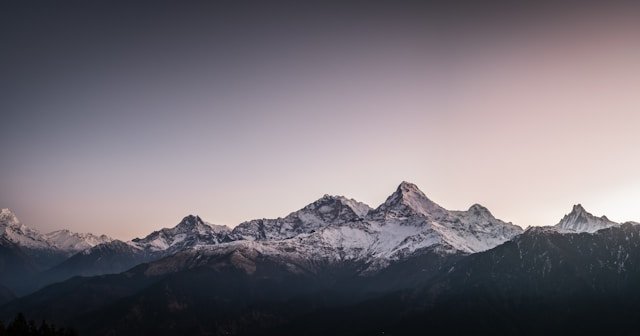
Best Luxury Treks in Nepal
Everest Comfort Trek
Everest comfort trek is one of the best luxury treks in Nepal. Offering a beautiful walking experience in the Everest region, this adventure takes you to explore halfway through the route of the Everest base camp trek. Apart from this, this trek takes you to some beautiful places that are regular trekking adventures that are not normally visited. So, you will get to explore some extra scenic beauty in the Everest comfort trek. Trekking through Thame with many regular trekking trails, this adventure takes you to the places that are truly worth visiting. This trek becomes luxurious with its richness of comfortable and luxury lodges and hotels. Similarly, exploration of the Everest region with the stay in luxury lodges at each overnight destination becomes an adventure in style. Therefore, this is a short and beautiful luxury lodge trek in the Everest region of Nepal.Luxury Everest Base Camp Trek
If you want a longer version of the trek to the Everest region, then Luxury Everest Base Camp Trek is a perfect choice. This trek not only allows you to trek to the base camp of Mt. Everest but also lets you experience the comfort of luxury accommodation. From your trekking destination, this trek uses a private helicopter to return to Kathmandu. The trekkers will fly on a regular plane from Kathmandu to Lukla. Then, from Lukla trek to the base camp enjoying the luxurious lodges and guest house. However, you will use a helicopter from Gorak Shep while returning. It decreases the trekking days shorts keeping you comfortable flying over the Himalayas, enjoying the scenic view from the helicopter.Ama Dablam Base Camp Luxury Trek
Ama Dablam Base Camp Luxury Trek is a short and beautiful trekking adventure in the Everest region of Nepal. And also is one of the popular luxury treks in Nepal. Combining the stunning wilderness of the Nepalese Himalayas with the luxury of the comfort lodges makes the trip even more beautiful and amazing. Ama Dablam, the prominent mountains in the Everest region can conceal any other mountain with its spectacular beauty. Taking you through the Khumbu region of Nepal, this trek brings you to the foot of the world’s highest mountains. Likewise, trekkers will have great views of Mt. Everest, Lhotse, Nuptse, and Ama Dablam, as well as great glaciers, snowfields, and ridges. At the end of each day, you’ll withdraw the trek to luxury accommodations. Similarly, the trekkers can enjoy a hot shower, sink into a cozy bed, and dine with phenomenal views of the Himalayas just beyond. Besides, learning the history and traditions, experiencing the culture of amazing Sherpa villages, and having the opportunity to visit famous Buddhist monasteries are the perks of this trek.Luxury Everest View Trek
Luxury Everest view trek is a short scenic trek to Hotel Everest View in the Khumbu region of northeastern Nepal. It is the highest placed hotel in the world. This comfortable trek offers you the spectacular scenario of the highest mountain in the world. This trek not only provides a view of the Himalayas but also a glimpse of the ancient Sherpa traditions, cultures, and heritage. Besides, Walking past the Sagarmatha National Park’s subalpine terrain offers a chance to witness its rare wildlife. The trek route passes to the commencing part of the popular Everest trekking trail. Starting with a scenic flight from Kathmandu to Lukla, the trek begins at Phaking Village. From there, the trekkers will trek to Namche Bazaar, the tourist hub of Khumbu. From Namche, hike to the Everest view hotel, the highest placed hotel in the world. Then, enjoy the views of Mt. Everest and other surrounding mountains, backtrack to Monjo village, then Lukla for a flight back to Kathmandu.Annapurna Luxury Trek
Annapurna Luxury trekking is an outline for travelers seeking comfort trekking. The trekkers can enjoy the astounding views of the landscape and the Himalayas while trekking and staying overnight at the luxury category lodges. Despite having low elevation, the trekkers will witness the high soaring mountains for sure. The journey is a mix of nature, walking, views, and deluxe accommodation. Trekking through the foothills of Annapurna in the surroundings of Modi Khola valley, one can experience the authentic local culture and lifestyle of local inhabitants. Starting from Pokhara, the trek leads you to the attractive Ghandruk village in the Annapurna region. This trek certainly offers you one of the most beautiful lower elevation and short trekking experiences.Dhampus Sarangkot Luxury Trek
The shortest trek to the Dhampus Sarangkot is another popular trek in terms of Luxury Treks in Nepal. It is also the easiest, most beautiful, natural, and cultural trek in the surroundings of Pokhara. This trek is not about the high Himalayas or its base camp. It is all about a gentle walking experience that offers you breathtaking views of the Annapurna range. Apart from the views of mountains and nature, you will walk through beautiful local villages, explore the rural lifestyle in Nepal. Despite being close to the city, you will experience a perfect rural atmosphere during the trek.Highlights of Luxury Treks in Nepal
- Enjoy the stunning view of the Himalayas, and natural landscapes without compromising on the facilities available
- The great dining experience at Luxurious hotels
- Helicopter tour to the Himalayas and better transportation services, comfortable packaged tour
- Trekking in some selected regions with astonishing natural view
- Flawless views of the mountain vistas, the waterfalls, glaciers, and the rich biodiversity
- Exploration of the socio-cultural lifestyle of the people living at higher altitudes.
- Getting accommodated at one of the finest 5-star hotels, located at the highest altitude in the world enjoying the great natural scenes.
Top Luxury Treks in Nepal
The Himalayas’ breathtaking elegance in Nepal is impossible to overlook. Nepal is a small country in the southern Himalayas with its northern area surrounded by a spectacular landscape of deep valleys and snow-capped peaks. These spectacular Himalayas and valleys are ideal for exploring the mountain scenery while still enjoying luxury even in the mountains. One has to head outdoors and walk, trek or take an exciting heli tour over the snow-capped leaks to fully appreciate Nepal’s beauty. Precious green valleys, sparkling glacial lakes, and the meadows dotted with tiny wildflowers are all enclosed by the snow-capped peaks of Nepal. Travelers can enjoy views of the world’s highest peak, Everest massif, or discover delightful rural hillside villages on the foothills of Annapurna massif. The journey to the picturesque towns and villages in the lap of snow-capped peaks enjoying glorious mountains luxuriously is a perfect way to discover extraordinary mountain scenery, Here are the 3 Top Luxury Treks in Nepal Himalayas. Everest Base Camp Luxury Trek Everest View Luxury Trek Annapurna Luxury TrekEverest Base Camp Luxury Trek
Standing tall at an altitude of 8848.86m, Mt. Everest is the world’s highest peak. At an elevation of 5364m, stands the base camp of Everest. So, the trekkers who are willing to have a comfortable and luxurious journey to the base camp, then this trek is suitable for them. The luxury trek is tailor-made for those who fancy the glamour of the Himalayas combined with the pleasures of luxury utility in Kathmandu and the top tea houses along the trek. The journey starts with a sightseeing tour in Kathmandu. Then fly to Lukla and trek to Namche Bazaar, a popular tourist hub. We will ensure your comfort regarding the accommodation and prepare you for the wonders ahead. The trek to Everest Base Camp will bring you over suspension bridges spanning chasms of thin air, through hidden Buddhist monasteries, and into the heart of the warm, rugged Sherpa culture. Likewise, you will witness the majestic view of Mt. Cho Oyu, Lhotse, and Makalu – three of Earth’s 10 tallest peaks. Resting at night at lower altitudes in some of the world’s best high-altitude hotels, you’ll have the most fascinating experience possible.Everest View Luxury Trek
Luxury Everest view trek is a short scenic trek to the Everest view hotel in the Khumbu region. The luxury trek to the Everest view will ensure both luxury and safety during your stay in Nepal. Offering the best quality mountain accommodation, this is a trek to the highest hotel in the world. It is the best way to explore the Everest region in style while staying in high-quality lodges and enjoying the expensive cuisine. The trek begins with an early flight from Kathmandu to Lukla. From there, head to Monjo via Phakding and spend the first night there. The next day begins the trek to Sagarmatha National Park, a UNESCO World Heritage site and the national park located at the highest altitude of the world. Experience the core wilderness and abundance of diverse flora and fauna of Sagarmatha National Park. After passing Jorsalle, you will reach Namche Bazaar. Then, climb to Hotel Everest View and witness Mt. Everest and the beautiful Khumjung village. The hotel is a few minutes away from Namche. This hotel sets its records as the highest located hotel in the world. Enjoy the facilities and services in this hotel. Stay overnight at the finest and luxury local lodges and perceive the authentic Himalayan lifestyle and culture. This trek is customized considering the minor to major needs of trekkers that includes en-suite bathrooms, hot showers, comfortable bed, high-quality food, drinks, and other amenities. After that, return to Namche and explore the Traditional Tibetan market, luxury restaurants, souvenir shops, Sherpa Cultural Museum, and many more.Annapurna Luxury Trek
Annapurna trek is without the don’t one of the most popular treks in Nepal. The luxury trek to Annapurna is one of the classical treks in Nepal. This trekking trail passes through the traditional village, densely forested trail, and amazing landscapes. From spectacular mountain views to walking alongside the mountain stream and forested path, staying in luxury hotels in cities/deluxe lodges in the mountain, Annapurna Luxury Lodge Trek is a wonderful experience for Nepalese cultures and landscapes. The trek begins with sightseeing in Kathmandu. Then from Kathmandu take the earliest flight to Pokhara. Then drive to Phedi passing through densely forested areas filled with pines, oaks, and rhododendron trees. Walk past the beautiful traditional settlements like Dhampus, Majgaon, Landruk, Ghandruk, etc. Besides, one will get an opportunity to explore the unique culture and lifestyles of the locals. Offering a close-up view of the Annapurna massif, Machhapuchhre, Hiunchuli, Annapurna South, this trip is ideal for nature lovers. Besides, hiking to World Peace Stupa will let you witness a panoramic view of Dhaulagiri and Annapurna Massif along with Machhapuchhre and Manaslu. Similarly, this trek leads you to the exploration of tourist cities in Pokhara. Annapurna Luxury Trek is ideal for someone seeking a relaxing holiday in the lap of the Himalayas.Best Time for the Luxury Treks in Nepal
October and November
October and November are the autumn seasons in Nepal with the highest number of trekkers and visitors to the Himalayan region. Because of favorable weather and astonishing view of the snow-capped peaks, visitors or trekkers prefer this season. Autumn is the season before the heavy snowfall and generally the best time to enter the Himalayas. There are very few chances of rainfall. In Autumn, the trekking routes in Nepal such as Everest Base Camp Trek, Annapurna base camp trek, Annapurna circuit trek, Gokyo Everest base camp trek, are heavily crowded. Annapurna region and Everest Region and accommodation facilitators are the most crowded. Also, the temperature is neither hot nor cold and is highly suitable for the trek.March to May
These months are the next popular season for the trek to the Himalayas after Autumn. The time in March to May is the spring season in Nepal which is also regarded as the season of colors. The trek will lead you to the diverse vegetation. You will witness several kinds of Nepalese flowers including the national flower of Nepal Rhododendron. The weather remains quite stable and the humidity in the air is less. You will be pleased to walk around the beautiful village witnessing the majestic view of the high Himalayas. However, the trails may be crowded but regarding the accommodation, pre-booking is necessary.June to August
This is the monsoon season in Nepal where Monsoon starts in Mid-June and lasts till early September. Monsoon in Nepal is harsh so it is often an off trekking season to the Himalayas in Nepal. Paths to the Himalayas are more slippery and tougher. Unpredictable climate and heavy rain make walking dangerous. High fog and cloudy environments may cause a disturbance with the observation of the peaks.December to January
These are winter months in Nepal where the high mountains are covered in snow and the sky is clear blue presenting the stunning view of nature. The chances of rainfall in winter are relatively low. The trekkers will be able to enjoy the obstructed view of the entire Himalayan ranges. The lodges, roads, and teahouses are less crowded compared to the peak season. However, winter is Nepal’s coldest dry period. Chilly cold wind, heavy snowfalls, and heavy low temperatures make almost everything freeze in the Himalayas. Trekking in this period is a little tough and challenging. However, trekkers can make their way to the lower Himalayan land.Trekking Packages
Everest base camp trek
Annapurna base camp trek
Chulu west peak climbing
Everest three pass trekking
manaslu trek
Everest gokyo ri trek
Read more... Read less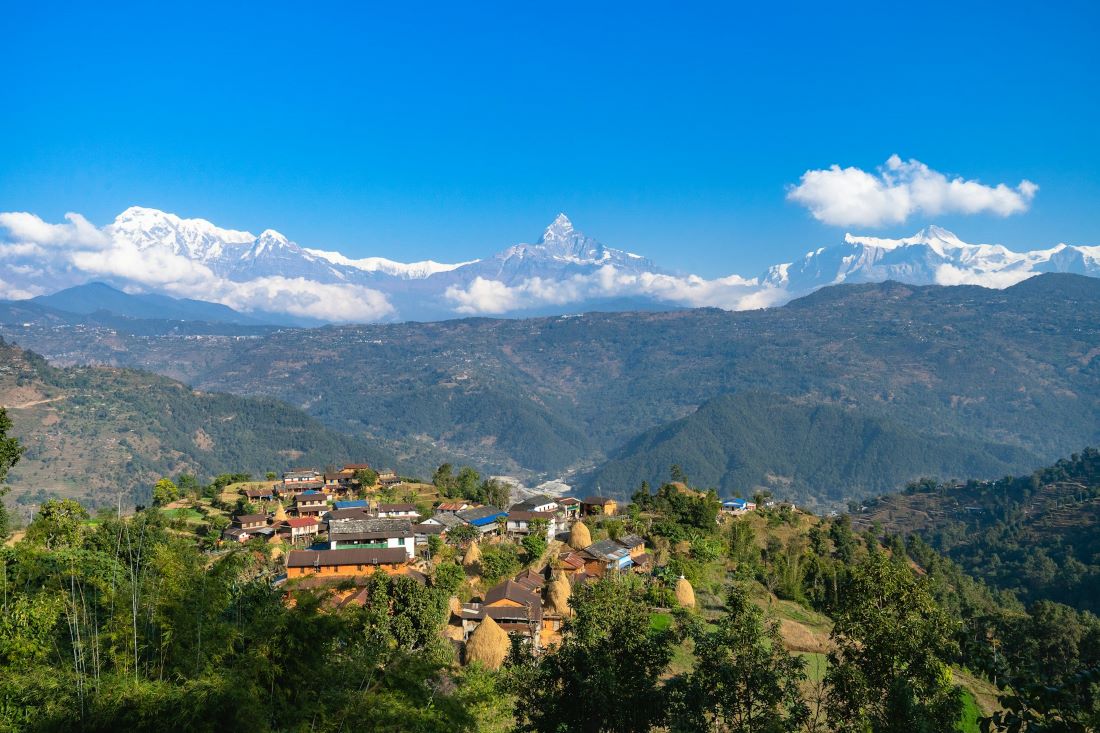
July 5, 2021
Less Crowded Treks in Nepal
Nepal is a small country in southern Asia lying along the southern slopes of the Himalayan mountain Nepal is a small country in southern Asia lying along the southern slopes of the Himalayan mountain ranges. Nepal contains most of the Himalayas including the world’s highest Mt. Everest at 8848.86m. 8 of the 14 highest peaks above 8000m are located in the country. Either in a whole or sharing a border with China or India. Nepal is admirably a beautiful country surrounded by hills and the Himalayas. Being the Himalayan Country there are several less crowded treks in Nepal. Because of this, Nepal has become a hotspot destination for mountaineers, rock climbers, trekkers, and people who are seeking adventure. With around 1310 peaks over 6000m in height, Nepal became a popular destination for travel and tourism around the world.
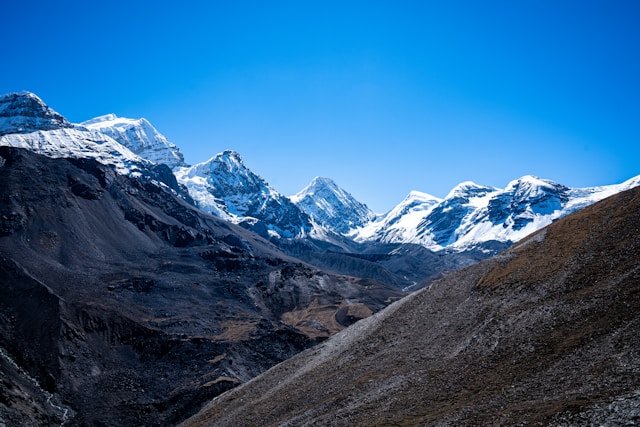 Less Crowded Treks in Nepal[/caption]
Less Crowded Treks in Nepal
Being home to the world’s highest peak, Everest, it is obvious that trekking to Everest is one of the trends in Nepal. Besides, Everest Annapurna Circuit and camp is another popular destination in Nepal. But because this trek is popular, the trekking route is very crowded and busy. Most of the less crowded treks in Nepal are either off the beaten path or they are open newly. Off-beaten trekking paths have to make full camping arrangements. Some of the off-beaten less crowded treks are Kanchenjunga, Upper Dolpo Trekking, Makalu, Rolwaling, Dhaulagiri, Panch Pokhari Trek, and Ganesh Himal Trekking. Most of the above are restricted trekking areas in Nepal that need special permits from the Nepal government, Department of Immigration. Besides, there is no availability of tea houses on this trek so, the entire trip should be camping arrangements. If you are someone who wants to enjoy nature peacefully and with less crowd then less crowded treks are ideal for you. This type of trek is very refreshing and adventurous. Choosing a different way than others, exploring different places than others in a noisy environment is something that gives different sorts of refreshment. In your journey, you will interact with very few trekkers. So, mostly the people you interact with will be the locals of the area. You will get to witness the extraordinary beauty of the villages, explore the best of nature. Besides, you will even get a wonderful opportunity to know about these places’ rarely seen culture and tradition. Therefore, being in a less noisy place, getting to know nature closely, interacting with the locals gives you an amazing adventure. [caption id="attachment_5556" align="alignnone" width="640"] Less Crowded Treks in Nepal[/caption]
List of Less Crowded Treks in Nepal
- Kanchenjunga Trekking
- Makalu Base Camp Trekking
- Rolwaling Trekking
- Upper Dolpo Trekking
- Dhaulagiri Trekking
- Manaslu Trekking
- Mardi Himal Trek
Kanchenjunga Trekking
One of the trekking trails among less crowded treks is Kanchenjunga Trekking. Mt. Kanchenjunga at 8686m, is the 3rd highest mountain in the world. It lies near the border with Sikkim (India) in eastern Nepal. The trekkers need a Special restricted permit for this trek and must hire a local guide and porter. Kanchenjunga trekking is a remarkable journey into the Himalayas in Nepal. For adventure lovers trekking in this region is the best experience. Besides, with the magnificent and noticeable peaks, floating like ships on a distant sea, this possibly becomes a memory for a lifetime. Similarly, there are several options for the Kanchenjunga trek you can choose from the Kanchenjunga south trek, the Kanchenjunga north trek. On the other hand, the Kanchenjunga circuit trek covers both the north and south base camps or also can customize the itinerary. The hospitality of people there with the stunning fields and forests of pink barked rhododendrons makes a trek wonderful.Trip highlights
- Enjoy breathtaking views en route to the Base Camp as well as a circuit trek.
- Get the close-up view of the world’s third-highest peak, Kanchenjunga at an altitude of 8,586 m
- Trek from subtropical valleys to rhododendron forest and high alpine meadows
- Get a glimpse of the ethnic group such as Sherpa, Rai, Limbu, and Gurung community and their daily life
- Explore several rare and endangered wildlife, for instance, the red panda, blue sheep, Himalayan black bear, snow leopard, and many more.
Makalu Base Camp Trekking
The base camp trek to Makalu is a remote route that enforces some of the best scenarios in Nepal. The trek to the base camp of Makalu encircles some quiet trails, quivering terraced farmland, rural cultures, rhododendron forests, rare wildlife, along with several mountain peaks. Likewise, for the trekkers who adore simplicity and challenges in their trek, then this is a great trek with ample rewards. Makalu, standing at 8,481m, is the fifth highest mountain in the world. However, the base camp of Makalu is just at an altitude of 5250m, which is not too hard to reach. On the other hand, the daily flights to Tumlingtar and basic lodges along the way make this trek easily approachable. Makalu base camp is an ideal trek for those who want to experience a variety of landscapes and cultures, as well as majestic views of the snow-capped peaks. The trek to the base camp is challenging but exceedingly rewarding. Moreover, it is one of the less crowded treks in Nepal.Trip Highlights
- Stunning view of rhododendron forests, granite cliffs, hanging glaciers, and waterfalls, along with the Himalayan peaks.
- Witness the natural landscapes through several river gorges, sheer cliffs, spectacular waterfalls, and high-altitude lakes.
- Explore the lifestyle of the Sherpas as well as the Rai community residing in that area.
- Visit Makalu Barun National Park.
- Explore natural ecosystems and wildlife, such as red pandas, snow leopards, and black bears, etc.
- A full day of exploration at Makalu Base Camp
- Experience remote village life and the culture and tradition of people living in a remote area.
Manaslu Base Camp Trek
Nepal is home to 8 out of 14 highest peaks in the world where trekking to such a high mountain is a dream for many trekkers. Manaslu is the 8th highest mountain peak and has the most off-beat trail for trek and adventure. Despite being one of the highest peaks in the world, the trail falls under less crowded treks than that of Everest and Annapurna. The base camp trek to Manaslu is a fascinating trek that lets you explore the best of the Himalayas. Manaslu means the “mountain of the soul”. With the conical-shaped at an altitude of 8,163m above sea level, this trek exhibits the super Mountain View. However, the trekking is not only about the view but also showcases the charming preferred society and natural diversity of Nepal’s very own ordinary nature jewels. Being one of the most challenging yet exciting journeys, Manaslu is also popular for hiking, difficulty walking, and expedition. It is a well-known mountain in Nepal. However, it is rarely visited. Half of them are unaware of this trek and some choose their destination at Everest and Annapurna. So, Manaslu is visited by a few trekkers only. Despite being a rarely visited trekking trail, the Base Camp trek to Manaslu offers rich culture, adventure, scenic beauty as well as rural civilization representing the ancient Tibetan lifestyle.Trip Highlights
- Observe the lifestyle of the two main ethnic groups residing in the region, Nubri, and Tsum.
- Explore mani walls, prayer wheels, and several monasteries.
- Witness the sunrise and sunset view along with the scenario of high glacier lakes, fascinating flora, and fauna and majestic Himalayan ranges
- Trek to Manaslu Conservation Area.
- Explore Tibetan-influenced Buddhist culture and tradition
- Hike to the base camp of the eight tallest mountains on the earth, Manaslu.
- Trek in a peaceful environment where there is less crowd
- Spectacular scene of Himlung Himal (7,216m/23,345ft) and Mt. Manaslu (8153m/26,748ft)
- Learn Nepali lifestyle, culture, People, festival and system
- Challenging hike at Birendra Glacier Lake and Manaslu Base Camp
Dhauligiri Trekking
Extending 120 from Kali Gandaki river West to the Bheri, Dhaulagiri is the seventh highest mountain in the world. At an altitude of 8,167 meters, Dhaulagiri lies within Nepal. Dhaulagiri is the Nepali name for the mountain which comes from the Sanskrit word. The word Dhaula means dazzling, white, beautiful and Giri means mountain. So, together it becomes a beautiful mountain. Several activities can be undertaken in this mountain such as climbing and expeditions, trekking to its base camp, or circuit trekking to Dhaulagiri. If you are not into climbing then you can choose a circuit trek to Dhauligiri. The trek to the 7th highest peaks above 8000 m brings out an amazing experience for all the trekkers. Taking a circle trek to the Himalayas of Nepal, experiencing the culture and tradition of people living there is a wonderful experience.Trip highlights
- Explore the wonderful Pokhara city with Fewa Lake, David falls, Mahendra cave, Seti George, and many more.
- Explore one of the world’s deepest George, Kali Gandaki Gorge flowing between Annapurna I and Dhaulagiri I.
- A close glimpse of Dhaulagiri with other well-known peaks above 8,000m including Mt. Machhapuchhare, Mt. Annapurna, Mt. Manaslu, and many more.
- Experience of cracking glacial walk and route via high passes including French pass (5,365 m), Thapa pass (5,244 m)
- Opportunity to explore unique culture and traditions with the complex lifestyle of individuals and communities
- Dip in natural hot spring water.
- Experience the Home-stay or completely camping trek
Mardi Himal Trekking
The Annapurna region holds some world-class treks and the trek to Mardi Himal is one of those. This is a wonderful tea house trek for those looking forward to the off-beaten trek. It is a short oblique trek in a quieter area of the Annapurna region. Far from the city and untouched by modernization, there are no crowds and noises here. It is a peaceful place and you will have a peaceful interaction with nature on this trek. The trek to Mardi Himal is shorter than any other trekking route in Nepal. Few trekkers are aware of this trek as most of them join Everest or Annapurna trek. Mardi Himal trek was opened just in the year 2012 to the trekkers. Because of the newly open route, this trek has not been able to reach the number of trekkers. Therefore, it is also among the less crowded treks in Nepal. It is located just east of the Annapurna Base Camp trek. With an astonishing view of the snow-capped peaks, this trek is the hidden gem of Nepal. Mardi Himal more or less sits under the Machhapuchhre mountain. You can even trek here from the east of the Annapurna Base Camp Trek. The trek to Mardi Himal starts and ends from Pokhara. The trek to Mardi Himal passes through beautiful villages in the Annapurna region. With the beautiful rhododendron forest welcoming the visitors with its immortal wilderness, this forest follows you till 3300m.Trip Highlights
- Magnificent sunrise and sunset views from various viewpoints
- Experience amazing landscapes, local villages, farmlands, rice terraces, stunning hills and mountains
- The aromatic and colorful Rhododendron forests during spring till 3300m
- Splendid views of Machhapuchhre Himal, Mt. Hiunchuli, and the Annapurna South.
- Beautiful homestays and warm hospitality of the locals
- Mardi Himal Base Camp as well as the Mardi Himal High Camp trek
- Diverse flora and fauna in the region
- The socio-culture and lifestyle of the Gurung and Magar ethnic groups.
Upper Dolpo Trekking
The trek to Upper Dolpo carries you into an otherworldly arrival where hundreds of years old Buddhist and Bonpo customs are still an essential part of day-by-day life. The villages, Gompas, and the individuals you meet throughout this trek will leave a remarkable impact on you. This is another less crowded trek in Nepal. Despite being a place with an unforgettable and extraordinary scenario, most of the trekkers are still unknown about this trek. At an altitude above 4000m on frosty nights stands the upper Dolpo trek. The landscapes here are even more isolated and so are the villages and the people.Trip Highlights
- Superb view of Kanjirowa Himal, Crystal mountain, and other major Himalayas.
- Visit ancient monasteries of the Dolpo region.
- Explore remote areas of the western region and get to know the typical people of Dolpa.
- Observe Unique Tibetan Buddhist culture
- Discover the wild west of Nepal Himalaya.
- Explore mesmerizing Phoksundo Lake.
Rolwaling Trek
Rolwaling trek is one of the exacting treks that take you to the wilderness of Nepal. It is among the less crowded treks in Nepal. Offering the splendid view of the Mt. Everest, Langtang, Jugal Himal, and Mt. Gauri Shanker, this trek is sheltered between the Langtang range and the Everest range. This trek takes you through the interesting passage where you will come across pristine glaciers, high passes, and snow-fed lakes. Besides, trekkers can get a close encounter with Tamang and Sherpa communities lining this region. Similarly, the trek takes you to the oldest monastery in Nagaon. It is believed that Buddhist Guru Padmasambhava has meditated for a long time in this monastery. Crossing the monastery the trail goes on to the famous lake known as Tsho Rolpa whose tranquility cannot be described in words.Trip Highlights
- Breathtaking views of Everest (8848 m), Cho Oyu (8201m), Gauri Shankar (7145m), Melungtse (7181m), and other snow-capped mountains
- Exploring the beautiful turquoise Tsho Rolpa Lake (4580m)
- Incredible view of the sunrise from various points during the trek
- An opportunity to explore the unique Tibetan culture, tradition, and way of life in Upper Dolpo
- Exploration of rare and endangered wildlife of the region
- Tasting the local cuisine
- Cultural exploration of the various monasteries, Gompas, and other ancient monasteries
- Observing the pristine glaciers, high mountain pass, and waterfalls
- Incredible hospitality with the warm welcome of the local people
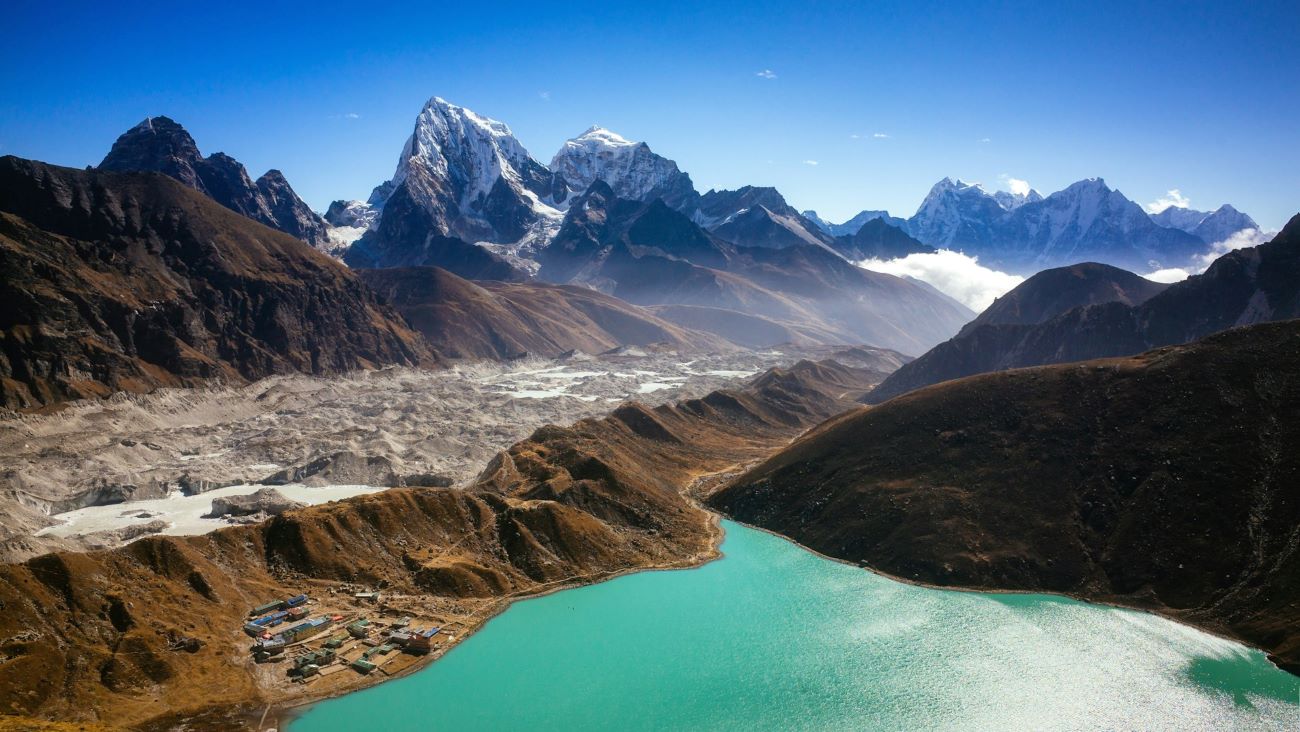
July 20, 2021
Gokyo Lake Trek Difficulty
The trek to the sparkling, untarnished blue and green waters of the Gokyo Lakes is one of the most mThe trek to the sparkling, untarnished blue and green waters of the Gokyo Lakes is one of the most memorable sights in Nepal. Comprising the highest freshwater lake system in the world, at around 5,000 meters, the Gokyo trek is one of the refreshing treks in Nepal. The Gokyo Lake Trek is ideal for those who want to trek in the Everest region but has a shorter time duration. It is an alternative trek to the base camp of Everest with plenty of stunning views of Everest as well as overnight stays in the iconic town of Namche Bazaar, the gateway to the Khumbu Region. Gokyo Lakes are mesotrophic lakes in Sagarmatha National Park, at an altitude of 4,700–5,000m above sea level. It is the world’s highest freshwater lake system containing six main lakes. Out of six lakes, Thonak is the largest.
The lake has been designated as a Ramsar site as well as being sacred to both Hindus and Buddhists. The route to the Gokyo Lake Trek is less busy than everyone else chooses to go for the Everest Base camp trek. However, this trek is stunning in its way. Despite few visitors, this trek has a significance of its own. It affords the trekker an insight into local village life, impressive views of icy rivers and stony, glacier debris, snow-capped mountains, and of course the dazzling turquoise waters of Gokyo Lakes themselves. On the other hand, one can visit the 5th and 6th lakes sitting at a high alpine bowl at the foot of Cho Oyu, the world’s 6th highest mountain.
[caption id="attachment_5558" align="alignnone" width="640"]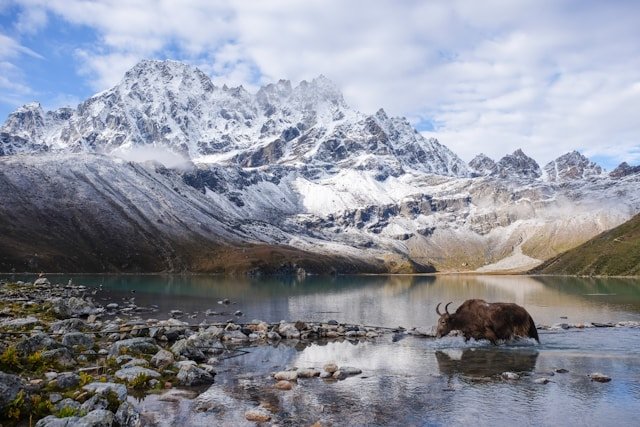 Gokyo Lake Trek Difficulty[/caption]
Gokyo Lake Trek Difficulty[/caption]
Trip Highlights of Gokyo Lake Trek
- Walkthrough the peaceful, off-the-beaten paths of the Everest region to reach Gokyo valley.
- Stunning view of sunrise/sunset view at Mount Everest and other neighboring peaks from Gokyo Ri (5357 meters). Unspoiled and crisp Gokyo valley.
- Dive into the scenario of the dazzling glacial lakes, especially during the afternoon.
- Explore one of the biggest glaciers in the Khumbu region- the Ngozumpa glacier.
Gokyo Lake Trek Difficulty
The Gokyo Lake trek is one of the most fascinating treks in Nepal’s Khumbu region. The trek takes you through the trail of some rugged landscapes and off-beaten paths through Namche, Dole, Machhermo, and also to the Gokyo Valley. Gokyo valley is home to the shimmering Gokyo lakes. With fascinating views of Everest, Lhotse, Makalu, this trek is highly recommended for travel enthusiasts who seek adventure. Despite being a trek with high altitude, the Gokyo lake trek difficulty is moderate. However, the rewarding view comes from the strenuous difficulty. The trekkers must know the challenges and complexity of the trek before opting for this trek. This trek is highly rewarding in case you are completely into nature. However, the trek to high altitude is always challenging no matter which destination you choose. Certain things depend upon the trek themselves like physical stamina. This trek requires walking about 5 to 6 hours, excluding the acclimation days. Similarly, rugged trails, steep terrains, and high passes are more burdensome. On the other hand, altitude can be another difficulty while trekking to high altitude. As you will be trekking at an altitude around 3500m to the highest of 5000m. The air at this altitude is quite thin resulting in altitude sickness. Even for experienced trekkers, breathing can be quite tricky, and the long trekking days add more trouble.Duration of Everest Gokyo Lake Trek
The trek to Gokyo is the perfect trek for those who wish to avoid the busier trails in the Everest region but still gain stunning views of Everest. The trek takes you to the Sherpa village and yak pastures. Emerging into the stunning Gokyo Valley with its bSherpaul lakes, we ascend Gokyo Ri. It is the place for the finest views of Everest and surrounding peaks including Cho Oyu in Tibet. The trek to Gokyo takes from 13 days to 15 days. Or if you wish to explore more you can add up some days as well. However, the trek to the Himalayas is always challenging and rough but the scenario is blissful. Undeniably the trekking is at its best in the Everest region. 1: Arrival in Kathmandu 1400 m / 4593 ft 2: Fly to Lukla/ Trek to Phakding 2651 m / 8697 ft 3: Phakding to Namche Bazaar 3438 m / 11279 ft 4: Acclimatization day 3700 m / 12139 ft 5: Namche Bazaar to Dole 3680 m / 12073 ft 6: Dole to Machhermo 4470 m / 14665 ft 7: Machhermo to Gokyo 4800 m / 15748 ft 8: Morning trip to Tokyo to 5,357 m / 17575 ft 9: Gokyo to Dole 4110 m / 13484 ft 10: Dole to Namche Bazaar 3438 m / 11279 ft 11: Namche Bazaar to Lukla 2860 m / 9383 ft 12: Lukla to Kathmandu 1380 m / 4527 ft 13: DepartureWhat Makes Everest Gokyo Lake Trek Difficult?
Altitude
Altitude is one of the major difficulties in the Gokyo lake trek. The highest elevation of this trek is Gokyo Ri 5,357 above sea level. However, if you want to explore Everest Base Camp and Kalapatthar, you need to ascend to 5,545m. The starting point of this trek is Lukla at 2,860m, which is sufficient enough for some trekkers to cause altitude sickness. The rapid rise in altitude may cause the problem of altitude sickness. Besides, the trek passes through Namche Bazaar (3,438 m) – Dole (3,680 m), Macchermo (4,470 m), Gokyo valley (4,800 m), and finally to the Gokyo Ri (5,357 m). The altitude gain is high, where acclimatization is necessary to adjust with the increasing altitude. The increasing altitude should be taken carefully or else it can be life-threatening due to elevation-related problems. The increase in altitude decreases the level of oxygen. So, trekkers may find difficulty in breathing. Therefore, anyone can be a victim of altitude sickness due to the less air pressure and the low oxygen content in the air at higher altitudes. There is no age limit and physical fitness for Altitude sickness. It can happen to anyone. The mild symptoms can be slight headaches. However, if the symptoms worsen into difficulty in breathing, nausea, vomiting, fever, collapsing then one should immediately stop the trek and should rest.Weather Conditions
Weather in the Himalayan region is one of the most unpredictable factors. It changes significantly without any warning. There is a change in the weather and climatic conditions every hour. Likewise, unpredictable weather adds more difficulties to your journey. Also, to a high-altitude trek to an Everest region, weather can be one of the difficult factors of the trek. At an altitude of 4763m above sea level, Gokyo valley has a tundra climate, meaning that even in the warmest months, the temperatures are very low. So, when trekking to this region, one must be well prepared. Another nuisance during your trek can be the rain and snowfall. Sometimes the trail is covered with snow due to heavy snowfall which can cause navigating issues. The temperature tends to fall rapidly in highly elevated areas, and especially in winter, the weather becomes freezing. Therefore, it will be a challenging journey. The trekkers can opt for spring and autumn for the trek. The average during the day falls between 15 to 12 degrees centigrade in spring which is similar to October’s temperature. In the nighttime, the temperatures drop to -5 to -10 degrees. However, it does not pose much trouble if you carry proper hiking gear and warm clothes. The spring and autumn offer you the wonderful view of clear blue skies with unobstructed mountain views.Remote and Rugged Trails
Another one of the difficulties that the trekkers have to face during this trek is remote and rugged trails. The journey to the Himalayas became much more challenging because of the rough and remote trails. One has to ascend and descend for hours almost every day. Walking through up and down terrain with rugged trails you have to complete the trek within a certain time limit. Starting too late in the morning may cause trouble in the trek as the weather in the Himalayas is always changing. The remote Gokyo lake trek passes through the beaten trails. The treks become more difficult with the steep trails. Even for the people who are experienced, one finds the trails challenging. The rough trails with narrow roads are hard to complete. Passing through dusty surfaces, the trail moves up and down a lot. However, the trekkers should be physically and mentally prepared for the trek. Physical fitness, stamina, and endurance are all essential for the difficult terrains of this Gokyo Lake trek.How Should You Train for Everest Gokyo Lake Trek
Trek to Gokyo is challenging but it can be done comfortably with proper training and equipment. Training for the Gokyo lake trek should include aerobic conditioning, elevation training, and strength endurance training. Aerobic training will teach the body to work hard even when there’s less oxygen at a high altitude. It will strengthen your muscles to better handle the elevation gain. The trek to the Everest region itself is challenging as many people take it as a marathon. A physical challenge is required here while the trek is tough, it is not impossible. With the right training, the right pace, and some good preparation, one can make their way successfully to the Gokyo lake trek.Hiking to Nearby Areas
The best way to get ready for the trek is to keep a habit of hiking. Whether it is a short or long hike, make yourself comfortable in hiking. Increase the physical stamina and get ready to explore the best of the Gonyo lake trek. Find some local trails, hike through your town, or just get out and walk. Also, get used to long walks. Learn how far you can push yourself. Start small and make a habit of walking for 5 or 6 hours with minimal breaks. Once you’ve done a few all-day hikes, you will have a good idea of how your body will react and how to manage a Gokyo lake Trek.Acclimatization
Another way you can train your body is by acclimatization. Your body is new to the temperature where you are hiking. And definitely, the amount of oxygen is relatively low with the increase in temperature. However, Don’t hurry for the trek. Finish it within a limited time. Acclimatize when needed, as acclimatization is the best way to keep your body away from altitude sickness.Stay hydrated and watch over your Nutrition
Food and water are the basic essential needs of everyone’s life and same with the people who are in the trek. The intense trek to the high altitude will need extra nutrition and hydration. So stay hydrated and get enough nutrition. Let your body push yourself into the new environment and get enough food and water. Avoid the food and drinks which will slow down your trek. Keeping your body healthy is one of the best training you can do to complete the trek. The body with less energy and immunity is likely to catch altitude sickness. So, drink a lot of water and enjoy every nutrition that you get on your journey.Get your gear ready
Getting your gear and needed stuff ready is another training that you will be doing within yourself. Your boots play an important role in the comfort mesa of your trek. So get your trekking boots early and break them in. See if the boot you are wearing is comfortable or not as you will be walking for a long distance during this trek. On the other hand, carry a comfortable backpack. Don’t force things that are not needed. Carry the necessary item and try to make your backpack small so that you will feel comfortable during the journey.Altitude Sickness in the Everest Gokyo Lake Trek
Altitude is one of the factors that bring faculty to the Gokyo lake trek. As the highest altitude in the Gokyo Ri trek is 5357m at Gokyo Ri, there is a high risk of altitude. The starting point of this trek is at Lukla at 2860m, which is itself sufficient enough to cause altitude sickness to some trekkers. The trek then continues to Phakding and Namche (3438 m). Then ascends hp to Dole (3680 m), Macchermo (4470 m), Gokyo valley (4800 m), and finally to the Gokyo Ri (5357 m). However, the gaining in altitude is something that should be taken carefully. The fast gain in altitude without any civilization can cause altitude sickness. Altitude sickness starts anywhere up above 2500m. So one should never ignore the symptoms of altitude sickness. The symptoms of altitude sickness include headache, feeling dizziness, tiredness, loss of appetite, and especially shortness of breath. Besides, vomiting, fainting, and nausea are severe symptoms of altitude sickness. If taken lightly, there may be a risk of life. So, if any of these symptoms are seen on any trekker it will be better to stop trekking or back down to a lower altitude. Besides, anyone of any age group, physical fitness, or gender preferences can be a victim of altitude sickness.Some Measures to Cope with Altitude Sickness
- Altitude sickness is severe but curable as well. With patience, slow trekking, proper acclimatization, and a balanced diet, we can cope with altitude sickness. Here are some of the measures to cope with altitude sickness.
- Trek gradually with a slow pace
- One of the major ways to control altitude sickness is taking the trek slow and steady. Gokyo Ri at 5357m is enough altitude to make you feel short of breath. So instead of hurrying for the trek, take a bit more extra time and enjoy the trek with a healthy body. Following the itinerary, they are made to consider a way to cope with altitude sickness. When trekking to the Himalayas, it is always the best idea to listen to the guide and do the slow trek with a few days of acclimatization.
- Increase your food and water intake
- The next thing we can do to prevent altitude sickness is to take care of our food and drinks. With the new environment and temperature, our body needs healthy nutrition. So, take care of what you eat and drink. Try to avoid the thing which causes your stamina to go down. Avoid drinking during trekking days. Take enough protein carbs and fats that work as a strength of your body. The food is easily available on your way. The taste may be new to you but they are full of nutrition providing you energy for the next day’s walk.
Consult a physician and take medication.
The next thing you can do to avoid altitude sickness is consulted with your physician and take medication if needed. It is always necessary to do things at the right time. So before starting the trek to high altitude, consult with your physician if the trek is suitable for you or not. It is even more necessary if you are taking some medication and at the same time want to do the trek. So, the best thing will be to consult or talk with your physician before starting the trek as there is a saying that Prevention is better than cure.When is the Right Time To Trek the Region?
The best season for the Gokyo Ri Trek is during the Spring season and Autumn season. The spring starts from March and lasts till May in Nepal whereas Autumn starts with September and lasts till November. There is a minimum rainfall making the trail comfortable. Besides, the view is astonishing during this season. The majestic peak of the Himalayan can be seen without any hindrance of weather. The clear blue sky, green landscapes, pasture land, terrain, and the lake itself are major attractions of spring and Autumn. Trekkers can enjoy the lush green vegetation of Tokyo, especially in the trail region at lower altitudes during spring. Moreover, the weather is suitable for the trek. As winter is cold and during the rainy season the trail becomes slippery and tough for the trek. So, during the suitable temperature and weather as well as the astonishing view of the entire landscape, autumn and spring are the best time for the trek to Gokyo lake.What to Pack for Everest Gokyo Lake Trek?
Parking plays one of the major roles in making the trek comfortable. So, be well prepared about packing. Carry the things which are most needed and avoid packing unnecessary things as far as possible. Clothing As for clothing, you need to pack extra t-shirts, one down jacket, waterproof and windproof jackets, thermal tops, undergarments, leggings, hiking trousers, special trekking boots, shoes, and shocks.Toiletries
Include toiletries needed in your backpacks such as towels, toilet papers, soap, hand washing, and other things according to your needs.First Aid
Don’t forget to carry your First aid box and medicine if you are taking any. Carry extra anti-headache pills, aspirin, band-aids and first-aid tape, high-quality bandages, knee pads or knee bandages (mandatory), cold medicine and painkillers as well as some antibiotics.Accessories
Carry your accessories like mobile phones, headset watches, and other stuff if they are needed. Handle it with care.Important Documents
Carry your important documents more carefully. You may have a passport, photos, and any documents that are needed for the trek. So, handle it with care.Essential Tips for Everest Gokyo Lake Trek
- Acclimatize and rest properly
- AAcclimatization is one of the basic and major tips to follow when trekking to high altitudes. Proper acclimatization minimizes the risk of altitude sickness. Moving too fast with the increase.in temperature can lead to altitude sickness. Therefore, move slowly to acclimate with the increase in temperature. Take a day’s rest, start hiking or even explore the surrounding villages. That will adjust you with the rising elevation.
- Train Properly
- Train both mind and body properly. Be physically and mentally prepared for the trek. Train your body before starting the trek. Home to the nearby villages, get engaged in some sorts of cardio and weight training, increase your stamina so that later on you won’t be facing any problem while trekking. Likewise, it is equally important to train your mind as well. be mentally prepared for the trek. Don’t think that it is going to be easy just because you are well trained and have physical stamina. Without mental well being the trek will be much harder. Therefore, train your body, mind, and soul and get ready to explore the Gokyo lake in the Everest region.
- Avoid Winter and early spring season
- Season, temperature, and weather equally play important roles in the comforts of the term. When you are trekking at a high-altitude place like Gokyo lake, it is always a good idea to avoid winter. Winter is very harsh at high altitudes. Sometimes due to heavy snowfall, the trail is blocked. The night may be unbearably cold and the trail may be covered with snowmaking it hard to trek. So, it will be wise to choose spring over winter when trekking to high-altitude trek in the Himalayas.
- Customize your trek with additional days
- Customize the trek with additional days if necessary. Sometimes due to altitude sickness or other major problems, the trek takes more days than expected. So be well prepared for all the problems that are coming your way. Instead of finishing the trek within 14 days, add an extra two days to finish the trek more healthily and satisfyingly.
Hire a Guide and Porter
Hiring a guide and porter is equally important when trekking to Gokyo lake. The trek can be done alone but it will be much more challenging than you’ve ever imagined. There may be problems with trails, direction, accommodation, and carrying an extra backpack all by yourself. Therefore, hire a local guide who will be able to manage your accommodation, stay active during emergencies, and lead you with direction. Similar to the porter, they help to carry your extra backpack and take the burden off your shoulders. Their role may be small but the most important one is your comfort.Stay calm and positive
Everyone is well aware that trekking to high altitudes is challenging. So, stay calm and positive. It will be harder, as you have to walk the rough trail for more than 5 hours a day for every single day. You will feel tired and energy less at the end of the day but still have to go with the journey the next morning. So patience, calmness, and positiveness are needed here. As the view will make you forget all your trouble and add extra refreshment to your journey. Excited about the trek? Then here is the detail on the trek. Read more... Read less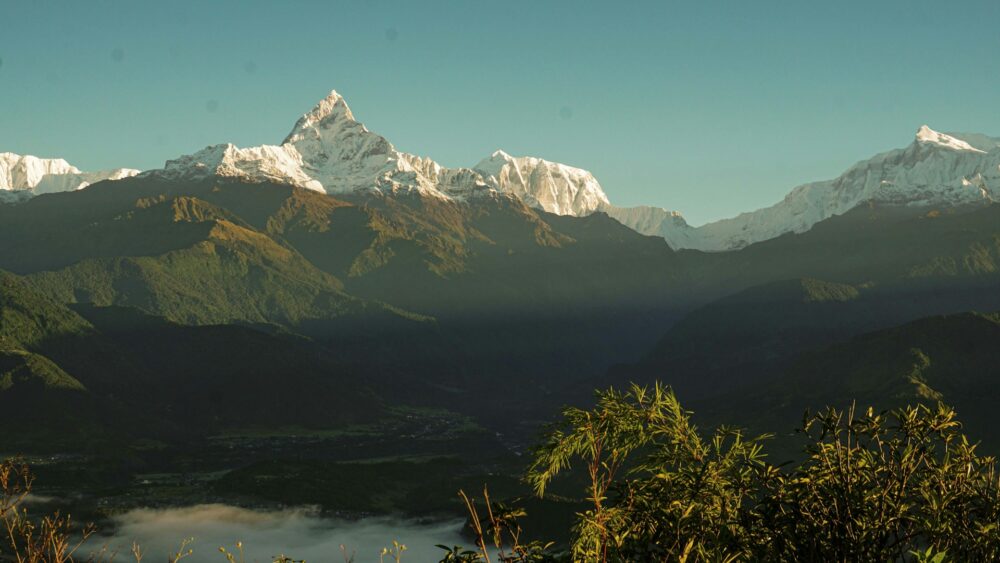
June 29, 2021
Best Short Treks in Nepal
At the lap of the Himalayas, Nepal is an ideal destination for trekking and adventure. With its smalAt the lap of the Himalayas, Nepal is an ideal destination for trekking and adventure. With its small area of 147,181 sq. km, it is mostly surrounded by the Himalayas. It is also home to the world’s highest peak Mt. Everest at 8848.86m. Similarly, more than 8 peaks above 8000 m high are here in Nepal. To explore this magnificent 8000 m above peaks, yearly thousands of trekkers and climbers make their way to Nepal.
Here we present you the best short treks in Nepal. From the trek to the world’s highest peak to the trek to other regions, it showcases its diversity and natural landscapes. Likewise, you will get access to every kind of trek here. Either you are wondering about a trek with less crowd, a popular trek, or a short trek, you can ideally visit Nepal. Thus, offering a wide range of trekking destinations for every age group, Nepal became a popular trekking destination in the world.
If you want to explore the Nepalese Himalayas but have limited time, then we have short treks for you. Nepal offers a trek that ranges from 3 to 10 days. However, each of these treks can be extended; the number of days listed here represents the minimum number of days you need to complete these trails. As some people have very short vacations. Despite having less time most of us want to see more of the world and desire to do some adventures on our short holidays. Furthermore, we all indeed want to see more in a short time. Therefore, for the people who want to explore more they can consider spending their time in Nepal.
[caption id="attachment_5552" align="alignnone" width="640"]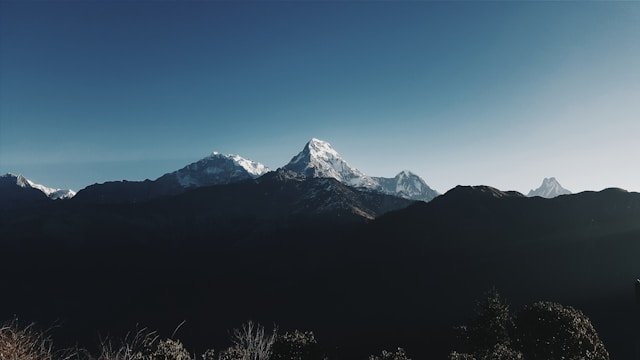 Best Short Treks in Nepal[/caption]
Best Short Treks in Nepal[/caption]
Annapurna Panorama Trek
Annapurna Panorama trek is one of the most preferred short treks in Nepal. This trek is also popular as Annapurna Panorama View Trekking. The foothills of Annapurna make for some of the best short treks in Nepal. Illustrating the classic views of Nepal’s famous snow-capped peaks, the trek to the Annapurna region ranges from 3-10 days. It is relatively easy trekking given the altitude and local village teahouses. The trek is an expanded version of the Ghorepani Poon Hill Trek. During this trek, you will be able to explore more of nature, mountains, and the culture in the region. By its name itself, this trek brings you panoramic views of the entire Annapurna range. In addition, the trek can be done according to your consent. The longest day for the trek can be 10-12 days but can be done a little sooner as well.
Trip Highlights
- Trekking through the football of Himalayas with a peaceful trail and surrounding
- Finest views of the Annapurna and Dhaulagiri Himalaya.
- Beautiful sunrise view striking over the years of the Himalaya
- Experience of mountain lifestyle in the Annapurna
- Exploration of Cultural lifestyle of the people living in mountains
- Also, a day sightseeing tour in Kathmandu
Short Annapurna Trek
The trek to Annapurna is also popular as the classic trek in Nepal. It is one of the most visited trekking routes and the best short treks in Nepal. When it is about trekking to diverse terrain, culture, wildlife along with the spectacular view of the Himalayas, Annapurna can be an ideal destination in Nepal. A short trek to Annapurna is by far one of the easiest and shorter treks than other high-altitude treks in Nepal. It is a short-distance hiking trail through an exceptionally charming landscape of the Annapurna region. Furthermore, the trail runs through Pokhara valley and offers captivating scenery. Therefore, it is a rewarding journey for people looking to unwind in Mother Nature in a short length of time. Besides, this trekking trail lets you explore the cultural icons and communities. Thus, this short journey lets travelers feel the Annapurna region in just 5 days. The trek starts after the scenic flight to Pokhara Kathmandu.Short Trek Of Annapurna
The short journey to Annapurna starts with a scenic flight from Kathmandu to Pokhara. From Pokhara, the trail follows the forested road paths to Australian Base Camp. Australian Camp is popular as a weekend getaway to Annapurna. The trek then continues to Sarangkot, about 10 km away from Pokhara city. Sarangkot is the place from where one can get the endeavor view of sunrise striking through the peaks of the Himalayas. Thus, Annapurna Short Trek is the best way to explore the delights of the Annapurna region in the quickest way possible. Annapurna Short Trek includes crossing over the wooded area and passing small farming villages. With the panoramic views of the snow-capped peaks. It is an easy hike and people of any age, gender, and fitness level can continue this trek. It is not as extreme as Everest and other high-altitude treks. Likewise, this trek not only offers the main views but also lets you experience the unique culture and tradition of people living there. Moreover, with this short relaxing trek, discover the unique views and picturesque villages on foot and unwind in the serene natural beauty.Everest View Trek
Everest View Trek is one of the popular treks that provides an opportunity to hike in the Everest region of Nepal. With its name itself, this trek lets you witness the majestic Everest. This trek is especially for those who are not willing to walk to Everest base camp yet dream of having a closer view of Mt. Everest and other Khumbu mountains. Besides, the Everest view trek even offers the trekkers the exploration of cultural insights into the lives of the legendary Sherpa people. The trek can be done within a short period, unlike any other trek. So it is also one of the best short treks in Nepal. You can complete this trek within 8-9 days. This exceptional 8-9 days trek features a wide range of remarkable scenery combining some unique cultural encounters with the local inhabitants of the high altitude region. The trek starts with an adventurous flight from Kathmandu to the beautiful village of Lukla. Then, the journey heads directly towards Sagarmatha National Park, the second most popular trekking area in Nepal. Trekkers can endure the lush vegetation of Sagarmatha National Park with rhododendron forests, pine forests, and plenty of wildlife to Namche Bazaar. It is a lively market and the biggest Sherpa residence in the Everest region.Trip Highlights
- A scenic flight from Kathmandu to Lukla Airport over the Himalayan view.
- Exploration of culturally rich settlements of Khumbu valley
- Endeavor view of Himalayas and stunning landscapes
- Welcoming sherpa people. Stay at Namche Bazaar and a short hike to Everest View Hotel- the highest placed hotel in the world
- A short and suitable trek for people of all ages
Annapurna Base Camp Trek
One of the popular treks to the classic Himalayas of Nepal is the Annapurna base camp trek. It is one of the most fictitious trekking destinations for trekkers all around the world. Annapurna Base Camp Trek is one of the best short treks in Nepal. Trekking to Annapurna is one of the magnificent trekking experiences in a region with diverse terrain, culture, wildlife along with the spectacular view of the Himalayas. Likewise, it is by far one of the easiest and much more convenient treks in Nepal than other high-altitude treks. It is one of the few natural attraction destinations in Nepal that look splendid throughout the year. Passionate trekkers from all around the world visit Nepal in large numbers for trekking this base camp Trek. However, this is one of the busiest trails during the seasons. In addition, this trek not only reflects the high Himalayas but also a drastic opportunity to explore the culture and tradition of people living over here.Trip Highlights
- Witness the sheer beauty of the diverse Himalayan landscape as you hike through remote villages, fairy-tale forests, and vast moorlands.
- Experience a sunrise striking over the Annapurna ranges from the spectacular heights of Poon Hill.
- Relax in Pokhara after your trek, visit Phewa Lake, Begnas Lake, and other major places in Pokhara.
- Experience the rich local Sherpa culture as well as Gurung and Magar culture in Ghorepani
- Majestic view of snow-capped peaks such as Machhapuchre and Dhaulagiri
- Get to know the people from different countries with different culture and tradition
- Cultural exposure up in the Annapurna settlement.
Mardi Himal Trek
Within the Annapurna region, the trek to Mardi Himal is one of the splendid treks. Apart from the popular trek like Everest and Annapurna, Mardi Himal is one of the ideal destinations for nature enthusiasts. This trek is for those who are looking forward to the off-beaten trek. Mardi Himal trek is a short treks in Nepal in a quieter area of the Annapurna region. This trek is far from the city and untouched by modernization. If you want to have a peaceful place and peaceful interaction with nature then opt for Mardi Himal… The trek to Mardi Himal is shorter than any other trekking route in Nepal. Despite being a naturally rich place, very few trekkers are aware of this trek as most of them join Everest or Annapurna trek. The trek to Mardi Himal was opened just in the year 2012 to the outside trekkers. However, the newly open route is unable to reach everyone. Located just east of the Annapurna Base Camp trek, the trek to Mardi is the hidden gem of Nepal. The trek to Mardi Himal starts and ends with Pokhara. The trek passes through beautiful villages in the Annapurna region.Trip Highlights
- Magnificent sunrise and sunset views from different viewpoints
- Experience amazing landscapes, local villages, farmlands, rice terraces along stunning hills and Himalayas.
- Hiking through the aromatic and colorful Rhododendron forests
- Splendid views of Machhapuchhre Himal, Mt. Himchuli, as well as the Annapurna South.
- Beautiful homestays with the warm hospitality of the locals
- Exploration of both Mardi Himal Base Camp as well as the Mardi Himal High Camp trek.
- Diverse flora and fauna with natural vegetation
- The socio-culture and lifestyle of the Gurung and Magar ethnic groups.
Kathmandu Valley Trek
Trekking to Kathmandu valley does not need a huge investment in your journey nor does it take a large amount of time. Kathmandu Valley trek is a short trek in Nepal and sweet trek to the historical and cultural cities with some amazing natural landscapes. Here, one can find the mixture of every caste, culture, religion, ethnic group. Kathmandu Valley is truly blessed in terms of art and architecture. Kathmandu Valley is a place where you can witness both cities as well as village life. It is one of the most desirable treks to those who want to peek at the historic valley Kathmandu. Within just 5-6 days, you can have the shortest trek to the valley. The popular trek around Kathmandu Valley can be Kakani – Chisopani – Nagarkot – Dhulikhel trekking. This trekking is known as the rim valley trekking offering a unique opportunity to explore the wonders of nature. Besides, trekking over these hills presents you with a stunning view of the Mountains, sunrise/sunset over the Himalayas, and the rural villages, people, and their local lifestyles. Very few people complete this trek as most of them only trek to Nagarkot for the stunning sunrise and sunset view. On the other hand, Nagarkot is a very busy place in terms of easy access from Kathmandu / Bhaktapur. Similarly, the trails pass through green rice paddy terraces, typical-style houses, local settlement bazaars, etc.Trip Highlights
- Hike alongside rhododendron and oak forests in Chisopani.
- capture sunset and sunset view at Nagarkot,
- Visit Namo Buddha, one of the most sacred Buddhist sites in the country.
- Exploration of UNESCO-listed heritage in Kathmandu.
- Trekking to Shivapuri, Phulchowki.
- Witness an amazing 360 view of the Himalayas from the viewpoint of Navabuddha and Nagarkot.
- Exploration of culturally rich cities such as Patan, Bhaktapur, and Kathmandu itself.
- Witness the culture and living style of the people living here.
- Amazing stupas and temples with ancient art and architecture.
Annapurna Poon Hill Trek
Ghorepani Poonhill Trek is one of the most popular and relatively easier treks to the ethnic village of the Annapurna region. The trek to Poon Hill lets you witness the Himalayan panorama as well as get close to the local ethnic lifestyle. Similarly, one of the major attractions of this trek is that the tour offers a close view of Dhaulagiri, Manaslu, Annapurna, and the other Himalayas. Besides it is one of the best short treks in Nepal. Apart from the Natural scenario, the tour also lets you explore the Gurung and Magar villages in Ghandruk and Ulleri. With the highest elevation of 3210m, the trek is moderate. It is a perfect trek for those who are seeking a short and moderate trek in Nepal. With the combination of cultural exploration and stunning landscapes, this trek can revive the refreshment within the people. The trek starts with a flight from Kathmandu to Pokhara which takes about 30min hours. You can even choose to drive through the landscapes of Nepal and it takes around 6-7 days. The next day will be the sightseeing tour at Pokhara city. Also, the nightlife in Pokhara is more lively and entertaining. Then, drive to Nayapul and trek for about 4-5 hours to Tikhedhunga. Likewise, trek to our next Ghorepani at an altitude of 2874m. Similarly, from Ghorepani trek to Poonhill and Tadapani which takes about 5 hours, and finally trek to Ghandruk, a popular Gurung Village. After spending time in Ghandruk, trek back to Nayapul and drive to Pokhara.Trip Highlights
- Explore UNESCO listed cultural heritage site in Kathmandu
- Best sunrise view, as well as the view of the stunning Himalayan, range from Poon Hill 3210m
- Explore Ghandruk with the highest settlement of Gurung and Ulleri with the settlement of Magar.
- Stunning view of Dhaulagiri, Manaslu, Annapurna, and the other Himalayas.
- Enjoy the lively nightlife near the lakeside in Pokhara
- Explore the culture, tradition, and way of life of Gurung and Magar Community
- Witness the typical Nepalese rural life.
Royal Trek
The Royal Trek is one of the short treks in Nepal following a shrub-like path along the foothills of Annapurna, north of the Pokhara valley. It is named Royal Trek because Prince Charles and his 90 person entourage had explored this route in the early eighties. The Royal trek provides opportunities for meaningful cultural experiences with diverse ethnic groups. The trek begins in the beautiful lakeside city of Pokhara and passes through beautiful Gurung hamlets. During the trek, one can enjoy stunning views of the hillside, rice terraces, the magnificent Annapurna range, Machapuchhre, and the Langtang Mountain views. Finally, the trip ends at the scenic Begnas Lake, 30 km west of Pokhara City.Trip Highlights
- The trek was done by Prince Charles
- Complete 180 views of Spectacular Annapurna (8,091m) and Machhapuchhre 6,993m
- Trek through colorful Rhododendron forests
- Exploration of culture and tradition.
- Beautiful Gurung Community village
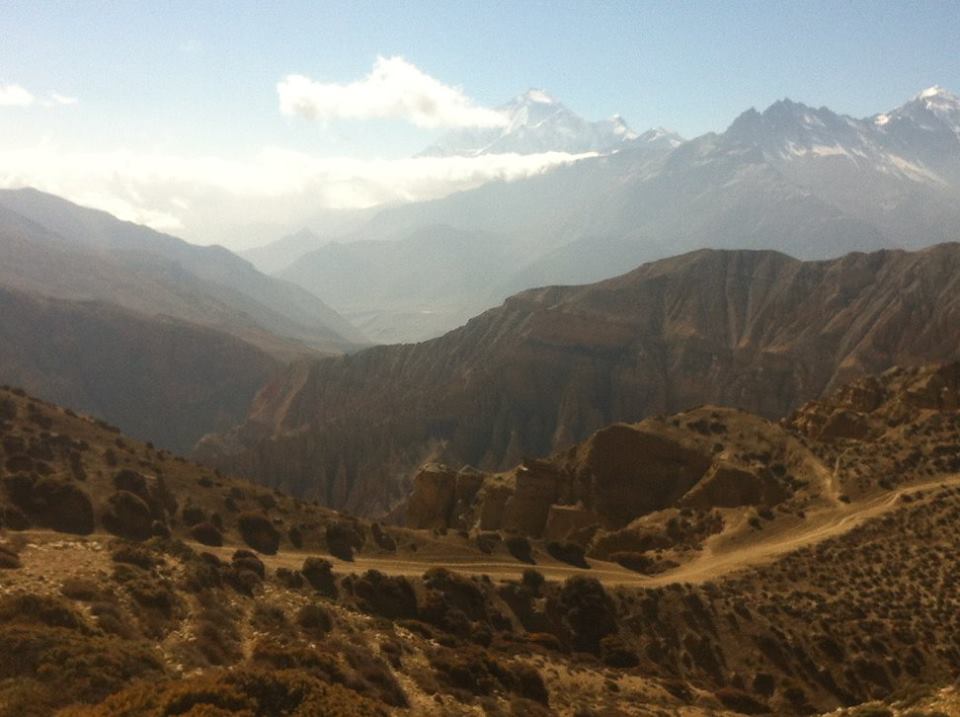
August 15, 2021
Upper Mustang Trek Difficulty
The Upper Mustang trek is the trek to the remote Trans-Himalayan Region of the semi-independent TibeThe Upper Mustang trek is the trek to the remote Trans-Himalayan Region of the semi-independent Tibetan Kingdom. The trek to Upper Mustang offers an adventurous itinerary with spectacular trekking through the striking semi-arid desert with colorful rock formations, deep ravines, and snow-capped peaks surrounding you. The history, culture, myth, and legend of this region blend perfectly with the stunning scenery. The trek to Upper Mustang is a rare privilege where one can experience a way of life of true mountain people, who have lived for hundreds of years, had very little contact with the rest of Nepal. The people here have retained their rich cultural heritage. The trek to Upper Mustang is somewhat similar to that of trekking in Tibet, as geographically it is a part of the Tibetan plateau.
On the other hand, until 1950 Mustang district was a separate kingdom within the boundaries of Nepal. The last king of Mustang still has his home in the ancient capital known as Lo Manthang. Likewise, the district was open to non-Nepali trekkers only fifteen years ago and even today, access is still highly restricted. To enter Upper Mustang, trekkers need a special trekking permit and must take a government-appointed official. The highest altitude of the trek is only 3800m making it one of the easiest treks to the Himalayan region. Because of the long, rich, and complex history, many of the trekkers who have been interested in ancient history find the upper mustang a suitable destination for the visit.
[caption id="attachment_5560" align="alignnone" width="640"]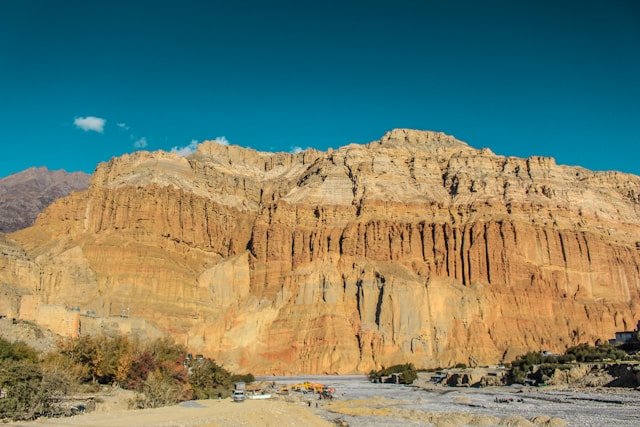 Upper Mustang Trek Difficulty[/caption]
Upper Mustang Trek Difficulty[/caption]
Trip Highlights of Upper Mustang Trek
- Scenic flight from Kathmandu
- Explore the culture and tradition highly influenced by Tibet
- Close view of the Himalayas such as Annapurna, Nilgiri, and Dhauligiri
- Four-story chooser cave
- The Buddhist monasteries built in the 13th century
- Exploration of Lo Manthang, an independent kingdom
- Kali Gandaki gorge, the deepest gorge
- Visit the forbidden kingdom of Lo.
- Trekking through several caves, monasteries, gompas, Chortens, rock paintings.
Upper Mustang Trek Difficulty
The trek to the Himalayan regions is challenging. Same with the Upper Mustang trek. This trek is a moderately difficult trek passing through several terrains, frequent ups, and downs at constant high altitudes. Besides, several factors are causing the trek to be more strenuous. So, we will discuss some of the difficulties of Upper Mustang Trek.Altitude
One of the major difficulties when trekking to the upper mustang is the high altitude. However, the Upper Mustang lies below an altitude of 4000m, which means the trek is a bit easier than other high-altitude treks. The maximum altitude of the trek is 3800m at Lo Manthang. Despite being moderate in altitude the trek to Mustang is still arduous. And the problem that can be created by altitude is altitude sickness. Altitude sickness can occur above an altitude of 2500m. The higher the altitude, the lower the level of oxygen making it difficult to breathe. However, In the upper Mustang even if you feel the symptoms of altitude sickness, it is not severe and complicated. You may feel several symptoms like nausea, and slight headaches. It may happen to anyone of any age because of the new environment where the amount of air is relatively low. Therefore, to minimize such problems, trekkers should follow acclimatization techniques at higher altitudes. If you are not feeling like continuing your trek or your body is not supporting you to go to a higher altitude, you might take a break.Walking Hours
Another difficulty that trekkers may face in the Upper Mustang Trek is walking hours. As Upper Mustang at an altitude of above 3000m, you have to walk a long distance for the trek through, rough uphill and downhill trail. However, the walking hours may differ according to the destinations that you have to cover. Like, there will be a day when 3-4 hours of the walk is okay whereas someday you have to walk for almost 7 hours continuously. Despite being lower in altitude than any other high altitude trek, Walking in Upper Mustang is still difficult. Similarly, the trekking days in the Upper Mustang range from 15-18 days as per the itinerary. So, for almost 15-18 days, you will be walking for an average of 5-6 hours which is strenuous. Therefore, 6-7 hours of continuous walking in a Himalayan region is challenging and painful for beginners as well as experienced ones. Therefore, physical and mental fitness is required while trekking in an Upper mustang.Trekking Trails
Apart from altitude and walking hours, the trail of the Upper Mustang Trek itself is challenging. Most of the trekking trails are wide. However, some segments are difficult and rough. The route over the Kali Gandaki is one of them. The routes are difficult and frustrating. Similarly, the roads are too narrow and small to walk. On the other hand, one can feel dizzy just by looking downhill. Kali Gandaki gorge is the deepest gorge in the world and you will be trekking by the side of the Gorge. Sometimes, the whole route becomes dusty and you will be unable to identify the route because of the windy climate. Besides, during the winter season, the temperature falls below freezing and the routes may be blocked by the snow. Therefore, the trial to the mustang is somehow challenging.Climate
Climate is another factor that creates challenges in the trek to Upper Mustang Trek. Similar to the rest of the country, Mustang also has four major seasons. Trekking can be done all year round in every season. However, there are some factors one needs to consider before trekking in every season. During summer, the monsoon overlaps summer with rainfall which is why the trails become slippery and challenging to cross through. Besides, winter is highly frosty. The temperature falls below freezing during winter seasons in Upper Mustang making it difficult for the trek. Autumn and spring can be an ideal season for the trek to mustang. Therefore, the comfort of trekking even depends upon the climatic factor of that place.Altitude and Mountain Sickness
Altitude sickness, also known as acute mountain sickness (AMS), is caused by acute exposure to low amounts of oxygen at high altitudes. It mostly occurs at an altitude above 2500m. However, Altitude is not a big issue while trekking to the Upper Mustang. Despite being the trek to the Himalayan region you will be trekking below 4000m throughout the trekking period. You may feel several symptoms of Altitude Sickness such as headache, nausea, or vomiting but there is less probability of having severe complications by altitude. Despite being an easy trek to the Himalayas, Upper Mustang Trek is still challenging for the freshers, beginners, and people who are first to trek at high altitudes. As you climb higher, the level of oxygen decreases, and the atmospheric pressure gets thinner. Your body suddenly experiences new environments because of which you may face difficulty in breathing. The problem of altitude sickness is mainly because of the failure in proper acclimatization. Sometimes, even in a healthy state one may suffer from Mountain sickness. Likewise, one may face problems like vomiting, nausea, headache, loss of appetite, and most commonly fainting. The mountain sickness may be mild or dangerous depending upon the people and how they approached the trail. There are several ways one can trek in the Nepal Himalaya without getting altitude illness.Measures For Upper Mustang Trek Difficulty
- Drink up to 4-5 liters of water
- Do not rush while trekking
- Follow the itinerary and the hours allocated for that day
- Avoid eating any foods that may disturb your digestive system
- Drink plenty of soups
- Do not drink alcohol during trekking days
- Must listen to your trek leader
- Don’t forget to bring Diamox or medicines to tame down the symptoms of mountain sickness with the consultation of the doctor
- Take frequents breaks in between the journey
- The best way to prevent this sickness may be acclimatization. Give yourself a proper time to adjust to a new environment. Another way of reducing altitude sickness is by drinking a lot of water, taking a walk slowly if you are tired, and listening to your body. Don’t rush for it or don’t push your body.
Upper Mustang Trek Weather Difficulty
Mustang is geographically located in the rain shadow area. Hence, it remains dry most of the year and receives low rainfall. However, Upper Mustang is a windy place where the wind might challenge the people in moving forward in their journey. Hence, for some, experiencing windy weather conditions might be a new experience. Because of this, we suggest you wear at least 2 or 3 layers of clothes to avoid the crispy wind.Upper Mustang Weather in March, April, and May
March, April, and May are the months of spring in Nepal. During these times, it is greener than ever. The scenario is awesome this time as it presents a clear view of the Himalayan ranges. Spring is another best season for the trek to the upper Mustang in Nepal after Autumn. Showcasing the beautiful scenario of natural landscapes as well as the stunning view of sunrise striking through the peaks of the Himalayas, spring brings out the best of the Upper Mustang. However, spring is the windiest time of the year. The wind directly hits you hard. So, taking proper care of what you wear is best. Furthermore, wearing more than one layer of clothing is necessary despite the warm weather. The days are warmer during spring and chilly during morning and night. On the other hand, the temperature during spring ranges from 16 to 22 degrees Celsius in the day and -6 to -2 during the nighttime. All in all, it is one of the best times to visit the Mustang. However, the flow of tourists is quite high. There may arise a problem of accommodation if not booked early.Upper Mustang Weather in June, July, and August
June, July, and August are the months of summer and monsoon in Nepal. And since Mustang lies in a sheltered area, it seldom experiences rain making it one of the suitable places for trekking even during monsoon. Likewise, the weather remains hot during the day and chilly at night. When we imagine summer we usually think about the rainfall and the hot temperature. This is true for most of the parts of Nepal. However, this is not the same with the Upper Mustang. Unlike other parts of the country, the upper Mustang doesn’t receive rainfall during summer. The summer is mostly longer and the trekkers will get more time to spend. Similarly, the temperature is suitable for the trek as well as it ranges from 13-20 degrees Celsius. However, the lower part of the Mustang may receive slight rainfall making the trail slippery and muddy. But the upper part is still clear with an astonishing view. For those who fantasize about the beauty of nature after rain, the views are astonishing in Mustang during this season. The natural vegetation is at its best during this time attracting hundreds of visitors to the upper Mustang.Upper Mustang in September, October, and November
September, October, and November are autumn seasons in Nepal. It is one of the most preferred seasons for trekking in Nepal. Among all the seasons, Autumn receives a higher number of visitors in Nepal. Because of the favorable weather and temperature, Autumn can be taken as the best season for the high altitude trek and it is the same with the Upper Mustang region. The weather around this time is splendid where trekkers will get to see clear blue skies with the crystal clear picture of the Trans Himalayas and Annapurna range along with Dhaulagiri, Machhapuchhre, and Nilgiri. In addition, the temperature ranges between 12-20 degrees celsius in the upper and lower mustang which is very suitable for adventurous activities and trekking. Visiting the upper mustang during this month of the year is not only about the views but also about the festivals. Autumn is the season of the festival in Nepal. When visiting Upper Mustang, you will witness the festivals of Nepal and its celebration. Therefore, the views will be magnificent without any disturbance so do the colorful festivals and celebrations.Upper Mustang in December, January, and February
December, January, and February are the months of winter in Nepal. It is a time when trekking and adventurous activities are least done in Nepal. It is the same with the Upper Mustang. During this time of the year, Upper Mustang receives fewer numbers of visitors. As winter is the coldest season throughout the year even in the Mustang region. Even the people of the Upper Mustang themselves descend to lower regions during the months of winter. The weather and temperature are least bearable in winter. Hence, the cold temperature makes trekking in Upper Mustang nearly impossible. The higher the trek is, the coldest the places get in Winter. The routes are covered with snow and the temperature decreases in minus during this season. The temperature ranges around 0- 5 degrees during daytime and drops to -25 to -20 degrees during night time. Also, sometimes because of heavy snowfall the routes may be blocked. One can do a trek to the lower Mustang during winter but trekking to the upper Mustang is relatively difficult. However, the trek will be challenging but not impossible with proper gear and equipment. If you are planning for this adventurous trek, then here is the detailed package.Trekking trails of Upper Mustang
Unlike any other trek, the Upper Mustang trek sits a world apart thanks to its dramatic semi-arid landscape and distinct Tibetan heritage. A trek here centers as much on cultural exploration as it does spectacular scenery. Every route or every village we pass through has several preferences and importance. So, here is the list of the trekking trails in the Upper Mustang.- Kagbeni
- Tagabe
- Chhusang
- Chele
- Ghyakar
- Samar
- Syangboche
- Ghiling
- Ghami
- Tsarang
- Lo Manthang
Kagbeni
Kagbeni is without a doubt one of the medieval villages that are at the crossroads of four historic trade routes. It sits at the confluence of the Jhong and Kali Gandaki rivers. Kagbeni is the gateway to Upper Mustang which is why permits are checked here before entering the Upper Mustang. Kagbeni is a wonderful atmospheric village with narrow lanes, traditional mud-brick houses, and shared courtyards where locals fetch water. Besides, another major attraction here is the quirky ‘ghost eater’ statues and an impressive 15th-century gompa.Tangbe
Tangbe is an attractive village on your way to the upper mustang. This village lies between Kagbeni and Chgusang. Trekkers can take a short detour to Tangbe on their way to or from Chhusang. Sitting on the banks of the mighty Kali Gandaki, there are cultivated fields and apple orchards spread out around it. Similarly, ancient Chortens, narrow cobbled lanes, and photogenic buildings are the major attractions of this village.Chhusang
Chhusang is a common overnight stop for trekkers on the return journey from Lo Manthang. Besides, Chhusang is also a popular lunch stop on the way to Upper Mustang. Connected by road to Kagbeni, the village itself has much to offer to the visitor. Likewise, it has the incredible colored cliffs across the Kali Gandaki that steal the show. You can find a shared local jeep to lo can’t hang from here.Chele
The trail follows the road and river from Chhusang. After crossing a steel bridge you can see some ancient caves. Besides, the trekkers can see the line of ‘windows’ carved out of the cliff face above. From the river bed, a short steep climb can reach the village of Chele. Chele is another attractive village where there are numerous traditional Mustang homes, a couple of lodges, and attractive views.Ghyakar
From Chele, trek to the huge cliffside high above a plunging gorge on the route to Samar. Cross the suspension bridge across the gorge to Ghyakar. Ghyakar is a small leafy village that saw little to no trekking traffic in the pre-road days. This is a local village with limited options for eating, as well as no overnight lodge.Samar
Samar is a small settlement on the way to Syangboche with just a smattering of homes and lodges. More than an overnight stay, Samar is a common lunch stop. However, some trekkers stay overnight here if it’s convenient for their trek itinerary.Syangboche
Sayngboche is another small settlement with a limited number of lodges. This village can be a convenient overnight stop for some trekkers, depending on your itinerary. Also, there is a road trail between Samar and Syangboche via Behna La and Yamda La, or an off-road trail via Chungsi Cave.Ghiling
Ghiling is one of the bigger villages in the region. This village is also home to an impressive 15th Century monastery. Sitting at the foot of a rocky mountain, the village is surrounded by agricultural fields. Ghiling also has the facilities of lodges and local homes.Ghami
When it is about trekking to Upper Mustang, Ghami is a place where one should make a stop and explore more. Unlike other areas, Ghami has access to lodges and local homes. You can visit a prayer wall and colorful Chortens in the center of Ghami. Likewise, outside of the village lies the longest main wall in Mustang at 305 m. Beyond the wall, a picturesque cluster of large Chortens blends seamlessly with the backdrop of jagged cliffs.Tsarang
Tsarang is the second-largest settlement after Lo Manthang in Upper Mustang. It was once the capital, and the King’s Palace still stands tall. Tsarang still has the 16th-century monastery, a central red building surrounded by striped walls. Tsarang is a wonderful place for trekkers to spend a day.Lo Manthang
The walled city of Lo Manthang or the capital of Upper Mustang is indeed a wonder to behold. With its narrow alleys suddenly opening out into courtyards with water wells and rows of bulbous Chortens, this becomes a place everyone wants to wander around. Spend a day here in Lo Manthang, get to know more about the culture and tradition along with the natural landscapesPhysical Fitness For Upper Mustang Trek
Upper Mustang is a moderate-level trek. The trek is not hard and intense like that of other high-altitude treks. So, it can be done by both experienced trekkers as well as novice trekkers. However, before trekking to any of the places above 2500m, it is very important to be healthy and physically fit for the trek. As the highest altitude of the trek is only 3800m at Lo Manthang so, this trek will be easier compared to other treks. However, the trekkers need to be prepared for any circumstances that occur while trekking. Similarly, you can prepare for the trek ahead by engaging in physical exercises and training that increases your cardiovascular capacity. Engage yourself in activities like swimming, hiking, running, brisk walking, and jogging. In addition, make sure to walk for 5 km in just 30 minutes before the date you start your hiking to Upper Mustang. Overall, Upper Mustang is a moderate trek. So anyone can explore the magnificence of this place. Read more... Read less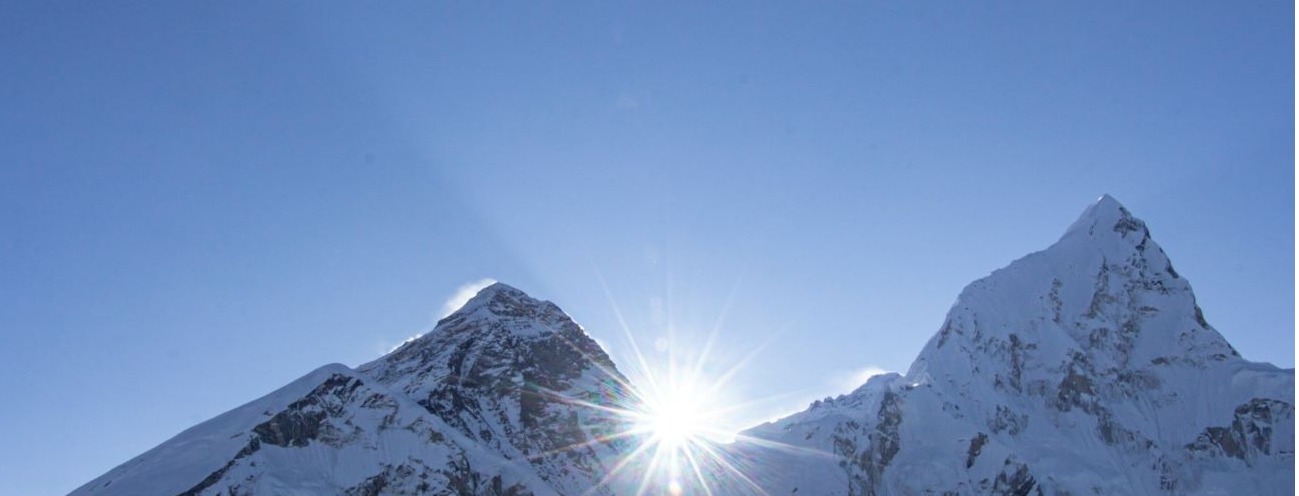
August 18, 2021
Challenging Treks in Nepal
Nepal is a beautiful country in the southern lap of the Himalayas. With its area of 147,516 sq. Km, Nepal is a beautiful country in the southern lap of the Himalayas. With its area of 147,516 sq. Km, Nepal is officially a federal democratic country. Famous for its natural alluring beauty, Nepal is home to several Himalayas in the world including the world’s highest Everest. Therefore, there are several challenging treks in Nepal. Standing tall at 8848.86m, Everest is the pride of the nation. Besides there are other several peaks in Nepal that are 8000 m above and lie in the top 10 of the world’s highest. Nepal is a country blessed with natural resources as well as the Himalayas.
Yearly, thousands of visitors make their way to the Himalayas of Nepal. The Himalayas of Nepal is the main sources of adventure where one can carry out different adventurous activities such as climbing, expedition, and trekking. There are treks from the easiest level to the hardest one. The easiest one can be done by everyone with a few physical exercises and effort. However, some treks are extremely challenging and you have to have a lot of physical stamina and experience to complete the trek. Of course, the cold weather and high altitude make the trek challenging. But several other factors need to be considered while trekking to the Himalayas.
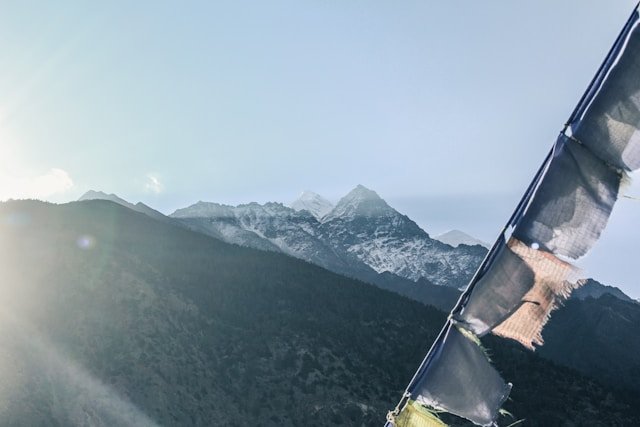
Challenging Treks in Nepal
Trekking in the Himalayas of Nepal is not an easy adventure. Unlike the regular trek or hike, this one is most challenging. The length of the trek itself is one of the challenging factors. The trek to the Nepalese Himalayas takes a minimum of 10 days. So walking for ten-day on a rugged narrow trail is not an easy job. One will get tired, feel tired but giving up was never an option. The trek is not like walking over the beaches and having a cold coffee. Some places on this trail are so extreme that you have to think twice about whether to continue up or not. However, the reward after the hard work is astonishing. The view after the hard work is memorable. Up in the Himalayas, as we all know, the level of oxygen decreases with the rise in altitude. So, altitude is one of the major problems when trekking to a high altitude trek in Nepal. As altitude sickness can start anywhere above 2500m altitudes. And the trek to the Himalayas of Nepal is above 5000 m on average. Where there is a high chance of altitude sickness. The trekkers may have several mild symptoms as well as extreme symptoms. The symptoms include headache, fever, nausea, vomiting, and fainting. So try to keep the trek simple and convenient, don’t rush for the trek, do it slowly, and stay hydrated. Take your time. There are many routes in Nepal suitable for a range of fitness and experience levels. However, some o treks come under challenging treks. The cold weather, high altitude, extremely rough and bumpy roads with no access to transportation, narrow ascents, and descents, or a combination of these makes the trek challenging. Here is the list of the top five challenging treks in Nepal Everest Three High Passes Trek Kanchenjunga Trek Rolwaling Tashi Lapcha Pass Dhaulagiri Circuit Trek Ganja La Pass TrekkingEverest Three High Passes Trek
Duration of Trek: 18 to 21 days Maximum Height: (5,545 M) 18,192 ft Starting Point: Lukla Everest 3 High Passes Trek Price: starts from 1,450 USD Difficulty: Very Strenuous Trek Style: Tea House, Lodge, and Hotel. Best Seasons: March, April, May, September, October, November. Trekking in the Everest season is endearingly popular in Nepal. Everest, the world’s highest peak, catches the attention of every mountaineer seeking something thrilling yet life-changing adventure. Everest has been one of the most challenging treks and lifelong dreams of many since the view and the journey is filled with Adventure. The Everest Three Passes Trek is the ultimate experience of Everest. This route takes in all the highlights in terms of both mountain views and local Sherpa culture. This trek is one of the most challenging teahouse treks in Nepal. In this high pass trek, we go off-the-beaten-track through remote valleys and over high passes with superlative scenery that comes along the way.Trip highlights
- Explore five superb passes all over 5,000 meters: the passes of Renjo La, Cho La, and Kongma La, and the summits of Gokyo Ri and Kala Pattar
- Trek to the unspoiled valleys of the Khumbu approaching the Renjo La and Chukhung
- Stunning view of Everest, Makalu, Lhotse, and Cholatse, the Himalayan giants, in their full glory.
- Explore the tradition of the culture of the locals
Kanchenjunga Trek
Duration of Trek: 18 to 26 days Maximum Height: (5,388 M) 17,673 ft Starting Point: Kathmandu – Lukla. Kanchenjunga Trek Price: starts from 2,000 USD Level of Difficulty: Challenging Trek Style: Tea House, Camping, Lodge, Homestay. Best Seasons: March, April, May, September, October, November. Mt. Kanchenjunga at an altitude of 8686m, is the 3rd highest mountain in the world and one of the challenging treks. It is located near the border with Sikkim (India) in eastern Nepal. Kanchenjunga is rarely visited compared to other treks like Everest and Annapurna. However, this trek has everything that a classic trekker wants in his/ her trek. Despite being one of the challenging treks to the Nepalese Himalayas, one can list Kanchanjeunga in their exploration list. The trekking to Kanchenjunga is a remarkable journey into the Himalayas of Nepal. For the enthusiastic trekkers trekking in this region is the best adventurous experience. Likewise, the magnificent and noticeable peaks, floating like ships on a distant sea, possibly become a memory for a lifetime.Trip Highlights
- Enjoy breathtaking views en route to the Base Camp as well as a circuit of the Kanchenjunga trek.
- The close-up view of the world’s third-highest peak, Kanchenjunga at an altitude of 8,586 m
- Trek from subtropical valleys passing through the colorful rhododendron forest and high alpine meadows
- Get a glimpse of the culture, tradition, and way of life of ethnic groups such as the Sherpa, Rai, Limbu, and Gurung communities.
- Explore several rare and endangered wildlife species such as the red panda, blue sheep, Himalayan black bear, snow leopard, and many more.
Rolwaling Tashi Lapcha Pass
Duration of Trek: 18 to 28 days Maximum Height: (5,755 M) – 18,882 ft Starting Point: Dolakha, Bedding. Rolwaling Tashi Lapcha PassTrek Price: starts from 3100 USD Difficulty: Very Strenuous Trek Style: Camping, Tea House, Lodges, and Hotel. Best Seasons: March, April, May, September, October, November. Rolwaling Tashi Lapcha pass is a striking journey to the beauty of both the Rolwaling valley and the Khumbu region of Nepal. This thrilling yet exciting journey leads you to a remote area and lets you acknowledge the stunning views of the Himalayas with the challenges of crossing the high-mountain pass of Tashi Lapcha (5755m). This trek is an amazing blend of the quiet and peaceful paths of the remote Rolwaling region with the swarming trails of the Khumbu region. Rolwaling Tashi Lapcha Pass is one of the hidden gems to the Himalayas of Nepal. Despite being a trek with fewer visitors this trek has everything that is required for a perfect adventure. Likewise, this trek involves steep climbing, and rock climbing and thus is one of the challenging treks to the Himalayas. Rolwaling valley is the hidden gorges, excavated in between picturesque and imposing mountains. This is an amazing opportunity to observe the different faces of the Himalayan lifestyle as it goes from a remote to a rather urban route of the Himalayas. It is an untouched and unexplored valley of Rolwaling lying beneath the Gaurishankar range is mystical. The fantastic combination of mountain views with alluring scenery, charming villages, and reposeful mountain passes makes this place lively. Likewise, the panoramic views of mountains like Mt. Gauri Shankar, Dorje Lakpa, Mount Everest, Tsho Rolpa Lake, etc add extra refreshment to the journey.Trip Highlights
- Lifetime experience of moderate trekking and adventurous Himalayan pass Tashi Lapcha 5755m
- Explore the world’s popular Khumbu valley by using less beaten trails.
- Trekking through the peaceful trails
- The fantastic combination of mountain views with alluring scenery, charming villages, and reposeful mountain passes.
Dhaulagiri Circuit Trek
Duration of Trek: 17 to 21 days Maximum Height: (5,360 M) – 17586 ft Starting Point: Beni, Pokhara Dhaulagiri Circuit Trek Price: starts from 2800 USD Difficulty: Very Strenuous Trek Style: Camping, and Lodge. Best Seasons: April, Mar, September, October, November The trek to one of the 7th highest peaks above 8000 m is an amazing experience for all the trekkers around the world. With the wonderful opportunity to take a circuit trek around the Himalayas of Nepal, this trek falls under one of the challenging treks in Nepal. The word Dhaulagiri is the Nepali name for the mountain from the Sanskrit word. The word Dhaula means dazzling, white, beautiful and Giri means mountain. The massif Dhaulagiri expands 120km from the Kaligandaki River west to the Bheri. The circuit trek to the seventh highest mountain in the world is challenging yet exciting. Dhaulagiri borders Nepal and was 1st climbed on 13 May 1960 by a Swiss/Austrian/Nepali expedition. Dhaulagiri circuit trek lies in the Annapurna Region taking the trekkers to the base of the world’s seventh-highest peak, Mount Dhaulagiri (8167m). This circuit trek passes through several snow-covered slopes, icy glaciers, and lateral moraine. The heartwarming view of the majestic Dhaulagiri massif, as well as other mountain peaks above 7000m, are the major attractions of this circuit trek. This trek is challenging as well as a real adventure for those who are seeking an expedition-like experience. In the foothills of the Himalayas, one can even enjoy the farming villages to high alpine pastures, uninhabited valleys. Furthermore, A close-up view of several peaks over 8,000 m, is something that trekkers will be blessed with in this trek. The trek is difficult for beginners as well as experienced ones. Therefore, before starting the circuit trek to Dhaulagiri, one must be very much conscious regarding their physical fitness and stamina.Trip Highlights
- Supervision of the world’s deepest George, Kali Gandaki Gorge
- A close glimpse of Dhaulagiri with 360° view of the peaks above 8,000 m including Mt. Machhapuchhare, Mt. Annapurna, Mt. Manaslu, and many more.
- Cracking glacial walk and route via high passes including French pass (5,365 m), Thapa pass (5,244 m)
- Opportunity to explore unique culture and traditions with the complicated lifestyle of individuals and communities
- Experience the completely camping or Home-stay trek
Ganja La Pass Trekking
Duration of Trek: 14 to 17 days Maximum Height: (5,033 M) 16,512 ft Starting Point: Syabrubesi Langtang Ganja La Pass Trek Price: 1,900 USD Difficulty: Very Strenuous Trek Style: Tea House, Lodge, Camping Trek Best Season: March, April, May, September, October, November. The Langtang Valley takes in immense blooming rhododendron and green bamboo forests, majestic waterfalls, and the snow-capped Himalayas. Close to Kathmandu, this is one of the most diverse treks. Apart from the natural scenario, the trek offers an exceptional opportunity to explore Tibetan and Tamang villages. Besides, climbing small peaks and visiting glaciers comfortably at a low elevation is its other main attraction. The Langtang valley Ganja La Pass trek is one of the challenging yet exciting adventures with beautiful nature’s sight and Tibetan tribe cultures. The Langtang Valley comprises a diverse and interesting place to trek. Also, there are so many opportunities for side treks, circuit treks, high mountain pass traverses, and peak climbing all within the beautiful Langtang Valley. Langtang Ganja La Pass trek is a standout amongst the most prevalent and testing trekking goals. Langtang Ganja La Pass Trek is located northwest of Kathmandu valley in the Langtang region. This trek offers trekkers the magnificent snow-secured high passes, great perspectives of mountains, and old religious communities. Similarly, another major attraction of this trek is the Langtang and Helambu valleys, and the natural life of the people living here. Taking you from the busy trails of the Langtang region to the quaint trails of Helambu via the frozen Ganja La Pass (5130m), this week allows you to be with pristine nature unspoiled by human urbanization.Trip Highlights
- Scenic road drive from Kathmandu to Syabrubesi
- Visit Langtang village and Kyangiin Monastery
- The striking view of the mountain ranges from Kyanjin Ri
- Stunning view from Ganja La Pass (5122m)
- Old and significant Buddhist monasteries, stupas, and monuments
- Exploration of diverse Flora and Fauna
- Wildlife such as red panda, snow leopard, musk deer, bear, langur, etc.





