Experience the Annapurna Circuit Trek in Nepal, a legendary high-altitude adventure featuring the Th
Experience the Annapurna Circuit Trek in Nepal, a legendary high-altitude adventure featuring the Thorong La Pass (5,416m), Tilicho Lake, and Muktinath Temple. Discover stunning Himalayan views, rich Gurung culture, and diverse landscapes from lush jungles to arid valleys. Start your journey today!
Imagine standing at the edge of a lush, emerald valley, listening to the roar of a distant waterfall as the scent of blooming rhododendrons fills the air. Now, look upward. Thousands of meters above the clouds, the jagged, snow-dusted peaks of the Himalayas pierce the sky. If you have ever dreamed of a journey that tests your limits while simultaneously soothing your soul, the Annapurna Circuit Trek in Nepal is calling your name.
But what is it about this specific trekking route that earns it a permanent spot at the top of every adventurer's bucket list? Is it the sheer adrenaline of a high-altitude adventure, or is it the quiet, profound moments of self-discovery found in the shadow of giants?
For many, the draw is the unparalleled natural beauty—a landscape that shifts daily from tropical forests to the arid, lunar-like terrain of the Kali Gandaki Valley. For others, it is a deep dive into a vibrant traditional lifestyle, where the Himalayan hospitality of the Gurung and Thakali people turns a grueling hike into a heartfelt cultural experience.
Whether you are chasing the thrill of the Thorong La Pass challenge or seeking the spiritual stillness of ancient monasteries, this trek is more than just a physical feat; it is a transformative odyssey. In this guide, we will explore the breathtaking highlights and essential secrets of the circuit to help you prepare for the trip of a lifetime.
Are you ready to step into the heart of the mountains?
Dramatic Transitions in Scenery and Climate
Have you ever wondered what it feels like to walk through four seasons in a single week? One of the most enchanting aspects of the Annapurna Circuit Trek is its sheer ecological diversity. This isn't just a walk in the woods; it is a front-row seat to a changing planet. As you move along this legendary trekking route, you’ll witness a dramatic metamorphosis of the landscape that feels almost cinematic.
We begin our journey in the humid lowlands, where the air is thick with the scent of earth and adventure. Here, the natural beauty of Nepal is on full display. You’ll find yourself:
-
Navigating Lush Valleys: Trekking through deep, green valleys carved over millennia.
-
Chasing Waterfalls: Passing by thunderous waterfalls that spray cool mist over the trail—a welcome relief during the initial days.
-
Crossing Raging Rivers: Following the turquoise waters of the Marsyangdi River, which serves as your constant companion in the lower elevations.
From Jungle Canopies to Alpine Heights
As we gain altitude, the transformation is palpable. Do you notice the air getting crisper? The dense subtropical forests soon give way to temperate woodlands of oak and maple. If you are trekking during the spring, this is where you’ll be surrounded by the vibrant pinks and reds of blooming rhododendrons.
However, the real "wow" moment happens as we enter the rain shadow of the Himalayas. The transition is abrupt and breathtaking. Suddenly, the greenery vanishes, replaced by the stark, rugged grandeur of the high-altitude adventure.
Entering the Rain Shadow
Once we reach the upper sections of the Kali Gandaki Valley, the world changes again. The landscape becomes an arid, wind-swept desert that mirrors the Tibetan plateau. Why does this happen? The massive peaks of the Annapurna and Dhaulagiri ranges act as a barrier, blocking the monsoon clouds and creating a unique high-altitude desert.
What to expect during these transitions:
-
Temperature Swings: You’ll start in t-shirts and shorts and end in heavy down jackets.
-
Changing Architecture: Watch as the thatched-roof houses of the lowlands turn into the flat-roofed stone homes characteristic of ethnic settlements in the north.
-
Visual Contrast: The deep blues of the Himalayan sky contrast sharply against the ochre and brown cliffs of the desert sections.
This constant evolution of scenery ensures that your eyes never tire and your camera never rests. Every bend in the trail offers a new perspective, making the trekking distance feel like a secondary detail to the visual feast surrounding you.
Iconic High-Altitude Landmarks
Have you ever wondered what it feels like to stand at the edge of the world? As we push deeper into the heart of the Annapurna region, the landscape shifts from vibrant forests to a majestic, high-altitude arena. This is where the Annapurna Circuit Trek truly earns its reputation as a premier high-altitude adventure.
You aren't just trekking; you are navigating some of the most dramatic terrain on the planet. Here are the landmarks that will undoubtedly define your journey:
1. The Thorong La Pass Challenge
Standing at a breathtaking 5,416 meters, the Thorong La Pass is the undisputed crown jewel of the circuit. It is the highest point of the trek and, for many, the ultimate test of endurance. Why do we wake up at 3:00 AM in the freezing dark to start this climb? The answer lies at the summit.
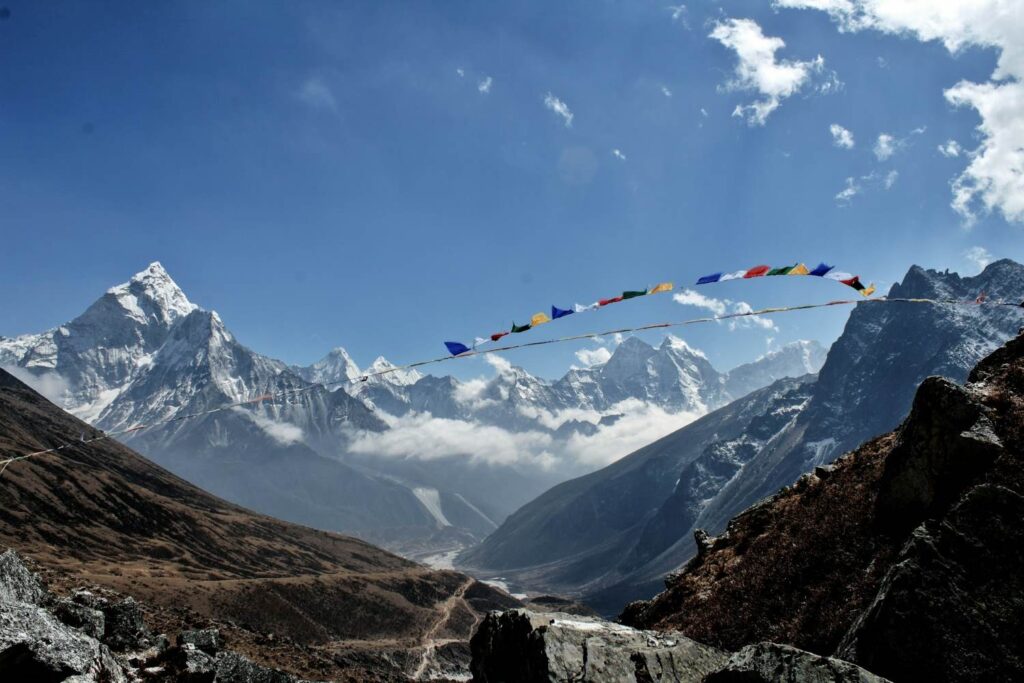
Reaching the top rewards you with 360-degree panoramic views that few places on Earth can match. From here, you can gaze upon the soaring massifs of:
-
Annapurna I-IV: The giants that give the trek its name.
-
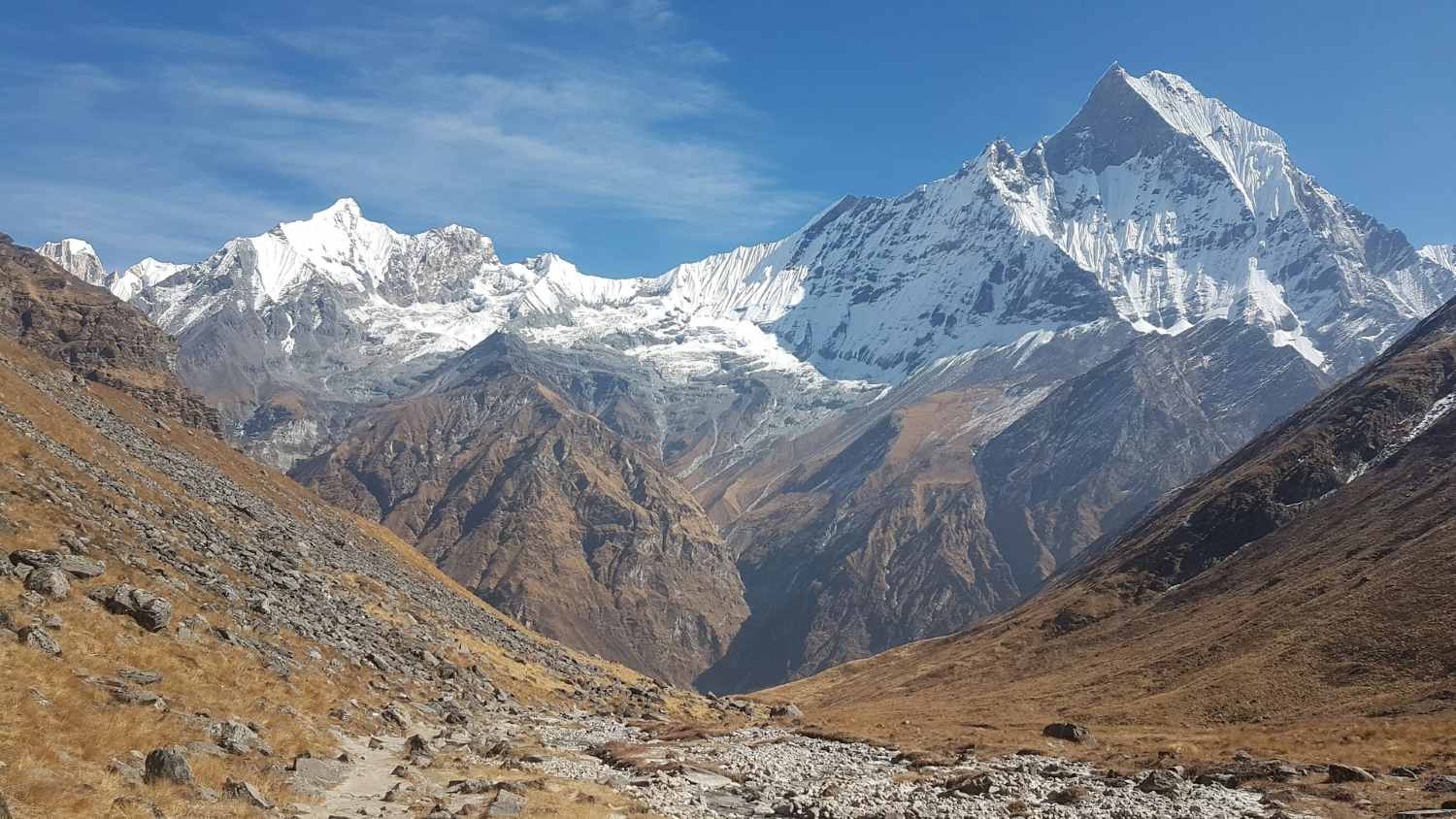
Dhaulagiri: The "White Mountain," standing tall at 8,167m.
-
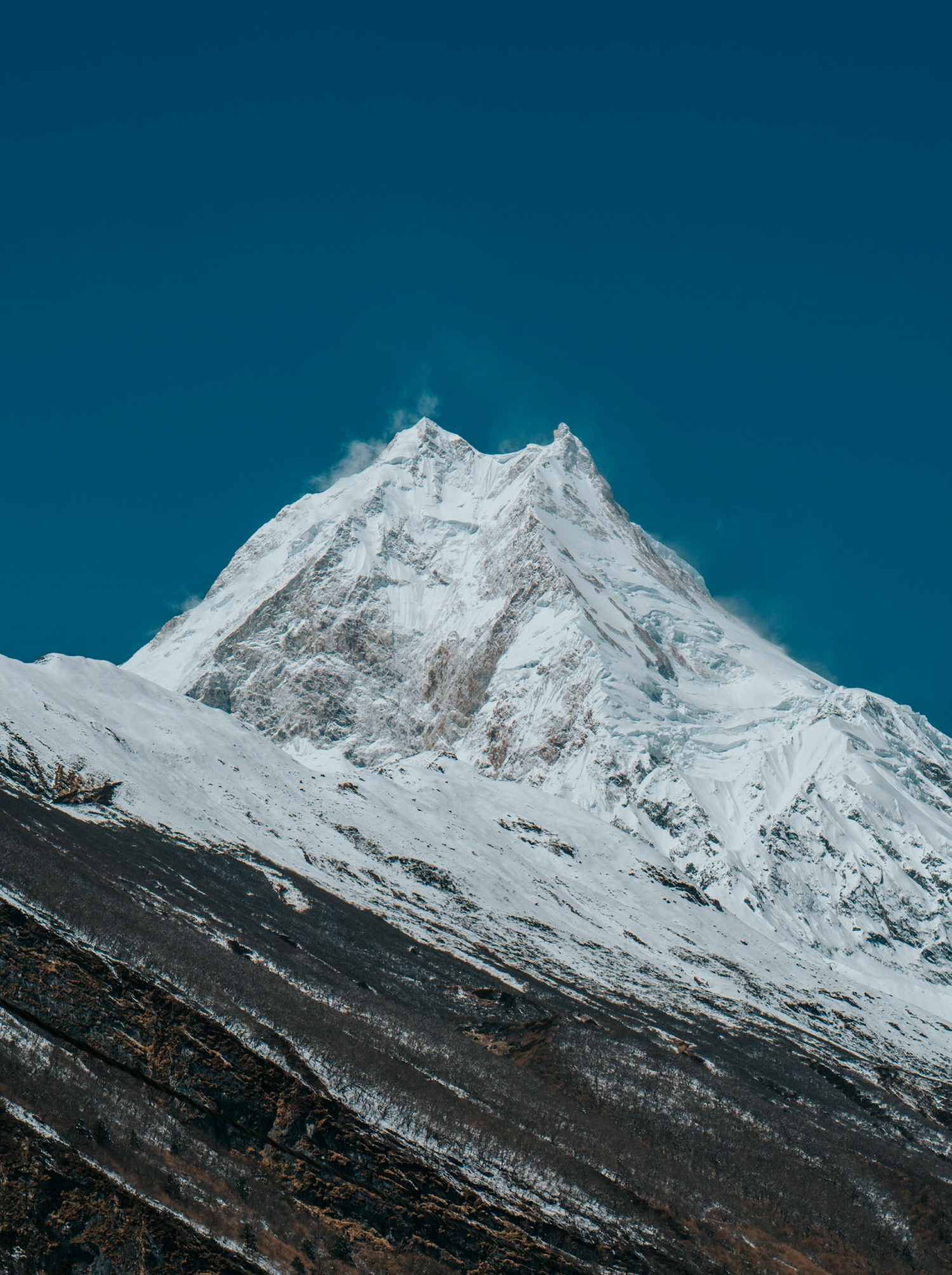
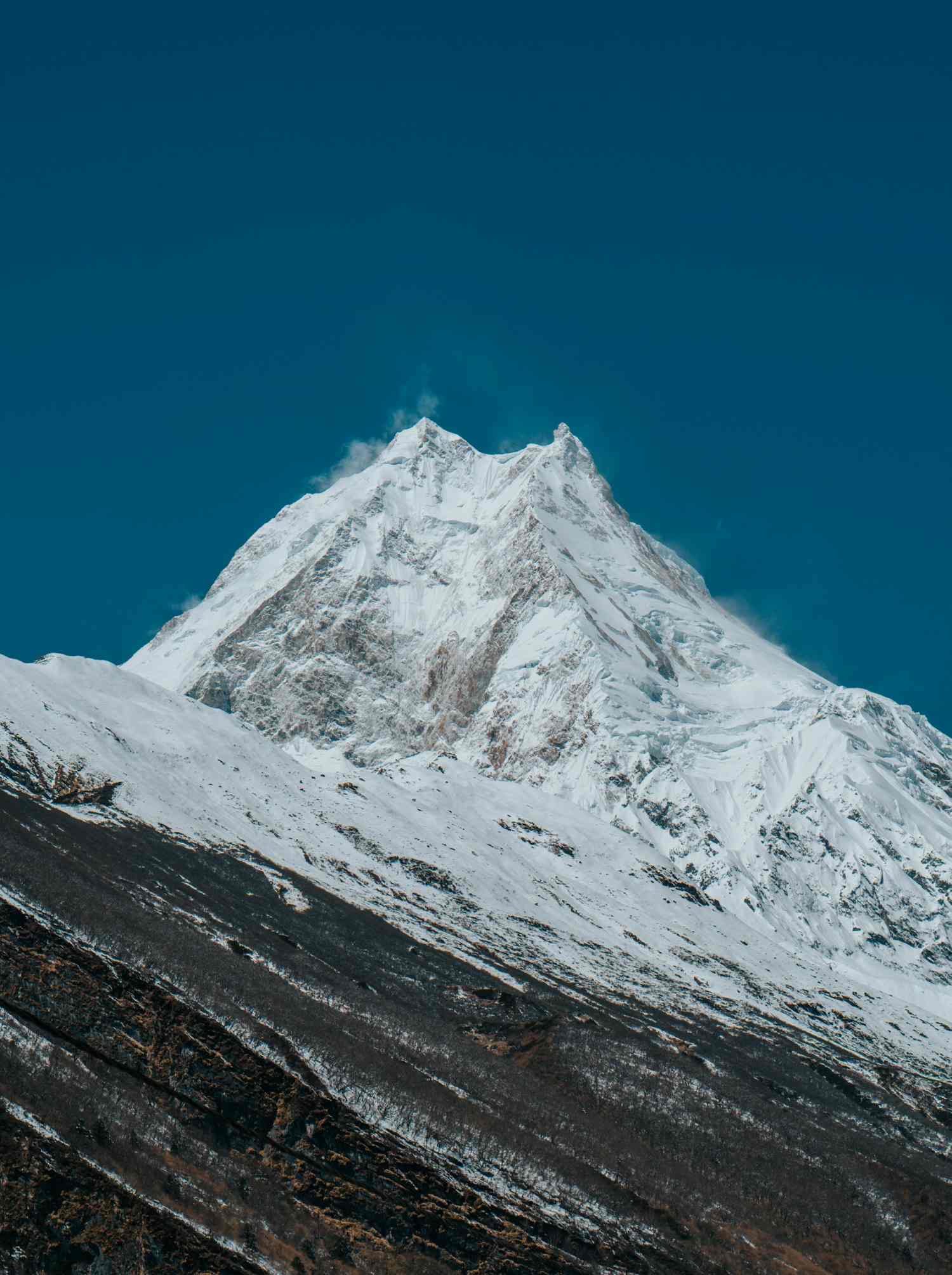
Manaslu: The "Mountain of the Spirit," piercing the sky to the east.
2. The Turquoise Wonder: Tilicho Lake
If you have a couple of extra days, a side trip to Tilicho Lake is an absolute must. Situated at 4,919m, it is one of the highest glacial lakes in the world.
The sight of deep turquoise water nestled against the backdrop of the "Great Barrier" ice wall is a visual you will never forget. While it adds to the trekking difficulty, the emotional reward of seeing mountain views reflected in the still, alpine water is unparalleled.
3. Gangapurna Glacier and Ice Lake
For those taking an acclimatization day in Manang (which we highly recommend!), the high-altitude highlights continue:
-
Gangapurna Lake: A stunning emerald-hued lake formed by glacial melt, easily accessible from the village.
-
Ice Lake (Kicho Tal): A more strenuous day-hike that takes you to 4,600m. It’s a literal "step up" in your journey, offering a vantage point that makes the surrounding 8,000-meter peaks feel close enough to touch.
Every step in this section requires focus and respect for the thin air, but the sense of accomplishment you feel when standing among these giants is the very essence of self-discovery in the Himalayas.
Spiritual and Cultural Immersion
Have you ever walked past a wall of stones and felt a sudden, inexplicable sense of peace? As we climb higher into the Annapurna range, the journey transforms from a physical challenge into a deep cultural experience. The landscape isn't the only thing that changes; the very air seems to thicken with spirituality.
In these high-altitude reaches, the traditional lifestyle of the local people is inseparable from their faith. Whether you are spiritual or simply curious, the cultural tapestry of the Annapurna Circuit Trek will leave a lasting impression on your soul.
The Sacred Echoes of Monasteries
As you enter the upper Manang district, the influence of Tibetan Buddhism becomes undeniable. You’ll find ancient monasteries (Gompas) perched precariously on cliffs, their golden roofs catching the morning sun.
-
Braga Monastery: One of the oldest in the region, this 600-year-old sanctuary houses hundreds of Buddha statues and intricate murals.
-
Daily Rituals: If you time your visit right, you might hear the low hum of monks chanting or the rhythmic beat of a ceremonial drum.
-
Mani Walls and Prayer Flags: You’ll frequently pass ethnic settlements decorated with colorful prayer flags. Remember to always walk clockwise around Mani walls and chortens as a sign of respect—it’s a small gesture that connects you to centuries of tradition.
Muktinath: Where Faiths Converge
One of the most profound highlights of the trek is the Muktinath Temple. Sitting at 3,710 meters, this site is a rare symbol of religious harmony. Have you ever seen a place where Hindus and Buddhists pray side-by-side at the same shrine?
For Hindus, it is Mukti Kshetra (the Place of Liberation), while Buddhists know it as Chumig Gyatsa (Hundred Waters). You’ll see pilgrims who have traveled hundreds of miles to bathe under the 108 sacred water spouts, seeking to wash away their sins. Witnessing this level of devotion, against a backdrop of towering Himalayan peaks, is a humbling experience that often leads to moments of quiet self-discovery.
Living History in Local Villages
The trek takes you through the heartlands of the Gurung and Thakali people. These aren't just stops on a map; they are living museums of Himalayan history.
-
Gurung Hospitality: Known for their bravery and warmth, the Gurung people will welcome you into their villages with a "Namaste" and a smile.
-
Thakali Traditions: In the Kali Gandaki Valley, the Thakali people maintain a unique blend of Buddhism, Hinduism, and ancient Bon practices.
-
Festivals: If you travel during the autumn or spring, you might stumble upon a local festival like Lhosar (New Year) or the Yartung horse races, where the trail erupts in music, dance, and vibrant color.
By the time you leave these mountains, you’ll realize that the culture of the Annapurna region is just as towering and majestic as the peaks themselves.
Quaint Villages and Local Flavors
After the high-altitude intensity of the pass, have you ever dreamed of a warm hearth and a plate of steaming, home-cooked food? While the mountains provide the spectacle, it is the village highlights and the incredible Himalayan hospitality that provide the heart of this trek.
Walking through the Annapurna Circuit Trek is like moving through a living gallery of architecture and taste. Each stop offers a unique window into the traditional lifestyle of the mountains, fueled by a traditional cuisine that is as hearty as the people who prepare it.
The Taste of the Trail: More Than Just Dal Bhat
You’ve likely heard the phrase "Dal Bhat Power, 24 Hour," but did you know the variety of local foods stretches far beyond lentils and rice? As you move from one village to the next, your palate will experience its own journey:
-
Marpha’s Famous Apples: Known as the apple capital of Nepal, the village of Marpha offers everything from dried apple slices to legendary apple pies and potent apple brandy.
-
Thakali Kitchens: In the Kali Gandaki Valley, the Thakali people have perfected the art of the mountain meal. Their version of Dal Bhat, often served with piquant pickles and local ghee, is considered the gold standard of trekking fuel.
-
Yak Cheese and Fresh Bread: In high-altitude hubs like Manang, you can find locally produced yak cheese and freshly baked Tibetan bread that tastes like heaven after a long day on the trail.
Villages You Can’t Miss
Each settlement along the route has its own distinct personality. These aren't just places to sleep; they are destinations in their own right.
-
Kagbeni: Often described as the gateway to Upper Mustang, this medieval village features narrow stone alleys and ancient mud-brick houses that feel frozen in time.
-
Jomsom: A bustling hub in the wind-swept valley where you can watch the small planes navigate the deep gorge—a perfect place to reflect on your journey.
-
Manang: A vibrant village where you can actually watch a documentary about the mountains in a small "cinema" while snacking on popcorn—a surreal comfort at 3,500 meters!
The Magic of Himalayan Teahouses
What makes the cultural experience so intimate is the network of teahouses. These family-run lodges are the soul of the Nepal Trekking Routes.
Instead of an anonymous hotel room, you are invited into a communal dining hall warmed by a central stove. It’s here, over a cup of hot sea buckthorn juice, that you’ll swap stories with fellow adventurers and local guides, creating memories that linger long after the trekking distance is covered.
Unforgettable Trekking Experiences
Have you ever had a moment so perfect it felt like time simply stopped? While the Annapurna Circuit Trek is defined by its miles and mountains, it is the collection of "once-in-a-lifetime" experiences that truly stays with you. Beyond the physical act of walking, these are the moments that turn a holiday into a transformative high-altitude adventure.
As we wrap up our journey through the highlights, let’s look at the experiences that trekkers often describe as the most meaningful parts of their cultural experience and physical quest.
1. The Golden Hour at Poon Hill
Though technically an optional extension for some, catching the sunrise at Ghorepani Poon Hill is arguably the most famous photo-op in Nepal.
Imagine standing at 3,210 meters in the pre-dawn chill, waiting. As the first light hits the Dhaulagiri and Annapurna massifs, the peaks turn from a ghostly gray to a brilliant, molten gold. Seeing the world’s seventh and tenth-highest mountains glowing in the morning sun is a sight that makes every early wake-up call worth it.
2. The Therapeutic Waters of Tatopani
After days of challenging your body, have you ever felt like you truly earned a moment of pure bliss? Enter Tatopani. In Nepali, Tato means hot and Pani means water.
Nestled by the Kali Gandaki River, these natural hot springs are a trekker’s sanctuary. Soaking in the mineral-rich, geothermal pools is more than just a luxury; it’s a ritual of recovery. It’s the perfect place to:
-
Soothe tired muscles after the long descent from the pass.
-
Bond with fellow travelers as you share stories of the trail.
-
Transition back to the warmer, lusher climates of the lower altitudes.
3. Crossing the Deepest Gorge on Earth
As you trek between the giants of Annapurna I and Dhaulagiri, you are walking through the Kali Gandaki Valley, home to the deepest gorge in the world. The sheer scale of the vertical walls rising on either side of you is a humbling reminder of nature's power. This section of the trekking route offers a sense of "smallness" that often sparks deep self-discovery and reflection.
4. Side Quests to Hidden Gems
For the truly restless souls, the circuit offers incredible "side quests" that enhance your trekking itinerary:
-
Tilicho Lake: A high-altitude detour to a turquoise glacial lake that feels like the edge of the world.
-
Ice Lake (Kicho Tal): A grueling but rewarding acclimatization hike from Manang that offers mirror-like reflections of the peaks.
Whether it’s the thrill of the Thorong La Pass challenge or the quiet serenity of a lakeside morning, these experiences are the threads that weave together the story of your trek.
As you have explored, the Annapurna Circuit Trek is far more than a simple walk through the mountains; it is a tapestry of ever-changing landscapes, ancient culture, and personal triumphs. From the tropical humidity of the lower valleys to the literal and figurative peak of the Thorong La Pass, this journey offers a unique blend of natural beauty and spiritual benefit that few other Nepal Trekking Routes can match.
Whether you are drawn by the challenge of the 5,416-meter pass, the quiet majesty of monasteries, or the legendary Himalayan hospitality found in every teahouse, one thing is certain: you will return from this high-altitude adventure changed.
Quick Planning Guide for 2026
To ensure your Annapurna Circuit Trek is as seamless as possible, keep these logistical highlights in mind:
-
Best Time to Trek: Aim for the autumn (October–November) for peak visibility or spring (March–May) for the rhododendron blooms.
-
Permit Requirements: You will need the ACAP permit (~$23–$30) and a TIMS card (~$15–$17), both of which are essential for your safety and conservation efforts.
-
Average Duration: Most travelers plan for a 12 to 22-day trekking itinerary, depending on side trips to Tilicho Lake or Poon Hill.
-
Preparation is Key: Focus on cardiovascular training and acclimatization days to manage the trekking difficulty safely.
The mountains are waiting, and the trail is ready. Is 2026 the year you finally conquer the circuit?
🏔️ General Trek Overview
What is the Annapurna Circuit Trek?
It is a classic trekking route that circumnavigates the Annapurna Massif. Known for its incredible diversity, the trail transitions from lush subtropical valleys and waterfalls to the arid, Tibetan-like landscapes of the Kali Gandaki Valley.
How long is the trekking distance and duration?
The total trekking distance varies between 160 km to 230 km depending on where you start and if you use local transport. Most itineraries last 12 to 21 days, starting typically from Besisahar or Dharapani and ending in Jomsom or Pokhara.
What are the main mountain views?
You will enjoy panoramic views of some of the world’s highest peaks, including:
🧗 Difficulty & Logistics
How difficult is the Thorong La Pass challenge?
Crossing Thorong La Pass ($5,416$ m) is the climax of the trek and its greatest challenge. It requires high physical fitness and mental resilience. The ascent is steep, and the air is thin, making acclimatization in villages like Manang non-negotiable.
When is the best time to trek?
-
Autumn (October–November): Best visibility, stable weather, and peak festive season.
-
Spring (March–May): Beautiful rhododendron forests in bloom and warmer temperatures.
-
Note: Monsoon (June–August) brings leeches and rain, while Winter (December–February) can see the pass closed due to heavy snow.
What is the average cost?
A standard 15-day package typically ranges from $900 to $1,500 USD, depending on whether you hire a private guide/porter and the level of comfort in teahouses.
🏮 Culture & Lifestyle
What ethnic groups will I encounter?
The trek offers a rich cultural experience. In the lower regions, you’ll meet the Gurung and Magar people, famous for their hospitality and Gurkha history. As you ascend, you enter the domain of the Thakali and Manangi people, whose traditional lifestyle is heavily influenced by Tibetan Buddhism.
What is the food like?
Expect a variety of traditional cuisine, most notably Thakali Dal Bhat (lentils, rice, and organic vegetable curry). In the Kali Gandaki Valley, specifically Marpha, you must try local apple products like apple pie and apple brandy.
Are there spiritual sites?
Yes. The route is dotted with ancient monasteries (Gompas) and prayer walls. A major highlight is the Muktinath Temple, a sacred pilgrimage site for both Hindus and Buddhists, featuring 108 eternal water spouts.
🌊 Side Trips & Highlights
Can I visit Tilicho Lake?
Yes! Many trekkers add a side trip from Manang to Tilicho Lake, one of the highest lakes in the world. It adds about 2-3 days to the itinerary but offers stunning turquoise waters against a backdrop of "The Great Barrier" peaks.
What is the difference between this and Annapurna Base Camp (ABC)?
-
Annapurna Circuit: A loop around the mountains, higher altitude (5,416m), more diverse landscapes (deserts to forests).
-
Annapurna Base Camp: A linear trek into the "Sanctuary," lower max altitude (4,130m), shorter duration (7-11 days).
✨ Emotional & Personal Growth
What are the emotional benefits of this trek?
Beyond the physical feat, many trekkers describe the journey as one of self-discovery. The combination of Himalayan hospitality, the rhythmic pace of walking, and the sheer scale of the mountains provides a unique space for reflection and mental clarity.
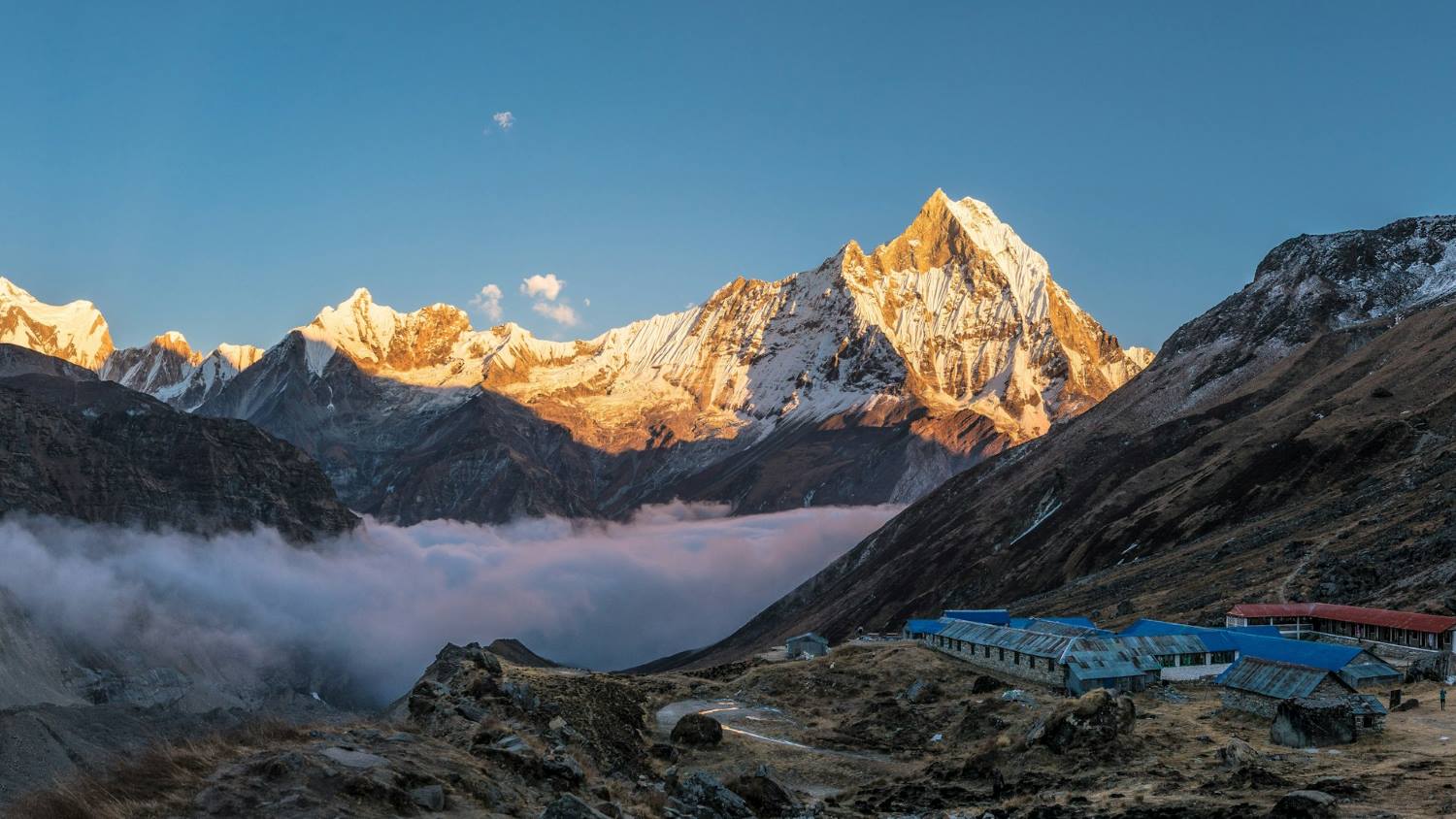
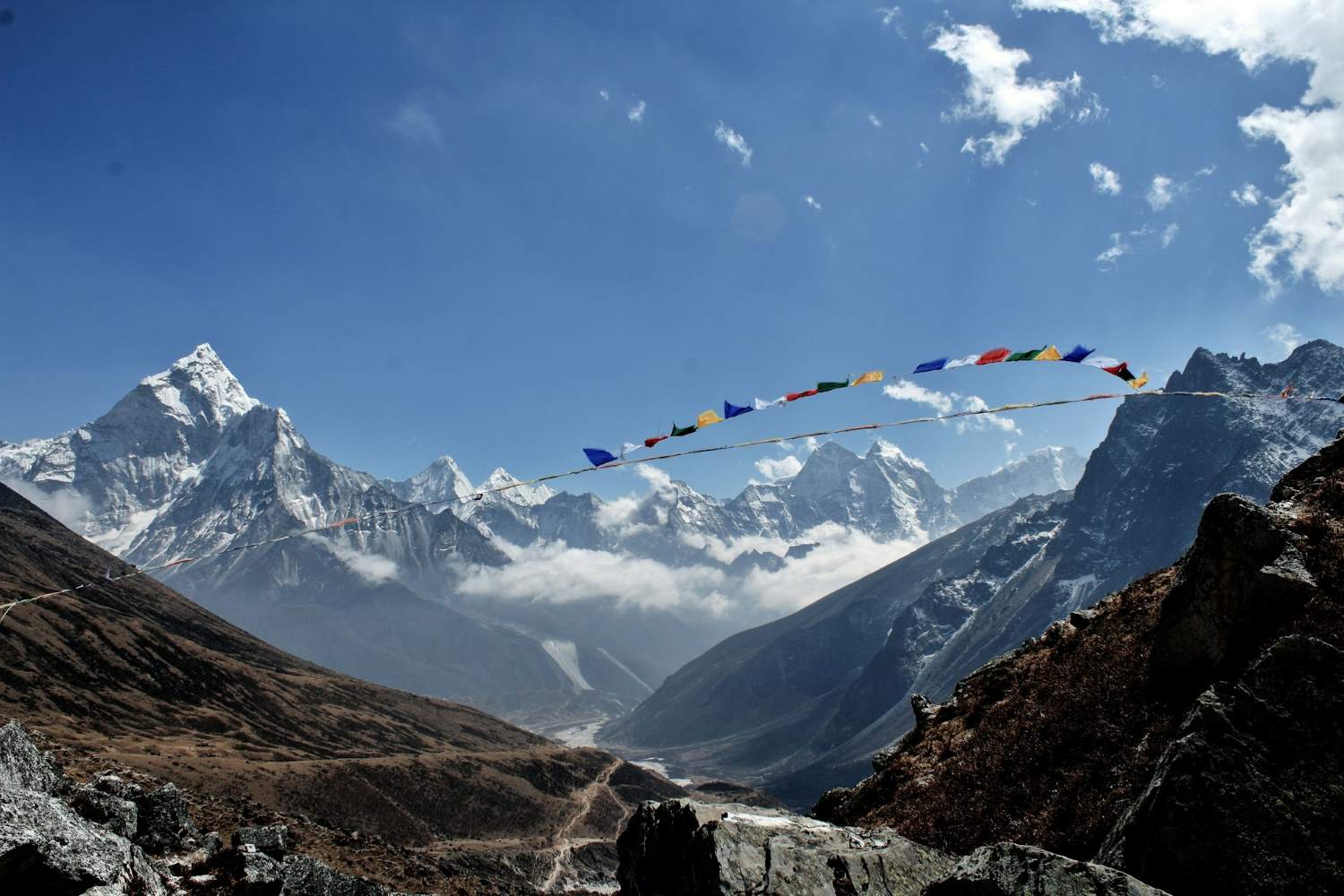
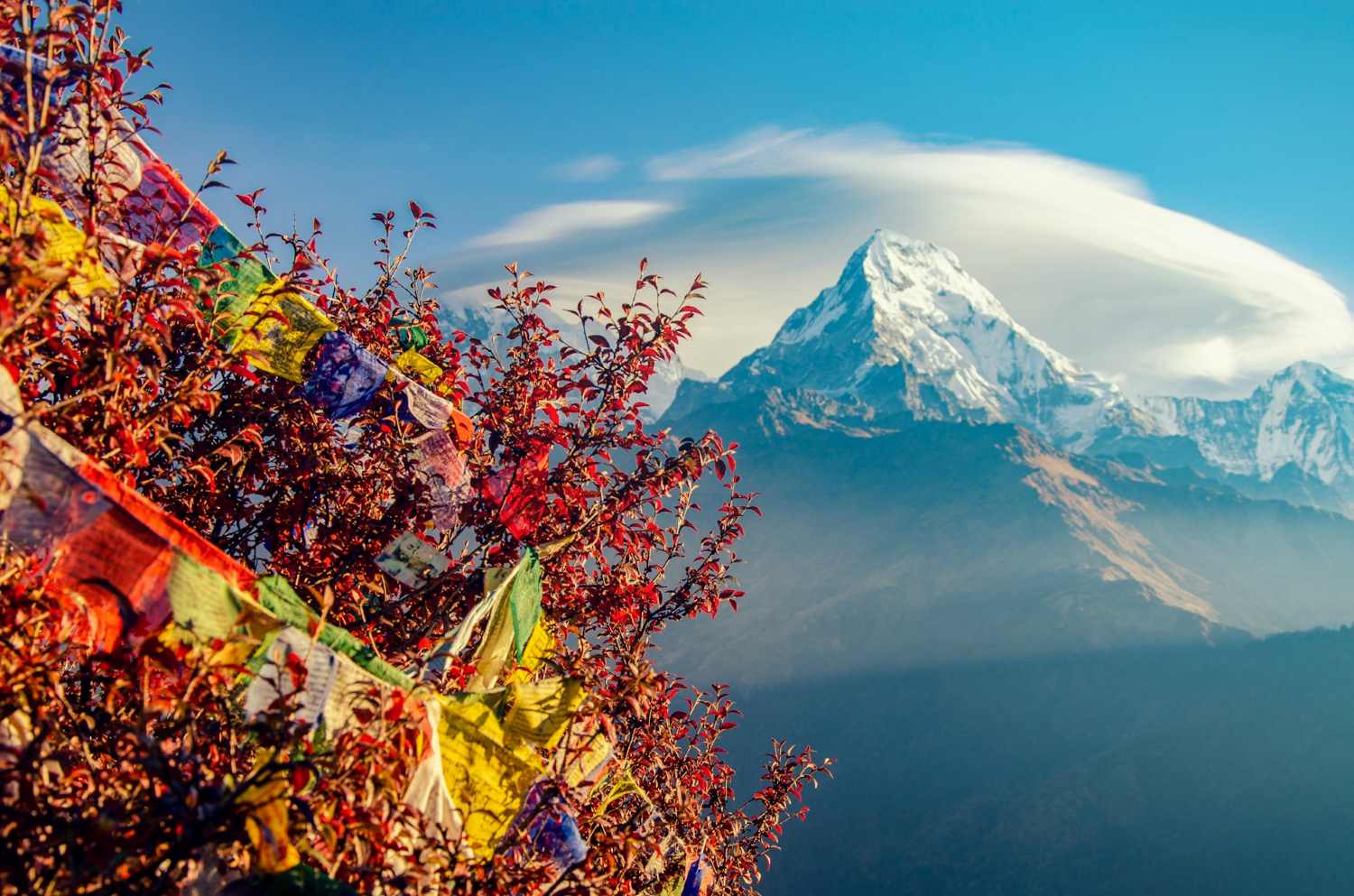
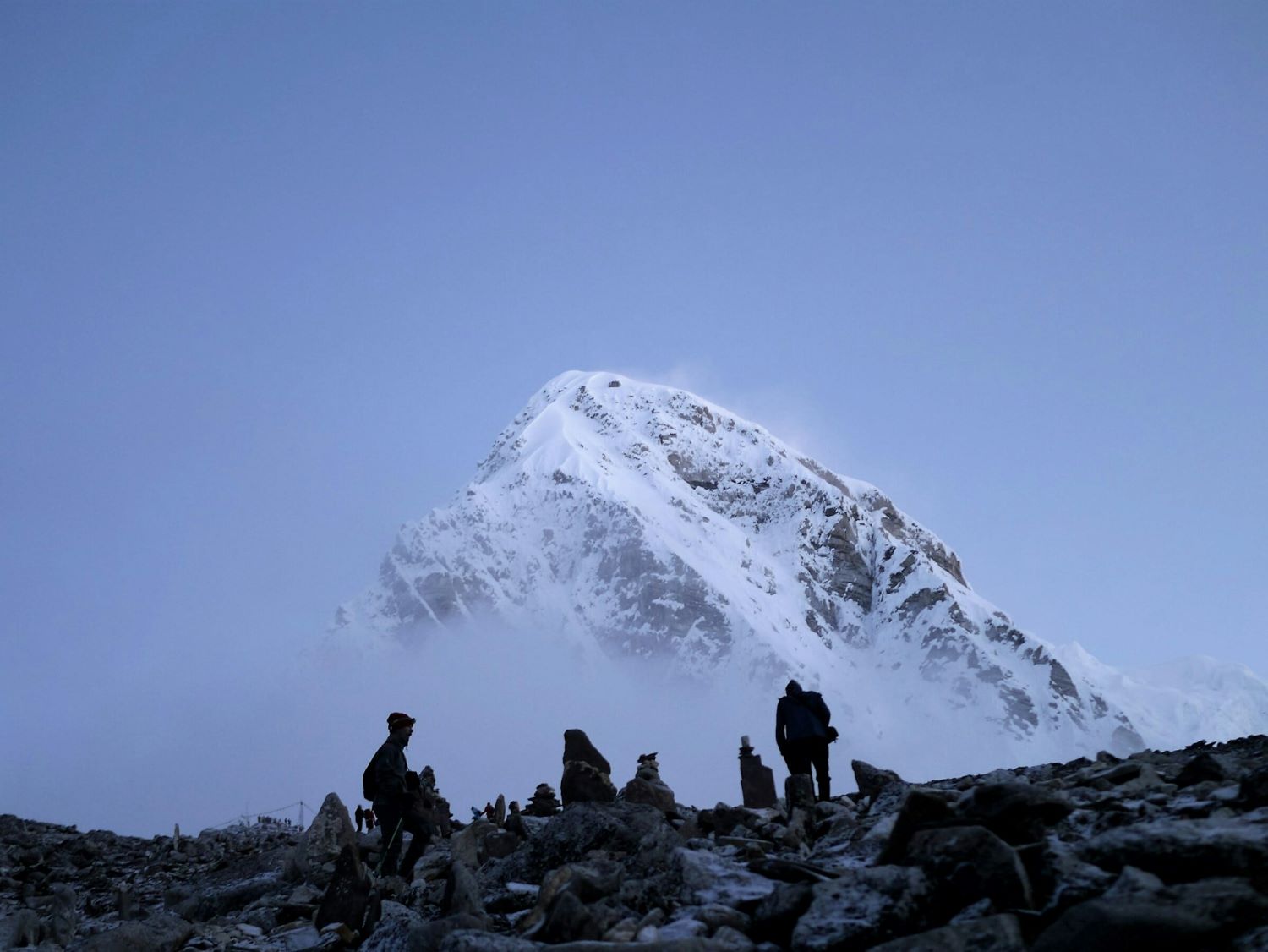
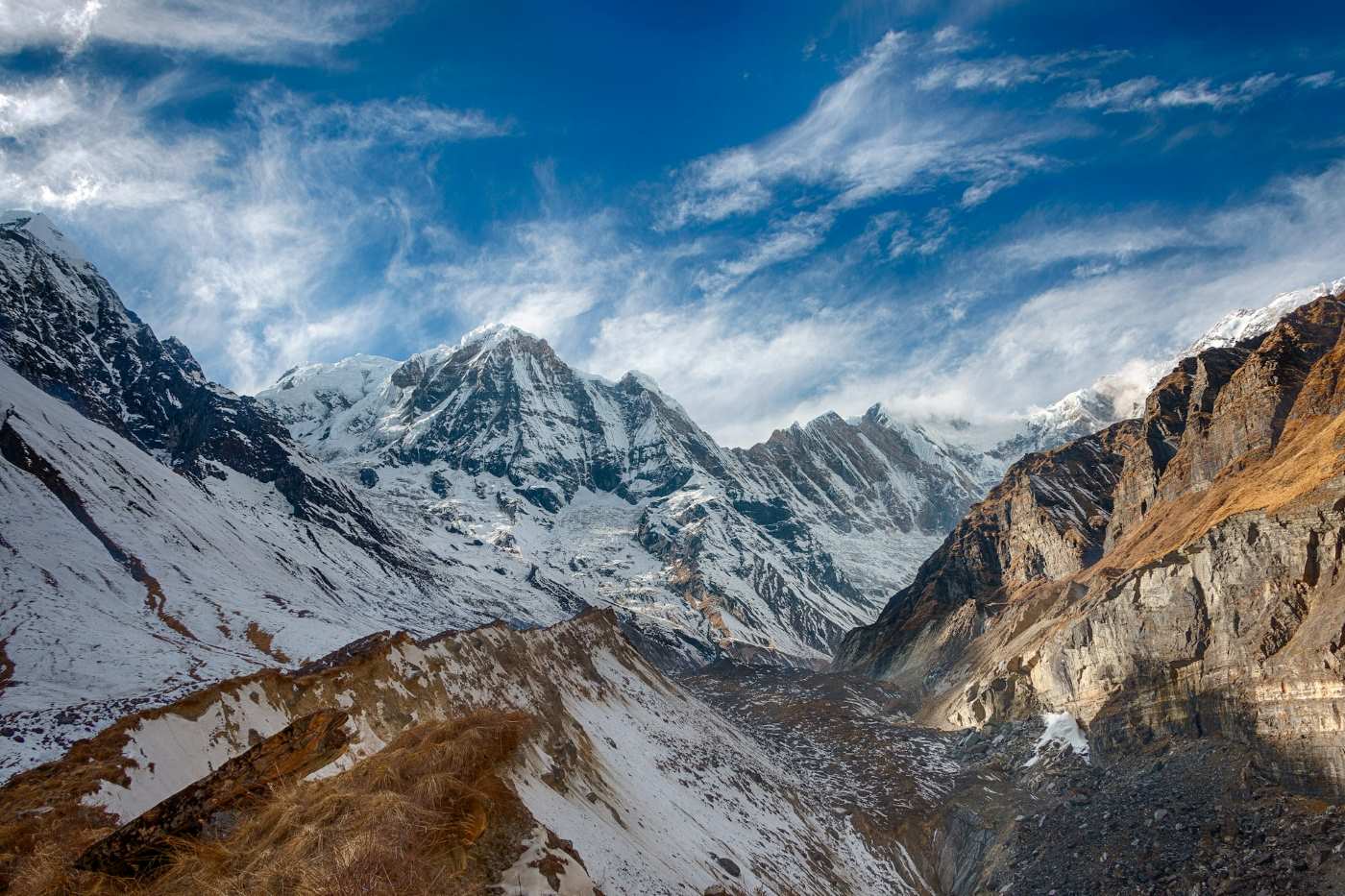
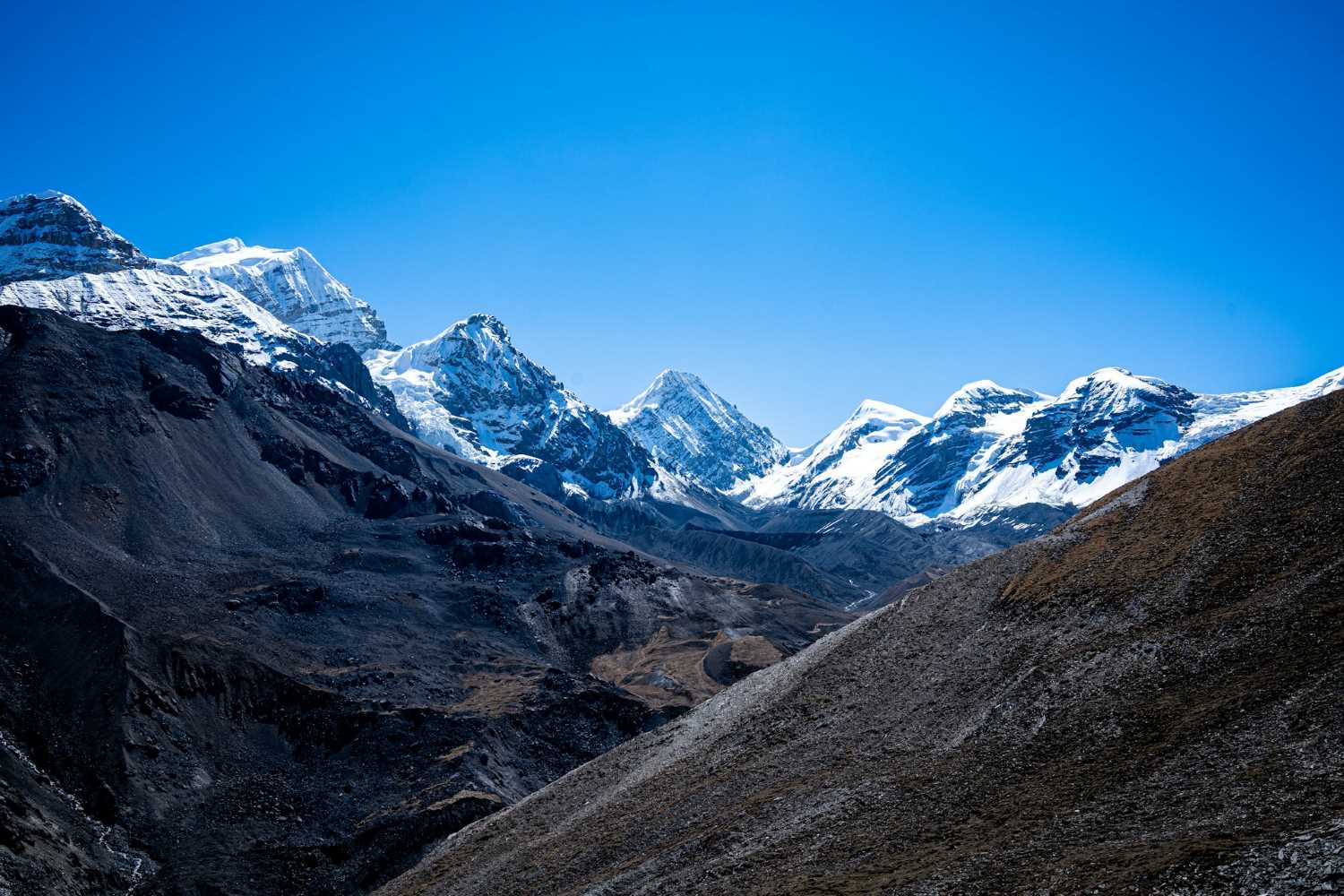
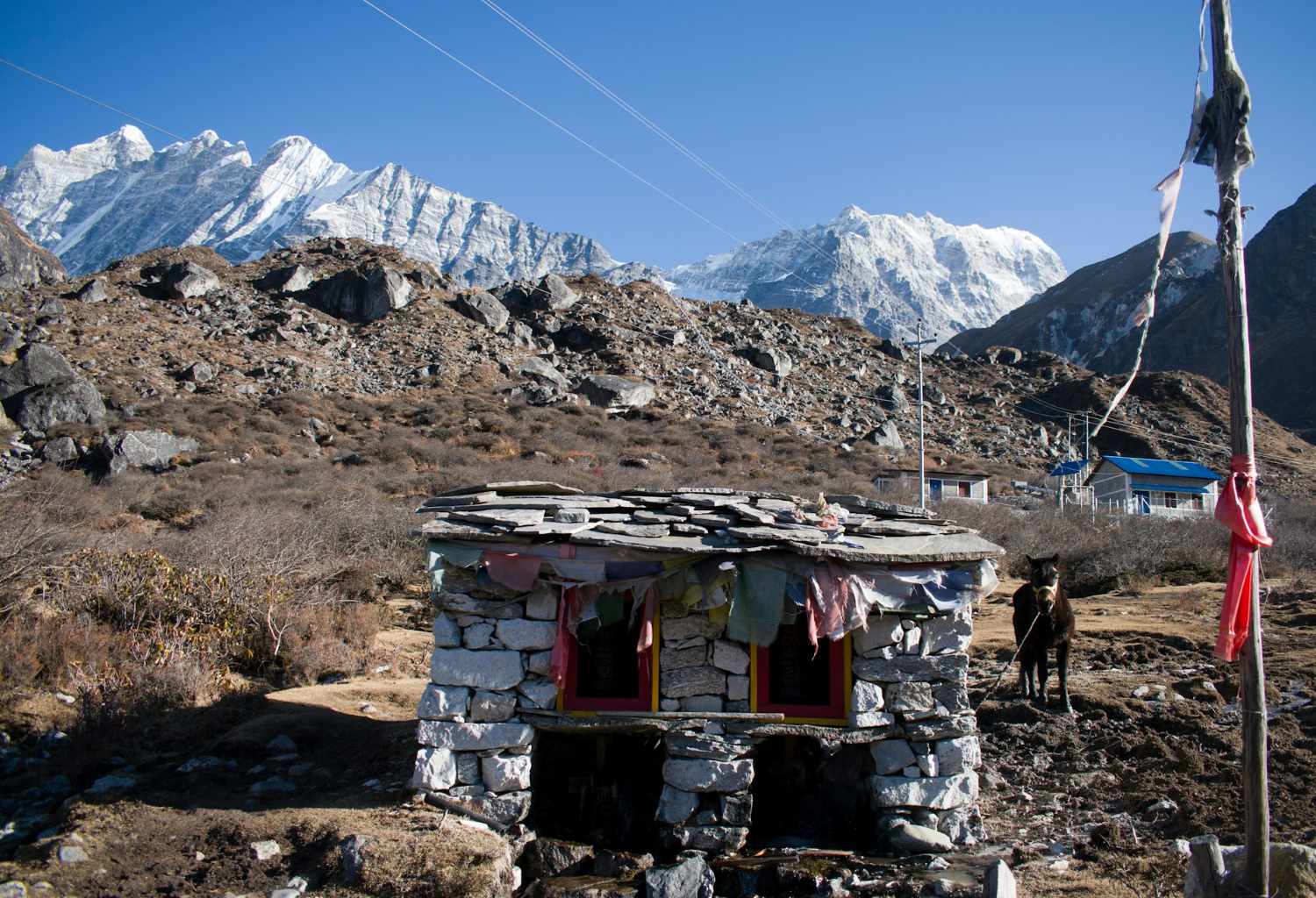
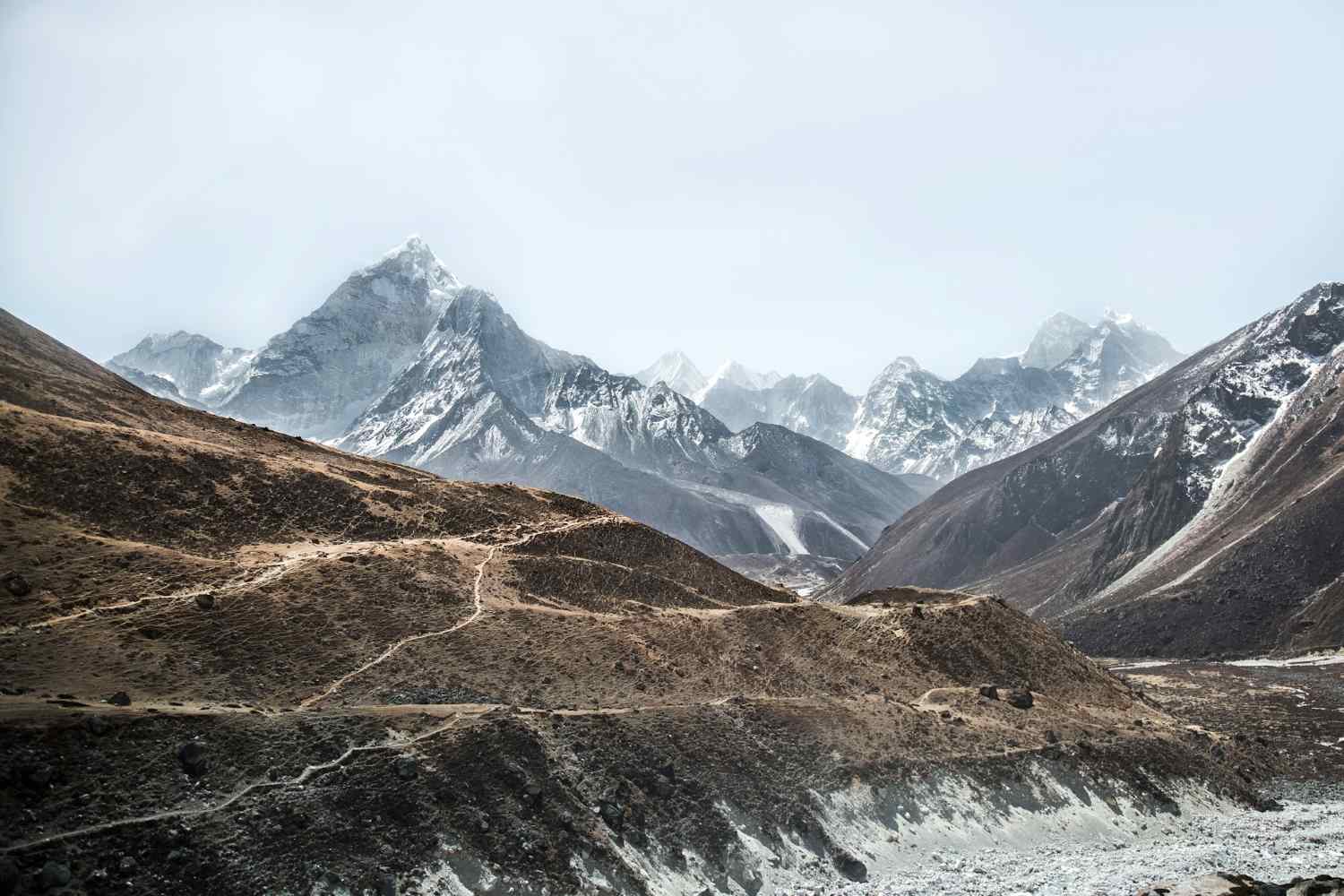
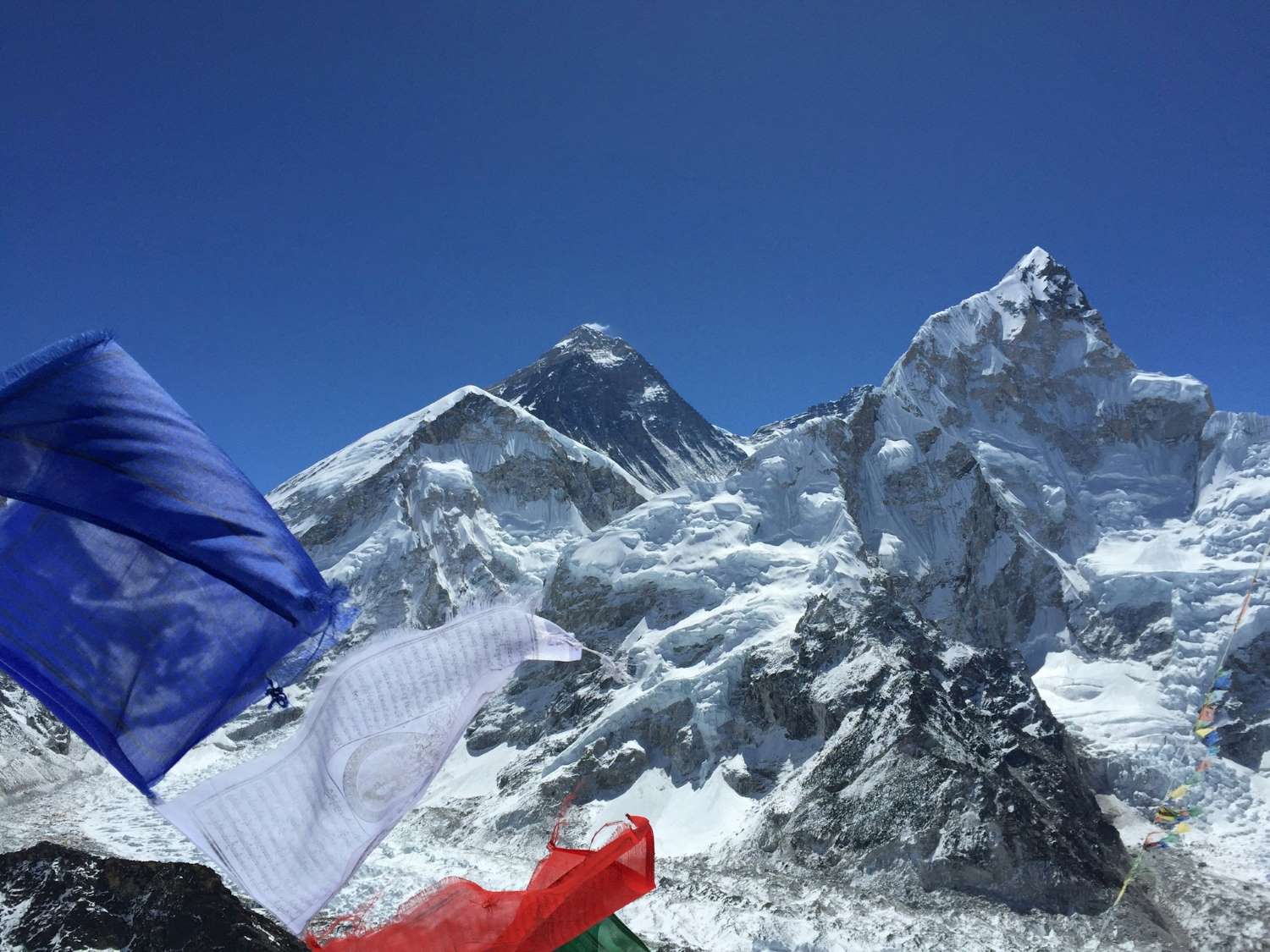
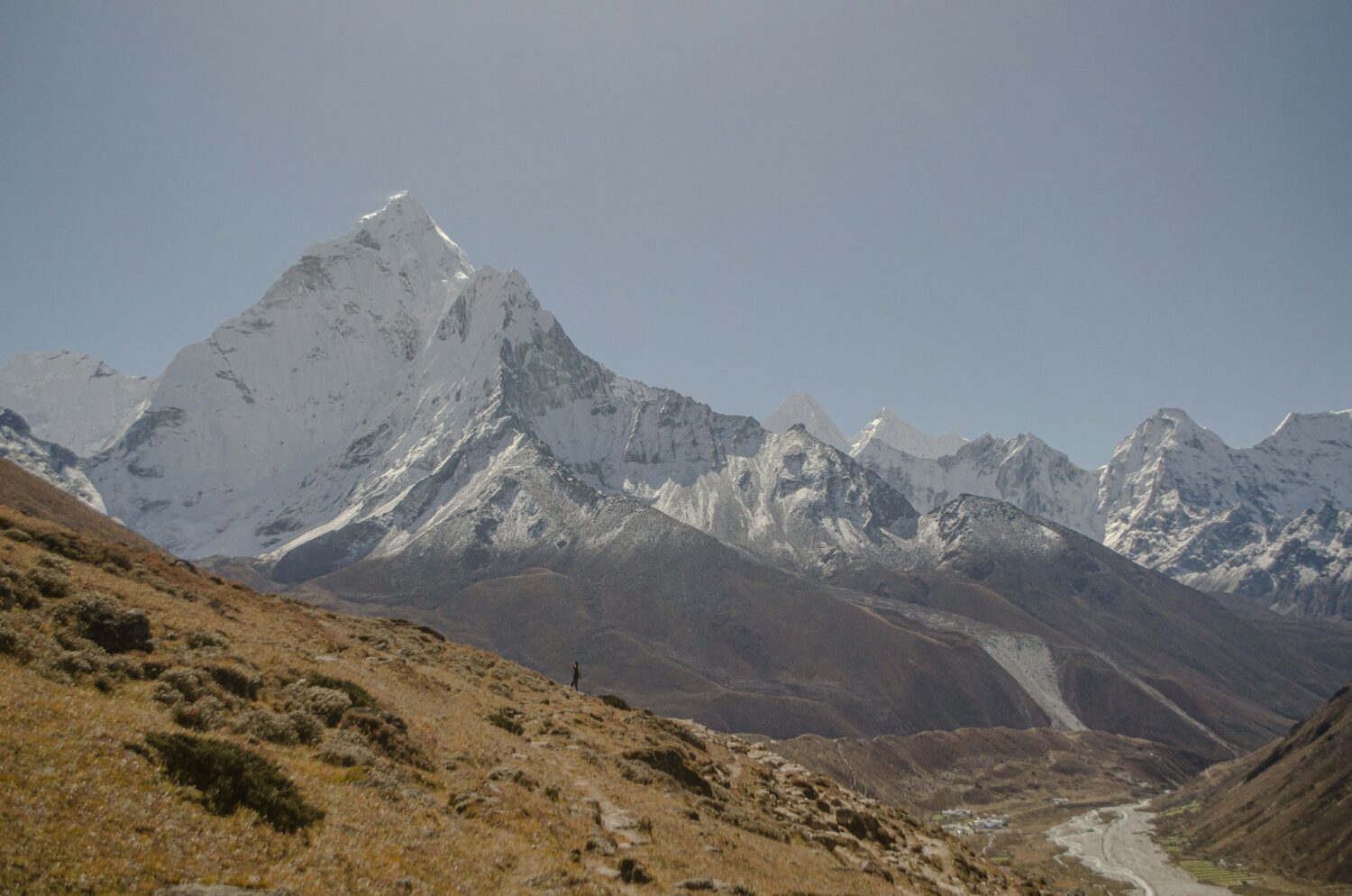

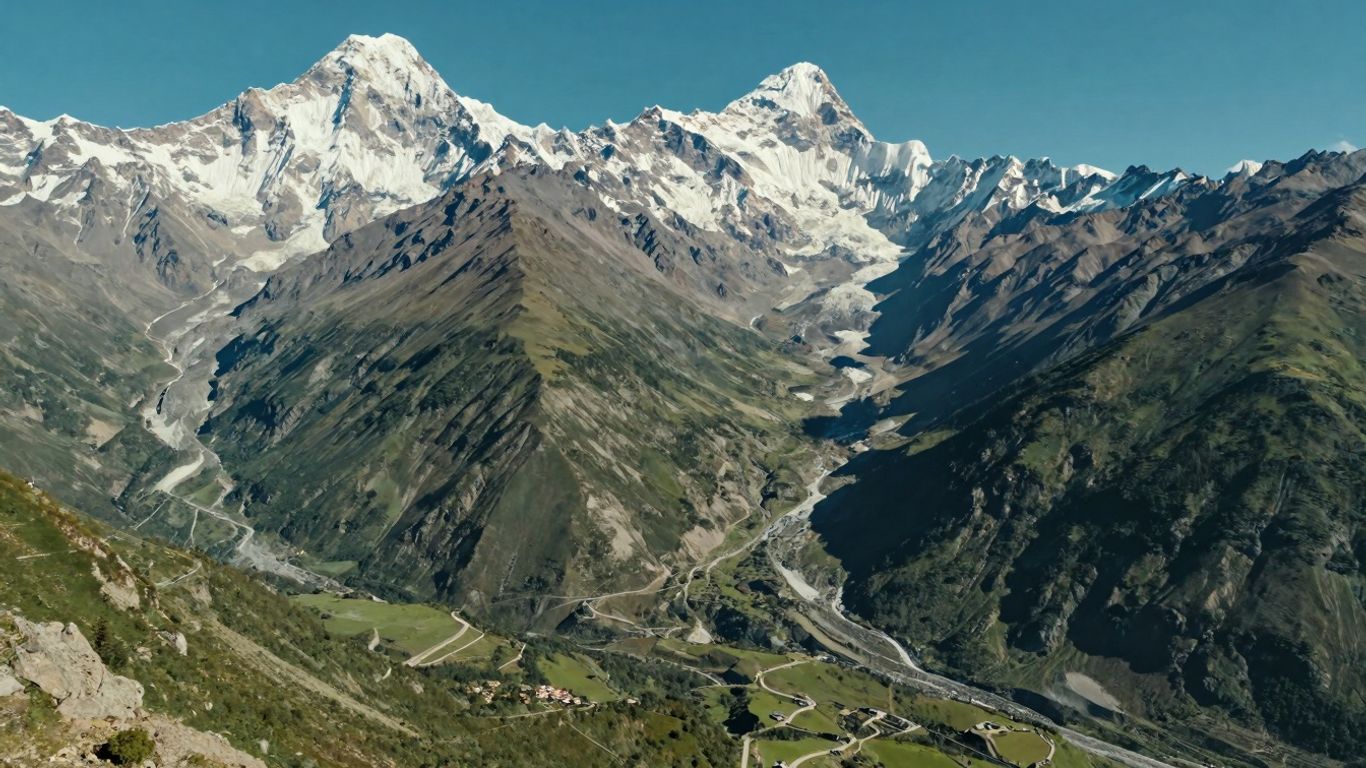 Alright, let's talk about actually walking the Annapurna trails. It's not just about showing up; you need to know what you're getting into day-to-day.
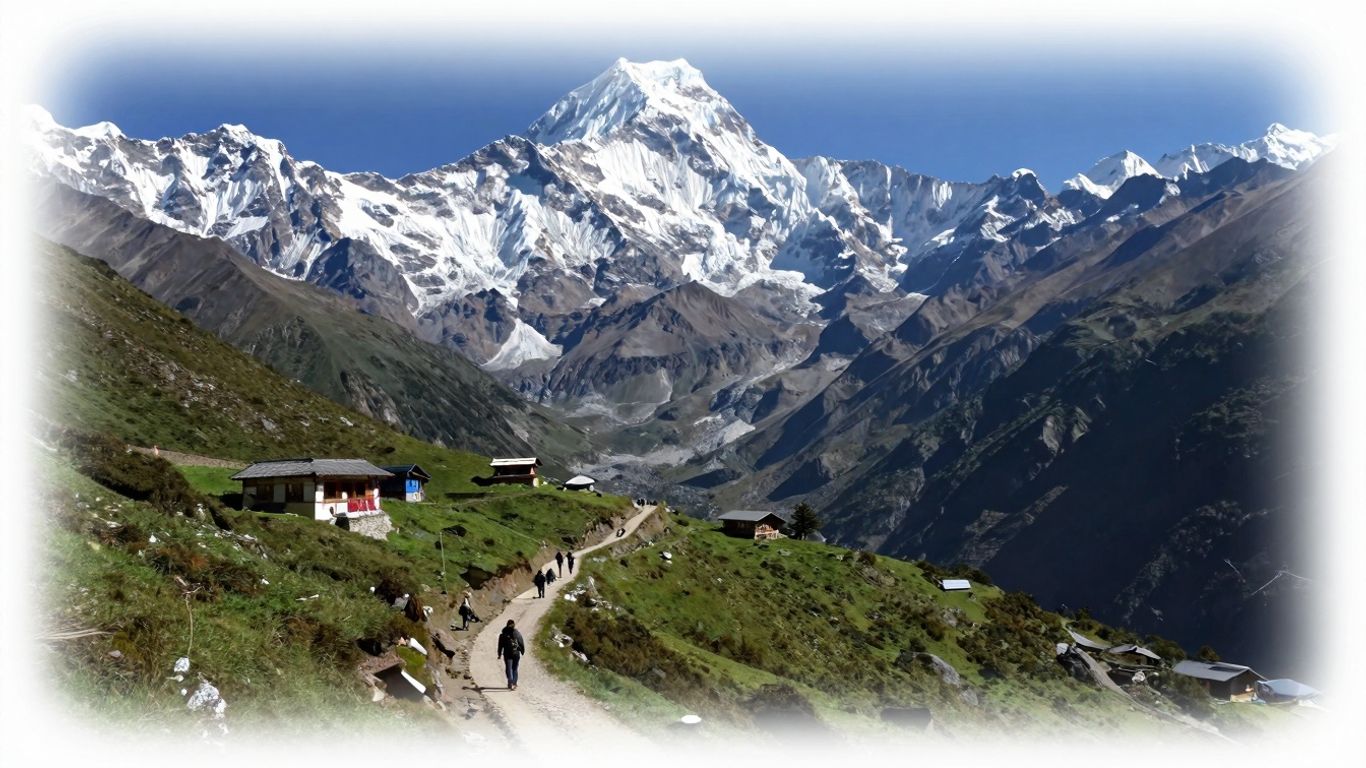 When you're trekking in the Annapurna region, don't expect five-star hotels. Instead, you'll be staying in what are called 'teahouses' or lodges. These are simple, cozy places run by local families, and they're a big part of the trekking experience. The charm of these teahouses is their rustic simplicity and the warm hospitality you'll receive. You'll find them in most villages along the popular routes, offering a place to rest, eat, and sleep.
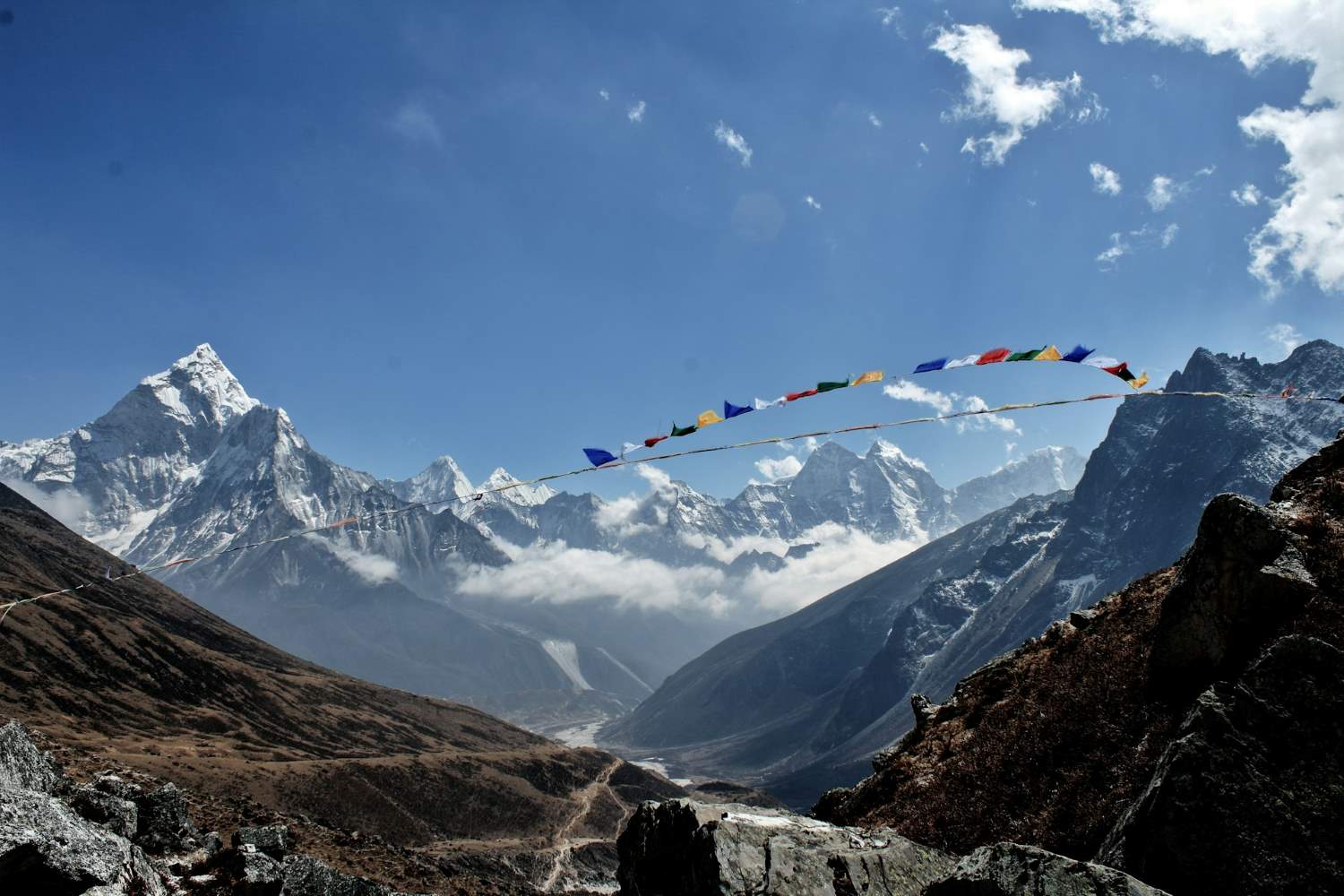
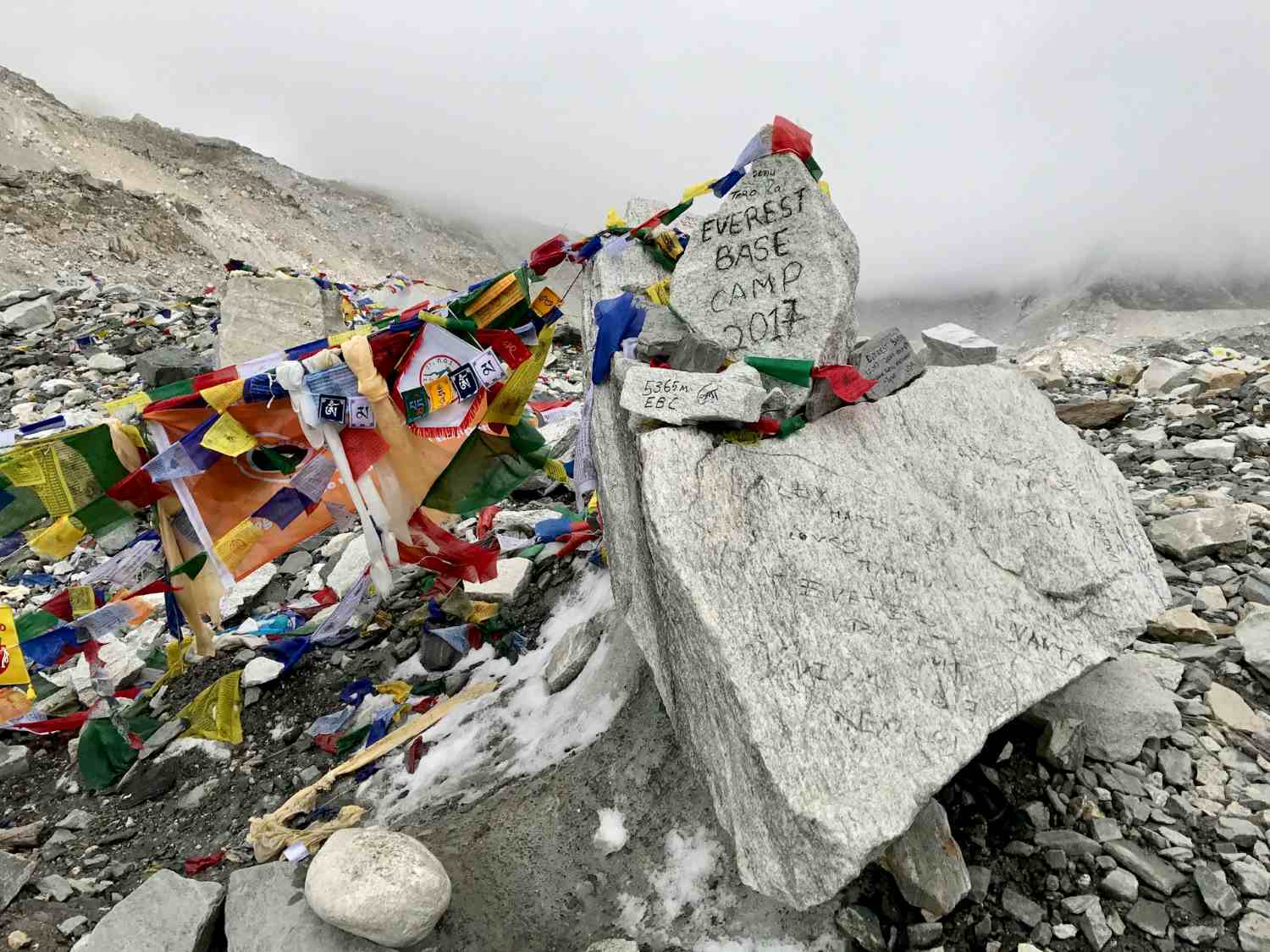
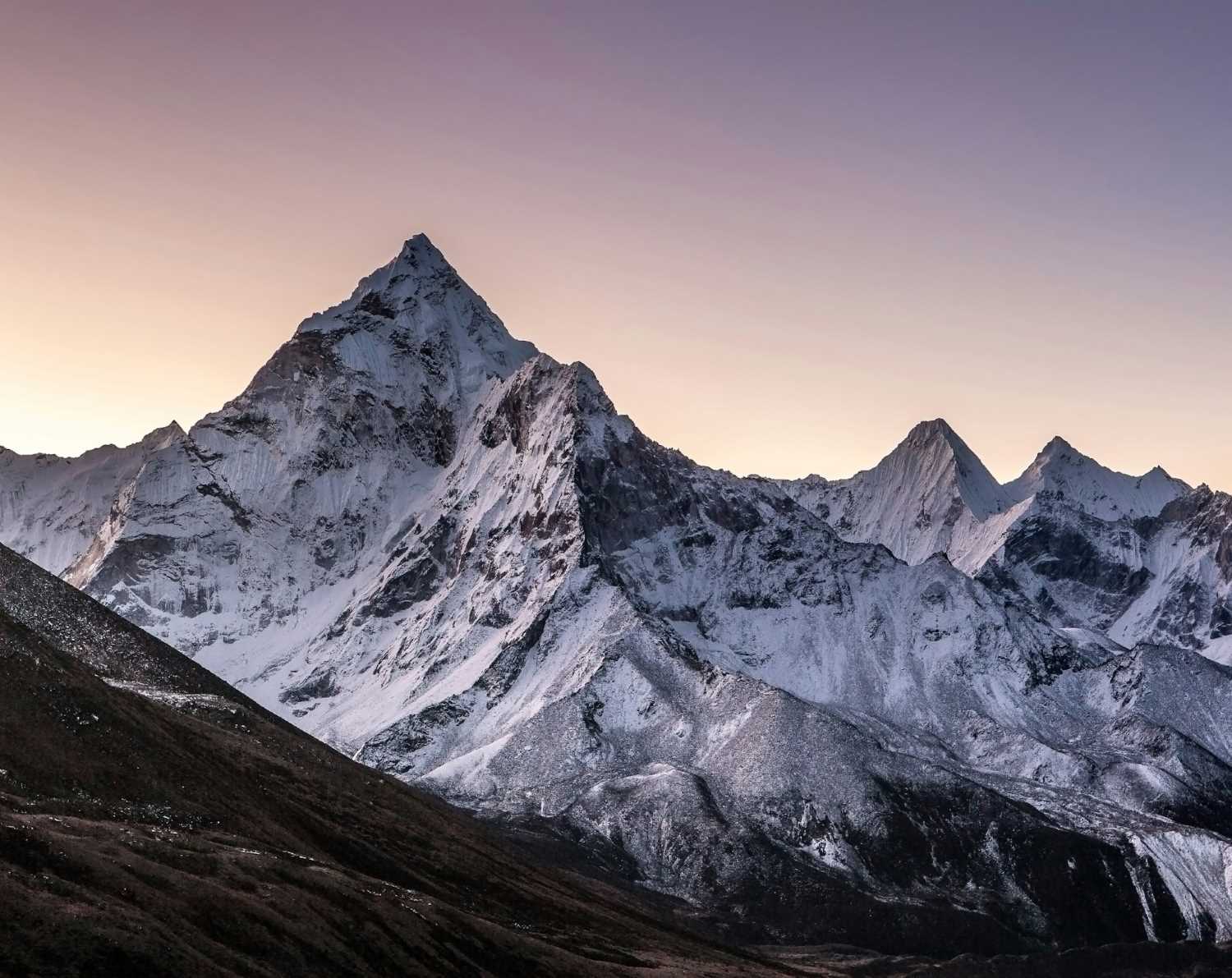 Are you dreaming of embarking on the iconic journey to Everest Base Camp? If so, you're in for an adventure of a lifetime! Everest trekking is a thrilling experience that combines breathtaking Himalayan landscapes with unique cultural encounters. Along the way, you'll traverse rugged trails, visit quaint Sherpa villages, and be surrounded by some of the tallest peaks on the planet. Before you lace up your hiking boots, let's dive into what makes this trek so remarkable and how you can prepare for this unforgettable journey.