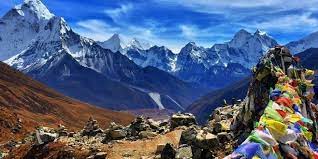
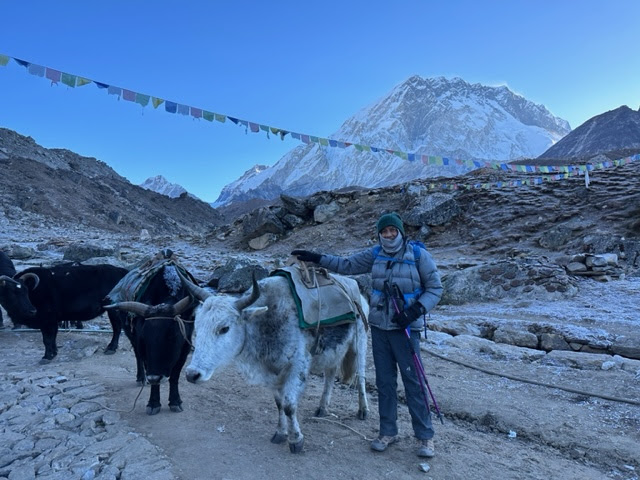
Choosing the ideal time for the Everest Base Camp (EBC) trek is the difference between a cloudy, damp struggle and a breathtaking, life-changing adventure. While the Himalayas are stunning year-round, the region’s weather patterns dictate the safety, visibility, and overall comfort of your journey.
To help you plan your lifelong dream journey, here is a detailed guide to the primary trekking seasons.
The best time to trek to Everest Base Camp (EBC) is during the two distinct peak seasons: Spring (March to May) and Autumn (mid-September to November). These windows offer the most stable weather, clearest skies, and safest trail conditions.
The Peak Seasons: Spring and Autumn
The consensus among seasoned trekkers and guides is clear: Spring (March–May) and Autumn (September–November) are the best times to visit. These windows offer the most consistent weather, clearest skies, and safest conditions.
1. Spring: The Season of Bloom (March to May)
Spring is arguably the most popular time for the EBC trek. It coincides with the main Everest climbing season, giving the region a unique, high-stakes energy.
-
The Experience: You’ll witness the lower altitudes burst into color with blooming rhododendrons and lush greenery within Sagarmatha National Park.
-
Temperature: Daytime temperatures can reach a comfortable 20°C, though nights remain cold, hovering around 5°C or lower.
-
Key Advantage: This season offers a high “weather window” probability, meaning fewer flight cancellations to Lukla and crisp, blue-sky views of the peaks.
-
The Trade-off: The trails and teahouses are at their busiest. Solo trekkers may find it difficult to secure a bed without a guide’s pre-booked arrangements.
Pro Tip: Dress in layers. You’ll want moisture-wicking base layers for the warm daytime sun and a heavy down jacket for the biting chill of the early mornings.
2. Autumn: The Post-Monsoon Clarity (September to November)
After the summer rains wash away the dust, the air in the Himalayas becomes incredibly sharp and clear, providing the best photographic conditions of the year.
The Challenging Season: Monsoon (June to August)
Trekking during the summer monsoon is a vastly different experience and is generally recommended only for those who prioritize solitude over scenery.
The Realities of Monsoon Trekking
-
Weather & Visibility: Expect heavy rain below 3,500m and unpredictable conditions higher up. Clouds often obscure the mountain views you’ve traveled so far to see.
-
The Trails: Paths can become muddy and slippery. Leeches are common at lower elevations, and domestic flights to Lukla face frequent delays or cancellations due to poor visibility.
-
Temperature: While it is warm (averaging 18°C), the dampness can make the cold feel more penetrative once the sun goes down.
Why Some Choose It Anyway
The primary benefit of a monsoon trek is the silence. The trails are empty, teahouses are wide open, and the landscape is incredibly lush. If you aren’t on a strict timeline and don’t mind the rain, you get a version of the Everest region that very few people ever see.
Summary Table: At a Glance
| Season | Best For | Temperature (Day) | Visibility | Crowds |
| Spring | Flora & Climbing Vibes | 15°C to 20°C | High | Very High |
| Monsoon | Solitude & Greenery | 18°C (Humid) | Low | Very Low |
| Autumn | Crystal Clear Views | 12°C to 16°C | Excellent | High |
Essential Tips for Success
Regardless of when you choose to go, keep these three rules in mind:
-
Start Early: In the Himalayas, clouds usually build up in the afternoon. Aim to be on the trail by sunrise to catch the clearest views.
-
Hydrate & Acclimatize: Temperature fluctuations can tax your body. Drink plenty of water and never skip your scheduled rest days.
-
Pack for “Worst Case”: Even in the height of spring, a sudden storm can drop temperatures below freezing. Always carry high-quality waterproofs and a reliable down jacket.
Deciding when to trek to Everest Base Camp (EBC) is a balance between weather, crowd levels, and your own comfort with extreme conditions. While the peak seasons of Spring and Autumn are the gold standard, each time of year offers a unique perspective on the world’s tallest mountain.
🌧️ The Monsoon Season: June to August
Trekking during the monsoon is for those who value solitude and lush landscapes over panoramic mountain views.
Strategic Tips for Monsoon Trekking
-
Early Starts: Aim to be on the trail at sunrise. In the Himalayas, monsoon rain typically hits in the afternoon, so getting your miles in early ensures a drier trek.
-
Leech & Moisture Protection: Lower altitudes (below 3,500m) can be buggy. Wear long sleeves, use insect repellent, and pack dry bags to keep your electronics and sleeping bag bone-dry.
-
Footwear Focus: Ensure your boots have deep treads for slippery mud and are fully waterproof. Trekking poles are non-negotiable for stability on wet descents.
-
The “Rain-Shadow” Alternative: If you want to trek in Nepal during these months but avoid the rain, consider routes like Upper Mustang or Dolpo, which stay dry while the rest of the country is soaked.
🍂 The Autumn Peak: September to November
This is widely considered the best time for photography and stable conditions.
Why Choose Autumn?
-
Unrivaled Clarity: After the monsoon, the air is scrubbed clean of dust, offering the sharpest views of Everest, Lhotse, and Ama Dablam.
-
Festive Spirit: You’ll likely witness major Nepalese festivals like Dashain and Tihar, adding a rich cultural layer to your adventure.
-
Weather Trends: Expect mild days (12°C to 16°C) but be prepared for a sharp drop into sub-zero temperatures as soon as the sun sets.
Note on Crowds: Because this is the most popular window, teahouses in Namche Bazaar and Dingboche fill up fast. Always book your accommodation in advance through a reputable agency.
❄️ The Winter Challenge: December to February
Winter trekking is a test of endurance and preparation, rewarding the brave with a “private” Himalaya.
Survival & Success in the Cold
-
Extreme Temperatures: Nights at Base Camp can plummet to -20°C (-4°F). A high-quality, four-season sleeping bag and a heavy down jacket are mandatory.
-
The “Closed” Factor: Some high-altitude teahouses close for the winter. Ensure your guide has confirmed which lodges are open to avoid being stranded.
-
Short Days: Daylight is limited. Start early to reach your next stop before the “bone-chilling” evening cold sets in.
-
Battery Life: Cold drains electronics rapidly. Keep your phone and power banks inside your sleeping bag at night to preserve their charge.
🗓️ Month-by-Month Snapshot
| Month | Conditions | Best For… |
| Mar–May | Warm, blooming flowers, clear skies | Social trekkers & seeing Everest expeditions |
| Jun–Aug | Heavy rain, leeches, clouds, lush greenery | Solitude and “off-the-beaten-path” feel |
| Sep–Nov | Crisp air, perfect visibility, festive mood | Photography and classic mountain views |
| Dec–Feb | Frigid, snow-covered trails, empty paths | Experienced trekkers seeking a raw challenge |
🛡️ Safety & Health Concerns
Regardless of the season, Altitude Sickness (AMS) remains the primary risk. The cold, dry air of winter can exacerbate respiratory issues, while the humidity of the monsoon can lead to faster fatigue. Always include buffer days in your itinerary—especially in winter and monsoon seasons when Lukla flights are frequently grounded due to visibility.