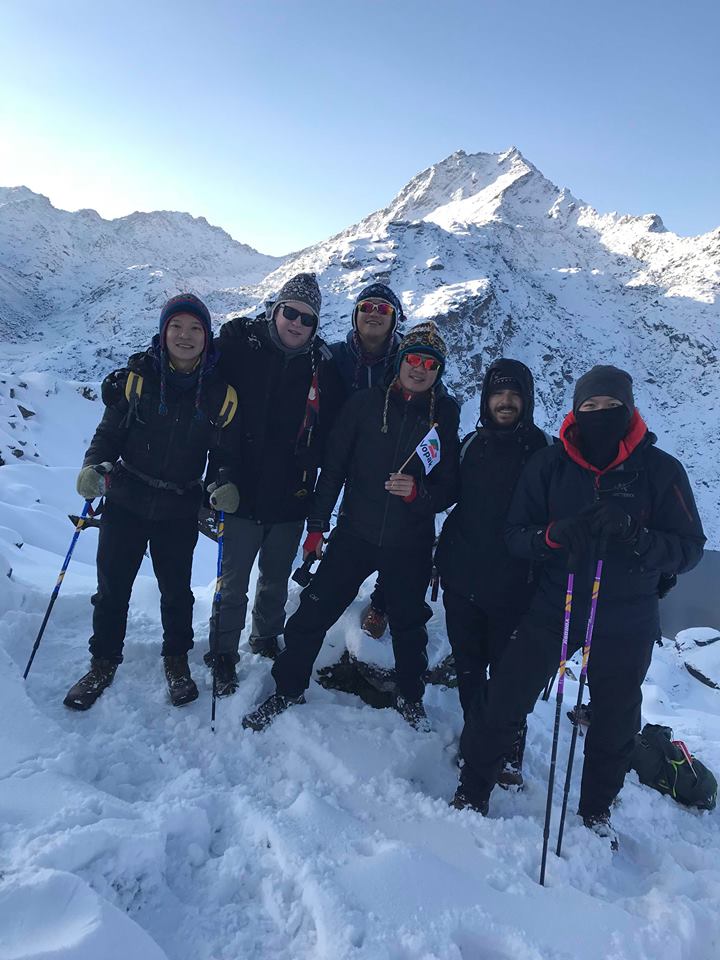
The Base Camp to Everest is quite simply the classic trek in Nepal. Get ready for the jaw-dropping nThe Base Camp to Everest is quite simply the classic trek in Nepal. Get ready for the jaw-dropping natural scenario and unique cultural exploration that is similar to Tibetan culture and a challenging trekking route around the highest peak.
Being the world’s tallest peak, Everest Base Camp is one of the most preferable treks in Nepal. Everest base camp is high on the priority list of trekkers.
This trek offers you one of the most treasured breathtaking views of cliffs, towering Glaciers, and forested hills.
Besides, you will get an opportunity to explore local Sherpa culture and tradition, which is similar to the Tibetian lifestyle.
Trekking in Everest is the combination of a challenging trek to Everest panorama, Gokyo lake, Everest Base Camp, and Everest three high passes trek. Moreover, these are famous trials for enthusiastic adventure trekkers.
The average day for the trek is around 15 days. It may take longer than that as well. The starting and the ending place for the trek are Lukla.
Most of the international trekkers fly to Tribhuvan International Airport in Kathmandu, spend a day sightseeing in Kathmandu and fly to Lukla.
The trek starts from a scenic flight from Kathmandu to Lukla. From Lukla, the trek passes to Phakding and Namche Bazar. Namche is the gateway to the Everest Base Camp Trek.
It is a place that offers you the fantastic culture and settlement of sherpa. From Namche, you will trek through Tengboche, Dingboche, Lobuche, and Gorakshep and reached the highest summit at Kala Patthar (5400m).
Kala Patthar offers stunning sunrise and sunset view.
On the other hand, the trip will be filled with the splendid view of Annapurna, Makalu, Nuptse, and Pumori. You will be surrounded by the views of the highest mountain ranges.
Besides, the blooming Rhododendron fields will add extra natural scenarios to your journey, if you are around the flowering season.
Therefore, the Everest Base Camp Trek is a once-in-a-lifetime adventure that less you to witness the panoramic views of Mountains, splendid landscapes as well as Buddhist cultures and Monasteries.
How To Hike Everest Base Camp
Base camp to Everest is at an altitude of 5364m, so trekking to such a high altitude is a thrilling experience. There are mainly three major ways of trekking to the Everest Base Camp.
Firstly, you can do a package tour through some agencies. If you choose a package tour, the agencies will be responsible for every single thing required for the trek including the permit, guides, and the porters.
On the other hand, you can either do it by yourself without hiring guides or without a group. Then, the next is you can hire a porter or guide and do it without a group.
Trekking in a group through an agency is a good option as you will be meeting people from other countries. You don’t have to worry about any permits, gears, equipment, porters, and guides as they will be organized by the agencies. If you are alone and don’t have any confidence to carry out the trek unassisted, it is easier but more expensive for you.
Doing it all by yourself is another option if you are brave enough to travel and carry your needed equipment all by yourself. It will be a lot cheaper and you will gain different experiences in your journey alone.
Hiring just a porter and guide without a group and any agency is another option for you. You can find porters and guides in Kathmandu as well as Lukla
Organized Everest Base Camp Trek
Base camp to the world’s highest peak at an altitude of 5364m is not an easy journey. you have to face the challenging weather, rough trails, and narrow routes.
Despite challenges, the trek will be much more interesting and comfortable if organized properly. For an organized Base Camp Trek, one needs to :
Have A Right Packing
you need to have the right packing whether that be the clothes or the shoes you need for the trekking. Don’t carry unnecessary things, it will just make your bag heavier and slow down your hike.
Pack all the needed clothes such as down jackets, t-shirts, gloves, shocks, trekking tracks, and more importantly trekking shoes. Besides, carrying a mouthguard and knee caps with you is another best option.
Carry Gears and Equipment
For extreme altitude treks like Everest, the roads are narrow and rough so you need various trekking equipment such as trekking poles, headlamps, and other needed stuff.
Carry Medicines
Altitude sickness is one of the major problems of this trek. So, you can carry some medicine that helps to overcome the sickness.
Besides, you can carry some extra medicines for headaches because of the changing weather, you may suffer from it. Also, if you are taking any medication regularly, don’t forget to carry that as well.
Physical And Mental Fitness
Your well-being is most needed for the Everest base camp trek. The trekkers need to trek for more than 5 hours a day, so for that extreme walking, one needs to be physically and mentally fit.
Everest Base Camp Trek Cost
Everest base camp trek is a bit of an expensive trek compared to any other trek in Nepal. Trekking to an altitude of around 5364m high takes a lot of physical strength and other materials.
Your cost covers the food, accommodation, various gears, and equipment needed for the trek. Similarly, the cost even covers plane tickets, insurance, and other forms of transportation.
Package to EBC with international agency $1700
Choosing the trek with an agency will be more comfortable and easier but will be a bit expensive.
Doing a trek to an extreme Everest Base Camp with an agency costs around $1700 and besides, you will be able to meet new people from around the world. Exchange the ideas, knowledge,
and even the language and culture of different countries people. Therefore, trekking with an agency may seem a bit expensive but it will be a chance to explore people of different backgrounds.
Package to EBC with local agency $1600
Various local agencies help the trekker to complete their Base camp trek to the world’s highest peaks.
So, with these local agencies, you can save up to 100$ as the local agencies are a bit cheaper than the international agencies.
With local agencies, you will be provided with an English-speaking guide, a porter, and all sorts of ground transportation and equipment and needed gear.
So, if you are alone and want to explore the base camp in a group then you can consider taking a package with local agencies.
Independent EBC your with guide and porter $1370
If you are willing to go for the trek alone without any agencies or any group but want a porter and guide, then it will be more cheaper and convenient.
Trekking with just a porter and guide will cost you around $1370. You will be saving around $300. Your guide will be there for you to show the way and the routes and the porter will be there for you to carry your equipment.
So, if you want a peaceful trek on your own then you can do this trek with just a guide and porter.
Independent EBC trek with a guide $1085
Despite being an extreme trek, the Everest trek is possible to do independently. If you want to do the trek independently with just a guide then it will cost you around $1085. You will be saving a lot more in this trek.
Independent EBC trek with a porter $930
Everest is a popular trek in Nepal, so you can do it independently with just a porter. As there will be a lot of people moving for the trek.
Finding a route will not be much harder as you can even take a trekking map and explore the way yourself. So, with just a porter, the trek cost around $ 930 which is almost half that of hiring an agency.
EBC trek completely independent $645
If you dare to finish this trek without any porter or guide, then it will be a lot cheaper. You will be saving around 1000$ if you intend to complete the trek independently.
Therefore, there are several ways to complete this base camp trek. And the cost varies accordingly.
Food on Everest Base Camp Trek
There are tea houses and some homestays in the Everest base camp trek. Even though there are not many options for the food in the tea house and lodges, one can have a taste of typical local food at Everest Base Camp.
Since the trek takes you to a higher altitude, your food should be according to that. You should consume food that is altitude-friendly.
In the cold climate, your body carves hot soup, hot noodles, and hot tea which helps in keeping you warm as well.
You should not walk immediately after the food. Rest for some time and enjoy the trek with full energy. Usually, three meals are planned for the day.
Besides, you can choose to have something else besides the regular food. So, for the food, one can pay an average of $25 per day for three meals.
Breakfast in Everest Base Camp
Breakfast is one of the most important meals of the day. It is ideal to have your breakfast 30 minutes before your walking journey.
So, we try to include healthy food in breakfast which will give you energy for the whole day’s walk. You need to walk for around 5-6 hours per day. So you will be having your breakfast around 7 in the morning.
Most tea houses have the same options for breakfast such as bread, potatoes, porridge omelets, toast, and tea with milk.
Lunch at Everest Base Camp
Lunch is the main course of the meal for the whole day in Nepal. So, having a proper lunch is a must in the Nepalese food system. Lunch will be served from 12:00 to 1:00 in the afternoon.
We will stop at one of the tea houses for lunch. For Lunch, the popular items in the upper Himalayan region of Nepal are the traditional Nepali food, Dal, Bhat, Tarkari, and Achar.
Cooked meat and dry meat are also options here. Besides, you can have other options for lunch such as noodles, Thupka, momos, pasta, etc.
Dinner in Everest Base Camp
You will feel hungry and tired after the long walk throughout the day. So, the tea houses serve a proper dinner to boost your energy.
You will be having dinner at the same tea house where you will be staying. The dinner time will be around 7:00 pm to 8:00 pm.
After the whole day trek, you will enjoy the warm dinner that goes with the weather. Enjoying dinner outside in the campfire is another beautiful moment that this trek offers.
For dinner, you will again have the traditional Nepali food, Dal Bhat Tarkari Achar. You can even try some other dishes and soups for dinner.
So, these are the foods served on the Everest Base Camp trek. However, you can bring your dry foods for some mid-day snacks.
Everest Base Camp Trek Permits
Before 2018, only two permits were required to complete this trek, a TIMS and National Park Permit. Now, there is an addition of a Local permit.
This is a new permit for the base camp trek which was implemented on 2018, Oct 1st. The local government of Khumbu collects Nrp 2000 per person from each foreigner.
This permit cannot be obtained in Kathmandu. You can get this permit from Lukla if you are flying to Lukla. Or else if you are trekking to smaller or Jiri you can obtain this from Monjo.
Sagarmatha National Park Entry Permit
While trekking to the Everest Base camp trek, you need a Sagarmatha National Park entry permit. This can be obtained from the Tourism Board from Kathmandu or Monjo at the park entrance. This will cost around NRP 3000 per person.
Additional Permit for Jiri to Everest Base Camp trek
You need an additional permit from Jiri for the Everest Base camp trek. For an additional permit, you need the Gaurishankar conservation area. This can be obtained from the Tourism Board in Kathmandu. This will cost around NRP 3000.
TIMS permit to trek to Everest Base Camp
Every trekker who visits Nepal for the Everest Base camp trek needs a special permit. The Trekkers’ information Management Card (TIMS) is compulsory for every kind of trek in Nepal for foreign visitors.
It is a system that was set up by the central government of Nepal to collect data from all trekkers in Nepal. The card is for safety and security purposes and goes partly for rescue purposes and maintainability of the trials.
Free individual trekkers get the green TIMS and the group gets the blue TIMS card.
Everest Base Camp Trek Difficulty
Trekking to Everest Base camp is tough and will push you to your limits. But it’s a most interesting and achievable goal for trekkers all around the world.
For the trek, you don’t need to be an athlete, but you should be prepared for the trek physically and mentally. You have to face several difficulties in your trek such as
Occupied Teahouse and Lodges
Everest Basecamp trek is one of the busiest trekking routes in Nepal. Even though there are several guesthouses available, they get easily occupied.
So, you might have difficulties finding guesthouses and lodges for accommodation. Besides, one has to wait in queues for the food.
On the other hand, the teahouses and lodges get crowded due to the high number of trekkers. Therefore, you have to pre-book the teahouse and lodge if you don’t want a crowded place
Altitude
Another major difficulties of the Everest Base camp trek are its altitude. Everest Base Camp is at an elevation of 5364m. The level of oxygen is very less at such a height which may cause altitude sickness.
On the other hand, the wind beats hard here and the climate keeps on changing. There is variation in altitudes while ascending and descending the Everest Base Camp.
However, if you are beginners here you might get altitude sickness.
The trails and routes
Another major obstacle of the Everest Base Camp trek is the trail itself. The trail to Everest is rough and unsteady. The trials keep on ascending and descending which makes trekkers tired in a short time.
The trail is long and tedious to those who are not used to traveling long distances. The roads are craggy and filled with rugged mountains.
Some places have narrow roads which are even difficult for a single person to walk with those backpacks. The trails remain under the snow for most of the year above 5000m.
You need to be careful with the herds of yak and mule which may push you off the cliff.
Best Time to Trek Everest Base Camp
The weather in higher altitudes is known for freezing weather but there are some times in the year when the temperatures are mild and wearable.
But again we cannot be so sure about the temperature of the Himalayan region as Bad weather can hit anytime here.
Therefore, you need to understand the weather pattern before planning your trip to the Everest Base camp. There are mainly two seasons considered for trekking to the Everest base camp and they are:
Spring Season
The month from Feb to May is the spring season in Nepal. It is the most popular season for trekking and expedition in Nepal, mostly on Everest.
Most people prefer trekking to the base camp during these seasons. The views of the springs are stunning. Springs provide a clear and undisturbed view of the Himalayan massif.
The trail is filled with green vegetation and blooming Rhododendron, and gushing rivers. Sometimes, there may be occasional snow showers in early February, but the weather stabilizes in mid or end of February.
Autumn Season
Another best season for the Everest Base camp trek is Autumn. It is one of the peak seasons for the base camp trek to the Himalayas of Nepal. Generally, autumn starts from September to October.
It is a season that attracts a lot of trekkers to the Everest region. This season is trendy among trekkers.
Offering the panoramic view of the majestic Himalayas, as well as the natural landscapes makes this season more preferable for the trek.
Besides, the clear blue Sky and the bearable temperature make this season the best for the trekkers.
Everest Base Camp Trek Tips
Start Early
It is always the best idea to start the trek early as you will witness a stunning view of the entire landscape and mountains in the morning.
You will have more time to spend with nature if you start early. Nothing can beat the sunrise view at the peak of the majestic Himalayas.
Besides, when traveling to mountain regions, we must be cautious that bad weather can hit at any time of the month.
Thus, starting early and ending early are the best options. On the early hand, an early start can be less tiring and more satisfying.
Carry Extra Handcash
It is always wise to carry extra hand cash when it is for a trek to a mountain region like Everest. If you want to buy something you have to pay by hand cash as credit cards are not accepted in this region.
So if you want to buy anything you need a certain amount of hand cash. Besides, there are no ATMs and any other banking facilities. So, in case of emergency hand cash is most preferable in the upper Himalayas.
Make sure that you are carrying enough cash for extra spending. You can consult this with your guides as well.
Carry Comfortable Backpack
Your Journey to the Everest Base Camp may get harder sometimes. You may sometimes have to walk the whole day. So, it will be better if you carry a comfortable backpack with you.
You should only carry the needed stuff. If you carry the unnecessary stuff, it will only make your bag look bigger and get in the way of your walk.
Therefore, when traveling a long distance, it is only wiser to carry a comfortable backpack. It includes your dressing, your shoes as well as the weight of the bag you carry on your back.
Book the Teahouses Earlier
If you are traveling independently, we will suggest you book the tea house earlier. As you go up to the higher altitude, the number of tea houses and lodges gets limited.
And, in the peak season, the tea houses always get occupied fast. So, further booking is suggested.
Interest in this trek? Then here you go!Read more...Read less
Most people in the world are still unaware of the location of Nepal. They simply wander about the loMost people in the world are still unaware of the location of Nepal. They simply wander about the location of the land of the Himalayas, Nepal. And ask the question “Where is Nepal” or “Location of Nepal? Worry not this article gives you a detailed idea of “where is Nepal”, Nepal people, the Nepal Flag, the Capital of Nepal, and many more.
Location of Nepal
Nepal, the Federal Democratic Republic of Nepal is a landlocked country in Southern Asia. So the location of Nepal is in South Asia. Lying along the southern slope of the Himalayan mountain ranges, Nepal is a sovereign country mainly in the Himalayas but it also includes some parts of the Indo-Gangetic Plain. Nepal is a country in the lap of the Himalayas that borders India in the south, east, and west and Tibet, (an autonomous China) in the north. Bangladesh is just 27km from the southeastern tip of Nepal. So now this answers the question of “Where is Nepal” or “Location of Nepal”.
With a diverse geography, Nepal is home to the highest peaks including the world’s highest Everest. Nepal falls within the Tropic of Cancer and the Arctic Circle where its latitudes prove its vicinity to the Tropic of Cancer. Because the country is located at the foothills of the Himalayas, the climatic Pattern of Nepal is not a temperate one.
With a total area of 1,47,181 sq. km, Kathmandu is the capital city of Nepal. It ranks 49th in terms of population and 93rd in terms of area. It is a small country with 28 million of the total population, occupying only 0.1% of the earth’s surface. The elevation ranges from less than 1000m above the sea level in the Terai region to the highest point of 8848.86m in the Himalayan region to the summit of Mount Everest. Nepal is a multiethnic country with Nepali as a major language.
Upon knowing about the location of Nepal or Where is Nepal. Now, let’s move toward the ecological zones of Nepal. Nepal can be broadly divided into three ecological zones and they are the lowland, midland, and highland. The lowland is the Terai region, the midland is Hilly whereas the Highland is the Himalayan region which is home to the world’s highest peak Everest.
Ecological Zones of Nepal
The Lowland (Terai Region)
The flat region of Terai begins at the Indian border and includes the southernmost part of the flat named Outer Terai covering the total land of 17% of Nepal. This region is regarded as the cultivation land of Nepal as most of the people are highly active in agriculture and trading. Terai is popular as the storehouse of Nepal. Also, Terai is a region with a large industrial area. Similarly, 48% of the total population lives in the Terai region which is higher than that of Hilly and Himalayan. Terai is an area of heavily material sub-tropical forest inhabited by the Royal Bengal Tiger, leopard, one-horned Rhino, several species of deer with 450 species of rare birds.
The Midland (Hilly Region)
The hilly region or Midhill is the largest region among the three occupying 68% of the total land area. The Hilly region is the mountain region without snow with a total population of 48%. The hilly region lies south of the Himal, beginning at Mahabharat Range. The Hilly region is the home of the ancient ethnic people of Nepal. The climate is very suitable in this region with a warm summer and moderate winter. Because of monsoon clouds from the Bay of Bengal, the eastern hills receive most rainfalls. Besides, the hilly region is home to various habitats such as leopard, deer, bear, monkeys, butterflies, and over 400 species of birds.
The Highland (Himalayan Region)
The Himalayans lie on the northern border of the country occupying 15% of the total land area. This region is famous for some popular Himalayan peaks. 8 out of the 10 highest peaks in the world fall in this region. The human settlement in the highland is very low than that of the Hilly and Terai region. Only 8% of the population lives there. Sherpas, Bates, and Tamang are the major descendants of this region. Most people are guides in climbing, expedition, and mountaineering. The highest altitude range in the Himalayan region is 8848m but human settlement is only possible at less than 4000m altitudes. Although summer settlement there can be as high as 5000m.
Capital of Nepal
This article also covers the information regarding the Capital of Nepal, besides the topic of where is Nepal or the location of Nepal. Kathmandu is the capital of Nepal. The city is also the largest one with a total population of around 1 million. It stands at an elevation of 1400m above sea level. Kathmandu is regarded as the city of Temples as this city is home to most of the cultural heritage sites in Nepal. 7 out of 10 UNESCO heritage sites are in Kathmandu valley.
Kathmandu was the Royal Capital of the Kingdom of Nepal in an ancient period. Covering a total area of 49.45 sq. km, the city has been the headquarters of the South Asian Association for Regional Cooperation (SAARC) since 1985. The capital of Nepal is the center of Nepal’s history, art, culture, and economy. It has a multi-ethnic population with the majority of the Newar community. Also, The majority of the population in the capital of Nepal follow Hinduism and Buddhism as their major religion.
There are several myths regarding the formation of the valley. The capital of Nepal, Kathmandu was once a lake full of a lotus floating on it according to Swayambhu Puran. Then, Manjushree from Tibet saw a bright flame coming from the lotus and therefore want to see it. Thus, it is said that he cut the George near the Chobar hill as a result water from the lake drains out and hence becomes a liveable valley. The George still exists at Chobar around 6km southwest of Kathmandu. Later, the bright flame from the lotus turned into Swayambhunath, which is a Buddhist stupa now. On the other hand, some believe that Lord Krishna cut the valley with his Sudarshan Chakra and submerge a beautiful city. Therefore, with different myths and beliefs, the capital of Nepal, Kathmandu is an incredibly diverse historic city with amazing architecture.
Kathmandu Nepal
The capital of Nepal Kathmandu is the gateway to the Nepali Himalayas. Tourism is one of the most important parts of the economy in Kathmandu. The city was ranked third among the highest ten upcoming travel destinations in the world and first in Asia by TripAdvisor. With its diverse culture and heritage, Kathmandu attracts plenty of visitors per annum. As the heritage sites in Kathmandu are listed in The UNESCO cultural heritage list. The names on the heritage list in Kathmandu are Pashupatinath, Swayambhunath, Boudhanath, and Kathmandu Durbar Square. Kathmandu is also home to several museums and art galleries. The ancient Durbar Square in Kathmandu is a museum in present days that preserve ancient art and architecture. Kathmandu generally encompasses a moderate climate with warm summer and mild winter. Climate is another factor that draws visitors’ attention to this city.
The neighboring districts of the capital of Nepal are Patan and Bhaktapur. These two districts including Kathmandu come under the Kathmandu valley. The valley was before Nepal Mandala with three major districts ruled by the Mallas kings. Because of the same rulers, Kathmandu, Patan, and Bhaktapur have the same kinds of art, architecture, culture, and tradition. Besides, the majority of people living inside the valley belong to the Newar community. Patan Durbar Square, Bhaktapur Durbar Square, and Changunarayan are the remaining UNESCO-listed cultural heritage sites in Bhaktapur and Patan which lie inside the Kathmandu valley.
Nepal Population
Besides just the topic of where is Nepal and the location of Nepal, this article also talks about the topic of the Nepal Population. Despite being a small country in Area, Nepal ranked 49th in terms of population. With a total area of only 1,47,184 sq. km, the total Nepal population is around 28 million. But the recent survey undertaken on Jan 30, 2021, the total Nepal population is 29,438,815. The survey is based on world meter elaboration of the United Nations data. The Nepal Population is equivalent to 0.37% of the total world’s population. The Nepal population is high in the city area. The capital of Nepal, Kathmandu holds the largest population.
The total number of people living in Kathmandu is 1442271 followed by Pokhara with around 200000 of the total population. The population is high in major cities such as Patan, Bhaktapur, Chitwan, Biratnagar, Birjung, Dharan, Janakpur, Hetauda, Nepaljung. Whereas the number population is low in village areas like Dolpa, Rolpa, Jumla, Rukum, etc.
Nepal Population according to Geological region
Nepal is divided into three ecological belts Hilly, Himalayan, and Terai Belt. And the Nepal population differs in those three ecological belts. The Highland or the Himalayan has the lowest total population in Nepal. Around 8% of the total population lives in the Himalayan region of Nepal which is considerably low compared to any other region. As a major part of the Himalayan region is covered with Mountains because of which the human settlement is very low because of unsuitable landscapes and extreme climate. On the other hand, the hilly region has over 45% of the total population living here. Because the capital of Nepal lies in this region, Kathmandu alone holds a population of around 1442271. Because of the facilities and infrastructure, people are attracted to this region.
Besides, the climate is another major factor for the high population here. The Hilly region has a mild and moderate climate with warm summer and moderate winter.
Lastly, the highest number of human settlements is in the Terai region. Around 48% of the total population lives in the Terai region. Because of the flat and cultivable land, people prefer the Terai region for farming and agriculture. Besides, this region is highly influenced by industrial development. So, people prefer the Terai region for the several facilities available there.
Nepal Climate
After talking about the various topics like where is Nepal, the Location of Nepal, Nepal population, capital of Nepal. Now let’s talk about the Climate of Nepal. The climate of Nepal is highly influenced by the altitude due to the location of Nepal which lies in the Subtropical range which is a few degrees north of the equatorial line. The climate in Nepal differs according to its topography ranging from sub-tropical to arctic depending upon the elevation. However, the presence of the Himalayas in most of the Nepalese land varies the climate to a larger extent. The climate varies according to the geological belt as the lowland region has a hot and humid climate whereas the mid-hill region is pleasant almost all the year-round, although winter nights are cool.
Similarly, The northern mountain region, at an elevation above 3,353m has an alpine climate which results in considerably lower temperatures all around the year. The climate in Nepal can be divided into five major seasons as
Monsoon
There are two clear wet and dry seasons during Monsoon in Nepal. However, the wet days of summer are Monsoon days. The rainfall in Nepal is mostly during Monsoon in summer and the remaining are dry days. It is the major rainy time of the year between mid-June and September. However, the months of seasons vary with the slant and elevation of the Himalayas where the northern slopes and higher altitudes are less warm whereas the southern slopes and lower altitudes receive regular rainfall with mild temperature. The rains mostly occur at night with rare thunderstorms that make the next days crispy clean and fresh. Furthermore, the longevity of summer and autumn also depends on the Monsoon. The northern belt of the Himalayan zone is ideal for trekking and expedition during the Monsoon season.
Summer
Summer is the hottest and another season suitable for an outing in Nepal. The summer in Nepal begins in May and lasts till August. The climate of northern Nepal in summer is cool and severe, whereas the mid-hill has a hot climate. On the other hand, the temperature is extremely hot in the lowland region. The average temperature of Nepal during the summer month is around 28-degree celsius. However, the temperature in mid-hill and Terai are higher than those of the Himalayas. Therefore, the summer in Nepal is hot and humid.
Autumn
In Nepal autumn starts with the end of the Monsoon and it ends with the beginning of winter from September to November. Autumn is the festival season in Nepal. Nepalese hold major festivals during this month such as Dashain, Tihar, and chats. The temperature is moderate with warmer days and cooler nights. Autumn is the best season for outdoor and adventurous activities in Nepal such as trekking, rafting, and wildlife jungle safari.
Winter
Winter starts in November and lasts till February. Days in winter are dry days with few or no rainfalls at all. The winter in the Himalayan region is extreme as mid-hill experience such days sometimes. The days of Kathmandu valley in the winter season are 20 degrees Celsius on sunny days where the night temperature falls below freezing. The little rains in winter are due to Mediterranean activities. Also, the rain predicts the starting of winter as well as the ending of winter. Therefore, the winter rainfall in western Nepal has more rain than those in eastern Nepal.
Spring
Another best and most preferable season in Nepal is spring. Spring begins in February and lasts till May. There are very low chances of occasional showers and rains in spring. The days are mild days however the nights can be a little cooler than the days. It is also one of the finest seasons for the exploration of Nepal. This season is even best for trekking enthusiasts where the weather is clear and the temperature is moderate.
Nepal People
You have now got the answers to the question like where is Nepal, the Climate of Nepal, Nepal’s Population. So now we move towards the topic of Nepal People. The people living in Nepal are called Nepali. Putting both hands together and saying Namaste with a genuine smile is the way of greetings Nepali people. Nepal is a multicultural, multiethnic, and multilingual country. It is a small country where people of various castes speak a different language with their own culture and tradition.
Nepal is a secular country and home to multiple religions, races, caste, cultures, and traditions. In ancient Nepal, the caste system in Nepal contains four broad social classes which are; Brahmins, Kshetras, Vaishya, and Shudras. Nepal is home to over 100 ethnic groups with their language and ethnicity. The widely spoken language is Nepali, Newari, Maithili, Bhojpuri, Tharu, Nepal Bhasa, Tamang Bhasa, Urdu, Hindi, and English.
People of Nepal
The earliest settlers of Nepal are Kirats, Newars, Tharus, and Khas Pahadis. The Kirats were the indigenous settlers of the eastern part whereas the Newars were the indigenous settlers of the western parts. The Tharus were the prehistoric tribes who were the descendants of the plains. On the other hand, Khas Pahadi were the major settlers of the western part of Nepal during the ancient period.
Nepali people are the friendliest people. The people of Nepal considered visitors equal to God. Once you visit a Nepali family in the Village area, they will invite you to the meal, serve you, and take care of your needs during your stay. As they believe in “Aathithi deva Baba” meaning, Guest as God. You can find the difference in the attitude of people living in the village and cities areas. As most of the people in the city area are busy with their daily life, they care less about others’ matters. But overall, people are friendly and warm. However, people in the village will keep you company, welcome you, become your guide, and take care of your needs.
Once you start knowing people Nepal is no longer a stranger place and you are no longer a stranger. Despite the difference in castes and religion, there is a feeling of brotherhood among every Nepali people.
The profession of Nepal People
Nepal People are hardworking, brave, and friendly. Most people are active in Agricultural occupations. Nepal is an agricultural country and most of the people are farmers here. However, the occupation of Nepal people differs according to the geological region. As most of the people in the Himalayan region are engaged in tourism Industries. The mountains in Nepal are famous in the world as Nepal is home to the world’s tallest peaks including Everest. The 1st person to reach the summit of Everest was also Nepali, Tenzing Norgay Sherpa with Sir Edmund Hillary from New Zealand. Similarly, people in the Hilly Region are active in Agriculture as well as the people living in cities are occupied with various businesses and trading. Likewise, people in Terai are farmers and also traders and engaged in several large-scale and small-scale industries.
Nepal People according to Geographical Region
On the other hand, the settlement in Nepal is based on the geographical region. The Nepal people living in the upper region or the Himalayan region of Nepal are mostly Sherpas, Tamang, and Bhotes with their major religion as Buddhism. The Himalayan region is close to Tibet which is why the culture and tradition are similar to that of Tibet. On the other hand, the Hilly region of Nepal has a multiethnic group. People of every caste, religion, and occupation live in the Hilly region because the region has the capital city. The majority of people living in Kathmandu valley are Newar Community whereas other settlements include, Brahmins, Chhetris, Magars, Gurungs, Rai, Sunar, Bishwokarma, etc. Most of the Nepal people follow Hinduism with the remaining ones as Buddhists, Christians, and Muslims.
Most in the village area, people are active in Agriculture whereas, in the Cities area industries, business and banking are the major sources of economy. Similarly, the major descendants of the Terai regions are Tharu. Being close to India the culture and tradition in the Terai region are similar to that of India. An industrial center, trading, and agriculture are the major occupations of the people living in the Terai region of Nepal.
Nepal Flag
Finally, the main article Where is Nepal or the location of Nepal, now covers the part of the Nepal Flag. With the rectangular flag of 194 Country, one can immediately notice the flag with unique features, and yes that is the Nepal Flag. The world’s only non-rectangular flag is the national flag of Nepal. The flag is a combination of two pennons with three colors. The red, blue and White. The crimson red symbolizes bravery as well as the national flower of Nepal Rhododendron. The blue border in the pennons symbolizes peace whereas the white sun and moon symbolize that the country has the same longevity as the sun and the moon. The Nepal flag acts as both state and civil flag. Each flag of the country has its importance so does the Nepal flag. It signifies the pride, the victory, and the self-honor of the country.
Nepal has remained a separate sovereign kingdom while many other countries in the Indian subcontinent were ruled by the British in the 17th-19th centuries. Nepal proudly flies its traditional flag during those years when the world was conquered by the British. The design of the flag dates back to the centuries. The color of the flag, Crimson and blue has been popular in Nepali art and decoration for ages ago. The white moon in the upper section with the white sun in the 2nd pennons is associated with different dynasties and the longevity of the nation like the sun and the moon. However, the present Nepal Flag with the same features was established under the new democratic constitution of Dec 16, 1962.
Conclusion
The article overall gives you an idea of the location of Nepal or where is Nepal, and other factors of Nepal. Nepal being a small country in southern Asia, is rich in Diverse vegetation, culture, art, architecture along with natural scenarios. Famous for being the home to High Himalayas including the world’s highest peak Everest, Nepal is a secular country. The warm hospitality of Nepalese people, their culture and tradition, ancient art, and architecture make Nepal a famous place for the visit. Cultural exploration, ethnic groups, their festivals and religion, and adventure in the Himalayan region create another sort of entertainment and refreshment to your journey in Nepal. Besides, the Himalayan region is highly influenced by Tibetan culture. Similarly, the mid-hill has its own preserved culture. On the other hand, the Terai being close to India gives the vibes of Indian culture.Read more...Read less
Tallest Mountain in the World Facts of Mount Everest Name: Mount Everest Tibetian name
Tallest Mountain in the World
Facts of Mount Everest
Name: Mount Everest
Tibetian name: Chomolungma
Sanskrit name: Sagarmatha
Elevation: 8848.86m
Location: Nepal-Tibet( an autonomous China) border
Summit temperature: -20 to -35 degrees celsius
1st person to climb: Sir Edmund Hillary and Tenzing Norgay Sherpa
Summit wind speed: up to 280km/h average of 1 hurricane every four days
Facts of Everest
The tallest mountain in the world
Around 4000 attempts to the summit
The number of successful attempts is 660
The death rate at the Everest summit 142
Height of the Everest is 8848.86m
Countries visible from the summit: Nepal, Tibet, and India
Tibetian name Chomolungmas whereas Nepalese name is Sagarmatha
The Everest is named for George Everest, a British surveyor- General of India.
It is believed that Everest is approximately 60 million years old
Sir Edmund Hillary and Tenzing Norgay reached the summit in 1953.
Eleven people died during spring expeditions in 1996.
Mount Everest
Reaching 8848.86m above sea level, Mount Everest set its record as the world’s highest peak on Earth. The mightiest Everest is popular for its overwhelming height.
The Himalayan range in Asia consists of some of the tallest Himalayan peaks which separate the plains of the Indian subcontinent from the Tibetian plateau.
They extend to the major South Asian countries such as Nepal, China, India, Bhutan, Pakistan, Afghanistan, etc. The highest Himalayan peak stands tall between the border of Nepal and Tibet.
With a newly recorded height of 8848.86m, Mount Everest is the world’s tallest peak.
It is composed of multiple layers of rocks folded back on themselves where lower elevations of rock consist of metamorphic schists and gneisses and higher elevations are found a sedimentary rock of marine origin.
Mount Everest lies in the Mahalangur Himal sub-range of the Himalayan range in southern Asia.
Mount Everest is the mountain on the crest of the Great Himalayas in Southern Asia that lies on the border between Nepal and Tibet, an autonomous region of China.
It lies in the Mahalangur range of the Tibetian plateau known as Qing Zang Gaoyuan. In Nepal, it lies in the Sagarmatha National Park in the Solukhumbu district.
So, climbers can have access to the summit of Everest from both Nepal and Tibet. Mount Everest is shaped like a three-sided pyramid. The three generally flat planes are the faces and the line that join the two faces is the ridge.
The North face rises above Tibet and is bounded by the North Ridge. On the other hand, the southwest face rises above Nepal and is bounded by the West Ridge and the Southeast Ridge.
Tallest Mountain in the World
The Sanskrit or Nepali name for Mount Everest is Sagarmatha whereas its Tibetian name is Chomolungma. Mount Everest has been admired by Local people since long ago.
The Tibetan name Chomolungma means, “ Goddess Mother of the world” whereas the Sanskrit name Sagarmatha means “Peak of the Heaven”.
Regardless of what they named Everest, it is clear that both of them considered Everest mighty and sacred. Everest indeed is the highest point above sea level but its summit is not the farthest from the earth’s center.
So, Summit to the Everest is possible from both of these countries. Yearly hundreds of people make their attempt to the summit from both sides of the border.
Although but very few get lucky to complete the whole Journey. No matter where you choose to start your journey to Everest, the route will be always challenging and the weather is pretty disturbing.
Sherpa
However, the valleys below Everest at an elevation of 14000 feet are inhabited by Tibetan-speaking people.
Traditionally an agricultural people with little cultivable land, Sherpas are the major descendants of this region. Living close to Everest, they treat the Himalayas as a sacred site.
Besides, they build monasteries at the base of Everest, placing prayer flags on the slopes and establishing sanctuaries for the wildlife.
However, the Majority of the Sherpas follow an occupation of the guide to Everest as they grow and live below the Everest and are well known for the routes
The name Mount Everest is something that even children in their schooling can recognize. The word “ Mount Everest” holds the title of the highest peak on the earth.
Mount Everest has been the inspiration for many Guinness World Records of the well-known fact of the tallest peak to being the venue for the highest concert in the world.
As the highest peak, Everest gathers the attention of every adventurous climber and sets up a new record every time.
As its new official height is 8848.86m increased by 0.86m, since then Everest has been catching the attention of a lot of people all over the world.
Everest is a border between two Asian countries
Nepal
Nepal is a sovereign country in South Asia. It is a landlocked country mainly in the Himalayas but also includes parts of the Indo-Gangetic Plain.
Covering a total area of 147181 sq. km, it is bordered by Tibet in the North and India in the South East and west.
Nepal is a country with diverse geography, fertile plains, subalpine forested hills, and eight of the world’s ten tallest mountains, including Mt Everest the earth’s highest point.
And the summit of this tallest peak is something that Nepal is famous for. Yearly, hundreds make their attempt to the highest peak from the Nepal side and it is the most popular side for the Everest summit.
Tibet
It is an autonomous region of china on the lofty Tibetian Plateau on the Northern side of the Himalayas. Tibet is known as the “Roof of the World” and shares a Mount. Everest with Nepal.
With an average elevation of 5000m, Tibet is the highest region on Earth. Religion is extremely important to Tibetan people and Buddhism is their major religion. Mount Everest is the highest elevation in Tibet as well at 8848.86m above sea level.
Besides, hundreds of mountaineers attempt their summit of Everest from Tibet as well.
Situated between the border of Nepal and Tibet, Everest is the highest peak on the earth but actually, there is something else that is even taller than Everest.
Yes, at 8848.86m Everest is the highest peak on earth reaching the highest altitude but the tallest is Mauna kea in Hawaii, USA.
The fact is that you can only see 4205m of it above sea level but when measured from its underwater base, it is 10,211m.
But because Mauna Kea is just 4205m above sea level, Mount Everest became the world’s highest peak because it has the highest elevation above sea level. No other mountain on Earth’s surface has a higher altitude than that of Everest.
Therefore, setting an eye on the world’s highest peak, yearly thousands of climbers make their way up to the summit and basecamp of Everest. However, very few get to experience the success of the summit of Everest.
Mount Everest Elevation
The world’s highest peak, which borders Nepal and Tibet in the Himalayas, stands at an elevation of 8848.86m. Before the height of Everest was 8848m only but recently the height increased by 0.86m.
The new Height of Everest was officially announced in both China and Nepal on December 8, 2020.
There was a long-running debate on the height of Everest however the agreement marked the end of the debate over the precise dimensions of Everest.
Over the years governments around the world have offered up differing estimates of the mountain’s height.
But Nepal and China jointly processed the surveyed data and came up with the final results and the agreement.
China has previously measured Everest but the previous official measurement was 8844.43 which puts the mountain nearly four meters lower than Nepal’s.
There were several opinions regarding the height measurement of Everest. Chinese authorities want to measure Everest to its rock height whereas Nepalese authorities want the snow on the top to be included.
Chinese surveyors measured the mountain in 2005. On the other hand, the Nepalese government said to BBC in 2012 that they were under pressure from China to accept the Chinese height.
Therefore, they want to go from the fresh measurement and set the record once and straight for all.
The previous 8848m height of Everest was determined by the survey of India and Nepal and has never measured the height of its peak. So, this is the first time that Nepal has measured its peak.
Mount Everest (8848.86m)
The measured elevation of Everest in 1955 was 8848m which was officially recognized by both Nepal and China.
Later this height was confirmed by China in 1hnology has rapidly evolved from the 18th century to the 21st century. There were many tools and techniques used to measure the exact height of Everest.
The heights of the mountain are measured by taking sea level as the base. Thus it is less about working out where the top is than where the bottom will be.
Using the Bay of Bengal as its sea level, Nepal built a network of line-of-sight stations stretching nearly 250km to the point where Everest became visible and created a chain of points that could measure and add together.
On the other hand, the Chinese surveyors used the Yellow Sea in the eastern province of Shandong as their sea-level base for the measurement of Everest.
Height of Mount Everest
With the very recent agreement of both the bordering nation of Everest, Nepal and China, the new height of Everest was released.
The new height of Everest is 8848.86m and the surveyors from both nations used Trigonometry formulas to calculate the height of the summit.
The formula they used was multiplying its base with ist angles. But someone needs to be at the top for all the groundwork. Surveyors from both nations went up to the summit.
Nepali side went up in the last year whereas the Chinese side went up in May becoming the only team to reach the top.
Nepal suspended all expeditions and China banned foreign travelers during the coronavirus pandemic.
But after a few months, the official height was announced at the same time in Kathmandu and Beijing, the capital of Nepal and China.
Besides the fact that Everest is 8848.86m high, there are many lingering questions about the actual age of Everest. The mightiest peak has been an interest of many geologists all around the world.
About the actual geological age of Everest, there are many opinions of different Geologists and there are no exact records regarding the age of Everest.
However, according to the research done by Scientists, Everest is around 50 to 60 million years old.
As Everest is a part of the Himalayas, scientists believe that the Himalayas are formed due to the collision of the Indian and Eurasian plates which makes the age of Everest similar to the age of the Himalayas.
8848.86m
On the other hand, it was discovered a few years ago that around 500 million years ago there was a mountain range, even before the collision where now the Himalayas lie.
So, an explanation was made that maybe 500 million years ago the mountain range was formed by the collision of the Indian plate. So, Everest can be 500 million years old too.
Although there are 17 different routes to the summit of Everest almost everyone climbs it via one or two routes from Nepal and Tibet.
From the Nepal side in the southern ridge, the line to the summit was created by Sir Edmund Hillary and Tenzing Norgay Sherpa in 1953.
From, the Tibetan side in the northern ridge, George Mallory created the line but disappeared during his summit in 1924.
Later Chinese team completed the climb in 1960. Although experienced mountaineers claimed that the difficulties in both routes are comparable but the challenges are different.
From the Nepal side, mountaineers must race through the hazardous Khumbu Icefall. The summit days are slightly shorter and it is easier to descend quickly in case of emergency.
However, From the Tibet side, you can drive jeeps to the basecamp but traverse several kilometers of terrain above 27,000 feet to reach the summit.
Top of Mount Everest
Everyone is familiar with the tallest peak in the world. Mount Everest being, the only highest at an elevation of 8848.86m, there were around 4000 attempts to the summit out of which 660 have reached the top.
Many returned halfway because of extreme climate, and difficult routes whereas 142 even sacrificed themselves for this thrilling adventure.
Just to get to the top of the peak, a Yearly number of mountaineers make their attempts to the summit.
With a thrilling adventure, they set out to the top experiencing various hardships on the way. Some even have to give up in the middle, why? Because the climate on Everest is never the same.
It is extreme and as the altitude raises the level of oxygen decrease. For the normal person, it is even difficult to reach the basecamp without any preparation.
Sir Edmund Hillary
There are many successful attempts to climb Everest. The very first people to make a successful summit of Everest are Tenzing Norgay Sherpa and Sir Edmund Hillary.
Sir Edmund Percival Hillary was a New Zealand mountaineer and explorer and Tenzing Norgay Sherpa was the mountaineer. They both became the first climbers to have reached the summit of Everest on 29 May 1953.
Edmund Hillary of Newzealand and Tenzing Norgay Sherpa from Nepal became the first explorers to reach the highest summit of Mount Everest at 11:30 am on May 29, 1953.
The news was rushed from the expedition basecamp to the radio post at Namche Bazar. Then from Namche, it was sent by a coded message to London which was the day of Queen Elizabeth’s coronation. Likewise, the news of their success broke out around the world on June 2.
First Attempt to Climb Mount Everest
The first record of attempting to climb the summit of Everest was by a British expedition, the George Leigh Mallory team in 1921. However, a raging storm forced them to abort their ascent.
Later on their second attempt, they reached an impressive height of around 27000 but in his third attempt, seven Sherpa porters were killed.
The third Everest expedition was launched by the British in 1924 where the climber set the record of reaching 28128 feet without using artificial oxygen.
Four days later, Mallory and Andrew went for the summit but were never seen alive. However, Mallory’s body was found in 1999 with numerous broken bones. It is still a mystery whether or not they reach the summit.
The top of Everest is a dream destination for many mountaineers. Unlike other summits, Everest has room enough for several people to stand together, said one of the climbers.
The snow is deep, and the air is vanishingly thin, but for the mountaineer, the top gives another level of satisfaction.
Sir George Everest
Everest, with its mighty name people, can recognize as the highest elevation in the world. In 1856, the peak was named after British surveyor George Everest.
In 1852 Radnanath Sikhdar, a mathematician, mapping the Indian Subcontinent identified the highest mountain in the world that lies on the border between Tibet and Nepal.
The Tibetian already named it Chomolungma and Nepali called it Sagarmatha.
So, the British referred to the peak as XV until Andrew Waugh, the surveyor-general of India, suggested that it be named for his predecessor, Sir George Everest.
Sir George Everest preferred a native name for the highest peak and objected to waugh’s proposal of naming the peak in his honor thinking that locals will have difficulties pronouncing his name.
However, Waugh wrote the proposal to the Royal Geographical Society in 1856. Despite George’s arguments, society decides to dub the world’s tallest peak Mount Everest in 1865.
How long does it take for the Everest summit?
Mountaineers from all over the world aim to climb Everest. It is probably one of the greatest adventures in the world.
Even though the summit of Everest is close to the deadliest adventure, some people become climbing inspiration to the new climbers.
Each time, the climbers set a new record on Everest such as Jordan Romero, a 13-year-old boy who is the youngest one to the summit.
On the other hand, Yuichiro Miura reached the top of Everest at the age of 80. Likewise, several set a record for climbing without using supplemental oxygen.
Now, people may wonder how long does it take for the Everest summit.
The duration of the summit of Everest varies. You need to consider several things before climbing Everest such as the climate, the routes, etc.
Sometimes you have to halt because of poor weather, dangerous wind, and heavy snow. But generally, it may take around two months or more to reach the summit.
The real journey to the summit starts from the Basecamp. You will have several acclimatization days on the base camp. Starting from camp 3 they move towards South Col taking a long break.
From the south col, one can reach the summit within 9 to 18 hours. You can spend the night at south col but need to manage some extra oxygen supplements.
The altitude is a threat, and your body will only function properly if there is supplemental oxygen. Therefore, you can say that the climbing period of Everest is 60 days or above.
Climbing Season
The suitable climbing season for Everest is between April and May. climbers can start the expedition in late March this is the time when the weather is in favor of climbing.
As everyone is familiar with, bad weather can hit anytime in the Himalayan region. So, the rest of the month is harsh with the extremely bad weather condition.
The fog, heavy snowfall, strong winds, low level of oxygen, and several other factors make the remaining month hard for the summit.
However, making it up to the summit is quite tough at any time of the year even during the climbing season. But the Month Of April and May make it a little easier and possible for the summit.
Conclusion
Mount Everest, standing at the highest elevation of 8848.86m, is one of the valuable treasures of Nepal. It is a well-known peak where hundreds of mountaineers have set their eyes.
Bordering Nepal and Tibet, an autonomous China, Mount Everest is the highest peak in the world. Setting up its own identity around the world, the Buddhists considered Everest a sacred site.
With various local names such as Sagarmatha in Sanskrit and Chomolungma in Tibet, Everest was officially named in 1865.
However, there are 17 different climbing routes but climbers prefer only two routes from its Southern ridge Nepal northern ridge, Tibet.
When it comes to trekking to a region with diverse terrain, culture, and wildlife along with the spe
When it comes to trekking to a region with diverse terrain, culture, and wildlife along with the spectacular view of the Himalayas, Annapurna can be the next best destination in Nepal.
Annapurna Circuit Trek is by far one of the easiest and shorter treks than other high-altitude treks in Nepal. It is a journey within the mountain ranges of central Nepal crossing the highest pass at Thorong La (5416m).
The circuit trek is around the entire Annapurna massif, walking through the edge of the world’s deepest gorge Kali Gandaki.
Virtually all trekkers hike the route anticlockwise so the altitude gain is slower day by day which makes it one of the easier treks compared to other Nepalese intense mountains treks.
The circuit trek to Annapurna offers us the panoramic view of Mt. Dhaulagiri, Mt. Annapurna I, II, III, IV, Nilgiri, Machhapuchhre, Manaslu, as well as Himchuli and Lamjung.
Annapurna Circuit Trek Difficulties
On the other hand, we will witness the fabulous mountain view from the Poonhill and perceive the diverse region of Annapurna.
Likewise, the Annapurna Circuit Trek introduces us to the popular tourist destination in the Himalayan region Manang, Mustang, and Muktinath which allows the visitors to explore the diverse Nepali landscapes along with the culture and tradition.
The Annapurna Circuit Trek is especially for those who want to have a more adventurous journey toward the Nepali Himalayas and experience the diverse culture, natural vegetation, geography, and different climatic zones of the Annapurna Region.
The Annapurna Circuit Trek is a challenging trek with dusty, bumpy, and narrow roads. The trek starts from a scenic drive from Kathmandu to Bhulbhule.
Then the trials passed through several villages in Jagat, Dharapani, and Chame and reached Pisang following the Marsyangdi river valley.
This trail offers you an outstanding view of the north face of Annapurna I, II, III, IV, Pisang, Gangapurna, Tilico, etc.
Besides, the trail passes through several Tibetan settlements where the trekkers get an opportunity to explore the Buddhist culture and tradition.
Then we will trek to managing and have full-day acclimatization here. Then the next day we will hike up to Thorung Phedi and from there finally to the Thorong La Pass at an altitude of 5416m.
After passing Thorong La Pass, we will descend to the pilgrimage sure Muktinath. It is a sacred place for both Hinduism and Buddhism.
Then, from Muktinath, we will drive to Tatopani where we will stay for a night. The next day we will head up to Ghorepani Poonhill.
It is one of the most popular places for the stunning view of the Himalayas as well as for exploring the typical Nepali village life.
We will witness the culture and tradition of mostly Gurungs and Magars living over there. Similarly, from Poon Hill, we will hike down to Birethanti and then drive to Pokhara.
How difficult is Annapurna Circuit Trek?
Many trekkers who are willing to make their next trip to Annapurna have the same frequent questions about its difficulties.
However, the Annapurna Circuit Trek is a moderately difficult trek on the high-altitude terrains of Annapurna. High altitude and the rough trails make this circuit trek more difficult as challenging.
The highest elevation in this trek is the Thorong La at an altitude of 5416m. And this part of the trek is especially so tough because due to heavy snowfall it remains close most of the time.
Throughout the trek, you will be within an altitude ranging between 3000m, where you have to pass through a few tough terrains that are dry, rough, steep, and difficult to pass through.
Therefore, the circuit is very tough at times, with the rise in altitude and rough trails.
Annapurna Trek
The trek to Annapurna is demanding but can be made convenient by being prepared. As the traditional days for the trek is 18 days, however, it can be reduced to 14 days.
But basically, you are here for the trek, yes? Taking a porter and a guide will certainly make your trip a lot easier. It can relieve both physical and mental stress.
Even, if you are traveling alone and you are properly prepared with the right level of fitness, the right gear, and the right attitude, it doesn’t become much harder.
On the other hand, the weather condition in the Annapurna circuit trek adds another difficulty to the trek. As in the Himalayan region of Nepal, the weather is unpredictable.
Besides, snow, rain, and heavy wind can hit the Himalayan region anytime. Sometimes you may have to stay in one place because of bad weather.
Another difficulty for the Annapurna circuit trek is the route itself. The route to the Circuit trek is narrow, steep and dry, rough, and sometimes even slippery because of heavy rainfall.
Also, heavy snowfall may block the way sometimes. Therefore, before starting your trek to Annapurna Circuit you must be cautious about the difficulties that you have to face during your journey. as there is a famous saying that “Prevention is better than cure”.
Altitude Sickness in Annapurna Circuit Trek
For a high-altitude trek like Annapurna Circuit Trek, one of the main difficulties is altitude sickness.
People may find it difficult to trek in such a high-altitude place with no physical stamina and without physical fitness.
Despite being one of the easy treks to the Himalayas of Nepal, it is still very difficult for the freshers, beginners, and people who are the first to trek at Himalayan.
As you climb higher, the level of oxygen decreases, and the atmospheric pressure gets thinner. Your body suddenly experiences new kinds of environments that it was not used to before.
Because of this, you may face difficulty in breathing. The problem of altitude sickness is mainly because of the failure in proper acclimatization.
Sometimes, altitude sickness may happen even if you are physically fit and healthy. It’s just that your body cannot tolerate the new environment which is a lesser amount of air.
You may face some problems like vomiting, nausea, headache, loss of appetite, and most commonly fainting. Altitude sickness can start anytime with an elevation above 2500m.
During this trek, you will walk to a higher altitude of 5146m, and because your body is not used to this kind of high altitude you will feel altitude sickness. You can overcome such sickness by taking medicine.
Another way of reducing altitude sickness is by drinking a lot of water, take the walk slowly if you are exhausted, and listening to your body. Don’t rush for it or don’t push your body.
The Annapurna Circuit trek is seriously at a high elevation and almost everyone may experience some mild symptoms like headache or nausea. Therefore, listen to your body and rest if needed.
Annapurna Circuit Trek Difficulty
But because the trek to the Annapurna circuit is relatively at a high altitude, it is one of the moderate difficult treks to the Himalayas of Nepal.
It can be a bit harder for beginners without prior training and preparation.
Certain criteria make the trek harder and more difficult such as the steep and slippery routes, the heavy rainfall and snowfall, altitude sickness, and mostly the weather condition.
However, being at an altitude of more than 5000m in the Himalayan region of Nepal is not an easy task. You will
Have you walked for an hour ascending and descending, you may feel tired and exhausted and even suffer from headaches and other common symptoms like nausea.
Despite the challenges, the journey is full of refreshment exploring several cultures and people living around the villages. You may find Annapurna Circuit Trek difficult because of the following reasons.
Altitude
Altitude is one of the major difficulties in this Circuit trek. As the highest altitude of this trek is 5416m at Thorong La Pass, anyone may face altitude sickness from an elevation above 2500m.
So because altitude sickness starts with an elevation of above 2500m, most people may face symptoms like vomiting, nausea, loss of appetite, and headaches.
It is common for the people who are a beginner to the higher altitude but if it becomes serious then you have altitude sickness.
Weather
Another most common difficulty that a trekker has to face is weather conditions. As bad weather can hit anytime in the Himalayan region of Nepal.
The weather is unpredictable in the Himalayan region of Nepal. Besides, snow, rain, and heavy wind can hit the Himalayan region anytime. Sometimes you may have to stay in one place because of bad weather.
On the other hand, sometimes because of heavy rainfall the highest elevation at Thorong La Pass is closed to the trekkers. Because of heavy wind, rainfall, and dark weather one may have to fault their journey.
Roads Condition
Another trait of the Annapurna Circuit trek is the route itself. The route to the Himalayan region is mostly steep, rough, dry, and narrow.
Likewise, the road to the Annapurna circuit trek is difficult. However, on some trails, the roads become slippery with the heavy rainfall.
On the other hand, the heavy snowfall may block the road and you have to wait until the snow melts and clear the road.
Therefore, the weather is one of the great obstacles for the trek to a high altitude like the Annapurna Circuit trek.
Lack of Physical Fitness
Physical fitness is most in terms of an intense adventure like trekking to the Annapurna region.
One must prepare physically and mentally for the long trek as you will be trekking for a minimum of 14 to a maximum of 18days. You will be walking the whole day for the rest of 14-18 days.
So if you cannot walk, if you lack stamina the trek will be much harder for you. So being physically and mentally fit can lead to the success of the wonderful trek.
Best Season for Annapurna Circuit Trek
The circuit trek to Annapurna, being one of the most popular treks, can be done throughout the year.
Although, the trek to the mountains of Nepal is not possible throughout every season being the rain-shadowed region makes the Annapurna circuit trek an exception.
However, the trek to Annapurna Circuit can be a little more challenging in mostly two seasons, winter and Monsoon seasons.
The weather gets much colder in the winter seasons, besides the temperature drops below freezing points in the Annapurna region.
On the other hand, Thorong La Pass, the highest elevation of the trek is covered with snow, which makes it impossible to reach.
However, choosing the winter season for the trek can cause you to add extra gear and backpacking to your trek.
On the other hand, there might be chances of landslides, and mudslides in the lower region during the monsoon season.
You will either be trapped in the upper section or will have to fault your journey in the lower season because of landslides.
Furthermore, the leeches may trouble you in the monsoon season. As the monsoon season attracts fewer trekkers to this trek, however, the trek can be much more adventurous during this season with the right packing list and guide.
October and November
October and November are the peak season for trekking in Nepal. Most trekkers from all over the world choose this season for the Annapurna Circuit trek.
October and November are the autumn seasons in Nepal with the highest number of trekkers and visitors.
Similarly, the weather is in favor of the trekkers offering them the panoramic scenario of the Himalayas and the landscapes.
Walking under the clear blue sky, with the mesmerizing view of Mt. Annapurna Massif along with Machhapurchre, Manaslu, Dhaulagiri, etc is a brilliant experience to cherish for a lifetime. The chances of snowfall and rainfall are less during these seasons.
Likewise, The weather and temperature are perfect in October and November with moderate days and cool nights. The temperature is neither hot nor cold and is highly suitable for the trek.
The day temperature during the day is 15degreese Celsius with 7-8degreese Celsius of night temperature.
However, at a higher altitude like Thorong La Pass, the temperature is below the freezing point. Likewise, one can not predict the weather of the Himalayan region. But trekkers are recommended to bring warm clothes.
March to May
The weather from March to May in the Annapurna Circuit is moderate to hot. These months are the next popular season for the trek to the Annapurna Circuit apart from October and November.
The time in March to May is the spring season in Nepal which is also regarded as the season of colors.
During your trek to the Annapurna Circuit this season, you will witness several kinds of Nepalese flowers including the national flower of Nepal Rhododendron.
The panoramic scenario of blooming a colorful Rhododendron will be one of the perks of trekking in the Spring season. The weather remains quite stable and the humidity in the air is less.
You will be pleased to walk around the beautiful village witnessing the majestic view of the high Himalayas.
The average temperature can rise to 20 degrees Celsius in the Annapurna region during this month of the year.
However, the nights are cooler and the temperature decreases with the rise in altitude. The higher altitudes have a comfortable morning with freezing nights.
June to August
This is the monsoon season in Nepal where Monsoon starts in Mid-June and lasts till early September. Monsoon in Nepal is harsh so it is often an off trekking season in the Himalayas in Nepal.
But most of the Annapurna Circuit trails lie in the rain-shadowed area, trekking is possible during this month.
However, the trail to the lower altitude may get slippery and muddy because of heavy rainfall. Therefore, one must be prepared with their trekking gear, equipment, and footwear.
On the other hand, the trails are less crowded during this month. So if you want to enjoy the best of nature peacefully, this month is ideal for you.
The monsoon wind from the Bay of Bengal reached its peak during July. It can cause heavy rainfall and lightning on the hills with heavy snowfall in higher altitudes.
The average temperature stays between 15-20 degrees Celsius in the lower region but there is a decrease in temperature with the increase in altitude.
December to January
These are winter months in Nepal where the high mountains are covered in snow and the sky is clear blue presenting a stunning view of nature. The chances of rainfall in winter are relatively low.
The trekkers will be able to enjoy the obstructed view of the entire Himalayan ranges. The lodges, roads, and teahouses are less crowded compared to the peak season in Annapurna Circuit Trek.
However, The trails are covered with snow, making it challenging to walk. The snowfall can last up to 36 hours in favored conditions.
The temperature reaches nearly the freezing point at the lower altitude as at the higher altitude it is below the freezing point.
One should be careful crossing the highest elevation at 5416m, Thorong La Pass as the stormy wind starts blowing around 9 am.
The temperature of the Annapurna Circuit remains 5-10 degrees Celsius on average. However, the temperature may decrease to -20 degrees Celsius at a higher altitude.
Trek Facts of Annapurna Circuit Trek
Annapurna Circuit trek is the ultimate trek in terms of adventure and exploration.
With this trek you will discover the Himalayan lifestyle of the people living over there, exploring several monasteries and Gumpas as well as the culture and tradition that is similar to the Tibetan.
With this trek, you will have an amazing experience in the Himalayas of Nepal including the massif Annapurna.
Here are some facts about the Annapurna Circuit treks.
Trip Name: Annapurna Circuit Trek
Country: Nepal
Length: 131 km
Duration: 14-18 days
Max. altitude: 5416m at Thorong La Pass
Accommodation: Lodges, tea house, and homestay
Grade: Moderate difficult
Best season: All around the year with the right gears and equipment. However, October to November is the peak season.
Facts about Annapurna
The word Annapurna means ” the God of harvest or the God of nourishment” for Hindus
In Sanskrit, the word Annapurna means ” full of food”
Annapurna is the massif in the Himalayas of Northcentral Nepal where Annapurna I is the world’s 10th highest peak
The Annapurna massif includes Annapurna I, II, III, IV, and Gangapurna.
The top part of the Annapurna is formed with limestone which is the same as Dhaulagiri and Everest.
Annapurna is one of the most dangerous 8000m peaks to climb where the success ratio is just 38%.
The whole Annapurna Massif is protected in the Annapurna Conservation area.
Annapurna offers the highest number of the Trekking routes
Tips for Annapurna Circuit Trek
As for the trek to the Annapurna Circuit, the trekkers must be cautious of several things.
Start Early
When trekking to Annapurna Circuit, it is always wise to start your trek early. Starting early is always safer in the Himalayan region than staying late.
Starting early one can be blessed with the view of the outstanding landscapes as well as the Himalayas. If you start early, you can get more time to explore nature.
Starting early and finishing early are likely to prevent any kind of weather disturbance in Annapurna Massif.
Choose the Right Backpack
Choosing the right backpack can make your trek comfortable and convenient. Make sure you carry only the needed stuff that will make your bag look smaller and saves you from the pain and discomfort during your journey.
Stay Hydrated
Choose to stay hydrated, and grab water every once an hour. Staying hydrated helps you get a lower risk of altitude sickness and your body needs water for an extra trek like the Annapurna region.
Your body will dehydrate quickly in such high altitudes so you will need to compensate more by drinking a lot of water.
Choose Comfortable Trekking Shoes
Trekkers always should have proper trekking boots with a sturdy sole. You have to trek through various inclined, rough terrain and for a long distance.
Therefore, normal sports shoes can’t take the pressure off your feet. So trekking boots are one of the musts while trekking to Annapurna Circuit trek.
Carry Diamox for Altitude Sickness
As you go up higher, you may face the danger of altitude sickness. The level of oxygen decreases with the temperature rise.
From an altitude above 2500m, there is a chance of altitude sickness. However, the highest altitude of this circuit trek is 5416m at Thorong La Pass.
So one may face several symptoms such as vomiting, nausea, fainting, headache, etc. Therefore, carry Diamox medicine to relieve altitude sickness.
Brings food from Kathmandu or Pokhara
It will be a wise decision to carry extra food from either Kathmandu or Pokhara. Doing this, you will save money as in the upper region the cost of food is comparatively high.
So, all you can give in the higher area is your lunch, dinner, and breakfast. For other extra dry foods, you can carry them from Pokhara.
Interested in such a fabulous trek? If yes then here are the details.
Your Ultimate Guide to Trekking Gear for Everest Base Camp: Renting, Buying, and Packing Smart in Ka
Your Ultimate Guide to Trekking Gear for Everest Base Camp: Renting, Buying, and Packing Smart in Kathmandu
The Everest Base Camp (EBC) trek is the adventure of a lifetime, but success in the high Himalayas depends heavily on one crucial element: your gear. From surviving sub-zero nights to navigating the bustling markets of Kathmandu, being prepared means knowing exactly what to pack and where to find it.
Here is a comprehensive guide to your EBC equipment list and where to rent or buy everything you need in Nepal.
The Essential Everest Base Camp (EBC) Trek Gear Checklist
Temperatures on the EBC route fluctuate wildly—from warm, sunny afternoons at lower altitudes to intensely cold nights well below freezing (-10°C to -12°C). Proper layering is key. The recommended porter weight limit is typically 12–15 kg (25–33 lbs) per trekker, so pack light but smart.
1. Layering and Clothing
The three-layer system is mandatory for staying warm and dry.
Layer Type
Recommended Items
Key Considerations
Base Layer (Moisture Wicking)
Thermal tops and bottoms (2 sets)
Merino wool or synthetic fabrics are best for regulating temperature and wicking sweat.
Mid Layer (Insulation)
Warm fleece sweater/jacket, Micro to heavyweight fleece, Fleece pants
These layers trap body heat. A sleeveless fleece can be useful for moderate days.
Outer Layer (Shell)
Waterproof and windproof shell jacket (Gore-Tex or similar) and trousers
Crucial for protection against high-altitude winds, rain, or snow. Must be breathable.
High-Altitude/Evening
Medium weight or high-quality Down Jacket
Often provided by trekking agencies, but essential for cold mornings and evenings.
Sturdy, waterproof hiking boots with solid profiled soles
Break them in before your trip! The right fit is non-negotiable to prevent blisters.
Lightweight shoes, running shoes, or sandals
Comfortable camp shoes for evenings at the tea houses.
Wool or synthetic trekking socks (4-6 pairs), Thin liner socks
Liner socks help reduce friction and prevent blisters.
Handwear
Thin finger gloves (liner pair)
For general use and an extra layer.
Thick warm mittens or ski gloves
Essential for high altitudes where cold can be intense.
3. Sleeping & Personal Equipment
Category
Recommended Items
Key Considerations
Sleeping Gear
Warm sleeping bag (comfort rating of -10°C to -12°C or lower)
Bedrooms in teahouses are not heated; this is one of your most important items.
Fleece inner bag/Sleeping bag liner
Adds warmth and improves hygiene.
Trekking Essentials
Headlamp with extra batteries
Essential for early starts, late arrivals, and moving around the lodge at night.
Trekking poles (telescopic is practical)
Reduces strain on your knees, especially on descents.
Two water bottles (e.g., Nalgene wide mouth) or a hydration bladder
Capacity of at least 3 liters total is recommended.
Water purification tablets (Pristine, Biox Aqua, etc.) or a water filter
Highly recommended for safe, cost-effective, and eco-friendly hydration.
4. Health, Hygiene, and Documents
Category
Recommended Items
Key Considerations
Protection
Good sunglasses (UV protection)
Crucial protection against sun glare/snow blindness at altitude.
Sunscreen (high factor), Lip balm (high factor)
The sun is extremely intense at high altitude.
Health
Personal first-aid kit (painkillers, blister repair, antiseptic, etc.)
Diamox (Acetazolamide)
Altitude sickness medication (consult your doctor before use).
Hygiene
Toiletries (biodegradable soap, toothbrush, etc.), Small quick-dry towel, Toilet paper, Wet wipes, Hand sanitizer
Bags
Duffel bag (for porter), Day backpack (30-40 ltr. for personal items)
A small combination padlock is useful for securing the duffel bag.
Documents
Passport, Trekking permits (TIMS, Sagarmatha National Park entry), Travel Insurance certificate (must cover high-altitude rescue), Cash (Nepali Rupees)
ATMs are unreliable on the trail.
Trekking Gear In Kathmandu: Renting and Buying Equipments
Kathmandu is the gateway to the Himalayas, and the bustling city is a trekkers' haven, offering flexible options to acquire gear.
Where to Buy and Rent Gear in Kathmandu
The vast majority of trekking gear shopping takes place in the Thamel tourist district.
1. Thamel: The Ultimate Gear Hub
Thamel is packed with shops for both buying and renting.
Buying: You can find everything from high-quality, internationally recognized brand stores (like Shona's Alpine) to more budget-friendly local alternatives. Prices for locally-made gear are often lower than those in Western countries.
Renting: Thamel is the go-to spot for rental equipment, offering down jackets, sleeping bags, trekking poles, backpacks, and even crampons at affordable rates. During peak seasons, it is wise to inquire or book in advance.
2. Other Areas
New Road and Indra Chowk: These areas offer a blend of traditional marketplaces and modern stores. They provide competitive prices and are good alternatives for both buying and renting, though the selection may be less extensive than in Thamel.
Local Markets (e.g., Asan Bazaar): Excellent for budget-friendly finds like socks and gloves, but quality inspection is essential.
Supermarkets (e.g., Bhat-Bhateni): Convenient for picking up last-minute essentials like toiletries, socks, and water bottles.
Renting vs. Buying: Which is Right for You?
Option
Pros
Cons & Considerations
Renting
Cost-effective, ideal for short trips, light travel, and trying out expensive items (e.g., sleeping bag, down jacket).
Quality and condition must be thoroughly checked. Ensure you clarify the deposit, rental duration, and damage fees.
Buying
Smart investment for frequent trekkers, guaranteed fit (especially for boots), wider selection of quality gear.
Risk of counterfeits is high; prioritize reputable shops and inspect zippers, seams, and fabric closely.
Ultimately, many trekkers opt for a hybrid approach: buying critical, fitted items like boots, liner socks, and personal first-aid, while renting bulkier, expensive equipment like down jackets and high-rated sleeping bags in Kathmandu.
The Annapurna Sanctuary: Why the ABC Trek is the Ultimate Himalayan Journey Annapurna is one
The Annapurna Sanctuary: Why the ABC Trek is the Ultimate Himalayan Journey
Annapurna is one of the famous region in Nepal where many trekkers from around the globe come for their trekking journey. This region lies in Annapurna Sanctuary which lies in Nepal central region . In this region you are able to see 360 degree views of various mythical peaks located in that region , Not only that due to Annapurna trek being more accessible than Everest trek it has become popular among many trekkers now for its views of panorama mountain view . Therefore this is the reason why Annapurna base camp trek is becoming more popular day by day to many trekkers .
In this trek you are going through various landscape which are filled with beautiful rhododendron forest , while also going through villages which are located in that region as well. In addition to that you will also see various deep rivers which are located in that region . This trek is recommended for those trekkers who are new to trek journey as it is not as hard as trek located in Everest region of Nepal. This trek is perfect mixture which blends of experience of both nature and culture on it making it very rewarding for trekkers .
Here is your essential guide to conquering the heart of the Annapurna
🏔️ Annapurna Base Camp Trek: Quick Facts
Feature
Detail
Max Elevation
4,130 meters (13,550 ft) at ABC
Average Duration
10–14 Days (Pokhara to Pokhara)
Difficulty Grade
Moderate
Accommodation
Traditional Tea Houses/Lodges
Best Seasons
Spring (March-May) & Autumn (Sept-Nov)
The Unforgettable Highlights of the Sanctuary
What makes the ABC trek so globally popular is the sheer density of breathtaking sights packed into a single route.
1. The 360° Annapurna Amphitheater
The ultimate reward is standing at Annapurna Base Camp. Here, you are entirely enclosed by some of the world’s most magnificent peaks: the massive Annapurna I (8,091m), Annapurna South (7,219m), Hiunchuli, and the iconic Machhapuchhre (Fishtail Mountain). The sunrise here is truly magical, washing the surrounding 7,000m and 8,000m giants in a golden alpenglow.
2. Machhapuchhre Base Camp (MBC)
Before reaching ABC, you pass through the ethereal Machhapuchhre Base Camp (3,700m). This peak, revered as sacred, is noted for its distinctive 'fishtail' twin summit. The area is a stunning, high-alpine clearing that offers views often considered equal to ABC itself.
3. The Classic Poon Hill Sunrise
A typical 12-to-14 day itinerary includes a side trip to Poon Hill (3,210m). This viewpoint is famous for its early morning spectacle, offering sweeping, panoramic views of the Dhaulagiri and Annapurna massifs. It serves as both a fantastic highlight and a crucial part of acclimatization for the final push to ABC.
4. Cultural Immersion and Hot Springs
The lower sections of the trek weave through traditional settlements like Ghandruk and Chhomrong, home to the welcoming Gurung and Magar communities. Staying in local tea houses allows you to experience their unique culture and hospitality. On the descent, make sure to soak your tired muscles in the natural hot springs at Jhinu Danda—it’s the perfect way to conclude the trekking portion of your trip.
Choosing Your Timeline: Express vs. Standard
While a short, 7-day or 8-day itinerary is possible using jeeps and faster pacing, most experts recommend the standard route for safety and enjoyment.
Itinerary Type
Duration (Pokhara to Pokhara)
Who It's For
Note
Standard Trek
10 to 14 days
Beginners, leisure trekkers, those prioritizing acclimatization.
Includes the Poon Hill detour for incredible views and gradual altitude gain.
Express Trek
7 to 9 days
Highly fit trekkers with limited time.
This route is significantly more strenuous, involves longer walking days, and increases the risk of Acute Mountain Sickness (AMS).
The extra days on the standard route allow for better acclimatization (especially as the altitude gain from Dovan/Deurali to MBC and ABC is fast) and ensures you get to enjoy the views rather than rushing past them.
When Is the Best Time to Go?
The ABC trek is accessible year-round, but two seasons stand out for optimal comfort and clarity:
Autumn (September to November): This is considered the best time. The monsoon rains have cleared the air, leaving crystal-clear skies and magnificent mountain views. The weather is stable, dry, and warm during the day. This season also coincides with major Nepali festivals, offering cultural richness.
Spring (March to May): Another excellent window. Temperatures are mild, and the hillsides below 3,000m are ablaze with blooming rhododendron forests, painting the trails in vibrant reds and pinks.
Trekking in Winter (Dec–Feb) means dealing with heavy snow and temperatures dropping to -20°C overnight, making the trail physically challenging and sometimes requiring special gear. Summer/Monsoon (June–Aug) brings heavy rainfall, muddy trails, and obscured views, though the region's lush greenery is at its peak.
The Annapurna Base Camp trek offers one of the most fulfilling mountain experiences in the world. With proper preparation, moderate fitness, and a well-paced itinerary, you too can stand at the foot of Annapurna I and witness the magic of the Sanctuary.
The Ultimate Annapurna Base Camp (ABC) Trek Guide
The Annapurna Base Camp (ABC) trek is one of the world's most spectacular journeys, taking you into the heart of the Annapurna Sanctuary, surrounded by a ring of towering Himalayan peaks, including the world's 10th highest, Annapurna I (8,091m).
🧭 Trek Highlights & Popular Places
Attraction
Elevation
Description
Annapurna Base Camp (ABC)
4,130m (13,550ft)
A 360-degree amphitheater of $7000$m and $8000$m peaks, offering the closest views of Annapurna I, Hiunchuli, and Annapurna South.
Poon Hill
3,210m (10,531ft)
Optional but highly recommended side-trip famous for a magnificent sunrise view over Dhaulagiri and the Annapurna range.
Machhapuchhre Base Camp (MBC)
3,700m (12,139ft)
The gateway to ABC, offering a stunning view of the sacred and distinct 'Fishtail' peak, Machhapuchhre.
Jhinu Danda Hot Springs
1,780m (5,840ft)
Natural hot springs by the Modi Khola river—perfect for a therapeutic dip to soothe sore muscles on the way down.
Ghandruk Village
1,940m (6,365ft)
A charming, traditional Gurung village known for its slate-roofed homes, rich culture, and excellent mountain views.
Annapurna Conservation Area (ACAP)
Varies
The protected area encompassing the entire route, known for its diverse flora (rhododendron forests) and fauna.
💪 Difficulty and Fitness
Factor
Description
Overall Difficulty
Moderate to Challenging. This is not a technical climb, but it is physically demanding.
Altitude Risk
Moderate. The maximum elevation of $4,130$m is manageable. Altitude sickness (AMS) is possible, but proper acclimatization with slow ascent is usually sufficient.
Terrain
Varied, involving long, steep sections of stone staircases (especially near Ulleri and Chhomrong), rocky paths, and gradual forest trails. Trekking poles are highly beneficial.
Physical Preparation
Requires a good level of cardiovascular fitness and leg strength. Training should include hill walking, long days of walking, and exercises targeting legs and core.
Duration
Typically 7 to 12 days (trekking days). You will trek 5–7 hours per day, covering approximately 110 km round trip.
🗓️ Sample 10-Day ABC Itinerary (from Pokhara)
This itinerary includes the popular extension to Poon Hill for optimal views and gradual acclimatization.
Day
Start/End Point
Elevation
Trekking Time
Highlights
1
Drive Pokhara to Nayapul, Trek to Tikhedhunga/Ulleri
1,540m / 2,070m
4–6 hrs
Start point, stone steps up to Ulleri.
2
Ulleri to Ghorepani
2,874m
5–6 hrs
Passing through rhododendron forests.
3
Hike Poon Hill (Sunrise), Trek to Tadapani
3,210m / 2,630m
6–7 hrs
Stunning sunrise view, trek to Tadapani.
4
Tadapani to Chhomrong
2,170m
5–6 hrs
Descent to Modi Khola, ascend to the large Gurung village of Chhomrong.
5
Chhomrong to Dovan
2,600m
5–6 hrs
Steep descent to river, gentle climb through bamboo and rhododendron forests.
6
Dovan to Deurali
3,230m
3–4 hrs
Shorter day for acclimatization; enter the gorge of the Modi Khola.
7
Deurali to Annapurna Base Camp (ABC)
4,130m
5–6 hrs
Pass Machhapuchhre Base Camp (MBC), arrive at the Annapurna Sanctuary.
8
Sunrise at ABC, Trek down to Bamboo
2,310m
6–8 hrs
The iconic sunrise, long descent retracing the steps.
9
Bamboo to Jhinu Danda
1,780m
5–6 hrs
Descent to the river, relax in the natural hot springs.
10
Jhinu Danda to Syauli Bazaar, Drive to Pokhara
822m
2-3 hrs trek, 2-3 hrs drive
Last day of walking, drive back to Pokhara.
🎒 Essential Gears and Packing List
Layering is essential due to the dramatic temperature changes between day/night and high/low altitude.
👕 Clothing (3-Layer System)
Base Layer: 2-3 sets of moisture-wicking thermal tops and bottoms (Merino wool or synthetic).
Mid-Layer: 1-2 fleece or soft-shell jackets.
Outer Layer: 1 high-quality waterproof/windproof shell jacket and a warm, packable down jacket (essential for mornings/nights at ABC).
Bottoms: 1 pair of hiking pants, 1 pair of waterproof shell pants.
Headwear: Warm woolen hat/beanie, sun hat/cap, neck gaiter/buff.
Hands: Inner thermal gloves and outer waterproof/warm gloves.
Feet: 4-5 pairs of moisture-wicking hiking socks, 2 pairs of thermal socks.
👟 Footwear
Trekking Boots: Sturdy, waterproof, broken-in (crucial to prevent blisters), with good ankle support.
Casual Shoes: Light sandals/flip-flops or comfortable runners for use in teahouses.
🏕️ Essential Gear
Sleeping Bag: Rated to at least $-10^{\circ}\text{C}$ or colder, especially for winter/shoulder seasons. Teahouse blankets are provided but are often insufficient at high altitude.
Day Pack: 30–40 Liters for carrying water, camera, snacks, layers, and rain gear.
Trekking Poles: Highly recommended for stability and reducing stress on knees, especially on the stone stairs.
Headlamp: With spare batteries (essential for dark mornings and teahouse blackouts).
Water: Reusable bottle/hydration bladder and water purification method (tablets, drops, or a filter).
🏠 Accommodation and Food
Accommodation: The entire route is served by Teahouses (basic mountain lodges). Rooms are typically shared twin-beds with simple furnishings. Hot showers are usually available for a fee (tends to stop working or get extremely cold at higher altitudes).
Food: Teahouses serve Nepali and international cuisine. Dal Bhat (rice and lentil soup) is the staple—it's filling, nutritious, and offers free refills. Hydration is critical; you will need to buy bottled water, boiled water, or use purification tablets.
⚕️ Safety, Permits, and Tips
Category
Information
Acclimatization
Ascend Slowly. Never rush. Listen to your guide and your body. Stay well-hydrated. If you experience persistent symptoms of AMS (headache, nausea), descend immediately.
Guide/Porter
Highly Recommended. They navigate the trail, assist in emergencies, arrange lodging, and offer invaluable cultural insights. Porters significantly reduce your load, which lessens fatigue and risk of injury.
Permits
Two permits are mandatory: Annapurna Conservation Area Permit (ACAP) and Trekkers' Information Management System (TIMS) Card. Obtain these in Kathmandu or Pokhara.
Insurance
Mandatory Travel Insurance that covers emergency helicopter evacuation up to the maximum altitude of the trek ($4,130$m).
Connectivity
Wi-Fi and charging are generally available for an extra fee in teahouses, but the connection is slow and unreliable, especially at higher altitudes.
❓ Frequently Asked Questions (FAQ)
1. Is the ABC trek better than Everest Base Camp (EBC)?
They are different. ABC is shorter, has a lower maximum altitude ($4,130$m vs. $5,364$m), features more diverse scenery (lush forests, rhododendrons), and is more culturally rich in the lower sections. EBC is more about the extreme high-altitude adventure and the fame of Everest.
2. Can I trek without a guide?
While technically possible, trekking without a guide is strongly discouraged for safety, especially given the varying weather and potential for snow above Deurali. A guide enhances the experience and is crucial in a medical emergency.
3. How much cash should I carry?
There are no ATMs on the trail. Plan to carry enough Nepali Rupees for daily expenses (food, accommodation, charging, Wi-Fi, tips) plus a buffer for unforeseen costs. Your total daily budget will range from $30–$50, depending on your spending.
4. What is the accommodation like at ABC itself?
The lodges at ABC are basic but allow you to sleep in the Annapurna Sanctuary. They offer simple meals, and rooms are unheated. It will be the coldest night of your trek.
The Annapurna Circuit Trek: An Overview The Annapurna Circuit is a renowned long-distance tre
The Annapurna Circuit Trek: An Overview
The Annapurna Circuit is a renowned long-distance trek in the central mountain ranges of Nepal, famous for encircling the Annapurna Massif.The Annapurna Circuit is one of the world's most dramatic and diverse treks, offering a journey through subtropical jungle, terraced hillsides, and high-alpine deserts to the ultimate challenge of the Thorung La Pass.
Key Facts and Route
Length: The route varies from 160–230 km (100–145 mi), depending on the use of motor transportation and the final destination.
Highest Point: The trek crosses the Thorung La pass, reaching an elevation of 5,416m (17,769 ft), on the edge of the Tibetan Plateau.
Direction: Most trekkers hike the route anticlockwise to allow for slower, safer daily altitude gain before crossing the high pass.
Start/Finish: The traditional trek begins in Besisahar or Bhulbhule in the Marshyangdi river valley and concludes in the Kali Gandaki Gorge. Besisahar is about a seven-hour drive from Kathmandu.
Duration: A standard trek typically takes about 15–20 days, including travel time from Kathmandu and a stop in Pokhara. The trail is considered moderate to fairly challenging.
Spectacular Mountain Scenery
Trekkers are rewarded with close-up views of some of the world's highest peaks, including:
Annapurna Massif (Annapurna I-IV)
Dhaulagiri
Machhapuchhre
Manaslu
Gangapurna
Tilicho Peak
Pisang Peak
Paungda Danda
A Variety of Climates and Culture
The Annapurna Circuit has been historically voted the best long-distance trek due to its incredible diversity:
Climate Zones: It spans from tropical climates at 600m asl to arctic conditions at the 5,416m Thorong La pass.
Cultural Variety: The route passes from Hindu villages in the low foothills to the distinct Tibetan culture found in the Manang Valley and lower Mustang.
Road Construction and New Trails
Construction of a road (Besisahar-Manang and up the Kali Gandaki valley) has significantly shortened the original circuit and changed the atmosphere of the villages.
Impact: Up to 75% of the original route has been impacted.
Natural Annapurna Trekking Trails (NATT): In response, new side routes, known as NATT, have been created to avoid the roads. These trails are marked with blue and red way-marks, contrasting with the original trail's red and white marks.
Alternative Activities: The reduced road traffic has facilitated the growth of mountain biking, especially in the Mustang region.
Extensions and Alternatives
Annapurna Base Camp (ABC): The circuit can be extended to include a visit to the Annapurna Base Camp (Annapurna Sanctuary).
Ghorepani/Poon Hill: Even with road construction, the section over Ghorepani/Poon Hill is one of the remaining two road-less sections, which can be reached via an extension from the Kali Gandaki side (Ghandruk, Landruk, to Phedi).
New Restricted Areas: Nearby areas like Upper Mustang, Nar-Pho Valley, Manaslu, and Tsum Valley have opened but require extra permits and costs.
🎒 Annapurna Circuit Trek: Essential Information and Planning Guide
The Annapurna Circuit Trek is a magnificent adventure through the Himalayas. Here is a comprehensive guide on logistics, accommodation, food, safety, and the best seasons for your trip.
📅 Best Time to Trek and Seasonal Overview
The best times to trek are during the Autumn and Spring seasons, offering optimal weather and clear views.
Season
Months
Key Conditions & Highlights
Autumn (Peak)
September – November
Clear skies, best mountain views, warm days, cool nights. The most popular time, leading to busy trails and teahouses.
Spring (Popular)
March – May
Mild temperatures, stable weather, and rhododendron flowers in full bloom. Trails can be busy, and higher passes may still have snow in March.
Monsoon
June – September
Warm but very rainy in lower valleys, leading to muddy, slippery trails and leeches. Northern parts (rain shadow) remain drier. Fewer trekkers.
Winter
December – February
Very cold with deep snow. Thorong La Pass is often closed due to heavy snowstorms. Quiet trails, but requires highly experienced trekkers and excellent cold-weather gear.
🏠 Teahouse Accommodation and Amenities
Teahouses are rustic mountain lodges found in every village. They offer simple, essential services that become more limited (and expensive) as you gain altitude.
Rooms and Heating
Rooms: Typically small, with two single beds, a thin mattress, pillow, and blanket.
Heating: Rooms are not heated. You must bring a quality sleeping bag for warmth.
Common Area: Dining areas often have a central stove (fueled by wood or yak dung) used only in the evening as a social hub.
Utilities and Extra Costs
Toilets: Shared, usually squat-style (especially higher up), though Western-style toilets are found in lower areas.
Hot Showers: Available at many teahouses for an extra fee (typically $2–$5 USD). Water may freeze at very high altitudes.
Electricity/Charging:Limited. Charging devices (phones, power banks) usually costs extra ($2–$5 USD per use/device), typically available only in the dining room.
Wi-Fi: Available in some villages for a fee (NPR 200–500), but often slow and unreliable.
🍽️ Food and Water Safety
Meals are served at teahouses, with prices increasing with altitude.
Meal Options
Staple Meal:Dal Bhat (rice, lentil soup, and vegetables) is the safest and most filling option, often offering free refills.
Other Options: Porridge, Tibetan bread, eggs, pancakes, momo (dumplings), chowmein, fried rice, soups (vegetable, garlic), and apple pie.
Safety Tip:Avoid meat above lower villages (e.g., after Chame) due to poor refrigeration and hygiene. Vegetarian food is highly recommended.
Water Safety
Requirement: Drink at least 4 liters of water daily to combat altitude effects.
Purification:Never drink straight from streams. Use a LifeStraw, SteriPen, or purifying drops/tablets. Wait 30 minutes after treating.
Boiled Water: Available to buy at teahouses for an extra fee.
Plastic Bottles: Single-use plastic water bottles are banned; bring a refillable bottle or Camelbak.
💰 Expenses, Currency, and Tipping
Cash and Currency
Currency:Nepali Rupees (NPR).
ATMs: Rare on the trail; the first available ATM is typically in Jomsom.
Pro Tip:Carry enough Nepali Rupees (cash only) from Kathmandu or Pokhara for the entire trek. Teahouses do not accept credit cards.
Budget: Recommended daily allowance for extras is $15–$20 USD (converted to NPR) to cover showers, charging, and occasional drinks/snacks.
Extra Costs on the Trail
Hot showers: $2–$5 USD
Charging devices: $1–$3 USD
Wi-Fi: NPR 200–500
Tipping
Tipping your crew is customary and expected (usually given at the end of the trek in cash—USD, Euro, or NPR):
Guide: Standard tip is 10% of your total trek cost.
Porter: Suggested tip is 10% of the cost for the total number of days they worked.
⛰️ Safety and Logistics
Altitude Acclimatization
The highest point is Thorung La Pass at 5,416m (17,769 ft).
Acclimatization days are essential to prevent Acute Mountain Sickness (AMS).
Symptoms of AMS: Headache, nausea, dizziness, insomnia, shortness of breath. Report symptoms immediately to your guide.
Safety Rule: Never ascend rapidly; age is wisdom, not a race.
Porters and Baggage
Porter Cost: Hiring a porter is optional but highly recommended to save energy for the high-altitude walk. The cost is typically an additional $299 USD.
Weight Limit: A porter can carry a maximum of 20kg. If sharing, each pack must be under 10kg.
Day Pack: You must carry a separate day pack with essentials (water, layers, camera, meds) as the porter walks directly to the overnight stop.
Trail Etiquette and Wildlife
Animals: The trail is shared with yaks, donkeys, and mules carrying loads.
Safety Rule: When animals approach, always move to the safe side (the inside, away from the cliff edge) and wait for them to pass.
Wildlife: The trek is in the Annapurna Conservation Area, featuring the Himalayan Tahr, Langurs, and the national bird, the Himalayan Monal.
Absolutely! Packing efficiently is crucial for the Annapurna Circuit due to the wide temperature swings, high altitude, and weight limits if you hire a porter (typically 20kg max).
Here is a comprehensive, categorized packing list:
👕 Daily Wear & Layering System
The key to comfortable trekking is the layering system (Base, Mid, Outer) to adapt to temperatures ranging from warm in the lower valleys to freezing at Thorung La Pass.
Layer Type
Item
Quantity
Notes
Base Layer
Moisture-wicking T-shirts (Short-sleeve)
2–3
Synthetic or Merino wool. Quick-dry is essential.
Base Layer
Thermal Tops (Long-sleeve)
2
Merino wool is ideal for warmth and odor control.
Base Layer
Thermal Bottoms (Leggings)
1–2
For high-altitude trekking and sleeping.
Mid-Layer
Fleece Jacket or Pullover
1
Versatile insulation layer.
Mid-Layer
Trekking Pants (Quick-dry)
2
Consider zip-off convertible pants for lower altitudes.
Outer Layer
Down/Insulated Jacket
1
Essential for cold evenings and the pass crossing. High-quality and packable.
Outer Layer
Windproof/Waterproof Shell Jacket
1
Must be breathable for rain and wind protection.
Outer Layer
Waterproof/Rain Pants
1
For rain, snow, or wind protection.
Footwear
Trekking Boots
1 pair
Must be waterproof and well-broken-in with ankle support.
Footwear
Camp Shoes / Sandals / Crocs
1 pair
For relaxing at teahouses in the evening.
Socks
Moisture-wicking Hiking Socks
4–5 pairs
Wool or synthetic. Use a liner sock for blister prevention.
Everest Base Camp Trek: Journey to the Roof of the World The Everest Base Camp trek is the adventure
Everest Base Camp Trek: Journey to the Roof of the World
The Everest Base Camp trek is the adventure of a lifetime—a journey for those whose dreams soar higher than the clouds themselves. Miles from the clamor of cars, conveniences, and daily luxuries, you'll immerse your spirit in unmatched natural beauty and stretch your personal endurance beyond what you thought possible.
Your path begins in ancient Kathmandu, where you'll spend time acclimatizing and exploring the city's wonders before your ascent. The trek to Everest Base Camp (EBC) at 5,364m (over 3.5 miles!) brings you to the foot of the world's tallest mountain. Along the way, you'll cross thrilling suspension bridges over vast chasms, discover hidden Buddhist monasteries, and enter the heart of the warm, rugged Sherpa culture.
As you travel alongside fellow thrill-seekers and photographers from across the globe, you'll spy three of Earth's 10 tallest peaks: Cho Oyu, Lhotse, and Makalu! You'll rest easy each night in cozy, traditional teahouses, knowing that our experienced, knowledgeable guides and porters are there to ensure the safest, most enjoyable, and most fascinating experience possible. By trekking with us, you'll support local economies, discover hidden strengths in yourself, and forge both friendships and memories that will last forever.
Ready to start your ascent?
Frequently Asked Questions (FAQ)
⛰️ The Basics
Question
Answer
Why should you choose unique path trekking for your trek in Nepal ?
We have been offering experienced guide who have a experience for more than 8 years in trekking in different trails in Nepal. They have well known knowledge on how you should tackle trek on higher altitude , in addition to that they are also knowledgeable on safety steps that are required so that your trek will be safe as much as possible . We have been running since 1999 providing quality service to different trekkers belonging to all around the world .Therefore we will provide quality service which ensures your safety during your trek.
Which is the best season for trekking in Nepal?
Most of the trekkers go on trek in Nepal during months from march to early may and September to November. During this season weather is clear and mostly safe for trekkers to trek , therefore making it perfect for trek in Nepal. For the season most trekkers avoid is rainy season which is in months june to august , due to it being rainy season most of the trails in the trek which is unsafe for trekkers to go through , therefore it is a time which trekkers go less trekking in Nepal.
Will my departure guaranteed?
yes after you have booked with us on certain date and made a full payment all the departure is guaranteed.
Do i need a guide while trekking for Everest base camp trek in Nepal?
Yes the government has made a mandatory rule for all trekkers needing to hire guide to go to trek in Everest region of Nepal. It was done mainly for the safety of trekkers as the trekking region of everest is challenging due to it being on higher altitude and trails is difficult to go through as well. In the trek trekkers might face many health issues which is related to altitude sickness in case of that guide can provide you proper tips on how to trek so that your safety will be prioritize during your trek . Therefore it is highly recommend for you to hire guide during your trek through everest region of Nepal.
Will the guide i hire speak english?
All of your guides have great experience guiding trekkers who are from us , Australia and trekkers who are from European countries as well. They all have great communication skill in english , therefore they will understand your problem that you might face during your trek and will provide solution to your problem for trek that you may face.
🚶 Who Can Go?
Question
Answer
Are there any age limits?
No, as long as participants are healthy and willing!
Is previous trekking experience necessary or not ?
No, we welcome many first-time trekkers. You should be fit enough to be comfortable walking all day. Previous hiking experience is a plus.
Are solo female travelers safe?
Yes. Nepal is very safe and welcoming. We use safe, reliable, long-standing partner lodges, and our small group travel format allows guides to be consistently mindful of all guests' safety and whereabouts.
💳 Payments & Extra Costs
Question
Answer
How do I pay the balance in Kathmandu?
You can pay the balance with US cash or credit card. Note there is a 13% fee for credit card payments, so paying in cash is recommended.
Can I use credit cards on the trek?
No, credit cards are of limited use on the trail. There are ATMs in Kathmandu (limit of 25,000 rupees/day, approx. $215 USD) which are best for getting local currency.
What extra costs can I expect?
Plan on $300 to $400 for extra expenses including tips. This covers: Nepal Visa, gear rentals (sleeping bag/jacket), showers, Wi-Fi, snacks, device charging, and extra funds in case of a flight delay/helicopter charter.
What about extra hotel nights?
We can arrange extra hotel nights in Kathmandu at the Hotel Address before or after the trek at an additional cost. Please inform us in advance.
💪 Physical Fitness
Question
Answer
How difficult is trekking?
It is challenging, but achievable with training and determination. Expect 5 to 8 hours of walking per day, generally starting around 8 AM and finishing by 4 PM.
How fast do you go?
We encourage a slow pace to enjoy the mountains and aid acclimatization. The head guide typically stays at the back with the slowest trekkers.
What is the Best Fitness Program?
Focus on cardio (running, distance walking) and ideally include a few weekend hikes to prepare for walking all day.
What physical criteria will ensure I'm fit enough?
You should not have acute or chronic health conditions that impact your stamina, range of motion, coordination, or balance. Consult a physician if you are in doubt.
🎒 Preparation & Packing
Question
Answer
What are the next steps once I pay the deposit?
Immediately send us a scan or photo of your passport and your arrival flight details. This is required to book your Lukla flight and trekking permit.
What type of insurance should I have?
Travel insurance is mandatory and must cover the dates you are trekking. Please email proof of insurance before arrival.
Do you rent sleeping bags or down jackets?
Yes. A -20°C sleeping bag is $20 USD rental fee, and a down jacket is $15 USD rental fee for the duration of the trek.
What about the duffel bag for the porters?
We provide a duffel bag in Kathmandu. Porters carry this, but it may not be available until the evening. You must carry a day pack for essential items.
What are the weight limits?
The total limit for the flight to Lukla is 15kg (33 lbs), split between 10kg (22 lbs) for checked luggage and 5kg (11 lbs) for a carry-on.
What should I do with valuables?
Keep your passports, medications, and valuables in your carry-on for the flight and in your day pack on the trek to ensure you have them at all times.
Can I leave luggage in Kathmandu?
Yes, you can securely leave extra luggage at the hotel during the trek.
✈️ Arrival & Visas
Question
Answer
Will somebody pick me up at the airport?
Yes, our airport representative will greet you upon arrival. Look for a driver holding a uniquepath trek sign.
Can I get the visa for Nepal on arrival?
Most guests are eligible for a visa on arrival at the airport. It takes 20 minutes to an hour depending on the queue. Your passport must have at least 6 months validity from your entry date.
What sort of hotel can I expect in Kathmandu?
We use the hotel as per your request.
☕ Room and Board
Question
Answer
What kind of accommodation is there on the trek?
We use traditional teahouses, which are small, local hotels offering food and lodging. Rooms are typically shared (2 trekkers/room). Bathrooms are usually shared, with cold running water and western-style toilets.
Is it possible to get separate rooms?
We can arrange a private room in Kathmandu. On the trek, we will try to arrange private rooms at no extra cost, but this is often impossible during busy times due to limited lodging.
Where will our drinking water come from?
Tea houses provide free, good-quality water that must be treated with purification tablets, iodine, or a Steripen. Bottled water is available but costs more at higher elevations (up to $4 USD/liter).
What kind of meals are offered?
Trekkers choose a meal and hot drink from the teahouse menu. We strongly suggest sticking to vegetarian options as meat on the mountain is often not hygienic/properly refrigerated. Dal Bhat (traditional Nepali rice, lentils, and vegetable curry) is an excellent, all-you-can-eat choice.
Can I charge electric devices?
Yes, but the tea houses charge an extra fee of $1 to $4 per hour to use electrical outlets in common areas.
What about Wi-Fi or phone calls?
Some lower elevation teahouses offer Wi-Fi for $3 to $10. You can also buy a Nepalese SIM card in Kathmandu, but data is still limited to lower elevations. Your guide may be able to let you use their phone for international calls (you must reimburse them).
Is it possible to shower on the trek?
Yes. Lower elevation teahouses offer hot gas showers. Higher up, they provide a bucket of hot water. They typically charge $3 to $5 for a shower.
🩹 Health and Safety
Question
Answer
What about acclimatization and altitude?
Our treks ascend slowly (avg. 300m or 1000ft/day) to minimize altitude problems, which is the rate recommended by high-altitude doctors. Your guide carries a pulse oximeter and monitors your blood oxygen level daily.
What happens if I get sick or injured?
Your guide is trained for emergencies and will coordinate a rescue helicopter evacuation to Kathmandu for medical attention, utilizing your mandatory travel insurance.
What happens if I have altitude sickness symptoms?
Minor symptoms (like a headache) are common, but if you develop additional symptoms, you must not ascend higher. We can arrange for you to descend to a lower elevation and wait for the symptoms to resolve before joining the next group (extra charges apply).
What safety measures are in place?
All guides , carry pulse oximeters for daily monitoring, and maintain a close watch over your condition. They are equipped with first aid kits and phones to coordinate 24/7 rescue efforts with our Kathmandu office.
How cold does it get?
Temperatures vary. From March-May and September-November, Lukla is quite warm. Everest Base Camp is cold year-round with nightly lows below freezing. In winter, nights can reach -25°C or colder.
Is the food and water safe?
All water in Nepal must be treated before drinking. To be safest, avoid uncooked vegetables and do not eat meat on the mountain. Stick to well-cooked, vegetarian meals.
📝 Practical Matters
Question
Answer
What happens if the flight to Lukla is delayed?
Flights are occasionally canceled due to weather. Our 14-day package includes one buffer day. If delayed, we rebook for the next day. You may opt for a privately chartered helicopter (at an additional cost of $500 or more). Extra hotel nights ($40) and meals in Kathmandu or Lukla are not included in the event of a delay.
Will I be flying from Ramechhap or Kathmandu to Lukla?
Due to crowding at Kathmandu Airport, most Lukla flights are currently diverted to Ramechhap, a small airport about 5 hours' drive from Kathmandu. Please check our blog for the current status.
Should I tip my guide and porter?
While not mandatory, tipping is customary and appreciated. We suggest a tip of roughly 10% of the cost of the trek, divided between the guide and porters.
How much money should I bring?
Our treks are all-inclusive. Trekkers find that $15 to $20 USD a day is reasonable for extras like snacks, bottled water, souvenirs, and monastery donations.
Do you have any extra charges for solo travelers?
No, we do not charge extra fees for solo travelers joining our group treks.
Can I get a refund if I don't finish the trek?
No, we do not offer refunds for unused days. Our obligation to pay the guides and porters for the time committed remains the same.
The Everest Base Camp (EBC) Trek is a world-renowned, challenging, and profoundly rewarding adventurThe Everest Base Camp (EBC) Trek is a world-renowned, challenging, and profoundly rewarding adventure that takes you to the foot of Mount Everest (8,848.68m/29,029ft), the world's highest peak. Over 14 days of lodge-to-lodge trekking, this journey covers approximately 130km/80miles round trip from Lukla and culminates in an awe-inspiring sunrise view from Kala Patthar (5,555m/18,225ft).
This trek is a rich blend of natural thrill and cultural immersion, weaving through the breathtaking high-altitude landscapes of the Everest Region (Khumbu Valley). You'll pass through traditional Sherpa villages, visit esoteric Buddhist monasteries like the ancient one in Tengboche, and explore the diverse high-altitude flora and fauna of Sagarmatha National Park.
Trip Essentials
The Trekking Experience
Your adventure begins and ends with an exhilarating domestic flight from Kathmandu/Manthali to Lukla (2,840m), which serves as the trek's starting point. The route follows the traditional path through the Khumbu Valley, allowing for proper acclimatization:
Gateway to Everest: The initial trek is an easy pace to Phakding before you reach Namche Bazaar (3,440m), the vibrant hub of the region. A crucial acclimatization day here allows you to explore local attractions and adjust to the altitude.
Cultural & Natural Wonders: Continuing past prayer wheels, colorful flags, and high suspension bridges, you'll reach the spiritual retreat of Tengboche (3,867m), offering mesmerizing mountain vistas. The landscape transforms from lush forests into rugged alpine terrain as you trek through Dingboche and Lobuche. Keep an eye out for wildlife such as musk deer and Himalayan Tahrs.
The Final Ascent: The most thrilling moments are the final push to Everest Base Camp (EBC) (5,364m) and the sunrise hike to Kala Patthar (5,555m). From Kala Patthar, you are rewarded with unparalleled panoramic views of Everest, Mt. Lhotse (8,516m), Mt. Makalu (8,463m), Cho Oyu (8,201m), and the highest glacier on Earth, the Khumbu Glacier.
The descent follows the same carefully managed route back to Lukla, concluding your once-in-a-lifetime journey with a return flight to Kathmandu, filled with unforgettable memories of the Himalayas.
Ultimate Everest Base Camp (EBC) Trek Packing List
This recommended packing list is designed to ensure you have the necessary gear for comfort and safety during your EBC trek. Given the challenging high-altitude environment, proper layering is key.
Essential Luggage & Weight Limits
Luggage Limit: Your maximum personal weight allowance is 9kg.
Note: You'll share a porter with one other trekker; the porter will carry a maximum of 18kg total.
Main Bag: One large duffel bag (over 60 liters capacity) to hold your and your partner's luggage (which the porter carries).
Daypack: A small, regular pack with 20−30 liters capacity to carry valuables, documents, water, and immediate necessities while trekking.
Storage: You can store any extra luggage free of charge at your hotel in Kathmandu or the outfitter's store.
Gear & Clothing List (Layering System)
Ultimate Everest Base Camp (EBC) Trek Packing List
This recommended packing list is designed to ensure you have the necessary gear for comfort and safety during your EBC trek. Given the challenging high-altitude environment, proper layering is key.
Essential Luggage & Weight Limits
Luggage Limit: Your maximum personal weight allowance is 9kg.
Note: You'll share a porter with one other trekker; the porter will carry a maximum of 18kg total.
Main Bag: One large duffel bag (over 60 liters capacity) to hold your and your partner's luggage (which the porter carries).
Daypack: A small, regular pack with 20−30 liters capacity to carry valuables, documents, water, and immediate necessities while trekking.
Storage: You can store any extra luggage free of charge at your hotel in Kathmandu or the outfitter's store.
Gear & Clothing List (Layering System)
Category Recommended Items Notes / Best Practice
Head Sun hat (wide-brimmed), Beanie (for warmth), Buff or neck gaiter. Protect against intense sun and high-altitude cold.
Headgear Lightweight headlamp (with adjustable brightness), UV-protected Sunglasses. Essential for early morning hikes (e.g., Kala Patthar).
Sun Protection High SPF sunscreen, Lip balm with SPF. The sun's intensity is amplified at altitude.
Upper Body Moisture-wicking T-shirts (short/long sleeve), Thermal base layer. Your first layer. Wicks sweat to keep you dry.
Mid-Layers Fleece jacket, Lightweight puffy jacket, Lightweight, breathable long-sleeve shirt. Provides insulation; allows for easy adjustment to temperature changes.
Outer Shell Waterproof and windproof jacket (Gore-Tex/similar), Raincoat. Essential protection against rain, snow, and strong winds.
Underwear Polypropylene underwear (four pairs).
Hands Insulated gloves/mittens (for cold), Waterproof gloves (for wet conditions). Layering your gloves helps manage temperature extremes.
Lower Body Quick-drying pants/trousers, Insulated pants (for cold), Lightweight cotton pants. Choose convertible or full-length trekking pants.
Base Layer Thermal leggings or long underwear, Two pairs of thermal/trekking trousers. Provides necessary warmth beneath outer layers.
Footwear Waterproof, broken-in full hiking boots (with ankle support and good traction). Crucial: Ensure boots are comfortable and broken-in before the trip.
Socks Thick Wool or synthetic moisture-wicking socks (4 pairs). Bring enough to rotate and keep feet dry.
Extras Sandals (for tea house use), Gaiters (protect against mud/debris).
Accessories & Personal Items
Category Recommended Items Notes / Best Practice
Essentials Sleeping bag (rated −10
∘
C to −15
∘
C is ideal) ∗∗ Tea house blankets may not be sufficient in the highest areas.
Hydration Water bottle or bladder (at least 2 liters capacity), Water purification system (tablets, filter, or UV purifier). Staying hydrated is vital for acclimatization. Insulated bottles help prevent freezing.
Trekking Aids Adjustable and lightweight poles (preferably collapsible). Reduces strain on knees during long descents.
Toiletries Biodegradable soap, Toothbrush/toothpaste, Medium drying towel, Wet wipes/Hand sanitizers, Toilet paper (in Ziplock bag). Also include feminine hygiene products, travel-sized shampoo, nail clippers, deodorant, and a small mirror.
First Aid Basic first aid supplies (band-aids, antiseptic wipes, pain relievers), Personal medications (Diamox, inhalers, allergy meds). Consult your doctor about high-altitude sickness medication (Diamox).
Documentation Passport photocopies, Few passport-size photos, Notebook and pen. Keep originals secured in your daypack.
Electronics Camera/smartphone (extra memory cards and batteries), Power bank (rechargeable, for charging devices), Two-pin charging plug. Charging may be slow or costly at higher tea houses.
Other Binoculars, Swiss army knife or multi-tool (check baggage restrictions).
Everest Base Camp (EBC) Guided Tour Package Details
This information outlines the inclusions, logistics, and essential requirements for your guided EBC trek package.
Arrival and Accommodation
Welcome & Transfer: Upon sharing your flight details, a company representative will meet you at Kathmandu's Tribhuvan International Airport, holding a placard with your name. You'll receive a traditional welcome (Khada or marigold garland) before being transferred to your hotel in a private vehicle. Hotel recommendations are available upon request.
Kathmandu Stay: This package does not include accommodation or meals in Kathmandu. You must plan for at least two nights in the city: one before the trek and one after.
Trek Accommodation: The package includes 13 nights of accommodation in trek lodges and hotels, primarily in twin-sharing rooms.
Attached Bathrooms are typically available in Lukla, Phakding (2 nights), and Namche (3 nights).
Standard Rooms are provided in Tengboche (2 nights), Lobuche, Dingboche (2 nights), Gorakshep, and Pheriche.
Lodge Facilities: While available at most lodges, facilities like electricity (for charging), Wi-Fi, and hot showers often require an additional payment.
Meals and Hydration
Included Meals: The package provides a full-board meal plan during the trek, totaling 14 breakfasts, 13 lunches, and 14 dinners in the Everest region.
Menu Options: A variety of options are available, including Nepali, Tibetan dishes (like momos and chowmein), and Western favorites (pizza, burgers).
Dietary Recommendation: For sustained energy and best health, we highly recommend consuming energy-dense foods, particularly Dal Bhat (rice, lentil, and vegetables).
Fluids and Health: Maximum fluid intake is essential for acclimatization. We encourage natural options like green tea, lemon tea, hot lemon, ginger tea, and garlic soup.
Items Not Included: The package covers standard meals only. Hot drinks (tea/coffee), cold drinks, and alcoholic beverages are not included.
Acclimatization Advisory: To aid acclimatization, it's strongly advised to avoid meat, dairy products, alcoholic beverages, caffeine, and hot chocolate.
Luggage and Porter Service
Porter Assignment: One porter is provided for every two trekkers.
Weight Limit: Porters are limited to carrying a maximum of 18kg. Therefore, your personal luggage limit is strictly 9kg per trekker.
Packing Tip: We advise partnering with another trekker and packing your combined luggage into a single duffel bag (over 60 liters capacity) for the porter.
Luggage Storage: Any extra luggage not needed for the trek can be stored securely and free of charge at your hotel or the outfitter's office.
Travel Essentials & Requirements
Water Management
Buying Water: Bottled water is available for purchase at tea houses.
Eco-Friendly Method: To be environmentally responsible, we strongly advise carrying your own reusable water bottle and purchasing boiled or filtered water from the lodges.
Purification: We highly recommend using water purification methods. Purification pills can be supplied upon request.
Communication
Local SIMs: You can purchase a local SIM card in Kathmandu, but note that network strength often degrades at higher altitudes.
Emergency Contact: Our head office maintains daily contact with your trek leader via phone and is prepared to assist immediately in any emergency.
Visa Requirements
Mandatory: All foreign nationals, except Indian citizens, require a visa to enter Nepal.
On-Arrival: Most foreigners can obtain a visa upon arrival at Tribhuvan International Airport (Kathmandu).
Required Items (for On-Arrival Visa):
Passport with at least six months of validity.
Two passport-size photos.
Application fee (USD 50 for a 30-day stay is the current standard rate, but fees depend on length of stay).
Official Source: Always check the most up-to-date requirements on the official government portal: www.immigration.gov.np.
Travel Insurance
Mandatory Requirement: Travel insurance is compulsory for this trek.
Coverage: Your policy must cover comprehensive health care and, critically, emergency helicopter evacuation costs up to 5,500m (the maximum trekking altitude).
Verification: You are responsible for contacting your insurer directly to confirm that emergency helicopter evacuation is explicitly included in your coverage.
Above the Clouds, Beyond the Crowds: Discovering the Authentic Magic of Langtang When you hear peopl
Above the Clouds, Beyond the Crowds: Discovering the Authentic Magic of Langtang
When you hear people going to trekking going to Nepal, most of us will instantly think of trekking which are located in Everest and Annapurna region of Nepal. Langtang valley is located in north region of Nepal and trekkers are able to go to this region from 8 to 9-hour drive from Kathmandu. It might be less popular trek than Everest and Annapurna but trek you are able to experience various scenic views along the way of trek. In this trek you will also experience rich culture of people living in that region and will gain knowledge about their history , and history and culture significance of different types of monastery located in that region. This trek is made for those trekkers who want to explore deep valleys located in Himalayas while also exploring less well known trekking path in Nepal.
Langtang trek is also known by many trekkers as valley of glaciers . It is named that way due to having many accessible scenic scenery that you can get at higher attitude of trekking while also having deep in root culture among its people living in that region. Through this trek you are able to see various towering peaks like Langtang Lirung and Dorje Lakpa.
Langtang trek is much more than just a hike , one of most interesting thing that you can see in this trek is pilgrimage . In this region there are many pilgrimage which holds strong cultural significance to people living in community , as it shows history of people living in that region . This trek is perfect for those who want to do short trek , and route that you can go from Kathmandu from drive as well. This trek will be exciting trip for you as in this trek you can get various great view of lakes located in that region along with sunrise and sunset views of mountain giants .
The Langtang Difference: A Himalayan Gem Reborn
Accessible Altitude and Moderate Grade
This trek is a great introduction for trekking to many people . It is ideal trekking for those who wants to avoid extreme elevation on famous trekking region of Everest while also getting great view of many mountains located in that region . Langtang trek is trek as moderate difficulty with also short days of only 8 days , which also includes your trip from Kathmandu to Langtang region.
The highest point you sleep at is Kyanjin Gompa at 3,870 meters (12,697 feet). This relatively modest elevation significantly reduces the risk of Acute Mountain Sickness (AMS), provided you follow a gradual itinerary and proper hydration. This makes it an excellent choice for first-time high-altitude hikers, older trekkers, and families.
2. The Valley of Glaciers
The moniker "Valley of Glaciers" is well-earned. As you trek higher, you will enter a geological masterpiece where the Langtang Khola carves its path through a landscape dominated by lateral moraines, glacial melt rivers, and the immense, ice-draped slopes of Langtang Lirung (7,245m) and Dorje Lakpa (6,990m).
The final ascent to Kyanjin Gompa opens up into a vast, stunning amphitheater of rock and ice, providing views that rival any in Nepal. The atmosphere here is wild, raw, and utterly unforgettable.
3. A Story of Resilience
The Langtang Valley bore the brunt of the devastating 2015 earthquake, which tragically destroyed the original Langtang Village. Today, the trek is a powerful testament to the resilience of the human spirit. The locals have tirelessly rebuilt teahouses and lodges, and every step taken by a trekker directly supports the continued recovery and livelihood of this community. When you trek Langtang, you are not just a tourist; you are a patron of resilience.
Decoding the Journey: The 8-Day Itinerary
The standard 8-day itinerary is cleverly structured to maximize both immersion and safety. It begins with a drive, moves into a deep forest walk, and culminates in a spectacular high-alpine reward.
Day 1: Kathmandu to Syabrubesi (1,500m / 4,921 ft)
Your adventure begins with a thrilling 7 to 8-hour drive from Kathmandu. The bus journey is an experience in itself, offering a continuous landscape reel of terraced fields, winding mountain roads, and views of the Trishuli River. As you gain altitude, the magnificent Ganesh Himal and Manaslu Massif loom large. The day concludes at the starting point, Syabrubesi, a bustling mountain town where you’ll rest before setting foot on the trail.
Day 2: Syabrubesi to Lama Hotel (2,470m / 8,103 ft)
The first day on the trail is defined by deep forest immersion. You enter the dense woodlands of Langtang National Park, following the roaring Langtang Khola. The path winds through rhododendron, pine, and bamboo forests, a paradise for bird-watchers. This relatively steep, seven-hour climb establishes your trekking rhythm, ending at Lama Hotel—a cluster of teahouses set amidst the whispering trees.
Day 3: Lama Hotel to Langtang Village (3,430m / 11,253 ft)
The trail begins to transform today. After passing through Ghodatabela (Horse Stable), the valley slowly begins to widen. You trek past temporary settlements and enter the open meadows. The landscape shifts dramatically as you approach the new Langtang Village (or nearby Mundu). This is a moment of deep reflection, seeing the community bravely moving forward, rebuilding their lives with modern, stable structures. The views of Langtang and Gonchompe peaks from here are truly glorious.
Day 4: Langtang Village to Kyanjin Gompa (3,870m / 12,697 ft)
This short but crucial day takes you to the trek’s climax. As you ascend, the tree line disappears, replaced by short scrub and vast, windswept yak pastures. Prayer flags flutter in the thin air, and you finally arrive at Kyanjin Gompa, a settlement dominated by an ancient Buddhist monastery and ringed by colossal snow-capped peaks. This is your high-altitude base camp and spiritual hub.
Day 5: Exploration Day: Kyanjin Ri / Tserko Ri (4,980m / 16,338 ft)
This is the reward day, essential for acclimatization and breathtaking views. Most trekkers choose to climb Kyanjin Ri for superb panoramic views of the entire valley. For those with strength and ambition, the strenuous pre-dawn ascent to Tserko Ri offers the ultimate vista. Watching the sunrise illuminate peaks like Langtang Lirung, Langtang Ri, and Ganjala Peak from this altitude is a memory that will endure for a lifetime. This day also allows time to visit the monastery and the famous Yak Cheese Factory!
Day 6-8: Descent and Return
The journey down is rapid. On Day 6, you descend back to Lama Hotel, and on Day 7, you return to Syabrubesi. The descent allows you to appreciate the details of the landscape you rushed past on the way up—the waterfalls, the wildlife, and the dense beauty of the rhododendron forests. Finally, on Day 8, you take the bus back to Kathmandu, concluding your unforgettable adventure.
Culture and Community: The Tamang Heartland
The Langtang Valley is the cultural home of the Tamang people, a major Himalayan ethnic group whose unique traditions are steeped in Tibetan Buddhism. Over 80% of the population here belongs to this resilient community.
Faith and Architecture
As you trek, the Tamang influence is inescapable. The trails are lined with chortens (stupa-like monuments), brightly painted Mani walls inscribed with sacred Buddhist mantras, and long lines of colorful prayer flags, signifying protection and blessing. The ancient Kyanjin Gompa itself is a spiritual epicenter, inviting trekkers to soak in centuries of Himalayan faith.
The Sound of the Mountains
The Tamang culture is rich in music. You will often hear the resonant, rhythmic beats of the Damphu and Cello, traditional instruments integral to their folk identity. Their primary festival, Sonam Lhochhar, celebrates the Tamang New Year (typically in February or March) with joyous energy and traditional ceremonies.
Teahouse Life: An Intimate Stay
Unlike the busy, commercialized hotels in other regions, the teahouses in Langtang offer a more personal and intimate experience. Rooms are basic but cozy, with twin-sharing beds. The social heart of every teahouse is the communal dining hall, often warmed by a central stove (Bukhari) where trekkers and locals gather to share stories, sip hot drinks, and escape the mountain chill.
Supporting these local lodges, which have been painstakingly rebuilt since 2015, is the best way to ensure the valley’s prosperity.
Logistics and Safety: Mastering the Practicalities
Preparation is key to an enjoyable and safe trek. Here is a breakdown of essential information:
When to Go: The Seasons of Splendor
Choosing the right time can dramatically enhance your experience:
Autumn (September to December): Best for Clarity. Following the summer monsoon, the skies are intensely clear, offering the most stable weather and sharpest mountain views. Trails are dry, and the insect population is low, making this the most popular season.
Spring (March to May): Best for Flora. The weather is mild, but the main draw is the spectacle of the rhododendron forests bursting into bloom, painting the lower slopes in brilliant reds and pinks.
Avoid: The monsoon (June–September) brings heavy rain and higher risks of landslides, and Winter (January–February) brings extreme cold and often forces high-altitude teahouses to close.
Permits and Documentation
Fortunately, the permit process is simple for Langtang:
Langtang National Park Entry Permit: Required for all visitors, this costs approximately NPR 3,000. You can obtain this from the Department of National Parks in Kathmandu or at the checkpoint in Dhunche.
TIMS (Trekkers’ Information Management System) Card: If you are trekking with a licensed guide or agency, this card is no longer required, streamlining the logistics. However, independent trekkers must still acquire it.
Staying Safe: Altitude and Hydration
While the trek is moderate, ascending to nearly 5,000m on Tserko Ri requires respect for the altitude.
Pacing: The gradual itinerary is designed to prevent AMS. Walk slow, keep a steady pace, and listen to your guide.
Hydration: This is paramount. Aim to drink 3–4 liters of water daily to aid acclimatization. Avoid alcohol and heavy exertion at higher elevations.
Guides: Hiring a trained guide is highly recommended. They are experts in the terrain, the culture, and crucially, are trained to recognize and manage altitude sickness symptoms.
Connectivity: The Digital Detox
Langtang offers a unique chance for a digital detox. Mobile coverage (NTC is usually best) is sporadic, and while many teahouses offer Wi-Fi for a small fee, the connection is slow and unreliable—good only for basic texts, not video calls. Embrace the opportunity to disconnect and immerse yourself fully in the mountains.
The Enduring Appeal
The Langtang Valley Trek delivers all the majesty of the Himalayas without the commercialization of its larger counterparts. It offers massive, close-up views of 7,000m peaks, intimate encounters with a rich Buddhist culture, and the profound satisfaction of knowing your presence directly supports a community's incredible effort to rebuild.
The journey up the Langtang Khola is a visual feast, a physical challenge, and a deeply emotional experience. Whether you are captivated by the blooming rhododendrons of Spring or the crystalline skies of Autumn, the Valley of Glaciers awaits—ready to etch a spectacular and meaningful adventure onto your soul. Pack your bags, hire a guide, and step into the heart of Nepali resilience.Read more...Read less
Annapurna Circuit with Tilicho Lake trek: An Ultimate Himalayan Adventure Annapurna Circuit w
Annapurna Circuit with Tilicho Lake trek: An Ultimate Himalayan Adventure
Annapurna Circuit with Tilicho Lake Trek is one of Nepal's most spectacular high-altitude journeys, merging the world-famous Annapurna Circuit with an exhilarating detour to Tilicho Lake, the world's highest glacial lake at 4,919 meters (16,138 feet). This expedition is celebrated for its demanding mountain passes, breathtakingly diverse landscapes, and rich cultural immersion, offering a profound challenge with incredible rewards.
If the classic Annapurna Circuit is on your bucket list, incorporating Tilicho Lake elevates the experience from a great trek to an truly unforgettable adventure. You'll traverse the lush Marsyangdi Valley into the rugged, Tibetan-influenced Mustang region, with every step revealing new views and cultures.
Why Choose This Combined Trek?
While the classic Annapurna Circuit is a global favorite, the addition of Tilicho Lake offers a significant "next-level" experience. Key highlights include:
Tilicho Lake (4,919m): A magnificent turquoise glacial lake cradled by towering peaks, holding deep spiritual significance for both Hindus and Buddhists.
Thorong La Pass (5,416m): The trek's highest and most challenging point, rewarding successful trekkers with sweeping panoramic views of the Annapurna and Dhaulagiri ranges.
Diverse Culture: Engage with the unique traditions of the Gurung, Manangi, and Thakali people in their villages, exploring ancient monasteries and local festivals.
Varied Scenery: The route transitions dramatically from subtropical forests and rice terraces to high-altitude deserts and valleys influenced by Tibetan Buddhism.
Spiritual Sites: Explore the sacred Muktinath Temple, a vital pilgrimage site for both Hindu and Buddhist devotees.
Trek Essentials: Planning Your Journey
Best Time to Trek
Your choice of season is critical for conditions and accessibility, as the high passes can close.
Season
Months
Conditions
Recommendation
Spring
March–May
Clear skies, mild weather, and blooming rhododendrons. Ideal for high passes.
Excellent
Autumn
Sept–Nov
Stable weather, crystal-clear views, and vibrant festivals. The most popular season.
Excellent
Winter
Dec–Feb
Extremely cold and snowy. High sections (Tilicho Lake and Thorong La) are often inaccessible.
For highly experienced trekkers only.
Monsoon
June–Aug
Trails can be muddy and prone to landslides, though the Manang/Mustang regions are in a rain shadow and remain relatively dry.
Acceptable for rain-shadow regions.
Difficulty & Preparation
This trek is considered physically demanding due to its length and significant altitude gain, with the highest points being Tilicho Lake (4,919m) and Thorong La Pass (5,416m). Daily hiking averages 5–7 hours.
Preparation Tips:
Commit to 2–3 months of training focused on cardiovascular fitness, leg strength, and endurance hiking.
Practice hiking with a daypack of 5–7 kg.
Crucially, respect the acclimatization days built into the itinerary to prevent altitude sickness.
Sample 18-Day Itinerary
This balanced schedule allows for essential acclimatization, particularly in Manang.
Days 1–2: Arrive in Kathmandu, sightsee, and drive to Besisahar.
Days 3–5: Trek to Chame, Pisang, and reach Manang (3,540m).
Days 6–7:Acclimatization days in Manang; explore monasteries and viewpoints.
Days 8–10: Trek to Tilicho Base Camp, hike to Tilicho Lake, and return to Yak Kharka.
Day 11–12: Trek to Thorong Phedi, preparing for the pass crossing.
Day 13:Cross Thorong La Pass (5,416m) and descend to Muktinath.
Days 14–15: Trek via Kagbeni and Marpha to Jomsom.
Days 16–18: Travel to Pokhara and return to Kathmandu.
Logistics and Budget
Permits: You will require the ACAP (Annapurna Conservation Area Permit) and the TIMS (Trekkers Information Management System Card).
Accommodation:Teahouses line the trail, offering basic lodging with shared facilities. More comfortable lodges are available in major villages like Manang and Jomsom.
Meals: The staple is Dal Bhat (rice, lentils, and vegetables), but you’ll also find noodle soups, Tibetan bread, and dumplings (momos).
Budget: An estimated USD 1,500–2,000 typically covers permits, food, lodging, transport, and the cost of a guide/porter for the duration of the trek.
Insurance:Mandatory travel insurance that specifically covers trekking above 5,000m and emergency helicopter evacuation.
Cultural Highlights
The trek is as much a cultural journey as a physical one, exposing you to the spiritual heart of the Himalayas:
Manang: A hub of Tibetan-Buddhist culture, famed for its ancient monasteries and yak herding traditions.
Muktinath: A deeply sacred temple revered by both Hindus and Buddhists, set against the striking dry landscape of Mustang.
Marpha & Jomsom:Thakali villages famous for their pristine apple orchards, locally brewed apple brandy, and unique cuisine.
You will constantly encounter prayer flags, mani walls, and stupas that beautifully blend Himalayan spirituality with daily life.
Ready to tackle this monumental trek?
This remarkable blend of nature's grandeur, cultural richness, and spiritual depth offers an unforgettable Himalayan experience. If you’re looking for a challenge that rewards you with the world's most spectacular mountain views, the Annapurna Circuit with Tilicho Lake should be at the very top of your list.
Altitude Sickness: Risks and Prevention
Altitude sickness, or Acute Mountain Sickness (AMS), is a serious risk on this trek since you cross well above the 3,000m threshold and ascend to over 5,400m. It can affect anyone regardless of fitness level.
Key Risks
Acute Mountain Sickness (AMS): The most common form. Symptoms include headache, nausea, loss of appetite, fatigue, dizziness, and difficulty sleeping. These symptoms are common at higher elevations but signal that your body needs time to adjust.
High-Altitude Cerebral Edema (HACE): A severe and often fatal form where fluid builds up in the brain. Symptoms include confusion, staggering gait (ataxia), irrational behavior, and extreme lethargy. Immediate descent is the only cure.
High-Altitude Pulmonary Edema (HAPE): A severe form where fluid builds up in the lungs. Symptoms include persistent cough, breathlessness even at rest, gurgling in the chest, and extreme fatigue. Immediate descent is critical.
Prevention is Paramount
The itinerary’s gradual ascent (especially the acclimatization days in Manang) is designed to mitigate these risks. Your actions are just as important:
Go Slow: The most critical rule. Don't push yourself beyond the scheduled ascent. "Climb high, sleep low" is the golden rule, meaning you hike higher during the day but return to a lower altitude to sleep (which you will naturally do on this route).
Hydrate Constantly: Drink 3–4 liters of water (or purifying tea/soup) daily. This helps your body adjust to the thinner air. Avoid alcohol and excessive caffeine.
Stay Warm: Hypothermia makes you more susceptible to AMS. Use your layers, especially at night.
Diamox (Acetazolamide): This prescription medication can help accelerate the acclimatization process. Consult your doctor about taking it starting a day or two before you reach 3,000m (around Manang).
Never Ascend with Symptoms: If you feel persistent, worsening symptoms of AMS, do not climb higher. Rest for a day, and if symptoms don't improve or if they worsen, you must descend immediately.
Essential Packing List for the Annapurna Circuit
Since temperatures can range from warm in the lower valleys to well below freezing near Thorong La Pass and Tilicho Lake, smart layering is essential.
Category
Must-Have Items
Details and Why
Footwear
Waterproof Trekking Boots
Sturdy, broken-in boots with ankle support. Do NOT buy new boots just before the trek.
Camp Shoes/Sandals
For evenings at the teahouses; gives your feet a rest.
Sleeping
Down Sleeping Bag
A −15∘C rating is highly recommended, especially for the high passes where teahouse blankets may not suffice.
Outerwear
Down Jacket
Essential for cold evenings and the early morning pass crossing.
Water/Windproof Shell
A lightweight, breathable jacket and pants to protect against rain/snow/wind.
Clothing
Thermal Base Layers
Top and bottom merino wool or synthetic layers for warmth.
Fleece/Mid-Layers
Two warm layers (e.g., heavy fleece or puffy synthetic jacket).
Trekking Pants
Two pairs of comfortable trekking pants.
Accessories
Trekking Poles
Highly recommended. They save your knees, especially on the long descent from Thorong La.
Gloves & Hat
Thick, warm gloves/mittens (waterproof) and a wool or fleece hat.
Sunglasses
High-quality, UV-protection sunglasses (snow blindness is a risk).
Health/Safety
First Aid Kit
Band-aids, blister treatment, pain relievers, and any personal medications.
Water Purification
Tablets, drops, or a filter. Do not rely on bottled water (environmental impact and cost).
Headlamp/Flashlight
Essential for early morning starts (like Thorong La) and power outages.
Altitude Medication
Diamox (Acetazolamide), as prescribed by your doctor.
Miscellaneous
Reusable Water Bottles
At least 2 liters capacity.
Sunscreen & Lip Balm
High SPF. The sun is intense at altitude.
Toiletries & Towel
Quick-drying trekking towel and basic items.
Power Bank
Recharging batteries gets expensive at higher altitudes.
Island Peak (Imja Tse) Climbing Guide – All You Need to Know Overview Island Peak (Imja Tse) is on
Island Peak (Imja Tse) Climbing Guide – All You Need to Know
Overview
Island Peak (Imja Tse) is one of Nepal’s most popular trekking peaks. It is named "Island Peak" because it appears as an island in a sea of ice when viewed from Dingboche.
Altitude: 6,189 m / 20,305 ft
Region: Everest (Khumbu), Imja Khola Valley
First Ascent: 1953 by a British team as a training climb for Everest
Coordinates: 27°55′21″N 86°56′56″E
Climbing Season: Spring (Mar–May), Autumn (Sep–Nov)
It is ideal for beginner mountaineers who want to progress from trekking to alpine climbing, and for climbers preparing for higher peaks like Ama Dablam, Cho Oyu, or Everest.
🧗♂️ Difficulty Level and Climbing Conditions
🧭 Grading
Alpine Grade: PD+ / 2B (“Peu Difficile” – a little difficult; includes glacier travel and some technical sections.)
🧱 Terrain & Climb Summary
Section
Description
Trek Approach
Standard trekking trails through Everest Base Camp region (up to Chhukung)
Base Camp to High Camp (Optional)
Rocky moraines, pre-glacier zone
Glacier Crossing
Crampons, ropes, and glacier navigation skills required
Headwall Climb
Fixed ropes; steep 45–60° snow and ice ascent
Summit Ridge
Exposed, narrow snow ridge with spectacular views
⛏️ Semi-technical climb. Good physical fitness and basic mountaineering knowledge are highly recommended.
🗺️ Island Peak Itinerary (Standard 18–20 Days)
Here’s a detailed itinerary combining trekking and acclimatization:
Day
Activity
Altitude
1
Arrival in Kathmandu
1,400 m
2
Gear check, permits, sightseeing
–
3
Fly to Lukla, trek to Phakding
2,610 m
4
Trek to Namche Bazaar
3,440 m
5
Acclimatization in Namche (hike to Everest View Hotel)
~3,880 m
6
Trek to Tengboche
3,860 m
7
Trek to Dingboche
4,410 m
8
Acclimatization in Dingboche (hike to Nangkartshang Peak)
5,083 m
9
Trek to Chhukung
4,730 m
10
Trek to Island Peak Base Camp
~5,100 m
11
Pre-Climb Training (crampons, ice axe, ropes)
–
12
Summit Island Peak & return to Base Camp
6,189 m
13–17
Descent via Pangboche → Namche → Lukla
–
18
Fly to Kathmandu
–
✍️ Itinerary can include Everest Base Camp or Gokyo Lakes as optional side trips.
💵 Permits and Fees
To climb Island Peak, you must obtain the following permits:
Permit
Fee (USD)
Notes
Island Peak Climbing Permit (NMA)
$250 (Spring), $125 (Autumn), $70 (Other)
Required
Sagarmatha National Park Entry
~$30
Valid for multiple days
Khumbu Pasang Lhamu Municipality Fee
~$20
Payable in Lukla
TIMS Card (if trekking independently)
~$20
Often waived for guided climbs
Licensed Climbing Guide
Mandatory
Required by Nepalese law
📅 Best Time to Climb
🌼 Spring (March–May)
Stable weather, long daylight, wildflowers
Slightly warmer at altitude
Popular season – busy routes
🍁 Autumn (September–November)
Post-monsoon clarity, cool temps
Excellent mountain views
Slightly colder than spring
❄️ Winter (December–February)
Very cold, less crowded
Avalanche risk and shorter days
🌧️ Monsoon (June–August)
Heavy rainfall, landslides, poor visibility
Not recommended
🎒 Essential Gear Checklist
Climbing Gear
Mountaineering boots (B3 or double plastic)
Crampons (step-in compatible)
Ice axe
Harness
Helmet
Ascender (Jumar), Descender (ATC or Figure-8)
Carabiners (locking and non-locking)
Prusik loops, slings, tape
Rope (provided by outfitter)
Snow stakes/ice screws (provided)
Clothing
Base layers (thermal top/bottom)
Fleece and down mid-layers
Waterproof shell (jacket/pants)
High-altitude down parka (-20°C or lower)
Insulated gloves (outer + liner)
Wool socks, balaclava, buff
Glacier sunglasses (UV400+)
Gaiters
Other Essentials
Backpack (50–65L) + daypack
Sleeping bag (-20°C rated)
Headlamp (extra batteries)
Trekking poles
Water bottles (Nalgene), hydration bladder
Water purification tabs/filter
Snacks, energy gels
Sunscreen (SPF 50+), lip balm
First-aid kit, personal meds
Altimeter, compass, GPS
Satellite phone or radio (for emergencies)
🏕️ Accommodation and Food
Kathmandu: Hotels (2–4 star)
Trek: Tea houses and lodges (basic rooms)
Base Camp: Tent camping
Food: Dal Bhat, pasta, potatoes, soups, eggs, rice, vegetables, limited meat; high-altitude menus are carb-focused
🧃 Stay hydrated and avoid alcohol during ascent.
🛡️ Safety & Training
👨🏫 Training Tips
Aerobic fitness (running, swimming, cycling)
Strength training (legs, core, shoulders)
Hiking with a loaded backpack (uphill/downhill)
Practice with crampons and ice axe before the trip (snow or glacier course recommended)
⛰️ Altitude and Health
Gradual ascent is crucial to avoid AMS (Acute Mountain Sickness)
Acclimatization days at Namche and Dingboche are non-negotiable
Stay hydrated, eat well, monitor your body
Guides carry oxygen and pulse oximeters
🚁 Emergency Evacuation
Helicopter evacuations are common and available
Insurance covering helicopter rescue above 6,000m is required
Providers include Global Rescue, World Nomads, and IMG
💰 Total Cost Breakdown (Estimate)
Category
Estimated Cost (USD)
Full Package (18–20 days)
$2,500 – $4,000
Insurance (with rescue)
$100 – $200
Tips (guide/porters)
$100 – $200
Equipment Rental (if needed)
$100 – $300
Visa & Misc. Expenses
$50 – $100
Group expeditions are cheaper. Private climbs offer more flexibility but cost more.
🌄 Why Climb Island Peak?
One of the most accessible 6,000m+ peaks in Nepal
Ideal introduction to alpine climbing
Can be combined with Everest Base Camp Trek
Stunning views of Lhotse, Makalu, Baruntse, Ama Dablam
A milestone for aspiring Himalayan climbers
✅ Final Tips
Book with government-licensed agencies only
Verify that your guide is UIAA or NMA-certified
Train at least 8–12 weeks before the expedition
Be flexible with the itinerary—weather delays are common
Bring USD cash for rural areas (ATMs only in Kathmandu/Namche)
Chulu West Peak Climbing: A Detailed Guide to an Annapurna Adventure Nestled in the heart of
Chulu West Peak Climbing: A Detailed Guide to an Annapurna Adventure
Nestled in the heart of the Annapurna region, Chulu West Peak stands at a magnificent 6,419 meters (21,055 feet), offering a challenging yet incredibly rewarding climbing experience. As a popular trekking peak sanctioned by the Nepal Mountaineering Association (NMA), it provides a perfect opportunity to combine the world-famous Annapurna Circuit trek with a genuine mountaineering expedition.
Expedition Overview
A Chulu West expedition is an immersive journey that takes you from the bustling streets of Kathmandu to the serene alpine wilderness. The adventure begins with a trek along the iconic Annapurna Circuit trail, leading you through a kaleidoscope of landscapes—from lush rhododendron forests and terraced fields to traditional villages like Manang and Pisang. The climb itself is approached via the standard North-West ridge route, which demands basic mountaineering skills and a good level of physical fitness.
A Typical Expedition Itinerary (18-25 Days)
A Chulu West expedition is an expertly planned journey that prioritizes acclimatization to manage the risks of altitude sickness. The itinerary is not a race but a steady progression designed for success.
Phase 1: The Annapurna Trek (Days 1-10)
Days 1-2: Arrival in Kathmandu, gear checks, and final preparations.
Days 3-10: Begin the trek along the Annapurna Circuit, ascending gradually through villages like Jagat, Dharapani, Pisang, and Manang. The high-altitude trek itself is your primary acclimatization phase. Rest days in Manang are crucial for adapting to the thin air before heading to higher camps.
Phase 2: The Climb (Days 11-15)
Day 11: Trek from Manang to Chulu West Base Camp (approx. 4,900m).
Day 12: Acclimatization and skills practice at Base Camp. You will practice using technical gear with your Sherpa guide.
Day 13: Trek to High Camp I (approx. 5,400m).
Day 14:Summit Day. A very early start (often between 2-4 AM) for the final push. The ascent to the summit takes 8-10 hours, followed by the descent back to Base Camp. This is the most challenging day of the expedition.
Day 15: A spare summit day or a day to rest and descend to a lower altitude lodge.
Phase 3: The Descent and Return Journey (Days 16-25)
Days 16-20: Continue the Annapurna Circuit trek, crossing the famous Thorong La Pass (5,416m) and descending into the Kali Gandaki Valley. This section is rich with stunning views and cultural sites like Muktinath Temple.
Days 21-25: Drive or fly back to Kathmandu, celebrating your achievement.
Cost and Inclusions: A Complete Package
The cost of a Chulu West expedition typically ranges from USD 2,500 to USD 4,000, with prices varying based on the service provider and package inclusions. A standard package is comprehensive, covering most of the logistics so you can focus on the climb.
What's Included:
Permits: All essential permits, including the Annapurna Conservation Area Permit (ACAP) and the NMA Climbing Permit.
Logistics: Transportation from Kathmandu to the trailhead and back, accommodation in hotels, teahouses, and tented camps, as well as meals (full board) throughout the trek and climb.
Team: The services of an experienced local guide, porters to carry your gear, and their salaries and insurance.
Equipment: The use of group climbing gear (ropes, ice screws), kitchen and camping equipment, and sometimes a complimentary down jacket and sleeping bag for the duration of the trip.
Safety: A comprehensive first aid kit, emergency oxygen, and arrangements for potential emergency rescues.
Additional Costs: Be prepared for some extra expenses, such as international flights, optional services like a single room supplement or a domestic flight from Jomsom to Pokhara, and personal expenses for snacks and souvenirs.
The Best Time to Climb
The best seasons for climbing Chulu West are spring (March to May) and autumn (September to November).
Spring offers stable weather, blooming rhododendron forests, and comfortable temperatures.
Autumn is known for its clear skies, exceptional visibility, and crisp, pleasant weather.
Climbing during the monsoon (June-August) is discouraged due to heavy rainfall and potential landslides, while winter (December-February) presents extreme cold and heavy snow.
Training and Physical Preparation
Success on Chulu West hinges on your physical readiness. The climb requires significant endurance and strength. Your training regimen should include:
Aerobic Fitness: Long-distance running (10-15 km), cycling (1-2 hours), and regular hiking with a weighted backpack (10-15 kg).
Strength Training: Incorporate high-intensity interval training (HIIT) and kettlebell workouts to build core and leg strength.
Skill Training: Familiarize yourself with basic mountaineering skills, such as using an ice axe and crampons.
The Journey's Highlights
An expedition to Chulu West is a journey of a lifetime, packed with unforgettable moments:
Summit Success: Standing on the summit at 6,419m, with panoramic views of the Annapurna, Dhaulagiri, and Manaslu ranges.
Annapurna Circuit: Trekking through one of the world's most famous trails, experiencing the local culture of Gurung villages and visiting ancient monasteries.
Thorong La Pass: Crossing the formidable Thorong La Pass at 5,416m.
Natural Wonders: Exploring the Kali Gandaki Gorge, the world's deepest gorge, and visiting the sacred Muktinath Temple.
Safety and Permits: Essential for a Successful Climb
Chulu West Peak Climbing: The Ultimate Guide to an Annapurna Mountaineering Adventure
Perched at 6,419 meters (21,055 feet) in the heart of the Damodar Himal range, Chulu West is more than just a trekking peak—it's a gateway to high-altitude mountaineering. Located north of the iconic Manang Valley in the Annapurna region, this challenging yet rewarding ascent offers a genuine taste of the Himalayas, combining the cultural richness of the Annapurna Circuit with the technical demands of a true climb. This detailed guide provides everything you need to know to prepare for this epic expedition.
Understanding the Climb and Its Technical Grade
Chulu West is classified as a challenging "trekking peak" by the Nepal Mountaineering Association (NMA). This classification is a critical distinction: it means that while it is accessible to non-expedition climbers, it still requires proper technical skills and a high level of physical fitness.
The standard route approaches the summit via the North-West ridge and is graded as PD/3 (Peu Difficile) on the Alpine Grade Scale. This signifies:
PD : The route is "a little difficult," involving straightforward glacier travel, short sections of moderate snow or ice slopes (up to 40 degrees), and the need for basic climbing skills.
3: This refers to the overall seriousness of the climb, indicating a physically strenuous expedition at high altitude.
Physical and Skill Preparation: Getting Ready for the Summit
Success on Chulu West is a direct result of meticulous preparation. The climb is not about sheer strength but about sustained endurance and technical proficiency.
Physical Training: Focus on a rigorous training regimen that simulates the demands of the expedition:
Aerobic Conditioning: At least 3-4 months of consistent training is recommended. Engage in activities like long-distance running (10-15 km), cycling, and swimming to build your cardiovascular base.
Weighted Hiking: The single most effective training is hiking with a weighted backpack (10-15 kg). Practice this on varied terrain to condition your legs and back for carrying a day pack at altitude.
Strength and Core: Incorporate strength training with exercises like squats, lunges, and plank variations to build the stability needed for navigating challenging terrain.
Essential Mountaineering Skills: You should be comfortable with and proficient in the following:
Crampons: Walking confidently on snow and ice.
Ice Axe: Using it for balance and self-arrest.
Fixed Ropes: Ascending (using a jumar/ascender) and rappelling (abseiling) on fixed ropes. Your guide will provide a technical briefing at Base Camp, but prior experience is a huge advantage.
A Typical Expedition Itinerary (18-25 Days)
A Chulu West expedition is an expertly planned journey that prioritizes acclimatization to manage the risks of altitude sickness. The itinerary is not a race but a steady progression designed for success.
Phase 1: The Annapurna Trek (Days 1-10)
Days 1-2: Arrival in Kathmandu, gear checks, and final preparations.
Days 3-10: Begin the trek along the Annapurna Circuit, ascending gradually through villages like Jagat, Dharapani, Pisang, and Manang. The high-altitude trek itself is your primary acclimatization phase. Rest days in Manang are crucial for adapting to the thin air before heading to higher camps.
Phase 2: The Climb (Days 11-15)
Day 11: Trek from Manang to Chulu West Base Camp (approx. 4,900m).
Day 12: Acclimatization and skills practice at Base Camp. You will practice using technical gear with your Sherpa guide.
Day 13: Trek to High Camp I (approx. 5,400m).
Day 14:Summit Day. A very early start (often between 2-4 AM) for the final push. The ascent to the summit takes 8-10 hours, followed by the descent back to Base Camp. This is the most challenging day of the expedition.
Day 15: A spare summit day or a day to rest and descend to a lower altitude lodge.
Phase 3: The Descent and Return Journey (Days 16-25)
Days 16-20: Continue the Annapurna Circuit trek, crossing the famous Thorong La Pass (5,416m) and descending into the Kali Gandaki Valley. This section is rich with stunning views and cultural sites like Muktinath Temple.
Days 21-25: Drive or fly back to Kathmandu, celebrating your achievement.
Safety: Your Non-Negotiable Priority
Acclimatization: The staged itinerary is your best defense against altitude sickness. Always listen to your body and your guide. The "climb high, sleep low" principle is the cornerstone of a safe ascent.
Mandatory Guides: By law, you must hire a local guide to obtain a climbing permit for Chulu West. This regulation ensures your safety and supports the local community.
Travel Insurance: Comprehensive travel insurance covering high-altitude medical emergencies and helicopter evacuation is mandatory. Do not begin your expedition without it, as a rescue can be extremely costly.
Reputable Agency: Choose an agency with a proven track record, certified guides, and excellent safety protocols.
Safety is the top priority on Chulu West. It is mandatory to hire a local guide, as solo climbing is illegal. Your guide will ensure proper acclimatization and help navigate the unpredictable mountain weather.
Required Permits:
Annapurna Conservation Area Permit (ACAP).
Nepal Mountaineering Association (NMA) Climbing Permit.
Preparation is key:
Choose a reputable trekking agency with experienced guides.
Invest in high-quality climbing equipment.
Ensure you have comprehensive travel insurance that covers high-altitude medical emergencies and helicopter evacuation.
Frequently Asked Questions (FAQs)
How difficult is Chulu West? It is a moderately difficult peak, suitable for those with good physical fitness and basic mountaineering skills.
How long does the expedition take? The duration typically ranges from 18 to 25 days, depending on the itinerary and route.
Is altitude sickness a concern? Yes, but a well-paced itinerary with dedicated acclimatization days is designed to mitigate this risk.
Can I climb solo? No, solo climbing is illegal for safety reasons. You must be accompanied by a local guide.
The Annapurna Base Camp (ABC) trek is a popular, moderately challenging, and scenic hike in Nepal thThe Annapurna Base Camp (ABC) trek is a popular, moderately challenging, and scenic hike in Nepal that takes you to the foot of Mount Annapurna I. As of late 2025, a significant change in trekking regulations has been implemented by the Government of Nepal, which directly impacts foreign trekkers.
Trek Overview
Duration: The trek typically takes 7 to 12 days, depending on your chosen itinerary.
Difficulty: The ABC trek is considered a moderate hike, suitable for both first-time and experienced trekkers. The route involves significant altitude changes, but the approach is gradual, allowing for proper acclimatization.
Highest Point: At Annapurna Base Camp, you will reach an altitude of 4,130 meters (13,550 feet).
Accommodation: Trekkers stay in "teahouses"—small lodges offering food and lodging—in the villages along the trail. This is not a camping trek.
Permits: You will need two mandatory permits for the trek:
Annapurna Conservation Area Permit (ACAP): Costs NPR 3,000.
Trekkers' Information Management System (TIMS) Card: Costs NPR 2,000 for individual trekkers.
New Trekking Regulations for 2025
The most significant change for foreign trekkers in 2025 is the official ban on solo trekking in Nepal. As of April 1, 2023, and continuing through 2025, all foreign nationals are required to hire a licensed, government-certified guide through a registered trekking agency for most treks, including the ABC trek. Solo trekking is no longer permitted on these routes.
This regulation was implemented to enhance the safety and security of trekkers and to support the local economy. Trekkers found without a guide may face monetary fines or be turned back.
Best Time to Trek
The peak seasons for trekking to ABC offer stable weather and clear mountain views:
Autumn (September–November): This is the most popular season. The air is crisp, the skies are generally clear after the monsoon, and the mountain views are unobstructed. Temperatures are moderate and pleasant.
Spring (March–May): The second-most popular season. The weather is mild and clear, and the rhododendron forests are in full bloom, adding a splash of vibrant color to the landscape.
Highlights of the Annapurna Base Camp Trek
360-degree Panorama: At Annapurna Base Camp, you are surrounded by a magnificent amphitheater of towering peaks, including Annapurna I, Annapurna South, Machapuchhre, and Hiunchuli.
Diverse Landscapes: The trail meanders through terraced fields, quaint Gurung and Magar villages, and lush forests of rhododendrons and pines.
Poon Hill: Many standard itineraries include a detour to the village of Ghorepani for a sunrise hike up Poon Hill, which offers panoramic views of the Dhaulagiri and Annapurna ranges.
Machapuchhre Base Camp: On your way to ABC, you can spend a night at Machapuchhre Base Camp to enjoy a close-up view of the distinct "Fishtail" peak.
Natural Hot Springs: Near the end of the trek, you can relax your tired muscles in the natural hot springs at Jhinu Danda.
Trekking Conditions and Amenities
The ABC trek is considered moderately difficult, involving daily trekking of 5–7 hours on well-marked trails that can include steep sections. Accommodation is typically in basic teahouses, offering simple rooms and communal facilities at higher altitudes. Teahouses provide meals with a mix of local and international dishes, though prices rise with elevation. Bottled water is available, but using a water filter or purification tablets is recommended. While Wi-Fi, hot showers, and device charging are often available for a fee in teahouses, their reliability decreases at higher altitudes.
Preparation Tips
Physical Preparation: Cardiovascular exercises are advisable to prepare for the daily ascents and descents.
Packing: Pack layers, a warm sleeping bag, and a first-aid kit. Hiring a porter for your main pack is common and supports the local community.
Safety: Safety is paramount. Following your guide's advice is crucial, especially in areas with potential avalanche risk.
Budgeting: Bring sufficient Nepalese Rupees in cash as ATMs are not available on the trail past Pokhara.
Frequently Asked Questions (FAQ)
Q: Is a guide truly mandatory for the ABC trek in 2025? A: Yes, as of April 1, 2023, and continuing into 2025, the Government of Nepal requires all foreign trekkers to hire a licensed, government-certified guide. Solo trekking is no longer permitted on this route. While enforcement can vary, it is risky and non-compliant to attempt the trek without a guide, as you may be turned back at checkpoints or face fines.
Q: How difficult is the ABC trek? A: The trek is rated as easy to moderate. It does not require technical climbing skills, but it is physically demanding, involving significant daily walking with uphill and downhill sections. A good level of cardiovascular fitness and endurance is recommended.
Q: What is the risk of altitude sickness? A: Altitude sickness is a concern as the trek reaches an elevation of 4,130 meters. It's crucial to ascend gradually, stay hydrated, and recognize the symptoms, which can include headaches, nausea, and fatigue. Your guide will be trained to help you manage these issues and can arrange for immediate descent or emergency evacuation if needed.
Q: What kind of food is available on the trek? A: Teahouses offer a varied menu. You'll find traditional Nepali dishes like dal bhat (lentil soup with rice and vegetables), as well as common Western foods like pasta, pizza, and soups. Prices increase as you gain elevation due to the difficulty of transporting supplies.
Q: Do I need travel insurance? A: Yes, comprehensive travel insurance is highly recommended. It should cover high-altitude trekking and, most importantly, emergency helicopter evacuation, which can be extremely expensive without coverage in case of a medical emergency or injury.
Q: Can I charge my electronic devices on the trek? A: Most teahouses offer charging facilities, but there is usually a fee per device or hour. The availability and reliability of electricity decrease as you ascend to higher altitudes. It's wise to carry a portable power bank.
Q: What is the cost of the ABC trek? A: The total cost can vary widely, but a typical guided package can range from $700 to $1,500 USD per person. This usually includes permits, a guide and/or porter, transportation, accommodation, and meals. If you trek independently (which is now prohibited for foreign nationals), you would need to budget for each item separately, including a guide's daily fee of approximately $30–$40 USD.Read more...Read less
Nepal is known as one of the famous destination for trekking for trekkers all around the world . One
Nepal is known as one of the famous destination for trekking for trekkers all around the world . One of the reasons for it being famous can be contributed to its diverse trails by which it will cater to trekkers for all levels. One of the unique features of Nepal lies it its geography with lowest point which is located in Terai region of Nepal which has altitude of 59 m and the highest point of Earth which is famously known as Mount Everest at a altitude of 8,848 m. Both of this lowest and highest point is 200 Km apart from each other . Due to this you are able to explore various range of landscape in Nepal, which makes for travelers experience unique and fun according to region they want to explore.
Overview
While trekking in Nepal has various type of option for trekkers and travelers. Trekking is one of the great option while exploring Nepal as during trek you are able to get scenic views of various beautiful landscape , Mystical giants and various flora and fauna as well. Trekking was officially started in 1960 in Nepal . It quickly became one of the famous destination for trekkers all around the globe as in Nepal you are able to experience different region of various treks with its own unique beauty as well. In addition to that due to Nepal being home for many high mountains many climbers come to conquer its mountains.
Some of the highlights of trekking in Nepal are as follows :
Scenic Mountain views
You are able to witness to get breathtaking views of various world's highest peaks located in Nepal which includes Mount Everest ( highest mountain in earth) , Annapurna , Dhaulagiri and many others as well
Immerse on rich culture
As Nepal is home of various people who is devoted to different religion and culture , therefore throughout this trek you are able to experience different culture of people according to the trek you choose . Mainly you will get knowledge of tradition of people related to cast such as Sherpa, Gurung and tamang people as they mostly reside in this trek region. In addition to that you can also visit their ancient monasteries and learn about significance of this monasteries in the culture of people living in there community .
Diverse landscapes: Trek through lush forests, high-altitude meadows, arid deserts, and snow-covered passes.
Rich biodiversity: Nepal is home to a wide variety of flora and fauna, including rare and endangered species.
Weather and seasons
Nepal has four distinct seasons, with spring and autumn being the most favorable for trekking in higher altitudes.
Spring (March–May): Warm, stable weather with clear skies and lush scenery. Rhododendron forests are in full bloom in regions like Annapurna and Langtang.
Autumn (September–November): Another peak season with clear air, mild temperatures, and excellent visibility. It is the most popular time for trekking, so trails can be crowded.
Winter (December–February): Colder weather, especially at higher altitudes, with heavy snowfall. Best for lower-elevation treks.
Monsoon (June–August): Heavy rainfall can make trails unsafe.
Landscape and scenery
The landscape varies dramatically across the country.
Himalayan peaks: Dominate the higher-altitude treks, offering spectacular panoramic views.
Terraced hillsides: Common in lower-altitude areas, especially in the Annapurna and Langtang regions.
Lush forests: Trekking trails often pass through vibrant forests of oak, pine, and rhododendron.
Arid deserts: Found in the rain-shadow regions like Upper Mustang, with landscapes similar to the Tibetan Plateau.
Accommodation and food
Tea houses: They provide a place to sleep and hot meals, eliminating the need for camping on many treks. In high season, they can get busy.
Food: Prices for meals vary by altitude, becoming more expensive as you go higher due to transportation costs. Common options include:
Noodles and soups: Also readily available.
Bottled water: Trekkers often use purification tablets to save money and reduce plastic waste.
Cost and price
Trekking costs vary depending on the trek's length, style (guided vs. solo), and season.
Accommodation: Most of the teahouses range from USD 5 to 20 dollar per night.
Food: Meals typically cost between USD 3 and USD 10.
Permits: USD 30–60, depending on the trek.
Guide : Guide cost 25 to 30 USD per day.
Porter: Porter cost generally around USD 20 dollar per day.
Transportation: Domestic flights to trailheads like Lukla cost about USD 150–200 each way.
Preparation
Physical fitness: A training program should focus on cardiovascular exercise, strength training, and flexibility several months before the trip. Activities such as hiking, running, and stair climbing are beneficial.
Gear: Appropriate clothing and gear for varying weather conditions should be brought. Layers, waterproof jackets, and sturdy trekking boots are recommended.
Altitude awareness: Learn about altitude sickness and acclimatize gradually.
Water purification: Water purification tablets or a filter should be carried.
Difficulty levels
Easy/Beginner: Short and low-altitude treks suitable for newcomers. Examples include Ghorepani Poon Hill and Nagarkot Trek.
Moderate: Involve diverse terrain and higher elevation gains. The Langtang Valley Trek is a popular moderate option.
Challenging/Difficult: Higher altitudes, longer duration, and more demanding terrain. The Everest Base Camp, Annapurna Circuit, and Manaslu Circuit are examples.
Different regions for treks
Everest (Khumbu): Offers dramatic, high-altitude treks with views of Mt. Everest, Sherpa culture, and monasteries.
Annapurna: Known for its diverse landscapes, from subtropical lowlands to high alpine passes. Features include the Annapurna Circuit and Annapurna Base Camp.
Langtang: Accessible from Kathmandu, featuring glacial valleys and rich Tamang culture in Langtang National Park.
Manaslu: Remote and less crowded, known for the challenging Manaslu Circuit.
Mustang: Various Scenic view around the trek.
Kanchenjunga: Perfect for adventure travelers.
Popular treks
Everest Base Camp Trek: 12–16 days, challenging, with views of Mt. Everest and Sherpa culture.
Annapurna Circuit Trek: 15–20 days, moderate to challenging, featuring diverse landscapes and Thorong La Pass.
Annapurna Base Camp Trek: 7–12 days, moderate, offering views of the Annapurna Sanctuary and Machapuchare.
Ghorepani Poon Hill Trek: 4–5 days, easy, known for stunning sunrise views over the Himalayas.
Langtang Valley Trek: 7–11 days, moderate, with lush valleys and a chance to experience Tamang culture.
Upper Mustang Trek: 12–16 days, moderate, with a desert-like landscape and ancient monasteries.
Permits
TIMS Card (Trekkers' Information Management System): Required for most trekking areas, but not in restricted zones.
Restricted Area Permit (RAP): Needed for treks in restricted areas like Upper Mustang and Manaslu.
National Park/Conservation Area permits: Required for treks that pass through national parks or conservation areas.
Agency requirement: For restricted areas, travel with a licensed guide and at least one other trekker is required.
Training
Physical preparation: Focus on cardiovascular activities like running, cycling, and swimming. Build leg and core strength through exercises like squats, lunges, and planks.
Hiking practice: Go on shorter hikes with a backpack to get used to walking with weight and on uneven terrain.
Mental preparation: Trekking can be mentally challenging. Develop a positive and resilient mindset.
FAQs
Can you trek solo?Solo trekking is not permitted in restricted areas and is generally discouraged for safety reasons in other remote areas.Do you need a guide? A guide is mandatory for treks in restricted areas and highly recommended for others for safety and cultural enrichment.How do you get permits? Permits can be obtained through a trekking agent or the Nepal Tourism Board office in Kathmandu.What if you get altitude sickness? Acclimatize gradually, stay hydrated, and be aware of symptoms. Report any symptoms to your guide immediately.What should you pack?Pack layers, waterproof gear, sturdy boots, a hat, sunscreen, sunglasses, and a first-aid kit.Read more...Read less
Exploring the Hidden Gem of Nepal: The Langtang Valley Trek Langtang trek is nestled in the Himalaya
Exploring the Hidden Gem of Nepal: The Langtang Valley Trek
Langtang trek is nestled in the Himalayas , which you can go from Kathmandu. This trek is popular among various trekkers as in this trek they are able to see stunning natural landscape , various cultural aspect of the people living in that community . Langtang trek may be less popular than the famous routes of Nepal like Everest and Annapurna , but this trek is perfect for those who are seeking for less day trek, with less crowd on trek season in comparing to Everest and Annapurna. This trek spans on 77 Km and usually takes around 7 to 8 days according to the speed which you are comfortable to walk. This trek is accessible to all trekkers and it has its own unique aspect for Travellers to enjoy.
Why Choose the Langtang Valley Trek?
One of the things that makes Langtang trek attractive that its is near from Kathmandu than other treks . Therefore it requires on domestic flights , and you can get to the starting point to trek by driving around 7 to 8 hours . This trails lies in Langtang National Park which was established in 1976 ad. It was established mainly to protect diverse ecosystem which can be found in that region in addition to that subtropical forests and alpine meadows as well. Mostly people of Tamang cast live there , most of the culture are Tibetan influenced therefore you can see similar culture and structure as you can see on Tibet. Most of the village in that region was destroyed in devastating 2015 earthquake in Nepal therefore all community are working together to rebuild their village in anyway they can .You can find teahouse during this trek where you can rest and get meal along the way this trek . Langtang trek is ideal for trekkers who are just beginning on there trekking journey .
Itinerary of Langtang trek
Langtang trek spans around 8 days , this trek starts from Kathmandu . Here is the overview of this trek
Day 1 :Arrival at Kathmandu airport
You will met our staff and will be transferred to the hotel by private tourist vehicle . You will stay hotel overnight on BB plan.
Day 2: Kathmandu to Syabru Bensi
On the second day of your trip, we’ll drive to Syabru Besi by a local bus. Enjoy the countryside view and natural beauty of Nepal on the way. Your overnight accommodation will be at a local lodge, and we’ll continue our journey tomorrow.
Day 3:Syabru Bensi to Lama Hotel (walking 5 hours)
Start your trek early in the morning. You’ll walk for around 5-6 hours today. Enjoy your trek with fascinating mountain views and greenery along the way. Today you’ll stay at Lama Hotel, where the villagers will be welcoming you with a gentle smile on their faces.
Day 4:Lama Hotel to Langtang village. (Walking 5 hours)
Today you’ll hike up to beautiful Langtang village where the villagers will welcome you with swift smiles. The hike will be 5-6 hours long today as well. Enjoy the authentic local food and culture of Langtang village, where you’ll stay the night at a local lodge.
Day 5:Langtang village to Kyanjin Ri (4773m/ 14526ft) and back to Kyanjin Gompa. (Walking 6 hours)
You’ll have to walk a long way today, so we’ll start early in the morning and hike up to Kyanjin Ri (4,700m/15,416ft), which is the highest point of our trek.
Enjoy the mountain views and the unique landscapes of the surroundings and Kyanjin Rii. We’ll hike back to Kyanjin Gompa where we’ll stay the night in a local lodge.
Day 6: Kyanjin Gompa to Lama hotel (walking 5:30 hours)
Today you’ll hike back from Kyanjin Gompa to Lama Hotel. You’ll walk for 6-7 hours today. Enjoy the greenery along the way with different wildlife encounters.
Day 7:Lama Hotel to Syabru Besi (Walking 5:30 hours).
Today you’ll hike back to your first starting point Syabru Besi. Enjoy the walk with different wildlife encounters and mesmerizing mountain views. You’ll stay your night at a local lodge in Syabru Besi.
Day 8:Syabru Besi to Kathmandu by drive. (Driving 6 hours)
Today you’ll be back to Kathmandu by bus or jeep, and you’ll be transferred back to your comfortable 3 stars accommodation.
Total elevation gain is around 3,925m, with daily walks of 4-8 hours.
Preparation and Difficulty Level
This trek is rated as moderate difficulty among various trek rotes in Nepal. This trek can be done by people who have basic fitness resume on their life . On this trail you have to usually walk around 5 to 7 hour daily on trek . Therefore it is recommend to you to do basic cardio and some strength training exercise for this trek. This trek can be done by trekkers who want to gain some experience of trekking but you also need to do some cardio exercise on your free time so you will not experience and difficulty while on this trek.
Best Time to Embark
Most of the trekkers plan on going o n this trek during spring (March- May) and autumn ( September- November . During this season the weather is mid , with clear skies as well which makes it favorable for trekkers to trek. In addition to that trekkers can also get view of beautiful rhododendrons along the trial. I would recommend to avoid monsoon region as it is very rainy which can cause landslide making it hard for you to trek.
Must-See Highlights and Experiences
Natural Wonders: Trek through rhododendron forests, past glaciers, and spot wildlife like red pandas, snow leopards, and Himalayan pheasants in the park's 1,710 sq km.
Cultural Immersion: Visit Kyanjin Gompa, interact with Tamang locals, and try yak cheese from the factory.
Views Galore: Jaw-dropping panoramas of peaks like Langtang Lirung, Dorje Lakpa, and even Shishapangma across the Tibetan border.
Unique Touches: Extend to sacred Gosainkunda Lakes or Yala Peak for climbers.
Stay in cozy teahouses with hot meals, Wi-Fi (for a fee), and warm hospitality.
Budgeting Your Adventure
Costs range from $450-$800 per person for groups of 2+, dropping with larger groups. Inclusions typically cover permits (Langtang National Park ~$30, TIMS ~$20), guide, meals (full board on trek), teahouse stays, transport, and basics like airport transfers. Extras: Insurance, porters, private jeeps (~$170-240 one way), tips, and personal snacks. Vegetarian/vegan options are available.
Essential Tips for a Smooth Trek
Get travel insurance covering high-altitude evacuation.
Drink plenty of water and watch for AMS symptoms.
Respect local customs—remove shoes in monasteries and ask before photographing people.
Pack eco-friendly: Use reusable water bottles to minimize plastic.
Book with reputable operators for licensed guides and eco-practices.
If solo, note the new guide requirement for safety.
The Langtang Trek is a popular and rewarding journey in the Himalayas. Here's what you need to know:
Duration and Distance
The Langtang trek typically takes 5-7 days to complete, covering approximately 77 km (48 miles). This distance includes the ascent to Kyanjin Ri peak. If you choose to add side treks, such as to Tserko Ri Peak from Kyanjin Gompa, you'll add around 8 km to your total distance.
Difficulty Level
The Langtang Valley trek is considered moderately difficult. Most individuals in good physical shape should be able to complete it. It's generally less challenging than more well-known treks like the 12-day Everest Base Camp or Annapurna Base Camp, making it a good choice for those with some prior hiking experience.
Best Time to Trek
The autumn season, from September to mid-December, is ideal for the Langtang trek. During this period, the weather is typically warm and stable, offering clear blue skies, fresh air, and excellent views of the Himalayan Mountains.
Views of Everest
While you'll be immersed in the stunning Langtang Himalayan range, you cannot see Mount Everest from the Langtang Valley. The primary viewpoints, like Kyanjin Ri, offer magnificent panoramic views of the Langtang ranges, often described as the "Kala Patthar of Langtang" due to their exceptional vistas of the local peaks.
Permits Required
Yes, you need a Langtang National Park entry permit to undertake the trek. This permit is also valid if you plan to extend your trek to include the Langtang Gosaikunda route.
Training for the Trek
To prepare for the Langtang Valley trek, focus on aerobic conditioning, elevation training, and strength endurance. Incorporate exercises such as:
Aerobic Exercises: Swimming, running, cycling, and fast-paced walking.
Strength and Endurance: Jump squats, hip rolls, step-ups, heel downs, and hip clocks.
Consistent training will help you build the necessary stamina and strength to enjoy the trek to its fullest.
Final Thoughts
The Langtang Valley Trek isn't just a hike; it's a journey into Nepal's soul—resilient, beautiful, and welcoming. Whether you're chasing mountain vistas or cultural connections, this trek delivers without the crowds. If you're planning a Himalayan escape, Langtang should top your list. Lace up those boots and embark on an adventure that lingers long after the trails end!
Nepal is a dream spot for outdoor lovers, with stunning trekking and climbing spots. It offers the fNepal is a dream spot for outdoor lovers, with stunning trekking and climbing spots. It offers the famous Everest base camp trek and the peaceful Annapurna base camp trek . This country calls to adventurers with its stunning landscapes and lively cultures. If you want to climb the highest epaks or just enjoy the beauty of mountains , Nepal has it all.
Key takeaways in trekking in Nepal
You are able to discover to discover various captivating destinations in Nepal , which also include famous trek around the world which is Everest base camp trek and Annapurna base camp trek .
As Nepal is home of various peak giants you are able to explore various peak climbing opportunities which can be ranged to varied difficulty. This allows climbers to choose which difficulty peak they want to conquer.
You can get scenic and breathtaking views of Himalayan landscape while also gaining knowldege on rich cultural heritage of Nepal.
You need to get proper gear and traning while going on trekking or peak climbing expedition in Nepal. You can also get peoper guidance on safety through your guide as well which will be with you on your trek.
Trekking in Nepal: An Unforgettable Himalayan Adventure
Trekking in Nepal lets you explore the stunning Himalayan mountains. You will see breathtaking landscapes and experience different cultures . It's a chance to challenge yourself and enjoy the beauty of nature. Whether you want to climb the highest peaks or enjoy peaceful meadows , Nepal has it all . It's and adventure you won't forget.
The Allure of the Himalayas
The Himalayas are a dream for those who love adventure and nature. They have towering peaks, ancient glaciers and clear skies. These sights are both amazing and humbling.
Trekkers in Nepal get to see these wonders up close. They can enjoy the beautiful views and learn about the local culture.
Preparing for the Trek
Planning is key for a successful trek in Nepal. Here are some important steps:
Planning is key for successful trek in Nepal. Here are some important steps:
Look into the best Himalayan trekking routes for your fitness level and interests
Get the right trekking gear, like strong hiking boots , a good backpack to pack your necessary gear required for the trek , and clothes for different weather ( such as at the begging of the trek is less cold than after).
Start training to get fit and strong for the trek.
With good preparation, you will be ready for amazing adventure. You will make memories that will stay with you forever.
"The journey of a thousand miles begins with a single step." - Lao Tzu
Everest Base Camp Trek: Conquering the Roof of the World
Everest base camp trek is a adventure after you have completed will be memorable experience for your lifetime. Trekkers will take a path in some of the world's highest mountain. In addition to that you will also see grandeur of the Himalayas and dive into rich culture living in that region.
One of the Highlights of this Popular trek is stunning view of Khumbu icefall. This is the glacier which is gateway for upper region of Everest , which is pass through by climbers while want to conquer Everest. In addition to that you reach to Everest base camp , where climbers start to ascend Everest.
Some of challenges for Everest base camp trek includes high altitude and terrain which is rough making it challenging for even season trekkers on trail. Therefore it is essential for you to train ypur body properly if you are thinking on doing this trek.
"The journey to Everest Base Camp is not just a trek; it's a transformative experience that challenges the mind, body, and spirit."
Despite the challenges, the Everest Base Camp trek is a unique chance to see the Himalayas' grandeur. You'll connect with the region's rich culture. From colorful prayer flags to the warm Sherpa hospitality, it's a celebration of the human spirit.
Highlights of the Everest Base Camp Trek
Key Facts
Stunning views of the Khumbu Icefall
Exploration of the historic Everest Base Camp
Immersion in the rich Sherpa culture
Opportunity to witness the grandeur of the Himalayas
Duration: Approximately 12-16 days
Altitude: Reaches a maximum of 5,364 meters (17,598 feet)
Difficulty: Challenging, requiring good physical fitness and acclimatization
Best Season: Spring (March-May) and Autumn (September-November
Annapurna Base Camp Trek: Embracing Nature's Grandeur
The Annapurna Base Camp trek is a journey that takes you deep into Nepal's stunning Annapurna region. You'll see lush forests and the towering Himalayas. This trek is a breathtaking way to explore nature's beauty.
The Diverse Landscapes of Annapurna
Starting the Annapurna trek, you'll see a world of different landscapes. You'll walk through dense rhododendron forests and past beautiful waterfalls. You'll also cross alpine meadows full of wildflowers.
The highlight is the amazing Annapurna range. Its towering peaks seem to touch the sky.
Cultural Immersion Along the Trail
Trekking here lets you dive into the local culture. You'll meet the friendly Gurung and Magar people. They'll share their traditions, customs, and life with you.
You'll visit quaint villages and see traditional performances. This trek is a real cultural journey.
"The Annapurna Base Camp trek is a journey that awakens the senses, connecting you with the grandeur of nature and the warmth of the local people." - Trekker, John Smith
Highlights of the Annapurna Base Camp Trek
Key Features
Diverse Landscapes
Lush forests, alpine meadows, and towering Himalayan peaks
Cultural Immersion
Interactions with Gurung and Magar communities, traditional festivals and performances
Breathtaking Viewpoints
Stunning vistas of the Annapurna massif and surrounding peaks
Challenging yet Rewarding
A physically demanding trek that offers a profound sense of accomplishment
Peak Climbing in Nepal: Reaching New Heights
Nepal is not just for trekking. It's a place for those who seek thrill and challenge in peak climbing. Climbing the Himalayas is a test of strength, skill, and will. It gives climbers stunning views and a deep feeling of pride.
Choosing the Right Peak
Choosing the right peak is key. Nepal has peaks for all levels of climbers. Here are some top picks for peak climbing in Nepal:
Mera Peak (6,476m) - Great for beginners in nepal mountaineering
Island Peak (6,189m) - A challenge for those with experience
Lobuche East (6,119m) - A classic spot for mountain climbing in nepal with amazing views
Gear and Preparation for Peak Climbing
Planning and the right gear are crucial for climbing a Himalayan peak. Climbers need things like ice axes,
crampons, and ropes. They also need warm clothes and good shoes. Getting used to the high altitude is also key.
Going on a peak climbing in nepal trip is a big adventure. It pushes you to your limits and gives you a great sense of achievement. By picking the right peak and preparing well, adventurers can feel the thrill of reaching Nepal's high mountains.
Trekking in Nepal: A Test of Endurance and Resilience
Trekking in the Nepalese Himalayas is more than a physical challenge. It's a true test of mental strength. You'll face high-altitude trails and tough conditions. You'll need to use your inner strength to get past the obstacles.
The trekking challenges in nepal include tough hikes and adapting to new cultures. Reaching the top of a peak or the base of Mount Everest needs more than just endurance. It requires a high level of physical fitness for trekking.
But what really makes trekkers successful is their mental resilience for trekking. They must handle altitude sickness, long days on the trail, and stay positive despite challenges. These skills are key for those who aim to conquer the Himalayas.
"Trekking in Nepal is not just a physical journey, but a mental and spiritual one as well. It's a testament to the power of the human spirit to overcome the most challenging environments."
Whether you're going for the Everest Base Camp trek or exploring the Annapurna region, the rewards are huge. You'll see stunning views and experience deep cultural immersion. This experience will deeply affect your soul.
So, get ready for your Nepalese trekking adventure by working on your physical and mental strength. With the right mindset and appreciation for the journey, you'll be ready to conquer the Roof of the World.
Responsible Trekking: Preserving Nepal's Natural Beauty
When trekkers explore Nepal's stunning landscapes, it's key to trek responsibly. This means keeping the Himalayas beautiful for everyone. By choosing environmentally-friendly trekking, we help protect the mountains and make our trips better.
Managing waste is a big part of responsible trekking in Nepal. Trekkers should think about their trash and dispose of it right. This keeps the environment clean. Following the "leave no trace" rule is key to sustainable tourism in Nepal.
Carry out all non-biodegradable waste, such as plastic bottles, cans, and wrappers.
Dispose of biodegradable waste, such as food scraps, in designated areas or compost pits.
Use eco-friendly and biodegradable toiletries to minimize the impact on the environment.
Respecting local cultures is also vital. Trekkers should dress modestly and be kind to the people they meet.This way, they can connect with the locals and learn more about Nepal.
"Trekking in Nepal is not just about conquering the mountains; it's about preserving the natural beauty and respecting the local way of life."By being responsible and environmentally-friendly, trekkers help Nepal's tourism last. We can keep the Himalayas beautiful for the future. This way, we protect the wonders of the Himalayas for all to enjoy.
Trekking in Nepal: Everest Base Camp, Annapurna Base Camp, and Beyond
Nepal is a dream for those who love to trek, offering routes for all skill levels. It has famous trails like the Everest Base Camp trek and the beautiful Annapurna Base Camp trek. But there are also hidden paths that let you dive deep into the culture and stunning views of Nepal.
The Everest Base Camp trek is a top choice for trekkers. It's a tough but rewarding trip through the Khumbu region. You'll see Mount Everest and other amazing peaks. You'll also visit Sherpa villages, see old monasteries, and witness the power of glaciers.
The Annapurna Base Camp trek offers a mix of landscapes. You'll go through forests and snow peaks. You'll also learn about the Annapurna region's culture and meet local people.
Nepal has many more trekking paths. Each one has its own challenges and rewards. Whether you want a tough high-altitude trek or a relaxed walk through villages, Nepal has it all.
"Nepal is a trekker's paradise, where every step along the trail reveals a new and breathtaking vista." - Jane Doe, avid trekker.
Are you ready for an adventure? Start planning your trekking in Nepal trip today. With so many options and a beautiful landscape, the journey will be unforgettable.
Accommodations and Amenities on the Trail
Starting your trekking adventure in Nepal, you'll find many places to stay. You can choose from traditional Nepalese teahouses or modern lodges. Each place has its own special charm and comforts, making your trip both cozy and real.
Teahouses and Lodges
Teahouses are key to trekking in Nepal. They offer a warm, cultural stay. You'll get simple but comfy rooms, friendly service, and tasty local food. There's a shared dining area, shared bathrooms, and chances to meet people from all over.
Some teahouses also have basic medical help, supplies, and teach about Nepalese ways.
Lodges are a step up in comfort and amenities. They have private bathrooms, Wi-Fi, and more. Trekkers enjoy hot showers, places to charge devices, and a variety of food. Lodges are great for those wanting a bit of luxury on their journey.
Camping Options
Camping is for the adventurous. It lets you dive deep into Nepal's natural beauty. Campsites are in beautiful spots, offering peace and stunning views.
Trekking companies provide tents, sleeping bags, and cooking gear. This makes camping a comfy and real wilderness adventure.
FAQWhat are the most popular trekking destinations in Nepal?
Nepal's top trekking spots include the Everest Base Camp, Annapurna Base Camp, and peak climbing in the Himalayas.
What is the best time of year to trek in Nepal?
Spring (March to May) and autumn (September to November) are the best times to trek in Nepal. The weather is mild, skies are clear, and the mountains look stunning.
How difficult is the Everest Base Camp trek?
The Everest Base Camp trek is a moderate to challenging hike. It's for experienced trekkers who are in good shape. The high-altitude trails and steep climbs are tough, but the views and feeling of achievement are worth it.
What kind of cultural experiences can I expect on the Annapurna Base Camp trek?
The Annapurna Base Camp trek lets you dive into local culture. You'll meet Nepalese people, learn about their traditions, and see their way of life.
What equipment and gear do I need for peak climbing in Nepal?
For climbing peaks in Nepal, you'll need special gear like harnesses, ice axes, crampons, and technical equipment. Make sure to get the right gear for safety and success.
How can I ensure I trek responsibly in Nepal?
Trekking responsibly in Nepal means being eco-friendly. Dispose of waste properly, respect local customs, and don't harm the environment. Use local guides and support sustainable tourism to protect Nepal's beauty.
What types of accommodations are available during trekking in Nepal?
In Nepal, you can stay in traditional teahouses, modern lodges, or camp on the trails. Each place offers different amenities and cultural experiences.
Read more...Read less
Standing proudly at 6,419 meters(21,059 feet) in Nepal Annapurna region . Chulu west peak offers an Standing proudly at 6,419 meters(21,059 feet) in Nepal Annapurna region . Chulu west peak offers an exhilarating climbing expedition that perfectly blends high altitude trekking with fundamental mountaineering challenges. For those dreaming of a Himalayan summit. We offer comprehensive packages for all you to understand.
Here's everything you need to know about embarking on a Chulu West expedition:
Chulu West Peak: An Overview
Chulu west is one of the part of the famous Damodar himalyan range located in Annapurna region of Nepal. This region is popular for its various majestic peaks , this is the one of main reason many climbers from all parts of the world want to visit this region to expand their climbing resume by conquering various peaks that this region has to offer. While the climbers who are used to climb on other region of the world it doesn't demand highly technical climbing expertise, it certainly requires excellent physical fitness, mental resilience, and basic mountaineering skills. One of the main appealing fact of this region is trekkers are able to experience scenic views of various famous peak located in this region such as Annapurna, Dhaulagiri, Gangapurna , Tilicho peak and additionally the vase Tibetan plateau to the north as well.
The climb itself is graded as PD/3 , indicating that it involves some technical sections and glaciers of higher difficulty, but is generally considered a good introductory climb for beginners with strong endurance. The route primarily involves trekking to a base camp, establishing a high camp, and then a summit push that involves glacier travel and fixed rope sections.
Best Time to Climb Chulu West
One of the most important factor that should be consider while going on chulu west expedition is weather. Climbers should know in which months the weather is most favorable for them to climb this peak.
Spring (Late March to May): In this time of the year the weather is stable making it perfect for climbers , additionally you can see blooming rhododendrons in lower region along with clear skiers through which you can get clear view of mystic giants along the way , making for incredibly scenic trekking.
Autumn (September to November): Following the monsoon, autumn bring crisp air, excellent visibility, and stable weather conditions as well , due to which it is considered by many climbers the best time for Himalayan expeditions.
While possible for experienced climbers, winter expeditions come with significant uncertainties due to unstable conditions and potentially non-operational tea houses.
Typical Expedition Itinerary
A standard Chulu West expedition with us often spans around 20 days, meticulously designed for optimal acclimatization and a higher chance of summit success. Here’s a generalized breakdown:
Days 1-2: Arrival in Kathmandu & Preparation: Arrive at Thribhuvan International Airport, Transfer to your hotel , and attend a pre expedition briefing with us . This is also crucial time for gear checks , last minute shopping if you are missing anything for this trek . Obtain all the required necessary permits like ACAP , TIMS and peak permit.
Days 3-8: Trekking to Manang & Acclimatization: The expedition begins with a scenic drive from Kathmandu to Besishar/Pisang . From there you will pass through Chame and Pisang village , gradually ascending to Mananag ( approx. 3540 m/11614 ft) . In this expedition a dedicated acclimatization day in Manang is vital , which often involves hikes to higher viewpoints or exploring local monasteries, which allows your body to adjust to the altitude for further trek.
Days 9-11: Approach to Base Camp & High Camp: From Manang, the trail leads towards Ledar and then to Chulu West Base Camp (around 4,900m/16,076ft). This is where the real climbing preparations begin. You'll then trek to High Camp (around 5,400m-5,600m/17,700-18,370ft), positioning yourself for the summit push. Porters typically assist with carrying gear to high camp.
Day 12: Summit Day & Return to Base Camp: This is the most challenging day. You'll start very early in the morning (around 3-4 AM) for the final ascent to the summit of Chulu West Peak (6,419m/21,059ft). The climb involves navigating snow and ice terrain, using crampons, ice axes, and fixed ropes. After reaching the pinnacle and soaking in the breathtaking panoramic views, you'll descend back to Base Camp.
Day 13: Contingency Day: A crucial buffer day for unforeseen circumstances like bad weather or additional acclimatization needs.
Days 14-17: Descent & Annapurna Circuit Highlights: From Base Camp, you'll descend, often rejoining the Annapurna Circuit. Many itineraries include crossing the iconic Thorong La Pass (5,416m/17,769ft) to Muktinath, a sacred pilgrimage site.
Days 18-19: Return to Kathmandu: Drive from Jomsom to Pokhara (or fly), followed by a flight or drive back to Kathmandu.
Day 20: Departure: Final departure from Kathmandu.
Cost of a Chulu West Expedition
As of current information, Chulu West expedition costs typically range around USD 3500 per person. This price usually includes a comprehensive "all-inclusive" service covering:
Certified Mountain Guide (often with a 1:2 guide-to-client ratio)
Cook and support team at high camps
Accommodation (hotels in Kathmandu, teahouses/lodges during the trek, and tents at base camp/high camps)
All meals (Breakfast, Lunch, Dinner with hot drinks) during the trek and expedition
All required permits (ACAP, Peak Permit, TIMS)
All internal transportation (drives to trailheads, internal flights if applicable)
Porters to carry group gear (often up to 30kg per person)
Arrival and departure transfers
Down Jacket, Cap, Buff
A pre-arranged tip pool for staff, ensuring fair distribution.
What's typically NOT included: International flights, personal climbing gear (though some operators offer rental packages), personal travel insurance (highly recommended), visa fees, personal expenses (drinks, snacks, hot showers, phone charging), and extra personal tips.
Difficulty and What to Expect
Chulu West is suitable for novice to intermediate level climbers. While it's not considered highly technical, the primary challenges are:
Altitude: At 6,419m, acclimatization is paramount. The long trekking days and gradual ascent are crucial for your body to adapt. Symptoms of Acute Mountain Sickness (AMS) must be recognized and managed promptly.
Physical Endurance: The expedition demands exceptional physical fitness. Long trekking days, often on varied terrain (from lush valleys to rocky moraines and snow/ice), combined with the altitude, require significant stamina. Regular training involving cardio, strength, and multi-day hikes with a weighted pack is highly recommended.
Technical Sections: The climb involves glacier travel, potential crevasses, and fixed rope sections on steeper slopes, especially on summit day. Climbers must be proficient with crampons, ice axes, and ascending/descending fixed ropes.
Weather: High-altitude weather is unpredictable. Be prepared for rapidly changing conditions, including strong winds, snow, and extreme cold, even during peak seasons.
we emphasize that "the more fitter you are and more stronger the better your chances of successfully climbing to the summit and most of all enjoying the expedition." They highlight the importance of proper acclimatization as the key to enduring the extended time required for this climb.
Why Choose Chulu West?
Accessible High-Altitude Peak: It is an excellent stepping stone for trekkers looking to venture into peak climbing without requiring extensive technical mountaineering experience.
Stunning Annapurna Scenery: The journey traverses the iconic Annapurna circuit, offering unparalleled views of some of the world's highest and most beautiful mountains, alongside rich cultural experiences in traditional Himalayan villages.
Less Crowded : Compared to the Everest region, the Annapurna region generally sees fewer climbers, offering a more serene and authentic Himalayan experience
Sense of Accomplishment : Reaching the summit of a 6000+ Peak is an immense personal achievement , offering breathtaking rewards.
For a well supported and perfectly planned Chulu west expedition remember us , we will ensure a memorable and safe journey into the heart of Annapurna Himalayas.Read more...Read less
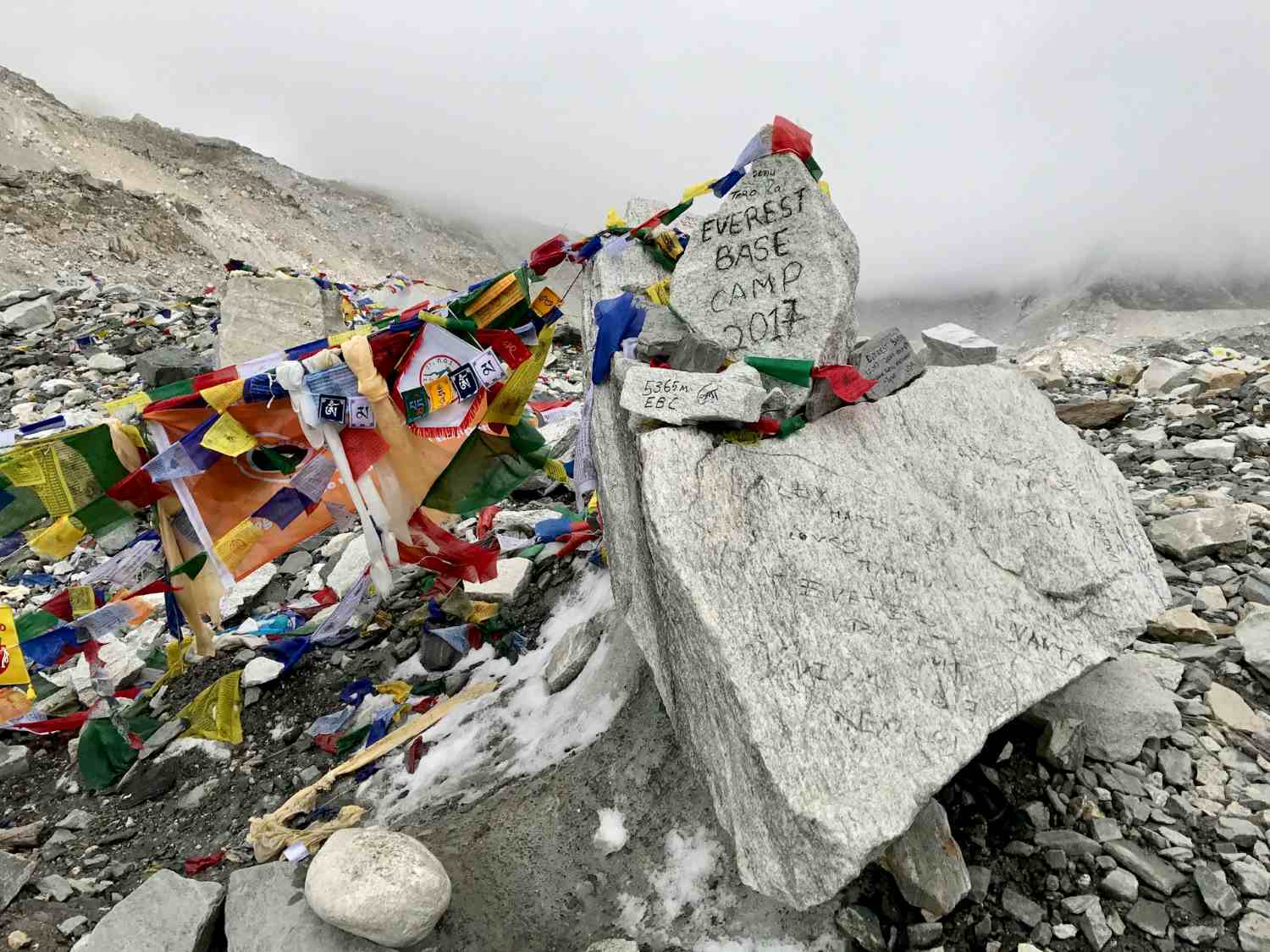
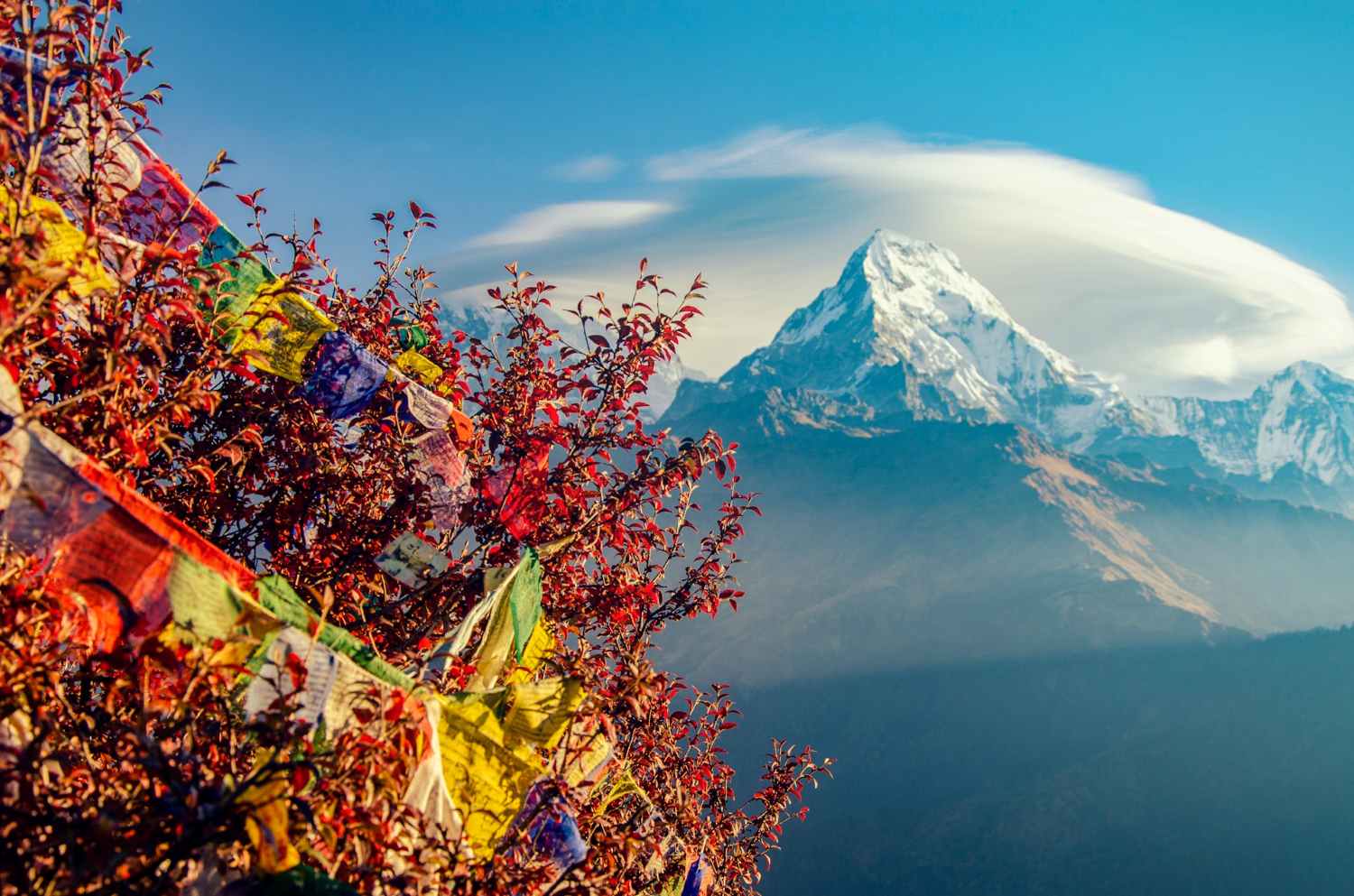
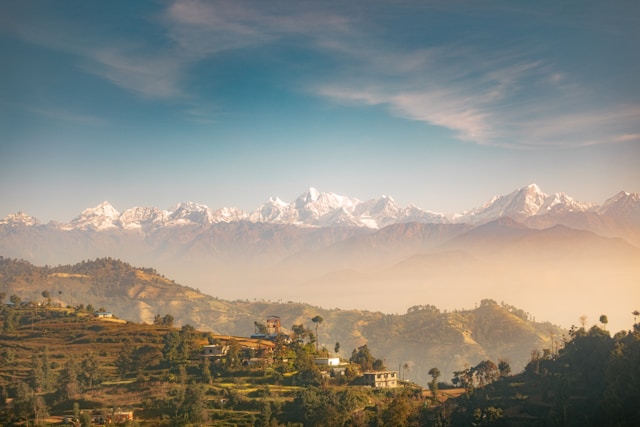


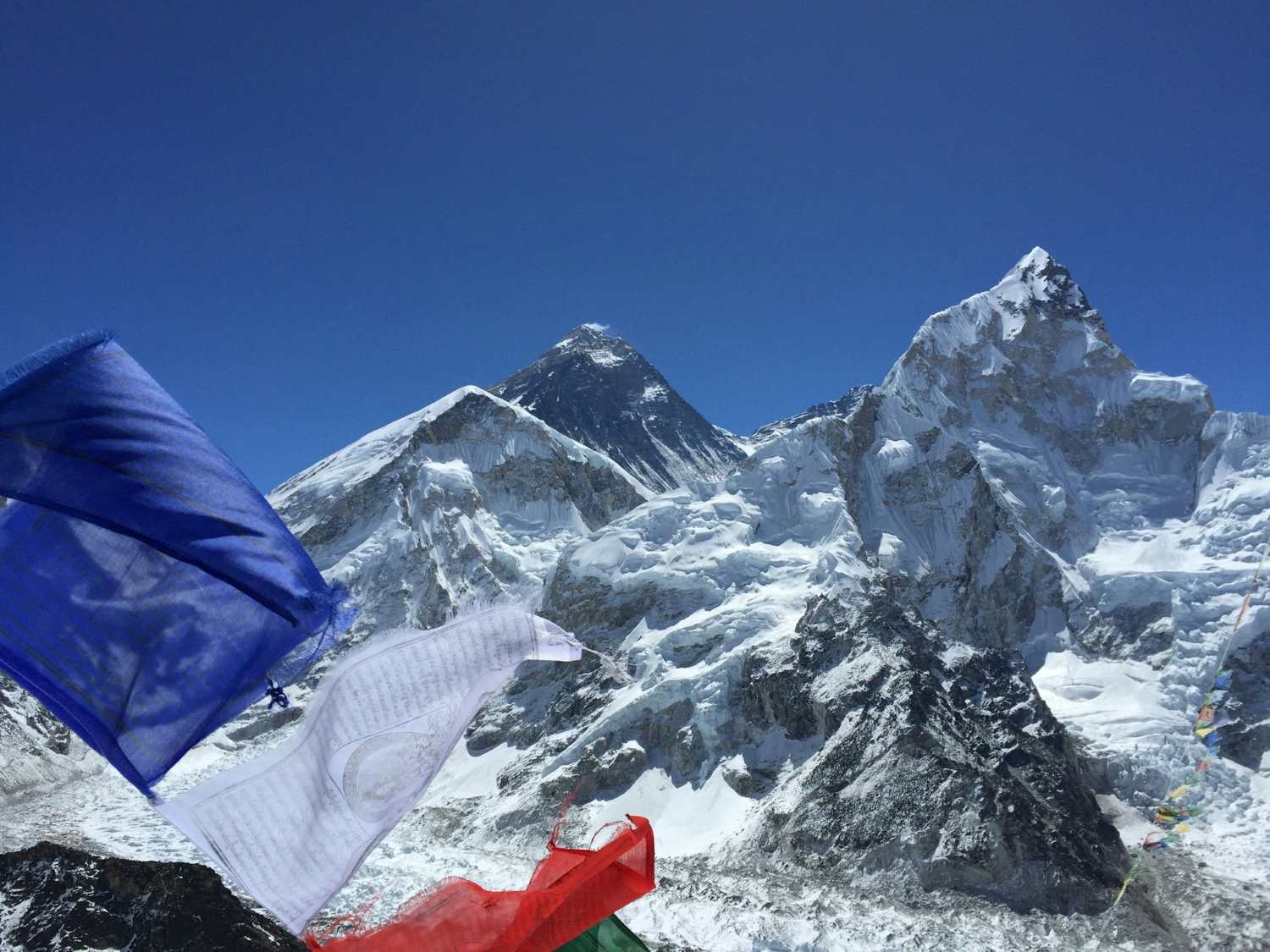
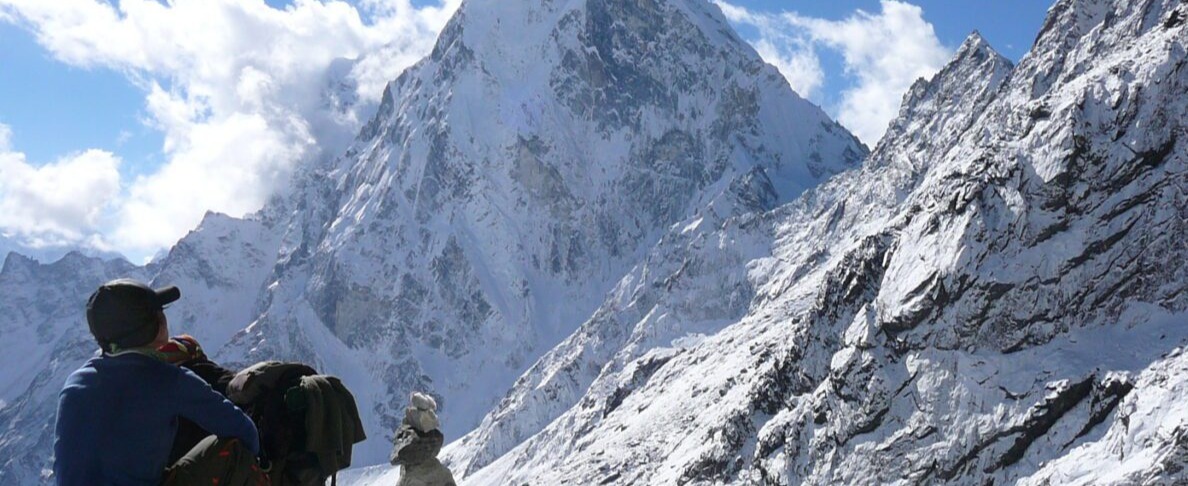


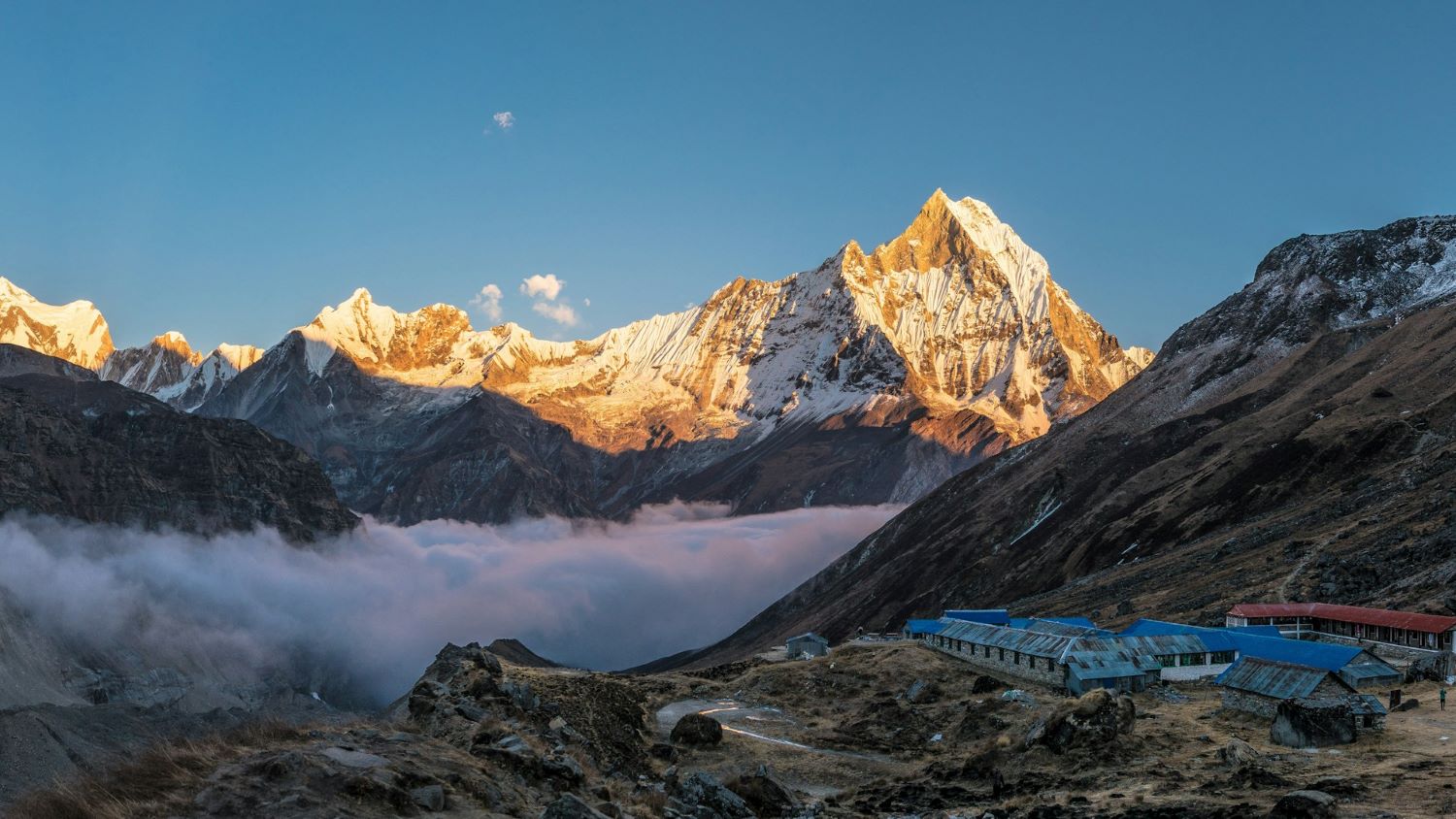


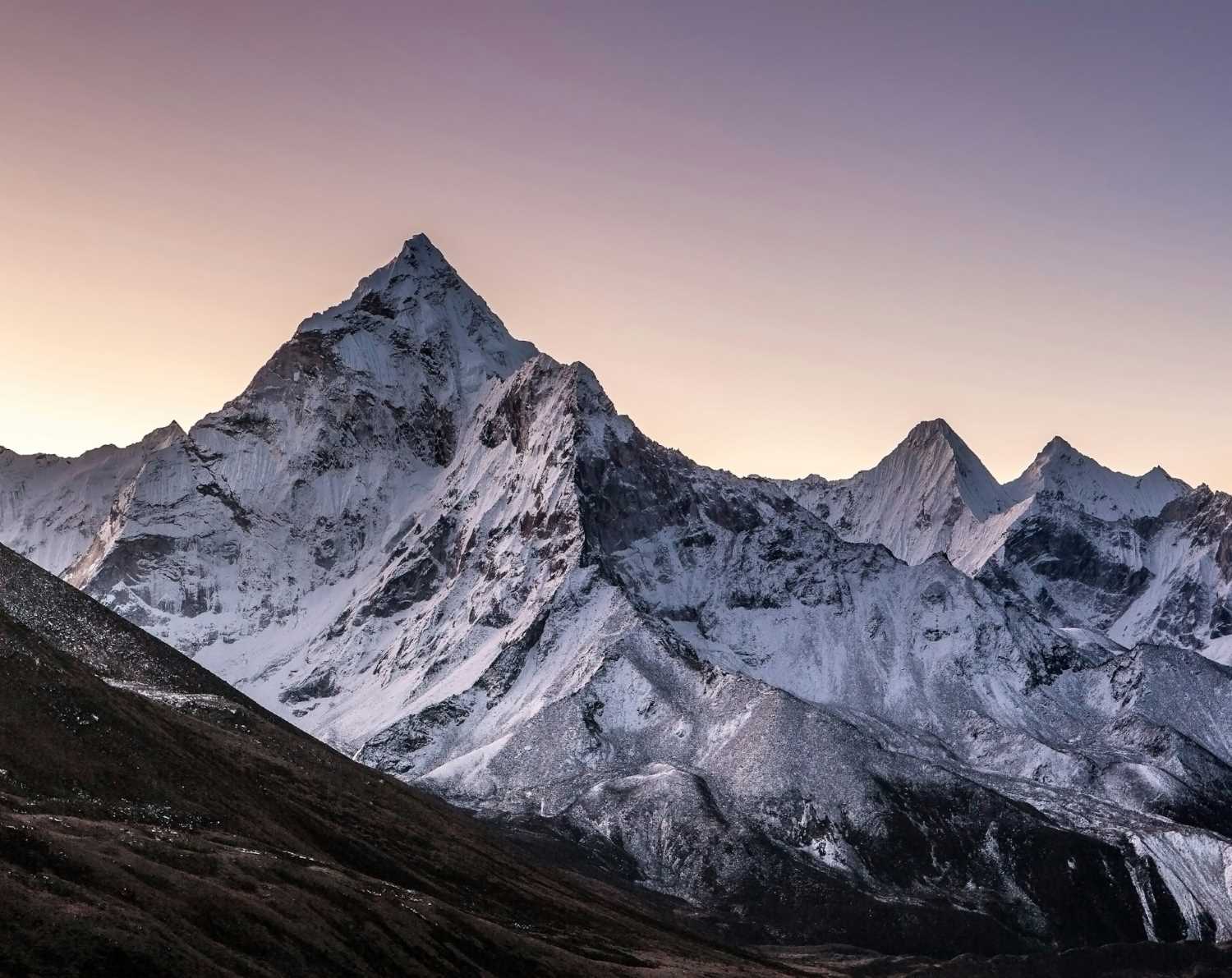
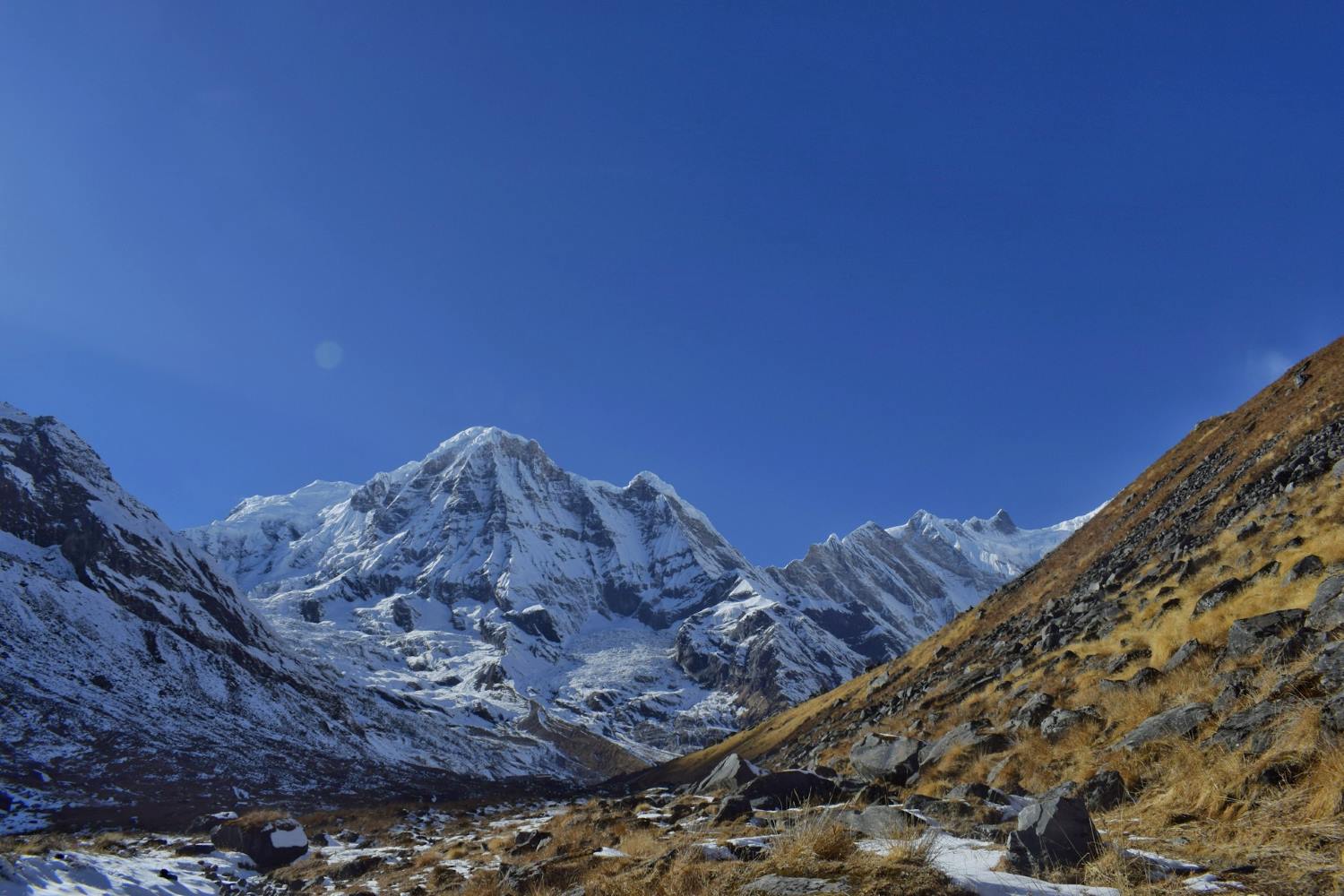
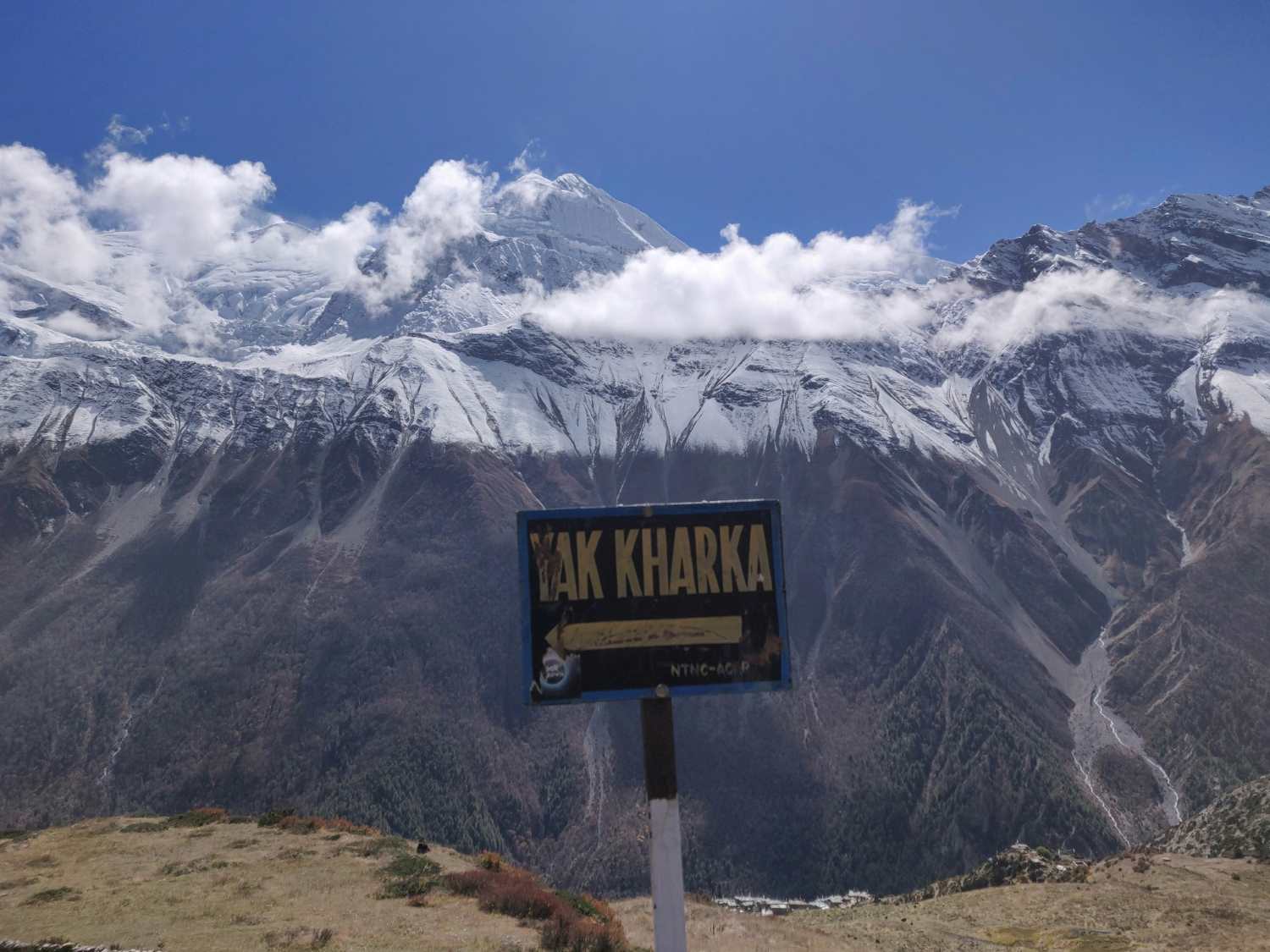
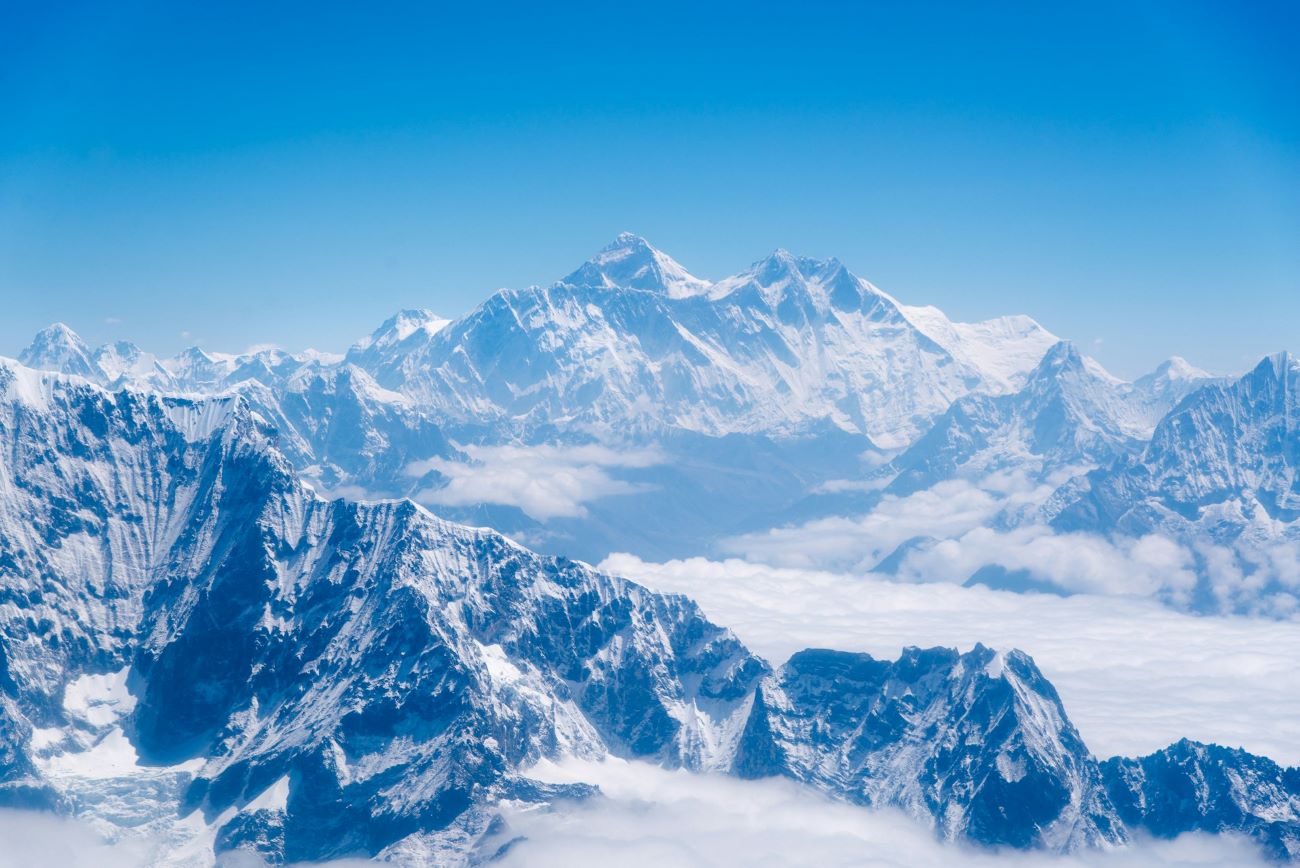
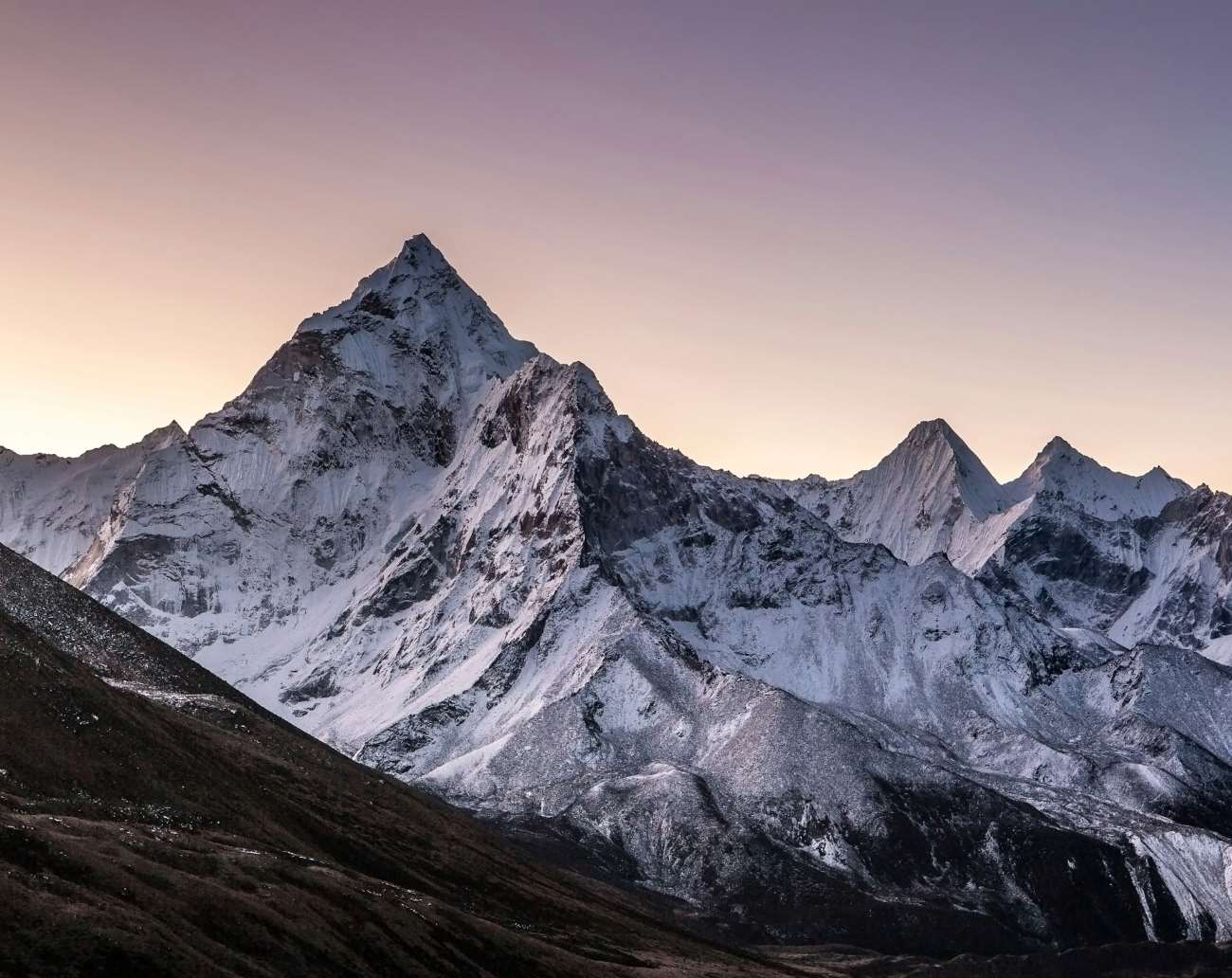
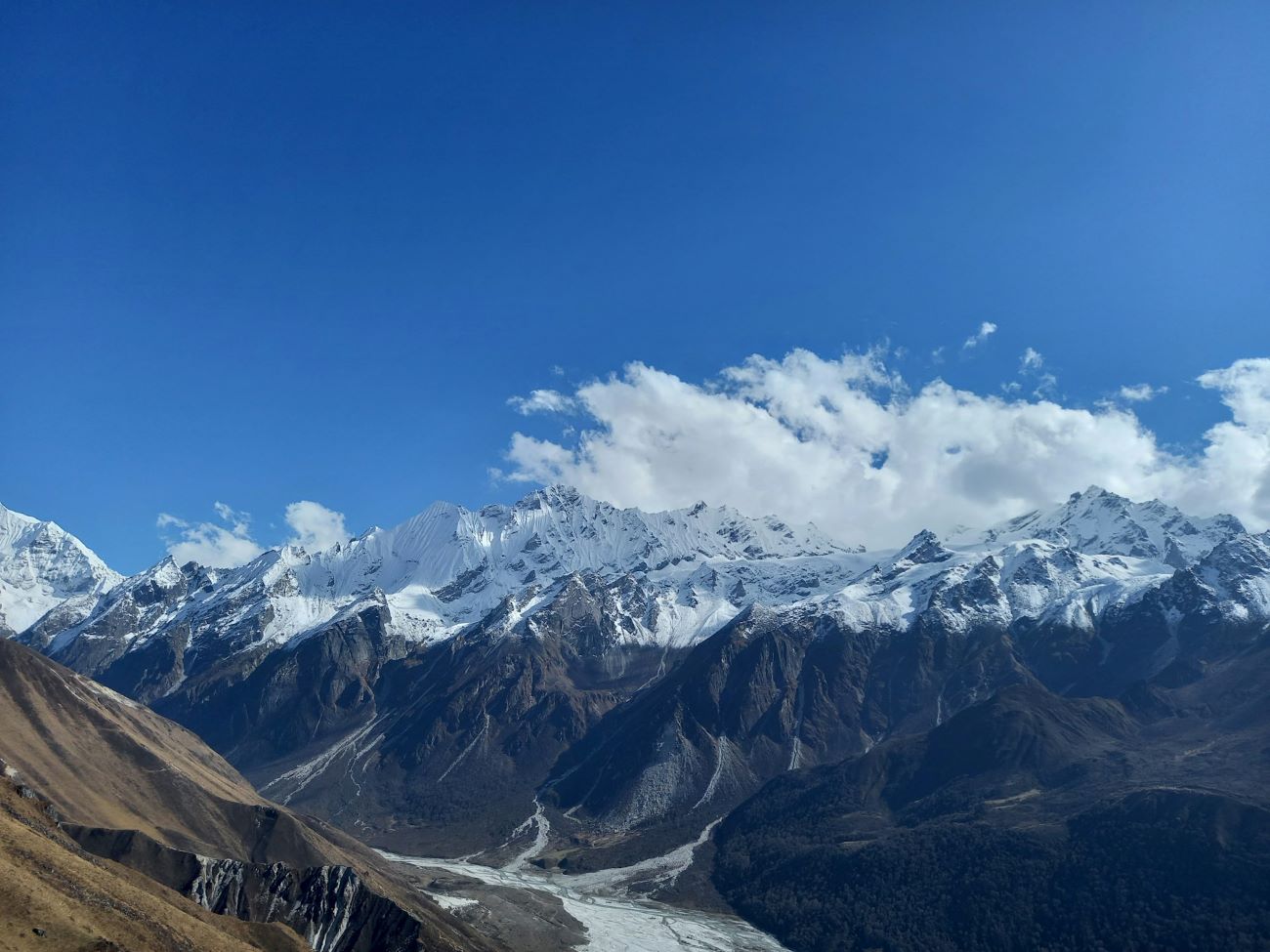
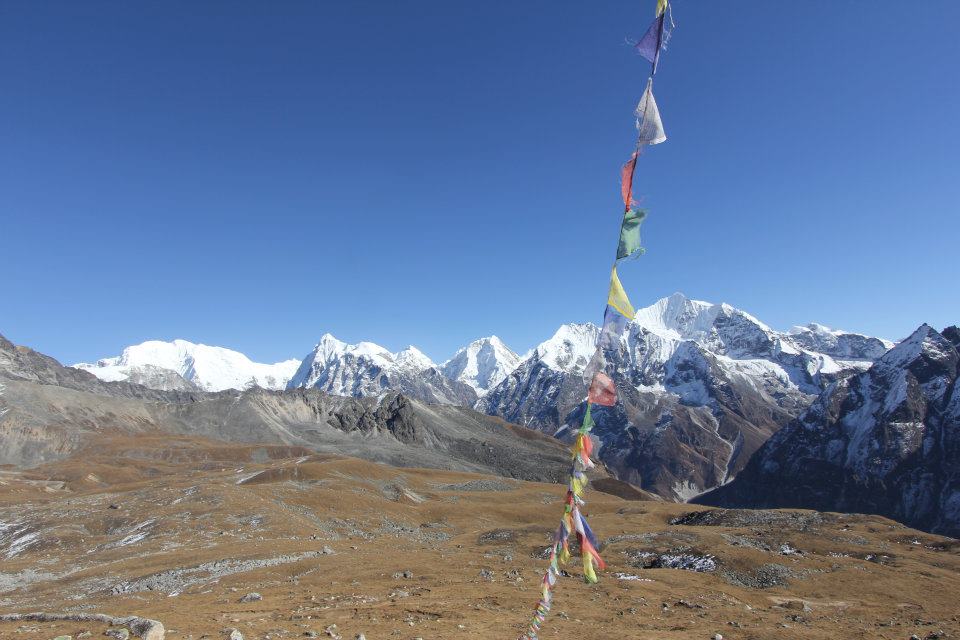
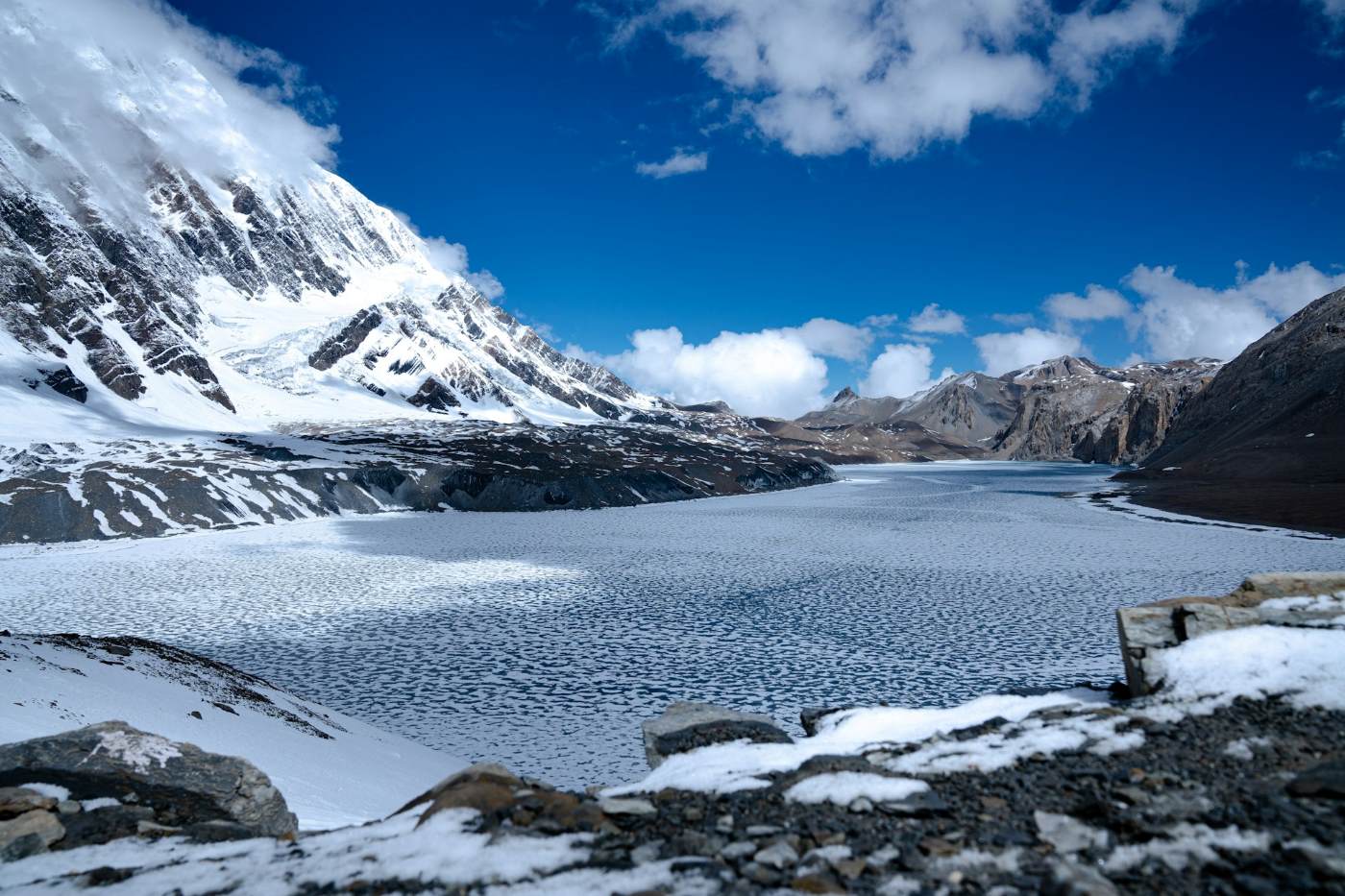
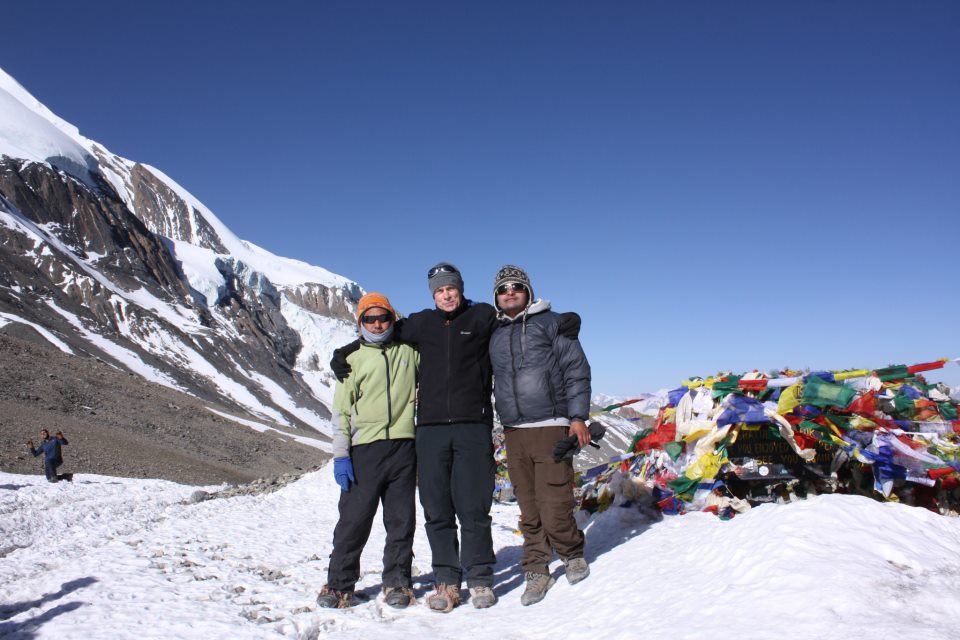
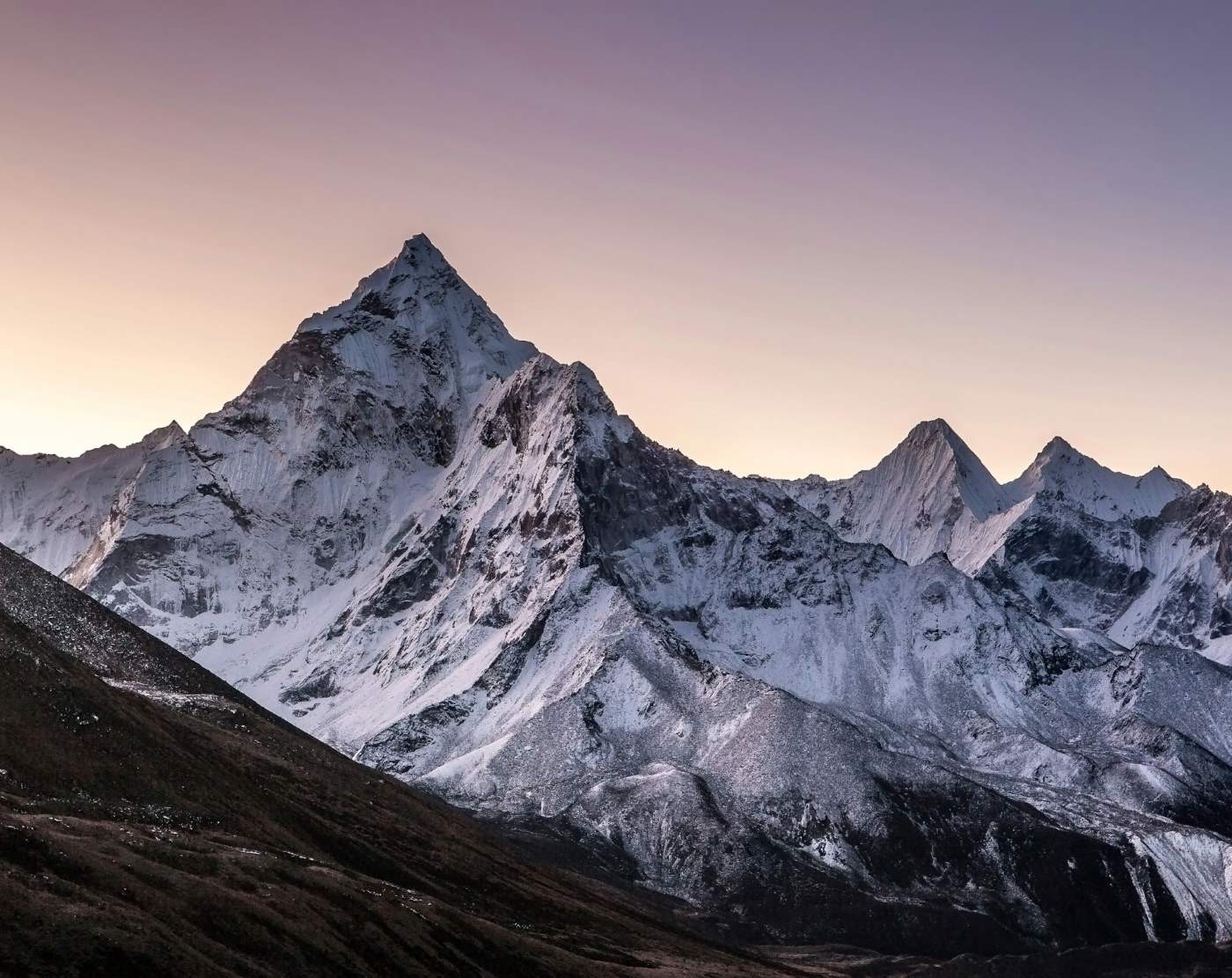
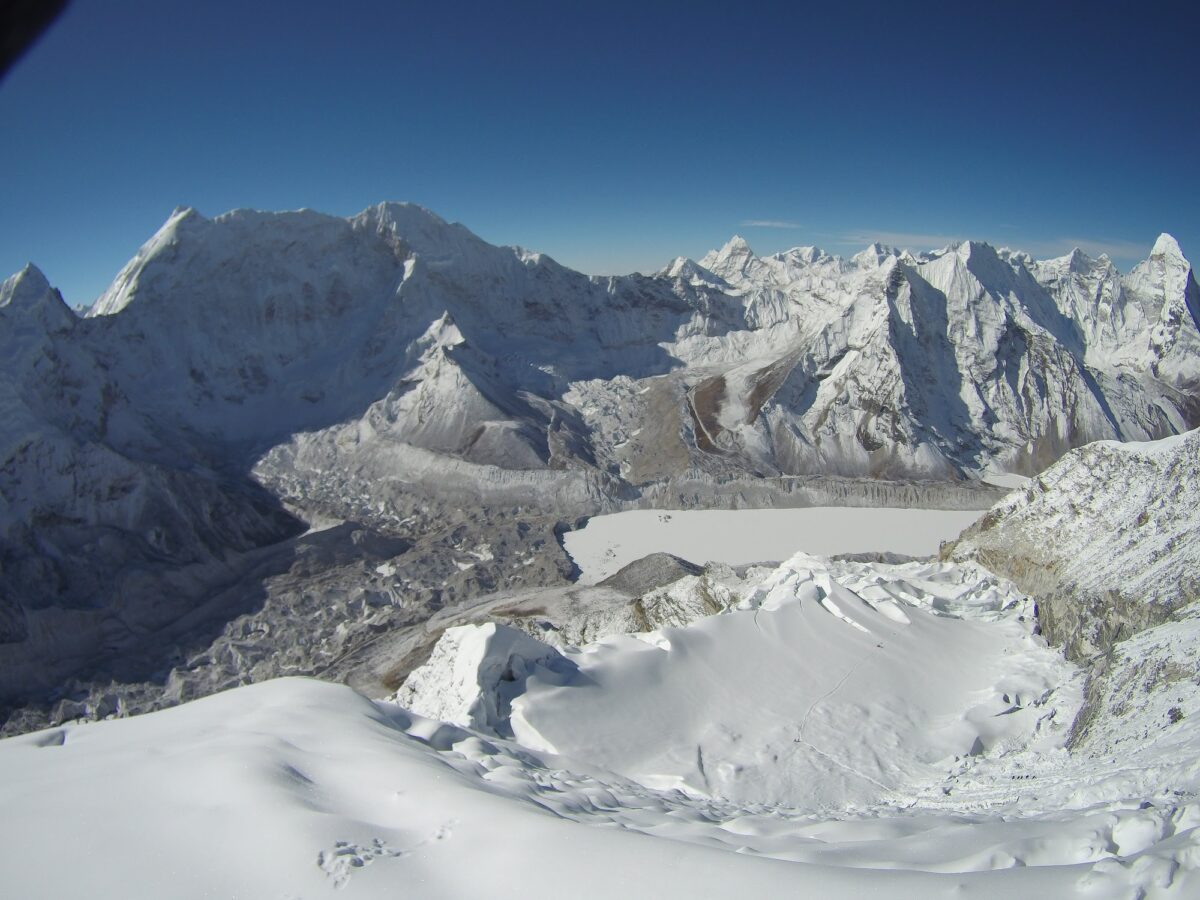
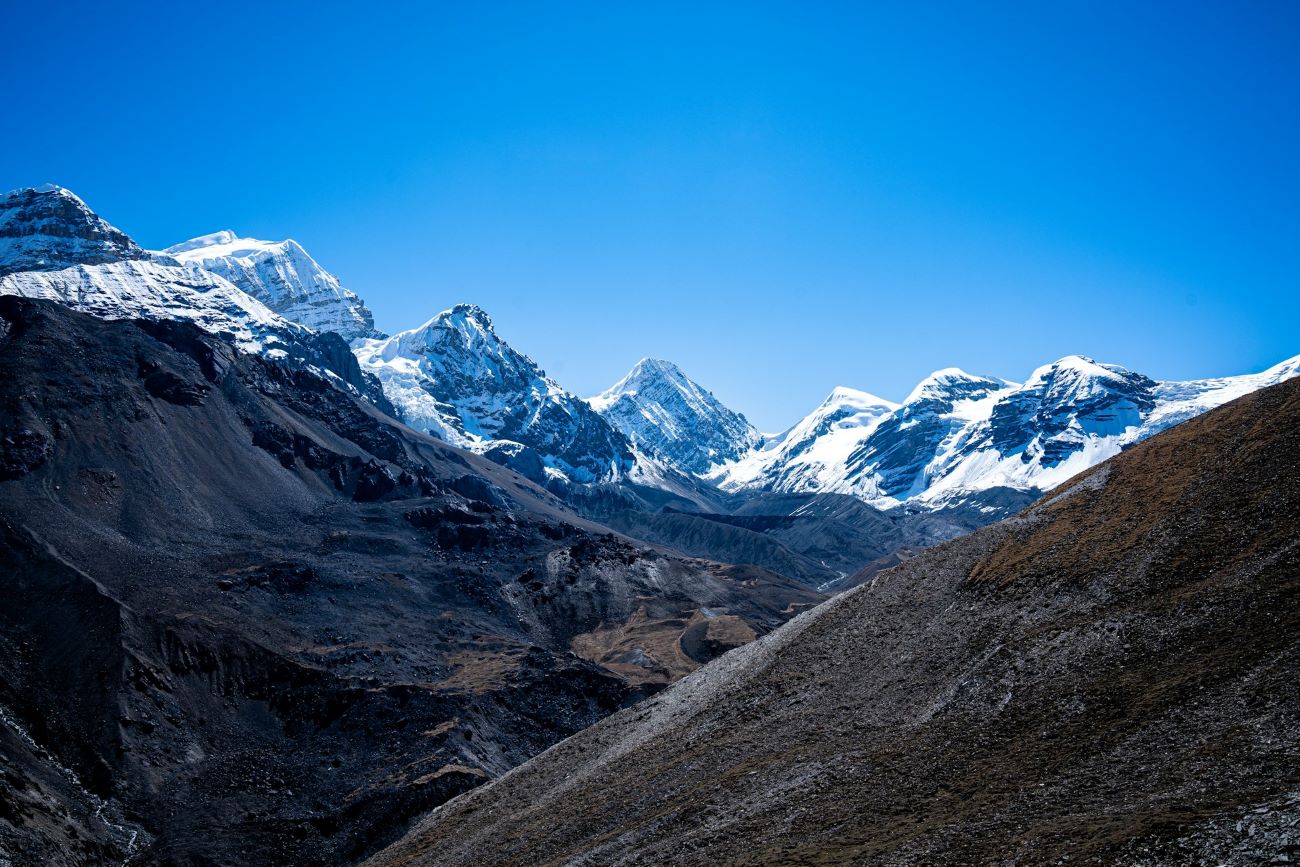
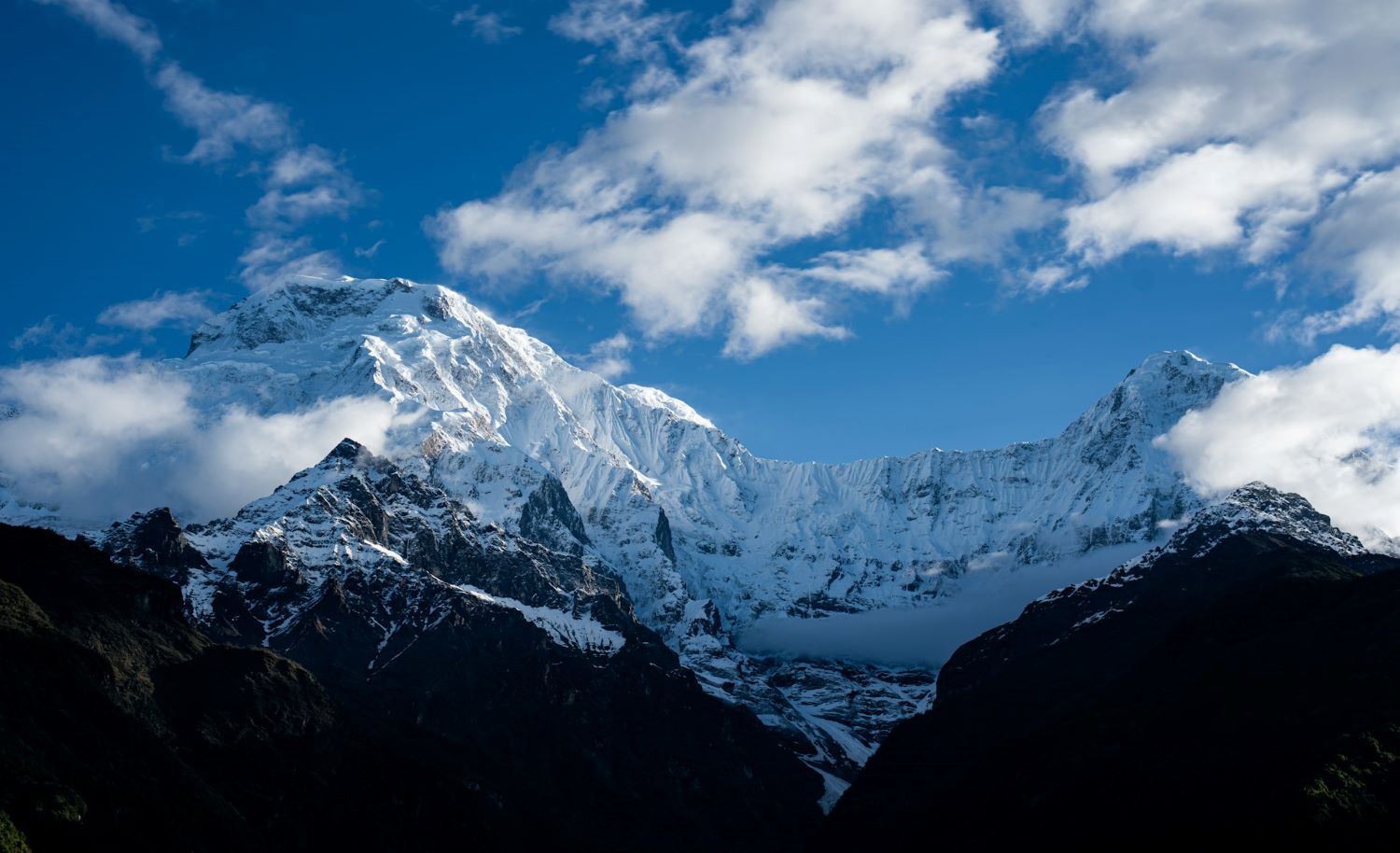
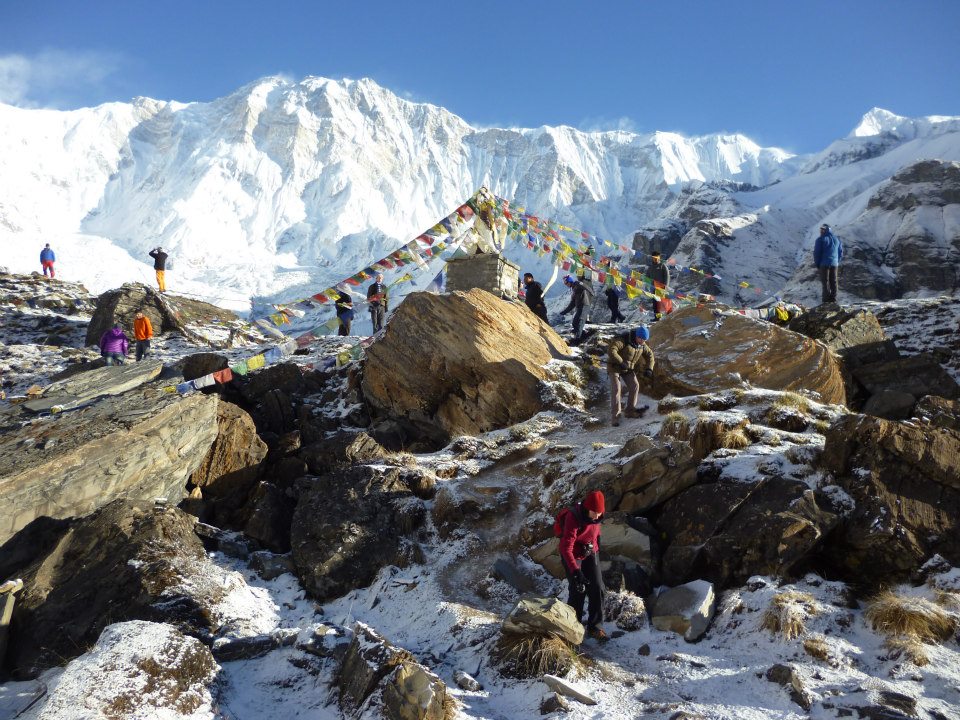
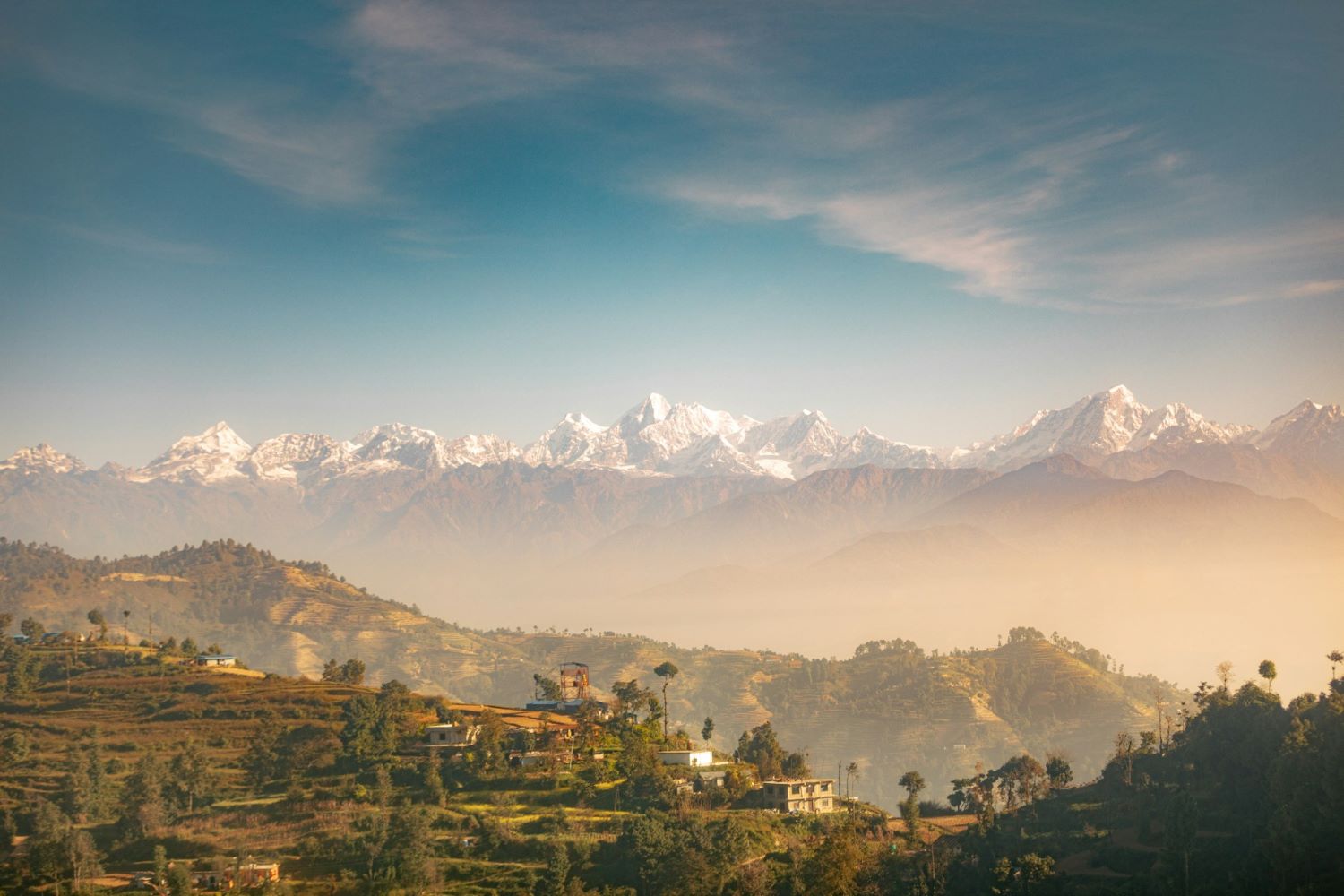
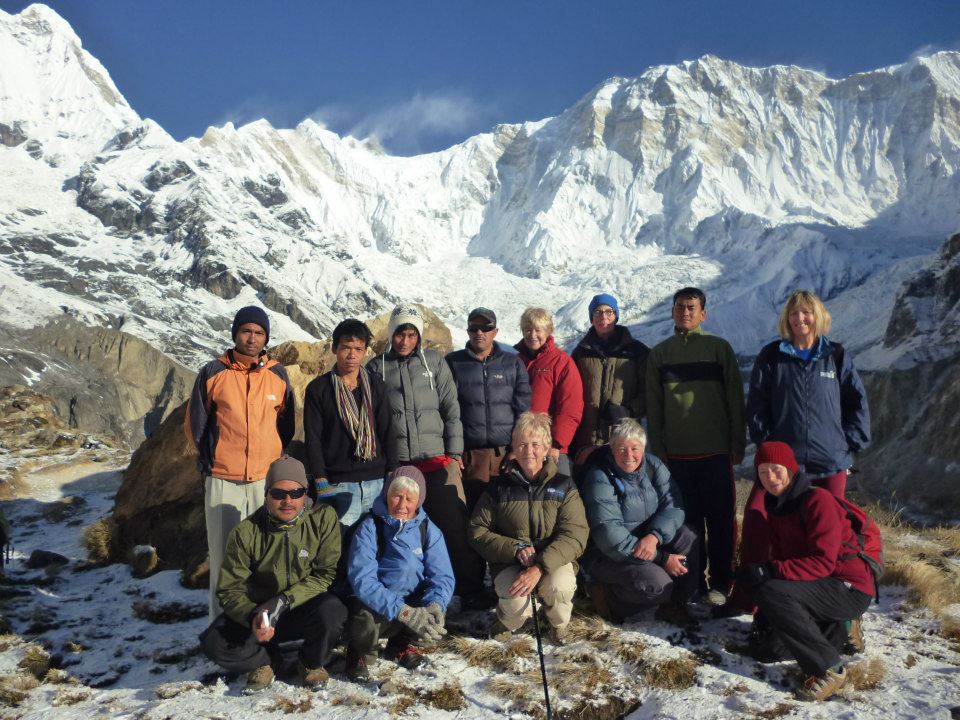
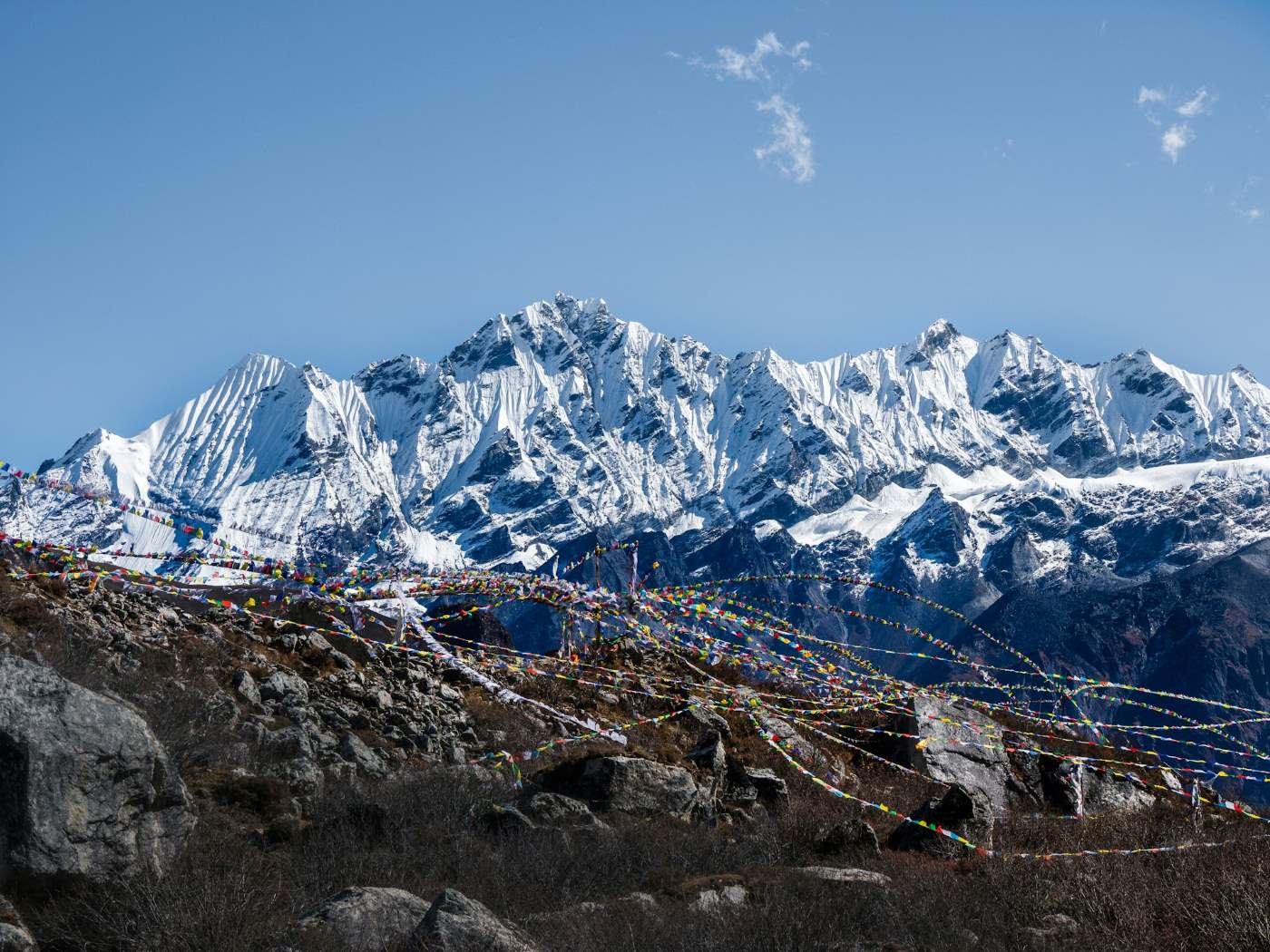
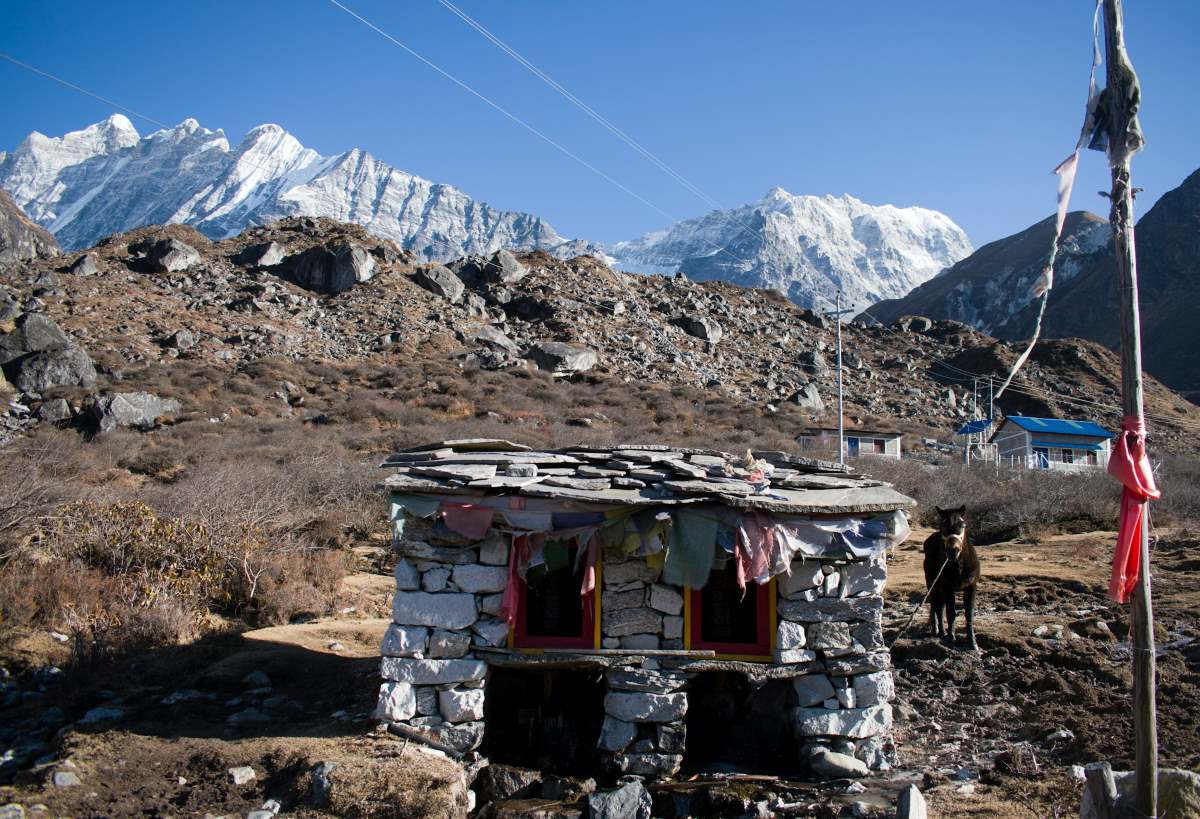
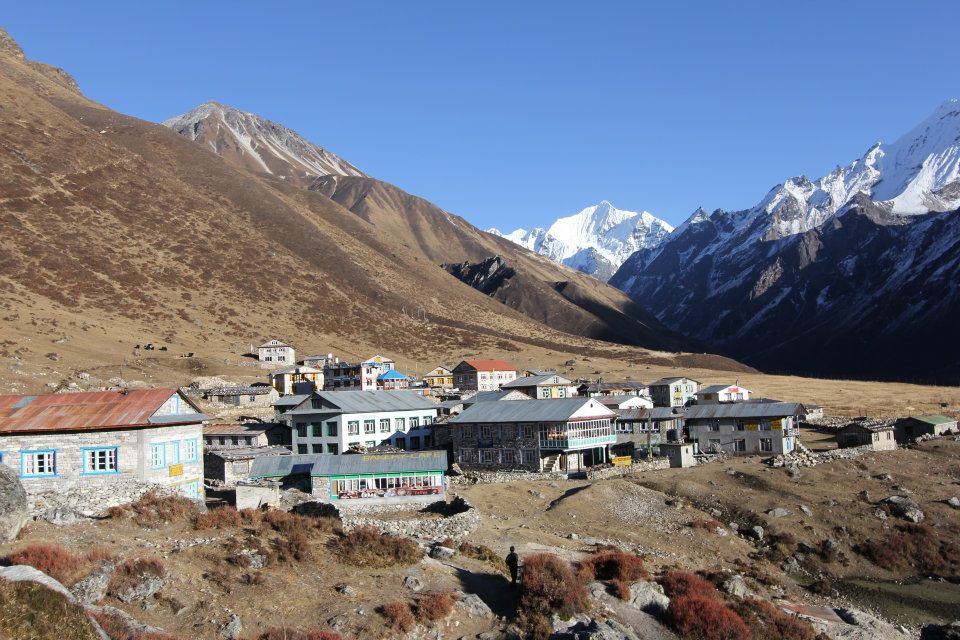
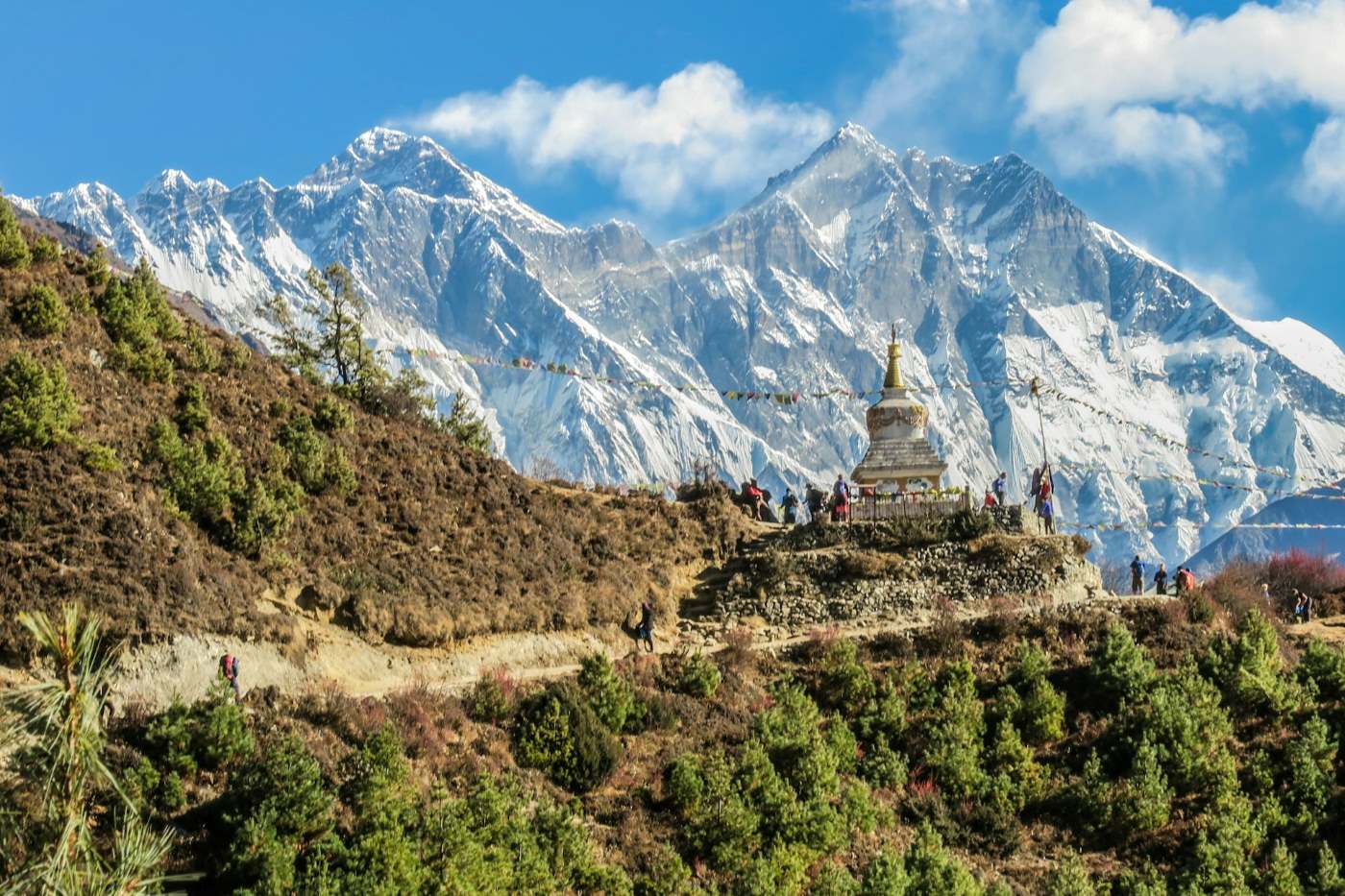
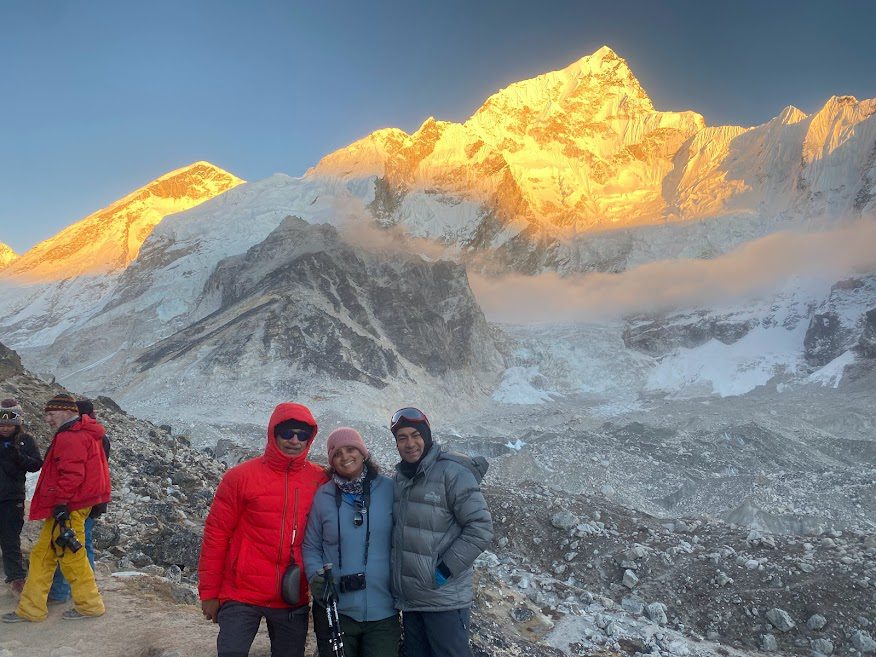 Trekking in the Nepalese Himalayas is more than a physical challenge. It's a true test of mental strength. You'll face high-altitude trails and tough conditions. You'll need to use your inner strength to get past the obstacles.
The trekking challenges in nepal include tough hikes and adapting to new cultures. Reaching the top of a peak or the base of Mount Everest needs more than just endurance. It requires a high level of physical fitness for trekking.
But what really makes trekkers successful is their mental resilience for trekking. They must handle altitude sickness, long days on the trail, and stay positive despite challenges. These skills are key for those who aim to conquer the Himalayas.
"Trekking in Nepal is not just a physical journey, but a mental and spiritual one as well. It's a testament to the power of the human spirit to overcome the most challenging environments."
Whether you're going for the Everest Base Camp trek or exploring the Annapurna region, the rewards are huge. You'll see stunning views and experience deep cultural immersion. This experience will deeply affect your soul.
So, get ready for your Nepalese trekking adventure by working on your physical and mental strength. With the right mindset and appreciation for the journey, you'll be ready to conquer the Roof of the World.
Responsible Trekking: Preserving Nepal's Natural Beauty
Trekking in the Nepalese Himalayas is more than a physical challenge. It's a true test of mental strength. You'll face high-altitude trails and tough conditions. You'll need to use your inner strength to get past the obstacles.
The trekking challenges in nepal include tough hikes and adapting to new cultures. Reaching the top of a peak or the base of Mount Everest needs more than just endurance. It requires a high level of physical fitness for trekking.
But what really makes trekkers successful is their mental resilience for trekking. They must handle altitude sickness, long days on the trail, and stay positive despite challenges. These skills are key for those who aim to conquer the Himalayas.
"Trekking in Nepal is not just a physical journey, but a mental and spiritual one as well. It's a testament to the power of the human spirit to overcome the most challenging environments."
Whether you're going for the Everest Base Camp trek or exploring the Annapurna region, the rewards are huge. You'll see stunning views and experience deep cultural immersion. This experience will deeply affect your soul.
So, get ready for your Nepalese trekking adventure by working on your physical and mental strength. With the right mindset and appreciation for the journey, you'll be ready to conquer the Roof of the World.
Responsible Trekking: Preserving Nepal's Natural Beauty