Island Peak (Imja Tse) Climbing Guide – All You Need to Know
Overview
Island Peak (Imja Tse) is one of Nepal’s most popular trekking peaks. It is named “Island Peak” because it appears as an island in a sea of ice when viewed from Dingboche.
-
Altitude: 6,189 m / 20,305 ft
-
Region: Everest (Khumbu), Imja Khola Valley
-
First Ascent: 1953 by a British team as a training climb for Everest
-
Coordinates: 27°55′21″N 86°56′56″E
-
Climbing Season: Spring (Mar–May), Autumn (Sep–Nov)
It is ideal for beginner mountaineers who want to progress from trekking to alpine climbing, and for climbers preparing for higher peaks like Ama Dablam, Cho Oyu, or Everest.
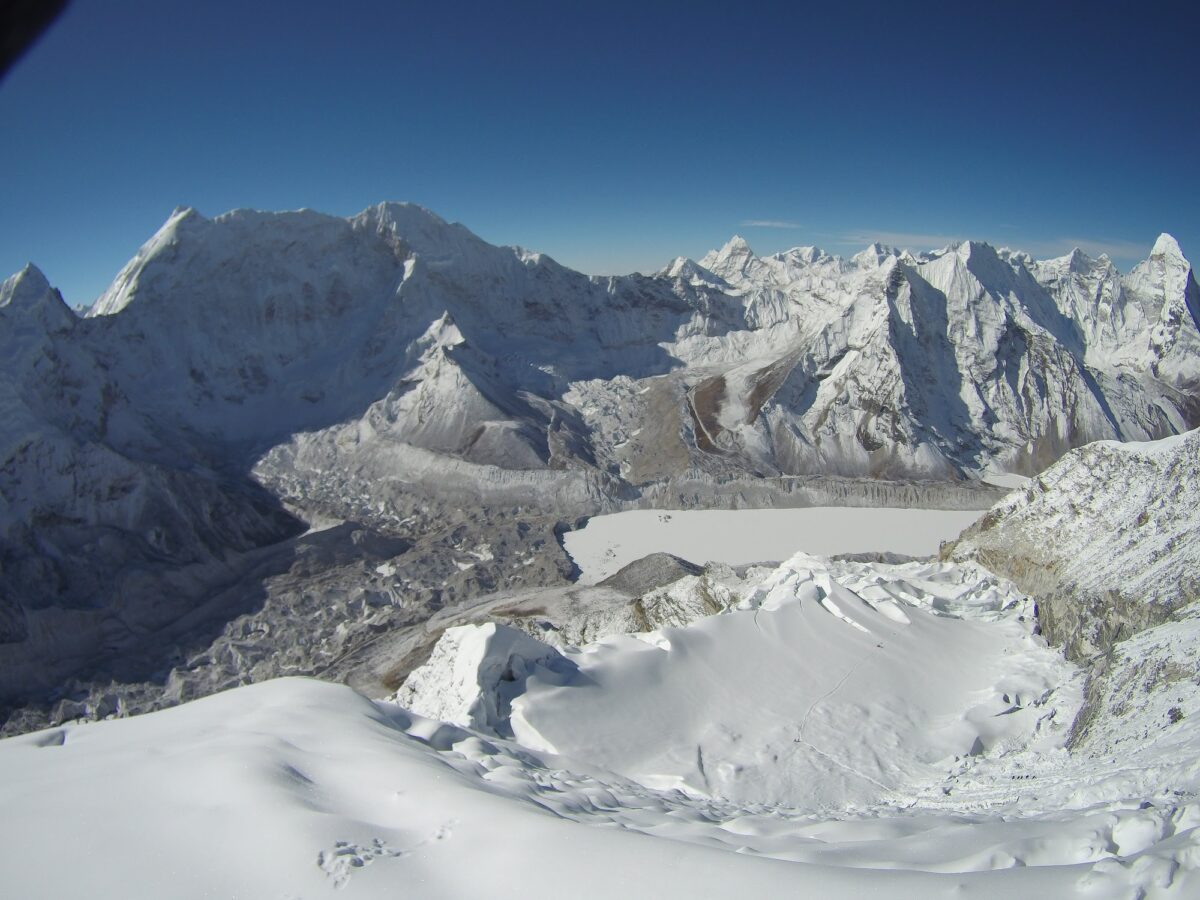
🧗♂️ Difficulty Level and Climbing Conditions
🧭 Grading
-
Alpine Grade: PD+ / 2B
(“Peu Difficile” – a little difficult; includes glacier travel and some technical sections.)
🧱 Terrain & Climb Summary
| Section | Description |
|---|---|
| Trek Approach | Standard trekking trails through Everest Base Camp region (up to Chhukung) |
| Base Camp to High Camp (Optional) | Rocky moraines, pre-glacier zone |
| Glacier Crossing | Crampons, ropes, and glacier navigation skills required |
| Headwall Climb | Fixed ropes; steep 45–60° snow and ice ascent |
| Summit Ridge | Exposed, narrow snow ridge with spectacular views |
⛏️ Semi-technical climb. Good physical fitness and basic mountaineering knowledge are highly recommended.
🗺️ Island Peak Itinerary (Standard 18–20 Days)
Here’s a detailed itinerary combining trekking and acclimatization:
| Day | Activity | Altitude |
|---|---|---|
| 1 | Arrival in Kathmandu | 1,400 m |
| 2 | Gear check, permits, sightseeing | – |
| 3 | Fly to Lukla, trek to Phakding | 2,610 m |
| 4 | Trek to Namche Bazaar | 3,440 m |
| 5 | Acclimatization in Namche (hike to Everest View Hotel) | ~3,880 m |
| 6 | Trek to Tengboche | 3,860 m |
| 7 | Trek to Dingboche | 4,410 m |
| 8 | Acclimatization in Dingboche (hike to Nangkartshang Peak) | 5,083 m |
| 9 | Trek to Chhukung | 4,730 m |
| 10 | Trek to Island Peak Base Camp | ~5,100 m |
| 11 | Pre-Climb Training (crampons, ice axe, ropes) | – |
| 12 | Summit Island Peak & return to Base Camp | 6,189 m |
| 13–17 | Descent via Pangboche → Namche → Lukla | – |
| 18 | Fly to Kathmandu | – |
✍️ Itinerary can include Everest Base Camp or Gokyo Lakes as optional side trips.
💵 Permits and Fees
To climb Island Peak, you must obtain the following permits:
| Permit | Fee (USD) | Notes |
|---|---|---|
| Island Peak Climbing Permit (NMA) | $250 (Spring), $125 (Autumn), $70 (Other) | Required |
| Sagarmatha National Park Entry | ~$30 | Valid for multiple days |
| Khumbu Pasang Lhamu Municipality Fee | ~$20 | Payable in Lukla |
| TIMS Card (if trekking independently) | ~$20 | Often waived for guided climbs |
| Licensed Climbing Guide | Mandatory | Required by Nepalese law |
📅 Best Time to Climb
🌼 Spring (March–May)
-
Stable weather, long daylight, wildflowers
-
Slightly warmer at altitude
-
Popular season – busy routes
🍁 Autumn (September–November)
-
Post-monsoon clarity, cool temps
-
Excellent mountain views
-
Slightly colder than spring
❄️ Winter (December–February)
-
Very cold, less crowded
-
Avalanche risk and shorter days
🌧️ Monsoon (June–August)
-
Heavy rainfall, landslides, poor visibility
-
Not recommended
🎒 Essential Gear Checklist
Climbing Gear
-
Mountaineering boots (B3 or double plastic)
-
Crampons (step-in compatible)
-
Ice axe
-
Harness
-
Helmet
-
Ascender (Jumar), Descender (ATC or Figure-8)
-
Carabiners (locking and non-locking)
-
Prusik loops, slings, tape
-
Rope (provided by outfitter)
-
Snow stakes/ice screws (provided)
Clothing
-
Base layers (thermal top/bottom)
-
Fleece and down mid-layers
-
Waterproof shell (jacket/pants)
-
High-altitude down parka (-20°C or lower)
-
Insulated gloves (outer + liner)
-
Wool socks, balaclava, buff
-
Glacier sunglasses (UV400+)
-
Gaiters
Other Essentials
-
Backpack (50–65L) + daypack
-
Sleeping bag (-20°C rated)
-
Headlamp (extra batteries)
-
Trekking poles
-
Water bottles (Nalgene), hydration bladder
-
Water purification tabs/filter
-
Snacks, energy gels
-
Sunscreen (SPF 50+), lip balm
-
First-aid kit, personal meds
-
Altimeter, compass, GPS
-
Satellite phone or radio (for emergencies)
🏕️ Accommodation and Food
-
Kathmandu: Hotels (2–4 star)
-
Trek: Tea houses and lodges (basic rooms)
-
Base Camp: Tent camping
-
Food: Dal Bhat, pasta, potatoes, soups, eggs, rice, vegetables, limited meat; high-altitude menus are carb-focused
🧃 Stay hydrated and avoid alcohol during ascent.
🛡️ Safety & Training
👨🏫 Training Tips
-
Aerobic fitness (running, swimming, cycling)
-
Strength training (legs, core, shoulders)
-
Hiking with a loaded backpack (uphill/downhill)
-
Practice with crampons and ice axe before the trip (snow or glacier course recommended)
⛰️ Altitude and Health
-
Gradual ascent is crucial to avoid AMS (Acute Mountain Sickness)
-
Acclimatization days at Namche and Dingboche are non-negotiable
-
Stay hydrated, eat well, monitor your body
-
Guides carry oxygen and pulse oximeters
🚁 Emergency Evacuation
-
Helicopter evacuations are common and available
-
Insurance covering helicopter rescue above 6,000m is required
-
Providers include Global Rescue, World Nomads, and IMG
💰 Total Cost Breakdown (Estimate)
| Category | Estimated Cost (USD) |
|---|---|
| Full Package (18–20 days) | $2,500 – $4,000 |
| Insurance (with rescue) | $100 – $200 |
| Tips (guide/porters) | $100 – $200 |
| Equipment Rental (if needed) | $100 – $300 |
| Visa & Misc. Expenses | $50 – $100 |
Group expeditions are cheaper. Private climbs offer more flexibility but cost more.
🌄 Why Climb Island Peak?
-
One of the most accessible 6,000m+ peaks in Nepal
-
Ideal introduction to alpine climbing
-
Can be combined with Everest Base Camp Trek
-
Stunning views of Lhotse, Makalu, Baruntse, Ama Dablam
-
A milestone for aspiring Himalayan climbers
✅ Final Tips
-
Book with government-licensed agencies only
-
Verify that your guide is UIAA or NMA-certified
-
Train at least 8–12 weeks before the expedition
-
Be flexible with the itinerary—weather delays are common
-
Bring USD cash for rural areas (ATMs only in Kathmandu/Namche)





