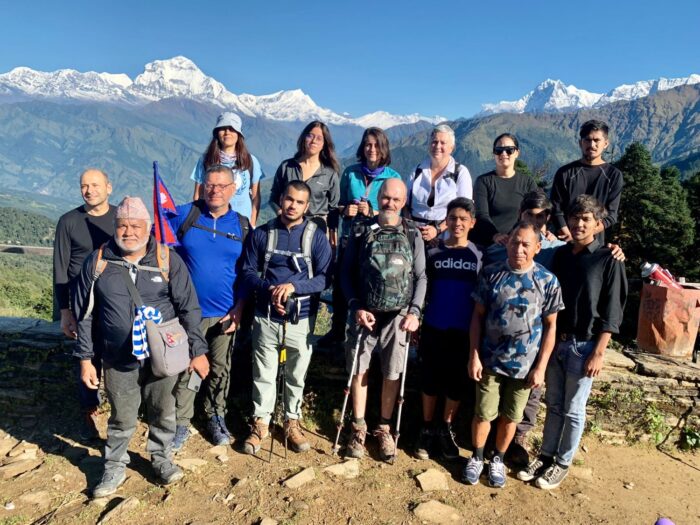
The Gateway to the Himalayas: A Complete Guide to the Annapurna Panorama Trek
If you have ever dreamed of standing beneath the towering Himalayas, watching the sunrise ignite snow-covered peaks in shades of gold and crimson, but feel intimidated by extreme altitudes or long expeditions, the Annapurna Panorama Trek is the perfect introduction to trekking in Nepal.
Popularly known as the Ghorepani Poon Hill Trek, this short yet spectacular Himalayan journey combines breathtaking mountain scenery, rich cultural encounters, dense rhododendron forests, and comfortable trekking routes into one unforgettable adventure. Unlike high-altitude expeditions such as the Annapurna Circuit or Everest Base Camp Trek, this trail remains below the risky altitude threshold, making it one of the safest and most accessible treks in Nepal.
Reaching a maximum elevation of only 3,210 meters at Poon Hill, the trek significantly lowers the chances of altitude sickness while still delivering panoramic views of some of the tallest mountains on Earth. This makes it an excellent choice for beginners, families, photographers, solo travelers, and trekkers with limited vacation time.
Whether you have five days or a week, the Annapurna Panorama Trek offers the perfect balance of adventure, comfort, and authentic Himalayan culture.
Why Choose the Annapurna Panorama Trek?
The Annapurna Panorama Trek is often considered Nepal’s best short trek because it delivers an incredible Himalayan experience without requiring advanced trekking skills or months of preparation.
Key Reasons Trekkers Love This Route
- Moderate difficulty suitable for most fitness levels
- Short itinerary ideal for travelers with limited time
- Comfortable teahouse accommodations throughout the route
- Stunning sunrise and sunset mountain panoramas
- Rich Gurung and Magar cultural experiences
- Lower altitude with minimal acclimatization concerns
- Beautiful forests filled with rhododendrons, bamboo, and oak trees
- Easy accessibility from Pokhara
The trail passes through the lower Annapurna region, offering constantly changing landscapes—from terraced farmland and subtropical forests to alpine viewpoints overlooking the massive Himalayan range.
Major Highlights of the Trek
The Legendary Poon Hill Sunrise
The biggest highlight of the trek is undoubtedly the early morning hike to Poon Hill (3,210m), one of Nepal’s most famous Himalayan viewpoints.
Before dawn, trekkers climb uphill with headlamps to reach the summit in time for sunrise. As the first rays of sunlight strike the peaks, the entire Annapurna and Dhaulagiri ranges glow in brilliant shades of orange and gold.
From the viewpoint, you can witness a breathtaking 360-degree panorama that includes:
- Annapurna I (8,091m)
- Dhaulagiri (8,167m)
- Annapurna South
- Hiunchuli
- Nilgiri
- Machhapuchhre (Fishtail)
- Tukuche Peak
- Lamjung Himal
The changing colors of the mountains during sunrise create one of the most iconic trekking moments in Nepal.
Rhododendron Forests and Natural Beauty
One of the most magical aspects of the Annapurna Panorama Trek is the journey through dense rhododendron forests, especially during spring (March to April).
During blooming season, the hillsides transform into vibrant landscapes filled with:
- Red rhododendrons
- Pink rhododendrons
- White rhododendrons
- Moss-covered oak forests
- Bamboo groves
- Waterfalls and mountain streams
Nepal’s national flower, the rhododendron, creates a colorful canopy that makes the trail feel almost surreal. The forests also provide habitat for birds, langurs, and other Himalayan wildlife.
Authentic Gurung and Magar Culture
The trek is not only about mountains—it is also a cultural journey through traditional Himalayan villages inhabited primarily by the Gurung and Magar communities.
Villages such as:
- Ulleri
- Ghorepani
- Tadapani
- Ghandruk
offer opportunities to experience authentic Nepali mountain culture.
Trekkers can observe:
- Traditional stone houses
- Ancient farming practices
- Buddhist prayer flags and monasteries
- Local hospitality and homemade meals
- Traditional dances and cultural customs
Ghandruk, in particular, is one of the most picturesque villages in the Annapurna region and provides excellent close-up views of Annapurna South and Machhapuchhre.
Relax at Jhinu Danda Hot Springs
After several days of trekking, few experiences feel better than soaking in the natural hot springs at Jhinu Danda.
Located beside the Modi Khola (river), these therapeutic pools are believed to help relax muscles, improve circulation, and relieve trekking fatigue.
Trekkers descend through lush forests to reach the riverside pools, where they can unwind while listening to the sounds of flowing Himalayan waters surrounded by jungle-covered hills.
This is one of the most relaxing and rewarding highlights of the trek.
The Iconic Machhapuchhre (Fishtail Peak)
Throughout the trek, one mountain consistently dominates the skyline: Machhapuchhre (6,993m), famously known as Fishtail Mountain due to its distinctive double-peaked summit.
Unlike many Himalayan mountains, Machhapuchhre remains officially unclimbed because it is considered sacred by local communities.
Its sharp, elegant silhouette becomes especially dramatic during sunrise and sunset, making it a favorite subject for photographers.
The mountain appears incredibly close from villages like Ghandruk and Tadapani, offering unforgettable Himalayan scenery throughout the trek.
Trek Difficulty and Altitude
The Annapurna Panorama Trek is classified as an easy to moderate trek.
Maximum Elevation
- Poon Hill: 3,210 meters
Daily Walking Hours
- Approximately 4–6 hours per day
Trek Duration
- Typically 4–7 days
Because the route stays below high-altitude danger zones, most trekkers can complete the journey comfortably without acclimatization days.
However, basic physical fitness is still recommended due to frequent uphill and downhill sections, particularly the famous stone staircase climb to Ulleri.
Best Time to Trek
Spring (March to May)
- Best rhododendron blooms
- Pleasant temperatures
- Clear mountain views
Autumn (September to November)
- Stable weather
- Excellent visibility
- Crisp mountain air
Winter (December to February)
- Fewer crowds
- Cold mornings and evenings
- Snow possible near Poon Hill
Monsoon (June to August)
- Lush green landscapes
- Frequent rain and leeches
- Cloud-covered mountain views
Autumn and spring remain the most popular trekking seasons.
Typical Annapurna Panorama Trek Route
A standard itinerary usually includes:
- Drive from Pokhara to Nayapul
- Trek to Ulleri or Tikhedhunga
- Trek to Ghorepani
- Sunrise hike to Poon Hill
- Trek to Tadapani
- Trek to Ghandruk
- Trek to Jhinu Danda
- Return to Pokhara
The route can be shortened or extended depending on available time and fitness level.
Accommodation and Food
The trek is supported by well-developed teahouses offering:
- Comfortable twin-sharing rooms
- Hot meals
- Wi-Fi in many villages
- Hot showers
- Charging facilities
Popular trekking meals include:
- Dal Bhat
- Fried rice
- Momos
- Noodles
- Pancakes
- Tibetan bread
- Tea and coffee
The hospitality of local lodge owners is often one of the most memorable aspects of the trek.
Thoughts
The Annapurna Panorama Trek perfectly captures the essence of trekking in Nepal without requiring extreme endurance or technical climbing skills. In just a few days, trekkers can experience towering Himalayan peaks, colorful forests, traditional mountain villages, and unforgettable sunrises.
For travelers seeking a short yet rewarding Himalayan adventure, this trek offers one of the best trekking experiences in Nepal. It is scenic, culturally rich, beginner-friendly, and accessible for nearly all age groups.
Whether you are trekking for the first time or simply looking for a peaceful Himalayan escape, the Annapurna Panorama Trek is a journey that leaves a lasting impression long after the mountains disappear from view.
The Route: What to Expect on the Annapurna Panorama Trek
The Annapurna Panorama Trek follows one of the most scenic and culturally rewarding routes in Nepal’s Annapurna region. Depending on your itinerary, fitness level, and side trips, the trek can be completed in 6 to 9 days, making it ideal for travelers seeking a shorter Himalayan adventure without sacrificing mountain views or authentic cultural experiences.
The journey typically begins and ends in the beautiful lakeside city of Pokhara, often called Nepal’s adventure capital. From here, trekkers enter a world of terraced hillsides, dense rhododendron forests, traditional mountain villages, and breathtaking Himalayan panoras.
Phase 1: The Ascent into the Annapurna Foothills
The adventure starts with a scenic drive from Pokhara to the trekking trailhead at Nayapul, Birethanti, or sometimes Hile, depending on the chosen itinerary and road conditions.
As the road disappears behind you, the atmosphere immediately changes. The trail winds through:
- Traditional farming villages
- Terraced rice and millet fields
- Waterfalls and river valleys
- Dense forests of oak, bamboo, and rhododendron
The first few trekking days gradually introduce you to the rhythm of Himalayan trekking. One of the most memorable sections is the legendary stone staircase climb to Ulleri, consisting of thousands of hand-laid stone steps ascending steep hillsides.
Although physically demanding, this climb rewards trekkers with increasingly dramatic views of:
- Annapurna South (7,219m)
- Hiunchuli (6,441m)
- Machhapuchhre (6,993m)
- Surrounding green valleys and forest ridges
As elevation increases, temperatures become cooler and the air noticeably fresher. The trail eventually reaches Ghorepani (2,855m), a lively mountain settlement surrounded by rhododendron forests and panoramic Himalayan scenery.
Ghorepani serves as the main overnight stop before the famous sunrise excursion to Poon Hill.
Phase 2: Sunrise at Poon Hill — The Trek’s Defining Moment
The highlight of the Annapurna Panorama Trek arrives early in the morning on day three or four.
Before dawn, trekkers leave Ghorepani carrying headlamps and warm layers for the short but steep uphill climb to Poon Hill (3,210m). The ascent typically takes 45 minutes to 1 hour, depending on pace and trail conditions.
As the darkness fades, the Himalayan skyline slowly begins to emerge.
Then comes the unforgettable moment:
The first rays of sunlight strike the snow-covered peaks, transforming the mountains into glowing shades of gold, orange, and pink.
From Poon Hill, trekkers enjoy one of Nepal’s most spectacular panoramic viewpoints, with uninterrupted views of:
- Dhaulagiri (8,167m)
- Annapurna I (8,091m)
- Annapurna South
- Nilgiri
- Hiunchuli
- Machhapuchhre (Fishtail)
- Tukuche Peak
- Lamjung Himal
- Several surrounding Himalayan summits
Unlike many high-altitude trekking destinations, this incredible panorama is accessible without extreme altitude exposure or technical difficulty, making it one of the best viewpoints in Nepal for beginner trekkers and photographers.
After sunrise, trekkers return to Ghorepani for breakfast before continuing deeper into the Annapurna foothills.
Phase 3: Forest Trails, Gurung Culture & Mountain Villages
Leaving Ghorepani behind, the trail traverses beautiful forest ridges toward Tadapani, one of the most peaceful sections of the trek.
This area is especially popular among:
- Birdwatchers
- Nature photographers
- Wildlife enthusiasts
The forests around Tadapani are rich in Himalayan biodiversity and often filled with the sounds of birds echoing through the trees.
From Tadapani, the trail descends toward the famous village of Ghandruk, one of the largest and most culturally significant Gurung settlements in the Annapurna region.
Exploring Ghandruk Village
Ghandruk offers an authentic glimpse into traditional Himalayan life.
The village is known for:
- Stone-paved alleys
- Traditional slate-roof houses
- Gurung culture and hospitality
- Ancient Buddhist traditions
- Incredible mountain backdrops
Trekkers can visit the local Gurung museum to learn about:
- Traditional clothing
- Historical weapons
- Local customs and festivals
- The Gurkha military legacy
Ghandruk also provides some of the closest and clearest views of Annapurna South and Machhapuchhre.
Phase 4: Relaxation at Jhinu Danda Hot Springs
After several days of hiking, the trek offers a well-earned opportunity to relax at Jhinu Danda, famous for its natural hot springs located beside the Modi Khola river.
To reach the springs, trekkers descend a short trail from the village through forested slopes to the riverside pools.
The hot springs are believed to:
- Relieve muscle soreness
- Improve circulation
- Reduce fatigue after trekking
Surrounded by lush greenery and the soothing sound of the river, this is one of the most relaxing experiences in the Annapurna region.
Many trekkers consider the hot springs the perfect conclusion to the physically demanding sections of the journey.
Phase 5: Return Through Scenic Villages to Pokhara
The final stage of the Annapurna Panorama Trek leads trekkers through charming hillside villages such as:
- Landruk
- Tolka
- Pothana
- Dhampus
This section features:
- Terraced farmland
- Traditional stone homes
- Suspension bridges
- Expansive valley views
- Dense pine forests
The village of Dhampus is particularly famous for its sunset and sunrise views over the Annapurna range and Pokhara Valley.
Eventually, the trail reaches the road-access point, where a short drive returns you to Pokhara.
After days spent in the mountains, arriving back at the peaceful lakeside atmosphere of Pokhara feels both rewarding and nostalgic.
What Makes This Route Special?
The Annapurna Panorama Trek stands out because it combines nearly every element trekkers seek in Nepal within a relatively short timeframe:
- Spectacular Himalayan panoramas
- Rich Gurung and Magar culture
- Comfortable teahouse trekking
- Forest and wildlife experiences
- Hot springs and relaxation
- Moderate altitude with low acclimatization risk
- Easily accessible from Pokhara
For travelers seeking the perfect balance between scenery, culture, comfort, and adventure, this route remains one of the finest short treks in the Himalayas.
Teahouse Culture & Comforts on the Annapurna Panorama Trek
One of the biggest advantages of the Annapurna Panorama Trek is its well-developed teahouse trekking system, which allows travelers to experience the Himalayas comfortably without carrying camping gear or cooking equipment.
Unlike remote wilderness expeditions, this trek offers a network of cozy, family-run mountain lodges that provide accommodation, hot meals, and warm hospitality throughout the route. These teahouses are an essential part of Nepal’s trekking culture and often become one of the most memorable aspects of the journey.
Trekkers not only enjoy a comfortable place to rest each evening but also gain an authentic cultural experience by staying with local Gurung and Magar families.
Accommodation: What the Teahouses Are Like
Teahouses along the Annapurna Panorama Trek are generally simple yet comfortable, especially compared to higher-altitude trekking regions.
Typical Room Features
Most rooms include:
- Twin beds with foam mattresses
- Pillows and basic blankets
- Wooden interiors and insulated walls
- Shared bathrooms
- Charging facilities (usually for an extra fee)
- Wi-Fi access in many villages
While luxury accommodations are limited in remote sections, villages such as:
- Ghorepani
- Ghandruk
- Tadapani
- Ulleri
offer increasingly comfortable eco-lodges with upgraded facilities.
During colder months, dining halls are heated with traditional wood or yak-dung stoves, creating a warm social atmosphere where trekkers gather in the evenings to share stories and relax.
Showers, Electricity & Connectivity
Modern trekking infrastructure has significantly improved across the Annapurna region in recent years.
Hot Showers
Most teahouses provide:
- Gas-heated showers
- Solar-heated water systems
- Bucket showers in more remote areas
A small additional fee is usually charged for hot water.
Electricity & Charging
Electricity is available in nearly all villages, though charging devices often costs extra due to limited power resources in the mountains.
It is recommended to carry:
- A power bank
- Universal charging adapters
- Spare camera batteries
Wi-Fi & Mobile Networks
Wi-Fi is widely available along the route, though speeds may vary depending on weather and location.
Nepal Telecom and Ncell mobile coverage work in many sections of the trek, especially near larger villages.
Food on the Trek: Fresh, Nutritious & Surprisingly Diverse
Food is one of the most enjoyable parts of trekking in Nepal. Teahouse menus have evolved to cater to both local and international trekkers, offering a wide variety of meals.
Popular Meals Available
Trekkers commonly enjoy:
- Pancakes and porridge for breakfast
- Fried rice and noodles
- Pasta and pizza
- Tibetan bread
- Momos (Nepali dumplings)
- Soups and curries
- Tea, coffee, and hot chocolate
However, the undisputed king of trekking meals is Nepal’s traditional Dal Bhat.
Dal Bhat: The Ultimate Trekking Fuel
Dal Bhat is the staple meal of Nepal and the perfect energy source for trekking.
A traditional Dal Bhat set typically includes:
- Steamed rice
- Lentil soup (dal)
- Seasonal vegetable curry
- Pickles and chutney
- Occasionally meat or yogurt
The best part? Most teahouses offer unlimited refills.
This balanced meal provides:
- Carbohydrates for energy
- Protein from lentils
- Vitamins and minerals from vegetables
- Long-lasting stamina for trekking
As locals proudly say:
“Dal Bhat Power, 24 Hour!”
After a long day on the trail, sharing a warm plate of Dal Bhat while overlooking the Himalayas becomes an unforgettable experience.
Best Time to Visit the Annapurna Panorama Trek
Although the Annapurna Panorama Trek can technically be completed throughout the year, two seasons offer the best combination of weather, visibility, and trail conditions.
Spring Season (March to May)
Spring is considered one of the most beautiful times to trek in the Annapurna region.
Why Trek in Spring?
- Warm daytime temperatures
- Blooming rhododendron forests
- Colorful mountain landscapes
- Excellent photography conditions
- Longer daylight hours
The forests around Ghorepani and Tadapani transform into vibrant tunnels of red, pink, and white rhododendrons, creating one of the most scenic trekking environments in Nepal.
Spring is especially ideal for:
- Nature lovers
- Birdwatchers
- Photographers
- First-time trekkers
Autumn Season (September to November)
Autumn is the most popular trekking season in Nepal.
Following the monsoon rains, the skies become exceptionally clear, revealing crystal-sharp mountain views.
Why Trek in Autumn?
- Stable weather conditions
- Clear blue skies
- Best Himalayan visibility
- Comfortable temperatures
- Dry trekking trails
This season offers the best panoramic views from Poon Hill and is ideal for travelers prioritizing mountain scenery.
Because it is peak trekking season, teahouses can fill quickly, so advance booking is recommended.
Winter & Monsoon Conditions
Winter (December to February)
- Colder mornings and nights
- Occasional snowfall near Poon Hill
- Fewer crowds and peaceful trails
- Clear mountain views on many days
Monsoon (June to August)
- Lush green landscapes
- Frequent rainfall
- Leeches in forest areas
- Cloud-covered mountain views
While possible, monsoon trekking is generally less popular due to slippery trails and reduced visibility.
Permits & Trekking Regulations
To preserve the environment and improve trekker safety, Nepal requires official permits for the Annapurna Panorama Trek.
Required Permits
Annapurna Conservation Area Permit (ACAP)
Required for entering the Annapurna Conservation Area.
Approximate cost:
- NPR 3,000 (around USD 25)
TIMS Card (Trekkers’ Information Management System)
Used to track trekkers for safety and emergency purposes.
Approximate cost:
- NPR 2,000 (around USD 17)
Permit prices may occasionally change, so checking updated regulations before travel is recommended.
Hiring a Guide: Why It Matters
Under Nepal’s current trekking regulations, hiring a licensed trekking guide is strongly encouraged and often required in many trekking regions, including Annapurna-managed routes.
Traveling with a professional guide provides several benefits:
- Assistance with permits and logistics
- Cultural and historical insights
- Navigation support
- Emergency management
- Local language assistance
- Support for local mountain communities
Partnering with a registered local trekking agency also helps contribute directly to Nepal’s tourism economy and sustainable mountain tourism.
Essential Packing Tips
Because the Annapurna Panorama Trek stays below extreme altitude zones, you can pack relatively light compared to longer Himalayan expeditions.
Recommended Packing List
Clothing
- Moisture-wicking base layers
- Warm fleece or down jacket
- Waterproof outer shell
- Hiking pants
- Thermal layers for evenings
Footwear
- Well-broken-in hiking boots
- Comfortable trekking socks
- Sandals or camp shoes
Trekking Essentials
- Headlamp for the Poon Hill sunrise hike
- Sunglasses and sunscreen
- Reusable water bottle
- Water purification tablets or filter
- Trekking poles
- Small first-aid kit
- Sleeping bag for colder nights
Temperatures can drop significantly after sunset, especially during autumn and winter, so warm layers remain important even on this lower-altitude trek.
Final Thoughts
The Annapurna Panorama Trek proves that you do not need to climb to dangerous altitudes or endure weeks of physical hardship to experience the beauty of the Himalayas.
In just a few days, this incredible journey delivers:
- Spectacular Himalayan panoramas
- Authentic mountain culture
- Comfortable teahouse trekking
- Vibrant forests and wildlife
- Relaxing hot springs
- Warm Nepali hospitality
It is the perfect introduction to trekking in Nepal and one of the best short Himalayan adventures for travelers of all experience levels.
Whether you are watching sunrise over Annapurna from Poon Hill, sharing Dal Bhat beside a teahouse stove, or walking through ancient Gurung villages, the Annapurna Panorama Trek offers memories that last a lifetime.
So lace up your boots, breathe in the mountain air, and answer the call of the Himalayas.