Introduction to Everest Trekking
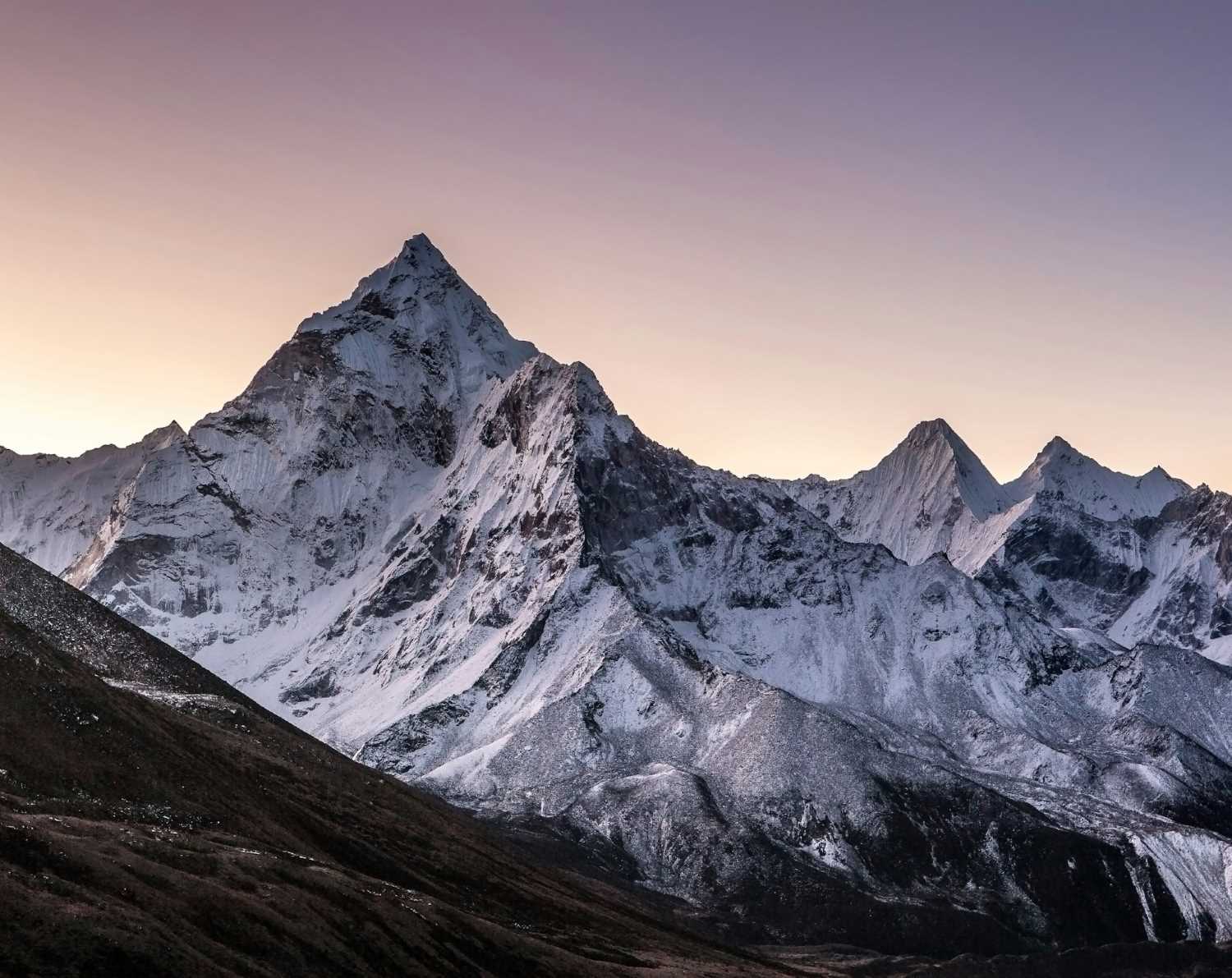
Are you dreaming of embarking on the iconic journey to Everest Base Camp? If so, you’re in for an adventure of a lifetime! Everest trekking is a thrilling experience that combines breathtaking Himalayan landscapes with unique cultural encounters. Along the way, you’ll traverse rugged trails, visit quaint Sherpa villages, and be surrounded by some of the tallest peaks on the planet. Before you lace up your hiking boots, let’s dive into what makes this trek so remarkable and how you can prepare for this unforgettable journey.
Physical Preparation for Everest Base Camp
Trekking to Everest Base Camp is a dream for many adventurers, but it’s essential to be physically prepared for the journey. From building stamina to enhancing your strength, getting in shape will make your trek more enjoyable and increase your chances of success. Here’s how you can get ready physically before you set out on your Everest adventure.
Building Cardiovascular Endurance
Cardiovascular endurance is crucial for trekking at high altitudes and covering long distances, and it’s something you should start focusing on several months before your trip. The better your cardio fitness, the more effectively your body can use oxygen, an invaluable benefit at high altitudes where the air is thinner.
1. Regular Cardio Workouts: Incorporate exercises like running, cycling, swimming, or rowing into your regular routine at least 3-5 times a week. This could be a mix of activities to keep things interesting while training different muscle groups.
2. Hiking: If possible, practice hiking with a backpack to simulate trekking conditions. Aim to increase the distance, altitude, and weight in your pack over time to challenge yourself progressively.
3. Stair Climbing: Another excellent way to build cardio endurance is stair climbing. If you have access to a set of stairs at home, work, or at the gym, use them. If not, a stair machine at the gym is a great substitute.
Keep track of your progress and work gradually to increase your stamina. The more you’ll enjoy your trek when you aren’t gasping for air at every turn!
Strength Training Essentials
Endurance alone isn’t enough; you’ll need strength to handle the rugged terrain and carry your gear. A solid strength training routine can make all the difference on the trail.
1. Core Strength: Your core supports every part of your body. Planks, sit-ups, and leg raises can help build strength in your abdomen, lower back, and hips, which will aid balance and stability on uneven ground.
2. Leg Muscles: Work on strengthening your thighs, calves, and hips. Exercises like squats, lunges, and leg presses are particularly beneficial.
3. Upper Body: This might not seem essential for a leg-heavy trek, but having strong shoulders and arms helps with carrying a backpack. Incorporate push-ups, bench presses, and rows into your routine.
Create a mix of low-weight, high-repetition exercises, and higher-weight, lower-repetition exercises to build both endurance and muscle strength.
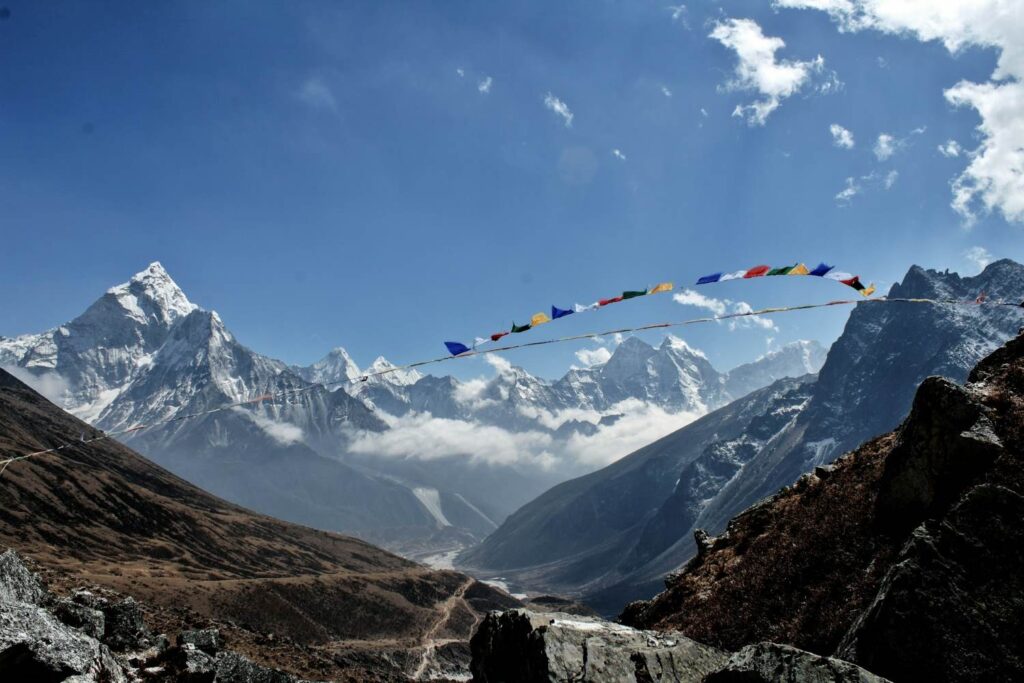
Importance of Acclimatization
Acclimatization is perhaps the most critical aspect of preparing for Everest Base Camp. To trek safely in high-altitude regions, it’s essential to let your body adapt to lower oxygen levels. Here’s how to help the acclimatization process:
– Itinerary Planning: Plan your itinerary with rest days included. A day or two for the body to adjust helps prevent altitude sickness.
– Hydration: Drink plenty of water to remain hydrated, as dehydration can exacerbate the symptoms of altitude sickness.
– Ascend Gradually: Follow the “climb high, sleep low” mantra. Ascending slowly is vital, as rapid ascents can increase the risk of altitude-related illnesses.
– Listen to Your Body: Be honest with your trekking pace. If you’re feeling fatigued or dizzy, take a break or adjust your day’s plans.
Your body needs time to adjust, so patience is key. Proper acclimatization will allow you to enjoy the trek, take in the breathtaking views, and reach Everest Base Camp with a smile.
Essential Trekking Gear
Packing the right gear is just as important as physical preparation. The weather on the way to Everest Base Camp can be unpredictable, and being well-equipped will ensure comfort and safety. Here, we’ll guide you through the must-have items for your trek.
Clothing and Footwear
Layering is crucial for trekking in variable climates. Here’s what to include:
– Base Layers: These are your first line of defense against the cold. Moisture-wicking materials such as merino wool will keep you dry and warm.
– Insulating Layers: A good fleece jacket and puffy down jacket for warmth during rest stops and higher altitudes.
– Shell Layers: Waterproof and windproof jackets and pants to protect you from the elements.
– Trekking Boots: Comfortable, waterproof boots with good ankle support are indispensable. Ensure they’re well broken-in to avoid blisters.
– Socks and Liners: Use high-quality trekking socks with liners to manage moisture and reduce friction.
Sleeping and Camping Equipment
Whether you’re staying in teahouses or camping, here are essentials that go a long way in providing comfort and a good night’s rest:
– Sleeping Bag: A four-season sleeping bag rated for temperatures as low as –10°F to keep you warm during chilly nights.
– Sleeping Mat: Lightweight and compact mat for added insulation from the ground if you’re camping.
Trekking Gadgets and Accessories
A few modern conveniences can enhance your trekking experience. Don’t leave home without the following:
– Trekking Poles: These can be life-savers on steep or tricky descents, reducing strain on your legs and knees.
– Headlamp: Essential for early starts or late finishes, ensuring you see clearly in low-light conditions.
– GPS and Maps: Digital mapping tools or a simple compass and map to keep you oriented on the trail.
– Solar Charger: To keep your gadgets charged when you’re off the grid.
– First Aid Kit: Bandages, antiseptic wipes, and any personal medications are a must for dealing with minor injuries or complaints on the trail.
– Sunglasses and Sunscreen: Protect your eyes and skin from harmful UV rays, which are more intense at higher altitudes.
Remember that every ounce matters when you’re carrying it on your back, so pack smart! Being thorough and selective in your gear choices guarantees that you’re prepared for the amazing adventure Everest Base Camp promises to be. Embrace the journey and happy trekking!
Comprehensive Packing Guide
Trekking to Everest Base Camp is an adventure of a lifetime! But before you lace up your hiking boots and hit the trails, you’ll need to make sure your backpack is packed perfectly. Bringing the right items can make a huge difference in your trekking experience. Let’s dive into what you absolutely need to bring and how to pack it all efficiently.
Must-Have Items for the Trek
When you’re preparing for the Everest trekking adventure, your packing list needs to be precise. Here’s a list of essential items that should definitely find a spot in your backpack:
– Clothing:
– Base Layer: Lightweight thermal tops and bottoms to keep you warm.
– Insulated Jacket: A down jacket is crucial for the chilly evenings.
– Waterproof Jacket and Pants: Unexpected rain and snow are common, so waterproof layers are a must.
– Hiking Pants and Shorts: Convertible or quick-dry options are ideal.
– Gloves and Hats: Keep extremities warm with thermal gloves and a wool hat. A sun hat is also important for the day hikes.
– Footwear:
– Hiking Boots: Sturdy, waterproof, and well-broken-in boots are your best friends.
– Trekking Socks: Wool or synthetic socks that wick moisture and prevent blisters.
– Health and Hygiene:
– First Aid Kit: Include band-aids, antiseptic wipes, pain relievers, and any personal medications.
– Sanitizing Products: Hand sanitizer and disinfectant wipes to stay hygienic on the go.
– Sun Protection: Sunscreen (SPF 30 or higher), lip balm, and sunglasses.
– Trekking Gear:
– Backpack: A 50-65 liter backpack with a rain cover.
– Trekking Poles: Helpful in maintaining balance and reducing the impact on joints.
– Water Purification Tablets: Safe water is essential, especially in remote areas.
– Snacks and Extras:
– Healthy Snacks: Energy bars, nuts, and dry fruits to keep your energy levels up.
– Headlamp with Extra Batteries: For those early starts before daylight.
Organizing Your Backpack Efficiently
Once you’ve gathered all your essentials, it’s time to organize them in your backpack strategically. Efficient packing means not only fitting everything in but also ensuring easy access to items when you need them.
1. Layer Your Clothes:
Pack your clothes in layers based on weight and frequency of use. Use packing cubes or stuff sacks to keep items compact and organized.
2. Prioritize Your Gear:
Place heavier items, like your down jacket, near the middle of your pack to balance the weight. Store things you’ll frequently access, such as your jacket or rain gear, at the top or in side pockets.
3. Compartmentalize Essentials:
Keep small, essential items in the top compartment or in an easily accessible pocket. This includes your first aid kit, sunscreen, snacks, and headlamp.
4. Use the Outside Space Wisely:
Attach bulkier items, such as your trekking poles and water bottle, to the exterior using side straps and loops.
Last but not least, test your packed backpack. Carry it around for a short walk to ensure it feels comfortable on your back. A well-packed backpack will make your Everest trekking experience much more enjoyable! Happy trekking, adventurers!
Conclusion
Trekking to Everest Base Camp is a thrilling adventure that promises life-changing experiences and awe-inspiring sights. As you prepare for your trek, remember to pack wisely, carry only what you need, and choose gear that is durable and comfortable. Focus on getting in shape before your trip, so you’re ready to tackle the challenging terrain. Embrace each moment, connect with fellow trekkers, and soak in the magnificent beauty of the Himalayas. With the right preparation, your Everest journey will be an unforgettable story you’ll cherish forever. Safe travels and happy trekking!