How difficult is Everest Panorama Trek?
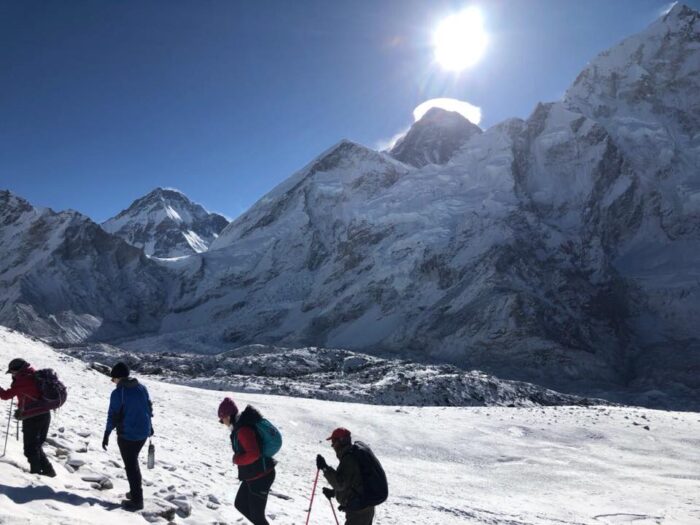
The Everest Panorama Trek is a moderately challenging adventure that doesn’t require prior mountaineering experience. While not technically demanding, it’s best suited for those with some hiking experience and a good fitness level.
The main challenges are high altitude, long trekking days, and basic accommodations. To prepare, you should plan on 1-2 months of physical training, including cardio, strength training, and practice hikes.
Unique Path Trekking offers guided trips with expert, first-aid-certified guides who specialize in helping first-time trekkers successfully complete the journey.
What is the best season for Everest Panorama Trek?
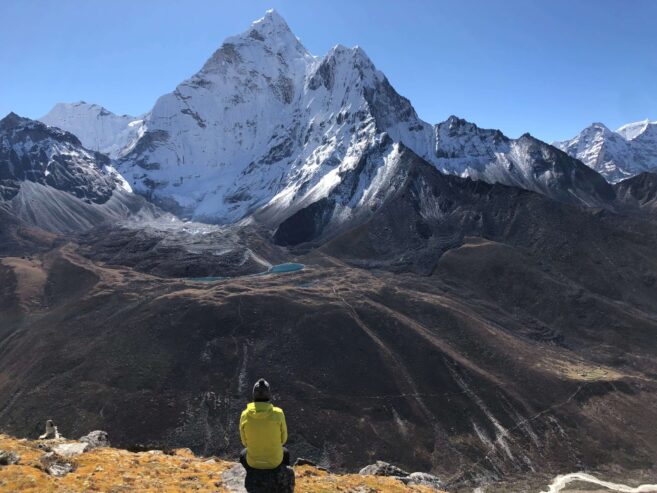
The best seasons for trekking to Everest Panorama Trek are spring (February to May) and autumn (late September to first week of December). These periods offer the most favorable weather conditions, with clear skies, stable temperatures, and excellent visibility of the panoramic Himalayan views. While spring is known for its blooming rhododendrons and a vibrant atmosphere with many climbers preparing for ascents, autumn is popular for its crisp, clean air and consistently clear views after the monsoon season.
What will the temperature be like?
Temperatures on the Everest Panorama Trek fluctuate significantly, not only by season but also between day and night. While the most popular trekking seasons offer stable weather, you should always be prepared for cold conditions, especially as you gain altitude.
Spring (March-May): Temperatures gradually warm up, with blooming rhododendron forests at lower altitudes and clear skies.
- Daytime: Expect highs from -10°C to 15°C, with May being the warmest month.
- Nighttime: Nights are consistently cold, ranging from -15°C in March to -5°C in May.
Autumn (September-November): This is the most popular season, known for dry weather, crystal-clear skies, and excellent visibility after the monsoon.
- Daytime: Temperatures are generally pleasant, from 12-18°C in October, which is the peak month for trekking.
- Nighttime: Nights are cold, with temperatures dropping to 0-5°C in October and often falling to -5°C or lower in November.
What types of accommodation are included?
Accommodation for the Everest Panorama Trekincludes a comfortable 3–4-star hotel stay in Kathmandu before and after your journey. Along the trekking route, you’ll be housed in locally owned “tea houses,” which offer private, twin-sharing rooms. These lodges feature a communal dining hall where you can relax and enjoy a variety of freshly prepared meals. Hot showers are often available, and some locations even have rooms with attached toilets for added comfort.
What meals are included during the trek?
During the Everest Base Camp trek, all meals are included as part of a full-board package. You’ll receive three freshly prepared, hearty meals a day—breakfast, lunch, and dinner—at the local tea houses. The menus offer a variety of cuisines, including traditional Nepalese, Indian, Tibetan, and Continental dishes. Popular options include dal bhat, fried noodles, pasta, and pancakes, all designed to keep you well-fueled for the trek.