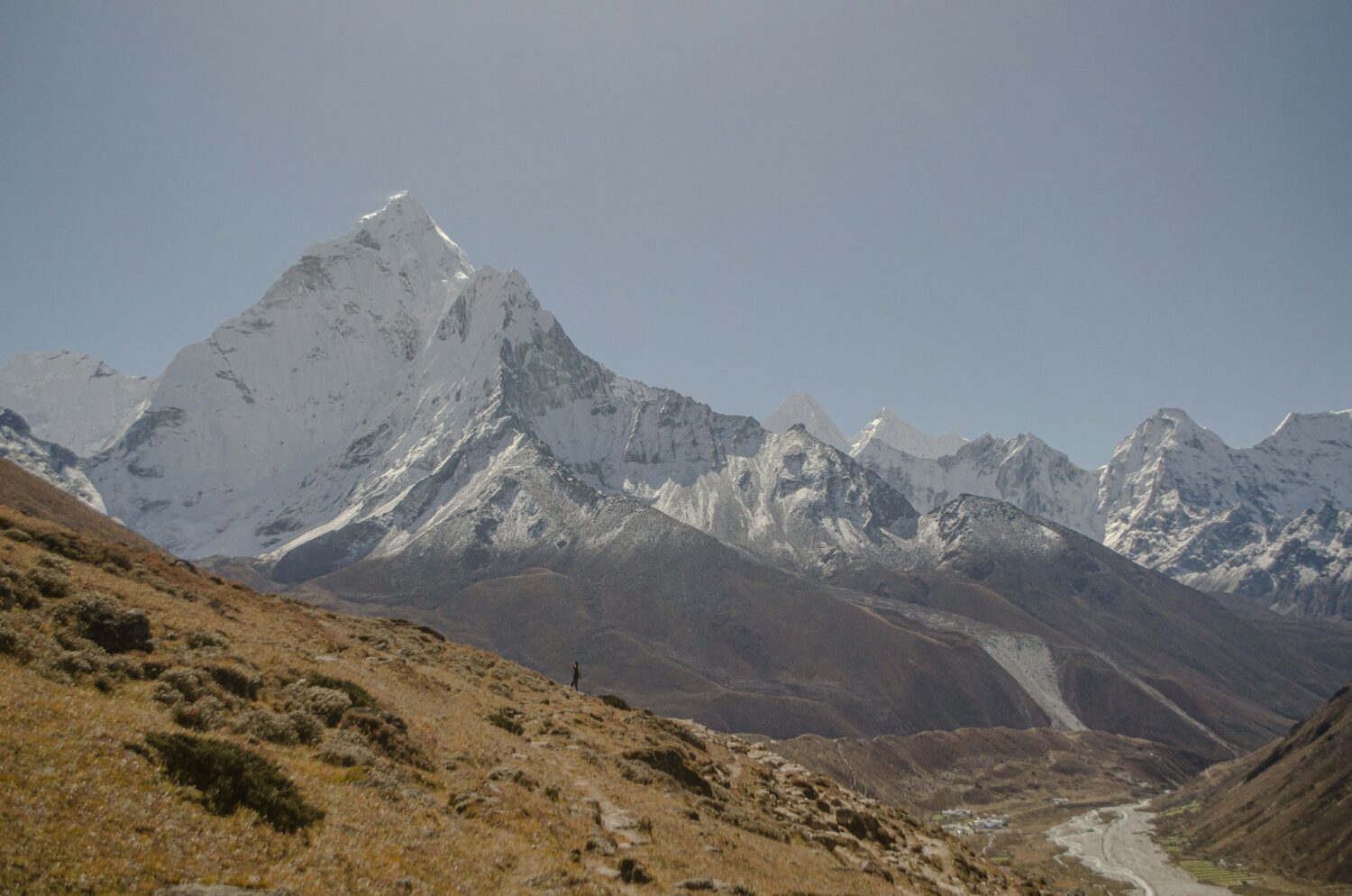
Top Destinations for Peak Climbing in Nepal for 2026
Peak climbing in Nepal
Are you ready to transition from trekking to mountaineering? With a myriad of snowy giants to choose from, selecting the right peak to scale can be a challenge. Whether you are an experienced hiker looking for the next step or an aspiring alpinist, this guide is designed to help you navigate the best trekking peaks in Nepal.
What is a "Trekking Peak"?
Classified by the Nepal Mountaineering Association (NMA), "trekking peaks" generally range between 5,000m and 7,000m (16,400ft – 22,900ft). While the name implies simplicity, these climbs require a specific climbing permit and a fee separate from standard trekking permits.
While many of these peaks are considered non-technical—meaning they don't require advanced rope skills—they demand excellent physical fitness and the ability to cope with high altitude. They serve as the perfect bridge between a standard trek and a full-scale expedition, often leading you along popular trekking routes before diverging toward the summit.
Below are the top ten destinations for peak climbing in Nepal, followed by a deep dive into the top three.
Top 10 Trekking Peaks in Nepal
-
Island Peak (6,189m / 20,305ft)
-
Mera Peak (6,476m / 21,247ft)
-
Lobuche East (6,119m / 20,070ft)
-
Yala Peak (5,700m / 18,700ft)
-
Pisang Peak (6,091m / 19,978ft)
-
Chulu West (6,419m / 21,055ft)
-
Dhampus Peak (6,012m / 19,719ft)
-
Pokalde Peak (5,806m / 19,049ft)
-
Pharchamo Peak (6,187m / 20,298ft)
-
Tent Peak (Tharpu Chuli) (5,663m / 18,575ft)
1. Island Peak (Imja Tse)
-
Altitude: 6,189m (20,305ft)
-
Region: Everest (Khumbu)
-
Difficulty: Alpine PD+ (Little Difficult)
The Gateway to the Himalayas Arguably the most popular trekking peak in Nepal, Island Peak (locally known as Imja Tse) offers a classic mountaineering experience in the heart of the Khumbu region. Surrounded by Sherpa culture and towering 8,000m giants—including Lhotse, Makalu, and Cho Oyu—this peak is a visual masterpiece.
Many climbers combine Island Peak with the classic Everest Base Camp trek or a hike to Kala Patthar for acclimatization. While the climb is largely non-technical, the final push involves a thrilling 100-meter steep ascent along a ridgeline that requires the use of fixed ropes and crampons. It is the perfect choice for those seeking their first Himalayan summit.
2. Mera Peak
-
Altitude: 6,476m (21,247ft)
-
Region: Everest (Hinku Valley)
-
Difficulty: Alpine F (Easy/Straightforward)
The Highest Trekking Peak If you are looking for maximum altitude with minimum technical difficulty, Mera Peak is the ultimate choice. It holds the title of the highest trekking peak in Nepal, yet it is surprisingly accessible for beginners due to its non-steep, snow-domed slopes.
The mountain consists of three summits: Mera North, Central, and South (climbers typically target Mera Central). The ascent is straightforward, with the biggest challenges being fitness and proper acclimatization rather than technical climbing skills. The reward at the top is arguably the best panorama in the Himalayas, with views of five 8,000m peaks, including Mount Everest.
3. Lobuche East Peak
-
Altitude: 6,119m (20,070ft)
-
Region: Everest (Khumbu)
-
Difficulty: Alpine PD+ (Technical feel)
The Technical Challenge For those who want a step up in difficulty from Mera or Island Peak, Lobuche East offers a grittier challenge. While it shares the same "PD+" grade as Island Peak, Lobuche feels significantly more technical and requires previous mountaineering experience or training.
The mountain comprises two summits: Lobuche East and Lobuche Far East. The climb involves navigating steep snow and ice slopes that require reliable rope work. Because of its location, Lobuche is often combined with an Island Peak climb on a single expedition. Conquering this peak earns you a commanding view of the Everest range and a true sense of mountaineering achievement.
4. Yala Peak
-
Altitude: 5,700m (18,700ft)
-
Region: Langtang Valley
-
Difficulty: Easy / Non-technical
The Kathmandu Gateway Located closest to Kathmandu, Yala Peak is one of the most accessible and beginner-friendly climbing destinations in Nepal. It is an ideal choice for those with limited trekking experience but a high level of physical fitness. While it is less crowded than the peaks in the Everest region, it offers a deeply rewarding cultural and scenic experience.
The journey takes you through the picturesque Langtang Valley, characterized by its distinct Tibetan-influenced culture and the famous Kyanjin Gompa village. From the summit, you are treated to a stunning view of the entire Langtang range, including the massive Shishapangma (8,013m), the highest mountain in Tibet. For a longer adventure, this climb can be paired with a trek to the sacred Gosaikunda Lake or the monasteries of Helambu.
5. Pisang Peak
-
Altitude: 6,091m (19,978ft)
-
Region: Annapurna (Manang Valley)
-
Difficulty: Technical / Moderate
The Annapurna Gem Rising majestically above Pisang village, this peak is a highlight of the eastern Annapurna range. Most climbers incorporate this ascent into the world-famous Annapurna Circuit trek, which includes crossing the Thorong La Pass (5,416m).
The climb follows a well-defined ridge leading to a steep summit pyramid. Because of its technical nature, we recommend this peak for those with some previous mountaineering experience. The effort is rewarded with a 360-degree panorama: Manaslu (8,163m) to the northeast, Annapurna II and IV to the south, and the vast trans-Himalayan Tibetan plateau to the north.
6. Chulu West Peak
-
Altitude: 6,419m (21,055ft)
-
Region: Annapurna (Manang Valley)
-
Difficulty: Challenging / Technical
The Adventurer’s Choice Similar to Pisang Peak, Chulu West is situated near the Annapurna Circuit trail and the Thorong La Pass. However, it is a longer and more technically demanding expedition. Reaching the summit typically requires the establishment of two high camps, making it a true test of endurance and high-altitude skill.
Chulu West is best suited for trekkers in peak physical condition who have prior experience using ice axes and crampons. For those who embrace the challenge, the summit offers an unparalleled vantage point of the Dhaulagiri and Annapurna massifs, providing a sense of "hard-earned success" that few other trekking peaks can match.
7. Dhampus Peak (Thapa Peak)
-
Altitude: 6,012m (19,719ft)
-
Region: Dhaulagiri (Kaligandaki)
-
Difficulty: Non-technical / Straightforward
Off the Beaten Path For climbers looking to escape the busier Everest and Annapurna trails, Dhampus Peak (also known as Thapa Peak) is a hidden treasure. Located northeast of the massive Dhaulagiri range, the approach involves crossing high-altitude passes like the French Pass (5,360m) and Dhampus Pass (5,240m).
No prior technical climbing experience is required for this peak, making it accessible to fit hikers. The trail winds through the rugged, rural landscapes of western Nepal and the Kaligandaki region. From the summit, you can see over thirty different peaks nestled between the Annapurna and Dhaulagiri ranges, with an incredible close-up view of Tukuche and Dhaulagiri I.
8. Pokalde Peak (Dolma Ri)
-
Altitude: 5,806m (19,049ft)
-
Region: Everest (Khumbu)
-
Difficulty: Easy / Scrambling
Pokalde is rapidly growing in popularity as a "commercial tourist peak" because it provides the full Everest trekking experience with a fraction of the difficulty of neighboring summits. For those looking for an ultimate mountaineering challenge, many climbers choose to combine Pokalde with nearby ascents of Island Peak and Lobuche East.
9. Pharchamo Peak
-
Altitude: 6,187m (20,298ft)
-
Region: Rolwaling Valley
-
Difficulty: Moderate / Achievable
The climb features a well-defined north-by-northwest ridge that makes for an achievable and satisfying ascent. From the top, you’ll enjoy majestic views of Mt. Gauri Shankar, as well as the giants of the Langtang and Everest ranges. Adding to its mystique, the Rolwaling region is famous for local legends of the "Yeti." To this day, the area continues to capture the imagination of explorers with reported sightings of this mysterious creature.
10. Tent Peak (Tharpu Chuli)
-
Altitude: 5,663m (18,575ft)
-
Region: Annapurna Sanctuary
-
Difficulty: Introductory / Amateur Mountaineering
Tent Peak is the most climbed peak in the Annapurna region and ranks as the third most popular trekking peak in all of Nepal, trailing only Island and Mera Peak. Its relatively low altitude makes it the ideal "entry-level" mountain for trekkers ready to try their hand at amateur mountaineering. The journey is typically integrated with a trek to Annapurna Base Camp, providing a seamless transition from the trekking trail to the snowy summit.
Summary of the Top 10 Peaks
| Peak | Altitude | Best Known For |
| Island Peak | 6,189m | The classic "first" Himalayan summit. |
| Mera Peak | 6,476m | The highest trekking peak with easy slopes. |
| Lobuche East | 6,119m | A technical step-up for aspiring alpinists. |
| Yala Peak | 5,700m | Best for beginners and closest to Kathmandu. |
| Pisang Peak | 6,091m | Stunning views over the Annapurna Circuit. |
| Chulu West | 6,419m | A long, rewarding, and adventurous haul. |
| Dhampus Peak | 6,012m | A quiet, non-technical alternative in the west. |
| Pokalde Peak | 5,806m | A short, accessible peak near Everest. |
| Pharchamo Peak | 6,187m | Remote wilderness and Sherpa culture. |
| Tent Peak | 5,663m | Best views within the Annapurna Sanctuary. |
How to Prepare: Your Roadmap to the Summit
Climbing a trekking peak in Nepal is a significant achievement that requires a balance of physical endurance, mental resilience, and the right equipment.
1. Physical Training: Building the "Mountain Engine"
Even for "non-technical" peaks like Mera or Yala, the altitude and duration of the climb will test your body. You should start training 3–6 months before your trip.
-
Cardiovascular Endurance: Focus on "Zone 2" training (steady, moderate intensity). Hiking, running, or cycling for 1+ hours 3–4 times a week builds the aerobic base needed for long summit days.
-
Weighted Inclines: The best training for climbing a mountain is walking uphill. Use a treadmill on an incline or find a local hill. Gradually increase your backpack weight until you can comfortably carry 10–12kg for several hours.
-
Leg and Core Strength: Incorporate squats, lunges, and step-ups into your routine. A strong core helps with balance on uneven glacial terrain.
2. Mental Preparation
High-altitude climbing involves cold temperatures, basic living conditions, and occasional discomfort.
-
Patience: Acclimatization is a slow process. Be prepared to "walk slow" and rest often.
-
Resilience: Summit days often begin at midnight and can last 10–14 hours. Mental toughness is what gets you through the final 100 meters.
3. Essential Gear Checklist
While most trekking peaks don't require professional-grade vertical ice tools, you will need specialized mountaineering equipment.
Technical Hardware
-
Boots: B3-rated mountaineering boots (double boots are highly recommended for peaks over 6,000m like Mera or Island Peak).
-
Crampons: Twelve-point steel crampons compatible with your boots.
-
Ice Axe: A lightweight walking axe for balance and self-arrest.
-
Harness & Carabiners: A climbing harness, a few locking carabiners, and a "descender" (figure-8 or ATC) for rappelling.
Clothing & Layering
-
Base Layers: Moisture-wicking merino wool or synthetic layers (avoid cotton).
-
Insulation: A heavy-duty down jacket (rated for -15°C to -20°C) for summit night.
-
Shell: Waterproof and windproof Gore-Tex jacket and trousers.
-
Hands/Feet: Thick wool socks, liner gloves, and heavy waterproof mittens.
4. Acclimatization Strategy
Altitude is the single most important factor in your success.
-
Hydration: Aim for 3–4 liters of water per day.
-
Nutrition: Your appetite may drop at altitude; focus on high-carb, easily digestible foods.
-
The Golden Rule: "Climb high, sleep low." Ensure your itinerary includes dedicated rest days before pushing above 5,000m.

The Perfect Guide to Peak Climbing in Nepal
Nepal is located in asia which is is known for its stunning mountain scenery, which includes eight of the world's fourteen highest mountains. As eight of the highest peaks is located in nepal for that reason peak climbing is a popular activity in Nepal.
This blog post will provide a tip or guide for climbing peak in nepal according to its difficulity.
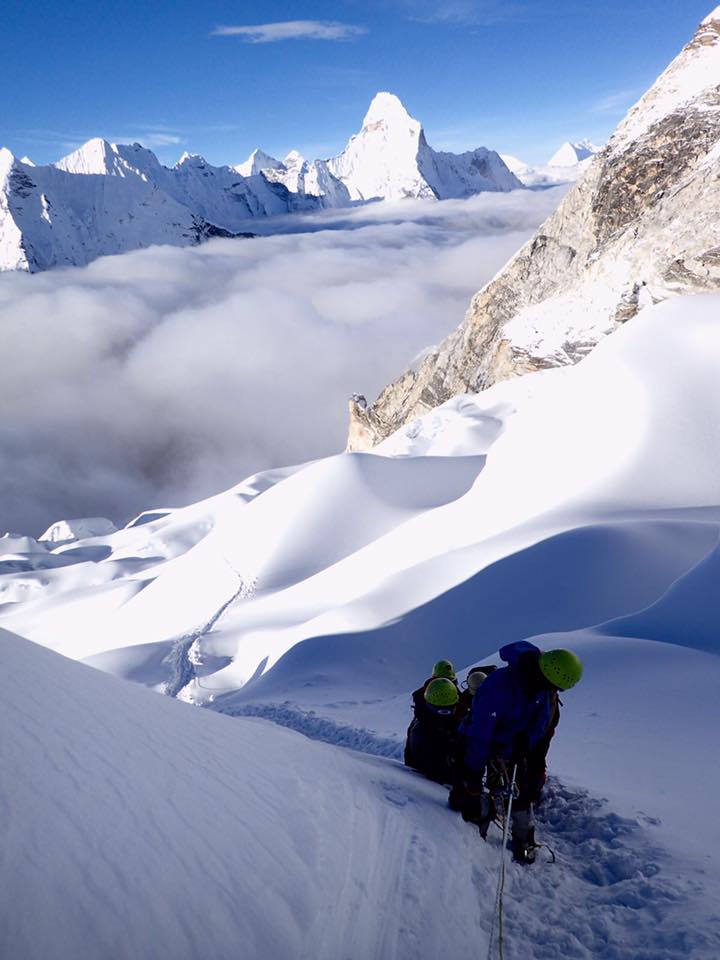
The various peak climbing in nepal
some of the peak climbing in nepal includes:
- Island Peak (6,189 meters)
Island Peak is a 6,173 meter peak located in the Everest Region of Nepal. It is considered suitable for beginner climbers, although it is graded as a semi-technical climb. This means it requires a little more equipment and climbing techniques than a traditional uphill walk. Climbers will need to use crampons and practice walking on them before the climb. The final push to the summit is challenging, with an almost 90-degree vertical climb. However, the reward at the top is a breathtaking view of the surrounding peaks. The best seasons to climb Island Peak are spring (March-May) and autumn (September-November). These seasons offer clear views and mild temperatures.
- Mera Peak (6,476 meters)
Here is more info on Mera Peak:
-
Mera Peak is 6,476 meters tall.
-
It is the highest trekking peak in Nepal.
-
It is good for beginners with a good fitness level.
-
It is considered an easy climb.
-
Some climbing experience is helpful, but not required.
-
The biggest challenge is altitude sickness.
-
Proper acclimatization can help reduce difficulty.
-
The best times to climb are spring (late March-May) and autumn (September-December).
-
Spring has beautiful views and mild weather.
-
Autumn has better visibility but colder nights.
-
Highlights of Mera Peak include:
- Close-up views of famous mountains.
- Diverse plant and animal life.
- Beautiful scenery with fewer crowds.
-
Lobuche Peak (6,119 meters)
Here is more info on Lobuche Peak:
-
Lobuche Peak is located in Solukhumbu, Nepal.
-
It is a tough but popular trekking peak that offers climbers breathtaking views of Everest, Lhotse, Ama Dablam, and other neighboring peaks.
-
There are two summits: Lobuche East Peak (6,119 meters) and Lobuche West Peak (6,114 meters). Lobuche East is considered easier to climb than Lobuche West.
-
The East Peak is rated grade B by the Nepal Mountaineering Association (NMA), which means it is moderately difficult.
-
Climbers need to be in excellent physical condition and have some technical climbing skills to summit Lobuche Peak.
-
The route to the summit is challenging and includes rugged terrain with rocky and steep walls.
-
The best times to climb Lobuche Peak are spring and autumn. Spring offers pleasant weather and clear views, while autumn offers festive celebrations and stable weather.
-
Climbing Lobuche Peak is not recommended for beginners.
-
Ama Dablam (6,812 meters)
Ama Dablam is a formidable mountain that is considered one of the most aesthetically pleasing peaks in the world. It is a challenging climb that is not for the faint of heart. The ascent involves significant technical climbing, including sections of ice and rock climbing. Climbers should have extensive experience and be in excellent physical condition to attempt Ama Dablam.
- Everest (8,848 meters)
Mount Everest is the tallest mountain in the world and the ultimate challenge for climbers. It is a very dangerous climb that requires years of experience, preparation, and a significant amount of money. Climbers must obtain a climbing permit from the Nepalese government, which can cost tens of thousands of dollars. The ascent of Everest is fraught with danger, including altitude sickness, avalanches, and extreme weather conditions. Only the most experienced and well-equipped climbers should attempt to summit Everest.
The difficulty of a peak climb depends on a number of factors, including the altitude of the peak, the technical difficulty of the route, and the weather conditions.
Seasons for Climbing in Nepal
The best time to climb in Nepal is during the spring (March-May) and autumn (September-November) seasons. These seasons offer clear skies and stable weather conditions. The monsoon season (June-August) should be avoided due to heavy rain and snowfall.
How to Prepare for a Peak Climbing Trip in Nepal
In order to prepare for a peak climbing trip in Nepal, climbers will need to:
- Get in good physical condition. Peak climbing is a demanding activity, and climbers will need to be in good shape to be able to handle the altitude and the physical exertion.
- Get the proper gear. Climbers will need a variety of gear for their trip, including a backpack, a sleeping bag, a tent, climbing boots, crampons, an ice axe, warm clothing, and rain gear.
- Obtain the necessary permits. Climbers will need to obtain a climbing permit from the Nepal Tourism Board before they can climb any of the peaks in Nepal.
- Hire a qualified guide. Peak climbing in Nepal is a dangerous activity, and it is important to hire a qualified guide to help you plan your trip and ensure your safety.
Challenges of Peak Climbing in Nepal
Peak climbing in Nepal is a challenging activity. Climbers will need to be prepared to face a number of challenges, including:
- Altitude sickness - Altitude sickness is a common problem that can occur when climbers ascend to high altitudes. Symptoms of altitude sickness can include headache, nausea, vomiting, dizziness, and shortness of breath.
- Extreme weather conditions - Climbers can expect to face extreme weather conditions on their climb, including cold temperatures, high winds, and snow.
- Avalanches - Avalanches are a danger on all mountain climbs, but they are especially dangerous in Nepal. Climbers should be aware of the avalanche risk and take steps to mitigate it.
- Crevasses - Crevasses are deep cracks in glaciers. They can be a danger to climbers, as they can be difficult to see and can collapse without warning.
Climbers should also be aware of the age restrictions for climbing certain peaks. Some peaks, such as Everest, have a minimum age requirement of 16 years old.
Conclusion
Peak climbing in Nepal is an unforgettable experience. However, it is important to be aware of the challenges involved before embarking on a trip. With careful planning and preparation, you can have a safe and successful climb.
This blog post is just a starting point for your research. Before you go peak climbing in Nepal, it is important to do your own research and choose a peak that is appropriate for your experience level. You should also hire a qualified guide to help you plan your trip and ensure your safety.
Read more... Read less
peak climbing in nepal
Highlights
- Wandering around the Himalayan topography
- Exploration of admired high-altitude Buddhist Temples
- Cultural encounters in several Sherpa Villages that come across the journey.
- Great walking through the alpine woodlands of UNESCO-preserved areas.
- Stepping over the glacial trails
- Camping in the absolute wilderness in between lofty peaks is the next level of adventure.
- Experience in using technical equipment such as gripping rope, crampon boots, snow axes, etc.
5 Best Peaks of Nepal
Mera peak climbing
Mera Peak at an altitude of 6476m is the highest trekking peak in Nepal. The Mera Peak climbing is one of the most captivating climbing journeys In Nepal. It is among the Best Peak Climbing in Nepal. Lying at the edge of the Khumbu region, this climbing peak offers a magnificent view of five of the highest peaks in the world, including Everest, Lhotse, Cho Oyu, Makalu, and Kanchenjunga. Mera peak climbing is an amateur opportunity for all adventure lovers who dare to stand on the Himalayan summit challenging the conclusive altitude. It is one of the amateur journeys in the Himalayas which lets the climbers have an unforgettable experience. Located south of Everest in the Hinku Valley, this climbing is relatively easier to climb than most other peaks. Likewise, climbers get to experience stunning scenery as well as abundant wildlife. The Mera Peak climbing starts with a scenic flight from Kathmandu to Lukla. From Lukla, we will pass through several villages like Chutang, Kothe, Thangnak, and Khare. Furthermore, the route will take us to the Hinku Valley from where one can get a majestic glimpse of beautiful landscapes, hills, and snow-covered mountains. Ascending further takes us to the base camp of the peak and scales the peak. The view from the top of the peak is incredible beholding the sights of peaks like Cho Oyu (8188m), Ama Dablam (6856m), Nuptse (7861m), Lhotse (8414m), Makalu (8463m), and many other mountains.Highlights of Mera Peak climbing
- Climb Mera Peak (6476m), the highest trekking peak in Nepal
- Isolation away from the human settlements
- Exploration of Hinku Valley along with the fabulous view of snow-capped peaks.
- Witness the Himalayan peaks including Everest, Cho-Oyu, Lhotse, Makalu, and Kanchenjunga.
- Walking through the Rhododendron forests and an incredible variety of flora and fauna
- Tender hospitality from the Sherpa people along with the exploration of culture and tradition similar to that of Tibet.
Best season for the climb
Mera peak climbing in the Khumbu region is suitable for all travel enthusiasts giving them the next level of adventure. The summit of this trek is most comfortable during scoring and Autumn. From March to May and September to November, the Khumbu region has a different glow. From the dense forest of rhododendron to the diverse flora and fauna, Autumn and spring showcase all. Besides the Himalayan views are astonishing with a crystal clear glimpse of natural landscapes. On the other hand, Spring and Autumn have moderate temperatures with less rainfall which is why it has become one of the popular trekking and inning seasons in Nepal. However, the temperature during the nighttime is extremely cold so better preparation is needed. The next merits of traveling during this season are the services of accommodation. The guesthouses and tea houses are open in a large amount which eventually narrows down during the off-season like winter and monsoon.Island Peak Climbing
Island peak climbing is popular as Imja Tse. It is one of the famous destinations among climbers in Nepal. When the peak is viewed from Dingboche, it looks like an island between the sea of ice which is named Imja Tse. The ice and snow make this peak challenging and demanding, but not impossible. Climbers will find the next level of adventure climbing these peaks. There it is among the Best Peak Climbing in Nepal. Island Peak was 1st climbed in the year 1956 since then the peak has been a popular destination for climbers all over the world. Besides, the climbing takes us to a series of lakes in the Gokyo Valley, Renjo La Cho La and Kongma La Pass, and finally to Everest Base Camp. Additionally, the enchanting view of Gokyo Ri and Kala Patthar brings out the next level of adventure. On the other hand, the Himalayan views from the top are stunning, presenting astonishing close-up views of the world’s highest Himalayas including Khumbu, Pumo Ri, Lingtren, Khumbutse, Lola, Mt. Everest, Lhotse, Nuptse, Ama Dablam, Lobuche Peak, and many more. Taking the climbers to the Khumbu region, Island peak climbing is perfect for those seeking an ideal Himalayan adventure. Hiking to the Everest region, passing through several sherpa settlements, witnessing ancient Gompas and monasteries, and walking through the diverse vegetation are what climbers can expect from this journey.Trip Highlights of Island Peak Climbing
- Climb Island’s peak climbing, at an elevation of 6189m.
- Get the real mountaineering experience
- with close-up views of the world’s highest Himalayas including Khumbu, Pumo Ri, Lingtren, Khumbutse, Lola, Mt. Everest, Lhotse, Nuptse, Ama Dablam, Lobuche Peak, and many more.
- Witness the crystal clear aquamarine lakes within the Gokyo Valley, Renjo La Cho La, and Kongma La pass.
- Walking through several Sherpa villages and witnessing a series of ancient gompas and monasteries.
Best time for the climb
Despite being a challenging peak, the summit can be done throughout the year except during the height of monsoon months. Spring and Autumn are the evergreen months for adventure to Island peak climbing. However, travel enthusiasm has successfully scaled the mountain even during the winter. Although cold winter can be harsh especially if you are a beginner but with proper equipment and preparation, it is possible. Autumn and Spring are the popular seasons that climbers choose for the Island peak summit. Spring begins from March to early June and Autumn from September to November. These two seasons have the merits of extremely beautiful weather, suitable temperature, and stunning view of the Himalayas with clear blue skies. The vegetation is at its best during these months of the year. Spring and Autumn display the wonderful sceneries of the Himalayan peaks. The temperature ranges from 0 to 15 degrees Celsius during the daytime. However, it is always cold and breezy during nighttime yet in a bearable way. Therefore, carrying warm clothes and sleeping bags can help you to some extent during the summit.Lobuche Peak Climbing
This is a mountain in Nepal lying close to the Khumbu Glacier and the settlement of Lobuche. Lobuche has two main peaks, East Lobuche and West Lobuche. The East Lobuche at 6,119m is classified as a trekking peak whereas the West Lobuche West at 6,145m is an expedition peak. The East Lobuche is climbed far more frequently than the West Peak. Lobuche is a demanding peak in the Everest region which is technically more difficult than Mera and Island Peak. However, the peak offers a delightful glimpse that can attract the maximum number of climbers in this peak. The adventurous experience of climbing at high altitudes may be what trekkers around the world are seeking. With the views of towering mountains like Island Peak, Mt. Makalu, Lhotse, Nuptse, Amadablam, and Kanchenjunga, including the world’s tallest Everest, Lobuche Peak has been popular among climbers. Besides, the peak even offers a glimpse of Tibetan peaks as well as many climbing peaks. Similarly, one can enjoy the scenario of the Khumbu glacier, Valleys, glaciated moraines, etc from the peak. Due to all these reasons, Lobuche Peak Climbing also falls under the Best Peak Climbing in Nepal.Trip Highlights of Lobuche Peak Climbing
- Offers towering mountain views like Mt. Everest- Island Peak, Mt. Makalu, Lhotse, Nuptse, Amadablam, and Kanchenjunga.
- Enjoy the view of the Khumbu glacier, Valleys, glaciated moraines, etc.
- Traverse through the Dudh Koshi river valley,
- Witness the diverse vegetation at Sagarmatha national park
- Exploration of a series of Buddhist monasteries and Gompas
- Walking through several Sherpa villages like Namche, Tengboche, Khumjung, Dingboche, etc, alpine meadows with beautiful views of the mountains, Glaciers, waterfalls, etc.
It best Season For The Climb
Lobuche at an altitude of 6145m is a challenging climb compared to others. When submitting the peak one should that climbers take into measure is the climate and temperature. Therefore, choosing the correct seasons plays a great role in the completion of the trek. As per demanding climbs like Lobuche, Autumn ( September-November) and spring ( March-May) is favorable. Because of the high altitude, the months of monsoon and winter can be a bit more challenging when summiting Lobuche. As Monsoons can make the trails slippery and winter can be harsh and cold and also can create a snow blockage. Therefore, many climbers opt for either Autumn or Spring when climbing Lobuche. The green vegetation, clear blue skies, and panoramic view of the Himalayas make spring and autumn a more exciting season. Besides, the weather and temperature in spring are mild compared to other seasons making it comfortable for the trek. Furthermore, there will be an availability of tea houses and guest houses that won’t range during this time of the year. Therefore, spring and autumn can bring the next level of sparkling moments to Lobuche Peak climbing.Tent Peak Climbing
An outstanding trekking peak in the lap of Annapurna-I and Singa Chuli Peak, Tent Peak is a beautiful peak on the beam of the Annapurna Range Himalayas. The peak is 5663m high and is also known by its local name “Tharpu Chuli Peak”. Trekking in the Annapurna region and praising the diverse flora, fauna, and local traditional culture of people lining over there are the major highlights of the trek. Besides, the extraordinary view of the Himalayas including Annapurna massif and Himchuli brings out the next level of refreshment. Countless Annapurna region mountain snowcaps can be seen from the summit. In addition, the tent peak at 5663m is less challenging than other climbing peaks. Due to the less challenging adventure, Tent Peak also is the Best Peak Climbing in Nepal. It has less altitude compared to other peaks because of which climbing becomes easier than that of other peaks such as Island Peak, Ama Dablam, and Mera Peaks. Despite being an easier peak one needs to be physically and mentally fit and healthy. The route ascends to non-exclusive terrain to a snowy, knife-edge summit ridge. Climbing the tent peak is an outstanding introduction to the Nepalese Himalayan as well as a spectacular challenge for climbers of all skill levels. On the other hand, climbing is typically suitable for those who want to challenge themselves to amateur mountaineering. Furthermore, offering an excellent short trekking experience, this peak aids in your further higher mountain climb expedition.Trip Highlights of Tent Peak Climbing
- Trekking in the lap of Annapurna Massif
- An extraordinary view of the Himalayas including Annapurna massif, Machhapuchre, and Himchuli.
- At an altitude of 5663m, less challenging than that other peaks.
- Breathtaking view of sunrise and sunset from the Poon Hill
- Summiting the Tharpu Chuli or Tent Peak
- Strolling around and observing the nightlife of Lakeside in Pokhara
- Exploring the rich cultural heritage of Gurung and Magar villages
It best Season For The Climb
Trekking and climbing in the Annapurna region can be done throughout the year. However, spring and autumn are considered the best seasons for trekking in the Annapurna region and climbing the Tent Peak or Tharpu Chuli. During those seasons, the temperature is moderate making it favorable for trekking and climbing in Nepal. Autumn starts in September and lasts till November. It comes after the monsoon, leaving a fresh view of natural landscapes. Autumn showcases the stunning view of the clear blue sky, with the crystal clear view of the mountain range. As per tent climbing, Autumn being a favorable season might be a bit crowded but it’s worth the visit. On the other hand, Spring starts in March and lasts till May. Spring is the greenery month of the year when all the flowers and natural vegetation are at their best. Spring showcases the best of the surrounding with the blooming of flowers, and the hills turn red with rhododendron trees. Likewise, Spring can be the ideal time of the year to climb tent peaks as it offers the heartwarming scenario of the natural landscapes along with the snow-capped peaks. The summers are wet and at the same time dry. So, there is a chance of avalanches and falls making it more dangerous. Nevertheless, winters are cold with heavy snowfall. And the tea houses are limited during winter. Hence, Autumn and Spring are the best seasons for climbing tent peaks in Nepal.Chulu West Peak Climbing
Chulu West is part of Manang Himal which runs south from Chako and Peak 6687 in a north-to-south direction along the Hunlung Khola, Nar Khola, and Phu Khola. The south of this peak is murdered by the Marsyangdi Khola and the Mesokanto La. Chulu west peak standing tall at 6419m is one of the most beautiful adventures to the Annapurna Himalayan range and is also the Best Peak Climbing in Nepal. Chulu west peak climbing combines the circuit trek to Annapurna creating a wonderful adventure to the Nepali Himalayas. Peak climbing offers an extraordinary view of magnificent peaks such as Dhaulagiri, Nilgiri, Annapurna, etc. The trip traverses through the Marshyangdi River valley and ascends towards the Manang Valley. From The valley, the summit of this peak can be done. Additionally, the journey after the peak summit continues through the circuit trail towards Jomsom to Thorong La Pass at an elevation of 5,416 meters from sea level. Attracting thousands of climbers yearly is considered one of the most demanding climbing peaks. Climbing Chulu is an exciting adventure for both experienced trekkers as well as amateur climbers. Due to all these spectacular scenarios and adventures, Chulu West Peak Climbing is the Best Peak Climbing in Nepal. The trek is moderately difficult. Furthermore, it requires more stamina and strength to make the long tough toil through the snow to reach the summit.Trip Highlights of Chulu West Peak Climbing
- UNESCO-listed heritage sightseeing tour in Kathmandu
- Summit to Chulu West Peak at an altitude of 6,419m.
- Adventure trekking around Annapurna massif and Thorong La pass at 5,41m.m
- Deeper natural and cultural exploration of Marshyangdi Valley, and lower Mustang
- Experience a thrilling climbing adventure with an extraordinary close-up view of Himalayan panoramas as well as the Tibetan plateaus





