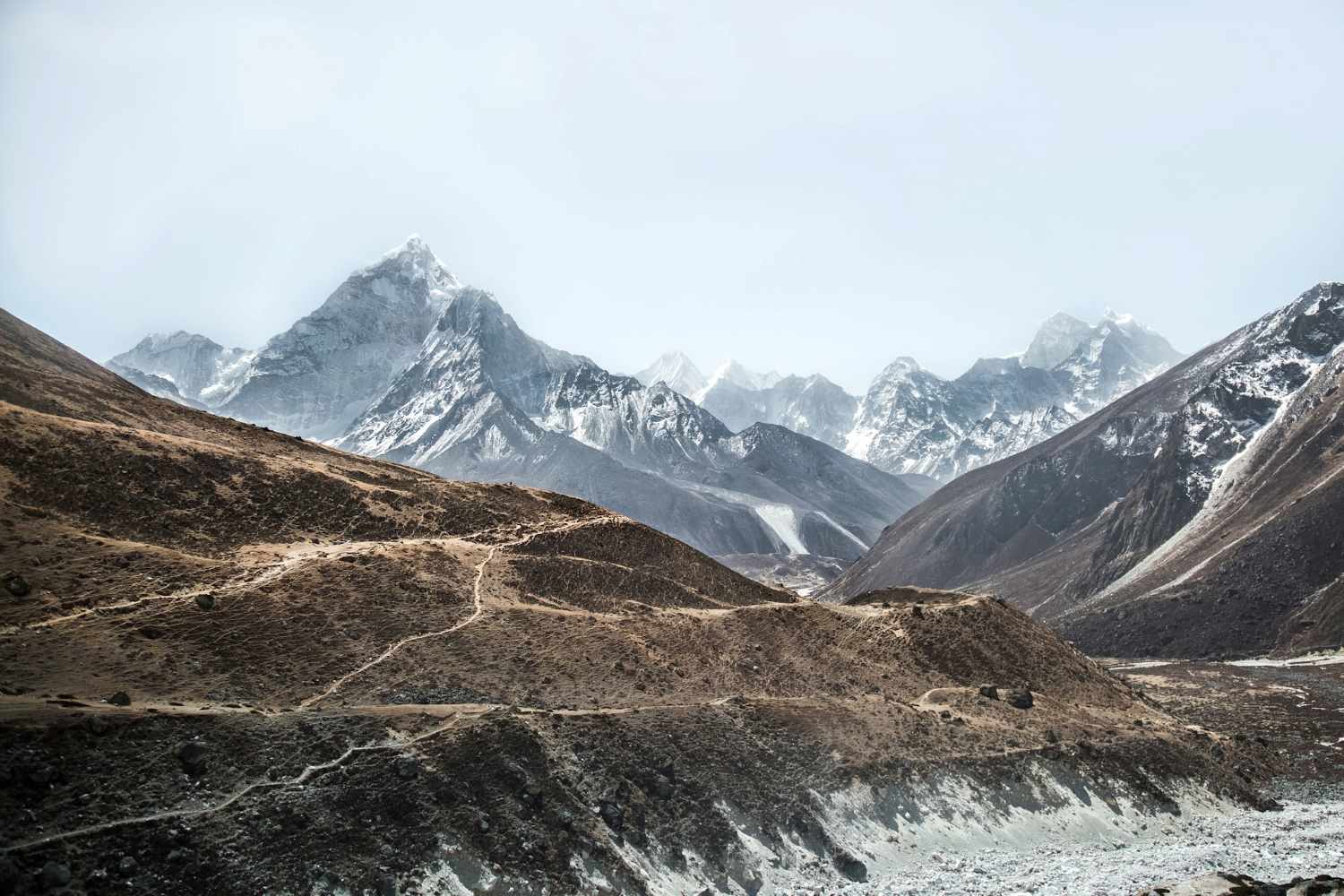
 The Everest Base Camp (EBC) Trek is a world-renowned, challenging, and profoundly rewarding adventure that takes you to the foot of Mount Everest (
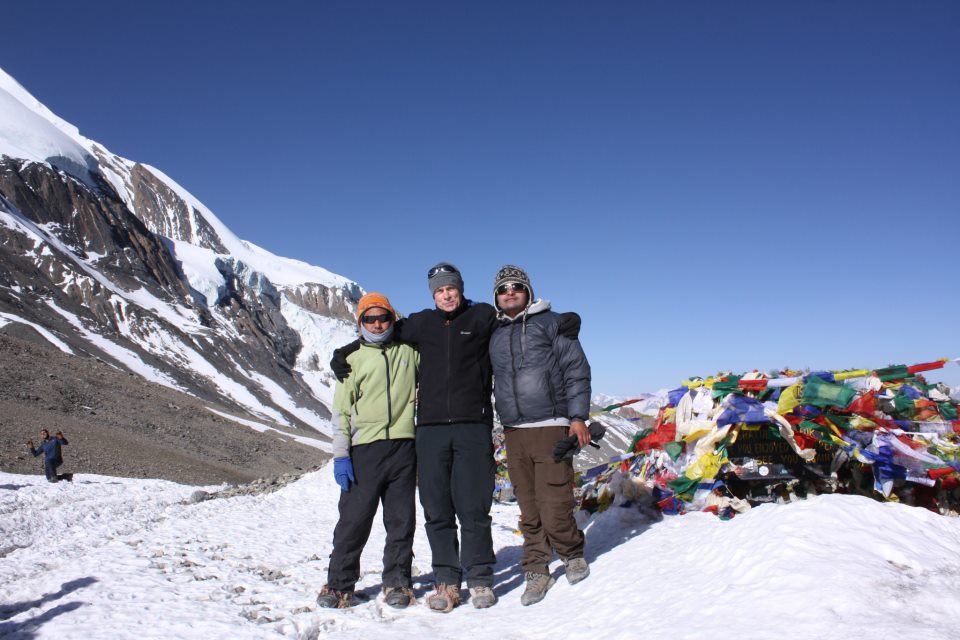
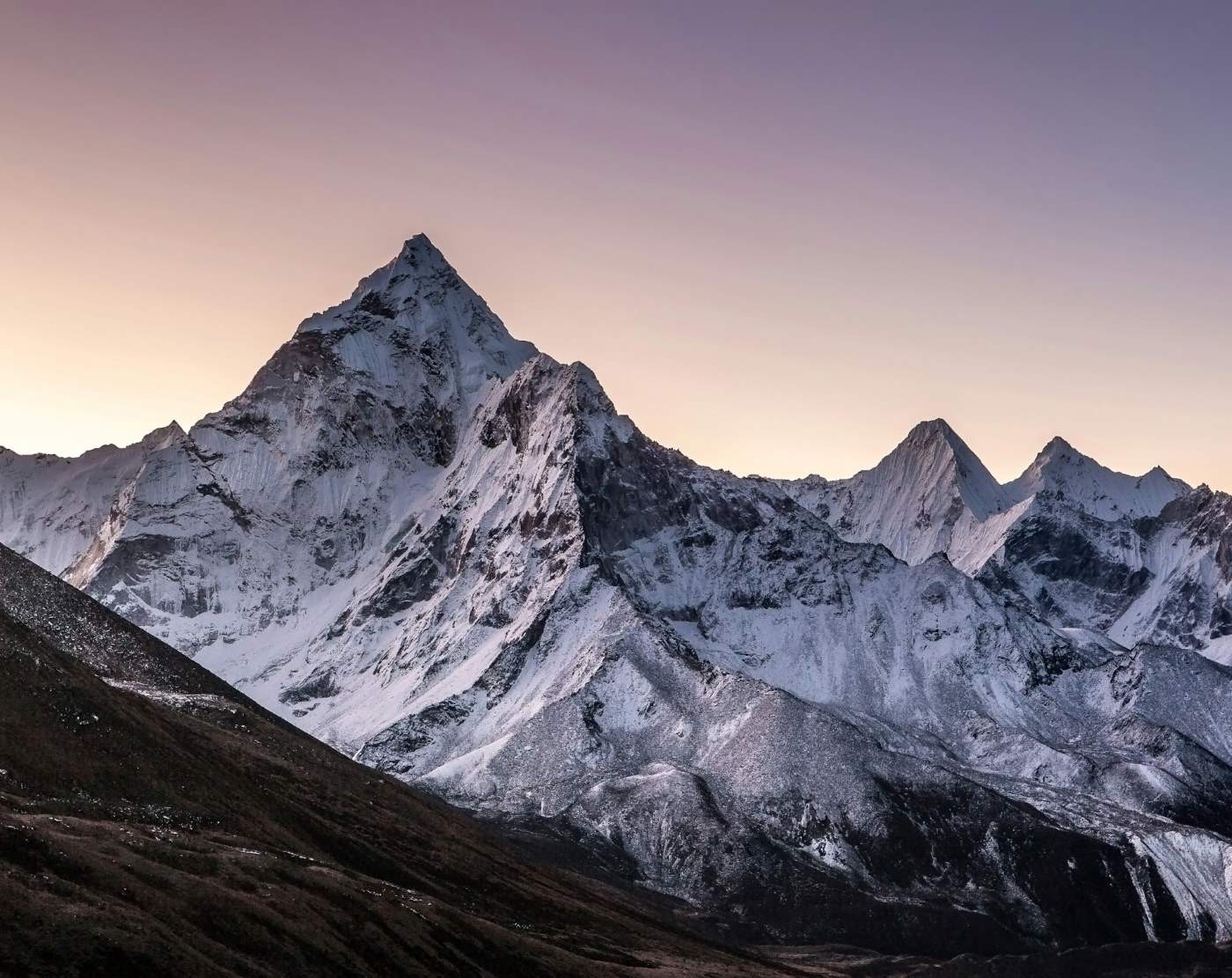
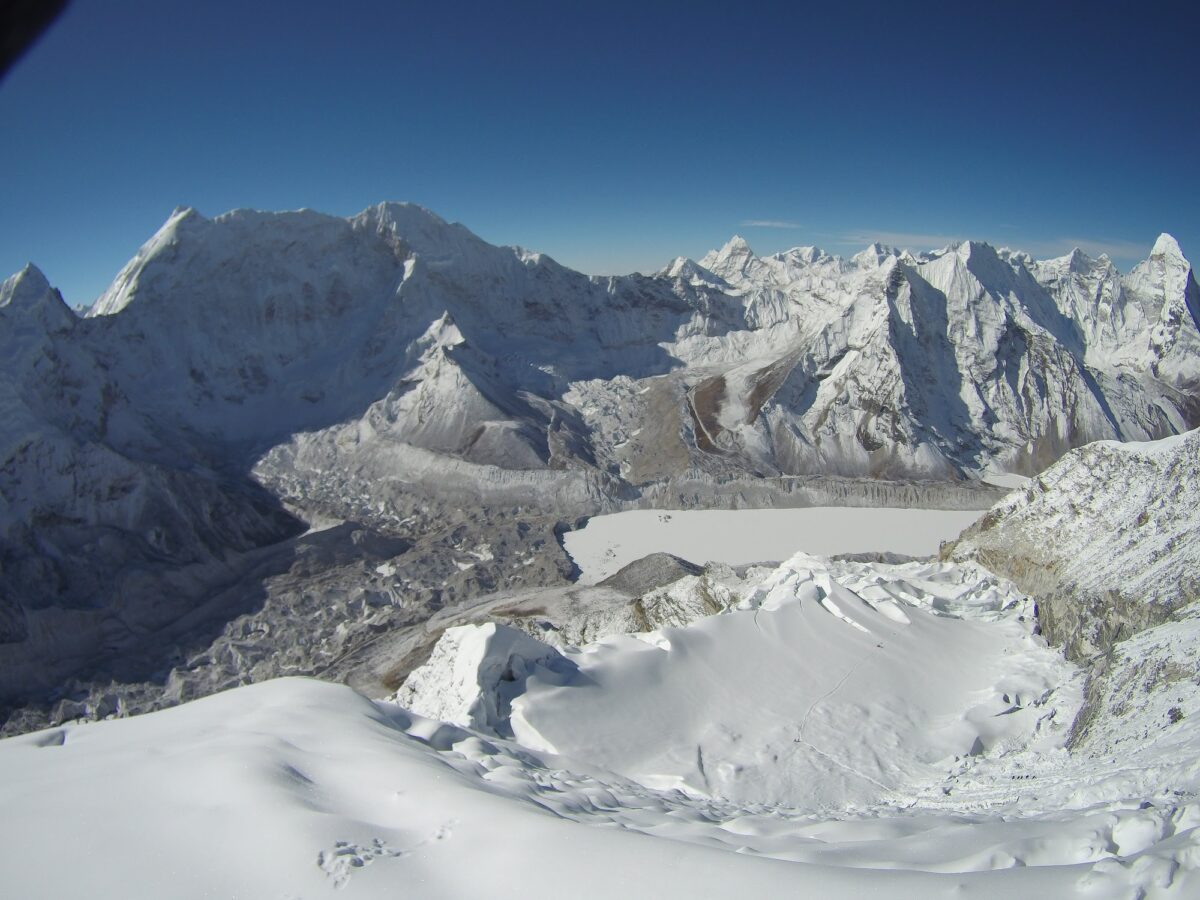
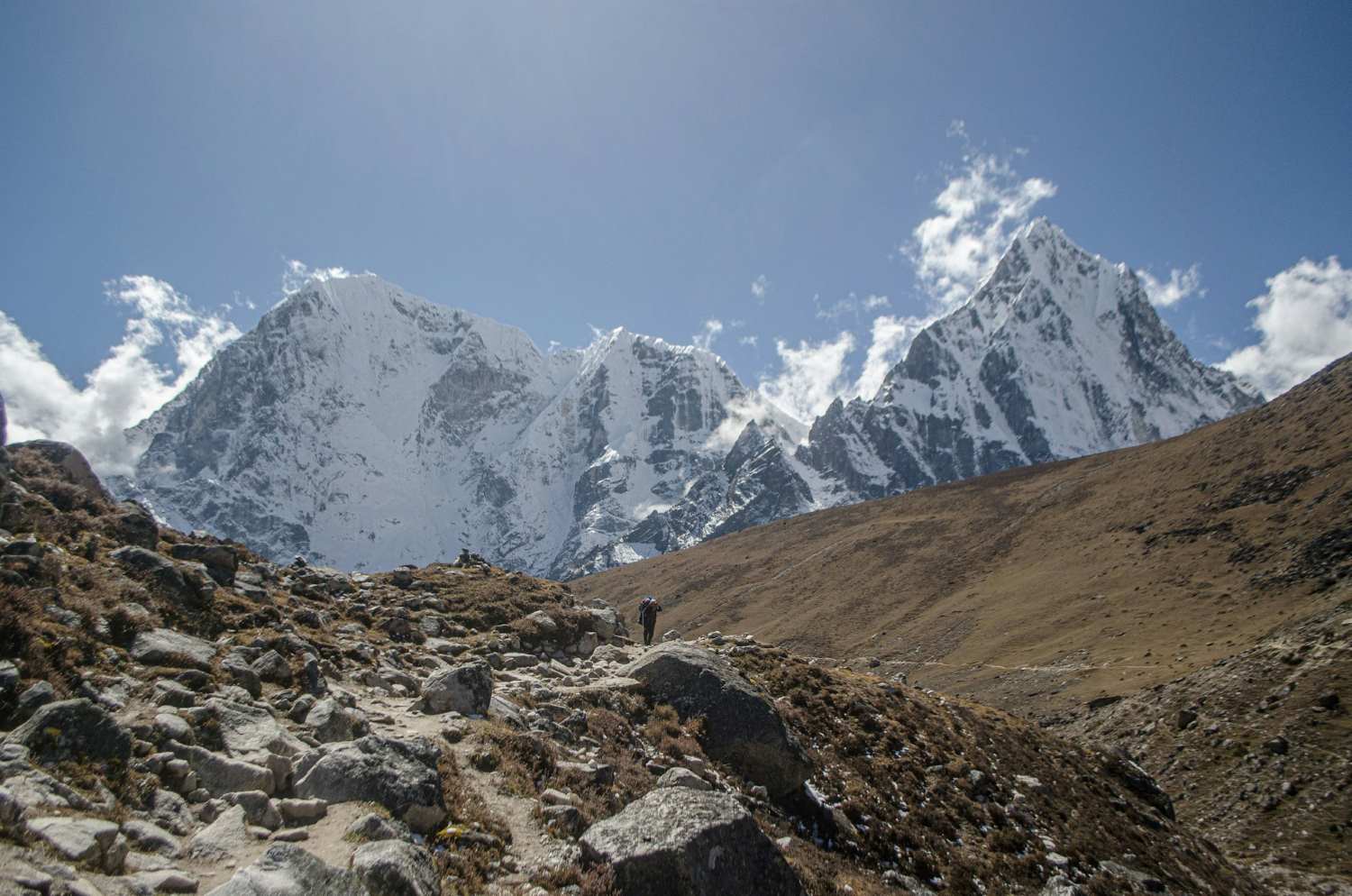
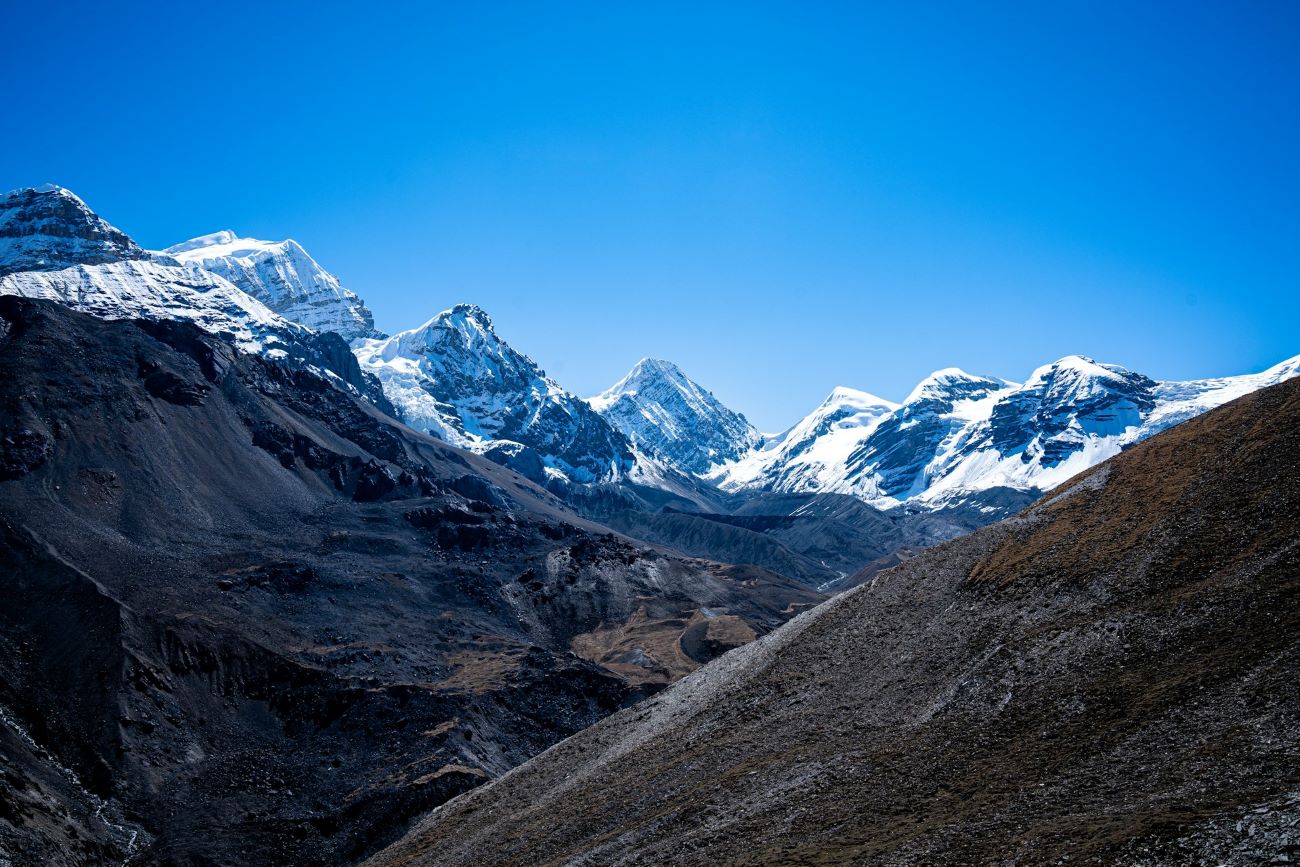
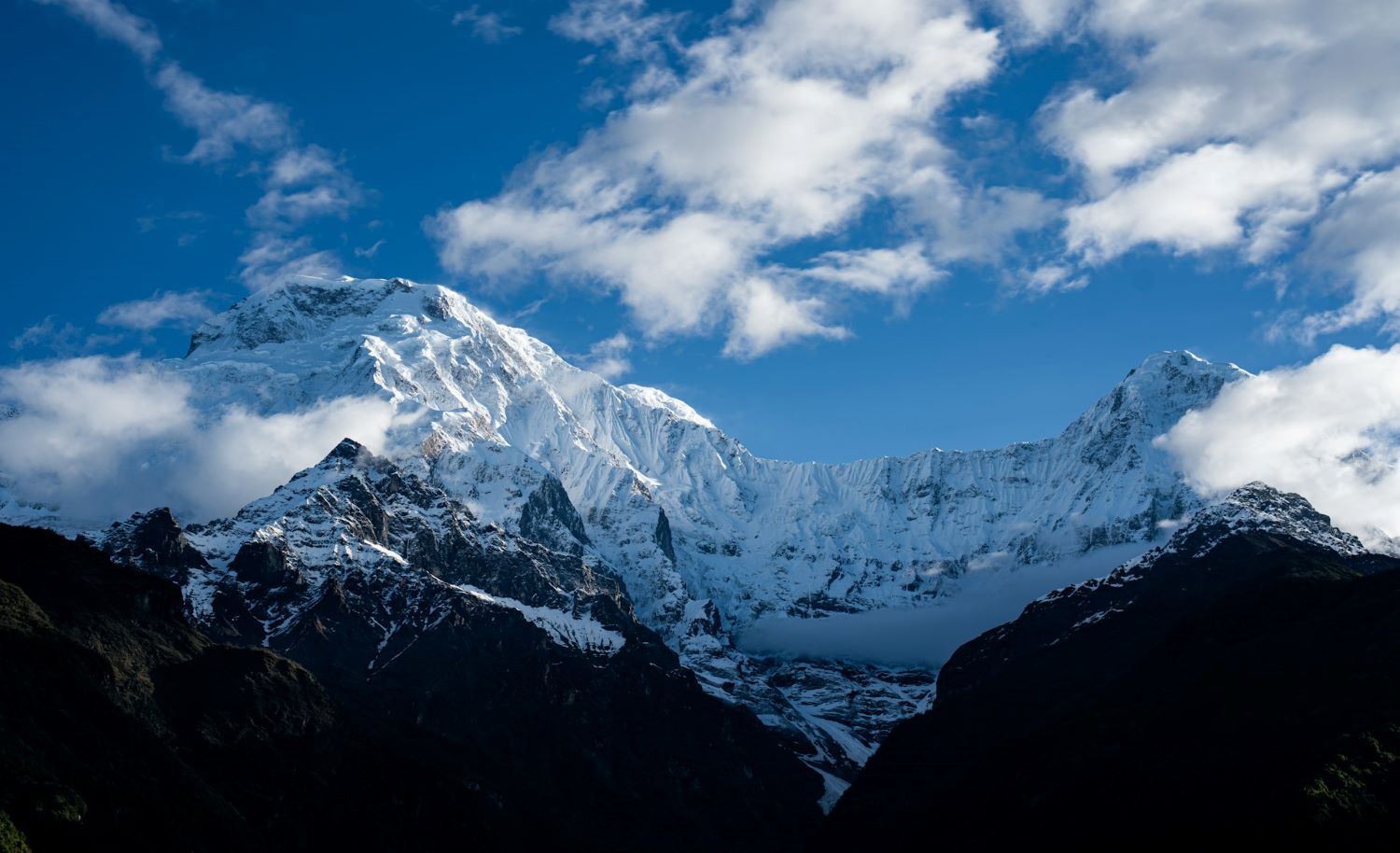
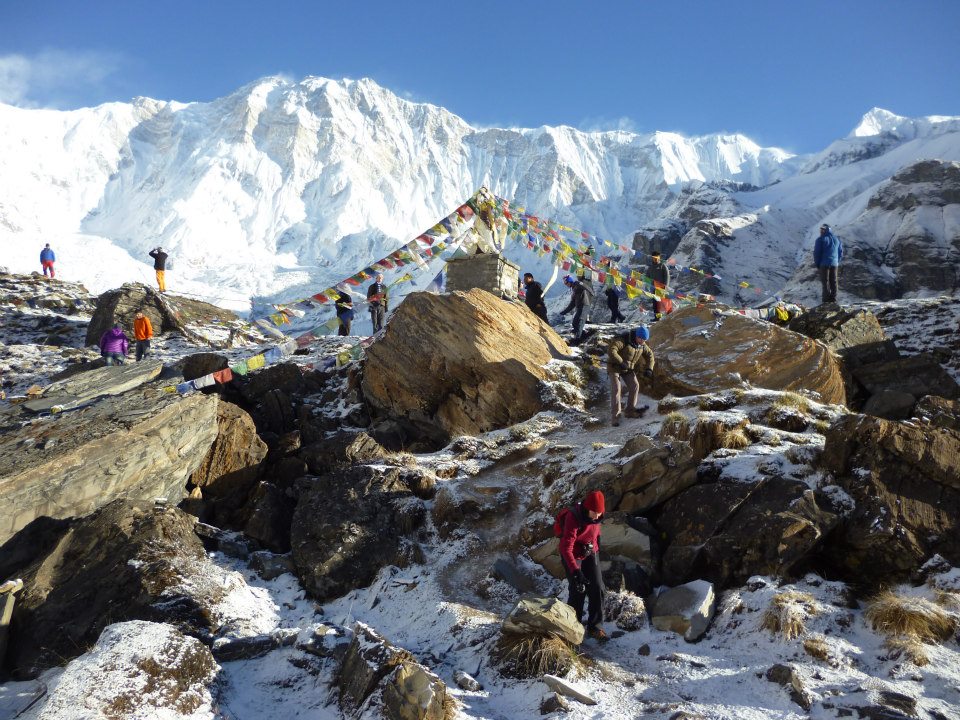
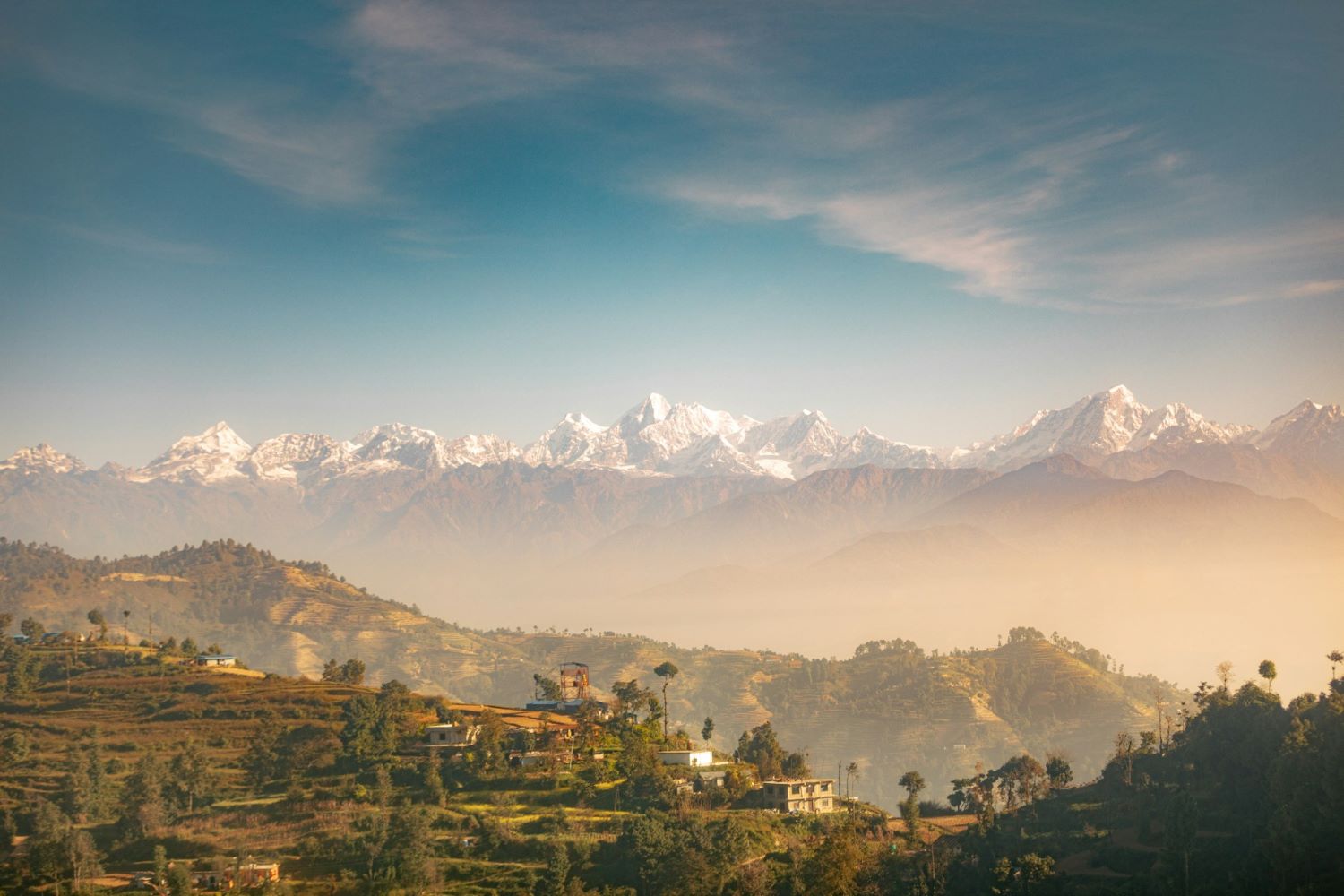
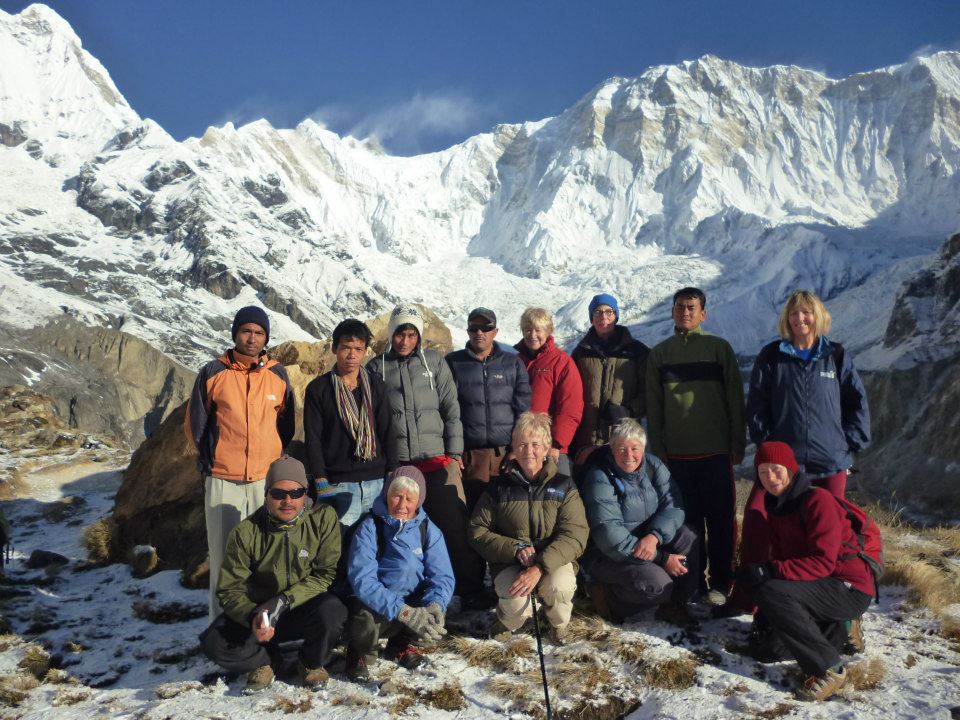
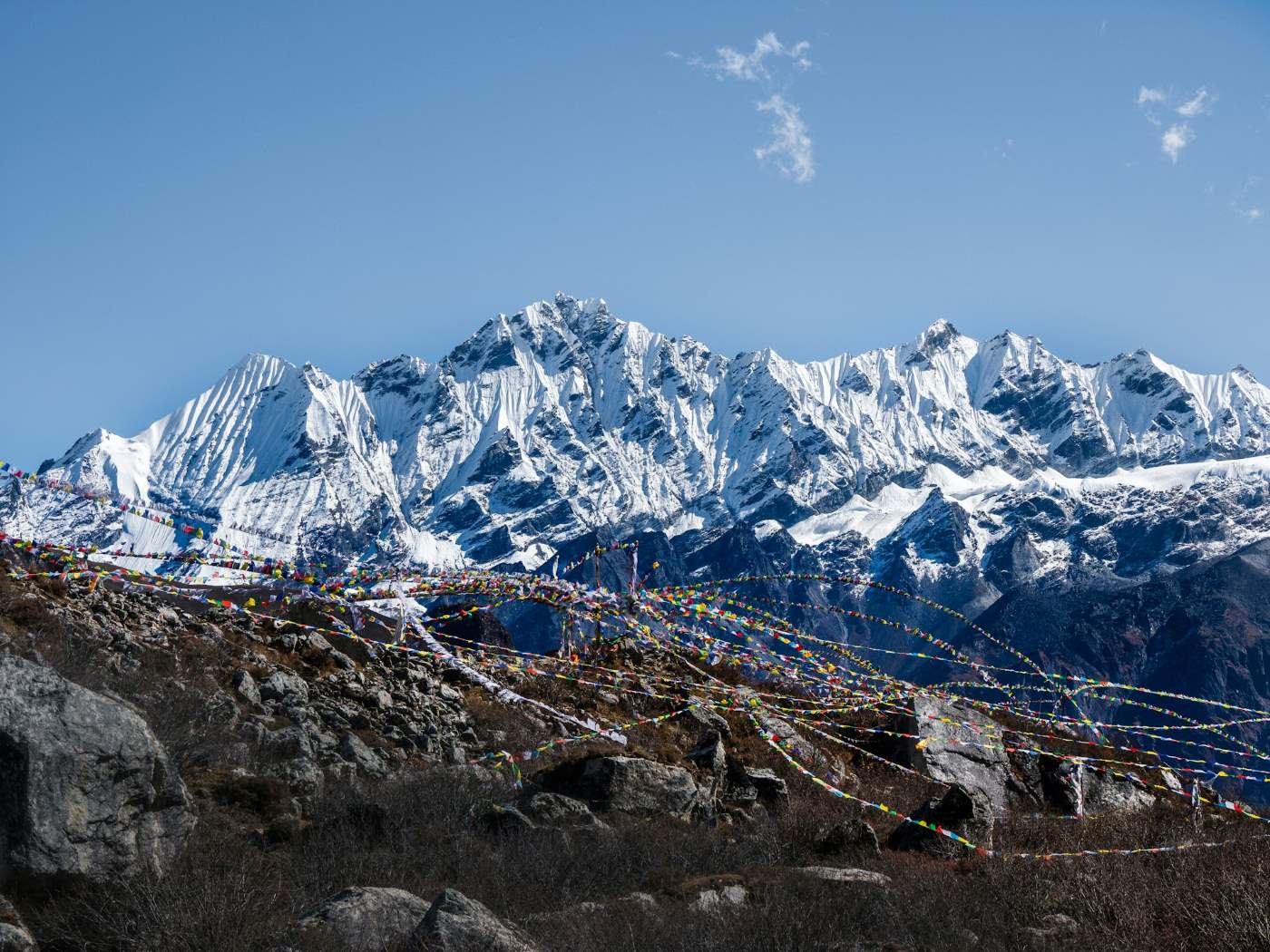
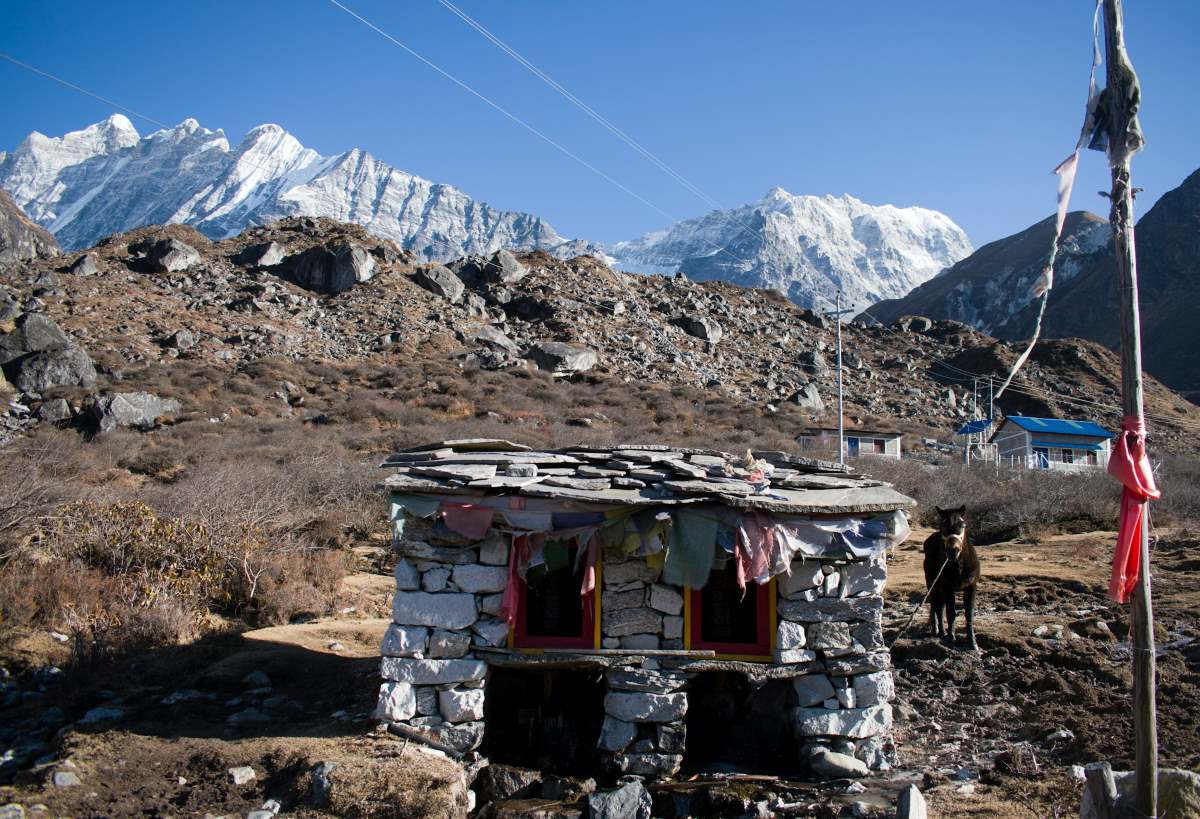
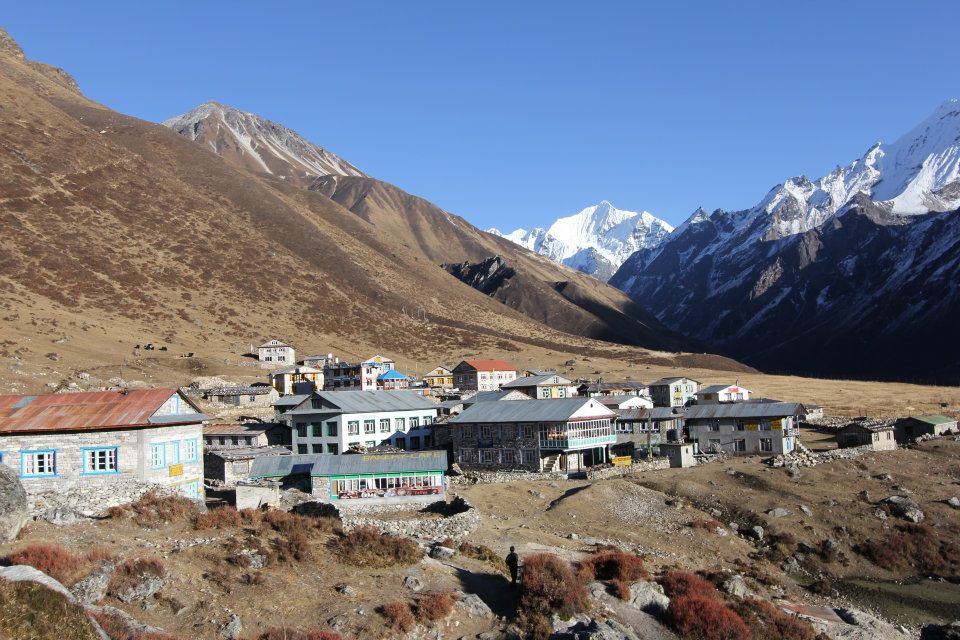
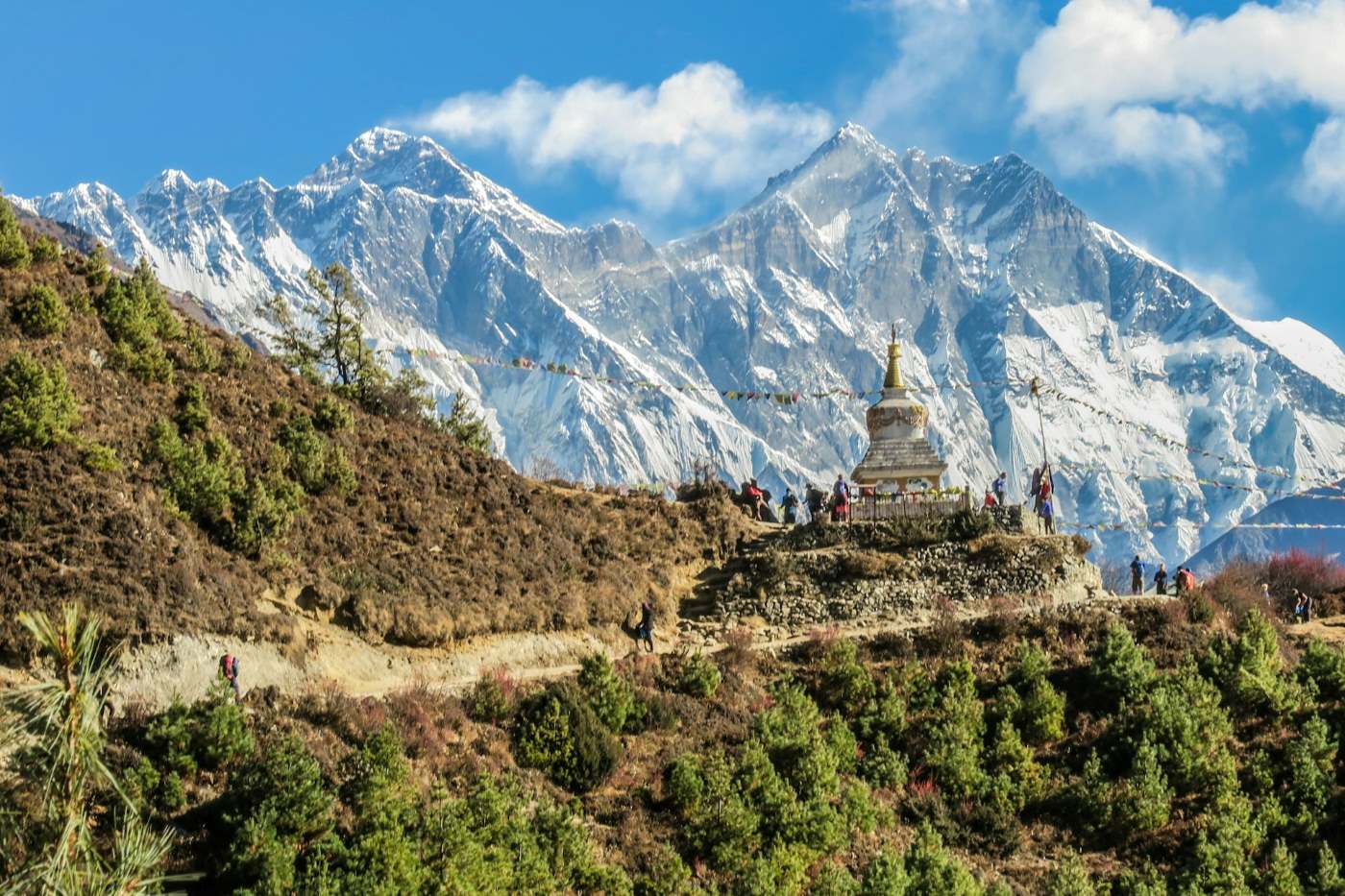
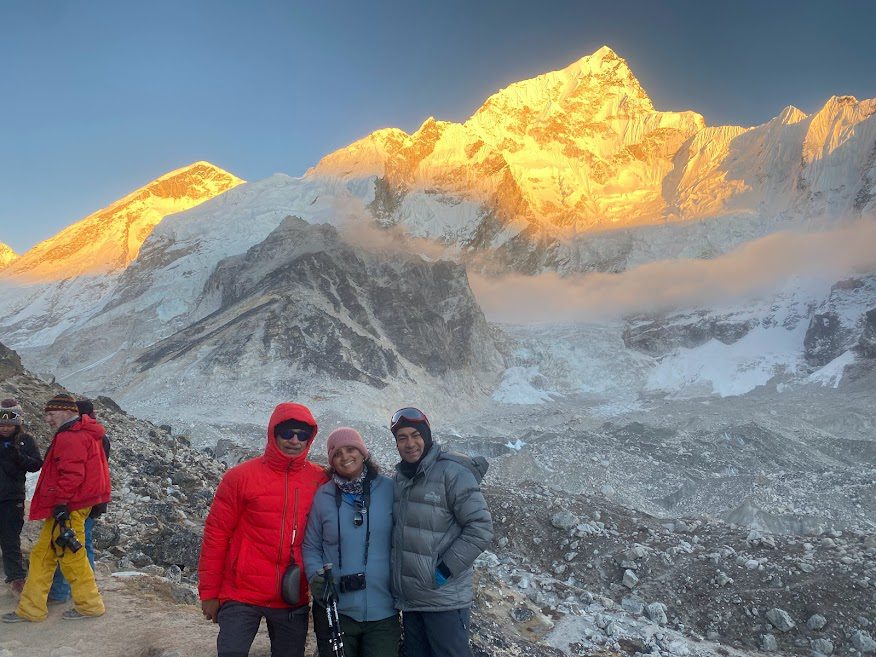 Trekking in the Nepalese Himalayas is more than a physical challenge. It's a true test of mental strength. You'll face high-altitude trails and tough conditions. You'll need to use your inner strength to get past the obstacles.
The trekking challenges in nepal include tough hikes and adapting to new cultures. Reaching the top of a peak or the base of Mount Everest needs more than just endurance. It requires a high level of physical fitness for trekking.
But what really makes trekkers successful is their mental resilience for trekking. They must handle altitude sickness, long days on the trail, and stay positive despite challenges. These skills are key for those who aim to conquer the Himalayas.
"Trekking in Nepal is not just a physical journey, but a mental and spiritual one as well. It's a testament to the power of the human spirit to overcome the most challenging environments."
Whether you're going for the Everest Base Camp trek or exploring the Annapurna region, the rewards are huge. You'll see stunning views and experience deep cultural immersion. This experience will deeply affect your soul.
So, get ready for your Nepalese trekking adventure by working on your physical and mental strength. With the right mindset and appreciation for the journey, you'll be ready to conquer the Roof of the World.
Responsible Trekking: Preserving Nepal's Natural Beauty
Trekking in the Nepalese Himalayas is more than a physical challenge. It's a true test of mental strength. You'll face high-altitude trails and tough conditions. You'll need to use your inner strength to get past the obstacles.
The trekking challenges in nepal include tough hikes and adapting to new cultures. Reaching the top of a peak or the base of Mount Everest needs more than just endurance. It requires a high level of physical fitness for trekking.
But what really makes trekkers successful is their mental resilience for trekking. They must handle altitude sickness, long days on the trail, and stay positive despite challenges. These skills are key for those who aim to conquer the Himalayas.
"Trekking in Nepal is not just a physical journey, but a mental and spiritual one as well. It's a testament to the power of the human spirit to overcome the most challenging environments."
Whether you're going for the Everest Base Camp trek or exploring the Annapurna region, the rewards are huge. You'll see stunning views and experience deep cultural immersion. This experience will deeply affect your soul.
So, get ready for your Nepalese trekking adventure by working on your physical and mental strength. With the right mindset and appreciation for the journey, you'll be ready to conquer the Roof of the World.
Responsible Trekking: Preserving Nepal's Natural Beauty
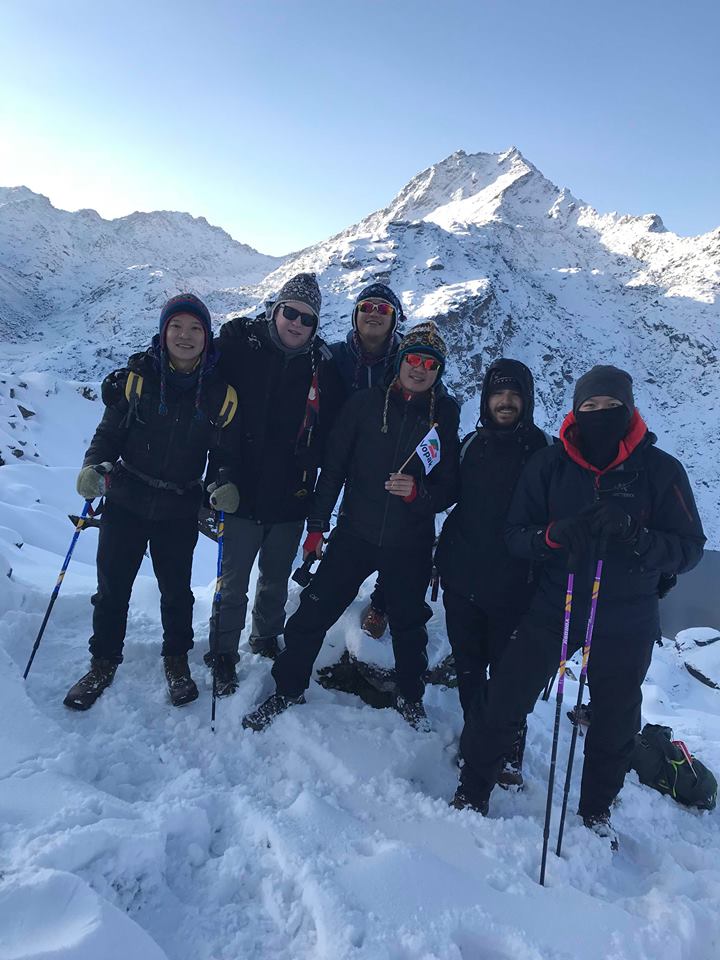


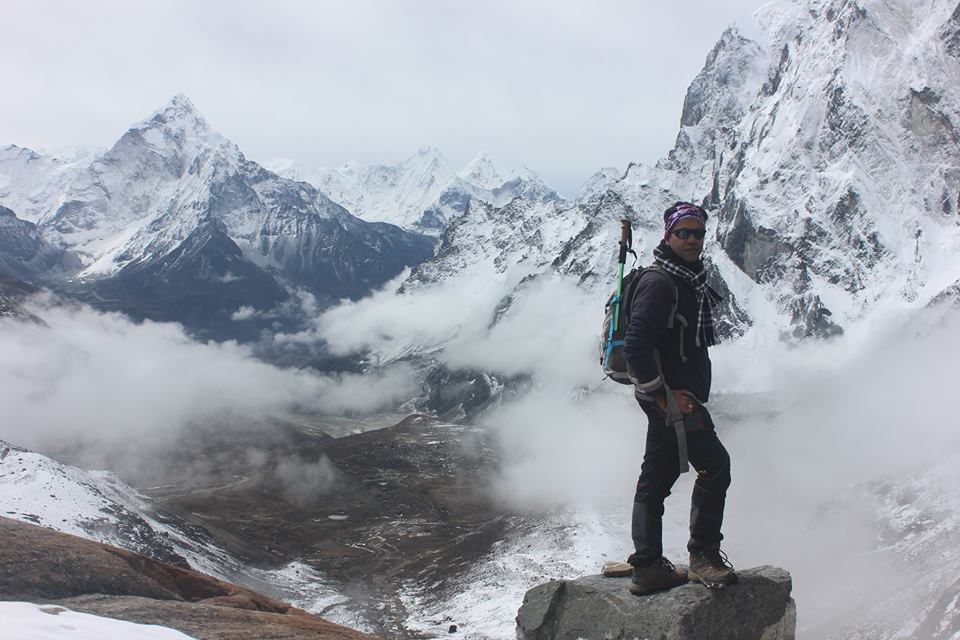 Navigating the Island Peak Expedition
A safe and successful climb of Island Peak needs careful planning.
Strategic Camp Placement for Acclimatization:
Island Peak Base Camp: This is at 5,100 meters (16,732 feet) and is the main starting point.
Island Peak High Camp: This is at 5,500 meters (18,044 feet) and helps climbers get used to the altitude. It makes the summit day easier and is a good starting point for the final climb. Water is available at High Camp, but it takes effort to get it.
Optimal Trip Duration and Itinerary Options:
Recommended 21-Day Itinerary: The best option is a 21-day trip. This trip includes a trek to Everest Base Camp (5,334 meters/17,500 feet) and Kala Patthar (5,640 meters/18,520 feet). This helps with acclimatizing and offers great views. The climb to the top is usually on the 13th or 14th day.
Shorter Expeditions: For those with less time, shorter trips are available. These trips include acclimatizing at Chuckung (4,724 meters/15,500 feet), which is a peaceful place with stunning views and good altitude training.
Summit Attempt Flexibility: Climbing plans often include three possible summit nights. This helps with adjusting to weather and the team's physical condition, ensuring a safe ascent.
Ensuring Safety through Small Group Sizes: Groups are kept small, with a maximum of eight climbers. This ensures safety and personalized guidance from experienced teams.
Permit Acquisition: All necessary permits for Island Peak are handled by certified tour operators like Ian Taylor Trekking, through the Nepal Mountaineering Association, before the trip. Independent climbing of Island Peak is not allowed; a certified company must organize the expedition.
The Island Peak Climb: A Step-by-Step Challenge
Ascending Island Peak is a tough and technical climb that needs careful preparation and mental toughness.
Pre-Summit Night Preparations: The climb to the top starts very early. Climbers wake up around 12:30 AM to drink a lot of water. They have a light breakfast with tea or coffee at 1:00 AM or 1:30 AM. Before leaving, they fill Nalgene bottles with boiling water to carry at least two liters for the climb.
Navigating the Initial Ascent: The start of the climb is steep and rocky. In the dark, keeping balance and using three points of contact are very important, especially through gullies and open areas.
The Traverse to Crampon Point: After the first steep climb, there is a 45-minute walk across an open rocky ridge. Fixed lines are there for safety, and climbers must be careful with their foot placement and hold onto rocks.
Arrival at Crampon Point: After about 2 to 2.5 hours of tough hiking, climbers reach crampon point. Here, they must quickly put on their harnesses, crampons, and prepare their ice axes for glacier travel. A strict minimum pace is enforced from this point to ensure safety higher up the mountain.
Glacier Crossing and Fixed Lines: Climbers move in small groups, tied together with ropes. Depending on the conditions, they may switch between using ropes for glacier travel and fixed lines. Extra safety lines are used for ladder crossings over crevasses.
Approaching the Headwall: After crossing the uneven glacier, the path gets steeper. Climbers take a 15 to 20-minute break at the base of the headwall if the weather allows. They drink water, eat snacks, and get ready for the final, most difficult part. Keep sunglasses handy if backpacks are left at the base.
Conquering the Island Peak Headwall: Sherpa guides go ahead to set up fixed ropes. They may add new lines based on the number of climbers and the changing ice conditions. Fixed ropes help climbers move down more safely and quickly. After a short break, climbers start their climb up the fixed lines.
Technical Ascent: Climbers attach their safety line to the fixed rope and place their Jumar (a device for climbing up) below the carabiner. The climb is very steep, so climbers need to breathe and move carefully. At anchor points, they move the safety line first, keeping the Jumar in place for balance. Only after the safety line is secured above the anchor can the Jumar be moved.
Patience and Awareness: Climbing the headwall takes about 1 to 1.5 hours. It requires a lot of patience and constant attention to the surroundings as climbers move slowly and carefully toward the summit.
The Descent: Prioritizing Safety: Reaching the summit is only halfway. The descent is more dangerous, so climbers need to stay focused and efficient. They rappel down each part of the headwall, stopping at safe spots below. Practicing quick and safe rappelling with a figure 8 device is important for the whole team.
Post-Summit Retreat: High Camp is a key stop for rest. Backup staff and resources are available there. After returning to High Camp, teams usually pack up and continue down to Island Peak Base Camp or even to Chuckung, depending on the time and team's condition. The walk from High Camp to Island Peak Base Camp takes about one hour, and another two hours to reach Chuckung.
Navigating the Island Peak Expedition
A safe and successful climb of Island Peak needs careful planning.
Strategic Camp Placement for Acclimatization:
Island Peak Base Camp: This is at 5,100 meters (16,732 feet) and is the main starting point.
Island Peak High Camp: This is at 5,500 meters (18,044 feet) and helps climbers get used to the altitude. It makes the summit day easier and is a good starting point for the final climb. Water is available at High Camp, but it takes effort to get it.
Optimal Trip Duration and Itinerary Options:
Recommended 21-Day Itinerary: The best option is a 21-day trip. This trip includes a trek to Everest Base Camp (5,334 meters/17,500 feet) and Kala Patthar (5,640 meters/18,520 feet). This helps with acclimatizing and offers great views. The climb to the top is usually on the 13th or 14th day.
Shorter Expeditions: For those with less time, shorter trips are available. These trips include acclimatizing at Chuckung (4,724 meters/15,500 feet), which is a peaceful place with stunning views and good altitude training.
Summit Attempt Flexibility: Climbing plans often include three possible summit nights. This helps with adjusting to weather and the team's physical condition, ensuring a safe ascent.
Ensuring Safety through Small Group Sizes: Groups are kept small, with a maximum of eight climbers. This ensures safety and personalized guidance from experienced teams.
Permit Acquisition: All necessary permits for Island Peak are handled by certified tour operators like Ian Taylor Trekking, through the Nepal Mountaineering Association, before the trip. Independent climbing of Island Peak is not allowed; a certified company must organize the expedition.
The Island Peak Climb: A Step-by-Step Challenge
Ascending Island Peak is a tough and technical climb that needs careful preparation and mental toughness.
Pre-Summit Night Preparations: The climb to the top starts very early. Climbers wake up around 12:30 AM to drink a lot of water. They have a light breakfast with tea or coffee at 1:00 AM or 1:30 AM. Before leaving, they fill Nalgene bottles with boiling water to carry at least two liters for the climb.
Navigating the Initial Ascent: The start of the climb is steep and rocky. In the dark, keeping balance and using three points of contact are very important, especially through gullies and open areas.
The Traverse to Crampon Point: After the first steep climb, there is a 45-minute walk across an open rocky ridge. Fixed lines are there for safety, and climbers must be careful with their foot placement and hold onto rocks.
Arrival at Crampon Point: After about 2 to 2.5 hours of tough hiking, climbers reach crampon point. Here, they must quickly put on their harnesses, crampons, and prepare their ice axes for glacier travel. A strict minimum pace is enforced from this point to ensure safety higher up the mountain.
Glacier Crossing and Fixed Lines: Climbers move in small groups, tied together with ropes. Depending on the conditions, they may switch between using ropes for glacier travel and fixed lines. Extra safety lines are used for ladder crossings over crevasses.
Approaching the Headwall: After crossing the uneven glacier, the path gets steeper. Climbers take a 15 to 20-minute break at the base of the headwall if the weather allows. They drink water, eat snacks, and get ready for the final, most difficult part. Keep sunglasses handy if backpacks are left at the base.
Conquering the Island Peak Headwall: Sherpa guides go ahead to set up fixed ropes. They may add new lines based on the number of climbers and the changing ice conditions. Fixed ropes help climbers move down more safely and quickly. After a short break, climbers start their climb up the fixed lines.
Technical Ascent: Climbers attach their safety line to the fixed rope and place their Jumar (a device for climbing up) below the carabiner. The climb is very steep, so climbers need to breathe and move carefully. At anchor points, they move the safety line first, keeping the Jumar in place for balance. Only after the safety line is secured above the anchor can the Jumar be moved.
Patience and Awareness: Climbing the headwall takes about 1 to 1.5 hours. It requires a lot of patience and constant attention to the surroundings as climbers move slowly and carefully toward the summit.
The Descent: Prioritizing Safety: Reaching the summit is only halfway. The descent is more dangerous, so climbers need to stay focused and efficient. They rappel down each part of the headwall, stopping at safe spots below. Practicing quick and safe rappelling with a figure 8 device is important for the whole team.
Post-Summit Retreat: High Camp is a key stop for rest. Backup staff and resources are available there. After returning to High Camp, teams usually pack up and continue down to Island Peak Base Camp or even to Chuckung, depending on the time and team's condition. The walk from High Camp to Island Peak Base Camp takes about one hour, and another two hours to reach Chuckung.

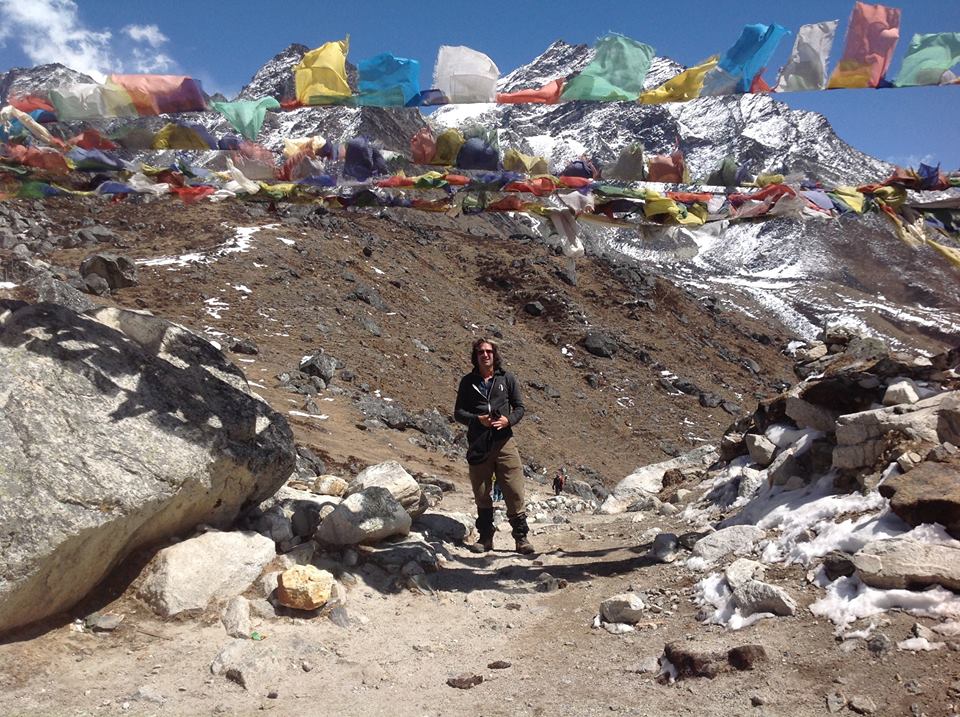 Pre-Trek Preparation for Beginners
To adequately prepare for this ambitious trek, beginners should integrate the following activities into their daily routine, preferably beginning 2 to 3 months prior to the expedition:
Regular walking
Maintaining ample hydration
Practicing meditation and yoga
Adhering to balanced and nutritious diets
Engaging in jogging
Participating in rigorous gym workouts
Essential Gear and Clothing
To guarantee a comfortable and fulfilling hike, it's imperative to pack:
Insulating and warm clothing
Comfortable, waterproof hiking boots
Raincoats (owing to the frequent Himalayan drizzle)
Guided Support
Throughout this trek, we will provide you with our seasoned guides, who will offer invaluable direction and support, encompassing aspects like the appropriate gear, hydration strategies, nutritional sustenance, and safety protocols. While porters will assist in shouldering the load, ensuring a more seamless journey. By emphasizing preparation, gradual acclimatization, and the selection of proper gear, you can triumph over the challenges and savor the Himalayas' awe-inspiring beauty.
Pre-Trek Preparation for Beginners
To adequately prepare for this ambitious trek, beginners should integrate the following activities into their daily routine, preferably beginning 2 to 3 months prior to the expedition:
Regular walking
Maintaining ample hydration
Practicing meditation and yoga
Adhering to balanced and nutritious diets
Engaging in jogging
Participating in rigorous gym workouts
Essential Gear and Clothing
To guarantee a comfortable and fulfilling hike, it's imperative to pack:
Insulating and warm clothing
Comfortable, waterproof hiking boots
Raincoats (owing to the frequent Himalayan drizzle)
Guided Support
Throughout this trek, we will provide you with our seasoned guides, who will offer invaluable direction and support, encompassing aspects like the appropriate gear, hydration strategies, nutritional sustenance, and safety protocols. While porters will assist in shouldering the load, ensuring a more seamless journey. By emphasizing preparation, gradual acclimatization, and the selection of proper gear, you can triumph over the challenges and savor the Himalayas' awe-inspiring beauty.

Lobuche Peak Climbing: An Introduction to Himalayan High-Altitude Mountaineering
Lobuche Peak, standing at an impressive 6,119 meters (20,075 feet), offers a challenging yet rewarding introduction to high-altitude mountaineering in the Himalayas. Located in Nepal's renowned Khumbu (Everest) region, this trekking peak provides breathtaking panoramic views of some of the world's highest mountains, including Mount Everest, Lhotse, Makalu, Nuptse, Ama Dablam, and Pumori.
Why Choose Lobuche Peak?
- Beginner-Friendly for Mountaineering: While strenuous, Lobuche East (the climbable summit) is considered an excellent stepping stone for aspiring mountaineers. It provides valuable experience with crampons, ropes, abseiling, and moving between fixed lines.
- Stunning Scenery: The approach follows the traditional Everest Trail, winding through the picturesque Khumbu Valley, past traditional Sherpa settlements, impressive monasteries, and offering continuous views of towering seven and eight-thousand-meter peaks. You'll also trek alongside the world's highest glacier, Khumbu Glacier.
- Cultural Immersion: Explore the unique Sherpa culture and lifestyle in villages like Namche Bazaar, the Sherpa capital, where you'll spend three nights acclimatizing.
- Everest Base Camp Extension: Most itineraries include a trek to Everest Base Camp (5,364m) and a hike to Kalapatthar (5,644m) for iconic views of Everest.
Key Information for Lobuche Peak Climbing
1. Lobuche Peak Specifics: * Summit Height: Lobuche East (6,119m / 20,075ft). Lobuche West (6,145m) is a more technical expedition peak. * Location: Khumbu (Everest) region of Nepal, just above Lobuche village and Khumbu Glacier, approximately 13.5 km east of Mount Everest. * Difficulty: Considered a difficult trekking peak with a challenging 45-degree steep, 50m snowy section near the summit. Prior mountaineering training and comfort with climbing equipment are essential.
2. Best Time to Climb: * The most favorable seasons are Spring (March to May) and Autumn (September to November). These periods offer stable weather, warm temperatures, and clear skies, ensuring optimal climbing conditions and unobstructed views. * Avoid Winter (December to February) and Monsoon (June to August) due to unstable weather, cold temperatures, and poor visibility.
3. Typical Itinerary (17 Days): * Day 01: Arrival in Kathmandu (1400m) * Day 02: Arrangement Day * Day 03: Fly to Lukla (2,860m) and trek to Phakding (2,610m) * Day 04: Trek from Phakding to Namche Bazaar (3446m) * Day 05: Acclimatization in Namche Bazaar * Day 06: Trek from Namche Bazaar to Tengboche (3800m) * Day 07: Trek from Tengboche to Dingboche (4347m) * Day 08: Rest and Explore Dingboche (4,410m), Hike to Nagarjun Peak * Day 09: Trek from Dingboche to Lobuche (4,940m) * Day 10: Trek to Gorakshep and Everest Base Camp (5,364m), return to Gorakshep * Day 11: Hike to Kalapatthar (5644m) and Trek to Lobuche (4,940m) * Day 12: Trek to Lobuche High Camp (5300m) * Day 13: Summit Day (6119m) Lobuche East and Trek Down to Phiriche (4,371m) * Day 14: Trek back to Namche (3446m) * Day 15: Trek back to Lukla (2800m) * Day 16: Fly back to Kathmandu (1400m) * Day 17: Final Departure
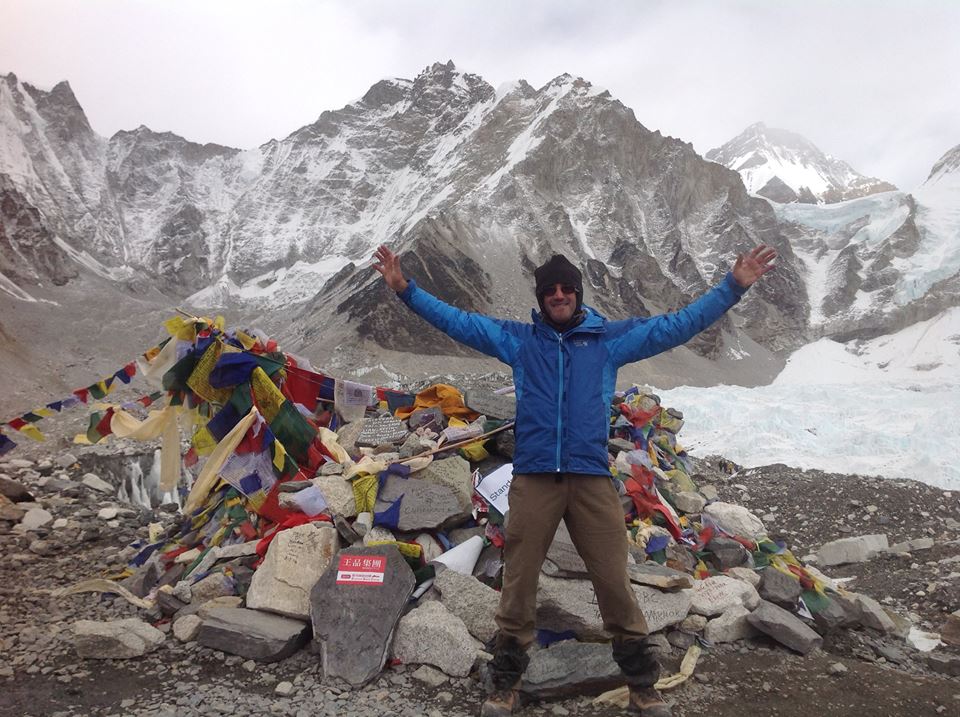
4. Physical Fitness and Skills: * A general high level of fitness is required, with consistent training focusing on stamina, cardiovascular endurance, strength, and flexibility for 2-3 months prior. * Mountaineering skills are essential: comfort with crampons, using ropes, abseiling with a figure of 8, and moving between fixed lines. Guides will provide a practice session at base camp.
5. Costs and Inclusions: * Private group climbs are available, with itineraries tailored to your needs. * Trips start from $4,700. A typical Lobuche East climbing package costs around $2160 per person.
* Payment: 30% deposit upfront, remaining upon arrival. Credit card payments incur a 4% fee. * Personal Expenses: Budget $25 to $30 per day for personal expenses. Carry cash as ATM services are limited on the mountain.
* Inclusions often cover: Hotel transfers, experienced guides, porters (1 porter per 2 climbers, carrying 15-18kg luggage), accommodation in 3-star hotels in Kathmandu and teahouses/lodges on the trek (private rooms may cost extra), and basic climbing equipment on rent (approx. US$200).
* Exclusions: Visa fees, personal mountaineering gear (unless rented), charging/internet at teahouses (extra cost), laundry, showers.
6. Gear and Equipment:
* Climbing Gear: Plastic shell mountaineering boots, steel crampons, climbing harness, climbing axe, ascender, belay device, carabiners, snow gaiters, climbing helmet, ski goggles, ice screw.
* General Gear: Four-season sleeping bag, puffy down jacket, daypack (waterproof), headlamp, water bottle, thermos flask, duffel bag, trekking pole, ankle support.
* Clothing: Layers are key – base layers, fleece, insulated vest/sweater, windproof/waterproof shell, thermal inners, trekking pants, insulated trousers, hard-shell outer gloves, liner gloves, hiking socks, insulated socks.
* Essentials: Passport, photos, toiletries, first aid kit, altitude sickness medication, water purification tablets, high-protein snacks.
* Optional: Power bank, camera, binoculars, multi-tool knife.
* Note: Down jackets and sleeping bags may be provided by the company (to be returned), or you can rent them. Lost or damaged rented items incur a reimbursement fee.
7. Visa and Arrival: * Nepal offers "On Arrival Visa" at Kathmandu airport.
* Fees: 15-day (US$30), 30-day (US$50), 90-day (US$125).
* Requirements: Two recent passport photos, valid passport (at least 6 months validity), visa fee in USD cash.
* Online application at least two weeks prior is recommended for swift processing. Visa extensions are possible.
8. Health and Safety: * Guides are trained in first aid and high-altitude treatment, monitoring your health and oxygen levels. * The itinerary includes adequate acclimatization days to minimize altitude sickness risks. * Supplementary oxygen can be arranged if necessary.
9. Transportation: * Airport transfers and city tours by tourist bus/coaster/hice. * Flights to Lukla by standard plane.
* Lukla Flight Re-routing: During peak seasons (March-May, Sept-Nov), flights to Lukla may be rerouted from Manthali Airport in Ramechhap (4-5 hours drive from Kathmandu, requiring an early start). This decision is made by airlines based on traffic volume.
* Helicopter Option: Chartered helicopter flights from Kathmandu to Lukla are available for convenience (approx. US$550 per person one-way, or US$3,500 for a private charter).
10. Important Considerations: * Inform the company at least two weeks in advance for cancellations. * Contingency days are highly recommended in your travel plans due to unforeseen circumstances (flight delays, weather, health). * Extra luggage can be stored at the hotel in Kathmandu or the company's head office. * A certificate from the Nepal Mountaineering Association (NMA) is issued upon successful summit. * Tipping is customary in Nepal, with 10% of the total cost being a standard margin.
Lobuche Peak climbing offers a unique and unforgettable adventure for those seeking to challenge themselves in the heart of the Himalayas. Proper preparation, both physical and mental, will ensure a safe and successful expedition.

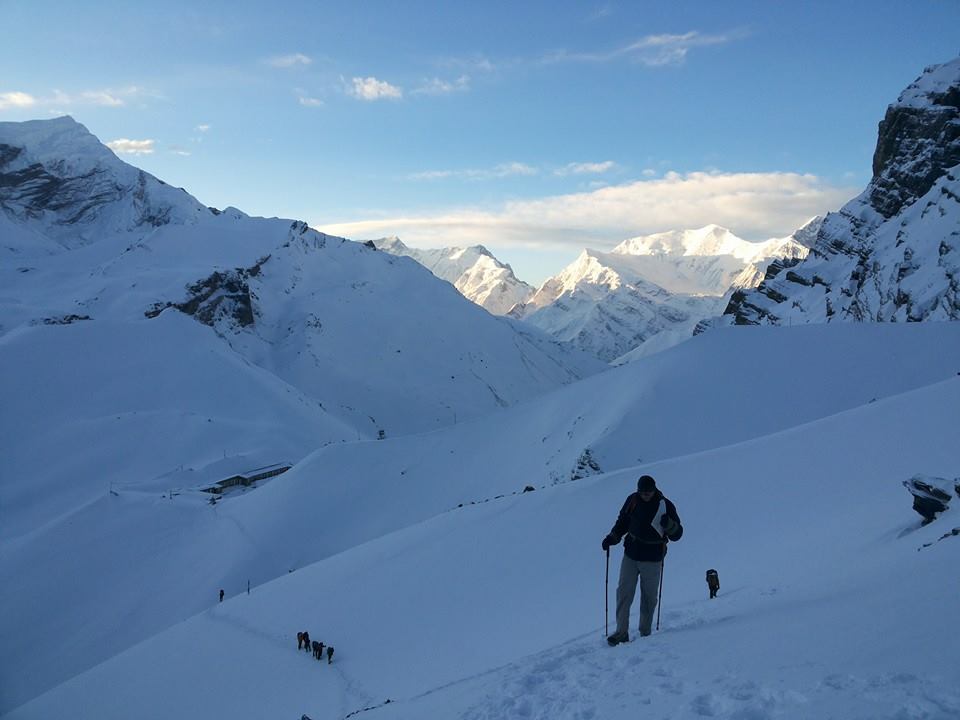

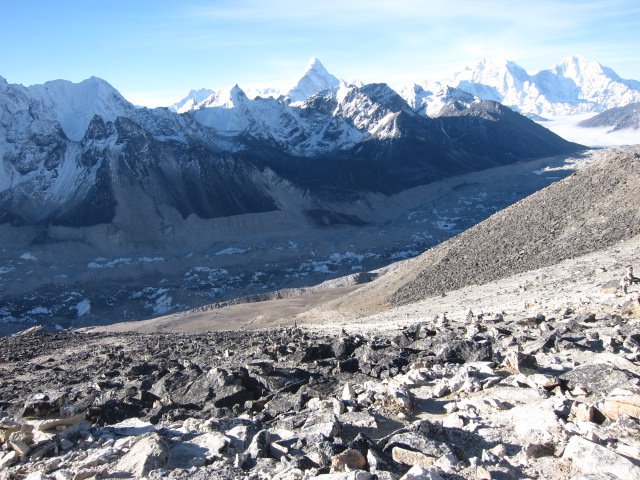 Island Peak is an perfect for mountaineers who are looking to gain experience hands-on high-altitude mountaineering in Nepal. The ascent involves using crampons, ice axes, and fixed ropes, making it a great stepping stone for those planning to climb higher Himalayan peaks in the future.
Some of of the highlights of island peak climbing
✅ Cultural Immersion – Trough this expedition travelers are able to engage with people living in that region through this they can experience their culture, visit ancient monasteries and various others places as well which holds significant importance in that community .
✅ Diverse Landscapes – Travellers pass through various landscape which includes lush forests, glacial moraines, and rugged alpine terrain, each offering breathtaking views along the way making the trek less stressful to travelers.
✅ Expert Guidance – Climb under the supervision of experienced Sherpa guides and certified mountaineering professionals who prioritize safety and success.
✅ A Life-Changing Experience – Summiting Island Peak is not just a physical feat but a journey of self-discovery, endurance, and spiritual fulfillment.
Why Choose the Island Peak Expedition?
At 6,189 meters (20,305 feet), Island Peak is one of the most popular trekking peaks in Nepal. It was named that way in 1952 due to its canny resemblance to an island surrounded by glaciers, it offers climbers a thrilling and exciting challenge. The climbers have to go through a steep ascent, a glaciated west face, and technical ropework, therefore it is important to hire proper guide to show you proper and safety way of doing things along the way . From the summit, enjoy spectacular panoramic views of Mt. Everest, Lhotse, Nuptse, and Ama Dablam.
Expedition Highlights
Scenic Flight from Kathmandu to Lukla
Begin your adventure with an exhilarating flight to Lukla, where you’ll get stunning aerial views of the Himalayas.
Trek Through the Everest Region
Hike through charming Sherpa villages, rhododendron forests, and rugged trails, experiencing traditional Himalayan life. Visit the Tengboche Monastery (3,870 meters), a spiritual center in the Khumbu region.
Acclimatization at Chhukung Ri (5,546 meters)
Before summiting Island Peak, acclimatize with a climb to Chhukung Ri, offering breathtaking views of Everest, Lhotse, and Ama Dablam.
Conquer Island Peak
The highlight of the expedition is reaching the Island Peak summit. With expert guidance, navigate glaciers, steep ice slopes, and fixed ropes to reach the top, where you’ll be rewarded with unforgettable 360-degree views of the Himalayas.
Magnificent Himalayan Views
Enjoy stunning vistas of some of the world’s highest peaks, including Mt. Everest, Lhotse, Nuptse, Ama Dablam, and Makalu. Each day brings new landscapes that will leave you in awe.
Accommodation & Meals
Accommodation
Trekking: Standard teahouses (9 nights) with basic amenities and shared toilet facilities.
Climbing: Tents (4 nights) during the summit push. Foam mattresses will be provided for comfort.
Single Accommodation: Available in Kathmandu for an additional USD 380, but not guaranteed beyond Namche Bazaar.
Meals
In Kathmandu: Welcome dinner, farewell dinner, and breakfast.
On the trek: Freshly cooked Nepali, Tibetan, Indian, and continental meals.
During the climb: Hygienic, nutritious food prepared by our team.
Best Time to Climb Island Peak
While Island Peak can be climbed year-round (except monsoon season), the best time is:
🌸 Spring (March–June) – Most popular season with stable weather and excellent climbing conditions.
🍂 Autumn (September–November) – Clear skies, moderate temperatures, and great visibility.
❄️ Winter (December–February) – Possible, but extremely cold with harsher conditions.
🌧 Summer/Monsoon (June–August) – Not recommended due to heavy rainfall and poor visibility.
Your Climbing Team & Safety
Experienced Sherpa Guides
Your climbing guides are highly experienced professionals, with many having summited Everest multiple times. They provide pre-climb training at Island Peak Base Camp, covering essential techniques such as using ropes, crampons, and ice axes.
Safety & Quality Assurance
Unlike budget operators who compromise safety, we prioritize your health, acclimatization, and well-being. Proper acclimatization, high-quality equipment, and expert guidance ensure a successful and safe summit.
Essential Packing List for Island Peak Climb
A successful Island Peak expedition requires proper gear. Here’s what you’ll need:
🧗 Climbing Equipment
✔ Climbing boots
✔ Crampons
✔ Ice axe
✔ Harness & carabiners
🎒 Trekking Gear
✔ Backpack (daypack)
✔ Trekking poles
✔ Headlamp with extra batteries
🥶 Clothing for Extreme Weather
✔ Waterproof jacket & pants
✔ Thermal base layers
✔ Fleece/warm jacket
✔ Insulated gloves & warm hat
🛏 Sleeping Essentials
✔ Sleeping bag (-20°C rating)
✔ Foam mattress (provided at Base Camp)
☀️ Protection & Accessories
✔ Sunglasses (UV protection)
✔ Sun hat & sunscreen
✔ Lip balm & personal toiletries
💧 Hydration & Health
✔ Water bottles & purification tablets
✔ First aid kit & altitude sickness medication
🔗 Miscellaneous
✔ Gaiters
✔ Snacks & energy bars
Start Your Himalayan Adventure Today!
The Island Peak Expedition is more than just a climb—it’s a journey into the heart of the Himalayas. Whether you seek adventure, cultural experiences, or the thrill of reaching a Himalayan summit, this expedition offers it all.
Book your spot today and embark on a once-in-a-lifetime journey! Let the mountains call you, and let Island Peak be your gateway to the world of mountaineering!
Island Peak is an perfect for mountaineers who are looking to gain experience hands-on high-altitude mountaineering in Nepal. The ascent involves using crampons, ice axes, and fixed ropes, making it a great stepping stone for those planning to climb higher Himalayan peaks in the future.
Some of of the highlights of island peak climbing
✅ Cultural Immersion – Trough this expedition travelers are able to engage with people living in that region through this they can experience their culture, visit ancient monasteries and various others places as well which holds significant importance in that community .
✅ Diverse Landscapes – Travellers pass through various landscape which includes lush forests, glacial moraines, and rugged alpine terrain, each offering breathtaking views along the way making the trek less stressful to travelers.
✅ Expert Guidance – Climb under the supervision of experienced Sherpa guides and certified mountaineering professionals who prioritize safety and success.
✅ A Life-Changing Experience – Summiting Island Peak is not just a physical feat but a journey of self-discovery, endurance, and spiritual fulfillment.
Why Choose the Island Peak Expedition?
At 6,189 meters (20,305 feet), Island Peak is one of the most popular trekking peaks in Nepal. It was named that way in 1952 due to its canny resemblance to an island surrounded by glaciers, it offers climbers a thrilling and exciting challenge. The climbers have to go through a steep ascent, a glaciated west face, and technical ropework, therefore it is important to hire proper guide to show you proper and safety way of doing things along the way . From the summit, enjoy spectacular panoramic views of Mt. Everest, Lhotse, Nuptse, and Ama Dablam.
Expedition Highlights
Scenic Flight from Kathmandu to Lukla
Begin your adventure with an exhilarating flight to Lukla, where you’ll get stunning aerial views of the Himalayas.
Trek Through the Everest Region
Hike through charming Sherpa villages, rhododendron forests, and rugged trails, experiencing traditional Himalayan life. Visit the Tengboche Monastery (3,870 meters), a spiritual center in the Khumbu region.
Acclimatization at Chhukung Ri (5,546 meters)
Before summiting Island Peak, acclimatize with a climb to Chhukung Ri, offering breathtaking views of Everest, Lhotse, and Ama Dablam.
Conquer Island Peak
The highlight of the expedition is reaching the Island Peak summit. With expert guidance, navigate glaciers, steep ice slopes, and fixed ropes to reach the top, where you’ll be rewarded with unforgettable 360-degree views of the Himalayas.
Magnificent Himalayan Views
Enjoy stunning vistas of some of the world’s highest peaks, including Mt. Everest, Lhotse, Nuptse, Ama Dablam, and Makalu. Each day brings new landscapes that will leave you in awe.
Accommodation & Meals
Accommodation
Trekking: Standard teahouses (9 nights) with basic amenities and shared toilet facilities.
Climbing: Tents (4 nights) during the summit push. Foam mattresses will be provided for comfort.
Single Accommodation: Available in Kathmandu for an additional USD 380, but not guaranteed beyond Namche Bazaar.
Meals
In Kathmandu: Welcome dinner, farewell dinner, and breakfast.
On the trek: Freshly cooked Nepali, Tibetan, Indian, and continental meals.
During the climb: Hygienic, nutritious food prepared by our team.
Best Time to Climb Island Peak
While Island Peak can be climbed year-round (except monsoon season), the best time is:
🌸 Spring (March–June) – Most popular season with stable weather and excellent climbing conditions.
🍂 Autumn (September–November) – Clear skies, moderate temperatures, and great visibility.
❄️ Winter (December–February) – Possible, but extremely cold with harsher conditions.
🌧 Summer/Monsoon (June–August) – Not recommended due to heavy rainfall and poor visibility.
Your Climbing Team & Safety
Experienced Sherpa Guides
Your climbing guides are highly experienced professionals, with many having summited Everest multiple times. They provide pre-climb training at Island Peak Base Camp, covering essential techniques such as using ropes, crampons, and ice axes.
Safety & Quality Assurance
Unlike budget operators who compromise safety, we prioritize your health, acclimatization, and well-being. Proper acclimatization, high-quality equipment, and expert guidance ensure a successful and safe summit.
Essential Packing List for Island Peak Climb
A successful Island Peak expedition requires proper gear. Here’s what you’ll need:
🧗 Climbing Equipment
✔ Climbing boots
✔ Crampons
✔ Ice axe
✔ Harness & carabiners
🎒 Trekking Gear
✔ Backpack (daypack)
✔ Trekking poles
✔ Headlamp with extra batteries
🥶 Clothing for Extreme Weather
✔ Waterproof jacket & pants
✔ Thermal base layers
✔ Fleece/warm jacket
✔ Insulated gloves & warm hat
🛏 Sleeping Essentials
✔ Sleeping bag (-20°C rating)
✔ Foam mattress (provided at Base Camp)
☀️ Protection & Accessories
✔ Sunglasses (UV protection)
✔ Sun hat & sunscreen
✔ Lip balm & personal toiletries
💧 Hydration & Health
✔ Water bottles & purification tablets
✔ First aid kit & altitude sickness medication
🔗 Miscellaneous
✔ Gaiters
✔ Snacks & energy bars
Start Your Himalayan Adventure Today!
The Island Peak Expedition is more than just a climb—it’s a journey into the heart of the Himalayas. Whether you seek adventure, cultural experiences, or the thrill of reaching a Himalayan summit, this expedition offers it all.
Book your spot today and embark on a once-in-a-lifetime journey! Let the mountains call you, and let Island Peak be your gateway to the world of mountaineering!