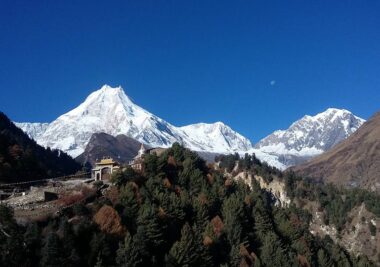
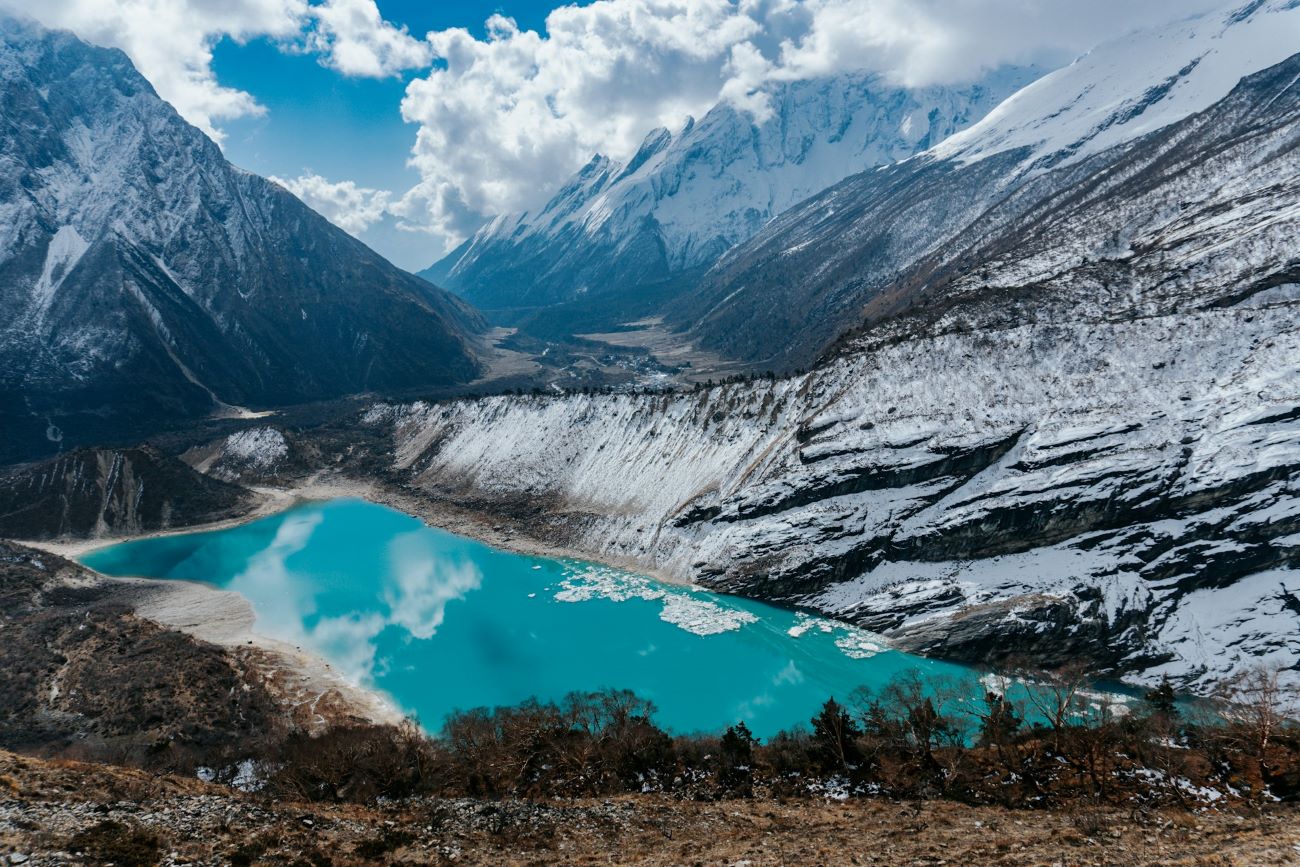
The Manaslu Circuit is widely recognized as one of the best treks in Nepal, offering an exceptional journey through the remote and astonishing landscapes of the Manaslu Conservation Area. This route circles the magnificent Mount Manaslu (8,163m), the world’s eighth-highest peak.
It is an excellent choice for trekkers seeking a more solitary and challenging experience, especially if you have previously completed the popular Annapurna Circuit Trek. Unlike the crowded trails of Everest Base Camp or the Annapurna Circuit, the Manaslu route offers a path that is both physically demanding and aesthetically inspiring, with far fewer hikers.
Trek Overview
Trek Region: Manaslu Conservation Area. Duration: 13 Days (Standard). Extended Option: Up to 22 Days (including Tsum Valley side trek). Starts At: Macha Khola. Ends At: Besisahar. Max Altitude: 5,167 m / 16,752 ft (Larkya Pass). Trip Grade: Challenging. Accommodation: Teahouse. Transport: Public Bus (starting point).
✨ Key Highlights of the Manaslu Circuit Trek
The Manaslu Circuit Trek offers a unique blend of cultural immersion, challenging high-altitude adventure, and spectacular Himalayan scenery.
-
Scenic Journey & Cultural Start: Begin your adventure with a unique Nepalese highway drive, experiencing the scenic hills, riverside areas, and diverse villages like Soti Khola, Machha Khola, and Jagat.
-
Village Life & Hospitality: Trek through peaceful rural settlements and enjoy cozy stays in locally-run teahouses. You’ll encounter diverse Nepalese people, learning about their rural lifestyle, culture, and religious traditions, while experiencing renowned mountain hospitality.
-
Majestic Himalayan Vistas: Witness stunning, up-close views of colossal peaks, including the eighth-highest mountain, Mount Manaslu, alongside Ganesh Himal, Himal Chuli, and Shringi Himal.
-
Challenging High-Altitude Pass: Brave the demanding crossing of the Larkya La Pass, reaching an exhilarating altitude of $5,106 \text{ meters}$.
-
Optional Side Trips: Take rewarding detours and side trips, such as visiting the iconic Manaslu Base Camp or the sacred Pungyen Gompa from the village of Samagaon.
-
Guided Experience: Spend approximately 11 days on the trail, accompanied by professional and friendly guides and porters who enhance your safety and knowledge, often becoming lifelong friends from Nepal.
Teahouse Accommodation: A Look Inside Manaslu Trek Lodges
The Manaslu Circuit is a teahouse trek, relying on simple, locally-run guesthouses for accommodation. This provides an authentic mountain experience, though facilities are modest and basic.
Teahouse Facilities
Rooms are small, basic, and unheated twin-sharing rooms with two single beds. Thin mattresses and pillows are provided, but it is highly recommended to bring your own sleeping bag for warmth, despite blankets being provided. Wooden walls offer minimal insulation. Private rooms may be available for an extra charge. Bedrooms are unheated. The dining hall is the only heated space, warmed by a wood or yak-dung stove in the evenings. This communal area is the heart of the teahouse for dining and socializing. Toilets are shared and often located outside the main building, especially at higher altitudes. They are mainly squat-style, with a few Western-style toilets at lower elevations. Hot showers are sometimes available for an extra fee, often solar or gas heated. Water freezing in pipes can limit availability at very high altitudes. Charging electronics and basic Wi-Fi, which is often slow and unreliable, are usually available for an extra fee. Teahouses sell basic supplies like snacks and toilet paper at a markup.
Meals on the Trail
Meals are ordered from a set menu featuring staple options like dal bhat (rice and lentil soup), noodle soups, fried rice, and basic international dishes. Lunch is typically served at a teahouse along the trail. On specific acclimatization hikes, such as from Samagaun and Samdo, where there are no teahouses en route, your guide will arrange for a packed lunch.
The Best Time to Trek the Manaslu Circuit
The ideal time to trek the Manaslu Circuit is during the Spring and Autumn seasons, which offer the most stable weather and clearest views, critical for safely crossing the high Larkya Pass (5,167 m).
Autumn (Peak): Runs from September to November. The weather is stable and dry with crisp, clear skies and comfortable daytime temperatures between 15–22°C. This is the best time for views and safety due to ideal trail conditions. Trails are busier, especially in October.
Spring (Second Best): Runs from March to May. Temperatures are mild, between 10–20°C, with clear mornings and spectacular rhododendron and wildflower blooms. This offers great visibility and comfortable trekking. Possible pre-monsoon showers in late May.
Winter (Quiet): Runs from December to February. It is very cold, especially above 3,500m, but offers crystal-clear views and minimal crowds. Recommended for experienced trekkers only due to the risk of Larkya Pass closure from heavy snow and the possibility of some teahouses closing.
Monsoon (Low): Runs from June to August. Expect heavy rain, slippery trails, leeches, and dense clouds often obscuring mountain views. This season is not recommended unless seeking extreme solitude and having flexibility for travel delays.
Recommendation: Autumn is highly recommended for stable conditions and stunning views. Spring is an excellent alternative for blooming landscapes and pleasant temperatures.
A Typical Day on the Manaslu Circuit
Your trekking day is structured to maximize daylight and allow for proper rest and acclimatization:
Morning Start: The day begins early with breakfast, often pre-ordered the night before, in the teahouse dining hall. The Trail: You’ll spend the day traversing diverse landscapes—rocky terrains, forests, river crossings, and mountain paths—with constant views of Manaslu and surrounding peaks. Cultural Immersion: The region’s close proximity to Tibet is evident in the fluttering prayer flags, chortens, and Buddhist artifacts along the path, providing a rich cultural experience. Lunch: A mid-day break is taken at an en-route teahouse or with a packed lunch on specific days. Evening Routine: Arrive at the next teahouse where dinner is served in the heated communal dining area. Briefing: Your guide will brief the group on the next day’s route and important details, allowing time for socialization with fellow trekkers before turning in for the night.
🍲 Food on the Manaslu Circuit Trek
Meals on the Manaslu Circuit are designed to be basic yet highly nourishing, providing the energy you need for a demanding trek. After a cold day of walking, you will appreciate every hot meal, from the staple dal bhat to a fresh pancake and a warming cup of tea.
The core advice is simple: eat heartily, stay well-hydrated, and consider bringing your own high-energy snacks for an extra boost.
☀️ Breakfast Options
Breakfast is essential for fueling the day’s trek and typically offers a variety of simple, filling choices:
-
Grains & Porridge: Oatmeal Porridge, plain Porridge, Muesli.
-
Bread & Flats: Tibetan Bread, Chapatis.
-
Egg Dishes: Eggs (boiled or fried), Pancakes, Garlic Omelets.
-
Other: Boiled Potato, Swiss Roasti, Tea.
🍽️ Lunch and Dinner Options
Lunch and dinner menus are similar, centered around filling carbohydrate and vegetable-based dishes. The most popular and reliable option is always Dal Bhat.
-
Nepalese Staples:
-
Dal Bhat: The national dish, consisting of steamed Rice, lentil soup (dal), and vegetable curry (tarkari). It is often served with unlimited refills, making it the most cost-effective and filling choice.
-
Momo: Tibetan dumplings (vegetable or meat).
-
-
Noodle & Soup Dishes:
-
Thukpa: Hearty Noodle soup.
-
Chowmein: Fried noodles (with vegetable or egg).
-
Soups: Vegetable or Garlic soup.
-
-
Rice & Pasta:
-
Fried Rice: Available with egg or vegetables.
-
Macaroni/Pasta or Spaghetti with tomato sauce.
-
-
Other Options:
-
Curry: Vegetable, Egg, or Potato curry.
-
Spring Rolls: With egg, tuna, or potato filling.
-
✅ Food Safety & Hydration Tips
To ensure a healthy and safe trek, follow these essential guidelines:
-
Eat Hot, Cooked Foods: Always stick to freshly cooked, piping hot meals.
-
Avoid Meat High Up: It is strongly recommended to avoid meat dishes at higher elevations, as refrigeration is poor and the supply chain is unreliable.
-
Choose Dal Bhat: Dal Bhat is generally the safest, most nutritious, and most filling option available.
-
Purified Water Only: Drink only water that has been properly boiled, treated with purification tablets, or purchased in sealed bottles.
🛡️ Safety and Security on the Manaslu Circuit Trek
Nepal is generally a warm and safe country for travellers. However, trekking in remote, high-altitude areas like the Manaslu Circuit requires sensible preparation and adherence to safety guidelines. Prioritizing your well-being is key to an enjoyable and secure experience.
⬆️ Managing Altitude Sickness (AMS)
Trekking at high elevation is the primary health risk, carrying the potential for Acute Mountain Sickness (AMS).
-
Symptoms: Be aware of common signs, including headaches, nausea, loss of appetite, and dizziness.
-
Prevention is Key: The most effective defense against AMS is proper acclimatization and hydration.
-
Trek Slowly: Maintain a slow, steady pace, allowing your body sufficient time to adjust to the decreasing oxygen levels.
-
Hydration: Drink plenty of fluids (water, tea, soup).
-
Avoid: Refrain from alcohol and heavy meals, which can impair acclimatization.
-
-
Response: If symptoms persist or worsen, you must inform your guide immediately. Guides are trained to recognize and respond to altitude-related issues.
🚁 Emergency Protocols and Insurance
While rare, emergencies such as landslides, sudden illness, or extreme altitude sickness can occur.
-
Follow Your Guide: In any emergency situation, strictly follow your guide’s instructions. Guides are trained in first aid and emergency response procedures.
-
Evacuation: Guides are equipped to coordinate necessary steps, including arranging a helicopter evacuation if required due to severe illness or injury.
-
Mandatory Insurance: You are strongly advised to purchase comprehensive travel insurance that explicitly covers:
-
High-altitude trekking (up to 5,200m).
-
Emergency evacuation, including helicopter rescue. This provides peace of mind and ensures immediate support when necessary.
-
⚕️ Health Precautions and Personal Kit
Proactive health measures contribute significantly to a safe trek.
-
Consult Your Doctor: Before travelling, consult your healthcare provider regarding recommended vaccinations for Nepal. These may include shots for Hepatitis A, Typhoid, and Tetanus, based on your medical history.
-
First-Aid Kit: Carry a basic, comprehensive personal first-aid kit. Essentials should include:
-
Antiseptic cream.
-
Blister pads/moleskin.
-
Rehydration salts.
-
Painkillers.
-
Any personal or prescription medications you require.
-
💪 Difficulty and Physical Fitness for the Manaslu Circuit Trek
The Manaslu Circuit is classified as a challenging trek and is best suited for trekkers who are in very good physical shape. Due to the high altitude and demanding terrain, it is not recommended for inexperienced trekkers.
⛰️ Trek Demands and Altitude
This trek is physically demanding, primarily due to the significant altitude gain:
-
Starting Elevation: The trek begins at approximately $800 \text{ m} / 2,624 \text{ ft}$.
-
Daily Gain: You will gain roughly $400$ to $500 \text{ m}$ (or $1,312$ to $1,640 \text{ ft}$) in elevation daily.
-
Maximum Altitude: The route ascends to over $5,000 \text{ m}$ ($16,400 \text{ ft}$), with the high point being the Larkya Pass at $5,167 \text{ m}$.
-
Altitude Effects: Going above $3,000$ to $3,500 \text{ m}$ can cause altitude sickness symptoms in some individuals. The high maximum altitude requires careful management.
🏃 Fitness and Preparation
Success on this trail hinges on your physical condition and preparation:
-
Required Fitness: You must be physically fit to tackle this challenge. While the trek has been completed by clients aged 10 to 70, fitness level is the key factor, not age.
-
Recommendation: It is highly recommended that you train specifically for this trek.
-
Acclimatization: The itinerary includes two full acclimatization days to help your body adjust to the altitude, maximizing safety and success.
Note: The high altitude makes the trek challenging for everyone, but it can become a real struggle for those who are unfit or have pre-existing medical conditions. If you are fit, the trek will be a rewarding experience that pushes you to achieve more.
⚕️ Guide and Safety Support
Your well-being is prioritized throughout the trek:
-
Experienced Guides: Guides are well-experienced (with an average of 7 years of trekking experience) and are trained to monitor and respond to trekkers’ health.
-
Communication: Please inform your guide immediately if you feel unwell at any stage of the trek.