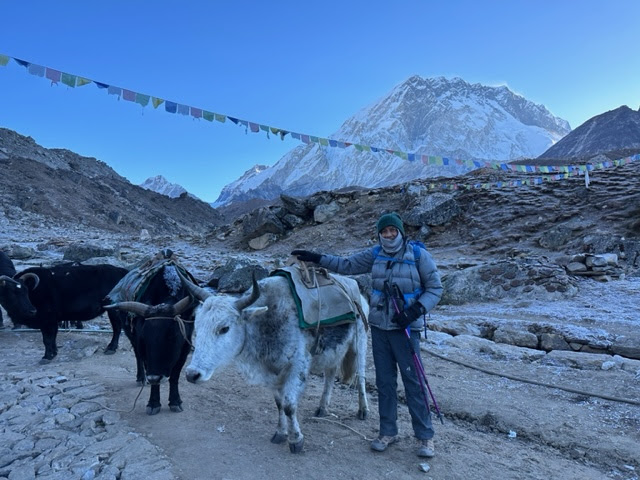
Conquering the Khumbu: Is the Everest Base Camp Trek Really That Difficult?
For many, the allure of standing at the foot of Mount Everest, the world’s highest peak, is the ultimate bucket-list dream. It is a journey through the heart of the Himalayas, offering a front-row seat to some of the most dramatic landscapes on Earth. However, beneath the breathtaking photography and inspiring summit stories lies a recurring question for every aspiring trekker: Is the Everest Base Camp (EBC) trek as hard as they say?
To give you a reality check, the EBC trek is classified as moderate to strenuous. It is not a technical climb—you won’t need ice axes, ropes, or crampons—but it is also no “walk in the park.” While challenging due to the high altitude and rugged terrain, the journey is entirely achievable for most trekkers through proper physical preparation, mental resilience, and a smart acclimatization strategy.
I. Understanding the Physical Demands
The first hurdle is the sheer scale of the journey. The trek covers a total walking distance of approximately 130 km (80 miles) round-trip from Lukla.
Walking Distance and Duration
A standard trekking duration is between 12 to 14 days. On average, you will be hiking for 5 to 7 hours daily. While the mileage may seem manageable on paper, every kilometer at high altitude feels significantly longer than it does at sea level.
The Terrain
You are navigating the rugged terrain of the Khumbu region. The path is a mix of steep stone staircases, dusty trails, and unstable glacial moraines. Along the way, you’ll cross iconic suspension bridges swaying over deep gorges and pass through historic Sherpa villages like Namche Bazaar, where the culture is as rich as the climbs are steep.
Endurance vs. Technical Skill
It is important to remember that EBC is a test of endurance, not technical mountaineering. You do not need to be an expert climber, but you do need the “mountain legs” to keep moving day after day on uneven surfaces.
II. The Invisible Challenge: Altitude & Health
If the terrain is the visible challenge, the altitude is the invisible one. This is the factor that turns a “long walk” into a strenuous expedition.
The Impact of High Altitude
The trek begins at Lukla Airport (2,840m) and reaches its peak at Kala Patthar (5,644m). At these heights, oxygen levels drop significantly; by the time you reach Base Camp, you are breathing roughly 50% of the oxygen available at sea level.
Altitude Sickness (AMS)
Altitude Sickness (AMS) is the primary reason trekkers fail to finish. Symptoms include headaches, nausea, dizziness, and loss of appetite. The “Golden Rule” for success is acclimatization: following the “climb high, sleep low” philosophy and ensuring your itinerary includes rest days at Namche Bazaar and Dingboche.
Nutrition and Food Safety
Your body burns calories at an accelerated rate in the thin air. Prioritize nutrition by “carb-loading” with local staples like Dal Bhat. Practice strict food safety—avoiding untreated water and being cautious with meat at high altitudes—to prevent the “Khumbu Cough” or stomach issues that can sap your strength.
III. Preparing for Success: Physical & Mental
You don’t need to be an elite athlete, but you shouldn’t show up “off the couch.“
-
Physical Preparation: Start training at least 8–12 weeks prior. Focus on cardiovascular fitness (running, swimming, or cycling) to strengthen your heart and lungs. Equally important is leg strength and core stability to handle the 1,000-meter ascents and descents.
-
Mental Preparation: Develop the mental resilience to handle discomfort. You will be staying in basic accommodations (teahouses) with limited amenities, often with no heating and communal bathrooms. Staying positive when you are tired and cold is half the battle.
Part 1: 12-Week Physical Preparation Schedule
This plan focuses on Cardiovascular Fitness, Leg Strength, and Endurance. If you are already active, you can jump in at Week 5.
Phase 1: Foundation (Weeks 1–4)
Focus: Building a habit and waking up your muscles.
-
Cardio (3x weekly): 30–45 mins of walking, jogging, or cycling at a conversational pace.
-
Strength (2x weekly): Bodyweight squats, lunges, planks, and step-ups (use a box or stairs).
-
Weekend: 2-hour hike or long walk on flat terrain.
Phase 2: Conditioning (Weeks 5–8)
Focus: Adding weight and incline.
-
Cardio (3x weekly): 45–60 mins. Include at least one session on a treadmill with a high incline or find a local hill.
-
Strength (2x weekly): Add a light backpack (5kg) to your squats and lunges. Focus on “eccentric” strength (slowly lowering yourself) to protect your knees for the descent.
-
Weekend: 3–4 hour hike on rugged terrain wearing your hiking boots and a 5–8kg pack.
Phase 3: Peak Endurance (Weeks 9–11)
Focus: Simulating the trek.
-
Cardio (4x weekly): 60+ mins of intense cardio. Include hill reps (walking up and down a steep hill repeatedly).
-
Strength (2x weekly): Maintain strength but don’t overstrain.
-
Weekend: Back-to-back long hikes (Saturday 5 hours, Sunday 4 hours) to train your body to recover quickly.
Phase 4: Taper (Week 12)
Focus: Rest and Recovery.
-
Only light walking and stretching. You want your muscles fully repaired before you land at Lukla Airport.
Part 2: Essential Trekking Gear Checklist
Quality gear reduces the difficulty of the trek by keeping you dry, warm, and stable.
The “Big Three” for Footwear & Stability
-
Hiking Boots: Must be waterproof, have ankle support, and—most importantly—be broken in before you arrive.
-
Trekking Poles: These reduce the impact on your knees by up to 25%, especially during the steep descent from Kala Patthar.
-
Camp Shoes: Lightweight sneakers or Crocs to wear in teahouses after a long day of walking.
Clothing (The Layering System)
-
Base Layers: Moisture-wicking (merino wool is best) to keep sweat away from your skin.
-
Insulation: A heavy down jacket (rated for -15°C or lower) and a fleece mid-layer.
-
Outer Shell: Waterproof and windproof jacket and trousers.
-
Head/Hands: Warm beanie, buff (neck gaiter), and “liner gloves” plus heavy waterproof gloves.
The “Survival” Extras
-
Sleeping Bag: 4-season bag (rated to -20°C). Even though you stay in teahouses, the rooms are not heated.
-
Water Purification: UV sterilizer (SteriPEN) or purification tablets. Never drink tap water.
-
Power Bank: Cold kills batteries; keep your phone/camera inside your sleeping bag at night.
-
First Aid: Include Diamox, Ibuprofen, Blister kits (Compeed), and rehydration salts.
Final Strategy Tip: The “Khumbu Pace”
When you start your trek, you might feel great and want to rush. Don’t. In the Sherpa language, the word is “Bistari, Bistari” (Slowly, Slowly). Keeping your heart rate low is the best way to prevent Altitude Sickness.
IV. Gear & Logistics: Minimizing the Struggle
The right gear can make a difficult day feel manageable.
-
Essential Trekking Gear: Invest in high-quality, broken-in hiking boots to avoid blisters. Trekking poles are non-negotiable for many, as they reduce the impact on your knees by up to 25% during long descents.
-
Lukla & Weather Conditions: The “World’s Most Dangerous Airport,” Lukla Airport, is notorious for flight delays due to unpredictable weather. Always build “buffer days” into your travel plans to account for these pauses.
-
The Support System: While some trek solo, guided tours offer an extra layer of safety. Porters can carry your heavy gear, allowing you to focus on your breathing and the trail, significantly enhancing the overall trekking experience.
V. The Best Time to Trek
Timing is everything in the Himalayas.
-
Spring (March–May) & Autumn (Sept–Nov): This is the best time for trekking. You’ll enjoy stable weather and the clearest views of Mount Everest.
-
Winter & Monsoon: These seasons bring added difficulty. Winter offers extreme cold (-20°C), while the Monsoon brings slippery trails, leeches, and constant cloud cover.
-
Safety Protocols: Always respect the 2 PM Rule—if you haven’t reached your destination or high-point by early afternoon, it’s often safer to turn back before weather or light fades.
Conclusion
The final verdict? The Everest Base Camp trek is a challenging but rewarding adventure. It will test your lungs, your legs, and your spirit. Yet, with the right preparation strategies, a pair of sturdy hiking boots, and a “slow and steady” mindset, the “impossible” becomes a reality.
The reward is more than just a photo at a sign; it is the life-changing feeling of standing in the shadow of the world’s highest peak. Start your journey today—proper planning makes the impossible, possible.