The Ultimate Guide to Everest Base Camp Trek: Top 30 FAQs Answered
Planning a trip to the Everest Base Camp (EBC) is an exciting yet daunting task. As the highest base camp on earth, sitting at 5,364 meters (17,598 feet), it’s a journey that demands respect, preparation, and knowledge.
Part 1: The Basics & Logistics
1. Where is Mount Everest located?
Mount Everest lies on the border of Nepal and the Autonomous Region of Tibet. The Southern (Nepal) Base Camp is the most popular trekking route. The mountain’s official height is 8,848.86 meters (29,032 feet) , re-measured by Nepal and China in 2020.
2. How do I get to Everest Base Camp?
The most popular way is a flight from Kathmandu to Lukla (2,860m) . From Lukla, it is a 10-day round-trip trek. An older, longer route starts from Jiri, adding 2-3 weeks to your journey.
3. When is the best time to trek?
The best windows are Spring (March to May) and Autumn (September to November) .
-
Spring: Fantastic views, warmer temperatures, and blooming rhododendrons.
-
Autumn: Crystal clear skies, stable weather, and the busiest season.
-
Winter (Dec/Feb) offers fewer crowds but freezing temperatures.
-
Monsoon (June/Aug) is wet and slippery, though flights are cheaper.
4. Do I need a guide?
While the Nepali government has debated making guides mandatory, it is currently not legally mandatory but highly recommended. Due to altitude, potential avalanches, and ensuring you support the local economy, a licensed guide is a safety net worth having.
5. What permits do I need?
You need two main permits:
-
Sagarmatha National Park Permit (Entry to the park).
-
Khumbu Pasang Lhamu Rural Municipality Permit (Local government tax).
Note: The TIMS (Trekkers’ Information Management System) card is sometimes required or included by agencies.
6. How expensive is the trek?
For a standard teahouse trek, budget between 1,600to2,000 USD per person for a 12-16 day trip. This includes flights, permits, food, lodging, and a guide. Luxury treks or helicopter returns will cost significantly more.
7. How much cash should I carry?
Carry about $200 USD (converted to Nepali Rupees) for personal expenses. You will need cash for:
-
Hot showers (3−6)
-
Charging electronics (2−5 per hour)
-
WiFi (5−10)
-
Snacks and bottled water
-
Tips for guides/porters
Part 2: Difficulty & Fitness
8. How difficult is the EBC trek?
It is graded as moderate to challenging. It is not technically difficult (no climbing required), but the altitude is the enemy. You will walk 4-8 hours a day on steep, rocky terrain. Most experts agree: trekking is 70% mentality and 30% physical fitness.
9. Is it very steep?
Yes. You will encounter long, steep climbs and descents of 500 meters or more. You don’t need to be fast, but you need stamina, confidence, and continuity.
10. Do I need to train?
Absolutely. You should exercise minimum 5 times a week for an hour. Focus on:
-
Cardio: Running, cycling, swimming.
-
Strength: Squats, lunges, and leg presses (to carry your body up stairs).
-
Practice: Hiking with a weighted backpack on steep hills.
11. Can a beginner do this trek?
Yes, but you need preparation. If you can hike for 6-7 hours a day for a week straight and acclimatize well, it is achievable. Start a physical warm-up routine 15-20 days prior.
Part 3: Health & Altitude
12. What is Altitude Sickness (AMS)?
Altitude sickness occurs when you ascend too quickly above 3,500 meters. Symptoms include headache, loss of appetite, nausea, dizziness, and shortness of breath.
-
Mild: AMS (Acute Mountain Sickness)
-
Severe: HAPE (fluid in lungs) or HACE (brain swelling).
13. How likely am I to get sick?
Altitude sickness can strike anyone, regardless of fitness. The key to prevention is the rule: “Walk high, sleep low.” Never gain more than 300-500 meters of sleeping altitude per day.
14. Should I take Diamox?
Consult your doctor. Diamox (Acetazolamide) helps prevent AMS. A common side effect is that it makes your fingers tingle and makes you urinate frequently (requiring cold middle-of-the-night bathroom trips).
15. What happens in an emergency?
Guides carry medical kits and portable altitude chambers (Gamow bags). If you have severe AMS, the only cure is immediate descent. In serious cases, a helicopter evacuation will take you to Kathmandu. *Ensure your travel insurance covers high-altitude rescue (up to 6,000m).*
16. Is the trek safe regarding accidents?
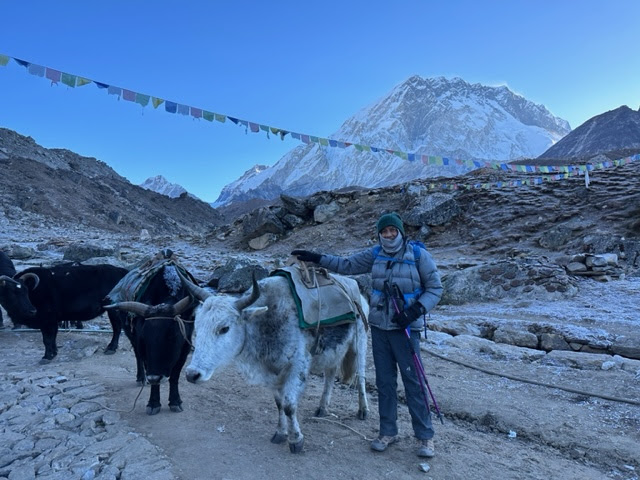
Generally yes, but stay vigilant. The main physical dangers are not cliffs, but yaks. Give the yaks (and dzopkyos) the inside of the trail; if you are on the cliff edge, they might knock you off.
Part 4: On the Trail (Food, Tech & Gear)
17. What is the accommodation like?
EBC is a “Teahouse Trek.” You stay in basic lodges. Rooms are twin-sharing with wooden beds and thin pillows. Expect shared squat toilets (bring your own toilet paper). At lower elevations (Namche), you get nicer rooms; higher up (Gorak Shep), it is very basic.
18. Can I shower on the trek?
Yes, but you will likely pay for it. In Namche, you can get a hot shower (solar/gas) for a fee. Above Namche, showers are often bucket showers (hot water in a bucket) costing 3−6. Most trekkers opt for wet wipes to stay warm.
19. What is the food like?
Surprisingly good! Most teahouses serve Dal Bhat (rice, lentils, curry—all you can eat, giving you “24 hours of power”). You can also get pizza, pasta, noodles, potatoes, yak steak, and soup. Avoid raw salads or uncooked meat at high altitude to prevent food poisoning.
20. Can I charge my phone and get WiFi?
-
Electricity: Available for a fee (2−5 per hour). The price increases with altitude.
-
WiFi: Available in Namche, Dingboche, Lobuche, and Gorak Shep (Everest Link). It gets expensive (5−10 for limited data).
-
Pro Tip: Bring a high-capacity power bank. Don’t rely on teahouse charging.
21. What should I pack?
Avoid overpacking. You need layers, not heavy jackets (though you need a good down jacket for night). Essentials:
-
Upper Body: Thermal base layer, fleece, down jacket, waterproof shell.
-
Lower Body: Trekking pants (no shorts above the knee for cultural respect), long underwear.
-
Feet: High-ankle waterproof trekking boots (broken in!).
-
Gear: Sunglasses (glare snow hurts), sunscreen, lip balm, headlamp, water purification (iodine/tablets), dry bags.
22. Should I buy gear at home or in Kathmandu?
Quality vs. Price. Gear in Thamel (Kathmandu) is very cheap but often counterfeit/fake (North Face labels on low-quality coats). If you buy at home (USA/Europe/Australia), you pay more but get reliable warmth. If on a budget, Thamel works, but check the stitching and zippers.
Part 5: Itinerary & Extras
23. Do I sleep at Everest Base Camp?
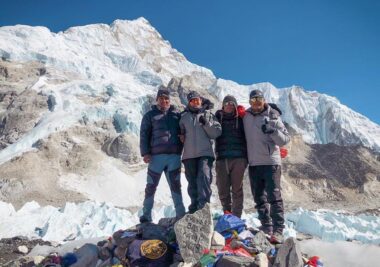
Usually, no. You stay overnight at Gorak Shep (5,164m) . On the day you reach Gorak Shep, you drop your bags and hike 2-3 hours to Base Camp, then return to Gorak Shep to sleep. Sleeping at Base Camp requires expensive special expedition permits.
24. Can I see Everest from Base Camp?
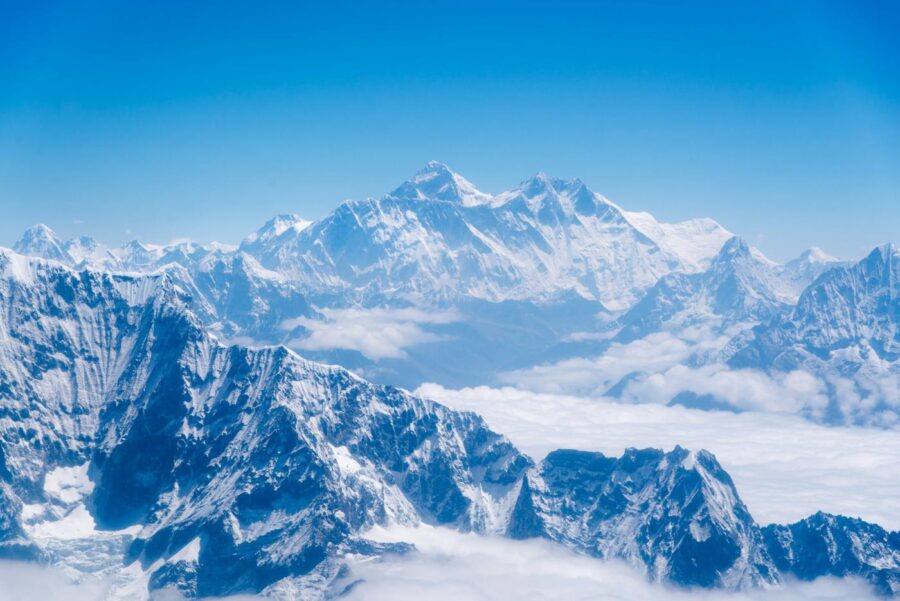
Ironically, no. From the actual Base Camp, the massive peak of Everest is hidden behind the giant West Shoulder of the mountain (Nuptse). You see the Khumbu Icefall, not the summit peak. To see Everest’s summit, you must hike to Kala Patthar (5,545m) at sunrise.
25. Can I drink alcohol on the trek?
You can buy Everest Beer along the trail, but experts strongly advise against it.
-
Alcohol dehydrates you.
-
It constricts blood vessels.
-
It masks symptoms of altitude sickness.
-
Save the beer celebration for your last night in Lukla or Kathmandu.
26. Is it culturally okay to wear leggings?
Dress modestly. If you wear leggings, wear a long top that covers your bottom/knees. The local Sherpa people may feel embarrassed if foreigners wear extremely tight or revealing clothing. Be a respectful guest.
27. How big are the groups?
Small trekking agencies average 6 to 12 people. Some budget operators take 16+. A typical staff ratio includes: 1 Main Guide, 2-4 Assistant Guides, a Sirdar (porter manager), and a Cook.
28. Do I need climbing gear (ropes, harness)?
No. This is a trek, not a climb. You need sturdy hiking boots and trekking poles. You do not need crampons or ice axes unless you are doing the passes (Cho La) in heavy snow.
29. How much should I tip?
Tipping is expected but not mandatory. It is a gesture to thank the porters and guides who work incredibly hard. Guideline: Collectively, groups usually tip 80−120 for the guide and 50−80 for porters (depending on trip length).
30. Why choose a local agency vs. an international one?
-
Local Agencies: Cheaper, money goes directly to the local economy, authentic experience.
-
International : Higher cost, but includes luxury camping, better medical support, and guarantees like private heated dining tents.
Always check that the agency is authorized by the Government of Nepal and a member of TAAN (Trekking Agencies’ Association of Nepal).