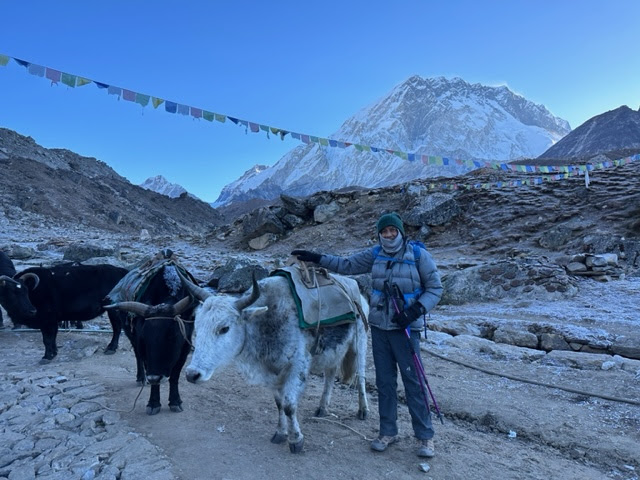
Ultimate Everest Base Camp Packing List: A Detailed, High-Altitude Gear Guide (Up to 5,364m)
Trekking to Everest Base Camp is not just a scenic hike — it’s a high-altitude expedition into the heart of the Himalayas. The journey to Everest Base Camp reaches 5,364 meters (17,598 ft), where oxygen levels drop to nearly 50% of sea level and temperatures can swing from 20°C during sunny days to -20°C at night.
Packing correctly isn’t optional — it’s critical for safety, comfort, and success.
This comprehensive guide explains not just what to pack, but why, how much, and how to optimize your load for different seasons.
Understanding Everest Base Camp Weather & Terrain
Before listing gear, it’s important to understand what you’re preparing for.
You’ll Encounter:
-
Rapid weather shifts (sun, wind, snow in one day)
-
Strong UV exposure at altitude
-
Rocky trails and glacial moraine
-
Cold teahouse nights
-
Limited laundry facilities
-
Weight limits (typically 10–15 kg for porters)
Your gear must be:
-
Lightweight but warm
-
Layer-friendly
-
Quick-drying
-
Waterproof
-
Durable
Clothing Strategy: The 3-Layer System Explained
Layering is the golden rule of high-altitude trekking. Instead of one bulky jacket, you combine multiple layers for adaptability.
1️⃣ Upper Body Layers (Detailed Breakdown)
Base Layers (Moisture Management)
These regulate sweat and body temperature.
Pack:
-
2–3 moisture-wicking T-shirts (short & long sleeve)
-
1–2 thermal tops (merino wool preferred)
Why merino wool?
-
Naturally antibacterial (less odor)
-
Excellent insulation-to-weight ratio
-
Regulates temperature in both warm and cold conditions
Avoid cotton — it traps moisture and increases hypothermia risk.
Mid Layers (Insulation)
This traps body heat.
Pack:
-
Fleece jacket or insulated mid-layer
-
Lightweight down or synthetic insulated jacket
At higher villages like Dingboche and Lobuche, your down jacket becomes essential during mornings and evenings.
Outer Shell (Weather Protection)
Your final barrier against Himalayan conditions.
Pack:
-
Waterproof, breathable jacket (Gore-Tex or equivalent)
-
Adjustable hood
-
Sealed seams
-
Ventilation zippers (pit zips)
This protects against snow, wind, and unexpected rain showers.
2️⃣ Lower Body Layers
Lower-body insulation is often underestimated — especially above 4,000m.
Essential Items:
-
2 quick-dry trekking pants
-
Hiking shorts (for lower elevations)
-
Waterproof over-trousers
-
2–3 thermal base bottoms
-
Optional fleece pants (for evenings)
Tip: Choose stretchable trekking pants for steep climbs and rocky terrain.
Footwear: The Foundation of Your Trek
Blisters and cold feet can ruin your trek faster than altitude.
Hiking Boots
-
Waterproof mid-ankle boots
-
Strong grip (Vibram-style soles)
-
Fully broken in (minimum 3–4 weeks prior)
Additional Footwear
-
Camp shoes or lightweight trainers
-
8–10 pairs wool/merino hiking socks
-
2–3 liner socks (reduce friction)
-
Gaiters (winter essential)
-
10 pairs underwear
-
Sports bras (women trekkers)
For winter treks (Dec–Feb), consider thicker insulated boots.
Head & Hand Protection (High-Altitude Critical Zone)
At altitude, extremities lose heat rapidly.
Pack:
-
Wide-brim sun hat
-
Wool beanie or balaclava
-
UV-protective sunglasses (Category 4 recommended)
-
2 neck gaiters (light & insulated)
-
Waterproof insulated gloves
-
Thin liner gloves
Without proper sunglasses, snow blindness is a real risk near Gorak Shep.
Backpacks & Carry System
Daypack (40–50L)
You carry this daily.
Include:
-
Water (2L minimum)
-
Snacks
-
Extra layer
-
Camera
-
Sunscreen
-
Gloves & hat
-
Personal medication
-
Rain cover
Choose padded shoulder straps and hip belt support.
Duffel Bag (80–100L)
Carried by porter.
Weight limit usually: 10–15 kg
Keep it organized with packing cubes.
Sleeping & Hydration Essentials
Teahouses provide blankets, but they are often insufficient at high altitude.
Sleeping Bag
-
Rated to -18°C or lower
-
Down preferred for warmth-to-weight
-
Optional liner for hygiene and extra warmth
Hydration System
-
2 reusable 1L water bottles
-
Water purification tablets (Aquatabs)
-
Lifestraw or portable filter
-
Insulated bottle cover (prevents freezing)
Avoid buying bottled water at higher elevations — it’s expensive and environmentally harmful.
Toiletries & Health Kit
Facilities become more basic as you ascend.
Personal Hygiene
-
SPF 50+ sunscreen
-
Lip balm with SPF
-
Hand sanitizer
-
Wet wipes
-
Quick-dry towel
-
Toilet paper
First Aid Kit
-
Blister treatment
-
Pain relievers
-
Cold medication
-
Altitude medication (Diamox – doctor consultation required)
-
Personal prescriptions
Your guide may carry a group medical kit, but always bring essentials.
Electronics & Power Management
Electricity is available but expensive above Namche Bazaar.
Bring:
-
Power bank (10,000–20,000 mAh)
-
Charging cables
-
Universal travel adapter
-
Headlamp + spare batteries
Cold temperatures drain batteries quickly — keep electronics inside your sleeping bag at night.
Nutrition & Snacks
While teahouses serve meals, personal snacks help during long trekking days.
Bring:
-
Energy bars
-
Electrolyte powder
-
Nuts or trail mix
-
Dark chocolate
Hydration and calories are key for altitude adaptation.
Optional but Valuable Extras
-
Lightweight pillowcase
-
Journal
-
Book or Kindle
-
Camera
-
Small thermos (for hot tea)
Teahouse evenings are quiet and social — perfect for journaling or relaxing.
Seasonal Packing Adjustments
🌸 Spring (March–May)
-
Moderate daytime temps
-
Cold nights
-
Extra sunscreen essential
🍂 Autumn (Sept–Nov)
-
Stable weather
-
Cold mornings
-
Strong UV exposure
❄ Winter (Dec–Feb)
-
Heavy snow possible
-
Extra insulation
-
Gaiters mandatory
🌧 Monsoon (June–Aug)
-
Waterproof gear critical
-
Quick-dry clothing essential
Common Packing Mistakes to Avoid
-
Bringing too many clothes
-
Wearing brand-new boots
-
Packing cotton clothing
-
Ignoring UV protection
-
Underestimating cold nights
Remember: Less is more — but the right gear is everything.
Final Thoughts: Pack for Safety, Not Just Comfort
Standing beneath the towering presence of Mount Everest is an emotional, life-changing moment. But that experience depends heavily on how well you prepare.
The Everest Base Camp trek isn’t technical climbing — but it is demanding. Smart layering, quality footwear, and proper cold-weather gear ensure you focus on the journey rather than discomfort.
Prepare thoroughly. Pack strategically. Trek confidently.
The Himalayas reward those who come ready.