Introduction to the Everest Base Camp (EBC) Trek
The Everest Base Camp Trek is the ultimate pilgrimage for adventurers, a journey that transports you from the bustling streets of Kathmandu to the rugged, awe-inspiring South Base Camp of Mount Everest (8,848.86 m).
While some choose the high cost of a helicopter, the true spirit of the Himalayas is found on foot. Our 14-day itinerary is meticulously designed to offer a balanced, safe, and deeply rewarding experience. From the legendary flight into Lukla to the final steps onto the Khumbu Glacier, this trek is a challenge that rewards you with the world’s most spectacular mountain theater, featuring giants like Lhotse (8,516 m), Nuptse (7,861 m), and the elegant Ama Dablam.
Embark on the definitive mountain adventure to the foot of the world’s highest peak. Our 14-day guided trek takes you through the heart of the Khumbu region, reaching the iconic Everest Base Camp (5,364m) and the breathtaking vantage point of Kala Patthar (5,545m) for the ultimate sunrise view of Mt. Everest.
Trek Highlights
-
Scenic Gateway: Start with a thrilling mountain flight to Lukla, the gateway to the Khumbu.
-
Cultural Immersion: Walk through historic Sherpa villages and experience the world-renowned hospitality and traditions of the mountain people.
-
Sagarmatha National Park: Traverse a UNESCO World Heritage site home to rare flora, fauna, and diverse altitudinal landscapes.
-
Namche Bazaar: Explore the vibrant “Sherpa Capital,” a bustling horseshoe-shaped town perched on a steep mountain slope.
-
Spiritual Landmarks: Visit the Tengboche Monastery, the spiritual heart of the region, and numerous ancient chortens along the trail.
-
The Ultimate Vantage Point: Summit Kala Patthar for an unparalleled 360-degree sunrise view over the Everest massif.
-
Mountaineering Spirit: During peak season, witness the “City of Tents” as international expeditions prepare to summit the world’s highest peak.
Route & Experience
While there are multiple ways to approach Everest—including the long traditional route from Jiri or the complex northern approach from Tibet—we specialize in the Classic South Route.
Starting from Lukla, our trail follows a well-established path through Phakding, Namche, Tengboche, Dingboche, and Lobuche, before reaching the final settlement of Gorakshep. This route is preferred for its safety, superior infrastructure, and the camaraderie of fellow trekkers from around the globe.
Planning Your Journey
-
When to Go: The premier windows are Spring (March to mid-May) and Autumn (late September to late November). These months offer crystal-clear skies, stable temperatures, and the best photographic conditions.
-
Difficulty: Rated as Moderate. While the trail is well-maintained, the high altitude and mountainous terrain require a good level of physical preparation.
-
Expert Guidance: we have successfully guided over 200 adventurers to Base Camp. Our experienced high-altitude guides ensure your safety and can customize the pace to suit your fitness level.
The Experience
This is more than a trek; it is an immersion into the “Himalayan Giants.” You will navigate through vibrant Sherpa villages, ancient monasteries, and high-altitude landscapes. Whether it’s the thrill of the Lukla flight or the quiet determination of the climb to Kala Patthar, every step is designed to challenge and inspire you.
Preparing for the Everest Base Camp Trek
To ensure a successful journey to the roof of the world, proper preparation is key. Below is a comprehensive guide on what to pack, where you will stay, and what you will eat during your 14-day adventure.
1. Essential Packing List
While you can rent high-quality sleeping bags and down jackets in Kathmandu, we recommend bringing the following essentials:
| Category | Items to Pack |
| Daily Wear | Worn-in hiking boots, trekking shirts (moisture-wicking), trekking pants, and thermal base layers. |
| Garments | Fleece jacket, waterproof shell, warm woolen hat, sun hat, and high-quality trekking socks. |
| Gear | 30-40L daypack, trekking poles, headlamp (with extra batteries), and a reusable water bottle. |
| Hygiene & Safety | Sunscreen (SPF 50+), lip balm, wet wipes, hand sanitizer, and water purification tablets/LifeStraw. |
| Electronics | Power bank, camera with extra batteries, and universal charging adapters. |
2. Logistics: Getting to the Trail
The flight from Kathmandu to Lukla is the traditional start of the trek. However, due to government regulations during peak seasons (mid-March to mid-May and mid-September to mid-December), flights often operate from Ramechhap Airport instead.
-
The Journey: Since Ramechhap is roughly a 4–5 hour drive from Kathmandu, we depart by private bus at 1:00 AM to catch the early morning flights.
-
Why Ramechhap? It reduces air traffic congestion in Kathmandu and offers more stable flight windows to Lukla.
3. Accommodation: Teahouses and Hotels
You will experience two distinct types of hospitality:
-
In Kathmandu: 2 nights in a quality 3-star hotel in Thamel. Rooms are twin-share with attached bathrooms, hot water, and inclusive breakfast.
-
On the Trek: 12 nights in Teahouses (mountain guest houses).
-
The Rooms: Simple, unheated twin rooms with wooden beds and blankets.
-
Facilities: Toilets and showers are usually shared.
-
Electricity & Showers: Most teahouses use solar power. You should expect to pay $3–$5 to charge your devices or for a hot shower, as gas and equipment must be carried up by porters.
-
4. Food and Nutrition
You will be surprised by the variety of food available even at high altitudes. Most teahouses offer a mix of local and international cuisines.
Common Menu Items:
-
Breakfast: Porridge, eggs (any style), Tibetan bread, pancakes, or muesli.
-
Lunch & Dinner: Dal Bhat (the trekker’s favorite—lentil soup, rice, and curry), Momos (dumplings), Thukpa (noodle soup), pasta, and potato dishes.
Pro Safety Tip: Above 3,000m (Namche Bazaar), we strongly recommend avoiding meat products. Because there is no refrigeration at these heights, sticking to fresh vegetarian meals like Dal Bhat is the safest way to avoid stomach issues.
5. Water and Environment
To protect the fragile Himalayan environment, we discourage the use of plastic water bottles. Instead:
-
Purchase boiled water at teahouses for a small fee.
-
Use your own purification tablets or a sterilization straw to treat tap water.
When to Trek to Everest Base Camp: Seasonal Guide
While adventurers journey to Everest Base Camp year-round, the experience changes dramatically with the seasons. Choosing the right time depends on your tolerance for cold, your desire for clear views, and whether you prefer a social trail or total solitude.
The Peak Seasons (Best Weather)
Spring: March to May
-
The Experience: This is the most popular time for mountaineering. You’ll see the “city of tents” at Base Camp as climbers prepare for the summit.
-
Weather: Mild and comfortable with daytime temperatures between 10–20°C.
-
Highlights: The trail is vibrant with blooming rhododendrons and wildflowers.
-
Pros: Clear morning views and perfect trekking temperatures.
-
Cons: Trails and teahouses are at their busiest.
Autumn: September to November
-
The Experience: Post-monsoon, the dust is settled and the air is incredibly crisp. This is widely considered the best time for photography.
-
Weather: Highly stable and dry with temperatures ranging from 12–22°C.
-
Highlights: Experience the major Nepalese festivals of Dashain and Tihar.
-
Pros: The most consistent panoramic views of the entire year.
-
Cons: Very crowded trails; nighttime temperatures can drop sharply to -10°C.
The Off-Peak Seasons (Solitude & Challenge)
Winter: December to February
-
The Experience: For those who crave solitude and don’t mind the bite of the cold.
-
Weather: Daytime is often clear and sunny (5–10°C), but nights are freezing, dropping to -20°C.
-
Pros: Crystal-clear blue skies and the trails are almost entirely yours.
-
Cons: Deep snow may block high passes; some higher-altitude lodges may be closed.
Monsoon: June to August
-
The Experience: Trekking during the rains is for the resilient traveler looking for a unique, lush perspective of the Himalayas.
-
Weather: Frequent rain and clouds with temperatures between 18–25°C.
-
Pros: The landscape is a vibrant, lush green; fewer trekkers mean cheaper prices and quiet lodges.
-
Cons: High risk of flight cancellations to Lukla; muddy trails and limited mountain visibility.
Season Comparison at a Glance
| Feature | Spring (Mar-May) | Autumn (Sept-Nov) | Winter (Dec-Feb) | Monsoon (Jun-Aug) |
| Visibility | Excellent | Best | Great (but cold) | Poor/Cloudy |
| Crowds | High | High | Very Low | Lowest |
| Temperature | Mild | Moderate | Very Cold | Warm/Humid |
| Scenery | Wildflowers | Sharp peaks | Snowscapes | Lush & Green |
Final Verdict
-
For the First-Timer: Choose Spring or Autumn for the safest weather and the most reliable flight schedules.
-
For the Photographer: Mid-October to November offers the most breathtaking, cloudless vistas.
-
For the Solitude Seeker: December or February provides a majestic, quiet experience if you bring the right thermal gear.
Life on the Trail: Daily Routine, Permits, and Safety
Stepping onto the Everest trail is a transition into a different rhythm of life. Understanding the daily flow and the administrative side of the trek ensures you can focus entirely on the majestic surroundings.
A Typical Day on the Trek
While the landscapes shift from lush forests to glacial moraines, your daily routine provides a grounding structure:
-
The Early Start (6:00 – 7:00 AM): Mornings begin early to catch the best weather and mountain views. Breakfast is usually pre-ordered the night before to ensure a quick departure.
-
The Transition: You hand over your main duffel bag to your porter, who moves ahead at his own pace. You carry only a light daypack containing essentials like water, sunscreen, a camera, and an extra layer.
-
The Journey: You hike with your guide, who shares insights into the terrain and culture. Most days include a mid-morning hike followed by a lunch stop at a scenic trail settlement.
-
Evening Wind-down: Upon reaching your teahouse, you have time to relax, socialize with fellow trekkers, or journal. Dinner is served in the communal hall, followed by a briefing from your guide regarding the next day’s route and safety.
Permits and Regulations
To preserve the fragile ecosystem of the Himalayas and support local infrastructure, two specific permits are required for every trekker:
| Permit Type | Cost | Where to Obtain |
| Khumbu Pasang Lhamu Permit | NPR 2,000 | Lukla or Monjo |
| Sagarmatha National Park Entry | NPR 3,000 | Kathmandu or Monjo |
The Science of Acclimatization
Altitude is the most significant factor on the EBC trek. You begin at 2,860m (Lukla) and quickly ascend to 3,440m (Namche Bazaar). To help your body adapt to the thinning air, our itinerary includes two strategic “Acclimatization Days.”
-
The Strategy: We follow the “Climb High, Sleep Low” philosophy. On rest days in Namche Bazaar and Dingboche, we take short, higher-altitude hikes during the day but return to the same teahouse to sleep.
-
Safety Monitoring: Our guides are trained to recognize early symptoms of Acute Mountain Sickness (AMS). They carry oximeters to monitor your blood oxygen saturation levels regularly.
-
Your Responsibility: Stay well-hydrated (3–4 liters of water daily) and communicate even the slightest headache or dizziness to your guide immediately.
Altitude, Fitness, and Cultural Etiquette: Mastering the EBC Trek
Trekking to Everest Base Camp is a physical challenge balanced by deep cultural rewards. To reach the base of the world’s highest peak safely, you must understand the demands of the altitude, the preparation required, and the traditions of the people who call these mountains home.
Navigating High Altitudes
The journey begins at 2,860m (9,383ft) in Lukla and reaches its zenith at 5,545m (18,192ft) on Kala Patthar. This rapid ascent places significant stress on the human body.
Our Safety Strategy
-
Strategic Acclimatization: We build two mandatory rest days into every itinerary: Namche Bazaar (3,440m) and Dingboche (4,410m). These stops allow your respiratory and circulatory systems to adapt.
-
Expert Oversight: Our guides have a minimum of seven years of experience in high-altitude leading. They use oximeters to monitor your oxygen saturation and are trained to spot early signs of distress.
-
Emergency Protocols: If symptoms of Acute Mountain Sickness (AMS)—such as persistent headache, nausea, or dizziness—arise, our protocol is clear: Stop, Rest, and if necessary, Descend immediately.
Fitness and Preparation
The EBC Trek is classified as Strenuous. While it is a “walk-up” (no technical climbing), it covers 130 km (80 miles) of rugged, steep terrain.
Physical Requirements
-
Cardiovascular Stamina: You will hike 5–7 hours daily. Training should begin 2–3 months before your trip, focusing on swimming, cycling, or running.
-
Leg & Core Strength: Incorporate squats, lunges, and planks. High-altitude trekking requires stability on uneven rocky paths.
-
Mental Resilience: Success on Everest depends as much on a positive mindset and patience as it does on physical strength.
Who can go? We have successfully guided trekkers ranging from 12 to 70+ years old. Whether you are a beginner or a veteran, the key is a slow, steady pace and proper preparation.
Cultural Insights: The Sherpa Heritage
The Khumbu region is the ancestral home of the Sherpa people. Integrating into their world is a highlight of the trek.
Sacred Landmarks
-
Tengboche Monastery (3,867m): The spiritual heart of the Khumbu. Trekkers are often welcome to observe morning or evening prayers amidst views of Ama Dablam.
-
Mani Walls & Stupas: You will pass numerous stone carvings and prayer wheels. Always walk to the left (clockwise) around these structures as a mark of respect.
Etiquette for a Meaningful Journey
| Do | Don’t |
| Greet locals with “Namaste” or “Tashi Delek.” | Don’t touch or remove prayer flags or artifacts. |
| Remove shoes before entering monasteries. | Don’t give money/candy to children (donate to schools instead). |
| Ask permission before taking photos of people. | Don’t point with a single finger (use an open palm). |
| Support the local economy by buying local crafts. | Don’t use fire or litter within the National Park. |
Deepening the Experience
Beyond the trail, take time to visit the Khumbu Museum in Namche Bazaar or share a cup of yak butter tea in a local teahouse. These interactions offer a window into a lifestyle defined by harmony with the world’s harshest environment.
Route Options & Alternatives: Tailoring Your Everest Adventure
While the trail to Everest is legendary, there isn’t just one way to experience it. Depending on your timeframe, fitness level, and thirst for adventure, you can choose from several distinct routes and variations.
1. The Standard Route (12–14 Days)
This is the Classic Everest Base Camp Trek. It begins with a mountain flight to Lukla and follows the traditional spine of the Khumbu Valley. It is the gold standard for balancing safety, cultural immersion, and scenery.
-
Namche Bazaar: The vibrant “capital” of the Sherpas.
-
Tengboche Monastery: A spiritual landmark at 3,867m with vistas of Ama Dablam.
-
Kala Patthar (5,545m): The highest point of the trek, offering the world’s best sunrise view over Everest.
-
Sagarmatha National Park: A UNESCO site home to rare wildlife like the Danphe (Lophophorus) and Himalayan Tahr.
2. Variations by Duration & Style
Short EBC Trek with Helicopter Return (10–12 Days)
Ideal for those short on time but high on ambition. You trek to Base Camp and Kala Patthar as usual, but instead of walking back down, you fly out by helicopter from Gorakshep or Lobuche.
-
Pros: Saves 3 days of descent; incredible aerial views of the Khumbu Glacier.
-
Cons: Higher cost; requires strict adherence to the ascent schedule.
Everest Helicopter Tour (1 Day)
The ultimate “express” option. Fly from Kathmandu, hover over Base Camp, land at Kala Patthar for photos, and enjoy breakfast at the Everest View Hotel.
-
Pros: No physical exertion; completed in hours.
-
Cons: Premium price; minimal cultural interaction.
Extended & High Pass Treks (16–20 Days)
For seasoned hikers seeking solitude and a greater challenge.
-
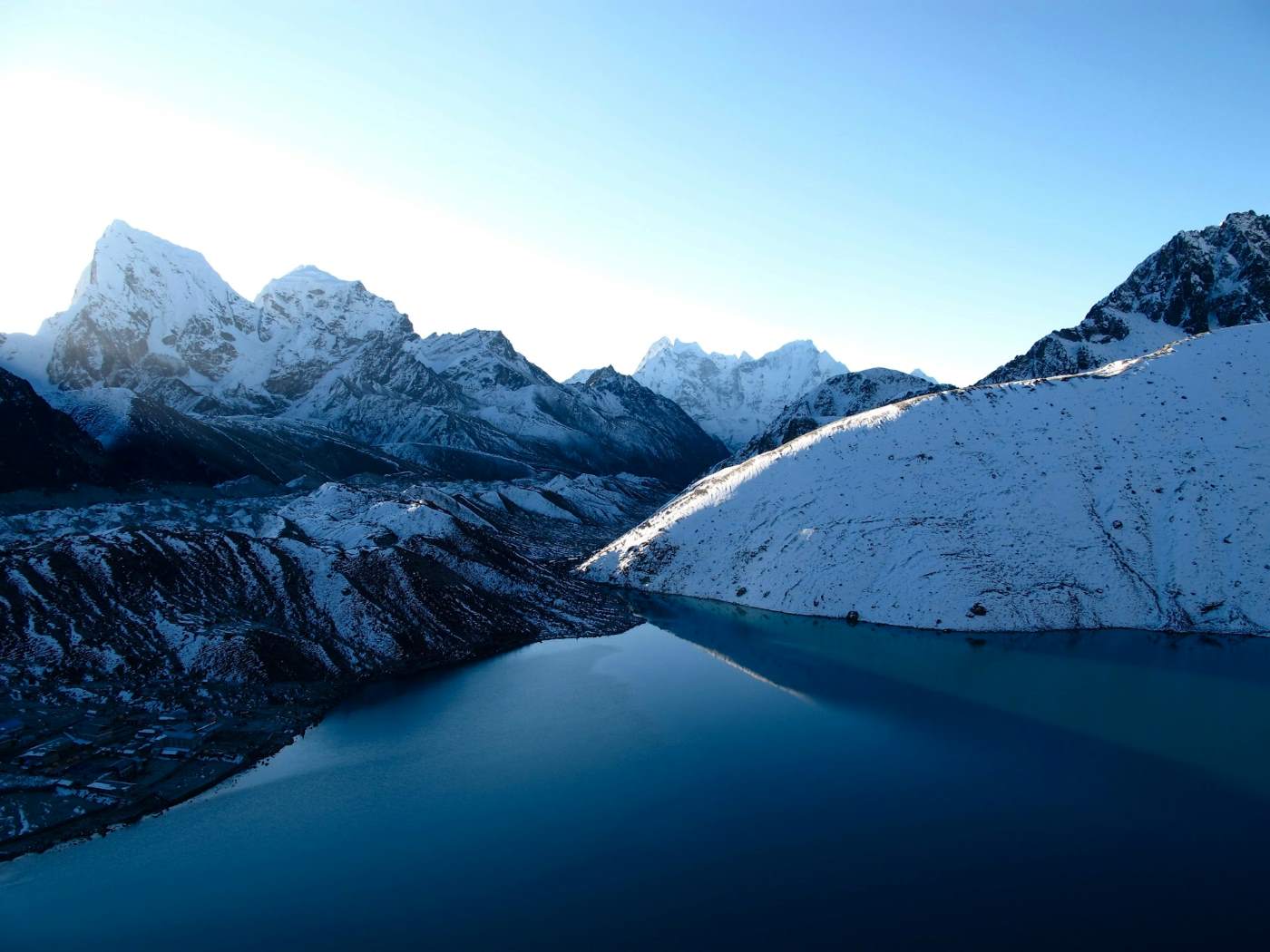
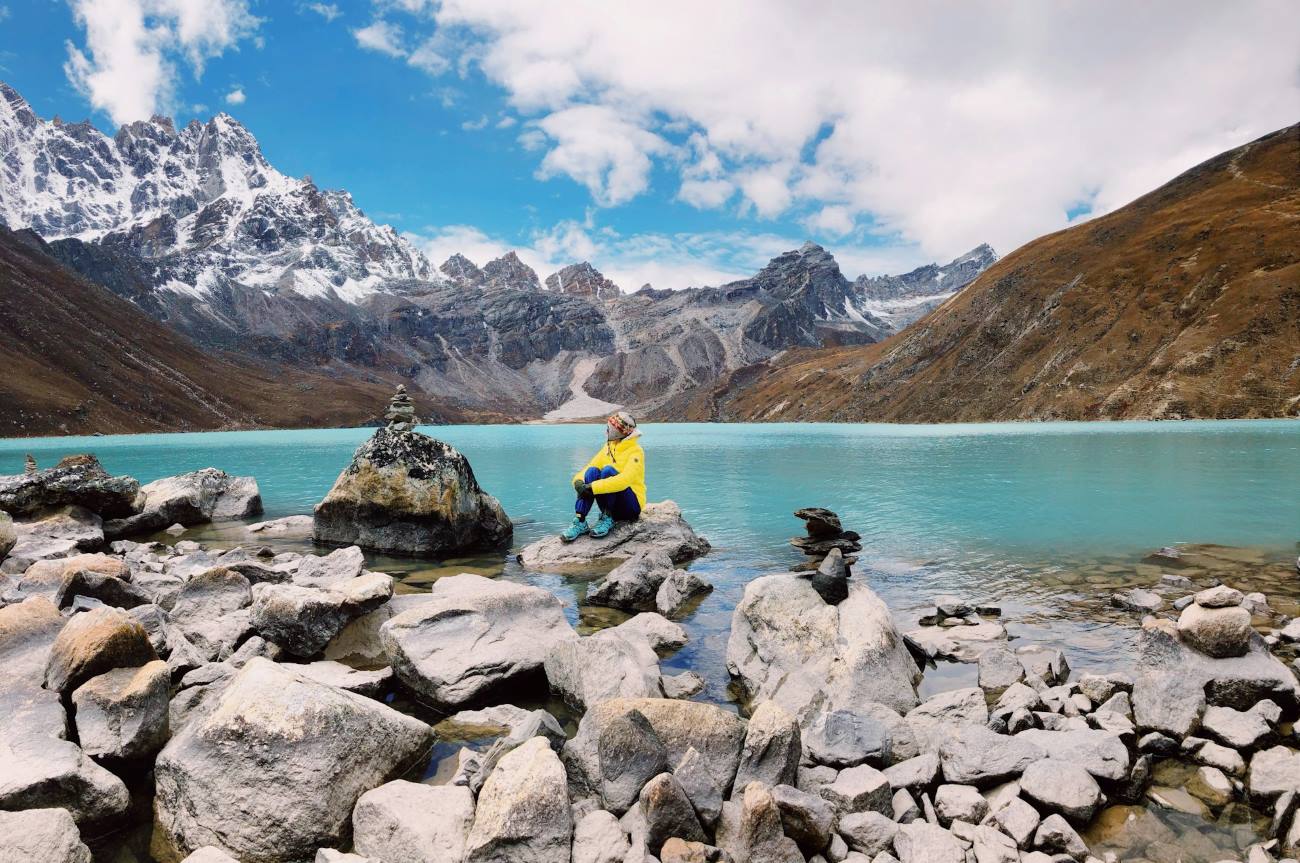
Gokyo Lakes & Cho La Pass: Adds the turquoise lakes of the Gokyo Valley.
-
The Three Passes Trek: The most difficult circuit, crossing Kongma La, Cho La, and Renjo La.
-
Pros: Incredible variety; far fewer crowds than the main trail.
The Historical Route: Jiri to EBC (19–21 Days)
Follow the footsteps of Tenzing Norgay and Sir Edmund Hillary. This “pioneers’ route” starts in the mid-hills and walks into the Khumbu.
-
Pros: Superb physical conditioning and gradual acclimatization.
-
Cons: Requires a long time commitment and high physical endurance.
3. Popular Extensions & Add-ons
If you have a few extra days, you can enhance your journey with these side adventures:
-
Island Peak Climb (6,189m): Combine your trek with an entry-level mountaineering peak. This adds 3–4 days and requires basic climbing gear.
-
Ama Dablam Base Camp: A spectacular half-day detour from Pangboche to see one of the world’s most beautiful mountains up close.
-
Helicopter “Fly-Back”: You can decide mid-trek to fly back to Lukla or Kathmandu from almost any village to save time or avoid the knee-taxing descent.
Which Route is Right for You?
| If you want… | Choose… |
| The quintessential experience | Classic 14-Day Trek |
| To save time and see the views from above | Short Trek + Heli Return |
| Solitude and a challenge | Gokyo Lakes or Three Passes |
| Maximum adventure, minimum time | 1-Day Heli Tour |
Cost and Booking: Secure Your Everest Adventure
With us, we believe in transparent pricing and a seamless booking experience. Our all-inclusive package is designed to let you focus on the mountains while we handle the logistics.
Investment: USD 1,400per person
This price is carefully structured to provide the best value without compromising on safety or quality. Your trek package includes:
-
Accommodation: 3-star hotel stays in Kathmandu and 12 nights in mountain teahouses.
-
Meals: All breakfasts, lunches, and dinners while on the trek.
-
Flights: Round-trip domestic flights between Kathmandu (or Ramechhap) and Lukla.
-
Expert Team: Services of a certified high-altitude guide and professional porters (2:1 ratio).
-
Permits: All necessary fees, including the Sagarmatha National Park entry and Khumbu Rural Municipality permit.
Group Savings: Planning to trek with others? We offer special group discounts for families, groups of friends, or travel clubs. Contact us for a custom quote for your party.
Simple 4-Step Booking Process
Securing your place on the trail is straightforward and can be completed in just a few minutes:
-
Choose Your Dates: Select a date from our Guaranteed Departure Schedule or contact us to arrange a Private Trek tailored to your timeline.
-
Secure Your Spot: Pay a 20% deposit online via our secure payment gateway (all major credit cards accepted). You also have the option to pay the full amount upfront.
-
Submit Documents: Send us a digital copy of your passport. This is essential for us to pre-book your Lukla flight tickets and process your trekking permits immediately.
-
Get Confirmation: Once confirmed, you will receive a comprehensive Trip Briefing Pack, a detailed packing list, and our 24/7 support contact information.
Ready to Begin?
The journey of a lifetime is just a few clicks away. Whether you have more questions or are ready to lock in your 2026 trekking dates, we are here to help.