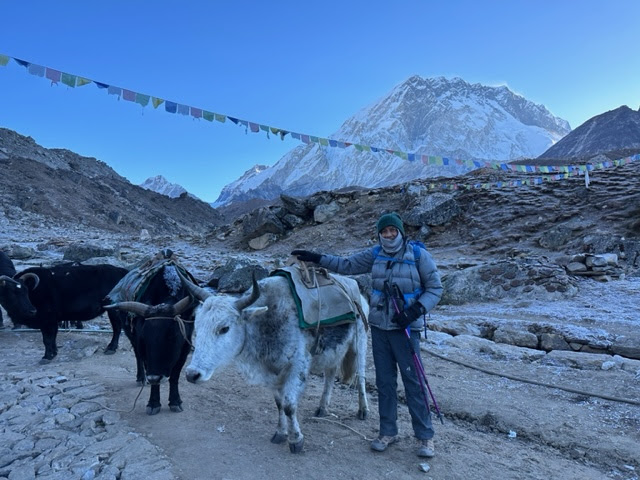
Master the Journey: The Ultimate EBC Trek Guide
The air in the Himalayas doesn’t just feel thinner; it feels alive with the scent of juniper incense and the distant ring of yak bells. Are you ready to stand at the foot of the world’s highest peak? Whether you’ve been dreaming of the Khumbu Valley for years or recently felt the pull of the mountains, embarking on an EBC Trek Guide is more than just a hike—it’s a transformative pilgrimage through the heart of the Sagarmatha National Park.
But let’s be honest: a journey to Everest Base Camp isn’t something you simply “show up” for. You likely have a dozen tabs open right now, wondering about the physical difficulty, the complexity of permits, or how to properly prepare for the Everest Base Camp altitude. We’ve all been there—feeling that mix of electric excitement and “am I actually ready for this?” nerves.
In this comprehensive guide, we are going to strip away the mystery of the trail. We’ll walk you through:
-
The best itinerary to ensure safe acclimatization.
-
How to immerse yourself in the rich traditions of the Sherpas.
-
Practical travel logistics, from landing in Kathmandu to the legendary flight to Lukla.
From the vibrant, terraced hillsides to the spiritual stillness of Buddhist monasteries, we’ve designed this resource to be your definitive companion. So, lace up your boots and take a deep breath—your journey to the top of the world begins right here.
The Foundations of Your Everest Base Camp Adventure
Before you ever set foot on a plane, you have to ask yourself: are you truly prepared for the “Roof of the World”? It is easy to get swept up in the stunning photography of the Himalayas, but the Everest Base Camp journey begins long before you reach the trail. Success in the Khumbu Valley is built on a foundation of smart planning and realistic expectations.
Assessing Trekking Difficulty: What Are You Really Signing Up For?
Is the trek hard? The honest answer is: it depends on your preparation. While you don’t need to be a professional mountaineer, the difficulty lies in the endurance required to hike for two weeks straight.
-
The Vertical Challenge: You’ll be gaining thousands of meters in elevation, often on rocky, uneven terrain.
-
The Oxygen Factor: Physical exertion feels twice as heavy when there is 50% less oxygen available than at sea level.
-
The Mental Test: Can you handle basic teahouses and long days of walking? Your mindset is just as important as your leg strength.
The Ideal Itinerary: Why You Can’t Rush Greatness
We often see trekkers trying to shave days off their itinerary to save money or time. This is the biggest mistake you can make. A standard 12–14 day trekking duration isn’t just a suggestion; it is a physiological necessity for acclimatization.
-
Safety First: Extra days allow your body to produce more red blood cells to carry oxygen.
-
Enjoyment: Do you want to suffer through a headache, or do you want to enjoy the view?
-
Flexibility: Mountain weather is unpredictable. A buffer day in your schedule can be the difference between reaching the base camp and turning back due to a closed airport.
Total Cost Breakdown: Investing in Your Experience
What does a dream like this actually cost? While trekking in Nepal is generally affordable compared to the Alps or the Rockies, the expenses add up when you are in a remote wilderness.
-
Flights and Transport: Budget for the round-trip flight from Kathmandu to Lukla.
-
Daily Expenses: Expect to spend between $30–$50 USD per day on food and a bed in a teahouse trek setting.
-
The “Luxury” Tax: Higher up, simple things like a hot shower, charging a camera, or a Wi-Fi card come with an extra fee.
Best Trekking Seasons: Timing Your Triumph
When should you go? Timing is everything when it comes to mountain views and trail safety.
-
Spring (March to May): You’ll share the trail with climbers aiming for the summit. The weather is warmer, and the rhododendrons are in full bloom.
-
Autumn (September to November): This is the gold standard for best trekking seasons. The monsoon has washed away the dust, leaving the air incredibly crisp and the views of the peaks razor-sharp.
Are you ready to turn these foundations into action? Let’s look at the specific paperwork and logistics you’ll need to handle before the fun begins.
Pre-Trip Logistics and Essential Documentation
Now that you’ve committed to the journey, it’s time to talk about the “boring” stuff that makes the “exciting” stuff possible. Have you ever stood in an international airport realizing you missed a single, crucial stamp? It’s a sinking feeling we want you to avoid. Navigating the travel logistics of Nepal requires a bit of patience, but once you have your ducks in a row, the path to the mountains opens up beautifully.
Securing Your Visa and Permits: The Keys to the Kingdom
Entering the Everest region isn’t as simple as just showing up with a backpack. Because you’ll be wandering through the protected Sagarmatha National Park, there are specific permits you must obtain to keep your journey legal and support local conservation.
-
Nepal Entry Visa: You can typically get this on arrival at the airport in Kathmandu. Pro tip: Fill out the online form ahead of time to skip the longest queues!
-
Khumbu Pasang Lhamu Rural Municipality Entrance Permit: This is the local fee that replaced the old TIMS card for most trekkers.
-
Sagarmatha National Park Entry Permit: This is essential for entering the UNESCO World Heritage site where Everest lives.
-
Keep Them Handy: I recommend keeping physical copies of these in a waterproof folder in your daypack. You will be asked to show them at various checkpoints along the trail!
Arrival in Kathmandu: Your High-Altitude Launchpad
Think of Kathmandu as your final rehearsal. This vibrant, chaotic, and beautiful city is where you’ll do your final gear checks and soak up the last bit of “city comfort” before heading into the wild.
-
Gear Audit: Did you forget a down jacket? Don’t panic. The Thamel district is packed with shops where you can buy or rent quality gear for a fraction of the price back home.
-
The Briefing: If you’ve booked guided tours, this is when you’ll meet your lead guide for a final safety briefing.
-
Currency Exchange: While some places take cards, the mountains run on cash. Stock up on Nepalese Rupees here, as ATMs in the mountains are notoriously unreliable.
The Flight to Lukla: An Adventure in Itself
Is the flight to Lukla as scary as the YouTube videos suggest? It’s certainly an adrenaline rush! This short flight takes you from the capital to the gateway of the Everest region, landing on a short, uphill runway carved into the side of a mountain.
-
Weather Delays: Be prepared for the “Lukla Wait.” Flights only take off when visibility is perfect. Always build a “buffer day” into your itinerary to account for potential mountain fog.
-
The View: Sit on the left side of the plane when flying from Kathmandu for your first glimpse of the Himalayan giants.
Choosing Your Support: To Guide or Not to Guide?
One of the biggest questions we get is: “Should I go with independent trekking or hire a professional?”
-
The Guided Experience: Perfect if you want someone else to handle the teahouse trek bookings, navigation, and health monitoring. It’s also a fantastic way to learn about local culture directly from the Sherpas.
-
Going Independent: This offers maximum freedom and can reduce your cost, but the responsibility for safety and logistics falls entirely on your shoulders.
Whichever you choose, remember that hiring a local porter or guide isn’t just about making your life easier—it’s a direct and vital contribution to the local mountain economy. Ready to see what actually goes into that backpack? Let’s talk gear.
trategic Packing Lists for High-Altitude Success
Have you ever tried to zip up a suitcase and thought, “Am I forgetting something that might literally save my life?” When it comes to the Khumbu Valley, your packing list is more than just a list of clothes—it is your mobile life-support system. The secret to a successful Everest Base Camp trek isn’t bringing more gear; it’s bringing the right gear. Let’s break down how to pack like a pro without weighing yourself down.
The Core Packing List: Mastering the Layering System
In the Himalayas, you can experience four seasons in a single afternoon. How do you stay comfortable when it’s sweating-hot in the sun and freezing in the shade? You layer.
-
The Base Layer: Opt for moisture-wicking merino wool. It keeps you dry and, crucially, stays relatively odor-free after four days of trekking.
-
The Mid Layer: A high-quality fleece or a “puffy” down jacket is your best friend. This traps your body heat when the sun dips behind a 7,000-meter peak.
-
The Outer Shell: You need a breathable, waterproof, and windproof jacket. This is your shield against the biting Himalayan wind.
Footwear and Hardware: Your Tools for the Trail
Your feet are your most valuable asset. If they fail, the journey ends. Are your boots truly broken in yet?
-
The Boots: Invest in high-top, waterproof trekking boots with a stiff sole. Wear them for at least 50 miles before arriving in Kathmandu to avoid trail-ending blisters.
-
Trekking Poles: Don’t let pride get in the way of your knees. Poles reduce the impact on your joints by up to 25%—a lifesaver on the steep descents after reaching the Everest Base Camp altitude.
-
The Daypack: A 30L pack with a rain cover is perfect. You’ll carry your water, snacks, layers, and camera, while your porter (if you have one) carries the rest.
Tech and Power: Staying Charged in the Clouds
Staying connected during a teahouse trek is easier than it used to be, but it still requires a strategy.
-
Power Banks: Batteries drain faster in the cold. Bring at least two high-capacity power banks. Charging at teahouses in Lobuche or Gorak Shep can be expensive and slow.
-
Universal Adapters: While many places use standard European or Indian plugs, a universal adapter ensures you’re never left in the dark.
-
Offline Maps: Download your trekking maps and guidebook onto your phone for those moments when the mountain Wi-Fi inevitably fails.
Medical Essentials: Your High-Altitude Toolkit
Beyond standard band-aids, your medical kit needs to be specifically tuned for the mountains.
-
Altitude Sickness Prevention: While we’ll dive deeper into safety later, having a supply of Diamox (Acetazolamide) and knowing how to use it is a common part of most packing lists.
-
Water Purification: Save money and the environment! Bring a Grayl filter or Chlorine dioxide drops. Buying bottled water at 5,000 meters is costly and adds to the plastic waste in the Sagarmatha National Park.
-
The “Himalayan Drugstore”: Include rehydration salts, ibuprofen, and a broad-spectrum antibiotic (consult your doctor first).
Think you’ve got it all? Double-check your weight! Most domestic flights to Lukla have a strict weight limit (typically 15kg total). Once your bag is packed, it’s time to actually step onto the trail and witness the incredible culture of the Everest region.
Life on the Trail: Routes and Cultural Landmarks
Have you ever wondered what it feels like to walk through a living museum? Beyond the jagged peaks and the thin air, the Khumbu Valley is defined by a culture that is as resilient as the mountains themselves. This isn’t just a hike; it is an immersion into the spiritual and daily lives of the Sherpas. As you move from one village to the next, you’ll find that the “path” is actually a network of ancient trails connecting centuries-old traditions.
The Classic Route vs. Route Variations: Choosing Your Path
While the standard path from Lukla is the most popular, did you know there are multiple ways to reach the base of the world’s tallest mountain? Your choice changes the entire “flavor” of your itinerary.
-
The Classic Teahouse Trek: Starting in Lukla, this is the most direct route, perfect for those with a standard trekking duration of 12–14 days.
-
The Pioneers’ Path: Starting from Jiri, this “walk-in” route adds about 5–7 days of lush, lower-altitude hiking. It offers incredible acclimatization benefits and a glimpse into rural Nepali life away from the main crowds.
-
The Three Passes Trek: For the true adventurer, this loop crosses high-altitude passes like Kongma La and Cho La. It is physically demanding but offers the most comprehensive view of the Sagarmatha National Park.
Namche Bazaar and Tengboche Monastery: The Heart of the High Himalaya
As you ascend, you’ll encounter landmarks that stay with you long after you’ve returned home.
-
Namche Bazaar: This horseshoe-shaped town is the unofficial capital of the Khumbu. It’s where you’ll spend your first acclimatization days, perhaps sipping a coffee at the world’s highest Irish Pub or browsing local handicrafts.
-
Tengboche Monastery: Perched on a ridge with a panoramic view of Everest, Lhotse, and Ama Dablam, this is the spiritual soul of the region. If you time your visit right, you might hear the deep, rhythmic chanting of monks during afternoon prayers.
-
Pheriche and Lobuche: These higher settlements offer a grittier, more rugged experience. Here, the trees disappear, and the landscape turns into a dramatic, lunar-like expanse of rock and ice.
The Teahouse Experience: Comfort in the Clouds
What is a teahouse trek actually like? Forget five-star hotels; here, luxury is defined by a warm stove and a steaming bowl of garlic soup.
-
Communal Living: Most teahouses feature a central dining room heated by a yak-dung stove—the social hub where trekkers from across the globe swap stories.
-
The Menu: You’ll quickly learn that Dal Bhat (lentil soup and rice) is the “power fuel” of the Himalayas. It’s nutritious, filling, and comes with free refills!
-
Sleeping Quarters: Expect simple, unheated twin rooms. This is where that high-quality sleeping bag from your packing list earns its keep.
Spiritual Landscapes: Respecting Local Traditions
You are a guest in a sacred landscape. How do you ensure your presence is respectful?
-
Mani Walls and Prayer Wheels: You will encounter stones carved with Tibetan Buddhist mantras. Always pass these on the left (clockwise) out of respect for local tradition.
-
The Khumbu Icefall: From the upper reaches of Gorak Shep, you’ll see the shifting blue ice of the glacier. It is a sobering reminder of the power of nature and the bravery of the mountain workers who navigate it.
By the time you reach the higher altitudes of the Khumbu Valley, the landscape changes from green forests to stark, high-alpine tundra. But as the scenery grows more harsh, the importance of safety becomes paramount. Let’s talk about how to stay healthy as the air gets thin.
Health, Safety, and the Ascent to Base Camp
As the jagged peaks of the Khumbu Valley begin to tower over you, the excitement is palpable—but so is the thinning air. Have you noticed your breath coming a little shorter? That’s the mountain reminding you who is in charge. Reaching the Everest Base Camp altitude of 5,364 meters is a monumental achievement, but the real victory is getting there safely and feeling strong enough to actually enjoy the view.
Acclimatization Protocols: Why Slow and Steady Wins the Race
If there is one thing I want you to remember, it’s that your body is a marvel of adaptation—it just needs time. We don’t “conquer” the mountain; we ask it for permission to pass. This is why strategic rest days in villages like Namche Bazaar and Pheriche are non-negotiable parts of your itinerary.
-
The “Climb High, Sleep Low” Rule: During your acclimatization days, your guide will likely take you on a short, steep hike to a higher elevation before returning to a lower village to sleep. This “shocks” your system into producing more red blood cells without overtaxing you overnight.
-
Hydration is Your Fuel: You should be drinking 3–4 liters of water daily. Dehydration mimics the symptoms of altitude sickness, so keep that bladder full!
-
Listen to Your Body: A mild headache is common, but if it doesn’t go away with water and rest, it’s a signal you need to pay attention to.
Managing Altitude Sickness: Knowledge is Your Best Defense
What does altitude sickness (AMS) actually feel like? For most, it starts like a bad hangover: a persistent headache, loss of appetite, and trouble sleeping.
-
Early Detection: If you feel nauseous or unusually dizzy, tell your guide immediately. There is no room for “toughing it out” at 5,000 meters.
-
The Descent Rule: The absolute best cure for AMS is descending to a lower altitude. Even a drop of 500 meters can work wonders.
-
Medication: Many trekkers use altitude sickness prevention aids like Acetazolamide (Diamox). While it helps your body adjust faster, it isn’t a magic bullet—you still need to monitor your symptoms closely.
The Final Push: Reaching Everest Base Camp
The trail from Lobuche to Gorak Shep is where the landscape turns truly “otherworldly.” You are walking alongside the massive Khumbu Glacier, a river of ice and rock that feels ancient and alive.
-
The Base Camp Experience: Standing at the prayer-flag-strewn rock that marks Everest Base Camp is a surreal moment. You’ll see the yellow tents of expedition teams and the terrifying beauty of the Khumbu Icefall.
-
The Reality Check: Remember, you can’t actually see the summit of Everest from the Base Camp itself—it’s hidden behind the massive Nuptse ridge. For that iconic view, you have one more challenge ahead.
Kala Patthar Sunrise: The Ultimate Reward
Is it worth waking up at 4:00 AM in sub-zero temperatures to climb a giant hill? Absolutely. Kala Patthar (5,550m) is the highest point most trekkers will reach, and it offers the most famous panoramic view in the world.
-
The View: As the sun rises, it hits the summit of Everest first, turning the peak a brilliant gold while the rest of the world is still in shadow.
-
The Achievement: Standing here, looking out over the giants of the Himalaya, the weeks of training and the cold nights suddenly make perfect sense.
You’ve reached the goal, but the journey isn’t quite over. There are still hidden corners of this range to explore and essential safety nets to discuss. Are you ready to look beyond the standard trail?
Beyond the Base Camp: Extended Himalayan Challenges
So, you’ve reached the prayer flags of Everest Base Camp—congratulations! But as you stand there, looking at the horizon, do you feel that familiar itch for “just a little bit more”? The Khumbu region is a vast playground, and for those with extra time or a hunger for technical challenges, the classic route is just the beginning. Whether you want to escape the crowds or test your climbing mettle, these extensions turn a great trek into a legendary one.
The Gokyo Lakes Trek: A Turquoise Alternative
If you prefer shimmering glacial lakes over rocky moraines, the Gokyo Lakes Trek is calling your name. Many trekkers consider this the most beautiful valley in the Everest region.
-
The Six Sacred Lakes: Imagine standing beside a chain of six high-altitude lakes, their turquoise water contrasting against the stark white of the surrounding peaks.
-
Gokyo Ri: While Kala Patthar gives you the best close-up of Everest, Gokyo Ri (5,357m) offers a wider panorama that includes four 8,000-meter giants: Everest, Lhotse, Makalu, and Cho Oyu.
-
The Cho La Pass: Want the best of both worlds? You can connect the Gokyo Valley to the main EBC trail by crossing this high-altitude pass. It involves a steep, technical glacier crossing that will certainly get your heart racing!
Taking it Up a Notch: The Island Peak Climb
Are you ready to transition from trekking to mountaineering? Island Peak (Imja Tse) is the most popular “trekking peak” in Nepal for a reason. At 6,189 meters, it offers a true alpine experience without requiring decades of climbing history.
-
Technical Thrills: You’ll get to use crampons, harnesses, and ice axes to navigate a snow-covered summit ridge.
-
The View from the Top: Standing on the summit of Island Peak puts you right in the middle of a massive glacial circus, with the South Face of Lhotse looming directly over you.
Essential Safety Nets: Why Travel Insurance is Non-Negotiable
Let’s have a serious “trail talk” for a moment. In the Himalayas, the unexpected is the only thing you can count on. Have you checked the fine print on your travel insurance lately?
-
The 5,000m Rule: Most standard policies stop covering you once you cross 3,000 or 4,000 meters. For EBC, your policy must explicitly cover trekking up to 6,000 meters.
-
Helicopter Evacuation: A single rescue flight from the Khumbu to Kathmandu can cost between $3,000 and $7,000. Ensure your provider offers “direct billing” so you aren’t stuck trying to find thousands of dollars in cash while dealing with a medical emergency.
-
Search and Rescue: Confirm that your coverage includes “Search and Rescue” as a separate clause from standard medical evacuation.
Navigating Like a Pro: Trekking Maps and Guidebooks
Even with a guide, staying oriented is part of the fun. In 2026, technology is better than ever, but the mountains still love to eat battery life.
-
Digital vs. Paper: Apps like Maps.me or AllTrails are great for offline GPS, but a physical trekking map (like those from National Geographic or Nepa Maps) doesn’t need a charging port.
-
The Modern Guidebook: A good guidebook provides context that a map can’t—explaining the history of the Buddhist monasteries you pass or the significance of the Mani walls along the trail.
Whether you choose the classic path or a rugged high-pass circuit, the Everest region promises a journey that stays in your soul long after your boots have dried. Have these insights helped clarify your path? What part of the Everest adventure are you most excited—or perhaps a little nervous—to tackle?
Your journey to the roof of the world is more than a hike; it’s a testament to your resilience and a deep dive into one of the most storied landscapes on Earth. As we’ve explored, the secret to a successful Everest Base Camp adventure lies in the balance of meticulous preparation and the willingness to slow down. By prioritizing a smart itinerary, respecting the local Sherpa culture, and keeping a watchful eye on acclimatization, you transform a challenging high-altitude trek into a life-changing triumph.
The mountains are waiting, and with this EBC Trek Guide as your roadmap, you’re ready to trade the digital noise for the sound of prayer flags snapping in the wind. Pack your bags, trust your training, and prepare for the moment you finally stand at the base of the world’s highest peak.
Frequently Asked Questions
How difficult is the Everest Base Camp trek for beginners?
The trek is rated as “moderate to strenuous.” You don’t need technical climbing skills or ropes, but you do need solid cardiovascular endurance. If you can comfortably walk 5–7 hours a day on hilly terrain back home, you can succeed here with a slow and steady pace.
When is the best time to trek to EBC in 2026?
The two primary windows are Spring (March to May) and Autumn (September to November). Spring offers blooming rhododendrons and warmer temperatures, while Autumn is famous for having the crispest, most stable skies for photography.
What permits do I actually need?
As of 2026, you primarily need two permits: the Sagarmatha National Park Entry Permit and the Khumbu Pasang Lhamu Rural Municipality Permit. The old TIMS card is no longer required for this specific route, but always check for the latest local regulations in Kathmandu before you fly to Lukla.
How much does the trek typically cost?
A standard 14-day trek generally ranges from $1,300 to $2,500 USD, depending on whether you choose a luxury lodge or a budget teahouse trek. This typically covers your permits, local flights, food, and a guide.
Can I prevent altitude sickness with medication?
While many trekkers use Acetazolamide (Diamox) to aid acclimatization, it is not a substitute for a proper pace. The best prevention is staying hydrated, avoiding alcohol, and following an itinerary that includes rest days in Namche Bazaar and Dingboche.
Is independent trekking still allowed in the Everest region?
While Nepal has implemented stricter rules for many regions, the Khumbu (Everest) region has historically allowed more flexibility. However, as of 2026, hiring a licensed guide is highly recommended for safety and to ensure you can easily navigate the digital permitting systems now in place at trail checkpoints.