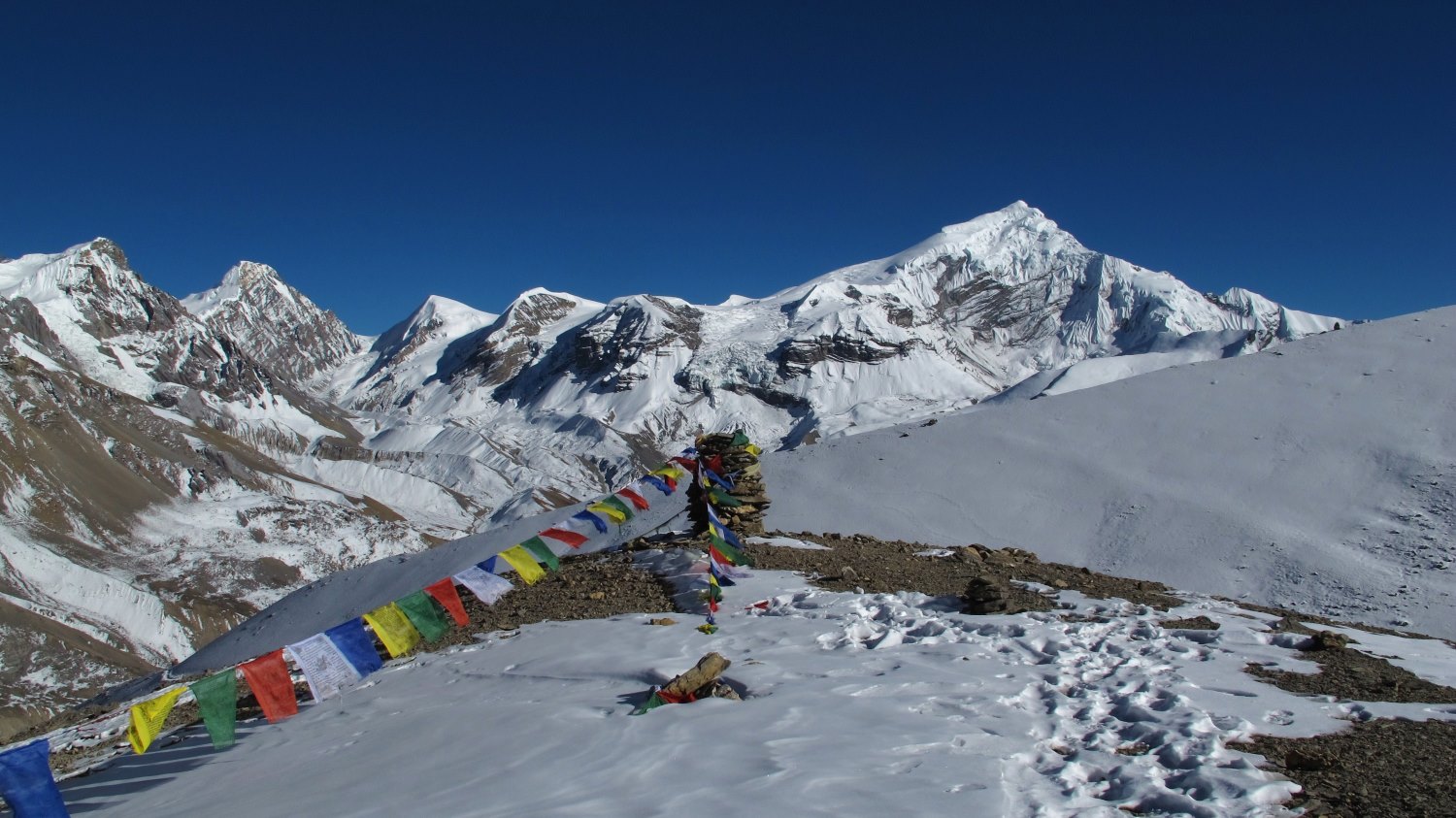
Chulu West Peak Expedition: A Premier Himalayan Climb
Standing at 6,419 meters (21,059 ft), Chulu West Peak is a standout gem within the Chulu massif, which also includes its East, Far East, and Central counterparts. Located north of Manang and towering above the Ghyanchang Khola, it offers a perfect blend of high-altitude trekking and entry-level mountaineering.
While the climb is not considered highly technical, it is physically demanding. Success requires excellent fitness, stamina, and a solid acclimatization strategy.
The Route to the Summit
The journey follows a well-paced progression to ensure safety and peak performance:
-
The Approach: Your adventure begins with a scenic drive to Besisahar and Danakyu (2,190m). From there, you trek through the classic Annapurna circuit hubs of Chame, Pisang, and Manang.
-
Acclimatization: A mandatory rest day in Manang allows your body to adjust to the thinning air before pushing higher.
-
The Camps: * Base Camp (4,800m): After leaving Yak Kharka, you’ll establish base camp northeast of the village. This stop offers another chance to acclimatize while surrounded by the Annapurna massifs.
-
High Camp (5,550m): A steep scramble over rocky terrain leads to a glacier-side camp. Here, you’ll witness spectacular sunrises and undergo essential technical training—mastering crampons, ropes, ascenders, and carabiners.
-
The Summit Push
The final ascent begins under the stars around 2:00 AM. After navigating a rocky trail, you’ll reach the “crampon point” to gear up for the ice and snow. The climb follows the Southeast Ridge, culminating in a triumphant arrival at the peak.
The Reward: A 360 Panorama
From the summit, you are treated to an unparalleled view of the Himalayan giants, including:
-
Annapurna II, III, & IV and Gangapurna
-
Tilicho Peak and Thorung Peak
-
Pisang Peak and the Damodar Himal range
Climber’s Note: Though the technical difficulty is moderate, the high altitude and ridge walking require focus and a steady heart.
Chulu West Peak: 17-Day Mountaineering Expedition
At 6,419 meters (21,059 feet), Chulu West stands as a premier objective for climbers seeking an exhilarating challenge in the heart of the Annapurna region. This 17-day itinerary is meticulously designed to balance rugged high-altitude trekking with the technical demands of a Himalayan summit.
Phase 1: Preparation and the Approach
The expedition begins with essential logistics in Kathmandu, securing necessary permits and organizing gear. The journey into the wild starts with a drive to Besisahar, the gateway to the Annapurna circuit. Over the initial days, the trek winds through diverse landscapes—from lush sub-tropical forests to the high-alpine terrain of Pisang and Manang. These traditional villages, inhabited by the Gurung and Thakali people, provide a rich cultural backdrop and vital stops for physical acclimatization.
Phase 2: Establishing Base Camp
Strategic pacing is the core of this itinerary. As you transition toward Chulu West Base Camp (4,900m), the trail becomes increasingly rugged, crossing moraine fields and rocky paths.
-
Acclimatization: Dedicated rest days are built into the schedule to minimize the risk of Altitude Mountain Sickness (AMS).
-
Skills Refresh: These days also serve as a training ground where climbers practice rope handling and gear management before hitting the ice.
Phase 3: Technical Strategy & The Ascent
Chulu West is a “trekking peak” by name, but a true mountaineering feat by nature. The ascent requires:
-
Technical Mastery: Navigating steep snow and ice slopes using crampons, ice axes, and fixed ropes.
-
Environmental Resilience: Weather in the Annapurnas is famously fickle. Climbers must be prepared to adapt their strategy to shifting winds and sudden snowstorms.
Phase 4: The Summit Push
The “Alpine Start” begins in the freezing darkness well before dawn. This final push is a test of endurance, moving steadily toward the summit ridge as the sun begins to illuminate the surrounding giants. Reaching the 6,419m crest rewards you with a staggering 360-degree panorama of the Annapurna Massif, including Annapurna II and III, and the vast, pristine wilderness of the Annapurna Conservation Area.
Expedition Highlights
| Feature | Detail |
| Max Elevation | 6,419m (21,059 ft) |
| Duration | 17 Days |
| Technical Level | PD+ (Peu Difficile+) / Moderate Mountaineering |
| Key Peaks Visible | Annapurna II, III, IV, Gangapurna, Tilicho Peak |
17-Day Chulu West Peak & Thorong La Pass Expedition
This comprehensive itinerary combines the technical thrill of summiting Chulu West (6,419m) with the iconic trek across the Thorong La Pass. It is a journey designed for maximum acclimatization and visual reward.
Phase 1: The Annapurna Approach
-
Day 01: Kathmandu to Chame (2,670m) A full day’s drive via Besisahar. The transition from the bustling city to the lush forests and roaring rivers of the Annapurna region sets the stage.
-
Day 02: Chame to Pisang (3,200m) Trek through dense pine forests and witness the dramatic curve of the Paungda Danda rock face as the Annapurna range comes into view.
-
Day 03: Pisang to Ngawal (3,660m) Take the upper trail for superior views. Ngawal is a beautiful village that provides excellent “climb high, sleep low” benefits for altitude prep.
-
Day 04: Ngawal to Manang (3,540m) A scenic descent into the wide valley of Manang, a vibrant hub of Himalayan culture and a vital stop for trekkers.
-
Day 05: Manang Acclimatization Day Rest and recover. Options include a hike to Gangapurna Lake or visiting the Himalayan Rescue Association (HRA) for a briefing on high-altitude safety.
Phase 2: The Climbing Period
-
Day 06: Manang to Ledar Phedi (4,200m) The trail climbs steadily out of the valley. The air thins as you move toward the alpine meadows of Ledar.
-
Day 07: Ledar to Chulu West Base Camp (4,900m) Leave the main trail and head into the wilderness. Establish your first tented camp surrounded by Annapurna and Gangapurna.
-
Day 08: Base Camp to Camp I (5,100m) A steep move onto the mountain’s flanks. This shorter day allows for gear preparation and rest before the higher camps.
-
Day 09: Camp I to Camp II (5,530m) The terrain becomes more rugged and technical. This high camp serves as the launchpad for your summit bid.
-
Day 10: Summit Day (6,419m) & Return to Camp I The ultimate challenge. An alpine start leads you to the 6,419m summit for a 360° Himalayan panorama. After celebrating, descend safely back to Camp I.
-
Day 11: Contingency Day A vital buffer day reserved for bad weather or extra recovery. If unused, the schedule can be shortened.
Phase 3: The Thorong La Crossing & Descent
-
Day 12: Camp I to Ledar (4,200m) Return to the comfort of tea houses. Enjoy a well-earned meal and a lower altitude for better sleep.
-
Day 13: Ledar to Thorong High Camp (4,880m) Rejoin the classic circuit route, pushing up to the final camp before the pass.
-
Day 14: Thorong La Pass (5,416m) to Muktinath (3,800m) Cross the world’s highest trekking pass. After the grueling climb, descend into the sacred town of Muktinath, a site of deep spiritual significance.
-
Day 15: Muktinath to Jomsom (2,710m) Trek through the wind-swept Kali Gandaki Valley. The terrain shifts to a desert-like landscape reminiscent of the Tibetan plateau.
Phase 4: Journey Home
-
Day 16: Flight: Jomsom to Pokhara A breathtaking morning flight between the Dhaulagiri and Annapurna massifs. Spend the afternoon relaxing by the lake in Pokhara.
-
Day 17: Pokhara to Kathmandu A scenic drive along the Trishuli River brings you back to the capital, concluding your 17-day Himalayan odyssey.
Chulu West Peak: Permits, Timing, and Expedition Highlights
Planning a successful ascent of Chulu West requires a clear understanding of the seasonal costs and the optimal windows for climbing. Below is the breakdown of the permit structure and the best times to go.
Climbing Permits & Fees
The cost of climbing permits for Chulu West is regulated by the Nepal Mountaineering Association (NMA) and varies significantly by season.
| Season | Months | Permit Fee (Per Person) |
| Spring | March, April, May | USD 250 |
| Autumn | September, October, November | USD 125 |
| Winter | December, January, February | USD 70 |
| Summer | June, July, August | USD 70 |
The Best Time to Climb
While permits are cheaper in the “off-season,” the weather conditions during Spring and Autumn make them the preferred windows for a safe and successful summit.
1. Spring (March – May): The Mountaineer’s Choice
-
Weather: Stable, predictable, and increasingly warm.
-
Visibility: Excellent clarity with clear morning skies.
-
Conditions: Lower risk of heavy snowfall compared to winter, though some snow may remain on the high ridges from the previous season.
2. Autumn (September – November): The Trekker’s Peak
-
Weather: Temperate and crisp. It follows the monsoon, meaning the dust is settled and the air is incredibly fresh.
-
Visibility: Offers the most consistent “crystal-clear” views of the Annapurna massif.
-
Conditions: Cold but manageable temperatures before the deep winter freeze sets in.
Expedition Highlights
A journey to Chulu West is more than just a climb; it is a deep dive into the heart of the Himalayas.
-
Diverse Landscapes: Experience everything from the lush pine forests of Chame to the arid, Tibetan-like terrain of the Kali Gandaki Valley.
-
Cultural Immersion: Visit ancient monasteries, witness mountain Buddhism in practice, and explore the sacred Muktinath Temple.
-
Natural Wonders: Marvel at the turquoise waters of Gangapurna Lake and the massive glaciers that flank the Chulu range.
-
The Scenic Approach: Enjoy the winding drives to Besisahar and Danakyu that transition you from the lowlands to the high peaks.
-
Summit Reward: A unparalleled view of the Annapurna range, Dhaulagiri, and the Damodar Himal.
Essential Gear List for Chulu West Peak
Equipping yourself correctly is the difference between a successful summit and an uncomfortable retreat. The golden rule for Himalayan packing is layering: bringing versatile pieces that can be added or removed as temperatures shift.
You can find all of the following gear for sale or rent in the Thamel district of Kathmandu, though we recommend breaking in your boots before you arrive.
1. Essential Trekking Luggage & Sleep System
-
Duffel Bag (100L–140L): Must be waterproof and durable with a TSA lock. This will hold your main gear and be carried by porters.
-
Daypack (30L–40L): For your daily essentials (water, camera, layers). A model compatible with a CamelBak is highly recommended to keep water from freezing.
-
Sleeping Bag (-20°C / -4°F): Down-filled bags are preferred for their warmth-to-weight ratio. Include a silk or fleece liner for extra hygiene and warmth.
2. Clothing Layers
Upper Body
-
Base Layers: 3x Synthetic t-shirts (moisture-wicking), 2x Merino wool long-sleeves.
-
Mid-Layers: 1x Fleece jacket, 1x Wind shirt.
-
Insulation: 1x Synthetic insulated jacket and 1x heavy Down jacket (for the summit).
-
Head & Hands: Sun hat, fleece hat, “Buff” (for dust/cold), fleece gloves, and heavy insulated gloves.
Lower Body
-
Hiking: 2x Trekking pants, 2x thermal underwear trousers, 1x waterproof shell pants.
-
Footwear: Sturdy trekking boots (broken in!), lightweight camp shoes or slippers, and several pairs of cotton and wool hiking socks.
3. Technical Climbing Gear (Specific to Chulu West)
This specialized equipment is required for the move from High Camp to the Summit:
-
Boots: Double-insulated mountaineering boots.
-
Hardware: Climbing harness, Crampons (fitted to your boots), and an Ice Axe.
-
Technical Tools: Ascender (Jumar), Belay device (e.g., Black Diamond ATC XP), 2x Locking D-shaped carabiners, and non-locking carabiners.
-
Protection: Climbing helmet, snow goggles (UV protection is critical), and high-altitude gaiters.
-
Outer Shell: Synthetic insulated pants and a waterproof shell jacket.
4. Miscellaneous & Health
| Item | Why you need it |
| Water Treatment | Steripen, Iodine, or Chlorine tablets (plus juice powder to mask the taste). |
| Sun Protection | SPF 40+ Sunscreen and Lip Balm (high-altitude sun is intense). |
| Hygiene | Body wipes, dry camp towel, hand sanitizer, and toilet paper. |
| First Aid | Diamox (altitude), Imodium (stomach), Ibuprofen, and throat lozenges. |
| Electronics | Headlamp with extra batteries, Power bank (solar chargers work well), and Camera. |
| Comfort | Earplugs (for noisy tea houses) and a Pee-bottle (to avoid cold midnight trips outside). |
Pro-Tip: The Zip-Lock Method
Use various sizes of Zip-lock bags to organize your duffel. They keep your clean clothes dry, separate your “smelly” laundry, and make finding small items like chargers or meds much easier in a dark tent.
Chulu West Peak Climbing: The Ultimate 2026 Expedition
Rising from the Damodar Himal Range within the pristine Manang Valley, Chulu West Peak (6,419m) stands as one of the most prestigious trekking peaks in the Annapurna Region. While classified as technically straightforward, its steep summit ridge and high altitude make it a formidable challenge that rewards climbers with a true Himalayan mountaineering experience.
Chulu West is the ideal “stepping stone” for mountaineers aiming for future 7,000m and 8,000m expeditions, offering a perfect environment to hone high-altitude stamina and technical skills.
Why Choose Chulu West?
-
A “True” Mountain Experience: Navigating rugged rock faces and frozen ice fields requires focus, caution, and physical grit.
-
The Gateway to Wilderness: The trail winds through the Marsyangdi and Manang valleys, where lucky trekkers may spot rare wildlife like the Red Panda, Musk Deer, or Himalayan Black Bear.
-
Cultural Grandeur: Immerse yourself in the admirable traditions of the local ethnic communities, visiting ancient monasteries and remote high-altitude villages.
-
Surreal Landscapes: From lush green forests and vibrant floral blooms to the stark, dramatic glaciers of the Annapurna massif, the scenery is constantly evolving.
Preparation for the 2026 Season
Climbing at 21,000+ feet demands more than just enthusiasm; it requires a disciplined approach to preparation:
-
Physical Endurance: Focus on cardiovascular health and strength training. You must be comfortable walking 6–8 hours a day on uneven, steep terrain.
-
Mental Fortitude: High-altitude environments are unpredictable. Being mentally prepared for isolation, changing weather, and the thin air of the “death zone” periphery is essential for a safe trip.
-
Acclimatization: Success on Chulu West is built on a slow, steady ascent. Never underestimate the power of the altitude.
Seasonal Guide: When to Climb
The window for a successful summit is narrow. For the 2025/2026 seasons, we recommend the following periods:
| Season | Months | What to Expect |
| Spring | March – May | Vibrant blossoms, warmer climbing temperatures, and crystal-clear glacial lakes. |
| Autumn/Early Winter | Sept – Early Dec | Stable weather, fresh post-monsoon air, and the most dramatic views of the snow-capped Chulu range. |