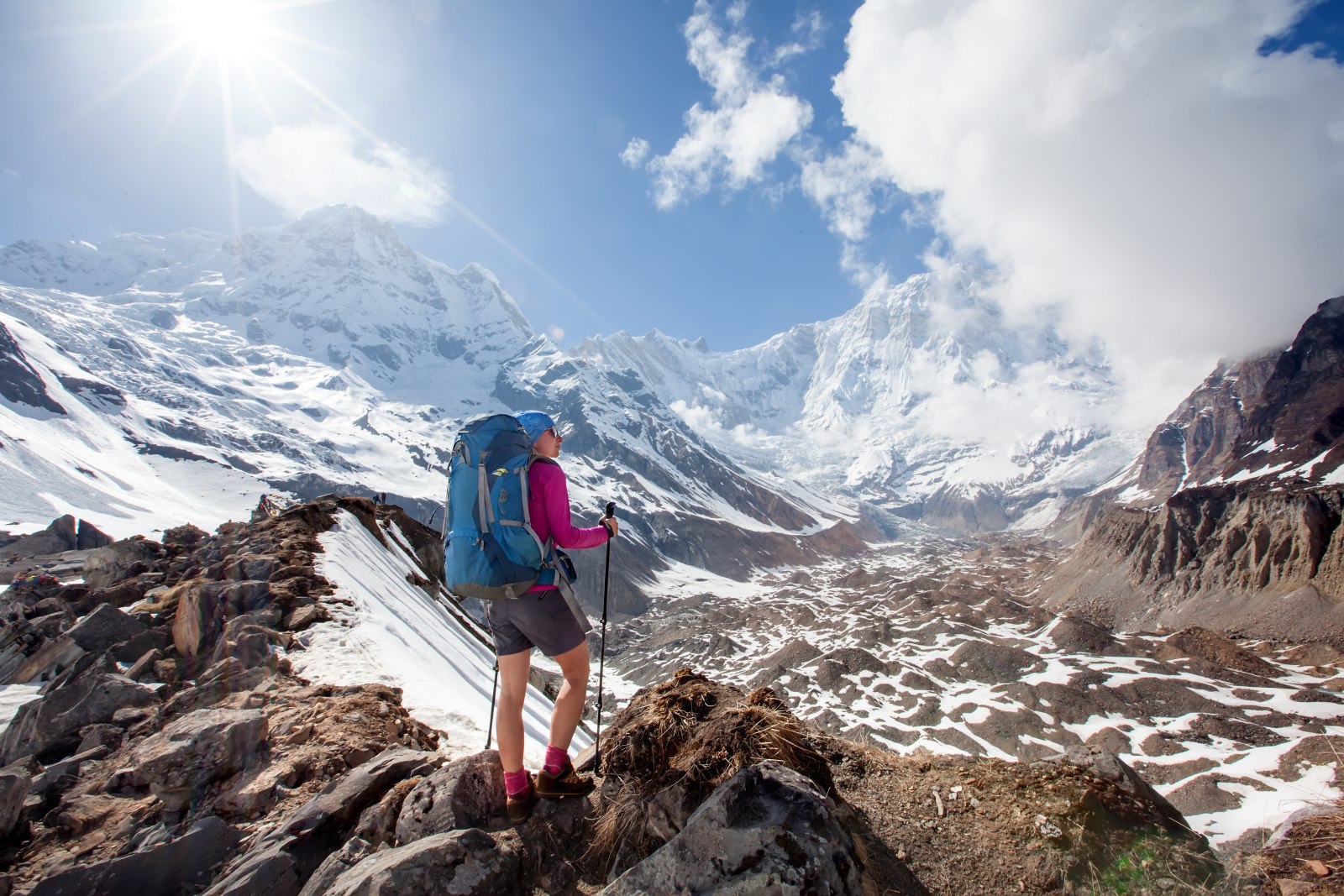
Annapurna Base Camp Trek: The Ultimate Beginner’s Guide to a Himalayan Adventure
The Himalayas have long been the ultimate siren song for adventurers, but for many, the dream of trekking in Nepal feels gated behind years of professional mountaineering experience. Enter the Annapurna Base Camp Trek—a journey that proves you don’t need to be an elite athlete to stand in the shadow of giants.
At a final altitude of 4,130 meters, this trek offers a moderate challenge that perfectly balances raw adventure with accessible comfort. If you’ve been dreaming of high-altitude trails, this is the perfect beginners guide to your first trekking experience.
Why Choose ABC for Your First Trekking Experience?
The Annapurna region is legendary for its diversity. Within just a few days of walking, you transition from subtropical heat to alpine glaciers.
-
Mountain Vistas: You’ll get up-close views of Annapurna South, Hiunchuli, and the iconic “Fishtail” peak, Machhapuchhre.
-
Cultural Encounters: This isn’t just a walk in nature; it’s a walk through history. You’ll experience warm hospitality in charming villages inhabited by the Gurung and Magar communities.
-
Natural Diversity: The trail winds through vibrant terraced fields and ancient rhododendron forests that turn bright red and pink during the blooming season.
The Route Overview: From Pokhara to the Sanctuary
Most adventures begin in Pokhara, Nepal’s scenic lakeside city. From here, a short drive takes you to the trailhead at Nayapul.
The real test for beginners often starts early with the climb to Ulleri—a village famous for its 3,000+ stone steps. While demanding, these steps lead you into the heart of the Annapurna Sanctuary. The climax of the trek involves passing through Machhapuchhre Base Camp before the final, breathtaking push to Annapurna Base Camp itself.
Planning and Preparation
The Best Time to Trek
Timing is everything in the Himalayas.
-
Spring (March–May): Expect lush green trails and blooming flowers.
-
Autumn (September–November): This is the gold standard for trekking. After the monsoon, the air is crisp, providing stable weather and the most panoramic views.
Permits and Trekking Cost
To enter this protected area, you need two essential documents: the Annapurna Conservation Area Permit (ACAP) and the Trekkers’ Information Management System (TIMS) card. The total trekking cost varies based on your choice of guide and gear, but generally, it is one of the most budget-friendly high-altitude treks in the world.
Physical Preparation and Health
While you don’t need to be a marathon runner, fitness preparation is key to enjoying your trip rather than just surviving it.
-
Endurance: Focus on cardio (swimming, cycling, or jogging) at least three months before you depart.
-
Acclimatization: At 4,130 meters, the air is thin. The secret to avoiding altitude sickness is a slow, steady pace. Listen to your body and never skip acclimatization days.
Essential Gear and Packing Tips
Packing light but smart is an art form.
-
Clothing: Use a layering system. You’ll want moisture-wicking base layers, a warm fleece, and a high-quality down jacket for the freezing nights at base camp.
-
Footwear: Your footwear is your most important investment. Ensure you have sturdy, waterproof hiking boots that are well broken-in to avoid blisters.
-
Trekking Equipment: Don’t overlook the value of trekking poles; they save your knees during the steep descents from Ulleri.
Life on the Trail: Accommodation and Facilities
One of the best parts of the Annapurna experience is the “Tea House” culture.
-
Accommodation: You’ll stay in locally-run tea houses or lodges. While basic, they offer a warm bed and a communal space to swap stories with other travelers.
-
Food and Water: You’ll live on “Dal Bhat” (lentils and rice)—the ultimate fuel for trekkers. For hydration, always use water purification tablets or filters to protect the environment from plastic bottle waste.
-
Communication: Surprisingly, you’ll find internet coverage in many lower-altitude villages, though it becomes spotty as you climb higher.
Key Considerations for a Safe Journey
Safety should always be your priority. Current regulations in Nepal now require most foreign trekkers to hire a licensed guide. This not only ensures you don’t get lost but also enriches your trip with local lore and ensures you follow “Leave No Trace” principles to protect the Annapurna region.
Conclusion
The Annapurna Base Camp Trek is more than just a hike; it’s a rite of passage. For a beginner, it offers the perfect introduction to the Himalayan landscapes without the technical difficulty of higher peaks. With the right preparation, a respect for the mountains, and a pair of sturdy boots, you can stand at the foot of some of the highest mountains on Earth.