The Complete Guide to Trekking in Nepal: 8 Best Treks for 2025/2026
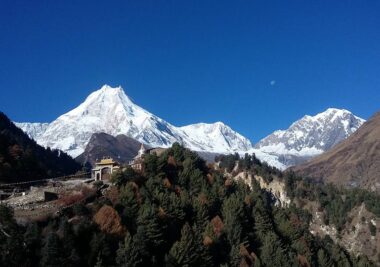
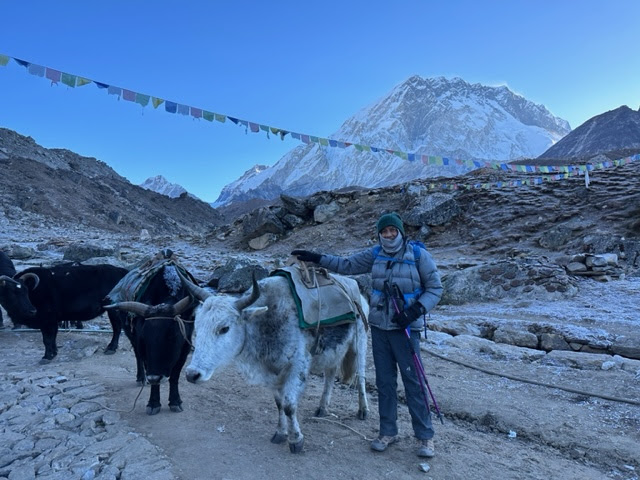
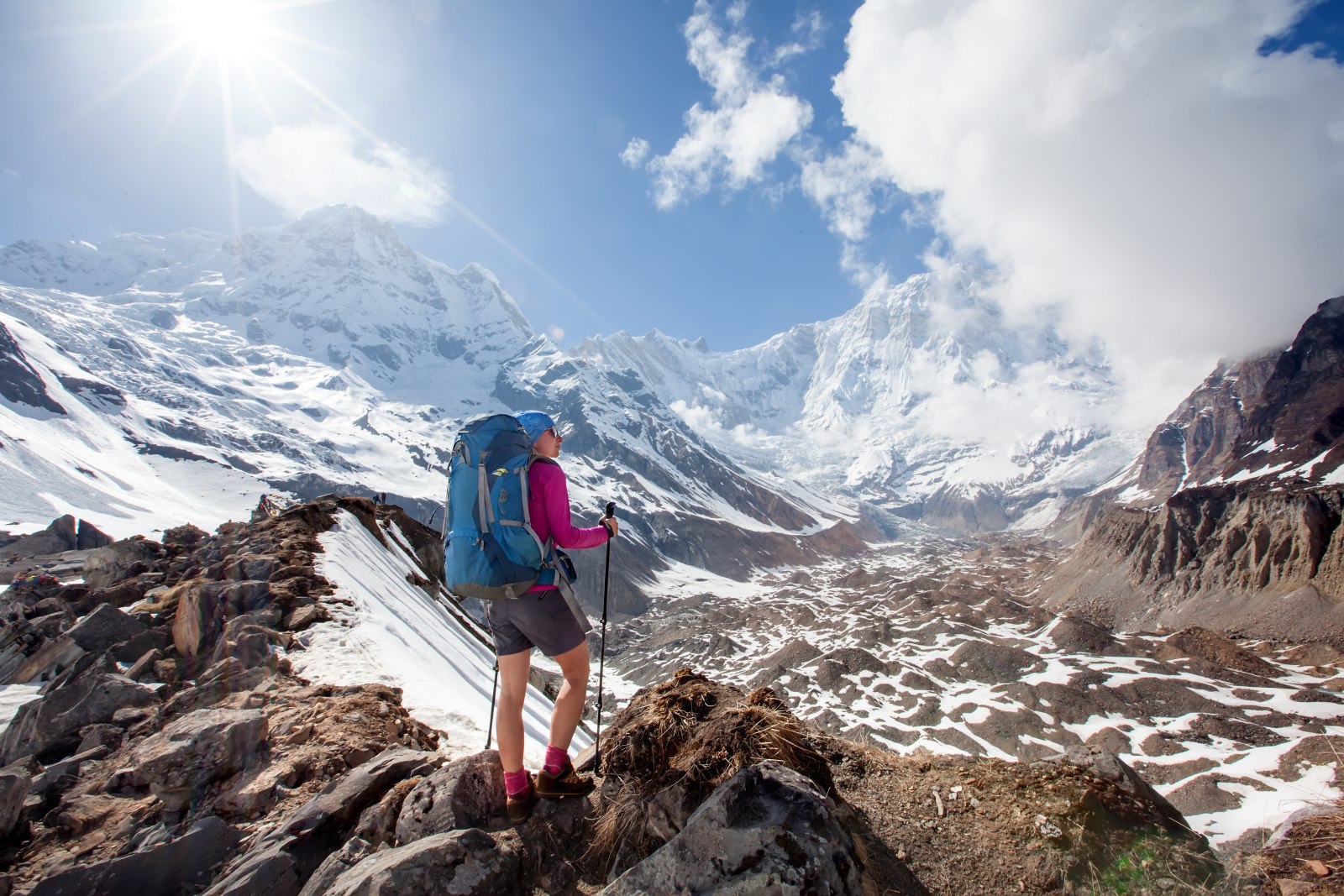
Nepal is a singular destination. It’s a land where the world’s tallest mountains—eight of the 14 peaks above 8,000 meters—create a backdrop for cultural journeys through ancient Buddhist kingdoms, terraced farmlands, and rhododendron forests. Whether you have a long weekend or a month to spare, there is a perfect trek waiting for you.
Why Choose a Short Trek in Nepal? (3-8 Days)
More than 60% of trekkers in Nepal now choose routes under 10 days. Short treks are ideal for families, first-time hikers, or travelers who can’t take weeks off work. You still get stunning sunrise views over 7,000m peaks, authentic village stays, and the sense of Himalayan adventure—just in a compact timeframe.
Most short treks begin within hours of Kathmandu or Pokhara, keep you below 4,000m (reducing altitude risk), and use the famous teahouse system for accommodation and meals.
1. Ghorepani Poon Hill Trek
-
Duration: 4-5 days
-
Max Altitude: 3,210m (Poon Hill viewpoint)
-
Difficulty: Easy to Moderate
-
Best Season: March-May, Sept-Dec
-
Starting Point: Nayapul (1 hour from Pokhara)
-
Cost (approx): $710 USD (guide, permits, teahouses)
Why it’s #1 for beginners: The Poon Hill Trek is widely considered the best short trek in Nepal. The main event is a pre-dawn hike to Poon Hill, where the sunrise illuminates a stunning panorama of Mt. Dhaulagiri (8,167m), the entire Annapurna range (I-IV), Machhapuchhre (Fishtail), and Himchuli. The trail passes through traditional Magar and Gurung villages where locals have lived for generations. In spring, the trail explodes with red, pink, and white rhododendron blooms.
2. Mardi Himal Trek
-
Duration: 5 days
-
Max Altitude: 4,200m (Base Camp)
-
Difficulty: Easy to Moderate
-
Best Season: March-May, Sept-Dec
-
Starting Point: Kande (drive from Pokhara)
-
Cost (approx): $1,475 USD
Why it’s special: Mardi Himal is the hidden gem of the Annapurna region. It offers closer, more dramatic views of Machhapuchhre than any other trek, without the crowds of Poon Hill. The trail winds through dense oak and rhododendron forests, past wobbly suspension bridges, and up to a high ridge that feels like the top of the world. You can stop at the High Camp or push on to Mardi Himal Base Camp at 4,500m. Teahouses here are cozier and less commercialized.
3. Everest View Trek
-
Duration: 5-7 days
-
Max Altitude: 3,880m (Tengboche)
-
Difficulty: Easy to Moderate
-
Best Season: March-May, Sept-Dec
-
Starting Point: Lukla (30-min flight from Kathmandu)
-
Cost (approx): $1,190 USD
A taste of the Khumbu: This is the perfect trek for anyone who wants to see Mt. Everest without the 12-day commitment. You’ll take the thrilling flight to Lukla, trek through Phakding and Namche Bazaar (the bustling Sherpa capital), and reach Tengboche Monastery—the spiritual center of the Khumbu. From Tengboche, you get incredible views of Everest, Ama Dablam, Nuptse, and Lhotse. You’ll spin prayer wheels, stay in authentic Sherpa villages, and learn how people have lived in the high Himalayas for centuries.
4. Langtang Valley Trek
-
Duration: 8 days
-
Max Altitude: 5,050m (Kyanjin Ri)
-
Difficulty: Easy to Moderate
-
Best Season: March-May, Sept-Dec
-
Starting Point: Syabrubesi (6-7 hour drive from Kathmandu)
-
Cost (approx): $750 USD
The valley of glaciers: Just 19 miles from Kathmandu, Langtang is Nepal’s third most popular trekking region. You’ll walk through Langtang National Park, home to rare red pandas, monkeys, and over 250 bird species. The trail follows the Langtang River through oak, maple, and pine forests to the village of Kyanjin Gompa (3,870m). From there, climb Kyanjin Ri or Tserko Ri for jaw-dropping views of Langtang Lirung (7,227m) and Ganesh Himal. Don’t miss the local yak cheese—made fresh in Swiss-style factories.
5. Kathmandu Valley Trek (Shortest Option)
-
Duration: 3 days
-
Max Altitude: 2,100m (Nagarkot)
-
Difficulty: Easy
-
Best Season: March-May, Sept-Dec
-
Starting Point: Sundarijal (1 hour from Kathmandu)
-
Cost (approx): $350 USD
No altitude, no problem: This is the perfect escape from Kathmandu’s busy streets. You’ll start at Sundarijal Waterfall, enter Shivapuri National Park, and walk through lush forests and terraced farmlands to the hilltop village of Nagarkot. The sunrise from Nagarkot is spectacular, with views stretching from Langtang Lirung to Everest on clear days. The trek ends at the Changunarayan Temple, a UNESCO World Heritage site and the oldest Hindu temple in the Kathmandu Valley.
The Iconic Long Treks (10-21 Days)
For those with more time and a desire for a real physical challenge, these classic treks are legendary for good reason.
6. Everest Base Camp (EBC) Trek
-
Duration: 12 days (short itinerary)
-
Max Altitude: 5,545m (Kala Patthar)
-
Difficulty: Moderate to Strenuous
-
Best Season: March-May, Sept-Dec
-
Starting Point: Lukla
-
Cost (approx): $1,525 USD
-
Total Distance: ~123 km
The #1 trek on the planet: As Andy Moore, founder of EverTrek, says: “What more can be said about one of the best treks on the planet? If there is one trip that you should do before you ‘kick the bucket’, this is it!”
The EBC trek follows in the footsteps of Hillary, Tenzing, and Mallory. You’ll trek through Sagarmatha National Park, cross high suspension bridges over the Dudh Kosi River, and acclimatize in Namche Bazaar. Key highlights include:
-
Tengboche Monastery (3,867m): The spiritual heart of the Khumbu, with stunning views of Ama Dablam.
-
Dingboche (4,410m): A windswept village with a hike up Nangkartshang Peak for acclimatization.
-
Everest Base Camp (5,364m): Standing on the Khumbu Glacier at the foot of the world’s highest mountain.
-
Kala Patthar (5,545m): The best viewpoint for sunrise over Mt. Everest’s pyramid peak.
Warning: Many people think this trek is easy. It’s not. Temperatures can drop to -25°C at Base Camp. Respect the altitude and train beforehand.
7. Annapurna Base Camp (ABC) Short Trek
-
Duration: 6-9 days
-
Max Altitude: 4,230m
-
Difficulty: Moderate
-
Best Season: March-May, Sept-Dec
-
Starting Point: Pokhara
-
Cost (approx): $980 USD
The amphitheater of giants: While Everest is famous, many Nepali guides say the Annapurna region is their personal favorite. This short ABC trek takes you into the Annapurna Sanctuary—a natural amphitheater completely encircled by huge peaks including Annapurna I (8,091m), Machhapuchhre, and Hiunchuli.
The trail passes through thick rhododendron forests that bloom brilliantly in spring. At Jhinu Danda, you can relax in natural hot springs beside the river. Standing at Base Camp, surrounded by massive walls of rock, ice, and snow, is a truly spiritual experience.
8. Annapurna Circuit Short Trek
-
Duration: 7-12 days
-
Max Altitude: 5,416m (Thorong La Pass)
-
Difficulty: Strenuous
-
Best Season: March-May, Sept-Nov
-
Starting Point: Dharapani (drive from Pokhara)
-
Cost (approx): $1,250 USD
The ultimate diversity: This shortened version of the classic circuit is pure mountain magic. The variety is stunning: one day you’re sweating through jungle humidity, the next you’re bundled up crossing barren alpine ridges that look like another planet.
The physical highlight is crossing Thorong La Pass at 5,416m—a high, windswept pass that requires an early morning start. Culturally, you’ll pass ancient Buddhist monasteries with spinning prayer wheels and wood carvings, walk through the famous Mani wall of Upper Pisang, and experience the unique Tibetan-influenced culture of the Manang district. From the pass, huge peaks like Annapurna and Dhaulagiri fill the entire sky.
Frequently Asked Questions (FAQs) About Trekking in Nepal
Q1: Which is the shortest trek in Nepal?
A: The Ghorepani Poon Hill Trek is widely considered the shortest trek, as it can be completed in as little as 2-4 days. It offers excellent views of the Annapurna and Dhaulagiri mountains. Other short options include the Ghandruk Trek (3-4 days) and the Mardi Himal Trek (4-8 days), though Poon Hill is generally the shortest and most accessible for beginners. For an even quicker escape, the Kathmandu Valley Trek can be done in just 3 days.
Q2: What is the best 3-day trek in Nepal?
A: The best 3-day trek in Nepal for mountain views and culture is the Poon Hill Trek, which offers stunning panoramic views of the Annapurna and Dhaulagiri ranges and visits traditional Gurung villages. Other excellent short treks include the beginner-friendly Ghandruk Trek and the culturally rich Balthali Village Trek near Kathmandu. The Kathmandu Valley Trek (Chisapani-Nagarkot) is also a fantastic 3-day option.
Q3: Are there short treks available in the Annapurna region?
A: Yes! The Annapurna region has amazing short trekking options, including:
-
Ghorepani Poon Hill Trek (4-5 days) – Best for beginners and sunrise views.
-
Annapurna Base Camp Short Trek (6-7 days) – Ends with natural hot springs at Jhinu Danda.
-
Mardi Himal Trek (4-8 days) – Quiet trails and close-up Fishtail Mountain views.
-
Annapurna Circuit Short Trek (7-9 days) – The toughest option, crossing Thorong La Pass at 5,416m.
Q4: What short treks are available in the Everest region?
A: The Everest region has several short trekking options:
-
Everest View Trek (5 days) – Perfect for first-timers; views of Everest, Ama Dablam, and Lhotse.
-
Everest Base Camp Short Trek (12 days) – A manageable timeframe for active trekkers.
-
Pikey Peak Trek (7 days) – A hidden gem offering incredible Everest views without the crowds. From Pikey Peak summit, you can see Mount Everest and dozens of other snow-covered giants.
Q5: Can I do short hikes near Pokhara?
A: Absolutely. Pokhara is the perfect starting point for short treks. Top options include:
-
Ghorepani Poon Hill Trek (4-5 days) – The most popular.
-
Mohare Danda Trek – Less busy, with community-run eco-lodges.
-
Khopra Danda Trek – A peaceful ridge walk with sweeping mountain views.
-
Australian Camp & Dhampus Trek (2-3 days) – Easy trails with beautiful views of Machapuchare and Annapurna South.
-
Ghandruk Trek – A cultural walk to a traditional Gurung village.
Q6: What are the best short hikes around Kathmandu Valley?
A: Kathmandu Valley has wonderful short hikes for travelers with limited time:
-
Kathmandu Valley Trek (2-3 days) – Starts at Sundarijal Waterfall, ends at Changunarayan Temple (UNESCO site).
-
Langtang Valley Trek (8 days) – Just 19 miles from Kathmandu; known as the “valley of glaciers.”
-
Helambu Trek (5-7 days) – Quiet trails through traditional Hyolmo villages, reaching Ama Yangri viewpoint at 3,771m.
Q7: What is the difference between a short trek and a long trek?
A: The main differences are:
| Feature | Short Trek | Long Trek |
|---|---|---|
| Duration | 3-12 days | 15-25 days |
| Daily Walking | 4-6 hours | 6-8+ hours |
| Max Altitude | Usually below 4,500m | Often above 5,000m |
| Difficulty | Easy to Moderate | Moderate to Strenuous |
| Cost | Lower (fewer days) | Higher (more days, permits) |
| Cultural Depth | 2-3 villages | Many remote villages |
Q8: When is the best time to trek in Nepal?
A: The best times are spring (March to May) and autumn (September to November) . Spring offers warm days and blooming rhododendron forests. Autumn provides crystal-clear skies and stable weather, making it the absolute peak season for mountain views. Avoid the monsoon (June-August) for most treks, though winter (December-February) offers clear, cold days with fewer crowds.
Q9: Do I need a guide or porter for short treks?
A: While not strictly required for all short treks, hiring a local guide or porter is highly recommended. They enhance your experience by:
-
Ensuring safety and recognizing altitude sickness symptoms
-
Introducing you to local families and customs
-
Carrying your main bag (porters carry up to 15kg)
-
Supporting the local mountain economy
Q10: What permits do I need for trekking in Nepal?
A: Most treks require two permits:
-
TIMS Card (Trekkers’ Information Management System)
-
National Park Permit (specific to the region, e.g., Annapurna Conservation Area Permit or Sagarmatha National Park Permit)
Your trekking agency typically arranges these for you. Costs vary but are generally $30-50 USD total.
Q11: How fit do I need to be for a short trek?
A: For easy treks like Poon Hill or Kathmandu Valley, a basic level of fitness is sufficient—regular walking or stair climbing for a few weeks beforehand is helpful. For moderate treks like Mardi Himal or Langtang Valley, you should be comfortable walking 4-6 hours per day with some uphill sections. For strenuous treks like Annapurna Circuit or EBC, you should train with long hikes, bike rides, or stair climbing for several months in advance.
Q12: Is altitude sickness a risk on short treks?
A: Yes, but less so than on long treks. Most short treks stay below 4,000m, where altitude sickness is less common. However, treks like Mardi Himal (4,200m), Langtang Valley (5,050m), and Annapurna Circuit (5,416m) do reach significant altitudes. Watch for symptoms (headache, nausea, dizziness) and follow proper acclimatization: ascend slowly, drink plenty of water, and “climb high, sleep low.”
Q13: What should I pack for a short trek in Nepal?
A: Pack light but smart. Essential items include:
-
Clothing: Base layers, fleece, down jacket (winter), waterproof shell, trekking pants, hat, gloves
-
Footwear: Hiking boots or trail runners, camp sandals
-
Gear: 20-30L daypack, headlamp, sunglasses, sunscreen, water bottle, trekking poles
-
First Aid: Diamox, ibuprofen, blister plasters, rehydration salts
-
Documents: Passport, permits, travel insurance details
You don’t need fancy gear—most items can be rented or bought cheaply in Kathmandu or Pokhara.
Q14: How much does a short trek in Nepal cost?
A: Costs vary based on trek duration, region, and whether you hire a guide/porter. Approximate ranges (including permits, teahouses, meals, and guide):
-
3-day trek (Kathmandu Valley): $350 USD
-
5-day trek (Poon Hill): $710 USD
-
5-day trek (Mardi Himal): $1,475 USD
-
8-day trek (Langtang Valley): $750 USD
-
12-day trek (Everest Base Camp short itinerary): $1,525 USD
These prices typically do not include international flights, Lukla flights (Everest region), or travel insurance.
Q15: Is trekking in Nepal safe for solo travelers or women?
A: Yes, Nepal is generally very safe for solo travelers and women. The teahouse system is well-established, and local people are incredibly welcoming and respectful. However, it’s always wise to:
-
Hire a reputable guide (especially for first-time or high-altitude treks)
-
Stay in busy, well-lit teahouses
-
Share your itinerary with someone at home
-
Avoid trekking alone after dark
-
Purchase comprehensive travel insurance with helicopter evacuation coverage
Q16: What is the food like on the trail?
A: Teahouses serve a variety of hearty, carb-rich meals perfect for trekking. Common options include:
-
Dal Bhat: Rice, lentil soup, vegetables, pickles—the classic Nepali meal (all-you-can-eat!)
-
Noodles: Fried noodles (chowmein) or noodle soup (thukpa)
-
Breakfast: Porridge, eggs, toast, pancakes, Tibetan bread
-
Snacks: Mars bars, Pringles, cookies, instant noodles
-
Drinks: Tea (masala chai), coffee, hot lemon, bottled water, local beers
Vegetarian and vegan options are widely available. Meat is less common at higher altitudes due to limited refrigeration.
Q17: Can I charge my phone or use WiFi on the trail?
A: Yes, but with limitations. Most teahouses offer:
-
Electricity for charging: Usually costs a small fee ($1-3 USD per device per hour)
-
WiFi: Available in many villages, especially on popular routes like EBC and Annapurna, but it’s often slow and costs extra ($3-5 USD)
-
Mobile data: NTC and Ncell have spotty coverage; better in lower elevations
For short treks, bring a power bank to avoid paying for charging. Don’t expect reliable connectivity—embrace the digital detox!
Q18: What are the options for short trekking in Eastern Nepal?
A: Short treks in Eastern Nepal include:
-
Pikey Peak Trek (7 days) – Stunning Everest views and Sherpa culture.
-
Arun Valley Trek – A less-crowded, culturally rich option.
-
Milke Danda Trek – Known for rhododendron forests and sunrise views.
-
Shorter portions of the major Everest or Makalu Base Camp treks.
The Pikey Peak Trek is the most popular short option in the east, offering incredible mountain panoramas without the crowds of the main Everest trail.
Q19: How do I get to the trek starting points?
A: Access depends on the region:
-
Annapurna region (Poon Hill, ABC, Mardi Himal): Drive from Pokhara (1-2 hours to trailheads).
-
Everest region (EBC, Everest View): 30-minute flight from Kathmandu to Lukla (notorious for delays).
-
Langtang region: 6-7 hour drive from Kathmandu to Syabrubesi.
-
Kathmandu Valley treks: 1-2 hour drive from Kathmandu city center.
Always factor in travel time and potential flight delays, especially for Lukla.
Q20: What should I do if I experience altitude sickness symptoms?
A: Descend immediately. Do not continue climbing. Follow these steps:
-
Stop and rest. Inform your guide or a companion.
-
Descend at least 300-500 meters to a lower altitude.
-
Hydrate with water or oral rehydration salts.
-
Take Diamox (acetazolamide) if you have it and haven’t taken it before.
-
Seek medical help if symptoms worsen (confusion, loss of coordination, fluid in lungs).
Mild symptoms (headache, mild nausea) are common. Severe symptoms (vomiting, severe headache, inability to walk straight) are emergencies. Travel insurance with helicopter evacuation is essential for high-altitude treks.