Best Time for Langtang Valley Trek: A Complete Seasonal Guide
The best time for the Langtang Valley Trek is spring (March to May) and autumn (September to November). During these months, trekkers generally enjoy comfortable daytime temperatures, better mountain visibility, and more favorable trail conditions. Spring is especially attractive for blooming rhododendrons and colorful forests, while autumn is popular for its clear Himalayan views and crisp mountain air.
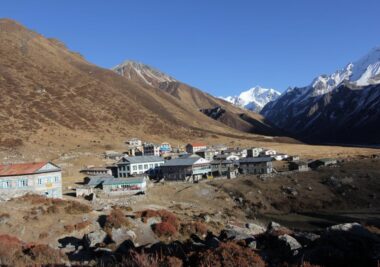
Located north of Kathmandu in Nepal’s Langtang region, the Langtang Valley Trek offers a rewarding combination of snow-covered peaks, traditional Tamang villages, peaceful forests, glaciers, and Himalayan culture. The trek takes you through Langtang National Park toward Kyanjin Gompa, a beautiful mountain settlement surrounded by dramatic Himalayan scenery.
Choosing the right trekking season can make a significant difference to your experience. Weather affects visibility, walking conditions, temperatures, accommodation availability, and the difficulty of reaching higher viewpoints such as Kyanjin Ri and Tserko Ri.
This guide explains the best months to visit Langtang Valley, what to expect in each season, the advantages and disadvantages of trekking throughout the year, and how to prepare for your Himalayan adventure.
Quick Overview: Best Time for Langtang Valley Trek
| Trekking factor | Best option |
|---|---|
| Best overall season | Autumn, September–November |
| Best months for clear mountain views | October and November |
| Best season for rhododendron flowers | Spring, especially March–April at suitable elevations |
| Best for pleasant trekking conditions | Spring and autumn |
| Best for fewer crowds | Winter, with additional preparation |
| Best for lush green landscapes | Monsoon, June–August |
| Most challenging seasonal conditions | Monsoon rain and winter snow |
| Typical trek duration | Around 7–10 days, depending on itinerary |
Weather in the Himalayas can change quickly, so these are general seasonal patterns rather than guarantees. Conditions also vary considerably between the lower trail, Langtang Village, and Kyanjin Gompa.
Why Is Choosing the Right Time Important for the Langtang Valley Trek?
The Langtang Valley Trek passes through several ecological zones, from warmer lower hills and forested trails to cold alpine landscapes. As you gain altitude, temperatures drop, weather becomes less predictable, and snowfall can affect access to higher viewpoints.
Choosing a suitable month helps you make the most of your time in the mountains.
1. Enjoy Clear Himalayan Mountain Views
Mountain visibility is one of the main reasons trekkers visit Langtang. On clear days, you can admire Langtang Lirung, surrounding Himalayan peaks, glaciers, and rugged mountain ridges.
Autumn often provides particularly clear views after the summer monsoon has passed. Spring can also offer excellent visibility, especially during clear mornings.
2. Walk on More Comfortable Trails
Dry and stable trails generally make walking easier and reduce the inconvenience of mud, slippery stones, and waterlogged paths. Spring and autumn usually provide favorable conditions along the main trekking route.
By comparison, monsoon rain can make forest trails slippery, while winter snowfall may cover sections of the upper trail in ice or snow.
3. Experience Local Culture
The Langtang region is home to communities with strong Tamang cultural traditions. Along the route, you can explore traditional settlements, observe local lifestyles, visit monasteries, and learn about the region’s Buddhist heritage.
Depending on your travel dates, you may also encounter cultural celebrations and local festivals.
4. Improve Your Trekking Experience
The right season can make it easier to plan daily walking distances, choose accommodation, and enjoy outdoor activities around Kyanjin Gompa. Favorable weather also provides more opportunities for photography and short side hikes.
However, good seasonal timing does not eliminate altitude-related risks. Gradual acclimatization, appropriate clothing, and a flexible itinerary remain important throughout the year.
Langtang Valley Trek in Spring (March to May)
Spring is one of the best seasons for trekking in Langtang Valley. As winter gradually gives way to warmer weather, forests become greener, flowers begin to bloom, and the surrounding mountains provide a beautiful backdrop for walking.
The season is particularly appealing to nature lovers, photographers, and trekkers who want to experience the Himalayas without the heavy rainfall associated with the summer monsoon.
Weather and Temperature in Spring
Temperatures depend on elevation, time of day, wind, and current weather conditions. Lower villages are generally warmer, while evenings and nights around Kyanjin Gompa can remain very cold.
During sunny afternoons, walking conditions may feel comfortable. Early mornings, shaded forests, and high viewpoints can still be chilly, particularly in March and early April.
Snow may remain on higher trails after winter, so check local conditions if you intend to hike above Kyanjin Gompa.
What Makes Spring Special?
Rhododendron forests: Depending on elevation and the timing of the bloom, rhododendrons add shades of red, pink, and other colors to the hillsides.
Snow-covered mountains: Winter snow can remain on the higher peaks, creating striking contrasts with the emerging greenery in the valley.
Longer daylight: Increasing daylight provides more flexibility for walking and enjoying the scenery, although you should still finish each day’s hike before dark.
Nature and wildlife: Spring is a rewarding time to observe the changing vegetation and birdlife of Langtang National Park. Wildlife sightings are never guaranteed.
Best Spring Month for Langtang Valley Trek
- March: A good choice for quieter trails and crisp mountain scenery, but colder conditions and lingering snow are possible.
- April: Often an excellent balance of pleasant walking conditions, flowering forests, and mountain views.
- May: Generally warmer, especially at lower elevations, but pre-monsoon clouds and occasional rain may become more frequent toward the end of the month.
Advantages of Spring Trekking
- Colorful forests and seasonal flowers.
- Generally comfortable daytime walking temperatures.
- Good opportunities for mountain photography.
- A suitable season for many first-time Himalayan trekkers.
- Longer daylight compared with winter.
Disadvantages of Spring Trekking
- Popular trails and teahouses can become busy.
- Higher elevations may still have snow or ice.
- Afternoon clouds can obscure mountain views.
- Weather may become less predictable as the monsoon approaches.
Verdict: Choose spring if you love flowers, natural scenery, and comfortable daytime hiking. April is a particularly good month to consider, subject to current weather and trail conditions.
Langtang Valley Trek in Autumn (September to November)
Autumn is widely considered the best overall season for the Langtang Valley Trek. Following the summer monsoon, the air often becomes clearer, the landscape retains some of its greenery, and trekking conditions generally improve.
October and November are especially popular among visitors who prioritize mountain visibility and relatively dry trails.
Weather and Temperature in Autumn
Early September may still experience monsoon rainfall, so conditions can be less reliable at the beginning of the month. By late September and October, the weather often becomes more stable.
Daytime temperatures are usually comfortable for walking at lower and middle elevations. However, temperatures drop significantly at night, particularly around Kyanjin Gompa and higher viewpoints.
November generally brings colder mornings and evenings. Snowfall can occur at higher elevations, so suitable warm clothing is essential.
Why Is Autumn So Popular?
Excellent mountain visibility: Clear post-monsoon skies can provide outstanding views of Langtang Lirung and the surrounding Himalayan range.
Generally favorable trails: Once the monsoon subsides, many sections of the main trail become drier and easier to walk.
Beautiful landscapes: Forests, rivers, alpine meadows, and mountain villages create varied scenery throughout the trek.
Cultural experiences: Autumn coincides with major Nepali celebrations, including Dashain and Tihar. The dates change annually, and the celebrations you encounter depend on your itinerary.
Comfortable trekking conditions: Moderate daytime temperatures often make long walking days more enjoyable than in the coldest winter months.
Best Autumn Month for Langtang Valley Trek
- September: Late September can be a good option as rainfall decreases, although lingering monsoon conditions remain possible.
- October: Often the strongest all-round choice, combining favorable trekking weather, clear views, and generally good trail conditions.
- November: Excellent for crisp mountain scenery and potentially fewer crowds later in the month, but temperatures fall and snowfall becomes more likely at higher elevations.
Advantages of Autumn Trekking
- Excellent opportunities for clear mountain views.
- Generally dry and comfortable trekking trails.
- Pleasant daytime temperatures during much of the season.
- A lively atmosphere in trekking villages.
- Opportunities to experience local festivals.
Disadvantages of Autumn Trekking
- October can be busy, especially on popular routes.
- Accommodation choices may become limited during peak periods.
- Cold nights require proper insulation and sleeping arrangements.
- Late-season snowfall can affect high viewpoints and side hikes.
Verdict: Choose autumn if this is your first Langtang trek and you want a strong combination of mountain scenery, favorable walking conditions, and cultural experiences. October is the best month to start with when planning your trip.
Langtang Valley Trek During the Monsoon (June to August)
The summer monsoon brings heavy rainfall to much of Nepal, making June, July, and August less predictable for trekking in Langtang Valley.
Although this season creates lush green forests, fuller rivers, and vibrant vegetation, persistent rain and cloud cover can limit mountain views. Slippery paths and landslides can also affect travel to the trailhead and conditions along the trekking route.
Weather and Trail Conditions During Monsoon
Humidity and rainfall increase, particularly during periods of persistent monsoon weather. Forest trails can become muddy, stones may become slippery, and leeches may be present in damp areas.
Landslides, falling rocks, and road blockages can occur in the wider region during heavy rain. These hazards can disrupt transportation and make certain sections of the journey unsafe.
Mountain views may be hidden behind clouds for extended periods. Even so, clear weather windows are sometimes possible.
What Are the Advantages of Monsoon Trekking?
- Lush forests and greener landscapes.
- Seasonal flowers and rich vegetation.
- Fewer trekkers on many sections of the route.
- A quieter atmosphere in some villages and teahouses.
What Are the Disadvantages?
- Frequent rain and reduced mountain visibility.
- Muddy, slippery trails and leeches in damp forests.
- Increased risk of landslides and transportation disruption.
- Potential changes to accommodation availability and trekking plans.
Is Langtang Valley Trek Possible During Monsoon?
Yes, it may be possible, but it requires careful planning and up-to-date local advice. It is generally not the best choice for travelers whose main priority is uninterrupted mountain views or the most predictable walking conditions.
If you travel during this period, keep your itinerary flexible, use waterproof clothing and footwear, and avoid crossing flooded streams or proceeding through landslide-prone areas when conditions are unsafe.
Verdict: Monsoon trekking is best suited to travelers who accept unpredictable weather and can adjust their plans according to local safety advice.
Langtang Valley Trek in Winter (December to February)
Winter offers a quieter and more peaceful experience in Langtang Valley. Snow may cover the surrounding mountains and upper trails, giving the region a different appearance from the warmer trekking seasons.
For trekkers who enjoy cold-weather landscapes and fewer people on the trail, winter can be appealing. However, it demands more preparation and flexibility.
Weather and Temperature in Winter
Temperatures can fall below freezing at higher elevations, particularly at night and before sunrise. Wind chill can make exposed viewpoints feel even colder.
Lower sections of the route may remain accessible, but snow and ice can affect the trail closer to Langtang Village and Kyanjin Gompa. Conditions vary each year, and a route that was accessible recently may become difficult after fresh snowfall.
Benefits of Winter Trekking
- Fewer trekkers and a peaceful atmosphere.
- Snow-covered Himalayan landscapes.
- Opportunities for striking winter photography.
- A quieter experience in villages when local accommodation is available.
Challenges of Winter Trekking
- Very cold nights and freezing temperatures at higher elevations.
- Snow and ice that can make trails difficult or hazardous.
- Shorter daylight hours.
- Possible closure of some teahouses or reduced services.
- Weather-related delays and limited access to higher viewpoints.
Is Winter Suitable for Beginners?
Winter may be possible for beginners with good preparation, experienced local support, and a carefully selected itinerary. However, it is not the easiest option for someone who has never trekked in cold mountain conditions.
If you plan to visit in December, January, or February, confirm accommodation availability and ask local guides about snow and ice before departure. Do not assume that Kyanjin Ri or Tserko Ri will be accessible.
Verdict: Choose winter if you want solitude and snowy scenery and are prepared for freezing conditions. For most first-time trekkers, spring or autumn is a more straightforward choice.
Langtang Valley Trek Month-by-Month Guide
The following guide summarizes the general conditions you can expect throughout the year.
| Month | Typical conditions | Recommendation |
|---|---|---|
| January | Cold, possible snow and ice | Experienced, well-prepared trekkers |
| February | Cold with gradually changing conditions | Winter trekking with careful planning |
| March | Early spring, chilly mornings, possible snow at altitude | Good |
| April | Flowers, generally favorable weather | Excellent |
| May | Warmer days, possible pre-monsoon rain | Very good, especially early in the month |
| June | Increasing rainfall and cloud cover | Less favorable |
| July | Peak monsoon conditions in many years | Generally avoid unless well prepared |
| August | Rain, humidity, and possible trail disruption | Generally avoid unless well prepared |
| September | Conditions improve as monsoon retreats | Good later in the month |
| October | Generally clear skies and favorable trails | Excellent |
| November | Clear, increasingly cold weather | Excellent, with colder nights |
| December | Colder conditions and possible snowfall | Possible with winter preparation |
This table is a planning guide, not a forecast. Check current weather, road conditions, and local trekking reports before setting your departure date.
What Is the Best Time for Different Langtang Trekking Experiences?
The best month can depend on what you want to see and how you prefer to travel.
Best Time for Mountain Views
October and November are strong choices because post-monsoon conditions often provide excellent visibility. Spring also offers rewarding views, particularly on clear mornings.
Best Time for Rhododendron Flowers
March and April are good months to look for rhododendrons, although flowering times vary with altitude, temperature, and yearly weather patterns.
Best Time for Beginners
April and October are useful starting points for first-time trekkers because the weather is generally more favorable and the main route is usually well traveled.
Beginners should still choose an itinerary with sufficient acclimatization time and avoid rushing the ascent.
Best Time for Fewer Crowds
Winter is generally quieter than the main trekking seasons, particularly outside holiday periods. Late spring and late autumn may also offer quieter conditions than peak October dates.
The trade-off is that colder weather and limited accommodation can make planning more difficult.
Best Time for Photography
October is an excellent option for dramatic mountain panoramas and clear skies. Spring is attractive for colorful forests, flowers, and contrasting landscapes.
For the best results, aim to reach viewpoints early in the morning, when skies may be clearer before clouds develop later in the day.
What Should You Pack for the Langtang Valley Trek?
Packing according to the season is essential because the temperature can change substantially between lower villages and higher elevations.
Clothing
- Moisture-wicking base layers.
- Warm fleece or insulating mid-layer.
- Waterproof and windproof outer jacket.
- Trekking trousers and suitable walking socks.
- Insulated jacket for cold mornings and evenings.
- Warm hat, gloves, and sun protection.
Footwear and Equipment
- Comfortable, broken-in trekking boots with good grip.
- Trekking poles for steep ascents and descents.
- Daypack with a waterproof cover.
- Headlamp and spare batteries.
- Sunglasses and sunscreen.
- Reusable water bottle and water-treatment supplies.
Season-Specific Gear
Spring and autumn: Bring layers for changing temperatures, rain protection, and adequate insulation for cold nights.
Monsoon: Use reliable waterproof clothing, pack protection for electronics, and footwear with good traction.
Winter: Add heavier insulation and appropriate equipment for snow or ice when local conditions require it. Traction devices or other winter gear should be selected with guidance from an experienced guide.
Carry a personal first-aid kit and any necessary medication. A suitable trekking insurance policy should cover the altitude and activities on your itinerary, including helicopter evacuation where applicable.
Practical Tips for Planning Your Langtang Valley Trek
1. Allow Enough Time for Acclimatization
The main Langtang Valley route reaches Kyanjin Gompa at approximately 3,870 metres. Walking to higher viewpoints increases the altitude further, making acclimatization important.
Build rest or acclimatization time into your itinerary and ascend gradually. Headaches, nausea, dizziness, unusual fatigue, or other symptoms can indicate altitude illness. If symptoms worsen, stop ascending and seek appropriate medical advice; severe symptoms require immediate descent and emergency assistance.
2. Check the Weather Before Departure
Seasonal averages cannot predict conditions on your exact trekking dates. Review reliable forecasts and ask local guides about recent snowfall, rain, trail conditions, and access to higher viewpoints.
3. Plan Transportation Carefully
The journey from Kathmandu to Syabrubesi is normally made by road. Heavy rain, landslides, and road conditions can affect travel times, particularly during the monsoon.
Allow some flexibility in your schedule, especially if you have an international flight shortly after returning from the trek.
4. Confirm Accommodation Availability
Teahouses and lodges are generally easier to find during the main trekking seasons, but popular dates can be busy. In winter and the monsoon season, some establishments may operate with reduced services or close temporarily.
Confirm your overnight stops before departing, particularly if you are traveling during an off-season period.
5. Consider Hiring a Local Guide
A knowledgeable local guide can help with route planning, cultural understanding, changing weather, and decisions about whether to continue toward a viewpoint.
A guide does not remove all risks, but local knowledge can be particularly useful during winter, monsoon, and periods of unstable weather.
Frequently Asked Questions About the Best Time for Langtang Valley Trek
1. What is the best month for the Langtang Valley Trek?
October is often the best all-round month because it typically offers clear mountain views, favorable trail conditions, and comfortable daytime walking temperatures. April is another excellent option for spring scenery and blooming rhododendrons.
2. Is March a good time to trek Langtang Valley?
Yes. March marks the beginning of spring, and conditions often improve as the month progresses. However, mornings can be cold, and snow may remain at higher elevations.
3. Is April better than October for Langtang trekking?
Both months are excellent. April is particularly attractive for flowers and spring landscapes, while October often has an advantage for clear post-monsoon mountain views. Your best choice depends on whether you prioritize seasonal vegetation or mountain visibility.
4. Can I trek Langtang Valley in May?
Yes. May can offer warm daytime conditions and beautiful scenery. However, pre-monsoon rain and cloud cover may become more frequent later in the month.
5. Is September a good month for Langtang Valley Trek?
Late September can be a good time as the monsoon retreats. Early September may still experience heavy rain, muddy trails, and reduced visibility, so check current conditions before traveling.
6. Can I trek Langtang Valley during the monsoon season?
It is possible in some conditions, but monsoon trekking is less predictable. Rain, slippery trails, landslides, and road disruption can create significant challenges. Local advice and flexible plans are essential.
7. Is Langtang Valley Trek possible in winter?
Yes, depending on weather, snow conditions, and accommodation availability. Winter trekkers need warm clothing and careful planning, and some high-altitude trails may become unsafe or inaccessible.
8. Is Langtang Valley Trek suitable for beginners?
The main Langtang Valley route can suit reasonably fit beginners when they choose an appropriate itinerary, walk at a manageable pace, and allow time for acclimatization. Spring and autumn are generally the easiest seasons for planning a first trek.
9. How cold does Langtang Valley get?
Temperatures vary significantly with altitude and weather. Lower villages are usually warmer than Kyanjin Gompa, where nights can fall below freezing, particularly in late autumn and winter. Prepare for cold conditions even if daytime weather is sunny.
10. How many days are needed for Langtang Valley Trek?
Many itineraries take approximately 7–10 days, depending on transportation, walking pace, acclimatization, and side trips. Allow additional time if you want to explore higher viewpoints or maintain a more relaxed schedule.
11. Do I need a guide for the Langtang Valley Trek?
A local guide is helpful for route planning, understanding local culture, and responding to changing trail conditions. Confirm current national park requirements and applicable trekking rules before departure, as regulations can change.
12. What is the best time for photography in Langtang Valley?
October and November are strong choices for mountain panoramas, while March and April are attractive for flowering forests and spring landscapes. Early morning often provides better opportunities for clear mountain views.
Final Thoughts: When Should You Plan Your Langtang Valley Trek?
The best time for the Langtang Valley Trek is generally spring (March–May) or autumn (September–November). Both seasons provide favorable opportunities to explore the Himalayan landscape, enjoy local culture, and experience the region’s mountain scenery.
Choose April if you want colorful forests and spring landscapes. Choose October if you prefer clear mountain panoramas and generally favorable trail conditions. November can also be an excellent choice if you are prepared for colder nights.
Winter and monsoon trekking are possible in some circumstances, but they require more careful planning and a willingness to adapt to changing conditions.
Whichever season you choose, prepare for the altitude, pack appropriate clothing, check local weather and trail reports, and allow enough time to enjoy the journey rather than rushing to the destination.
Ready to explore Langtang Valley? Start planning your itinerary, choose a suitable season, and prepare for an unforgettable Himalayan trekking experience.