Best Beginner Treks in Nepal: Easy Treks for First-Time Hikers
Nepal is one of the world’s most popular destinations for Himalayan trekking, but you don’t need mountaineering experience to explore its spectacular mountain landscapes. There are many beginner treks in Nepal that offer beautiful Himalayan views, traditional villages, comfortable teahouses, and well-established trails without requiring technical climbing skills.
For first-time hikers, choosing the right route is important. Factors such as altitude, walking distance, trek duration, terrain, weather, fitness level, and available facilities can make a significant difference to your experience.
Whether you have only a few days or want to spend more than a week in the mountains, Nepal has a trekking route to match your interests.
In this guide, we’ll explore the best treks in Nepal for beginners, including their approximate duration, altitude, difficulty, highlights, and what you should know before starting.
Why Choose Nepal for Your First Trek?
Nepal offers an excellent combination of spectacular scenery and established trekking infrastructure.
Many popular trekking routes have mountain lodges and teahouses where travelers can eat and sleep along the trail. Local guides and porters are also available to assist with navigation, logistics, luggage, and cultural interpretation.
Some advantages of trekking in Nepal for beginners include:
- Numerous short trekking routes
- Established trekking trails
- Teahouse accommodation
- Local guides and porters
- Spectacular Himalayan scenery
- Traditional mountain villages
- Diverse cultures and landscapes
- Trekking options at different altitudes
- Routes suitable for different fitness levels
However, beginner-friendly does not mean completely effortless. Himalayan trekking involves uphill and downhill walking, uneven terrain, changing weather, and, on some routes, significant altitude gain.
1. Ghorepani Poon Hill Trek
Ghorepani Poon Hill Trek is one of the most popular choices for travelers looking for an easy introduction to Himalayan trekking.
Located in the Annapurna region, the trek is famous for the sunrise viewpoint at Poon Hill, which stands at approximately 3,210 meters. From the viewpoint, trekkers can enjoy impressive views of the Annapurna and Dhaulagiri mountain ranges.
The trail passes through rhododendron forests, stone stairways, traditional villages, and mountain landscapes.
Duration: 3–5 days
Maximum altitude: 3,210 m
Region: Annapurna
Difficulty: Easy to moderate
Highlights
- Poon Hill sunrise
- Annapurna mountain views
- Dhaulagiri views
- Rhododendron forests
- Gurung villages
- Teahouse accommodation
- Convenient access from Pokhara
Best for: First-time trekkers wanting spectacular Himalayan scenery without a long itinerary.
2. Langtang Valley Trek
The Langtang Valley Trek is an excellent choice for beginners who want a longer Himalayan experience close to Kathmandu.
The journey begins around Syabrubesi and follows the Langtang Valley through forests, villages, Buddhist monasteries, alpine landscapes, and yak pastures.
The trek eventually reaches Kyanjin Gompa at approximately 3,870 meters. Because of the higher altitude, trekkers need to maintain a sensible pace and allow their bodies time to adjust.
Duration: 6–8 days
Maximum altitude: Approximately 3,870 m
Region: Langtang
Difficulty: Moderate
Highlights
- Langtang Valley
- Kyanjin Gompa
- Himalayan mountain views
- Buddhist culture
- Tamang villages
- Forest trails
- Optional mountain viewpoints
Best for: Beginners with reasonable fitness who want culture, scenery, and a more immersive Himalayan experience.
3. Mardi Himal Trek
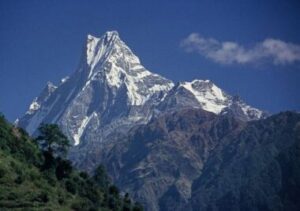
The Mardi Himal Trek is a popular short trek in the Annapurna region. It combines forest trails with spectacular views of Machhapuchhre, Annapurna South, and surrounding Himalayan peaks.
The route becomes more challenging as it climbs toward the higher camps and viewpoints. Therefore, while it can be completed by fit beginners, it is not as gentle as some lower-altitude routes.
Duration: 5–7 days
Maximum altitude: Around 4,500 m depending on itinerary
Region: Annapurna
Difficulty: Moderate
Highlights
- Machhapuchhre views
- Annapurna panorama
- Alpine landscapes
- Forest trails
- Short trekking itinerary
- Mountain viewpoints
Best for: Fit beginners looking for a more adventurous first Himalayan trek.
4. Everest View Trek
Want to see Mount Everest without spending two weeks trekking to Everest Base Camp?
The Everest View Trek offers a shorter way to experience the Khumbu region.
The trek usually includes Namche Bazaar and surrounding viewpoints, with opportunities to see Everest and other major Himalayan peaks. Trekkers can also experience Sherpa culture and visit important Buddhist sites such as Tengboche.
Duration: 5–7 days
Region: Everest/Khumbu
Difficulty: Easy to moderate
Highlights
- Mount Everest views
- Namche Bazaar
- Sherpa culture
- Tengboche Monastery
- Himalayan landscapes
- Shorter Everest-region experience
Best for: First-time trekkers whose main goal is to experience the Everest region within a shorter itinerary.
5. Helambu Trek
The Helambu Trek is a convenient option for travelers who want a Himalayan trekking experience without traveling far from Kathmandu.
The route passes through forests, villages, mountain viewpoints, and culturally rich communities. It provides an opportunity to experience the landscapes and traditions of the region while avoiding some of the longer travel associated with major trekking destinations.
Duration: 5–7 days
Region: Helambu
Difficulty: Easy to moderate
Highlights
- Close to Kathmandu
- Mountain scenery
- Forest trails
- Traditional villages
- Local culture
- Short itinerary
6. Royal Trek
The Royal Trek is one of Nepal’s relatively low-altitude trekking routes and can be a good introduction to hiking for travelers who prefer a gentler experience.
The route passes through villages and foothills with views toward the Annapurna and Lamjung ranges.
Duration: 3–5 days
Difficulty: Easy
Region: Annapurna
Highlights
- Lower altitude
- Annapurna views
- Rural villages
- Short walking days
- Suitable for beginners
The Royal Trek can be particularly suitable for travelers who are more concerned about high altitude and want to begin with a lower-elevation Himalayan experience.
7. Chisapani–Nagarkot Trek
If you have limited time, the Chisapani–Nagarkot Trek is worth considering.
Located close to Kathmandu, this short hiking route combines forests, villages, ridge trails, and Himalayan viewpoints. Nagarkot is also a popular location for sunrise and sunset views.
Duration: 2–3 days
Difficulty: Easy
Region: Kathmandu Valley
Highlights
- Close to Kathmandu
- Short itinerary
- Forest walking
- Village scenery
- Himalayan views
- Sunrise and sunset opportunities
8. Annapurna Base Camp Trek
The Annapurna Base Camp Trek is more demanding than short beginner routes, but physically prepared first-time trekkers can undertake it with an appropriate itinerary.
The trail travels through diverse landscapes before reaching the Annapurna Sanctuary and base camp at approximately 4,130 meters.
Duration: 7–12 days
Maximum altitude: Approximately 4,130 m
Difficulty: Moderate
Region: Annapurna
Highlights
- Annapurna Sanctuary
- Machhapuchhre
- Annapurna mountain range
- Traditional villages
- Rhododendron forests
- High-altitude landscapes
This trek is better suited to beginners who have some hiking preparation and are comfortable walking for several hours each day.
Beginner Trekking Routes in Nepal Compared
| Trek | Duration | Approx. Highest Point | Difficulty | Suitable For |
|---|---|---|---|---|
| Royal Trek | 3–5 days | ~1,700–1,800 m | Easy | Gentle introduction |
| Chisapani–Nagarkot | 2–3 days | Moderate altitude | Easy | Short holidays |
| Poon Hill | 3–5 days | 3,210 m | Easy–Moderate | First Himalayan trek |
| Helambu | 5–7 days | Varies by route | Easy–Moderate | Culture & scenery |
| Everest View | 5–7 days | ~3,800 m | Moderate | Everest views |
| Mardi Himal | 5–7 days | ~4,500 m | Moderate | Adventure |
| Langtang Valley | 6–8 days | ~3,870 m | Moderate | Culture & mountains |
| Annapurna Base Camp | 7–12 days | ~4,130 m | Moderate | Longer Himalayan trek |
Duration, route, and maximum altitude can vary depending on the itinerary.
Which Nepal Trek Is Best for Beginners?
There is no single route that suits every first-time trekker. Your choice should depend on your available time, fitness, preferred altitude, and the type of scenery you want.
For a short Himalayan experience:
Ghorepani Poon Hill
For a low-altitude trek:
Royal Trek
For a short trip from Kathmandu:
Chisapani–Nagarkot
For Everest views:
Everest View Trek
For Himalayan culture:
Langtang Valley Trek
For an adventurous first trek:
Mardi Himal Trek
For a longer classic Himalayan experience:
Annapurna Base Camp Trek
How Difficult Are Beginner Treks in Nepal?
The difficulty of a trek depends on several factors rather than distance alone.
Important considerations include:
- Daily walking hours
- Total elevation gain
- Maximum altitude
- Trail conditions
- Weather
- Number of uphill sections
- Descents and stairways
- Your fitness level
- Your previous hiking experience
A route described as easy may still involve several hours of walking each day.
For a first trek, it is better to select an itinerary that leaves enough time for rest and acclimatization rather than trying to complete a route as quickly as possible.
How to Prepare for Your First Nepal Trek
You can improve your trekking experience with several weeks of preparation.
Start Walking Regularly
Begin with comfortable walks and gradually increase your distance. Walking on hills or stairs can be particularly useful.
Build Leg Strength
Exercises such as squats, lunges, step-ups, and calf raises can help prepare your legs for mountain trails.
Improve Endurance
Cycling, swimming, jogging, and regular hiking can help improve cardiovascular endurance.
Practice With Your Backpack
If you intend to carry your own luggage, practice walking with a backpack before your trek.
Break in Your Trekking Shoes
Never start a multi-day trek with brand-new shoes. Use them during training so you can identify potential problems before departure.
What to Pack for a Beginner Trek in Nepal
A lightweight and practical packing list may include:
- Trekking shoes
- Trekking trousers
- T-shirts and base layers
- Fleece or warm jacket
- Waterproof jacket
- Warm hat
- Gloves
- Sunglasses
- Sunscreen
- Water bottle
- Water purification tablets or filter
- Headlamp
- Trekking poles
- Sleeping bag
- Basic first-aid supplies
- Personal medication
- Toiletries
- Power bank
- Important travel documents
Your packing list should be adjusted according to the trekking season and maximum altitude.
Best Time for Beginner Treks in Nepal
The main trekking seasons are generally spring and autumn, although some lower-altitude routes can be enjoyed outside these periods.
Spring — March to May
Spring offers pleasant conditions in many trekking areas and is famous for rhododendron blooms.
Autumn — September to November
Autumn generally brings favorable trekking conditions after the monsoon, with many routes offering good mountain visibility.
Winter — December to February
Lower-altitude routes can remain accessible during winter, while higher trails may experience freezing temperatures and snowfall.
Monsoon — June to August
Rain can make many trails slippery and muddy. Cloud cover can also reduce mountain visibility.
Do Beginners Need a Guide or Porter?
A guide or porter is not necessarily required for every trek, but professional local support can make a first trekking experience easier to manage.
A guide can assist with:
- Route navigation
- Accommodation
- Local communication
- Cultural information
- Weather-related decisions
- Trekking logistics
- Emergency assistance
A porter can carry your main luggage, allowing you to walk with a lighter daypack.
For first-time visitors unfamiliar with Nepal’s trekking routes, local support can also simplify transportation and accommodation arrangements.
Altitude Safety for First-Time Trekkers
Altitude is one of the most important factors to consider when choosing a Himalayan trek.
Some trekkers may experience altitude-related symptoms such as headache, nausea, dizziness, fatigue, or reduced appetite.
To reduce the risk:
- Ascend gradually.
- Drink enough fluids.
- Maintain a comfortable pace.
- Eat properly.
- Follow your acclimatization schedule.
- Tell your guide if you feel unwell.
- Avoid ignoring worsening symptoms.
- Descend if serious altitude-related symptoms develop.
Even a trek advertised as beginner-friendly can involve significant altitude.
Frequently Asked Questions About Beginner Treks in Nepal
What is the easiest trek in Nepal for beginners?
Lower-altitude routes such as the Royal Trek and short Chisapani–Nagarkot hikes provide relatively gentle introductions. Ghorepani Poon Hill is another popular option for beginners wanting substantial Himalayan scenery.
What is the best beginner trek in Nepal?
Popular beginner-friendly choices include Poon Hill, Langtang Valley, Everest View, Royal Trek, and Mardi Himal. The appropriate choice depends on your fitness, time, altitude preference, and interests.
Can a beginner do the Everest Base Camp Trek?
A physically prepared beginner can undertake Everest Base Camp with appropriate preparation, acclimatization, and a suitable itinerary. However, it is considerably more demanding than shorter beginner routes because of the altitude and duration.
Is Poon Hill good for first-time trekkers?
Yes. Poon Hill is a popular first Himalayan trek because it combines relatively short trekking days with impressive mountain scenery.
Is Langtang suitable for beginners?
Langtang can be suitable for beginners who have reasonable fitness and prepare properly. The route reaches higher elevations, so altitude acclimatization needs to be taken seriously.
Is Mardi Himal difficult for beginners?
Mardi Himal is more demanding than lower-altitude beginner routes. Fit first-time trekkers can undertake it with suitable preparation and a sensible itinerary.
What is the best season for beginner trekking in Nepal?
March–May and September–November are generally popular periods. Conditions vary between trekking regions and elevations.
Do I need previous hiking experience?
Previous trekking experience is not essential for many beginner routes. Regular walking and physical preparation can help significantly.
How many hours do beginners walk each day?
Many trekking itineraries involve approximately 4–7 hours of walking per day, although this varies considerably by route and itinerary.
Can I trek in Nepal without a guide?
Requirements and practical considerations vary by route and current regulations. Before traveling, check the latest rules for your chosen trekking area.
Final Thoughts
Nepal offers far more than challenging high-altitude adventures. Its diverse trekking network includes several easy Himalayan treks for beginners, allowing first-time hikers to experience spectacular mountains, traditional villages, forests, monasteries, and local cultures.
If you are planning your first trek, consider your available time, fitness level, maximum altitude, preferred scenery, and comfort with mountain walking before selecting a route.
For a short introduction, Poon Hill or a lower-altitude route can be considered. If you want a longer experience, Langtang, Mardi Himal, Everest View, or Annapurna Base Camp provide different levels of challenge and scenery.
With proper preparation, suitable equipment, responsible trekking practices, and an itinerary that matches your abilities, your first Himalayan trekking experience can become an unforgettable part of your Nepal journey.