Your Ultimate Guide to Annapurna Trekking: Trails, Tips, and Timelines
Thinking about an adventure in Nepal? Annapurna trekking offers some truly amazing sights and experiences. From the famous Annapurna Base Camp to the grand Annapurna Circuit, these trails wind through incredible landscapes. You’ll see towering mountains, lush forests, and get a feel for local life. It’s a trip that takes some planning, but the rewards are well worth it. Let’s get into what you need to know for your own Annapurna trekking journey.
Key Takeaways
- The Annapurna region boasts incredible biodiversity within its conservation area, featuring diverse flora, fauna, and stunning mountain backdrops.
- Popular Annapurna trekking routes like the Annapurna Base Camp and Annapurna Circuit offer unique challenges and spectacular views, suitable for various fitness levels.
- Teahouses provide basic but welcoming accommodation and food along the trails, with essential amenities like restrooms and charging facilities available, though planning ahead is wise.
- Safety is paramount, with experienced guides, emergency preparedness, and attention to acclimatization being vital components for a successful Annapurna trekking trip.
- Responsible travel practices, including respecting local culture and minimizing environmental impact, are encouraged to preserve the beauty of the Annapurna region for everyone.
Understanding Annapurna Trekking
Annapurna Conservation Area’s Biodiversity
The Annapurna region isn’t just about the towering peaks; it’s a living, breathing ecosystem. Trekking here means you’re walking through the Annapurna Conservation Area, a protected zone that’s home to an incredible variety of life. You’ll pass through forests filled with rhododendrons, oaks, and bamboo. Keep an eye out for colorful birds like the Himalayan monal, and if you’re really lucky, you might spot some mammals too, though they tend to be shy. It’s a place where nature really shows off.
The Charm of Annapurna Base Camp Trek
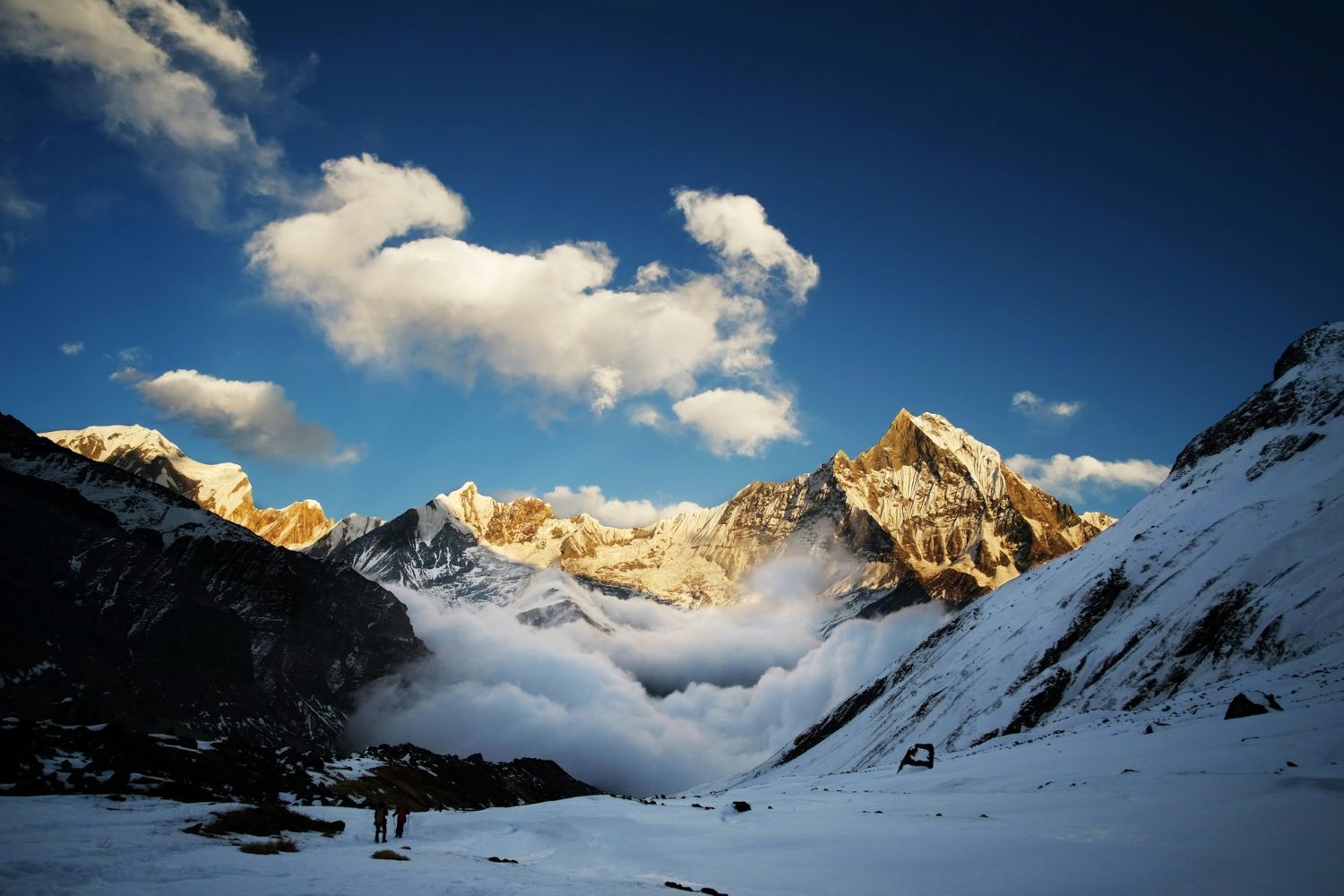
This trek is probably the most popular route in the Annapurna region, and for good reason. It takes you right into the heart of the mountains, ending at a natural amphitheater surrounded by some of the world’s highest peaks. The journey itself is as rewarding as the destination. You’ll experience a mix of landscapes, from lush valleys to rocky terrain, and stay in traditional teahouses run by local families. It’s a chance to really connect with the mountain culture.
The Annapurna Base Camp trek offers a unique blend of natural beauty and cultural immersion. It’s a journey that challenges you physically while rewarding you with unforgettable sights and experiences.
Annapurna Circuit: A World-Renowned Journey
If you’re looking for a longer, more diverse adventure, the Annapurna Circuit is legendary. This trek circles the Annapurna massif, taking you through vastly different environments. You’ll go from subtropical forests to high alpine deserts, crossing the Thorong La Pass, one of the highest mountain passes in the world. It’s a more demanding trek, but the sheer variety of scenery and cultural encounters makes it a truly epic journey. It’s been a favorite for decades for a reason.
Here’s a quick look at what makes these treks special:
- Annapurna Base Camp (ABC) Trek:
- Focus: Reaching the stunning amphitheater at the base of Annapurna South and Machhapuchhre.
- Duration: Typically 7-12 days.
- Highlights: Close-up mountain views, rhododendron forests (in spring), hot springs at Jhinu Danda.
- Annapurna Circuit Trek:
- Focus: Circumnavigating the entire Annapurna massif.
- Duration: Typically 12-21 days.
- Highlights: Diverse landscapes, Thorong La Pass (5,416m), cultural villages like Manang and Muktinath.
Planning Your Annapurna Trekking Adventure
Best Seasons for Annapurna Trekking
Deciding when to go is a big part of planning any trek, and Annapurna is no different. The weather really dictates the experience you’ll have up there. Generally, there are two prime windows that most people aim for.
- Spring (March to May): This is when the rhododendrons burst into bloom, painting the lower hillsides with vibrant colors. The temperatures are usually mild, and the skies start to clear up after winter. It’s a beautiful time to be on the trail.
- Autumn (September to November): This is often considered the gold standard for trekking in Nepal. The monsoon rains have cleared, leaving behind crisp, clean air and incredibly clear views of the mountains. It’s generally dry and pleasant, though it can get cooler as you gain altitude.
Winter (December to February): While possible, it’s much colder, and snow can block higher passes. Some trails might be less accessible, and the days are shorter. It’s for the more adventurous and well-prepared.
Summer (June to August): This is the monsoon season. Expect rain, leeches, and often cloudy skies that obscure the mountain views. While the landscape is lush and green, it’s generally not the preferred time for most trekkers due to the challenging conditions.
Who Can Embark on Annapurna Treks
Annapurna treks are surprisingly accessible to a wide range of people, but it’s not quite a walk in the park. A good level of general fitness is the most important factor.
- Age: Most operators suggest a minimum age of around 12 years old. This is mainly because younger children might struggle with the physical demands and altitude. There isn’t usually an upper age limit, provided you’re healthy and fit.
- Experience: You don’t necessarily need to be a seasoned mountaineer. Many Annapurna routes, like parts of the Annapurna Circuit or the trek to Annapurna Base Camp, are suitable for beginners. However, having some prior hiking experience, even just day hikes, will make the transition smoother.
- Fitness Level: This is where it gets serious. You should be able to walk for several hours a day, often on uneven terrain, carrying a daypack. Think about being able to jog about 5 kilometers (3 miles) in 30-35 minutes without feeling completely wiped out. If you plan to carry your main backpack, you’ll need to be comfortable with that weight for extended periods.
It’s always a good idea to consult with your doctor before booking a trek, especially if you have any pre-existing health conditions. They can give you personalized advice on whether Annapurna is the right fit for you.
Essential Fitness for Annapurna Treks
Getting your body ready for an Annapurna trek involves more than just showing up. A bit of preparation goes a long way in making your trip enjoyable and safe. It’s about building stamina and getting your muscles used to walking for long stretches.
- Cardiovascular Training: This is your bread and butter. Aim for activities that get your heart rate up consistently. Think jogging, cycling, swimming, or even brisk walking. Try to do this at least 3-4 times a week for a few months leading up to your trek. Gradually increase the duration and intensity.
- Strength Training: Focus on your legs and core. Squats, lunges, step-ups (using a bench or stairs), and calf raises will help strengthen the muscles you’ll be using most. A strong core also helps with balance on uneven trails.
- Hiking Practice: The best training for hiking is hiking! Try to do longer day hikes on weekends, ideally with some elevation gain. If possible, practice hiking with the backpack you plan to use, loaded with some weight. This helps your body get accustomed to carrying a load and identifies any gear issues.
Don’t underestimate the importance of acclimatization. While fitness helps your body cope with the physical exertion, acclimatization is about letting your body adjust to the lower oxygen levels at higher altitudes. This is a separate, but equally vital, part of preparing for the mountains.
Navigating Annapurna Trekking Trails
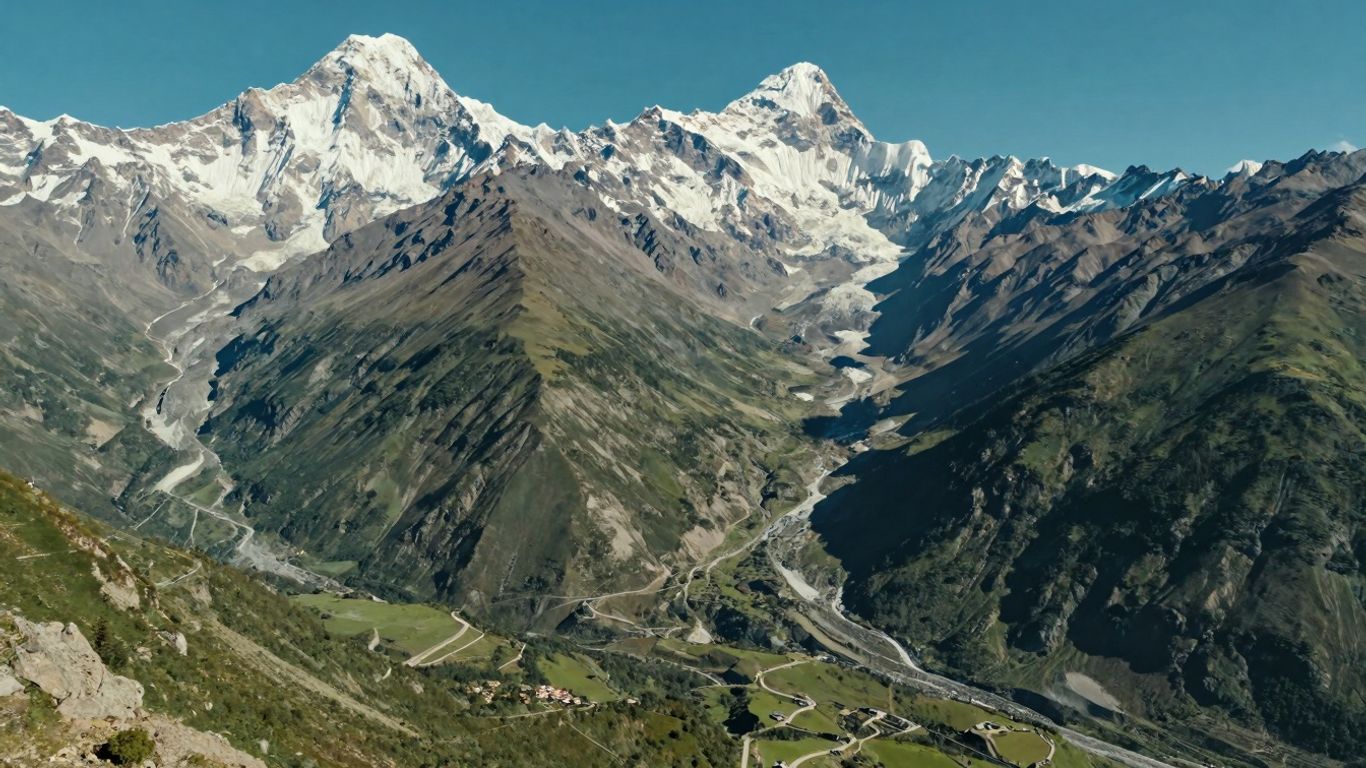
Alright, let’s talk about actually walking the Annapurna trails. It’s not just about showing up; you need to know what you’re getting into day-to-day.
Key Annapurna Trekking Routes
While the Annapurna Circuit and Annapurna Base Camp (ABC) are the big names, there are variations and other routes too. The ABC trek is more of a “there and back” style, leading you right into the heart of the Annapurna Sanctuary. The Circuit, on the other hand, is a loop, taking you through diverse landscapes, from subtropical forests to high mountain passes like Thorong La. Choosing the right route depends on your time, fitness, and what you want to see.
- Annapurna Base Camp (ABC) Trek: Typically 7-12 days, known for its stunning amphitheater of peaks.
- Annapurna Circuit Trek: Usually 15-21 days, offering a more varied and challenging experience.
- Ghorepani Poon Hill Trek: A shorter, popular option (3-5 days) for sunrise views over the Annapurna and Dhaulagiri ranges.
Daily Trekking Routine
Most days on the trail follow a similar rhythm. You’ll likely wake up early, grab some breakfast, and start walking by 7 or 8 AM. The morning trek is usually the longest part of the day, maybe 4-6 hours, with a break for lunch around midday. After lunch, you’ll continue for another 2-3 hours to reach your accommodation for the night. Once you arrive, you can relax, maybe explore the village, and then have dinner. Your guide will usually brief you on the next day’s plan before you turn in.
The pace is generally steady, not a race. It’s about enjoying the journey, the views, and the fresh mountain air. Don’t be afraid to stop, take photos, and just soak it all in. Acclimatization is key, so listen to your body and your guide.
Trail Conditions and Challenges
Expect a bit of everything. Trails can range from well-trodden paths to rocky, uneven terrain. You’ll encounter ascents and descents, sometimes quite steep. Weather can change rapidly in the mountains, so be prepared for sun, wind, and rain, even on the same day. Altitude sickness is a real concern, so proper acclimatization is non-negotiable. Hydration and consistent energy intake are vital to combat fatigue and altitude effects.
Here’s a quick look at what you might face:
- Terrain: Dirt paths, stone steps, rocky sections, suspension bridges.
- Altitude: Gradual ascent is best, with rest days built in.
- Weather: Highly variable; pack layers.
- Crowds: Can be busy on popular sections, especially during peak seasons.
Accommodation and Amenities on the Trail
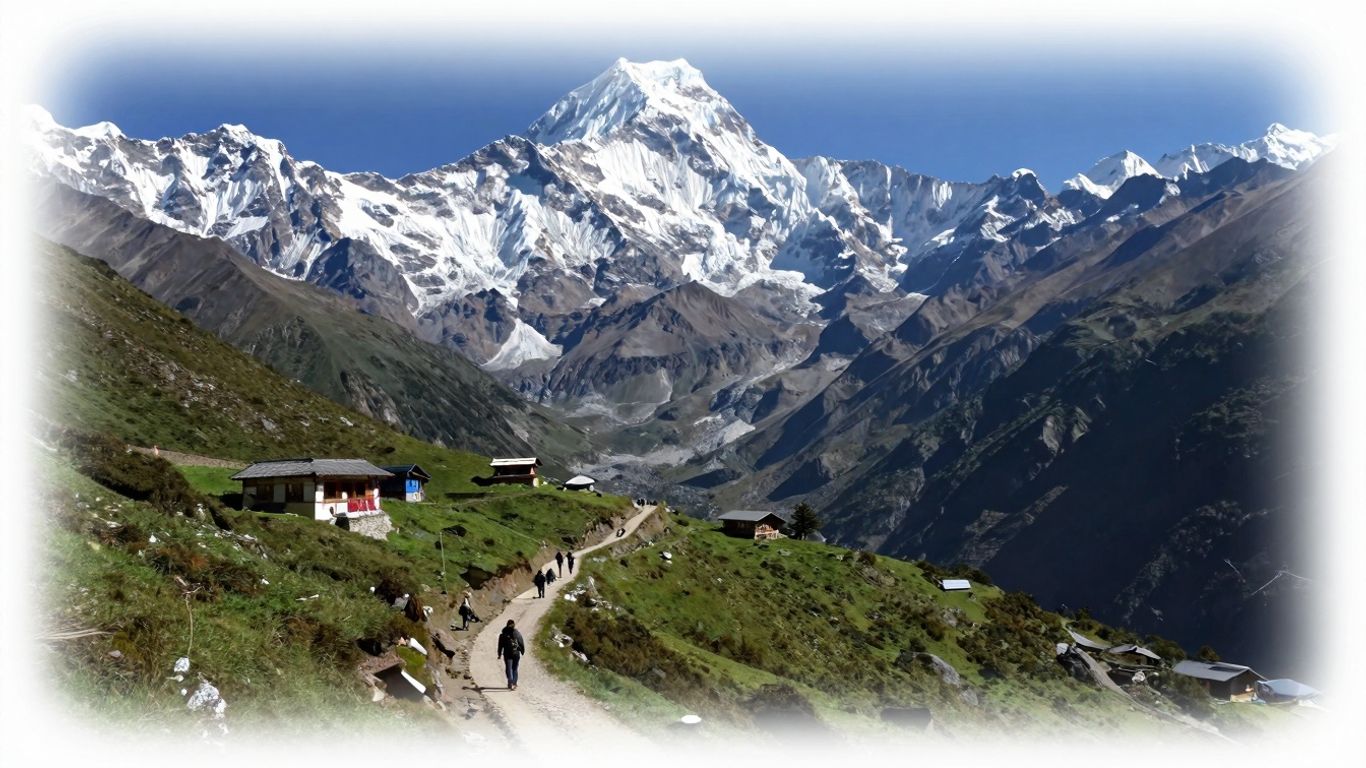
When you’re trekking in the Annapurna region, don’t expect five-star hotels. Instead, you’ll be staying in what are called ‘teahouses’ or lodges. These are simple, cozy places run by local families, and they’re a big part of the trekking experience. The charm of these teahouses is their rustic simplicity and the warm hospitality you’ll receive. You’ll find them in most villages along the popular routes, offering a place to rest, eat, and sleep.
Experiencing Teahouse Hospitality
Teahouses are pretty basic, but they’re clean and welcoming. You’ll usually get a small room with a bed, a mattress, and maybe a pillow. You’ll need your own sleeping bag, especially as you get higher up, as the rooms themselves aren’t heated. The common dining area is where everyone gathers, shares stories, and warms up by the stove. It’s here you’ll enjoy meals and plan for the next day’s trek. The food is typically simple but hearty, with options like dal bhat (lentils and rice), noodles, pasta, and eggs. Vegetarian meals are standard, and if you have dietary needs like allergies or vegan preferences, let your guide know in advance, and they can usually arrange something.
Restroom Facilities and Supplies
Let’s talk about bathrooms. Most teahouses have shared toilets, which can range from basic squat toilets to more standard sit-down ones. They’re usually located a short walk from the main lodge. Hygiene can vary, so it’s always a good idea to carry your own hand sanitizer and toilet paper. Some trekkers opt for portable toilet tents for added privacy, especially in more remote areas. For supplies, think basic. You’ll want to bring your own toiletries, any personal medications, and perhaps a small towel. While some lodges might sell snacks or basic items, it’s best to carry a small stash of your preferred energy bars or treats.
Staying Connected: Communication and Electricity
Keeping in touch and keeping your devices charged can be a bit of a challenge, but it’s definitely possible. Many teahouses offer Wi-Fi for a small fee, though the connection can be slow and unreliable, especially at higher altitudes. You can also usually pay to charge your electronics, like phones and cameras, but again, expect an extra charge. It’s wise to bring a portable power bank to keep your gadgets topped up. For important communication, your guide will have a satellite phone, and some lodges might have landlines, but don’t count on consistent mobile service throughout the trek. It’s a good opportunity to disconnect and enjoy the scenery, really.
Remember that alcohol and smoking aren’t recommended for acclimatization. Staying warm comes from eating well and drinking plenty of water, not from substances that can hinder your body’s adjustment to the altitude. Focus on proper hydration and nutrition to keep your body functioning optimally.
Wildlife and Natural Wonders
Wildlife Encounters in the Annapurna Region
The Annapurna region is a treasure trove for nature lovers, and if you’re lucky, you might spot some of its wild inhabitants. Keep your eyes peeled for langur monkeys swinging through the trees, especially in the lower, forested areas. You might also see various types of birds, from colorful pheasants to soaring eagles. Remember to always keep a respectful distance and never feed the animals; it’s their home, after all.
Flora and Fauna Along the Trek
As you trek, the plant life changes quite a bit depending on the altitude. Lower down, you’ll see lush rhododendron forests, which are absolutely stunning when they bloom in spring. Higher up, the vegetation thins out, giving way to more alpine plants and hardy shrubs. It’s a real mix, and noticing these changes is part of the adventure.
Here’s a quick look at what you might encounter:
- Rhododendrons: Especially vibrant in spring (March-April).
- Oak and Pine Forests: Common in the mid-altitudes.
- Alpine Meadows: Dotted with wildflowers in summer.
- Mosses and Lichens: Clinging to rocks at higher elevations.
The Majestic Annapurna Range Views
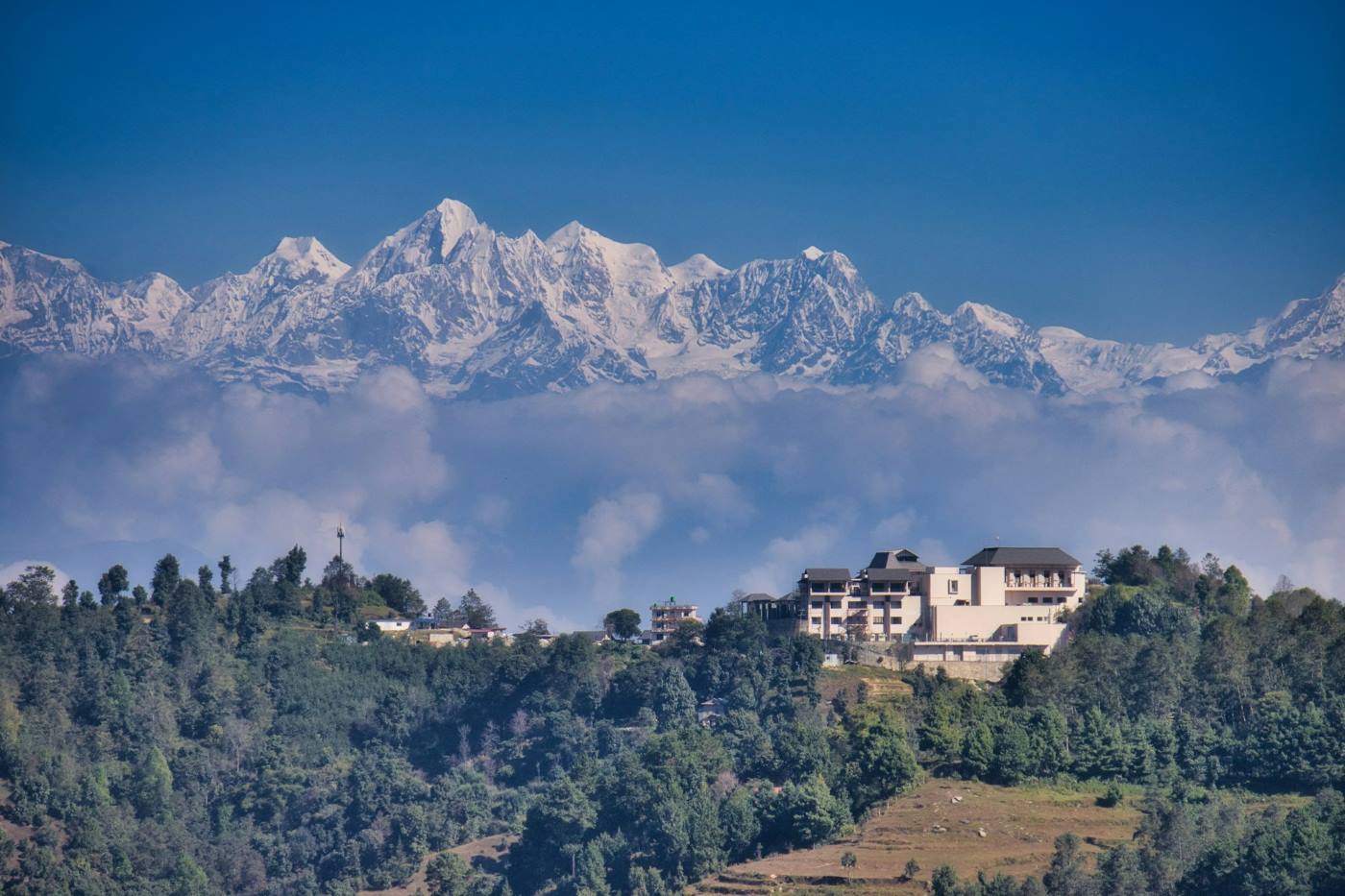
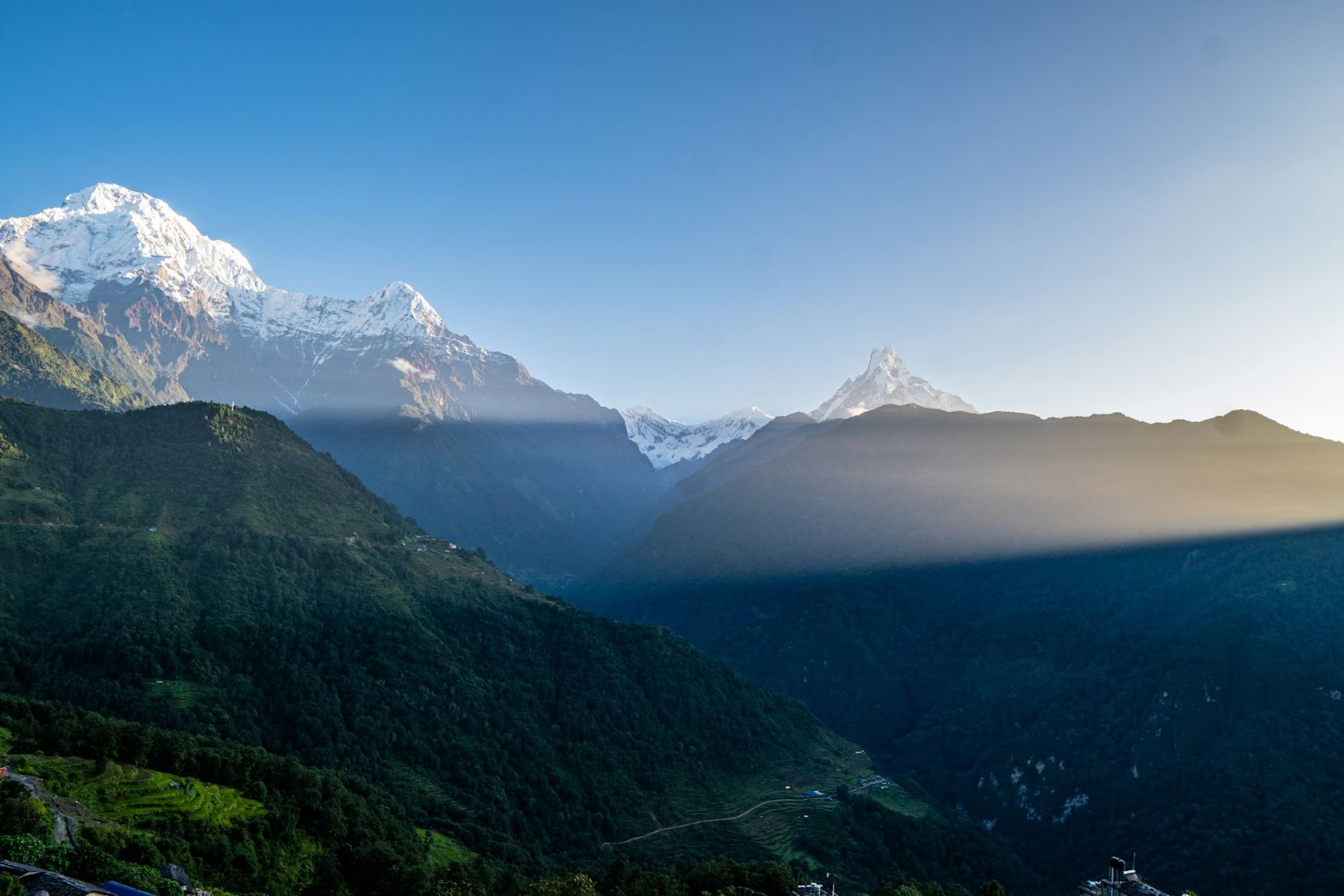
Let’s be honest, the main draw for many is the incredible mountain scenery. The Annapurna range itself is just breathtaking. You’ll get jaw-dropping views of peaks like Annapurna South, Machhapuchhre (Fishtail), and Hiunchuli. These views change throughout the day with the light, and they’re something you won’t forget. Waking up to see these giants bathed in morning sun is pretty special.
The sheer scale of the Annapurna massif is hard to grasp until you’re standing right there, looking up. It’s a constant reminder of nature’s power and beauty, making all the effort of the trek totally worthwhile.
Safety and Support for Trekkers
When you’re heading into the Annapurnas, thinking about safety and who’s got your back is pretty important. It’s not like a walk in the park, and things can pop up that you didn’t expect. Having a solid plan for safety and knowing you have support makes a huge difference.
Prioritizing Safety During Annapurna Treks
Safety on the trail is mostly about being prepared and making smart choices. Altitude sickness is a real thing, so taking it slow and listening to your body is key. Don’t push yourself too hard, especially in the first few days. Staying hydrated is also a big one – drink plenty of water, even if you don’t feel thirsty. It helps your body adjust to the higher elevations.
Here are some things to keep in mind:
- Acclimatization: Plan your trek with rest days built in, especially after gaining significant altitude. This gives your body time to get used to the thinner air.
- Hydration: Carry enough water and drink it regularly. Electrolyte powders can be helpful too.
- Pacing: Walk at a steady, comfortable pace. It’s often called ‘slow and steady wins the race’ for a reason.
- Weather Awareness: Mountain weather changes fast. Always check the forecast if possible and be ready for sudden shifts.
Trekking in remote areas means you’re a bit on your own if something goes wrong. While the trails are generally well-trodden, unexpected events like landslides or sudden storms can happen. Being aware of your surroundings and having basic first-aid knowledge can be incredibly useful.
Emergency Preparedness and Evacuation
Even with the best planning, emergencies can happen. This is where trek insurance becomes really important. Make sure your policy covers high-altitude trekking and includes emergency helicopter evacuation. This can be a lifesaver if you get seriously ill or injured far from medical help.
It’s also a good idea to carry a basic first-aid kit with essentials like pain relievers, bandages, antiseptic wipes, and any personal medications you might need. Knowing how to use these items is just as important as having them.
The Role of Experienced Guides and Porters
Having a good guide and porter can make your trek much safer and more enjoyable. Guides are trained to handle altitude sickness, navigate the trails, and deal with unexpected situations. They know the local conditions and can spot potential hazards before you do. Porters carry the bulk of your gear, which makes your trek physically easier and allows you to focus more on the scenery and your surroundings.
- Guides: They are your eyes and ears on the trail, providing safety advice and local knowledge.
- Porters: They lighten your load, making the trek more manageable and enjoyable.
- Teamwork: A well-supported team works together, looking out for each other’s well-being.
Choosing a reputable trekking company that treats its guides and porters well is also part of responsible travel. Happy and well-cared-for staff are more likely to provide excellent support.
Cultural Immersion and Responsible Travel
Trekking in the Annapurna region isn’t just about the views, though they are pretty spectacular. It’s also a chance to connect with the local culture and make sure your visit helps, rather than harms, this beautiful place. Being mindful of how you travel makes a big difference.
Interacting with Local Communities
When you’re on the trail, you’ll pass through villages where people live and work. It’s important to be respectful. A simple smile and a ‘Namaste’ go a long way. Try to learn a few basic Nepali phrases; locals really appreciate the effort. Remember that these communities are opening their homes and lives to you, so be polite and considerate. Ask permission before taking photos of people, especially children. Supporting local businesses by buying handicrafts or eating at local eateries is a great way to contribute directly to their economy.
Understanding Tipping Etiquette
Tipping isn’t mandatory, but it’s a common way to show appreciation for good service from your guides and porters. The amount can vary, and it often depends on the group size and the length of the trek. A general guideline is to tip your guide a bit more than your porter, as they have more responsibility. It’s usually best to give these tips at the end of the trek, perhaps during a farewell meal.
Here’s a rough idea, but feel free to adjust based on your experience:
| Role | Suggested Tip (per day) |
|---|---|
| Guide | $5 – $10 USD |
| Porter | $3 – $7 USD |
Eco-Friendly Trekking Practices
Protecting the Annapurna region’s natural beauty is something we all need to do. This means following ‘Leave No Trace’ principles. Pack out everything you pack in, especially non-biodegradable items like plastic wrappers and batteries. Stick to marked trails to avoid damaging vegetation and causing erosion. When using water sources, try to purify your water rather than using single-use plastic bottles. Also, be mindful of your energy use; consider using solar chargers for your electronics when possible.
The Annapurna region is a fragile ecosystem. Every trekker has a role to play in its preservation. Small actions, like proper waste disposal and respecting local customs, contribute significantly to maintaining the environment and supporting the communities that call this place home. Think about the long-term impact of your visit.
Here are some key practices to keep in mind:
- Waste Management: Carry out all your trash, especially plastics. Avoid buying products with excessive packaging.
- Water Conservation: Use reusable water bottles and purification methods. Avoid buying bottled water whenever possible.
- Trail Etiquette: Stay on marked paths. Avoid picking plants or disturbing wildlife.
- Energy Use: Conserve fuel when cooking. Consider solar power for charging devices if available.
- Community Support: Hire local guides and porters. Purchase goods from local artisans and shops.
So, Ready for Your Annapurna Adventure?
Alright, so you’ve read all about the trails, the best times to go, and what to pack. It sounds like a lot, I know, but honestly, the Annapurna region is just incredible. It’s more than just a walk; it’s a chance to see some truly amazing mountains, meet some really nice people, and just get away from it all for a bit. Whether you’re a seasoned hiker or just looking for something different, this trek has something for you. Just remember to take it slow, enjoy the views, and don’t forget your camera. You won’t regret it.
Frequently Asked Questions
When is the best time to go trekking in Annapurna?
The most popular times for trekking in Annapurna are spring (March to May) and autumn (September to November). During these months, the weather is usually pleasant with clear skies, offering amazing views of the mountains. Spring brings blooming flowers, especially rhododendrons, while autumn provides crisp, clear air perfect for seeing the peaks.
What kind of wildlife might I see on the trek?
The Annapurna region is a protected area with lots of nature. You might see different kinds of birds, like the colorful Himalayan Monal. You could also spot monkeys, and if you’re very lucky, animals like musk deer or Himalayan tahr. However, seeing bigger animals is quite rare.
What are the accommodations like along the trekking routes?
You’ll typically stay in teahouses, which are simple lodges run by local families. They offer basic rooms to sleep in and usually have a dining area where you can eat meals. It’s a great way to experience local hospitality and culture.
What should I do about restrooms and hygiene on the trail?
Restroom facilities in teahouses are usually basic, often squat toilets. It’s a good idea to bring your own toilet paper and hand sanitizer, as these aren’t always provided or might be limited. Cleanliness can vary, so being prepared is key.
How do I stay connected and charge my devices?
You can often find electricity to charge your phone or camera in teahouses, but there’s usually an extra fee. Some places also offer Wi-Fi for a charge. For communication, you might be able to buy a local SIM card in Kathmandu, but cell service can be spotty at higher elevations.
Is it safe to trek in Annapurna, and what safety measures are in place?
Safety is a top concern. Trekking companies provide experienced guides who are trained in first aid and know the trails well. They monitor weather conditions and have plans for emergencies, including evacuation if needed. It’s important to listen to your guide and follow their advice to stay safe.
table of contents
- Key Takeaways
- Understanding Annapurna Trekking
- Annapurna Conservation Area’s Biodiversity
- The Charm of Annapurna Base Camp Trek
- Annapurna Circuit: A World-Renowned Journey
- Planning Your Annapurna Trekking Adventure
- Best Seasons for Annapurna Trekking
- Who Can Embark on Annapurna Treks
- Essential Fitness for Annapurna Treks
- Navigating Annapurna Trekking Trails
- Key Annapurna Trekking Routes
- Daily Trekking Routine
- Trail Conditions and Challenges
- Accommodation and Amenities on the Trail
- Experiencing Teahouse Hospitality
- Restroom Facilities and Supplies
- Staying Connected: Communication and Electricity
- Wildlife and Natural Wonders
- Wildlife Encounters in the Annapurna Region
- Flora and Fauna Along the Trek
- The Majestic Annapurna Range Views
- Safety and Support for Trekkers
- Prioritizing Safety During Annapurna Treks
- Emergency Preparedness and Evacuation
- The Role of Experienced Guides and Porters
- Cultural Immersion and Responsible Travel
- Interacting with Local Communities
- Understanding Tipping Etiquette
- Eco-Friendly Trekking Practices
- So, Ready for Your Annapurna Adventure?
- Frequently Asked Questions
- When is the best time to go trekking in Annapurna?
- What kind of wildlife might I see on the trek?
- What are the accommodations like along the trekking routes?
- What should I do about restrooms and hygiene on the trail?
- How do I stay connected and charge my devices?
- Is it safe to trek in Annapurna, and what safety measures are in place?