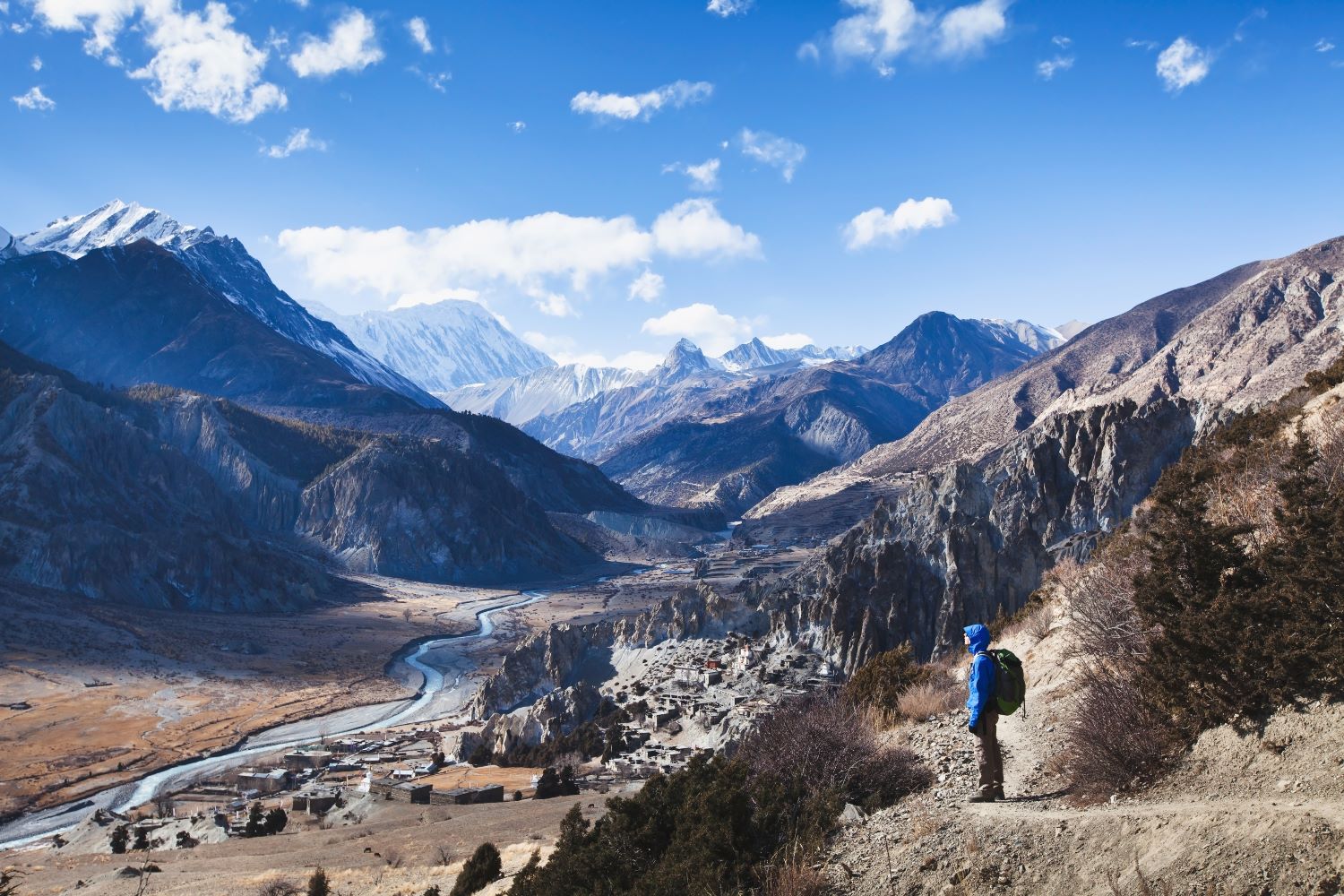
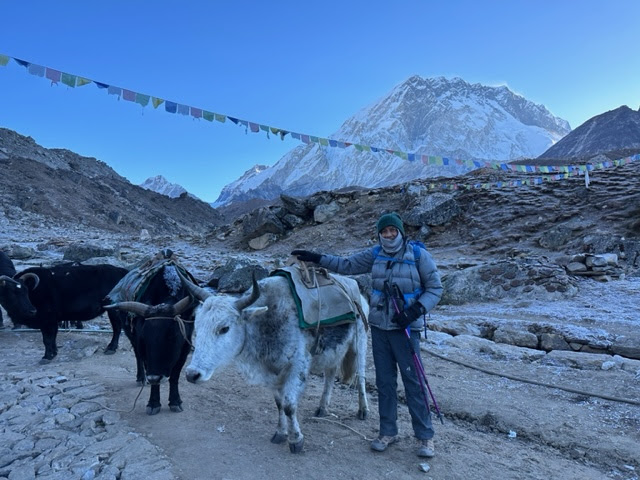
Annapurna Circuit vs Everest Base Camp: The Ultimate Comparison Guide
Choosing Between Two Legendary Himalayan Treks
If you’re planning a trekking adventure in Nepal, you’ve likely encountered the ultimate dilemma: Annapurna Circuit vs Everest Base Camp—which one is better?
Both treks are world-famous, offering breathtaking Himalayan landscapes, rich cultural experiences, and a once-in-a-lifetime journey. But here’s the challenge: they deliver very different experiences, and choosing the wrong one could mean missing out on what you truly want.
In this comprehensive guide, we’ll break down everything you need to know—from cost and difficulty to scenery, permits, and logistics—so you can confidently choose between the Annapurna Circuit and the Everest Base Camp.
Quick Reference: Which Trek Should You Choose?
Not sure where to start? Use this simple decision flow chart:
| Your Priority | Recommended Trek |
|---|---|
| You dream of standing at the foot of Mount Everest | → Everest Base Camp |
| You want diverse landscapes from jungle to high desert | → Annapurna Circuit |
| Your budget is under $1,200 | → Annapurna Circuit |
| Budget is flexible ($1,500+) | → Either, but EBC requires more |
| You have 12-14 days total | → Everest Base Camp |
| You have 15+ days for a relaxed pace | → Annapurna Circuit |
| You prefer gradual altitude gain with lower AMS risk | → Annapurna Circuit |
| You’re fit and ready for a high-altitude challenge | → Everest Base Camp |
| You want to trek independently without a guide | → Annapurna Circuit (easier to navigate solo) |
| You prefer organized group treks with fixed logistics | → Everest Base Camp (common with guides) |
Overview: Annapurna Circuit vs Everest Base Camp
What is the Annapurna Circuit Trek?
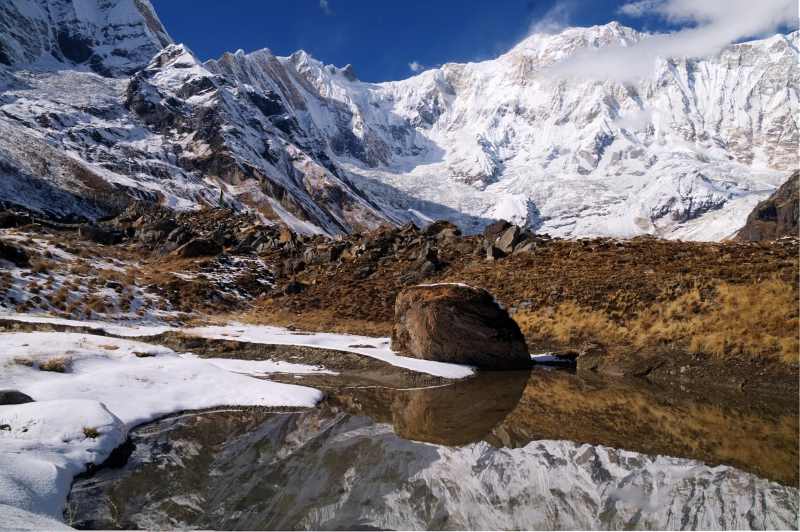
The Annapurna Circuit is one of Nepal’s most diverse trekking routes, circling the massive Annapurna range. It takes you through lush forests, terraced farmlands, alpine valleys, and high mountain deserts—essentially experiencing all four seasons in a single journey.
Highlights include:
-
Crossing the iconic Thorong La Pass (5,416m) —a monumental, collective achievement
-
Experiencing diverse cultures (Gurung, Thakali, Tibetan) in traditional villages
-
Stunning views of Annapurna, Dhaulagiri, and Manaslu ranges
-
Ending in the Kali Gandaki Gorge, the world’s deepest gorge
👉 Best for: Travelers seeking variety, cultural immersion, and a true sense of journey.
What is the Everest Base Camp Trek?
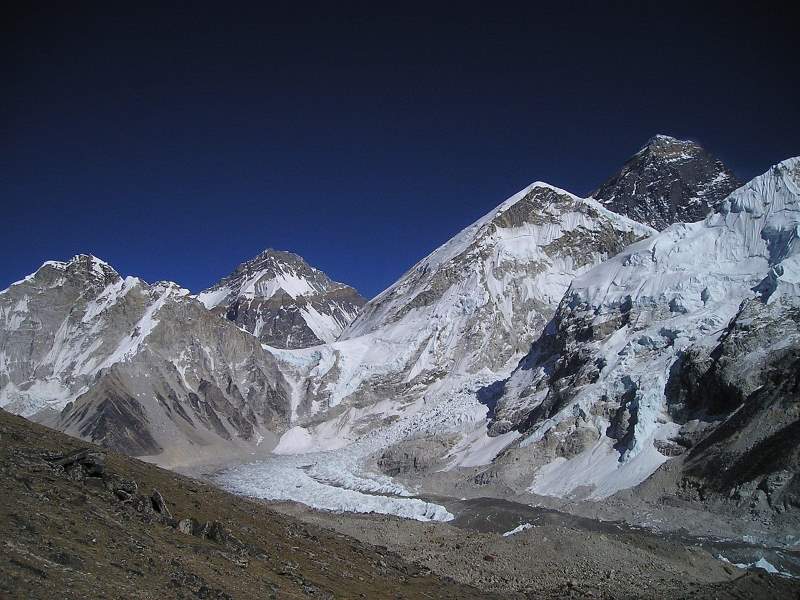
The Everest Base Camp (EBC) trek is a legendary journey that takes you to the foot of the world’s highest mountain, Mount Everest. The focused goal creates a powerful sense of purpose, and the daily presence of massive, world-famous peaks creates constant awe.
Key highlights:
-
Reaching Everest Base Camp (5,364m) at the foot of the world’s highest peak
-
Sunrise views from Kala Patthar (5,545m) —the best vantage point for Everest
-
Walking through iconic Sherpa villages like Namche Bazaar and Tengboche
-
Visiting ancient monasteries with breathtaking mountain backdrops
👉 Best for: Those chasing the iconic Everest dream and seeking a focused, high-altitude challenge.
Key Differences at a Glance
| Feature | Annapurna Circuit | Everest Base Camp |
|---|---|---|
| Duration | 12–20 days | 12–14 days |
| Max Altitude | 5,416m (Thorong La Pass) | 5,545m (Kala Patthar) |
| Cost | $700–$1,200 | $1,200–$2,500+ |
| Accessibility | Road access from Kathmandu/Pokhara | Flight to Lukla required |
| Experience | Diverse landscapes, cultural variety | Iconic mountain views, focused goal |
| Trail Vibe | A true “journey” through changing worlds | A purposeful “mission” with big peaks daily |
Difficulty Level: Which Trek is More Challenging?
Both treks are moderately difficult, but they challenge you in very different ways. Here’s a detailed breakdown:
| Challenge | Annapurna Circuit | Everest Base Camp |
|---|---|---|
| Altitude Sickness Risk | Lower – Gradual ascent profile with built-in acclimatization days. The classic circuit allows your body to adapt slowly. | Higher – Faster altitude gain, especially the jump from Namche Bazaar (3,440m) to Dingboche (4,410m). Requires careful pacing. |
| Day-to-Day Physicality | Longer trekking days overall. The Thorong La Pass day is extremely demanding (7-9 hours of steady climbing at high altitude). Other days are moderate. | Shorter but consistent. Daily treks are 4-7 hours, but the terrain is constantly up and down. The final push to Kala Patthar and EBC is mentally and physically taxing at extreme altitude. |
| Terrain & Trail Conditions | Varied but generally well-defined. Lower sections are forested trails; after Manang, it becomes rugged high-desert with rocky paths. | Rocky, dusty, and involves walking on glacial moraine (unstable boulder fields). Famous suspension bridges add excitement but require care. |
👉 Verdict:
-
Choose Annapurna Circuit if you prefer a gradual ascent with lower altitude risk and don’t mind longer trekking days.
-
Choose Everest Base Camp if you’re fit, comfortable with faster altitude gain, and ready for intense high-altitude challenges.
Cost Comparison: Which Trek is More Affordable?
One of the biggest deciding factors is budget. Here’s a realistic breakdown:
| Expense Category | Annapurna Circuit | Everest Base Camp |
|---|---|---|
| Permits | $30–$50 (ACAP + TIMS) | $50–$70 (Sagarmatha National Park + Khumbu Municipality) |
| Transport | $20–$50 (bus from Kathmandu to Besisahar or Pokhara) | $150–$200 (round-trip flight Kathmandu–Lukla) |
| Food & Accommodation | $20–$35 per day | $35–$60 per day (prices increase significantly with altitude) |
| Guide & Porter | $20–$30 per day for guide; $15–$20 for porter | $25–$35 per day for guide; $20–$25 for porter (higher demand) |
| Total Estimated Cost | $700–$1,200 (independent or guided) | $1,200–$2,500+ |
Hidden Costs to Consider
-
Travel Insurance: Mandatory for both, but EBC requires coverage up to 6,000m, which costs more.
-
Gear Rental: If you need to rent sleeping bags, down jackets, or trekking poles, budget an extra $50–$100.
-
Extra Expenses at Altitude: On EBC, expect to pay $3–$5 for hot showers, device charging, and WiFi once you’re above Namche.
-
Buffer Days: Always add 2-3 buffer days for EBC in case of Lukla flight delays.
👉 Verdict: Annapurna Circuit is significantly more budget-friendly.
Scenery and Experience: Which Trek Offers Better Views?
Annapurna Circuit Experience
-
Incredible diversity: You’ll walk through subtropical forests, terraced rice paddies, alpine meadows, and a high-altitude desert reminiscent of Tibet.
-
Cultural richness: Pass through Gurung, Manangi, and Thakali villages with distinct traditions, architecture, and cuisine.
-
The Thorong La moment: Crossing the 5,416m pass is a powerful, shared experience with fellow trekkers from around the world.
-
Less crowded: Outside the main season, sections of the trail feel remote and peaceful.
Everest Base Camp Experience
-
Close-up views of giants: Walk beneath Everest, Lhotse, Nuptse, and Ama Dablam—peaks that define Himalayan mountaineering.
-
Glacier landscapes: Trek alongside the Khumbu Glacier and experience the raw, dramatic terrain of the high Himalayas.
-
Sherpa culture: Immerse yourself in the world of the legendary Sherpa people, with monasteries, prayer flags, and vibrant mountain culture.
-
Sense of achievement: Reaching Base Camp and summiting Kala Patthar at sunrise delivers an unparalleled feeling of accomplishment.
👉 Verdict:
-
Choose Annapurna Circuit for variety and cultural depth.
-
Choose Everest Base Camp for iconic, dramatic mountain scenery.
Trek Duration and Itinerary Comparison
Annapurna Circuit Itinerary
-
Duration: 12–20 days depending on route and side trips
-
Flexibility: You can start at Besisahar or Chame and end at Jomsom or Pokhara. Many trekkers add side trips to Tilicho Lake or Poon Hill.
-
Pacing: Longer duration allows for more acclimatization and rest days.
Everest Base Camp Itinerary
-
Duration: 12–14 days standard route
-
Structure: More fixed due to Lukla flight logistics and limited side trip options (though you can add Gokyo Lakes or Chola Pass for extended treks)
-
Pacing: Compact itinerary with carefully planned acclimatization stops in Namche and Dingboche
👉 If you have limited time (12-14 days total), EBC is more suitable. If you have 15+ days and prefer flexibility, Annapurna Circuit allows for a more relaxed pace.
Accessibility and Transportation
| Factor | Annapurna Circuit | Everest Base Camp |
|---|---|---|
| Getting to Trailhead | 6-8 hour bus/jeep ride from Kathmandu to Besisahar or Pokhara. No flights required. | 30-minute flight from Kathmandu to Lukla (weather-dependent). Flight delays are common, especially in spring and autumn. |
| Trail Access | Road construction now reaches as far as Manang, allowing for shorter trek options. | Trail access only by foot from Lukla; no road access. |
| Return Transport | Easy bus or flight options from Jomsom or Pokhara back to Kathmandu. | Return flight from Lukla to Kathmandu; same weather risks apply. |
👉 Pro Tip: Always add 2-3 buffer days for Everest Base Camp treks to account for potential flight delays. For Annapurna Circuit, road transport is reliable and flexible.
Accommodation and Food Experience
Both treks operate on the tea house trekking system—basic lodges offering food and lodging along the trail.
| Aspect | Annapurna Circuit | Everest Base Camp |
|---|---|---|
| Accommodation Quality | More varied. In lower villages, rooms with attached bathrooms are common. Facilities become basic at higher altitudes, but villages are larger with more choices. | More standardized. Above Namche, rooms are very basic (often shared). Hot water, charging, and WiFi are available but cost extra ($3–$5 per item). |
| Food Variety | Wider selection—from traditional Nepali dal bhat to pizza, pasta, and Tibetan dishes. More developed villages offer diverse menus. | Simpler menus focused on carbohydrates for energy. Prices increase significantly with altitude. A bowl of dal bhat might cost $8–$10 near Base Camp. |
| Booking During Peak Season | Generally possible to find rooms without advance booking, though arriving early helps. | Highly recommended to book ahead in Namche and Dingboche during peak months (October–November, March–April). |
💡 Recommendation: Stick to local dishes like dal bhat (lentil soup with rice) for better hygiene, reliable energy, and often free seconds—a trekkers’ favorite.
Best Time to Trek: Annapurna Circuit vs Everest Base Camp
Best Seasons for Both Treks
-
Spring (March–May): Stable weather, blooming rhododendrons, moderate temperatures.
-
Autumn (September–November): Crystal-clear skies, stable conditions, peak tourist season.
Weather Comparison
| Factor | Annapurna Circuit | Everest Base Camp |
|---|---|---|
| Temperature | Slightly warmer overall. Lower sections remain pleasant; Thorong La can be cold and windy. | Colder at all altitudes. Nighttime temperatures at Base Camp can drop to -10°C to -20°C. |
| Wind | Windy at Thorong La, but valleys are often sheltered. | Consistently windy, especially in the afternoons. |
| Crowds | Busy but spread out along the circuit. | Very congested on the main trail, especially in Namche and Tengboche during peak season. |
👉 Avoid the monsoon (June–August) unless you’re experienced with slippery trails and leeches. Winter (December–February) is possible but requires serious cold-weather gear and some tea houses may be closed.
Solo vs. Guided Trekking: What You Need to Know
| Factor | Annapurna Circuit | Everest Base Camp |
|---|---|---|
| Solo Trekking | Easier to do independently. The trail is well-marked, infrastructure is robust, and you’ll easily find tea houses and fellow trekkers. A guide is not mandatory but can add cultural depth. | Possible but more complex. Lukla flight logistics, permit checks (Khumbu Municipality permit), and higher altitude risks make a guide valuable. Many trekkers opt for groups. |
| Guided Trekking | Guides are affordable and can enrich your experience with cultural insights and local connections. | Highly recommended for first-timers. Guides help manage altitude symptoms, navigate crowded trails, and handle permits. |
| Permit Complexity | Simple: ACAP + TIMS. Can be obtained in Kathmandu or Pokhara. | More complex: Sagarmatha National Park permit + Khumbu Pasang Lhamu Rural Municipality permit. Permits are checked at multiple checkpoints. |
Permits: What You’ll Need
Annapurna Circuit
-
Annapurna Conservation Area Permit (ACAP): NPR 3,000 (approx. $25) for foreign nationals
-
Trekkers’ Information Management System (TIMS) Card: NPR 2,000 (approx. $15)
Everest Base Camp
-
Sagarmatha National Park Permit: NPR 3,000 (approx. $25)
-
Khumbu Pasang Lhamu Rural Municipality Permit: NPR 2,000 (approx. $15)—a local permit often checked in Monjo
💡 Pro Tip: Permits can be arranged through a trekking agency or obtained in Kathmandu. For EBC, ensure you have both permits before starting the trek.
Expert Tips for Choosing the Right Trek
✅ Assess your fitness level honestly. Both treks require good cardiovascular fitness. If you’re unsure, consider adding training hikes beforehand.
✅ Consider your budget and time. Be realistic about what you can afford and how many days you truly have, including travel to/from Nepal.
✅ Travel with a guide for safety. Especially for EBC, a guide provides invaluable support for altitude management, logistics, and cultural context.
✅ Acclimatize properly. “Walk high, sleep low” is the golden rule. Never skip acclimatization days.
✅ Pack for the conditions. Annapurna requires layering for all seasons; EBC demands serious cold-weather gear.
✅ Add buffer days. For EBC, always plan 2-3 extra days for Lukla flight delays. For Annapurna, buffer days allow for rest or side trips.
💬 Personal Insight: Many trekkers I’ve worked with regret choosing Everest purely for its fame when Annapurna would have suited their style better. Choose based on experience, not hype.
What to Pack: Trek-Specific Gear Tips
For Annapurna Circuit
-
Prepare for all four seasons in one trek. You’ll need gear for humid lowlands and freezing, windy high passes.
-
Layering is critical. Lightweight base layers, mid-layer fleece, and a warm down jacket for Thorong La morning.
-
Waterproof jacket and pants for lower sections where rain is possible.
For Everest Base Camp
-
Focus on extreme cold-weather gear. Nighttime temperatures at higher elevations drop significantly.
-
A high-quality down jacket (rated to -10°C or lower) is non-negotiable.
-
Warm sleeping bag (rated to -15°C or lower) as tea house blankets are often insufficient.
-
Insulated, waterproof boots are essential for cold, rocky, and potentially snowy trails.
FAQs: Annapurna Circuit vs Everest Base Camp
Which is better, Annapurna Circuit or Everest Base Camp?
It depends on your goals—Annapurna offers variety and cultural depth, while Everest offers iconic mountain prestige and a focused challenge.
Is Annapurna Circuit easier than Everest Base Camp?
Generally, yes. The gradual altitude gain and longer acclimatization period make it less prone to altitude sickness. However, the Thorong La crossing is a long, demanding day.
Which trek is more expensive?
Everest Base Camp is significantly more costly due to flights, higher permit fees, and inflated prices for food and services at altitude.
Can beginners do Everest Base Camp trek?
Yes, with proper preparation, fitness training, and careful acclimatization. However, it’s not a “beginner” trek—most first-timers benefit from a guide.
Which trek has better views?
Subjective. Annapurna Circuit offers incredible diversity of landscapes; Everest Base Camp delivers close-up, dramatic views of the world’s highest peaks.
Do I need a guide for Annapurna Circuit?
No, it’s easily done independently. A guide adds cultural depth but is not required.
Do I need a guide for Everest Base Camp?
Not mandatory, but highly recommended for first-timers due to logistics, altitude risks, and permit complexity.
Conclusion: Make the Right Trekking Choice
Choosing between the Annapurna Circuit and Everest Base Camp isn’t about which trek is better—it’s about which trek is better for you.
Choose Annapurna Circuit if:
-
You’re on a budget
-
You want cultural and landscape diversity
-
You prefer lower altitude risk and gradual ascent
-
You have 15+ days and enjoy flexibility
-
You want to trek independently
Choose Everest Base Camp if:
-
You dream of standing at the foot of Everest
-
You want iconic, dramatic Himalayan views
-
Budget is not a major concern
-
You’re comfortable with faster altitude gain
-
You prefer organized group treks with fixed itineraries
Ultimately, your decision comes down to your personal adventure style. Do you dream of the world’s highest peak and thrive on focused, iconic challenges? Choose Everest Base Camp. Or do you seek a journey of immense diversity—through climates, cultures, and landscapes—with a legendary mountain pass as its crowning glory? Then the Annapurna Circuit is your perfect trek.
👉 Final Tip: Define your priorities—budget, time, experience—and your decision will become clear.
Ready to Explore Nepal’s Himalayas?
Start planning your adventure today. Whether you choose the cultural diversity of the Annapurna Circuit or the iconic majesty of Everest Base Camp, you’re guaranteed an unforgettable Himalayan journey.
For the safest and most enriching experience, consider booking with a reputable local trekking operator who can tailor the perfect itinerary to your goals, fitness level, and budget.
💬 If you found this guide helpful, share it with fellow trekkers!