Tilicho Lake Trek Itinerary: A Complete Day-by-Day Guide to Nepal’s Stunning Himalayan Lake
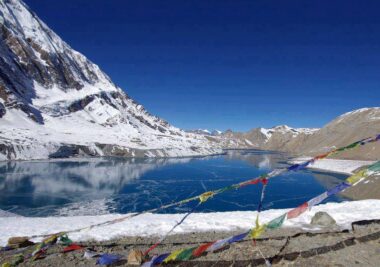
The Tilicho Lake Trek is one of the most rewarding high-altitude adventures in Nepal’s Annapurna region. Located at approximately 4,919 meters (16,138 feet), Tilicho Lake is famous for its extraordinary turquoise-blue water, dramatic mountain surroundings, and peaceful Himalayan atmosphere. Surrounded by snow-covered peaks and rugged landscapes, the lake offers an unforgettable experience for trekkers seeking something beyond the traditional Annapurna Circuit.
The trek is generally completed as an extension of the Annapurna Circuit Trek. It takes you through traditional mountain villages, beautiful forests, deep river valleys, alpine landscapes, and spectacular Himalayan viewpoints before reaching the magnificent lake.
Unlike some popular trekking destinations in Nepal, the Tilicho Lake route offers a combination of cultural exploration and challenging mountain walking. Trekkers pass through settlements such as Chame, Pisang, Manang, and Khangsar while experiencing the lifestyle, traditions, and hospitality of local communities.
Reaching Tilicho Lake requires proper preparation because of its high elevation, steep trails, and changing mountain weather. A well-planned itinerary with sufficient acclimatization is essential for enjoying the journey safely.
In this guide, we explain the Tilicho Lake Trek itinerary, including daily walking routes, altitude, trekking duration, major attractions, difficulty, best seasons, permits, and essential preparation tips.
Tilicho Lake Trek Overview
Before beginning the journey, here are some important details about the Tilicho Lake Trek.
| Trekking Information | Details |
|---|---|
| Destination | Tilicho Lake, Manang, Nepal |
| Region | Annapurna |
| Maximum Altitude | 4,919 m |
| Trek Duration | 10–14 days |
| Starting Point | Chame or Dharapani |
| Ending Point | Manang or continuation to the Annapurna Circuit |
| Difficulty | Moderate to challenging |
| Accommodation | Mountain teahouses and lodges |
| Trekking Style | Teahouse trekking |
| Best Seasons | Spring and autumn |
| Main Attraction | Tilicho Lake |
| Required Permits | Annapurna Conservation Area Permit and applicable trekking registration requirements |
The actual duration depends on your starting point, walking pace, acclimatization schedule, and whether you continue across Thorong La Pass.
Tilicho Lake Trek Itinerary: Day-by-Day Route
The following is a suggested 12-day itinerary starting from Kathmandu and including the Tilicho Lake excursion. It allows time for gradual altitude gain and acclimatization.
Day 1: Drive from Kathmandu to Chame (2,670 m)
Your Tilicho Lake adventure begins with a scenic drive from Kathmandu towards Chame, the administrative headquarters of Manang District.
The journey follows the Prithvi Highway before continuing along the Marsyangdi River through Besisahar. From there, the road gradually enters the mountainous landscape of the Annapurna region.
During the drive, you will pass beautiful villages, terraced farmland, waterfalls, suspension bridges, and green hills. As you approach Chame, the surroundings become increasingly mountainous, with impressive views of the Annapurna range.
Chame is a traditional Himalayan settlement with teahouses, small shops, and basic trekking facilities.
- Starting altitude: Kathmandu, 1,400 m
- Destination altitude: 2,670 m
- Travel duration: Approximately 8–10 hours
- Accommodation: Teahouse or lodge
Day 2: Trek from Chame to Upper Pisang (3,300 m)
After breakfast, begin walking through pine forests and along the Marsyangdi River.
The trail passes through small settlements and gradually climbs towards Bhratang, a beautiful location known for its apple orchards. You will also encounter the impressive Paungda Danda rock face, one of the most recognizable natural landmarks along this section of the Annapurna Circuit.
As you continue towards Dhukur Pokhari and Upper Pisang, the landscape becomes more open, providing spectacular views of Annapurna II and surrounding Himalayan peaks.
Upper Pisang is a traditional village featuring stone houses, Buddhist monasteries, and prayer flags.
- Walking duration: 5–6 hours
- Destination altitude: 3,300 m
- Accommodation: Teahouse
Day 3: Trek from Upper Pisang to Manang (3,540 m)
Today is one of the most scenic sections of the journey.
There are two possible routes from Pisang to Manang: the lower route through the valley and the upper route through Ghyaru and Ngawal.
The upper trail is recommended for trekkers who have enough time and energy. Although it involves a steeper climb, it rewards you with magnificent views of Annapurna II, Annapurna III, Gangapurna, and the surrounding Himalayan landscape.
Along the way, you will encounter traditional Tibetan-influenced villages, ancient monasteries, and Buddhist prayer wheels.
After passing Ngawal and Braga, you will reach Manang, an important settlement and acclimatization destination for trekkers.
Manang has several teahouses, bakeries, shops, and medical facilities that make it an ideal place to prepare for the higher sections of the trek.
- Walking duration: 6–7 hours
- Destination altitude: 3,540 m
- Accommodation: Teahouse
Day 4: Acclimatization Day in Manang (3,540 m)
An acclimatization day in Manang is essential before continuing towards Tilicho Lake.
At this elevation, your body needs time to adjust to the reduced oxygen availability. Rather than spending the entire day resting indoors, you can take a short hike to a nearby viewpoint.
Popular options include Gangapurna Lake, the Gangapurna Glacier viewpoint, and Ice Lake (Kicho Tal).
Ice Lake is a challenging uphill excursion, so it should only be attempted if you feel well-acclimatized and physically comfortable.
You can also visit the Himalayan Rescue Association’s altitude information sessions when available. These provide useful information about altitude sickness, symptoms, and preventive measures.
Spend the evening relaxing in Manang and preparing for the more demanding sections ahead.
- Accommodation: Teahouse in Manang
- Activity: Acclimatization and optional short hike
Day 5: Trek from Manang to Shree Kharka (4,080 m)
After breakfast, leave the main Annapurna Circuit trail and follow the route towards Tilicho Lake.
The trail gradually climbs through the beautiful landscape of the Khangsar Valley. You will pass traditional settlements, small streams, and mountain slopes with views of Gangapurna and Tilicho Peak.
Khangsar is one of the last traditional villages along the Tilicho Lake route. Its stone houses, ancient Buddhist structures, and peaceful surroundings provide a glimpse into the traditional mountain lifestyle.
Continue climbing towards Shree Kharka, where you will find basic mountain lodges.
This is an important stage because you are entering a higher-altitude environment. Walk slowly, drink enough water, and avoid unnecessary physical exertion.
- Walking duration: 4–5 hours
- Destination altitude: Approximately 4,080 m
- Accommodation: Teahouse
Day 6: Trek from Shree Kharka to Tilicho Base Camp (4,150 m)
Today, you will approach the base camp of Tilicho Lake.
The trail follows a rugged mountainside with exposed sections, loose rocks, and landslide-prone terrain. This is considered one of the more challenging parts of the entire trek.
Although the distance is relatively short, the trail requires concentration and careful walking. Weather conditions can also affect the safety of this section.
It is advisable to start early, follow your guide’s instructions, and maintain a safe distance from other trekkers in exposed areas.
After crossing the difficult section, you will reach Tilicho Base Camp.
The surrounding landscape is dramatic, with towering mountain walls, rocky slopes, and impressive views of the Himalayan wilderness.
Rest early because the following day involves an early morning hike to the lake.
- Walking duration: 4–6 hours
- Destination altitude: Approximately 4,150 m
- Accommodation: Basic mountain lodge
Day 7: Hike to Tilicho Lake (4,919 m) and Return to Base Camp
This is the most exciting day of the Tilicho Lake Trek.
Wake up early in the morning and begin the uphill journey towards Tilicho Lake. The trail is steep, and the thin mountain air makes walking more demanding.
As you climb higher, you will notice the changing landscape, with snow-covered slopes, rocky mountain formations, and panoramic views of the surrounding peaks.
After several hours of climbing, you will finally reach Tilicho Lake at approximately 4,919 meters.
The lake is famous for its striking blue and turquoise water, which contrasts beautifully with the surrounding snow-covered mountains. Its peaceful atmosphere and extraordinary natural beauty make the challenging journey worthwhile.
Spend some time enjoying the scenery and taking photographs. However, avoid staying too long if weather conditions deteriorate.
After exploring the lake, carefully descend to Tilicho Base Camp.
Depending on trail conditions, weather, and individual fitness, the return journey may take several hours.
- Highest altitude: 4,919 m
- Walking duration: Approximately 6–8 hours round trip
- Accommodation: Tilicho Base Camp or a lower lodge, depending on the chosen route
Day 8: Trek from Tilicho Base Camp to Manang (3,540 m)
After experiencing Tilicho Lake, begin your return journey towards Manang.
Retrace the trail through the landslide-prone section and Shree Kharka before continuing towards Khangsar.
The downhill route provides another opportunity to enjoy the beautiful Himalayan scenery. You can also appreciate the mountain villages and landscapes that may have been difficult to notice during the uphill journey.
After reaching Manang, enjoy a relaxing evening and celebrate completing the Tilicho Lake excursion.
- Walking duration: Approximately 6–7 hours
- Destination altitude: 3,540 m
- Accommodation: Teahouse
Day 9: Drive from Manang to Besisahar
After breakfast, begin your journey back towards Besisahar by local jeep.
The road follows the Marsyangdi Valley, passing through mountain settlements, rivers, waterfalls, and green hills.
The drive can be bumpy in some sections because of rough mountain roads. Travel time depends on road conditions, vehicle availability, and weather.
Upon reaching Besisahar, check into a hotel and enjoy a comfortable evening.
- Travel duration: Approximately 6–8 hours
- Accommodation: Hotel or lodge
Day 10: Drive from Besisahar to Kathmandu
Today, return to Kathmandu by road.
The journey follows the Prithvi Highway, passing riverside settlements, terraced farmland, and green hills.
After arriving in Kathmandu, your Tilicho Lake Trek comes to an end.
If you have additional time, you can explore Kathmandu’s cultural attractions, including Pashupatinath Temple, Boudhanath Stupa, and Kathmandu Durbar Square.
- Travel duration: Approximately 6–8 hours
- Destination altitude: 1,400 m
Important itinerary note: This is a compact, lake-focused itinerary. The schedule should be adjusted according to road conditions, acclimatization needs, and the trekker’s health. For a more relaxed trip, consider adding extra nights and contingency days.
Alternative: Continue the Annapurna Circuit via Thorong La Pass
Many trekkers prefer combining Tilicho Lake with the complete Annapurna Circuit rather than returning to Manang.
After visiting Tilicho Lake, you can continue from Shree Kharka towards Yak Kharka and Thorong Phedi before crossing Thorong La Pass.
The additional route provides another major Himalayan adventure.
Shree Kharka to Yak Kharka (4,050 m)
After completing the Tilicho Lake excursion, follow the route towards Old Khangsar and reconnect with the main Annapurna Circuit trail.
Continue towards Yak Kharka, a popular overnight stop surrounded by alpine landscapes and mountain scenery.
Yak Kharka to Thorong Phedi (4,450 m)
Walk gradually uphill towards Ledar and Thorong Phedi.
The landscape becomes increasingly rocky and barren as you approach the high mountain pass.
Thorong Phedi to Thorong La Pass (5,416 m) and Muktinath (3,760 m)
Start very early in the morning for the challenging climb to Thorong La Pass.
At 5,416 meters, Thorong La is one of the highest trekking passes in Nepal. Reaching the summit rewards you with spectacular views of the Annapurna and Dhaulagiri mountain ranges.
After celebrating your achievement, descend towards Muktinath, an important religious destination for both Hindu and Buddhist pilgrims.
This extended itinerary is ideal for trekkers who want to experience both Tilicho Lake and the classic Annapurna Circuit.
Major Attractions of the Tilicho Lake Trek
1. Tilicho Lake
The main attraction is undoubtedly Tilicho Lake itself. Situated at approximately 4,919 meters, the lake is surrounded by impressive Himalayan mountains and dramatic rocky landscapes.
Its beautiful blue water and remote location make it one of the most memorable natural attractions in the Annapurna region.
2. Manang Village
Manang is an important cultural and trekking destination. It offers beautiful mountain views, traditional stone houses, Buddhist monasteries, and opportunities to learn about local Himalayan traditions.
3. Annapurna Mountain Views
Throughout the trek, you can enjoy impressive views of Annapurna II, Annapurna III, Gangapurna, Tilicho Peak, and other surrounding mountains.
4. Khangsar Village
Khangsar is a traditional settlement along the Tilicho Lake route. It is known for its traditional architecture, Buddhist cultural heritage, and peaceful mountain environment.
5. Gangapurna Glacier and Lake
Near Manang, Gangapurna Glacier and its turquoise glacial lake create a beautiful natural landscape. It is also a popular destination for short acclimatization hikes.
How Difficult Is the Tilicho Lake Trek?
The Tilicho Lake Trek is generally considered a moderate-to-challenging high-altitude trekking adventure.
You do not need technical climbing experience or mountaineering equipment. However, you should have good physical fitness, endurance, and the ability to walk for several hours each day.
Some of the major challenges include:
- High altitude: Reaching 4,919 meters requires proper acclimatization and careful altitude management.
- Steep uphill trails: The climb from Tilicho Base Camp to the lake is physically demanding.
- Landslide sections: The trail between Shree Kharka and Tilicho Base Camp can be exposed and unstable.
- Changing weather: Rain, snow, strong winds, and low temperatures can make trekking more difficult.
- Long walking days: Some sections require 6–8 hours of walking.
Regular hiking, cardiovascular exercises, stair climbing, and strength training can help you prepare for the journey.
Best Time for Tilicho Lake Trek
The best seasons for the Tilicho Lake Trek are spring and autumn.
Spring (March to May)
Spring is one of the most beautiful seasons for trekking in the Annapurna region.
The weather gradually becomes warmer, mountain trails become more comfortable, and clear days offer impressive Himalayan views.
Rhododendron forests also add beautiful colors to the lower sections of the Annapurna region.
Autumn (September to November)
Autumn is another excellent season for the Tilicho Lake Trek.
After the monsoon, the atmosphere becomes clearer, offering spectacular mountain views. Daytime temperatures are generally comfortable for walking, although mornings and evenings can be cold at higher elevations.
October and November are particularly popular months.
Winter (December to February)
Winter trekking is possible for experienced trekkers, but snow, freezing temperatures, and difficult trail conditions can create additional challenges.
Heavy snowfall may affect access to Tilicho Lake and nearby high-altitude routes.
Monsoon (June to August)
The monsoon season is generally less favorable because of rainfall, muddy trails, landslides, and poor visibility.
Although the upper Manang region lies in a relatively sheltered rain-shadow area, the approach routes can still experience significant rainfall.
Permits Required for Tilicho Lake Trek
Before starting the trek, make sure you have the necessary permits and documentation.
1. Annapurna Conservation Area Permit (ACAP)
The ACAP is required for trekking within the Annapurna Conservation Area. The fee depends on your nationality and applicable regulations.
2. Applicable Trekking Registration Requirements
Check the current Nepal trekking regulations before departure. Depending on the route and rules in force, registered guide and trekking registration requirements may apply.
Keep your permits available at designated checkpoints during the journey.
Accommodation and Food During the Trek
Accommodation along the Tilicho Lake route is mainly provided by teahouses and mountain lodges.
In Chame, Pisang, and Manang, trekkers can generally find comfortable lodges with basic facilities. As you move towards Shree Kharka and Tilicho Base Camp, accommodation becomes more basic.
Common food options include:
- Dal bhat (rice, lentils, and vegetables)
- Noodles and fried rice
- Vegetable soups
- Tibetan bread
- Pancakes and porridge
- Potatoes and seasonal vegetables
- Tea, coffee, and hot drinks
Dal bhat is a popular choice because it provides carbohydrates and energy for long trekking days.
Essential Packing List for Tilicho Lake Trek
Packing appropriate clothing and equipment is important for a comfortable and safe journey.
Clothing
- Moisture-wicking base layers
- Warm fleece or insulated jacket
- Waterproof and windproof jacket
- Trekking trousers
- Thermal underwear
- Warm gloves and woolen socks
- Sun hat and warm hat
Footwear
- Comfortable trekking boots
- Lightweight camp shoes
- Gaiters, depending on seasonal conditions
Trekking Equipment
- Backpack (approximately 30–45 liters)
- Sleeping bag suitable for expected temperatures
- Trekking poles
- Sunglasses with UV protection
- Headlamp
- Water bottles or hydration system
- Power bank
Personal and Safety Items
- Sunscreen and lip balm
- Personal toiletries
- Basic first-aid supplies
- Personal medications
- Water purification tablets or filter
- Travel insurance covering high-altitude trekking and emergency evacuation
Important Safety Tips for Tilicho Lake Trek
High-altitude trekking requires careful planning and responsible decisions.
- Allow sufficient acclimatization: Spend an additional night in Manang before heading towards Tilicho Base Camp.
- Walk at a comfortable pace: Avoid rushing, especially above 3,500 meters.
- Recognize altitude sickness: Headache, nausea, dizziness, and unusual fatigue can indicate acute mountain sickness.
- Descend when necessary: If altitude sickness symptoms worsen, stop ascending and descend. Severe symptoms require urgent medical attention.
- Check trail conditions: Ask local guides and lodge operators about the landslide section before crossing.
- Start early: Morning conditions are often more favorable for the lake excursion.
- Stay hydrated: Drink sufficient fluids throughout the day.
- Use experienced local guides: A knowledgeable guide can help with route decisions, local conditions, and emergency situations.
Never continue ascending when experiencing symptoms of altitude sickness.
Tilicho Lake Trek Cost
The total cost of the Tilicho Lake Trek depends on several factors, including trip duration, transportation, accommodation, meals, permits, guide services, and porter arrangements.
The main expenses generally include:
- Transportation from Kathmandu or Pokhara
- Trekking permits and registration
- Accommodation in teahouses
- Meals and drinking water
- Professional trekking guide
- Porter services
- Travel insurance
- Personal expenses and emergency funds
A guided trekking package may cost more than an independent arrangement, but it can simplify transportation, accommodation, logistics, and safety planning.
For an accurate budget, request a package quotation based on your preferred itinerary, group size, and travel season.
Frequently Asked Questions About Tilicho Lake Trek
1. How many days are required for the Tilicho Lake Trek?
The Tilicho Lake Trek generally requires around 10–14 days, depending on the starting point, acclimatization schedule, and return route. Combining it with the complete Annapurna Circuit requires additional days.
2. How high is Tilicho Lake?
Tilicho Lake is situated at approximately 4,919 meters (16,138 feet) above sea level in Manang District, Nepal.
3. Is Tilicho Lake Trek difficult?
The trek is considered moderate to challenging. The high altitude, steep uphill trails, and exposed landslide sections make it more demanding than many lower-altitude trekking routes.
4. Can beginners do the Tilicho Lake Trek?
Yes, beginners with good physical fitness and proper preparation can complete the trek. However, first-time high-altitude trekkers should choose a gradual itinerary with sufficient acclimatization and experienced guide support.
5. What is the best month to visit Tilicho Lake?
March, April, May, October, and November are generally the best months. These periods usually offer more favorable trekking conditions and clearer mountain views.
6. Do I need a guide for Tilicho Lake Trek?
You should check current Nepal trekking regulations before departure. Hiring an experienced local guide is strongly recommended because of the high altitude, difficult trail sections, and changing mountain conditions.
7. Is there accommodation near Tilicho Lake?
There is no regular accommodation beside the lake itself. Trekkers generally stay at Tilicho Base Camp or nearby mountain lodges before and after visiting the lake.
8. Can I combine Tilicho Lake with Annapurna Circuit Trek?
Yes. Tilicho Lake is commonly visited as a side trip from the Annapurna Circuit. After exploring the lake, trekkers can reconnect with the main route towards Yak Kharka and cross Thorong La Pass to reach Muktinath.
9. Is Tilicho Lake frozen in winter?
The lake can experience freezing conditions during winter, depending on temperatures and weather. Snow and ice can also make the surrounding trails difficult to access.
10. What is the nearest major town to Tilicho Lake?
Manang is the main trekking settlement used as the starting point for the Tilicho Lake side trip. From Manang, trekkers continue towards Khangsar, Shree Kharka, and Tilicho Base Camp.
Conclusion
The Tilicho Lake Trek is an unforgettable Himalayan adventure that combines natural beauty, cultural experiences, and high-altitude trekking challenges. From the traditional villages of the Annapurna region to the spectacular mountain scenery surrounding Tilicho Lake, every stage of the journey offers something special.
Although reaching the lake requires physical preparation and proper acclimatization, the reward is an extraordinary experience at one of Nepal’s most beautiful high-altitude destinations.
Whether you choose a dedicated Tilicho Lake itinerary or combine it with the Annapurna Circuit and Thorong La Pass, careful planning will make your adventure more comfortable and rewarding.
If you are planning a trekking holiday in Nepal, Tilicho Lake deserves a place on your adventure list. Choose a suitable itinerary, prepare physically, and experience the remarkable beauty of the Annapurna Himalayas.