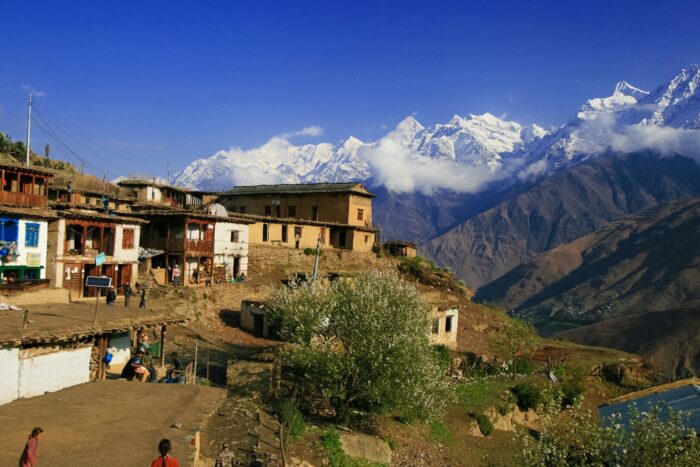
Upper Dolpo Trek Itinerary: A Complete 24-Day Guide to Nepal’s Remote Himalayan Wilderness
The Upper Dolpo Trek is one of Nepal’s most adventurous and culturally rewarding trekking experiences. Located in the remote Dolpo region of western Nepal, this extraordinary journey takes trekkers through dramatic Himalayan valleys, ancient Buddhist monasteries, traditional Tibetan-influenced villages, high mountain passes, and the remarkable turquoise waters of Shey Phoksundo Lake.
Unlike popular trekking routes such as Everest Base Camp and the Annapurna Circuit, Upper Dolpo remains relatively isolated from mainstream tourism. Its challenging trails, limited infrastructure, and restricted-area regulations make it an ideal destination for experienced trekkers seeking solitude, authentic cultural encounters, and a genuine wilderness expedition.
A typical Upper Dolpo Trek itinerary takes approximately 20–28 days, depending on the route, acclimatization schedule, side trips, and transportation arrangements. The journey generally begins with flights from Kathmandu to Nepalgunj and Juphal before continuing on foot toward Phoksundo Lake, Shey Gompa, Saldang, and the remote settlements of Upper Dolpo.
This comprehensive guide explains the Upper Dolpo Trek itinerary, daily walking routes, major attractions, difficulty level, permits, accommodation, and the best time to visit.
Upper Dolpo Trek Overview
Before planning your journey, it is important to understand the basic requirements of this remote Himalayan adventure.
- Destination: Dolpo region, western Nepal
- Trek duration: Approximately 20–28 days
- Starting point: Juphal, following flights from Kathmandu via Nepalgunj
- Ending point: Usually Juphal
- Highest point: Around 5,300–5,400 meters, depending on the selected route and pass
- Trek difficulty: Challenging to strenuous
- Accommodation: Camping and occasional basic local accommodation, depending on the itinerary
- Trekking style: Organized expedition with a guide and support crew
- Best seasons: Spring and autumn, with route-specific considerations
- Major attractions: Shey Phoksundo Lake, Shey Gompa, Crystal Mountain, Saldang Village, Dho Tarap, and high mountain passes
- Permits: Restricted-area permits and national park entry permits, as applicable
The exact route, elevation figures, and duration may differ between trekking operators. A well-planned itinerary should include acclimatization days and additional time for possible flight delays.
Detailed 24-Day Upper Dolpo Trek Itinerary
The following itinerary describes a representative journey through Lower Dolpo and the main cultural and natural highlights of Upper Dolpo. Daily walking hours and overnight elevations are approximate and should be confirmed with your trekking operator.
Day 1: Arrival in Kathmandu (1,400 m)
Your Upper Dolpo adventure begins in Kathmandu, Nepal’s capital city. Upon arrival, transfer to your hotel and take time to rest after your journey.
Depending on your arrival time, you can explore nearby markets, visit a local restaurant, or prepare for the trek. Your trekking guide or agency representative will explain the itinerary, transportation arrangements, permit requirements, and equipment checklist.
Because Upper Dolpo is a restricted and remote destination, advance preparation is essential. Confirm that your travel documents, insurance, and trekking arrangements are in order before leaving Kathmandu.
Overnight: Hotel in Kathmandu
Day 2: Kathmandu Sightseeing and Trek Preparation
Use this day to complete final preparations for the expedition. If time permits, explore some of Kathmandu Valley’s cultural attractions before departing for western Nepal.
Your trekking team can inspect your equipment, organize camping supplies, and confirm the flight schedule. It is also a good opportunity to purchase any missing essentials, including warm clothing, water purification supplies, sun protection, and personal medication.
A buffer day is particularly useful because flights to remote mountain airstrips can be affected by weather.
Overnight: Hotel in Kathmandu
Day 3: Fly from Kathmandu to Nepalgunj
Take a domestic flight from Kathmandu to Nepalgunj, a major transport hub in southwestern Nepal.
The landscape changes considerably during the journey, from the hills surrounding Kathmandu to the warmer plains of the Terai. Nepalgunj serves as an important gateway for travelers heading toward Dolpo and other remote Himalayan destinations.
After checking into your hotel, prepare for the onward flight to Juphal. Depending on your arrival time, you may have an opportunity to explore the local market or enjoy a relaxed evening.
Overnight: Hotel in Nepalgunj
Day 4: Fly to Juphal and Trek to Dunai (Approximately 2,100–2,500 m)
Take an early flight from Nepalgunj to Juphal, the small airstrip that provides access to the Dolpo region.
After landing, begin the trek toward Dunai, the administrative headquarters of Dolpa District. The walk follows local trails through rugged terrain and settlements, offering an introduction to the region’s landscapes and traditional way of life.
Dunai is an important staging point where trekking permits and arrangements may be checked before entering protected or restricted areas.
Walking time: Approximately 2–4 hours, depending on the route and transport arrangements
Overnight: Lodge or organized camp, depending on the itinerary
Day 5: Dunai to Chhepka (Approximately 2,600–2,900 m)
Leave Dunai and follow the trail toward the Suli Gad valley. The route passes through forested landscapes, small settlements, and river valleys as you gradually move farther from developed areas.
The trail may include stone steps, narrow sections, and repeated ascents and descents. Although the elevation is not yet extremely high, the walking distance and uneven terrain require steady pacing.
As the trek continues, the surrounding environment becomes quieter and more remote.
Walking time: Approximately 5–7 hours
Overnight: Organized camp
Day 6: Chhepka to Chunuwar or Amchi Area (Approximately 3,000 m)
Continue along the Suli Gad corridor through forests and rocky sections of the trail. The landscape gradually changes as the route approaches the higher valleys leading toward Shey Phoksundo Lake.
This stage can feel demanding because of the sustained walking and occasional steep sections. Take regular breaks, drink enough water, and avoid rushing to reach camp.
The area around Chunuwar is associated with traditional Amchi healing practices, which reflect the region’s distinctive cultural heritage.
Walking time: Approximately 5–7 hours
Overnight: Organized camp
Day 7: Chunuwar Area to Shey Phoksundo Lake (Approximately 3,600 m)
Today brings you to one of the most memorable destinations in western Nepal: Shey Phoksundo Lake.
The trail climbs through rugged terrain before reaching the area around Ringmo Village and the lake. As the turquoise water comes into view, the dramatic cliffs and barren mountain slopes create a striking contrast with the surrounding forests.
Phoksundo Lake is one of Nepal’s most famous high-altitude lakes and a major highlight of the Dolpo region. Its vivid color changes with the light, making it a favorite location for photographers and nature enthusiasts.
Walking time: Approximately 4–6 hours
Overnight: Camp near the designated camping area
Day 8: Exploration and Acclimatization at Shey Phoksundo Lake
Spend the day exploring the lake’s surroundings and acclimatizing to the increasing altitude.
You may visit Ringmo Village, observe traditional stone houses, and learn about local Bon and Buddhist cultural traditions. The nearby Tshowa area is associated with an ancient monastery overlooking the lake.
Phoksundo is also part of Shey Phoksundo National Park, which protects a variety of Himalayan habitats and wildlife. Follow local conservation rules, remain on appropriate trails, and avoid disturbing wildlife or sacred sites.
Use this day for gentle walks rather than strenuous exercise. Proper acclimatization is particularly important before proceeding toward the higher passes.
Overnight: Camp near Shey Phoksundo Lake
Day 9: Shey Phoksundo Lake to Sallaghari (Approximately 3,600–3,900 m)
Leave the lake area and continue into the more remote landscape beyond Phoksundo.
The trail passes through forested sections and increasingly rugged terrain. As you approach the higher valleys, the route becomes more exposed and the number of settlements decreases.
This section helps prepare you for the more demanding stages ahead. The landscape gradually shifts from wooded slopes to a stark high-altitude environment.
Walking time: Approximately 5–7 hours
Overnight: Organized camp
Day 10: Sallaghari to Kang La Base Camp (Approximately 4,500–4,900 m)
Today involves a substantial climb toward the base camp below Kang La, also known as Nangdala La on some route descriptions.
The trail becomes steeper as you gain elevation, with rocky ground and increasingly limited vegetation. Cold temperatures and thinner air can make walking more difficult, particularly for trekkers who have not acclimatized adequately.
Maintain a comfortable pace and allow enough time for rest. Your guide will assess the weather and trail conditions before the pass crossing.
Walking time: Approximately 5–7 hours
Overnight: High-altitude camp
Day 11: Cross Kang La Pass and Trek to Shey Gompa (Approximately 5,300–5,400 m at the pass)
This is one of the most challenging and rewarding days of the Upper Dolpo Trek.
Begin early to cross Kang La Pass, where the surrounding mountains and high-altitude landscape provide dramatic views. The ascent can be strenuous because of the steep terrain, cold conditions, and reduced oxygen levels.
After reaching the pass, descend carefully toward Shey Gompa, a spiritually significant settlement in Upper Dolpo.
The region is famous for its sacred Crystal Mountain, which attracts pilgrims who traditionally undertake a circumambulation of the mountain. Shey Gompa is also associated with the area’s longstanding Buddhist and Bon traditions.
Walking time: Approximately 6–9 hours, depending on conditions
Overnight: Camp near Shey Gompa
Important: Pass elevations vary between maps and itineraries. Confirm the exact route and current conditions with your trekking operator before departure.
Day 12: Explore Shey Gompa and the Crystal Mountain Region
Spend a day exploring the spiritual and cultural heritage of Shey.
The monastery provides insight into the religious traditions that have shaped life in Upper Dolpo for centuries. Depending on access, local customs, and the group’s schedule, you may explore the surrounding settlement or enjoy views of the sacred mountain.
This rest day is also valuable for recovery after the demanding Kang La crossing.
Respect religious practices, ask permission before photographing residents or ceremonies, and follow your guide’s advice when visiting monasteries.
Walking: Optional short walks
Overnight: Camp near Shey Gompa
Day 13: Shey Gompa to Namgung via Shey La (Approximately 5,000 m at the pass)
Continue through the high-altitude terrain toward Namgung.
The route crosses another mountain pass, often identified as Shey La or Saldang La depending on the specific itinerary. The trail passes through barren slopes and wide valleys characteristic of the trans-Himalayan landscape.
The ascent and descent require endurance, particularly after several consecutive days at altitude. Good footwear and trekking poles can help improve stability on loose or uneven ground.
Walking time: Approximately 6–8 hours
Overnight: Camp near Namgung
Day 14: Namgung to Saldang Village (Approximately 3,700–4,000 m)
Descend toward Saldang, one of the most recognizable settlements in Upper Dolpo.
The village sits among dry mountain slopes and cultivated fields, creating a landscape very different from Nepal’s greener middle hills. Traditional stone houses, agricultural terraces, and local religious sites reveal how communities have adapted to the region’s demanding environment.
Saldang has historically been associated with trade routes connecting the Himalayan region with Tibet. Its cultural character remains one of the major reasons travelers choose Upper Dolpo.
Walking time: Approximately 4–6 hours
Overnight: Camp or locally arranged accommodation
Day 15: Explore Saldang Village
Spend the day exploring Saldang and its surroundings.
Observe traditional village life, learn about local agriculture, and discover the area’s religious and cultural heritage. If arrangements and local conditions permit, your guide may organize a short walk to a nearby monastery or settlement.
This is also a useful recovery day before continuing across the remote valleys of Upper Dolpo.
Travel respectfully by asking before taking photographs, purchasing local products when available, and following guidance around religious sites.
Overnight: Camp near Saldang
Day 16: Saldang to Sibu (Approximately 3,900–4,200 m)
Continue through the remote settlements and dry valleys of Upper Dolpo.
The trail follows traditional paths through a landscape of rocky hills, sparse vegetation, and cultivated land near villages. Depending on the selected route, you may pass smaller settlements and sections of the historic trade network.
Facilities become increasingly limited, so your camping crew must carry the supplies needed for meals, accommodation, and daily logistics.
Walking time: Approximately 5–7 hours
Overnight: Organized camp
Day 17: Sibu to Jeng La Base Camp (Approximately 4,500–4,900 m)
Today’s route climbs gradually toward the base camp below Jeng La.
The trail becomes more demanding as you approach higher elevations. Cold winds, rocky terrain, and long walking hours can increase fatigue, so maintain a consistent pace and follow your guide’s instructions.
This stage is important preparation for the following day’s pass crossing.
Walking time: Approximately 5–7 hours
Overnight: High-altitude camp
Day 18: Cross Jeng La Pass and Trek to Dho Tarap (Approximately 5,000–5,100 m at the pass)
Start early for the crossing of Jeng La, another major high point on the Upper Dolpo route.
The ascent requires endurance and careful movement across rocky or potentially snow-covered terrain. Weather conditions can change quickly at this altitude, and the descent may be tiring after the long climb.
After crossing the pass, continue toward Dho Tarap, a historically important settlement in the Tarap Valley.
Dho Tarap is known for its traditional architecture, Tibetan-influenced culture, and monasteries. Its location within a broad high-altitude valley makes it one of the most distinctive cultural stops in Dolpo.
Walking time: Approximately 6–9 hours
Overnight: Camp near Dho Tarap
Day 19: Explore Dho Tarap and the Tarap Valley
Use this day to rest and explore the cultural heritage of Dho Tarap.
The village offers an opportunity to learn about local farming, pastoral traditions, and the religious practices that continue to shape everyday life. Depending on local access, you may visit nearby monasteries or walk through the surrounding settlement.
The valley is also known for its dramatic mountain scenery and remote atmosphere.
Take time to recover before beginning the longer return journey toward lower elevations.
Overnight: Camp near Dho Tarap
Day 20: Dho Tarap to Nawarpani or a Nearby Campsite
Begin descending through the Tarap Valley toward lower elevations.
The route follows a rugged landscape of cliffs, river valleys, and narrow trails. Some sections can be physically demanding despite the overall descent, especially where the path is uneven or exposed.
As you lose altitude, the air becomes denser and walking may feel easier. However, long downhill sections can place considerable strain on the knees and ankles.
Walking time: Approximately 5–7 hours
Overnight: Organized camp
Day 21: Nawarpani to Tarakot
Continue toward Tarakot through the lower valleys of Dolpo.
The scenery gradually changes as you leave the higher, drier terrain behind. The trail follows river corridors and passes through areas with more vegetation and signs of settlement.
Tarakot has historical importance as a settlement along regional trade and travel routes. Depending on the route and time available, you may have an opportunity to observe traditional architecture and local life.
Walking time: Approximately 5–7 hours
Overnight: Camp or locally arranged accommodation
Day 22: Tarakot to Dunai
Continue the return trek toward Dunai.
The walking route follows established trails through the lower valleys, with a mixture of gradual ascents, descents, and relatively easier sections compared with the high passes.
Reaching Dunai marks an important milestone: the most remote part of the expedition is behind you. You can rest, organize your equipment, and prepare for the journey back to Kathmandu.
Walking time: Approximately 5–7 hours, depending on the chosen route
Overnight: Lodge or camp
Day 23: Dunai to Juphal and Flight to Nepalgunj
Walk from Dunai to Juphal and prepare for the flight to Nepalgunj.
Flight schedules depend on weather and operational conditions. If the flight operates as planned, you can continue to Nepalgunj and spend the night there or connect onward if suitable arrangements have been confirmed.
Because air services to remote mountain destinations can be disrupted, it is sensible to retain a buffer day rather than schedule an essential international departure immediately after the expected return.
Overnight: Hotel in Nepalgunj, if required
Day 24: Fly to Kathmandu
Take the return flight to Kathmandu, completing your Upper Dolpo Trek.
After weeks of walking through isolated valleys, crossing high passes, and visiting traditional settlements, you return to the capital with an experience of one of Nepal’s most distinctive Himalayan regions.
If your flight schedule allows, spend the evening resting, enjoying a meal, or exploring the city.
Overnight: Hotel in Kathmandu or onward departure, depending on your travel arrangements
Itinerary note: This 24-day plan is a representative outline, not a fixed schedule. Some Upper Dolpo routes take longer, include additional passes, or return to Juphal by a different trail. Your operator should adjust the day-by-day plan to match the actual route, acclimatization needs, and flight availability.
Major Highlights of the Upper Dolpo Trek
1. Shey Phoksundo Lake
Shey Phoksundo Lake is one of the most visually striking destinations in western Nepal. Its deep turquoise water, dramatic cliffs, and surrounding mountains create an unforgettable landscape.
The nearby Ringmo settlement offers insight into local architecture and cultural traditions, making the lake a natural and cultural highlight.
2. Shey Gompa and Crystal Mountain
Shey Gompa is an important spiritual destination in Upper Dolpo. The surrounding region is closely connected with Tibetan Buddhist traditions and pilgrimage routes.
Crystal Mountain is particularly significant to local religious life. Visiting this area allows trekkers to appreciate the spiritual importance of the landscape as well as its natural beauty.
3. Traditional Villages of Upper Dolpo
Villages such as Saldang and Dho Tarap offer opportunities to observe local lifestyles shaped by altitude, climate, farming, animal husbandry, and historical trade.
These settlements are among the most rewarding places for travelers interested in cultural experiences beyond Nepal’s more commercial trekking regions.
4. High Mountain Passes
The route may include demanding crossings such as Kang La, Shey La, Jeng La, Numa La, or Baga La, depending on the selected itinerary.
These passes provide expansive views of the surrounding mountains and valleys. They also represent some of the most physically demanding parts of the expedition.
5. Remote Himalayan Wilderness
Upper Dolpo is known for its isolated valleys, dry mountain landscapes, and limited infrastructure.
The region’s remoteness creates opportunities to experience a quieter side of Nepal, far from the busy trails and developed trekking settlements found on more popular routes.
How Difficult Is the Upper Dolpo Trek?
The Upper Dolpo Trek is generally considered challenging to strenuous. It is best suited to trekkers with good cardiovascular fitness, strong endurance, and previous experience with multi-day hiking at altitude.
Several factors contribute to its difficulty:
- High altitude: Passes rise above 5,000 meters, where reduced oxygen can affect physical performance.
- Long trekking days: Many stages require approximately five to eight hours of walking, with longer days possible during pass crossings.
- Remote terrain: Medical facilities, shops, and comfortable accommodation are limited.
- Camping logistics: Trekkers may need to rely on a support crew for tents, meals, and other supplies.
- Unpredictable weather: Snow, strong winds, cold temperatures, and poor visibility can affect progress.
- Limited communication: Mobile coverage and access to emergency services may be unreliable.
Prepare with regular hiking, uphill training, stair climbing, and endurance exercises. If possible, complete several multi-day hikes before attempting Upper Dolpo.
Altitude safety is especially important. Ascend gradually, include acclimatization days, and never continue upward when symptoms suggest altitude sickness. Severe symptoms require immediate descent and urgent medical assistance.
Best Time for the Upper Dolpo Trek
Choosing the right season is essential for a successful expedition.
Spring: April to May
Spring can be a suitable time to explore Upper Dolpo as temperatures gradually rise and many routes become more accessible.
However, high passes may still hold snow, especially early in the season. Check local conditions and confirm that the intended route is safe before departure.
Summer and Monsoon: June to August
Upper Dolpo lies in the rain-shadow region of the Himalayas, so some areas receive less monsoon rainfall than Nepal’s southern trekking regions.
This can make summer an option for certain itineraries. Nevertheless, flights, river crossings, trails, and lower-elevation approaches can still be affected by monsoon weather. Conditions vary considerably by route.
Autumn: September to October
Autumn is often a favorable season for trekking in Upper Dolpo. Conditions may offer clear mountain views, relatively stable weather, and comfortable daytime walking temperatures.
The days can still be cold at high elevations, particularly during early-morning pass crossings.
Winter: November to March
Winter is generally unsuitable for many standard Upper Dolpo itineraries because of severe cold, snow-covered passes, and difficult travel conditions.
Some routes may become inaccessible, and expedition logistics can be significantly more complicated. Winter travel should only be considered with expert local advice and a route specifically designed for the conditions.
Permits Required for the Upper Dolpo Trek
Upper Dolpo is a restricted trekking region, so you must arrange the applicable permits before entering the designated area.
Common requirements include:
- Upper Dolpo Restricted Area Permit: Required for the restricted section of the route.
- Shey Phoksundo National Park entry permit: Required for access to the protected area.
- Additional permits: Other fees or permits may apply if the itinerary includes restricted sections of Lower Dolpo or additional protected areas.
Permit fees, minimum group requirements, and eligibility rules can change. Confirm the latest requirements with the Nepal Department of Immigration, relevant authorities, or a registered trekking agency before booking.
A licensed guide and an authorized trekking arrangement are generally required for restricted-area trekking. Your agency should confirm the current regulations and handle the appropriate documentation.
Accommodation and Meals During the Trek
Accommodation on the Upper Dolpo Trek is more basic than on Nepal’s major teahouse routes.
Camping
Many itineraries use organized camping because suitable lodges are unavailable along some remote sections. The support team generally arranges tents, sleeping arrangements, cooking equipment, and meals.
Trekkers should bring a suitable sleeping bag and personal equipment appropriate for cold nights at high altitude.
Local Lodges and Homestays
Some villages may offer basic accommodation or locally arranged stays. Availability, facilities, and food choices vary, so do not assume that rooms will be available at every overnight stop.
Food
Meals commonly include rice, lentils, vegetables, potatoes, noodles, soups, and other simple dishes prepared by the trekking crew or local hosts.
Carry personal snacks and any dietary essentials that may be difficult to obtain in remote areas. Inform your operator about dietary restrictions before departure.
Upper Dolpo Trek Packing List
Packing properly is essential for a remote expedition with cold nights and long days on rugged trails.
Clothing
- Moisture-wicking base layers
- Warm fleece or insulating mid-layer
- Down jacket suitable for cold conditions
- Waterproof and windproof jacket and trousers
- Trekking trousers and spare clothing
- Warm hat, gloves, and neck protection
- Comfortable trekking socks
Footwear
- Well-broken-in trekking boots
- Camp shoes or lightweight sandals
- Trekking poles for steep ascents and descents
Personal equipment
- Sleeping bag rated for expected overnight temperatures
- Duffel bag and daypack
- Headlamp with spare batteries
- Water bottles or hydration system
- Water purification tablets or filter
- Sunglasses, sunscreen, and lip balm
- Personal first-aid kit and prescribed medication
- Toiletries and quick-drying towel
Documents and emergency essentials
- Passport and required permits
- Travel insurance documents
- Emergency contact information
- Power bank and suitable charging equipment
- Cash for personal expenses and contingencies
Your trekking agency should provide a detailed packing list based on the season, route, and camping arrangements.
Essential Safety Tips for Upper Dolpo
Upper Dolpo’s isolation makes careful planning particularly important.
- Choose an experienced trekking operator. Confirm that the agency is authorized to organize restricted-area treks and has appropriate staff and logistics.
- Allow enough time for acclimatization. Avoid rushing through high-altitude stages.
- Prepare for flight delays. Keep additional time in your travel schedule, especially before international departures.
- Check weather and pass conditions. Your guide should assess whether crossings are safe.
- Carry appropriate insurance. Confirm coverage for high-altitude trekking and helicopter evacuation, including any relevant altitude limits.
- Follow your guide’s safety advice. Turn back or change plans if conditions become dangerous.
- Respect local communities. Follow cultural customs, seek permission before taking photographs, and avoid leaving rubbish on the trail.
- Plan for limited connectivity. Discuss emergency communication arrangements with your operator before leaving Kathmandu.
Upper Dolpo Trek Cost
The total cost depends on the itinerary, permit fees, group size, camping crew, domestic flights, equipment, and the level of service provided.
A comprehensive package may include:
- Domestic flights and airport transfers specified in the itinerary
- Restricted-area and national park permits
- Licensed trekking guide and support staff
- Camping equipment and meals during the trek
- Porter or pack-animal support where arranged
- Accommodation before and after the trek
- Ground transportation and logistical support
Additional expenses may include international flights, Nepal visa fees, travel insurance, personal trekking equipment, tips, snacks, drinks, extra accommodation, and costs resulting from unexpected delays.
Because Upper Dolpo requires substantial logistical support, request a detailed written quotation rather than comparing package prices alone. Check what is included and whether the itinerary allows sufficient time for acclimatization and flight disruptions.
Frequently Asked Questions About the Upper Dolpo Trek
1. How many days are needed for the Upper Dolpo Trek?
Most itineraries take approximately 20–28 days. A longer schedule may be necessary if you want additional acclimatization days, side trips, or greater flexibility for weather and flights.
2. What is the highest altitude of the Upper Dolpo Trek?
The highest point depends on the route. Major crossings such as Kang La, Numa La, and other high passes may reach approximately 5,000–5,400 meters.
3. Is Upper Dolpo suitable for beginners?
Upper Dolpo is generally not recommended as a first Himalayan trek. Previous trekking experience, strong fitness, and an understanding of altitude risks are valuable preparation.
4. Do I need a guide for Upper Dolpo?
Restricted-area regulations generally require an authorized trekking arrangement and licensed guide. Confirm the latest requirements with a registered agency before booking.
5. Can I complete the Upper Dolpo Trek independently?
Independent travel is restricted in the designated area. Trekkers should arrange the required permits, guide, and logistics through an authorized operator in accordance with current regulations.
6. What is the best season for Upper Dolpo?
Spring and autumn are commonly considered favorable, although summer can work for certain routes because parts of Dolpo lie in a rain shadow. Conditions at high passes should always be checked.
7. Is accommodation available throughout the route?
No. Many itineraries rely on organized camping, although basic local accommodation may be available in some settlements.
8. Is altitude sickness a concern?
Yes. The route reaches elevations above 5,000 meters, where altitude sickness can occur. Gradual ascent, appropriate acclimatization, and awareness of symptoms are essential.
9. Is Shey Phoksundo Lake included in the Upper Dolpo Trek?
Most classic Upper Dolpo itineraries include Shey Phoksundo Lake, one of the region’s principal natural attractions. Confirm this when selecting your route.
10. What permits are required?
The applicable permits generally include an Upper Dolpo Restricted Area Permit and a Shey Phoksundo National Park entry permit. Additional requirements may apply to other route sections.
11. Is there mobile network coverage in Upper Dolpo?
Connectivity is limited and inconsistent. Do not rely on mobile service throughout the trek. Discuss emergency communication options with your trekking operator.
12. Can the itinerary change during the trek?
Yes. Weather, trail conditions, health concerns, and flight disruptions can require changes. A flexible schedule and experienced guide are important for managing these situations.
Final Thoughts
The Upper Dolpo Trek offers an extraordinary journey into one of Nepal’s most remote Himalayan regions. From the brilliant waters of Shey Phoksundo Lake to the sacred surroundings of Shey Gompa, the traditional villages of Saldang, and the challenging high mountain passes, the experience combines wilderness adventure with remarkable cultural discovery.
However, this is not an ordinary trekking holiday. Its high elevations, long walking days, limited infrastructure, and restricted-area requirements demand careful preparation and responsible travel planning.
If you have previous trekking experience, good physical fitness, and enough time for a well-organized expedition, Upper Dolpo can be a rewarding alternative to Nepal’s more crowded trekking destinations.
Planning your Upper Dolpo Trek? Contact a registered trekking agency to confirm the current permits, itinerary, guide arrangements, camping logistics, and seasonal trail conditions before making your booking.