Langtang Valley Trek in Winter: December, January and February Guide
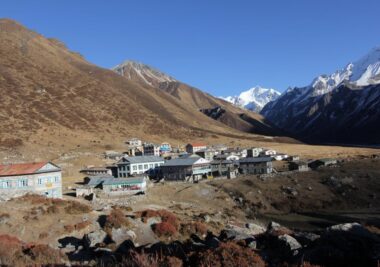
The Langtang Valley Trek in winter is a beautiful way to experience Nepal’s Himalayas away from the busy trekking seasons. From December to February, the Langtang region becomes colder, quieter, and increasingly snow-covered as you gain altitude. Clear winter skies can provide excellent views of Langtang Lirung, Dorje Lakpa, Yala Peak, and surrounding Himalayan peaks.
Unlike the warmer trekking seasons, winter brings freezing nights, shorter daylight hours, icy trails, and the possibility of snowfall at higher elevations. However, with suitable clothing, good planning, and an experienced guide, the trek can be an unforgettable Himalayan adventure.
The trail begins around Syabrubesi at approximately 1,550 meters and gradually climbs through forests and traditional Tamang settlements toward Kyanjin Gompa at around 3,870 meters. Winter conditions become more noticeable above Langtang Village and around the higher parts of the valley.
Is Langtang Valley Trek Possible in Winter?
Yes, the Langtang Valley Trek can be done in winter, but conditions are considerably colder than during spring and autumn.
December generally marks the beginning of the colder period, while January is typically the harshest month. February gradually becomes milder, although high elevations can still experience snow, ice, and freezing temperatures.
The lower sections of the trail can remain relatively manageable during sunny daytime hours, while temperatures drop sharply after sunset. At higher elevations, snow and ice may make walking slower and more demanding.
Winter is therefore best suited to trekkers who are prepared for cold-weather conditions and understand that mountain weather can change quickly.
Why Trek Langtang Valley in Winter?
Winter is not simply a colder version of the regular Langtang trek. It offers a distinctly different experience.
1. Peaceful and Less Crowded Trails
Compared with the popular spring and autumn trekking periods, winter generally attracts fewer trekkers. This means you can experience the valley with a greater sense of solitude.
The quieter environment can make villages, forests, rivers, and mountain viewpoints feel more peaceful.
2. Clear Himalayan Views
Cold, dry winter conditions can produce crisp mountain visibility. On clear days, the surrounding peaks stand out dramatically against deep blue skies.
The views toward Langtang Lirung (7,227 m) and other mountains are particularly impressive from the upper valley.
3. Snow-Covered Landscapes
Snow becomes an important part of the scenery as you climb higher. Forests, meadows, rooftops, trails, and mountain slopes can take on a completely different appearance.
For photographers and travelers who enjoy winter landscapes, this can be one of the most rewarding aspects of trekking in December, January, or February.
4. A Different Cultural Experience
The Langtang route passes through Tamang communities where traditional mountain life remains an important part of the region’s identity.
Because fewer visitors travel through the area during winter, the experience can feel quieter and more personal. Spending evenings inside local teahouses also gives trekkers an opportunity to experience the warmth of Himalayan hospitality during the cold season.
Langtang Valley Winter Weather
Weather changes considerably with altitude. Syabrubesi can feel relatively comfortable during sunny afternoons, while Kyanjin Gompa can experience freezing conditions, particularly overnight.
Typical conditions vary from year to year, so temperature figures should be treated as general planning estimates rather than guaranteed forecasts. Published winter guides place daytime temperatures in the lower sections around the single digits to low teens Celsius, while temperatures at Kyanjin Gompa can remain around freezing or below. Night temperatures at higher elevations can fall well below -10°C during cold periods.
| Area | Approx. Elevation | General Winter Conditions |
|---|---|---|
| Syabrubesi | 1,550 m | Cold mornings and evenings; comparatively mild daytime |
| Lama Hotel | 2,380 m | Colder forest environment with freezing nights |
| Ghoda Tabela | 3,030 m | Increasingly cold with possible frost and snow |
| Langtang Village | 3,430 m | Freezing conditions, particularly at night |
| Kyanjin Gompa | 3,870 m | Very cold; snow and ice possible |
Langtang Valley Trek in December
December is the beginning of winter in Langtang. Early December can still offer relatively accessible trail conditions, while snowfall and icy sections become more likely as the month progresses and especially at higher elevations.
The combination of dry weather and cold temperatures can produce excellent mountain visibility. However, shorter daylight hours mean trekkers should begin their walks early and avoid unnecessarily late arrivals.
At Kyanjin Gompa and higher viewpoints, snow and ice may affect the trail. Trekking poles and appropriate footwear become particularly useful in these conditions.
What Makes December Special?
- Clear winter mountain views
- Lower numbers of trekkers
- Possibility of fresh snow
- Crisp, dry mountain air
- Peaceful teahouse experience
- Excellent opportunities for winter photography
Langtang Valley Trek in January
January is generally the coldest part of the Langtang winter. Snow and ice are more likely at higher elevations, and nights can become extremely cold.
The reward is a quiet Himalayan environment with snowy landscapes and potentially excellent visibility. January trekkers need to be particularly careful about cold exposure, slippery trails, and reduced daylight.
Published guides report temperatures at Kyanjin Gompa dropping well below freezing at night during January, with particularly cold periods reaching around -15°C or lower. Actual conditions can vary substantially depending on weather patterns and snowfall.
For January trekking, a properly insulated sleeping system, warm layers, gloves, a hat, and reliable trekking footwear are essential.
Langtang Valley Trek in February
February continues to be a winter month, but conditions generally begin to transition toward spring later in the month.
Snow can still remain on the upper sections of the trail, particularly around Kyanjin Gompa and higher viewpoints. However, sunny daytime conditions can make trekking more comfortable than during the coldest periods of January.
February can therefore provide a combination of winter scenery, quieter trails, and gradually improving conditions.
Langtang Valley Winter Trail Conditions
Trail conditions are one of the most important factors to consider before starting a winter trek.
The lower trail from Syabrubesi through the forest may remain relatively clear, but shaded sections can become slippery because of frost and frozen moisture. As elevation increases, snow patches and ice become more common.
Around the upper valley, accumulated snow can make route finding more difficult. A trail that is straightforward in autumn can become slower and more demanding after snowfall.
For this reason:
- Walk carefully on icy sections.
- Use trekking poles for additional stability.
- Carry suitable traction equipment when conditions require it.
- Start early to make the most of daylight.
- Check local trail conditions before heading toward higher viewpoints.
- Avoid walking alone when heavy snowfall affects visibility or navigation.
Is Langtang Valley Trek Difficult in Winter?
The standard Langtang Valley Trek is generally considered a moderate Himalayan trek, but winter conditions can make it considerably more challenging.
The main difficulty does not necessarily come from technical climbing. Instead, trekkers have to deal with cold temperatures, snow, icy trails, altitude, shorter days, and potentially changing weather.
A trekker who is comfortable walking several hours a day but has little cold-weather experience should prepare carefully before attempting the route in mid-winter.
Winter difficulty can increase because:
- Snow slows walking speed.
- Ice makes descents more slippery.
- Cold weather increases energy requirements.
- Shorter daylight limits trekking time.
- Higher elevations may have fewer services available.
- Heavy snowfall can temporarily affect trail conditions.
Altitude and Acclimatization
Kyanjin Gompa sits at approximately 3,870 meters, making altitude awareness an important part of the trek regardless of season.
Winter does not eliminate the risk of altitude sickness. Trekkers should ascend gradually, stay hydrated, maintain a sensible pace, and pay attention to symptoms such as headache, dizziness, nausea, unusual fatigue, or difficulty breathing.
Do not continue ascending if significant symptoms develop. Descending to a lower elevation and seeking appropriate medical assistance may be necessary.
Cold weather can also make people less likely to drink enough water, so maintaining hydration is particularly important during winter.
Best Winter Trekking Gear for Langtang
Packing correctly can make a major difference to your comfort and safety.
Clothing
- Thermal base layers
- Fleece or insulating mid-layer
- Warm down or synthetic jacket
- Waterproof and windproof outer shell
- Thermal trousers
- Waterproof trekking trousers
- Warm hat or beanie
- Gloves and an extra pair
- Warm trekking socks
- Neck gaiter or buff
Footwear
Use comfortable, insulated trekking boots with good traction. Waterproof footwear is especially useful when walking through snow or wet sections.
Depending on actual trail conditions, microspikes or crampons may be useful on icy sections. Their necessity should be determined according to current conditions rather than assumed for the entire route.
Sleeping Equipment
A warm sleeping bag appropriate for sub-zero mountain conditions is highly recommended. Lodges commonly provide blankets, but additional insulation can make cold nights much more comfortable.
Other Useful Items
- Trekking poles
- Headlamp
- Sunglasses
- Sunscreen
- Lip balm
- Water bottles
- Water purification method
- Power bank
- Personal first-aid kit
- Basic medications
- Hand warmers
- Waterproof backpack cover
Teahouse Accommodation in Winter
Teahouses along the Langtang route provide an important refuge during cold evenings.
Accommodation and services can be more limited in winter because there are fewer visitors. Heating arrangements may vary between lodges, and some facilities may have limited hot water or electricity.
At higher elevations, freezing temperatures can also affect water systems.
It is therefore wise to confirm accommodation availability before beginning the trek, especially if traveling during January or after significant snowfall.
Food and Water During Winter
You need enough food and fluids to maintain energy in cold conditions.
Typical trekking meals include dal bhat, noodles, rice dishes, soups, pasta, potatoes, eggs, Tibetan-style breads, and other simple meals.
Hot soups and tea can be particularly enjoyable after a cold day of walking.
Remember that dehydration can still occur in winter even when you do not feel very thirsty. Drink regularly throughout the day and carry enough water for each trekking section.
Langtang Valley Winter Trek Safety Tips
Winter trekking requires more conservative planning than trekking during the warmer seasons.
Check the Weather Before Going Higher
Conditions around Kyanjin Gompa and higher viewpoints can change rapidly. Ask local guides or lodge operators about recent snowfall and trail conditions before continuing.
Start Early
Winter daylight is limited. Starting early gives you more time to complete the day’s walk before temperatures fall and visibility decreases.
Trek With an Experienced Guide
A local guide can help assess trail conditions, weather changes, accommodation availability, and route options.
Don’t Underestimate the Cold
Cold exposure can become a serious problem, especially if clothing becomes wet or if you remain outside after sunset.
Be Flexible
Heavy snowfall may make a planned viewpoint or higher section temporarily unsuitable. A flexible itinerary is safer than trying to maintain a fixed schedule at all costs.
Who Should Consider Langtang Trekking in Winter?
The winter Langtang trek can suit trekkers who:
- Enjoy quiet mountain environments
- Want to experience snow in the Himalayas
- Are comfortable with cold temperatures
- Have reasonable physical fitness
- Can adapt to changing trail conditions
- Are willing to carry appropriate winter equipment
- Prefer fewer crowds
Trekkers who dislike freezing temperatures or have no experience preparing for cold mountain conditions may find spring or autumn more comfortable.
Langtang Valley Trek in Winter vs Other Seasons
| Factor | Winter | Spring | Autumn |
|---|---|---|---|
| Crowds | Low | Moderate to high | High |
| Temperature | Cold | Gradually warming | Cool to mild |
| Snow | Common at higher elevations | Possible at high elevations | Less common |
| Mountain visibility | Often very good on clear days | Generally good | Generally excellent |
| Trail conditions | Snow/ice possible | Usually improving | Generally stable |
| Rhododendron flowers | Limited | Excellent | Limited |
| Cold-weather preparation | Essential | Moderate | Moderate |
Spring and autumn remain popular trekking periods because of generally favorable conditions, while winter appeals to travelers specifically seeking cold, snow, solitude, and a different Himalayan atmosphere.
How to Prepare for a Langtang Winter Trek
Preparation should begin several weeks before your departure.
Build your endurance through regular walking, hiking, stair climbing, or cardio exercise. Include longer walks carrying a backpack so your body becomes accustomed to trekking with equipment.
You should also practice layering clothing. Instead of relying on one extremely thick jacket, several adjustable layers allow you to respond to changing temperatures throughout the day.
Most importantly, research current weather and trail conditions shortly before departure. Winter conditions can vary significantly from one year to another.
Final Thoughts
The Langtang Valley Trek in winter offers a quieter and more dramatic side of the Nepal Himalayas. Snow-covered landscapes, clear mountain views, peaceful trails, traditional villages, and the atmosphere of winter make the journey very different from trekking during peak seasons.
December can offer the beginning of the winter transformation, January brings some of the coldest conditions, and February gradually moves toward warmer weather. Throughout the season, preparation is essential.
If you are properly equipped, physically prepared, and willing to adapt to snow, cold, and changing mountain conditions, winter can provide a memorable experience in one of Nepal’s most accessible Himalayan valleys.
Before departure, always check current weather, snowfall, trail conditions, accommodation availability, and local guidance—particularly if your itinerary includes higher viewpoints beyond Kyanjin Gompa.