Crossing the Roof of the World: The Ultimate Guide to High Pass Treks in Nepal
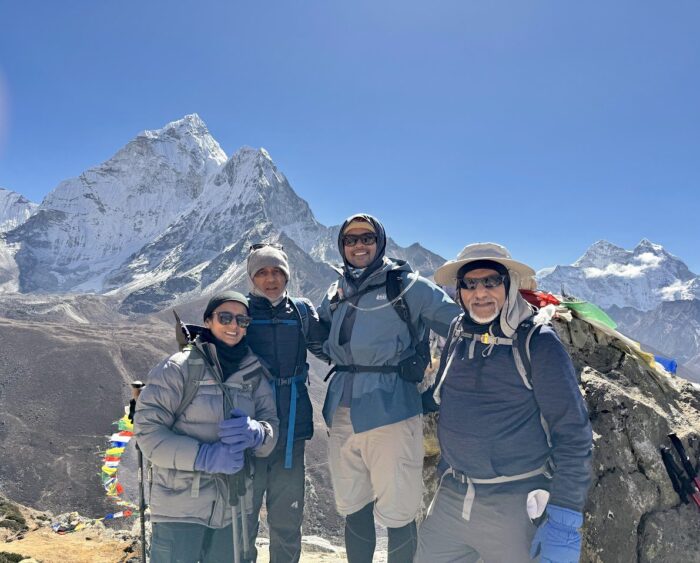
There is a moment on every high pass trek in Nepal when the world falls silent. The wind may still whip at your jacket, prayer flags may snap violently overhead, and your heart may pound from the thin air—but inside, there is a profound stillness. You have reached a place few humans ever stand: a Himalayan pass, or La, where ancient traders once walked and where the mountains seem to touch the sky itself.
Nepal is home to some of the most spectacular high-altitude trekking on Earth. While the classic Everest Base Camp and Annapurna treks draw thousands, the country’s high pass treks offer something deeper—a chance to cross above 5,000 meters, to walk where the air is rare and the views are limitless. These are journeys that test your body, reward your spirit, and leave you forever changed.
This guide explores the best high pass treks in Nepal, from the legendary Everest Three Passes to the remote wilderness of Upper Dolpo. Whether you are a first-time trekker with mountain dreams or a seasoned adventurer seeking your next challenge, there is a pass with your name on it.
What Exactly Is a High Pass Trek?
Before diving into specific routes, it helps to understand what makes a high pass trek different from an ordinary Himalayan journey.
In Nepal, a La (pass) is a route through the mountains—a gap between peaks that connects one valley to another. Historically, these passes served as trade and migration routes. Salt caravans from Tibet crossed them. Pilgrims journeyed through them. Entire cultures developed around their seasonal rhythms.
Today, high pass treks are the most adventurous way to experience the Himalayas. Most involve crossing at least one pass above 5,000 meters—some as high as 5,845 meters. The air at these altitudes contains roughly half the oxygen found at sea level, making every step a physical and mental challenge.
What makes high pass trekking special is not just the altitude. It is the combination of raw mountain scenery, remote villages, ancient monasteries, and the profound sense of accomplishment that comes from standing where the world opens up in every direction. You earn every view.
What Makes These Treks Challenging?
High passes are demanding for several reasons:
-
Altitude: Above 5,000 meters, oxygen levels drop significantly. Proper acclimatization is not optional—it is essential.
-
Terrain: Expect steep ascents, loose scree, glacial moraines, and sometimes snow or ice. Some passes require microspikes or crampons.
-
Weather: Mountain weather changes rapidly. A clear morning can become a blizzard by afternoon.
-
Duration: Pass-crossing days often involve 7 to 10 hours of walking, starting before dawn to avoid afternoon winds.
-
Remoteness: Many high pass regions have limited teahouses or require full camping expeditions.
Despite these challenges, high pass treks are achievable for fit, well-prepared trekkers. The key is choosing the right route for your experience level and committing to proper training and acclimatization.
The Legendary Everest Three Passes Trek
If there is one high pass trek that captures the imagination of adventurers worldwide, it is the Everest Three Passes Trek. This is the ultimate Khumbu experience—a circuit that crosses three legendary passes, visits Everest Base Camp, and climbs iconic viewpoints like Kala Patthar and Gokyo Ri.
The Three Passes
Kongma La (5,535 m) is the highest and most challenging of the three. It connects the Chukhung Valley with the Lobuche area, traversing rocky terrain with views of Ama Dablam, Makalu, and the Khumbu Glacier. The route is often less traveled, offering solitude amid grandeur.
Cho La (5,420 m) is the most famous and technically demanding. It links the Everest Base Camp trail with the Gokyo Valley, requiring a crossing of a glacial section that can be icy and requires careful footing. Microspikes are often necessary. The reward is unforgettable—close views of Ama Dablam, Nuptse, and Cho Oyu.
Renjo La (5,360 m) is the westernmost pass and often considered the most scenic. It connects Thame with the Gokyo Valley, offering panoramic views of Everest, Lhotse, Makalu, and the turquoise Gokyo Lakes below. Unlike Cho La, there is no glacier crossing, making it relatively less technical.
Why This Trek Stands Out
-
Crosses three 5,000-meter passes in a single journey
-
Visits Everest Base Camp (5,364 m) and climbs Kala Patthar (5,545 m)
-
Explores the pristine Gokyo Lakes and climbs Gokyo Ri (5,357 m)
-
Traverses the UNESCO-listed Sagarmatha National Park
-
Offers encounters with Sherpa culture in villages like Namche Bazaar and Thame
Practical Details
-
Duration: 17–21 days
-
Difficulty: Moderately challenging
-
Best For: Experienced trekkers with prior high-altitude experience
-
Permits: Sagarmatha National Park Permit, Khumbu Pasang Lhamu Rural Municipality Permit
-
Cost: Approximately $1,199–$1,499 USD
The clockwise route (Renjo La first) is generally preferred as it aids acclimatization. For those who have already completed Everest Base Camp, the base camp section can be skipped, though it adds only a couple of days.
Annapurna Circuit: The Classic Thorong La Crossing
The Annapurna Circuit is one of the world’s great treks—a journey that circles the entire Annapurna massif and crosses the legendary Thorong La Pass. For many trekkers, this is their first high pass experience, and it remains one of the most rewarding.
Thorong La Pass (5,416 m)
Thorong La is often called the world’s highest trekking pass, and standing at its summit is a milestone moment. The pass connects the Manang Valley with Mustang, transitioning from lush alpine terrain to the arid Tibetan plateau. Prayer flags mark the top, and on clear days, the views stretch from the Annapurna range to Dhaulagiri.
The crossing typically begins before dawn from Thorong Phedi or High Camp, reaching the pass after 4–5 hours of steady ascent. The descent to Muktinath is long but rewarding, passing through dramatic desert-like landscapes.
What Makes the Annapurna Circuit Special
-
Diversity: The trail passes through subtropical forests, terraced fields, alpine meadows, and high desert—all in one trek.
-
Culture: Traditional Gurung, Thakali, and Tibetan-influenced villages offer rich cultural immersion.
-
Sacred Sites: Muktinath Temple is a pilgrimage site for both Hindus and Buddhists.
-
Accessibility: With teahouses at every stage, the circuit is manageable for fit beginners.
Practical Details
-
Duration: 12–14 days
-
Difficulty: Moderate
-
Best For: Beginners to experienced trekkers
-
Permits: ACAP and TIMS Card
-
Cost: Approximately $699–$1,199 USD
One note: road construction has reached Manang, so starting from Dharapani or Chame allows for better acclimatization and a more traditional trekking experience.
Manaslu Circuit: The Remote Larkya La
The Manaslu Circuit is one of Nepal’s best-kept secrets—a restricted-area trek that circles the world’s eighth-highest mountain, Manaslu (8,163 m). Crossing the Larkya La (5,106 m) is the highlight of this wild, culturally rich journey.
Larkya La Pass (5,106 m)
Larkya La is often described as the longest pass day in Nepal—a 9–10 hour journey from Dharamsala to Bhimtang. Despite the length, the ascent is gradual, with only a short steep section near the top. The views from the pass are spectacular: Himlung Himal, Cheo Himal, Kang Guru, and the Annapurna range stretch across the horizon.
Unlike some high passes, Larkya La does not require technical climbing skills. With basic fitness and proper acclimatization, most trekkers can cross successfully.
Why Choose the Manaslu Circuit
-
Restricted Area: The special permit requirement keeps crowds away, preserving the region’s pristine character.
-
Tibetan Culture: Villages like Samagaon and Lho maintain strong Tibetan Buddhist traditions.
-
Diverse Landscapes: From lush forests to alpine meadows to glacial moraines, the scenery constantly changes.
-
Side Trips: Birendra Lake, Pungen Gompa, and Manaslu Base Camp offer rewarding acclimatization excursions.
Practical Details
-
Duration: 10–16 days
-
Difficulty: Moderate (easier than other high passes)
-
Best For: Trekkers seeking remote culture and a manageable pass crossing
-
Permits: MCAP, RAP, and ACAP (must be arranged through a licensed agency)
-
Cost: Approximately $599–$1,049 USD
Langtang Ganja La: The Technical Challenge
The Ganja La Pass (5,130 m) in Langtang National Park is one of Nepal’s most technical trekking passes. Unlike the more straightforward crossings at Thorong La or Larkya La, Ganja La requires crampons, ice axes, and ropes—making it a serious undertaking for experienced trekkers.
Ganja La Pass (5,130 m)
The pass connects the Langtang Valley with the remote Helambu region, traversing a glacier section that demands mountaineering skills. The route from Kyanjin Gompa via Nyengang Kharka takes 7–8 hours, with a steep climb and icy sections requiring careful navigation.
What makes Ganja La unique is its solitude. There are no teahouses for 2–3 days, requiring a full camping setup. This is a true expedition-style trek, perfect for those building experience toward bigger Himalayan objectives.
Why Ganja La Stands Out
-
Technical Challenge: Requires crampons, ice axes, and ropes
-
Remote Camping: No teahouses for several days
-
Combined Regions: Links Langtang and Helambu in one journey
-
Preparation for Bigger Goals: Ideal training for Everest passes
Practical Details
-
Duration: 12–16 days
-
Difficulty: Hard (technically challenging)
-
Best For: Experienced hikers with mountaineering skills
-
Permits: Langtang National Park Permit and TIMS Card
-
Cost: Approximately $1,999–$2,100 USD
Kanchenjunga Circuit: Five Passes, Two Base Camps
The Kanchenjunga Circuit is the ultimate remote adventure in Nepal—a 19–21 day journey that circles the world’s third-highest mountain and crosses five passes above 4,500 meters. This is wilderness trekking at its finest.
The Five Passes
The circuit crosses multiple high passes, including Mirgin La (4,664 m), Sinion La (4,660 m), Sele La (4,600 m), and Lapsang La. The highest point is Pang Pema (5,143 m) at the North Base Camp. Each pass offers unique perspectives of the Kanchenjunga massif and the surrounding eastern Himalayas.
Why Kanchenjunga Is Special
-
Twin Base Camps: Visit both North (Pang Pema) and South (Oktang) base camps
-
Extreme Remoteness: Few trekkers, limited teahouses, pristine wilderness
-
Rich Biodiversity: Home to red pandas, snow leopards, and Himalayan tahr
-
Cultural Depth: Traditional Rai, Limbu, and Tibetan-influenced villages
Practical Details
-
Duration: 19–21 days
-
Difficulty: Hard
-
Best For: Experienced trekkers seeking wilderness and endurance challenges
-
Permits: KCAP and RAP (guided trek mandatory)
-
Cost: Approximately $2,499–$2,700 USD
Upper Dolpo: The Most Remote High Pass Adventure
Upper Dolpo is Nepal’s most isolated high pass trek—a fully camping expedition through a Tibetan enclave that time has forgotten. This is not a trek for beginners. It is a journey for those who seek true wilderness.
Kang La Pass (5,320 m)
The legendary Kang La connects Shey Gompa with the sacred Phoksundo Lake. The crossing takes 6–8 hours, traversing loose scree with panoramic views of the Dhaulagiri range, Kanjiroba Himal, and the Tibetan plateau. There are no technical sections, but the remoteness and altitude make it demanding.
Why Upper Dolpo Is Unique
-
Fully Camping: No teahouses—complete self-sufficiency required
-
Ancient Culture: Bon Buddhist traditions preserved for centuries
-
Shey Phoksundo Lake: Nepal’s deepest and most sacred lake
-
Great Himalayan Trail: Part of the legendary GHT route
Practical Details
-
Duration: 22–24 days
-
Difficulty: Strenuous
-
Best For: Experienced trekkers only
-
Permits: RAP and Shey Phoksundo National Park Permit
-
Cost: Approximately $2,000–$2,900 USD
Nar Phu Valley: The Accessible Kang La
The Nar Phu Valley trek offers a taste of remote Himalayan adventure without the extreme commitment of Upper Dolpo. Crossing the Kang La (5,320 m), this trek combines Tibetan culture, isolated villages, and stunning mountain views in a more accessible package.
Kang La Pass (5,320 m)
The Kang La connects the restricted Nar Phu Valley with the Annapurna Circuit near Ngawal. The ascent from Nar village involves a steep 1,200-meter climb, followed by a sharp descent. The views from the pass include Annapurna I, II, IV, Gangapurna, Tilicho Peak, Dhaulagiri, and Manaslu.
Why Choose Nar Phu
-
Shorter Duration: 10–14 days
-
Teahouse Trek: Unlike Dolpo, teahouses are available
-
Cultural Immersion: Ancient villages of Meta, Phu, and Nar
-
Combination Potential: Can be combined with Annapurna Circuit
Practical Details
-
Duration: 15–18 days
-
Difficulty: Moderate
-
Best For: Trekkers seeking Annapurna off-the-beaten-path adventure
-
Permits: ACAP and RAP
-
Cost: Approximately $1,499–$1,699 USD
Comparison Table: High Pass Treks at a Glance
| Trek | Max Pass | Duration | Difficulty | Cost (USD) | Best For |
|---|---|---|---|---|---|
| Everest Three Passes | 5,535 m | 17–21 days | Moderately Challenging | $1,199–$1,499 | Experienced trekkers |
| Annapurna Circuit (Thorong La) | 5,416 m | 12–14 days | Moderate | $699–$1,199 | Beginners to experienced |
| Manaslu (Larkya La) | 5,106 m | 10–16 days | Moderate | $599–$1,049 | Remote culture, easier pass |
| Langtang (Ganja La) | 5,130 m | 12–16 days | Hard (Technical) | $1,999–$2,100 | Experienced hikers |
| Kanchenjunga Circuit | 5,143 m | 19–21 days | Hard | $2,499–$2,700 | Wilderness endurance |
| Upper Dolpo (Kang La) | 5,320 m | 22–24 days | Strenuous | $2,000–$2,900 | Isolated expedition |
| Nar Phu (Kang La) | 5,320 m | 15–18 days | Moderate | $1,499–$1,699 | Annapurna off-beaten |
How to Choose the Right High Pass Trek
For Beginners
If you have no prior high-altitude experience, the Annapurna Circuit and Manaslu Circuit are your best options. Both cross passes above 5,000 meters but avoid technical terrain. Teahouses are available throughout, and the trails are well-marked. With proper preparation and acclimatization, fit beginners can succeed on either.
The success rate for beginners on these treks is approximately 90%, compared to 50% on more technical routes.
For Experienced Trekkers
If you have prior high-altitude experience, the Everest Three Passes Trek is the ultimate challenge. Crossing three 5,000-meter passes, visiting Everest Base Camp, and climbing Kala Patthar and Gokyo Ri—all in one journey—is an accomplishment few can claim.
For those seeking technical challenges and extreme remoteness, Ganja La, Kanchenjunga Circuit, and Upper Dolpo offer the next level of adventure. These require mountaineering skills, camping experience, and significant mental resilience.
Key Factors to Consider
-
Fitness Level: Can you walk 6–8 hours daily for two weeks?
-
Altitude Experience: Have you trekked above 4,000 meters before?
-
Time Available: Do you have 12 days or 24?
-
Budget: Costs range from $600 to $2,900
-
Comfort Preferences: Teahouses or camping?
-
Cultural Interest: Tibetan Buddhist regions or more diverse areas?
Essential Preparation for High Pass Trekking
Best Seasons
Spring (March–May) and Autumn (September–November) are the ideal seasons for high pass trekking in Nepal. During these months, skies are clear, temperatures are moderate, and trails are dry. Views are spectacular, and the risk of snow blocking passes is minimal.
Winter (December–February) is possible for experienced trekkers but brings extreme cold and potential snow closures.
Monsoon (June–August) is generally not recommended, though Upper Dolpo’s rain-shadow location allows trekking during this period.
Acclimatization: The Golden Rule
Altitude sickness is the greatest risk on high pass treks. Follow these principles:
-
Climb High, Sleep Low: Ascend to higher elevations during the day, then descend to sleep.
-
Limit Daily Gain: Above 3,000 meters, do not increase sleeping altitude by more than 400 meters per day.
-
Take Rest Days: Include acclimatization days at key points (Namche, Manang, Samagaon).
-
Stay Hydrated: Drink 4 liters of water daily.
-
Know the Symptoms: Headache, nausea, fatigue, and loss of appetite are warning signs. Descend if symptoms worsen.
Packing Essentials
| Category | Items |
|---|---|
| Base Layer | Thermal wear, quick-dry underwear, liner gloves, socks |
| Mid Layer | Fleece jacket, trekking pants, moisture-wicking t-shirts |
| Outer Layer | Gore-Tex jacket and pants, down jacket (-14°C rated) |
| Footwear | Trekking boots, gaiters, microspikes, camp shoes |
| Head/Eyes | Beanie, buff, glacier glasses (Cat 4), headlamp |
| Daypack | 32–40L with water bottles, snacks, sunscreen, Diamox |
| Sleep | Down sleeping bag, silk liner, hot pack |
| Pass-Specific | Crampons, ice axe, ropes (for technical passes) |
Permits Required
Most high pass treks require:
-
TIMS Card: For general trekking areas
-
National Park/Conservation Permits: ACAP, Sagarmatha, Langtang, etc.
-
Restricted Area Permits (RAP): For Manaslu, Nar Phu, Upper Dolpo, Kanchenjunga
-
Guides: Mandatory for restricted areas
Restricted area permits must be arranged through licensed local agencies.
Safety Tips for High Pass Crossings
-
Start Early: Begin pass-crossing days before dawn to avoid afternoon winds and weather.
-
Watch the Weather: Turn back if conditions deteriorate. The mountains will still be there.
-
Stay with Your Guide: Never leave the group, especially on technical sections.
-
Use Trekking Poles: They provide stability on steep ascents and descents.
-
Fuel Your Body: Eat nutritious meals and snack frequently.
-
Know Your Limits: There is no shame in turning back. Altitude affects everyone differently.
-
Get Insurance: Ensure your policy covers helicopter evacuation above 3,000 meters.
-
Carry Diamox: Consult your doctor about altitude sickness medication.
Final Thoughts: Why High Pass Treks Matter
High pass trekking in Nepal is more than a physical challenge. It is a journey into the heart of the Himalayas—a chance to walk ancient trade routes, to witness cultures preserved for centuries, and to stand where the world unfolds in every direction.
These treks demand preparation, respect, and resilience. They reward those who earn their views with moments of pure, transcendent beauty. Whether you are crossing Thorong La at sunrise, standing on Kongma La with the Khumbu Glacier below, or watching prayer flags flutter at Kang La, you will carry these memories forever.
The mountains are calling. Which pass will you cross?