Beyond the Summit: The Real Highlights of Everest Trekking
The Moment Everything Changes
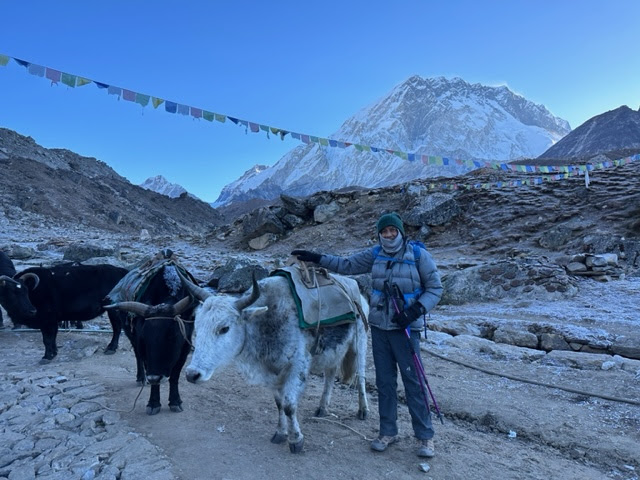
Somewhere above 4,000 meters, the landscape begins to shift. The dense pine forests thin out, the air turns crisp and sharp, and the trail transforms from a pleasant hike into something far more demanding. The chatter that carried you through the lower elevations fades away, replaced by the steady crunch of boots on rocky paths and the sound of your own breathing. This is the threshold. This is where the real journey begins.
Most travelers imagine the Everest Base Camp trek as a single-minded pursuit: reach that famous boulder at 5,364 meters, snap the photo, and declare victory. But the true treasures of this trail aren’t waiting at the finish line. They’re woven into every step along the way—in the villages you pass through, the faces you meet, the quiet moments of reflection that catch you when you least expect them.
Where It All Begins: Kathmandu’s Unforgettable Chaos
Your adventure doesn’t start in the mountains—it starts in the vibrant, chaotic streets of Kathmandu. The city hits you with everything at once: the persistent honk of scooters, the rich smell of spices drifting from street-side stalls, and the ancient temples of Durbar Square standing defiantly amid the hustle of modern life. It’s overwhelming in the best possible way, the perfect place to shed your everyday self before stepping into the wild.
Then comes the flight that separates the dreamers from the doers. The 30-minute hop to Lukla’s infamous runway—perched precariously on a hillside at 2,860 meters—is an adventure in itself. As the plane descends toward that short, sloping strip of asphalt, you’ll understand why this approach makes even seasoned travelers grip their armrests. Consider it your first test of courage. The real one begins the moment you step off the plane.
Namche Bazaar: The Beating Heart of Sherpa Country
Two days of hiking through fragrant rhododendron forests and across suspension bridges draped in colorful prayer flags bring you to a moment you won’t forget. You round a bend, and there it is: Namche Bazaar, a stunning horseshoe-shaped village clinging to the mountainside at 3,440 meters. This is the cultural and commercial hub of the Khumbu region, a place without roads where everything—from building supplies to bottled water—arrives on human backs.
But here’s the delightful surprise: Namche is also home to some of the best bakeries you’ll ever find. The Everest Bakery has become legendary among trekkers, serving up cinnamon rolls and apple pies that taste like five-star dining after days of simple dal bhat. You’ll find yourself lingering over coffee, swapping stories with travelers from across the globe. The Sherpa Museum offers a sobering contrast to this cozy scene, revealing the extraordinary—and often heartbreaking—role local people have played in Everest’s history.
Tengboche: Where the Sky Touches the Spirit
As you climb higher, the landscape grows more dramatic, the peaks more imposing. Then you reach Tengboche, home to the largest and most significant Buddhist monastery in the entire Khumbu region. It’s perched against the staggering backdrop of Ama Dablam, one of the world’s most beautiful mountains, its golden roof and fluttering prayer flags creating a scene of almost spiritual perfection.
Step through the monastery’s doors and you’ll find yourself in a different world. Intricate altars glow with butter lamps, the air is thick with incense, and the deep, rhythmic chanting of red-robed monks fills the space. This is the soul of the region, a place where trekkers often pause not just to rest, but to reflect. And the view? From here, you can see Everest, Lhotse, and Nuptse in all their glory—a 360-degree panorama that feels like a gift from the mountains themselves.
The Khumbu Glacier: A Frozen World
Above the treeline, everything changes. The last of the vegetation disappears, replaced by vast expanses of scree and rock. And then you see it: the Khumbu Glacier, a 17-kilometer river of ice that stretches across the valley like a frozen serpent. It moves so slowly you’d never notice with the naked eye, yet it’s retreating so steadily that scientists watch it with growing concern.
The glacier’s surface is a surreal landscape of blue ice pinnacles and deep crevasses that glow with an almost supernatural light in the afternoon sun. This is where the scale of the endeavor becomes real. The constant rumble of distant rockfalls serves as a stark reminder of the risks faced by those who push for the summit—and the unforgiving nature of this place.
The Hard Truth No One Tells You
Let’s be honest with each other. This trek is not a luxury vacation. It’s a trial. There will be nights when frost forms on the inside of your teahouse window and the pipes are frozen solid. Days when your head pounds from the altitude and every step feels like walking through wet concrete. Moments when you’ll find yourself questioning every decision that led you here—and wondering if you have what it takes to continue.
Some trekkers describe reaching Base Camp as a deeply anticlimactic experience—a “momentary high” that fades quickly when you realize you still have to walk back down the entire route. Others admit to crying on satellite phone calls home. A few confess that if they’d known how brutal it would be, they might never have boarded that plane to Kathmandu.
But here’s the thing: those moments of doubt are part of the experience. They’re where growth happens. They’re what makes the good moments so unforgettable.
Kala Patthar: The View That Makes It All Worthwhile
Here’s a secret that no guidebook quite captures: you can’t actually see Everest from Base Camp. The world’s highest mountain remains hidden behind the bulky mass of Nuptse, teasing you with its absence. For the view you came for, you need to climb higher—specifically, to the summit of Kala Patthar at 5,545 meters.
The ascent begins in the pitch-black hours before dawn. Headlamps bob in the darkness as a line of trekkers picks their way up the rocky slope. The cold is relentless, biting through every layer you’re wearing. It’s punishing. But then, as the first rays of sunlight hit the highest peak on Earth, something magical happens. Everest turns brilliant gold against a sky of impossible blue, and you’re standing above the clouds, surrounded by giants. In that moment, every step of the journey makes perfect sense.
What You’ll Actually Carry Home
But for all the mountain’s majesty, the memories you’ll carry home aren’t really about the mountain at all. You’ll remember the Sherpa porter jogging past you in worn-out flip-flops with two doors strapped to his back, making your heavy backpack seem laughable. You’ll remember the camaraderie of fellow trekkers who reassure you that your splitting headache doesn’t mean you’re dying—you’re just dehydrated, and here, drink this water. You’ll remember the warmth of a teahouse stove where strangers became friends over cups of salty butter tea, exchanging stories and sharing laughter. And most of all, you’ll remember the kindness of people who live at the roof of the world, who welcomed you into their homes and their lives as if you were family.
That’s the real highlight of Everest trekking. Not reaching the foot of the world’s highest mountain. But discovering just how far you can push yourself—and how much kindness exists in the most unlikely of places.
Frequently Asked Questions About Everest Trekking
1. How long does the trek take?
The standard Everest Base Camp trek takes 12 to 14 days round-trip from Lukla, including acclimatization days. Most itineraries follow this breakdown:
-
Lukla to Namche Bazaar: 2 days
-
Acclimatization day in Namche: 1 day
-
Namche to Tengboche: 1 day
-
Tengboche to Dingboche: 1 day
-
Acclimatization day in Dingboche: 1 day
-
Dingboche to Lobuche: 1 day
-
Lobuche to Gorak Shep (Base Camp day): 1 day
-
Kala Patthar ascent and return to Pheriche: 1 day
-
Return trek to Lukla: 3-4 days
Some trekkers opt for a quicker 10-day itinerary, but this increases the risk of altitude sickness. Take your time—the mountains aren’t going anywhere.
2. What’s the best time of year to go?
The two main trekking seasons are:
-
Pre-monsoon (March to May): Clear skies, warmer temperatures, and spectacular rhododendron blooms. This is the most popular time, but trails can be crowded.
-
Post-monsoon (September to November): Crystal-clear views, stable weather, and comfortable daytime temperatures. Many trekkers consider this the absolute best time.
Avoid the monsoon season (June to August)—trails become muddy, leeches appear, and clouds often obscure the mountain views. Winter (December to February) is possible but brutally cold, with temperatures dropping to -20°C at higher elevations.
3. How fit do I need to be?
You don’t need to be an elite athlete, but you do need to be in good physical condition. The trek involves:
-
5-7 hours of walking per day
-
Elevation gains of 300-600 meters on walking days
-
Steep ascents and descents with uneven terrain
-
Walking at high altitude, where oxygen is scarce
Recommended training: Start at least 2-3 months before your trek. Focus on:
-
Cardiovascular fitness: Running, cycling, swimming—anything that gets your heart rate up for extended periods.
-
Leg strength: Squats, lunges, and step-ups to prepare for endless uphill sections.
-
Hiking practice: Carry a weighted backpack on hilly trails to simulate trekking conditions.
-
Stair climbing: If you live in a flat area, find stadium steps or use a stair machine.
4. Do I need a guide and porter?
You are required by Nepali law to hire a licensed guide for the Everest Base Camp trek (as of 2023). This regulation was introduced for safety and to support local employment.
Options include:
-
Full-service guided trek: Includes guide, porter, all meals, accommodation, and logistics. Most expensive but most convenient.
-
Guide only: The guide handles navigation, permits, and cultural interpretation. You carry your own backpack.
-
Guide + porter: The porter carries your heavy gear (usually up to 15-20 kg), leaving you to walk with a daypack.
Going fully independent is no longer permitted on this route. Even before the regulation, most trekkers recommended hiring a guide—they know the terrain, the teahouses, and the early signs of altitude sickness better than any guidebook.
5. What’s the deal with altitude sickness?
Acute Mountain Sickness (AMS) is the single biggest risk on this trek. Symptoms include headache, nausea, dizziness, fatigue, and loss of appetite. Severe cases can lead to High Altitude Pulmonary Edema (HAPE) or High Altitude Cerebral Edema (HACE)—both life-threatening.
The golden rules:
-
Climb high, sleep low: Ascend to a higher elevation during the day, but descend to sleep at a lower altitude.
-
Don’t gain more than 300-500 meters of sleeping altitude per day above 3,000 meters.
-
Take acclimatization days: These are built into every responsible itinerary—don’t skip them.
-
Stay hydrated: Drink 3-4 liters of water daily. Avoid alcohol and tobacco.
-
Know when to turn back: If symptoms worsen, descend immediately. There’s no shame in retreating—the mountain will still be there.
Diamox (acetazolamide) is a prescription medication that can help prevent and treat AMS. Consult your doctor before the trip. However, it’s not a substitute for proper acclimatization.
6. What should I pack?
Pack light but smart. Your porter (if you hire one) can carry up to 15-20 kg, but you’ll carry a daypack with essentials.
Essential clothing:
-
Layering system: Base layers (merino wool), insulating mid-layers (fleece), and a waterproof/windproof outer shell.
-
Down jacket: Essential for evenings and the Kala Patthar ascent.
-
Trekking pants (quick-dry) and warm thermal leggings.
-
Waterproof hiking boots (broken in before the trip).
-
Warm hat, gloves, and buff/neck gaiter.
-
Sunglasses with UV protection (snow blindness is real).
Essential gear:
-
Sleeping bag rated to -10°C to -15°C (teahouses provide blankets but not enough for higher elevations).
-
Headlamp with extra batteries (for early morning starts and dark teahouse dining rooms).
-
Water purification (tablets, filter, or SteriPen—avoid buying plastic bottles).
-
First aid kit including blister treatment, painkillers, and any personal medications.
-
Power bank (charging opportunities are limited and costly at higher altitudes).
-
Trekking poles (reduce knee strain on descents).
7. How much does the trek cost?
Costs vary widely based on your choices:
| Expense | Budget Estimate |
|---|---|
| Permits | $50-60 USD (Sagarmatha National Park + TIMS) |
| Flights (Kathmandu-Lukla) | $300-400 USD round-trip |
| Guide + Porter (per day) | $30-60 USD total |
| Teahouse accommodation (per night) | $10-30 USD |
| Meals (per day) | $30-50 USD |
| Trekking gear rental/purchase | $100-500+ USD |
| Travel insurance | $100-300+ USD |
| Emergency evacuation insurance | Mandatory—ensure it covers helicopter rescue up to 6,000 meters |
Total budget: Expect to spend $1,500-$4,000 USD for a 12-14 day trek, depending on your choices. Budget trekkers can manage on the lower end, while luxury options (private guides, nicer teahouses, helicopter returns) push costs higher.
8. What about food and water?
Food: Teahouses serve a surprising variety of meals. Common options include:
-
Dal bhat (rice, lentil soup, and vegetables)—the trekker’s staple, often with free refills.
-
Noodle soups, fried rice, momos (dumplings), and pasta.
-
Western options: Pizza, pancakes, and even apple pie (the bakeries in Namche are legendary).
-
Breakfast: Porridge, eggs, toast, and Tibetan bread.
Prices increase with altitude—a simple meal that costs $5 in Lukla might be $15 at Gorak Shep.
Water: Never drink untreated water. Options include:
-
Water purification tablets (cheap and effective).
-
SteriPen or filter (good investment).
-
Boiled water (available at teahouses for a small fee).
-
Avoid bottled water—it’s expensive, creates plastic waste, and isn’t always reliably sourced.
9. What’s the accommodation like?
Teahouses are basic but comfortable lodges that line the entire trekking route. Expect:
-
Shared rooms with twin beds (thin mattresses, pillows).
-
Communal dining areas with wood-burning stoves—this is where everyone gathers to eat, drink, and share stories.
-
Toilets: Basic squat toilets (or sometimes western-style) located outside. Toilet paper is rarely provided—bring your own.
-
Hot showers: Available for a fee ($3-6) at lower elevations. At higher altitudes, showers are often cold or unavailable. Baby wipes become your best friend.
-
Electricity: Available for charging (fee applies, and power is limited).
-
Wi-Fi: Available at most teahouses (for a fee), but don’t rely on it—consider this a digital detox.
10. Is it safe for solo travelers?
Yes, the Everest Base Camp trek is generally safe for solo travelers, especially now that guides are mandatory. You’ll also find a strong community of trekkers on the trail—solitude is rare, and you’ll quickly make friends along the way.
Solo traveler tips:
-
Book a guide (now required anyway)—they’ll handle logistics and keep you safe.
-
Join a group—many trekking agencies offer fixed-departure group treks.
-
Stay in popular teahouses—you’ll meet other travelers.
-
Inform someone of your itinerary—share your plans with family or friends back home.
-
Get comprehensive travel insurance that covers helicopter evacuation—non-negotiable.
11. Do I need any special permits?
Yes, you’ll need two permits:
-
Sagarmatha National Park Permit: Around $30-40 USD, available in Kathmandu or at the park entrance in Monjo.
-
TIMS Card (Trekkers’ Information Management System): Around $20 USD. Due to the new guide regulation, this is typically arranged by your trekking agency.
Important: You cannot obtain these permits in Lukla—you must get them in Kathmandu before flying. Your guide or agency will handle this for you.
12. Can I do the trek if I have a medical condition?
This depends entirely on the condition. You should:
-
Consult your doctor well in advance.
-
Discuss the effects of high altitude on your specific condition (heart conditions, respiratory issues, diabetes, etc.).
-
Ensure your insurance explicitly covers your pre-existing condition and high-altitude evacuation.
Be honest with yourself: The altitude puts immense stress on the body. If there’s any doubt about your ability to handle it safely, consider an alternative trek at lower elevations (like the Annapurna Circuit or Poon Hill).
13. What about internet and phone coverage?
You’ll be surprised how connected you can be:
-
Mobile network: Ncell and NTC offer coverage in most villages up to Namche Bazaar. Coverage becomes patchy beyond Tengboche.
-
Wi-Fi: Available at most teahouses for a fee (around $2-5 per hour or $10-20 for unlimited use). Speeds are slow—enough for messaging but not for video calls or streaming.
-
Satellite phones: Available for rent in Kathmandu, but expensive.
Recommendation: Consider this an opportunity to disconnect. Tell loved ones you’ll be out of touch for 10-14 days, and enjoy being fully present in the moment.
14. What’s the environmental impact of the trek?
The Everest region faces significant environmental challenges:
-
Waste: Trekkers generate tons of non-biodegradable waste each year.
-
Deforestation: Firewood for teahouse heating has led to forest loss.
-
Glacier retreat: Climate change is visibly impacting the Khumbu Glacier.
How to trek responsibly:
-
Carry reusable water bottles and treat your own water—avoid single-use plastic.
-
Bring a reusable shopping bag for snacks and supplies.
-
Don’t litter—pack out everything you pack in.
-
Support eco-friendly teahouses that use solar power and alternative energy.
-
Consider offsetting your carbon for the flight to Lukla.
15. What happens if I get injured or sick?
Your guide will be trained in first aid and altitude sickness recognition. For serious emergencies:
-
Helicopter evacuation: Available from most points along the trail. Your travel insurance must cover this—it costs $3,000-$10,000+ without insurance.
-
Medical facilities: There are health posts in Namche Bazaar and Pheriche (run by the Himalayan Rescue Association) with staff trained in high-altitude medicine. They can stabilize patients before evacuation.
In case of emergency: Your guide will coordinate with the nearest health post, your trekking agency, and your insurance provider to arrange evacuation.
16. Do I need to book teahouses in advance?
During peak seasons (March-May and September-November), teahouses in popular stops like Namche, Tengboche, and Dingboche can fill up quickly.
-
With a guide: They’ll usually call ahead to secure rooms.
-
Solo/independent: Book at least a day in advance when possible, especially for higher elevations.
-
Alternative: Start your day’s walk early to arrive before the crowds.
Even if you haven’t booked, you’ll almost always find somewhere to sleep—but it might not be your first choice.
17. Is it worth it?
Let’s end with the question everyone asks but rarely voices aloud.
The honest answer: Yes. But not for the reasons you think.
You won’t find yourself transformed into a different person just because you stood near the world’s highest peak. You won’t suddenly have all your life’s answers. The mountain is indifferent to your personal growth.
What you will find, though, is a profound appreciation for the journey itself—for the kindness of strangers, the resilience of your own body and mind, and the sheer majesty of a world that operates on its own terms, indifferent to human schedules and ambitions.
You’ll find yourself changed in small, lasting ways: more patient, more humble, more aware of your own limits and your own strength. You’ll carry the memory of that golden sunrise on Everest not as a trophy, but as a quiet reminder of what’s possible when you keep putting one foot in front of the other—even when every part of you wants to stop.