Everest Base Camp for Beginners: Your 2026 Success Guide
Is it actually possible for a first-timer to stand at the base of the world’s highest mountain? The short answer is a resounding yes. While the Everest Base Camp Trek is rated as moderate to strenuous, it is essentially a long-distance walk—not a technical climb.
However, for those without prior trekking experience, the “difficulty” often comes from a lack of preparation rather than a lack of ability. Here is how to ensure you are part of the successful majority in the 2026 season.
The “Newbie” Reality Check: 3 Common Hurdles
If you’ve never trekked at high altitude, these are the three factors that will test you the most:
-
The 50% Rule: By the time you reach Everest Base Camp (5,364m), there is roughly 50% less oxygen in the air than at sea level. Your body will feel “heavy,” and even a slight incline can feel like a sprint.
-
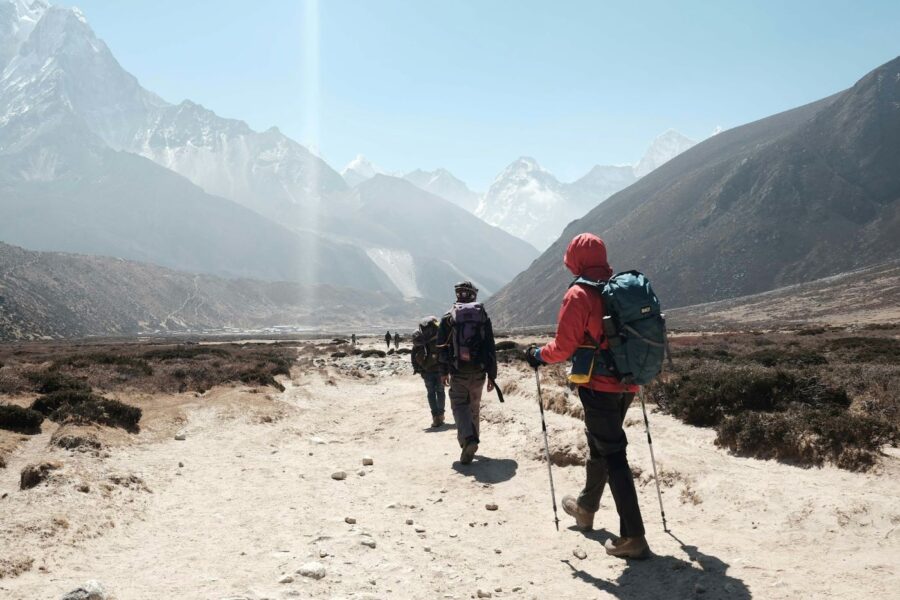
The “Himalayan Flat”: You will walk for 5–7 hours daily over rugged terrain. This isn’t a paved path; it’s a mix of stone steps, loose gravel, and glacial moraine.
-
The Mental Shift: You are trading your home comforts for basic accommodations. This means shared bathrooms, unheated rooms, and limited amenities like Wi-Fi or hot water as you go higher.
2026 Strategy: How to Guarantee Your Success
-
Prioritize “Pace” Over “Power”: In the Khumbu, the local phrase is “Bistari, bistari” (Slowly, slowly). The biggest mistake trekkers make is rushing the first few days. A slow, steady heart rate is the best defense against altitude sickness.
-
Follow the 300-Meter Rule: Once you pass 3,000 meters (just after Lukla and Namche), ensure your itinerary doesn’t increase your sleeping altitude by more than 300–500 meters per night. This is why “rest days” in Sherpa villages are non-negotiable.
-
Invest in “Specific” Training: Don’t just run on a flat treadmill. Your physical preparation should include:
-
The Stairmaster: This is the “secret weapon” for EBC. It perfectly mimics the thousands of stone steps you’ll encounter.
-
Weighted Hikes: Carry a 5–7 kg daypack during your training walks to condition your shoulders and core.
-
Broken-in Boots: Never arrive in Nepal with brand-new boots. Wear them for at least 50km of walking before your flight.
-
Beginner FAQ for 2026
| Question | The Reality |
| Do I need a guide? | As of 2026, guides are highly recommended (and often required for permit processing) for safety and logistics. |
| What about the food? | Stick to the “Sherpa Fuel”—Dal Bhat. It’s fresh, calorie-dense, and much safer than meat, which is often carried for days without refrigeration. |
| Is it too cold? | Night temperatures at Gorak Shep can hit -15°C. A quality -20°C rated sleeping bag and a down jacket are your “life support” gear. |
Standing at the edge of the Tenzing-Hillary Airport in Lukla, the thin air immediately tells your lungs a different story than the one they are used to. You look up, and the jagged, snow-capped giants of the Himalayas aren’t just scenery anymore—they are your reality for the next two weeks. But as you tighten your laces, a question likely lingers: Do I actually have what it takes to reach the foot of Mount Everest?
The Everest Base Camp Trek is arguably the most iconic walk on the planet, but it is far from a stroll in the park. For many first-timers, the true difficulty of the journey remains shrouded in myth. Is it a feat reserved only for elite athletes, or can everyday trekkers with the right physical preparation stand at the base of the world’s highest peak?
In this guide, we’re going to peel back the curtain on the trekking challenges you’ll face—from the lung-burning reality of high altitude to the rhythmic mental grind of the rugged terrain. Whether you are worried about altitude sickness or wondering if your cardiovascular fitness is up to the task, we have you covered.
We aren’t just talking about the walking distance; we’re diving into the mental resilience required to swap luxury for basic accommodations and the endurance needed to cross swaying suspension bridges high above the Dudh Koshi River.
Are you ready to transform your “someday” into a concrete itinerary? Let’s break down exactly what it takes to navigate the weather changes and physical demands of the Khumbu, ensuring your journey to the heart of the Himalayas is as safe as it is unforgettable.
How far can you push your limits when the air begins to thin? When you consider the Everest Base Camp Trek, it’s easy to get lost in the romance of the photos, but the reality is built on a foundation of grit. The difficulty of this journey isn’t found in technical rock climbing; rather, it’s a relentless test of your endurance over a trekking duration that typically spans two weeks of constant movement.
The Reality of the Trail
You aren’t just walking; you are navigating a living, breathing landscape. The rugged terrain of the Khumbu region is a mosaic of steep stone stairways, loose scree, and dusty paths that demand your full attention.
-
The Daily Grind: You will cover a significant walking distance—roughly 130km round trip.
-
Constant Elevation: Expect “Himalayan Flats,” which is a local term for grueling ups and downs that test your leg strength and patience.
-
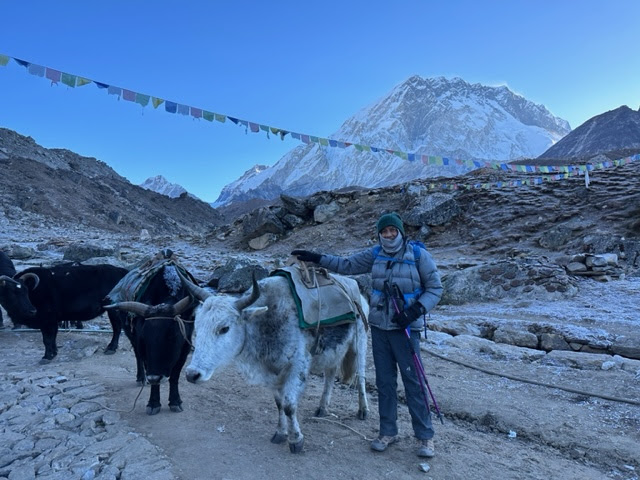
Traffic Jams: You’ll frequently yield the trail to yak caravans and fellow trekkers on narrow ledges.
The Invisible Challenge: High Altitude
The most significant hurdle you will face isn’t the weight of your pack, but the lack of oxygen. As you ascend, the atmospheric pressure drops, making acclimatization the single most important part of your itinerary.
-
Thin Air: At the start in Lukla, you are already at 2,860m. By the time you reach the base of Mount Everest, oxygen levels drop by nearly 50%.
-
Strategic Rest: This is why a professional itinerary includes “rest days” in Sherpa villages like Namche Bazaar. You aren’t being lazy; you are literally teaching your blood how to carry more oxygen.
-
Recognizing the Signs: We prioritize safety by monitoring for early symptoms of altitude sickness, such as persistent headaches or loss of appetite.
Why the Mental Game Matters
Have you ever wondered how you’ll react when the “newness” wears off on day eight? This is where mental resilience becomes your greatest asset. Between the weather changes that can turn a sunny morning into a freezing afternoon and the limited amenities of higher elevations, your mindset dictates your success.
You’ll swap hot showers for wet wipes and high-speed internet for the sound of wind against the teahouse walls. Are you prepared to embrace the discomfort for the sake of the view? Most first-timers find that while their legs do the work, it’s their mental preparation that actually gets them to the finish line.
How do you prepare your body for a world where every breath provides only half the oxygen you’re used to? If you’re eyeing the Everest Base Camp Trek, you’ve likely realized that “winging it” isn’t an option. The secret to a successful summit of the base camp lies in a specialized approach to physical preparation that mimics the demands of the Khumbu.
Building Your “Mountain Engine”
When we talk about cardiovascular fitness, we aren’t just talking about running a fast mile. You need the kind of heart and lung capacity that can sustain a slow, steady incline for six hours straight. Your training should prioritize aerobic efficiency over raw speed.
-
Zone 2 Training: Focus on long, low-intensity sessions where you can still hold a conversation. This builds the mitochondrial health needed for high-altitude endurance.
-
Incline is King: If you don’t have mountains nearby, the “StairMaster” or a treadmill set to a 10–15% grade will become your best friend.
-
Sport-Specific Movement: Nothing beats hiking in your actual trekking gear. Breaking in your boots now prevents a blister-induced disaster later.
Strengthening the Foundation: Leg Strength & Core
Have you considered the impact of descending thousands of stone steps? While climbing is hard on the lungs, the descent is a brutal test of your leg strength and joint stability.
-
Eccentric Loading: Incorporate lunges, step-downs, and weighted squats. These movements strengthen the muscles around your knees, protecting them from the rugged terrain.
-
Core Stability: A strong core helps you balance on uneven paths and carry your daypack without straining your lower back.
-
Weighted Hikes: Gradually increase the weight in your pack during training sessions until you are comfortable carrying 7–10 kg.
The Mental Edge: Beyond the Muscles
Is your mental preparation as sharp as your physical conditioning? On day ten, when the weather conditions turn gray and your legs feel like lead, your mental resilience is what keeps your boots moving forward.
Pro Tip: Train in “bad” weather. If it’s raining or cold, don’t skip your workout. Learning to stay positive when you’re uncomfortable is a skill that will serve you well when you hit a wall at 4,000 meters.
Nutrition and Recovery Strategies
Fueling your training is just as important as the workouts themselves. In the high Himalayas, your body burns calories at a significantly higher rate just to stay warm and breathe.
-
Complex Carbs: These are your primary fuel source for the trail.
-
Hydration Habits: Start practicing “proactive hydration” now. Aiming for 3–4 liters a day during your training prepares your kidneys for the demands of acclimatization.
-
Rest Cycles: Don’t overtrain. Safety starts with a body that isn’t already burnt out before it even reaches Lukla.
Could the logistics of a trip be more famous than the destination itself? In the Everest region, the answer is a resounding yes. Beyond your physical grit, navigating the “uncontrollables”—from the notorious flight to Lukla to the nuances of Himalayan etiquette—is what separates a stressful trip from a life-changing adventure.
Starting with the “Scariest” Flight in the World
Your journey truly begins at the doorstep of the Khumbu. Flying into Lukla is an adrenaline rush like no other, but it requires a flexible mindset.
-
Weather Conditions: The Himalayas create their own microclimates. It is common to experience flight delays due to fog or high winds.
-
Pro Tip: Always build “buffer days” into your itinerary. Expecting the unexpected is the first rule of mountain travel.
-
The Weight Limit: Remember, small planes have strict weight restrictions (usually 10kg for your main kit and 5kg for your daypack). Packing smart is a skill, not a suggestion.
Essential Trekking Gear: Your Life Support System
When you are miles away from the nearest road, your gear is your sanctuary. Are you investing in quality or just buying for the brand name?
-
The Layering System: Weather changes can swing 20 degrees in an hour. You need a moisture-wicking base layer, a warm fleece or down mid-layer, and a windproof/waterproof outer shell.
-
Footwear: Your boots should be waterproof and well-worn before you arrive. Nothing ends a trek faster than a preventable blister on day two.
-
Sleeping Bag: Even with basic accommodations, the rooms are unheated. A -20°C rated bag is your best friend when the sun goes down.
Life in the Teahouses: Amenities and Expectations
What does “basic” actually mean at 4,000 meters? As you pass through iconic Sherpa villages, you’ll stay in local teahouses.
-
Limited Amenities: Expect plywood walls and communal spaces. As you go higher, luxuries like hot showers and charging ports for your phone come with an extra fee.
-
Nutrition and Safety: Stick to the “Trekker’s Rule”—eat fresh, cooked meals. To avoid food poisoning, many veterans skip meat above Namche Bazaar, as all meat is carried up by porters or yaks without refrigeration.
-
Hydration: Use water purification tablets or a filter. Buying plastic bottles is discouraged to protect the pristine environment.
The Power of Local Support: Guides and Porters
Have you thought about who will lead the way? While some attempt the trek solo, hiring professional guides and porters is about more than just carrying a heavy bag—it’s about safety and cultural immersion.
-
Navigation: They know every turn, every bridge, and every shortcut.
-
Health Monitoring: An experienced guide can spot the early signs of altitude sickness before you even realize you’re feeling unwell.
-
Cultural Connection: They bridge the gap between you and the local communities, sharing stories and history you won’t find in any guidebook.
How do you define success when the summit isn’t a peak, but a deeper understanding of your own limits? After the physical grind and the logistical hurdles, the Everest Base Camp Trek ultimately transforms into a psychological expedition. Whether you are joining group tours or trekking with a private team, the final stretch toward the base of Mount Everest is where your mental preparation truly meets the mountain.
Cultivating Mental Resilience on the Trail
Have you ever noticed how your internal monologue changes when you’re tired? In the Khumbu, your mind can be your greatest ally or your most difficult obstacle. Mental resilience isn’t about ignoring discomfort; it’s about acknowledging the trekking challenges and choosing to take the next step anyway.
-
The “Slow and Steady” Mantra: Comparing your pace to others is a trap. Success in the Himalayas belongs to those who embrace a slow, rhythmic cadence.
-
Managing Expectations: You will encounter basic accommodations and perhaps a lack of sleep. Accepting these as part of the “authentic” experience reduces the mental friction of the journey.
-
Focusing on the “Why”: When the wind howls and the air feels thin, reminding yourself why you started—whether for personal growth, a tribute, or the love of adventure—provides an instant boost of endurance.
Group Dynamics and Local Wisdom
Are you prepared for the social side of the trek? One of the most underrated aspects of the Everest Base Camp Trek is the community you build along the way. From sharing stories in Sherpa villages to cheering on your teammates, the “tribe” effect is powerful.
-
Shared Strength: In group tours, the collective energy often pulls individuals through their toughest days.
-
Learning from Guides: Your guides are more than just navigators; they are masters of the mountain psyche. Listen to their stories—they have seen thousands of trekkers succeed and fail, and their wisdom is your best safety net.
-
The Porter Connection: Seeing the incredible strength of the porters as they navigate rugged terrain with heavy loads is often the perspective shift a struggling trekker needs to keep going.
Safety, Health, and the Final Push
As you reach the higher altitudes, your focus shifts from “hiking” to “managing.” Your itinerary has led you here, but your daily habits will get you to the finish line.
-
Monitoring Your Body: Be honest with your team about how you feel. Early intervention for altitude sickness is the difference between a successful trek and an emergency evacuation.
-
Nutrition as Fuel: Even if you lose your appetite—a common side effect of high altitude—forcing yourself to eat calorie-dense nutrition is vital for maintaining your endurance.
-
The Reward: Crossing that final set of suspension bridges and seeing the Khumbu Icefall for the first time is a moment that defies description. It is the point where the difficulty fades and the accomplishment takes over.
Is This Your Year?
Now that you understand the seasonal difficulty and the preparation required, the only question left is: are you ready to commit? The Himalayas don’t demand perfection; they demand presence. With the right preparation strategies and a respect for the mountains, the path to Everest is open to you.
Embracing the Journey: Your Path to the Khumbu
So, where do you stand now that the mist has cleared from the trail? The Everest Base Camp Trek is undoubtedly a formidable challenge, but as we’ve explored, it is one defined by preparation, not just raw talent. From the initial adrenaline of landing in Lukla to the quiet, oxygen-starved moments of acclimatization in high-altitude Sherpa villages, every step of this itinerary is designed to transform you.
The difficulty of reaching the base of Mount Everest is real, but so is the profound sense of safety and accomplishment that comes from following a structured plan. Whether you are a first-timer building your cardiovascular fitness or a seasoned trekker refining your trekking gear, the Himalayas have a way of stripping life down to its most beautiful essentials. You’ll find that the rugged terrain doesn’t just test your leg strength—it builds a level of mental resilience you’ll carry long after you’ve left the mountains behind.
Are you ready to stop scrolling through photos and start breaking in your boots? The trekking duration might only be two weeks, but the impact of standing amidst the world’s highest peaks lasts a lifetime. Whether you choose the camaraderie of group tours or the focused support of private guides and porters, the Khumbu is waiting to tell you its story.