How Difficult Is the Everest Three Passes Trek? Route, Altitude & Preparation Guide
“Mountains are calling!” This popular phrase is often heard in the world of adventure travel. Fortunately, you don’t need to climb a technical peak to experience the thrill of mountaineering. High-altitude pass treks offer an exciting alternative, providing a mini-mountaineering experience without requiring advanced climbing skills. One of the best places in the world to enjoy such an adventure is the Everest region of Nepal.
Home to the world’s highest mountain, Mount Everest, the Everest region features some of the most thrilling trekking routes on the planet. Among them, the Everest Three High Passes Trek stands out as a demanding adventure that tests both physical endurance and mental strength. In this blog, we explore the question many trekkers ask: “How hard is the Everest 3 High Passes Trek?”
Mountains have always symbolized challenge and perseverance. While the literal meaning of a mountain is a high hill often covered with snow, for many people it represents a personal test of determination and courage. Trekkers are naturally drawn to these towering landscapes, eager to reach high elevations and witness the vast Himalayan scenery from above.
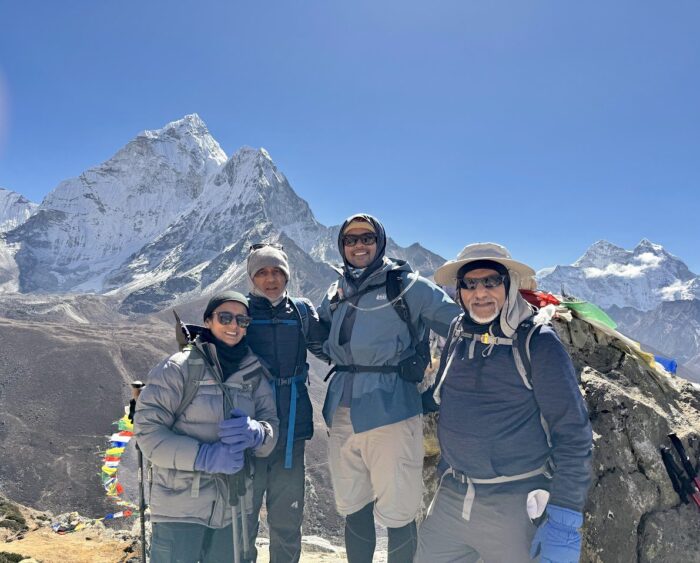
During the Everest Three High Passes Trek, trekkers leave their footprints at Everest Base Camp and travel across remote Himalayan terrain above 5,000 meters. The journey offers a true sense of adventure and often feels similar to peak climbing due to the high altitude and challenging terrain.
Because of these factors, the trek is considered very difficult. However, understanding the trail conditions and preparing properly can significantly reduce the difficulty. With the right preparation, trekkers can complete this incredible journey safely and confidently.
Everest Three Passes Trek Difficulty
“How difficult is the Everest Three Passes Trek?” is a question frequently asked by travelers planning to explore the Everest region. The Everest Three Passes Trek is widely regarded as one of the most adventurous and strenuous trekking routes in Nepal.
During this trek, hikers must cross three major Himalayan passes:
-
Kongma La Pass – 5,535 m (18,154 ft)
-
Cho La Pass – 5,420 m (17,777 ft)
-
Renjo La Pass – 5,360 m (17,580 ft)
These high passes involve steep ascents and descents over rocky trails that are often covered with snow and ice. Because of the slippery and rugged terrain, trekkers need good hiking skills, proper equipment, and strong endurance.
The Everest Three High Passes Trek is also one of the longest and most challenging treks in the Everest region, making it significantly tougher than the standard route to Everest Base Camp.
Highlights of the Everest Three High Passes Trek
Despite its difficulty, the trek rewards travelers with some of the most spectacular mountain scenery in the Himalayas. Along the route, trekkers can enjoy panoramic views of four of the world’s highest mountains:
-
Mount Everest (8,848.86 m)
-
Mount Lhotse (8,516 m)
-
Mount Makalu (8,463 m)
-
Cho Oyu (8,201 m)
Trekkers also visit several iconic locations in the Everest region, including:
-
Ngozumpa Glacier, the longest glacier in Nepal
-
The stunning Gokyo Lakes
-
The panoramic viewpoint Gokyo Ri (5,360 m)
-
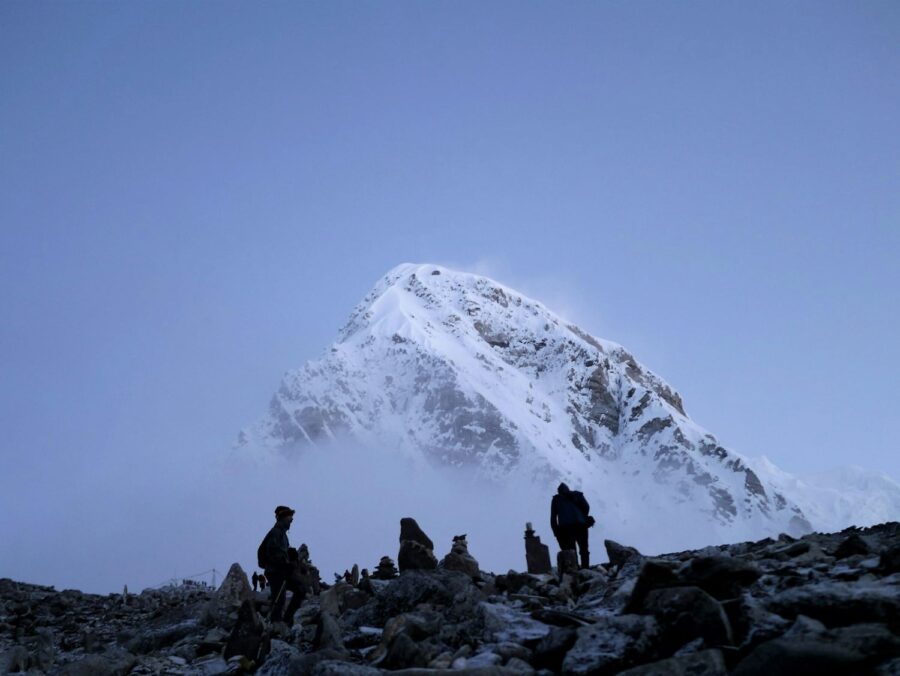
The famous viewpoint Kala Patthar (5,545 m)
-
Traditional Sherpa villages and ancient Buddhist monasteries
Because of the high altitude and long trekking days, the journey requires excellent physical fitness and strong stamina. While previous trekking experience is recommended, determined beginners with proper preparation can still complete the trek successfully.
Trekkers can choose between two route options:
-
Clockwise Everest Three Passes Trek
-
Anticlockwise Everest Three Passes Trek
The choice depends on personal preference, trekking schedule, and the advice of the trekking guide. The itinerary can also be customized depending on the traveler’s available time.
The cost of the Everest Three Passes Trek usually varies based on group size, itinerary length, and services included. Solo travelers can also complete the trek if they plan their itinerary carefully.
Everest Three High Passes Trek Overview
The Everest Three High Passes Trek is one of the most adventurous trekking experiences in Nepal. It is far more than a simple walk in the mountains. The route includes three high mountain passes, visits to Everest Base Camp, and hikes to famous viewpoints.
The main mountain passes of the trek are:
-
Kongma La Pass (5,535 m)
-
Cho La Pass (5,420 m)
-
Renjo La Pass (5,360 m)
In addition to these passes, trekkers explore Sherpa villages, alpine valleys, glaciers, and high-altitude viewpoints. Because the route covers many parts of the Everest region, it is often called the Khumbu Circuit Trek.
Crossing the Himalayan High Passes
The Everest Three Passes Trek is unique because it allows trekkers to cross three major Himalayan passes in a single journey. Because these passes are often covered with snow and ice, trekkers may need equipment such as gaiters and crampons for safe travel.
The high passes can become particularly dangerous during snowfall or bad weather. Trails may become slippery and visibility can be limited, which is why proper preparation and guidance are essential.
For solo travelers, these conditions can pose serious risks. Trekking with an experienced guide is strongly recommended to ensure safety while crossing the high mountain passes.
Everest High Passes Trek Distance and Duration
The Everest Three High Passes Trek is one of the longest and most challenging trekking routes in the Everest region. The total trekking distance is approximately 166 kilometers (Lukla to Lukla), and completing the journey usually requires around three weeks of travel.
Trekkers spend long days hiking through remote Himalayan terrain that includes steep ascents, descents, and glacier crossings. These long trekking days can make the journey physically demanding. Fatigue from continuous hiking at high altitude can also make it harder to reach all the major destinations along the route, which adds to the overall difficulty of the trek.
Physical Fitness and Mental Preparation
Good physical fitness is essential for successfully completing the Everest Three High Passes Trek. Trekkers must walk on rugged, rocky trails for many hours each day, often at high altitude. Strong stamina and endurance are therefore necessary.
Mental preparation is equally important. The trek involves challenging conditions, including high altitude, cold temperatures, and long trekking days. Having strong determination and a positive mindset can help trekkers overcome difficult moments and continue the journey confidently.
Preparing your body with activities such as hiking, running, cycling, or swimming before the trek can significantly improve your endurance and overall trekking experience.
Weather and Temperature Challenges
Weather conditions in the Everest region can change rapidly and are one of the main difficulties of the Everest Three Passes Trek. Within a short period, the weather can shift from sunny skies to cloudy conditions, snowfall, or strong winds.
Sometimes trekkers may need to wait for several hours—or even a full day—to safely cross a high pass due to poor weather conditions. In extreme situations, trekkers may need to avoid a pass and take an alternative route.
Temperatures also vary greatly depending on altitude and weather conditions. In many sections above 5,000 meters, temperatures often drop below freezing, making the environment extremely cold and challenging.
Rugged Terrain and Altitude Sickness
The Everest Three High Passes Trek involves steep ascents and descents along rugged mountain trails. Compared to the standard Everest Base Camp route, this trek is significantly more demanding due to the rough terrain and higher elevations.
Trekkers frequently hike above 5,000 meters, where the risk of altitude sickness increases. Symptoms of altitude sickness can include headaches, dizziness, and fatigue, which can make trekking more difficult. Proper acclimatization, hydration, and a steady pace are essential to minimize these risks.
Challenges for Solo and Independent Trekkers
The Everest Three High Passes Trek can be particularly challenging for solo or independent travelers. Many sections of the trail cross remote high passes that are often covered with snow and lack clear trail markers.
Routes to passes such as Renjo La Pass and Kongma La Pass can sometimes be difficult to navigate, especially during poor weather or snowfall.
Without the guidance of an experienced trekking guide, it may be difficult to find the correct route or respond to unexpected situations. For safety reasons, many trekkers prefer to complete this trek with a professional guide or through a registered trekking agency.
Everest Three High Passes Trek Packing List
Proper gear is essential for a safe and comfortable trekking experience. Below is a recommended packing list for the Everest Three High Passes Trek.
Essential Equipment
-
Trekking backpack
-
Waterproof cover for daypack
-
Water bottles or hydration bladder
-
Sleeping bag rated to -18°C / 0°F
-
Trekking poles
-
Trekking boots
-
Headlamp with extra batteries
-
Lightweight water filter or purification tablets
-
Hand warmers
-
Travel pillow or pillowcase
-
Stuff sacks for organizing gear
-
Sleeping bag liner (optional)
Clothing Layers
-
Moisture-wicking long-sleeve shirts (2)
-
Moisture-wicking short-sleeve shirt (1)
-
Heavy fleece or down jacket
-
Waterproof jacket with hood (Gore-Tex or similar)
-
Windbreaker
-
Rain poncho
-
Fleece pants
-
Trekking pants (2 pairs)
-
Hiking shorts
-
Waterproof pants
-
Thermal base layers (long underwear)
-
Underwear
-
Inner gloves or glove liners
-
Insulated gloves or mittens
-
Sunglasses
-
Broad-brimmed hat
-
Neck gaiter or bandana
-
Wool hat or balaclava for warmth
Everest Three High Passes Trek Route Options: Clockwise or Anticlockwise
The Everest Three High Passes Trek can be completed in two directions: clockwise or anticlockwise.
Clockwise Route
The clockwise route begins from Thame in the western section of the Khumbu Valley. Trekkers first cross Renjo La Pass, then continue to the Gokyo Valley, cross Cho La Pass, visit Everest Base Camp, and finally cross Kongma La Pass.
This route also includes a climb to Kala Patthar, one of the most famous viewpoints in the Everest region.
Anticlockwise Route
Many trekkers prefer the anticlockwise route, which begins from Dingboche and crosses Kongma La Pass first.
Because the weather in the Himalayas is unpredictable, this direction is often considered more practical. If heavy snowfall closes the first pass, trekkers can still continue to Everest Base Camp and Kala Patthar via the main trekking route without crossing the pass.
After a few days, weather conditions may improve, allowing trekkers to cross Cho La Pass and Renjo La Pass later in the journey. For this reason, many trekkers consider the anticlockwise route a safer and more flexible option.
Scenic Viewpoints on the Everest Three High Passes Trek
One of the highlights of the trek is the opportunity to explore several breathtaking viewpoints along the route. These side trips allow trekkers to enjoy spectacular Himalayan scenery during acclimatization or rest days.
Trekkers can explore scenic viewpoints near Dingboche, Gorakshep, Gokyo, and Thame.
Nangkar Tshang View Point
One of the most rewarding acclimatization hikes is to Nangkar Tshang Peak (5,616 m). This viewpoint is located above Dingboche in the Imja Valley.
Most trekking itineraries include a rest day in Dingboche, a well-developed village with several comfortable lodges. During this day, trekkers can hike uphill for a few hours to reach the Nangkar Tshang viewpoint.
From the ridge, trekkers enjoy spectacular panoramic views of several famous Himalayan peaks, including:
-
Mount Lhotse
-
Mount Nuptse
-
Ama Dablam
-
Island Peak
On clear days, the panorama also includes views of Mount Makalu, along with nearby peaks such as Taboche and Cholatse. In the distance, trekkers can also see the Kangtega, Thamserku, and Kwangde mountain ranges.
Near the top of the ridge, there is a small monastery where Buddhist monks sometimes meditate, adding a spiritual atmosphere to this remarkable viewpoint.