Nepal is a trekking paradise that has evolved significantly in 2026. With new safety regulations making licensed guides mandatory for nearly all routes and a strong push toward plastic-free trails, the experience is now safer and more sustainable than ever.
1. Everest Base Camp (EBC) Trek
“The Ultimate High-Altitude Pilgrimage”
-
Duration: 12–14 days
-
Difficulty: Strenuous
-
Highest Point: 5,545m (Kala Patthar)
-
2026 Reality: Trails have been upgraded with better emergency stations at Gorak Shep. Direct flights from Kathmandu often reroute to Manthali during peak months to manage air traffic.
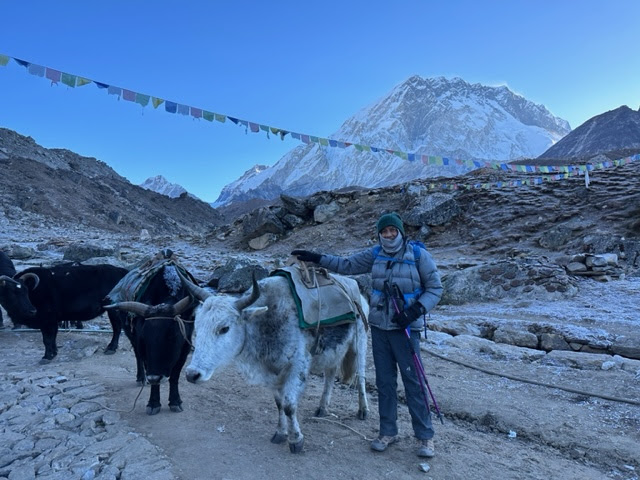
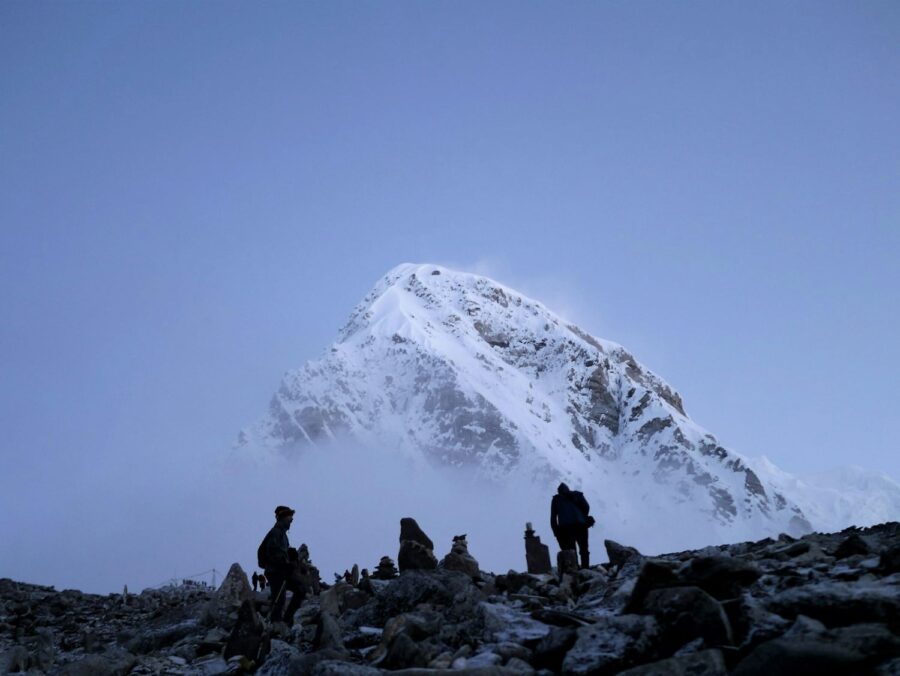
The EBC trek is the gold standard of Himalayan adventure. It’s not just about reaching the foot of the world’s highest peak ($8,848.86m$); it’s a journey through the heart of Sherpa culture. You’ll navigate the bustling hub of Namche Bazaar, seek blessings at the Tengboche Monastery, and witness the sprawling Khumbu Icefall. The sunrise from Kala Patthar offers a 360-degree panorama that remains the most iconic view in mountaineering history.
2. Annapurna Circuit Trek
“The World’s Most Diverse Walk”
-
Duration: 15–20 days
-
Difficulty: Moderate to Strenuous
-
Highest Point: 5,416m (Thorong La Pass)
-
2026 Reality: Many trekkers now start from Chame or Dharapani to avoid newer road sections. The route is famous in 2026 for its “Apple Pie” teahouses and a shift toward eco-conscious lodges that have eliminated single-use plastics.
This trek is celebrated for its incredible transition through climatic zones—from lush subtropical forests and cascading waterfalls to the high-altitude, Tibetan-like plateau of Manang. The ultimate challenge is the pre-dawn crossing of the Thorong La Pass. After the descent, you are rewarded with the spiritual serenity of Muktinath Temple and the relaxing natural hot springs of Tatopani.
3. Langtang Valley Trek
“The Valley of Glaciers”
-
Duration: 7–10 days
-
Difficulty: Moderate
-
Highest Point: 4,984m (Tserko Ri)
-
2026 Reality: Langtang has seen a beautiful recovery following the 2015 earthquake. It is now a top choice for those wanting a remote feel without the long travel times, as the trailhead is just a day’s drive from Kathmandu.
Known as the “Valley of Glaciers,” Langtang offers a more intimate Himalayan experience. You’ll trek through Langtang National Park, home to the elusive red panda, and explore traditional Tamang villages. The cultural heart of the trek is Kyanjin Gompa, where you can sample local yak cheese and hike up Kyanjin Ri or Tserko Ri for stunning views of Langtang Lirung ($7,227m$). It is the perfect blend of high-altitude scenery and rich Buddhist heritage.
2026 Trekking Essentials
-
The “No Solo” Rule: You must hire a licensed guide through a registered agency. This ensures safety and supports the local economy.
-
Permit Update: The TIMS card is being phased out in some regions; instead, you’ll need region-specific permits like the Khumbu Pasang Lhamu Permit ($3,000$ NPR) or the ACAP ($3,000$ NPR).
-
Best Window: You are currently in February, which is cold but offers the clearest skies. Expect nighttime temperatures to drop below -15°C at high altitudes!
Here is the updated rewrite for the final four treks, incorporating the latest 2026 regulations, permit structures, and ground conditions for your current February visit.
4. Kanchenjunga Base Camp Trek
“The Frontier of Eastern Nepal”
-
Duration: 20–25 days
-
Difficulty: Strenuous
-
Highest Point: 5,143m (Pang Pema / North Base Camp)
-
2026 Update: Remains a “Restricted Area” requiring a minimum of two trekkers and a licensed guide. While more teahouses have opened, it still retains its reputation as a “semi-camping” trek due to its extreme remoteness.
For the true adventurer, Kanchenjunga (the world’s third-highest peak at $8,586$m) offers unparalleled solitude. The trek is long and physically demanding, crossing diverse ecosystems from tropical lowlands to glacial moraines. It is famous for its rich biodiversity—keep an eye out for the rare Red Panda in the lower forests. In 2026, it remains the go-to choice for trekkers who find Everest “too busy.”
2026 Quick Reference for Restricted Areas
If you are eyeing Manaslu, Mustang, or Kanchenjunga, remember:
-
Group Size: You need a minimum of 2 trekkers to get the permit.
-
Guides: A government-licensed guide is non-negotiable.
-
Current Month (Feb): Mustang is accessible but very windy; Manaslu and Kanchenjunga passes are currently likely blocked by snow, making them better for late March onwards.
Here is the updated rewrite for the final three treks, along with the “Best Trek” summary, incorporating the latest 2026 ground realities and specific advice for your current stay in Kathmandu.
5. Makalu Base Camp Trek
“The Untouched Giant”
-
Duration: 20–22 days
-
Difficulty: Strenuous
-
Highest Point: 4,870m (Base Camp) / 5,110m (High Camp)
-
2026 Reality: This remains one of the most rugged and “wild” teahouse treks left in Nepal. In 2026, it is celebrated for its deep immersion into the Barun Valley, a pristine sanctuary for rare flora and fauna.
-
Current Note (Feb): Very few teahouses are open right now due to extreme cold and snow. Most agencies recommend this for late March or April when the rhododendrons in the lower Arun Valley begin to bloom.
The trek leads to the foot of Mount Makalu ($8,485$m), the world’s fifth-highest peak. It is a journey of extremes—from the tropical heat of the Arun River to the icy Shipton La Pass ($4,210$m). In 2026, it is the go-to for veteran trekkers who want the grandeur of Everest without a single “tourist crowd” in sight.
6. Helambu Trek
“The Quickest Cultural Escape”
-
Duration: 6–9 days
-
Difficulty: Moderate
-
Highest Point: 3,650m (Tharepati)
-
2026 Reality: Since it is the closest trekking region to Kathmandu, it’s the most “carbon-efficient” choice for 2026. The trail is famous for the unique Hyolmo culture, traditional monasteries, and lush forests.
Helambu is the perfect “beginner’s trek” or a great option if you have limited time. Because the elevation stays relatively low, the risk of altitude sickness is minimal. You’ll walk through the Shivapuri National Park and enjoy spectacular views of the Langtang and Ganesh Himal ranges. Current Tip: This is one of the best treks to do right now in February as it remains accessible when higher passes elsewhere are blocked by snow.
7. Annapurna Base Camp (ABC) Trek
“The natural amphitheater”
-
Duration: 7–11 days
-
Difficulty: Moderate
-
Highest Point: 4,130m (Base Camp)
-
2026 Reality: In 2026, the trail features significantly improved safety infrastructure, including new stone staircases and safer bridges. It is now a plastic-bottle-free zone, with mandatory filtered water stations in every lodge.
The ABC Trek (or Annapurna Sanctuary Trek) takes you into a spectacular 360-degree ring of peaks, including Annapurna I ($8,091$m) and the iconic Machhapuchhre (Fishtail). The journey transitions from terraced rice paddies and Gurung villages to high-altitude bamboo and alpine forests. The final push to Base Camp feels like standing in a giant bowl made of mountains.
Which Trek in Nepal is “The Best” in 2026?
Choosing the “best” depends on what you value most. Here is the 2026 breakdown to help you decide:
| Best For… | Recommended Trek | Why? |
| Icons & Bucket Lists | Everest Base Camp | You get to see the roof of the world. Period. |
| Diversity & Variety | Annapurna Circuit | Transitions from jungle to high-desert in a single loop. |
| Budget & Time | Ghorepani Poon Hill | The fastest way to see an 8,000m peak sunrise. |
| Culture & Serenity | Upper Mustang | Like walking through a living museum of Tibetan history. |
| True Wilderness | Makalu or Kanchenjunga | For those who want to hear nothing but the wind and their own boots. |
| Accessibility Right Now | Helambu | Low altitude makes it safe and beautiful in this February cold. |
Essential 2026 Reminder
As of last year, solo trekking is prohibited for foreigners in most regions of Nepal. Whether you choose Everest or Helambu, you must book through a registered agency and be accompanied by a licensed guide. The old TIMS card has also been replaced by region-specific local government permits in most areas.
8. Manaslu Circuit Trek
“The Pristine Alternative to Annapurna”
-
Duration: 14–18 days
-
Difficulty: Strenuous
-
Highest Point: 5,160m (Larkya La Pass)
-
2026 Update: Now widely considered the best “teahouse” trek for those seeking solitude. Infrastructure in villages like Samagaun has improved, but the route remains strictly regulated to prevent over-tourism.
This trek encircles the world’s eighth-highest peak, Mount Manaslu ($8,163$m). It offers a dramatic transition from subtropical jungles to the high-altitude Larkya La Pass. Culturally, the region is a treasure trove of Tibetan-Buddhist heritage, with ancient mani walls and monasteries that feel untouched by time. In 2026, stricter waste management protocols make this one of Nepal’s cleanest and most ecologically preserved trails.
9. Upper Mustang Trek
“The Forbidden Kingdom of Lo”
-
Duration: 12–14 days
-
Difficulty: Moderate
-
Highest Point: 3,810m (Lo Manthang)
-
2026 Update: Major Change! The old flat-fee permit ($500 USD$) has been replaced with a flexible $50 USD per day fee. This makes shorter 4- or 5-day “Jeep + Trek” combos significantly more affordable this year.
Stepping into Upper Mustang is like entering a different world. Located in the rain shadow of the Himalayas, the landscape is a high-altitude desert of red cliffs and wind-sculpted caves. You’ll trek to the walled city of Lo Manthang to experience a culture that remained closed to the world until 1992. Because it’s in the rain shadow, this is one of the few treks that is actually ideal during the summer monsoon months (June–August).
10. Ghorepani Poon Hill Trek
“The Himalayan Photography Starter Pack”
-
Duration: 4–6 days
-
Difficulty: Easy to Moderate
-
Highest Point: 3,210m (Poon Hill)
-
2026 Update: A new “Green Tourism” initiative in the Annapurna region now requires all lodges to provide filtered water stations, effectively banning plastic bottles on this trail.
Perfect for beginners or those with limited time, this trek offers the highest “reward-to-effort” ratio in Nepal. The highlight is a pre-dawn hike to Poon Hill, where you’ll witness a legendary sunrise over the Dhaulagiri and Annapurna ranges. You’ll walk through some of the world’s largest rhododendron forests, which burst into vibrant pinks and reds if you visit in March or April.