Gokyo Lakes Trek 2026
Gokyo Lakes Trek 2026: Itinerary, Permits, Cost, and Travel Tips
Experience the Serenity: The Ultimate Guide to the Gokyo Lakes Trek
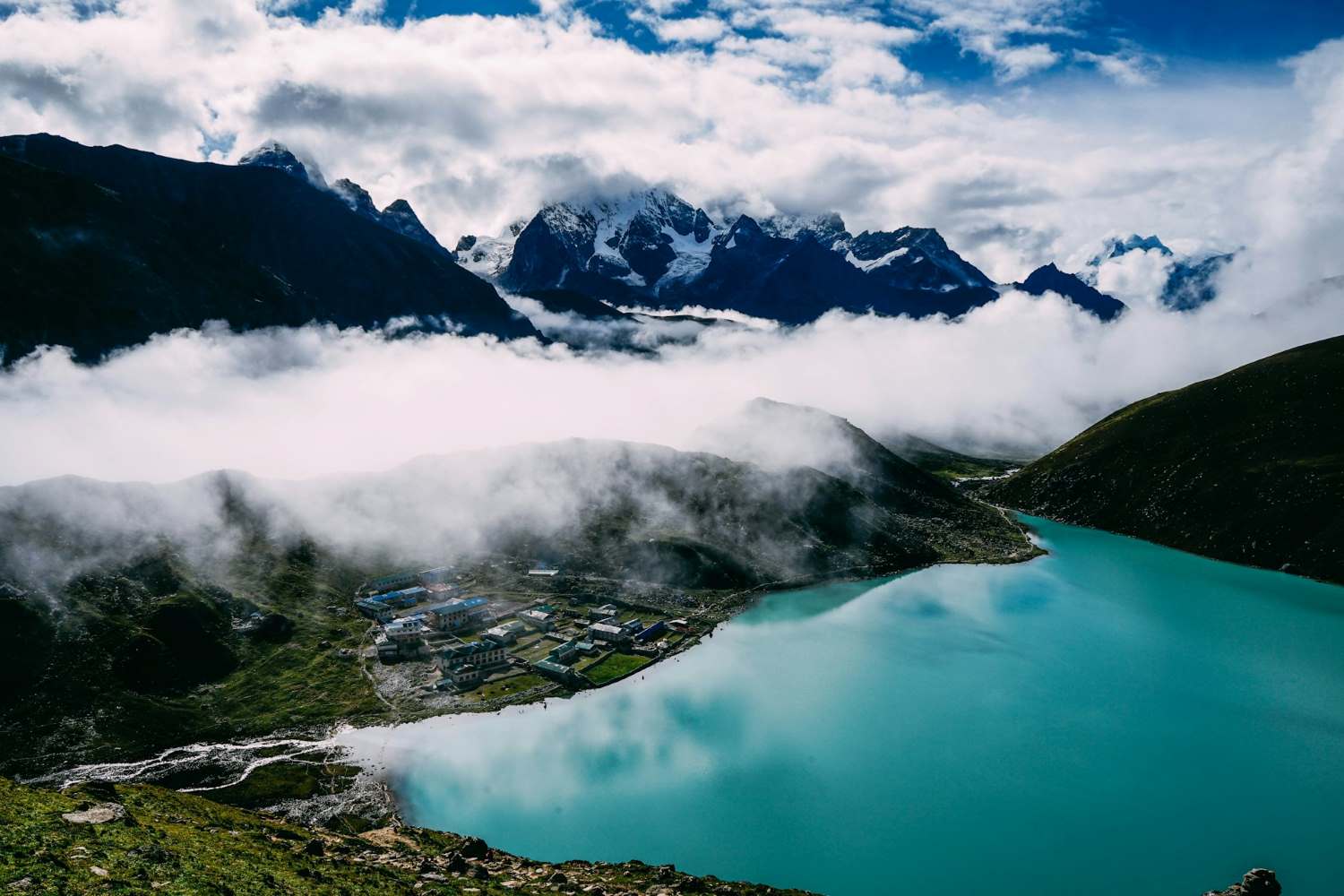
Gokyo lake trek is one of the best kept hidden secret located in Everest region of Nepal. When people think about Everest region they usually think about Everest base camp trek which is the most popular trek in not only Everest but whole of Nepal. This trek is for the people who have already trek through ebc trek and wants to try something new , this will be perfect option for them as in this trek you can get scenic views of gokyo lake which will mesmerize you .In addition to that you will go through various valley located in that region while also visiting monastery while experience their culture as well.
Below are some of the reason that has been provided for you to understand why you should choose this trek
Why Choose Gokyo Over Everest Base Camp?
While both treks share the iconic gateway of Namche Bazaar, the Gokyo route branches off toward the Monjola Pass, leaving the heavy crowds behind. It offers a more tranquil, intimate look at the Himalayas without sacrificing the "Big Four" views.
-
Pristine Waters: Explore six sacred lakes (Ramsar-protected wetlands) ranging from 4,700m to 5,000m.
-
The Big Four: From the summit of Gokyo Ri, you get a front-row seat to Mount Everest, Lhotse, Makalu, and Cho Oyu.
-
Glacial Giants: Walk alongside the Ngozumpa Glacier, the largest in Nepal.
-
Cultural Depth: Visit Khumjung Village to see the school founded by Sir Edmund Hillary and experience authentic Sherpa hospitality.
Quick Trip Overview
| Feature | Details |
| Duration | 12 Days |
| Starting/Ending Point | Lukla |
| Maximum Altitude | 5,357 m (Gokyo Ri) |
| Difficulty Grade | Moderate |
| Accommodation | Traditional Teahouses |
| Best Transport | Scenic flight to/from Lukla |
Trek Highlights & Itinerary Insights
1. The Gateway: Namche Bazaar
Before entering the high Gokyo Valley, you'll spend essential acclimatization time in Namche Bazaar. This vibrant market hub is the perfect place to swap stories with fellow adventurers or hike to nearby villages to see the legacy of Sir Edmund Hillary and Tenzing Norgay.
2. The Valley of Lakes
As you climb higher, the Dudh Kosi river gives way to stony glacial debris and the dazzling turquoise waters of the Gokyo Lakes. While the trek covers the main bodies of water, adding an extra day allows you to reach the 5th and 6th lakes, situated in a high alpine bowl at the base of Cho Oyu (the world’s 6th highest peak).
3. The Ultimate Viewpoint: Gokyo Ri
The climax of the trek is the ascent of Gokyo Ri (5,357 m). It’s a steep climb, but the reward is a 360-degree panorama of ice ridges, massive glaciers, and the highest peaks on Earth.
Pro Tip: If you aren't up for the 5-hour daily hiking average but still want to see these pristine waters, a helicopter tour is a fantastic way to experience the beauty of the Gokyo Valley without the physical strain.
Exploring the Heights: Highlights and Essentials of the Gokyo Lakes Trek
The Gokyo Lakes Trek is more than just a walk in the mountains; it is a journey through the "Sagarmatha National Park" into a world of high-altitude wonders and Sherpa soul.
🏔️ Trek Highlights: Why It’s a Lifetime Experience
Choosing this route offers a unique perspective of the Everest region that the standard base camp trek simply cannot match.
-
The "Big Four" Panorama: Gain a rare vantage point to see four of the world’s fourteen 8,000m peaks: Mt. Everest, Cho Oyu, Lhotse, and Makalu, alongside the jagged silhouettes of Ama Dablam and Thamserku.
-
The Sacred Lakes: Experience the tranquility of the world’s highest freshwater system, including the mesmerizing Longpongo (4,690m) and Taboche Tsho.
-
Glacial Wonders: Traverse the moraines of the Ngozumpa Glacier, the largest glacier in Nepal, and view the massive ice ridge stretching between Gyachung and Cho Oyu.
-
Vantage Points: Scale Gokyo Ri (5,357m) for world-class sunrise and sunset views, and visit "Scoundrel’s Viewpoint" near the fifth lake for a look at the formidable Renjo La Pass.
-
Sherpa Culture: Immerse yourself in the daily rhythms of high-altitude life in traditional villages like Machhermo, Dole, and Khumjung.
🏠 Life on the Trail: Food & Stay
You will stay in local Teahouses (mountain lodges). These offer a cozy, communal atmosphere but provide basic services.
-
Meals: Expect hearty, carbohydrate-rich meals like Dal Bhat, pasta, and potatoes to fuel your climb.
-
Booking: During peak seasons (Spring/Autumn), teahouses fill up fast. It is wise to pre-book or trek with a guide who can secure your spot.
The Definitive Guide to the Gokyo Lakes Trek
The Gokyo Lakes Trek is a journey into the heart of Sagarmatha National Park, offering a serene, high-altitude alternative to the classic Everest routes. From turquoise glacial waters to the "soul" of Sherpa culture, this trek is a masterclass in Himalayan beauty.
🏔️ Why This Trek is a Lifetime Experience
While the Everest Base Camp trek is famous, Gokyo is often considered more scenic.
-
The "Big Four" Panorama: Stand at a unique vantage point to witness four of the world’s fourteen 8,000m peaks: Mt. Everest, Cho Oyu, Lhotse, and Makalu.
-
The Sacred Waters: Explore the world’s highest freshwater system, including the mesmerizing Longpongo (4,690m) and Taboche Tsho.
-
Glacial Giants: Navigate the moraines of the Ngozumpa Glacier—the largest in Nepal—and marvel at the massive ice ridge between Gyachung and Cho Oyu.
-
Vantage Points: Scale Gokyo Ri (5,357m) for 360-degree views, or visit "Scoundrel’s Viewpoint" near the fifth lake for a glimpse of the formidable Renjo La Pass.
-
Sherpa Heritage: Immerse yourself in the rhythms of high-altitude life in traditional villages like Machhermo, Dole, and Khumjung.
🥾 The Challenge: Difficulty & Health
The trek is graded as Moderate. It is physically demanding but requires no technical climbing skills.
-
Physicality: Expect 5 to 6 hours of trekking daily over steep ascents and loose, rocky terrain.
-
Altitude Awareness: With several points above 5,000m, Altitude Sickness is a real risk. Hydration and a slow pace are your best defenses.
-
The "Khumbu Cough": The cold, dry air often causes a persistent chest rattle. Protect your lungs by wearing a buff or mask to humidify the air you breathe.
🔄 Extend Your Adventure
The Gokyo Valley is a perfect hub for those who aren't ready to go home yet:
-
The Three Passes: Challenge yourself by crossing the high passes of the Khumbu for an extreme trekking experience.
-
Everest Base Camp (EBC) Link: Instead of heading back to Lukla, cross the Cho La Pass to connect the Gokyo Lakes with the traditional Everest Base Camp route.
Choosing the right time for your Gokyo Lakes Trek is the difference between a cloud-covered climb and a crystal-clear Himalayan panorama. While the trek is accessible nearly year-round for the well-prepared, each season offers a distinct personality.
🌸 Spring: The Floral Awakening (March – May)
Spring is arguably the most beautiful time to visit the Gokyo Valley. As the winter ice thaws, the trail transforms into a vibrant corridor of color.
-
Temperature: Pleasant daytime highs of 10°C to 20°C; nights remain crisp but manageable.
-
The Draw: Blooming rhododendron forests and wildflowers. The turquoise of the lakes is particularly vivid against the fresh greenery.
-
Visibility: Mornings are typically clear for mountain viewing, though afternoon clouds are common.
-
Vibe: Energetic and social, with moderate foot traffic.
🍂 Autumn: The Gold Standard (September – November)
This is the peak trekking season for a reason. Post-monsoon air is scrubbed clean of dust, providing the sharpest possible views of Everest and Cho Oyu.
-
Temperature: Stable and comfortable, averaging 10°C to 15°C during the day.
-
The Draw: Perfect reflections of 8,000m peaks on the mirror-like surfaces of the lakes. It also coincides with major Nepalese festivals like Dashain and Tihar, adding a cultural layer to your trek.
-
Visibility: Exceptional. This is the best time for photography and high-altitude panoramas from Gokyo Ri.
-
Vibe: Bustling and vibrant; teahouses are at their liveliest.
❄️ Winter: The Frozen Frontier (December – February)
For those who crave solitude and don't mind the bite of the cold, winter turns the Gokyo Valley into a surreal, silent wonderland.
-
Temperature: Extreme. Daytimes struggle to reach 5°C, and nights can plummet to -20°C.
-
The Draw: You will likely have the "world's highest freshwater system" almost entirely to yourself. The lakes often freeze over, creating a stark, dramatic landscape.
-
Visibility: Often the clearest skies of the year due to the dry, cold air.
-
Vibe: Quiet and challenging; requires high-quality cold-weather gear and experience.
🌧️ Monsoon: The Lush Solitude (June – August)
The monsoon brings heavy rains and logistical hurdles, but it rewards the adventurous with a side of the Himalayas few ever see.
-
Weather: Frequent rain, high humidity, and slippery, leachy trails. Flight delays to Lukla are very common.
-
The Draw: The Khumbu becomes an emerald green paradise. Waterfalls are at their most powerful, and the alpine flora is in full glory.
-
Visibility: Limited by fog and mist, though the clouds often "break" for spectacular, moody glimpses of the peaks.
-
Vibe: Very low tourist activity; perfect for those seeking total isolation.
🌡️ Seasonal Snapshot Table
| Feature | Spring | Autumn | Winter | Monsoon |
| Sky Clarity | High (Mornings) | Very High | High | Low |
| Temp (Highs) | 10°C to 20°C | 10°C to 15°C | -10°C to 5°C | 15°C to 22°C |
| Crowds | Moderate | High | Very Low | Minimal |
| Key Perk | Flowers & Lakes | Photography | Solitude | Lush Greenery |
The Gokyo Lakes Trek is a rhythm of high-altitude exertion and teahouse tranquility. While the landscapes change daily—from the lush forests of Dole to the stark glacial moraines of Gokyo—the structure of your day remains a comforting constant.
🌅 Morning: Sunrise and Sustenance
Your day begins in the crisp, thin air of the Himalayas.
-
06:30 – 07:00 AM: Wake up to a hot cup of tea brought to your bedside.
-
The Fuel: A hearty mountain breakfast is essential. Options typically include porridge, pancakes, eggs, or traditional Tibetan bread.
-
08:00 AM: Hit the trail. Early starts are crucial in the Himalayas, as the skies are clearest in the morning, offering the sharpest views of Everest and Cho Oyu before the afternoon clouds roll in.
🥾 Midday: The Rhythm of the Trail
Most days involve 4 to 6 hours of active trekking.
-
The Journey: You’ll navigate suspension bridges, pass grazing yaks, and wind through Sherpa settlements. The terrain shifts from rhododendron forests at lower elevations to the "lunar" rocky landscapes of the high valley.
-
12:00 – 01:00 PM: Stop for a warm lunch at a trail-side teahouse. Dal Bhat (lentil soup and rice) is the go-to for many trekkers as it provides "24-hour power," though noodles and fried rice are always available.
🏔️ Afternoon: Arrival and Acclimatization
By mid-afternoon, you’ll reach your destination for the night.
-
02:00 – 03:00 PM: Check into your teahouse and drop your gear.
-
The "Climb High, Sleep Low" Rule: After a short rest, your guide will likely lead an acclimatization walk. This involves hiking a few hundred meters higher than the village and staying for an hour to help your body adjust to the altitude before returning to the teahouse to sleep.
☕ Evening: Teahouse Culture
As the sun sets and the temperature drops rapidly, life moves indoors to the communal dining hall.
-
06:30 – 07:00 PM: Dinner is served. The dining room, usually warmed by a central yak-dung stove, becomes a hub for storytelling and card games with hikers from around the world.
-
Winding Down: After dinner, you’ll brief with your guide on the next day's elevation gain and weather.
-
09:00 PM: Lights out. With an early start ahead, most trekkers are in their sleeping bags by 9:00 PM to stay warm and rested.
💡 Daily Snapshot
| Activity | Description |
| Pace | Steady and slow (to prevent altitude sickness). |
| Scenery | Glacial rivers, stone-walled villages, and 8,000m peaks. |
| Connectivity | Limited; evenings are for charging devices and reading. |
| Hospitality | Warm Sherpa smiles and endless refills of ginger lemon honey tea. |
Safety First: Navigating the Gokyo Lakes Trek Securely
While the Gokyo Lakes Trek is a bucket-list adventure, trekking to altitudes above 5,000 meters requires more than just a pair of sturdy boots. At Magical Nepal, we prioritize your well-being through expert planning, real-time monitoring, and professional support.
🏔️ Mastering the Altitude: Beating AMS
The greatest challenge on this route is Acute Mountain Sickness (AMS), which can affect anyone regardless of fitness level once you cross the 2,500m mark.
-
Strategic Acclimatization: Our itineraries aren't rushed. We include mandatory rest and "active recovery" days in locations like Machhermo to allow your red blood cells to catch up with the thinning air.
-
The Golden Rules: We move at a Bistaari (slow) pace, prioritize high fluid intake, and maintain a strict "climb high, sleep low" philosophy.
-
Expert Monitoring: Our licensed guides are trained to spot the subtle, early signs of altitude distress—often before you even feel them yourself.
🚁 The Safety Net: Guides and Evacuation
Trekking with a professional team is your ultimate insurance policy.
-
Professional Oversight: You are never alone. Our guides monitor your oxygen levels and heart rate, adjusting the daily pace to match your physical condition.
-
Emergency Protocols: In the rare event of a medical emergency or severe AMS, we coordinate immediate helicopter evacuations.
-
The Importance of Insurance: It is mandatory to have travel insurance that specifically covers trekking up to 6,000m and emergency heli-rescue. Without this, the logistical and financial burden of a rescue can be overwhelming.
🌬️ Weather and Trail Wisdom
The Himalayas are famous for "micro-climates"—where a sunny morning can turn into a localized snowstorm by mid-afternoon.
-
Early Starts: We begin our trekking days at sunrise to ensure we reach the safety of the next teahouse before the unpredictable afternoon winds and clouds roll in.
-
Gear Preparedness: Proper layering is a safety requirement, not a suggestion. We provide detailed briefings on essential kit, from down jackets to waterproof shells, to protect you against hypothermia and frostbite.
🤝 Why You Shouldn't Trek Alone
The Gokyo route is quieter and more remote than the main Everest Base Camp trail. While the solitude is beautiful, it means there are fewer people to help in a crisis. A guide provides:
-
Navigation: Ensuring you don't lose the trail during sudden fog or snow.
-
Communication: Bridging the gap with local teahouse owners and rescue coordinators.
-
Peace of Mind: Allowing you to focus on the scenery while we handle the logistics and safety.
🛡️ Safety Checklist for Your Trek
-
[ ] Insurance: Does it cover search, rescue, and 5,000m+ altitudes?
-
[ ] Fitness: Have you engaged in cardio and strength training 2–3 months prior?
-
[ ] Health: Have you consulted a doctor about Diamox (altitude medication)?
-
[ ] Gear: Do you have a "buff" or mask to prevent the Khumbu Cough?
The Essential Gokyo Lakes Packing List
Packing for the Himalayas is an exercise in the "Layering Principle." Temperatures can swing from 20°C in the sun-drenched valleys to -15°C on the windswept summit of Gokyo Ri.
Here is your streamlined guide to staying warm, dry, and mobile.
👕 Daily Wear: The Three-Layer System
The goal is to manage moisture and trap heat without adding unnecessary bulk.
-
Base Layers: Moisture-wicking thermal tops and bottoms (merino wool is king here) to keep sweat away from your skin.
-
Insulating Layers: A lightweight fleece or "puffy" jacket to trap body heat.
-
Outer Shell: A high-quality, waterproof, and windproof jacket (Gore-Tex or similar) for protection against mountain gusts.
-
Trekking Bottoms: Quick-drying, convertible trekking pants. Avoid denim at all costs—it's heavy and freezes when wet.
-
Head & Hands: * A warm wool/fleece hat that covers your ears.
-
Lightweight liner gloves paired with heavyweight waterproof mittens for the higher altitudes.
-
A Buff or neck gaiter to protect your lungs from the dry "Khumbu Cough."
-
🥾 Footwear: Your Foundation
Your feet are your vehicle; treat them with respect.
-
Hiking Boots: Sturdy, waterproof (Gore-Tex), and thoroughly broken in before you arrive in Nepal. Ankle support is vital for the rocky moraines of the Ngozumpa Glacier.
-
Camp Shoes: Lightweight sneakers or sandals (like Crocs) to wear inside teahouses so your feet can breathe after a long day.
-
Technical Socks: 3–4 pairs of wool-blend hiking socks. Pro tip: Bring one pair of extra-thick "sleeping socks" that never get wet on the trail.
🎒 Technical Gear & Hardware
-
Daypack (25L–35L): To carry your water, camera, layers, and snacks while your main duffel is carried by a porter.
-
Trekking Poles: These are "knee-savers," especially during the long, steep descent from Gokyo Ri.
-
Sleeping Bag: Even in teahouses, blankets can be scarce and the rooms are unheated. A four-season bag (rated to -15°C/0°F) is highly recommended.
-
Hydration: Two 1-liter reusable bottles. Ensure they are BPA-free and can handle boiling water (which can double as a bed-warmer at night).
-
Lighting: A headlamp with extra batteries. You’ll need this for the pre-dawn climb of Gokyo Ri and navigating unlit hallways at night.
-
Electronics: A high-capacity power bank. Charging at high-altitude teahouses is often expensive and solar-dependent.
🧼 Personal Essentials
-
Sun Protection: High-SPF sunscreen, lip balm with UV protection, and Category 3 or 4 sunglasses to prevent snow blindness.
-
First Aid: Include blister kits (Compeed), rehydration salts, and your personal supply of Diamox (after consulting your doctor).
-
Toiletries: Biodegradable wet wipes (your "mountain shower") and hand sanitizer.
Chulu West Peak Climbing 2026: Weather, cost, difficulity, gears, preparation, itinerary, tips
Chulu West Peak Expedition: A Premier Himalayan Climb
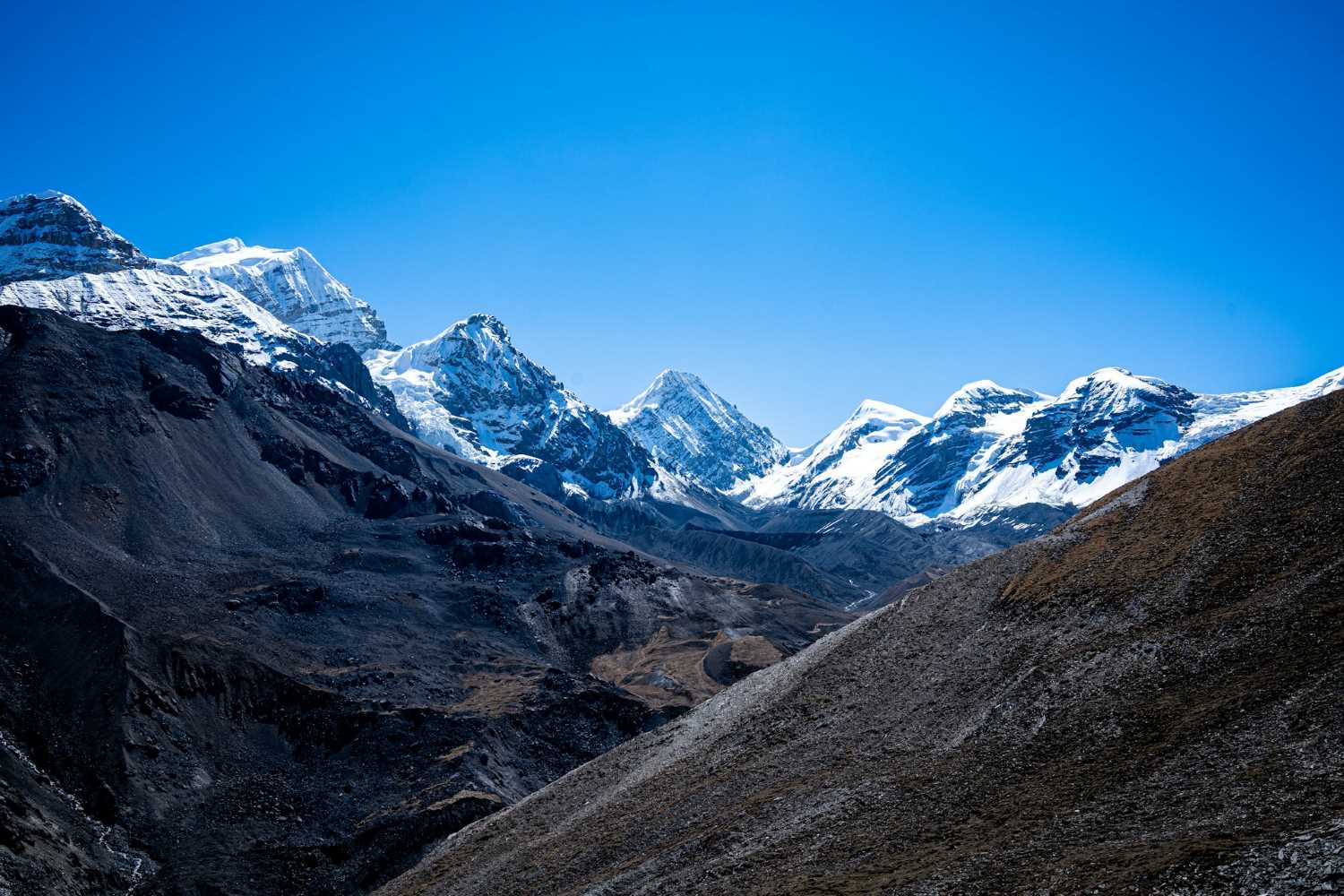
Standing at 6,419 meters (21,059 ft), Chulu West Peak is a standout gem within the Chulu massif, which also includes its East, Far East, and Central counterparts. Located north of Manang and towering above the Ghyanchang Khola, it offers a perfect blend of high-altitude trekking and entry-level mountaineering.
While the climb is not considered highly technical, it is physically demanding. Success requires excellent fitness, stamina, and a solid acclimatization strategy.
The Route to the Summit
The journey follows a well-paced progression to ensure safety and peak performance:
-
The Approach: Your adventure begins with a scenic drive to Besisahar and Danakyu (2,190m). From there, you trek through the classic Annapurna circuit hubs of Chame, Pisang, and Manang.
-
Acclimatization: A mandatory rest day in Manang allows your body to adjust to the thinning air before pushing higher.
-
The Camps: * Base Camp (4,800m): After leaving Yak Kharka, you’ll establish base camp northeast of the village. This stop offers another chance to acclimatize while surrounded by the Annapurna massifs.
-
High Camp (5,550m): A steep scramble over rocky terrain leads to a glacier-side camp. Here, you'll witness spectacular sunrises and undergo essential technical training—mastering crampons, ropes, ascenders, and carabiners.
-
The Summit Push
The final ascent begins under the stars around 2:00 AM. After navigating a rocky trail, you’ll reach the "crampon point" to gear up for the ice and snow. The climb follows the Southeast Ridge, culminating in a triumphant arrival at the peak.
The Reward: A 360 Panorama
From the summit, you are treated to an unparalleled view of the Himalayan giants, including:
-
Annapurna II, III, & IV and Gangapurna
-
Tilicho Peak and Thorung Peak
-
Pisang Peak and the Damodar Himal range
Climber's Note: Though the technical difficulty is moderate, the high altitude and ridge walking require focus and a steady heart.
Chulu West Peak: 17-Day Mountaineering Expedition
At 6,419 meters (21,059 feet), Chulu West stands as a premier objective for climbers seeking an exhilarating challenge in the heart of the Annapurna region. This 17-day itinerary is meticulously designed to balance rugged high-altitude trekking with the technical demands of a Himalayan summit.
Phase 1: Preparation and the Approach
The expedition begins with essential logistics in Kathmandu, securing necessary permits and organizing gear. The journey into the wild starts with a drive to Besisahar, the gateway to the Annapurna circuit. Over the initial days, the trek winds through diverse landscapes—from lush sub-tropical forests to the high-alpine terrain of Pisang and Manang. These traditional villages, inhabited by the Gurung and Thakali people, provide a rich cultural backdrop and vital stops for physical acclimatization.
Phase 2: Establishing Base Camp
Strategic pacing is the core of this itinerary. As you transition toward Chulu West Base Camp (4,900m), the trail becomes increasingly rugged, crossing moraine fields and rocky paths.
-
Acclimatization: Dedicated rest days are built into the schedule to minimize the risk of Altitude Mountain Sickness (AMS).
-
Skills Refresh: These days also serve as a training ground where climbers practice rope handling and gear management before hitting the ice.
Phase 3: Technical Strategy & The Ascent
Chulu West is a "trekking peak" by name, but a true mountaineering feat by nature. The ascent requires:
-
Technical Mastery: Navigating steep snow and ice slopes using crampons, ice axes, and fixed ropes.
-
Environmental Resilience: Weather in the Annapurnas is famously fickle. Climbers must be prepared to adapt their strategy to shifting winds and sudden snowstorms.
Phase 4: The Summit Push
The "Alpine Start" begins in the freezing darkness well before dawn. This final push is a test of endurance, moving steadily toward the summit ridge as the sun begins to illuminate the surrounding giants. Reaching the 6,419m crest rewards you with a staggering 360-degree panorama of the Annapurna Massif, including Annapurna II and III, and the vast, pristine wilderness of the Annapurna Conservation Area.
Expedition Highlights
| Feature | Detail |
| Max Elevation | 6,419m (21,059 ft) |
| Duration | 17 Days |
| Technical Level | PD+ (Peu Difficile+) / Moderate Mountaineering |
| Key Peaks Visible | Annapurna II, III, IV, Gangapurna, Tilicho Peak |
17-Day Chulu West Peak & Thorong La Pass Expedition
This comprehensive itinerary combines the technical thrill of summiting Chulu West (6,419m) with the iconic trek across the Thorong La Pass. It is a journey designed for maximum acclimatization and visual reward.
Phase 1: The Annapurna Approach
-
Day 01: Kathmandu to Chame (2,670m) A full day’s drive via Besisahar. The transition from the bustling city to the lush forests and roaring rivers of the Annapurna region sets the stage.
-
Day 02: Chame to Pisang (3,200m) Trek through dense pine forests and witness the dramatic curve of the Paungda Danda rock face as the Annapurna range comes into view.
-
Day 03: Pisang to Ngawal (3,660m) Take the upper trail for superior views. Ngawal is a beautiful village that provides excellent "climb high, sleep low" benefits for altitude prep.
-
Day 04: Ngawal to Manang (3,540m) A scenic descent into the wide valley of Manang, a vibrant hub of Himalayan culture and a vital stop for trekkers.
-
Day 05: Manang Acclimatization Day Rest and recover. Options include a hike to Gangapurna Lake or visiting the Himalayan Rescue Association (HRA) for a briefing on high-altitude safety.
Phase 2: The Climbing Period
-
Day 06: Manang to Ledar Phedi (4,200m) The trail climbs steadily out of the valley. The air thins as you move toward the alpine meadows of Ledar.
-
Day 07: Ledar to Chulu West Base Camp (4,900m) Leave the main trail and head into the wilderness. Establish your first tented camp surrounded by Annapurna and Gangapurna.
-
Day 08: Base Camp to Camp I (5,100m) A steep move onto the mountain’s flanks. This shorter day allows for gear preparation and rest before the higher camps.
-
Day 09: Camp I to Camp II (5,530m) The terrain becomes more rugged and technical. This high camp serves as the launchpad for your summit bid.
-
Day 10: Summit Day (6,419m) & Return to Camp I The ultimate challenge. An alpine start leads you to the 6,419m summit for a 360° Himalayan panorama. After celebrating, descend safely back to Camp I.
-
Day 11: Contingency Day A vital buffer day reserved for bad weather or extra recovery. If unused, the schedule can be shortened.
Phase 3: The Thorong La Crossing & Descent
-
Day 12: Camp I to Ledar (4,200m) Return to the comfort of tea houses. Enjoy a well-earned meal and a lower altitude for better sleep.
-
Day 13: Ledar to Thorong High Camp (4,880m) Rejoin the classic circuit route, pushing up to the final camp before the pass.
-
Day 14: Thorong La Pass (5,416m) to Muktinath (3,800m) Cross the world’s highest trekking pass. After the grueling climb, descend into the sacred town of Muktinath, a site of deep spiritual significance.
-
Day 15: Muktinath to Jomsom (2,710m) Trek through the wind-swept Kali Gandaki Valley. The terrain shifts to a desert-like landscape reminiscent of the Tibetan plateau.
Phase 4: Journey Home
-
Day 16: Flight: Jomsom to Pokhara A breathtaking morning flight between the Dhaulagiri and Annapurna massifs. Spend the afternoon relaxing by the lake in Pokhara.
-
Day 17: Pokhara to Kathmandu A scenic drive along the Trishuli River brings you back to the capital, concluding your 17-day Himalayan odyssey.
Chulu West Peak: Permits, Timing, and Expedition Highlights
Planning a successful ascent of Chulu West requires a clear understanding of the seasonal costs and the optimal windows for climbing. Below is the breakdown of the permit structure and the best times to go.
Climbing Permits & Fees
The cost of climbing permits for Chulu West is regulated by the Nepal Mountaineering Association (NMA) and varies significantly by season.
| Season | Months | Permit Fee (Per Person) |
| Spring | March, April, May | USD 250 |
| Autumn | September, October, November | USD 125 |
| Winter | December, January, February | USD 70 |
| Summer | June, July, August | USD 70 |
The Best Time to Climb
While permits are cheaper in the "off-season," the weather conditions during Spring and Autumn make them the preferred windows for a safe and successful summit.
1. Spring (March – May): The Mountaineer's Choice
-
Weather: Stable, predictable, and increasingly warm.
-
Visibility: Excellent clarity with clear morning skies.
-
Conditions: Lower risk of heavy snowfall compared to winter, though some snow may remain on the high ridges from the previous season.
2. Autumn (September – November): The Trekker’s Peak
-
Weather: Temperate and crisp. It follows the monsoon, meaning the dust is settled and the air is incredibly fresh.
-
Visibility: Offers the most consistent "crystal-clear" views of the Annapurna massif.
-
Conditions: Cold but manageable temperatures before the deep winter freeze sets in.
Expedition Highlights
A journey to Chulu West is more than just a climb; it is a deep dive into the heart of the Himalayas.
-
Diverse Landscapes: Experience everything from the lush pine forests of Chame to the arid, Tibetan-like terrain of the Kali Gandaki Valley.
-
Cultural Immersion: Visit ancient monasteries, witness mountain Buddhism in practice, and explore the sacred Muktinath Temple.
-
Natural Wonders: Marvel at the turquoise waters of Gangapurna Lake and the massive glaciers that flank the Chulu range.
-
The Scenic Approach: Enjoy the winding drives to Besisahar and Danakyu that transition you from the lowlands to the high peaks.
-
Summit Reward: A unparalleled view of the Annapurna range, Dhaulagiri, and the Damodar Himal.
Essential Gear List for Chulu West Peak
Equipping yourself correctly is the difference between a successful summit and an uncomfortable retreat. The golden rule for Himalayan packing is layering: bringing versatile pieces that can be added or removed as temperatures shift.
You can find all of the following gear for sale or rent in the Thamel district of Kathmandu, though we recommend breaking in your boots before you arrive.
1. Essential Trekking Luggage & Sleep System
-
Duffel Bag (100L–140L): Must be waterproof and durable with a TSA lock. This will hold your main gear and be carried by porters.
-
Daypack (30L–40L): For your daily essentials (water, camera, layers). A model compatible with a CamelBak is highly recommended to keep water from freezing.
-
Sleeping Bag (-20°C / -4°F): Down-filled bags are preferred for their warmth-to-weight ratio. Include a silk or fleece liner for extra hygiene and warmth.
2. Clothing Layers
Upper Body
-
Base Layers: 3x Synthetic t-shirts (moisture-wicking), 2x Merino wool long-sleeves.
-
Mid-Layers: 1x Fleece jacket, 1x Wind shirt.
-
Insulation: 1x Synthetic insulated jacket and 1x heavy Down jacket (for the summit).
-
Head & Hands: Sun hat, fleece hat, "Buff" (for dust/cold), fleece gloves, and heavy insulated gloves.
Lower Body
-
Hiking: 2x Trekking pants, 2x thermal underwear trousers, 1x waterproof shell pants.
-
Footwear: Sturdy trekking boots (broken in!), lightweight camp shoes or slippers, and several pairs of cotton and wool hiking socks.
3. Technical Climbing Gear (Specific to Chulu West)
This specialized equipment is required for the move from High Camp to the Summit:
-
Boots: Double-insulated mountaineering boots.
-
Hardware: Climbing harness, Crampons (fitted to your boots), and an Ice Axe.
-
Technical Tools: Ascender (Jumar), Belay device (e.g., Black Diamond ATC XP), 2x Locking D-shaped carabiners, and non-locking carabiners.
-
Protection: Climbing helmet, snow goggles (UV protection is critical), and high-altitude gaiters.
-
Outer Shell: Synthetic insulated pants and a waterproof shell jacket.
4. Miscellaneous & Health
| Item | Why you need it |
| Water Treatment | Steripen, Iodine, or Chlorine tablets (plus juice powder to mask the taste). |
| Sun Protection | SPF 40+ Sunscreen and Lip Balm (high-altitude sun is intense). |
| Hygiene | Body wipes, dry camp towel, hand sanitizer, and toilet paper. |
| First Aid | Diamox (altitude), Imodium (stomach), Ibuprofen, and throat lozenges. |
| Electronics | Headlamp with extra batteries, Power bank (solar chargers work well), and Camera. |
| Comfort | Earplugs (for noisy tea houses) and a Pee-bottle (to avoid cold midnight trips outside). |
Pro-Tip: The Zip-Lock Method
Use various sizes of Zip-lock bags to organize your duffel. They keep your clean clothes dry, separate your "smelly" laundry, and make finding small items like chargers or meds much easier in a dark tent.
Chulu West Peak Climbing: The Ultimate 2026 Expedition
Rising from the Damodar Himal Range within the pristine Manang Valley, Chulu West Peak (6,419m) stands as one of the most prestigious trekking peaks in the Annapurna Region. While classified as technically straightforward, its steep summit ridge and high altitude make it a formidable challenge that rewards climbers with a true Himalayan mountaineering experience.
Chulu West is the ideal "stepping stone" for mountaineers aiming for future 7,000m and 8,000m expeditions, offering a perfect environment to hone high-altitude stamina and technical skills.
Why Choose Chulu West?
-
A "True" Mountain Experience: Navigating rugged rock faces and frozen ice fields requires focus, caution, and physical grit.
-
The Gateway to Wilderness: The trail winds through the Marsyangdi and Manang valleys, where lucky trekkers may spot rare wildlife like the Red Panda, Musk Deer, or Himalayan Black Bear.
-
Cultural Grandeur: Immerse yourself in the admirable traditions of the local ethnic communities, visiting ancient monasteries and remote high-altitude villages.
-
Surreal Landscapes: From lush green forests and vibrant floral blooms to the stark, dramatic glaciers of the Annapurna massif, the scenery is constantly evolving.
Preparation for the 2026 Season
Climbing at 21,000+ feet demands more than just enthusiasm; it requires a disciplined approach to preparation:
-
Physical Endurance: Focus on cardiovascular health and strength training. You must be comfortable walking 6–8 hours a day on uneven, steep terrain.
-
Mental Fortitude: High-altitude environments are unpredictable. Being mentally prepared for isolation, changing weather, and the thin air of the "death zone" periphery is essential for a safe trip.
-
Acclimatization: Success on Chulu West is built on a slow, steady ascent. Never underestimate the power of the altitude.
Seasonal Guide: When to Climb
The window for a successful summit is narrow. For the 2025/2026 seasons, we recommend the following periods:
| Season | Months | What to Expect |
| Spring | March – May | Vibrant blossoms, warmer climbing temperatures, and crystal-clear glacial lakes. |
| Autumn/Early Winter | Sept – Early Dec | Stable weather, fresh post-monsoon air, and the most dramatic views of the snow-capped Chulu range. |





